Industry Briefing
A single destination for timely, editor-curated robotics news from around the world.
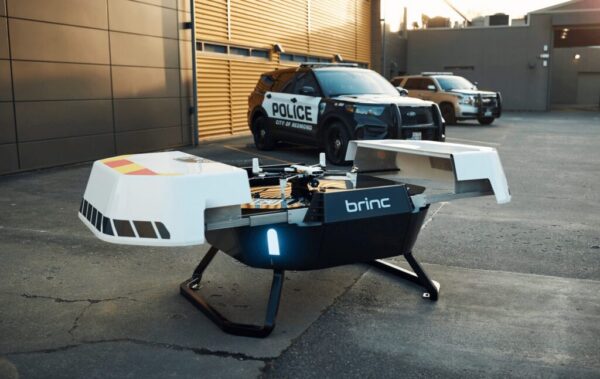
BRINC Secures $125 Million Funding Round Led by Motorola Solutions for Public Safety Drones
BRINC, a Seattle-based public safety drone manufacturer, announced on July 14, 2026, that it has secured a $125 million financing round led by Motorola Solutions. This investment raises BRINC's total capital to over a quarter billion dollars and aims to deploy a BRINC 911 response drone at every police and fire station across the U.S., targeting 80,000 facilities. The funding will enable BRINC to expand its domestic manufacturing, launch new products, and scale its go-to-market operations. The company plans to move into a facility three times the size of its current factory by the end of 2026 to meet the increasing demand from public safety agencies. In 2025, BRINC tripled its revenue and quintupled its monthly production capacity, signing nearly four times as many contracts for 911 response drones in 2026 compared to the previous year. Looking ahead, BRINC's founder Blake Resnick emphasized the importance of situational awareness in emergencies, stating that their drones provide critical information before first responders arrive. The company is also collaborating with the National League of Cities for a nationwide rollout of drone first response (DFR) initiatives. No further timeline was disclosed at the time of publication.
DFR Drone News Drone News Feeds News Public Safety 80000 stations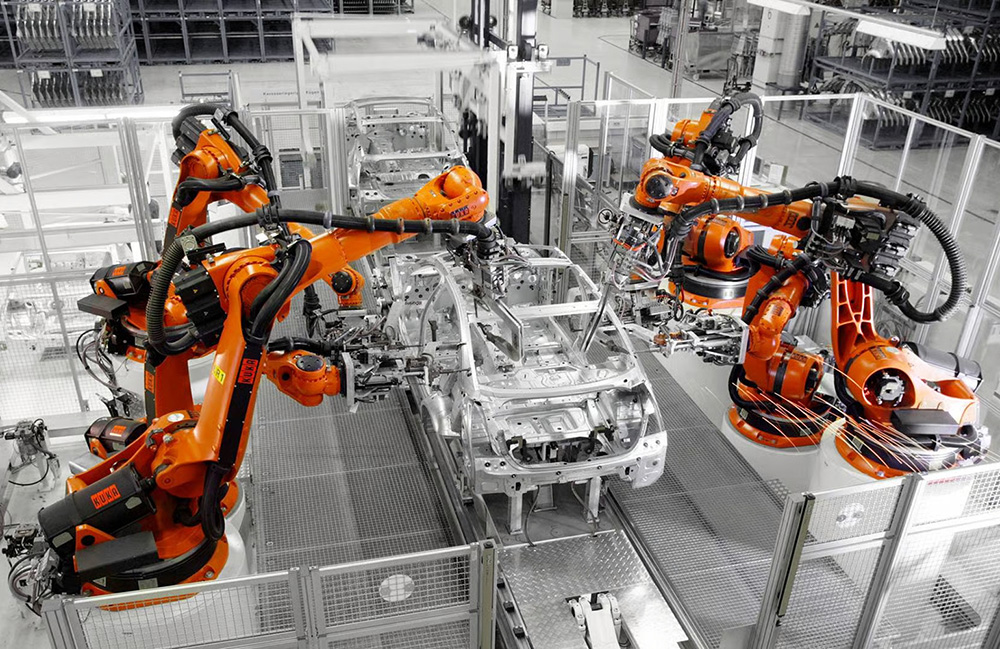
KUKA Addresses Upcoming ISO 10218:2025 Robot Safety Standards and Market Implications
KUKA, a leading robotics provider for the automotive sector, is responding to increasing inquiries regarding the updated ISO 10218 safety standard. This standard, which will become mandatory under the new European Machinery Regulation by 2027, is crucial for CE-marked industrial robots. The transition may be delayed due to weak manufacturing demand and cost pressures on SMEs, raising concerns about supplier readiness. The significance of the ISO 10218:2025 update lies in its potential to enhance the competitive position of established vendors while posing market access risks for less prepared suppliers. The current Machinery Directive will be replaced by the Machinery Regulation EU 2023/1230, effective January 20, 2027. However, the timeline for the formal listing of the new standard in the Official Journal of the European Union remains uncertain, which could impact compliance timelines for manufacturers. In the U.S., the updated R15.06-2025 safety standard, released in September 2025, aligns with international standards but remains voluntary. Despite this flexibility, major customers often require compliance, and non-adherence can lead to penalties. As the European market faces subdued demand, suppliers that effectively manage the transition to the new safety standards will be better positioned to meet the needs of a safety-conscious customer base as demand recovers.
Manufacturing News Opinion Regulatory & Compliance Safety & Security association for advancing automation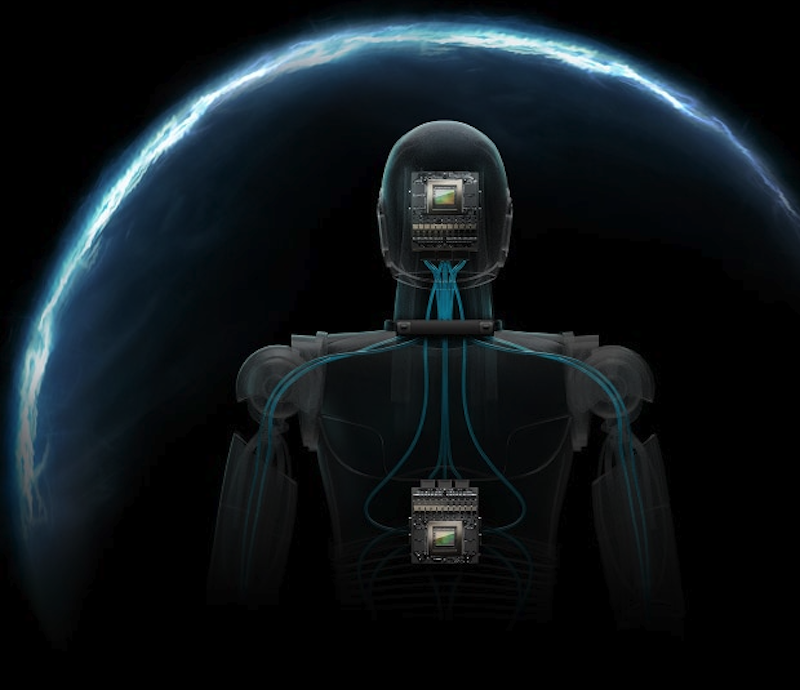
FORT Robotics Enhances AI Safety with Nvidia Halos at Automate Conference
FORT Robotics has joined the Nvidia Halos for Robotics ecosystem to enhance safety for autonomous robots. The company will showcase its agentic safety application, developed using the Nvidia Halos Outside-In Safety Blueprint, at the Automate conference in Chicago. This innovative solution utilizes external infrastructure sensors and visual AI agents to provide real-time, safety-certifiable functional safety, significantly improving operational efficiency in dynamic environments. The collaboration is significant as it addresses the limitations of traditional inside-out functional safety systems, which rely solely on onboard sensors. By integrating Nvidia's IGX Thor and Holoscan Sensor Bridge, FORT's solution allows robots to operate safely alongside human workers in high-efficiency modes. This adaptability is crucial for modern warehouses and factories, where environments are constantly changing, and safety frameworks must evolve to protect workers effectively. Looking ahead, FORT's integration with Nvidia Halos is expected to provide substantial value to customers in warehousing, manufacturing, and other automated sectors. The Outside-In Safety framework aims to prevent safety incidents in mixed human-robot environments, optimizing processes like inventory replenishment and product assembly. No further timeline was disclosed at the time of publication.
Artificial Intelligence Industry ai automation Autonomous robots fort robotics
Commercial UAV Expo Launches DRONERESPONDERS Training for Public Safety Applications
The Commercial UAV Expo has introduced a new two-day program management training course as part of its Public Safety Summit. This initiative focuses on various applications of drones in public safety, including their use as first responders, in fire services, crash-scene management, and shared-airspace operations. The course will also feature a two-part session discussing counter-UAS strategies learned from the 2026 FIFA World Cup. This new training program is significant as it addresses the growing integration of drones in emergency response and public safety sectors. By equipping program managers with specialized knowledge, the initiative aims to enhance operational efficiency and safety in critical situations. The inclusion of counter-UAS lessons from a major international event like the FIFA World Cup underscores the importance of preparedness in managing drone-related challenges. Looking ahead, the next milestone for the Public Safety Summit will be the execution of this training course, scheduled to take place soon. No further timeline was disclosed at the time of publication, but the program's launch indicates a proactive approach to improving drone operations in public safety contexts.
Federal Agencies Move Quickly to Turn SAFER SKIES Act Into Operational Reality
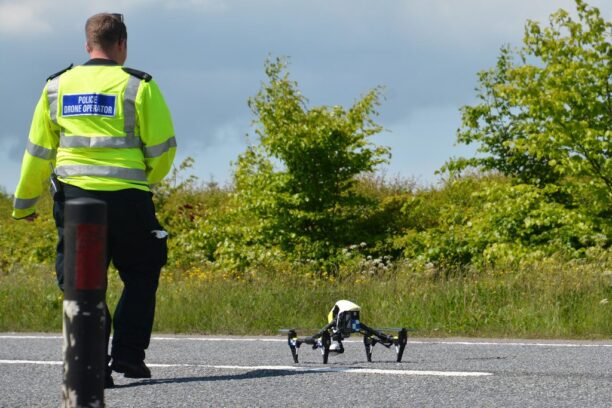
New DOJ/DHS rule and coordinated FCC actions establish the legal, technical, and spectrum framework for trained state and local agencies to deploy counter-drone systems The federal government’s expansion of state and local counter-drone authority took a major step forward this week as the Department of Homeland Security (DHS), Department of Justice (DOJ), and Federal Communications […] The post Federal Agencies Move Quickly to Turn SAFER SKIES Act Into Operational Reality appeared first on DRONELIFE.
Applications C-UAS Drone News Drone News Feeds emergency response Feature 1
Canada to buy Polish drones, deepen defense ties by leveraging EU SAFE funds
In December, Canada achieved a significant milestone by becoming the only non-European nation to join the €150 billion SAFE defense borrowing and procurement scheme. This strategic move allows Canada to access vital defense resources and funding, enhancing its military capabilities and fostering closer ties with European allies. The decision reflects Canada's commitment to strengthening its defense infrastructure amid evolving global security challenges. By participating in the SAFE initiative, Canada aims to bolster its defense procurement processes and ensure readiness in an increasingly complex geopolitical landscape.
Global artillery canada Drones Europe European union
Sonair ADAR One 3D ultrasonic sensor is now safety-certified
Sonair has announced that its ADAR One 3D ultrasonic sensor has received safety certification as a human detection sensor, meeting the IEC 61496 standard for electrosensitive protection devices. This certification underscores the sensor's reliability and effectiveness in ensuring safety in various applications. The assessment reflects Sonair's commitment to adhering to international safety standards, enhancing the credibility of its technology in the market. The announcement marks a significant milestone for the company, as it aims to expand the use of its advanced sensor technology in diverse sectors.
Artificial Intelligence Artificial Intelligence / Cognition Design / Development Logistics Manufacturing Mobility / Navigation
BRINC Partnership Gives Public Safety Agencies an “Immediate Upgrade” in Incident Intelligence
BRINC, a manufacturer of drones for public safety, has formed a partnership with Nova Software Company to enhance aerial mapping and data analysis for first responders. This collaboration aims to provide public safety agencies with advanced capabilities, enabling them to utilize BRINC drones for improved incident intelligence. The integration of Nova's software will allow these agencies to transform aerial data into actionable insights, significantly upgrading their operational efficiency. This initiative underscores the growing importance of technology in emergency response, as agencies seek innovative solutions to enhance their effectiveness in critical situations. The partnership represents a strategic move to equip first responders with the tools necessary for better decision-making and situational awareness in the field.
Applications Drone News Drone News Feeds emergency response Featured – Safety and Security Fire and Police
Fennec Engineering earns T2 qualification for Advanced Safety Acceleration Platform
Fennec Engineering has achieved a significant milestone by securing certification for its automated traceability platform, which has been recognized for meeting stringent safety standards. This certification, known as T2 qualification, underscores the company's commitment to advancing safety in engineering processes. The announcement highlights Fennec Engineering's dedication to innovation and reliability within the industry, reinforcing its position as a leader in developing cutting-edge technology solutions. The certification process involved rigorous testing and evaluation to ensure compliance with the highest safety protocols, demonstrating the platform's capability to enhance operational efficiency while prioritizing safety.
Autonomous Mobile Robots (AMRs) Design / Development Development Tools / SDKs / Libraries Events News Safety & Security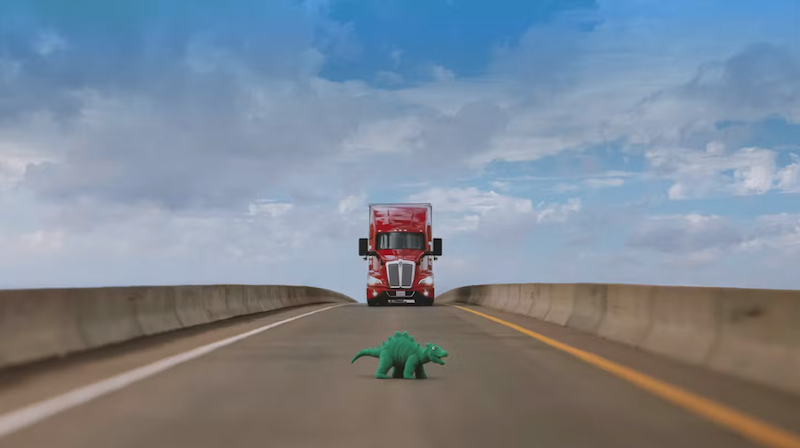
How Kodiak uses AI and probabilistic risk assessment to measure autonomous trucking safety
Recent advancements in artificial intelligence are significantly accelerating the development of autonomous driving technology, allowing engineers to innovate at an unprecedented pace. However, the critical challenge remains ensuring that these advancements are paired with robust safety measures. Industry experts emphasize that achieving depth and rigor in safety protocols does not necessarily depend on having the largest budgets or the most extensive vehicle fleets. Instead, the focus is shifting towards extracting precise insights from data to enhance safety standards. As the industry moves forward, the integration of rigorous safety assessments with cutting-edge technology will be essential for the successful deployment of autonomous vehicles on public roads.
Autonomous Vehicles Computing Features Software ai safety automation news
Human-Robot Collaboration: How Modern Workplaces Can Be Designed for Safety, Productivity, and Employee Wellbeing
The industrial robotics market, valued at $85 billion, is transforming production floors by eliminating physical barriers between humans and machines. This shift allows for a collaborative environment where workers and robotics operate side by side. As millions of industrial robots are deployed globally, effective management of this transition is crucial. It necessitates a comprehensive understanding of spatial geometry, workforce psychology, and adherence to functional safety standards to ensure a seamless integration of technology into the workplace. This evolution in manufacturing aims to enhance efficiency and productivity while prioritizing safety and worker well-being.
Engineering Robotics automation news automation strategy cobots collaborative automation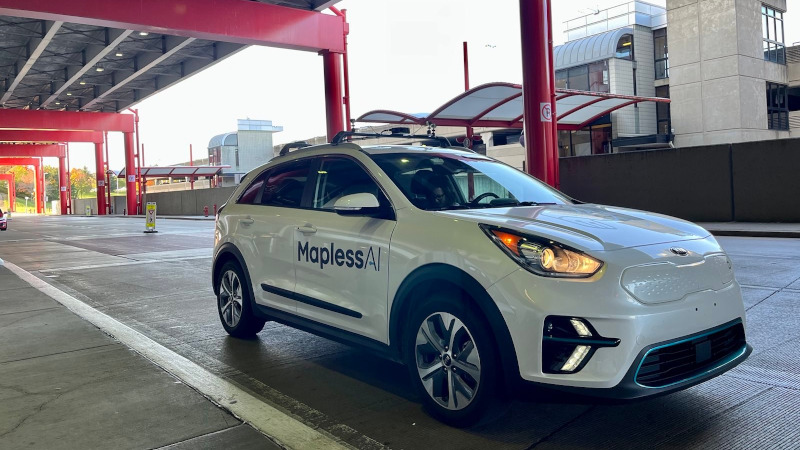
Fort Robotics acquires Mapless AI to expand supervised autonomy and physical AI safety platform
Fort Robotics, a company specializing in trust solutions for physical AI, has acquired Mapless AI, a prominent firm based in Boston and Pittsburgh known for its expertise in vehicle teleoperation and autonomy supervision. This acquisition marks a strategic move for Fort, enhancing its Trust Platform with two essential capabilities: remote human-in-the-loop teleoperation and onboard active safety. By integrating Mapless AI's technologies, Fort aims to broaden its commercial offerings and improve the safety and efficiency of autonomous systems. The deal underscores Fort's commitment to advancing the development of reliable and secure AI-driven solutions in the robotics sector.
Artificial Intelligence Financials & Investments Logistics active safety systems ai robotics automation news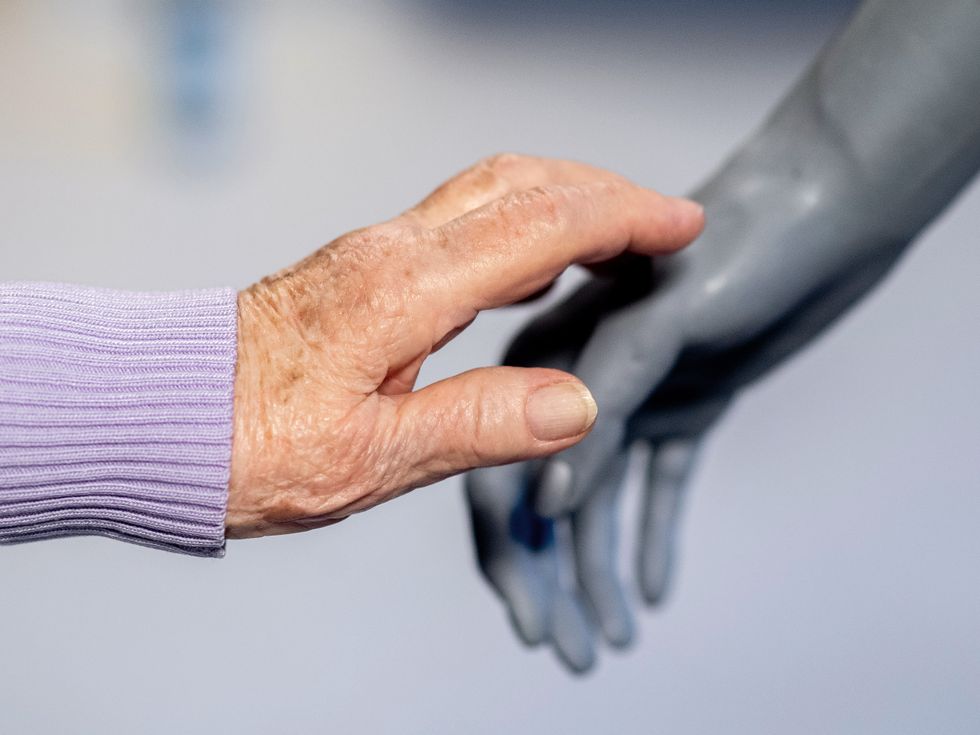
Home Robot Safety Is All About Relationships
The International Standards Organization (ISO) is in the process of updating its safety requirements for personal care robots, a revision that has not occurred in 12 years. This update comes at a crucial time as manufacturers transition from laboratory prototypes to products designed for real-world domestic environments. The proposed changes focus on hazard identification and risk assessment but lack binding compliance criteria and testing methods to address the complexities of human-robot interactions. Jae-Seong Lee, a technology policy researcher from South Korea's Electronics and Telecommunications Research Institute, emphasizes that safety in domestic settings is not merely about avoiding collisions; it involves understanding the dynamic relationship between humans and robots. Current standards, such as ISO 13482, acknowledge various hazards but do not fully translate this knowledge into enforceable rules. The challenge lies in ensuring that robots can operate safely in unpredictable home environments, which differ significantly from controlled industrial settings. Moreover, the standards process has been criticized for not adequately representing the perspectives of older adults, who are often the primary users of these robots. Lee warns that if safety assumptions are embedded in products without thorough scrutiny, it could lead to significant risks, including potential injuries. He advocates for a shift in focus from machine-centric safety measurements to a more holistic approach that considers the interactions between humans and robots. This revision aims to address these pressing concerns, although many unresolved issues remain in advisory language rather than binding regulations.
Home-robots Domestic-robots Standards Iso Robot-safety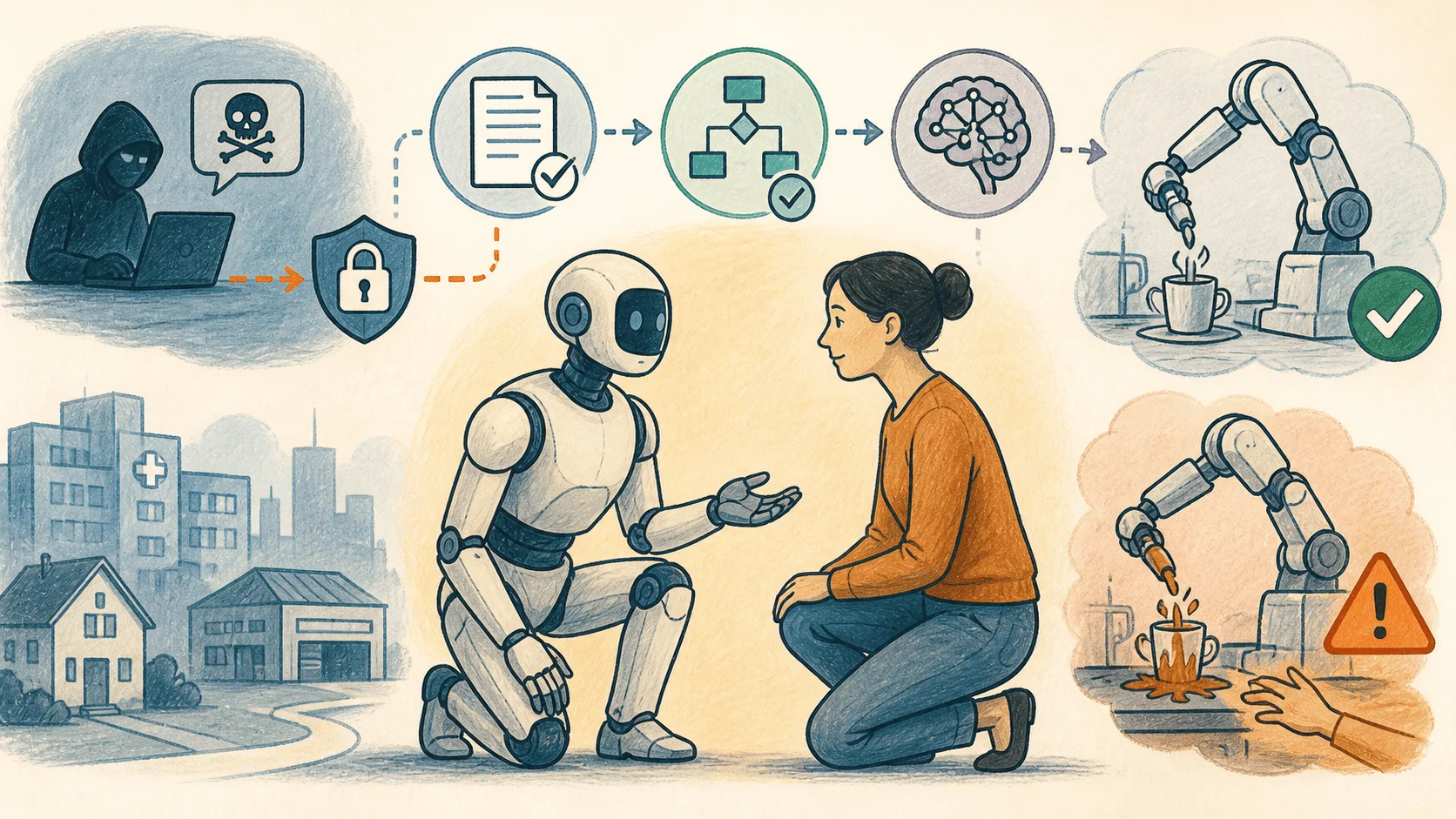
Researchers Suggests More Safety Measures Needed for Robots than AI Chatbots
A recent study conducted by researchers from the University of Pennsylvania, Carnegie Mellon University, and the University of Oxford highlights significant concerns regarding the safety of AI-powered machines operating in close proximity to humans. The findings suggest that current safety protocols may be inadequate as these robots begin to interact with people in physical environments. The researchers emphasize the necessity for more advanced, context-aware safety systems that go beyond the existing measures used for AI chatbots. This study raises alarms about the potential risks associated with deploying AI technologies in real-world settings, urging developers and policymakers to prioritize enhanced safety measures to protect individuals from unforeseen consequences.
AI AI Research & Advances Robotics Carnegie Mellon University Research robots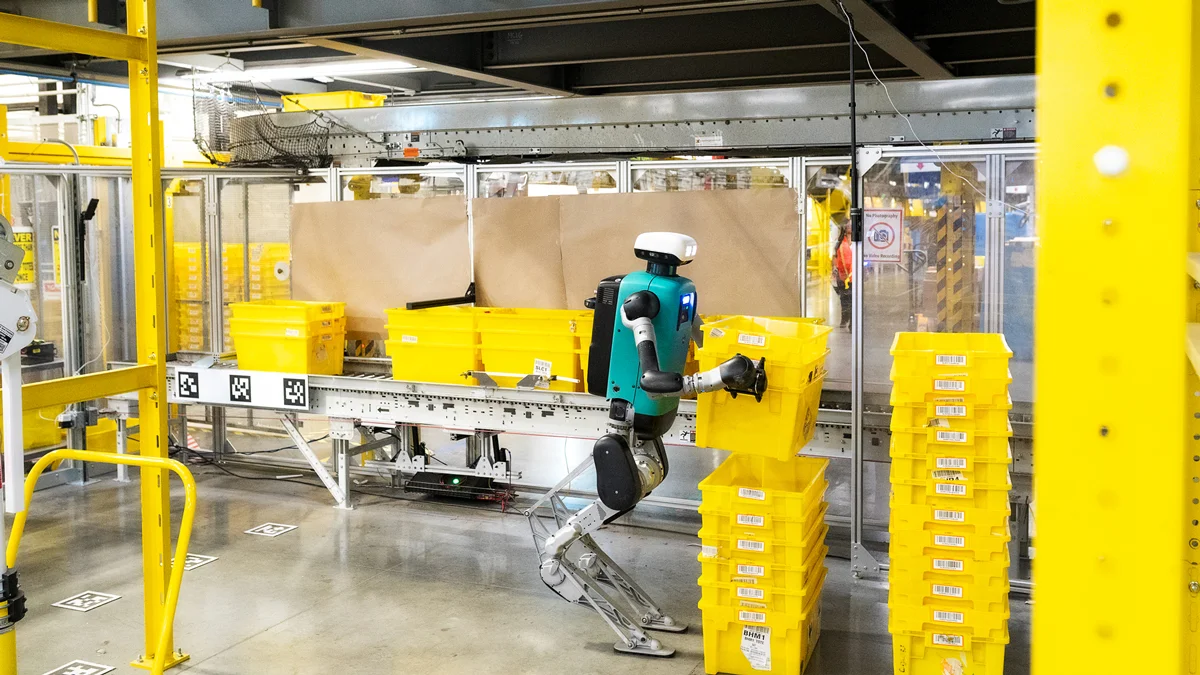
Agility Robotics Secures OSHA-Recognized Safety Approval, Widening the Gap Between ''Demo'' and ''Deployment''
Agility Robotics has achieved a significant milestone with its Digit robot, successfully passing a critical field inspection conducted by a Nationally Recognized Test Lab (NRTL). This accomplishment comes at a time when competitors in the robotics industry are under increased scrutiny regarding their safety culture. The inspection is a vital step towards commercial scaling of the Digit robot, underscoring Agility Robotics' commitment to meeting rigorous safety standards. By completing this necessary evaluation, the company positions itself favorably in the competitive landscape, paving the way for future advancements and deployments of its robotic technology.
insurance safety standards Agility Robotics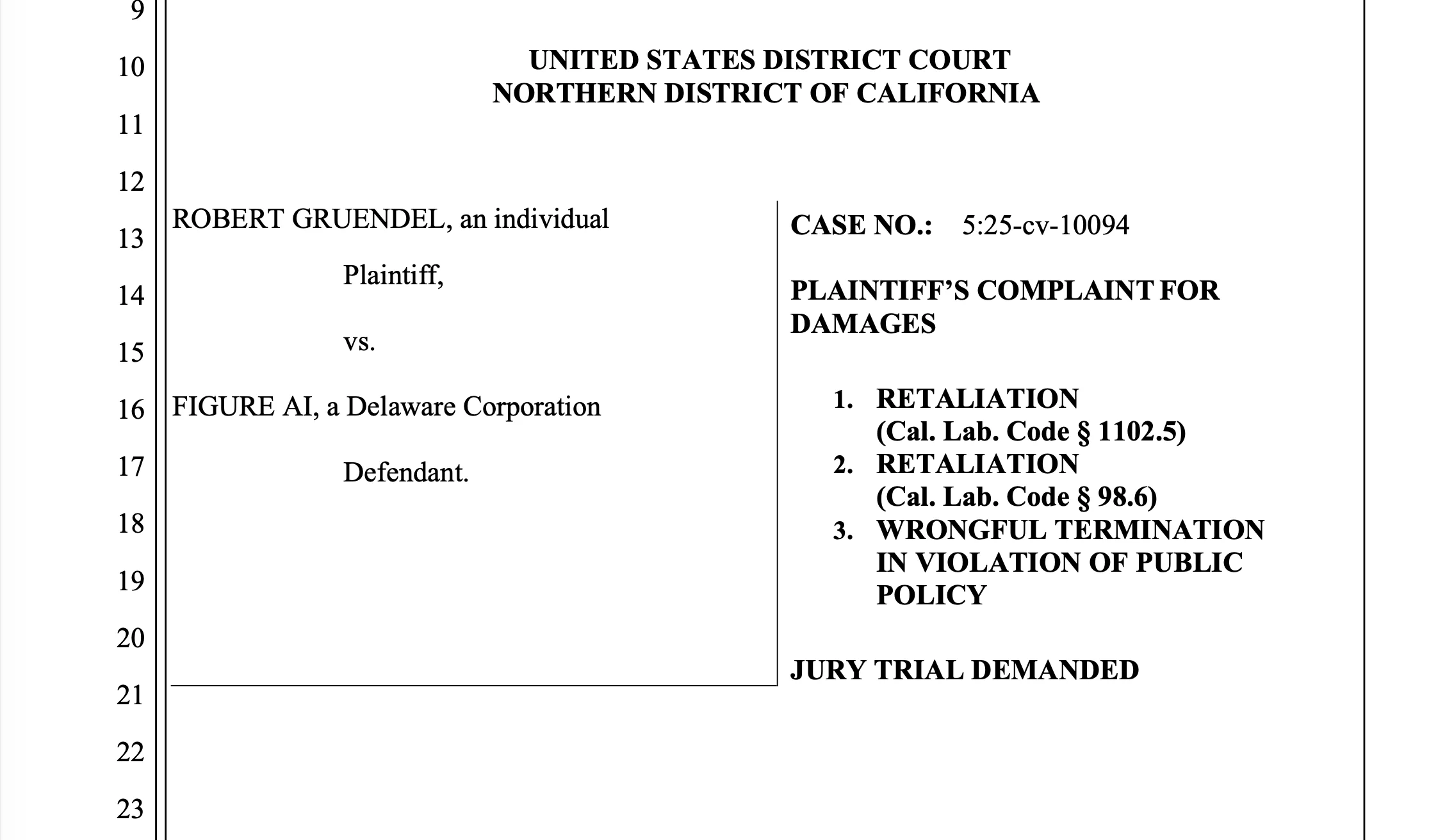
Ex-Safety Head Sues Figure AI, Alleging Retaliation Over "Skull-Fracturing" Robot Risks
Rob Gruendel, the former safety lead at Figure, has filed a lawsuit against the robotics startup, claiming he was terminated for raising concerns about the potential dangers of the company's robots. Gruendel asserts that he warned management that the robots were powerful enough to cause fatal injuries, a revelation that poses significant challenges to Figure's ambitious plans to expand its presence in the home robotics market. The lawsuit highlights the tension between innovation and safety in the rapidly evolving field of robotics, as Figure seeks to navigate the complexities of deploying advanced technology in everyday environments.
Figure Figure-03 safety standards
ISO Group Meets to Define Robot Safety Rules, as Memos From Figure's Ex-Safety Lead Detail 'Order of Magnitude' Challenge
In Barcelona, an ISO working group is convening to develop safety standards for bipedal robots. This meeting follows the release of memos from the former safety lead at Figure, which highlight the significant challenges associated with the safe operation of these robots. The documents, published earlier this year, emphasize concerns such as the potential for falls, misinterpretation of commands, and battery-related hazards. The group's efforts aim to address these critical safety issues as the technology continues to advance, contrasting sharply with the recent optimism surrounding bipedal robotics.
novanta Figure iso safety standards automation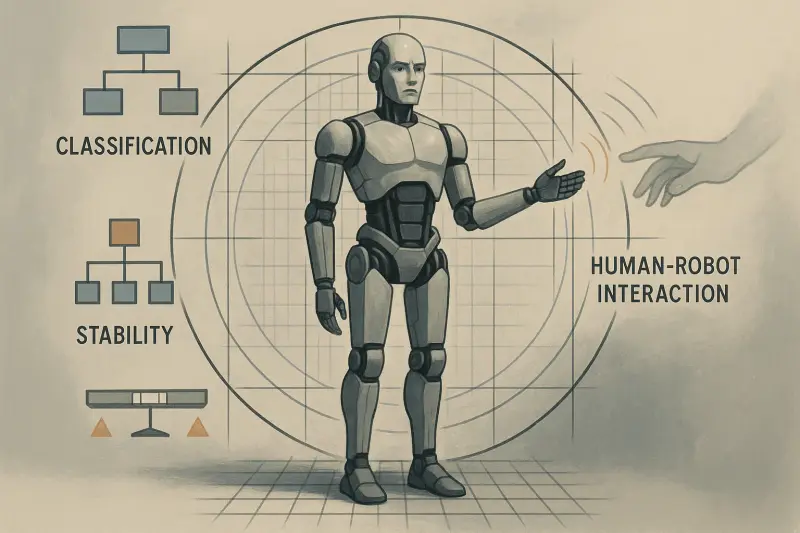
IEEE Group Lays Groundwork for Humanoid Robot Standards to Ensure Safety and Trust
A recent report from an IEEE study group has introduced a vital framework aimed at establishing safety and performance standards for humanoid robots. This initiative emphasizes key areas such as classification, stability, and human-robot interaction, which are essential for ensuring the safe integration of these robots into environments inhabited by humans. The study highlights the growing importance of setting clear guidelines as the development of humanoid robotics accelerates, addressing potential risks and enhancing user confidence in these technologies. By focusing on these critical aspects, the framework seeks to facilitate the responsible deployment of humanoid robots, ultimately contributing to their acceptance and effectiveness in various applications.
ieee Humanoids safety standards automation robotics
VIDEO: RUD ROV-HOOK Ultimate Safety in Subsea Lifting
Marine professionals are seeking innovative solutions to enhance safety and efficiency in underwater operations. Traditional hooks used for turning and positioning loads underwater pose significant risks, including entanglement, snagging, and shedding, which can lead to accidents and loss of equipment. To address these challenges, experts are exploring advanced hook designs that minimize these hazards. The initiative aims to improve operational safety and reliability for marine workers engaged in underwater tasks. As the industry evolves, the development of safer tools is becoming increasingly critical to protect both personnel and equipment in challenging underwater environments.
rud rov-hook safety subsea lifting
Fugro Secures New NOAA Contract to Support U.S. Maritime Safety
Fugro has secured a new five-year contract with the National Oceanic and Atmospheric Administration (NOAA) to provide hydrographic survey services, continuing a partnership that spans 25 years. This indefinite delivery/indefinite quantity (IDIQ) contract will enable Fugro to assist in the creation and maintenance of precise nautical charts, which are essential for ensuring safe and efficient navigation in U.S. waters. Under the terms of the contract, NOAA will assign projects to any of the six companies holding an IDIQ contract based on its evolving priorities.
fugro noaa contract u.s. maritime safety
FAA Grants Approval for Drone Amplified's MONTIS Avalanche Control System
The Federal Aviation Administration (FAA) has approved Drone Amplified's MONTIS drone system for avalanche control, paving the way for its use by transportation agencies and ski resorts. This approval allows operators to deploy explosive charges remotely, enhancing safety by keeping personnel away from hazardous areas while still effectively managing avalanche risks. The significance of this approval lies in its potential to improve avalanche mitigation strategies. The MONTIS system offers an alternative to traditional methods such as helicopters and ground teams, providing flexibility in operations, especially in challenging weather conditions. This innovation aims to protect communities and maintain critical transportation routes during winter. Looking ahead, the integration of the MONTIS system into existing avalanche control programs could lead to safer operations in mountain communities and ski areas. While it will not replace traditional methods, it offers a valuable tool for agencies to enhance their response to avalanche threats. No further timeline was disclosed at the time of publication.
News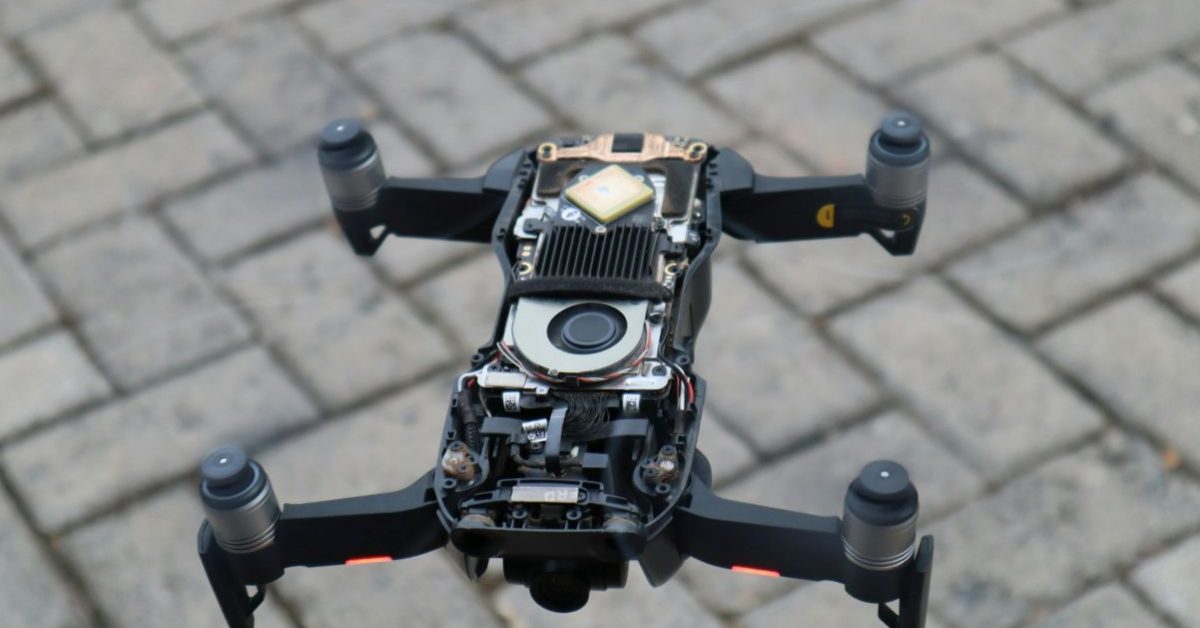
Cellebrite Enhances Drone Investigation Platform with SkySafe Partnership
Cellebrite has expanded its partnership with SkySafe to enhance its drone investigation platform by integrating real-time drone detection and airspace intelligence. This collaboration aims to streamline the process of connecting aerial incidents with digital evidence stored on drones, facilitating a more comprehensive investigation. This development is significant as unauthorized drone activity poses increasing risks around critical infrastructures such as airports and correctional facilities. By combining SkySafe's technology with Cellebrite's forensic capabilities, investigators can monitor drone activity in real-time and analyze evidence more effectively, potentially improving the speed and accuracy of investigations. Looking ahead, Cellebrite's integration of live airspace intelligence with forensic data positions it as a key player in the drone investigation market. As drone usage continues to rise, the ability to quickly correlate aerial events with digital evidence will be crucial for law enforcement agencies in addressing drone-related incidents efficiently. No further timeline was disclosed at the time of publication.
News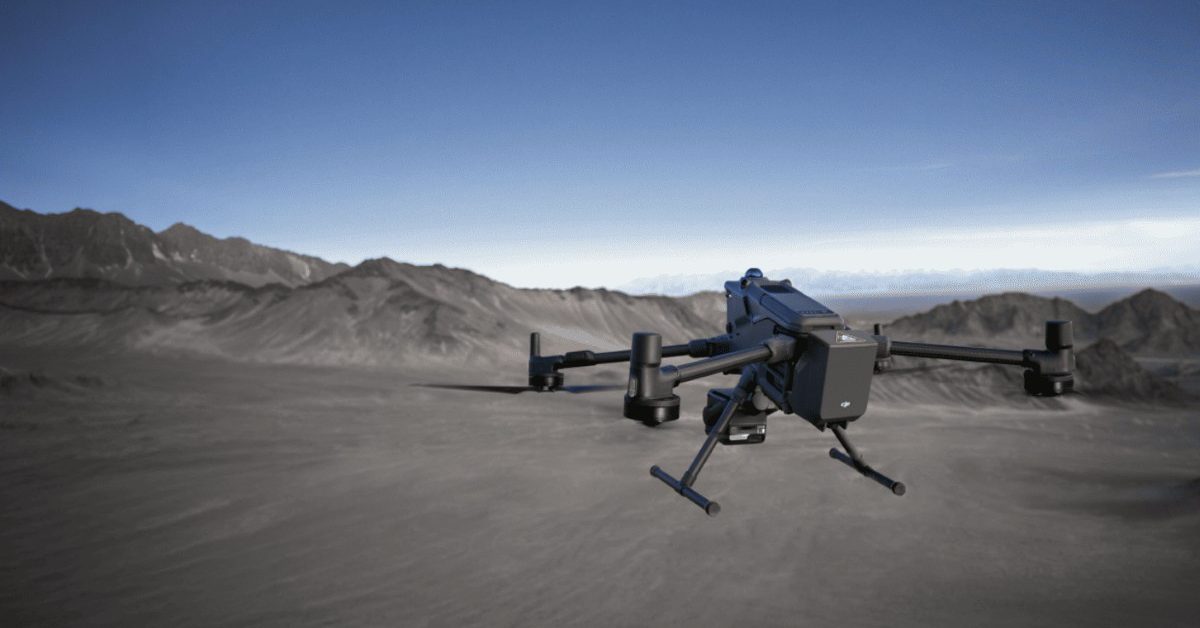
DJI Launches AP100 Parachute for Enhanced Safety of Matrice 400 Drone
DJI has unveiled the AP100 Parachute, a new safety accessory for its Matrice 400 enterprise drone, aimed at protecting the aircraft during emergencies. This parachute system, weighing approximately 935 grams, helps mitigate the impact of in-flight failures by safely lowering the drone to the ground, thus safeguarding valuable payloads and minimizing risks to people and property below. The introduction of the AP100 is significant as it allows the Matrice 400 to comply with safety regulations set by the European Union Aviation Safety Agency and the UK Civil Aviation Authority. This feature is particularly beneficial for organizations operating internationally, as it enhances operational safety and meets specific classification requirements for various missions, including beyond visual line of sight operations. Looking ahead, operators interested in C6 or UK6 certification for STS-02 missions will need to acquire the DJI Matrice 400 (C6) Worry-Free Plus Combo, which includes the AP100. No further timeline was disclosed at the time of publication.
News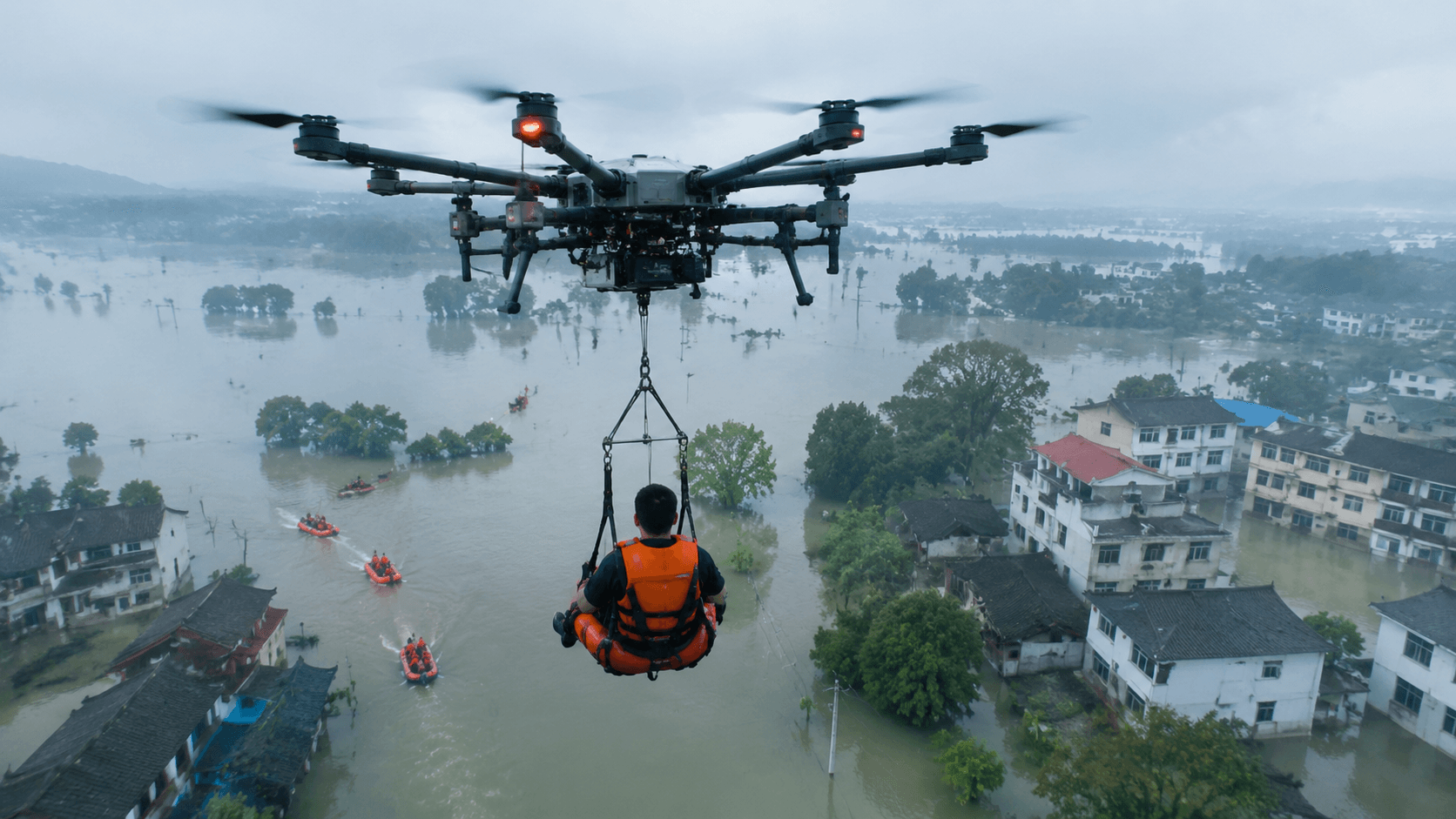
Chinese Heavy-Lift Drones Airlift Flood Victims in Guangxi Amid Safety Protocols
In Guangxi, China, heavy-lift drones have been deployed to rescue flood victims by airlifting individuals, defying standard safety protocols. This operation highlights the capabilities of the trillion-yuan low-altitude economy, which is becoming increasingly significant in emergency response scenarios. The use of these drones marks a pivotal moment in the integration of aerial technology into disaster management, showcasing their potential to save lives in critical situations. The significance of this operation lies in its demonstration of the industrial capacity within China's low-altitude economy, which is estimated to be worth trillions of yuan. By utilizing drones for rescue missions, authorities are not only addressing immediate humanitarian needs but also paving the way for future applications of drone technology in various sectors. This incident underscores the evolving landscape of aerial logistics and emergency response, emphasizing the need for updated safety regulations to accommodate such innovations. Looking ahead, the continued use of heavy-lift drones in rescue operations may lead to further advancements in drone technology and regulatory frameworks. No further timeline was disclosed at the time of publication, but the success of these missions could prompt increased investment and development in the low-altitude economy, potentially transforming how emergency services operate in the future.
Technology
How automated DJI drones are changing public safety in Celaya
In a significant turnaround, the Mexican city of Celaya is transforming its reputation from one of the country's most dangerous locales to a safer community, thanks to innovative technology. City officials have reported that the implementation of autonomous drone technology, coupled with integrated command-and-control systems, is enhancing public safety and emergency response. This shift comes after years of struggling with violent crime and a reactive policing approach that often failed to prevent incidents. By utilizing advanced technology, Celaya aims to proactively address security challenges and improve the overall safety of its residents.
News
Overcoming Automation Anxiety: The Safety-First Approach to Robot Integration
As the integration of robots into the workforce accelerates, manufacturers are increasingly focusing on safety features to protect human workers. To ensure a smooth and secure transition, businesses planning to adopt robotic technology are advised to implement several key preliminary steps. These measures are crucial for prioritizing safety and minimizing risks associated with human-robot interactions. By establishing comprehensive safety protocols and integrating advanced safety features into robotic systems, companies can enhance workplace safety and foster a collaborative environment between humans and machines.
Context is king: How Avride uses cloud VLMs as a safety net for delivery robots
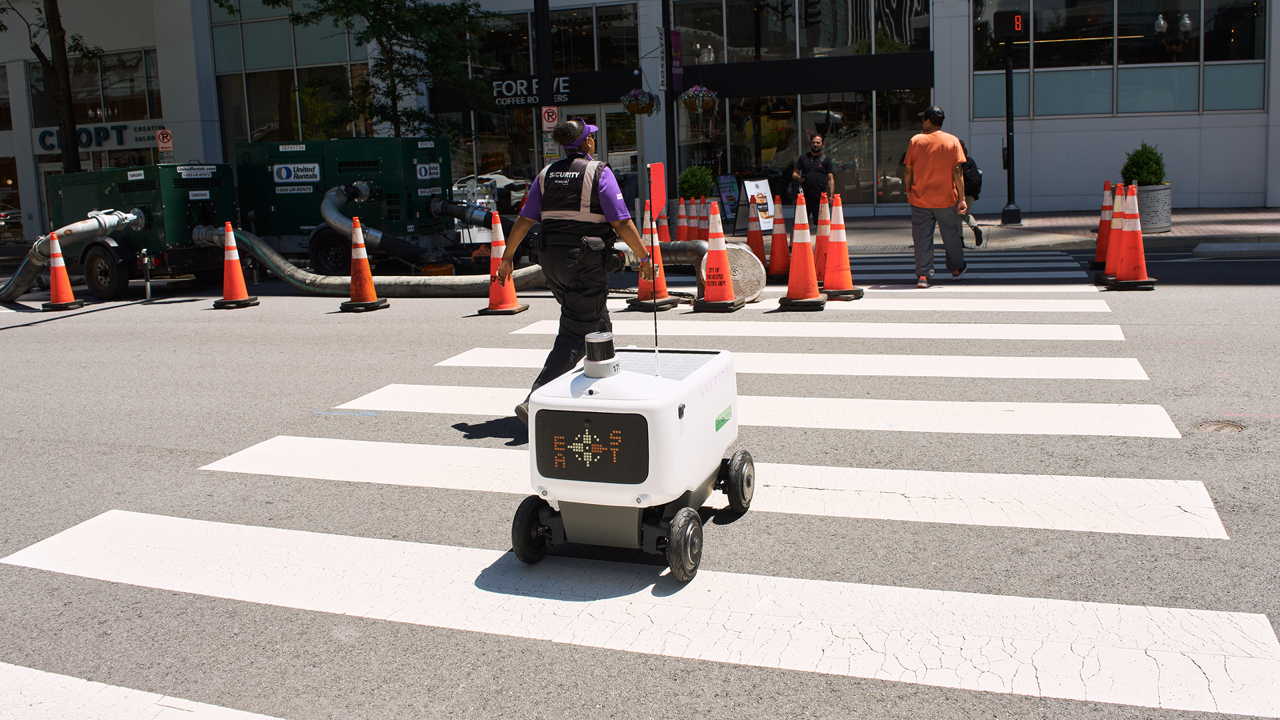
Avride is enhancing the environmental awareness of its delivery robots by utilizing vision-language models (VLMs). This innovative approach aims to improve the safety and efficiency of the robots as they navigate various environments. By integrating cloud-based VLM technology, Avride is able to provide its robots with a better understanding of their surroundings, enabling them to respond more effectively to dynamic conditions. The implementation of these advanced models is part of Avride's ongoing efforts to ensure safer delivery operations and to adapt to the complexities of real-world environments.
Artificial Intelligence Artificial Intelligence / Cognition Autonomous Mobile Robots (AMRs) Logistics Mobility / Navigation News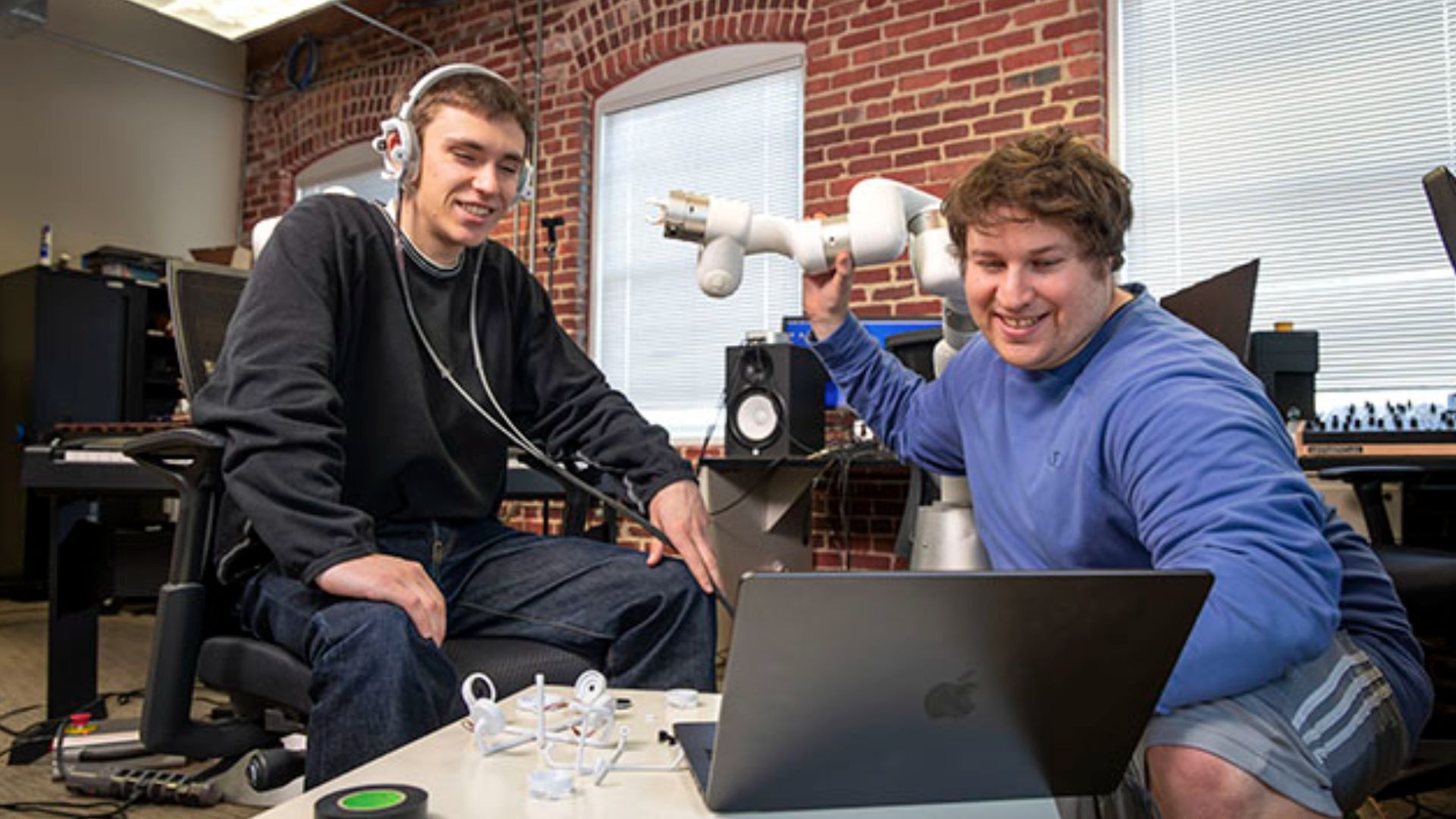
Watch: New wearable converts robot movements into music to improve workplace safety
Researchers at Georgia Tech have unveiled an innovative wearable audio system designed to enhance the interaction between humans and robots. This groundbreaking technology translates the movements of nearby robots into sound, allowing users to perceive the robots' actions through auditory cues. The development aims to improve safety and awareness in environments where humans and robots coexist, such as factories and warehouses. The system was introduced during a recent technology showcase held at the Georgia Institute of Technology, where experts demonstrated its capabilities. By providing real-time audio feedback, the wearable device enables users to better understand the dynamics of their robotic counterparts, potentially reducing accidents and improving collaboration. The motivation behind this research stems from the increasing integration of robots into everyday workspaces, where clear communication and awareness of robotic movements are essential for effective teamwork. The audio system operates through a combination of sensors and algorithms that interpret robot actions and translate them into distinct sounds, creating an intuitive interface for users. This advancement not only represents a significant step forward in human-robot interaction but also highlights Georgia Tech's commitment to pioneering research in robotics and audio technology. As industries continue to evolve with automation, such innovations are crucial for ensuring safe and efficient operations in shared environments.
AI and Robotics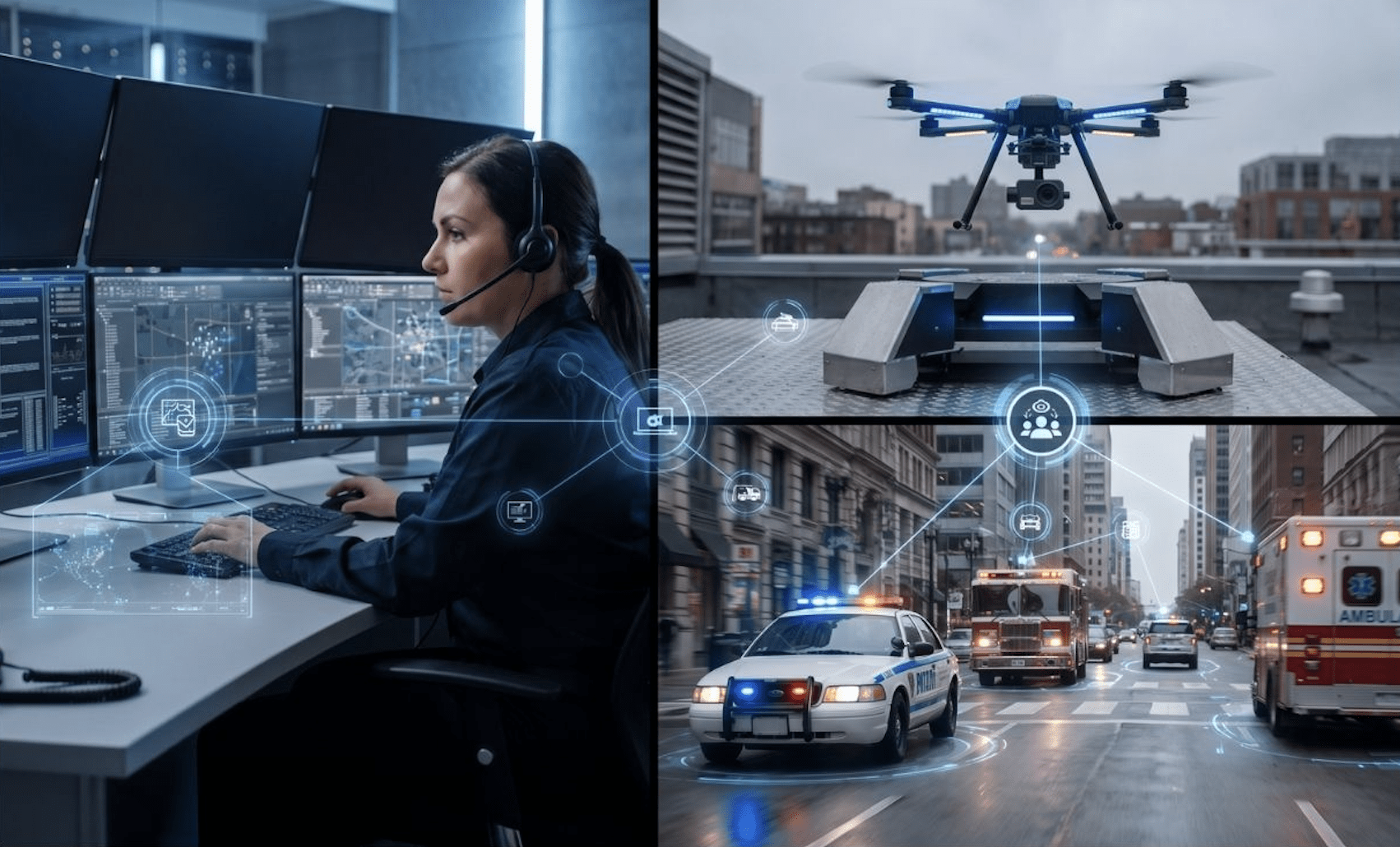
Versaterm on the Drone Radio Show! Next Level Integration of Drones into Public Safety
In a recent episode of the Drone Radio Show, Ryan Bracken from Versaterm discussed the company's acquisition of DroneSense and its implications for public safety agencies. This strategic move aims to enhance the integration of drone technology into computer-aided dispatch (CAD) workflows, moving beyond traditional standalone drone programs. The conversation highlighted the common characteristics of successful drone initiatives and offered insights on how agencies can develop sustainable operations while adhering to budget constraints. This integration is seen as a crucial step in advancing the use of drones in public safety, enabling agencies to leverage aerial technology more effectively in their operations.
Applications Drone News Drone News Feeds emergency response News Podcast
The Rise of Robotic Arms in Tourist Attractions: A Call for Safety and Design Innovation
Robotic arms are increasingly being integrated into tourist attractions, providing exciting experiences for visitors. However, this trend has raised safety concerns regarding the use of industrial robots in public spaces. Experts are calling for the development of specially designed robots that prioritize human interaction and safety. While these advanced technologies have the potential to significantly enhance the tourism experience, it is crucial to address safety issues to ensure public confidence and enjoyment. The ongoing dialogue emphasizes the importance of balancing innovation with the well-being of visitors as the tourism industry continues to evolve.
Robotics Tourism Technology Safety Standards Human-Robot Interaction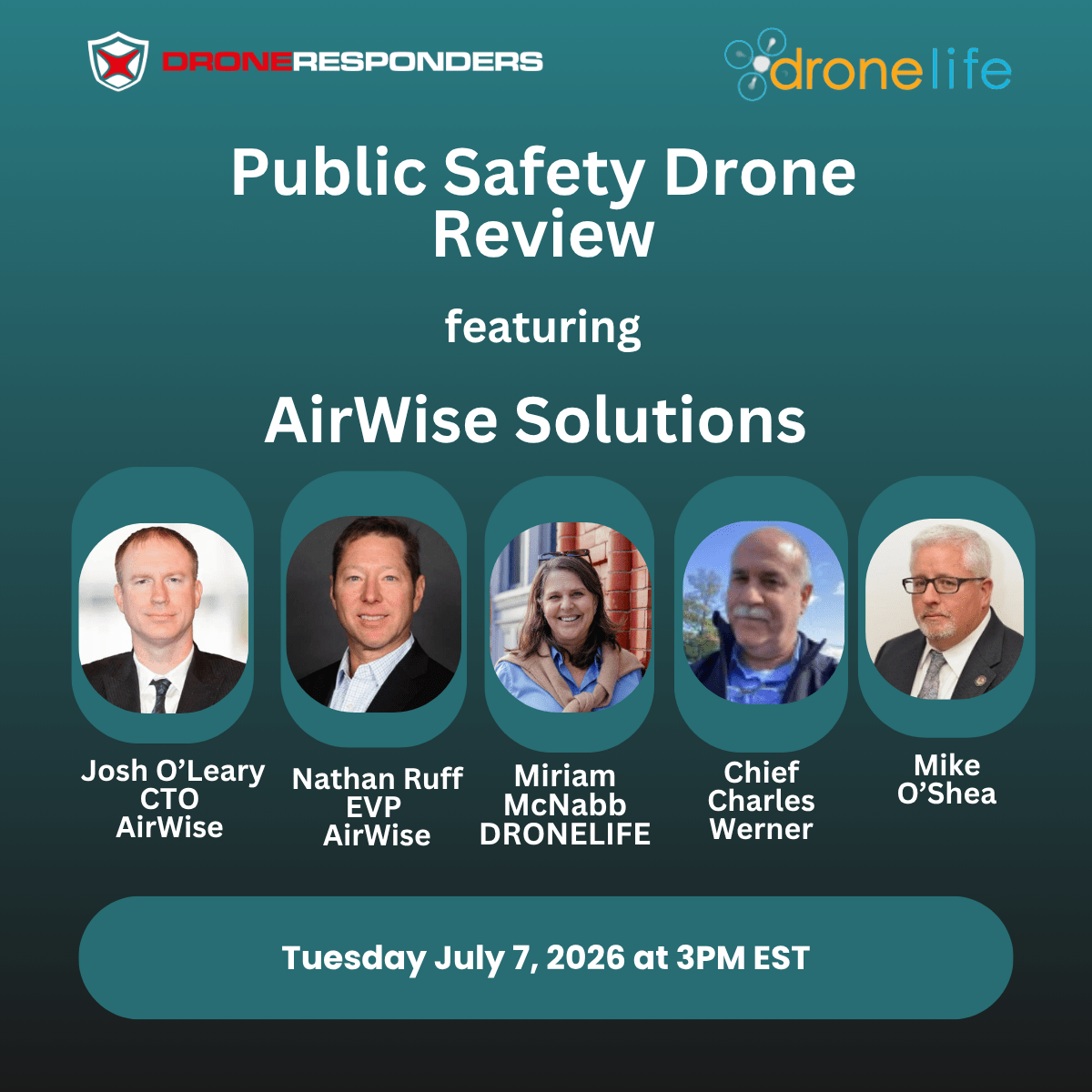
Don’t Miss AirWise Solutions on the Public Safety Drone Review, July 7!
On July 7 at 3 PM EST, DRONELIFE and DRONERESPONDERS will host the latest installment of the Public Safety Drone Review, a free webcast aimed at showcasing advancements in drone technology for public safety applications. The event will be led by DRONELIFE Editor in Chief Miriam McNabb, DRONERESPONDERS Director Charles Werner, and public safety aviation expert Mike O’Shea. This monthly series aims to educate and inform stakeholders about the evolving role of drones in enhancing public safety measures. Interested participants can register for the webcast through the provided link.
Applications Drone News Drone News Feeds emergency response Fire and Police News
Robot safety is now 3D: Sonair unveils world's first safety-certified 3D ultrasonic sensor for human-robot collaboration
The ADAR One sensor has achieved certification for SIL2 and PL d applications, confirming its compliance with the European machine directive. This certification enables the sensor to be utilized for the safe detection of humans and objects in various industrial settings. The development reflects a growing emphasis on safety standards in machinery, ensuring that operators can work in environments where the risk of accidents is minimized. The certification process involved rigorous testing to meet the stringent requirements set forth by European regulations, marking a significant advancement in sensor technology for safety applications.

More Skilled, More Ubiquitous & More Safe: Automating Robot Safety
In a significant evolution of workplace safety protocols, the industrial sector is transitioning from traditional static safety measures to a more dynamic and intelligent approach. This shift, driven by advancements in technology and an increasing emphasis on proactive risk management, aims to enhance safety standards and reduce workplace accidents. As industries adapt to these changes, the integration of real-time data analytics and smart monitoring systems is becoming essential. This transformation is not only improving the safety of workers but also fostering a culture of continuous improvement in safety practices. The move towards an active safety framework is expected to reshape the future of industrial operations, making them safer and more efficient.
Factory / Robotics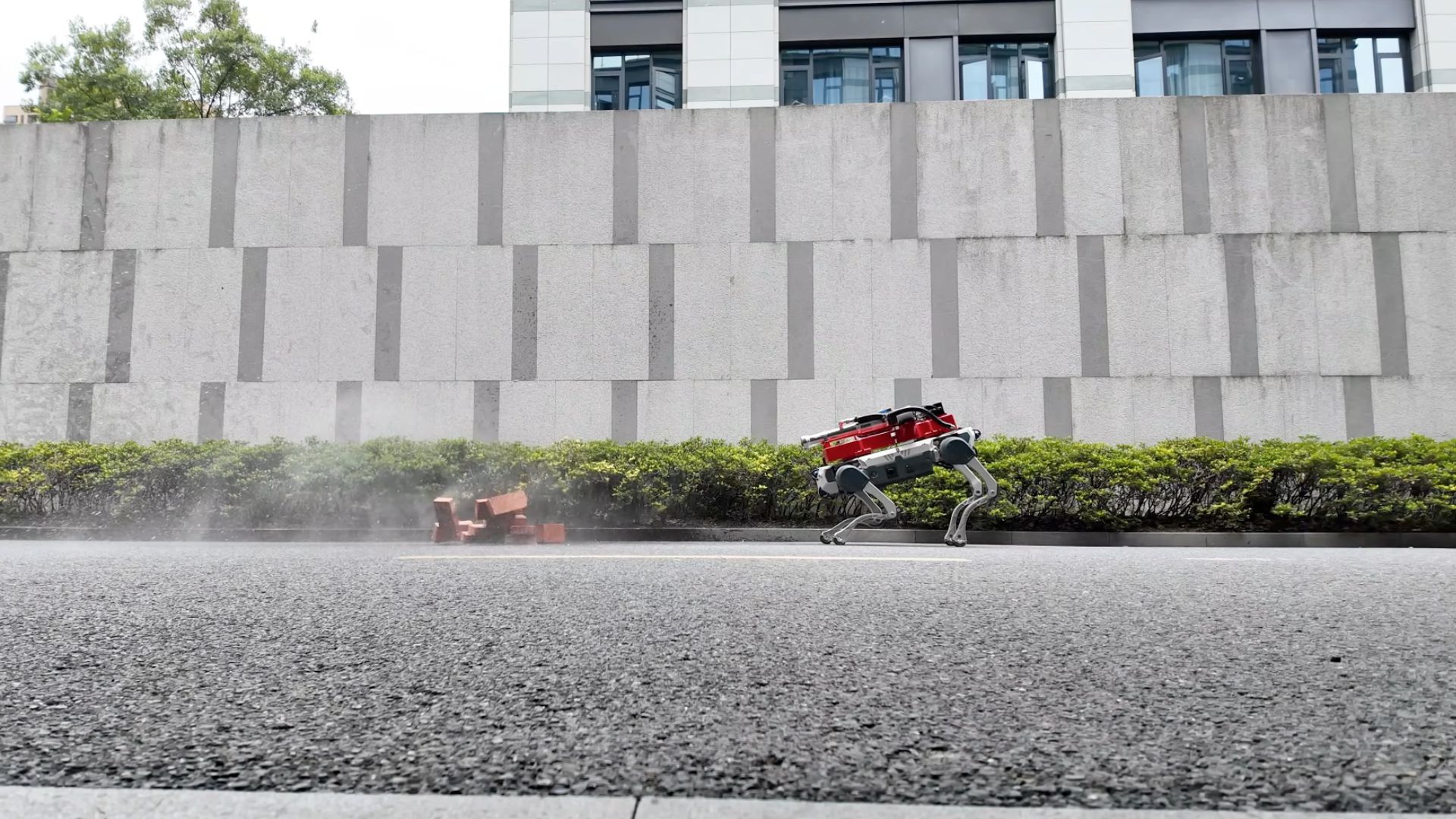
Video: Robot dog delivers pulse-powered firefighting for safer emergency operations
DEEP Robotics, a prominent Chinese robotics company, has unveiled a groundbreaking fire-extinguishing robot dog that aims to enhance firefighting efforts. This innovative technology was showcased during a recent demonstration in Hangzhou, China. The robot dog is equipped with advanced sensors and firefighting capabilities, allowing it to navigate hazardous environments and effectively combat fires in areas that may be too dangerous for human firefighters. The motivation behind this development stems from the increasing need for efficient firefighting solutions, especially in urban areas where traditional methods can be limited by accessibility and safety concerns. By integrating robotics into emergency response, DEEP Robotics seeks to improve safety for firefighters and increase the effectiveness of fire control measures. The demonstration highlighted the robot dog's agility and precision, showcasing its ability to operate autonomously while also being remotely controlled by operators. This dual functionality ensures that the robot can adapt to various situations, providing crucial support during emergencies. As urbanization continues to rise, the introduction of such technology could significantly transform firefighting strategies, making them safer and more efficient.
AI and Robotics
Nvidia Wants to Make Humanoid AI Robots Safer Around Humans
Nvidia is advancing the development of humanoid robots, emphasizing the critical need for these machines to recognize and respond to danger swiftly before they can effectively collaborate with humans. In an interview with Bloomberg's Ed Ludlow, Deepu Talla, Vice President of Robotics and Edge AI at Nvidia, discussed the innovative technologies being designed to enhance robots' situational awareness. This initiative is part of Nvidia's broader efforts to integrate artificial intelligence into robotics, aiming to create safer and more responsive machines for various applications. The conversation highlights the importance of safety in robotics as the industry moves towards more sophisticated and capable humanoid systems.
NMS:NVDA
UN enforces global safety rules for fully autonomous vehicles, effective January 2027
Major automotive markets worldwide have united to establish a unified set of regulations aimed at enhancing safety and environmental standards in the industry. This collaborative effort, announced recently, involves key players from regions including North America, Europe, and Asia, who recognize the need for a cohesive framework to address the challenges posed by climate change and technological advancements in vehicle manufacturing. The initiative was unveiled during an international automotive summit held in Tokyo, where industry leaders and policymakers gathered to discuss the future of transportation. The decision to create a standardized set of rules stems from the increasing complexity of regulations across different markets, which has led to confusion and inefficiencies for manufacturers and consumers alike. By harmonizing these regulations, stakeholders aim to streamline compliance processes, reduce costs, and promote innovation in electric and autonomous vehicles. The new framework is expected to facilitate smoother trade and enhance consumer confidence in vehicle safety and environmental impact. The collaborative approach signifies a shift towards greater cooperation among nations, reflecting a shared commitment to sustainable development and the advancement of the automotive sector. As the industry evolves, this initiative is seen as a crucial step in ensuring that all markets can adapt to future challenges while maintaining high standards for safety and environmental protection.
AI and Robotics Transportation
NVIDIA's Halos for Robotics: A New Era for Industrial Robot Safety
Recent advancements in industrial robotics have marked a significant milestone in the integration of physical artificial intelligence. Over the past few years, the field has experienced unprecedented growth, with AI evolving beyond mere data analysis and text generation. Now, machines equipped with this technology can perceive their surroundings, make real-time decisions, and interact directly with their environment. This transformation is highlighted in a recent article discussing NVIDIA's Halos for Robotics, which emphasizes the new era of safety in industrial robots. The developments signal a shift in how robots operate, enhancing their capabilities and effectiveness in various industrial applications.
À la une IA Industrie Robotique automatisation industrielle. cobot industriel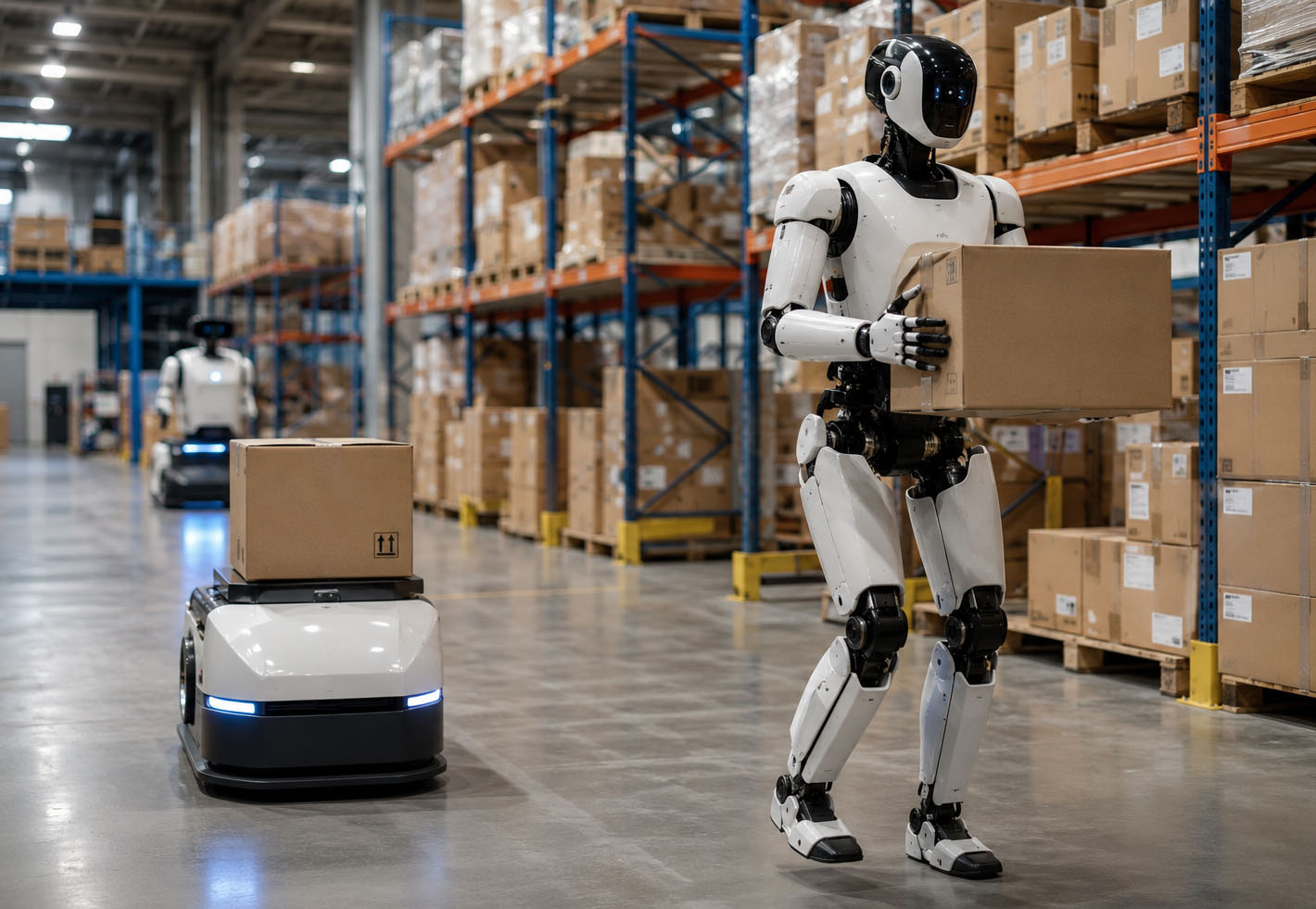
NVIDIA Halos for Robotics: A New Era for Industrial Robot Safety
Recent advancements in industrial robotics have marked a significant milestone in the integration of physical artificial intelligence. Over the past few years, the field has experienced unprecedented growth, evolving beyond mere data analysis and text generation. Now, AI technology is enabling machines to perceive their surroundings, make real-time decisions, and interact directly with their environment. This evolution is exemplified by NVIDIA's latest innovations, which are set to enhance the safety and functionality of industrial robots. As these developments unfold, the landscape of robotics is transforming, paving the way for smarter and more autonomous machines in various industries.
À la une IA Industrie Robotique automatisation industrielle. cobot industriel
Smart drones, safe skies: Student's system tests and coordinates drone fleets
Autonomous drones have the potential to revolutionize various industries by delivering packages, inspecting infrastructure, monitoring emergencies such as wildfires, and eventually transporting passengers. However, as of now, the airspace is not equipped with the necessary testing and coordination infrastructure to ensure the safe operation of drones in proximity to people, buildings, aircraft, and one another. This lack of infrastructure poses significant challenges to the widespread adoption of drone technology, hindering its ability to demonstrate safety and reliability in urban environments. As stakeholders in the aviation and technology sectors push for advancements, the need for a comprehensive framework to facilitate safe drone operations remains critical.
Robotics
FORT and NVIDIA launch AI-driven Outside-In Safety blueprint
FORT Robotics and NVIDIA have unveiled a new initiative called Outside-In Safety, aimed at enhancing the productivity of autonomous robots while prioritizing worker safety. This innovative approach utilizes external sensors to create a safer working environment for human employees interacting with robotic systems. The launch of this AI-driven safety blueprint marks a significant advancement in the field of robotics, reflecting the growing need for effective safety measures in increasingly automated workplaces. The collaboration between FORT Robotics and NVIDIA highlights their commitment to integrating cutting-edge technology with practical applications, ensuring that as automation expands, worker safety remains a top priority.
Artificial Intelligence Collaborative Robots Markets / Industries News Safety & Security Automate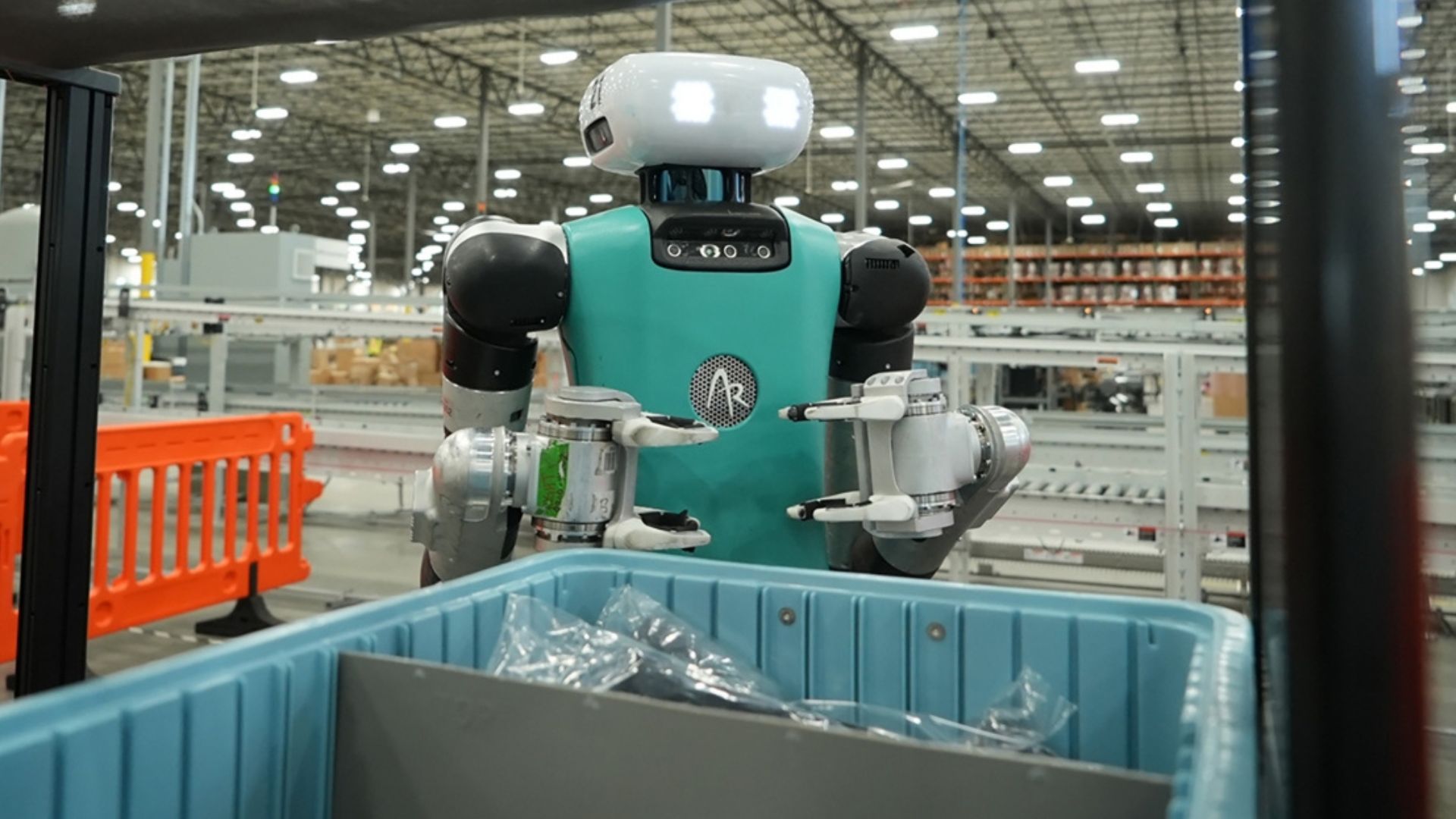
Side by side: NVIDIA Halos brings full-stack safety to robots working with humans
NVIDIA has launched an innovative safety platform aimed at assisting developers in the creation and deployment of autonomous systems. This announcement was made in October 2023, highlighting the company's commitment to enhancing safety measures in the rapidly evolving field of automation. The platform is designed to provide developers with the necessary tools and resources to ensure that autonomous technologies operate reliably and securely. By addressing safety concerns, NVIDIA seeks to foster greater trust and adoption of autonomous solutions across various industries. The initiative reflects the growing demand for robust safety protocols as companies increasingly integrate autonomous systems into their operations.
AI and Robotics
NVIDIA releases Halos, a full-stack safety system for robotics
NVIDIA has launched Halos, a comprehensive safety system designed for robotic applications. This innovative platform integrates artificial intelligence computing, system software, sensor data, and safety applications to enhance the functionality and reliability of robotic systems. The release of Halos aims to address the growing demand for advanced safety measures in robotics, ensuring that these systems can operate effectively and securely in various environments. By streamlining the connection between essential components, NVIDIA seeks to improve the overall performance and safety of robotic technologies.
Artificial Intelligence Artificial Intelligence / Cognition Design / Development News Safety & Security Advantech
Watch: Robot dog completes 33,000 inspections at 150-year-old cement plant safely
Swiss cement producer Vigier Ciment has partnered with ANYbotics to enhance its operational efficiency by deploying the ANYmal quadruped robot for automated inspections. This innovative initiative, which began recently, aims to streamline the inspection process within the company’s facilities. By utilizing the advanced capabilities of the ANYmal robot, Vigier Ciment seeks to improve safety and reduce the time required for routine checks, which are essential for maintaining high standards in production. The integration of robotics in this sector reflects a growing trend towards automation in industrial operations, driven by the need for increased productivity and cost-effectiveness. The deployment of the ANYmal robot is expected to not only optimize inspection routines but also pave the way for further technological advancements within the cement industry.
AI and Robotics
Nvidia Seeks to Make Humanoid AI Robots Safer Around Humans
Nvidia Corp. is advancing its efforts to enhance the safety of humanoid robots in human environments, emphasizing the necessity for these machines to make rapid decisions before they can be reliably integrated into workplaces. The company recognizes that as robots become more prevalent in daily life, their ability to respond quickly and accurately to unexpected situations is crucial for ensuring the safety of human co-workers. Nvidia's initiatives are part of a broader push to develop technology that not only improves the functionality of robots but also fosters trust between humans and machines. This focus on safety and decision-making capabilities is expected to play a significant role in the future deployment of humanoid robots across various sectors.
NMS:NVDA
NVIDIA Announces Halos for Robotics, the Industry’s First Full-Stack Safety System for Physical AI
NVIDIA has unveiled NVIDIA Halos for Robotics, marking a significant advancement as the first comprehensive safety system designed specifically for robotics and physical AI. This innovative system integrates AI computing capabilities with safety measures, aiming to enhance the operational reliability of robotic systems. The announcement was made today, reflecting NVIDIA's commitment to advancing technology in the robotics sector. By providing a unified solution, NVIDIA Halos seeks to address the growing need for safe and efficient robotic applications across various industries. This development is expected to facilitate the deployment of robotics in environments that require stringent safety protocols, thereby expanding the potential for AI-driven automation.
New vision-based safety tech lets industrial robots work safely near humans
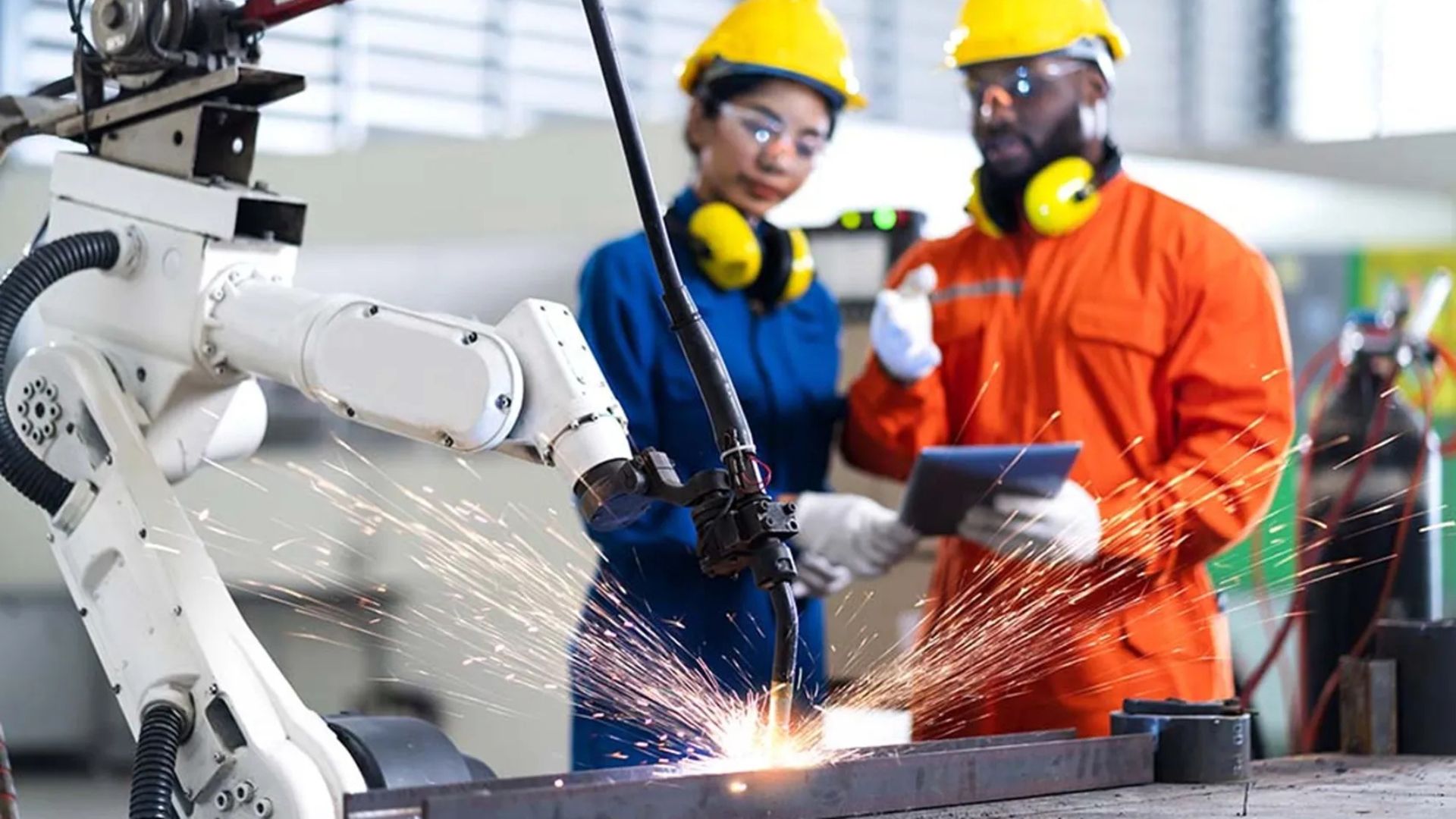
Sensory Robotics has achieved safety certification for its innovative system that enables industrial robots to operate autonomously in various environments. This significant milestone was announced recently, marking a crucial step forward in the integration of advanced robotics into industrial applications. The certification process involved rigorous testing and evaluation to ensure that the system meets stringent safety standards, reflecting the company's commitment to enhancing workplace safety and efficiency. By allowing robots to function independently, Sensory Robotics aims to streamline operations and reduce the risk of accidents in manufacturing settings. The certification not only positions the company as a leader in the robotics field but also opens new opportunities for businesses looking to adopt automated solutions.
AI and Robotics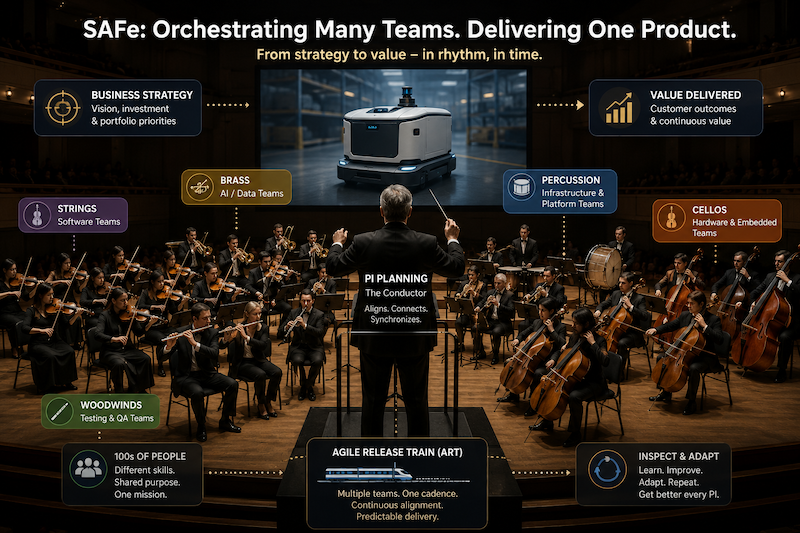
SAFe Has Won Enterprise Agile – What That Means for Your Career
In recent years, the landscape of enterprise agile frameworks has seen a significant shift, with the Scaled Agile Framework (SAFe) establishing itself as the leading methodology for large organizations seeking to implement agile practices at scale. This trend has been particularly evident among companies with substantial hiring needs, where SAFe's structured approach has facilitated smoother transitions to agile operations. The framework's popularity stems from its ability to address the complexities of scaling agile across various teams and departments, making it an appealing choice for enterprises aiming to enhance productivity and collaboration. As organizations continue to embrace agile methodologies, SAFe's dominance reflects a broader industry consensus on effective practices for large-scale agile transformation.
Business Computing Software agile coaching Agile leadership agile methodology
Do people feel safe in a robot’s presence?
In a groundbreaking study published in the June 2026 issue of Science Robotics, researchers from a leading university have unveiled a new robotic system designed to assist in disaster response efforts. The innovative technology, which combines advanced artificial intelligence with agile mobility, aims to enhance the efficiency and effectiveness of rescue operations in environments that are hazardous or difficult to navigate. The research team conducted extensive field tests in various simulated disaster scenarios, demonstrating the robot's ability to traverse challenging terrains and perform critical tasks such as locating survivors and delivering supplies. These tests were carried out in collaboration with emergency response organizations to ensure real-world applicability. The motivation behind this development stems from the increasing frequency and severity of natural disasters, which necessitate improved response mechanisms to save lives and minimize damage. By integrating cutting-edge robotics with emergency protocols, the researchers hope to provide first responders with a powerful tool that can operate in conditions that are unsafe for human intervention. This advancement in robotic technology represents a significant step forward in disaster management, showcasing how innovation can be harnessed to address pressing global challenges. The study highlights the potential for future enhancements and the importance of ongoing collaboration between scientists and emergency services to refine these systems for practical use in real-world situations.
Editors' Choice
Epson Robots to Showcase SafeSense Technology, High-Performance, Compact SCARA and 6-Axis Solutions and First Look at Epson Collaborative Robot at Automate 2026
Epson Robots, recognized as the leading manufacturer of SCARA robots globally, is set to unveil its latest automation innovations on June 18, 2026, in Los Alamitos, California. The showcase will feature the company's advanced automation portfolio, highlighting its SafeSense™ technology alongside high-performance SCARA and 6-Axis robotic solutions. This event aims to demonstrate Epson's commitment to enhancing automation capabilities in various industries, providing attendees with a preview of the upcoming advancements in robotic technology.
SCARA Industrial Robots Robotics Automation Collaborative Robots
Four-legged detection robots for safe firefighting operations
Researchers at TU Graz have developed an advanced detection robot capable of identifying hazardous substances, designed to assist fire services during high-risk operations. This innovative technology serves as a remote-controlled advance guard, enhancing safety and efficiency in emergency situations. A recent study highlights the potential integration of this high-tech tool into fire service teams, demonstrating its effectiveness in supporting personnel on the ground. By employing the robot, fire services can better manage dangerous environments, ultimately aiming to protect both responders and the public.
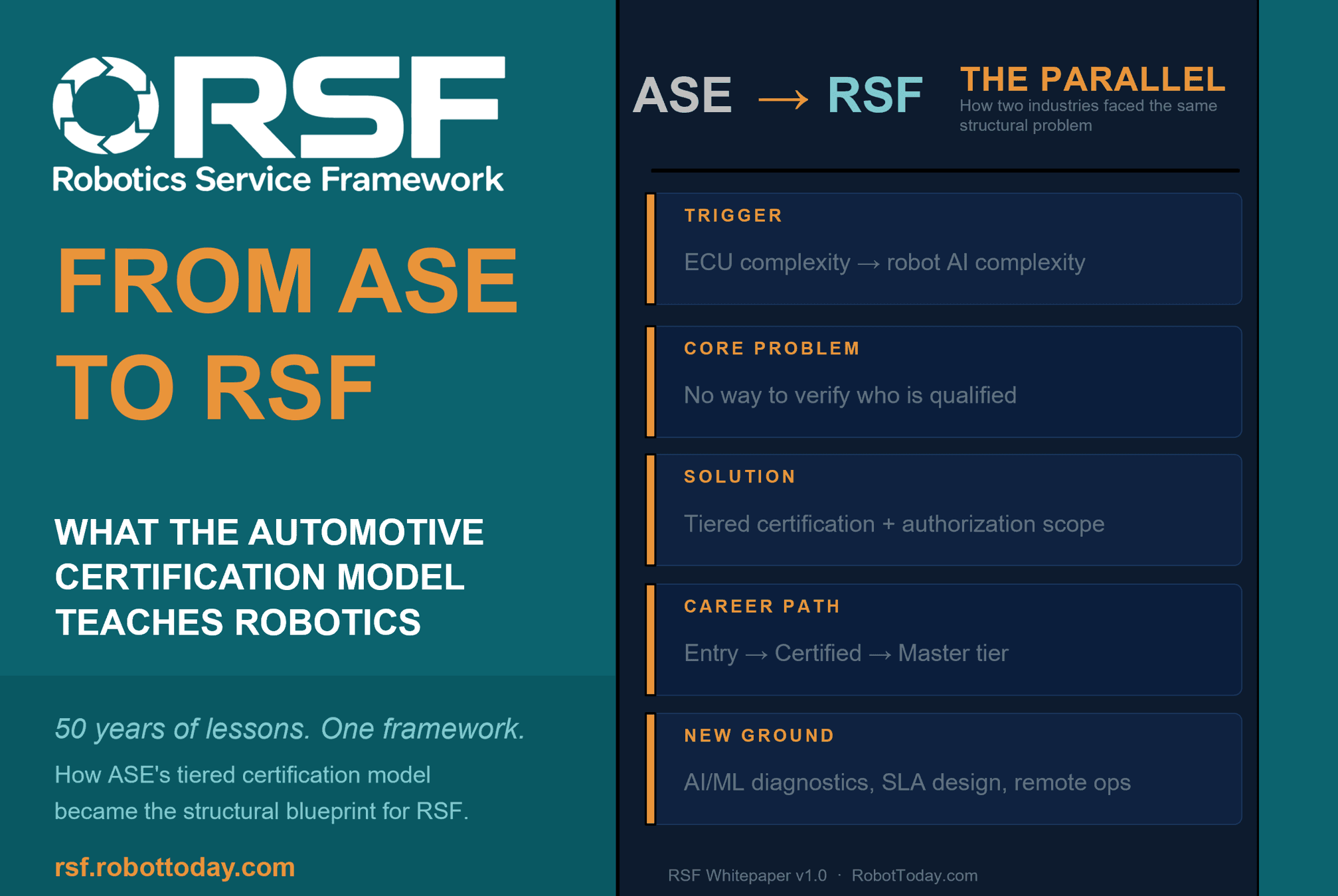
RoboticsRobotics needs a service framework.
RSF defines a common language for robot service capability, lifecycle operations, certification pathways, and service-provider networks.