Top News

Industry Briefing

A single destination for timely, editor-curated robotics news from around the world.

Drones, fighters, armored vehicles: Highlights from the UK’s Defence Investment Plan

Drones, fighters, armored vehicles: Highlights from the UK’s Defence Investment Plan

The UK government has announced a significant investment of £5 billion aimed at advancing autonomous systems as part of its defense strategy. This initiative, outlined in the latest Defense Investment Plan (DIP), emphasizes the development of a “hybrid navy” that integrates cutting-edge technology into naval operations. The funding is intended to enhance the capabilities of the armed forces, reflecting a broader trend towards modernization and innovation in military operations. The push for these autonomous systems is driven by the need to adapt to evolving security challenges and to maintain a competitive edge in defense capabilities. The plan is set to reshape the future of the UK’s naval forces, ensuring they are equipped to address contemporary threats effectively.

Global Land Warfare Naval Warfare AH-64E Apache Army Challenger 3
Overland AI nets Marine Corps autonomous ground vehicle contract

Overland AI nets Marine Corps autonomous ground vehicle contract

Overland AI has announced the development of an autonomous ground vehicle, clarifying that it is not designed to replace the Joint Light Tactical Vehicle (JLTV). CEO Byron Boots emphasized that the new vehicle will complement existing military assets rather than serve as a direct substitute. This initiative aims to enhance operational efficiency and adaptability in various mission scenarios. The announcement comes as part of Overland AI's ongoing commitment to innovate within the defense sector, leveraging advanced technology to meet the evolving needs of military operations.

Land Warfare Naval Warfare AI & Autonomy Army Drones MADIS
UK abandons Type 83 destroyer plans for aerial and underwater drone motherships

UK abandons Type 83 destroyer plans for aerial and underwater drone motherships

The Royal Navy is poised to implement a significant shift in its defense strategy, aiming to enhance its operational capabilities in response to evolving global threats. This strategic overhaul, announced on October 15, 2023, will focus on modernizing naval forces and integrating advanced technologies to better address challenges in maritime security. The initiative is part of a broader effort to ensure the Royal Navy remains a formidable presence in international waters, particularly amid rising tensions in various regions. The decision comes as defense officials recognize the need for a more agile and responsive naval fleet, capable of countering emerging threats from state and non-state actors alike. By investing in cutting-edge equipment and fostering partnerships with allied nations, the Royal Navy seeks to bolster its deterrence capabilities and maintain strategic advantages. The new strategy will involve a comprehensive review of current assets and a commitment to developing innovative solutions that align with the United Kingdom's defense priorities. This proactive approach is intended to safeguard national interests and enhance the Royal Navy's role in global security operations. As the Royal Navy embarks on this transformative journey, it aims to ensure that it is well-equipped to navigate the complexities of modern warfare and uphold its commitment to protecting the UK's maritime interests.

Military
UK Sacrifices Its Future Destroyer As Part Of Massive Bet On Drones Across Its Forces

UK Sacrifices Its Future Destroyer As Part Of Massive Bet On Drones Across Its Forces

The UK government is implementing a significant transformation in its military strategy, prioritizing the integration of uncrewed platforms across land, sea, and air operations. This ambitious overhaul comes at the cost of sacrificing its future destroyer, signaling a strategic shift towards drone technology as a cornerstone of the nation's defense capabilities. The decision reflects a growing recognition of the importance of unmanned systems in modern warfare, aiming to enhance operational efficiency and adaptability. As the UK moves forward with this initiative, it seeks to position its forces at the forefront of technological advancements in military operations.

News & Features Air Air Forces Around The Globe Europe Navies
In Defence Investment Plan preview, Britain bets big on drones, ‘hybrid’ navy

In Defence Investment Plan preview, Britain bets big on drones, ‘hybrid’ navy

The Ministry of Defence has announced an initiative to develop at least six hybrid warships that will integrate with unmanned systems both in the air and at sea. This strategic move aims to enhance naval capabilities and modernize the fleet, reflecting a growing emphasis on advanced technology in military operations. The initiative underscores the Ministry's commitment to maintaining a competitive edge in maritime defense, particularly in an era where unmanned systems are becoming increasingly vital for operational effectiveness. The timeline for the project has not been specified, but it represents a significant step towards modernizing naval warfare and adapting to evolving threats.

Air Warfare Global Land Warfare Naval Warfare Air Force Ajax
MQ-25 Stingray Demonstrator Goes Aboard USS Nimitz For 250th U.S. Anniversary Celebrations

MQ-25 Stingray Demonstrator Goes Aboard USS Nimitz For 250th U.S. Anniversary Celebrations

The Navy's T-1 tanker drone demonstrator made a notable appearance on the deck of the USS Nimitz, coinciding with the 250th anniversary celebrations of the United States. This event highlighted the drone's significant size in comparison to its crewed counterparts, showcasing advancements in naval aviation technology. The demonstration underscores the Navy's commitment to integrating unmanned systems into its operations, reflecting a shift towards modernizing its fleet. The USS Nimitz, a key asset in the Navy's carrier strike group, served as the backdrop for this milestone, emphasizing the importance of innovation in maintaining maritime superiority.

Air Carriers MQ-25 Navies Nimitz Class Sea
Poland signs $4.8 billion contract for Saab-made A26 submarines

Poland signs $4.8 billion contract for Saab-made A26 submarines

Swedish Prime Minister Ulf Kristersson announced a significant defense agreement that will bolster the Polish Navy, enhancing its capabilities to become one of the most formidable forces within NATO. This long-term deal is expected to strengthen security in the Baltic Sea region and across the alliance. The announcement underscores the importance of collaborative defense efforts among NATO member states, particularly in light of ongoing regional security challenges.

Global Naval Warfare A26 Baltic Sea Europe NATO
Major Italian shipbuilder Fincantieri exploring nuclear-powered vessels, CEO says

Major Italian shipbuilder Fincantieri exploring nuclear-powered vessels, CEO says

During a recent closed-door roundtable, Fincantieri CEO Pierroberto Folgiero discussed key insights gained from the ongoing conflict in Ukraine, particularly in relation to the use of naval drones. He emphasized the importance of adapting military strategies and technologies in light of the lessons learned from the war. Additionally, Folgiero addressed the future development of a common European patrol corvette, highlighting the need for collaborative efforts among European nations to enhance maritime security. The discussions aimed to foster innovation and cooperation in defense capabilities, reflecting the evolving geopolitical landscape.

Global Naval Warfare corvette Europe Fincantieri NATO
Pocket Fleet Of Unseen MQ-1 Predators Still Flying In Specialized Role

Pocket Fleet Of Unseen MQ-1 Predators Still Flying In Specialized Role

Formerly retired MQ-1 Predator drones, once a staple of the U.S. Air Force, are now being repurposed for specialized missions, showcasing their continued relevance in modern military operations. These drones, which had been phased out of active service, are being utilized in roles that require their unique capabilities, allowing them to contribute to missions that demand surveillance and reconnaissance. This resurgence of the MQ-1s comes as military strategists seek cost-effective solutions to meet evolving operational needs. The drones are primarily being deployed in less conventional environments, where their stealth and adaptability provide a tactical advantage. While the exact locations and details of their current missions remain classified, the ongoing use of these drones highlights the military's commitment to maximizing existing resources. The decision to keep the MQ-1s operational reflects a broader trend within the defense sector to extend the lifespan of proven technologies amidst budget constraints and the need for versatile aerial platforms. As of October 2023, these unmanned aerial vehicles continue to play a crucial role in enhancing situational awareness and intelligence gathering, proving that even retired military assets can find new life in the ever-evolving landscape of defense operations.

Air Drones Navies News & Features Q-1 Sea
UK industry team looks to miniaturize DragonFire laser for Type 45 destroyer debut

UK industry team looks to miniaturize DragonFire laser for Type 45 destroyer debut

The United Kingdom is poised to become the first European NATO member to operationally deploy advanced laser directed energy technology by 2027. This initiative reflects the UK's commitment to enhancing its defense capabilities in response to evolving security challenges. The deployment aims to provide a cutting-edge solution for military operations, improving efficiency and effectiveness on the battlefield. The move underscores the UK's leadership role within NATO and its dedication to modernizing its armed forces in line with contemporary technological advancements.

Global Naval Warfare Army DragonFire Drones Europe
Poland buys V-Bat UAVs from Shield AI for naval forces

Poland buys V-Bat UAVs from Shield AI for naval forces

In Ukraine, V-Bat drones have demonstrated resilience against electronic warfare attacks that have successfully incapacitated other unmanned aerial vehicles (UAVs). This development highlights the increasing sophistication of drone technology amid ongoing conflicts, where electronic warfare tactics are commonly employed to disrupt enemy operations. The ability of V-Bat drones to withstand such attacks is significant, as it enhances their operational effectiveness and provides a strategic advantage in the battlefield. The situation underscores the evolving nature of warfare and the critical role that advanced drone systems play in modern military engagements.

Uncategorized Drones Europe Global Navy Poland
US Marines launch long-endurance spy drone from warship in South China Sea

US Marines launch long-endurance spy drone from warship in South China Sea

A small US surveillance drone was launched from the deck of a Navy warship in the South China Sea on Thursday, marking a significant move in the ongoing tensions between the United States and China. The operation aimed to enhance reconnaissance capabilities in a region where both nations have been asserting their military presence. This deployment comes amid rising concerns over China's expanding influence and military activities in the area, prompting the US to bolster its surveillance efforts. The drone's mission involved gathering intelligence on maritime movements and potential threats, showcasing the US commitment to maintaining a strategic advantage in the region. The operation underscores the delicate balance of power in the South China Sea, where territorial disputes have heightened the stakes for both countries.

Military
Defense manufacturing readiness hinges on autonomous finishing, says GrayMatter Robotics

Defense manufacturing readiness hinges on autonomous finishing, says GrayMatter Robotics

A recent review of the Navy's industrial base has revealed a significant demand for 174,000 new workers to support defense manufacturing. In response to this workforce challenge, GrayMatter Robotics has proposed that robotics technology could effectively address the labor shortage. The company emphasizes that the integration of autonomous finishing processes in manufacturing could enhance efficiency and productivity, thereby meeting the urgent needs of the defense sector. As the military seeks to bolster its operational capabilities, the adoption of advanced robotics may play a crucial role in ensuring readiness and sustainability within the industry.

Collaborative Robots Defense / Security Manufacturing Maritime Markets / Industries News
Missile-like interceptor drone destroys target with precision during Spanish Navy’s at-sea test

Missile-like interceptor drone destroys target with precision during Spanish Navy’s at-sea test

The Spanish Navy recently conducted a successful at-sea test of the Hornet Block 1, showcasing its advanced capabilities in naval operations. This event took place in October 2023, as part of the Navy's ongoing efforts to enhance its maritime defense systems. The test aimed to evaluate the performance and reliability of the Hornet Block 1, which is integral to Spain's strategic military initiatives. By conducting these trials, the Spanish Navy seeks to ensure that its fleet remains at the forefront of modern naval warfare, effectively responding to evolving security challenges. The successful outcome of this test underscores the Navy's commitment to maintaining operational readiness and technological advancement in its maritime capabilities.

Military
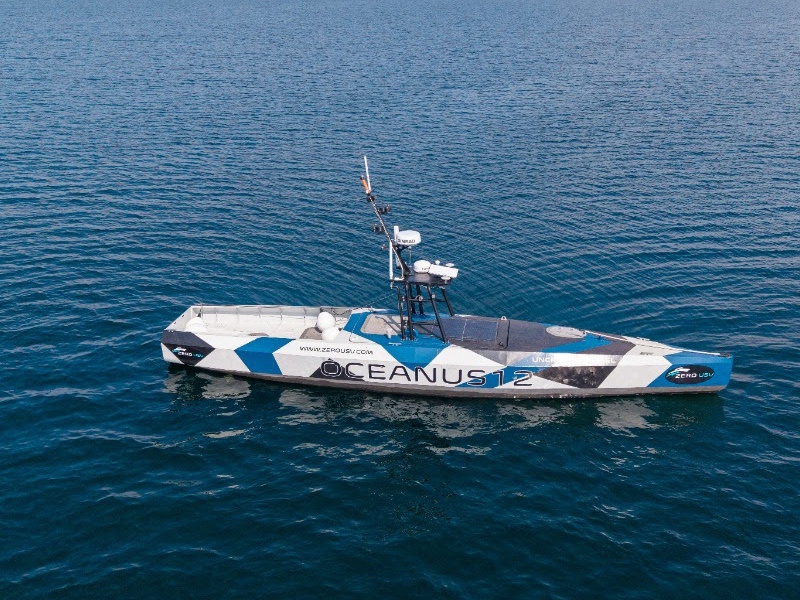
First Bluebottle Hull Christened as Part of Royal Australian Navy's Program of Record

First Bluebottle Hull Christened as Part of Royal Australian Navy's Program of Record

Ocius Technology has achieved a significant milestone in the Royal Australian Navy's $176 million Bluebottle Program with the ceremonial christening of the first uncrewed surface vessel (USV) hull. This event, which took place following the contract announcement in March, marks the initial delivery under the program aimed at enhancing naval capabilities. The Bluebottle USVs are designed to support various maritime operations, reflecting the Navy's commitment to modernizing its fleet and improving operational efficiency. The successful christening underscores Ocius Technology's role in advancing innovative maritime solutions for the Australian defense sector.

bluebottle usv hull christening ocius royal australian navy
US Navy tests dual-use laser that beams power and counters drone threats in one system

US Navy tests dual-use laser that beams power and counters drone threats in one system

The U.S. Naval Research Laboratory (NRL) has successfully demonstrated a groundbreaking laser system capable of transmitting data at unprecedented speeds. This innovative technology was showcased during a recent test conducted at the laboratory's facilities in Washington, D.C. The demonstration highlights the potential for advanced communication systems that could enhance naval operations and improve data transfer capabilities in various military applications. By utilizing laser technology, the NRL aims to address the growing demand for faster and more secure communication methods in an increasingly digital battlefield. The successful test marks a significant step forward in the development of high-speed data transmission solutions, paving the way for future advancements in military communications.

Military
How Musicians Can Get Paid for Training AI

How Musicians Can Get Paid for Training AI

In response to the challenges posed by generative AI on the music industry, startups like Sureel and SoundVerse are developing innovative solutions to ensure musicians are compensated fairly for their work. Following Warner Music Group's acquisition of Sureel, the company has partnered with the Swedish copyright agency STIM to create a system that tracks how music is used in AI training. This software allows creators to specify the terms of use for their music, ensuring they receive royalties based on its influence in AI-generated outputs. The ongoing debate centers on how to accurately attribute the contributions of various training data to the outputs produced by AI systems. SoundVerse advocates for a model that rewards artists continuously throughout the AI lifecycle, rather than through one-time payments. This approach aims to maintain the economic incentives that drive creativity while addressing concerns about AI's potential to undermine cultural vibrancy and artist livelihoods. As copyright lawsuits give way to negotiated agreements between major music labels and AI companies, there is a growing opportunity to establish fair compensation practices. Experts emphasize the need for transparent and equitable attribution systems that reflect the complex relationship between training data and AI outputs. Ultimately, the success of these initiatives may depend on collaboration across disciplines, including musicology, law, and economics, to create policies that support a sustainable creative sector in the age of AI.

Copyright Training-data Generative-ai Music
New mini submarine-like drone from HII can dive 328 feet deep with 10 hour battery life

New mini submarine-like drone from HII can dive 328 feet deep with 10 hour battery life

Huntington Ingalls Industries (HII), a prominent U.S. military shipbuilder, has successfully delivered the first REMUS 130 unmanned underwater vehicle. This significant milestone was achieved as part of HII's commitment to advancing maritime technology. The delivery took place in October 2023, showcasing the company's ongoing efforts to enhance the capabilities of the U.S. Navy and other defense partners. The REMUS 130 is designed for various underwater missions, including reconnaissance and surveillance, addressing the growing need for advanced unmanned systems in naval operations. This development reflects HII's strategic focus on innovation and its role in supporting national security objectives through cutting-edge maritime solutions.

Military
Mach Industries wins DIU contract for maritime, long-range strike drone

Mach Industries wins DIU contract for maritime, long-range strike drone

The U.S. Navy is pursuing the development of an unmanned aerial system capable of launching from smaller vessels that lack extensive flight decks. This initiative aims to enhance the Navy's long-range strike capabilities, allowing for more versatile and efficient operations at sea. The move comes as part of the Navy's broader strategy to modernize its fleet and adapt to evolving maritime threats. By leveraging unmanned technology, the Navy seeks to extend its operational reach while minimizing risk to personnel and resources. The project is currently in the planning stages, with further details expected to emerge as the Navy refines its requirements and explores potential partnerships with defense contractors.

Air Warfare Naval Warfare Air Force destroyer Drones Navy
Better collaboration needed on SOCOM programs, says government watchdog

Better collaboration needed on SOCOM programs, says government watchdog

The Government Accountability Office (GAO) has highlighted significant challenges faced by civilian officials in fulfilling their oversight responsibilities. In a recent report, the GAO stated that these officials often lack access to essential program information and meetings, hindering their ability to perform effectively. To address these issues, the GAO has put forth three recommendations aimed at improving access to necessary resources and information. This initiative underscores the need for enhanced transparency and communication within government operations to ensure that oversight functions can be carried out more efficiently.

Air Warfare Naval Warfare Pentagon AC-130J Ghostrider Air Force ASD(SO/LIC)
US Navy drone ship gets its own production line to speed up fleet deliveries

US Navy drone ship gets its own production line to speed up fleet deliveries

Bayou Metals, a key manufacturing partner of defense shipbuilder Huntington Ingalls Industries (HII), has announced the establishment of a new facility aimed at enhancing its production capabilities. This development, which took place in early October 2023, is located in the Gulf Coast region, a strategic area for defense manufacturing. The decision to expand comes in response to increasing demand for advanced materials and components necessary for military vessels. By investing in this new facility, Bayou Metals aims to streamline its operations and improve efficiency, ultimately supporting HII's commitment to delivering high-quality defense products. The facility is expected to create numerous jobs and contribute to the local economy, while also reinforcing the supply chain for the defense sector.

Military
‘The threat is there’: Germany to pair P-8s with MQ-9 drones to keep an eye on Russian subs

‘The threat is there’: Germany to pair P-8s with MQ-9 drones to keep an eye on Russian subs

The German Naval Aviation Command is set to introduce the MQ-9B, marking the first unmanned system in its operational fleet. Capt. Broder Nielsen, the command's head, emphasized the importance of a gradual integration process, stating that personnel will work closely with the aircraft as they adapt to its capabilities. This initiative reflects Germany's commitment to enhancing its naval aviation capabilities with advanced technology. The timeline for the full operational rollout remains under development, but the focus on a step-by-step approach aims to ensure effective training and operational readiness for the crew.

Global Naval Warfare Boeing Europe General Atomics Aeronautical Systems Germany
SASC’s $1.14T defense policy bill creates combatant command for drones

SASC’s $1.14T defense policy bill creates combatant command for drones

Members of the Senate Armed Services Committee (SASC) approved a significant piece of legislation on Wednesday, advancing the bill with an 18-9 vote. This decision reflects the committee's ongoing efforts to address critical defense issues and enhance military readiness. The approval comes amid increasing concerns about national security and the need for updated military policies. The committee's action is a crucial step in the legislative process, paving the way for further discussions and potential amendments before the bill is presented to the full Senate for consideration.

Air Warfare Congress Land Warfare Naval Warfare Pentagon 2027 NDAA
Drone rescue highlights US Navy's autonomous push

Drone rescue highlights US Navy's autonomous push

The recent deployment of a sea drone to rescue two U.S. Army aviators, reportedly downed by Iranian forces, highlights the increasing significance of unmanned vessels in the United States' naval strategies. Analysts noted that this incident, which took place on Wednesday, reflects a shift in military operations, emphasizing the role of advanced technology in modern warfare. The use of a sea drone not only showcases the capabilities of remote-operated vehicles but also illustrates the U.S. commitment to safeguarding its personnel in hostile environments. As tensions in the region escalate, the integration of such innovative tools into military operations may become a crucial factor in future engagements.

Robotics
First-ever drone boat rescue: US Navy vessel pulls out two downed pilots from sea

First-ever drone boat rescue: US Navy vessel pulls out two downed pilots from sea

A U.S. Navy unmanned surface vessel successfully conducted a rescue operation for two Army pilots whose AH-64 Apache helicopter had crashed. The incident occurred on a training mission off the coast of California on Tuesday. The unmanned vessel, equipped with advanced technology, was able to locate the pilots quickly and facilitate their safe retrieval from the water. This operation highlights the increasing role of unmanned systems in military rescue missions, showcasing their effectiveness in enhancing operational capabilities and ensuring the safety of personnel in distress. The successful rescue underscores the collaborative efforts between the Navy and Army in conducting joint operations and responding to emergencies in challenging environments.

Military
Coast Guard, Saildrone team up in northern waters to boost border security, surveillance

Coast Guard, Saildrone team up in northern waters to boost border security, surveillance

The Voyager, a state-of-the-art surveillance vessel, has been designed to carry out continuous coastal monitoring and nearshore mapping operations. This advanced ship can remain deployed at sea for approximately 100 days, enhancing its capability to gather critical data over extended periods. The implementation of the Voyager is expected to significantly improve maritime security and environmental monitoring efforts, providing valuable insights into coastal ecosystems and aiding in the management of marine resources. With its advanced technology and extended operational range, the Voyager represents a significant advancement in maritime surveillance capabilities.

Naval Warfare border security coast guard Drones Navy Saildrone
Naval carrier set to deploy with a drone, while Marines say goodbye to the Harrier

Naval carrier set to deploy with a drone, while Marines say goodbye to the Harrier

This week, the U.S. Navy is enhancing its fleet capabilities as a Seahawk drone is scheduled to join the aircraft carrier USS Theodore Roosevelt. This integration reflects ongoing efforts to modernize naval operations and improve surveillance and reconnaissance missions. Additionally, the aviation community bids farewell to a legendary aircraft, which is making its final flight, marking the end of an era in military aviation history. The events highlight the Navy's commitment to advancing technology while honoring its storied past.

Air Warfare Naval Warfare Air Force Break Out Video harrier HarrierJumpJet
This Is The Corsair Drone Boat That Plucked The Downed Apache Crew Out Of The Gulf Of Oman

This Is The Corsair Drone Boat That Plucked The Downed Apache Crew Out Of The Gulf Of Oman

The U.S. Navy's leading drone task force in the Middle East has recently begun utilizing the Corsair uncrewed surface vessels, which were deployed for operations starting in March. This innovative technology played a crucial role in a recent rescue mission, successfully retrieving the crew of a downed Apache helicopter from the Gulf of Oman. The deployment of the Corsair underscores the Navy's commitment to enhancing maritime operations and improving response capabilities in the region. The use of these advanced drone boats marks a significant step in modern naval warfare and operational efficiency.

Sea Around The Globe Iran Middle East Navies News & Features
Royal Air Force introduces low-cost precision weapon to counter drones 

Royal Air Force introduces low-cost precision weapon to counter drones 

The Royal Air Force (RAF) has officially rolled out the Advanced Precision Kill Weapon System (APKWS), a cutting-edge precision-guided munition designed to enhance its capabilities in addressing contemporary threats, particularly uncrewed aerial systems. This strategic introduction comes as military forces worldwide adapt to the evolving landscape of warfare, where drones and other unmanned technologies pose significant challenges. The deployment of APKWS is expected to improve the RAF's operational effectiveness and precision in combat scenarios. This initiative reflects the RAF's commitment to maintaining a technological edge and ensuring readiness against emerging threats in modern warfare.

News
US’ drone-killing capability to get precision, accuracy with new combat-proven advanced fuzes

US’ drone-killing capability to get precision, accuracy with new combat-proven advanced fuzes

A Melbourne-based defense company has secured a contract to supply the U.S. Navy with advanced Mechanical Proximity Fuzes, which have been tested and proven in combat situations. This significant agreement, announced recently, aims to enhance the Navy's operational capabilities by integrating these precision fuzes into their munitions systems. The deal underscores the growing collaboration between Australian defense manufacturers and the U.S. military, driven by the need for reliable and effective weaponry in modern warfare. The fuzes are designed to improve the accuracy and effectiveness of naval operations, ensuring that the U.S. Navy maintains a technological edge. The delivery of these fuzes is expected to commence in the coming months, marking a crucial step in strengthening defense ties between the two nations.

A Navy carrier is about to deploy with a robot ship. Could it change the service forever?

A Navy carrier is about to deploy with a robot ship. Could it change the service forever?

Experts have indicated that the recent deployment of unmanned systems by the Navy could significantly influence the future development of its operational strategies. This initiative, aimed at enhancing naval capabilities, is seen as a pivotal step in integrating advanced technologies into military operations. The deployment is expected to take place in the coming months, with strategic locations being evaluated for optimal effectiveness. By leveraging unmanned systems, the Navy aims to improve efficiency, reduce risks to personnel, and adapt to evolving threats in maritime environments. The insights gained from this deployment will likely shape the Navy's approach to unmanned operations and inform future investments in technology.

Naval Warfare Adm. Daryl Caudle Drones featured Leidos MUSV
Marine Corps’ Harrier completes final flight following SOUTHCOM deployment

Marine Corps’ Harrier completes final flight following SOUTHCOM deployment

The Marine Corps is advancing its Tactical Aircraft Transition Plan, aiming to fully integrate fifth-generation aircraft into its fleet. This strategic initiative reflects the military's commitment to modernizing its aviation capabilities to enhance operational effectiveness and maintain a competitive edge. As part of this transition, the Marine Corps is focusing on upgrading its existing aircraft and incorporating advanced technologies that fifth-generation models offer. The timeline for this comprehensive adoption is set to unfold over the coming years, with ongoing assessments to ensure that the transition aligns with evolving defense needs. The move is driven by the necessity to adapt to modern warfare demands and to ensure that the Marine Corps remains a formidable force in the skies.

Air Warfare Naval Warfare Air Force harrier HarrierJumpJet Marine Corps
The biggest industry, training hurdles for making drone wingman a reality

The biggest industry, training hurdles for making drone wingman a reality

In a recent video, experts examined the evolving dynamics of manned-unmanned teaming in military operations, highlighting anticipated shifts for defense manufacturers as the United States increasingly integrates drones into combat scenarios. This analysis comes at a pivotal moment when the U.S. military is actively seeking to enhance its operational capabilities through advanced drone technology. The discussion focuses on how these partnerships between manned aircraft and unmanned systems could reshape defense strategies and manufacturing processes. As the demand for sophisticated drone capabilities grows, manufacturers will need to adapt to new technological requirements and operational frameworks to remain competitive in the defense sector. The insights shared in the video underscore the importance of innovation and collaboration in modern warfare, reflecting a broader trend towards automation and enhanced aerial support in military engagements.

Air Warfare Naval Warfare Pentagon Air Force collaborative combat aircraft Drones
Russia’s Baltic Fleet Successfully Attacked By Ukrainian Drones

Russia’s Baltic Fleet Successfully Attacked By Ukrainian Drones

The Baltic Fleet, historically a stronghold for Russian naval operations, has become a target of Ukraine's advancing long-range strike capabilities. This shift in focus comes as Ukraine intensifies its military efforts against Russian forces amid ongoing tensions in the region. The recent drone attacks on the fleet signify a strategic escalation in Ukraine's campaign, aiming to undermine Russian naval strength and assert its own military presence in the area. The developments highlight the evolving dynamics of the conflict, with Ukraine leveraging innovative tactics to challenge its adversary's maritime power.

Sea Around The Globe Baltic Sea Corvettes Drones Europe
Malaysian defense minister publicly slams Norway for cancelled missile sale

Malaysian defense minister publicly slams Norway for cancelled missile sale

At the Shangri-La Dialogue in Singapore, Malaysian Defense Minister Mohamed Khaled Nordin expressed concerns regarding Norway's recent actions, which he described as escalating beyond a mere bilateral contract dispute. He emphasized that this situation poses significant questions about the reliability of international agreements and the integrity of strategic partnerships. Nordin's remarks highlight the growing unease among nations regarding trust in diplomatic relations, particularly in light of recent developments that may undermine collaborative efforts on a global scale.

Global Naval Warfare Asia Europe Indo-Pacific Kongsberg
GE propulsion selected for US Navy’s next-generation ocean surveillance vessels

GE propulsion selected for US Navy’s next-generation ocean surveillance vessels

GE Aerospace has announced a significant contract to supply propulsion systems for the U.S. Navy's next-generation aircraft. This order, which underscores the company's commitment to advancing military aviation technology, was finalized recently and marks a pivotal step in enhancing the Navy's operational capabilities. The propulsion systems are expected to improve performance and efficiency for the upcoming fleet of aircraft, contributing to national defense objectives. GE Aerospace will leverage its advanced engineering and manufacturing expertise to fulfill this contract, ensuring timely delivery and adherence to the Navy's stringent requirements. This partnership highlights the ongoing collaboration between the defense sector and aerospace manufacturers, aimed at modernizing military assets and maintaining technological superiority.

Royal Navy deploys Defender mine-hunting robot for Strait of Hormuz operations

Royal Navy deploys Defender mine-hunting robot for Strait of Hormuz operations

The Royal Navy is set to deploy the Video Ray Defender, an advanced autonomous underwater robot, as part of its ongoing efforts to enhance maritime security. This deployment is scheduled for later this month, with operations taking place in various strategic locations to bolster surveillance and reconnaissance capabilities. The initiative aims to address increasing concerns over underwater threats and improve response times in maritime operations. By utilizing cutting-edge technology, the Royal Navy intends to streamline underwater missions, allowing for more efficient data collection and analysis. The introduction of the Video Ray Defender marks a significant step in the Royal Navy's modernization efforts, reflecting a commitment to incorporating innovative solutions in national defense strategies.

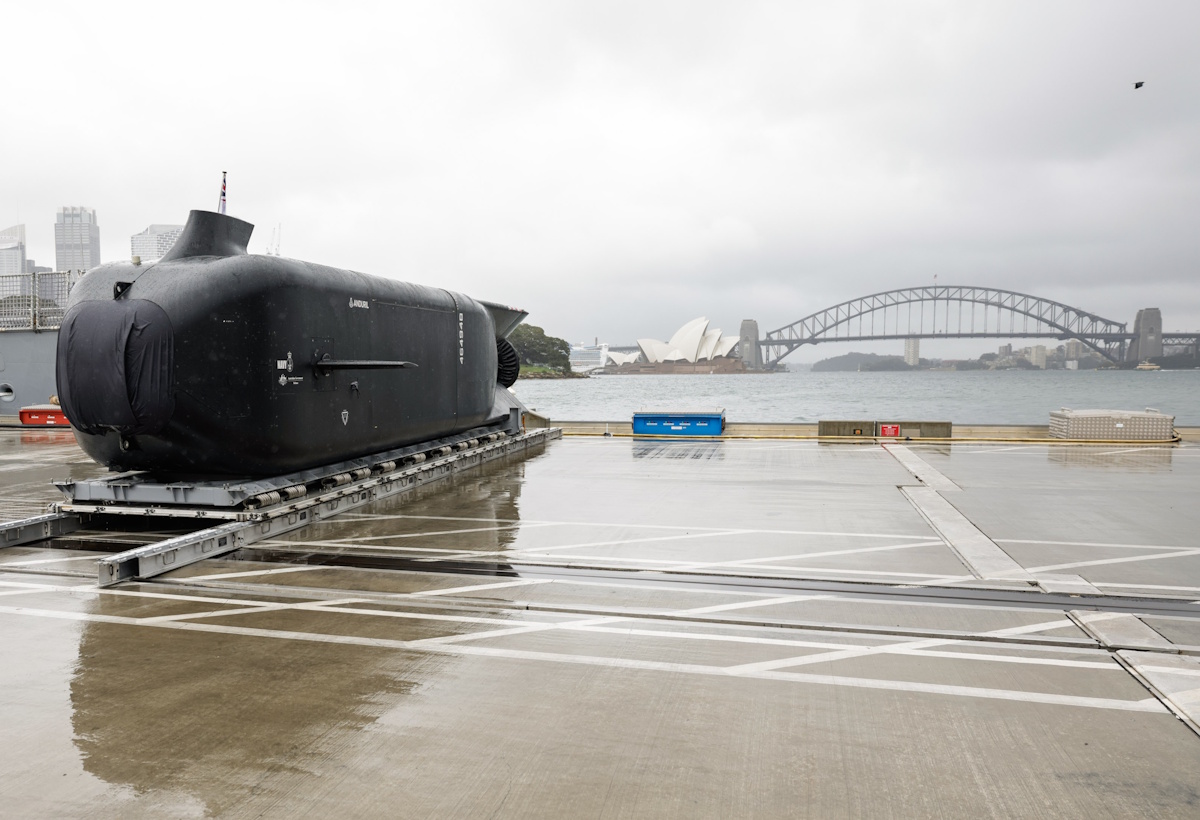
AUKUS partners sign agreement on underwater drones, speed up sub plan

AUKUS partners sign agreement on underwater drones, speed up sub plan

Australia has decided to abandon plans to purchase a new Virginia-class submarine, opting instead to acquire a decommissioned submarine from the United States Navy. This decision reflects a strategic shift in Australia’s defense procurement approach, aiming to enhance its naval capabilities while managing costs. The change comes amid ongoing discussions about regional security and military readiness, highlighting the importance of maintaining a robust defense posture in the Indo-Pacific region. The acquisition of the ex-US Navy submarine is expected to provide Australia with immediate operational capabilities, allowing for a quicker integration into its fleet compared to a new build, which would require more time and resources.

Global Naval Warfare Asia AUKUS Pillar 2 Drones Europe
High-powered panel discussion: Why aren’t there more women in engineering?

High-powered panel discussion: Why aren’t there more women in engineering?

Despite the common adage that "necessity is the mother of invention," women remain largely underrepresented in the field of engineering, a domain traditionally associated with innovation. This gender disparity persists globally, with historical and cultural factors contributing to the scarcity of female engineers. Efforts to address this imbalance are ongoing, as advocates highlight the importance of encouraging young women to pursue careers in engineering and related fields. By fostering an inclusive environment and promoting role models, the aim is to inspire the next generation of female innovators and change the narrative surrounding women in engineering.

Engineering Features automation news confidence gap diversity in engineering engineering careers
Trump Declares He Is Lifting The Naval Blockade On Iran (Updated)

Trump Declares He Is Lifting The Naval Blockade On Iran (Updated)

In a surprising announcement, former President Donald Trump declared the lifting of the naval blockade on Iran, although the specifics of this decision remain unclear. The timing of this declaration has raised questions, particularly as it comes amidst ongoing tensions between the U.S. and Iran. Iranian media outlets have expressed skepticism regarding Trump's claims, indicating a pushback against the narrative that the blockade would be lifted without a formal agreement in place. The motivations behind this sudden shift in policy are not fully understood, leading to speculation about the implications for U.S.-Iran relations. As the situation develops, the international community is closely monitoring the potential impact of this decision on regional stability and diplomatic efforts.

News & Features Around The Globe Drones Iran Middle East Navies
Containerized Variant Of Navy’s Drone-Swatting HELIOS Laser Being Pushed By Congress

Containerized Variant Of Navy’s Drone-Swatting HELIOS Laser Being Pushed By Congress

Congress is advocating for the development of a containerized version of HELIOS, the Navy's advanced laser system capable of disabling drones from an active warship. This initiative aims to enhance the deployment flexibility of the HELIOS laser, which is currently the only system of its kind in operation. By placing the laser in a container, the Navy could potentially expand its use across various platforms and locations, improving operational readiness and response capabilities. The push for this innovation reflects a growing emphasis on modernizing military technology to address evolving aerial threats.

News & Features Directed Energy Lasers Navies Sea U.S. Navy
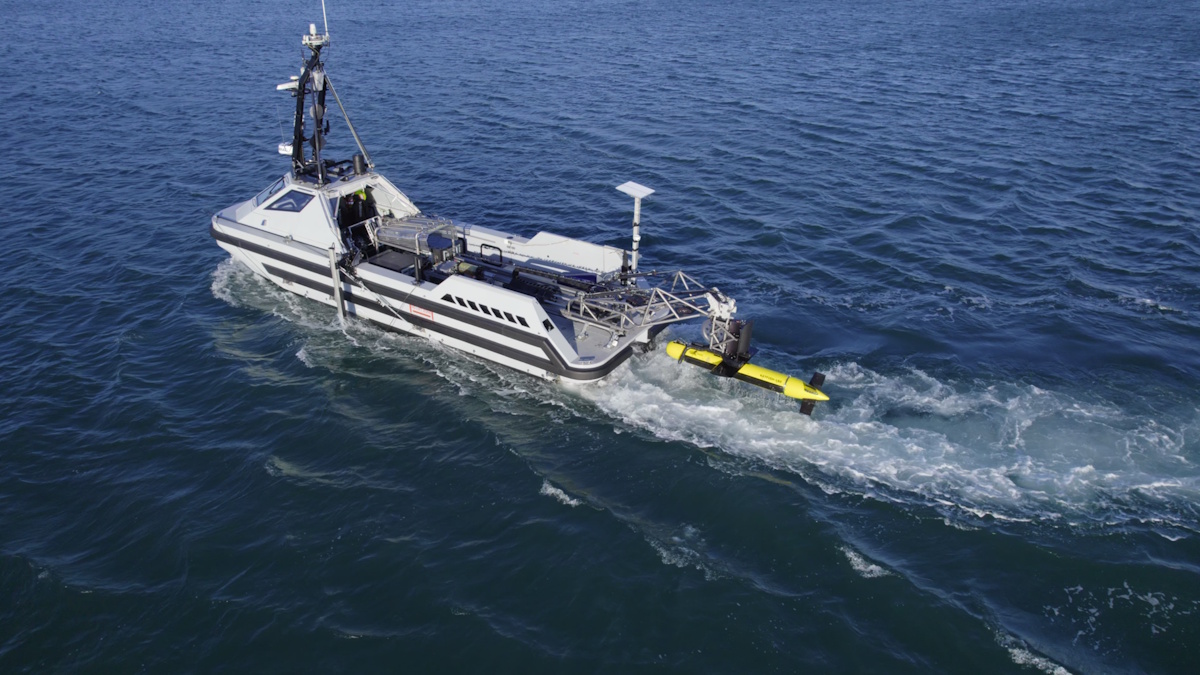
U.S. Navy Announces Seven Companies Selected for MUSV Marketplace At-Sea Demonstrations

U.S. Navy Announces Seven Companies Selected for MUSV Marketplace At-Sea Demonstrations

The Department of the Navy has announced the selection of seven companies to proceed to the at-sea testing phase for the Medium Unmanned Surface Vessel (MUSV) marketplace. This decision, made public today, marks a significant step in the development of advanced maritime technologies aimed at enhancing naval operations. The selected companies will now engage in rigorous testing to evaluate the performance and capabilities of their unmanned surface vessels. This initiative is part of the Navy's broader strategy to integrate innovative solutions into its fleet, ultimately improving operational efficiency and mission effectiveness.

u.s. navy musv marketplace at-sea demonstrations
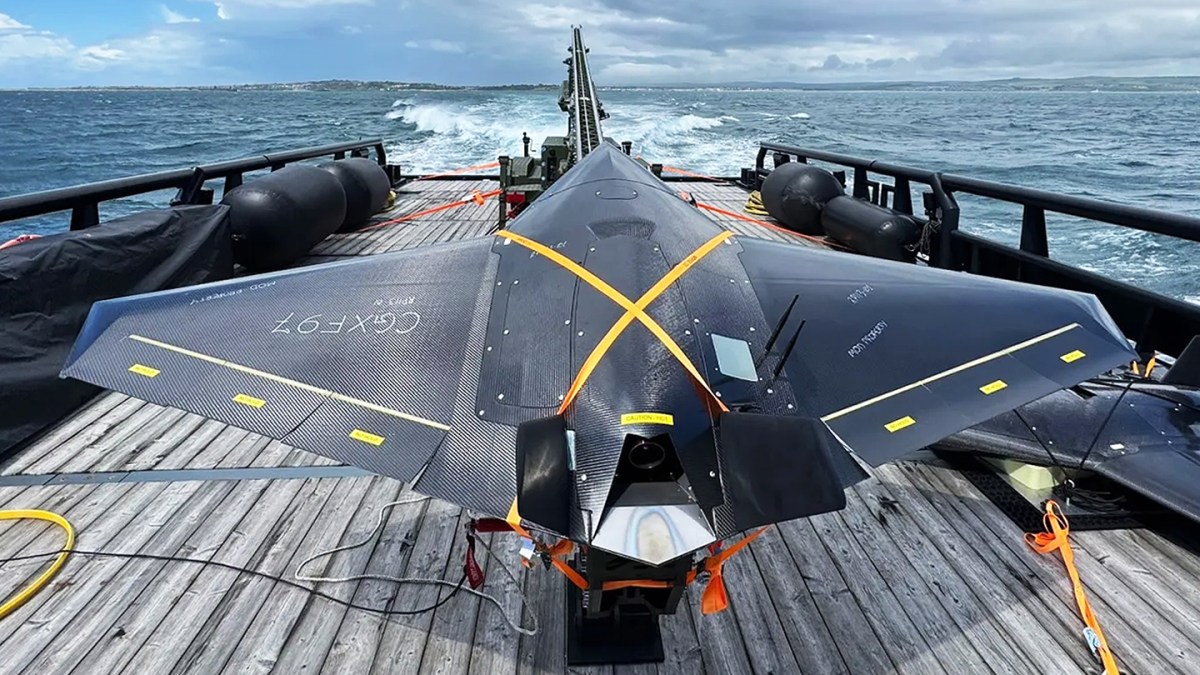
MQ-28 Ghost Bat Now Flying Over The Pacific From U.S. Navy Base

MQ-28 Ghost Bat Now Flying Over The Pacific From U.S. Navy Base

Boeing has announced that it is conducting tests of the Australian-developed MQ-28 Ghost Bat drone off the coast of California. These tests aim to demonstrate the drone's operational maturity and to bolster its sales potential, including possible contracts with the Pentagon. The MQ-28, which has been designed for advanced military applications, is currently being evaluated at a U.S. Navy base, highlighting its significance in the evolving landscape of defense technology. The initiative reflects Boeing's strategy to enhance the drone's market appeal and secure partnerships with key defense entities.

Air Drones Loyal Wingman MQ-28 Navies News & Features
DIU ups Hermeus contract for high-speed drone

DIU ups Hermeus contract for high-speed drone

The Defense Innovation Unit has awarded a contract that increases the total ceiling to $219 million for Hermeus, a company focused on advanced aerospace technology. This funding will support the ongoing development of the Quarterhorse drone, which is designed to release payloads at speeds reaching Mach 3. CEO Zach Shore shared these details in an interview with Breaking Defense, highlighting the significance of this advancement in military and defense capabilities. The initiative aims to enhance rapid response and operational efficiency in defense applications.

Air Warfare Air Force collaborative combat aircraft Drones Hermeus Navy
How the US, allies and adversaries see the future of drone wingmen

How the US, allies and adversaries see the future of drone wingmen

The third installment of a video series examining manned-unmanned teaming highlights the evolution of this concept within the US defense industry and its adoption by military forces worldwide. The video explores the advancements in technology and strategic thinking that have shaped the integration of manned and unmanned systems, emphasizing the collaborative potential these partnerships offer in modern warfare. Released in October 2023, the series aims to inform military professionals and policymakers about the ongoing developments and implications of this innovative approach to defense operations. By showcasing various case studies and expert insights, the video underscores the necessity of adapting to new technologies to enhance operational effectiveness and maintain a competitive edge in global military engagements.

Air Warfare Naval Warfare Pentagon Air Force Asia collaborative combat aircraft
Navy splits major information warfare post across three new directorates

Navy splits major information warfare post across three new directorates

In a significant development, the U.S. military is implementing a new policy that mirrors a decision made by the Air Force nearly two years ago. This initiative aims to enhance operational efficiency and address evolving challenges within the armed forces. The announcement, made recently, underscores the military's commitment to adapting its strategies in response to changing global dynamics. By adopting this approach, the military seeks to streamline processes and improve readiness across various branches. The decision reflects a broader trend within the defense sector to modernize and optimize resources in light of contemporary security threats.

Naval Warfare Networks & Digital Warfare cyber security information warfare Navy networks
Syria joins Turkey’s Efes 2026, one of nine nations participating for first time

Syria joins Turkey’s Efes 2026, one of nine nations participating for first time

In a significant development, Bulgaria, The Netherlands, Sweden, Japan, Egypt, Poland, Vietnam, Portugal, and Syria made their debut as participants in a recent international event. This gathering, which took place in October 2023, aimed to foster collaboration and dialogue among nations on various global issues. The inclusion of these first-time participants highlights a growing trend toward inclusivity and diversity in international forums. By bringing together a wider range of countries, the event sought to enhance understanding and cooperation across different cultures and regions. The successful integration of these nations into the discussions reflects a commitment to addressing shared challenges and promoting global unity.

Air Warfare Global Land Warfare Naval Warfare air defense Air Force
Navy tests MUSV autonomous control and payload architecture across seven prototypes

Navy tests MUSV autonomous control and payload architecture across seven prototypes

The US Navy has approved seven submissions for medium unmanned surface vessels (MUSVs) as part of its ongoing efforts to enhance maritime capabilities. This decision, announced recently, marks a significant step in the Navy's initiative to integrate advanced unmanned technologies into its fleet. The approvals come in response to the increasing demand for innovative solutions to address modern naval challenges, including surveillance and reconnaissance missions. By incorporating these unmanned vessels, the Navy aims to improve operational efficiency and reduce risks to personnel. The selected submissions will now move forward in the development process, with the Navy collaborating closely with the respective contractors to ensure successful implementation. This initiative underscores the Navy's commitment to leveraging cutting-edge technology to maintain its strategic advantage in maritime operations.

Navy green lights seven MUSV marketplace submissions to advance to prototype phase

Navy green lights seven MUSV marketplace submissions to advance to prototype phase

The U.S. Navy has announced that it has selected certain designs to advance in its ongoing procurement process, although specific companies involved have not been disclosed. This decision is part of the Navy's efforts to enhance its capabilities and modernize its fleet. The announcement comes as the Navy seeks to address evolving maritime challenges and improve operational readiness. The selection process is expected to play a crucial role in shaping future naval operations and ensuring that the Navy remains competitive in a rapidly changing defense landscape. Further details regarding the selected designs and the companies behind them are anticipated in the coming weeks.

Naval Warfare Drones Medium Unmanned Surface Vessel MUSV Navy
IAI’s new Diamond naval offering envisions flexible drones, missiles for small vessels

IAI’s new Diamond naval offering envisions flexible drones, missiles for small vessels

A new defense strategy is being implemented that features a network of small satellite ships equipped with various defensive systems. This innovative approach allows these ships to operate independently while remaining connected to a central mother ship, creating a disaggregated model of naval defense. The initiative aims to enhance maritime security and adaptability in response to evolving threats. By utilizing this modular system, naval forces can improve their operational flexibility and resilience in various combat scenarios. The deployment of these satellite ships is expected to take place in the coming months, with the goal of bolstering national defense capabilities and ensuring a more robust presence in contested waters.

Global Middle East Naval Warfare Drones industry Israel
RobotToday Initiative

Robotics needs a service framework.

RSF defines a common language for robot service capability, lifecycle operations, certification pathways, and service-provider networks.