Industry Briefing
A single destination for timely, editor-curated robotics news from around the world.
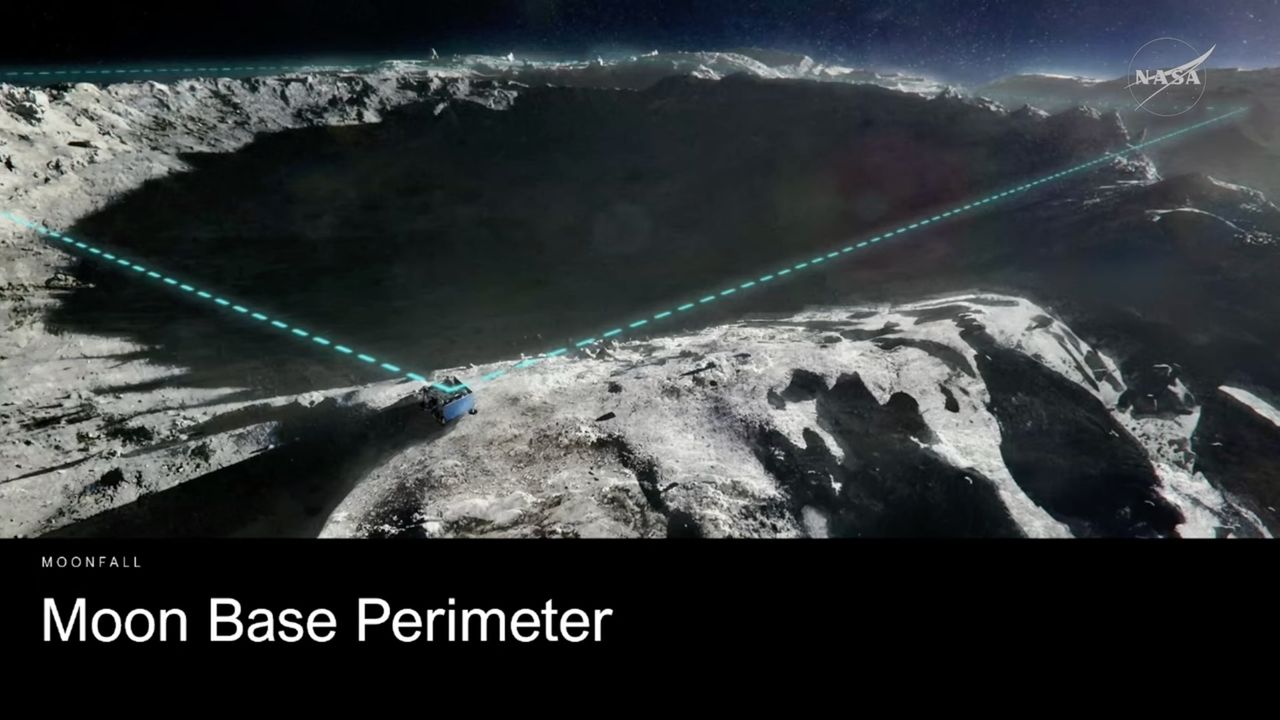
Artemis moon base will cover 'hundreds of square miles' with hopping drones and new lunar rovers, NASA says
NASA has announced ambitious plans for a moon base that will span hundreds of square miles, with the potential use of scout drones to monitor its perimeter. To kickstart this initiative, the agency has awarded contracts totaling $1 billion. This funding aims to facilitate the development and construction of the lunar facility, which is part of NASA's broader strategy to establish a sustainable human presence on the Moon. The contracts were awarded recently, marking a significant step forward in lunar exploration efforts. The project is expected to enhance scientific research and pave the way for future missions to Mars and beyond.
The moon Astronomy Solar System
Terrain Classification for Planetary Rovers Using Wireless In‐Wheel Sensor Modules and Machine Learning
In May 2026, researchers published a significant study in the Journal of Field Robotics, focusing on advancements in robotic technology. The study highlights innovative developments in autonomous navigation systems, which have the potential to enhance the efficiency and safety of robotic operations in various environments. Conducted by a team of experts in robotics and artificial intelligence, the research aims to address the challenges faced by robots in dynamic and unpredictable settings. The findings were based on extensive field tests conducted in diverse locations, including urban areas and remote terrains, showcasing the robots' adaptability and reliability. The motivation behind this research stems from the increasing demand for autonomous systems in industries such as agriculture, logistics, and disaster response, where precision and real-time decision-making are crucial. By employing advanced algorithms and machine learning techniques, the researchers demonstrated how these robots can effectively navigate complex environments while avoiding obstacles and optimizing their routes. This breakthrough not only promises to improve operational capabilities but also aims to reduce human intervention, thereby enhancing safety and efficiency in various applications. The study's implications are far-reaching, potentially transforming the landscape of robotic applications and paving the way for more sophisticated autonomous systems in the future.
RESEARCH ARTICLE
Coverage Route Planner of Ground Rovers Considering Hilly Terrains
A recent study published in the Journal of Field Robotics highlights advancements in autonomous robotics technology. Researchers from a leading university conducted experiments to enhance the navigation capabilities of robots in complex environments. The study, released in early October 2023, took place in various outdoor settings, including forests and urban areas, to assess the robots' performance in real-world scenarios. The motivation behind this research stems from the growing need for effective robotic systems that can operate independently in unpredictable conditions, such as disaster response or search and rescue missions. By employing advanced algorithms and machine learning techniques, the team aimed to improve the robots' ability to interpret their surroundings and make real-time decisions. The findings indicate significant improvements in the robots' navigation accuracy and efficiency, demonstrating their potential for practical applications. This research not only contributes to the field of robotics but also paves the way for future innovations that could enhance human safety and operational effectiveness in various industries.
RESEARCH ARTICLE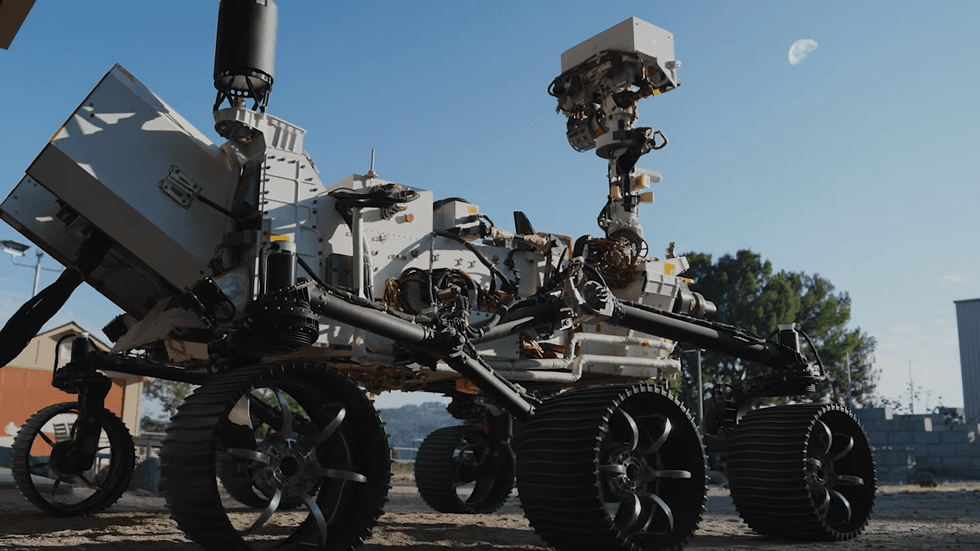
Video Friday: An Earthbound Mars Rover for the Moon
IEEE Spectrum robotics has released its latest edition of Video Friday, showcasing a variety of innovative robotics videos and announcing upcoming events in the field. Notable events include the RSS 2026 conference in Sydney from July 13-17, the Summer School on Multi-Robot Systems in Prague from July 29 to August 4, and IROS 2026 in Pittsburgh from September 27 to October 1. Among the featured projects is NASA's proposed PROMISE mission, which aims to send an advanced, nuclear-powered rover to the Moon's South Pole as part of its Moon Base initiative. This mission will utilize technology from the Curiosity and Perseverance Mars rovers, showcasing the adaptability of existing space exploration technology. In other developments, Weave Robotics is set to launch its home robot, Isaac 1, this fall, offering basic task autonomy for $500 per month. Meanwhile, UBTech Robotics has introduced a humanoid robot with lifelike features and emotional AI, reflecting a growing trend of integrating robots into domestic settings. Additionally, Carnegie Mellon’s Dr. Sebastian Scherer emphasizes the importance of developing robots capable of performing tasks in unpredictable environments, aiming to make them more functional and tool-like. The ongoing advancements in robotics, including soft, floating robots designed for social interaction and innovative applications like spatial audio technology from Georgia Tech, highlight the industry's commitment to enhancing human-robot collaboration and everyday life.
Video-friday Home-robots Rovers Humanoids
Emily Bender Sets the Record Straight on “Stochastic Parrots”
In March 2021, a notable paper titled “On the Dangers of Stochastic Parrots: Can Language Models Be Too Big?” was published by a team of four linguists and computer scientists, including Timnit Gebru and Margaret Mitchell, shortly after their controversial dismissal from Google. The paper critiques large language models, suggesting they generate text through statistical predictions rather than genuine understanding, coining the term "stochastic parrot" to illustrate this concept. As the analogy gained traction beyond academia, it sparked debates and inspired projects, including a shoulder-mounted robot named the Stochastic Parrot. On the five-year anniversary of the paper, lead author Emily M. Bender, a professor at the University of Washington, addressed common misconceptions surrounding the term in a recent blog post and an interview with IEEE Spectrum. Bender emphasized that the phrase specifically refers to large language models and not to all forms of artificial intelligence, which she believes oversimplifies the technology and complicates discussions about its implications. She highlighted the importance of clear terminology in understanding and regulating technology, noting that many discussions conflate different AI applications, such as chatbots and protein folding algorithms. Bender also acknowledged that the paper overlooked significant issues, such as exploitative labor practices in data collection, which she now believes should have been included. The ongoing discourse around language models continues to evolve, reflecting the complexities of artificial intelligence and its societal impact.
Emily-bender Large-language-models Llms Ai-ethics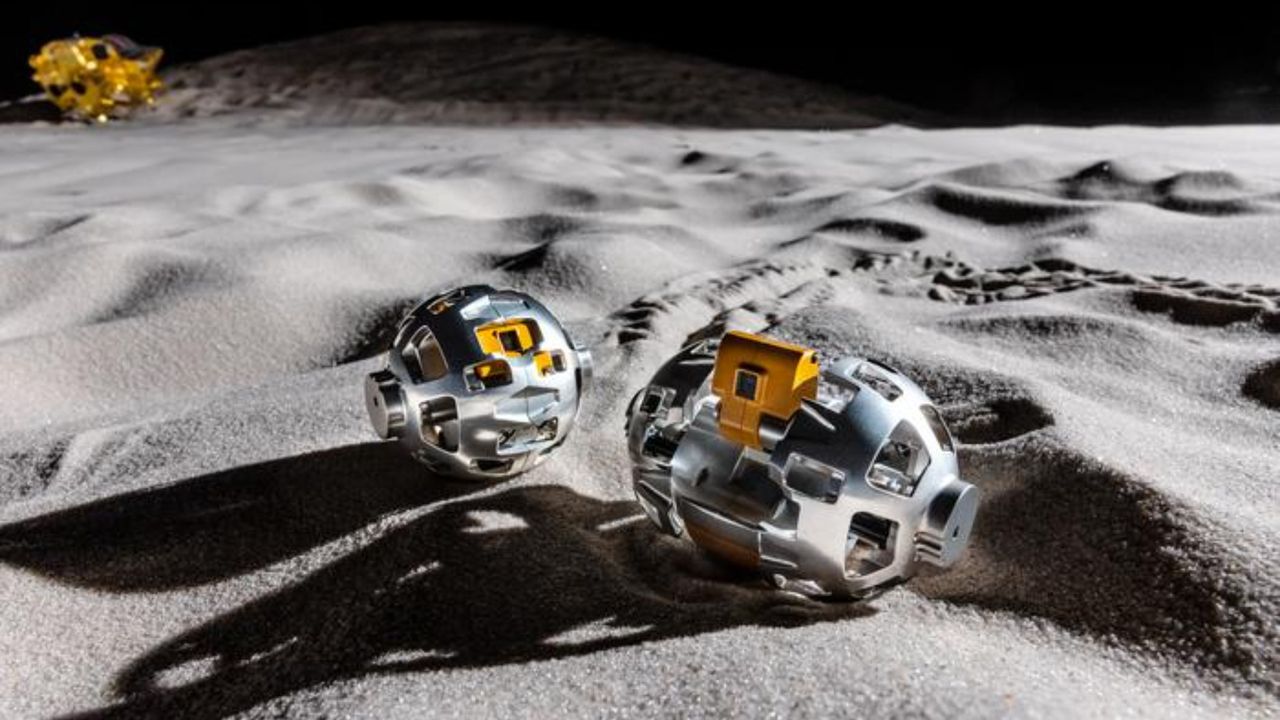
How Japanese scientists sent a real-life Transformer to the moon
In 2024, a groundbreaking autonomous rolling rover demonstrated its innovative design by transforming from a sphere into a robot during a successful exploration of the moon's surface. This mission marks a significant advancement in lunar exploration technology, showcasing the rover's ability to navigate diverse terrains effectively. The development of such versatile rovers aims to enhance our understanding of the moon's environment and potentially pave the way for future manned missions. The exploration was conducted as part of ongoing efforts to gather data that could inform scientific research and exploration strategies.
The moon Astronomy Solar System
Chinese Humanoid Robots Take the Internet by Storm as Overseas Influencers
Unitree Robotics' G1 humanoid robots have gained international attention, becoming viral sensations across various countries. A Buddhist monk in South Korea has showcased the robot's capabilities, while a counselor in Japan has integrated it into therapeutic practices. In Poland, the G1 has captured the public's interest as a street celebrity, entertaining and engaging with passersby. Meanwhile, in the United States, a controversial influencer has sparked debate by using the robot in provocative social media content. This diverse range of applications highlights the G1's versatility and the growing fascination with robotics in everyday life. The robots' rapid rise to fame reflects a broader trend of increasing acceptance and curiosity about artificial intelligence and humanoid technology in different cultural contexts.
HumanoidRobotics
Why a merger with SpaceX could be bad for Tesla shareholders
Elon Musk is reportedly considering a merger between Tesla and SpaceX as the latter prepares to go public, raising concerns among Tesla shareholders. Internal discussions suggest that a merger could eventually occur, driven by the potential for synergies between the two companies, which have collaborated on projects like the Terafab chip plant and orbital data centers. Analysts, including Wedbush's Dan Ives, speculate that Musk aims to integrate technologies from both firms within a growing AI ecosystem. However, the merger's implications for Tesla shareholders are complex. Musk holds significant control over SpaceX through special voting shares, which could allow him to negotiate terms favoring his interests. While Tesla shareholders would retain voting rights on any merger, their ability to influence the outcome may depend on their desire for a stake in SpaceX. Experts warn that any merger would likely be structured as a stock deal, which could complicate matters given Musk's history of self-dealing in previous mergers, such as the controversial acquisition of SolarCity and the recent buyout of Twitter by his AI firm, xAI. Despite these concerns, some investors believe a merger could streamline Musk's focus and resources, potentially benefiting Tesla in the long run.
FCC swamped with angry pleas over DJI, Autel drone ban
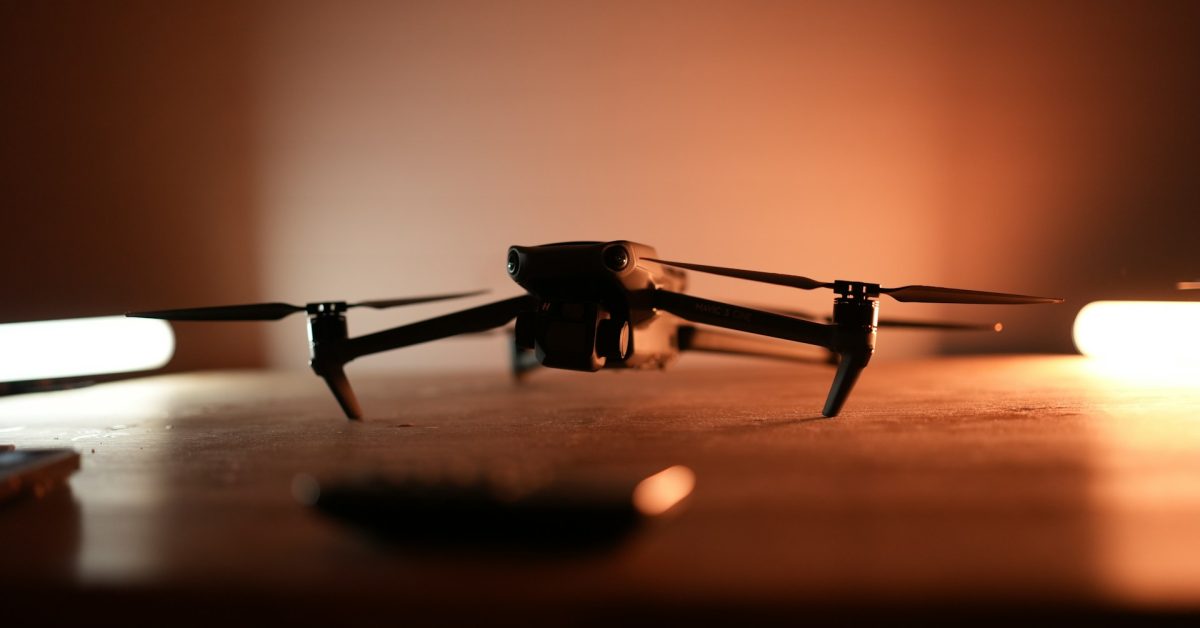
The ongoing debate in Washington regarding Chinese drones has evolved beyond a national security issue confined to congressional hearings, now affecting the lives of thousands of Americans. This controversy touches various sectors, including employment, emergency response, agricultural operations, photography, and search-and-rescue missions. As concerns about the implications of these drones grow, individuals and businesses are increasingly voicing their opinions, highlighting the personal stakes involved in the broader discussion. The intersection of national security and local livelihoods underscores the complexity of the situation, prompting a reevaluation of policies that could impact both safety and economic stability across the country.
News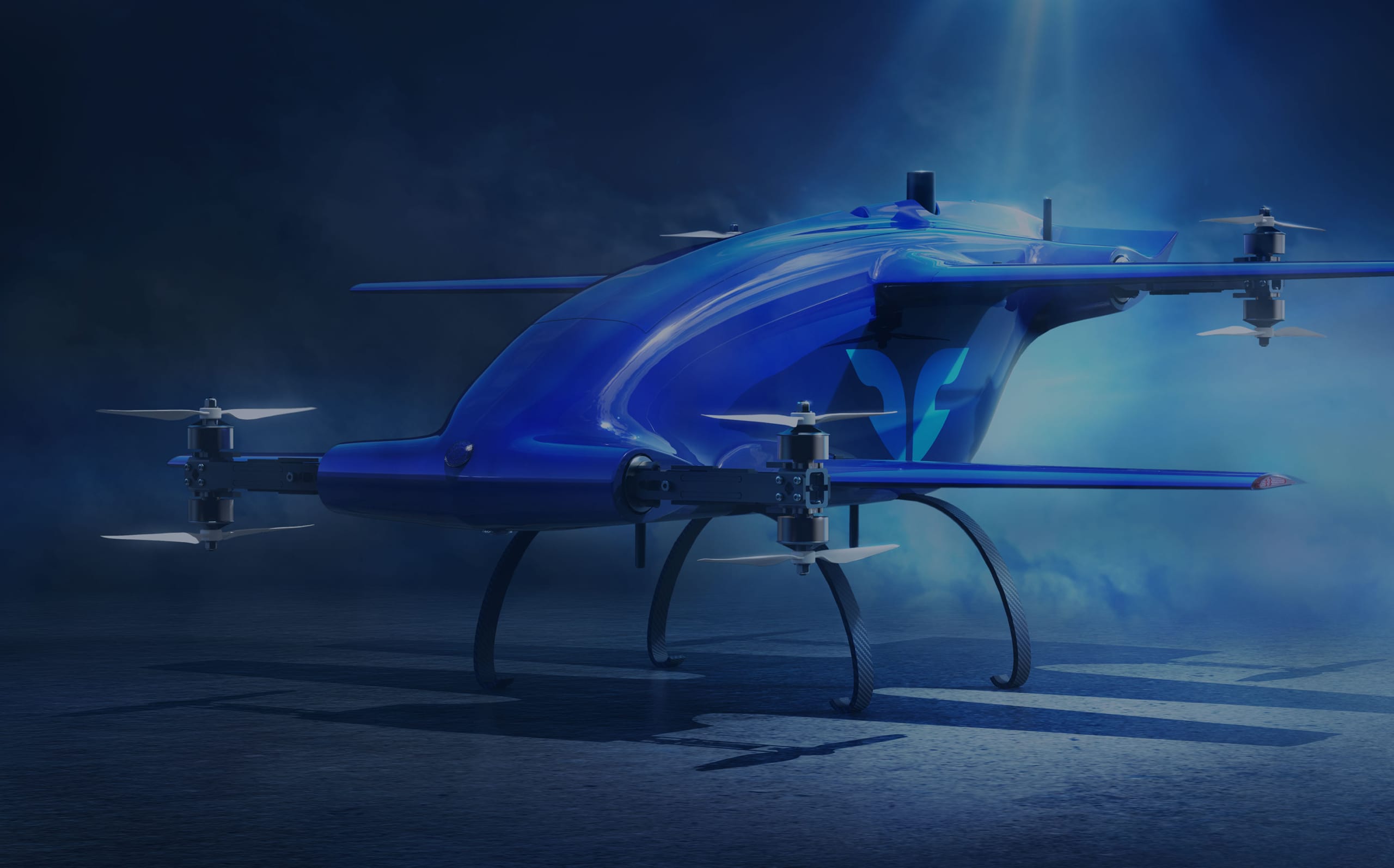
FCC Expands Conditional Approvals for Foreign-Made Drone Systems
The Federal Communications Commission (FCC) has expanded its list of conditionally approved drone systems, recently granting exemptions to additional uncrewed aircraft systems (UAS) and related components. This decision includes the addition of Blueflite, Verity, and Air VEV to the agency's Covered List framework, which has faced scrutiny and controversy. The announcement was made in a Public Notice, highlighting the FCC's ongoing efforts to regulate foreign-made drone technologies while addressing concerns over security and compliance. This expansion reflects the agency's commitment to fostering innovation in the drone industry while ensuring that safety and regulatory standards are met.
Drone News Drone News Feeds Drones in the News Feature 1 Legal News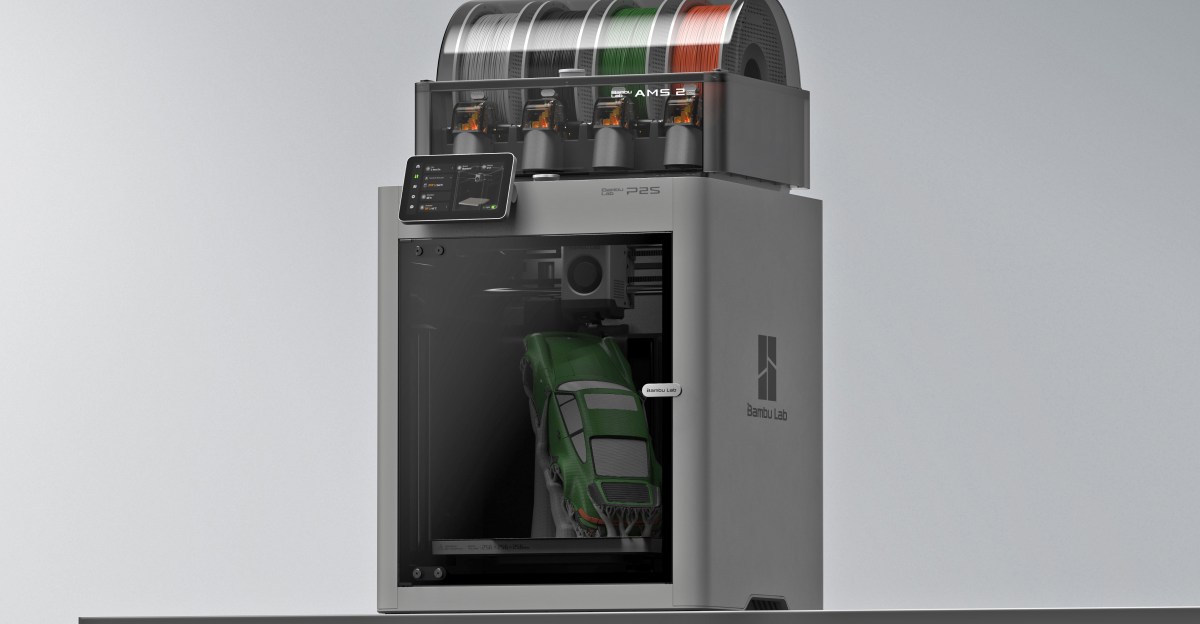
‘Fuck you, Bambu’: How one private message could change the face of 3D printing
Bambu Lab, known for producing top-quality and user-friendly 3D printers, is facing backlash from the 3D printing community following a controversial incident. The situation escalated when Paweł Jarczak, a prominent member of the community, received a private message from the company on Reddit requesting him to delete his code, which has sparked outrage among users. In response, many within the community have rallied around Jarczak, initiating a fundraising campaign aimed at challenging Bambu Lab's actions. This growing support highlights the community's commitment to open-source principles and their discontent with perceived corporate overreach. The unfolding conflict raises questions about the balance between innovation and intellectual property rights in the rapidly evolving 3D printing industry.
Gadgets Report Tech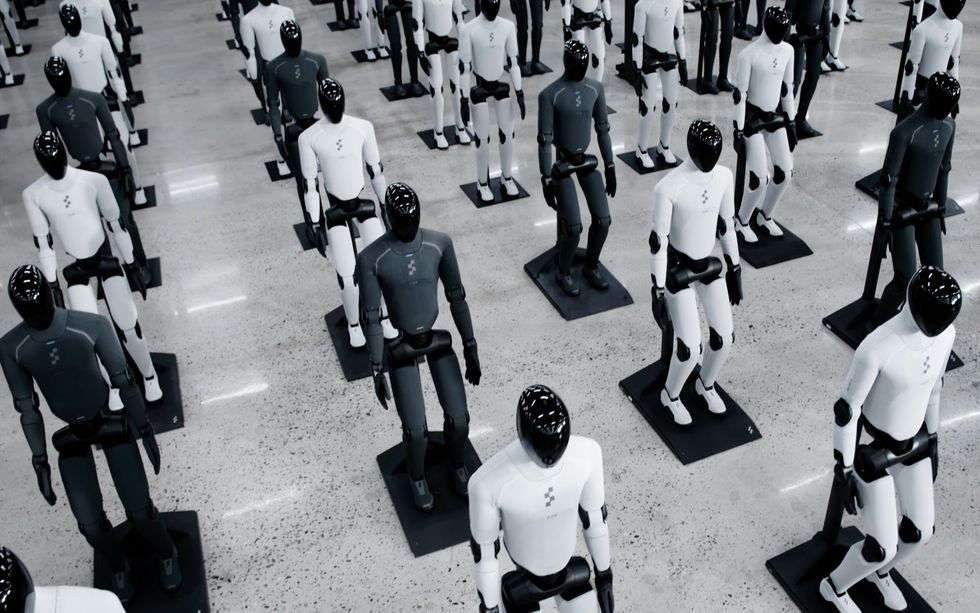
Video Friday: Figure, 1X Ramp Up Humanoid Robot Production
IEEE Spectrum robotics has released its weekly roundup of notable robotics videos and upcoming events, including major conferences like ICRA 2026 in Vienna and RSS 2026 in Sydney. A significant development in humanoid robotics has occurred with the opening of the NEO Factory in Hayward, California, which is now producing robots at a rate of 55 per week. This facility, which spans 58,000 square feet and employs over 200 staff, allows for complete in-house manufacturing, enhancing safety and efficiency. The first consumer robots are expected to ship in 2026, marking a pivotal step toward the realization of general-purpose home robots. In other news, NASA continues its exploration of Mars with two rovers, Perseverance and Curiosity, studying different geological eras of the planet. Meanwhile, the Chinese-made Unitree G1 humanoid robots are gaining traction in the U.S. tech landscape, being utilized by companies like OpenAI and Nvidia, raising questions about their implications for security and privacy. Additionally, advancements in robotics are showcased through various projects, including a surgical robot designed to streamline Neuralink implant procedures and a tactile-enabled humanoid manipulation system that enhances dexterity and stability in real-world tasks. As robotics technology evolves, experts are also exploring how autonomous systems make decisions in unpredictable environments, emphasizing the importance of AI in coordinating complex operations.
Humanoid-robots Video-friday Robot-videos Robot-manipulation Industrial-robots Robot-hands
Tech Is Taking Over Olympic Curling
At the Winter Olympics in Italy, a controversy erupted in curling over a disputed double-touch incident, igniting debates about sportsmanship and trust within the sport. As the competition unfolds, the rise of AI and robotics in curling has raised questions about the integrity of the game. Robots like "Curly," which can analyze ice conditions and execute precise shots, have already defeated top human curlers, showcasing the potential of technology to transform the sport. This shift has sparked concern among athletes and ethicists about the erosion of traditional skills and the "Spirit of Curling," which emphasizes integrity and respect. The World Curling Federation faces challenges in regulating these advancements, as the integration of AI could shift decision-making from players to algorithms. While some technologies, such as rock launchers and virtual reality systems, aim to enhance training and accessibility, the overarching trend indicates a growing reliance on data-driven strategies. As nations invest heavily in these innovations to gain competitive advantages, the future of curling may be redefined by technology, prompting a critical examination of what it means to compete fairly in a sport long governed by human intuition and experience.
Robotics Artificial-intelligence Virtual-reality Sports Canada Olympic-games
Foundation CEO Discusses 'Dual-Use' Humanoids, From Factory Floors to Future Battlefields
In a recent interview, Sankaet Pathak, CEO of Foundation Robotics, discussed the company's innovative strategy focused on developing humanoid robots designed for industrial automation and military logistics. The conversation highlighted the company's specific hardware selections and ambitious production targets, which aim to set them apart in a competitive market. Pathak also addressed the controversial dual-use approach of their technology, which raises ethical considerations while positioning Foundation Robotics as a leader in both commercial and defense sectors. This strategic direction reflects a growing trend in robotics, where the integration of advanced technology serves multiple purposes, potentially reshaping industries and defense operations alike.
sankaet-pathak military-robotics foundation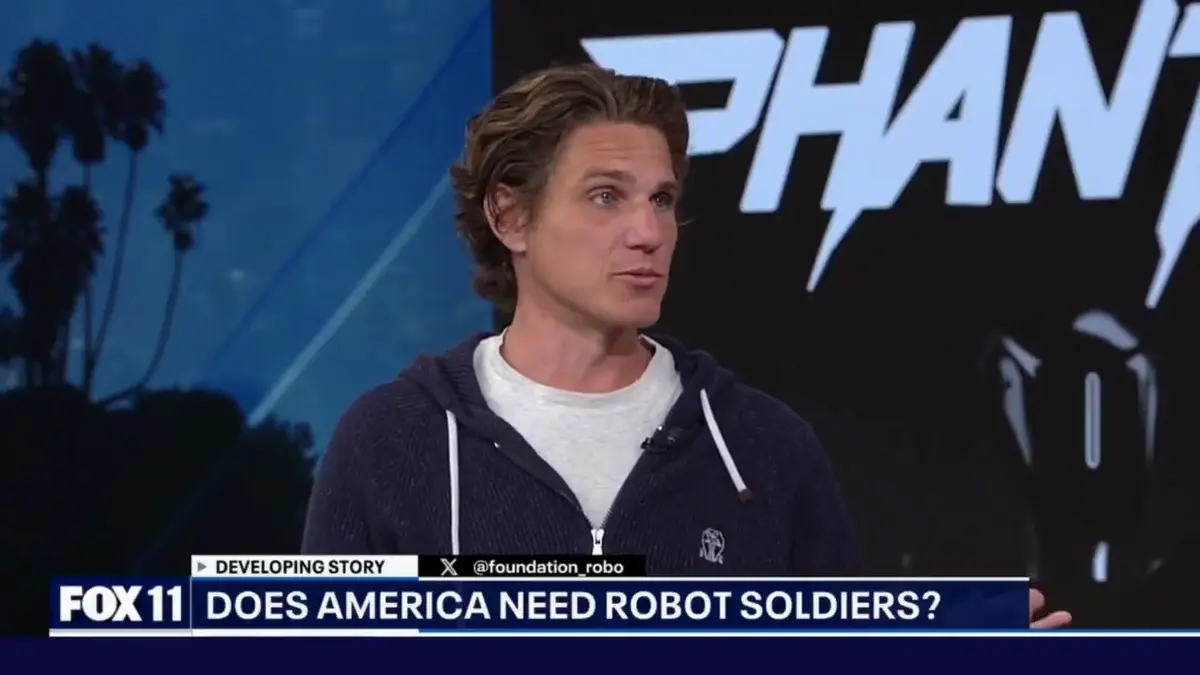
'Don't Send a Marine, Send a Robot': Foundation Co-Founder Details Military Pitch for Humanoids
In a recent television interview, Mike LeBlanc, co-founder of Foundation and a former Marine, highlighted the company's commitment to developing humanoid robots specifically for defense purposes. He described these robots as autonomous ground drones intended to take on perilous tasks traditionally performed by soldiers. This military-oriented strategy emerges as Foundation, under the leadership of the controversial former Synapse CEO Sankaet Pathak, intensifies its efforts to establish a foothold in the competitive robotics industry.
sankaet-pathak mike-leblanc military-robotics foundation
Mars orbiter watches Perseverance rover cross the marathon finish line | Space photo of the day for June 29, 2026
NASA's Perseverance rover has achieved a remarkable milestone by completing a marathon distance on Mars, showcasing its impressive speed and exploration capabilities. This achievement raises the possibility that Perseverance could become the first rover to complete an ultramarathon on the Red Planet. The rover's ongoing mission, which began in February 2021, aims to search for signs of ancient life and collect samples for potential return to Earth. As it continues to traverse the Martian landscape, scientists are closely monitoring its performance and the data it gathers, which could provide invaluable insights into the planet's history and geology.
Mars Rovers Space Exploration MissionsRobotics needs a service framework.
RSF defines a common language for robot service capability, lifecycle operations, certification pathways, and service-provider networks.