Industry Briefing
A single destination for timely, editor-curated robotics news from around the world.
The First Industry Standard in Embodied Intelligence: What Does It Mean?
A significant advancement in artificial intelligence evaluation has been marked by the official release of the first industry standard for embodied intelligence. This new standard introduces comprehensive testing methods and frameworks that aim to provide a more thorough assessment of AI systems, shifting the focus from merely measuring success rates to evaluating deeper capabilities. The initiative, which was announced recently, is expected to influence how companies develop and assess their AI technologies, fostering a more robust understanding of their performance and potential. By establishing these guidelines, industry leaders hope to enhance the reliability and effectiveness of AI applications across various sectors.
Embodied Intelligence AI Standards Robotics Evaluation Benchmarking
Does Your Model Really Generalize? RoboChallenge Table30 V2 Officially Launched, Opening the Era of Generalization
The RoboChallenge Table30 V2 has been introduced to overcome the shortcomings of current embodied intelligence models, which often struggle in practical applications. Launched recently, this innovative evaluation platform focuses on enhancing generalization capabilities by implementing upgraded tasks and testing protocols. By doing so, it aims to deliver a more precise assessment of model performance across a variety of real-world environments. The initiative reflects a growing need for more robust testing methods in the field of artificial intelligence, ensuring that models can effectively adapt to diverse scenarios.
Embodied Intelligence Model Generalization Robotics Evaluation AI Testing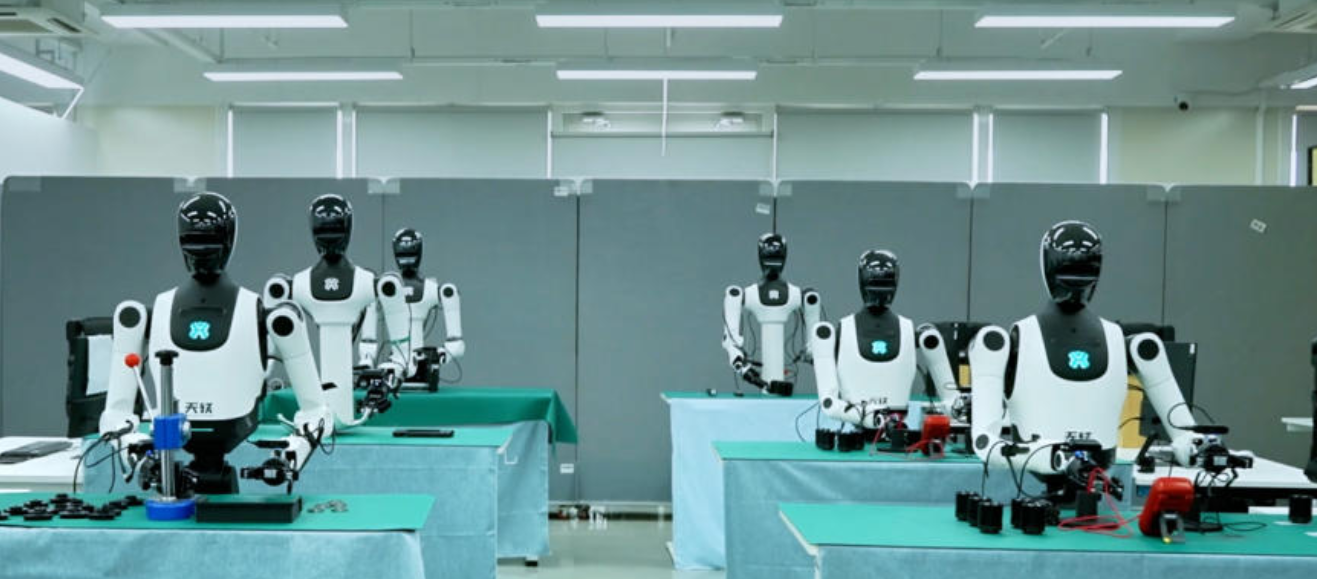
Launch of Robo-ValueRL: The First Open-Source VLA Reinforcement Learning Framework for Robotics
The Beijing Humanoid Robot Innovation Center and Renmin University of China's Gaoling Artificial Intelligence Institute have launched the Robo-ValueRL open-source framework. This initiative aims to enhance humanoid robots' decision-making capabilities in precision tasks, such as semiconductor assembly, by addressing challenges in data quality, control precision, and adaptability in dynamic environments. Robo-ValueRL introduces a value estimation mechanism based on historical observations, enabling robots to autonomously assess their actions. This closed-loop learning process—observation, value estimation, correction, and iteration—allows for improved accuracy and reduced instability in operations. The framework is fully open-source, providing access to core algorithms, evaluation tools, and standardized protocols for universities, research institutions, and manufacturers. The open-source nature of Robo-ValueRL significantly lowers the barriers for small and medium-sized manufacturers to implement reinforcement learning in specialized fields like semiconductor production and medical device manufacturing. This development marks a shift in humanoid robotics from laboratory experiments to practical industrial applications, paving the way for robots to evolve their decision-making capabilities independently.
Humanoid Robots Reinforcement Learning Precision Manufacturing Open Source Technology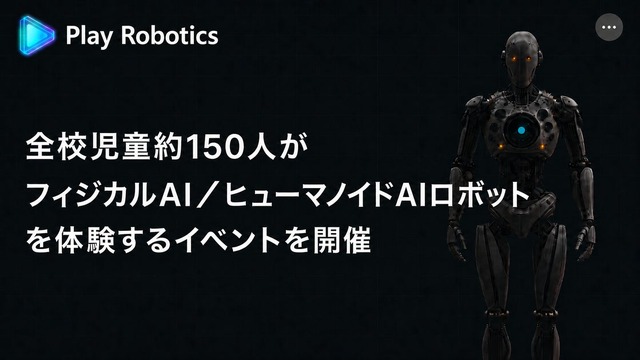
First educational event in Japan featuring humanoid demonstrations and physical AI experiences at elementary schools on June 26.
Play Robotics, a company specializing in safety evaluation and support for the integration of humanoid robots, is set to host a Physical AI Experience event on June 26, 2026. The event will take place at Shiroyama Elementary School in Inagi City. This initiative aims to provide participants with hands-on experiences to explore the capabilities and safety of humanoid robots, promoting awareness and understanding of AI technologies in educational environments. Through interactive demonstrations and activities, attendees will gain insights into the practical applications of robotics and artificial intelligence in everyday life.

The Enlightenment World Model tops evaluations in RoboTwin 2.0 and other embodied intelligence tests.
Recently, DaXiao Robotics announced that its Kairos world model has achieved top rankings in several global evaluations focused on embodied intelligence, including RoboTwin 2.0, LIBERO-Plus, WorldModelBench Robot, and DreamGen. This model employs an integrated architecture that combines multimodal understanding, generation, and prediction. In a significant move for the industry, DaXiao Robotics has made the Kairos model open-source, allowing broader access and collaboration in the field of AI-driven video generation and state prediction.

Investment Surge in Embodied Intelligence Data Providers Amid Robotics Financing Boom
Hexinju Technology, a company based in Suzhou, has successfully raised millions in Series A funding to enhance data infrastructure aimed at training robots. This investment comes at a time when the robotics industry is experiencing significant growth, highlighting the increasing demand for high-quality, multimodal data derived from real-world interactions. In response to this critical challenge, Hexinju plans to develop a comprehensive platform designed for data collection, processing, and evaluation. By doing so, the company seeks to establish itself as a pivotal player in the rapidly expanding field of embodied intelligence.
Embodied Intelligence Data Infrastructure Robotics AI Training Data Services
Genesis World 1.0 Launches: Infrastructure to Reduce Robot Evaluation Costs to Zero
Genesis AI has revolutionized simulation technology by prioritizing rapid iteration over sheer data volume in the evaluation of robot models. The company has achieved an impressive 89% real-world relevance in its simulations, which allows for extensive validation within virtual environments. This advancement significantly reduces the reliance on physical hardware and associated costs. The innovative infrastructure developed by Genesis AI is designed to facilitate continuous development in the robotics sector, transforming the evaluation process and improving overall efficiency.
Robot Evaluation Simulation Technology Robotics Infrastructure AI Development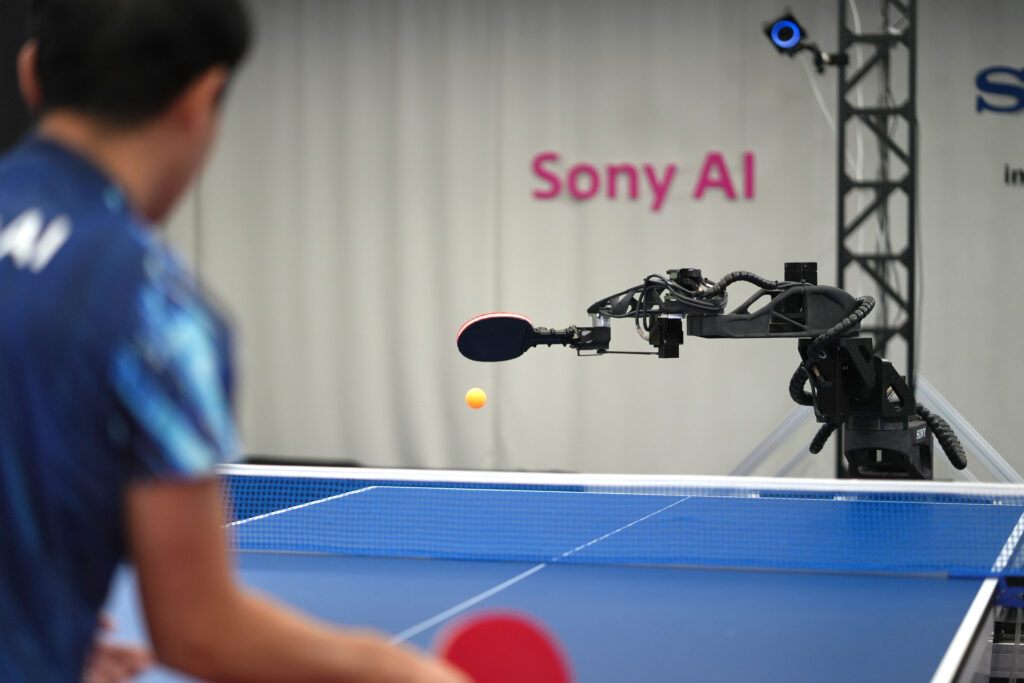
Table tennis robot defeats some of world’s best players – why this has major implications for robotics
In December 2025, a groundbreaking table tennis robot named Ace demonstrated its advanced capabilities by outperforming elite human players, including renowned competitor Yamato Kawamata, during a series of evaluations. Developed by Sony AI, Ace's performance signifies a notable advancement in artificial intelligence and robotics, showcasing the potential for machines to excel in complex sports environments. This achievement highlights the ongoing integration of AI technology in competitive settings, raising questions about the future of human versus machine competitions in sports.

Embodied Large Models: Aligning Evaluation First, Then Aligning with the World
Researchers in the field of robotics are grappling with the significant challenges posed by embodied intelligence, particularly the disparity between simulated environments and real-world applications. In response to these issues, a new benchmarking platform called RoboChallenge has been launched. This initiative aims to provide standardized evaluations for robotic models, addressing the pressing need for objective assessments to propel advancements in the industry. By establishing a consistent framework for evaluation, RoboChallenge seeks to bridge the existing gap and enhance the practical deployment of robotics in various settings.
Embodied Intelligence Robotics Benchmarking AI Evaluation RoboChallenge Simulation to Reality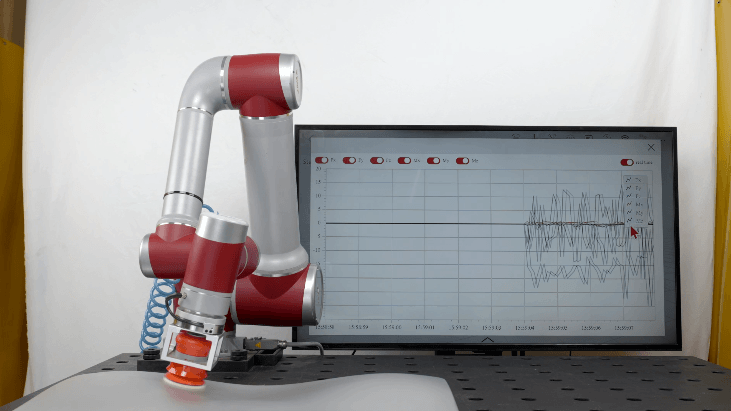
Industrial Cobot Price Analysis: Total Cost of Ownership (TCO) vs. Traditional Robotics
JAKA, a leader in automation solutions, emphasizes the importance of evaluating the total cost of ownership (TCO) when considering investments in industrial collaborative robots (cobots). Unlike traditional robotic systems that require extensive installation and specialized programming, JAKA's cobots offer flexibility and efficiency, significantly reducing labor costs and workspace requirements. This approach allows for rapid redeployment across production lines, enhancing long-term financial and operational benefits for businesses seeking cost-effective automation. The JAKA Pro16 Polishing and Grinding solution exemplifies the adaptability of industrial cobots, ensuring consistent processing precision and reducing defect rates. Its reprogrammable system enables quick adjustments for different workpieces, thereby shortening product modification cycles and minimizing the need for additional equipment. Furthermore, by taking over hazardous tasks, these robots enhance workplace safety by reducing direct human interaction with dangerous machinery. JAKA highlights that the TCO of cobots is influenced by their low maintenance requirements and operational efficiency. Unlike traditional robotics, which often involve complex setups and ongoing technical support, JAKA’s systems are designed for intuitive operation and seamless integration. Their modular design allows for future upgrades, extending service life and providing continuous value while minimizing downtime and maintaining consistent production quality. In conclusion, JAKA advocates for a comprehensive evaluation of automation solutions that goes beyond initial costs. By focusing on TCO, businesses can better appreciate how industrial cobots enhance operational efficiency, safety, and adaptability, ultimately leading to a scalable and efficient production environment.
Hai Robotics EMEA to Expand EU Footprint with New Innovation Center in the Netherlands
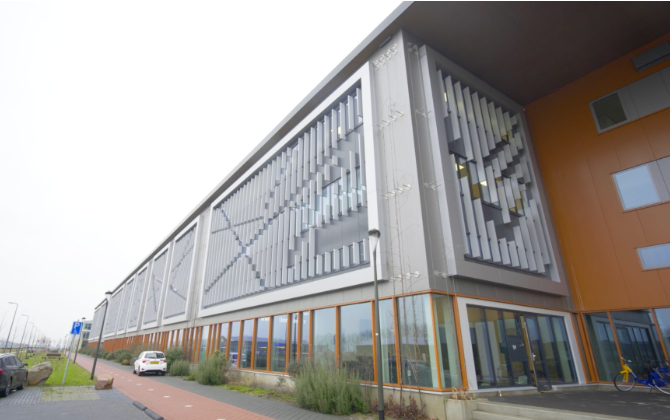
Hai Robotics will inaugurate its EMEA Innovation Center in Hoofddorp, Netherlands, on April 9, 2026, marking a significant step in its European expansion. The new facility is designed to bolster local support for scalable warehouse automation solutions and will serve as a testing ground for the company's HaiPick Systems, allowing for evaluation under real operating conditions. This initiative reflects Hai Robotics' commitment to enhancing its service offerings and adapting to the growing demand for advanced automation in the logistics sector.
Warehouse Automation Innovation Center EMEA Expansion Logistics Automation Solutions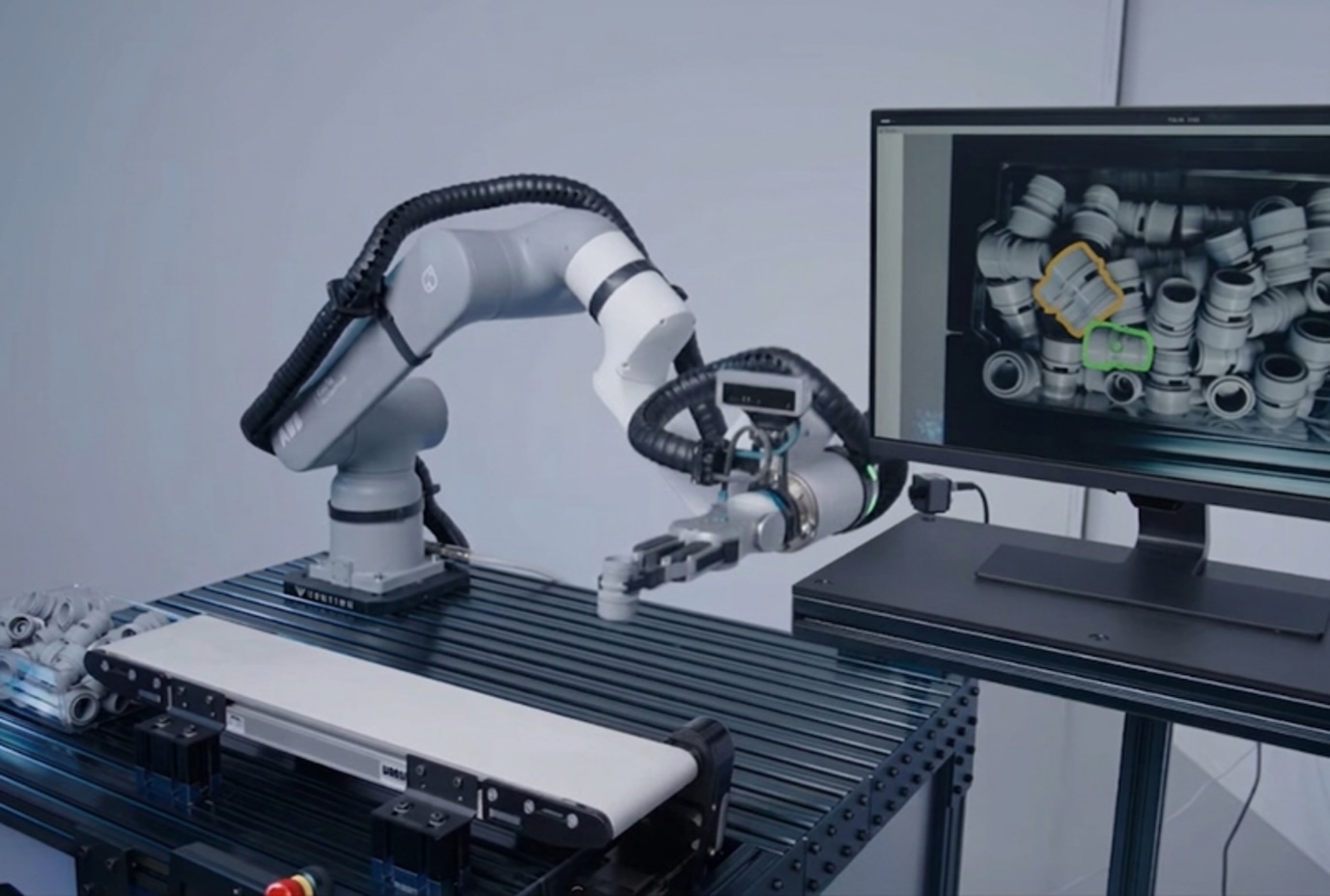
Beijing launches China’s first professional title system for robotics talent
Beijing's Municipal Human Resources and Social Security Bureau has launched the Trial Measures for Robotics Professional Title Evaluation, establishing a specialized evaluation system for professionals in the engineering and technical sectors. This initiative, announced recently, is designed to better align talent assessment with the evolving demands of the robotics industry. By implementing this framework, the city aims to bolster its position as a leading center for robotics innovation, addressing the growing need for skilled professionals in this rapidly advancing field. The new measures are expected to enhance the development of the robotics sector in Beijing, facilitating the recruitment and recognition of qualified individuals who can contribute to the industry’s growth.
News Feed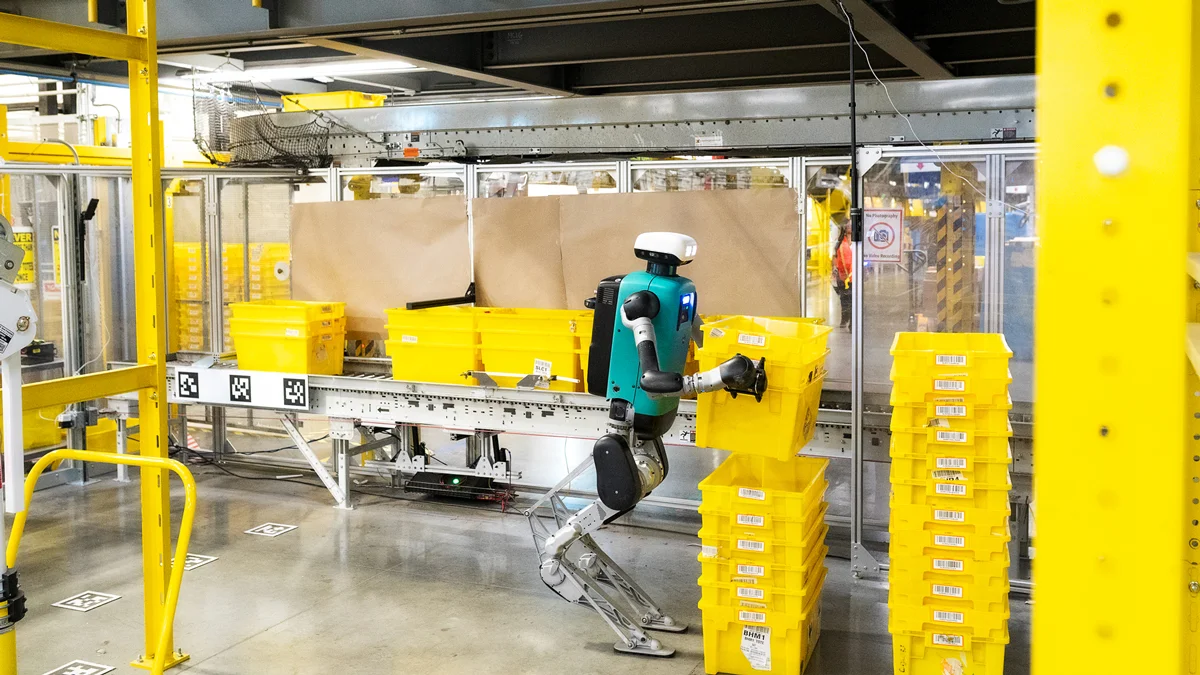
Agility Robotics Secures OSHA-Recognized Safety Approval, Widening the Gap Between ''Demo'' and ''Deployment''
Agility Robotics has achieved a significant milestone with its Digit robot, successfully passing a critical field inspection conducted by a Nationally Recognized Test Lab (NRTL). This accomplishment comes at a time when competitors in the robotics industry are under increased scrutiny regarding their safety culture. The inspection is a vital step towards commercial scaling of the Digit robot, underscoring Agility Robotics' commitment to meeting rigorous safety standards. By completing this necessary evaluation, the company positions itself favorably in the competitive landscape, paving the way for future advancements and deployments of its robotic technology.
insurance safety standards Agility Robotics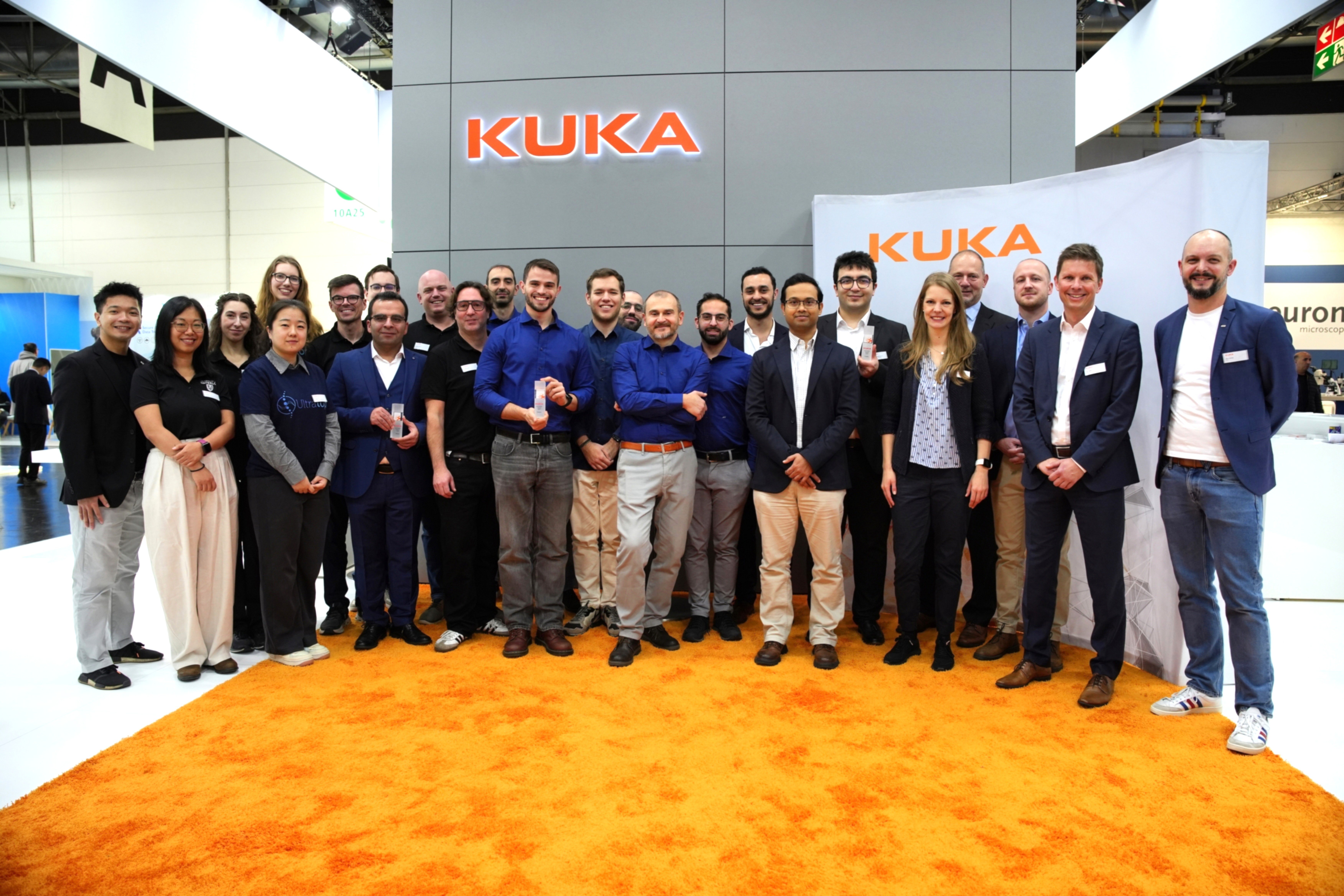
These are the winners of the Medical Robotics Challenge 2.0: Team ULTRATOPIA wins the KUKA Innovation Award 2025
A team of researchers from Belgium and Switzerland has achieved recognition in the field of medical robotics by winning the KUKA Innovation Award 2025. Their groundbreaking project focuses on utilizing ultrasound technology to examine the spine during surgical procedures. This innovative approach aims to enhance the precision and safety of spinal surgeries, addressing a critical need in the medical community. The award was presented following a competitive evaluation by a jury impressed by the potential impact of this technology on surgical practices. The team's success highlights the growing intersection of robotics and healthcare, showcasing how advanced technologies can improve patient outcomes and surgical efficiency.
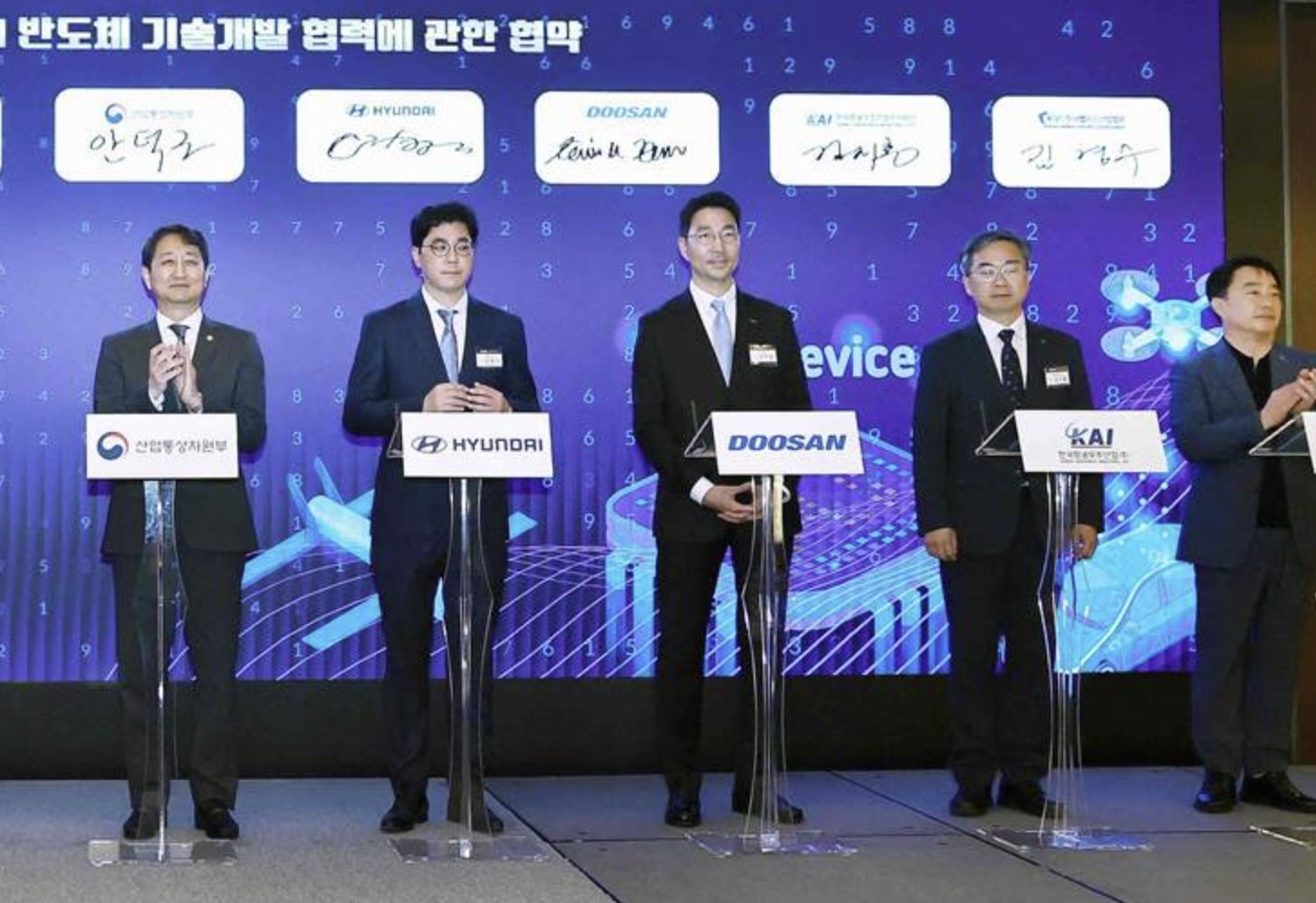
Doosan Robotics Signs MoU for 'K-On-Device AI Semiconductor Development Collaboration'
On May 20, Doosan Robotics announced a significant collaboration by signing a memorandum of understanding for the "K-On-Device AI Semiconductor Development Collaboration" during the AI Semiconductor Collaboration Forum at The Westin Chosun Hotel in Seoul. The event was attended by key stakeholders, including the Ministry of Trade, Industry and Energy, the Korea Evaluation Institute of Industrial Technology, and major companies such as LG Electronics and Hyundai Motor Company, alongside industry associations like the Korea Fabless Industry Association. This government-led initiative aims to establish a strong presence in the burgeoning Physical AI market, with planned projects valued at approximately KRW 1 trillion over the next five years. As the AI semiconductor landscape transitions from expensive, cloud-based systems to more efficient, on-device applications, the participating entities will engage in research and development to create AI semiconductors tailored for four key sectors: automotive, IoT and home appliances, machinery and robotics, and defense. Doosan Robotics, representing the machinery and robotics sector, has been involved in the project planning from the beginning and will collaborate closely with fabless companies throughout the entire development process. This includes joint development, validation of AI semiconductors and software, integration, and mass production, fostering a sustainable cycle of demand and supply while bolstering South Korea's AI semiconductor capabilities. A spokesperson from Doosan Robotics emphasized the increasing demand for power-efficient and intelligent AI semiconductors that can perform complex tasks in unpredictable environments, highlighting the company's commitment to enhancing its technological edge through this partnership.

Boston Dynamics tests robots from Unitree Robotics: report
Marc Raibert, the founder of Boston Dynamics, announced in an interview with Yicai Global on Monday that his robotics research institute has acquired robots from the Chinese startup Unitree Robotics for performance evaluation. Boston Dynamics is renowned for its advanced robotic creations, including the humanoid robot Atlas and the quadruped robot Spot. Raibert's initiative aims to assess the capabilities of Unitree's robots, highlighting a growing interest in international collaboration and innovation within the robotics sector. The acquisition reflects Boston Dynamics' commitment to exploring diverse robotic technologies and enhancing its own product offerings.
News Feed
Teradar enters paid evaluation program with German automaker for terahertz vehicle sensing technology
Teradar, a company specializing in terahertz (THz) vision technology, has initiated a paid technical evaluation program with a leading German automotive manufacturer. This collaboration aims to assess Teradar's innovative sensing technology for potential integration into advanced driver assistance systems (ADAS) and autonomous driving platforms. The evaluation will specifically target challenging scenarios where traditional sensing technologies, including cameras, radar, and lidar, may face limitations. By exploring the capabilities of THz technology, both Teradar and the automotive manufacturer seek to enhance the safety and efficiency of future automotive systems.
Components Design Engineering adas advanced driver assistance systems automation news
ARGOS-X from Forssea Robotics Performs Resident ROV Demo at IFREMER Pools
The RESIDENT R&D program, initiated two years ago in partnership with IFREMER, is focused on developing and qualifying technological components for remotely operated vehicles (ROVs) to ensure their long-term residency on the seabed. This innovative project aims to enhance the capabilities of ROVs for underwater exploration and research by improving their durability and functionality in challenging marine environments. The collaboration seeks to address the growing need for advanced underwater technology as industries increasingly rely on ROVs for tasks such as environmental monitoring, resource exploration, and scientific research. The program is set to continue its efforts into 2024, with ongoing testing and evaluation of the technologies being developed.
argos-x forssea robotics resident rov demo ifremer
Tax Data Reflects Capital Enthusiasm as Market Faces Evaluation Moment
In the first half of 2026, China's embodied intelligence and robotics sector experienced a remarkable surge, with 288 financing events generating over 46 billion yuan. This represents a 22.4% increase in sales revenue compared to the previous year, highlighting a robust demand from downstream factories. The significant influx of investment and favorable tax data underscores a pivotal moment for the commercialization of embodied intelligence in the country. However, the industry continues to face challenges, including disparities in funding and supply chain issues, which could impact its future growth trajectory.
Embodied Intelligence Robotics Market Trends Investment Commercialization
Deep Learning Based Dirt Detection and Cleanliness Evaluation in Autonomous Indian Domestic Concrete Water Tank Cleaning Robot
A recent study published in the Journal of Field Robotics highlights advancements in autonomous robotic navigation. Researchers from a leading robotics institute conducted experiments to enhance the efficiency of robots in complex environments. The study, released in early October 2023, focuses on the integration of advanced algorithms that allow robots to better interpret their surroundings and make real-time decisions. The research was carried out in various challenging terrains, including urban settings and natural landscapes, to test the robots' adaptability. The motivation behind this work stems from the growing demand for autonomous systems in sectors such as agriculture, search and rescue, and urban planning. By improving navigation capabilities, the researchers aim to facilitate the deployment of robots in scenarios where human intervention is limited or dangerous. Through a series of simulations and field tests, the team demonstrated that the new algorithms significantly reduced the time taken for robots to complete tasks while increasing their accuracy in obstacle avoidance. This breakthrough could lead to more reliable and efficient robotic systems, paving the way for wider applications in everyday life. The findings underscore the potential of robotics to transform various industries by enhancing operational efficiency and safety.
RESEARCH ARTICLE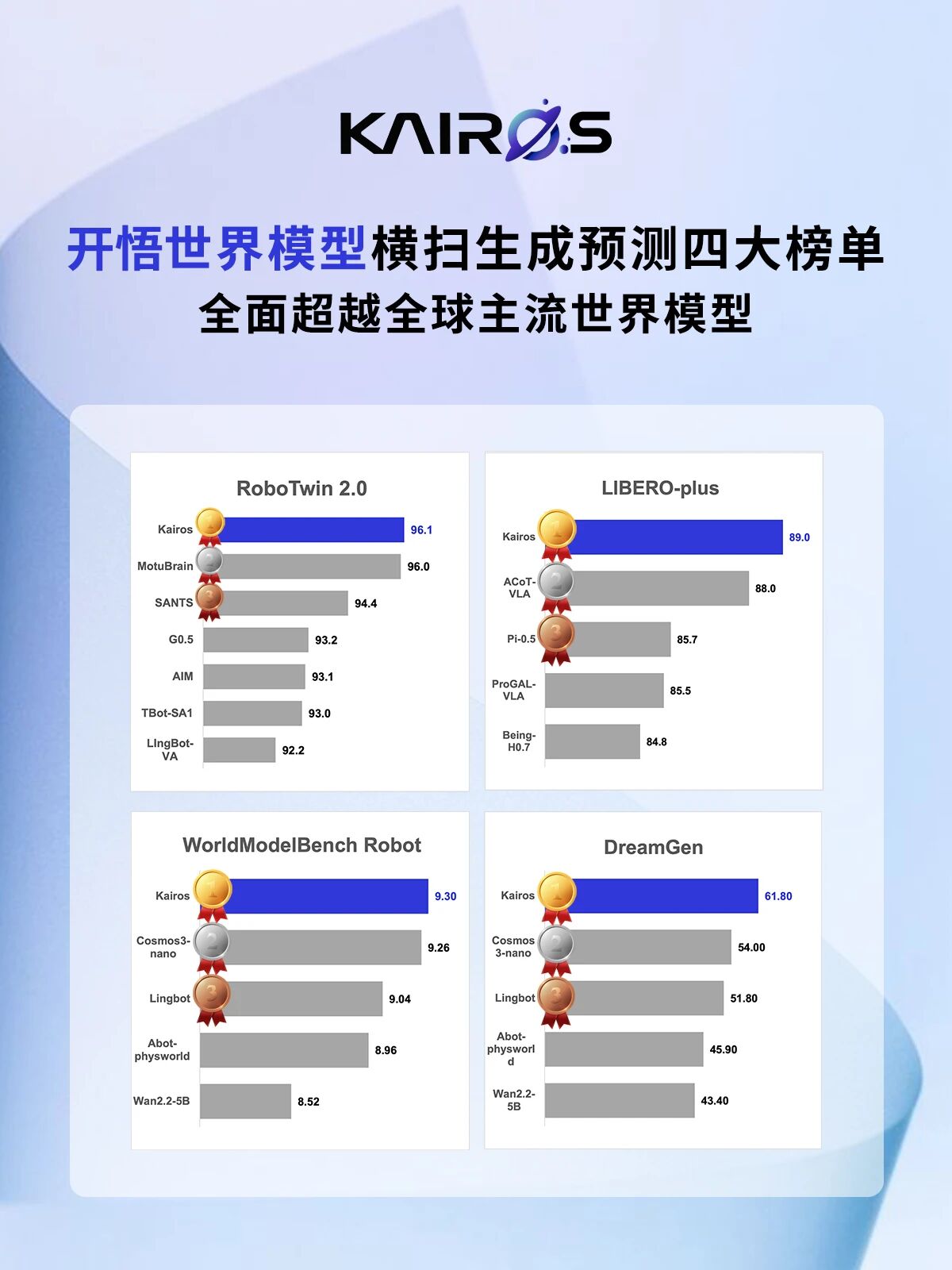
Kairos Model Achieves Top Rankings in Global Embodied Intelligence Evaluations
ACE Robotics' Kairos model has achieved first place in multiple esteemed global assessments for embodied intelligence, outpacing significant competitors in the field. This advanced model features a groundbreaking unified architecture that combines multimodal understanding, generation, and prediction, establishing a new benchmark for performance. The innovation not only improves real-time responsiveness but also enhances operational accuracy, facilitating the path toward the commercialization of embodied intelligence technologies.
Embodied Intelligence World Models Robotics AI Machine Learning
Performance Evaluation of Different Laser SLAM Algorithms for Unmanned Mining Vehicles
A recent study published in the Journal of Field Robotics highlights advancements in robotic technology aimed at improving agricultural efficiency. Researchers from a leading university conducted experiments to develop autonomous robots capable of performing tasks such as planting, weeding, and harvesting crops. The study, which took place over the summer of 2023, was conducted on various farms in California, showcasing the robots' adaptability to different agricultural environments. The motivation behind this research stems from the increasing demand for sustainable farming practices and the need to address labor shortages in the agricultural sector. By integrating advanced sensors and artificial intelligence, the robots are designed to optimize crop yields while minimizing resource use. The research team employed a series of field trials to test the robots' performance, collecting data on their effectiveness and efficiency compared to traditional farming methods. Preliminary results indicate that these autonomous systems can significantly reduce labor costs and increase productivity, offering a promising solution for modern agriculture. As the agricultural industry faces challenges such as climate change and population growth, this innovative approach could play a crucial role in ensuring food security and sustainability in the coming years. The findings from this study are expected to pave the way for further developments in agricultural robotics, potentially transforming the way food is produced globally.
SURVEY ARTICLE
Table tennis robot defeats some of world's best players. Why this has major implications for robotics
In a groundbreaking development for artificial intelligence, a table tennis robot named Ace has demonstrated superior performance against elite players in recent evaluations. This achievement highlights a significant advancement in AI technology, showcasing its ability to function effectively in fast-paced and unpredictable real-world scenarios. The evaluations took place in October 2023, marking a pivotal moment in the integration of AI into competitive sports. The success of Ace not only illustrates the potential for AI systems to excel in complex environments but also raises questions about the future of human competition in sports as technology continues to evolve.
Robotics
Performance Evaluation and Improvement for RGB‐D Cameras on High‐Throughput Phenotyping Robots
In a recent study published in the Journal of Field Robotics, researchers have explored advancements in robotic technology aimed at enhancing agricultural efficiency. The study, which appears in the May 2026 issue, highlights innovative methods for deploying autonomous robots in crop management. Conducted by a team of experts in robotics and agriculture, the research took place over several months at various test sites across the Midwest. The motivation behind this research stems from the growing need for sustainable farming practices that can meet the demands of an increasing global population. By integrating advanced robotics into agricultural processes, the team aims to reduce labor costs and improve crop yields while minimizing environmental impact. The researchers utilized a combination of machine learning algorithms and sensor technology to develop robots capable of performing tasks such as planting, monitoring crop health, and harvesting. Through rigorous field tests, they demonstrated that these robots could operate efficiently in diverse conditions, adapting to changes in weather and soil quality. This groundbreaking work not only showcases the potential of robotics in transforming agriculture but also addresses critical challenges faced by farmers today. As the agricultural sector continues to evolve, the findings from this study could pave the way for more widespread adoption of robotic solutions, ultimately contributing to a more sustainable and productive future for farming.
RESEARCH ARTICLE
Development and Preliminary Evaluation of a Machine Vision‐Guided Smart Sprayer Prototype Toward Precision Vegetable Weeding
In May 2026, researchers published a significant study in the Journal of Field Robotics, focusing on advancements in robotic technology. The study, appearing in Volume 43, Issue 3, pages 1973-1987, highlights innovative methodologies for enhancing the autonomy and efficiency of field robots. Conducted by a team of experts in robotics and artificial intelligence, the research aims to address the growing demand for automated solutions in various industries, including agriculture, construction, and disaster response. The motivation behind this research stems from the need to improve operational capabilities in challenging environments, where human intervention may be limited or hazardous. By employing advanced algorithms and machine learning techniques, the researchers demonstrated how robots can better navigate complex terrains and perform tasks with minimal human oversight. The findings are expected to have a profound impact on the future of robotics, paving the way for more reliable and versatile machines capable of operating in diverse settings. This study not only contributes to the academic field but also offers practical applications that could revolutionize industries reliant on automation. As the demand for efficient robotic systems continues to rise, this research represents a crucial step towards achieving greater autonomy in robotic operations.
RESEARCH ARTICLE
NVIDIA Announces Open Physical AI Data Factory Blueprint to Accelerate Robotics, Vision AI Agents and Autonomous Vehicle Development
NVIDIA has unveiled the NVIDIA Physical AI Data Factory Blueprint, an innovative open reference architecture designed to streamline the generation, augmentation, and evaluation of training data for physical AI applications. Announced today, this blueprint aims to significantly cut costs, time, and complexity associated with training AI models. By providing a unified and automated approach, NVIDIA seeks to enhance the efficiency of AI development processes, making it easier for organizations to implement and scale their AI initiatives. This initiative reflects NVIDIA's commitment to advancing AI technology and supporting developers in overcoming the challenges of data management in AI training.

A Breeding Cotton Harvesting Robot: Design, Integration, and Field Evaluation
A recent study published in the Journal of Field Robotics has highlighted significant advancements in robotic technology aimed at improving agricultural practices. Researchers from various institutions collaborated to develop autonomous systems capable of performing complex tasks such as planting, monitoring crop health, and harvesting. The study, released in early October 2023, emphasizes the growing need for innovative solutions in agriculture to address labor shortages and enhance efficiency. Conducted in various agricultural settings, the research showcases how these robots utilize advanced sensors and artificial intelligence to navigate fields and make real-time decisions. The motivation behind this initiative stems from the increasing demand for food production and the challenges posed by climate change, which necessitate more sustainable farming methods. The findings suggest that integrating robotic systems into farming operations can lead to higher yields and reduced environmental impact. As the agricultural sector faces mounting pressures, the introduction of such technology is seen as a crucial step towards modernizing practices and ensuring food security for the future.
RESEARCH ARTICLE
How Robotics Is Transforming the Worker Experience Across 3PL, Manufacturing & E-Commerce
As global supply chains experience a surge in demand, third-party logistics providers (3PLs), manufacturers, and e-commerce fulfillment centers are facing unprecedented pressure. This situation has been exacerbated by ongoing labor shortages, which have led to increased injury rates and highlighted the physically demanding nature of warehouse and factory jobs. The challenges these sectors face are prompting a reevaluation of operational strategies to ensure efficiency and worker safety in an increasingly competitive environment.

From audio tapes to AI: Interview with TDK investment director Ankur Saxena
Artificial intelligence has emerged as a leading focus in technology investment, yet some investors caution that the robotics sector may misinterpret the implications of recent advancements in large language models and generative AI. Ankur Saxena, the investment director at TDK Ventures, the corporate venture capital division of TDK, has voiced concerns regarding this trend. He emphasizes the need for a more nuanced understanding of how these AI breakthroughs can be effectively integrated into robotics, suggesting that a simplistic application of AI principles could lead to misguided strategies in the industry. Saxena's insights reflect a broader debate among investors about the future direction of robotics in light of AI developments, highlighting the importance of critical evaluation in investment decisions.
Features Financials & Investments Technology ai hardware ai robotics Ankur Saxena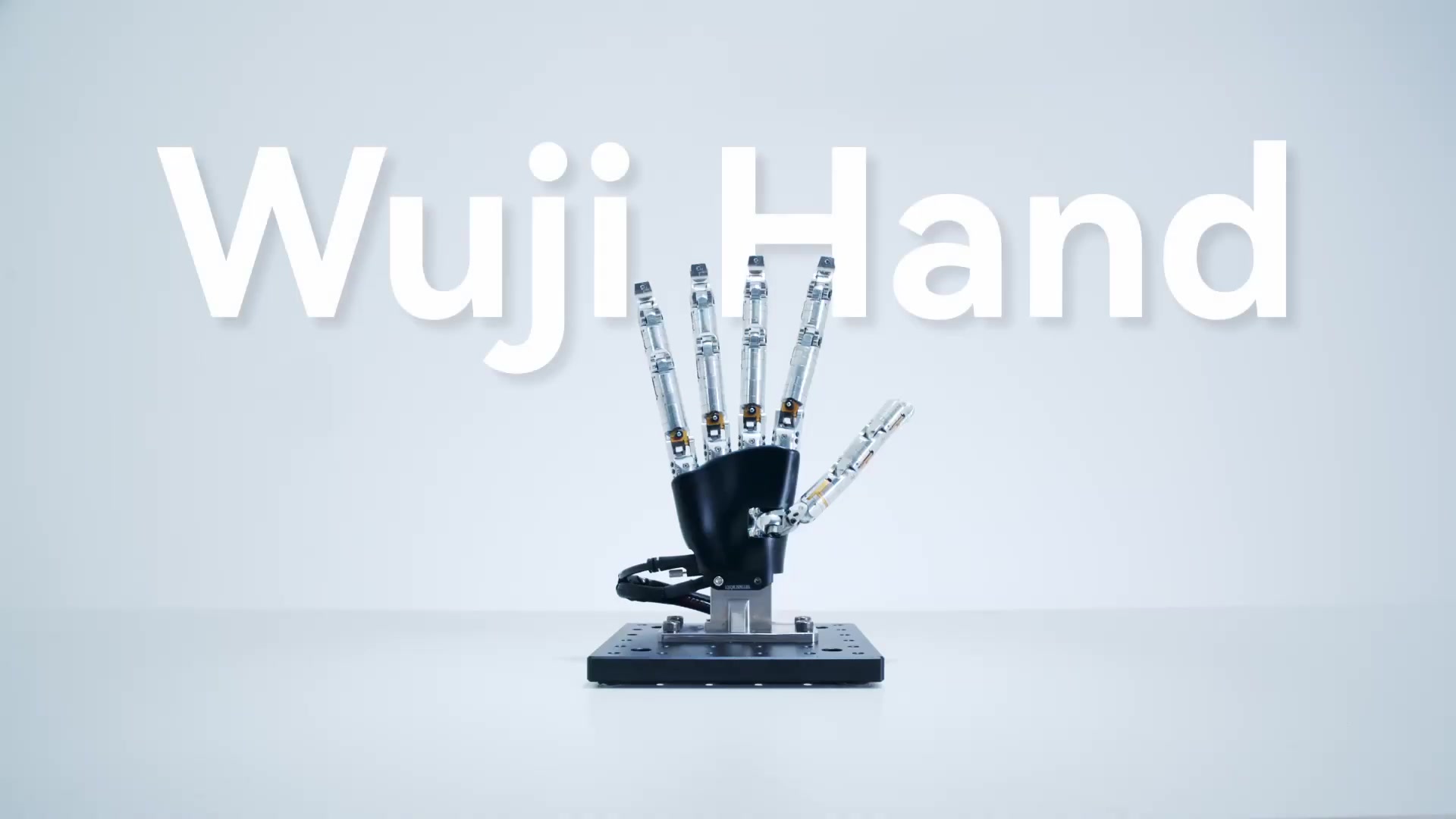
Experts Weigh In on Wuji Tech’s Robotic Hand: A “Remarkably Robust” Direct-Drive Contender
Humanoid robotics expert Scott Walter and hand surgeon Gustav Andersson have commended the innovative 20-degree-of-freedom (20-DOF) robotic hand developed by China's Wuji Tech. Their analysis highlights the device's direct-drive actuation, which represents a significant advancement over traditional tendon-based systems. This breakthrough is seen as a critical step in bridging the gap between simulated environments and real-world applications in robotics. The evaluation underscores the potential of this technology to enhance the functionality and dexterity of robotic hands, paving the way for more effective integration into various fields, including medical applications and rehabilitation.
actuation Dexterity humanoid robotics robotic hand Wuji Tech
World Models at WAIC 2026: Bridging Understanding and Execution in Physical AI
The World Artificial Intelligence Conference (WAIC) 2026 highlighted the significance of world models as a crucial pathway for physical AI to transition from laboratory settings to real-world applications. The event featured a summit focused on the integration of world models and embodied intelligence, showcasing discussions led by Nobel laureates and industry leaders. This summit, organized by the WAIC committee and hosted by Daxiao Robotics, emphasized the need for machines to not only express but also understand and reliably act within the physical world. Key presentations included insights from Nobel laureate Sargent on the gap between AI expectations and human rationality, and a demonstration of the ACE technology stack by Daxiao Robotics' chairman, Wang Xiaogang, illustrating practical applications across various industries. The forum also introduced the PIQ platform, a unified evaluation benchmark for embodied physical intelligence, aimed at addressing industry challenges related to self-assessment and standardization. As industry representatives engaged in discussions about technical routes and implementation pathways, the event underscored the journey from theoretical frameworks to tangible industry applications, marking a pivotal moment in the evolution of physical AI.
World Models Physical AI AI Standards Industry Applications Technological Breakthroughs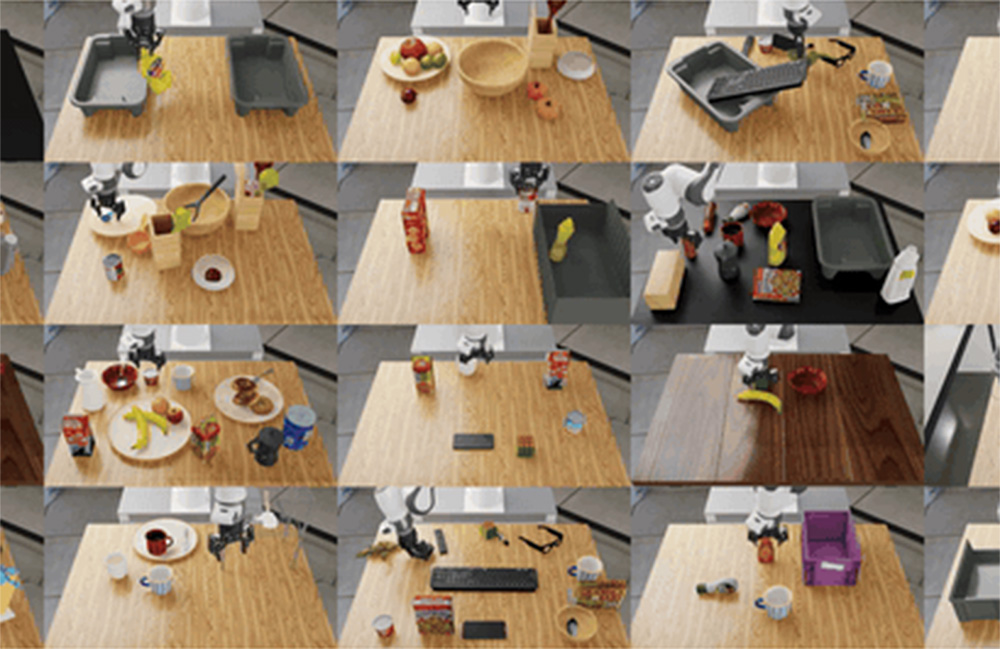
NVIDIA Discusses Evaluating General-Purpose Robot Policies for Real-World Applications
NVIDIA has highlighted the challenges in evaluating general-purpose robot policies as their capabilities advance. The company emphasizes that while current robotics models can follow natural language instructions to manipulate various objects, rigorous evaluation remains a significant hurdle due to the limitations of existing benchmarks. Real-world testing is costly and slow, necessitating effective simulation methods for large-scale evaluations. The importance of this evaluation process lies in the need for robots to generalize their skills beyond memorized setups. NVIDIA points out that many benchmarks suffer from visual and task-domain overlap, which can lead to misleading performance metrics. As models achieve high scores on static task sets, it becomes increasingly difficult to differentiate their true capabilities, raising concerns about the meaningfulness of reported results. Looking ahead, NVIDIA's focus on improving simulation environments and task generation methods is crucial for advancing robotic evaluation. The company aims to address the diagnostic gaps in current benchmarks, which often fail to provide insights into the reasons behind a robot's performance. No further timeline was disclosed at the time of publication.
Artificial Intelligence Artificial Intelligence / Cognition Design / Development Motion Control News Software / Simulation
Shenzhen's URKL Launches T800 Robot for Competitive Combat Testing
On July 11, Shenzhen's commercial district unveiled a 6-meter tall T800 robot, attracting crowds for the first-ever humanoid robot combat event, the Ultimate Robot Knock-out Legend (URKL). The competition, set to begin on July 16 at the Nanshan Cultural and Sports Center, features a grand prize of 10 million yuan and a unique three-match format, emphasizing the need for robots to learn from physical challenges. The significance of URKL lies in its role as a rigorous testing ground for humanoid robots, pushing their capabilities to the limit in dynamic combat scenarios. Current humanoid robots often struggle in unpredictable real-world environments, making this competition a critical evaluation of their robustness and algorithmic stability. The event aims to shift the focus from mere mobility to the ability to recover autonomously from loss of control, which is essential for practical applications in logistics and security. Looking ahead, the competition will showcase advancements in autonomous decision-making capabilities, as the T800 transitions from a remote-controlled unit to an intelligent competitor. This evolution reflects a broader trend in the robotics industry, where the ability to navigate complex environments and withstand disturbances is becoming increasingly vital. No further timeline was disclosed at the time of publication.
Humanoid Robots Robot Combat AI Robotics Technology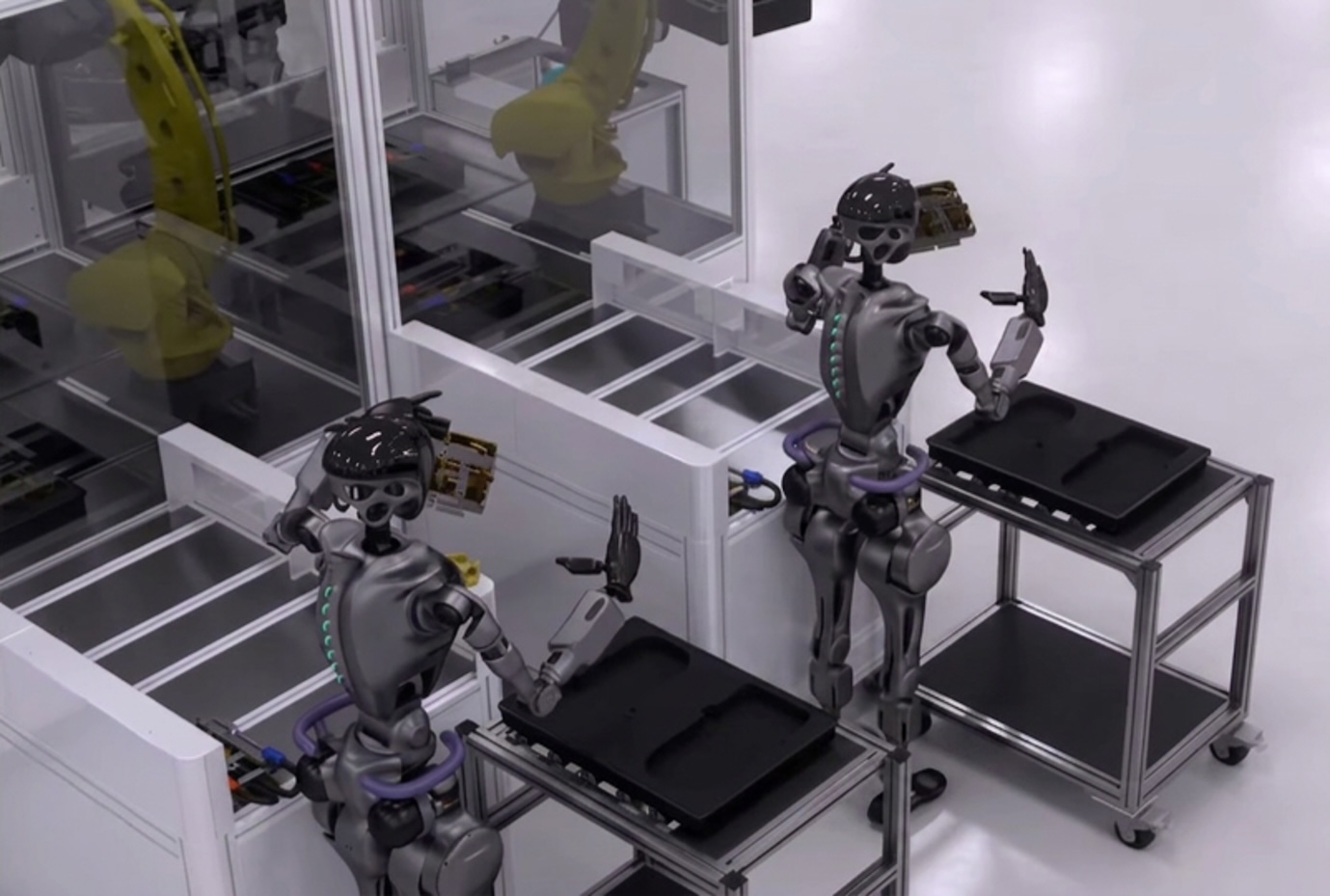
What Does Tesla Optimus Actually Do? Factory Tasks & Real-World Use Cases
Tesla's Optimus robot has been tasked with sorting battery cells and inspecting parts at the company's factory, raising questions about its effectiveness in real-world applications. While demonstrations have showcased the robot's capabilities, critics are calling for a clearer distinction between confirmed factory tasks and staged performances. The scrutiny comes as Tesla aims to integrate automation into its production processes to enhance efficiency and reduce labor costs. Observers are keen to see how well Optimus performs under actual working conditions, as the company continues to push the boundaries of robotics in manufacturing. As of October 2023, the ongoing evaluation of Optimus's functionality will be crucial in determining its role in Tesla's future operations.
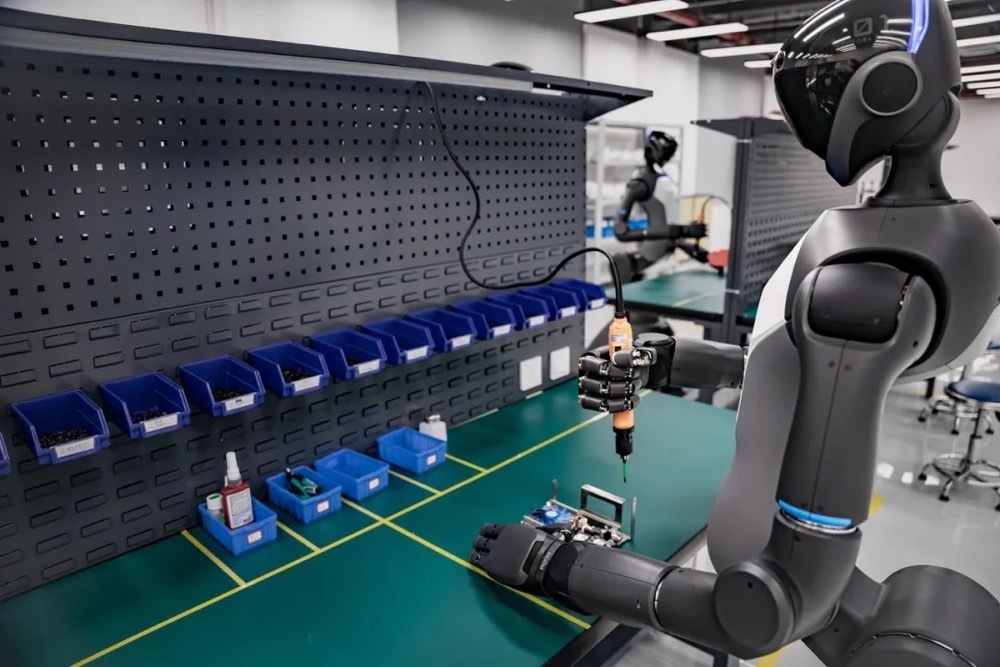
Tesla Optimus vs Unitree G1, 1X NEO & Digit: 2026 Comparison
In a comprehensive comparison of advanced robotics, Tesla's Optimus is pitted against Unitree's G1, 1X NEO, and Agility's Digit, showcasing their specifications, pricing, and availability as of 2026. This analysis highlights the key features and functionalities of each model, providing potential buyers with essential information to make informed decisions. The comparison comes at a time when interest in robotic technology is surging, driven by advancements in automation and artificial intelligence. As consumers and businesses alike seek to integrate robotics into their operations, understanding the differences between these models is crucial. The evaluation not only outlines the technical capabilities of each robot but also addresses their market readiness, allowing interested parties to assess which options are currently available for purchase.

China's Robots Try World Cup-Style Penalty Kicks
At the Mobile World Congress in Shanghai, Chinese humanoid robots are capturing attention with their impressive capabilities, showcasing a range of skills from executing penalty kicks to playing the piano. Bloomberg's Stephen Engle conducted a hands-on evaluation of these robots, testing their performance and adaptability in a lively environment. The event, which highlights advancements in technology and robotics, raises questions about the robots' ability to engage with the excitement and spirit of global events like the World Cup. As the congress unfolds, the demonstration of these robots serves to illustrate the rapid development of artificial intelligence and robotics in China, reflecting the country's ambition to lead in innovative technology.
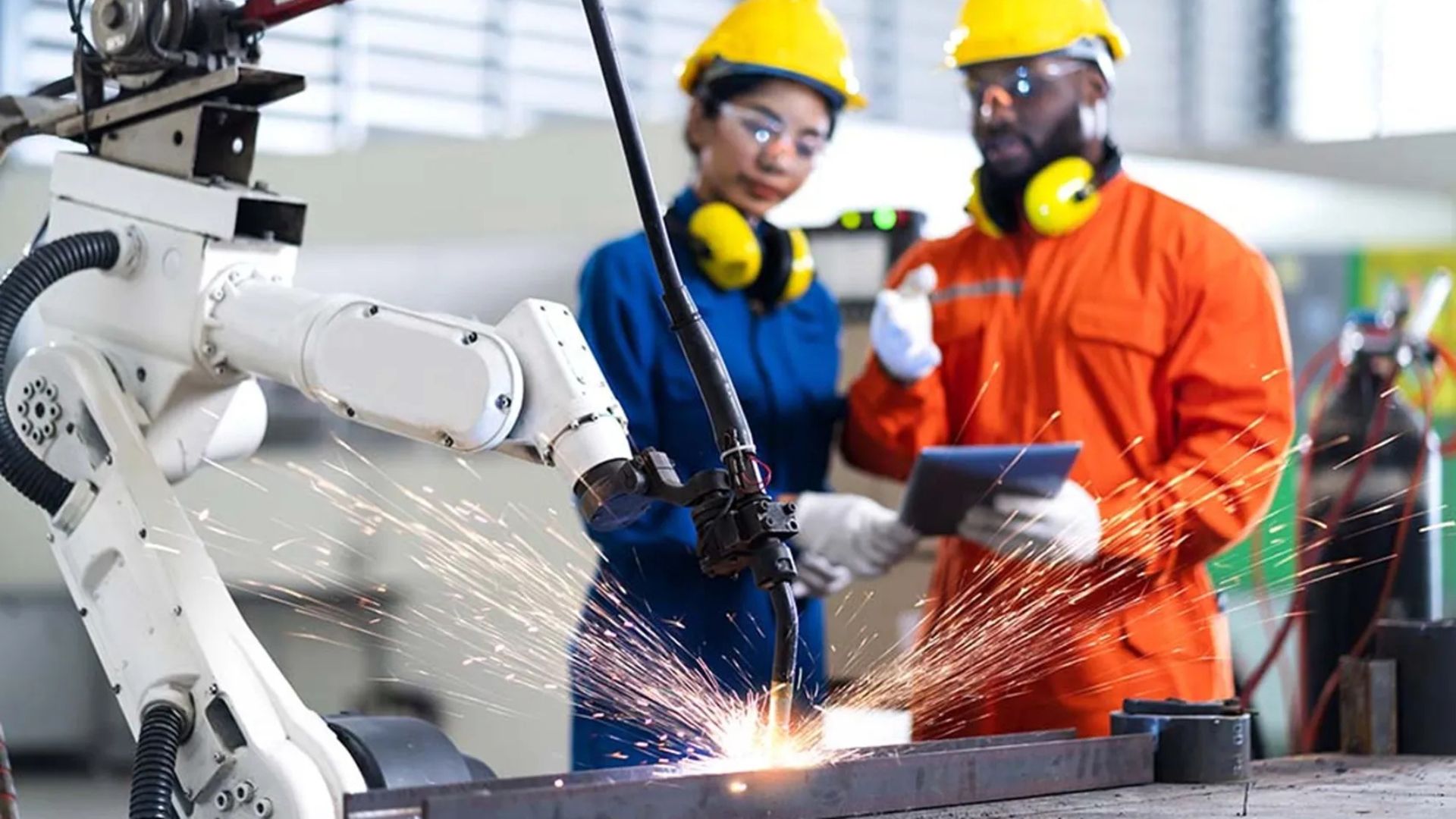
New vision-based safety tech lets industrial robots work safely near humans
Sensory Robotics has achieved safety certification for its innovative system that enables industrial robots to operate autonomously in various environments. This significant milestone was announced recently, marking a crucial step forward in the integration of advanced robotics into industrial applications. The certification process involved rigorous testing and evaluation to ensure that the system meets stringent safety standards, reflecting the company's commitment to enhancing workplace safety and efficiency. By allowing robots to function independently, Sensory Robotics aims to streamline operations and reduce the risk of accidents in manufacturing settings. The certification not only positions the company as a leader in the robotics field but also opens new opportunities for businesses looking to adopt automated solutions.
AI and Robotics
Robots pour cocktails and run marathons, but still can't multitask
Despite advancements in technology, humanoid robots remain limited in their ability to perform a wide range of tasks on command, according to recent assessments. While these robots can execute specific activities such as mixing cocktails, running marathons, and folding laundry, their overall versatility in the workforce is still far from realization. This evaluation highlights the gap between marketing claims and the current capabilities of robotic systems as of October 2023. The ongoing development in robotics aims to enhance their functionality, but significant challenges remain before they can effectively take on diverse job roles in various sectors.
Robotics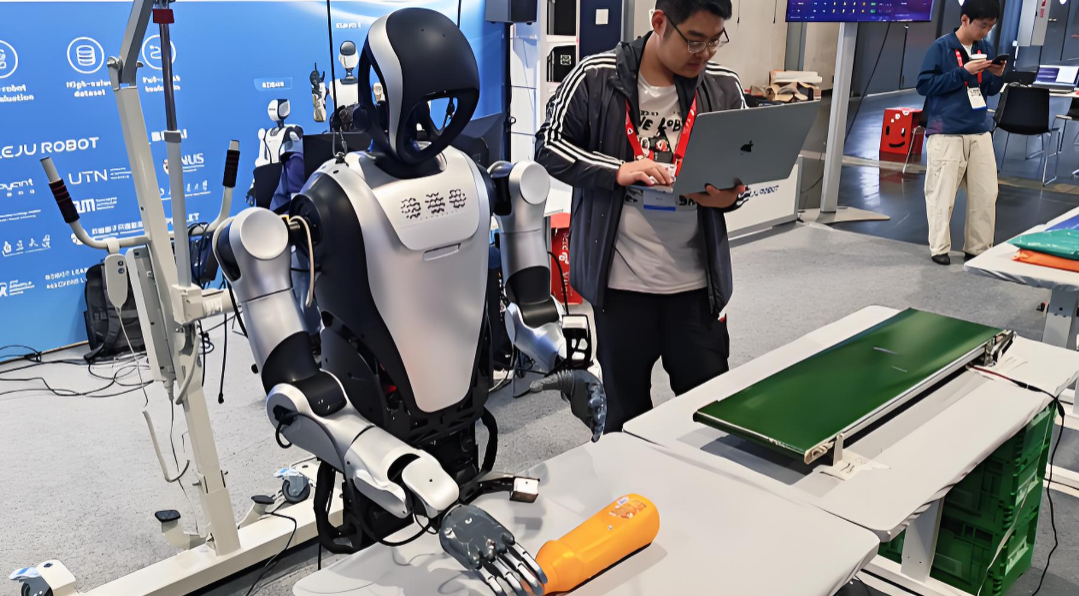
One Day vs. Seven Days: Post-Training Revolutionizes Embodied Intelligence Deployment Speed
At the ICRA 2026 REAL-I Challenge, the NUS-CLEAR team achieved a remarkable milestone by completing intricate robotic tasks in a single day, a process that typically required engineers between five to seven days. This significant improvement in efficiency is largely due to their pioneering post-training and real-time evaluation system, which optimizes model performance and adaptability for real-world applications. As the robotics industry increasingly prioritizes deployment efficiency over mere model capability, the development of standardized post-training tools is becoming crucial for enabling rapid task execution.
Embodied Intelligence Post-Training Robotics AI Deployment Automation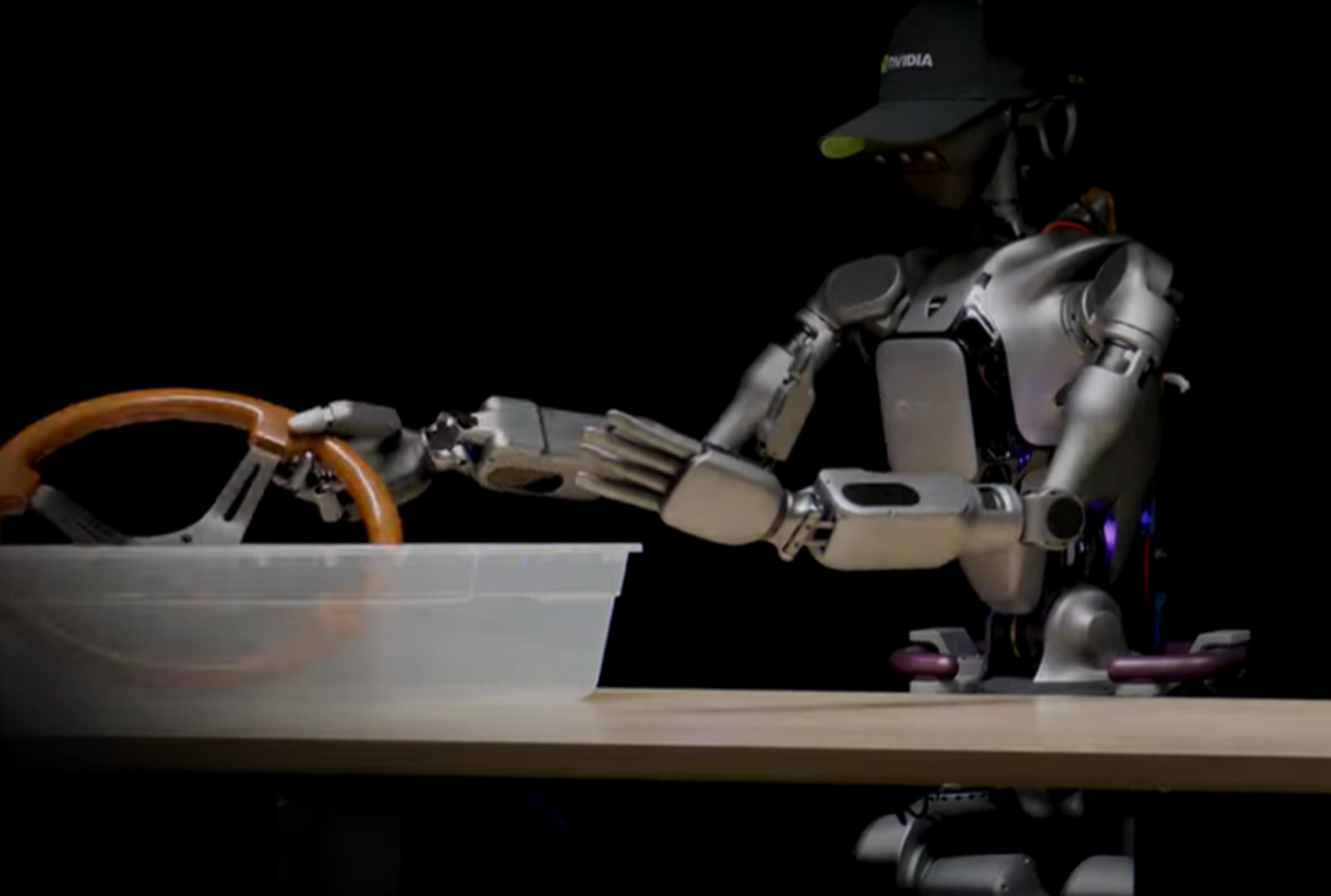
Cross‐Modal Synergistic Optimization Multi‐Task Segmentation Network for Autonomous Ground Intelligent Agents in Field Environments
A recent study published in the Journal of Field Robotics highlights the advancements in autonomous robotic systems designed for agricultural applications. Researchers from various institutions collaborated to explore innovative technologies that enhance efficiency and sustainability in farming practices. The findings, released in early October 2023, emphasize the growing importance of robotics in addressing labor shortages and increasing productivity in the agricultural sector. The study showcases several case studies where autonomous robots successfully performed tasks such as planting, harvesting, and monitoring crops, demonstrating their potential to revolutionize traditional farming methods. By integrating artificial intelligence and machine learning, these robots can adapt to varying environmental conditions and optimize resource use, ultimately contributing to more sustainable agricultural practices. The motivation behind this research stems from the pressing challenges faced by the agricultural industry, including the need for increased food production to meet global demand and the impact of climate change on farming. The researchers advocate for the adoption of robotic technologies as a viable solution to enhance food security and reduce the environmental footprint of agriculture. Through rigorous testing and evaluation, the study provides insights into the operational capabilities of these autonomous systems, paving the way for further innovations in the field. As the agricultural sector continues to evolve, the integration of robotics is expected to play a crucial role in shaping the future of food production.
RESEARCH ARTICLE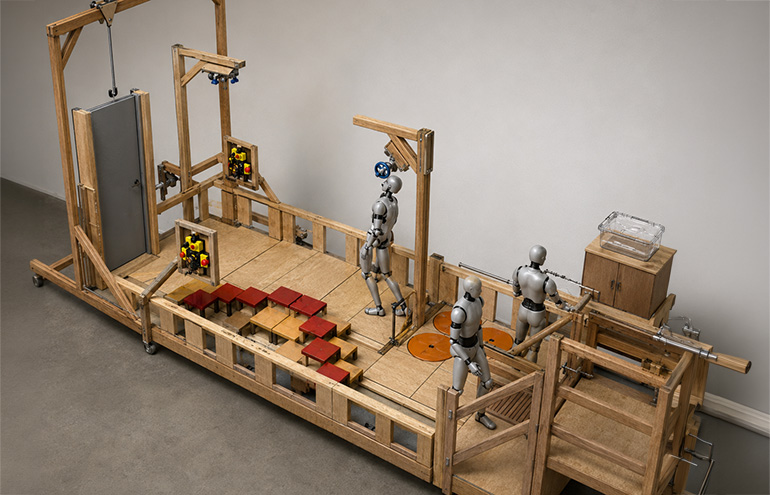
NIST proposes a baseline performance benchmark for humanoid robots
The National Institute of Standards and Technology (NIST) has introduced a standardized performance benchmark and testing procedures aimed at assisting developers and evaluators of humanoid robots. This initiative is designed to establish a consistent framework for assessing the capabilities of humanoid robots, ensuring that they meet specific performance criteria. By providing these benchmarks, NIST seeks to enhance the reliability and effectiveness of humanoid robots in various applications. The proposal reflects a growing recognition of the need for standardized evaluation methods in the rapidly evolving field of robotics.
Academia / Research Humanoids Mobility / Navigation News Regulatory & Compliance DARPA
RoboMemArena: New Benchmark Systematically Evaluates Robot Memory Capabilities
A consortium of Chinese research institutions has unveiled RoboMemArena, marking the introduction of the first comprehensive benchmark designed to assess robotic memory in long-horizon manipulation tasks. This initiative aims to enhance the capabilities of robots in performing complex tasks that require sustained memory and learning over extended periods. The launch took place recently, with the goal of advancing research and development in robotics, particularly in areas that demand intricate memory functions. By providing a standardized framework for evaluation, RoboMemArena seeks to facilitate comparisons across different robotic systems and foster innovation in the field.
AI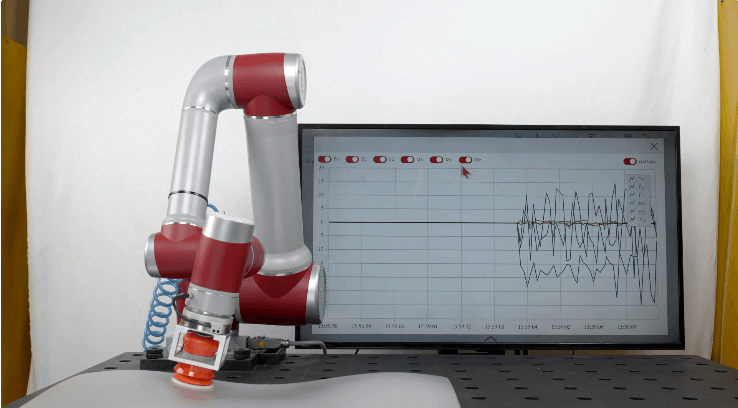
Common Pitfalls When Using Cobots and How to Avoid Them
The integration of collaborative robots, or cobots, into manufacturing is gaining momentum, with JAKA Robotics leading the way in providing advanced solutions aimed at enhancing productivity. However, businesses often face challenges during the implementation of these systems. A recent article highlights common pitfalls in cobot deployment, emphasizing the need for thorough planning and assessment to align the robots' capabilities with specific operational tasks. To avoid mismatches, companies are encouraged to conduct comprehensive evaluations of their workflows and engage stakeholders from various departments. Additionally, the importance of training for operators and maintenance personnel is underscored, as inadequate training can lead to inefficiencies and increased error rates. JAKA Robotics offers resources to ensure effective training, which is crucial for maximizing productivity and ensuring safety. Another critical aspect is the ongoing monitoring and maintenance of cobots. Neglecting these can result in operational disruptions and decreased efficiency. JAKA’s Over-The-Air (OTA) system utilizes IoT and big data to provide real-time insights into cobot performance, allowing organizations to proactively address maintenance needs. By focusing on careful planning, robust training, and continuous maintenance, businesses can fully leverage the potential of cobots. JAKA Robotics remains committed to supporting organizations through this transition, fostering a culture of innovation and collaboration while redefining operational capabilities in the manufacturing sector.
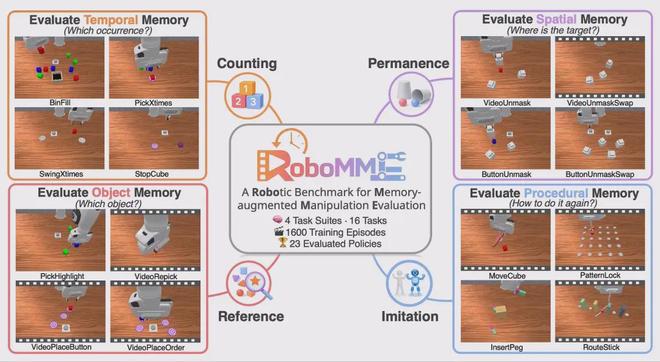
Michigan, Stanford, and Figure AI Collaborate to Launch the Groundbreaking RoboMME Robot Memory Benchmark!
A new standardized evaluation system for robot memory, known as the RoboMME benchmark, has been introduced by a collaborative effort involving Michigan University, Stanford University, and Figure AI. This innovative framework assesses robot memory across four key dimensions: temporal, spatial, object, and procedural. By addressing previous shortcomings in assessment methods, the RoboMME benchmark aims to improve robot performance in executing complex tasks. The initiative reflects ongoing advancements in robotics and artificial intelligence, highlighting the importance of effective memory evaluation in enhancing robotic capabilities.
Robot Memory Benchmarking Artificial Intelligence Robotics Machine Learning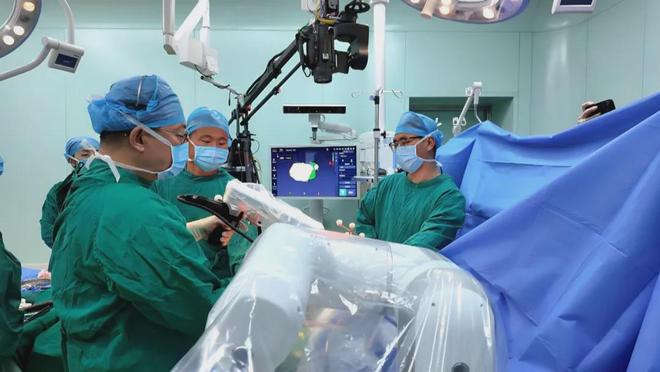
First Entry into Tibet! Clinical Validation Path of a Self-Developed Orthopedic Surgery Robot
On April 17, Yuanhua Intelligent unveiled its HX robotic arm in Linzhi City, Tibet, where it successfully assisted in knee replacement surgeries. This event signifies a pivotal advancement in the clinical evaluation of domestic orthopedic robotics, which is supported by a national research initiative. The introduction of the HX robotic arm aims to enhance surgical precision and improve patient outcomes in orthopedic procedures.
Orthopedic Surgery Robots Medical Robotics Clinical Validation Healthcare Technology
Pelican-Unify 1.0 Crowned World Champion in Embodied Intelligence
Beijing's humanoid robotics center has made headlines by securing two championships in the prestigious WorldArena evaluations. The center's Pelican-Unify 1.0 model has demonstrated exceptional capabilities in understanding, reasoning, imagining, and acting, showcasing a significant leap forward in embodied intelligence technology. This achievement highlights the center's commitment to advancing robotics and artificial intelligence, positioning it as a leader in the field. The competitions, held recently, provided a platform for the latest innovations in robotics, and the Pelican-Unify 1.0's performance stood out among its peers. This success not only underscores the technological advancements being made in Beijing but also reflects the growing importance of robotics in various sectors.
Embodied Intelligence Robotics AI Technology Machine Learning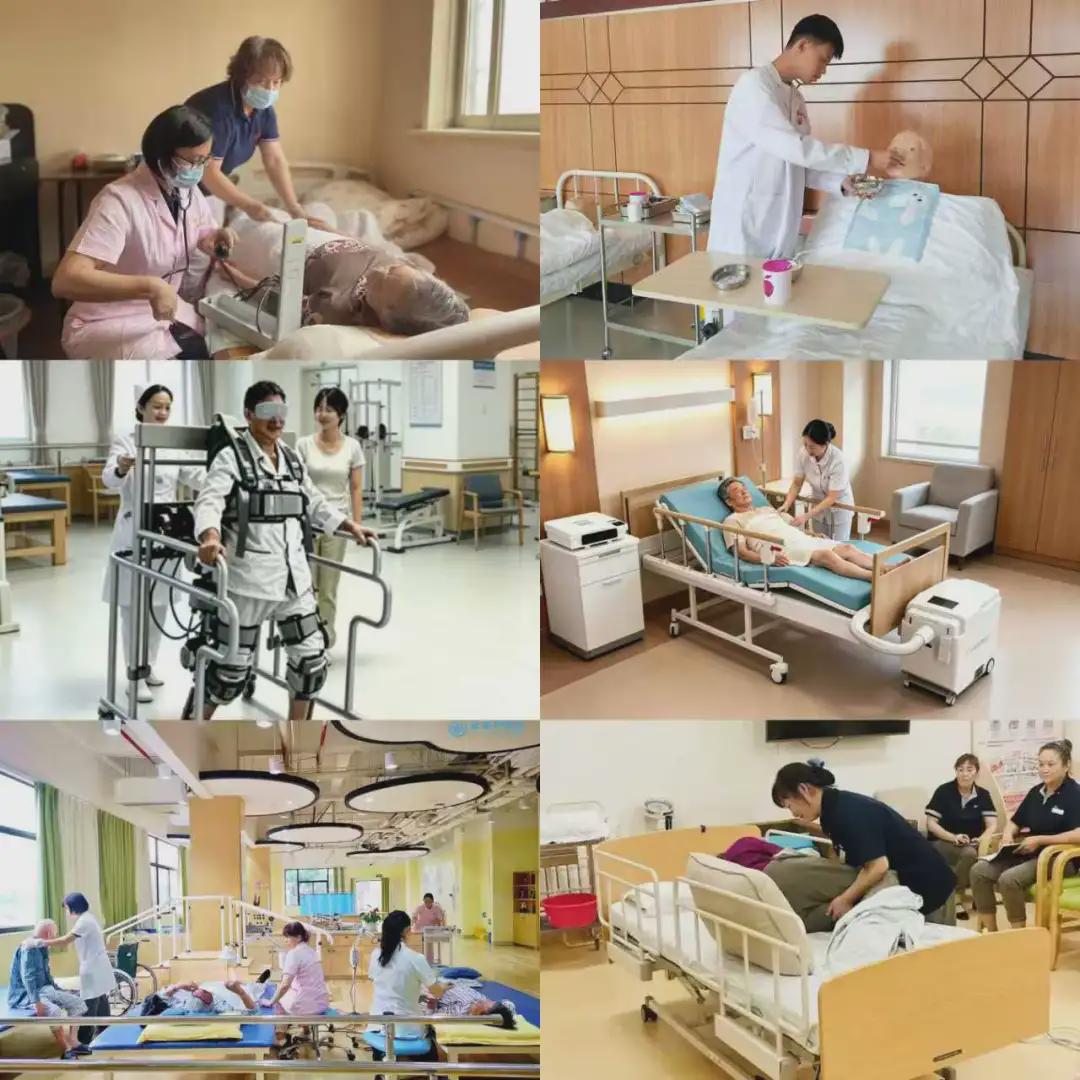
Registration Opens for the 2026 Smart Elderly Care Service Robot Application Competition
Registration has commenced for the 2026 Smart Elderly Care Service Robot Application Competition, set to take place on May 25-26, 2026, in Langfang, Hebei. This event aims to advance the field of rehabilitation and elderly care robotics by presenting challenges that emphasize practical applications and innovative evaluation techniques. Organizers are encouraging participants to showcase their cutting-edge solutions to address the growing needs of the elderly population, reflecting a commitment to enhancing quality of life through technology.
Elderly Care Robots Rehabilitation Robotics AI Technology Robot Competitions
Pelican-Unify 1.0 Crowned World Champion in Embodied Intelligence
Beijing's humanoid robotics center has made significant strides in the field of robotics by securing two championships at the recent WorldArena evaluations. The center's Pelican-Unify 1.0 model demonstrated exceptional capabilities in understanding, reasoning, and executing tasks, highlighting a notable advancement in embodied intelligence technology. This achievement, which took place in October 2023, underscores the center's commitment to pushing the boundaries of robotic innovation and its potential applications in various sectors. The success of the Pelican-Unify 1.0 not only showcases the technical prowess of the team but also positions Beijing as a leader in the global robotics arena.
Embodied Intelligence Robotics AI Machine Learning
Genesis AI Releases GENE-26.5: Humanoid Robot Finally Takes On Tomato and Egg Stir-Fry
Genesis AI, a French robotics startup, has unveiled its inaugural foundation model, GENE-26.5. This advanced robot is designed to perform a variety of tasks autonomously, including cracking eggs, cutting tomatoes, making smoothies, solving Rubik's cubes, and organizing cables. The launch took place recently as the company aims to revolutionize robotic manipulation through a novel training approach that combines extensive human operation data with simulation-based closed-loop evaluation. This innovative methodology is intended to enhance the capabilities of robots, moving them closer to a comprehensive foundation model training paradigm.
Robotics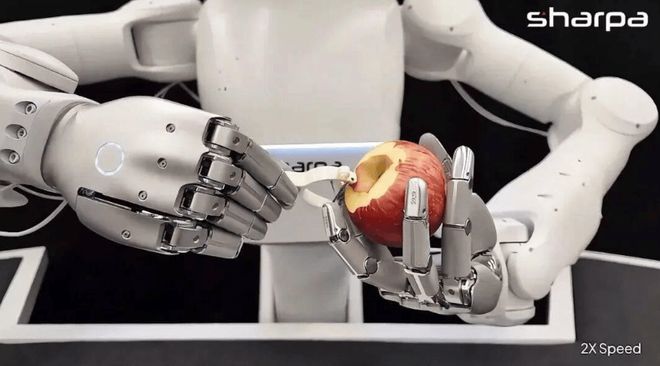
What is the Best Solution for Collecting Robotic Hand Movement Data?
Researchers in a robotic lab are grappling with significant challenges in gathering effective training data for a highly dexterous robotic hand. Despite utilizing advanced hardware, their current data collection methods have proven inadequate, resulting in low success rates for even basic tasks. This situation highlights the limitations of existing tools and underscores the urgent need for innovative solutions to improve data collection processes. The findings emphasize the critical role that robust training data plays in enhancing the performance of robotic systems, calling for a reevaluation of methodologies to advance the field of robotics.
Robotic Hands Data Collection AI Training Robotics ResearchRobotics needs a service framework.
RSF defines a common language for robot service capability, lifecycle operations, certification pathways, and service-provider networks.