Industry Briefing
A single destination for timely, editor-curated robotics news from around the world.

RSS2026: Development of Consensus and China's Role in Embodied Intelligence
The Robotics: Science and Systems (RSS) conference is set to commence in St. Louis this June, marking a significant event in the robotics academic community. Since its inception in 2006, RSS has been known for its selective approach, accepting only about 60 papers annually, and is regarded as a leading indicator in the field of robotics. The 2026 conference will introduce a new focus on embodied intelligence alongside traditional motion planning and operational algorithms. Embodied intelligence has rapidly transitioned from a laboratory concept to an industrial hotspot over the past two years. The integration of large language models with visual models has led to the development of the Vision-Language-Action (VLA) framework, enabling robots to comprehend natural language commands and execute multi-step tasks. This technological pathway has sparked extensive academic debate regarding the reliability of end-to-end Transformer-based strategies in real-world applications versus potential overfitting in datasets. The positioning of embodied intelligence at RSS2026 will be symbolically significant for China. In recent years, international conferences have often viewed Chinese teams as representatives of engineering implementation rather than contributors of original theory. An increase in Chinese academic contributions at RSS this year could indicate a subtle shift in the international academic community's perception of the landscape of embodied intelligence research, highlighting the importance of high-quality theoretical innovation.
Embodied Intelligence Robotics Research Vision-Language-Action AI Robotics Algorithms
Launch of Robo-ValueRL: The First Open-Source VLA Reinforcement Learning Framework for Robotics
The Beijing Humanoid Robot Innovation Center and Renmin University of China's Gaoling Artificial Intelligence Institute have launched the Robo-ValueRL open-source framework. This initiative aims to enhance humanoid robots' decision-making capabilities in precision tasks, such as semiconductor assembly, by addressing challenges in data quality, control precision, and adaptability in dynamic environments. Robo-ValueRL introduces a value estimation mechanism based on historical observations, enabling robots to autonomously assess their actions. This closed-loop learning process—observation, value estimation, correction, and iteration—allows for improved accuracy and reduced instability in operations. The framework is fully open-source, providing access to core algorithms, evaluation tools, and standardized protocols for universities, research institutions, and manufacturers. The open-source nature of Robo-ValueRL significantly lowers the barriers for small and medium-sized manufacturers to implement reinforcement learning in specialized fields like semiconductor production and medical device manufacturing. This development marks a shift in humanoid robotics from laboratory experiments to practical industrial applications, paving the way for robots to evolve their decision-making capabilities independently.
Humanoid Robots Reinforcement Learning Precision Manufacturing Open Source Technology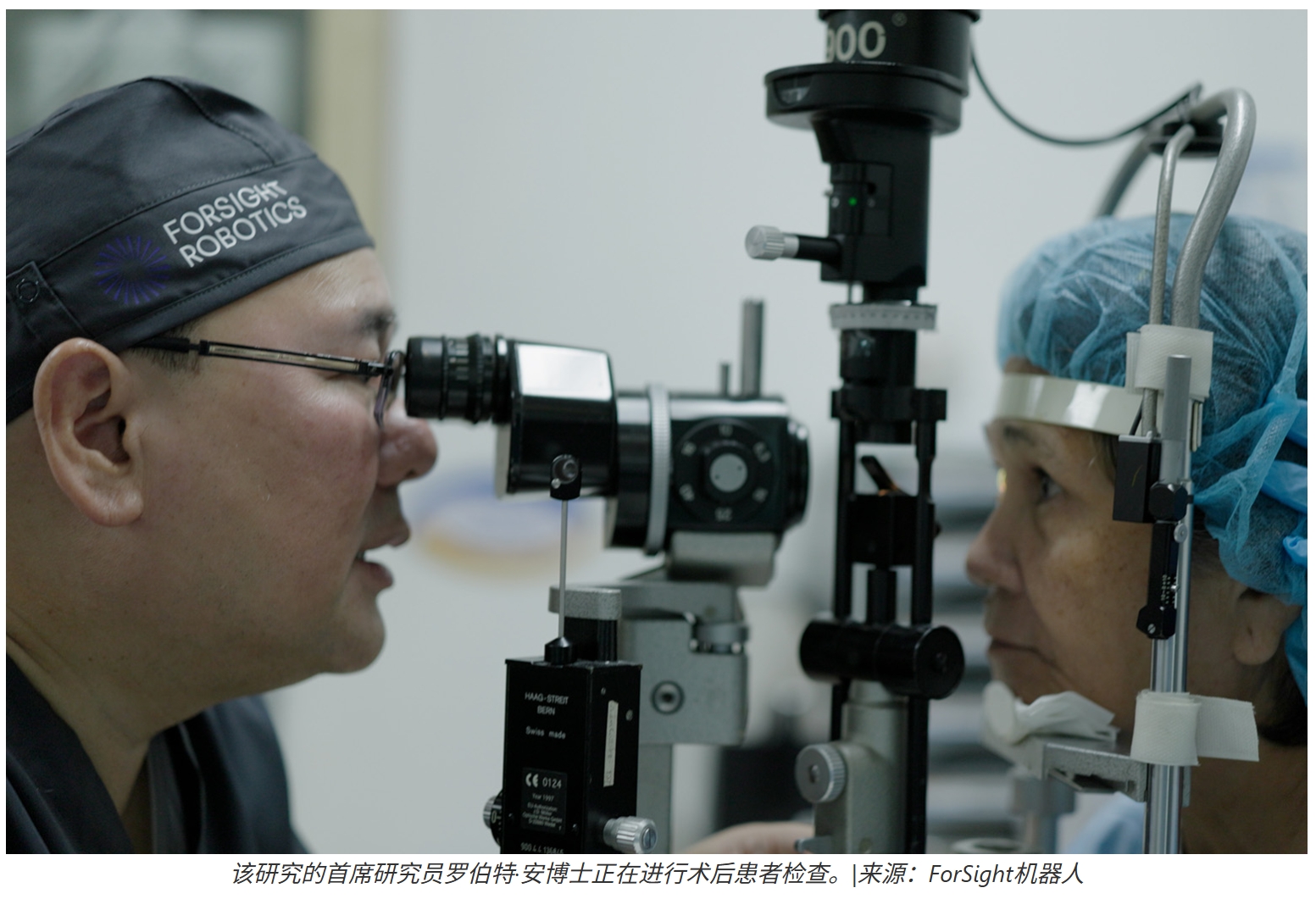
ForSight Robotics Completes First Fully Robotic Cataract Surgery with JASPER Platform
ForSight Robotics has successfully completed the world's first fully robotic cataract surgery using its JASPER platform, led by Dr. Alexey Rapoport in April 2026. This groundbreaking procedure was performed at the Asian Eye Institute in the Philippines, showcasing JASPER's ability to execute the entire surgery autonomously without general anesthesia, adhering to modern cataract surgery standards. The significance of this achievement lies in JASPER's unique design, which empowers surgeons rather than replacing them. By integrating AI algorithms, advanced computer vision, and miniature mechanical technology, JASPER provides enhanced imaging and precision control, allowing surgeons to perform with the accuracy of elite professionals. This innovation also addresses ergonomic concerns, as it enables surgeons to operate seated, potentially extending their careers and improving surgical outcomes. Looking ahead, ForSight Robotics aims to secure FDA approval for JASPER in the United States, with plans to bring this technology to market in the coming years. The company has raised $195 million since its founding in 2020, with significant investments from notable figures and organizations. No further timeline was disclosed at the time of publication.
Robotic Surgery Cataract Surgery AI in Healthcare Ophthalmology Medical Robotics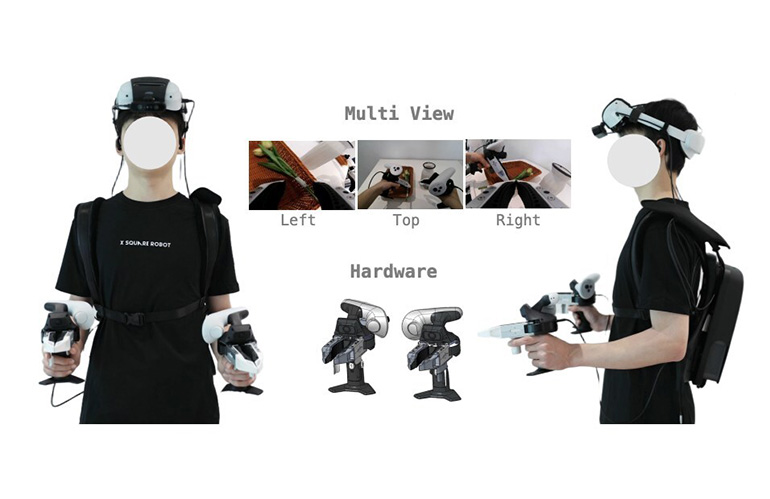
Inside XRZero-G0, a new 2,000-hour open dataset for robotics research
X Square Robot has announced the open-sourcing of XRZero-G0, a groundbreaking framework designed to significantly decrease the amount of real-robot training data needed by as much as 20 times. This initiative aims to enhance robotics research by providing a comprehensive dataset that spans 2,000 hours of robotic training scenarios. The release of XRZero-G0 is expected to facilitate advancements in the field, enabling researchers and developers to optimize their algorithms and improve robotic performance without the extensive data collection traditionally required. This innovative approach is part of X Square Robot's commitment to fostering collaboration and progress within the robotics community.
Academia / Research Artificial Intelligence Artificial Intelligence / Cognition Development Tools / SDKs / Libraries News Research
Jumping spider’s layered retina drives design of low-power 3D camera for AR and robotics
A team of engineers has conducted an in-depth study of the vision capabilities of jumping spiders, leveraging this unique biological model to inspire innovative technological advancements. This research, which took place over several months, aims to enhance the design of visual systems in robotics and artificial intelligence. By examining the spiders' exceptional ability to perceive depth and motion, the engineers have developed new algorithms that could significantly improve the performance of machines in complex environments. The findings were presented at a recent conference focused on biomimicry and robotics, highlighting the potential for nature-inspired solutions to address modern technological challenges. This interdisciplinary approach not only showcases the intricate relationship between biology and engineering but also opens new avenues for creating smarter, more adaptive robotic systems.

TARS Brings Real-Life Embodied AI to ICRA 2026 Robotics Conference
TARS has unveiled its latest innovation, the DexHand, which promises to revolutionize hand-brain integration. The launch took place in October 2023, showcasing the device's advanced capabilities in enhancing human-computer interaction. This cutting-edge technology is designed to interpret hand signals and translate them into digital commands, aiming to improve efficiency in various fields, including robotics and virtual reality. The motivation behind the development of DexHand stems from the growing need for seamless communication between humans and machines, particularly as industries increasingly rely on automation and smart technologies. By utilizing sophisticated sensors and machine learning algorithms, the DexHand interprets a wide range of hand gestures, allowing users to control devices with precision and ease. The introduction of this device marks a significant step forward in the field of human-computer interaction, potentially transforming how users engage with technology in everyday tasks and specialized applications. As TARS continues to push the boundaries of innovation, the DexHand stands out as a pivotal advancement in bridging the gap between human intention and machine response.

OpenAI Enters Robotics with Sora Brain and New Robot Development
On June 1, OpenAI unveiled its new initiative, OpenAI Robotics, under the leadership of CEO Sam Altman. This strategic move signifies a departure from the company's previous approach of solely investing in robotics, as it now aims to develop its own hardware and algorithms. The primary focus of OpenAI Robotics will be to create AI-driven robots designed to assist skilled laborers in sectors such as construction and infrastructure. The initiative also envisions a future where personal robots become commonplace for individuals, highlighting OpenAI's commitment to integrating AI into everyday physical tasks.
Robotics AI Automation Skilled Labor Hardware Development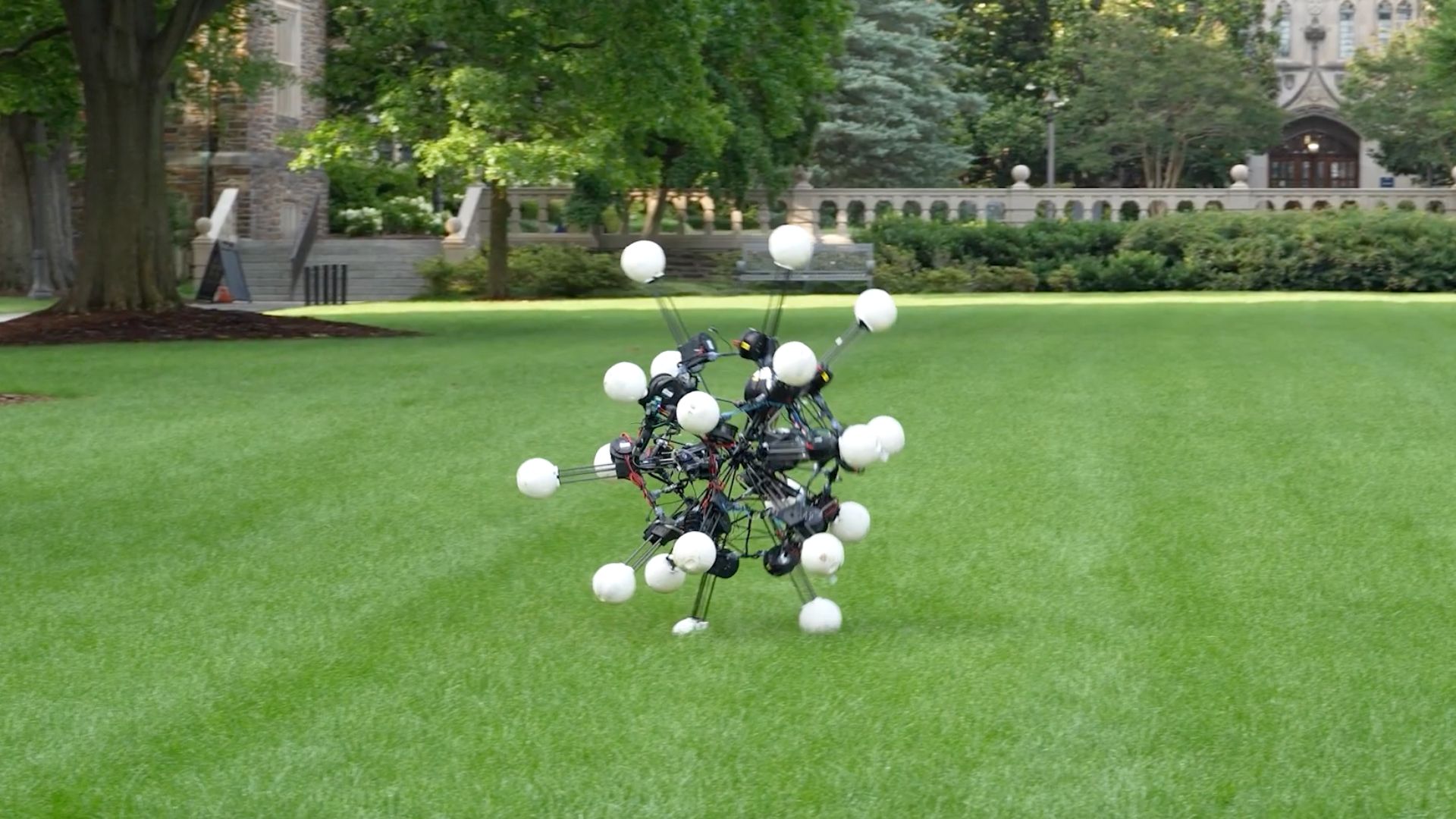
New 20-legged Argus robot redefines robotics with directionless movement design
Researchers at Duke University have unveiled an innovative robotic system that redefines conventional design principles in robotics. This groundbreaking development, announced on October 15, 2023, aims to enhance the adaptability and functionality of robots in various environments. Located in Durham, North Carolina, the team’s work is driven by the need for more versatile robots capable of performing complex tasks in unpredictable settings. The new system employs advanced algorithms and flexible materials, allowing robots to adjust their shapes and movements in real-time based on their surroundings. This adaptability is crucial for applications ranging from search and rescue missions to automated manufacturing processes, where conditions can change rapidly and unpredictably. By integrating insights from biology and engineering, the researchers have created a platform that not only improves the robots' operational efficiency but also reduces the need for extensive reprogramming when faced with new challenges. The implications of this technology extend beyond robotics, potentially influencing fields such as artificial intelligence and materials science. This innovative approach represents a significant step forward in robotic design, promising to enhance the capabilities of machines in both industrial and everyday applications. As the research progresses, the team at Duke University aims to collaborate with industry partners to bring these advancements to practical use, ultimately transforming how robots interact with the world around them.

BM3D‐Based Optical Flow Tracking for Enhanced Visual Simultaneous Localization and Mapping Systems in Mobile Robotics
The Journal of Field Robotics has recently published an early view article highlighting advancements in robotic technology. This publication, released in October 2023, showcases innovative research that aims to enhance the capabilities of field robots in various applications, including agriculture, search and rescue, and environmental monitoring. The research is driven by the growing need for automation and efficiency in these sectors, as well as the increasing complexity of tasks that robots are expected to perform. The findings suggest that integrating advanced algorithms and machine learning techniques can significantly improve the performance and adaptability of robotic systems in real-world scenarios. This research not only contributes to the academic field but also has practical implications for industries looking to leverage robotics for improved operational efficiency and safety.
RESEARCH ARTICLE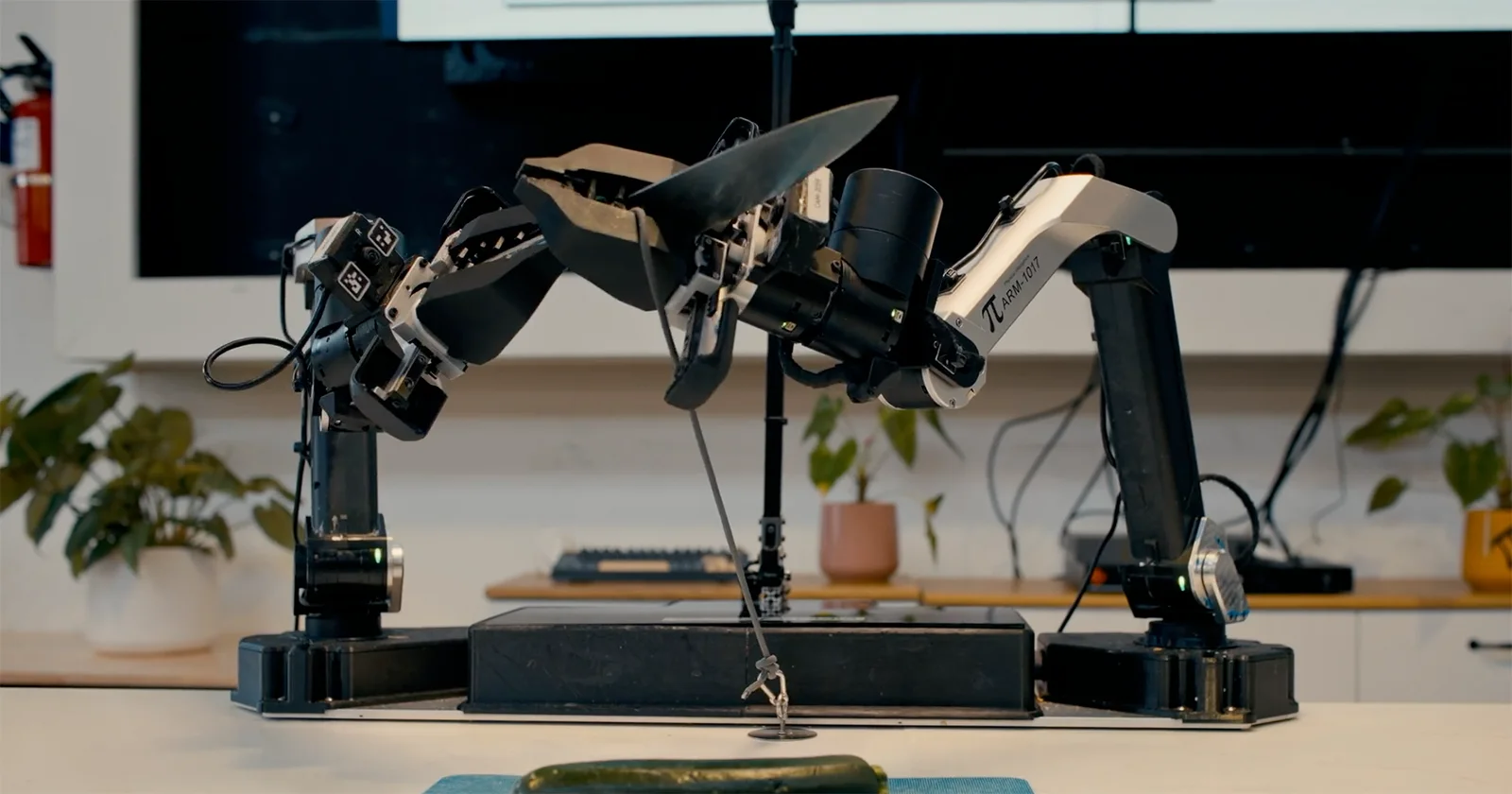
Physical Intelligence Unveils π0.7: The Rise of Compositional Generalization in Robotics
Physical Intelligence has unveiled its latest foundation model, π0.7, which showcases remarkable "emergent" capabilities. This innovative model can seamlessly integrate various skills and adapt to different robotic hardware without the need for task-specific training. The announcement was made recently, highlighting the advancements in artificial intelligence and robotics. By leveraging extensive data and sophisticated algorithms, π0.7 represents a significant step forward in the development of adaptable robotic systems. This breakthrough aims to enhance the efficiency and versatility of robots in diverse applications, potentially transforming industries that rely on automation.
US Physical Intelligence π07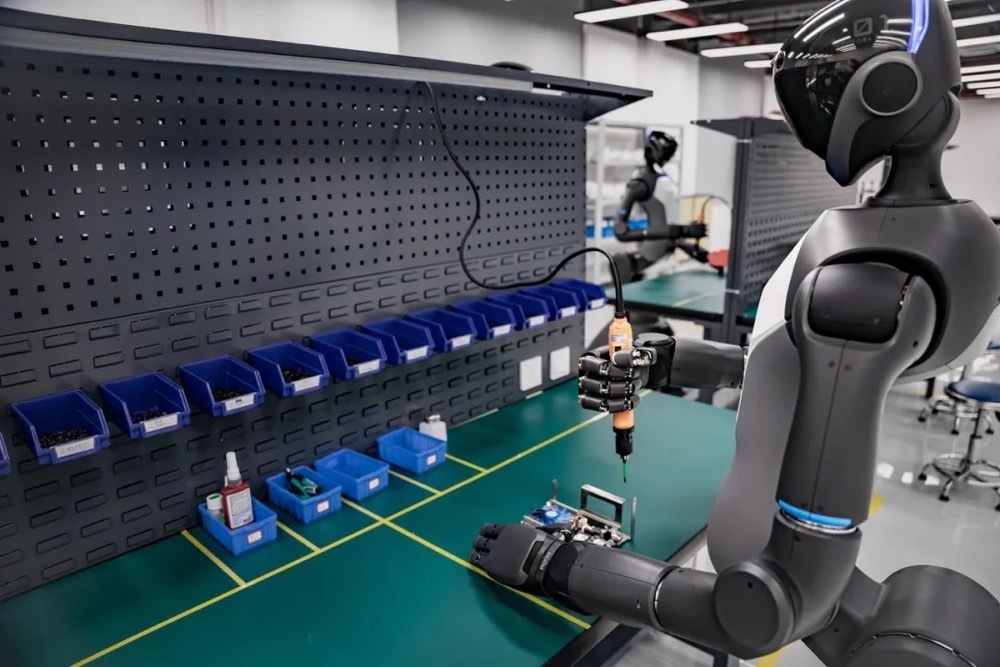
The Shifting Paradigms of Disaster Robotics Three Decades of Research
A recent study published in the Journal of Field Robotics highlights advancements in robotic technology aimed at improving agricultural efficiency. Researchers from a leading university conducted experiments over the past year, focusing on the integration of autonomous robots in crop monitoring and management. The trials took place in various agricultural settings across the Midwest, where the team sought to address the growing challenges of labor shortages and the need for sustainable farming practices. The motivation behind this research stems from the increasing demand for food production and the necessity to optimize resource use in agriculture. By employing cutting-edge robotics, the researchers aimed to demonstrate how these machines can enhance precision in tasks such as planting, watering, and pest control. The study involved deploying multiple robotic prototypes equipped with advanced sensors and AI algorithms to gather data and perform tasks autonomously. Results from the trials indicate that the use of these robots not only improved operational efficiency but also reduced the environmental impact of farming activities. The findings suggest that integrating robotics into agricultural practices could be a viable solution to meet the demands of a growing population while promoting sustainable farming methods. As the agricultural sector continues to evolve, this research paves the way for further innovations in the use of robotics to support food production and resource management.
RESEARCH ARTICLE
REQDGAN‐TUA: A Reflection Equivariant Quantum Graph Attention Framework With Tactical Unit Optimization for Intelligent Fault Diagnosis in Industrial Robotics
A recent study published in the Journal of Field Robotics highlights advancements in robotic technology, focusing on the development of autonomous systems capable of navigating complex environments. Conducted by a team of researchers from various institutions, the study was released in May 2026 and aims to enhance the efficiency and safety of robotic operations in fields such as agriculture, search and rescue, and environmental monitoring. The researchers utilized cutting-edge algorithms and machine learning techniques to enable robots to interpret and respond to dynamic surroundings. This innovation is particularly significant as it addresses the growing demand for automation in sectors where human intervention can be hazardous or inefficient. By testing these autonomous systems in real-world scenarios, the team demonstrated their potential to operate effectively in unpredictable conditions, which could revolutionize how tasks are performed in challenging environments. The findings underscore the importance of continued investment in robotics research to improve safety, productivity, and operational capabilities across various industries. This study not only contributes to the academic field but also has practical implications for industries looking to integrate advanced robotics into their operations, paving the way for a future where robots can work alongside humans more seamlessly.
RESEARCH ARTICLE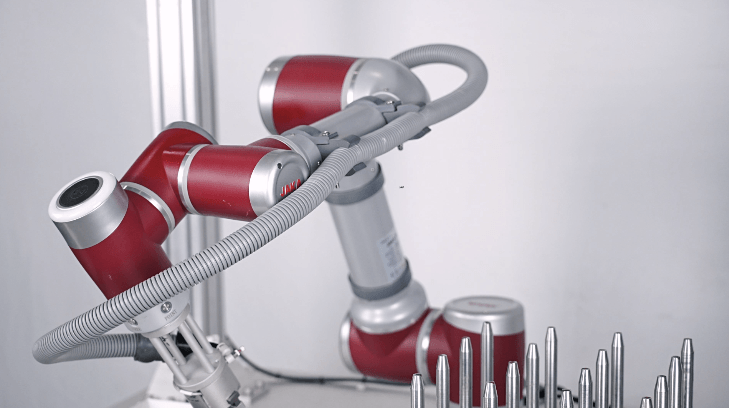
Implementing Vision Systems in Advanced Robotics Technology for Adaptive Tasks
A company specializing in advanced robotics is enhancing production efficiency by integrating vision systems into its industrial cobot solutions. This innovative approach allows robots, such as the JAKA Pro16, to perceive and adapt to changing conditions on the production line, enabling them to identify parts, detect orientation, and adjust movements in real time. The implementation of these vision systems minimizes the risk of misplacement and reduces human error during loading and unloading tasks. The company’s cobot platforms are designed for flexibility, allowing them to efficiently respond to diverse production requirements. By detecting subtle variations and unexpected obstacles, these robots enhance the resilience of production lines. The JAKA Pro16 features simple programming capabilities that facilitate quick adjustments to production setups, thereby minimizing downtime and improving overall efficiency and product quality. Additionally, the company emphasizes user-friendly programming interfaces, enabling operators with minimal training to manage complex tasks effectively. The drag-and-drop teaching and graphical interfaces of the JAKA Pro16 maximize robot utilization while allowing human resources to focus on strategic activities. This combination of visual perception and intelligent control algorithms ensures high precision and adaptability in various manufacturing scenarios. In summary, the integration of vision systems into robotics technology is pivotal for creating flexible manufacturing solutions. The company remains committed to developing adaptive robotics that enhance task accuracy, optimize workforce allocation, and support high-quality production outcomes.
Who is Leading AI Robotics?
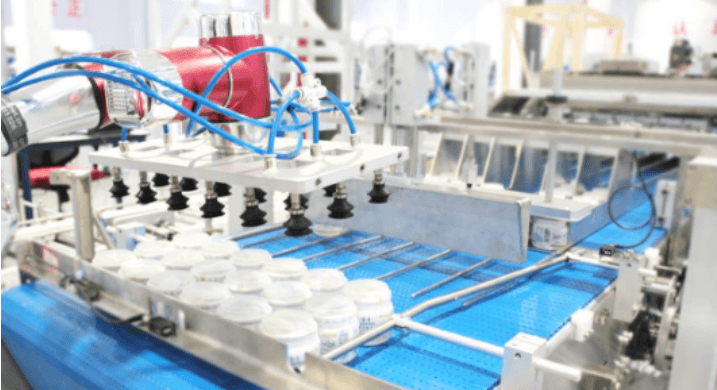
In the rapidly evolving field of AI robotics, JAKA, an industrial robot company, is at the forefront of integrating intelligent systems with collaborative robots to address the changing needs of manufacturing. Over the past decade, JAKA has focused on developing advanced control algorithms and user-friendly interfaces, ensuring their solutions enhance efficiency while adhering to strict safety standards. The company’s robotic systems are designed for precision and reliability, achieving sub-millimeter repeatability essential for industries such as electronics, semiconductor manufacturing, and automotive assembly. By employing high-resolution encoders and adaptive servo control, JAKA ensures consistent performance across various production lines, minimizing errors and downtime. JAKA also emphasizes flexibility and human-machine collaboration through lightweight robots like the Zu series and MiniCobo, which are easy to deploy in compact spaces. Their intuitive programming interface allows workers to create complex trajectories without advanced coding skills, further enhancing operational efficiency. Safety features, including collision protection and durable designs, ensure stable operation in challenging environments. Through ongoing innovation and partnerships, JAKA bridges the gap between research and practical industrial applications, positioning itself as a leader in AI robotics. The company aims to transform manufacturing processes worldwide by delivering reliable, adaptable, and intelligent automation solutions that promote productivity and sustainable practices.
Simulating the 'Masterpiece': XPENG Robotics Unveils Design Framework and Lattice Musculature for IRON
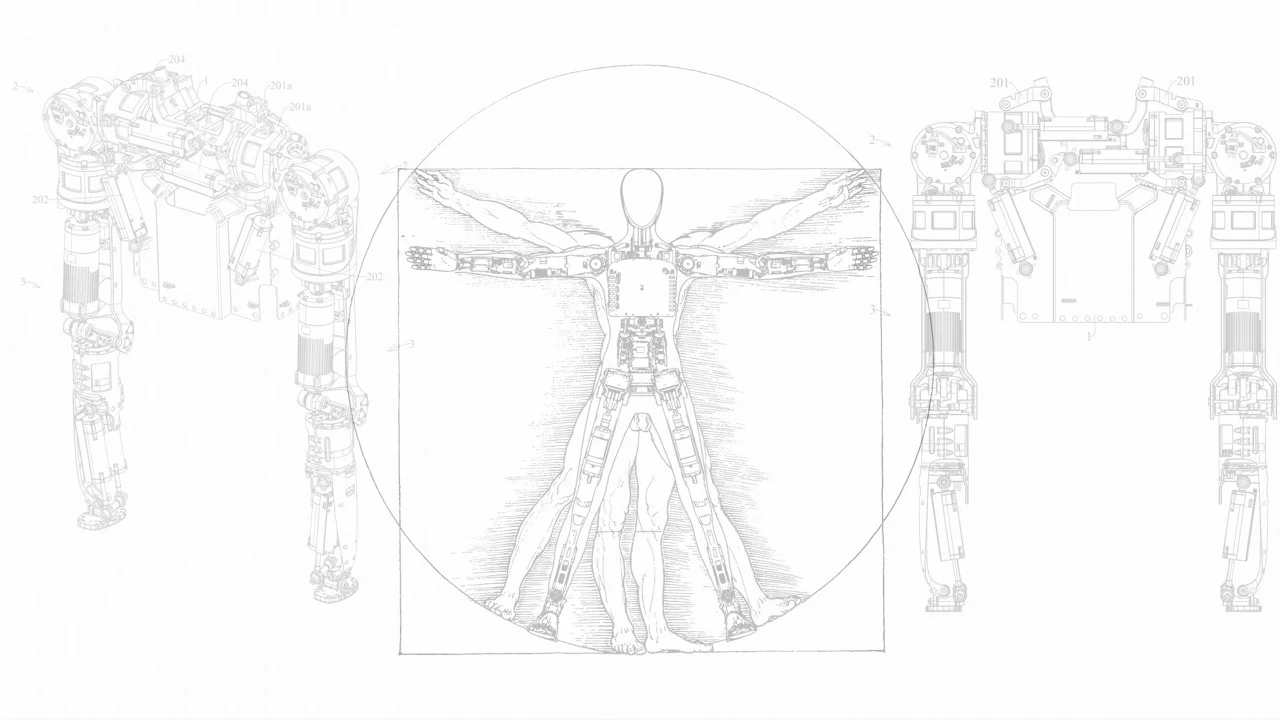
XPENG Robotics has unveiled a comprehensive technical analysis detailing the innovative 'body logic' of its IRON humanoid robot. This deep-dive, released recently, highlights significant advancements in the robot's design, including a revamped reinforcement learning framework and proprietary algorithms that enable the simulation of intricate 3D-printed lattice muscles. The development aims to enhance the robot's functionality and adaptability, showcasing XPENG's commitment to pushing the boundaries of robotics technology. This initiative reflects the company's broader strategy to integrate advanced machine learning techniques with cutting-edge manufacturing processes, positioning the IRON humanoid as a leader in the evolving robotics landscape.
China XPeng IRON
ByteDance launches high-paying recruitment for humanoid robotics expert
ByteDance’s Volcano Engine, the company’s cloud and AI services platform, is actively seeking a senior expert in embodied intelligence to spearhead the development of humanoid robots. According to a report by Sina Tech, the position offers a competitive monthly salary ranging from RMB 95,000 to 120,000 (approximately US$13,100 to 16,500). The successful candidate will be responsible for researching operational algorithms, pretraining large models, and integrating hardware for humanoid robotics. This recruitment effort reflects ByteDance's commitment to advancing its capabilities in artificial intelligence and robotics, aiming to enhance its technological offerings in a rapidly evolving market.
News Feed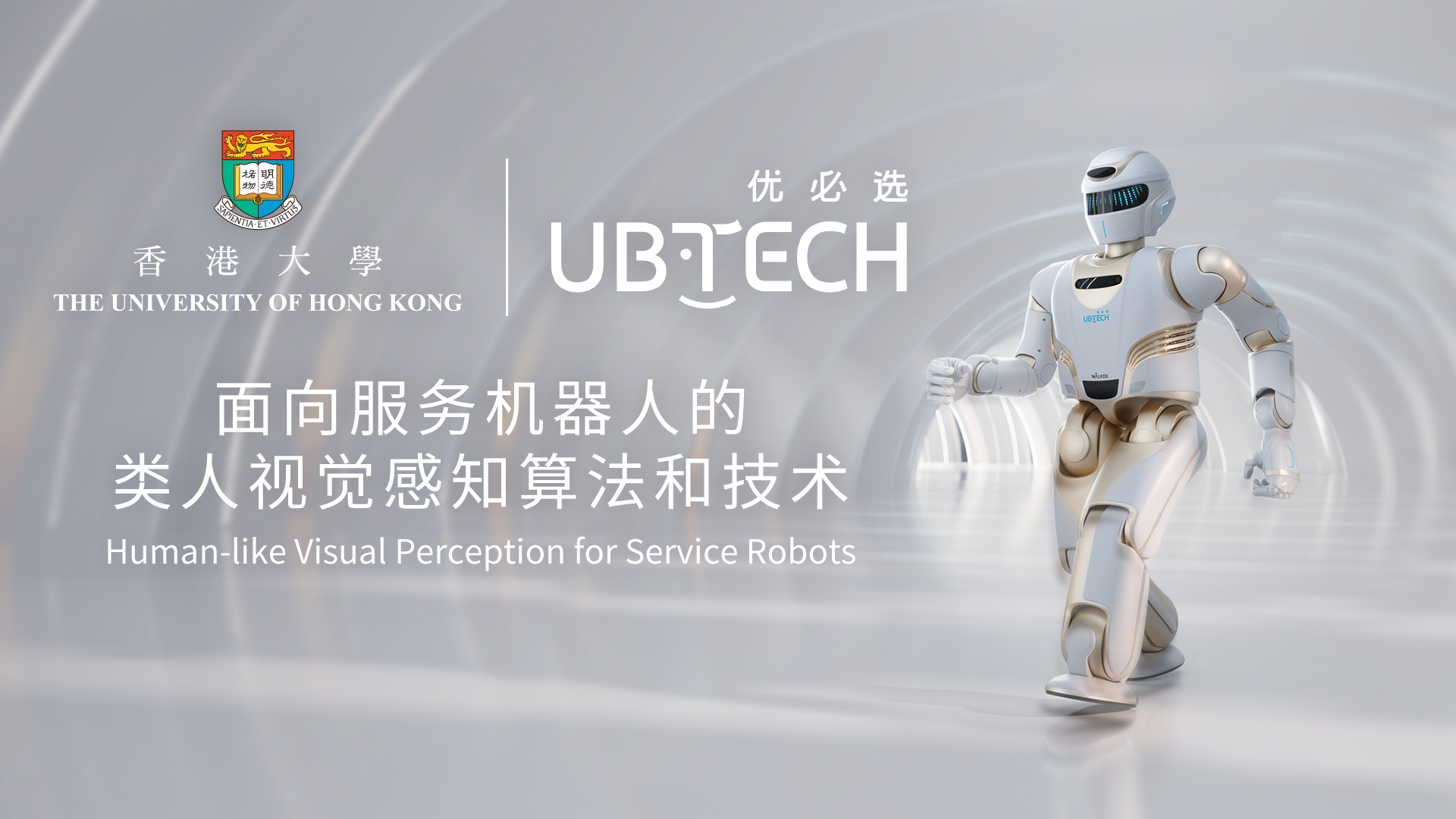
UBTECH Robotics Collaborates with the University of Hong Kong for Joint Research on Human-like Visual Perception
UBTECH Robotics has announced a partnership with the University of Hong Kong to advance research on human-like visual perception algorithms for service robots. This collaboration, which focuses on processing 3D point cloud data, aims to enhance the visual recognition capabilities of humanoid robots, thereby improving their precision in diverse environments. The initiative is part of UBTECH's broader strategy to apply advanced visual perception technologies in practical settings. In addition to the research efforts, UBTECH plans to establish subsidiaries in Hong Kong, intending to tap into local talent and drive innovation within the robotics sector.
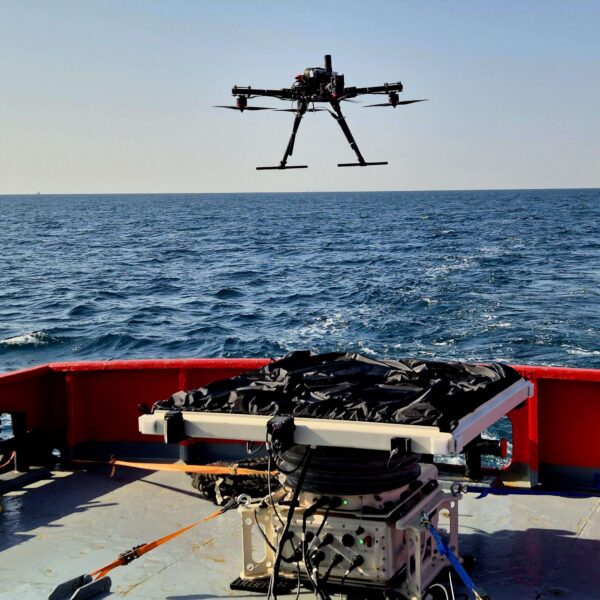
WaiV Robotics Debuts Maritime VTOL Landing Pad with $7.5M Seed Round
WaiV Robotics, a London-based maritime startup, has introduced an innovative gyro-stabilized landing pad designed to recover vertical takeoff and landing (VTOL) drones on vessels as small as 10 meters, even in challenging sea conditions. The company unveiled this fully automatic landing and takeoff platform on May 5, 2026, following a successful seed funding round that raised $7.5 million. This advancement aims to enhance the operational capabilities of VTOL drones at sea, addressing the growing demand for reliable drone recovery systems in maritime environments.
Drone News Drone News Feeds News ocean Oceans seadrones
VeriSilicon Introduces CPP2000 Camera Post-Processing IP for Embodied Robotics and Mobile Vision Applications
Researchers have made significant advancements in improving image quality and visual perception for moving-camera systems. This development, which emerged from ongoing studies in the field of computer vision, aims to enhance the performance of various applications, including autonomous vehicles and drone technology. The breakthrough was announced in October 2023, following extensive testing and refinement of algorithms designed to process and interpret visual data more effectively. The motivation behind this innovation stems from the increasing reliance on moving-camera systems in everyday technology and the need for clearer, more accurate imagery in dynamic environments. By employing advanced machine learning techniques, the researchers have created a system that can better handle motion blur and varying lighting conditions, ultimately leading to more reliable visual outputs. The process involved rigorous experimentation with different data sets, allowing the team to fine-tune their algorithms for optimal performance. As a result, this enhancement is expected to significantly improve the safety and efficiency of systems that rely on real-time visual data, paving the way for broader applications in industries such as transportation, surveillance, and entertainment. This breakthrough not only represents a step forward in technology but also highlights the ongoing commitment to innovation in the realm of visual perception and image processing.
Performance Evaluation of Different Laser SLAM Algorithms for Unmanned Mining Vehicles
A recent study published in the Journal of Field Robotics highlights advancements in robotic technology aimed at improving agricultural efficiency. Researchers from a leading university conducted experiments to develop autonomous robots capable of performing tasks such as planting, weeding, and harvesting crops. The study, which took place over the summer of 2023, was conducted on various farms in California, showcasing the robots' adaptability to different agricultural environments. The motivation behind this research stems from the increasing demand for sustainable farming practices and the need to address labor shortages in the agricultural sector. By integrating advanced sensors and artificial intelligence, the robots are designed to optimize crop yields while minimizing resource use. The research team employed a series of field trials to test the robots' performance, collecting data on their effectiveness and efficiency compared to traditional farming methods. Preliminary results indicate that these autonomous systems can significantly reduce labor costs and increase productivity, offering a promising solution for modern agriculture. As the agricultural industry faces challenges such as climate change and population growth, this innovative approach could play a crucial role in ensuring food security and sustainability in the coming years. The findings from this study are expected to pave the way for further developments in agricultural robotics, potentially transforming the way food is produced globally.
SURVEY ARTICLE
A Critical Review of Reinforcement Learning Algorithms for Mobile Robot Path Planning
The Journal of Field Robotics has published an early view article highlighting recent advancements in robotic technology. Researchers from various institutions have collaborated to explore innovative applications of robotics in diverse fields, including agriculture, healthcare, and disaster response. The findings, released in October 2023, underscore the growing importance of robotics in enhancing efficiency and safety across these sectors. The study emphasizes the integration of artificial intelligence and machine learning to improve the functionality and adaptability of robotic systems. By leveraging these technologies, the researchers aim to address complex challenges faced in real-world scenarios, such as precision farming and emergency management. This publication is part of an ongoing effort to disseminate cutting-edge research that can inform future developments in robotics. The collaborative nature of the research showcases a commitment to interdisciplinary approaches, fostering innovation that can lead to significant societal benefits. As the field continues to evolve, the implications of these advancements are expected to resonate across various industries, driving further investment and interest in robotic solutions.
SURVEY ARTICLE
Coding for underwater robotics
Ivy Mahncke, an intern at Lincoln Laboratory, has successfully developed and tested innovative algorithms designed to enhance navigation for both human divers and underwater robots. This project aims to improve safety and efficiency in underwater exploration and operations, addressing challenges faced in complex aquatic environments. Mahncke's work, which took place during her internship, showcases the potential for advanced technology to assist in deep-sea missions and research. By leveraging data and sophisticated programming techniques, she has created solutions that could significantly aid divers and robotic systems in accurately maneuvering through challenging underwater terrains.

Why Financial Markets Are Becoming One of the Most Automated Industries on Earth
In today's industrial landscape, automation has become a defining characteristic of both manufacturing and trading environments. On factory floors, robotic arms and sensor networks are prominently featured, executing tasks with precision and efficiency without direct human intervention. Similarly, while modern trading desks may lack the visible machinery of a factory, they are equally influenced by automation technologies. These trading platforms utilize advanced algorithms and predictive analytics to streamline operations and enhance decision-making processes. This shift towards automation in both sectors reflects a broader trend driven by the need for increased efficiency and reduced operational costs. As businesses strive to remain competitive in a rapidly evolving market, the integration of sophisticated technologies is seen as essential. The adoption of these automated systems not only improves productivity but also enables firms to respond more swiftly to market changes and consumer demands. As companies continue to embrace automation, the implications for the workforce and the future of work are significant, prompting discussions about the balance between technological advancement and human employment. The ongoing evolution of automation in both manufacturing and trading underscores a pivotal moment in the way industries operate, signaling a future where technology plays an increasingly central role in business operations.
News ai in finance AI infrastructure algorithmic trading automated trading automation news
Robots Face Challenges in Basic Tasks Despite Advances in Embodied Intelligence
Over the past year, the robotics industry has engaged in a competitive race focused on enhancing the computational power, parameters, and algorithms of robotic 'brains.' While advancements in reasoning capabilities are evident, robots still struggle with basic tasks such as grasping objects or performing precise manipulations. This discrepancy raises questions about the effectiveness of current sensory technologies. The core issue lies in the limitations of robotic perception, which relies heavily on either pure vision or multi-sensor fusion approaches. Multi-sensor fusion, favored by many embodied intelligence manufacturers, combines various sensors to improve robustness and accuracy. However, this method introduces challenges related to data synchronization and processing overhead, hindering the scalability of embodied intelligence. Conversely, pure vision systems, exemplified by Tesla's approach, depend on 2D RGB cameras to reconstruct 3D environments. This method lacks depth information and can falter in challenging visual conditions. Both approaches suffer from the loss of information during data transmission and processing, resulting in robots receiving 'second-hand data' rather than real-time, unified information from the physical world. No further timeline was disclosed at the time of publication.
Robotic Vision Embodied Intelligence Sensor Technology AI Automation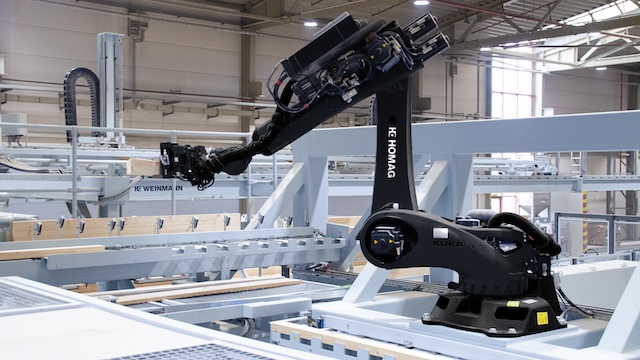
Current Disturbances Impacting Online Localization for Autonomous Underwater Vehicles
The Journal of Field Robotics has published an early view article discussing the challenges of online localization for autonomous underwater vehicles (AUVs) in the presence of current disturbances. This research highlights the difficulties faced by AUVs when global references are not available, which is crucial for their navigation and operational efficiency. Understanding how current disturbances affect AUV localization is significant as it directly impacts the effectiveness of underwater missions. Accurate localization is essential for various applications, including environmental monitoring, underwater exploration, and military operations. The findings from this study could lead to improved algorithms and technologies that enhance the reliability of AUVs in challenging underwater environments. Future research should focus on developing advanced localization techniques that can mitigate the effects of current disturbances on AUVs. As underwater exploration continues to grow, the demand for reliable AUV navigation systems will increase. No further timeline was disclosed at the time of publication.
RESEARCH ARTICLE
Study on Offshore Wind Turbine Blade Repair Using Particle Swarm Optimization and Advanced Control Techniques
A recent study published in the Journal of Field Robotics explores innovative methods for repairing offshore wind turbine blades. The research focuses on utilizing a Particle Swarm Optimization-Backpropagation Neural Network combined with Improved Active Disturbance Rejection Control to enhance repair efficiency. This research is significant as it addresses the growing need for effective maintenance strategies in offshore wind energy, which is crucial for maximizing energy output and minimizing downtime. The integration of advanced algorithms aims to improve the precision and reliability of repair processes, ultimately contributing to the sustainability of wind energy. Looking ahead, the implications of this study could influence future developments in wind turbine maintenance technologies. No further timeline was disclosed at the time of publication.
RESEARCH ARTICLE
Mistral AI Launches First Robot Navigation Model: Single Camera with 8 Billion Parameters
Mistral AI has introduced its inaugural robot model, Robostral Navigate, designed for autonomous navigation in complex environments. This new robot employs a single RGB camera and responds to natural language commands, achieving a notable success rate of 76.6%. By eliminating the reliance on lidar and depth sensors, Mistral AI presents a cost-effective solution tailored for commercial applications, particularly in warehousing and logistics. The efficiency of Robostral Navigate is further bolstered by advanced training techniques and algorithms, marking a significant step forward in robotics technology.
Robot Navigation AI Technology Computer Vision Autonomous Robots
FLSea: Underwater Visual–Inertial and Stereovision Forward‐Looking Data Sets
A recent study published in the Journal of Field Robotics highlights advancements in autonomous robotic systems designed for agricultural applications. Researchers from various institutions collaborated to develop innovative algorithms that enhance the efficiency and effectiveness of robots in crop monitoring and management. The findings, released in early October 2023, demonstrate how these technologies can significantly reduce labor costs and improve yield predictions, addressing the growing demand for sustainable farming practices. The research was conducted in various agricultural settings, showcasing the robots' adaptability to different environments and crops. By integrating machine learning and real-time data analysis, the team aims to provide farmers with tools that not only optimize their operations but also contribute to environmental sustainability. This study marks a significant step forward in the integration of robotics into agriculture, promising to transform traditional farming methods and support food security in the face of global challenges.
RESEARCH ARTICLE
DeepTrack: A Pressure‐Tolerant Electromagnetically Driven Soft Robotic Fish Platform With Visually Guided Locomotion
The Journal of Field Robotics has published an early view article highlighting advancements in autonomous robotic systems. Researchers from various institutions collaborated to explore innovative algorithms that enhance the navigation and decision-making capabilities of robots in complex environments. This study, released in October 2023, aims to address the growing need for efficient robotic solutions in sectors such as agriculture, search and rescue, and industrial automation. By employing machine learning techniques and real-time data processing, the team demonstrated significant improvements in the robots' ability to adapt to dynamic surroundings. The findings are expected to pave the way for more effective deployment of robotic technologies in real-world applications, ultimately contributing to increased productivity and safety in various industries.
RESEARCH ARTICLE
A Ground Mobile Robot for Autonomous Terrestrial Laser Scanning‐Based Field Phenotyping
A recent study published in the Journal of Field Robotics highlights advancements in autonomous navigation systems for drones, showcasing their potential applications in various industries. Conducted by a team of researchers from leading universities, the study was released in early October 2023. The research took place in multiple test environments, including urban areas and rural landscapes, to evaluate the drones' performance in diverse conditions. The motivation behind this study stems from the increasing demand for efficient and reliable drone technology in sectors such as agriculture, logistics, and disaster response. By enhancing the drones' ability to navigate complex terrains and avoid obstacles, the researchers aim to improve operational safety and effectiveness. The team employed a combination of machine learning algorithms and real-time data processing to develop a robust navigation framework. This innovative approach allows drones to make autonomous decisions based on their surroundings, significantly reducing the need for human intervention. The findings suggest that these advancements could lead to more widespread adoption of drones, ultimately transforming how various industries operate. As the technology continues to evolve, the researchers emphasize the importance of ongoing testing and refinement to ensure that these autonomous systems can be safely integrated into everyday use. The study not only contributes to the academic field but also sets the stage for practical applications that could enhance efficiency and safety across multiple sectors.
RESEARCH ARTICLE
A Vision‐Guided Docking Method for Autonomous Underwater Vehicle From Ice Hole
A recent study published in the Journal of Field Robotics highlights advancements in autonomous robotic systems designed for agricultural applications. Researchers from a leading university conducted experiments to evaluate the efficiency of these robots in crop monitoring and management. The study, released in early October 2023, took place in various agricultural settings across the Midwest. The motivation behind this research stems from the increasing need for sustainable farming practices amid rising global food demands. By integrating advanced robotics and artificial intelligence, the team aimed to enhance productivity while minimizing environmental impact. The robots utilized cutting-edge sensors and machine learning algorithms to collect and analyze data on crop health, soil conditions, and pest activity. Through a series of field trials, the researchers demonstrated that these autonomous systems could significantly reduce labor costs and improve yield predictions. The findings suggest that the implementation of such technology could revolutionize traditional farming methods, making them more efficient and environmentally friendly. This study not only underscores the potential of robotics in agriculture but also paves the way for further innovations that could address the challenges faced by the agricultural sector in the coming years.
RESEARCH ARTICLE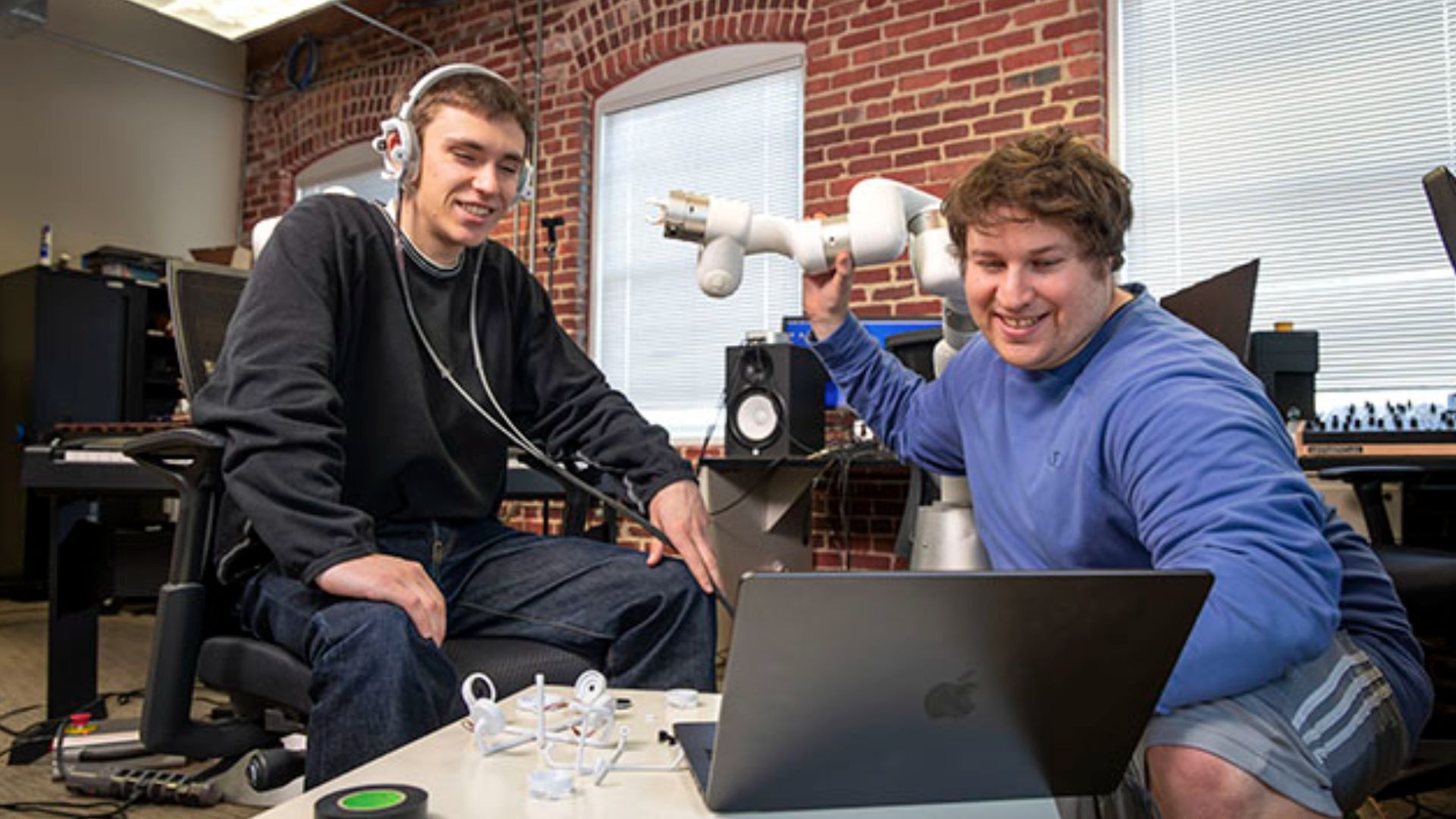
Watch: New wearable converts robot movements into music to improve workplace safety
Researchers at Georgia Tech have unveiled an innovative wearable audio system designed to enhance the interaction between humans and robots. This groundbreaking technology translates the movements of nearby robots into sound, allowing users to perceive the robots' actions through auditory cues. The development aims to improve safety and awareness in environments where humans and robots coexist, such as factories and warehouses. The system was introduced during a recent technology showcase held at the Georgia Institute of Technology, where experts demonstrated its capabilities. By providing real-time audio feedback, the wearable device enables users to better understand the dynamics of their robotic counterparts, potentially reducing accidents and improving collaboration. The motivation behind this research stems from the increasing integration of robots into everyday workspaces, where clear communication and awareness of robotic movements are essential for effective teamwork. The audio system operates through a combination of sensors and algorithms that interpret robot actions and translate them into distinct sounds, creating an intuitive interface for users. This advancement not only represents a significant step forward in human-robot interaction but also highlights Georgia Tech's commitment to pioneering research in robotics and audio technology. As industries continue to evolve with automation, such innovations are crucial for ensuring safe and efficient operations in shared environments.
AI and Robotics
Research on Harvesting Robots for Fragile Fruit: A Review
A recent study published in the Journal of Field Robotics highlights advancements in autonomous robotics technology. Researchers from a leading robotics institute conducted experiments to improve the navigation and decision-making capabilities of robots in complex environments. The study, released in early October 2023, took place in various outdoor settings, including forests and urban areas, to test the robots' adaptability to different terrains. The motivation behind this research stems from the growing demand for autonomous systems in sectors such as agriculture, disaster response, and urban planning. By enhancing the robots' ability to process real-time data and make informed decisions, the team aims to increase their efficiency and reliability in real-world applications. Through a combination of machine learning algorithms and sensor integration, the researchers developed a new framework that allows robots to better interpret their surroundings and respond to dynamic changes. This innovative approach not only improves navigation but also enables robots to collaborate more effectively with human operators. The findings from this study are expected to pave the way for more sophisticated autonomous systems, ultimately contributing to the advancement of robotics technology and its integration into everyday life.
SURVEY ARTICLE
Video: New AI model gives humanoid robots 90 percent success in complex missions
Flexion Robotics has launched Reflect v1.0, an innovative robotics intelligence platform designed to enhance the capabilities of humanoid robots. This groundbreaking technology was unveiled recently, showcasing its potential to revolutionize the interaction between humans and robots. The platform integrates advanced machine learning algorithms, allowing robots to learn from their environments and adapt their behaviors accordingly. The introduction of Reflect v1.0 aims to address the growing demand for more intelligent and responsive robotic systems in various sectors, including healthcare, education, and customer service. By equipping humanoid robots with this sophisticated intelligence, Flexion Robotics seeks to improve efficiency and effectiveness in tasks that require human-like interaction. The development process involved extensive research and collaboration with experts in artificial intelligence and robotics, ensuring that the platform meets the needs of diverse applications. As the robotics industry continues to evolve, Reflect v1.0 positions Flexion Robotics at the forefront of innovation, paving the way for a future where humanoid robots can seamlessly integrate into everyday life.
AI and Robotics
How Conostech is Pioneering Digital Surgery with Surgical Robots
At the Hamlyn Medical Robotics Conference, a significant international challenge demonstrated the integration of AI algorithms in surgical robots, marking a transformative moment in the medical field. The event showcased how surgical robots are evolving into advanced platforms capable of incorporating AI technologies. Among the participants, Conostech's Sentire system emerged as a notable contender, distinguished by its open architecture and strong performance. This positions Conostech as a leading force in the rapidly developing domain of digital surgery, reflecting the industry's shift towards more intelligent and adaptable surgical solutions.
Surgical Robots AI Integration Digital Surgery Medical Robotics
Karst Exploration With Robots: Fontaine de Nîmes Data Set
The Journal of Field Robotics has published a new study that explores advancements in autonomous robotic systems. This research, released in early October 2023, highlights innovative techniques that enhance the navigation and operational capabilities of robots in various environments. Conducted by a team of researchers from leading universities, the study aims to address the growing demand for efficient robotic solutions in industries such as agriculture, manufacturing, and disaster response. The motivation behind this research stems from the increasing complexity of tasks that robots are expected to perform, necessitating improved algorithms and sensor technologies. By employing advanced machine learning methods and real-time data processing, the researchers demonstrated significant improvements in the robots' ability to adapt to dynamic surroundings and make autonomous decisions. The findings from this study are expected to have a substantial impact on the future development of robotic systems, paving the way for more reliable and versatile applications. As industries continue to seek automation solutions, this research provides valuable insights into the potential of robotics to enhance productivity and safety across various sectors.
FIELD REPORT
Wukong1000 AUVs: Design, Cooperative Implementation, and Experimental Validation
A recent study published in the Journal of Field Robotics has unveiled significant advancements in robotic navigation systems. Researchers from a leading robotics institute conducted the study to enhance the efficiency and accuracy of autonomous robots in complex environments. The findings, released in early October 2023, highlight innovative algorithms that allow robots to better interpret and navigate their surroundings, particularly in dynamic settings such as urban areas or disaster sites. The motivation behind this research stems from the increasing demand for reliable robotic systems capable of performing tasks in unpredictable conditions, which are essential for applications ranging from search and rescue operations to automated delivery services. By employing advanced machine learning techniques, the team was able to improve the robots' decision-making processes, enabling them to adapt to changing environments in real-time. This breakthrough not only promises to enhance the functionality of existing robotic systems but also paves the way for future developments in the field of autonomous technology. The research team is optimistic that these improvements will lead to wider adoption of robotic solutions across various industries, ultimately contributing to safer and more efficient operations in challenging scenarios.
RESEARCH ARTICLE
"Building a Brain for Robots: How Chip Bridge Semiconductor Positions Itself in the Foundation of Embodied Intelligent Computing Power"
Chip Bridge Semiconductor is making significant strides in the development of advanced computing technology aimed at enhancing robotic intelligence. The company is focused on creating a new generation of chips designed to serve as the foundational brain for robots, enabling them to process information and respond to their environments more effectively. This initiative comes at a time when the demand for embodied intelligent computing is rapidly increasing, driven by advancements in artificial intelligence and automation. Located in Silicon Valley, Chip Bridge Semiconductor is leveraging cutting-edge research and development to innovate in this competitive field. The company aims to address the growing need for robots that can operate autonomously in various settings, from manufacturing to healthcare. By integrating sophisticated algorithms with powerful semiconductor technology, Chip Bridge is positioning itself as a leader in the robotics sector. The motivation behind this initiative is to create robots that not only perform tasks but also learn and adapt to new challenges, thereby improving efficiency and productivity across industries. Through strategic partnerships and investments in research, Chip Bridge Semiconductor is working to refine its chip designs and enhance their capabilities, ensuring that they meet the evolving needs of the market. As the landscape of robotics continues to evolve, Chip Bridge Semiconductor’s efforts could play a crucial role in shaping the future of intelligent machines, making them more capable and versatile in their applications.
Robotics Automation AI
Object‐Enhanced Loop Closing With Semantic Topological Graphs
The Journal of Field Robotics has published new research highlighting advancements in autonomous robotic systems. This study, released in early October 2023, focuses on the integration of artificial intelligence in field robotics, aiming to enhance efficiency and adaptability in various environments. Conducted by a team of researchers from leading universities, the findings demonstrate how these innovations can significantly improve the performance of robots in agricultural, industrial, and exploration applications. The motivation behind this research stems from the growing need for automation in sectors facing labor shortages and the demand for increased productivity. The researchers employed a combination of machine learning algorithms and real-time data processing techniques to develop a prototype that showcases the potential of these autonomous systems. This work not only contributes to the field of robotics but also addresses pressing challenges in modern industries, paving the way for future developments in smart technology.
RESEARCH ARTICLE
A Hybrid Technique for Active SLAM Based on RPPO Model With Transfer Learning
The Journal of Field Robotics has released an EarlyView article highlighting recent advancements in robotic technology. Researchers from various institutions have collaborated to develop innovative algorithms that enhance the efficiency and autonomy of field robots. This significant study, published in October 2023, aims to address the growing demand for automation in agriculture and environmental monitoring. The research focuses on improving the decision-making capabilities of robots operating in complex outdoor environments. By integrating machine learning techniques, the team has demonstrated how robots can better navigate and adapt to changing conditions, ultimately increasing productivity in agricultural practices. The findings are particularly relevant as the industry seeks to optimize resource use and reduce labor costs. The study was conducted across multiple test sites, showcasing the practical applications of these advancements in real-world scenarios. The researchers emphasize that these developments are crucial for meeting the challenges posed by climate change and the need for sustainable farming practices. By enhancing the operational capabilities of field robots, the team hopes to contribute to a more efficient and resilient agricultural sector. This publication marks a significant step forward in the field of robotics, underscoring the potential for technology to transform traditional practices and improve outcomes in various sectors. As the demand for automation continues to rise, the implications of this research could be far-reaching, paving the way for future innovations in robotic applications.
RESEARCH ARTICLE
A high-endurance DNA origami snap-through switch for functional nanoscale control
In June 2026, a groundbreaking study published in Science Robotics highlights advancements in robotic technology that could revolutionize various industries. Researchers from leading universities and tech companies collaborated to develop a new generation of robots capable of performing complex tasks with unprecedented efficiency and precision. This innovation aims to address the growing demand for automation in sectors such as manufacturing, healthcare, and logistics. The study showcases robots equipped with advanced artificial intelligence and machine learning algorithms, enabling them to adapt to dynamic environments and learn from their experiences. By enhancing their operational capabilities, these robots can significantly reduce labor costs and improve productivity, ultimately benefiting businesses and consumers alike. The research team conducted extensive experiments in controlled environments to test the robots' performance, demonstrating their ability to execute intricate tasks that were previously thought to require human intervention. This development comes in response to the increasing pressure on industries to streamline operations and meet the challenges posed by a rapidly changing economic landscape. As companies seek to integrate these advanced robotic systems into their workflows, the implications for the workforce and future job markets are profound. The study underscores the potential for robots to not only augment human labor but also create new opportunities in technology and engineering fields. The findings are expected to spark further research and investment in robotics, paving the way for a more automated future.
Research Article
Design of Tentacle Structure and Dynamic Parameters for a Biomimetic Jellyfish Robot and Investigation on Its Propulsion Performance
A recent study published in the Journal of Field Robotics highlights advancements in autonomous robotics, focusing on their applications in various fields such as agriculture, search and rescue, and environmental monitoring. Conducted by a team of researchers from leading universities, the study was released in early October 2023. The research aims to address the growing demand for efficient and reliable robotic systems that can operate in unpredictable environments. By integrating advanced machine learning algorithms and sensor technologies, the team demonstrated how these robots can navigate complex terrains and perform tasks with minimal human intervention. The findings underscore the potential for autonomous robots to enhance productivity and safety in critical operations, particularly in areas that are hazardous for human workers. The study emphasizes the importance of continued innovation in robotics to meet the challenges posed by climate change and population growth. As the field of robotics evolves, the researchers advocate for collaboration between academia and industry to accelerate the development and deployment of these technologies. The implications of this research could significantly impact various sectors, paving the way for smarter, more adaptable robotic solutions in the near future.
RESEARCH ARTICLE
Research on the Application of SSG‐RRT Path Planning Algorithm Integrated With Dynamic Obstacle Avoidance in Wheeled Picking Robot
A recent study published in the Journal of Field Robotics highlights advancements in robotic technology aimed at improving agricultural efficiency. Researchers from various institutions conducted the study to explore how autonomous robots can enhance crop management and reduce labor costs. The findings, released in early October 2023, indicate that these robots can perform tasks such as planting, monitoring, and harvesting with greater precision than traditional methods. The research was conducted in diverse agricultural settings, showcasing the robots' adaptability to different crops and terrains. By integrating advanced sensors and machine learning algorithms, the robots can analyze soil conditions and plant health, allowing for timely interventions that can lead to increased yields. This initiative is driven by the growing need for sustainable farming practices in response to global food demands and labor shortages in the agricultural sector. The study emphasizes that implementing robotic solutions could not only optimize resource use but also address environmental concerns associated with conventional farming techniques. As the agricultural industry faces mounting challenges, the deployment of these innovative robotic systems represents a significant step forward in modernizing farming practices and ensuring food security for the future.
RESEARCH ARTICLE
Research on the Design and Experiment for Obstacle‐Crossing Capability of a Wheeled‐Claw Deformable Mobile Platform With Large Expansion Ratio
A recent study published in the Journal of Field Robotics highlights advancements in autonomous robotic navigation systems. Researchers from a leading robotics institute conducted experiments to improve the efficiency and accuracy of robots in complex environments. The study, released in early October 2023, focuses on the integration of artificial intelligence and machine learning techniques to enhance decision-making processes in real-time. The research took place in various challenging terrains, including urban settings and natural landscapes, to test the robots' adaptability. The motivation behind this work stems from the increasing demand for autonomous systems in industries such as agriculture, logistics, and disaster response. By developing more reliable navigation capabilities, the researchers aim to facilitate safer and more effective deployment of robots in real-world applications. Through a series of trials, the team employed advanced algorithms that enable robots to analyze their surroundings and make informed navigation choices. The findings suggest significant improvements in both the speed and precision of robotic movements, which could lead to broader adoption of these technologies across multiple sectors. This study represents a crucial step towards achieving fully autonomous robotic systems capable of operating in dynamic and unpredictable environments.
RESEARCH ARTICLE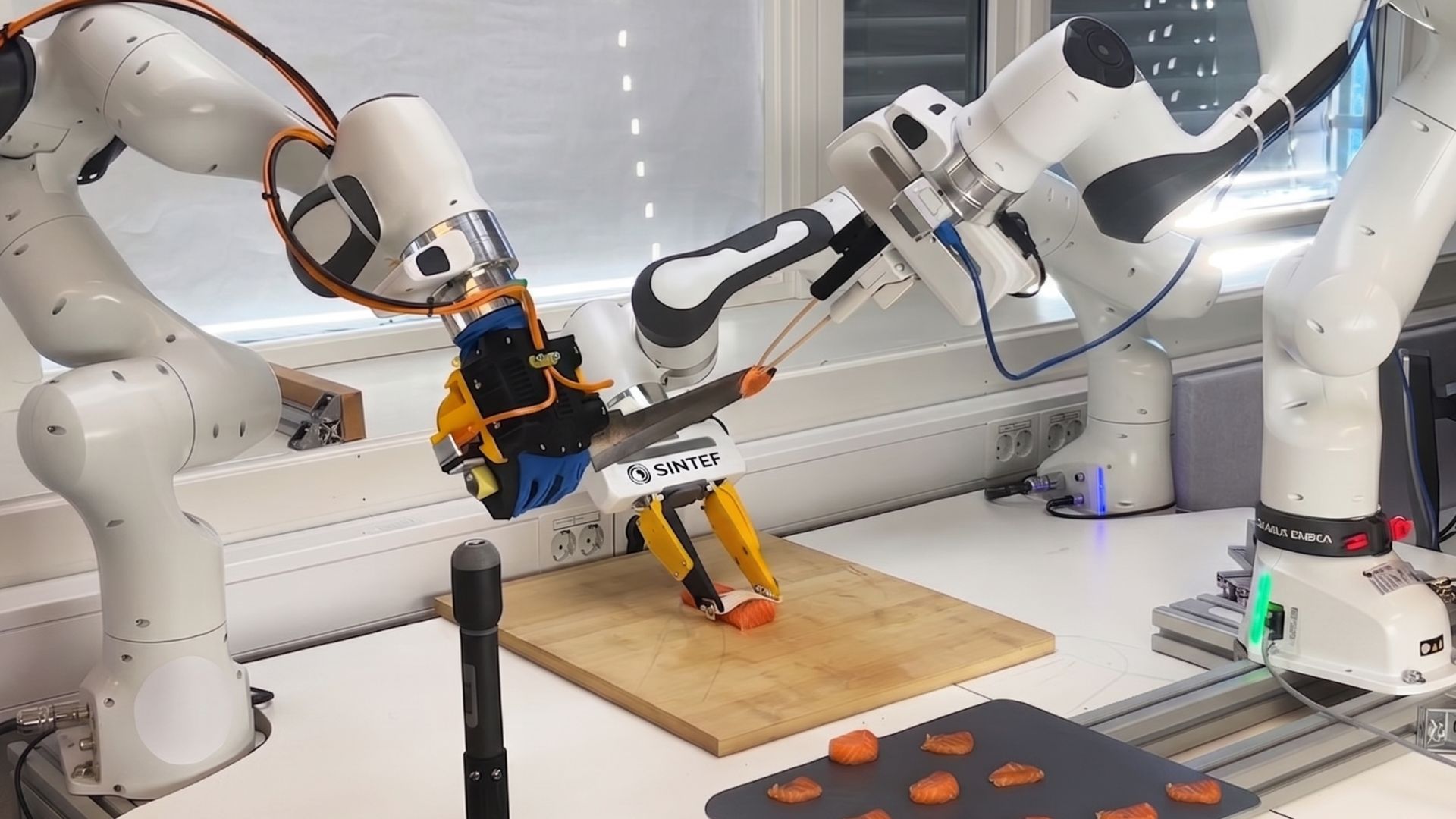
Three-armed kitchen robot cuts raw salmon with 95% touch-sensing accuracy
In a notable development within the robotics industry, researchers and engineers are grappling with the complexities of programming industrial robots to prepare sashimi, a task that has proven to be unexpectedly challenging. Despite advancements in automation and robotics, the intricate nature of slicing raw fish with precision and artistry has eluded machines, highlighting the limitations of current technology in replicating skilled human techniques. This ongoing effort reflects a broader trend in the food industry, where automation is increasingly sought after to enhance efficiency and consistency. As of October 2023, experts are exploring innovative approaches to overcome these hurdles, aiming to integrate advanced sensory feedback and machine learning algorithms that could enable robots to mimic the nuanced movements of experienced chefs. The pursuit of automating sashimi preparation not only underscores the demand for robotics in culinary applications but also raises questions about the future of traditional food preparation methods in an era of rapid technological advancement.
AI and Robotics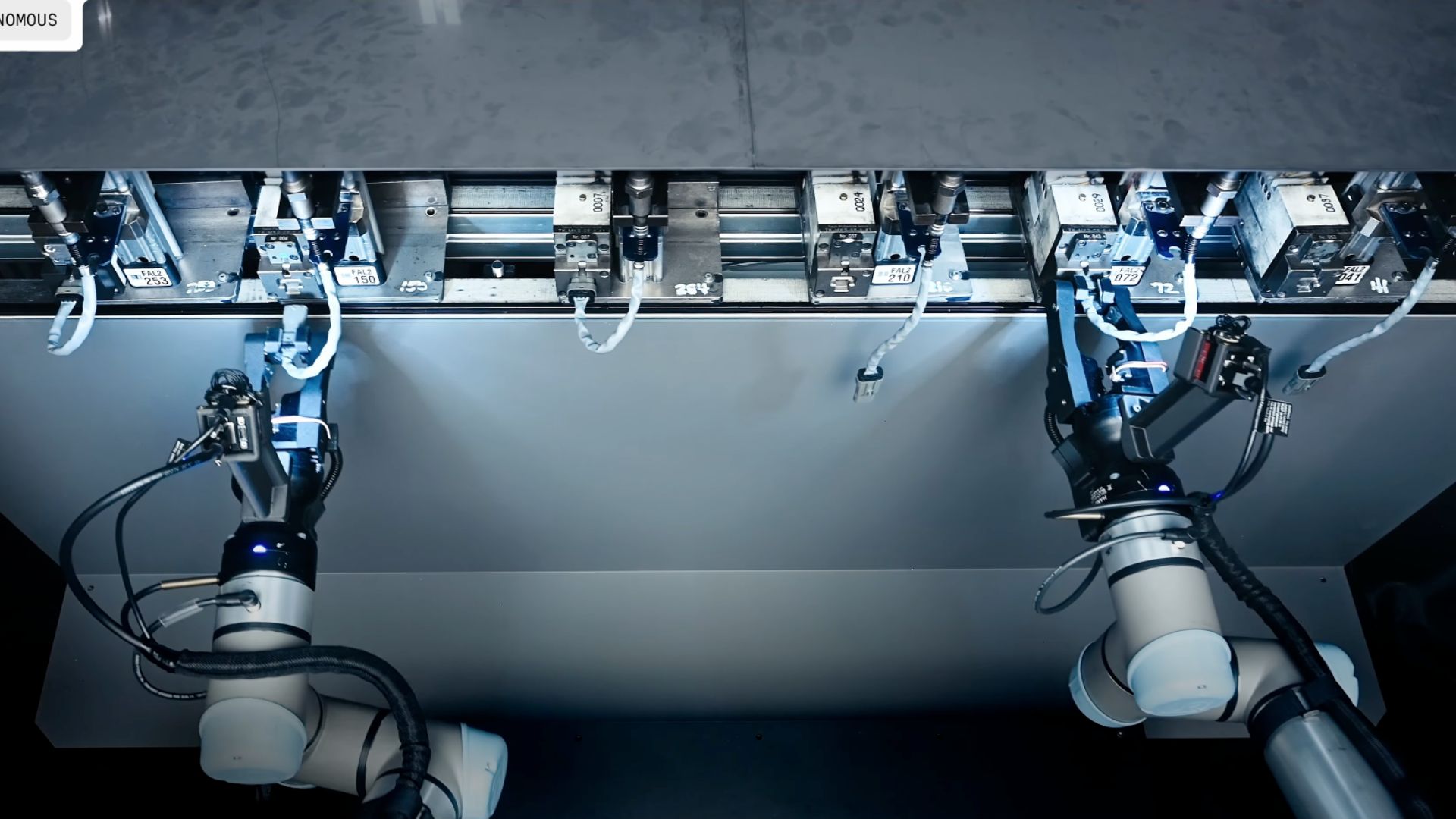
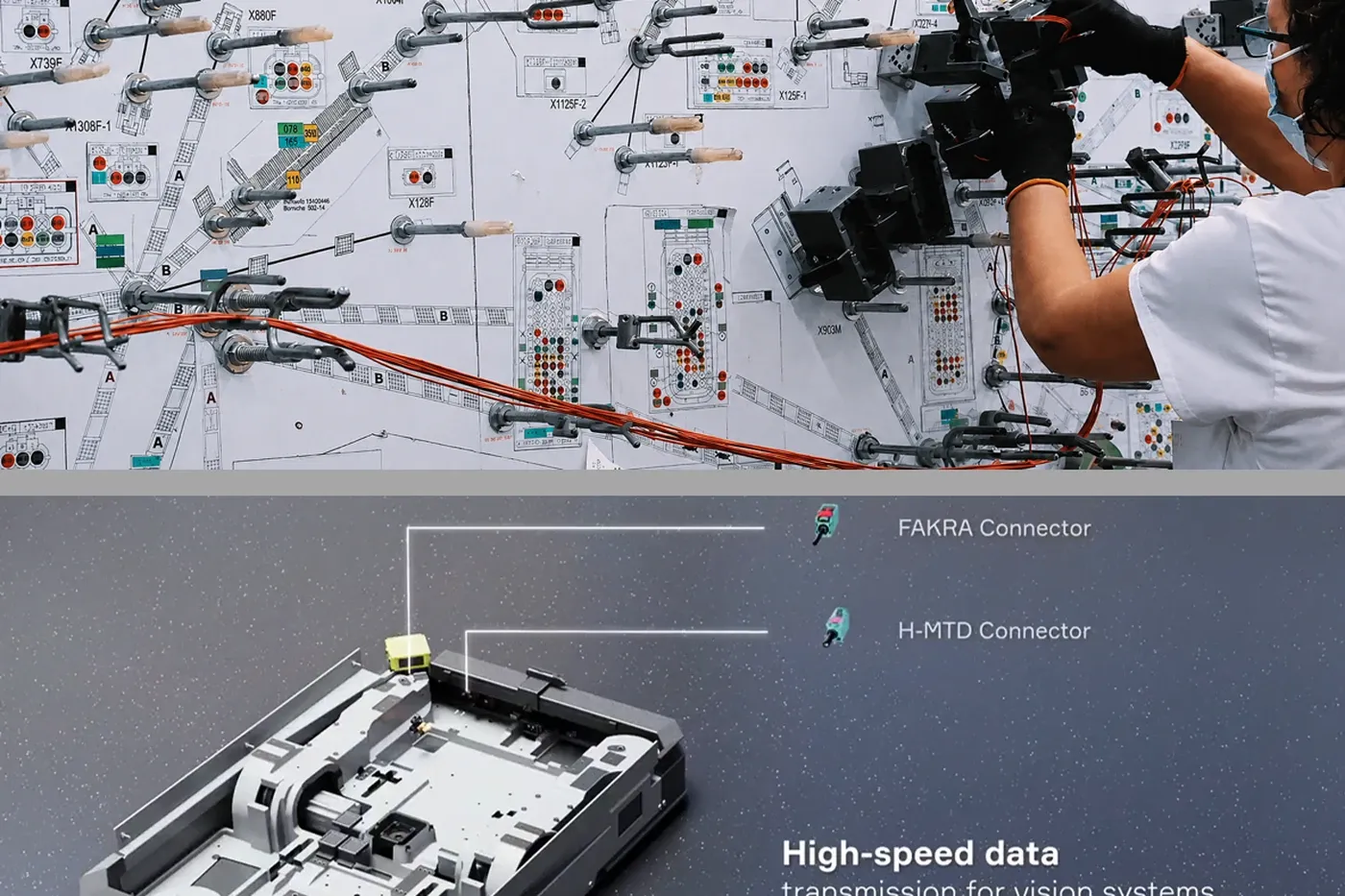
Video: New robotic system achieves 99.5% success in fast auto factory wire assembly
Sanctuary AI, a Canadian robotics company, has announced a major breakthrough in industrial automation. The firm has developed advanced AI-driven robots capable of performing complex tasks traditionally handled by human workers. This innovation comes as industries increasingly seek to enhance productivity and efficiency amid labor shortages and rising operational costs. The robots, which are designed to seamlessly integrate into existing workflows, utilize sophisticated machine learning algorithms to adapt to various environments and tasks. This development was unveiled during a press conference held in Toronto on October 15, 2023, where company executives highlighted the potential of these robots to revolutionize sectors such as manufacturing and logistics. By automating repetitive and labor-intensive processes, Sanctuary AI aims to not only improve operational efficiency but also allow human workers to focus on more strategic and creative roles.
AI and Robotics
Heavy‐UUV Docking System for a Fixed Seabed Station Based on Differential Optical‐Guidance Beacons
The Journal of Field Robotics has recently published an early view article highlighting advancements in robotic technology. Researchers from various institutions have collaborated to develop a new autonomous navigation system that enhances the efficiency and safety of field operations. This innovative system was tested in agricultural settings in California during the summer of 2023, where it demonstrated significant improvements in crop monitoring and resource management. The motivation behind this research stems from the growing need for precision agriculture, which aims to optimize farming practices and reduce environmental impact. By integrating advanced sensors and machine learning algorithms, the team was able to create a robotic platform capable of navigating complex terrains while collecting valuable data on soil health and crop conditions. The successful implementation of this technology could revolutionize the agricultural sector, providing farmers with tools to make informed decisions and increase productivity. The findings are expected to contribute to ongoing discussions about sustainable farming practices and the role of robotics in addressing global food security challenges.
RESEARCH ARTICLE
Design and Verification of a Multi‐Feature Wind Field Generation Device Based on Array‐Type Rotors
A recent study published in the Journal of Field Robotics explores advancements in robotic technology aimed at enhancing agricultural efficiency. Conducted by a team of researchers from various universities, the study highlights the development of autonomous robots capable of performing tasks such as planting, weeding, and harvesting crops. This research, which was initiated in early 2023, took place at agricultural fields across multiple locations in the Midwest United States. The motivation behind this initiative stems from the growing need for sustainable farming practices and the increasing labor shortages faced by the agricultural sector. By integrating advanced robotics into farming operations, the researchers aim to reduce reliance on manual labor while simultaneously increasing productivity and minimizing environmental impact. The study details the design and implementation of these robots, which utilize machine learning algorithms to navigate fields and make real-time decisions based on environmental conditions. Initial trials have shown promising results, indicating that these robots can significantly improve crop yields while reducing resource consumption. As the agricultural industry faces mounting challenges, this research represents a critical step toward the future of farming, showcasing how technology can play a pivotal role in addressing food security and sustainability. The findings are expected to influence future developments in agricultural robotics and encourage further investment in this innovative sector.
RESEARCH ARTICLE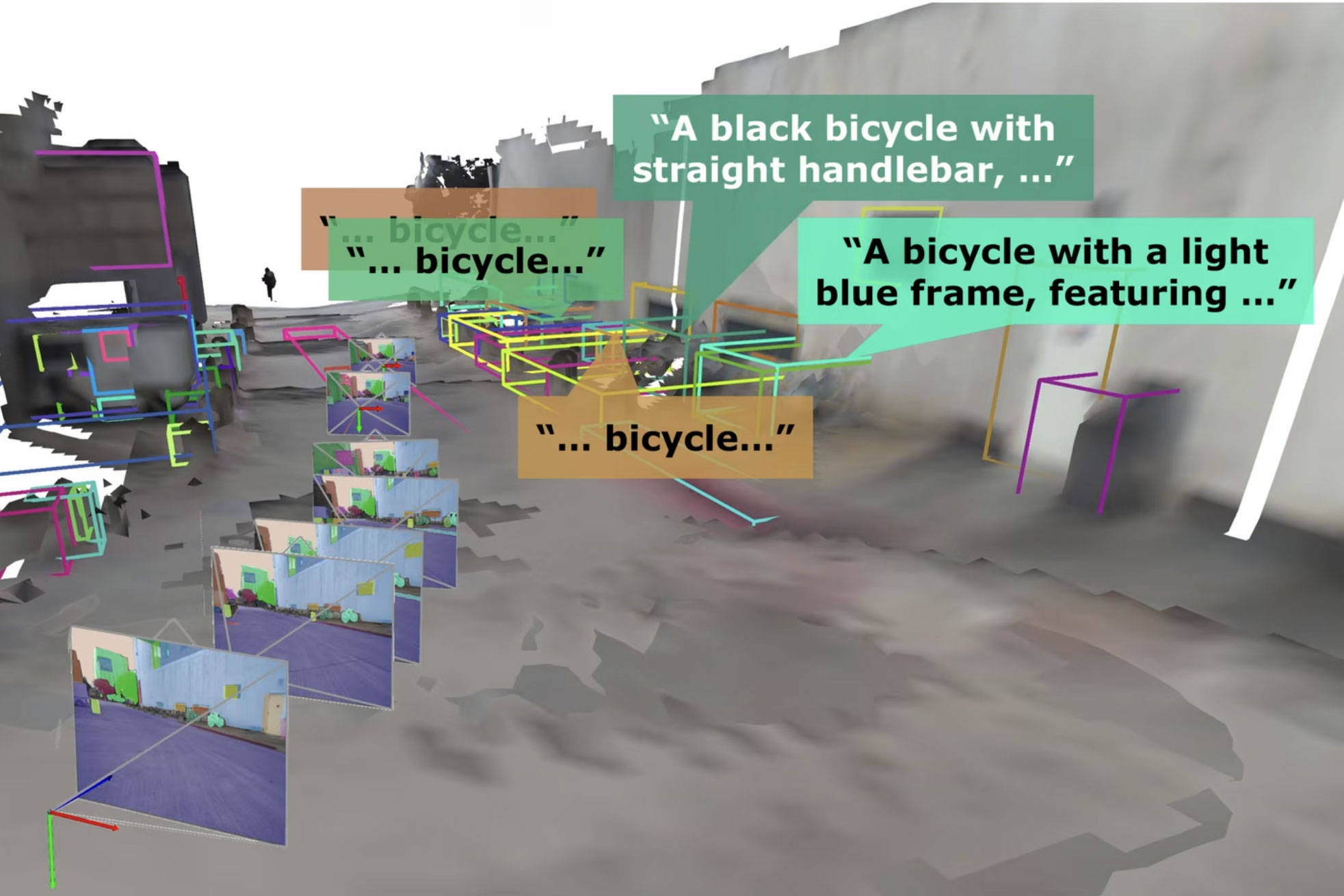
Could AI tell you where you left your keys?
Researchers have developed an innovative spatial memory system designed for robots, enabling them to effectively capture and retain detailed information about objects encountered during environmental exploration. This advancement, which leverages cutting-edge technology, aims to enhance the robots' ability to navigate and interact with their surroundings more intelligently. The system was introduced in a study published in October 2023, showcasing its potential to improve robotic perception and memory capabilities. By integrating sophisticated algorithms, the robots can now better recognize and remember various objects, ultimately leading to more autonomous and efficient operations in diverse settings. This breakthrough is expected to have significant implications for fields such as robotics, artificial intelligence, and automation, as it allows for more nuanced interactions between machines and their environments.
Research Computer science and technology Algorithms Artificial intelligence Machine learning Robotics
Deep Learning Based Dirt Detection and Cleanliness Evaluation in Autonomous Indian Domestic Concrete Water Tank Cleaning Robot
A recent study published in the Journal of Field Robotics highlights advancements in autonomous robotic navigation. Researchers from a leading robotics institute conducted experiments to enhance the efficiency of robots in complex environments. The study, released in early October 2023, focuses on the integration of advanced algorithms that allow robots to better interpret their surroundings and make real-time decisions. The research was carried out in various challenging terrains, including urban settings and natural landscapes, to test the robots' adaptability. The motivation behind this work stems from the growing demand for autonomous systems in sectors such as agriculture, search and rescue, and urban planning. By improving navigation capabilities, the researchers aim to facilitate the deployment of robots in scenarios where human intervention is limited or dangerous. Through a series of simulations and field tests, the team demonstrated that the new algorithms significantly reduced the time taken for robots to complete tasks while increasing their accuracy in obstacle avoidance. This breakthrough could lead to more reliable and efficient robotic systems, paving the way for wider applications in everyday life. The findings underscore the potential of robotics to transform various industries by enhancing operational efficiency and safety.
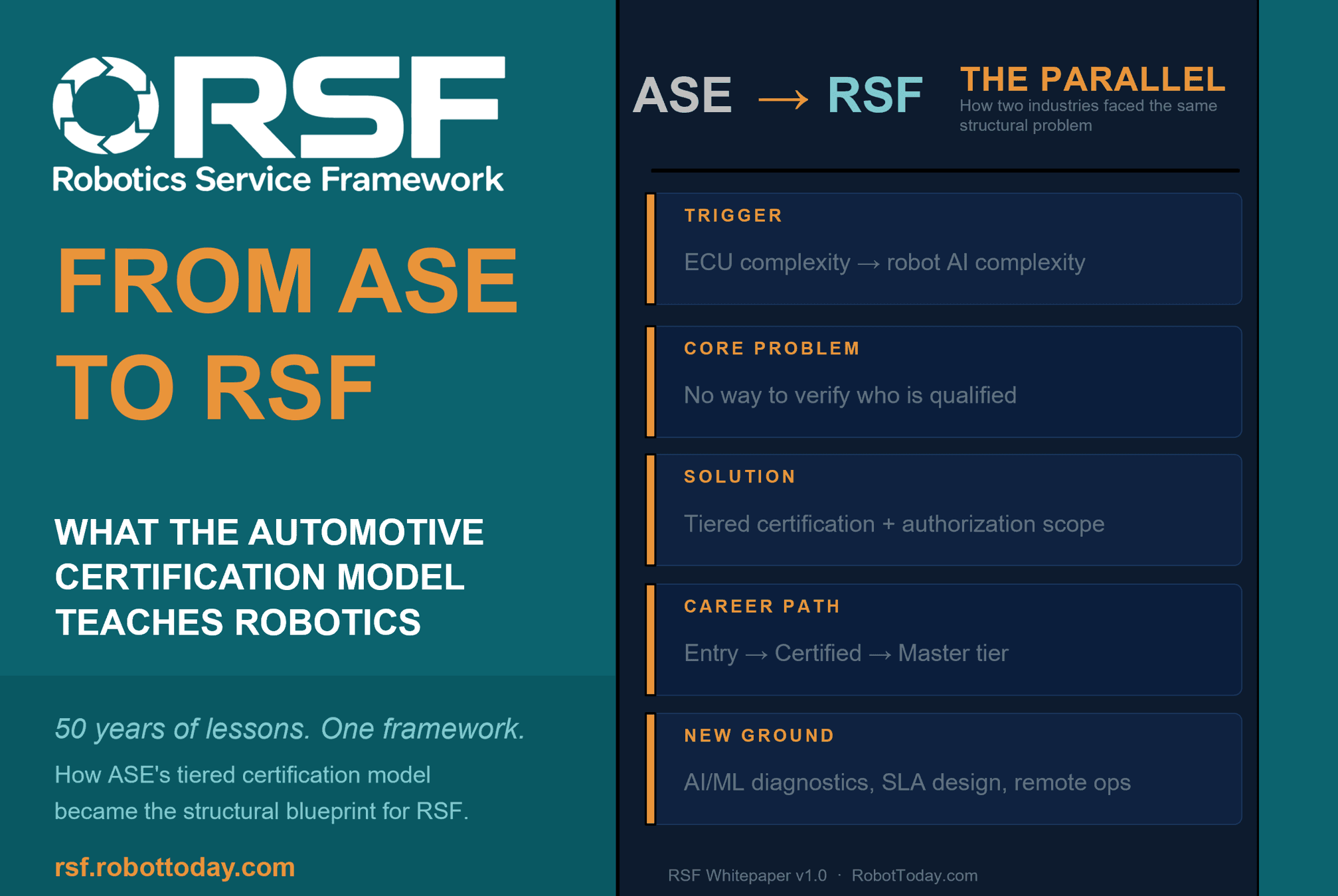
RESEARCH ARTICLERobotics needs a service framework.
RSF defines a common language for robot service capability, lifecycle operations, certification pathways, and service-provider networks.