Industry Briefing
A single destination for timely, editor-curated robotics news from around the world.
Weekly Robotics Videos Showcase Advances in Humanoid Surgery and Quadrupedal Locomotion
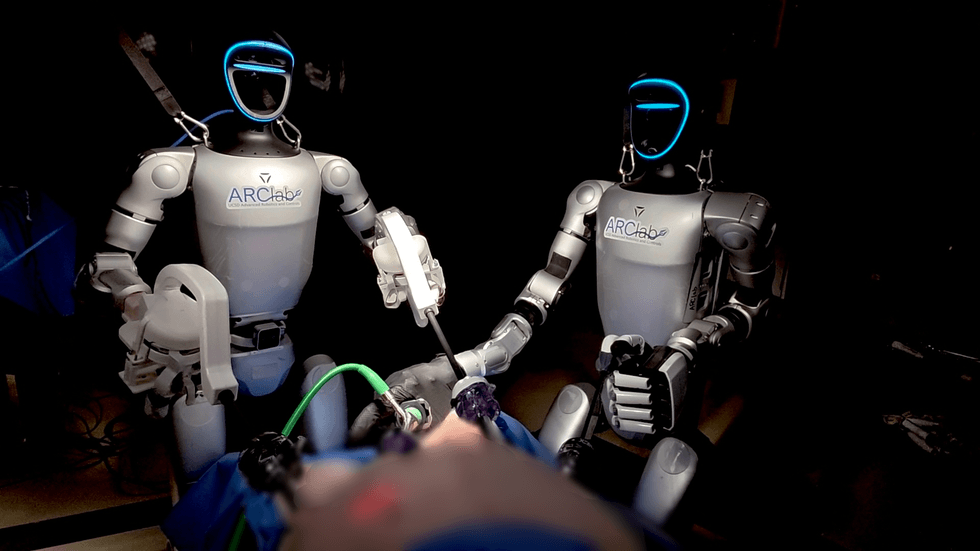
This week's Video Friday highlights significant advancements in robotics, including a systematic evaluation of humanoid technology for laparoscopic surgical tasks. Researchers developed a humanoid-based teleoperation framework and assessed its performance through various studies, revealing both potential and challenges for clinical deployment. The importance of these developments lies in their ability to enhance surgical precision and efficiency, which could transform medical practices. The study provides an evidence-based assessment of humanoid capabilities, emphasizing the need for further technical improvements before widespread clinical use. Looking ahead, the robotics community will continue to explore the integration of advanced technologies in surgical applications and other fields. Upcoming events, such as the Summer School on Multi-Robot Systems and Actuate 2026, will provide platforms for sharing insights and innovations in robotics.
Humanoid-robots Video-friday Quadruped-robots Robot-videos Robot-surgeon Boston-dynamics
Humanoid Robot H1 Completes First Live Gallbladder Surgery Under Surgeon Control
In July 2026, a humanoid robot successfully performed the world's first live gallbladder surgery on a pig under the control of a surgeon. This groundbreaking procedure, documented by Nature and featured on the front page of the New York Post, has sparked significant discussions in the tech community about the implications of humanoid robots in surgical settings, particularly regarding remote control and AI capabilities. The significance of this achievement lies in its potential to disrupt the surgical robotics market, which has been dominated by the Da Vinci surgical system for nearly two decades. The Da Vinci system, known for its high costs exceeding $2 million, relies on specialized robotic arms and instruments. In contrast, the humanoid robot's design allows it to utilize standard surgical tools, which could lead to reduced costs and increased accessibility for hospitals. Looking ahead, the successful completion of this surgery marks a pivotal moment for humanoid robots in healthcare. While regulatory hurdles and clinical validation processes remain, the experiment demonstrates that humanoid robots can perform complex surgical tasks. The next challenge will be determining when the costs associated with these robots can be lowered enough for broader adoption by hospitals beyond top-tier institutions. No further timeline was disclosed at the time of publication.
Humanoid Robots Surgical Robotics AI in Healthcare Remote Surgery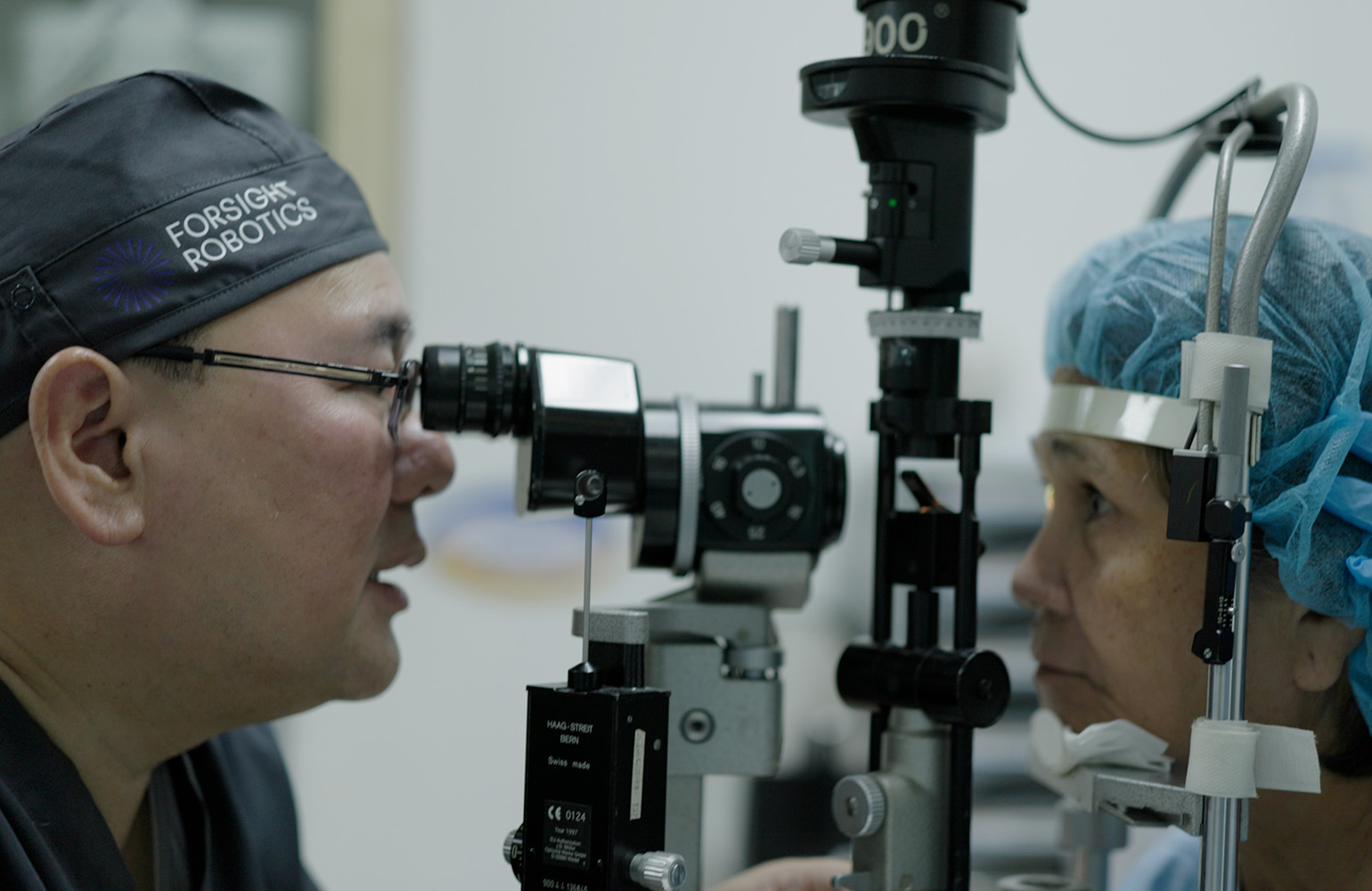
ForSight Robotics advances JASPER Platform for enhanced cataract surgery assistance
ForSight Robotics has developed the JASPER Platform, designed to assist surgeons during cataract surgeries. This platform maintains surgeon control while integrating robotic assistance, marking a significant step in surgical technology. The platform aims to improve precision and efficiency in procedures, although specific metrics on its performance have not been disclosed. The introduction of the JASPER Platform is significant as it represents a shift towards greater automation in ophthalmic surgeries. By providing robotic assistance, ForSight Robotics aims to enhance surgical outcomes and reduce the variability associated with manual techniques. This development could potentially lead to broader adoption of robotic systems in various surgical fields, as the demand for precision in medical procedures continues to grow. Looking ahead, ForSight Robotics is expected to further refine the JASPER Platform and explore its full robotic capabilities. No further timeline was disclosed at the time of publication, but industry watchers will be keen to see how this technology evolves and its impact on surgical practices in the near future.
Artificial Intelligence Artificial Intelligence / Cognition Design / Development Healthcare Robotics Markets / Industries News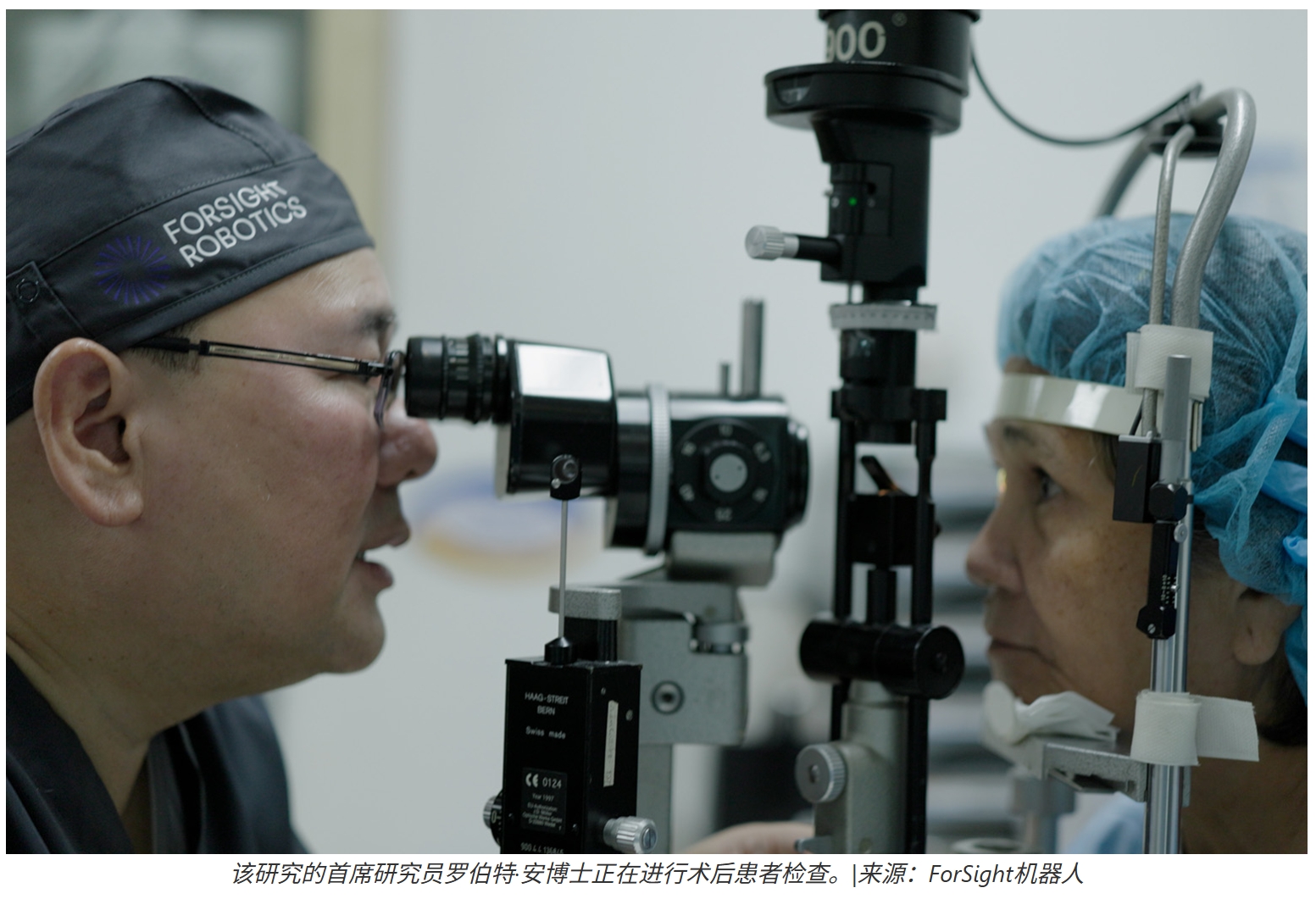
ForSight Robotics Completes First Fully Robotic Cataract Surgery with JASPER Platform
ForSight Robotics has successfully completed the world's first fully robotic cataract surgery using its JASPER platform, led by Dr. Alexey Rapoport in April 2026. This groundbreaking procedure was performed at the Asian Eye Institute in the Philippines, showcasing JASPER's ability to execute the entire surgery autonomously without general anesthesia, adhering to modern cataract surgery standards. The significance of this achievement lies in JASPER's unique design, which empowers surgeons rather than replacing them. By integrating AI algorithms, advanced computer vision, and miniature mechanical technology, JASPER provides enhanced imaging and precision control, allowing surgeons to perform with the accuracy of elite professionals. This innovation also addresses ergonomic concerns, as it enables surgeons to operate seated, potentially extending their careers and improving surgical outcomes. Looking ahead, ForSight Robotics aims to secure FDA approval for JASPER in the United States, with plans to bring this technology to market in the coming years. The company has raised $195 million since its founding in 2020, with significant investments from notable figures and organizations. No further timeline was disclosed at the time of publication.
Robotic Surgery Cataract Surgery AI in Healthcare Ophthalmology Medical Robotics
UC San Diego Team Demonstrates G1 Humanoid Robot 'Surgie' in First Live Surgery
On July 8, a research team from the University of California, San Diego, published a groundbreaking study in Nature, showcasing the G1 humanoid robot, nicknamed 'Surgie.' This robot, weighing 27 kg and priced from $13,500, successfully performed two laparoscopic cholecystectomies on live pigs, marking a significant milestone in robotic surgery. The significance of this achievement lies in the G1's affordability and adaptability compared to traditional surgical robots like the da Vinci system, which costs between $500,000 and several million dollars. Surgeon's remote control of the G1 allows for deployment in various settings, including rural areas, battlefields, and potentially space missions, without the need for specialized operating room modifications. Despite the success, the technology still faces challenges before clinical application, such as the need for frequent recalibration during surgery, which increases operation time. The G1's limited arm span of 450 mm also restricts its operational range. No further timeline was disclosed at the time of publication for the next steps in this research.
Humanoid Robots Surgical Robotics Remote Surgery Medical Technology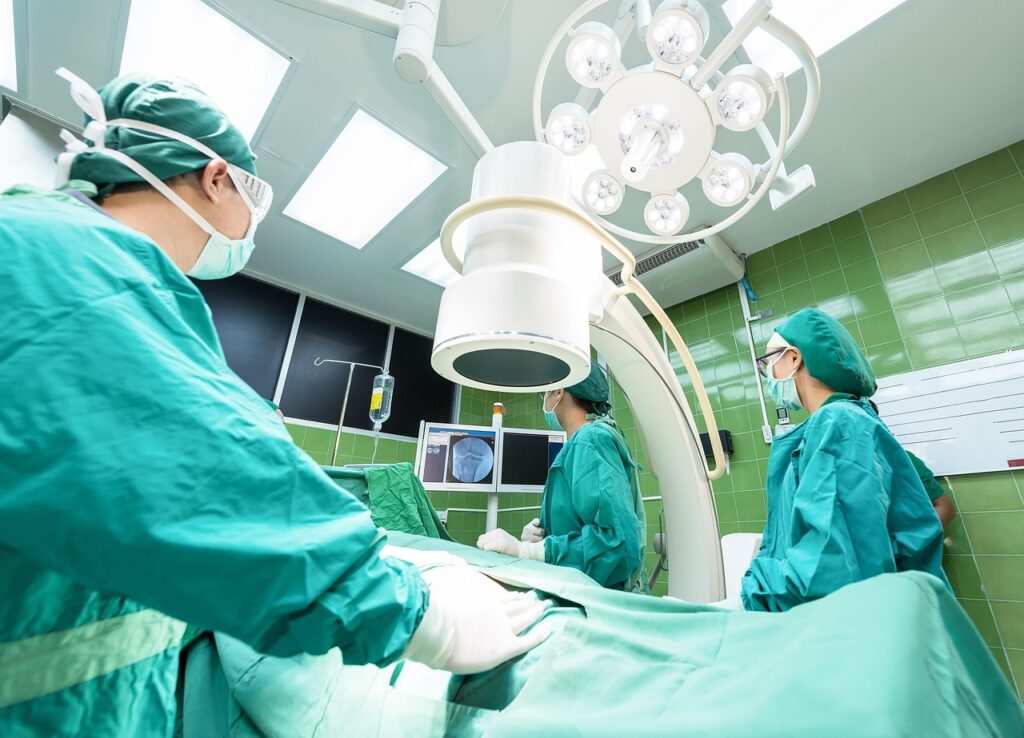
Restoring surgeons’ sense of touch with robotic fingertips
Surgeons and engineers across Europe are addressing a significant challenge in modern surgery, which has shifted from traditional long incisions to minimally invasive techniques utilizing robots and artificial intelligence. This advancement, while improving precision and recovery times, has resulted in a loss of tactile feedback for surgeons, making it increasingly difficult to detect tissue abnormalities during procedures. The group is exploring innovative solutions to restore the sense of touch in surgical practices, aiming to enhance the effectiveness of operations and improve patient outcomes. Their efforts highlight the ongoing evolution of surgical techniques and the importance of integrating sensory feedback into robotic-assisted surgeries.
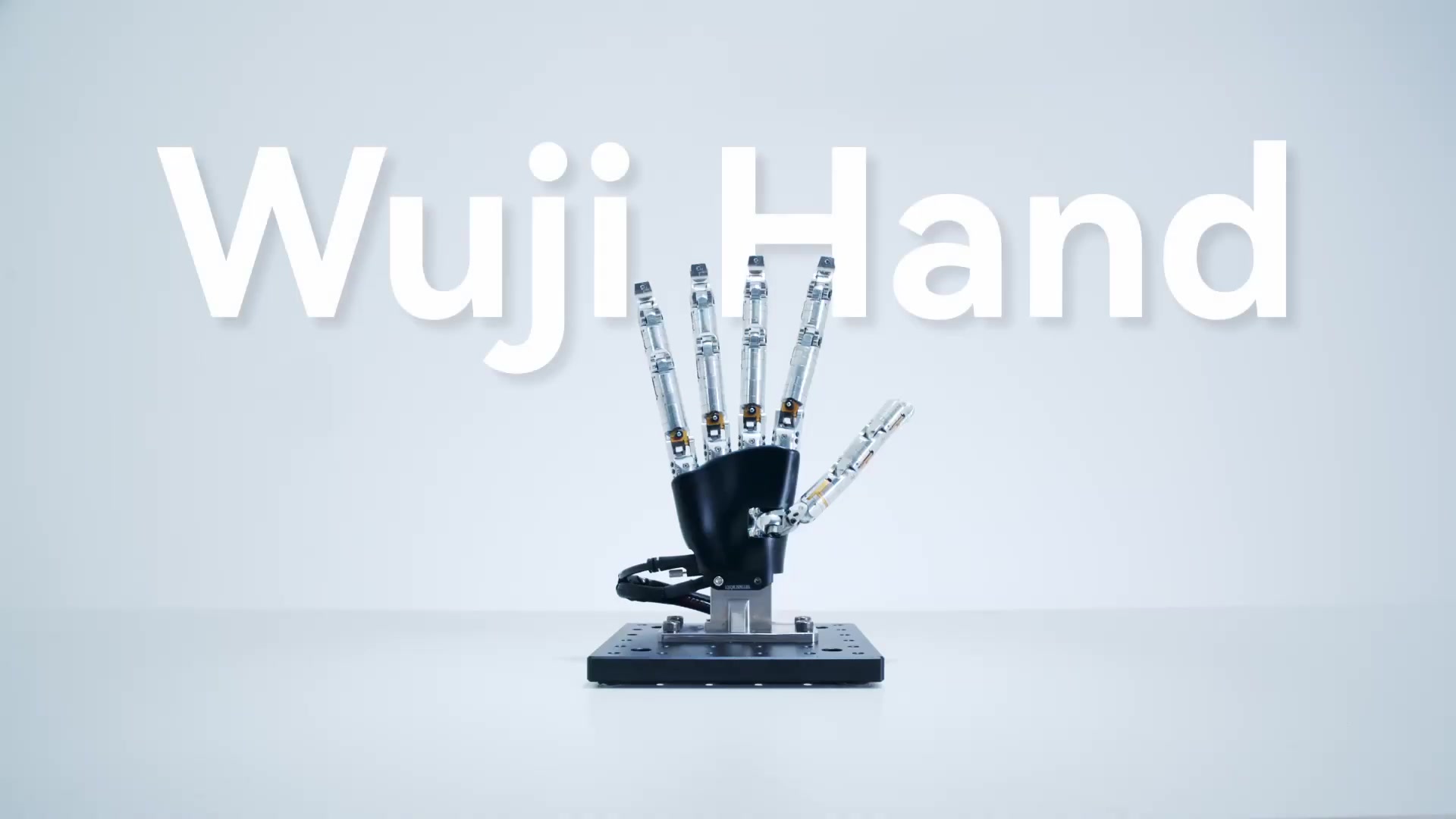
Experts Weigh In on Wuji Tech’s Robotic Hand: A “Remarkably Robust” Direct-Drive Contender
Humanoid robotics expert Scott Walter and hand surgeon Gustav Andersson have commended the innovative 20-degree-of-freedom (20-DOF) robotic hand developed by China's Wuji Tech. Their analysis highlights the device's direct-drive actuation, which represents a significant advancement over traditional tendon-based systems. This breakthrough is seen as a critical step in bridging the gap between simulated environments and real-world applications in robotics. The evaluation underscores the potential of this technology to enhance the functionality and dexterity of robotic hands, paving the way for more effective integration into various fields, including medical applications and rehabilitation.
actuation Dexterity humanoid robotics robotic hand Wuji Tech
Rough demos unlock precise robot actions, with up to fourfold real-world gains
Advancements in robotics are leading to the development of highly dexterous robots that are becoming integral to both daily life and industrial applications. These robots are capable of performing intricate tasks, such as assembling small components for smartphones and aiding surgeons during operations. However, the traditional method of training these robots to replicate delicate human movements has been labor-intensive and costly, requiring extensive data collection at precise time intervals. This challenge has prompted researchers to seek more efficient training methods to enhance the capabilities of robotic systems, ultimately aiming to reduce the time and financial burden associated with their development. As the demand for precision in various sectors grows, the evolution of robotic dexterity is expected to play a crucial role in improving efficiency and effectiveness across multiple fields.
Robotics
Is your robot vacuum cleaner spying on you?
In a groundbreaking study published in the June 2026 issue of Science Robotics, researchers have unveiled a new robotic system designed to enhance surgical precision and efficiency. This innovative technology, developed by a team of engineers and medical professionals, aims to reduce the risks associated with complex surgical procedures. The research team conducted extensive trials over a two-year period, testing the robotic system in various surgical environments. Their findings indicate that the robot can perform intricate tasks with a level of accuracy surpassing that of human surgeons, potentially leading to improved patient outcomes. The motivation behind this development stems from the increasing demand for safer and more effective surgical methods, particularly in high-stakes operations. By integrating advanced robotics with surgical practices, the team hopes to address common challenges such as human error and fatigue during lengthy procedures. The trials took place in multiple hospitals across the United States, where the robotic system was utilized in real-time surgeries. Observations showed a significant decrease in operation times and recovery periods for patients, highlighting the potential of robotics to revolutionize the field of surgery. As the medical community continues to explore the implications of this technology, the research team is optimistic about future applications, including training programs for surgeons and expanded use in various medical specialties. This advancement marks a significant step forward in the intersection of robotics and healthcare, promising to enhance the capabilities of surgical teams worldwide.
Focus
Is Robotic Surgery Worth Traveling Abroad for? – Patient Guide
As patients face lengthy wait times and limited availability of specialized surgeons for robotic surgery, many are considering traveling abroad for their procedures. This trend has emerged as individuals seek more accessible options for advanced medical technology that may not be offered locally. The growing interest in international medical travel highlights the challenges within the healthcare system, prompting patients to explore alternatives that could expedite their treatment. By opting for overseas surgery, patients hope to receive timely care and benefit from cutting-edge techniques that may not be available in their home countries.
Health Technology automation news da Vinci surgical system healthcare innovation Healthcare Technology
Seed-sized magnetic robot switches between five surgical tools in under one second
Researchers at Nanyang Technological University (NTU) Singapore have unveiled a groundbreaking seed-sized surgical robot designed to enhance precision in minimally invasive surgeries. This innovative device, which measures just a few millimeters, has the potential to revolutionize surgical procedures by allowing for targeted interventions within the human body. The development was announced on October 15, 2023, during a presentation at the university's annual technology showcase. The motivation behind this advancement stems from the need for improved surgical techniques that reduce recovery times and minimize complications associated with traditional surgery. By utilizing advanced robotics and miniaturization technologies, the team at NTU aims to provide surgeons with a tool that can navigate complex anatomical structures with greater accuracy. The surgical robot operates through a combination of remote control and autonomous navigation, enabling it to perform intricate tasks while being guided by a surgeon. This dual functionality ensures that while the robot can operate independently, it remains under the expert oversight of medical professionals, enhancing both safety and efficacy. As the medical community continues to seek innovative solutions to improve patient outcomes, this development represents a significant step forward in the field of robotic surgery, promising to make procedures less invasive and more effective in the near future.
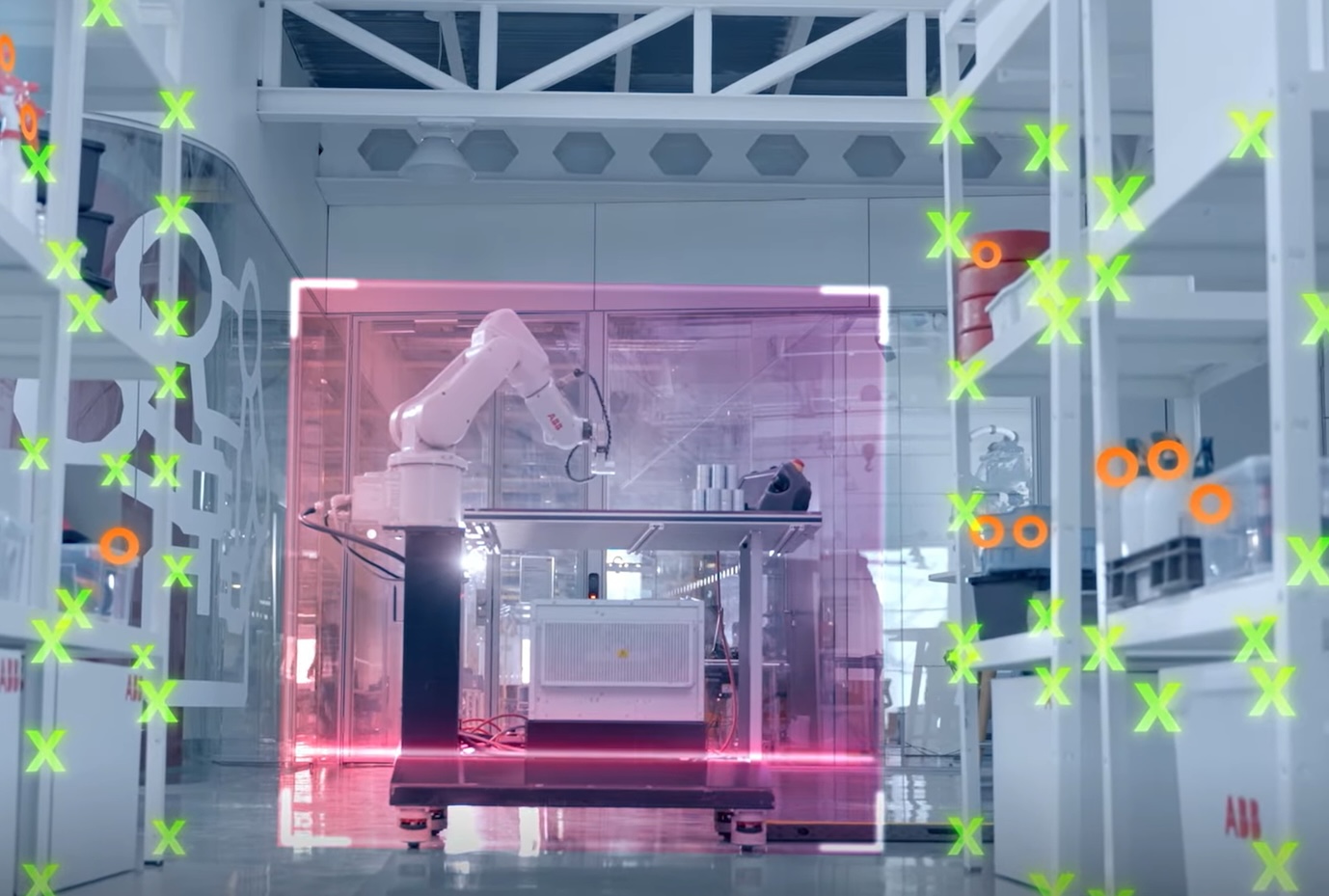
Acceptance of humanoid robots: A psychological perspective
In a groundbreaking study published in the May 2026 issue of Science Robotics, researchers have unveiled a new robotic technology designed to assist in complex surgical procedures. This innovative system, developed by a team at a leading robotics institute, aims to enhance precision and reduce recovery times for patients undergoing surgery. The research team conducted extensive trials over the past year, testing the robotic system in various surgical environments to assess its effectiveness and safety. Their findings indicate that the robotic assistant can significantly improve surgical outcomes by providing surgeons with enhanced dexterity and real-time data analysis during operations. The motivation behind this development stems from the increasing demand for advanced surgical techniques that minimize invasiveness while maximizing efficiency. By integrating cutting-edge robotics into the operating room, the researchers hope to address challenges faced by surgeons and improve patient care. The study's implications are far-reaching, as it not only showcases the potential of robotics in medicine but also sets the stage for future innovations in surgical technology. As the healthcare industry continues to evolve, this robotic system could become a standard tool in operating rooms worldwide, ultimately transforming the landscape of surgical procedures.
Focus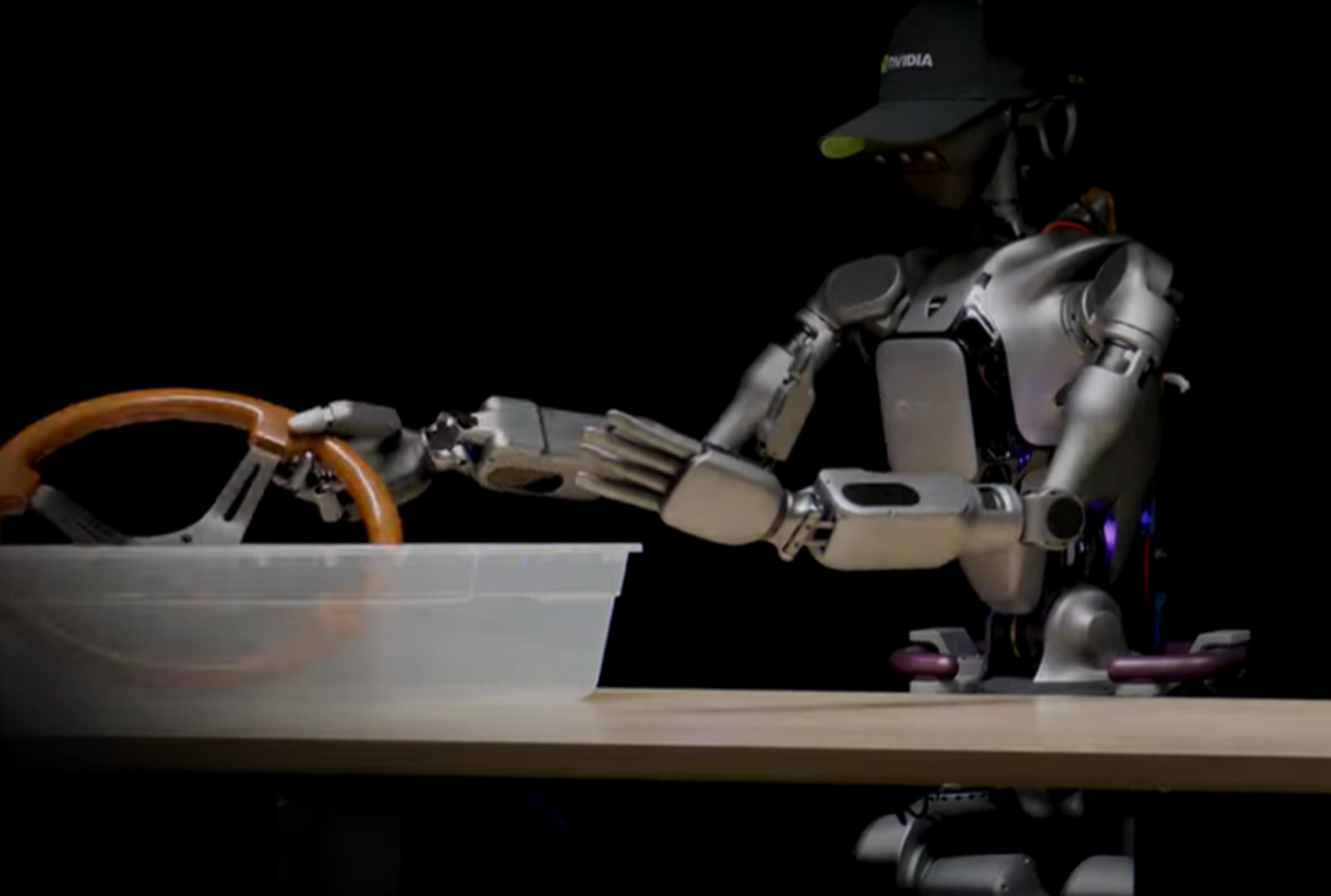
Cross-link collective: Entangled robotic matter with cohesive motion
In a groundbreaking study published in the May 2026 issue of Science Robotics, researchers have unveiled a new robotic system designed to assist in complex surgical procedures. This innovative technology, developed by a team of engineers and medical professionals, aims to enhance precision and reduce recovery times for patients undergoing surgery. The research was conducted at a leading medical institution, where the team tested the robotic system in various simulated surgical scenarios. The results demonstrated significant improvements in accuracy compared to traditional methods, showcasing the potential for robots to support surgeons in high-stakes environments. The motivation behind this development stems from the increasing demand for advanced surgical techniques that can minimize invasiveness and improve patient outcomes. By integrating robotics into the operating room, the researchers hope to address challenges such as human error and variability in surgical performance. The robotic system operates through a combination of advanced algorithms and real-time imaging, allowing it to adapt to the unique conditions of each surgical procedure. This adaptability is crucial for ensuring that the technology can be effectively utilized across a range of operations. As the medical field continues to evolve, this research marks a significant step towards the future of surgery, where robotic assistance could become a standard part of the surgical toolkit, ultimately benefiting patients and healthcare providers alike.
Research Article
Microbot Medical Inc. (MBOT) Shareholder/Analyst Call Transcript
Microbot Medical Inc. held a conference call on May 18, 2026, at 3:00 PM EDT to discuss its first-quarter earnings and recent developments. During the call, Harel Gadot, the company's Co-Founder, President, CEO, and Chairman, along with Chief Medical Officer Juan Diaz-Cartelle, provided insights into the company's performance, reporting an earnings per share of -$0.05, which exceeded expectations by $0.02, despite revenue falling short by $395,000 at $105,000. The event featured contributions from medical professionals, including Dr. Charles Briggs, a vascular surgeon at Tampa General Hospital, and Dr. Zachary Bercu, an interventional radiologist at Emory Healthcare. Both shared their experiences using Microbot's LIBERTY system, highlighting its practical applications in interventional radiology. The conference call was accessible via a live webcast, which will be archived on the company's website for future reference. This initiative aims to keep stakeholders informed about the company's progress and the ongoing development of its medical technologies.
MBOT SA Transcripts
Johnson & Johnson completes clinical study for OTTAVA robotic surgical system
Johnson & Johnson has successfully completed a clinical study showcasing the feasibility of its OTTAVA robotic surgical system, specifically designed for small operating rooms. This development marks a significant advancement in surgical technology, as the compact design of OTTAVA aims to enhance surgical procedures in constrained spaces. The study's results indicate that the system can effectively operate within the limited dimensions of smaller surgical environments, potentially improving accessibility and efficiency in various medical settings. The announcement highlights Johnson & Johnson's commitment to innovation in healthcare and its ongoing efforts to address the challenges faced by surgeons in smaller operating rooms.
Healthcare Robotics Markets / Industries News Robots / Platforms Surgical / Interventional Systems Johnson & Johnson
Embodied or virtually represented: Navigating the embodiment debate in human-robot interaction
In a groundbreaking study published in the May 2026 issue of Science Robotics, researchers have unveiled a new robotic system designed to enhance surgical precision. This innovative technology, developed by a team of engineers and medical professionals, aims to improve patient outcomes in minimally invasive procedures. The research was conducted at a leading medical institution, where the team tested the robotic system in various surgical scenarios. The motivation behind this development stems from the increasing demand for advanced surgical techniques that can reduce recovery times and minimize complications. By integrating advanced algorithms and real-time imaging, the robotic system allows surgeons to perform intricate tasks with greater accuracy than traditional methods. Initial trials have shown promising results, indicating a significant reduction in surgical errors and improved overall efficiency in the operating room. As the medical community continues to seek ways to enhance surgical practices, this new technology represents a significant step forward in the quest for safer and more effective medical interventions. The team plans to conduct further studies to refine the system and explore its applications across different types of surgeries.
Focus
DNA origami snaps into place
In a groundbreaking study published in the June 2026 issue of Science Robotics, researchers from leading universities have unveiled a new robotic system designed to assist in complex surgical procedures. This innovative technology aims to enhance precision and reduce recovery times for patients undergoing surgery. The research team, comprised of engineers and medical professionals, conducted extensive trials over the past year, demonstrating the robot's capabilities in various surgical environments. Their findings indicate that the robotic system can significantly improve outcomes in surgeries that require high levels of dexterity and accuracy. The motivation behind this development stems from the increasing demand for minimally invasive surgical techniques, which are known to offer patients quicker recovery and less postoperative pain. By integrating advanced robotics with surgical practices, the team hopes to address these needs and set a new standard in surgical care. The trials were conducted in multiple hospitals across the United States, where the robotic system was tested in real-time surgical scenarios. Feedback from surgeons and patients has been overwhelmingly positive, highlighting the robot's potential to revolutionize surgical procedures. As the medical community continues to explore the integration of robotics in healthcare, this study marks a significant step forward, paving the way for future innovations that could transform patient care and surgical practices worldwide.
Focus
Therapist-exoskeleton-patient interaction for gait therapy
In a groundbreaking study published in the June 2026 issue of Science Robotics, researchers have unveiled a new robotic system designed to enhance surgical precision. This innovative technology, developed by a team of engineers and medical professionals, aims to improve patient outcomes in complex surgical procedures. The study highlights the system's ability to integrate advanced imaging techniques with real-time data analysis, allowing surgeons to navigate intricate anatomical structures with unprecedented accuracy. Conducted at a leading medical research facility, the trials demonstrated a significant reduction in operation time and postoperative complications compared to traditional methods. The motivation behind this development stems from the increasing demand for minimally invasive surgical options, which promise quicker recovery times and less trauma for patients. By leveraging cutting-edge robotics and artificial intelligence, the team has created a tool that not only assists surgeons but also enhances their decision-making capabilities during operations. As the medical community continues to embrace technological advancements, this robotic system represents a significant step forward in the field of surgery, potentially transforming how procedures are performed in the future. The researchers are optimistic that further refinements and clinical trials will lead to widespread adoption in hospitals worldwide, ultimately benefiting countless patients.
Research Article
Stop chasing identical outcomes in HRI replication: Learn from the differences
In a groundbreaking study published in the June 2026 issue of Science Robotics, researchers from leading universities have unveiled a new robotic system designed to assist in complex surgical procedures. This innovative technology aims to enhance precision and reduce recovery times for patients undergoing surgery. The research team, comprised of experts in robotics and medicine, conducted extensive trials to evaluate the system's effectiveness. Their findings indicate that the robotic assistant can significantly improve surgical outcomes by minimizing human error and providing surgeons with advanced tools for intricate tasks. The development of this robotic system comes in response to the growing demand for more efficient and safer surgical methods, driven by an increase in minimally invasive procedures. By integrating artificial intelligence and machine learning, the robot is capable of adapting to various surgical environments and techniques, thereby expanding its applicability across different medical specialties. The trials took place in several hospitals, where the robotic system was tested alongside traditional surgical methods. Results showed a marked improvement in patient recovery rates and overall satisfaction with the surgical experience. As the healthcare industry continues to evolve, this robotic innovation represents a significant step forward in the integration of technology into medical practice, promising to transform the future of surgery and patient care.
Focus
Precise aggressive aerial maneuvers with sensorimotor policies
In a groundbreaking study published in the June 2026 issue of Science Robotics, researchers from leading universities have unveiled a new robotic system designed to assist in complex surgical procedures. This innovative technology aims to enhance precision and reduce recovery times for patients undergoing surgery. The research team, comprised of experts in robotics and medicine, conducted extensive trials over the past two years to refine the system's capabilities. The trials were held at various hospitals, allowing for real-world testing and feedback from surgical teams. The motivation behind this development stems from the increasing demand for minimally invasive surgical options, which can lead to better patient outcomes. By integrating advanced robotics with surgical techniques, the team hopes to address challenges faced by surgeons, such as limited visibility and dexterity during operations. The robotic system employs state-of-the-art sensors and AI algorithms to assist surgeons in real-time, providing them with enhanced control and accuracy. Initial results from the trials indicate a significant reduction in surgery time and improved patient recovery rates, suggesting that this technology could revolutionize surgical practices. As the medical community anticipates further advancements, the researchers are optimistic about the potential for widespread adoption of this robotic system in operating rooms around the world, paving the way for a new era in surgical care.
Research Article
Fusing LiDAR and vision to generate high-quality reconstructions
In a groundbreaking study published in the May 2026 issue of Science Robotics, researchers have unveiled a new robotic system designed to enhance surgical precision. This innovative technology, developed by a team at a leading university, aims to reduce the risks associated with complex surgical procedures. The research, conducted over the past two years, involved extensive testing and collaboration with medical professionals to ensure the system meets clinical needs. The robotic system employs advanced algorithms and real-time imaging to assist surgeons during operations, allowing for greater accuracy and control. This development comes in response to the increasing demand for minimally invasive surgical techniques that promise quicker recovery times and fewer complications for patients. The team conducted trials in various surgical settings, demonstrating the system's effectiveness in improving outcomes across different types of procedures. By integrating cutting-edge robotics with traditional surgical methods, the researchers hope to set a new standard in the field, ultimately benefiting both surgeons and patients alike. As the medical community continues to explore the potential of robotics in healthcare, this study represents a significant step forward in the quest for safer and more efficient surgical practices. The implications of this research could lead to widespread adoption of robotic assistance in operating rooms around the world, transforming the landscape of surgical care.
Editors' Choice
Autonomous seeking and mapping coral reef biodiversity hotspots with a multimodal AUV
In a groundbreaking study published in the May 2026 issue of Science Robotics, researchers have unveiled a new robotic system designed to assist in complex surgical procedures. This innovative technology, developed by a team of engineers and medical professionals, aims to enhance precision and reduce recovery times for patients undergoing surgery. The research was conducted at a leading medical institution, where the team tested the robotic system in a series of simulated surgeries. The results demonstrated significant improvements in accuracy compared to traditional surgical methods, showcasing the potential for robots to play a crucial role in the operating room. The motivation behind this development stems from the increasing demand for minimally invasive surgical techniques that can lead to quicker patient recovery and lower risk of complications. By integrating advanced robotics with surgical practices, the team hopes to address these challenges and improve overall patient outcomes. The robotic system operates through a combination of artificial intelligence and real-time data analysis, allowing it to adapt to the unique requirements of each surgical procedure. This adaptability is expected to empower surgeons, providing them with enhanced tools to perform intricate tasks with greater confidence. As the medical community continues to explore the integration of robotics in healthcare, this study represents a significant step forward in the evolution of surgical practices, potentially transforming the landscape of modern medicine.
Research ArticleRobotics needs a service framework.
RSF defines a common language for robot service capability, lifecycle operations, certification pathways, and service-provider networks.