

Industry Briefing
A single destination for timely, editor-curated robotics news from around the world.
Indian Workers Utilize iPhones to Train Humanoid Robots for Future Work
In a recent episode of the Big Take Asia podcast, it was discussed how Indian workers are employing iPhones to train humanoid robots. This innovative approach highlights the intersection of technology and labor, showcasing how real-world data is being harnessed to enhance robotic capabilities. The significance of this development lies in its potential to reshape the future of work. As humanoid robots become more integrated into various sectors, the ability to train them effectively using accessible technology like iPhones could lead to increased efficiency and productivity in the workforce. Looking ahead, the emphasis on real-world data collection will be crucial for the advancement of humanoid robots. The ongoing efforts by Indian workers to utilize everyday devices for training purposes may set a precedent for similar initiatives globally. No further timeline was disclosed at the time of publication.
Indian Workers Utilize iPhones to Train Humanoid Robots for Future Employment Shifts
In a recent episode of the Big Take Asia podcast, it was discussed how Indian workers are employing iPhones to assist in training humanoid robots. This innovative approach highlights the intersection of human labor and advanced robotics, raising questions about the future of work in the region. The significance of this development lies in the ongoing race for real-world data, which is crucial for enhancing the capabilities of humanoid robots. As these robots become more integrated into various sectors, understanding the role of human workers in this training process is essential for navigating the implications of automation on employment. Looking ahead, it will be important to monitor how this trend evolves and its impact on job markets. The integration of technology in training robots could lead to significant shifts in employment dynamics, with potential benefits and challenges for workers in India and beyond. No further timeline was disclosed at the time of publication.

BlackBerry Transitions from Phones to Automotive Software and Robotics
BlackBerry, once a leading phone manufacturer, has shifted its focus to critical software for secure communications and automotive applications. CEO John Giamatteo highlighted the company's strategy during a recent interview, noting that BlackBerry's share price has doubled this year due to its emphasis on AI and safety-critical software. The company's QNX division, which provides operating systems for vehicles, is embedded in 275 million cars and is seen as pivotal for future developments in AI, particularly in robotics. Giamatteo indicated that robotics is one of the fastest-growing segments within the QNX portfolio, with a backlog of orders worth $950 million, including a portion from the robotics sector. As BlackBerry continues to evolve from its smartphone roots, it is positioning itself to capitalize on the growing demand for secure, innovative solutions in automotive and industrial robotics. No further timeline was disclosed at the time of publication.

Xiaomi Achieves Stability with AI Models, Self-Built Chips, and Humanoid Robots
Xiaomi reported a revenue of 108.92 billion yuan in Q2 2026, marking a significant stabilization amidst fierce competition. The company's attributable net profit has doubled, reflecting its successful diversification beyond traditional markets like phones and cars. This growth is attributed to several key advancements, including the MiMo-V2.5 model, which has dominated OpenRouter's monthly and weekly call charts. Additionally, Xiaomi's self-developed Xuanjie chip has successfully passed mass verification, showcasing the company's commitment to in-house technology development. Furthermore, a new humanoid robot has been deployed in factory settings, achieving a remarkable 98% success rate. This indicates Xiaomi's strategic shift towards robotics and AI, positioning the company for future growth. No further timeline was disclosed at the time of publication.

World's First Robot Phone Unveiled: Honor CEO Says, 'We’ve Given Phones Hands and Feet!'
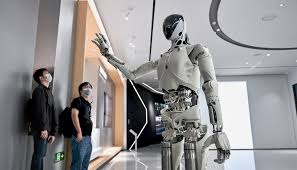
At the Mobile World Congress (MWC) 2026, Honor CEO Zhao Jian unveiled the groundbreaking Robot Phone, which boasts a dynamic camera and advanced AI capabilities that aim to revolutionize mobile technology. This launch signifies Honor's strategic expansion into the robotics sector, as the event also featured a humanoid robot that captivated attendees with its impressive dance performance. This move underscores Honor's ambition to establish itself as a leader in the AI ecosystem, showcasing the company's commitment to innovation and technological advancement in an increasingly competitive market.
Robot Phone Humanoid Robots AI Technology Mobile Innovation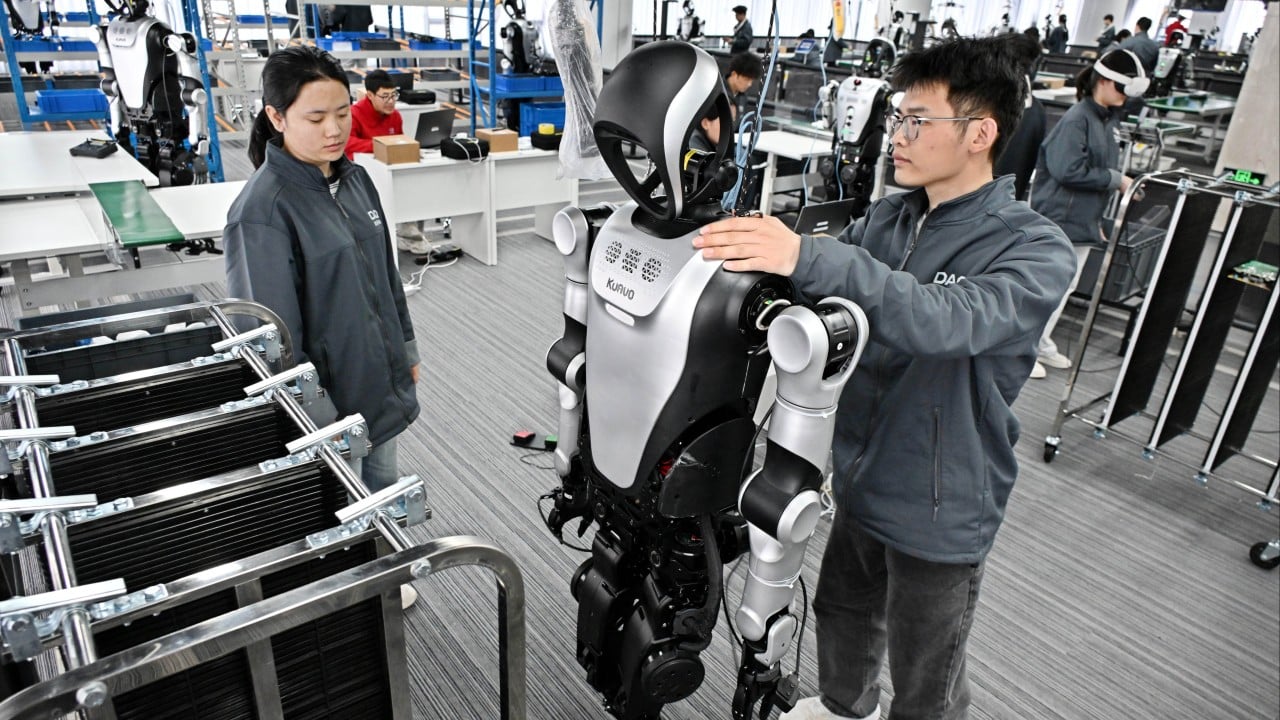
From phones to robots: China’s supply chain eyes next growth curve in humanoid
China's smartphone and electronics supply chain is pivoting to support the rapidly emerging humanoid robotics industry as component suppliers look for new growth opportunities amid a stagnating mobile market. This shift was highlighted when Honor's humanoid robot D1, a newcomer from the smartphone manufacturer, triumphed in a recent robot half-marathon in Beijing, outperforming established competitors like Unitree. Honor's entry into the humanoid robotics sector marks a significant crossover of expertise from mobile technology to robotics, reflecting the industry's potential for innovation and expansion.

This Ukrainian company is upgrading its battlefield robots like smartphones. Here's how it's chasing the edge in combat.
Ukrainian combat robot manufacturer DevDroid is actively engaged in continuous updates to its technology to remain competitive in the evolving landscape of warfare. The company recognizes the necessity of adapting its robotic systems to meet the demands of modern combat, ensuring that their innovations do not become outdated. This commitment to advancement is crucial as the nature of battlefield technology rapidly changes, driven by both strategic needs and technological advancements. By staying ahead of the curve, DevDroid aims to enhance the effectiveness of its robotic solutions, thereby maintaining its relevance in a highly dynamic military environment.
Military & Defense ukraine ground-robots russia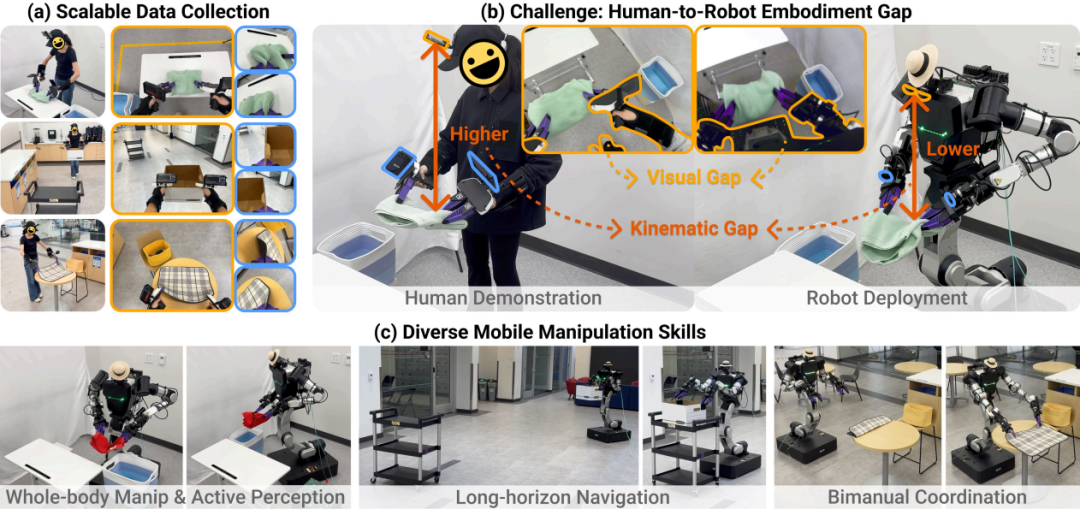
Stanford Teaches Robots to Wash Clothes, Deliver, and Set Tables Using Just Three iPhones
Stanford University, in collaboration with the Toyota Research Institute, has introduced the HoMMI framework, a groundbreaking system that allows robots to acquire complex movement skills through human demonstrations without direct robot participation. This innovative approach employs three iPhones to gather data, effectively tackling the physical disparities between humans and robots. The framework significantly improves robot coordination in various tasks, including navigation and manipulation, paving the way for more advanced robotic applications in real-world scenarios.
Robotics Machine Learning Human-Robot Interaction AIRobotics needs a service framework.
RSF defines a common language for robot service capability, lifecycle operations, certification pathways, and service-provider networks.
Join the RobotToday community on LinkedIn
Daily robotics news, in-depth analysis, conference highlights, and discussions with professionals worldwide.







