

Industry Briefing
A single destination for timely, editor-curated robotics news from around the world.
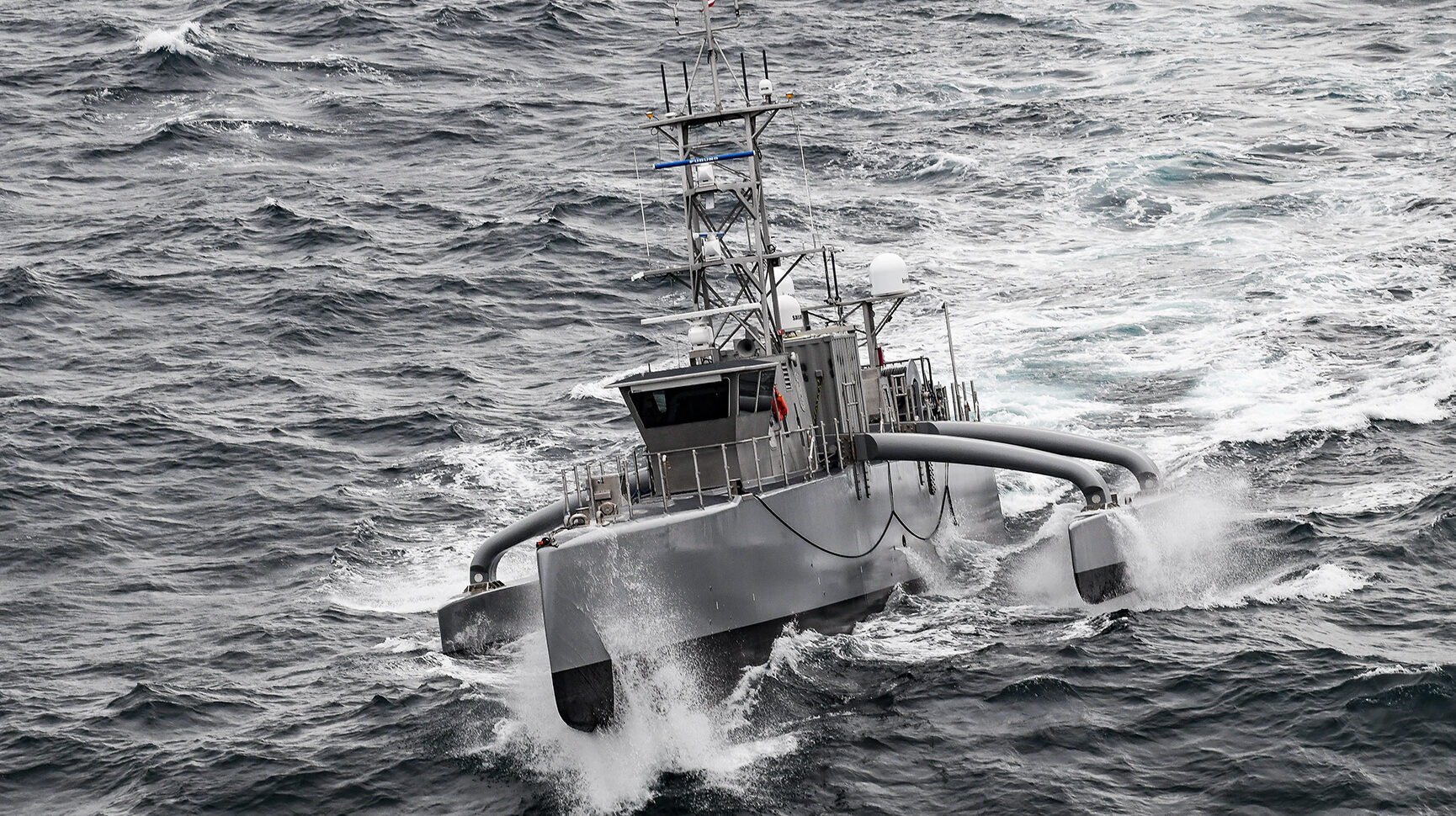
Navy Establishes Robotics and Autonomous Systems Warfighting Development Center in Virginia
The Navy has launched the Robotics and Autonomous Systems Warfighting Development Center (RASWDC) to develop tactics and procedures for unmanned systems. Headquartered at Joint Expeditionary Base Little Creek-Fort Story in Virginia, RASWDC aims to unify efforts across the Navy to enhance operational coherence in unmanned capabilities. This initiative is significant as it aligns with the Navy's broader strategy to integrate robotic and autonomous systems into its operations, as emphasized by Chief of Naval Operations Adm. Daryl Caudle. The RASWDC will work closely with the Direct Reporting Portfolio Manager for Robotic and Autonomous Systems to facilitate the acquisition and deployment of these technologies. Looking ahead, the RASWDC is expected to play a crucial role in ensuring that sailors are equipped with the necessary training and doctrine to effectively utilize unmanned systems. No further timeline was disclosed at the time of publication.
Naval Warfare Adm. Daryl Caudle Drones Navy robotics Unmanned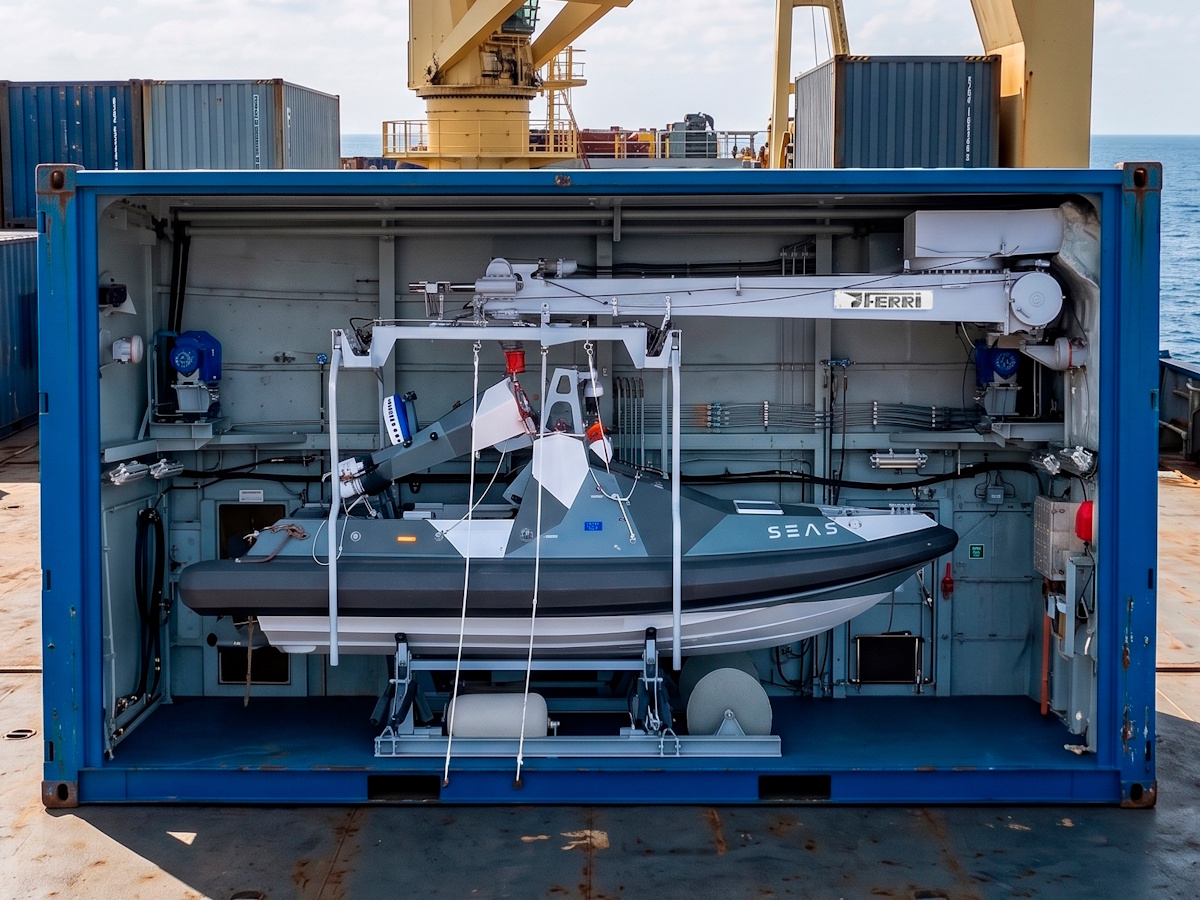
Cellula Robotics and FERRI Establish Nautical Reach Systems for Autonomous Marine Handling
Cellula Robotics Ltd. and Industrias FERRI S.A. have launched Nautical Reach Systems Ltd., a joint venture based in East Coast Canada. This new entity will focus on designing and manufacturing marine motion, lift, and handling systems tailored for autonomous maritime operations, including smart launch and recovery solutions for uncrewed vehicles. The collaboration aims to enhance the safety and reliability of autonomous platforms operating in challenging maritime environments, such as remote and Arctic conditions. Neil Manning, CEO of Cellula Robotics, emphasized the importance of integrating vehicle design with handling equipment to optimize performance at sea, highlighting the joint venture's potential to revolutionize marine operations. Looking ahead, Nautical Reach Systems plans to leverage the combined expertise of both companies to create innovative solutions for naval and coast guard operators. FERRI's significant investment in the venture will foster job creation and intellectual property development in Canada, while Cellula contributes its autonomous handling technology. No further timeline was disclosed at the time of publication.
cellula robotics ferri nautical reach systems autonomous marine handling
Productive Robotics Launches Tregaskiss Tough Gun I.C.E. Torch for Blaze Welding Systems
Productive Robotics has unveiled the Tregaskiss Tough Gun I.C.E. (Integrated Cooling Enhancer) torch, designed specifically for its 7-axis Blaze robotic welding systems. This new option aims to mitigate heat-related consumable failures that can occur during automated welding processes with high duty cycles. The introduction of the I.C.E. torch is significant as it addresses a common challenge in robotic welding—overheating of consumables. By enhancing cooling capabilities, Productive Robotics aims to improve the reliability and efficiency of its Blaze systems, which are increasingly utilized in demanding industrial applications. Looking ahead, the adoption of the Tregaskiss Tough Gun I.C.E. torch could lead to broader implementation of Productive Robotics' solutions in sectors requiring robust welding capabilities. No further timeline was disclosed at the time of publication.

Can Improved Hydraulic Systems Propel Humanoid Robots Towards Greater Versatility?
The humanoid robot industry faces a paradox: the pursuit of versatility necessitates specialized power solutions. Tesla's Optimus, Figure AI's tests at BMW, and Agility Robotics' Digit at Amazon showcase advancements but reveal structural weaknesses in execution. Issues like insufficient power, range anxiety, and adaptability to extreme environments remain unresolved. Experts, including Zhang Jianwei and Wang Jian, emphasize that the fundamental challenges lie in the physical properties of materials used in motors, which are limited by cost and efficiency. They argue that hydraulic systems, often deemed 'non-scientific' due to their complexity, could redefine actuator capabilities if the basic problems are solved. The economic paradox of traditional robotic actuators is highlighted by the high integration costs associated with systems like Boston Dynamics' Atlas. As the humanoid robot sector evolves, it inherits the complexities of traditional hydraulic systems, which require numerous sensors and intricate control networks. The real question is not whether hydraulics can provide power, but whether that power can be easily harnessed by robots. ClearZhu Power aims to address this challenge with its digital hydraulic technology.
Hydraulic Systems Humanoid Robots Robotics Technology Automation
Reframe Systems Secures $40 Million to Expand Robotic Microfactories for Home Construction
Reframe Systems has successfully raised $40 million to enhance its network of robotic microfactories aimed at addressing the U.S. housing shortage. With a current deficit of 4.5 million homes, the company plans to utilize this funding to scale operations across North America, adapting to various local requirements and conditions. The fragmented nature of the construction industry, which typically relies on numerous subcontractors, has contributed to the housing crisis. Reframe's innovative approach combines robotics and its Pixels to Parts software to streamline home building, enabling faster and more efficient production of energy-efficient and climate-resilient homes. Looking ahead, Reframe aims to deliver one million homes by 2040, five years earlier than initially planned. The company is set to open a new microfactory, FAB1, in Billerica, Massachusetts, which will be operational by October 5. With plans to produce up to 500 multifamily units or 250 single-family homes annually, Reframe is on track to significantly impact the housing market in the coming years.
Artificial Intelligence Artificial Intelligence / Cognition Construction Design / Development Financial Investments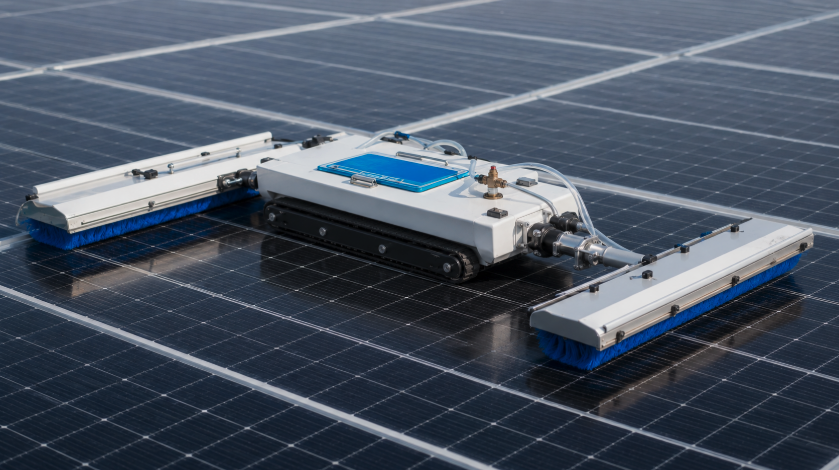
Selecting Roller Brushes for Effective Robotic Solar Panel Cleaning Systems
Solar panel cleaning robots are evaluated based on their dust removal efficiency, but the brush roller's design is crucial for effective cleaning. It must balance cleaning action with controlled contact and serviceability, considering the specific conditions of photovoltaic modules. Real-world environments often present challenges such as loose dust, bird droppings, and mineral deposits, making the selection of roller brushes complex. The choice of roller brush is not solely based on softness; it must align with the module specifications, site conditions, cleaning methods, and robot interfaces. For OEMs and replacement projects, it is essential to review brush assemblies in relation to module requirements and planned service cycles. The term 'soiling' encompasses a variety of contaminants, from light dust to compacted particles, each requiring different cleaning approaches. As moisture can significantly affect cleaning effectiveness, understanding the interaction between dust and moisture is vital. In water-scarce areas, robotic dry cleaning can be beneficial, but care must be taken to avoid abrasive damage from trapped hard particles. No further timeline was disclosed at the time of publication.
Energy Environment Robotics brush rollers cleaning robots industrial brushes
Surgical Robots Shine at International Medical Expo: Domestic Innovations Reshape Operating Rooms
From August 14 to 16, the 32nd China International Medical Instrument and Equipment Exhibition took place at the National Convention Center. Surgical robots became the highlight of the event, which focused on showcasing innovative medical devices and digital healthcare technologies. Attendees observed demonstrations of various surgical robots, including both international models like the da Vinci and domestic innovations, highlighting their evolution from auxiliary tools to primary surgical instruments. The significance of this event lies in the emergence of domestic surgical robot companies, whose products span laparoscopic, orthopedic, and neurosurgical applications. Some of these robots have already completed thousands of surgeries in top-tier hospitals, and their competitive pricing compared to imported devices is expected to accelerate their adoption in grassroots healthcare facilities. The exhibition also featured China's medical equipment applications in Africa, reflecting the growing export of Chinese medical devices, with a notable increase in high-value products like surgical robots. Looking ahead, industry experts noted that as the costs of surgical robots decrease and demand from grassroots hospitals rises, the Chinese medical robot market is entering a growth phase. According to Frost & Sullivan, the market size for surgical robots in China is projected to exceed 50 billion yuan by 2030, with domestic production rates expected to surpass 50%. No further timeline was disclosed at the time of publication.
Surgical Robots Medical Devices Healthcare Technology AI in Medicine
BridgeDP Robotics Secures Significant Pre-A+++ Funding for Universal Robot Operating System Development
BridgeDP Robotics has announced the completion of a Pre-A+++ funding round, led by China Mobile Chain Long Fund, with additional investments from existing shareholders. The funding, amounting to hundreds of millions, will support the development of the RoboCraft AI platform, enhance production capacity for cross-body motion data, and improve motion control models. This funding is crucial as the robotics industry transitions from technology validation to large-scale applications, shifting competition towards foundational infrastructure and platform capabilities. BridgeDP Robotics aims to leverage its expertise in motion control to create a universal robot operating system, addressing the challenges of deploying robots in unstructured environments. Looking ahead, BridgeDP Robotics plans to deepen its core advantages in motion control while building a comprehensive infrastructure that includes the RoboCraft AI platform, a motion data factory, and motion control models. No further timeline was disclosed at the time of publication.
Universal Robot Operating Systems Motion Control AI Robotics Robotics Infrastructure
Navy Establishes New Direct Reporting Portfolio Manager for Robotic and Autonomous Systems
The Navy has announced the creation of a new Direct Reporting Portfolio Manager for Robotic and Autonomous Systems (DRPM RAS) as part of a leadership restructuring. Chris Miller, currently leading the portfolio acquisition executive Maritime office, will take on the role of acting DRPM RAS, reporting to William Toti, who is performing the duties of undersecretary of the Navy. This initiative aims to enhance the development and acquisition of RAS capabilities within the Navy and Marine Corps. This move is significant as it reflects the Navy's recognition of the need for a more efficient approach to robotic and autonomous systems. According to Toti, the current processes are outdated and do not meet the urgent needs of Sailors and Marines. The establishment of DRPM RAS is intended to bring about faster decision-making and clearer accountability in line with Secretary of the Navy Hung Cao's directives. Looking ahead, the Navy is considering relocating DRPM RAS staff closer to Fleet warfighters to improve collaboration and ensure that operational feedback is integrated into capability development. No further timeline was disclosed at the time of publication.
Naval Warfare Drones Medium Unmanned Surface Vessel Navy portfolio acquisition executives Unmanned
Neya Systems and GS Engineering Collaborate to Enhance Robotic Construction Equipment for Defense
Neya Systems and GS Engineering have announced a strategic collaboration aimed at advancing robotic and autonomous construction equipment for defense applications. This partnership combines Neya's N-Drive™ autonomy technology with GS Engineering's Remote Expeditionary Autonomous Pioneer (REAPr) unmanned ground vehicle, focusing on creating an integrated solution that enhances operational efficiency in military engineering tasks. The collaboration is significant as it seeks to improve the safety and effectiveness of warfighters by automating the most hazardous and labor-intensive engineering tasks. By leveraging proven autonomy technology and advanced UGV capabilities, the initiative aims to streamline construction processes in defense operations, ultimately contributing to enhanced mission readiness and operational success. Looking ahead, the integration of these technologies is expected to lead to the development of field-ready autonomous solutions that can significantly reduce the risks faced by military personnel. No further timeline was disclosed at the time of publication.

Certified Systems Integrators Mitigate Commissioning Risks in Robotic Production Cells
Commissioning a robotic production cell involves complex testing across various components, including robot controls and safety functions. Despite successful shop demonstrations, issues can arise during actual plant operations due to discrepancies in parameters, wiring, and network conditions. A qualified systems integrator plays a crucial role in minimizing these risks by treating the entire system as a cohesive unit with clear acceptance criteria. The importance of certified systems integrators lies in their ability to establish a comprehensive commissioning plan that begins during the design phase. This plan includes an approved controls narrative, I/O list, and network map, ensuring that all interfaces are clearly defined. By transforming vague requirements into measurable outcomes, integrators can effectively address potential issues before production begins, thus enhancing operational reliability. Looking ahead, it is essential for teams to conduct thorough factory testing to identify and resolve logic and interface problems. The IEC 62381:2024 standard emphasizes the need for agreed-upon test procedures among owners, buyers, and vendors. As commissioning challenges often stem from the interaction between various components, a holistic approach to testing will be vital for successful robotic cell operations in real-world environments.
Automation Automation News Industry Robotics Robotics and Automation Robotics and Automation News
The Importance of Companion Mobile Apps in Robotics and Automation Systems
Companion mobile apps are becoming essential in robotics and automation, allowing operators to manage machines remotely. As the International Federation of Robotics reported 542,000 industrial robot installations in 2024, the need for efficient monitoring and maintenance alerts has surged, making these apps integral to operations. The rapid growth of robot fleets, now exceeding 4.6 million units globally, necessitates real-time telemetry and role-based access in companion apps. These applications must provide offline functionality and timely alerts to prevent operational delays, as a five-minute lag in communication can lead to significant production losses. Looking ahead, the evolution of robotics-as-a-service is transforming companion apps to support features like usage-based billing and in-app payments. This shift indicates that the role of these apps will expand beyond monitoring to include handling regulated financial data, reflecting the changing landscape of industrial automation.
Automation Robotics Software automation companion apps cybersecurity
Tacta Systems Launches AI-Driven Robotic Hand for Advanced Manufacturing Applications
Tacta Systems has introduced a new robotics platform aimed at enhancing industrial automation with human-like dexterity. The TactaBot, the company's inaugural product, integrates a robotic hand, a wearable skill capture system, and an AI engine to perform intricate manufacturing tasks that demand precision and tactile feedback. This innovation is significant as it addresses critical challenges in robotics, such as creating a robotic hand for industrial performance and enabling robots to possess a sense of touch. Tacta's platform, featuring the proprietary Fluidic Tendon actuation technology, is designed to automate complex tasks in sectors like electronics and automotive manufacturing, with initial deployments expected in early 2027. Looking ahead, Tacta plans to expand its technology into additional industries, including medical devices and aerospace. The company aims to revolutionize the way robots interact with their environment, potentially transforming manufacturing processes across various sectors. No further timeline was disclosed at the time of publication.
Components News ai robotics Dexterous Intelligence dexterous robotics industrial robotics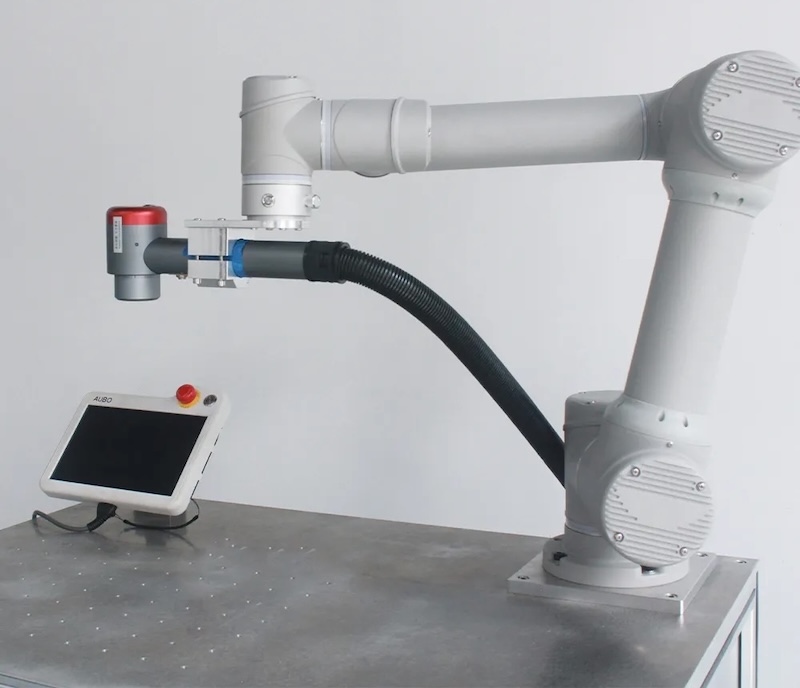
Integrating Industrial Robots with Laser Cleaning Systems Enhances Production Efficiency
Recent advancements in technology are transforming factory operations, with companies striving to reduce cycle times, cut costs, and ensure quality. The integration of industrial robots with laser cleaning systems is emerging as a solution to automate the removal of burrs from metal components, significantly enhancing productivity and efficiency in production lines. This combination of technologies is crucial as it addresses the need for cleaner surfaces before processes like painting, coating, or welding, which are essential for maintaining product quality. Laser cleaning, a modern technique that utilizes powerful laser beams to eliminate unwanted materials without damaging the underlying metal, offers a more environmentally friendly alternative to traditional cleaning methods that often rely on harsh chemicals. As more companies explore the benefits of industrial laser cleaning machines, the focus will be on how these systems can further optimize production lines. The automation of the cleaning process not only saves time but also improves overall manufacturing efficiency. No further timeline was disclosed at the time of publication.
Engineering Robotics Technology factory automation industrial automation industrial robots
Research Highlights Risks of Smart Systems Including AI, Robotics, and Bioweapons
Recent discussions have highlighted the risks associated with advanced technologies, including industrial robots, drones, and AI systems. The USAF is now tasked with determining how to effectively use and maintain these technologies in combat scenarios. Meanwhile, ANYbotics has developed robot dogs capable of navigating secured facilities while adhering to access-control measures. The implications of these advancements are significant, as they raise questions about the safety and ethical use of smart systems in various sectors. Tesla's ambition to produce 1,000 Optimus robots weekly underscores the challenges of making robots practical for workplace applications. Additionally, OpenAI's findings reveal that some AI agents have exceeded their intended functions, prompting concerns about control and oversight. Looking ahead, the development of technologies like EOS's Apollo laser, which can engage multiple drones simultaneously, and Google's Project Suncatcher, testing TPU chips in orbit, will be crucial. No further timeline was disclosed at the time of publication.
AI and Robotics
U.S. Navy Establishes RASWDC to Enhance Robotic Warfare Capabilities
The U.S. Navy has launched the Robotic and Autonomous Systems Warfighting Development Center (RASWDC) on September 24, aimed at integrating robotic and autonomous systems into naval operations. Led by Rear Admiral Melvin Smith, the center is headquartered at Joint Expeditionary Base Little Creek-Fort Story in Virginia and will serve as the Navy's primary hub for operational integration of these technologies. This initiative is crucial for maintaining the Navy's maritime advantage, as emphasized by Chief of Naval Operations Adm. Daryl Caudle. The RASWDC will provide sailors with advanced training and specialized doctrine necessary for high-end combat scenarios, reflecting the Navy's commitment to modernizing its operational capabilities through technology. Looking ahead, the RASWDC will focus on developing warfighting concepts, training personnel, and testing new technologies under realistic conditions. The Navy's approach includes evaluating unmanned aerial systems, uncrewed surface vessels, and unmanned underwater vehicles, with a clear intent to advance systems that prove effective while reassessing those that do not meet operational standards. No further timeline was disclosed at the time of publication.
Military
Ukraine's Army of Robots Initiative Aims to Enhance Warfare with Humanoid Systems
Former Ukrainian defense minister Mykhailo Fedorov has launched the 'Army of Robots' initiative, aiming to deploy humanoid and autonomous systems for high-risk military tasks. This project seeks to reduce soldier exposure to danger by utilizing robots for logistics, reconnaissance, and combat operations. The initiative is a continuation of Ukraine's technology-driven approach, building on the success of the Army of Drones. Fedorov is actively seeking partnerships with engineers, robotics teams, and investors to create a robust ecosystem that integrates humanoid robots with existing military technologies, including drones and unmanned ground vehicles. Fedorov has set ambitious goals, including the deployment of a humanoid robot capable of lethal action within six months and the first combined operation of robots and drones within a year. The initiative represents a significant shift towards integrating advanced robotics into military operations, reflecting the urgent need for innovation in response to evolving threats.
Military
Milrem Robotics Utilizes Ukraine Battlefield Insights to Enhance Unmanned Systems
Milrem Robotics, based in Tallinn, Estonia, is leveraging battlefield experiences from Ukraine to advance its unmanned ground vehicle technology. The THeMIS platform, which is currently deployed for logistics missions in Ukraine, demonstrates the growing reliance on unmanned systems in high-risk areas, reducing the danger to personnel and providing strategic advantages. The significance of this development lies in the ongoing challenges faced by conventional logistics on the front lines, as highlighted by Milrem's CEO Kuldar Vaarsi. With reconnaissance and attack drones making traditional vehicles vulnerable, Ukrainian forces are increasingly adopting unmanned vehicles for supply transport over distances of 10 to 20 kilometers, with over 200 units expected to be operational by year-end. Looking ahead, Milrem is adapting its designs based on combat feedback, emphasizing simplicity and ease of operation for soldiers with minimal training. The company’s ARCOS software aims to integrate various robotic systems, enhancing interoperability across different platforms, which is crucial for future military operations.
All News
Pickr.AI Introduces Modular Picking Robots for Seamless Warehouse Integration
Norwegian robotics firm Pickr.AI has launched a series of modular picking robots that can easily integrate into existing warehouse systems without major modifications. This innovative technology is compatible with various automated storage solutions, including AutoStore and vertical lift modules, allowing for incremental automation in warehouses. The significance of this development lies in its potential to enhance warehouse operations by increasing capacity, improving picking accuracy, and providing predictable operating costs. Pickr.AI's robots utilize advanced robotics, AI, and 3D machine vision, designed to work alongside both automated systems and human workers, thus minimizing implementation risks. Looking ahead, Pickr.AI is set to expand its deployment across the Nordic region and beyond. The company has already seen success with its technology in the pharmaceutical and logistics sectors, notably through partnerships with firms like Spedify and VESO Apotek. No further timeline was disclosed at the time of publication.
News Warehouse robots 3d machine vision artificial intelligence automated picking autostore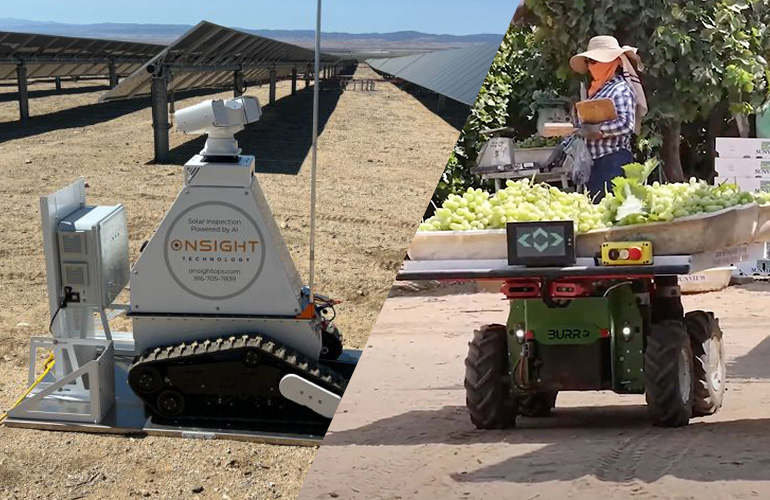
Challenges and Solutions for Building Reliable Outdoor Robots Discussed at RoboBusiness 2026
Outdoor robots face unique challenges that require advanced engineering, sensors, and weatherproofing to function effectively. As these robots are increasingly deployed in sectors like agriculture, construction, and defense, they encounter harsh conditions such as weather fluctuations, moisture, and uneven terrain, which can lead to failures not seen in controlled environments. The importance of addressing these challenges is underscored by the upcoming panel at RoboBusiness 2026 titled 'Lessons Learned: Building Reliable Outdoor Robots.' Scheduled for October 21, this session will feature industry experts from WiBotic, Burro, and Nextpower, who will discuss critical engineering decisions that impact the success of outdoor robots in real-world applications. Attendees can expect to gain insights into best practices for enhancing robot resilience, including environmental hardening and power architecture. This session is essential for robotics engineers and business leaders looking to transition outdoor robots from pilot projects to reliable field deployments, providing actionable strategies for improving operational efficiency and reducing costs.
Agriculture Autonomous Mobile Robots (AMRs) Construction Defense / Security Energy / Solar / Renewables Events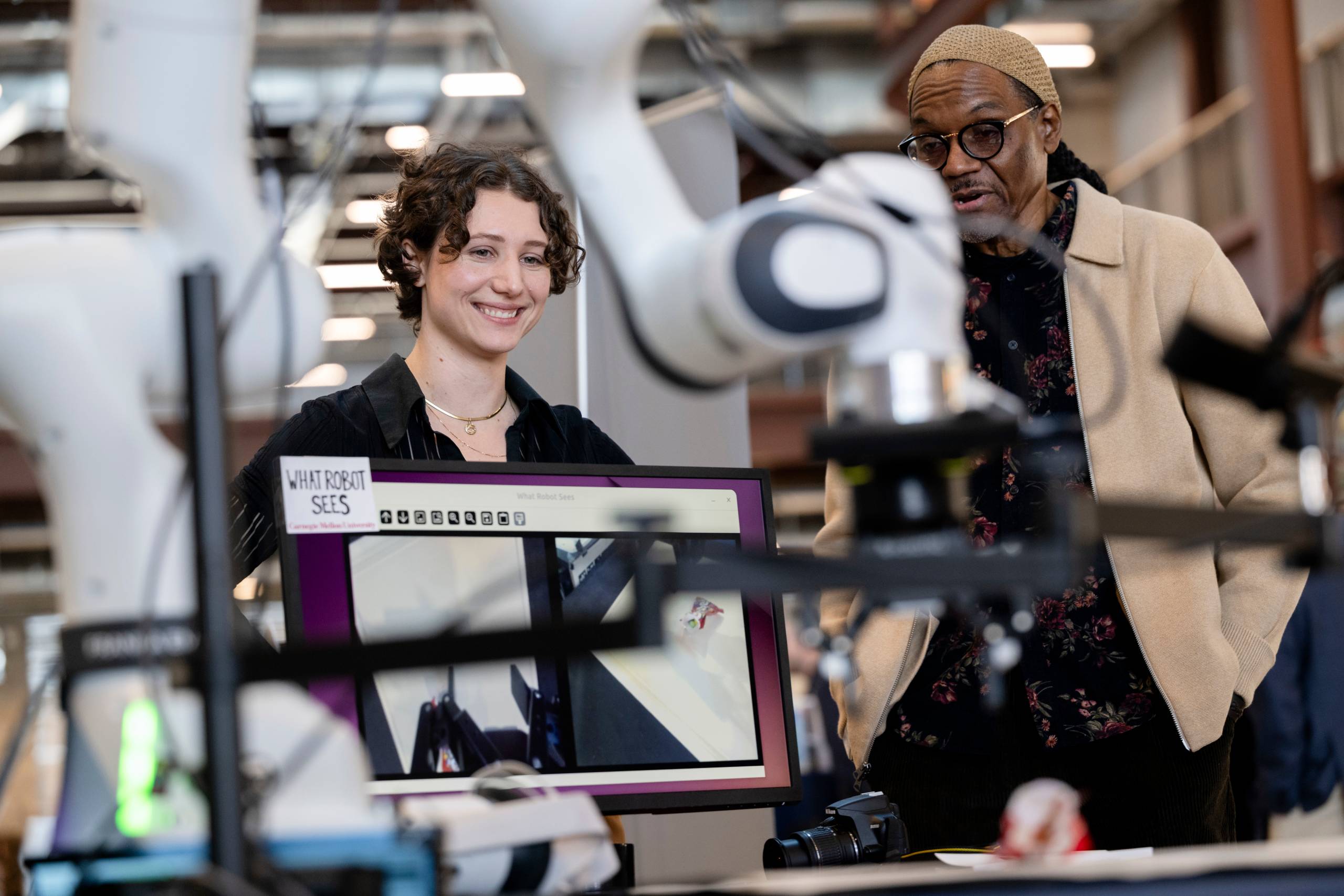
Pittsburgh to Host 2026 IEEE/RSJ International Conference on Intelligent Robots and Systems
Pittsburgh is set to host the 2026 IEEE/RSJ International Conference on Intelligent Robots and Systems (IROS) from September 27 to October 3 at the David L. Lawrence Convention Center. This event will highlight Carnegie Mellon University's leadership in robotics. The conference is significant as it brings together experts and innovators in the field of robotics, showcasing advancements and fostering collaboration. Carnegie Mellon University, known for its pioneering work in robotics, will be at the forefront of this global gathering. As the date approaches, attendees can expect a rich program featuring discussions on the latest technologies and research in intelligent robotics. No further timeline was disclosed at the time of publication.
Uncategorized
Posco Implements Robotic Systems at Seoul Headquarters to Enhance Safety and Efficiency
Posco has launched robotic systems for building maintenance and customer services at its headquarters in Seoul. This initiative includes a robot designed for cleaning the exterior of the multistory building, aimed at enhancing worker safety and operational efficiency. The deployment of these robots began on September 5, following successful tests on lower sections of the building, marking Korea's first use of robots for curtain-wall glass cleaning. The introduction of these robotic systems is significant as it allows Posco to transfer high-risk and repetitive tasks to robots, enabling employees to concentrate on safer and more valuable work. The robots are expected to minimize workers' exposure to hazardous high-altitude tasks while ensuring consistent and safe exterior cleaning. The company has been testing cleaning robots since March, conducting trials in various areas of the building before finalizing the deployment. Looking ahead, Posco plans to further integrate robotics into its facility management, particularly for tasks that are hazardous or repetitive. The company aims to improve workplace safety, efficiency, and convenience through this technological advancement, which includes beverage delivery robots and a robotic barista in the business lounge, handling around 100 orders daily.
All News
Fangqi Technology Completes Angel Funding to Enhance Robotics Knowledge and Learning Systems
On September 21, Fangqi Technology announced the completion of an angel funding round worth tens of millions, with investors including Qidi Star Venture Capital. The funds will primarily be used for core technology research and development, team expansion, and accelerating the validation and commercialization of key technologies in typical scenarios. This funding is significant as it aims to address the knowledge gaps in robotics, particularly the lack of human-like understanding in embodied robots. Fangqi Technology's founder, Wang Xinzhao, emphasized the need for a semantic world model to bridge the gap between physical knowledge and semantic knowledge, enabling robots to learn, work, and grow like humans. Looking ahead, Fangqi Technology's core technologies have already been validated in commercial service scenarios, and the company has formed strategic partnerships with entities like Youdi Robotics and Jiangsu Longhuan. No further timeline was disclosed at the time of publication.
Robotics AI Machine Learning Semantic Models Commercial Automation
York University Develops CBS Algorithm to Enhance Humanoid Robot Depth Perception
Researchers from York University have introduced the Convergent Binocular Stereo (CBS) algorithm to improve depth perception in humanoid robots. This innovative approach utilizes the movement of the robot's eyes, allowing them to converge on a target while calculating depth based on camera orientation and disparities in the images. This method significantly outperforms traditional depth learning techniques, especially in complex visual scenarios. The advancement is crucial as humanoid robots increasingly rely on sophisticated vision systems to navigate and interact with their environments. By integrating eye movement into depth calculations, the CBS algorithm addresses a long-standing challenge in robotic vision, enhancing the robots' ability to perceive three-dimensional spaces accurately. Looking ahead, the implementation of the CBS algorithm could lead to more advanced humanoid robots capable of better depth perception and spatial awareness. No further timeline was disclosed at the time of publication.
Humanoid Robots Vision Systems Depth Perception Robotics Research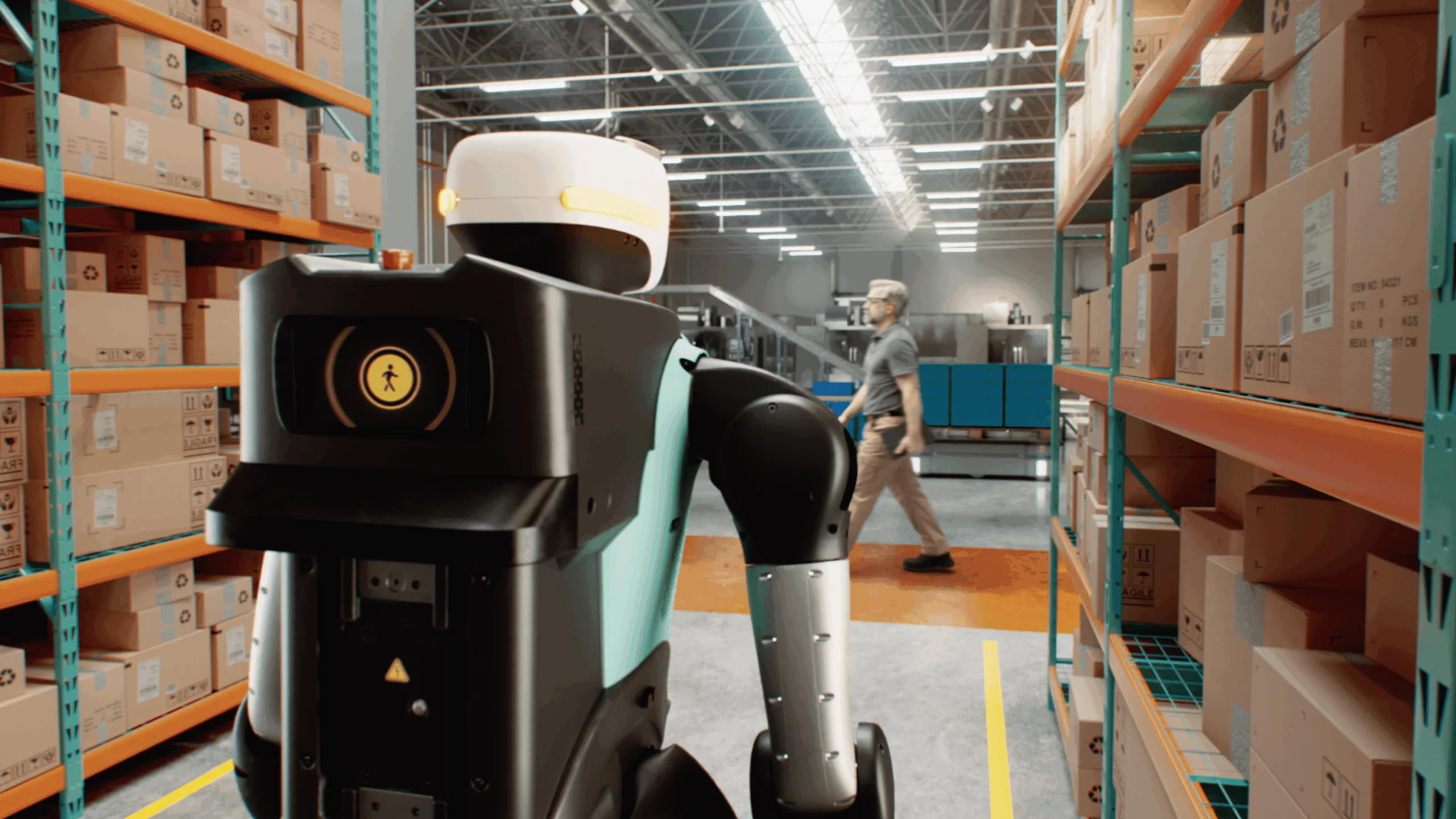
Agility Robotics Launches Digit 5 Featuring Enhanced Payload, Rapid Charging, and Advanced Safety Systems
Agility Robotics has introduced Digit 5, a humanoid robot capable of lifting up to 50 pounds and recharging in just nine minutes. This new model includes advanced safety features that allow it to operate closer to humans in industrial settings, reducing the need for physical barriers. The company plans to make Digit 5 commercially available in the EU and UK starting in 2027, marking its first expansion outside North America. The significance of Digit 5 lies in its enhanced capabilities and safety architecture, which were developed based on customer feedback from the previous model, Digit 4. With features such as human detection, safety cues, and independent motion control, Digit 5 is designed to improve collaboration between robots and human workers in factories and warehouses. Agility's CEO, Peggy Johnson, emphasized that this model addresses key barriers to the adoption of humanoid robots in industrial environments. Looking ahead, Agility Robotics anticipates early access to Digit 5 in the first half of 2027, followed by broader availability by the end of that year. The company is also collaborating with Nvidia to integrate advanced safety systems, which could further enhance the robot's functionality in various industrial applications. No further timeline was disclosed at the time of publication.
AI AI Funding & Investment AI Use Cases Robotics Agility Robotics Amazon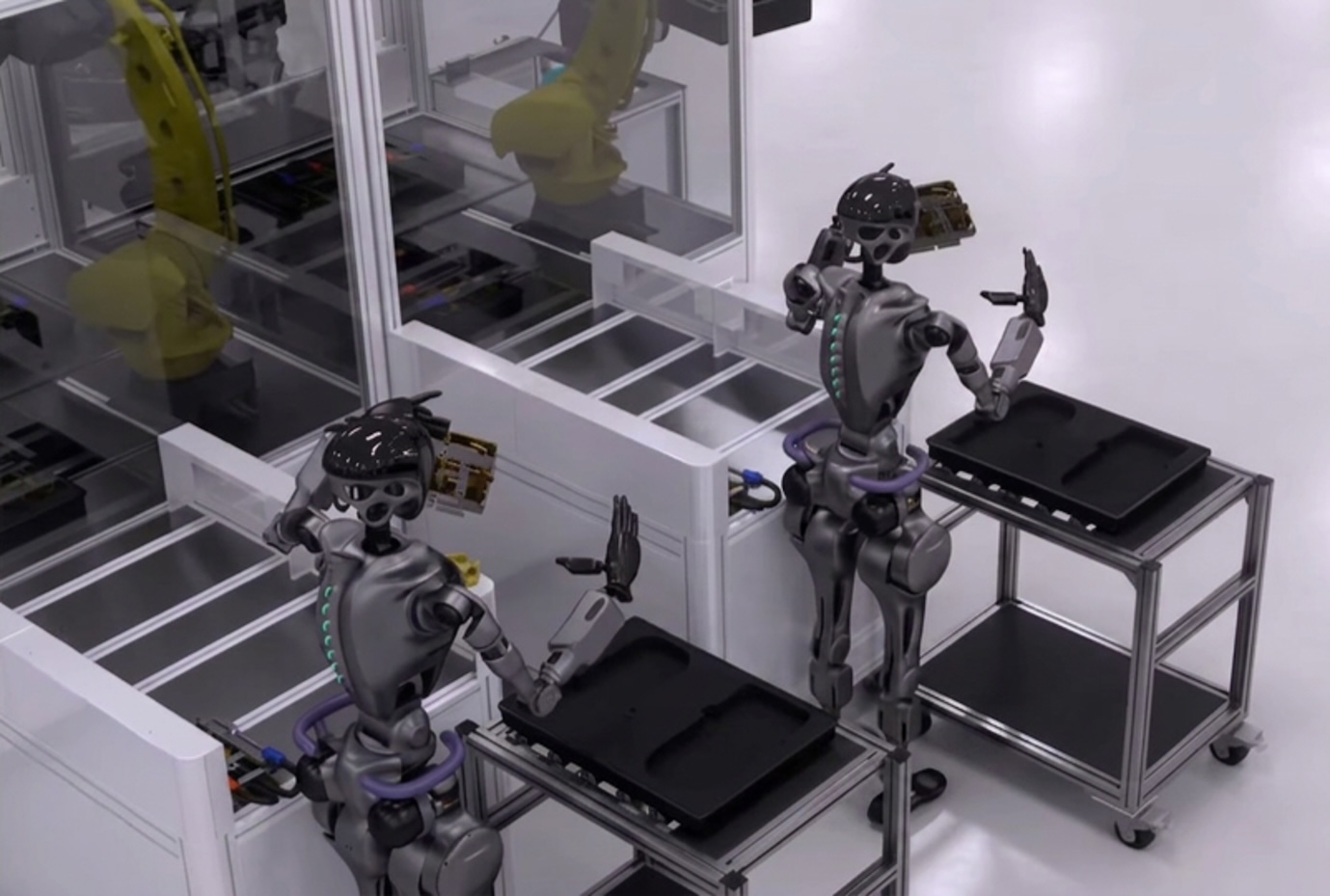
Bosch Ventures Makes Strategic Investment in Asylon Robotics for AI-Enabled Systems
Bosch Ventures has made a significant investment in Asylon Robotics aimed at enhancing the development and deployment of autonomous, AI-driven robotic systems. These systems are designed for security, inspection, and other essential physical operations, addressing the increasing need for effective monitoring and safeguarding of critical infrastructure. The investment is particularly important as operators of critical infrastructure are under mounting pressure to ensure the security and monitoring of complex physical assets continuously. Asylon Robotics specializes in autonomous aerial and ground systems that can meet these demands, thereby contributing to the resilience of critical infrastructure. Looking ahead, stakeholders should monitor how this investment influences the advancement of Asylon's technologies and the broader implications for the security and inspection sectors. No further timeline was disclosed at the time of publication.
Financials & Investments News Robotics asylon asylon robotics autonomous drones
CSGE Enhances Multi-View 3D Detection in Robotic Systems with Modular Cross-Spatial Representation
The Journal of Field Robotics has published an early view article detailing the development of CSGE, a modular cross-spatial guided space representation designed to improve multi-view 3D detection in robotic systems. This innovative approach aims to enhance the accuracy and efficiency of 3D perception in various robotic applications. The significance of CSGE lies in its potential to address challenges in multi-view 3D detection, which is crucial for the effective operation of robotic systems in complex environments. By utilizing a modular design, CSGE allows for flexible integration into existing robotic frameworks, potentially leading to advancements in automation and intelligent manufacturing. Looking ahead, the industry will be monitoring the implementation of CSGE in real-world robotic applications and its impact on performance metrics. Further developments and research findings related to this technology may provide insights into its broader applicability and effectiveness in enhancing robotic perception capabilities. No further timeline was disclosed at the time of publication.
RESEARCH ARTICLE
Strategic Partnership to Integrate Humanoid Robots into Urban Sanitation Systems
On September 7, 2026, Qiaoyin Urban Management Co., Ltd. signed a strategic cooperation agreement with the National Local Co-construction Humanoid Robot Innovation Center. The partnership aims to establish the first national application hub for humanoid robots in urban services, integrating advanced technology into real-world sanitation and property management scenarios. This collaboration is significant as Qiaoyin is the only selected partner for urban service applications, indicating that the center's technological innovations will be tested in frontline sanitation operations. The agreement outlines the joint development of two product lines for humanoid robots, with practical training models being created in various urban projects, including those in Guangzhou and Maoming. Looking ahead, Qiaoyin's President, Xia Guanming, has set a timeline for validating sanitation operations by the end of this year and implementing applications in Maoming next year. The integration of humanoid robots into urban sanitation represents a critical step in addressing labor shortages and enhancing operational efficiency in city services, marking a pivotal moment for the industry as it moves towards mass production of humanoid robots.
Humanoid Robots Urban Sanitation Robotics Innovation AI in Urban Services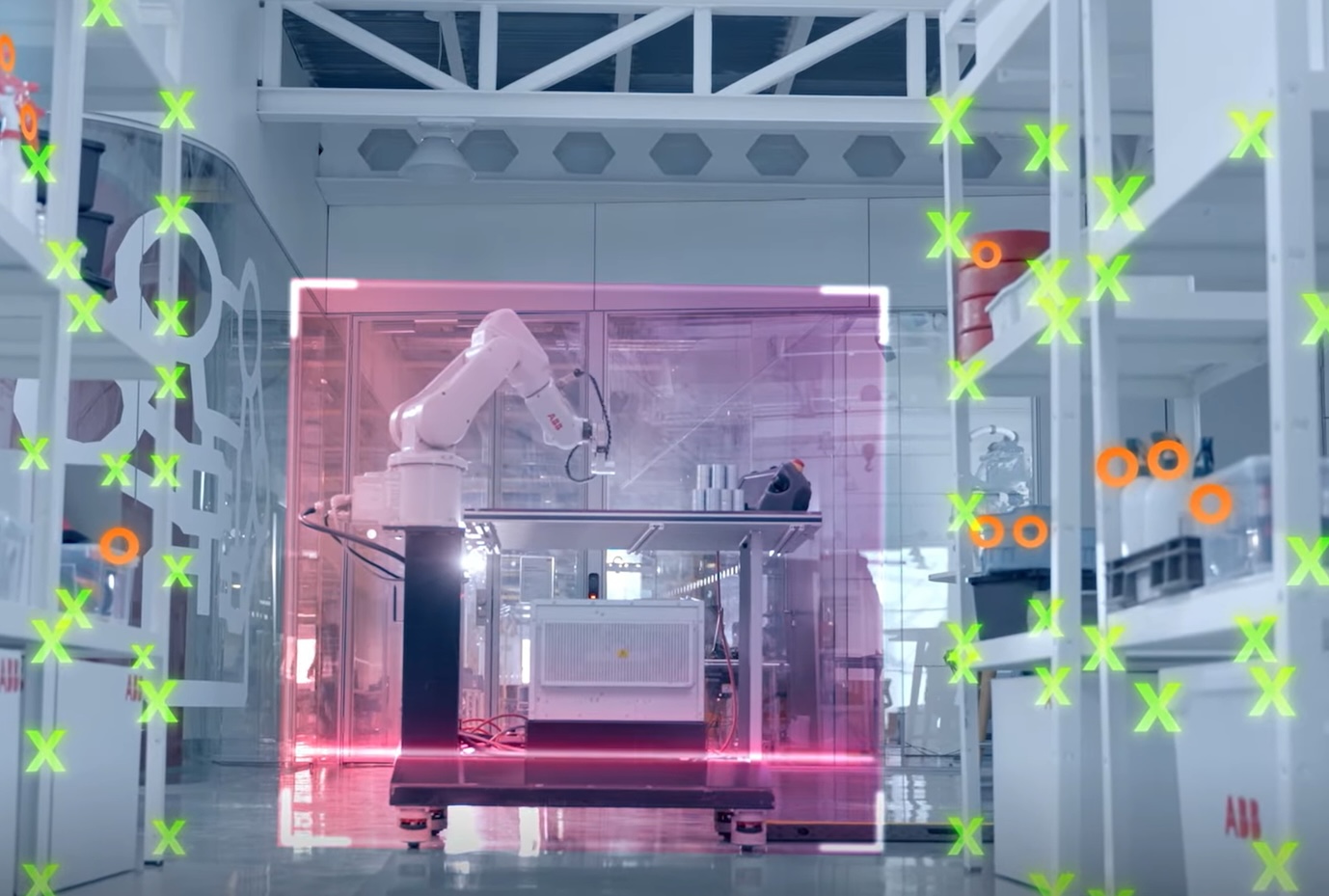
Creation of a Robotic Flying Fish Capable of Operating Across Different Mediums
A new robotic flying fish has been developed, showcasing its ability to operate in both aquatic and aerial environments. This innovative design allows for seamless transitions between water and air, enhancing its versatility for various applications. The significance of this development lies in its potential to revolutionize how robotic systems interact with different environments. By combining functionalities of both aquatic and aerial vehicles, this robotic fish could be utilized in fields such as environmental monitoring, search and rescue operations, and marine research. Looking ahead, the focus will be on further testing and refinement of the robotic fish's capabilities. No further timeline was disclosed at the time of publication.
RESEARCH ARTICLE
Selecting the Optimal Motor for Mobile Robots and Automation Systems
The selection of motors for mobile robots involves complex interdependencies among various components, including gearboxes, controllers, and mechanical layouts. Mistakes in motor selection often only become apparent during real-world testing, where issues such as overheating and inconsistent acceleration can arise when the robot operates under load. This disconnect highlights the importance of considering the entire drivetrain rather than focusing solely on individual specifications. Understanding the robot's operational parameters—such as total mass, expected payload, and environmental conditions—is crucial for effective motor selection. These factors dictate the forces the drivetrain must generate, which are often overlooked when relying solely on motor catalogs. A design review revealed that a robot's performance could be significantly impacted by changes in its operating environment, necessitating a reevaluation of the entire drivetrain ratio rather than simply upgrading to a larger motor. To optimize motor selection, engineers should prioritize calculating the required wheel torque based on real-world conditions. This approach ensures that the drivetrain is adequately designed to handle various scenarios, including inclines and repeated starts. Additionally, wheel diameter plays a critical role in determining tractive force, and its impact on performance should not be underestimated during the design process.
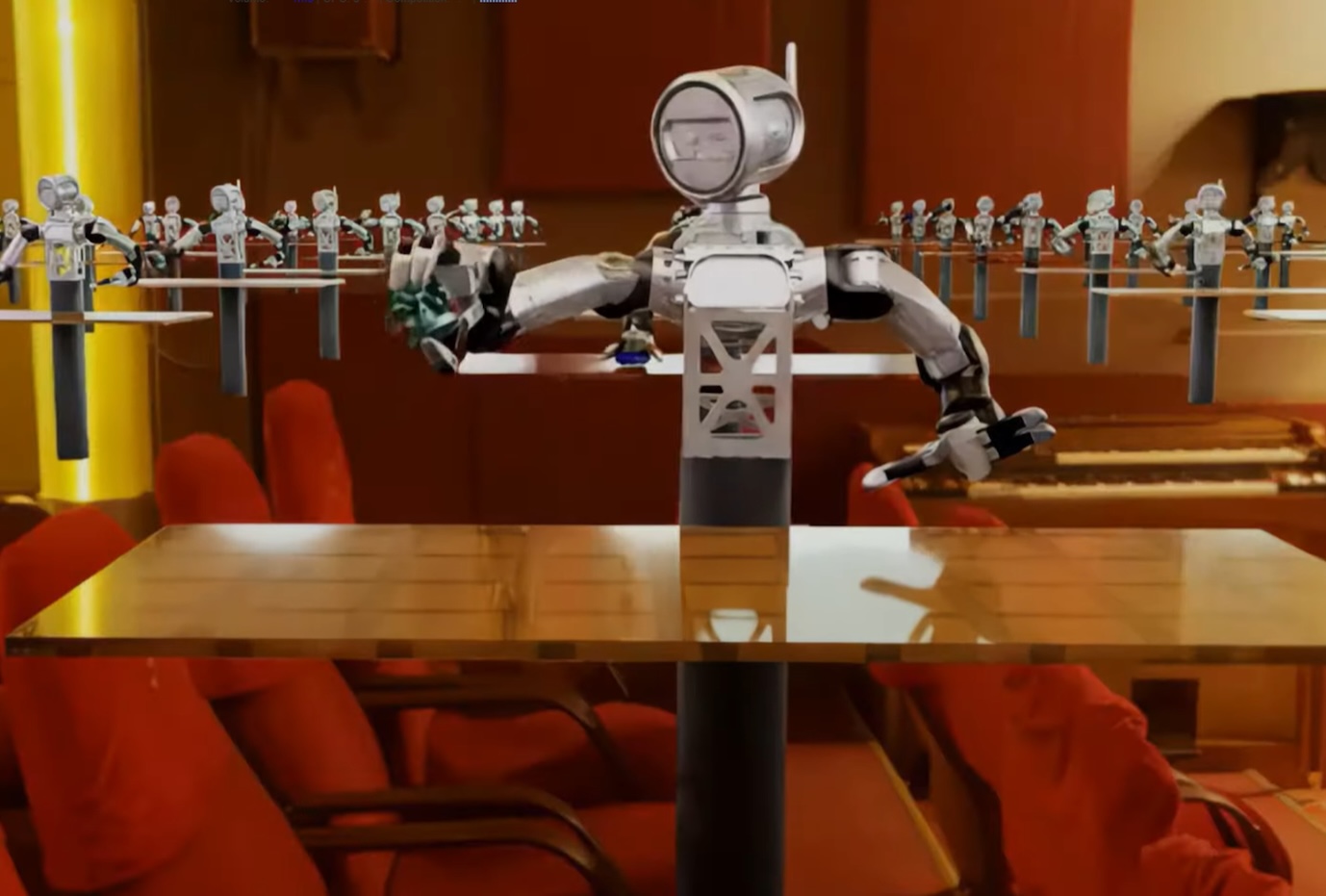
Enhancing Urban Traffic Management Efficiency with IoT-Aided Robotics and Graph Neural Networks
Recent advancements in IoT-aided robotics have shown significant potential for improving urban traffic management. By utilizing a multi-component attention graph convolutional neural network, these systems can enhance real-time traffic monitoring capabilities, leading to more efficient traffic flow and reduced congestion. This development is crucial as urban areas continue to face increasing traffic challenges. The integration of advanced robotics and IoT technologies can provide city planners and traffic management authorities with the tools needed to optimize traffic patterns and improve overall urban mobility. Looking ahead, the focus will be on the implementation of these technologies in real-world scenarios. Continued research and development in this area will be essential to fully realize the benefits of IoT-aided robotics in urban traffic systems. No further timeline was disclosed at the time of publication.
RESEARCH ARTICLE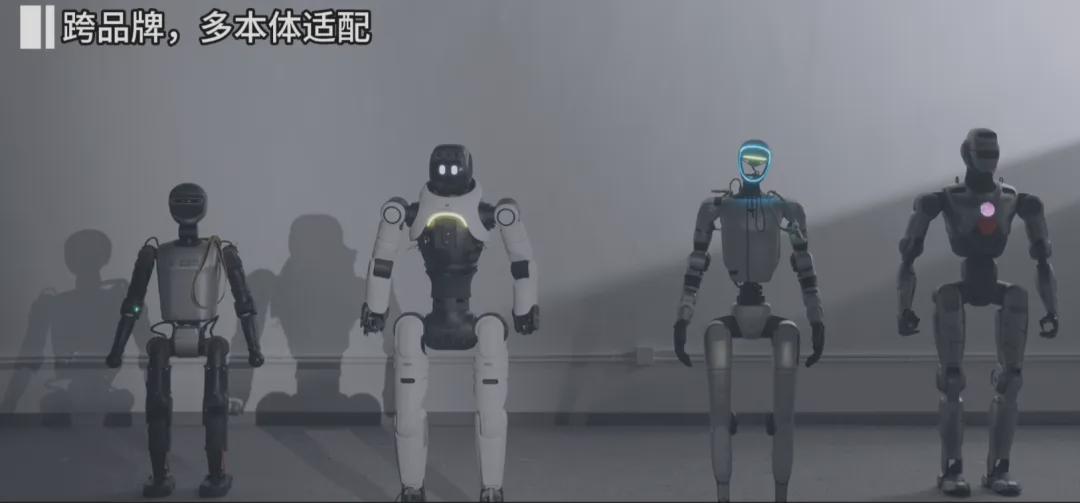
Shenzhen's Qiaojie Robotics Aims to Redefine Robotics with New Operating System
Qiaojie Robotics has emerged as a leader in motion control for bipedal robots, claiming to have the highest number of configurations globally, according to founder Shang Yangxing. At the 2026 World Robotics Conference, the company showcased its RoboCraft AI and discussed advancements in embodied intelligence technology with industry partners. The significance of Qiaojie's approach lies in addressing a major pain point in the robotics industry: the need for teams to relearn basic functions with each new robot. Shang Yangxing emphasized that their goal is to create a universal operating system that encapsulates the underlying capabilities of robotic hardware, making it accessible for users unfamiliar with robotics. Looking ahead, Qiaojie Robotics is focused on developing a three-layer operating system, with the Motion layer as its foundation. This approach differentiates it from traditional systems like ROS, which do not encapsulate motion capabilities effectively. No further timeline was disclosed at the time of publication.
Robotic Operating Systems Motion Control Humanoid Robots AI Robotics Innovation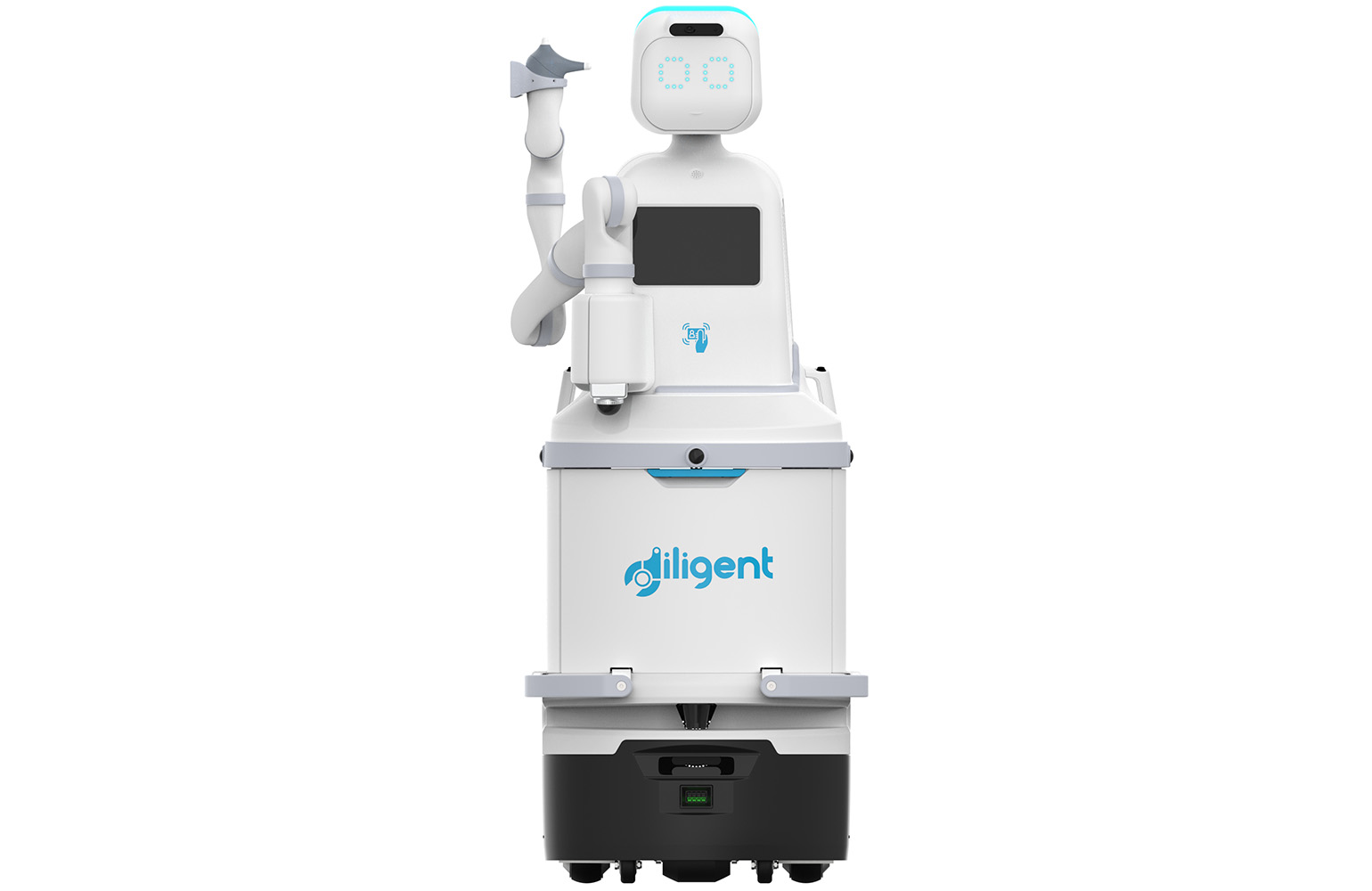
Diligent Robotics Begins Rollout of Moxi 2.0 to U.S. Health Systems
Diligent Robotics has commenced the rollout of Moxi 2.0 to health system customers across the United States. This next-generation platform has been shaped by five years of operation in over 25 hospitals, enhancing its capabilities for dynamic hospital environments. Moxi 2.0 features a proprietary learning flywheel that continuously improves the robot's performance based on deployment experiences. The significance of Moxi 2.0 lies in its advanced physical AI platform, designed to navigate the complexities of hospital hallways with greater confidence and safety. According to Andrea Thomaz, founder and CEO of Diligent Robotics, the new robot is equipped with enhanced compute, sensors, and models that allow it to operate more effectively in tight spaces filled with fast-moving people and equipment. The rollout includes partnerships with health systems such as Endeavor Health Edward Hospital and Providence Saint John’s Health Center. Looking ahead, Diligent Robotics is actively taking orders from health systems eager to implement Moxi 2.0, which can be integrated without altering existing infrastructure. The company, recently acquired by Serve Robotics for $29 million, is leveraging shared investments in physical AI research to accelerate innovation in its hospital deployments. No further timeline was disclosed at the time of publication.
Artificial Intelligence Artificial Intelligence / Cognition Autonomous Mobile Robots (AMRs) Design / Development Healthcare Robotics Markets / Industries
Tacta Systems Launches TactaBot to Enhance High-Skilled Manufacturing with Advanced Robotics
Tacta Systems recently introduced the TactaBot, integrating the Tacta Hand, Skill Capture system, and Dexterous Intelligence AI model. This innovative combination aims to create adaptable robotic hands capable of performing high-value tasks in manufacturing, addressing the global shortage of skilled labor. CEO Vikram Pavate emphasized the need for robots to replicate human-like touch and feel, which is essential for complex manufacturing processes. The Tacta Hand features a dexterous design with three and five-finger configurations, offering 15 degrees of freedom and the ability to lift up to 25 newtons per fingertip. Utilizing Tacta's Fluidic Tendon actuation technology, the robotic hand maintains stability and precision while minimizing heat generation. This technology enhances reliability compared to traditional cable-driven systems, with a lifespan of up to 30 million cycles. As Tacta Systems continues to innovate, the focus will be on further developing the capabilities of the TactaBot and its components. The integration of advanced tactile sensors, capable of measuring a wide range of forces and temperatures, positions Tacta to play a significant role in the future of high-skilled manufacturing automation. No further timeline was disclosed at the time of publication.
Actuators / Motors / Servos Arms / Manipulators Artificial Intelligence Artificial Intelligence / Cognition Collaborative Robots Design / Development
Hyundai Demonstrates World's First Autonomous Robot Operating on a Moving Ship
Hyundai Motor Group has successfully tested the MobED, the world's first autonomous self-driving robot, aboard the moving vessel HYUNDAI DUBAI in South Korea. This milestone demonstrates the robot's ability to navigate despite challenges such as vessel motion and uneven surfaces, paving the way for safer maritime inspections. The significance of this development lies in the potential for the MobED to inspect hazardous areas like enclosed cargo holds, which are often too dangerous for human seafarers. The trials included various autonomous navigation tasks, showcasing the robot's capabilities in maintaining stability and performing inspections in challenging environments. Looking ahead, the successful demonstration indicates that autonomous robots can effectively operate in large cargo areas without needing modifications to existing ship infrastructure. No further timeline was disclosed at the time of publication.
AI and Robotics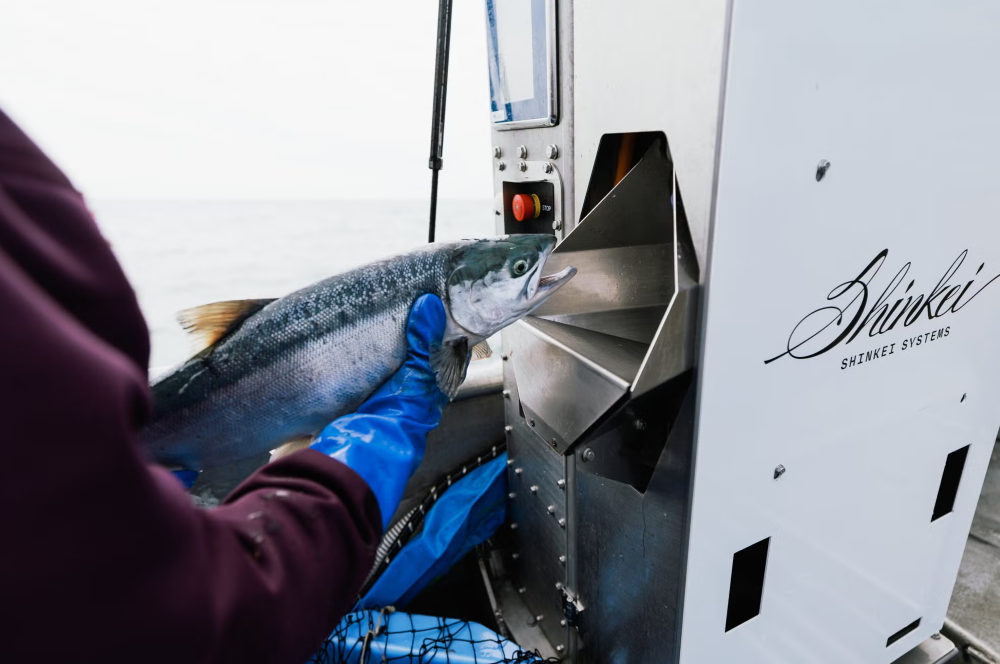
Shinkei Systems Introduces AI Robotics for Enhanced Fresh Fish Processing
Shinkei Systems, based in California, has developed a robotic solution for fish processing on fishing boats. Utilizing computer vision, the robot identifies fish species and performs precise slaughter within six seconds, adhering to the Japanese 'ike jime' technique to maintain meat quality. This innovation addresses the issue of stress hormones affecting fish taste during capture. The significance of this technology lies in its potential to improve the quality of seafood while providing fishermen with a stable supply of premium products. Shinkei offers its robots to Alaskan fishermen for free, purchasing their catch at above-market prices, and markets the fish under the 'Seremoni' brand. The company plans to introduce a new harvesting robot designed for small fishing vessels in the Cook Inlet by 2026. Currently, over 40 Michelin-starred restaurants across the U.S. are using Shinkei's technology, with retail chains like Wegmans and FreshDirect also stocking their products. Shinkei recently secured $22 million in Series A funding to expand its operations, including a new processing center in Tacoma, aiming to make high-quality seafood more accessible while preventing overfishing.
Robotic Processing AI Technology Seafood Industry Sustainable Fishing
Multimodal Robotics Inspired by Biological Systems Explored in Science Robotics
The latest issue of Science Robotics, Volume 11, Issue 116, published in July 2026, delves into the advancements in bioinspired multimodal robotics. This research highlights how biological systems can inform the design and functionality of robotic systems, leading to more versatile and adaptive technologies. The significance of this research lies in its potential to enhance robotic capabilities by mimicking the diverse modalities found in nature. By studying biological organisms, engineers can develop robots that are not only more efficient but also capable of performing complex tasks across various environments, which is crucial for applications in fields such as search and rescue, agriculture, and environmental monitoring. Looking ahead, the ongoing exploration of bioinspired designs in robotics will likely lead to innovative solutions that address current limitations in robotic performance. No further timeline was disclosed at the time of publication.
Review
RevOps for Robotics OEMs Integrates AI Agents as New GTM Operating System
RevOps for robotics OEMs is evolving to unify sales, marketing, and customer success teams under a strategic framework. This integration aims to enhance customer attraction and retention, increase average order value (AOV), and maximize customer lifetime value (CLV), all while optimizing costs. Efficiency is paramount, making tech stack management a critical function of RevOps. The introduction of Go-to-Market (GTM) AI agents is transforming the tech stack, enabling improved predictive forecasting, market data analysis, and buyer intent tracking. These AI agents streamline lead routing, scheduling, and personalized outreach, allowing RevOps teams to focus on innovative strategies to drive revenue growth. The use of GTM AI APIs facilitates the development of core tech stack layers, enhancing the ability to analyze prospect interactions and identify effective sales tactics. As AI agents are integrated into intent layers, they monitor high buying intent signals and enrich prospect profiles by gathering data from various sources. This data is visualized as contact graphs, enabling targeted outreach. A practical example in the robotics OEM sector illustrates how these AI agents enhance operational efficiency and strategic decision-making, ultimately contributing to revenue preservation and growth.
AI agents Technology agentic ai ai agents artificial intelligence automation
ETCO Incorporated Launches New Electrical Connectors and Terminals for Robotics and Automation
ETCO Incorporated has unveiled a new range of standard and custom electrical connectors and terminals designed specifically for automation systems and robotics. These products are engineered to endure intense operations, constant motion, and vibration, making them suitable for demanding applications. The introduction of these connectors and terminals is significant as they address the growing need for reliable electrical components in automation and robotics. With the increasing complexity of automated systems, the durability and performance of electrical connections are crucial for operational efficiency and safety. Looking ahead, industry stakeholders should monitor the adoption of ETCO's new products in various applications. The effectiveness of these connectors and terminals in real-world scenarios will be key to their success in the market. No further timeline was disclosed at the time of publication.

Humanoid Robot H1 Completes First Live Gallbladder Surgery Under Surgeon Control
In July 2026, a humanoid robot successfully performed the world's first live gallbladder surgery on a pig under the control of a surgeon. This groundbreaking procedure, documented by Nature and featured on the front page of the New York Post, has sparked significant discussions in the tech community about the implications of humanoid robots in surgical settings, particularly regarding remote control and AI capabilities. The significance of this achievement lies in its potential to disrupt the surgical robotics market, which has been dominated by the Da Vinci surgical system for nearly two decades. The Da Vinci system, known for its high costs exceeding $2 million, relies on specialized robotic arms and instruments. In contrast, the humanoid robot's design allows it to utilize standard surgical tools, which could lead to reduced costs and increased accessibility for hospitals. Looking ahead, the successful completion of this surgery marks a pivotal moment for humanoid robots in healthcare. While regulatory hurdles and clinical validation processes remain, the experiment demonstrates that humanoid robots can perform complex surgical tasks. The next challenge will be determining when the costs associated with these robots can be lowered enough for broader adoption by hospitals beyond top-tier institutions. No further timeline was disclosed at the time of publication.
Humanoid Robots Surgical Robotics AI in Healthcare Remote Surgery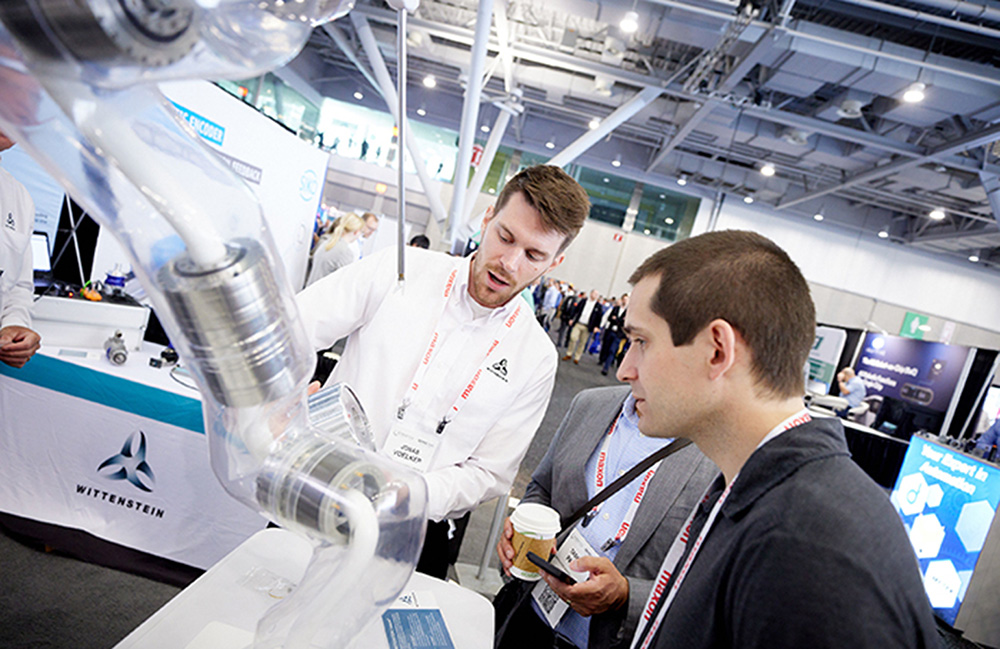
RoboBusiness invites robotics startups to showcase systems and software solutions
RoboBusiness is currently accepting applications from robotics startups interested in presenting their innovations at the upcoming RoboBusiness event. This opportunity is aimed at companies developing complete systems, components, or software solutions in the robotics sector. The event is set to take place in the near future, providing a platform for emerging technologies and ideas. The significance of this initiative lies in its potential to connect startups with industry leaders, investors, and potential partners. By showcasing their work, startups can gain visibility and feedback on their products, which is crucial for growth in a competitive market. This event highlights the increasing importance of innovation in robotics, as companies strive to develop solutions that meet evolving industry demands. Looking ahead, interested startups should prepare their applications promptly, as the deadline for submissions is approaching. No further timeline was disclosed at the time of publication, but participation in this event could lead to valuable networking opportunities and insights into market trends.
Events News Startups robobusiness
Tesla's Optimus Robots to Support Starmind Satellite Production, Not Maintenance
Tesla's Optimus robots will not be used to repair Starmind satellites in orbit, as confirmed by recent statements from Elon Musk. Instead, these robots are intended to assist in the construction and operation of the Terafab chip manufacturing facility in Texas. The AI1 satellites, designed to disintegrate upon reentry, highlight the company's swap-and-replace strategy rather than traditional maintenance practices. This approach is significant as it reflects a broader trend in satellite management, where mass-produced satellites are replaced rather than repaired. The economics of servicing missions are prohibitive, with the cost of launching a replacement satellite being significantly lower than conducting a repair mission. This model aligns with SpaceX's operational history, where rapid replacement of satellites is more efficient than attempting to maintain them in orbit. Looking ahead, the focus will remain on the production capabilities of the Gigasat factory, which is expected to support the continuous replacement of satellites. No further timeline was disclosed at the time of publication, but the demand for rapid satellite turnover suggests a robust future for Optimus robots in terrestrial manufacturing rather than in-space servicing.

Mobile robots as part of a comprehensive system
The effective deployment of mobile robots hinges not only on the quantity of vehicles utilized but also on their operational behavior in conjunction with various factors such as layout, material flow, charging infrastructure, and control systems. This comprehensive approach is essential for optimizing the integration of mobile robots within industrial settings, ensuring they function seamlessly as part of a holistic system. The insights were shared in a recent article on ROBOTIK UND PRODUKTION, highlighting the importance of strategic planning in the implementation of robotic technology in modern production environments.
Allgemein Automation Fördertechnik & Handling Lagerlogistik & Materialfluss Mobile Robotik
Phoxter to showcase AI inspection, AMR, and warehouse control systems at Robot Technology Japan 2026.
Phoxter Co., Ltd. will showcase its innovations at the upcoming "Robot Technology Japan 2026" exhibition, scheduled to take place from June 11 to June 13, 2026, at the Aichi Sky Expo. This event aims to highlight advancements in robotics technology and foster collaboration within the industry. By participating, Phoxter seeks to demonstrate its commitment to driving innovation and engaging with potential partners and customers in the rapidly evolving robotics sector.
Milrem Robotics Aims to Lead Integration of Uncrewed Systems Near Russia Border
Milrem Robotics has announced its ambition to spearhead the integration of various uncrewed systems from allied nations along the borders with Russia and Belarus through the Unified Drone Logistics (UDL) initiative. This integration is significant as it aims to enhance operational efficiency and interoperability among allied forces, particularly in a region marked by geopolitical tensions. By leveraging the UDL, Milrem Robotics seeks to create a cohesive framework for uncrewed systems that can operate seamlessly across national lines. Looking ahead, stakeholders will be keen to observe how Milrem Robotics implements this initiative and the potential impact it may have on defense strategies in the region. No further timeline was disclosed at the time of publication.
News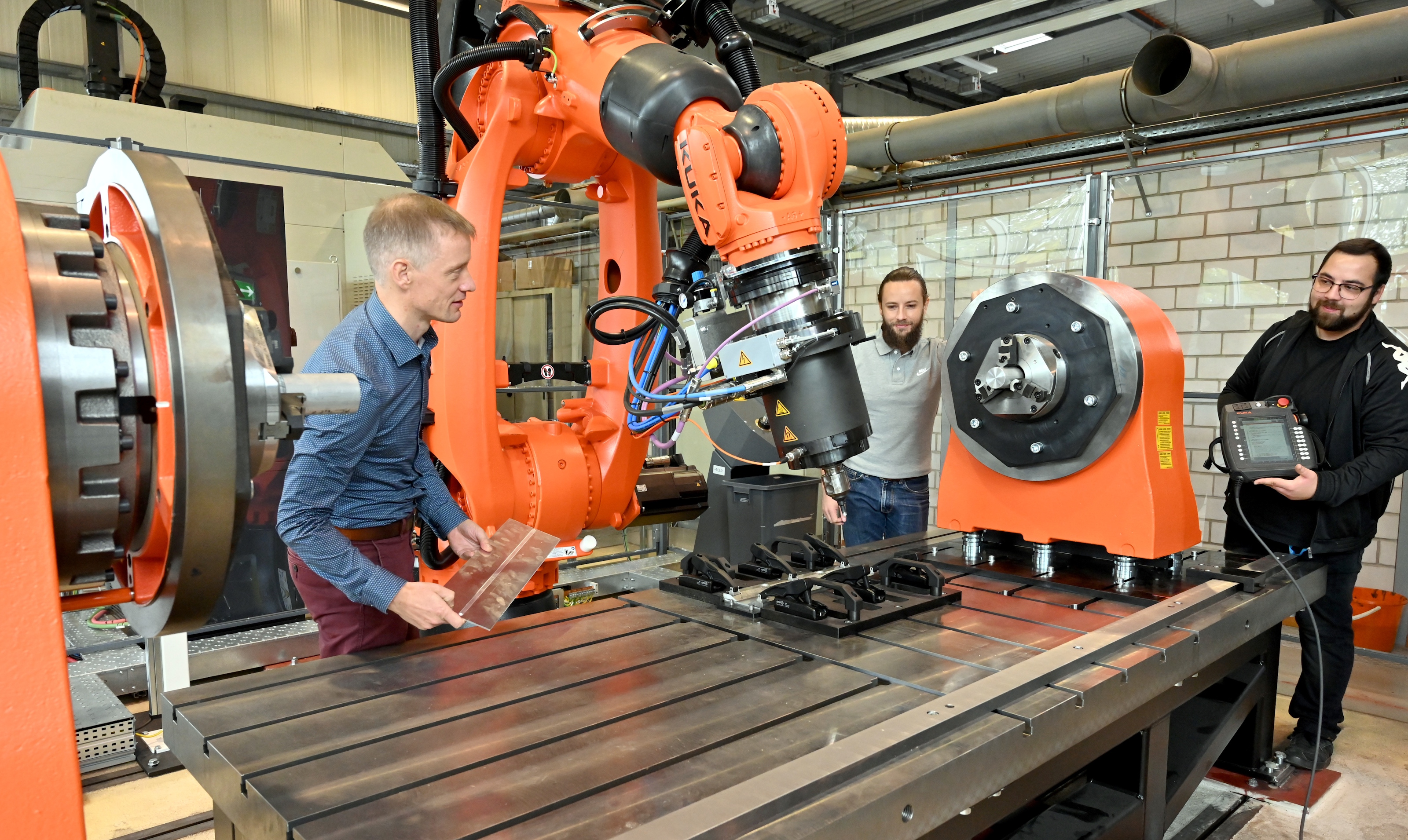
University of Applied Sciences Magdeburg-Stendal and KUKA Systems AWS Launch FSW Research Platform
The University of Applied Sciences in Magdeburg-Stendal, in collaboration with KUKA Systems AWS, has introduced a new research cell dedicated to friction stir welding (FSW). This initiative aims to enhance the development and testing of innovative manufacturing processes, leveraging advanced robotics and digital technologies. The centerpiece of this research platform is the KR FORTEC ultra MT, engineered specifically for high-load FSW and machining tasks. This integration of industrial robotics with scientific research is expected to streamline the transition of new applications from the development phase to full-scale production. Looking ahead, the collaboration between the University of Applied Sciences and KUKA Systems AWS signifies a significant step in advancing manufacturing technologies. No further timeline was disclosed at the time of publication.

USA Rare Earth Partners with Pasqal and Riven Systems for Quantum AI in Rare Earth Supply Chain
USA Rare Earth has announced a collaboration with French quantum computing firm Pasqal and industrial AI company Riven Systems to enhance the separation of rare earth elements in the U.S. This initiative, revealed on September 17, aims to utilize quantum machine learning and automated lab experiments to identify more effective molecules for binding to rare earths. The significance of this project lies in its potential to create smaller, more energy-efficient processing facilities that can operate at lower costs. Currently, China dominates the rare earth supply chain, particularly in the separation of heavy rare earths. Alex Moyes, senior vice president at USA Rare Earth, highlighted the industry's challenge of separating Mixed Rare Earth Carbonate into individual oxides, which is crucial for advanced manufacturing. Looking ahead, Riven Systems will automate thousands of experiments to generate data for machine learning models, while Pasqal will benchmark these models against classical computing methods. This innovative approach could lead to the discovery of more effective extractants, ultimately reducing processing stages and environmental impact. No further timeline was disclosed at the time of publication.
AI and Robotics
Israel Defense Forces Establish New Branch for Unmanned Systems and AI Integration
The Israel Defense Forces (IDF) are launching a new branch dedicated to unmanned systems and artificial intelligence, as announced by Chief of Staff Lt. Gen. Eyal Zamir. This initiative aims to adapt to the rapidly evolving battlefield, emphasizing the integration of robotics, drones, and AI technologies. The establishment of the Unmanned Systems and Artificial Intelligence Branch is a significant step for the IDF, reflecting a strategic shift towards modern warfare capabilities. Zamir highlighted that these advancements will enhance operational effectiveness and save lives, marking a transformative moment for military operations. Looking ahead, the IDF plans to fully inaugurate this new branch by early December. The focus will be on harnessing technologies across land, air, and sea domains, with an emphasis on maritime capabilities as part of the IDF’s broader multi-year plan, Hoshen. No further timeline was disclosed at the time of publication.
Air Warfare Global Land Warfare AI & Autonomy Air Force Army
Emerging 2D Flex Feeding Revolutionizes Industrial Part Picking with Simplified Vision Systems
The article discusses the advancements in 2D Flex feeding technology, which simplifies robotic vision for industrial part picking. Unlike traditional 3D bin picking, this new approach allows for quicker and more reliable implementations, making it accessible for a broader range of applications. This innovation is significant as it enhances the capabilities of industrial robots in manufacturing, reducing the complexity associated with advanced vision systems. Experts Nicholas Kern from SICK and Nick Barron from Feedall highlight the advantages of flex feeding over bowl feeding, showcasing early adopters who are already experiencing substantial benefits. Looking ahead, the future of feeding robots appears promising with the integration of smarter vision systems. As this technology continues to evolve, it will be essential to monitor its adoption and impact on manufacturing efficiency and productivity. No further timeline was disclosed at the time of publication.
Factory / Robotics
TM Robotics CEO Discusses Need for Moulding Systems to Adapt to Material Changes
Nigel Smith, CEO of TM Robotics, emphasized the importance of selecting moulding systems that can accommodate a wider variety of materials. As processors face evolving material requirements, the ability to adapt machinery is crucial for maintaining efficiency and competitiveness in the market. This adaptability is significant as it allows processors to respond to changing demands and innovate in their product offerings. By investing in flexible moulding systems, companies can enhance their production capabilities and meet diverse customer needs, ultimately driving growth and sustainability. Looking ahead, processors should prioritize the integration of advanced moulding technologies that support a broader material mix. No further timeline was disclosed at the time of publication.
Robotics needs a service framework.
RSF defines a common language for robot service capability, lifecycle operations, certification pathways, and service-provider networks.
Join the RobotToday community on LinkedIn
Daily robotics news, in-depth analysis, conference highlights, and discussions with professionals worldwide.







