Industry Briefing
A single destination for timely, editor-curated robotics news from around the world.
Lucid Motors Partners with Bolt to Explore Robotaxi Deployment in Europe
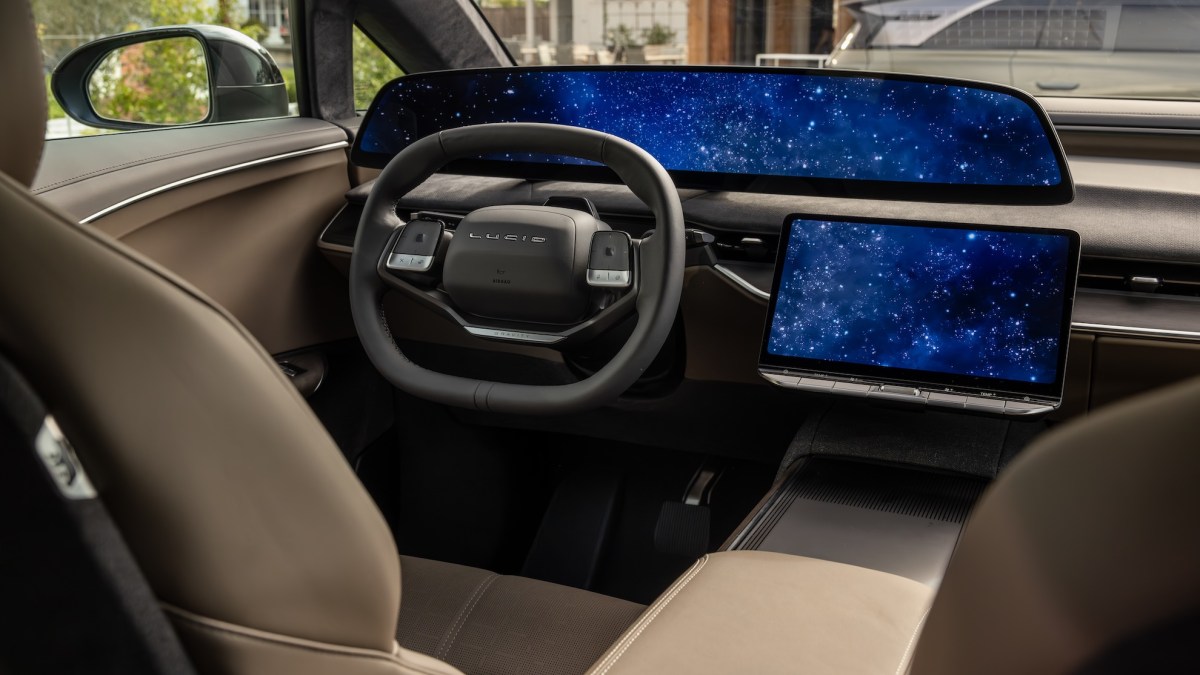
Lucid Motors has announced a partnership with Bolt, a European mobility platform, to potentially introduce robotaxis in Europe. Bolt aims to deploy at least 25,000 fully autonomous vehicles based on Lucid's upcoming mid-size electric vehicle architecture, which is designed to be smaller and more affordable than current models. This partnership is significant as it follows a restructuring at Lucid Motors, led by new CEO Silvio Napoli, who has made substantial workforce reductions and delayed the launch of its mid-size platform to the second half of 2027. The collaboration with Bolt marks a strategic move for Lucid as it seeks to enter the robotaxi market, which Napoli believes could yield higher profit margins compared to traditional retail. Looking ahead, Bolt envisions a fleet of 100,000 autonomous vehicles by 2035, although no specific timeline for deployment has been disclosed. The two companies will collaborate on developing an autonomous driving system-ready vehicle platform, utilizing Nvidia's Hyperion architecture for compute and sensing capabilities. No further timeline was disclosed at the time of publication.
Transportation Bolt Mobility Lucid Motors robotaxis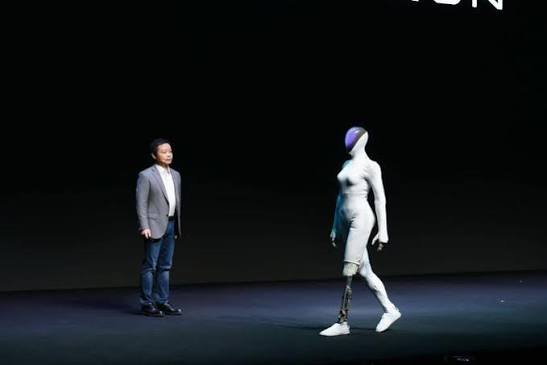
Xpeng Motors Unveils Robot Production Line, Signaling a New Era in Humanoid Robotics
On September 8, 2026, Xpeng Motors announced the official launch of its robot production line, with the first advanced humanoid robot, IRON, completing automated assembly and autonomously walking off the production line. This production line, designed and built by Xpeng, achieves over 80% automation in core manufacturing processes. The significance of this production line lies not in the robot's ability to walk but in marking a pivotal shift in humanoid robot competition from 'can it be made' to 'can it be mass-produced.' The core challenge in scaling production from dozens to thousands of units is ensuring consistency in manufacturing, particularly in the assembly of thousands of joint modules. Xpeng's approach integrates automotive manufacturing systems into robot production, leveraging established capabilities in supply chain management and quality control. While Xpeng's IRON features unique technology with three self-developed AI chips, the humanoid robot industry still lacks a unified technical route and business model. Xpeng's robot business has completed over $900 million in funding, with plans for initial deployment in its own stores, while commercial sales are set to begin in 2027.
Humanoid Robots Automation Manufacturing Technology AI
Xpeng Motors Reports Financial Losses While Securing $900 Million for Robotics Venture
On August 24, Xpeng Motors announced its 2026 mid-year financial report, revealing a revenue of 32.78 billion yuan, a 3.8% year-on-year decline, and a net loss of 3.12 billion yuan, which is a 173.4% increase compared to the previous year. In contrast, the same night, the company secured $900 million in funding for its humanoid robot, achieving a valuation of $6.3 billion. This stark contrast in financial performance highlights a shift in market perception, with the robotics division being valued nearly half of the parent company's total market value. Analysts noted that excluding the robot's valuation, Xpeng's automotive business is valued at only $6.5 billion, indicating a significant decline in the automotive sector's worth. Looking ahead, Xpeng has set a clear production timeline for its humanoid robot, IRON, with mass production slated to begin by the end of 2026 and deliveries expected in 2027. The company’s experience in automotive manufacturing may provide a competitive edge in overcoming the challenges of scaling robot production.
Humanoid Robots AI Automotive Technology Robotics Investment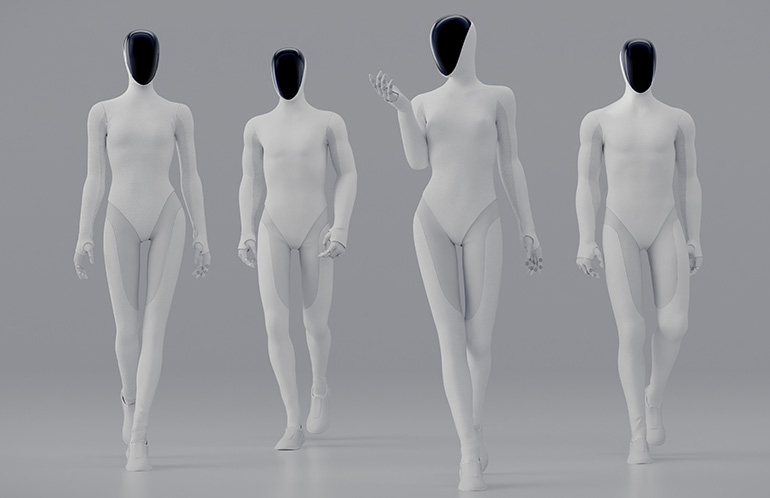
XPeng Motors' Dogotix Secures $900 Million for IRON Humanoid Robot Development
XPeng Motors announced that its Dogotix robotics unit has successfully raised over $900 million in its initial funding round, achieving a post-transaction valuation exceeding $6.3 billion. This funding will be utilized to enhance the development of hardware and software for the IRON humanoid robot, as well as to establish mass-production facilities and expand globally. The significance of this funding lies in XPeng's ambition to become a leader in AI mobility, with plans to produce 1,000 IRON humanoids monthly by the end of 2026. The humanoid robot is designed for applications in retail and industrial environments, with commercial deliveries expected to commence in 2027. This move aligns with a broader trend among automakers venturing into humanoid robotics, highlighting the growing market potential. Looking ahead, XPeng's Dogotix aims to leverage this investment to advance its robotics capabilities, while also facing competition from other automakers like Hyundai and Tesla, who are also developing humanoid robots. No further timeline was disclosed at the time of publication.
Automotive China Humanoids Investments Manufacturing News
EPFL Engineers Develop Sound-Powered Micro-Robots Without Motors or Batteries
Engineers at Switzerland’s École Polytechnique Fédérale de Lausanne (EPFL) have developed a method to convert sound waves into directional thrust, enabling the creation of micro-machines that operate without motors, batteries, or electronics. This innovative technique utilizes Helmholtz resonance, where sound excites air within a cavity, generating propulsion through airflow imbalance. This advancement is significant as it allows for the design of small boats and ultralight aerial vehicles powered solely by sound, eliminating the need for traditional power sources. The EPFL team’s approach, which involves 3D-printed hollow cavities, represents a shift from previous acoustic levitation methods, offering a new way to achieve self-generating thrust through concentrated air jets. Looking ahead, the potential for further miniaturization of these sound-powered devices could revolutionize robotics and aeronautics. Researchers have already demonstrated prototypes at both centimeter and microscopic scales, showcasing capabilities such as controlled navigation and impressive lift, indicating a promising future for passive materials in robotic applications. No further timeline was disclosed at the time of publication.
Innovation
Explosion-Proof Inspection Robots Utilize Custom Joint Motors for Hazardous Environments
In petrochemical facilities, an explosion-proof inspection robot extends its mechanical arm to accurately position an infrared thermal imager on a high-temperature pipeline flange, demonstrating smooth movements and precise positioning. In coal mines, another robot's arm performs micron-level rotational operations on valves. The motors driving these joints differ fundamentally from standard industrial robots, providing high torque density in confined spaces. These explosion-proof joint modules can achieve a peak torque of 450 N·m and a rated torque of 110 N·m, supporting continuous operations with a payload exceeding 20 kg. With a dual 17-bit encoder, the modules offer a repeat positioning accuracy of ±40 arc seconds and a backlash of ≤15 arc minutes, with response times in the millisecond range. Designed for flammable and explosive environments, these robots meet IP68 protection and Ex d IIB T4 explosion-proof standards, suitable for various scenarios including chemical, coal mining, and hazardous material warehouses. Jiangsu Huistone has over 20 years of experience in specialized motors, providing customized servo motor solutions for intelligent inspection robot arms. Their products cover a base size range from 40 mm to 400 mm, power from 50 W to 200 kW, and voltage from 24 V to 3000 V, ensuring compatibility with different power supply platforms. The successful application of their 130 mm base explosion-proof AC servo motor in petrochemical inspection robots highlights the precision and safety of these advanced technologies.
Explosion-Proof Robots Joint Motors Industrial Automation Hazardous Environment Technology
Mitsubishi Motors to Collaborate with Highlanders for Humanoid Robot Production by 2027
Mitsubishi Motors has announced a partnership with Highlanders, a robotics startup incubated by the University of Tokyo, to commence mass production of humanoid robots at its Kyoto factory by early 2027. The production facility will utilize previously idle space originally designated for engine manufacturing, with an initial monthly output target of 1,000 units, fully funded by Mitsubishi Motors. This collaboration marks the first instance of a Japanese automotive company signing an agreement with a humanoid robotics firm for mass production. Mitsubishi has already made a strategic investment in Highlanders and plans to provide additional funding in the future. The upcoming robots will stand approximately 1.75 meters tall and will feature AI-driven autonomous control, enabling them to assess their surroundings and perform tasks such as stable walking and object manipulation. The robots will initially be deployed within Mitsubishi's own factories for tasks like component handling and engine assembly, continuously collecting data to improve operational precision through software updates. Mitsubishi's chairman, Takao Kato, emphasized that this partnership aims to establish a new industrial foundation for human-robot collaboration, while Highlanders' representative, Hiroya Nagaoka, highlighted the significance of this collaboration in achieving their company's goals.
Humanoid Robots AI Manufacturing Automation Robotics Automotive Industry
Tuobang Collaborates with Over Ten Humanoid Robot Firms to Expand from Motors to Complete Hands
On July 16, Tuobang Co., Ltd. (002139.SZ) revealed its latest developments in the robotics sector, announcing partnerships with over ten domestic humanoid robot companies. The company aims to supply hollow cup motors and actuator modules to manufacturers of complete humanoid robots and dexterous hands. Tuobang has been focusing on hollow cup motors since 2007, which are essential components for dexterous hands, and anticipates mass production deliveries by 2026. The company is also extending its offerings from single motors to integrated actuator modules that include components like reducers and lead screws, providing clients with higher integration solutions. Furthermore, Tuobang is developing its own dexterous hand products, currently in the internal technology validation phase, with initial testing on its smart manufacturing production line. Looking ahead, Tuobang expects to see improved growth in its industrial automation business by 2026, driven by increased demand for high-end equipment due to AI infrastructure development. The company has identified autonomous smart products as a second growth curve, targeting significant revenue growth in core markets by 2026. No further timeline was disclosed at the time of publication.
Humanoid Robots Robotics Components AI Infrastructure Industrial Automation
Xiaopeng Motors Plans to Launch IRON Humanoid Robot with 1,000 Units Monthly Production by 2027
Xiaopeng Motors has announced plans to launch its IRON humanoid robot globally by 2027, aiming to ramp up production to over 1,000 units per month by the end of this year. The robot will initially serve as a sales assistant in domestic stores, with expansion to international locations later in the year. This initiative is significant as Xiaopeng's President, He Xiaopeng, believes that the robotics business could surpass the automotive sector in the next 10 to 20 years. The IRON robot, which made its debut in November 2025, features advanced capabilities including 62 to 82 degrees of freedom and is powered by three Turing AI chips, achieving a total computing power of 2250 TOPS. Looking ahead, Xiaopeng's strategy focuses on leveraging the humanoid robot in controlled retail environments to gather interaction data and create immediate commercial value. No further timeline was disclosed at the time of publication.
Humanoid Robots Robotics AI Automation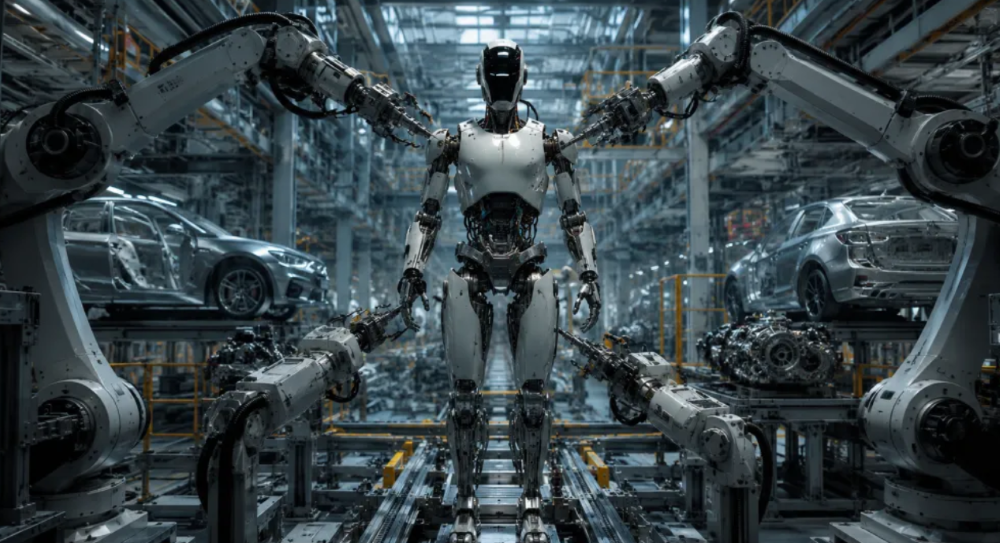
Mitsubishi Motors to Begin Mass Production of Humanoid Robots by 2027
Mitsubishi Motors has announced plans to start mass production of humanoid robots at its factory in Japan by 2027. In collaboration with the Tokyo University startup Highlanders, the company aims to produce 1,000 units per month initially, utilizing existing space in its Kyoto engine plant. The robots will first be deployed in Mitsubishi's own facilities for tasks such as parts handling and engine assembly. This initiative is a response to Japan's aging population and the resulting labor shortages in the manufacturing sector, prompting a shift towards automation. By developing these robots for internal use, Mitsubishi aims to address its own workforce challenges before considering external sales. The humanoid robots, standing approximately 175 cm tall, will feature stable walking and grasping capabilities, controlled by an AI system. As the global humanoid robot market is projected to reach $729 billion by 2050, Mitsubishi's production plans represent a significant step for a traditional automaker entering this space. The company's pragmatic approach of first utilizing the robots internally reflects its strategy to tackle labor shortages while exploring future market opportunities. No further timeline was disclosed at the time of publication.
Humanoid Robots Manufacturing Automation AI Technology Robotics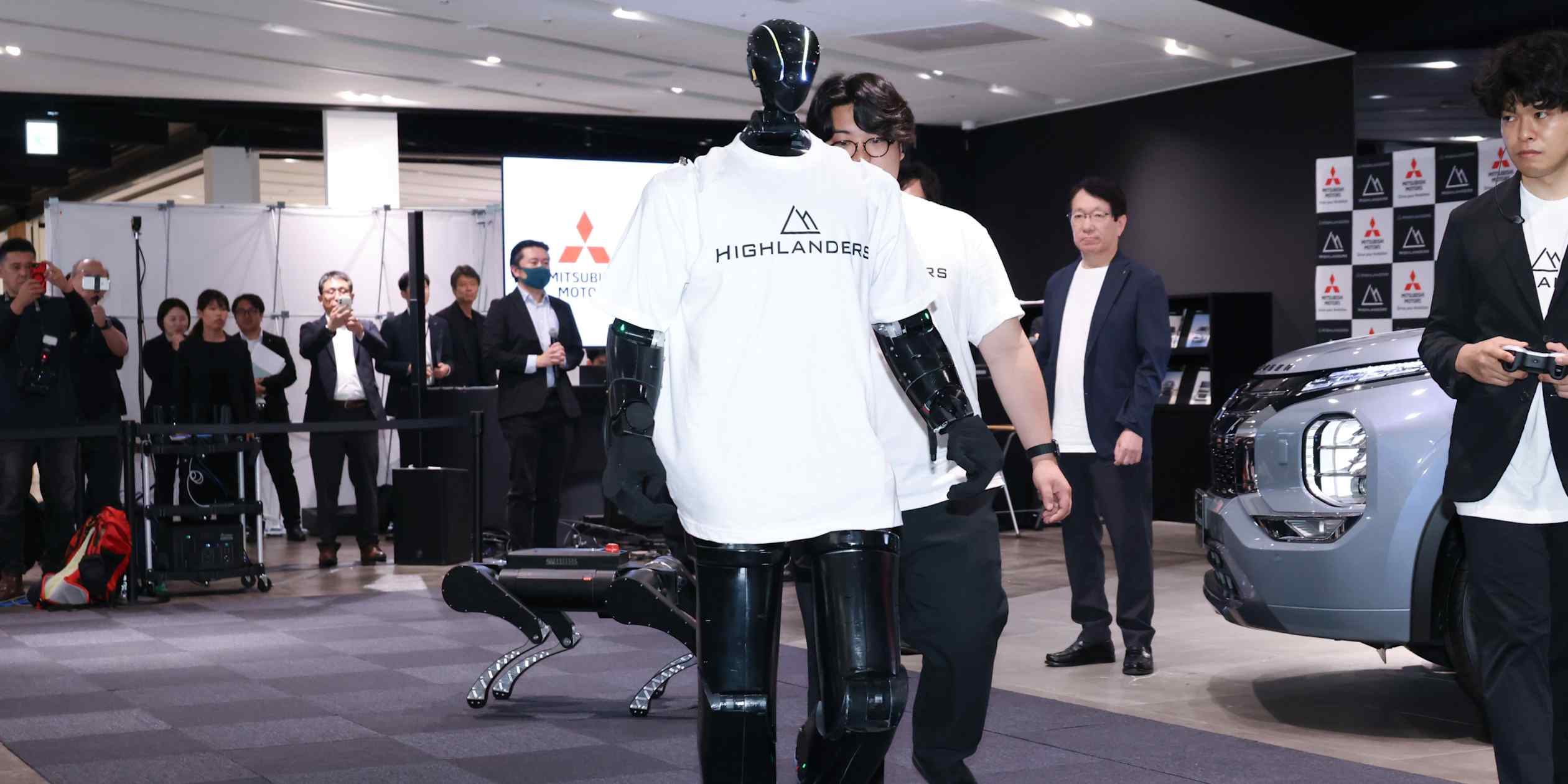
Mitsubishi Motors Partners with Highlanders for Humanoid Robot Production by 2027
Mitsubishi Motors has announced a collaboration with Tokyo-based startup Highlanders to mass-produce humanoid robots for its automotive factories. Production is set to commence as early as 2027, with the partnership aiming to enhance automation within Mitsubishi's manufacturing processes. This initiative was unveiled during a demonstration event in Tokyo on July 9, showcasing the jointly developed humanoid robot. The significance of this collaboration lies in Mitsubishi's strategic move to integrate advanced robotics into its production lines, reflecting a broader trend in the automotive industry towards automation and efficiency. By leveraging Highlanders' expertise in humanoid robotics, Mitsubishi aims to address labor shortages and improve operational productivity, aligning with global shifts towards smart manufacturing technologies. Looking ahead, industry observers will be keen to monitor the development and deployment timeline of these humanoid robots, as well as their impact on Mitsubishi's manufacturing capabilities. No further timeline was disclosed at the time of publication, but the partnership signals a commitment to innovation in the automotive sector.
Unitree Unveils G1+ Humanoid Robot Featuring Enhanced Motors and Movable Neck at $15,000
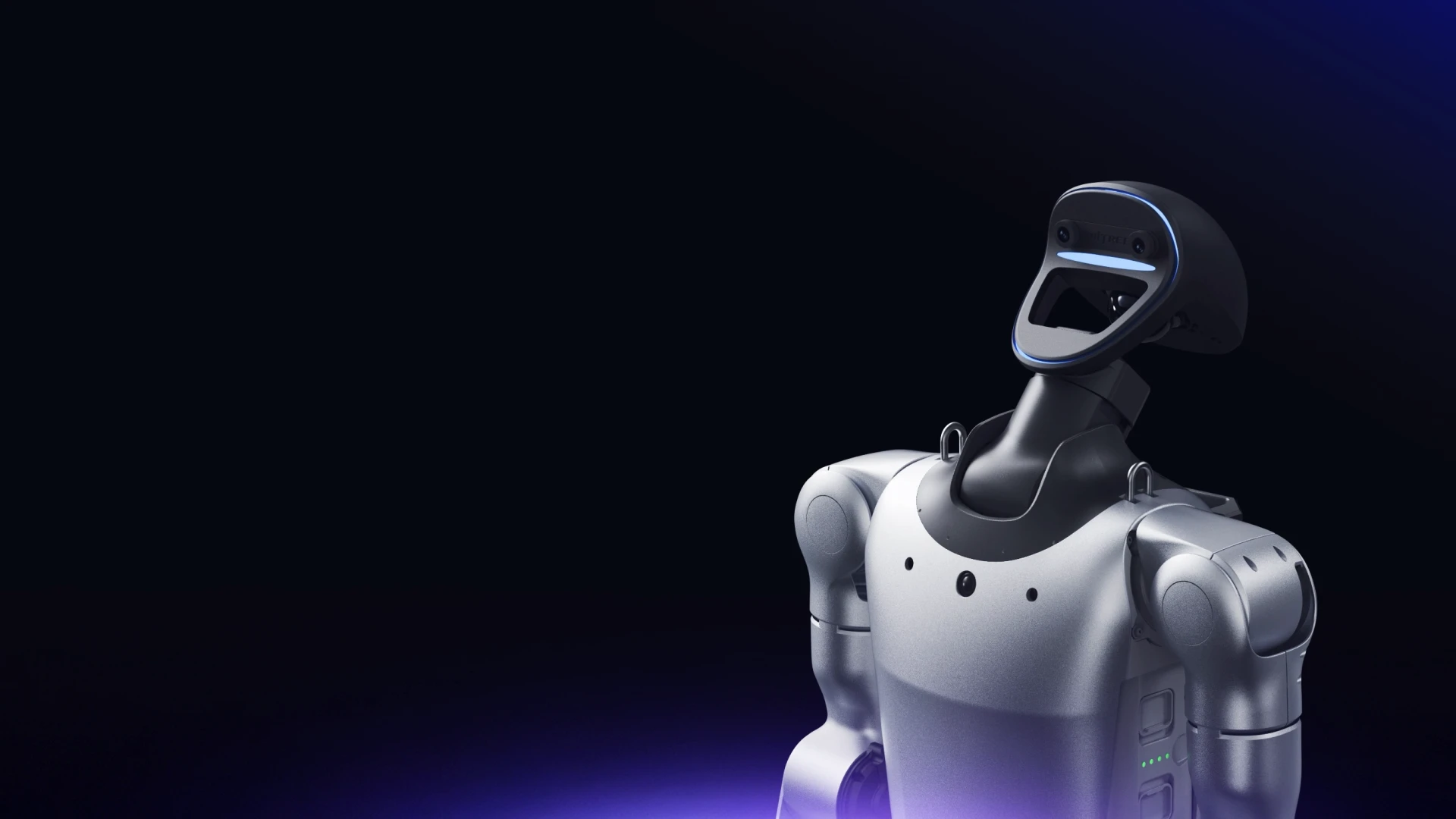
Unitree has introduced the G1+, an upgraded version of its humanoid robot, which features stronger motors, a movable neck, and improved sensing hardware. The base model is priced at $15,000, excluding tax and shipping, and focuses on enhancing everyday movement and interaction capabilities. This launch is significant as it emphasizes the importance of hardware improvements in humanoid robots, particularly for tasks that require interaction, such as carrying objects or maintaining power during extended research sessions. The G1+ offers notable enhancements, including a 110% increase in peak torque at the shoulder and waist, and a 43% increase in maximum arm torque. Looking ahead, the G1+ supports external power for prolonged operation, although its battery runtime remains approximately two hours. No further timeline was disclosed at the time of publication.
Unitree Robotics China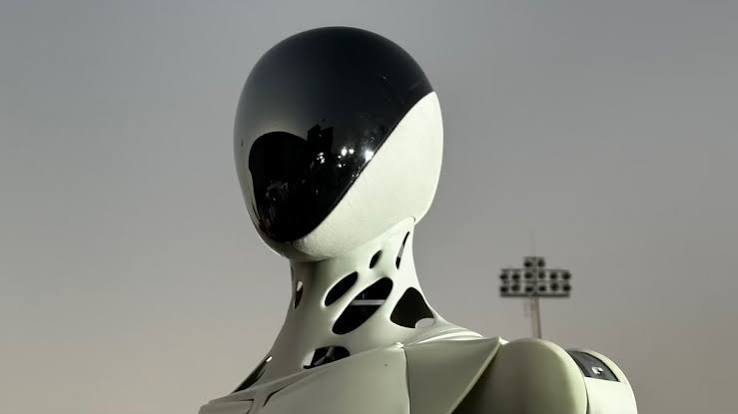
Xpeng Motors Launches Automated Production Line for Humanoid Robot IRON in Guangzhou
In September 2026, Xpeng Motors officially launched the automated production line for its humanoid robot IRON in Guangzhou, aiming for mass production by the end of the year. This initiative signifies the transfer of quality management systems from automotive manufacturing to the robotics sector, as stated by Xpeng CEO He Xiaopeng during the launch ceremony. This move is part of a broader trend, with over 140 humanoid robot manufacturers in China, which released more than 330 humanoid robot products in the past year. According to Omdia, Chinese companies accounted for nearly 80% of the global humanoid robot shipment volume in 2025, with ZhiYuan Robotics leading in deliveries. The rapid integration of advanced algorithms into hardware by Chinese manufacturers has given them a competitive edge in this emerging market. Despite the excitement, concerns remain about the sustainability of the industry, as many companies are startups focusing on basic functionalities. The launch of Xpeng's production line may serve as a model for integrating established automotive manufacturing practices into robotics, but significant challenges remain before achieving true commercial viability in the humanoid robot sector.
Humanoid Robots Robot Manufacturing Automation AI Industrial Robotics
EU Motors Aims for 350,000 Drone Motors by 2026 with New U.S. Production Plans
EU Motors, a prominent manufacturer of high-performance brushless drone motors, has announced its goal to produce over 350,000 drone motors by 2026. The company is expanding its operations in the U.S. with plans to establish exclusive stator production and deploy advanced robotic assembly lines at its facility in Hallandale Beach, Florida. This expansion is significant as it highlights EU Motors' commitment to enhancing its manufacturing capabilities and increasing its market presence in the drone industry. By investing in proprietary intellectual property and custom robotics, the company aims to improve efficiency and production quality, positioning itself competitively in the growing drone market. Looking ahead, the deployment of next-generation robotic assembly lines is set for Q4 2026. This move will not only bolster production capacity but also showcase EU Motors' innovative approach to manufacturing. No further timeline was disclosed at the time of publication.

Lucid Motors Unveils $1.4 Billion Turnaround Strategy Focused on Robotaxis
Lucid Motors announced a comprehensive operational reset aimed at achieving $1.4 billion in cash savings, alongside key initiatives such as robotaxis and a new mid-sized electric vehicle. This plan, led by CEO Silvio Napoli, seeks to address the company's growing EV inventory and excessive spending. The significance of this turnaround plan lies in its potential to stabilize Lucid's financial situation, which has seen a net loss of $1.26 billion in the second quarter. By reducing capital expenditures and operational costs, the company aims to secure sufficient liquidity through 2027, as emphasized by Napoli during the earnings call. Looking ahead, Lucid's focus on launching its mid-sized EV, known as Cosmos, and advancing its robotaxi program with Uber and Nuro will be critical for future profitability. The establishment of Lucid Technologies to enhance AI and digital capabilities further underscores the company's commitment to innovation and operational efficiency.
Transportation electric vehicles EVs Lucid Motors
3D Potter Enhances SCARA Robot Performance with Teknic ClearPath Servo Motors
3D Potter has upgraded its SCARA HD robotic arm system by integrating Teknic's ClearPath-SD servo motors to enhance load handling capabilities. This transition from closed-loop stepper motors to integrated servo motors allows for improved motion control, particularly when dealing with variable-inertia loads such as wet cement and heavy materials. The upgrade is significant as it addresses the unique challenges of 3D printing with heavy materials, where mechanical leverage and load weight can change dynamically. The ClearPath servos utilize Inertia Matching Technology™ to maintain smooth and accurate motion, ensuring that the robotic arm performs effectively in demanding environments. Looking ahead, 3D Potter's collaboration with Teknic is expected to continue as they develop larger printing systems. The engineering support provided by Teknic has been instrumental in optimizing motion-control decisions, further enhancing the performance of their equipment. No further timeline was disclosed at the time of publication.

Lu Siyuan Leaves Xiaopeng Motors to Join OpenAI Robotics as AI Infrastructure Head
Lu Siyuan, head of AI Infrastructure at Xiaopeng Motors, is transitioning to OpenAI Robotics, as confirmed by sources close to the matter. His departure is significant, given Xiaopeng's focus on self-developed chips and AI technology, which are crucial for the company's transformation into 'physical AI'. Lu's expertise in high-performance computing and large-scale data processing has been pivotal in Xiaopeng's AI initiatives. This move highlights the competitive landscape in the AI and robotics sectors, where top talent is increasingly sought after by leading companies. Lu's role involved overseeing a team of around 200, responsible for critical components such as model training frameworks and GPU cluster scheduling. His departure raises concerns about Xiaopeng's ability to maintain its technological edge, especially in the development of its proprietary Turing chips. Looking ahead, the implications of Lu's transition to OpenAI Robotics could reshape both companies' trajectories. OpenAI is building a comprehensive framework for robotics that emphasizes distributed training and real-world data integration. As Xiaopeng restructures its team to mitigate the impact of Lu's exit, the industry will be watching closely to see how both organizations adapt to these changes.
AI Infrastructure Robotics Smart Vehicles Chip Development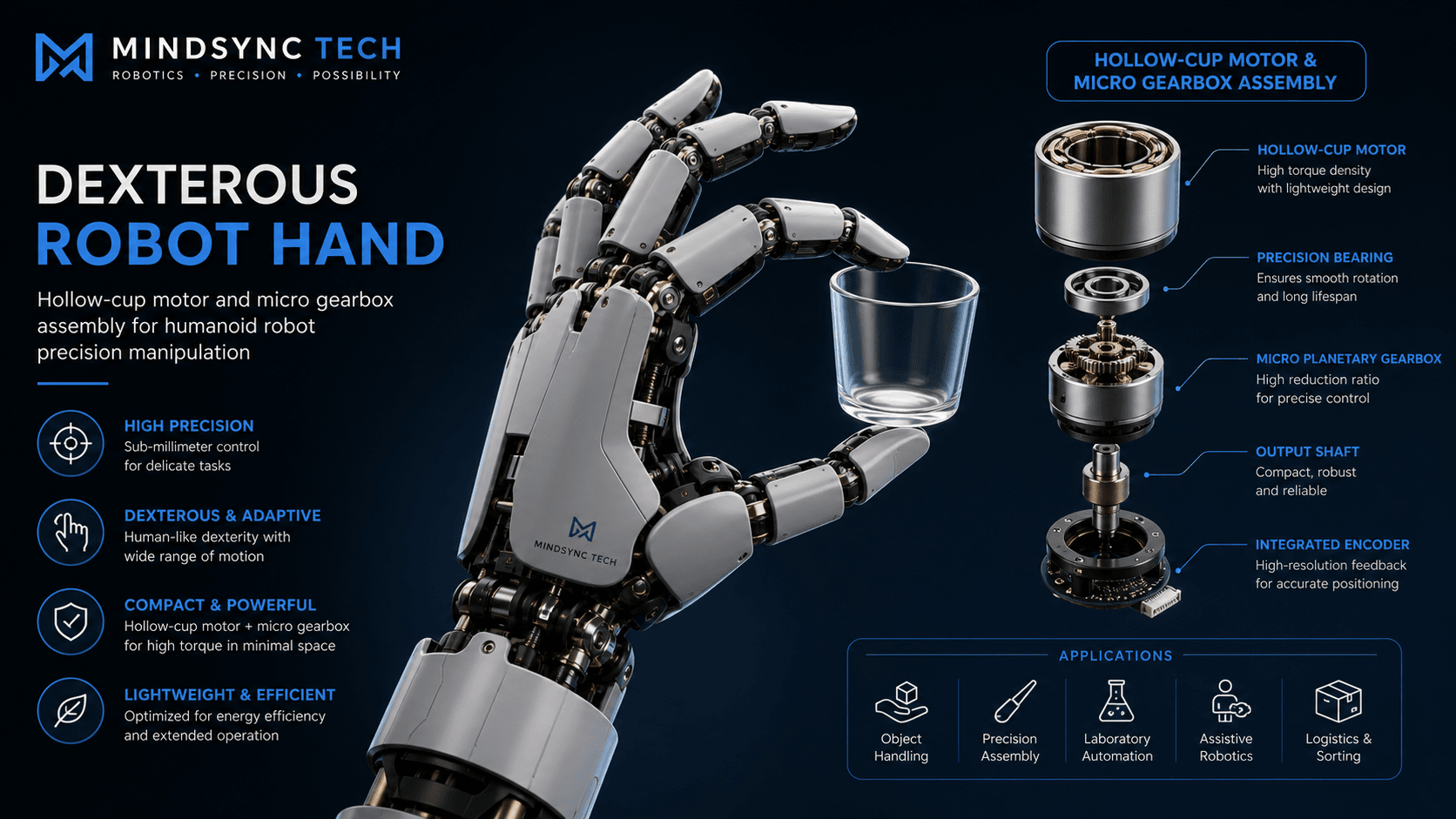
MINDSYNC TECH and Jiangsu Leili Develop Dexterous Robot Hands for Industrial Use
Jiangsu Leili's subsidiary, MINDSYNC TECH, has developed production-ready dexterous robot hands that utilize hollow-cup motors and 6-42mm gearboxes. These innovative hands also feature autonomous wire winding capabilities, addressing the mechanical stiffness problem in humanoid gripping. This advancement is significant as it targets industrial deployment within the next 1-2 years, potentially transforming how robots interact with their environments. The integration of these technologies could enhance the efficiency and versatility of robotic applications in various sectors. Looking ahead, the industry will be keen to observe the progress of MINDSYNC TECH's dexterous robot hands as they move towards commercial readiness. No further timeline was disclosed at the time of publication.
Technology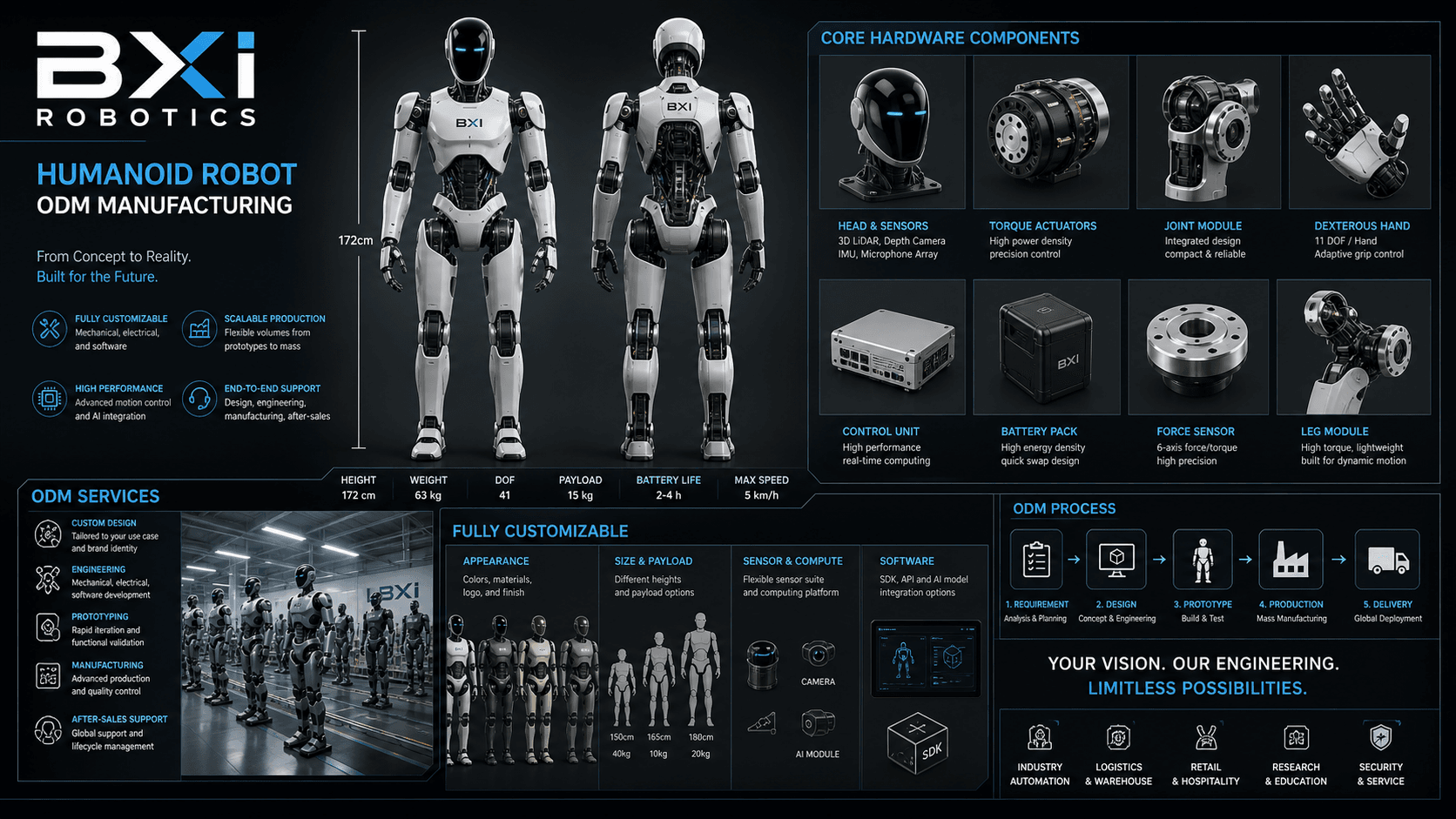
BXI Robotics Secures Funding for Full-Stack Humanoid Robot Solutions
BXI Robotics has successfully raised funding from Suochen Technology, following support from Feirongda. This funding will enhance BXI's capabilities in providing full-stack original design manufacturing (ODM) solutions for humanoid robots, which include self-developed motors, controls, and algorithms that have been verified for marathon-level reliability. The significance of this funding lies in BXI Robotics' commitment to advancing humanoid robotics technology. By securing financial backing, the company can further develop its comprehensive solutions, which are crucial for the growing demand in the robotics sector. The integration of reliable motors and algorithms positions BXI as a competitive player in the market. Looking ahead, industry observers should monitor BXI Robotics' progress in deploying its humanoid robot solutions and any potential partnerships that may arise as a result of this funding. No further timeline was disclosed at the time of publication.
Startups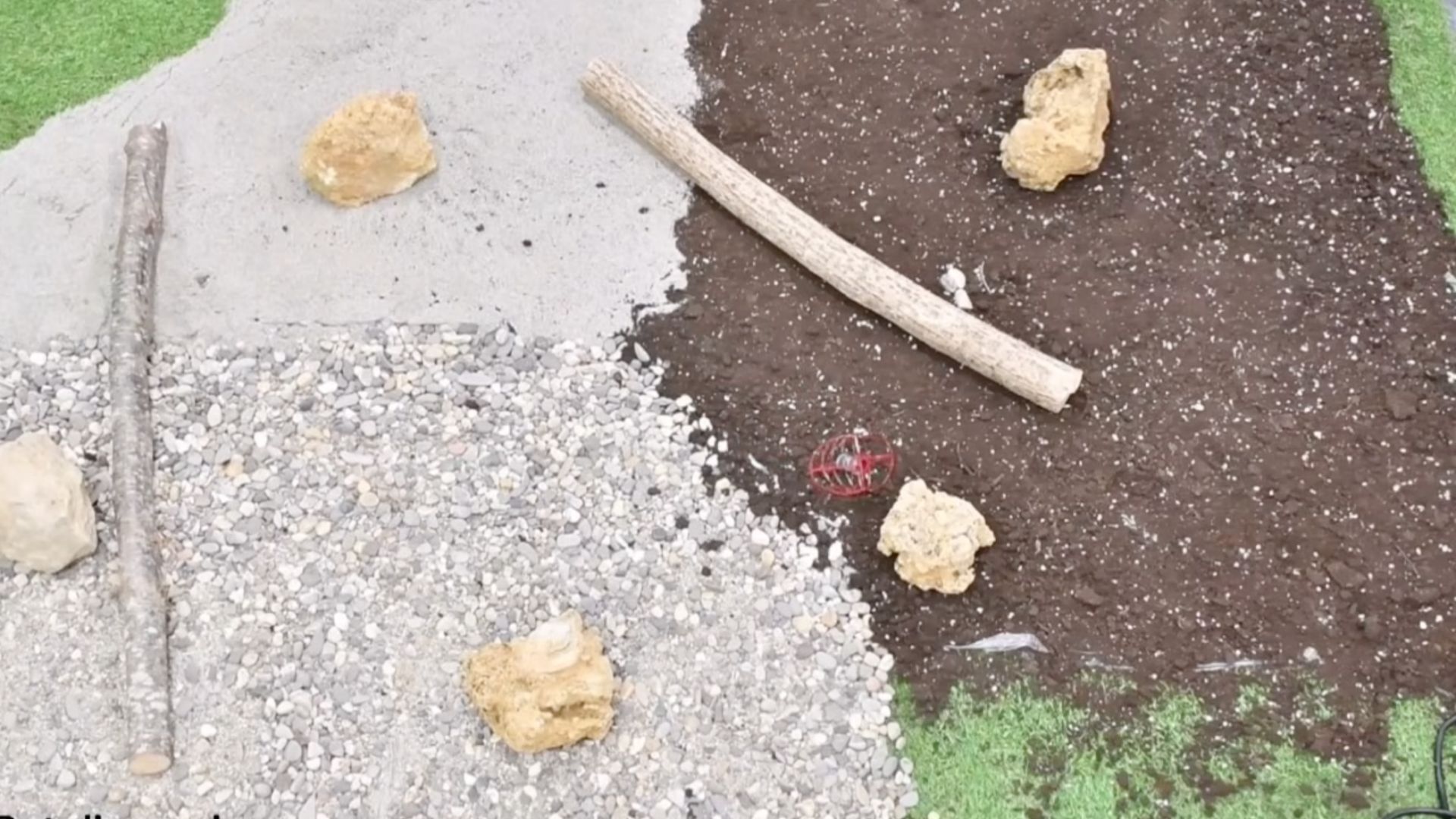
Researchers Develop BeanBot: A Motorless Robot Inspired by Jumping Beans
Researchers at the Italian Institute of Technology have created BeanBot, a unique robot that mimics the unpredictable movements of Mexican jumping beans. This innovative device operates without motors, batteries, or electronics, relying solely on its interaction with various surfaces to hop, roll, flip, and slide in unexpected ways. The significance of BeanBot lies in its demonstration of a new movement paradigm driven by simple physical interactions. This approach offers valuable insights into how robots can navigate complex environments without traditional control systems, potentially revolutionizing the design of future robotic devices. Looking ahead, the researchers aim to enhance BeanBot's capabilities by improving the materials used, which currently require high temperatures for activation. No further timeline was disclosed at the time of publication.
AI and Robotics
Chen Yonghai Joins Zhongqing as COO After Leaving Xiaopeng Motors
Chen Yonghai, former Vice President of Product at Xiaopeng Motors, has officially joined Zhongqing Robotics as Chief Operating Officer, reporting to Chairman and CEO Zhao Tongyang. Chen's career trajectory reflects a strong background in product management, having previously worked at UC and Amap, and led product development at Xiaopeng Motors. His transition to Zhongqing comes after a brief period considering entrepreneurship in robotics. Founded in the second half of 2023 by Zhao Tongyang, Zhongqing has already secured $200 million in Series B funding, with a valuation exceeding 10 billion RMB. The company aims to produce humanoid robots at scale, with the first batch of T800 robots recently rolling off the production line in Zhengzhou. The humanoid robotics industry is evolving rapidly, with a shift from custom production to mass manufacturing. Chen's expertise in product lifecycle management is crucial as the industry seeks to meet increasing demand. The collaboration with former Xiaopeng autonomous driving head Li Liyun as CTO positions Zhongqing to leverage automotive methodologies in addressing the unique challenges of robotics commercialization.
Humanoid Robots Robot Production Automotive Industry Product Management
This DIY Bipedal Robot Used Pneumatic “Air-Muscles” Instead of Motors
In 1987, British photographer Richard Greenhill, driven by a passion for robotics, initiated a weekly gathering in his attic to develop a life-size humanoid robot, the Shadow Walker, capable of performing practical tasks like carrying luggage. Unable to secure support from his startup, Intergalactic Robots, Greenhill enlisted the help of a group of DIY enthusiasts, known as the Shadow Group, who met every Wednesday to work on the project, fueled by homemade spaghetti dinners. With contributions from robotics expert David Buckley, the team designed the robot using a simplified skeletal structure and pneumatic "air-muscles" for movement, aiming to achieve balance and mobility. Despite their efforts, the Shadow Walker struggled to walk, ultimately failing to compete effectively at the 1st International Robot Olympics held in Glasgow in September 1990, where it was outperformed by other entries. The Olympics showcased over 50 robots from various countries, highlighting both the advancements and limitations in robotics at the time. While the Shadow Walker did not succeed in its primary goal, it laid the groundwork for future developments in robotics. In 1997, the Shadow Group transitioned into a registered company, Shadow Robot, which now focuses on creating advanced robotic hands, reflecting a shift from walking robots to specialized dexterity in robotic technology. Despite significant progress in robotics, the journey toward creating truly functional humanoid robots continues.
Past-forward Type-departments Humanoid-robots Shadow-robot Walking-robots Pneumatic-robots
Founder Motor Achieves Small-Batch Production of Robot Joint Motors
Founder Motor (002196.SZ) has successfully initiated small-batch production of robot joint motors, a strategic move aimed at expanding its manufacturing capacity to address the increasing market demand for robotics components. This development comes as the company seeks to enhance its position in the rapidly evolving robotics industry, where demand for advanced motor technology is on the rise. By ramping up production capabilities, Founder Motor aims to meet the needs of clients and stay competitive in a sector characterized by innovation and growth. The decision to focus on robot joint motors reflects the company's commitment to leveraging its expertise in motor technology to capitalize on emerging opportunities within the market.
Robotics
For Lucid Motors Stock, Robotaxis Are Now the Whole Story
A significant event unfolded recently as local authorities in Springfield announced a new initiative aimed at improving community safety. The program, which will launch next month, is designed to address rising concerns over crime rates in the area. Officials emphasized the need for enhanced security measures following a series of incidents that have raised alarm among residents. The initiative will involve increased police presence in high-risk neighborhoods, community outreach programs, and partnerships with local organizations to foster a safer environment. City leaders expressed their commitment to ensuring the safety and well-being of all residents, citing community feedback as a driving force behind the initiative. The announcement was made during a town hall meeting held on Tuesday evening, where residents were encouraged to voice their concerns and suggestions. The local police chief outlined the strategic plan, highlighting the importance of collaboration between law enforcement and community members to effectively combat crime. This proactive approach aims to not only reduce crime but also to build trust and rapport between the police and the community. As Springfield prepares for the rollout of this initiative, officials are optimistic that it will lead to a noticeable improvement in safety and quality of life for residents.

Ati Motors Becomes Ati Robotics
Ati Motors has officially announced its rebranding to Ati Robotics, a move that signifies the company's transition towards a more comprehensive focus on automation technology. This rebranding reflects its commitment to providing a full-stack material orchestration platform that integrates autonomous robotics, real-time tracking, and artificial intelligence agents. The aim is to enhance structured automation that aligns with the workflows of modern factories. This strategic shift underscores Ati Robotics' dedication to meeting the evolving needs of the manufacturing sector, positioning itself as a leader in innovative automation solutions.
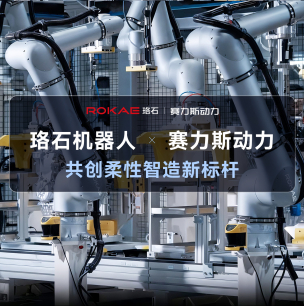
Empowering Seres Motors: Over 40 Locus Robotics Implemented to Set New Standards in Flexible Intelligent Manufacturing
Locus Robotics has successfully implemented more than 40 CR series collaborative robots at the Changshou factory of Seres Motors, marking a significant milestone in achieving full automation of critical production processes. This collaboration aims to boost the manufacturing of high-end electric vehicle components, highlighting the integration of advanced flexible manufacturing techniques and AI-driven quality control systems. The deployment of these robots not only enhances efficiency but also underscores the growing trend towards automation in the automotive industry, particularly in the electric vehicle sector.
Collaborative Robots Electric Vehicle Manufacturing Automation Solutions AI Quality ControlRobotics needs a service framework.
RSF defines a common language for robot service capability, lifecycle operations, certification pathways, and service-provider networks.
Join the RobotToday community on LinkedIn
Daily robotics news, in-depth analysis, conference highlights, and discussions with professionals worldwide.