Industry Briefing
A single destination for timely, editor-curated robotics news from around the world.
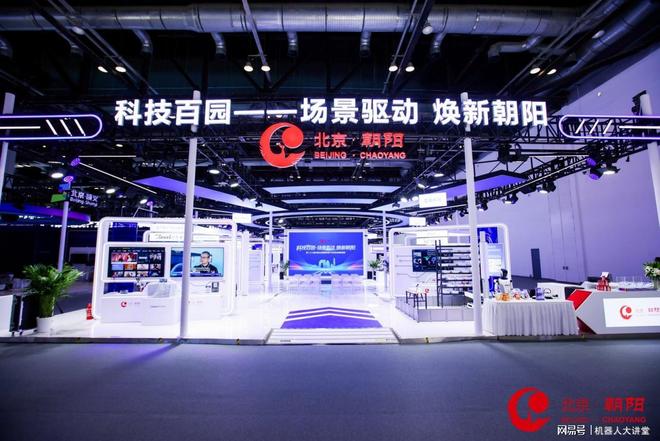
Weihan Power Showcases at the 28th Beijing International Science and Technology Industry Expo, Supporting the 'True Work' Robot Ecosystem
At the 28th Beijing International Science and Technology Industry Expo, Weihan Power showcased its latest innovations in integrated joint modules and advanced robotic applications. The event, held recently in Beijing, highlighted the company's commitment to delivering high-density power solutions designed to enhance the reliability and performance of robotic technologies. By demonstrating these advancements, Weihan Power aims to promote scalable robotic applications across diverse industries, positioning itself as a leader in the evolving tech landscape.
Robotic Technology Joint Modules Automation Solutions AI Robotics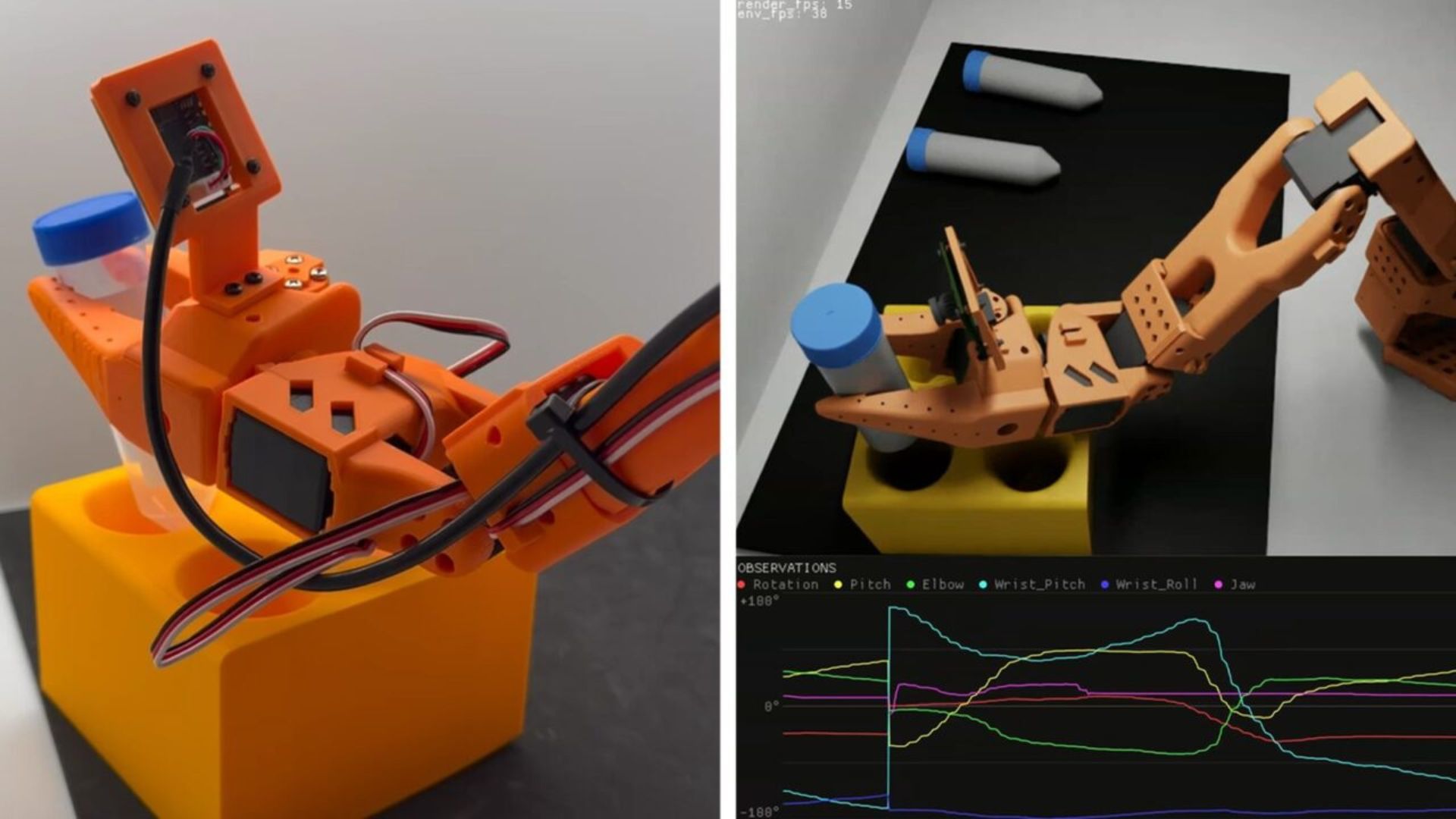
NVIDIA and Hugging Face Enhance LeRobot with New AI Models and Frameworks
NVIDIA has expanded its collaboration with Hugging Face to enhance the LeRobot open-source robotics platform with new AI models and frameworks. This integration includes the NVIDIA Isaac GR00T 1.7 vision-language-action model and the Isaac Teleop framework, aimed at streamlining robot development. The partnership seeks to make advanced robotics tools more accessible to developers and researchers, with plans to incorporate NVIDIA Cosmos 3 in the future. This collaboration is significant as it addresses the fragmented nature of robotics development by providing standardized workflows for data collection, model training, and robot deployment. The introduction of the Isaac Teleop framework allows for high-quality training data collection through human demonstrations, which can be shared within the LeRobot ecosystem. By lowering barriers to entry, NVIDIA and Hugging Face aim to foster broader collaboration in the robotics community. Looking ahead, NVIDIA plans to integrate the Cosmos 3 model into LeRobot, which will generate synthetic robotics data and assist in policy development. The collaboration builds on existing resources, including a dataset with over 350,000 robot trajectories and 57 million grasp examples. No further timeline was disclosed at the time of publication.
AI and Robotics
Realman Showcases at CHREC 2026, Empowering Every 'Working' Robot with a Practical Approach
At the 2026 China Humanoid Robot Ecosystem Conference, Realman Intelligent unveiled its latest advancements in robotic technology, showcasing innovative solutions designed for practical applications such as tea brewing and drink retrieval. The company underscored the significance of dependable hardware and the potential for effective human-robot collaboration to enhance the functionality and efficiency of these robots. This event highlights the growing interest in integrating robotics into everyday tasks, reflecting a broader trend towards automation in various sectors.
Humanoid Robots Robotics Technology Remote Operation AI Automation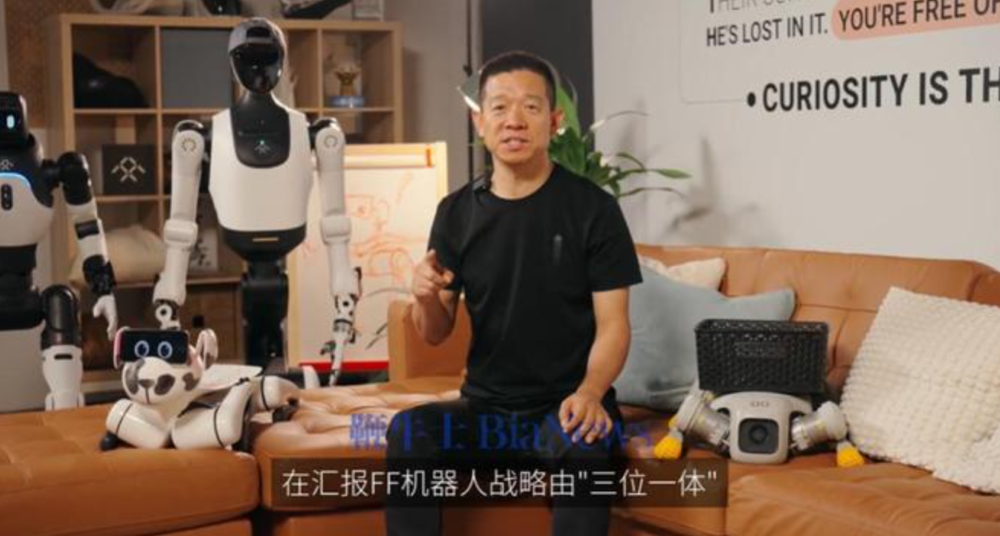
FF Robotics Upgrades Strategy with 'Quad-Core Intelligence' Ecosystem and 2000 Units Target
On July 13, FF founder Jia Yueting announced the upgrade of FF Robotics' strategy from a 'Trinity' model to a 'Quad-Core Intelligence' ecosystem. This strategic iteration follows the launch of four major robot series in February and the completion of the 'Full-Form EAI Robot World' in June, marking a significant advancement in embodied intelligence. The upgrade introduces a new core module focused on industry productivity solutions and a developer platform, targeting four key sectors: education, industrial, security, and inspection. Jia emphasized that this shift aims to transition from standalone capabilities to a comprehensive system that addresses industry-specific pain points, facilitating the practical application of FF robots in real-world scenarios. Looking ahead, FF aims to achieve a sales target of 2000 units by the end of the year, with the Q3 launch of the first FF EAI Robot Productivity Practical League to showcase real-world applications. This initiative, alongside the sales goal, is expected to validate the effectiveness of robots as productivity tools, moving beyond mere demonstrations to practical utility.
Robotics Artificial Intelligence Industry Solutions Productivity Tools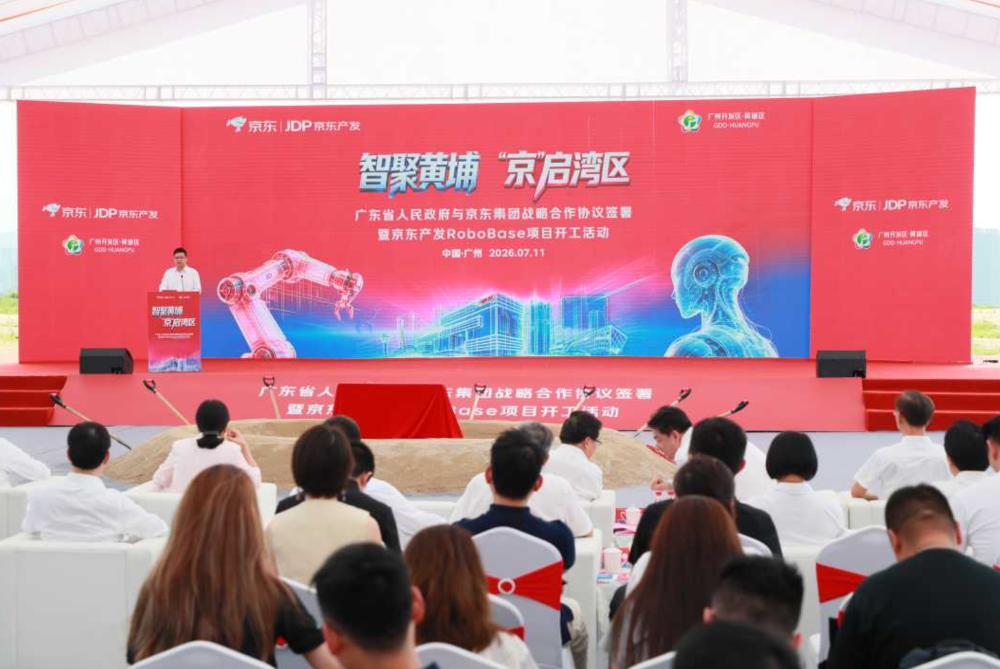
JD Group Launches First RoboBase Project in Guangzhou to Foster Robotics Ecosystem
On July 11, JD Group signed a comprehensive strategic cooperation agreement with the Guangdong provincial government, focusing on nine key areas including digital economy and modern logistics. The first physical benchmark of this agreement, the RoboBase project, commenced construction in the Huangpu Science City, Guangzhou. This marks JD's first RoboBase globally, covering approximately 190,000 square meters, with completion expected by the end of 2028 and an anticipated annual output value of about 1.75 billion yuan. The RoboBase project aims to integrate high-end manufacturing, technological innovation, and ecological services, concentrating on core robotic components, complete machine manufacturing, and high-end intelligent equipment. JD's approach is unique as it positions itself as an 'industrial infrastructure operator' rather than directly engaging in robot manufacturing. This strategy is designed to support robotics companies by providing a conducive environment for their operations. Looking ahead, JD's RoboBase will facilitate long-term testing for robots across various real-world scenarios, including JD MALL and logistics parks. The project also emphasizes talent development through partnerships with vocational schools in Guangdong. No further timeline was disclosed at the time of publication.
Robotics Ecosystem High-End Manufacturing Technological Innovation Supply Chain Solutions
Lingbo Develops Unique Robot Intelligence Platform Using Ant Group's Payment Ecosystem Data
Lingbo, a robotics subsidiary of Ant Group, has announced the development of a novel robot intelligence platform that utilizes data from Ant's extensive payment ecosystem. This initiative aims to enhance embodied AI capabilities and was unveiled recently, marking a significant step in the integration of financial data into robotics technology. The significance of this development lies in its unconventional approach to AI, which leverages real-time transaction data to inform and improve robot decision-making processes. By tapping into Ant Group's vast data resources, Lingbo aims to create more adaptive and intelligent robotic systems that can better understand and respond to human interactions in various environments. Looking ahead, Lingbo's next steps in this project remain unclear, as no further timeline was disclosed at the time of publication. Industry observers will be keen to see how this integration of financial data into robotics will influence the market and the potential applications that may arise from this innovative approach.
Technology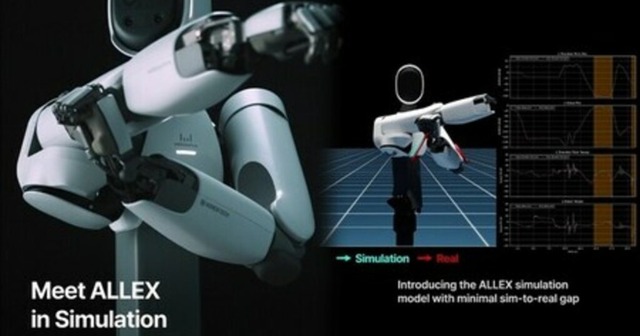
South Korea's WIRobotics unveils simulation model of humanoid "ALLEX," marking a step towards building a physical AI ecosystem.
South Korean robotics company WIRobotics has unveiled a simulation model of its humanoid robot, ALLEX, on June 29, 2026. This announcement coincides with the company's broader initiative to establish a technological roadmap aimed at developing a physical AI ecosystem. By sharing this simulation model, WIRobotics aims to foster innovation and collaboration within the robotics industry, positioning itself as a leader in the advancement of humanoid robotics technology.
Delta expands ecosystem for collaborative robotics.
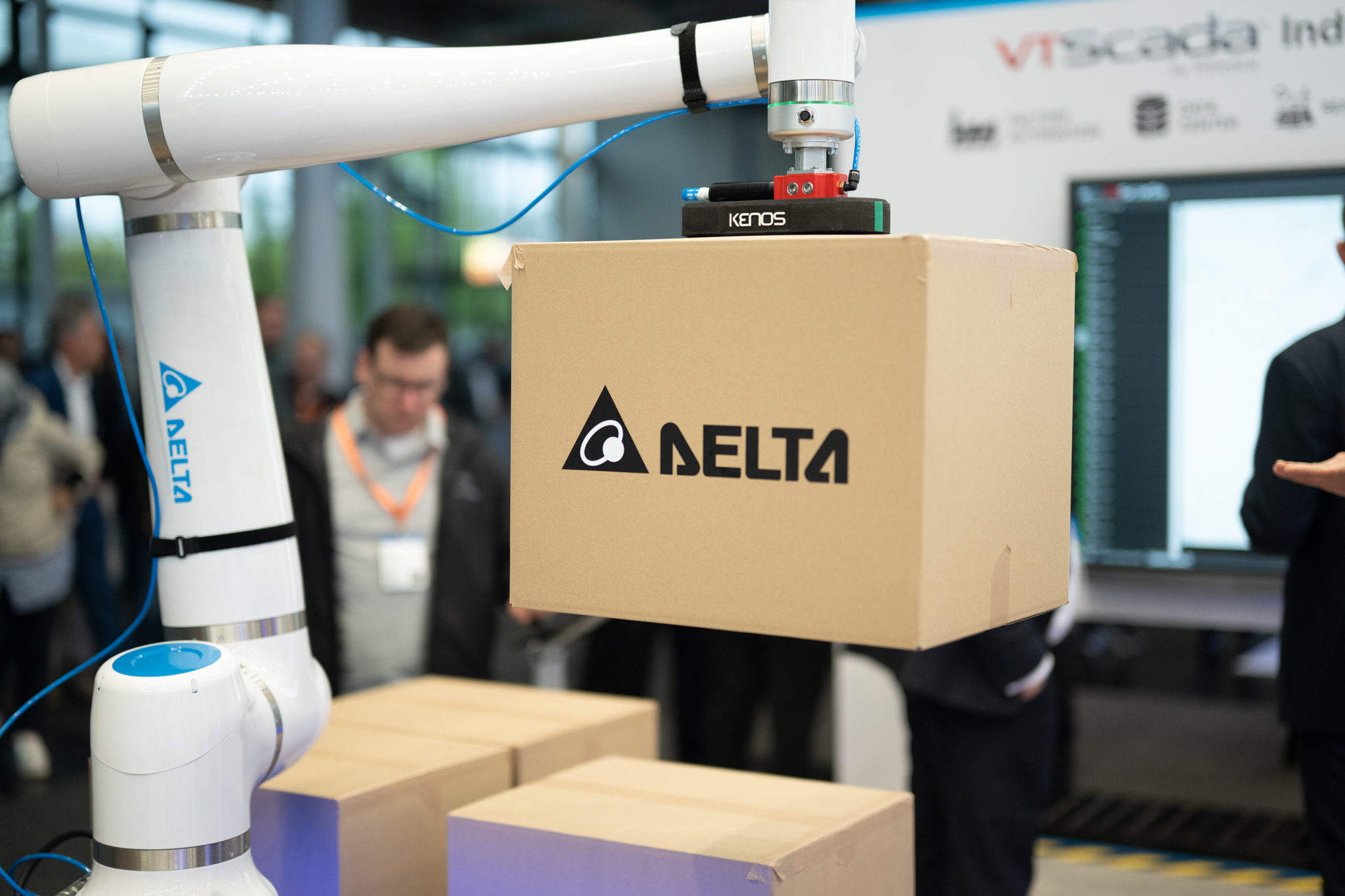
In a move to enhance its collaborative robotics ecosystem, Delta has announced three new partners just weeks after the Hannover Messe. This strategic expansion aims to foster continuous growth and innovation within the D-Bots framework. The partnerships are expected to leverage each company's strengths, contributing to the development of advanced robotic solutions and enhancing Delta's position in the market. The announcement underscores Delta's commitment to collaboration and technological advancement in the robotics sector.
Allgemein Cobots & MRK Newsarchiv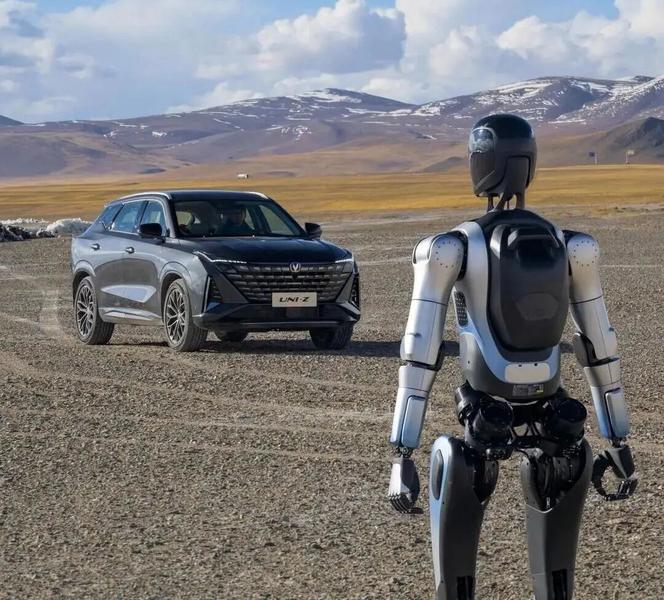
Changan's Ambition for Embodied Intelligence Goes Beyond Just Creating Humanoid Robots
Changan has announced the launch of its new intelligent robotics company, marking a significant shift in its focus towards 'embodied intelligence' rather than solely developing humanoid robots. This initiative, unveiled recently, is part of Changan's broader strategy to invest heavily in the robotics sector and integrate the entire industry chain. By doing so, the company aims to position itself as a leader within the emerging embodied intelligence ecosystem. The move reflects Changan's commitment to advancing technology and innovation in robotics, as it seeks to redefine the landscape of intelligent machines.
Embodied Intelligence Robot Ecosystem Automotive Technology AI Robotics
JD.com Launches First RoboBase Project to Enhance Robotics Ecosystem in Guangzhou
JD.com has initiated the construction of its first RoboBase in the Huangpu district of Guangzhou. This project is designed to establish a closed-loop robotics ecosystem, integrating various robotic technologies and applications to streamline operations. The timeline for completion and specific investment figures have not been disclosed at this time. The significance of the RoboBase project lies in its potential to enhance JD.com's logistics and operational efficiency through advanced robotics. By creating a dedicated facility for robotics development and deployment, JD.com aims to strengthen its competitive edge in the e-commerce sector, particularly in automating supply chain processes. Looking ahead, stakeholders will be monitoring the progress of the RoboBase project closely. The next milestones for the project, including operational launch dates or further investment announcements, have not been disclosed at the time of publication.
News Robotics China guangdong jd.com robotics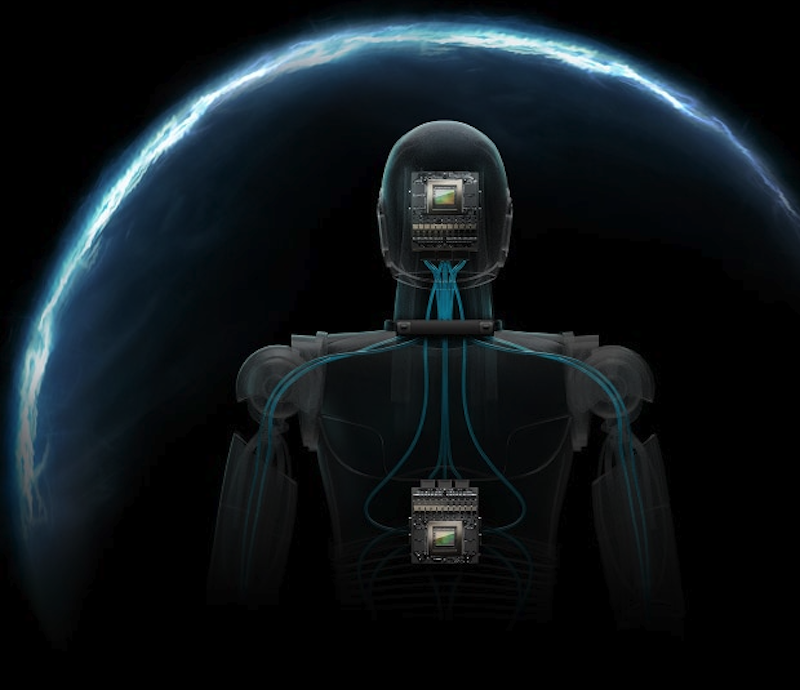
FORT Robotics Enhances AI Safety with Nvidia Halos at Automate Conference
FORT Robotics has joined the Nvidia Halos for Robotics ecosystem to enhance safety for autonomous robots. The company will showcase its agentic safety application, developed using the Nvidia Halos Outside-In Safety Blueprint, at the Automate conference in Chicago. This innovative solution utilizes external infrastructure sensors and visual AI agents to provide real-time, safety-certifiable functional safety, significantly improving operational efficiency in dynamic environments. The collaboration is significant as it addresses the limitations of traditional inside-out functional safety systems, which rely solely on onboard sensors. By integrating Nvidia's IGX Thor and Holoscan Sensor Bridge, FORT's solution allows robots to operate safely alongside human workers in high-efficiency modes. This adaptability is crucial for modern warehouses and factories, where environments are constantly changing, and safety frameworks must evolve to protect workers effectively. Looking ahead, FORT's integration with Nvidia Halos is expected to provide substantial value to customers in warehousing, manufacturing, and other automated sectors. The Outside-In Safety framework aims to prevent safety incidents in mixed human-robot environments, optimizing processes like inventory replenishment and product assembly. No further timeline was disclosed at the time of publication.
Artificial Intelligence Industry ai automation Autonomous robots fort robotics
SubSea Craft and Greenroom Robotics Strengthen AUKUS Technology Ecosystem
SubSea Craft (SSC), a prominent player in maritime technology, has partnered with Australian firm Greenroom Robotics by signing a teaming agreement aimed at enhancing collaboration within the AUKUS technology ecosystem. This agreement, announced recently, signifies a strategic move to leverage combined expertise in advanced robotics and underwater capabilities. The partnership seeks to foster innovation and strengthen ties between the UK, Australia, and the United States, as part of the broader AUKUS initiative focused on defense and security technologies. By working together, SSC and Greenroom Robotics aim to develop cutting-edge solutions that address emerging challenges in maritime operations.
subsea craft greenroom robotics aukus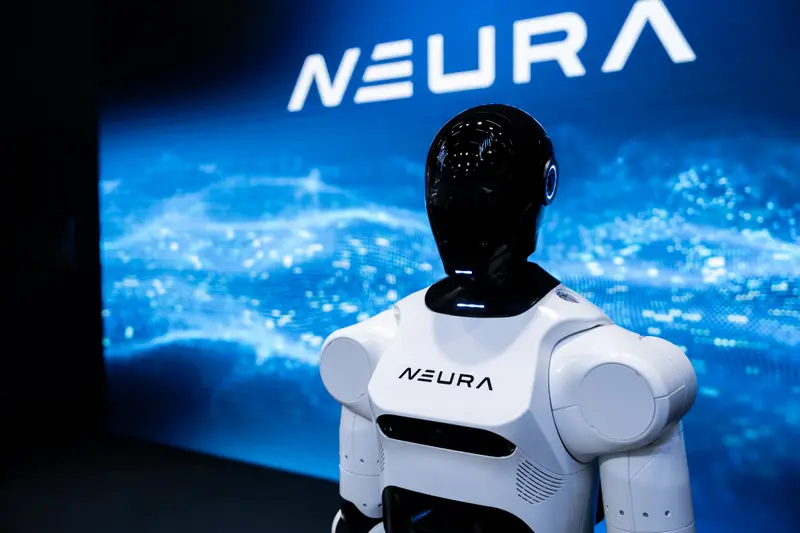
NEURA Robotics Unleashes Next-Gen Humanoids and Cognitive Ecosystem at Automatica 2025
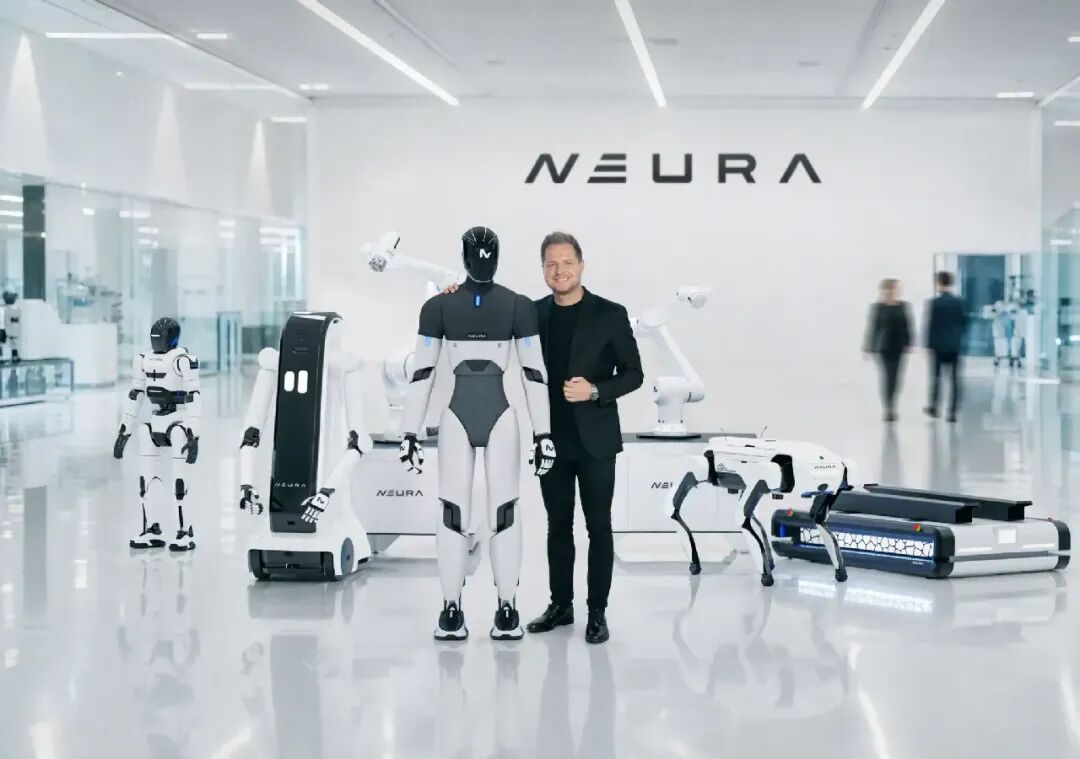
At Automatica 2025, NEURA Robotics introduced its third-generation 4NE-1 humanoid robot, engineered for safe collaboration with humans. The event also marked the debut of the MiPA cognitive service robot. This launch emphasizes the growth of the Neuraverse, an AI-driven ecosystem designed to democratize robotics by facilitating shared learning and offering an "app-store" for robot skills. NEURA Robotics aims to make cognitive robotics accessible to the mass market, reflecting its commitment to innovation in the field.
Automatica 2025 4NE-1 humanoid-robots Cognitive Robotics Neura Robotics AI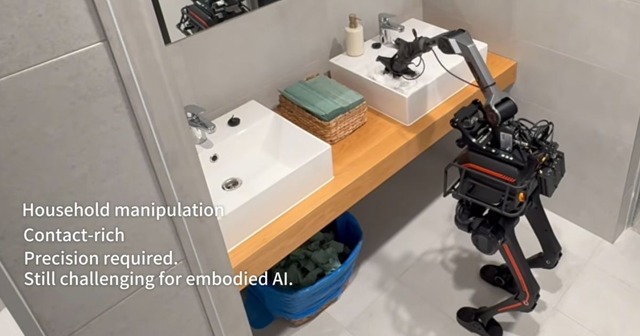
LimX Dynamics Demonstrates Autonomous Home Operations with TRON 1 and Acheron Labs' RobotKit
On July 13, 2026, LimX Dynamics showcased a customer case utilizing their open modular robot platform, TRON 1, to demonstrate autonomous home operation workflows with Acheron Labs' RobotKit. This collaboration illustrates the rapid development and deployment of embodied AI applications by combining RobotKit's development workflow with TRON 1's modular structure. This initiative is significant as it embodies LimX Dynamics' commitment to fostering an open embodied AI ecosystem that accelerates innovation among developers, researchers, and ecosystem partners. The demonstration serves as a practical example of development methods in the fields of embodied AI and physical AI, highlighting the potential for transforming operational tasks in various industries. Looking ahead, the focus will be on how robots can be integrated into real-world applications, particularly in high-risk environments. No further timeline was disclosed at the time of publication.
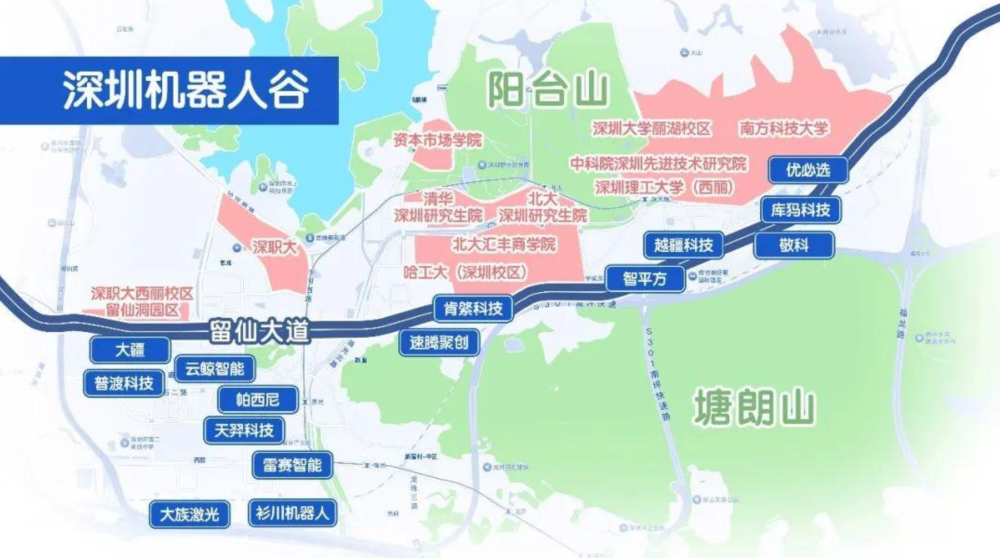
"Embodied Intelligence Industry Ecosystem Research" Opening: The "Body" and "Brain" of Shenzhen Robot Valley
Shenzhen's burgeoning robotics sector is set to gain further insights with the launch of the "Embodied Intelligence Industry Ecosystem Research" initiative. This new research aims to explore the intricate relationship between physical robotics and artificial intelligence, often referred to as the "body" and "brain" of the industry. The initiative was officially unveiled on October 15, 2023, in Shenzhen, a city recognized as a global hub for technological innovation and robotics development. The research is motivated by the increasing demand for advanced robotics solutions across various sectors, including manufacturing, healthcare, and logistics. By examining the interplay between embodied intelligence—where robots possess both physical form and cognitive capabilities—the initiative seeks to enhance the understanding of how these technologies can be optimized for real-world applications. Collaboration among local universities, tech companies, and research institutions will be a key component of the initiative, facilitating knowledge sharing and innovation. Through workshops, seminars, and collaborative projects, stakeholders will work together to address the challenges and opportunities within the robotics ecosystem. As Shenzhen continues to position itself at the forefront of robotics and artificial intelligence, this research initiative represents a significant step towards fostering a more integrated and advanced robotics industry, ultimately aiming to improve efficiency and effectiveness across various applications.
Robotics Automation AI
WIRobotics Begins Building a Physical AI Development Ecosystem: The First Technology Release Features the ALLEX Simulation Model
ALLEX Technologies has announced plans to sequentially release additional core technologies aimed at enhancing the development of Physical AI. This initiative is set to expand the Physical AI development ecosystem, facilitating high-fidelity Sim-to-Real validation processes. The company aims to create an open environment that supports researchers and robotics developers in their quest to innovate within the field. By fostering collaboration and providing advanced tools, ALLEX Technologies seeks to drive advancements in Physical AI, making it more accessible and effective for various applications.

GMSL and the growing ecosystem around robotic vision systems
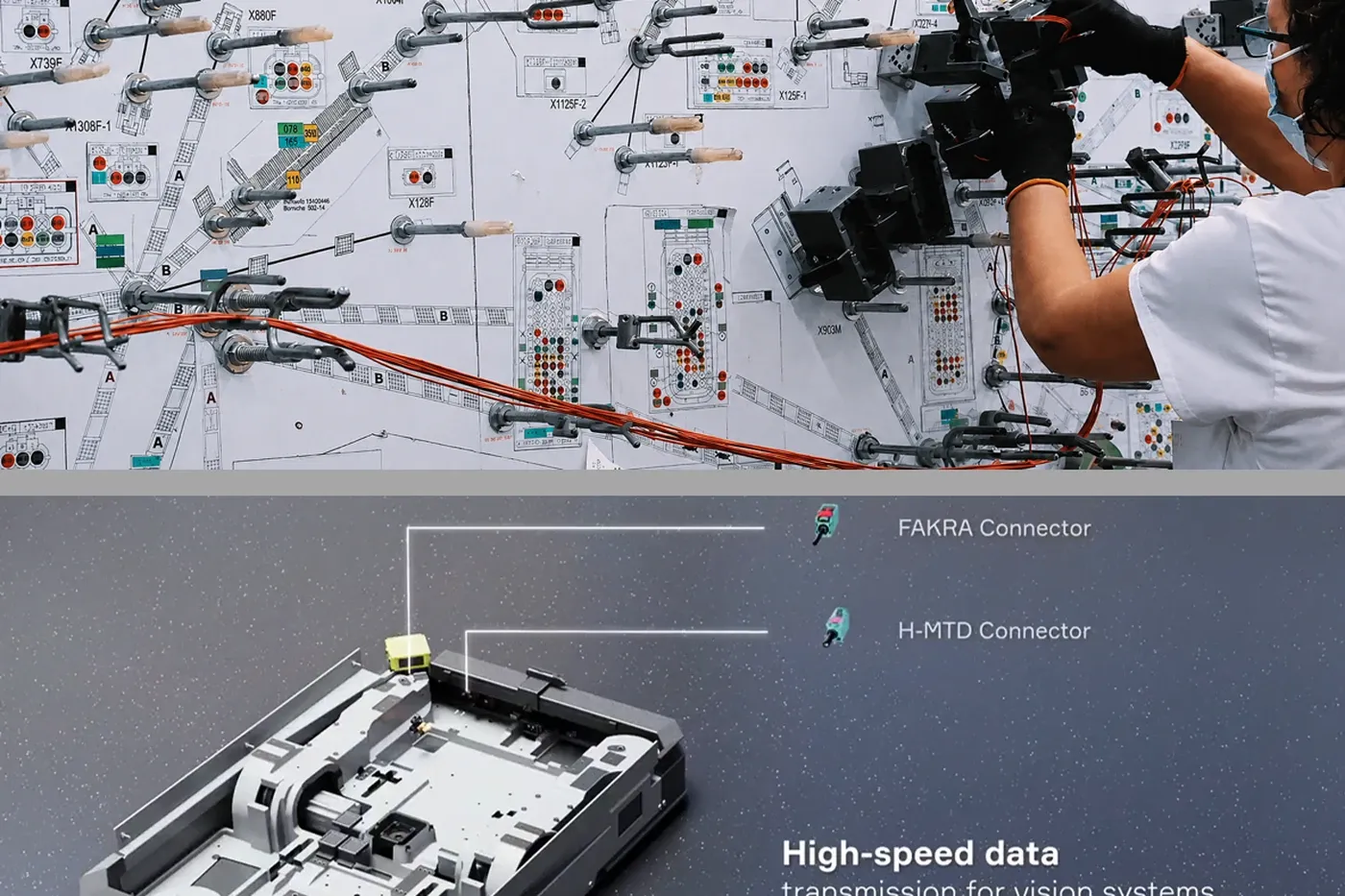
In recent years, the expectations for robotic capabilities have significantly evolved, driven by advancements in technology and changing industry needs. Site owners are now seeking robots that not only navigate from point A to point B but also operate at increased speeds and adapt to dynamic environments filled with various obstacles. This shift reflects a broader trend in the robotics industry, where the integration of advanced vision systems is becoming essential for enhancing the functionality and efficiency of robotic operations. Sponsored by Analog Devices Inc., this development highlights the growing ecosystem surrounding robotic vision systems, which are crucial for meeting the rising demands of modern automation. As the industry progresses, the focus on improving robotic agility and intelligence is set to reshape the landscape of automation in various sectors.
Sponsored Content ADI Analog Devices
Ouster Brings Support for REV8 Digital Lidar to Robotics and Edge AI Ecosystem
Ouster has announced the integration of its Rev8 OS digital lidar technology with the NVIDIA Jetson platform, enhancing the capabilities of the NVIDIA Robotics ecosystem. This development, which aims to introduce native color lidar sensing, is set to advance the field of Physical AI. By leveraging the powerful processing capabilities of the Jetson platform, Ouster's technology will enable more sophisticated and responsive robotic applications. This integration marks a significant step forward in the evolution of robotics, allowing for improved perception and interaction with the physical world. The collaboration is expected to drive innovation and expand the potential uses of lidar in various industries, including autonomous vehicles and smart infrastructure.

Countdown to the Launch Ceremony of the Humanoid Robot Industry Ecosystem Training and Evaluation Base: 1 Day to Go!
On April 24, a launch ceremony will be held for the Humanoid Robot Industry Ecosystem Training and Evaluation Base, aimed at bolstering the development of robotic technologies. Located in an undisclosed venue, this facility is designed to offer extensive testing, certification, and consulting services, which are crucial for advancing the industry. The initiative seeks to enhance the capabilities of humanoid robots, thereby fostering innovation and ensuring that new technologies meet industry standards. By providing these essential services, the base aims to support manufacturers and developers in navigating the complexities of the robotic landscape, ultimately contributing to the growth and sustainability of the sector.
Humanoid Robots Robot Testing Robot Certification Industrial Robotics AI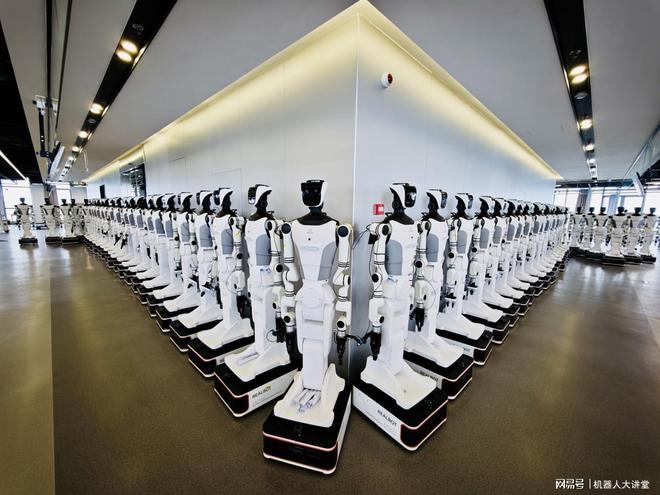
Ruiliman Showcases at FAIR plus 2026: Strengthening the 'True Working' Robotics Ecosystem with Reliable Hardware and Mass Delivery Capabilities
At the FAIR plus 2026 event, Ruiliman unveiled its cutting-edge robotics capabilities, announcing plans to achieve a production capacity exceeding 1 million integrated joint modules by the year 2026. The company underscored the significance of fostering a collaborative ecosystem to facilitate the widespread implementation of robotics across multiple industries. This initiative aims to enhance efficiency and innovation, positioning Ruiliman as a leader in the evolving robotics landscape.
Robotics Manufacturing Automation Ecosystem Development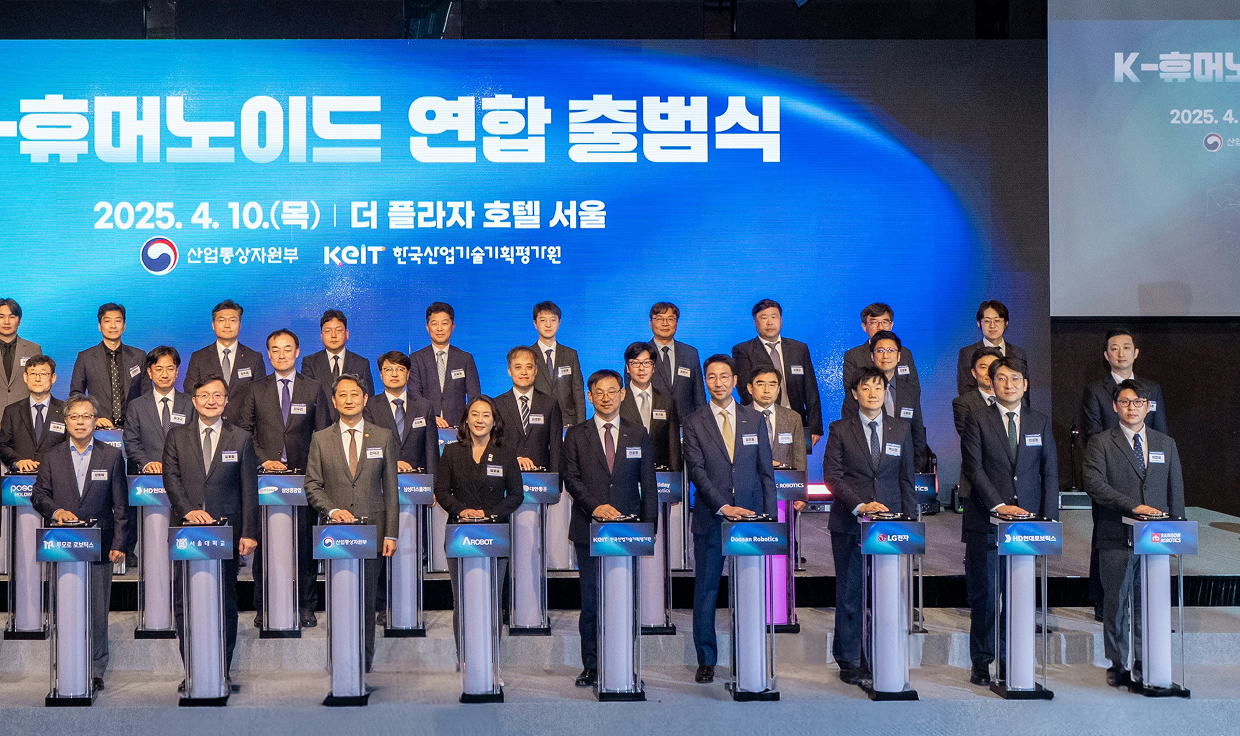
Doosan Robotics Joins the ‘K-Humanoid Alliance’ to Help Foster Korea’s Robotics Ecosystem
Doosan Robotics has officially joined the newly established K-Humanoid Alliance, aiming to bolster Korea's domestic robotics ecosystem. The memorandum of understanding was signed on April 10 during the alliance's launch ceremony at The Plaza Hotel in Seoul, attended by key figures including Korea's Minister of Trade, Industry and Energy, Dukgeun Ahn, and Seoul National University President, Honglim Yoo, along with approximately 300 stakeholders. This initiative marks a significant step for Korea as it seeks to emerge as a global leader in humanoid robotics. The alliance comprises over 50 organizations, including AI companies, robot manufacturers, parts suppliers, and government bodies, with anticipated investments exceeding KRW 1 trillion by 2030. As a key participant, Doosan Robotics plans to enhance its core competitiveness and foster a robust robotics ecosystem through regular engagement in technology seminars, showcases, and competitions. With the growing focus on "Physical AI" following the rise of generative AI, the robotics sector is attracting substantial investments from global technology firms. The formation of the K-Humanoid Alliance is expected to receive significant government support and facilitate collaboration across industry, academia, and research to maximize synergies. Kevin Kim, CEO of Doosan Robotics, emphasized the company's commitment to advancing Korea's robotics industry and developing talent, stating that their participation will elevate their technological capabilities and product offerings.
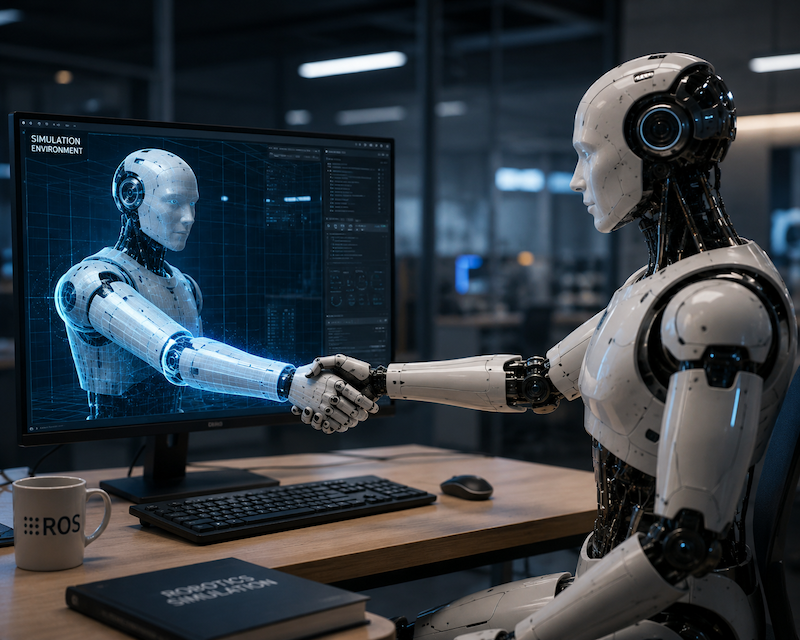
Simulation tools in the ROS ecosystem: Testing and validating robots virtually
In a significant advancement for robotics, researchers are increasingly relying on virtual environments to develop and refine robots before they are deployed in the real world. This trend allows robots, such as those used in warehouses, autonomous vehicles, and humanoid designs, to undergo extensive training and testing in simulated settings. By utilizing these virtual platforms, developers can enhance the robots' navigation and operational skills without the risks and costs associated with real-world trials. This approach not only accelerates the development process but also improves the overall safety and efficiency of robotic systems. As the technology evolves, the reliance on virtual training is expected to grow, paving the way for more sophisticated and capable robots in various industries.
Computing Features Robot simulation Software automation news Autonomous robots
Appetronix Acquires Cibotica to Expand Food Robotics & AI Ecosystem
Appetronix, a leading robotics company specializing in foodservice automation, has announced its acquisition of Cibotica, known for its innovative ingredient dispensing and portioning technology. The transaction, the financial details of which remain undisclosed, will enhance Appetronix's offerings by integrating Cibotica's advanced automated bowl and salad assembly system. This strategic move aims to further Appetronix's mission of revolutionizing the foodservice industry through intelligent automation solutions.
AI Capital Markets Robotics acquisition Appetronix Cibotica
GMSL and the growing ecosystem around robotic vision systems
A recent article on The Robot Report highlights the significance of robotic vision systems in various industries, emphasizing their role in enhancing operational efficiency and safety. As of October 2023, advancements in Global Mean Sea Level (GMSL) technology have spurred the development of a robust ecosystem surrounding these vision systems. This evolution is driven by the increasing demand for automation and precision in tasks ranging from manufacturing to autonomous vehicles. The article discusses how these systems utilize advanced algorithms and machine learning to interpret visual data, enabling robots to navigate and interact with their environments more effectively. The growing reliance on robotic vision is reshaping industries, underscoring the importance of clear visual perception in automation processes.
Analog Devices: Architecting Trusted Mobility Analog Devices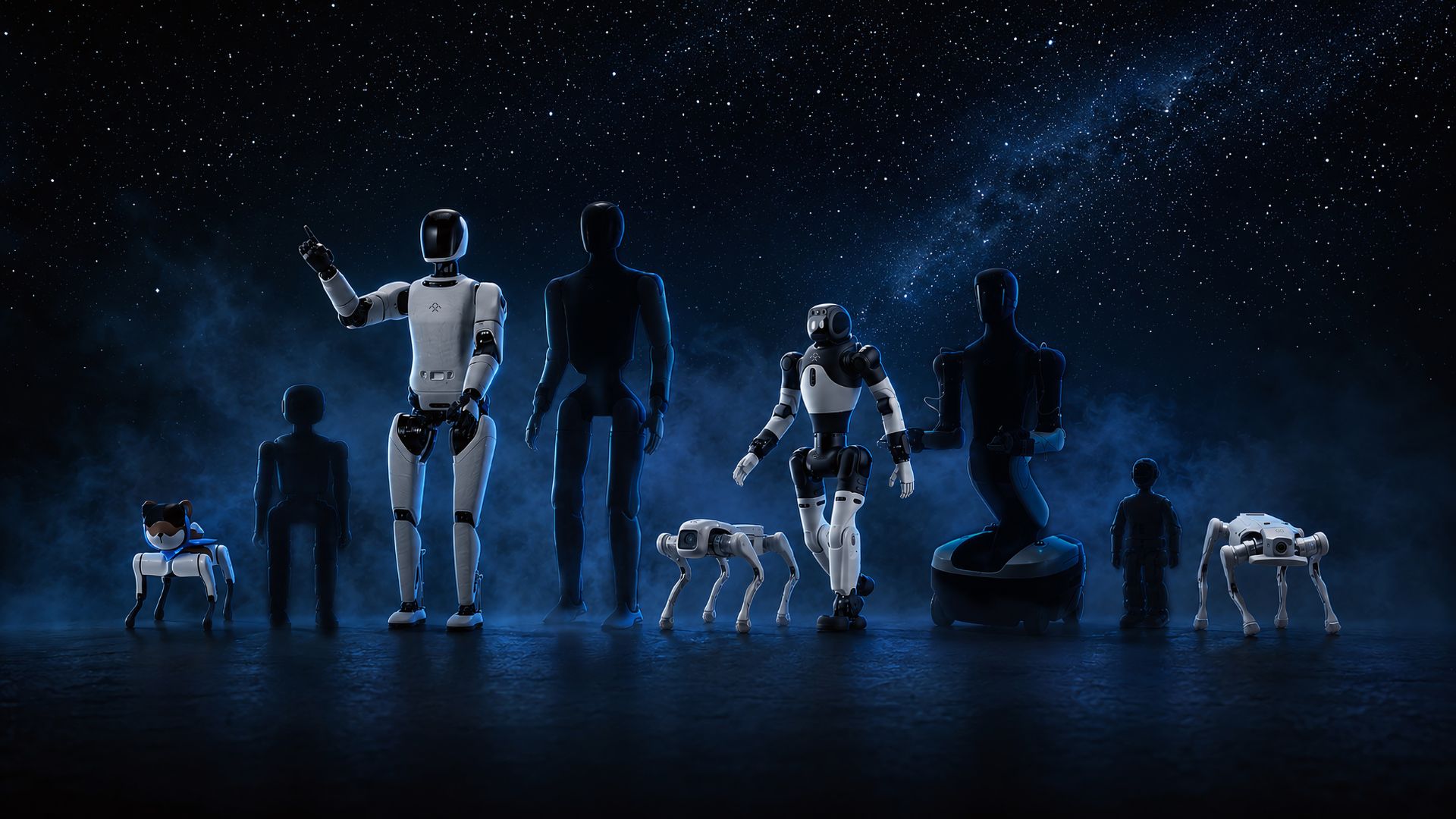
US firm unveils humanoid and robots with new ecosystem for embodied ‘intelligence’
Faraday Future, a US-based robotics company, has introduced its first-half lineup of embodied AI (EAI) robotics. The announcement was made during a recent event aimed at showcasing the company's innovative advancements in robotics technology. This unveiling marks a significant step for Faraday Future as it seeks to establish itself in the rapidly evolving robotics sector. The new EAI robotics lineup is designed to enhance automation and improve efficiency across various industries. By integrating advanced artificial intelligence capabilities, these robots are expected to perform complex tasks with greater precision and adaptability. The initiative reflects the company's commitment to pushing the boundaries of technology and addressing the growing demand for intelligent robotic solutions. This launch comes at a time when the robotics market is experiencing substantial growth, driven by increasing automation needs in sectors such as manufacturing, logistics, and healthcare. Faraday Future aims to capitalize on this trend by delivering cutting-edge robotics that can meet the diverse needs of businesses. The company plans to roll out these EAI robots in phases, with initial deployments expected in the coming months. By focusing on innovation and user-friendly designs, Faraday Future hopes to attract a wide range of clients looking to enhance their operational capabilities through robotics.
AI and Robotics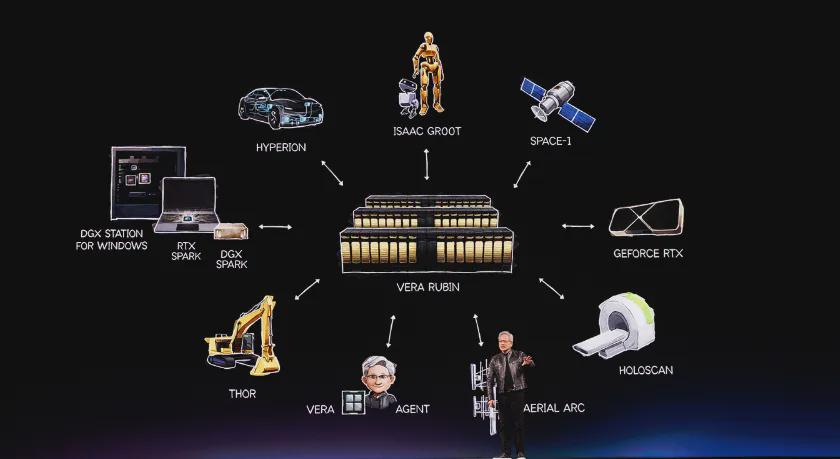
NVIDIA's Cosmos Ecosystem: A Paradigm Shift in Physical AI and Robotics
NVIDIA has unveiled its latest innovation, Cosmos 3, which represents a major leap forward in physical AI technology. This new system redefines computational infrastructure's role in the fields of robotics and autonomous driving. By utilizing a hybrid Transformer architecture, Cosmos 3 enhances capabilities in world modeling and action generation, effectively tackling issues related to data gaps and simulation accuracy. This advancement positions NVIDIA as a pivotal force in shaping the future of robotics, underscoring its commitment to driving innovation in this rapidly evolving sector.
Physical AI Robotics Simulation NVIDIA Machine Learning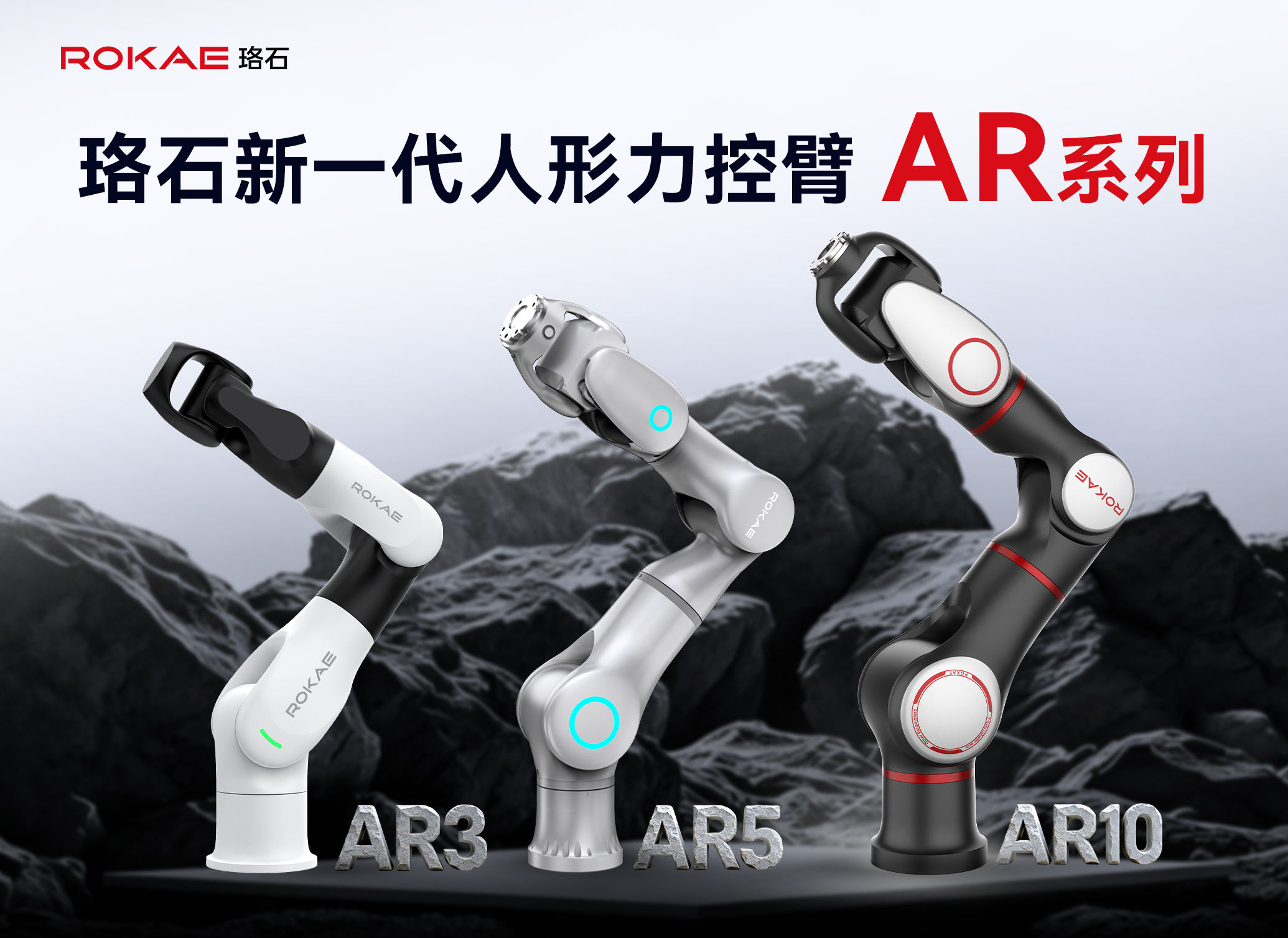
LuoShi: Empowering Robotics Technology and Ecosystem in the Era of Embodied Intelligence
In the last two years, the robotics and embodied intelligence sector has experienced significant investment growth, prompting many companies to enter the market. Among them, LuoShi Robotics is distinguishing itself by prioritizing the development of core technologies, such as force control joints and humanoid robotic arms. The company is actively fostering collaboration with algorithm firms, research institutions, and manufacturers to enhance innovation and reduce market homogenization. This strategic approach aims to position LuoShi Robotics as a leader in a rapidly evolving industry, addressing the increasing demand for advanced robotic solutions.
Robotics Embodied Intelligence Force Control Technology Humanoid Robots
LuoStone Robotics and Schaeffler Forge Strategic Partnership to Build a New Ecosystem for Embodied Intelligence Industry
LuoStone Robotics has entered into a strategic cooperation agreement with Schaeffler to advance the development and application of humanoid robots. This partnership, announced recently, seeks to combine the technological expertise and resources of both companies, with a particular emphasis on core components such as joint modules. The collaboration aims to expedite the commercialization of embodied intelligence, reflecting a growing interest in the integration of robotics into various sectors. By leveraging each other's strengths, LuoStone Robotics and Schaeffler are positioning themselves to lead in the rapidly evolving field of humanoid robotics.
Humanoid Robots Embodied Intelligence Robotics Technology Industrial Automation
How CMU Built a World-Leading Robotics Ecosystem
Carnegie Mellon University (CMU) is set to unveil its new Robotics Innovation Center (RIC) on February 27, marking a significant advancement in the field of robotics. This state-of-the-art facility, spanning 150,000 square feet, aims to enhance research and development for next-generation autonomous systems. For over four decades, CMU has been at the forefront of designing robots capable of operating in extreme environments, from the depths of the ocean to the lunar surface. The opening of the RIC underscores the university's commitment to fostering innovation and advancing technology in robotics.
Research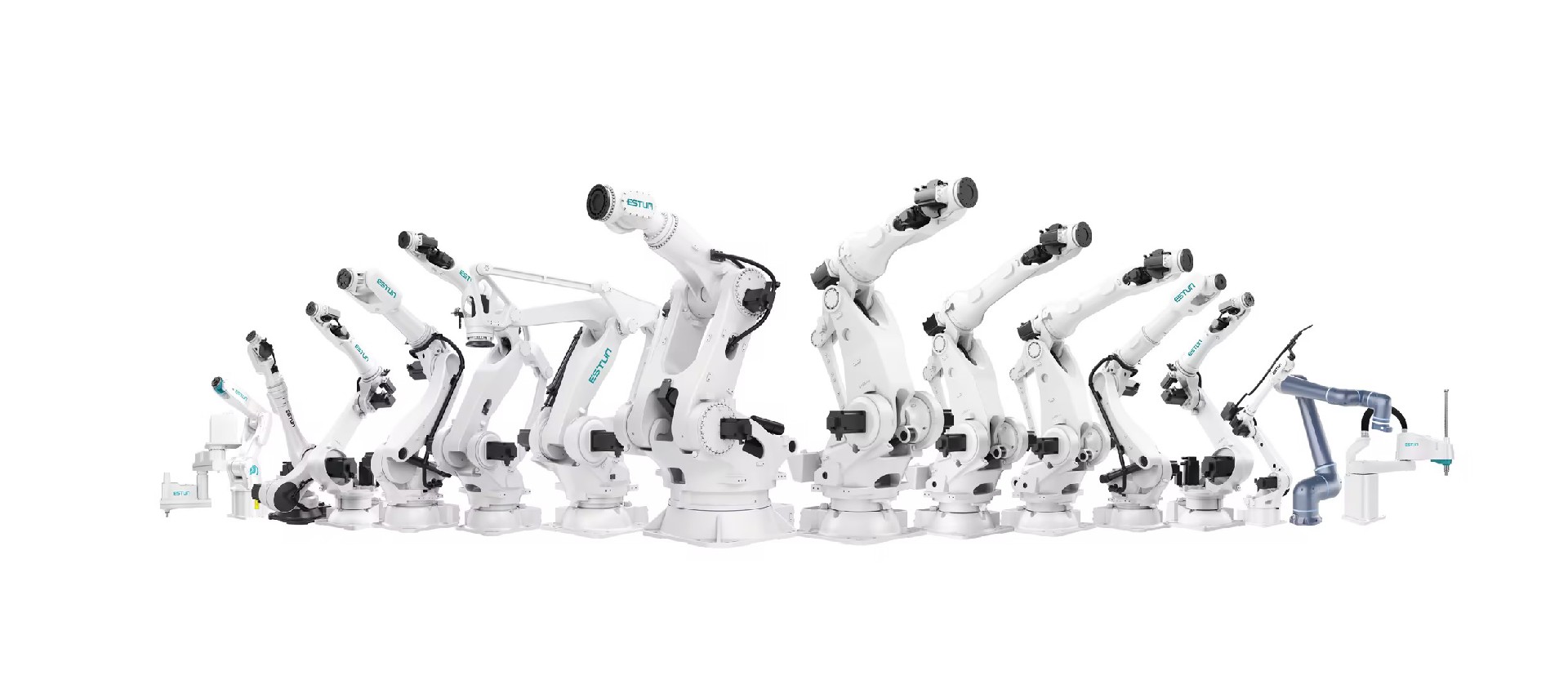
Estun's iER Series Intelligent Industrial Robots Launch with Impact! Redefining Standards and Ushering in a New Era of Ecosystem!
Estun, a prominent robotics brand in China, has unveiled its latest innovation, the iER series of robotic products. This launch marks a significant advancement in robotic technology, showcasing a comprehensive overhaul of its software system. The iER series is designed to enhance operational efficiency and adaptability in various industrial applications. By integrating cutting-edge technology, Estun aims to solidify its position as a leader in the robotics sector and meet the growing demands of automation in the market. The introduction of the iER series reflects Estun's commitment to continuous innovation and excellence in robotics.
ESTUN AUTOMATION ROBOTICS SERVO SYSTEMS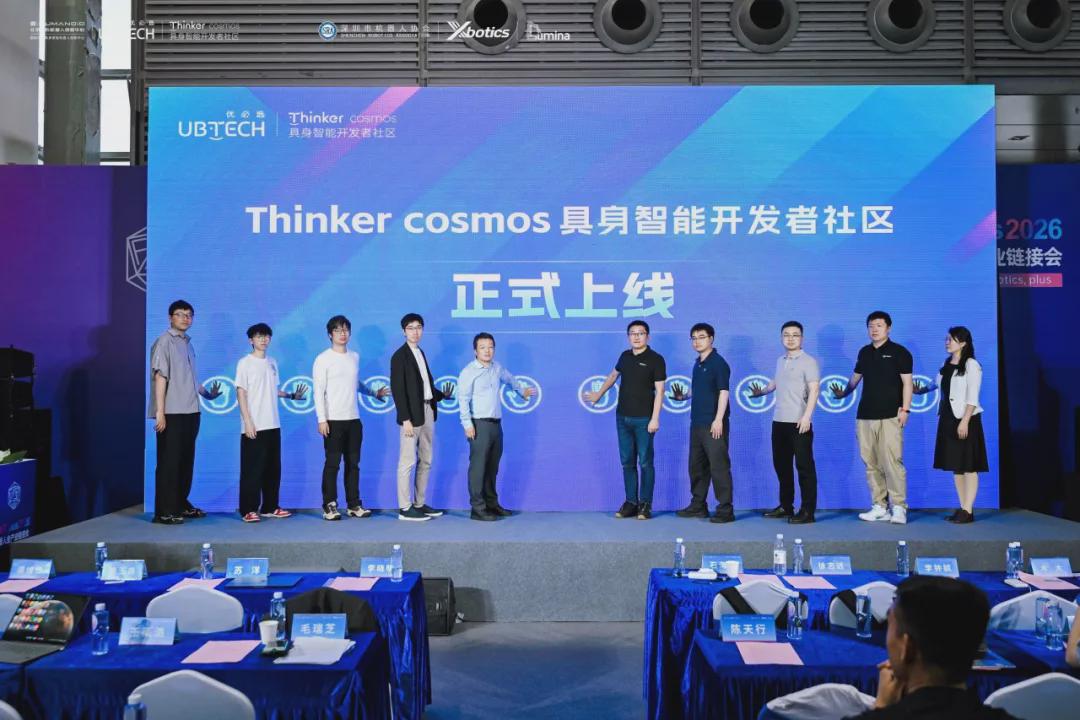
UBTECH Launches Thinker Cosmos: Enhancing Developer Ecosystem to Drive Humanoid Robots Towards Scalability
At the FAIR plus 2026 robotics conference, UBTECH introduced the Thinker Cosmos developer community, designed to enhance collaboration within the humanoid robotics industry. This new platform provides a robust resource-sharing environment for developers, encouraging innovation and tackling significant challenges related to technology application and scalability. By fostering a collaborative space, UBTECH aims to drive advancements in humanoid robotics and support developers in overcoming obstacles in the field.
Humanoid Robots Developer Ecosystem Robotics Innovation AI Open Source
Japan promotes Osaka as a gateway for robotics and technology investment
Japan is intensifying its campaign to draw foreign technology firms and investors to Osaka, aiming to establish the city as a viable entry point to the Japanese market and a center for innovation in key industries, including robotics, artificial intelligence, semiconductors, and advanced manufacturing. This initiative, spearheaded by the Japan External Trade Organization (JETRO), seeks to leverage Osaka's strategic location and existing infrastructure to foster a vibrant tech ecosystem. By promoting the city as an attractive destination for international businesses, Japan hopes to enhance its competitive edge in the global technology landscape. The push comes as part of broader economic strategies to stimulate growth and diversify the country's industrial base, particularly in response to increasing global competition in technology sectors.
Business Economy Features advanced manufacturing ai startups artificial intelligence
Open source hardware for robotics: Democratizing robot building
In recent years, discussions surrounding open-source robotics have predominantly centered on software, particularly the Robot Operating System (ROS), which has established itself as a leading framework for robot development. However, the narrative is evolving as a diverse ecosystem of open-source hardware platforms emerges, significantly reducing barriers for developers and innovators in the field. This shift is occurring against the backdrop of a growing demand for accessible robotic solutions, driven by advancements in technology and an increasing interest in automation across various industries. The integration of open-source hardware with existing software frameworks is fostering collaboration and innovation, enabling a broader range of participants to contribute to and benefit from the robotics revolution. As this trend continues to gain momentum, it is reshaping the landscape of robotics, making it more inclusive and accessible to a wider audience.
Computing Features Robotics arduino automation news automation technology
2026 Robotics Update: The Physical AI Ecosystem
A recent report from Seeking Alpha highlights significant developments in the investment landscape as of October 2023. Investors are increasingly focusing on emerging markets, driven by the potential for higher returns amid global economic uncertainties. Analysts suggest that geopolitical tensions and inflationary pressures in developed economies are prompting investors to diversify their portfolios. In this context, regions such as Southeast Asia and Latin America are gaining attention due to their robust growth prospects and favorable demographic trends. Financial experts emphasize the importance of thorough research and risk assessment when considering investments in these markets. As the year progresses, market analysts will continue to monitor these trends closely, providing insights into the evolving dynamics of global investment strategies.
ROBO NVDA NVDA:CA TER AMBA CGNX
Scientists Build Living Robots With Nervous Systems
Researchers at Tufts University have developed a groundbreaking type of biological machine known as a "neurobot," which combines living cells with neural networks to create self-directed systems. This innovative advancement was reported in the journal Advanced Science last month. The neurobots, which are constructed from frog cells, are capable of swimming and responding to their environment through integrated neurons that allow for electrochemical signaling. The development of neurobots marks a significant evolution from earlier biological machines, known as xenobots, which were limited to mechanical movements. These new creations exhibit more complex behaviors, such as exploring their surroundings and adapting to stimuli, thanks to their ability to process information internally. The research aims to deepen understanding of how neural networks can lead to sophisticated behaviors, potentially paving the way for applications in tissue repair and environmental monitoring. The team, led by biologist Michael Levin, plans to extend this technology by incorporating human neural cells into their designs, creating "anthrobots." These living machines could be trained to perform specific tasks, such as detecting environmental pollutants. The commercial startup Fauna Systems, co-founded by Levin, is focusing on deploying xenobots for environmental sensing, aiming to provide real-time indicators of ecosystem health. Despite the promising potential of neurobots, researchers acknowledge significant technical challenges ahead. However, the initial focus remains on simpler xenobots, which are already demonstrating valuable capabilities in monitoring environmental conditions.
Bioengineering Frog Living-cells Biomimetics Bioinspired-robots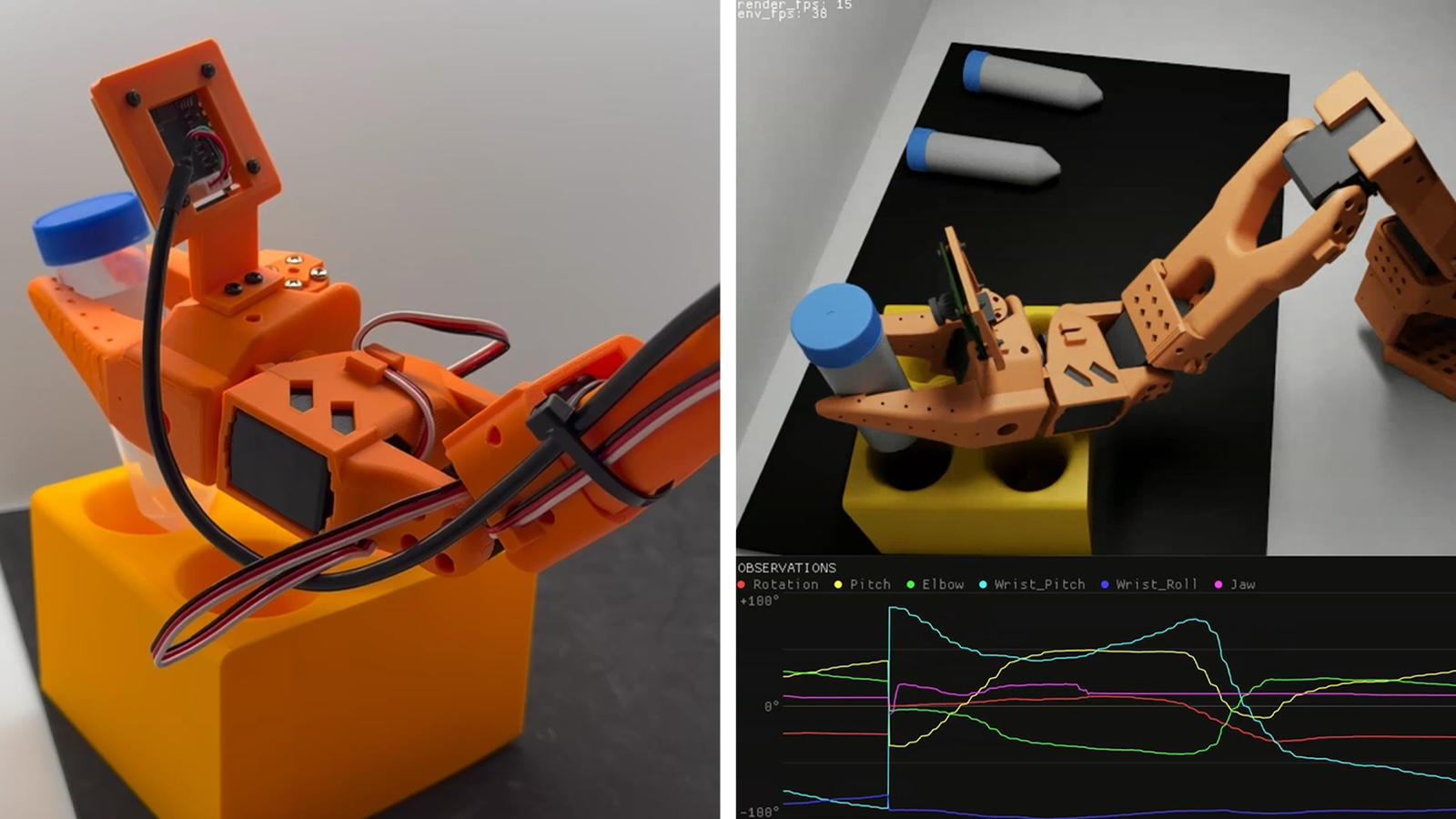
NVIDIA Open Sources Embodied Intelligence Toolchain to Enhance Robotics Development
On July 6, NVIDIA integrated three key components into Hugging Face's open-source robotics library, LeRobot: the GR00T N1.7 model, Isaac Teleop framework, and the upcoming Cosmos 3. This collaboration connects NVIDIA's 3 million robot developers with Hugging Face's 16 million AI builders, facilitating access to pre-trained models and data. This initiative is significant as it shifts NVIDIA's focus from merely creating models to building an ecosystem that addresses data bottlenecks in embodied intelligence development. The Isaac Teleop framework standardizes data collection, allowing for easier sharing and reuse within the community, which is crucial for advancing robotics. Looking ahead, the integration of GR00T N1.7 and Isaac Teleop into the LeRobot workflow marks a pivotal moment for robotics developers. No further timeline was disclosed at the time of publication.
Robotics Open Source AI Development Data Collection Machine Learning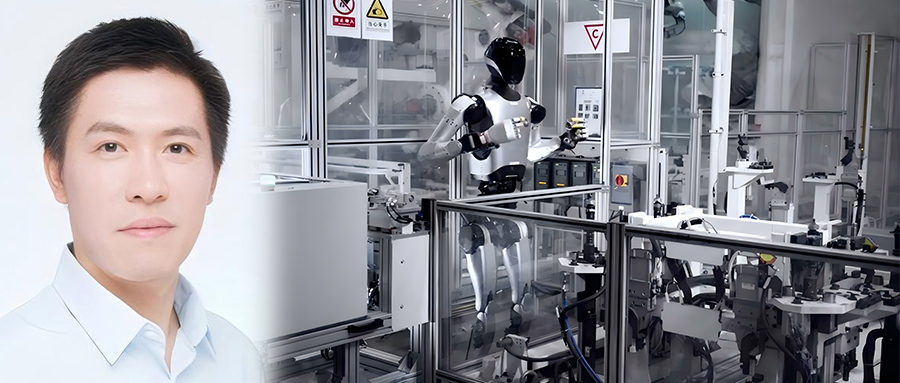
Xiaomi's Robotics Team Welcomes Key Figure: Can Wang Gang Replicate Xiao Ai's Success?
Xiaomi has announced a significant restructuring of its artificial intelligence team, with Wang Gang stepping down from his role as the head of the Xiao Ai voice assistant to concentrate on robotics initiatives. This strategic shift is designed to bolster the company's AI capabilities throughout its product ecosystem. By leveraging Wang's extensive experience in user-centric product development, Xiaomi aims to drive innovations in embodied intelligence and robotics, positioning itself for future advancements in these critical areas.
Robotics AI Voice Assistants User Experience Technology Development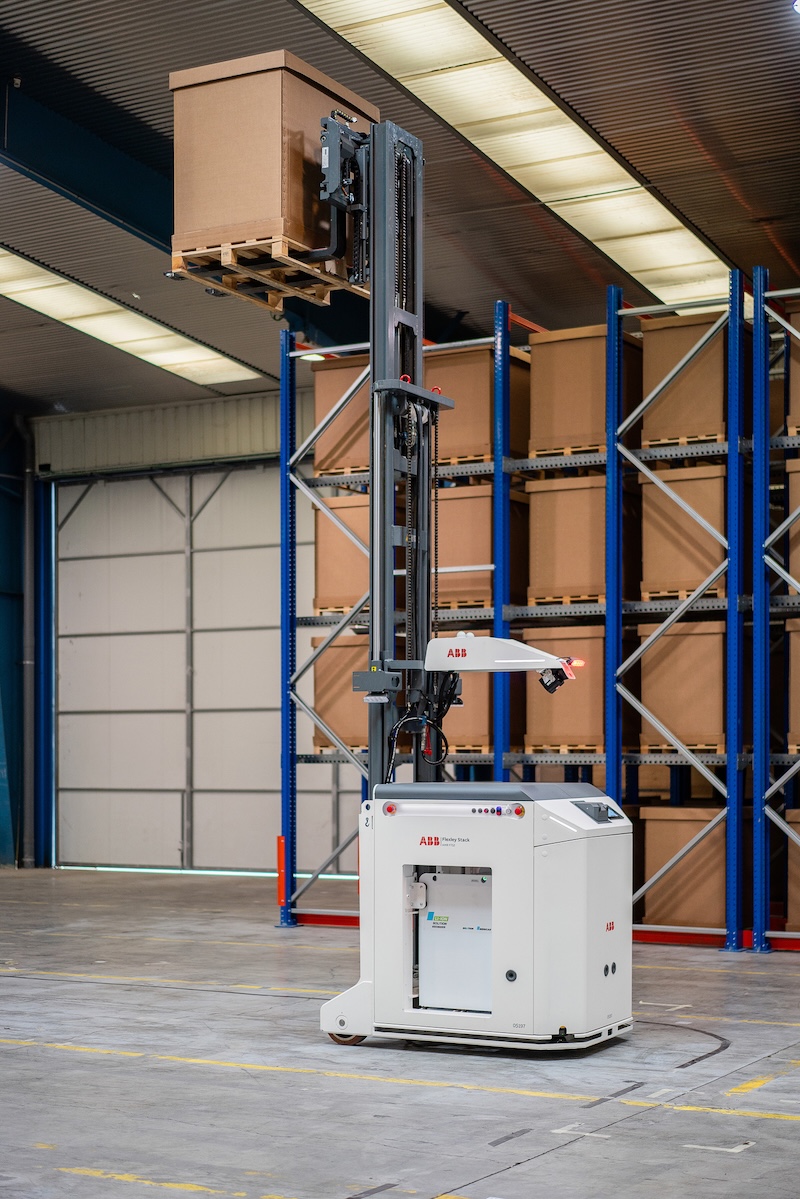
ABB Robotics completes Visual SLAM AMR range with autonomous forklift launch
ABB Robotics is expanding its Autonomous Mobile Robotics (AMR) portfolio with the launch of the Flexley Stack F712, creating a complete interoperable ecosystem across all major Visual SLAM AMR types. Combining autonomous forklifts, tugs and movers on one platform, ABB Robotics enables customers to automate a broader range of material-handling and intralogistics processes. Offering market-leading […]
Material handling News Warehouse robots abb robotics ai AMR Studio
Japan Pioneered Humanoid Robots—Can It Now Catch China?
“In the future, the relationship between humans and robots will deepen, and the distinction between them will probably disappear.” This prediction, from one of the attendees at the recent Humanoids Summit in Tokyo, might have been unremarkable had it not come directly from an android that was first introduced to the world 20 years ago. Geminoid HI-6 is the sixth-generation of a robot originally designed in 2006. The mechanical twin of Osaka University professor Hiroshi Ishiguro, Geminoid HI-6 is now equipped with a large language model trained on Ishiguro’s own writings and interviews. It has advanced conversational skills and can even have a chat with its creator, an eerie spectacle. But at the Humanoids Summit, Geminoid was one of the few humanoid robots from Japan, the country that pioneered the form factor.While the event in Tokyo only had about 40 robots on display, Chinese systems outnumbered Japanese by roughly three to one. Some Japanese robotics firms were even using Chinese robots in their own technology demonstrations, something that would have been unthinkable in the recent past—one Japanese engineer described the situation as “sad.” The conference was a stark reminder of how Japan has ceded its early lead in humanoid robot development to overseas competitors, and the challenge it now faces to secure a place in an ecosystem increasingly dominated by general-purpose robots powered by AI. Twenty-five years ago, Japan was turning out groundbreaking humanoids that were showstopping in their abilities, but they were not commercialized as practical machines in any meaningful way. Heavily influenced by science fiction and lacking practical applications, they were mostly expensive technology demonstrations that were eventually mothballed. What Japan retains, however, is robotics design and know-how, which it must leverage to be a key player in the rapidly evolving humanoid ecosystem. Learning to Walk—Then Standing StillTo anyone who has seen recent videos of Chinese humanoids doing kung-fu and synchronized acrobatics, as well as half-marathon races, China’s remarkable progress in the field is nothing new. At the Humanoids Summit, Toyota showed a video of its latest basketball-playing robot, and Honda exhibited its latest robot hand, but the full-scale humanoids on the floor were mostly Chinese–the kid-size K1 machines from Booster Robotics of Beijing were dancing to Michael Jackson tunes. The full-scale G1 humanoid from Unitree Robotics of Hangzhou was also doing demos. “You cannot sell these bipedal systems in Japan for safety and compliance reasons,” says Shuichi Nagao, a frequent visitor to China as CTO of Omakase Robotics, a division of Zeals, a Japanese humanoid robot developer. Omakase was exhibiting a G1 modified with an external PC controller, a dextrous hand, a suction-cup manipulator and a sensor “hat” with an extra speaker, mic and camera. “In China, the government is pushing humanoid development. They didn’t have an industry 20 years ago. The people pushing it are young, in their 20s and 30s. It’s a really different mentality out there,” says Nagao. “Big players in Japan are still looking for use cases for humanoids. In China, they’re already doing mass production and reducing the cost, so other countries can’t compete with them anymore.”Another Japanese company showing off G1 bots was summit sponsor GMO AI & Robotics, a subsidiary of Japanese internet company GMO. It’s using the robots in partnership with Japan Airlines to load and unload cargo containers at Tokyo’s Haneda airport. The cargo project is a trial—like many other humanoid experiments—but the fact that Chinese machines have penetrated so far into Japan’s ecosystem upends a long history. In 1973, scientists at Waseda University in Tokyo built WABOT-1, considered the first full-scale humanoid robot and capable of slow bipedal locomotion, grasping objects and simple communication. It inspired Honda’s groundbreaking Asimo humanoid, but it was never commercialized. Asimo was eventually retired in 2022, the year ChatGPT was released. Two years later, Unitree’s G1 went on sale for US $16,000. China’s High Torque Technology Co. showed off its Mini Pi biped, customized with an anime-inspired head, at Humanoids Summit in Tokyo. The regular version is priced at $3,500. Tim HornyakSupply and DemandJapan’s development of humanoids happened before practical applications or widespread demand were in place, but bad timing is only part of the story—Japan also has a history of developing technologies that might appeal to domestic consumers but not necessarily those overseas. For example, decades after they first appeared, its highly engineered, multifunction toilets have only recently found a following abroad. Japan’s humanoid prowess was partly built on the back of its legendary industrial automation, yet even that stronghold has eroded. Ani Kelkar, a partner from McKinsey & Company in Boston who produces analytical reports about the robotics industry, told the summit audience that while Japan occupied the top spot in the world in manufacturing robot density (the number of multipurpose industrial robots in operation per 10,000 employees) from at least 1994 to 2009, it then slipped to second in 2014, third in 2019 and fifth in 2024. In that year, South Korea was at the top of the leaderboard with a robot density of 1,220 compared to Japan’s 446. The International Federation of Robotics estimates China now has the most operational industrial robots in the world, with around 2 million total units, approximately 4.5 times more than Japan. “The annual installation numbers are impressive too: 54 percent of all robots installed worldwide in 2024 were deployed in China,” the IFR said in a release in April 2026. “I think the loss of Japanese leadership is more to do with the rise of China as a manufacturing powerhouse including for sectors that Japan had high export levels,” Kelkar said in an email interview. “The recovery has not yet happened as Japan ‘missed’ the rapid acceleration in AI for robotics and is now playing catchup.”How Japan Can Adapt Kelkar believes Japan has a US $100 billion opportunity in general-purpose robotics, which are machines that can perform a wide variety of tasks, and it cannot rely on the slower-growing industrial robot market, which is centered on factory machines that do one simple and predictable task like welding car parts. He points to a McKinsey white paper suggesting that while Japan has much of the hardware and technology experience needed to support general purpose robot development, it must change its strategy to capture more share in AI, software, data collection and robotics platforms.Tetsuya Ogata is a professor of engineering and director of the Institute for AI and Robotics at Waseda University, the birthplace of humanoids in Japan. He briefed the summit on how a nonprofit he chairs, the AI Robot Association (AIRoA), is working with Toyota and other members to develop foundational technologies for collaborative use. For instance, AIRoA has collected some 80,000 hours of data on remote operation of mobile manipulators, and Ogata believes it’s the largest dataset of its kind. Using the data, it built and verified Vision-Language-Action (VLA) models, and it has also started data collection for dual-arm mobile manipulation. In an interview, Ogata acknowledged Japan’s struggle to find its place in the changing landscape. “The world of AI is inherently a game of scale,” says Ogata. “Therefore, Japan’s absolute prerequisite is to secure a competitive baseline of scale—in data, computing resources, and talent. Beyond that, what I consider most critical is a mindset shift: rather than trying to hoard scale within a single nation or company, we must grow stronger by collaborating with a diverse ecosystem of domestic and international players.” Specifically, this means creating a ‘collaborative domain’ to address data—the single biggest bottleneck—through industry-wide cooperation rather than data-siloing. By collectively nurturing a pre-competitive, shared data infrastructure and foundation model, individual companies can then compete on top of it with their own applications. “By offering this open ‘data ecosystem’ to the world, we can engage global players and establish a ‘third pole’ alongside the US and China,” says Ogata. “I believe this is how Japan can reclaim its global presence.”In 1999, Japan introduced the world’s first mobile internet services platform. But being first didn’t turn Japan into a smartphone manufacturing or design center—it’s now merely a supplier of parts to other countries who are leading the smartphone industry. If Japan can avoid a repeat of that experience and successfully deregulate, diversity, and commercialize its original humanoid dreams, it stands a better chance of influencing the direction of the industry and reaping billions in value. As automobiles and electronics were pillars of Japan’s industrial strategy in the last century, Japan could make humanoid robots one of its key value generators in the 21st century, an approach that would not only deliver economic benefits but give Japan greater clout in how the industry will evolve. Just like Japanese cars, electronics, and even toilets, Japanese humanoids could stand for craftsmanship and reliability. It’s a legacy that Japan can’t afford to give up.
Japan Robotics Humanoids Humanoid-robots
TUYA Partners with Zeroth on Smart Home Robots
Tuya Inc., a prominent player in the AI and IoT sector, has announced a strategic partnership with Zeroth on June 12, 2026, to enhance the capabilities of smart home robots. This collaboration aims to merge Tuya's advanced AI+IoT ecosystem with Zeroth's robotics expertise, creating intelligent household companions that can adapt to user needs. Traditionally, home service robots have functioned as isolated devices, limiting their integration with other smart home systems. The partnership seeks to overcome this challenge by enabling robots to serve as integrated hubs within connected homes, effectively managing various devices such as lighting, climate control, and security systems. Utilizing Tuya's proprietary Physical AI Engine (PAE), the robots will transform into proactive household managers, enhancing the overall smart living experience. This initiative reflects Tuya's commitment to delivering innovative solutions in the smart device market while addressing the growing demand for more sophisticated home automation.

JD.com Launches 'Nirvana Plan' for Transforming 700,000 Couriers into Robotics Experts
JD.com has launched the 'Nirvana Plan,' an initiative aimed at retraining 700,000 couriers as robotics maintenance technicians in response to the growing trend of robotic delivery systems. This program, announced recently, involves collaborations with 120 educational institutions to deliver specialized training that capitalizes on the couriers' existing on-ground experience. By doing so, JD.com intends to enhance its robotic logistics capabilities while fostering a new ecosystem within the logistics sector. The initiative not only addresses the technological advancements in delivery services but also prioritizes job security for its workforce, ensuring that employees can transition into new roles as the industry evolves.
Robotics Logistics Workforce Transformation Training Programs
AGIBOT Brings APC 2026 to Thailand, Building a Professional Partner Ecosystem to Accelerate Local Deployment of Embodied AI
AGIBOT has officially launched the AGIBOT Partner Conference 2026 in Thailand, aiming to create a professional partner ecosystem that will expedite the integration of embodied AI and humanoid robots in various sectors. This initiative, in collaboration with VST ECS (Thailand), represents a pivotal step in AGIBOT's dedication to boosting local technological engagement and productivity through cutting-edge AI solutions. The conference serves as a platform for industry leaders to discuss advancements and foster partnerships that will drive innovation in the region.
Embodied AI Robotics Technology Partnership Industrial Automation Productivity Solutions
InOrbit.AI Demonstrates the Future of Multi-Vendor Robot Orchestration and Physical AI at Automate 2026
InOrbit.AI is set to showcase a pioneering multi-vendor robotics demonstration at Automate 2026, highlighting the future of the sentient enterprise. This event will take place in 2026, where industry leaders and innovators will gather to explore advancements in automation technology. The demonstration aims to illustrate how seamless interoperability and Physical AI are revolutionizing disparate automation systems, creating a cohesive and resilient operational ecosystem. By integrating various robotic technologies, InOrbit.AI seeks to address the challenges of isolated automation, ultimately enhancing efficiency and productivity across industries. This initiative reflects a growing trend towards unified solutions in the robotics sector, emphasizing the importance of collaboration among vendors to drive innovation and improve operational capabilities.

2026 Humanoid Robot Industry Innovation Alliance Conference Held in Shanghai
The 2026 Humanoid Robot Industry Innovation Alliance Conference convened in Zhangjiang, Shanghai, bringing together more than 120 representatives from leading companies in the industry, artificial intelligence firms, and academic institutions. Held to discuss technological advancements and ecosystem growth, the conference aimed to tackle shared challenges and foster high-quality development within the humanoid robotics sector. Participants engaged in collaborative discussions to enhance innovation and cultivate talent, reflecting the industry's commitment to overcoming obstacles and advancing the field.
Humanoid Robots AI Industry Innovation Robotics Standards Data Collection
The Missing Layer in Robotics Adoption: Why Emerging Markets Need Commercialization Labs
Robotics manufacturers are increasingly focusing on emerging markets to drive growth, emphasizing the importance of local integration and support systems. As these companies seek to expand their reach, they recognize that success hinges not only on advanced hardware capabilities but also on the establishment of robust training programs, financing options, and service infrastructures. This strategic approach is essential for validating return on investment (ROI) and ensuring that local businesses can effectively adopt and utilize robotic technologies. By prioritizing these factors, manufacturers aim to create a sustainable ecosystem that fosters innovation and enhances productivity in regions that are ripe for technological advancement.
Neura Robotics Secures $1.4 Billion Funding, Valuation Surpasses $7 Billion
Neura Robotics, a German company specializing in humanoid robotics, has successfully raised $1.4 billion in a Series C funding round. The investment, spearheaded by Tether and backed by industry giants such as NVIDIA and Amazon, significantly enhances Neura's standing in the global robotics market. Unlike traditional robotics firms, Neura is concentrating on developing a 'physical AI' infrastructure, which aims to foster an ecosystem that promotes continuous learning and collaboration among its robotic products. This strategic focus positions the company to lead in the evolving landscape of humanoid robotics.
Humanoid Robots AI Infrastructure Robotics Funding Industrial Automation
Drive solutions for shuttles, automated guided vehicles, and autonomous mobile robots.
At the SPS Italia exhibition, Bonfiglioli showcased its innovative mechatronic ecosystem, highlighting advanced drive solutions tailored for shuttles, automated guided vehicles (AGVs), and autonomous mobile robots (AMRs). This presentation underscores Bonfiglioli's commitment to enhancing automation and efficiency in various industrial applications. The event, held in Italy, serves as a platform for industry leaders to explore cutting-edge technologies and solutions that address the evolving needs of the market. Through its participation, Bonfiglioli aims to demonstrate its leadership in the field and foster collaborations that drive technological advancements in automation.
Allgemein Antriebs- und Lineartechnik Robotik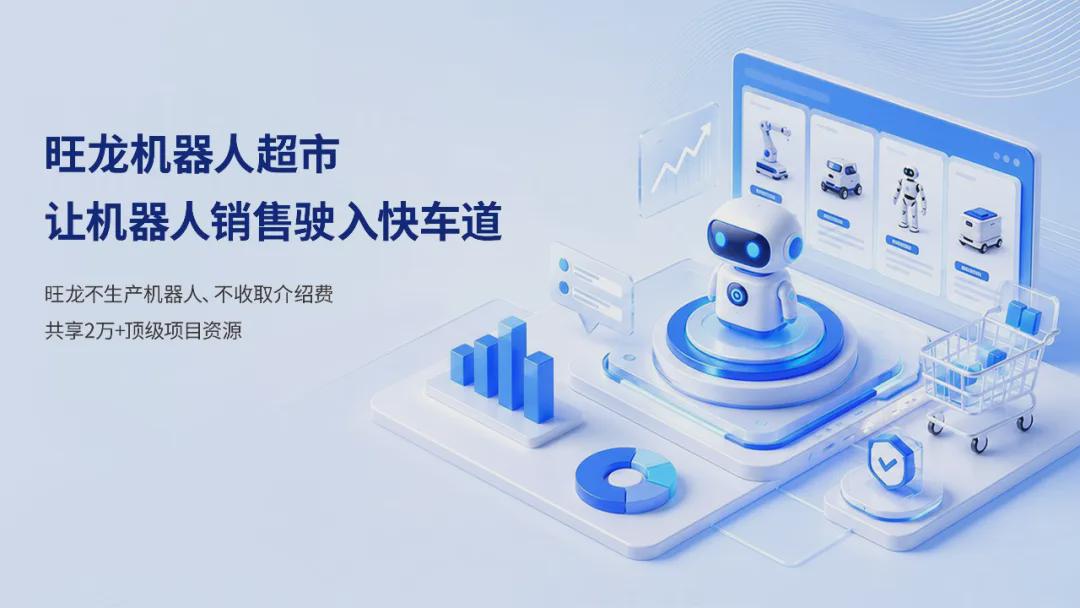
Wanglong Robotics Supermarket: Accelerating Robot Sales
Wanglong Robotics Supermarket is tackling the difficulties that robot companies encounter in attracting customers and executing projects. By utilizing an extensive network of resources and its established reputation, the platform effectively matches clients with appropriate robotic solutions. This approach not only aids in the efficient expansion of the market but also fosters greater trust in robotic products. Additionally, Wanglong Robotics Supermarket promotes the smooth integration of robots across various industries, creating a collaborative ecosystem that supports growth and innovation.
Robotics Sales Solutions Market Expansion Smart Elevators
Launch of Mini Pi Plus Open-Source Humanoid Robot at ICRA 2026
At the ICRA 2026 conference, Gaoqing Power introduced the Mini Pi Plus, a groundbreaking humanoid robot designed to enhance accessibility and affordability for research and educational purposes. Weighing just 15 kg, the Mini Pi Plus boasts a comprehensive open-source ecosystem and a powerful toolchain, allowing researchers to concentrate on innovation without the typical setup hurdles. This advanced platform features dynamic movement capabilities and a high-performance communication architecture, marking a significant advancement in the field of humanoid robotics.
Humanoid Robots Open-Source Robotics Robot Research AI Robotics Education
Intelligent indoor/outdoor automation company MyBull Robotics opens new US headquarters
MyBull Robotics U.S. has officially opened its new headquarters in Farmington Hills, Michigan, on May 14, 2026, marking a significant step in the company's expansion into the North American market. The facility aims to enhance the supply of the company's innovative indoor and outdoor automated logistics solutions, which utilize advanced technologies such as lidar and vision cameras for efficient material handling. This strategic move is designed to support local investment and job creation, with plans to grow the current team of 12 employees, focusing on engineering and technical roles. The grand opening event attracted business leaders, partners, and customers, featuring structured sessions that included product demonstrations and a Q&A with the MyBull Robotics team. The new headquarters, located at 37735 Enterprise Ct., includes a showroom and a warehouse for proof-of-concept demonstrations, showcasing the capabilities of MyBull Robotics' autonomous machines in real-world industrial settings. Vinh Tran, Managing Director of MyBull Robotics U.S., emphasized the company's commitment to contributing to the advanced manufacturing and supply chain ecosystem in Michigan and across the U.S. With a focus on improving efficiency and performance for various industrial sectors, MyBull Robotics aims to leverage its technology and customer support to drive innovation in the automation and robotics market.
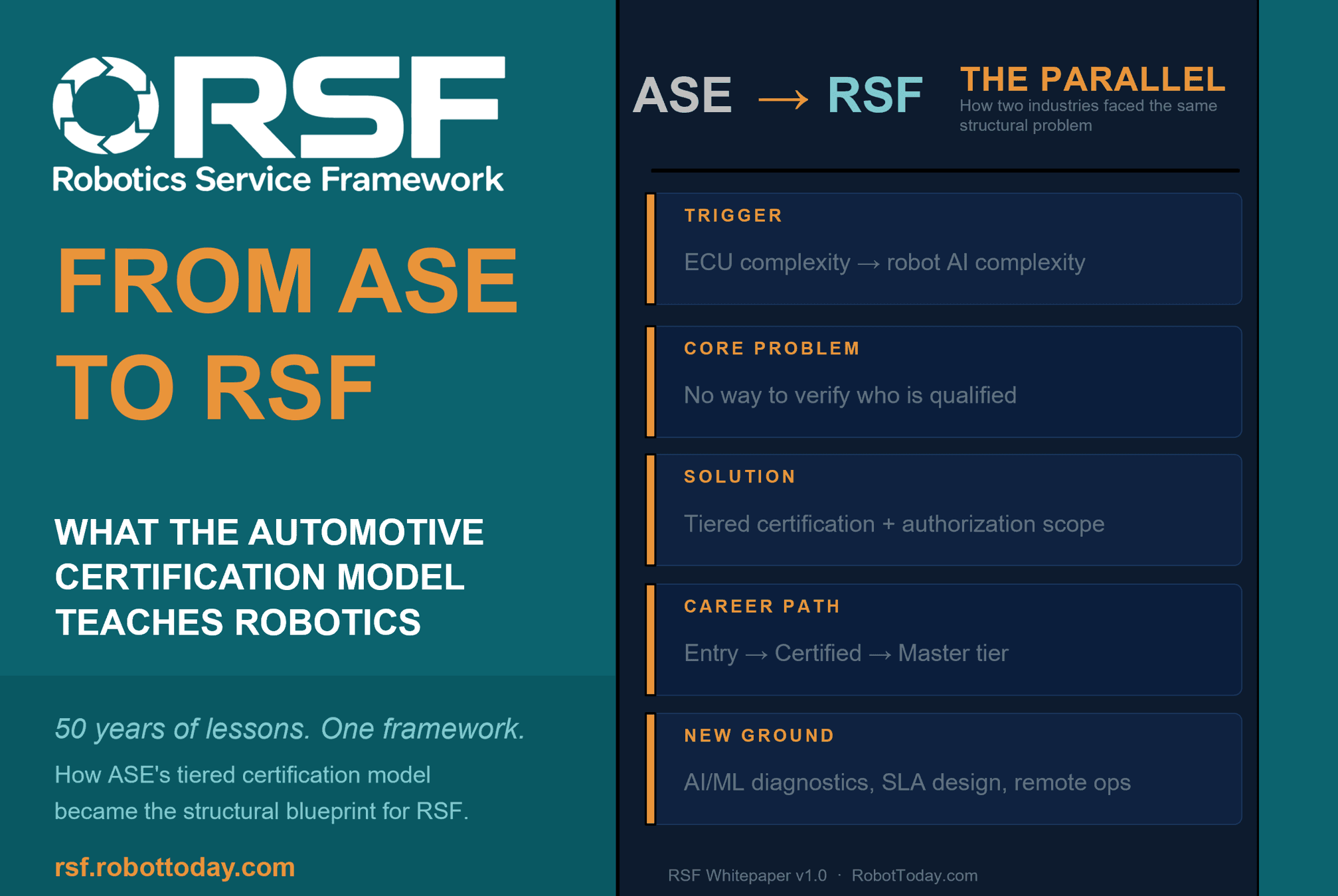
Robotics needs a service framework.
RSF defines a common language for robot service capability, lifecycle operations, certification pathways, and service-provider networks.