
Industry Briefing

A single destination for timely, editor-curated robotics news from around the world.
Global Launch of the First Four-Wheeled Riding Robot with Pre-Orders Now Available

Global Launch of the First Four-Wheeled Riding Robot with Pre-Orders Now Available

The world's first four-wheeled riding robot was unveiled at the World Artificial Intelligence Conference (WAIC) 2026 in Shanghai, developed by Chongqing Haochen Intelligent Technology Co., supported by AGIQUAD. The robot, designed for individual riding and light transport, is now available for global pre-orders, with initial deliveries expected in September 2026. This innovative product integrates advanced all-terrain robotic technology with a focus on safety and comfort, supporting a weight capacity of 75 kg and featuring autonomous navigation, intelligent following, and obstacle avoidance capabilities. The design also includes ergonomic features for user comfort, such as adjustable grips and a smart screen for interactive communication. The collaboration between AGIQUAD and Haochen Technology aims to create a comprehensive ecosystem for intelligent mobility, merging robotics with transportation. This launch marks a significant step in redefining human-vehicle interaction and expanding the applications of four-legged robots beyond traditional boundaries. No further timeline was disclosed at the time of publication.

Riding Robots AI Technology Smart Mobility Robotics Innovation
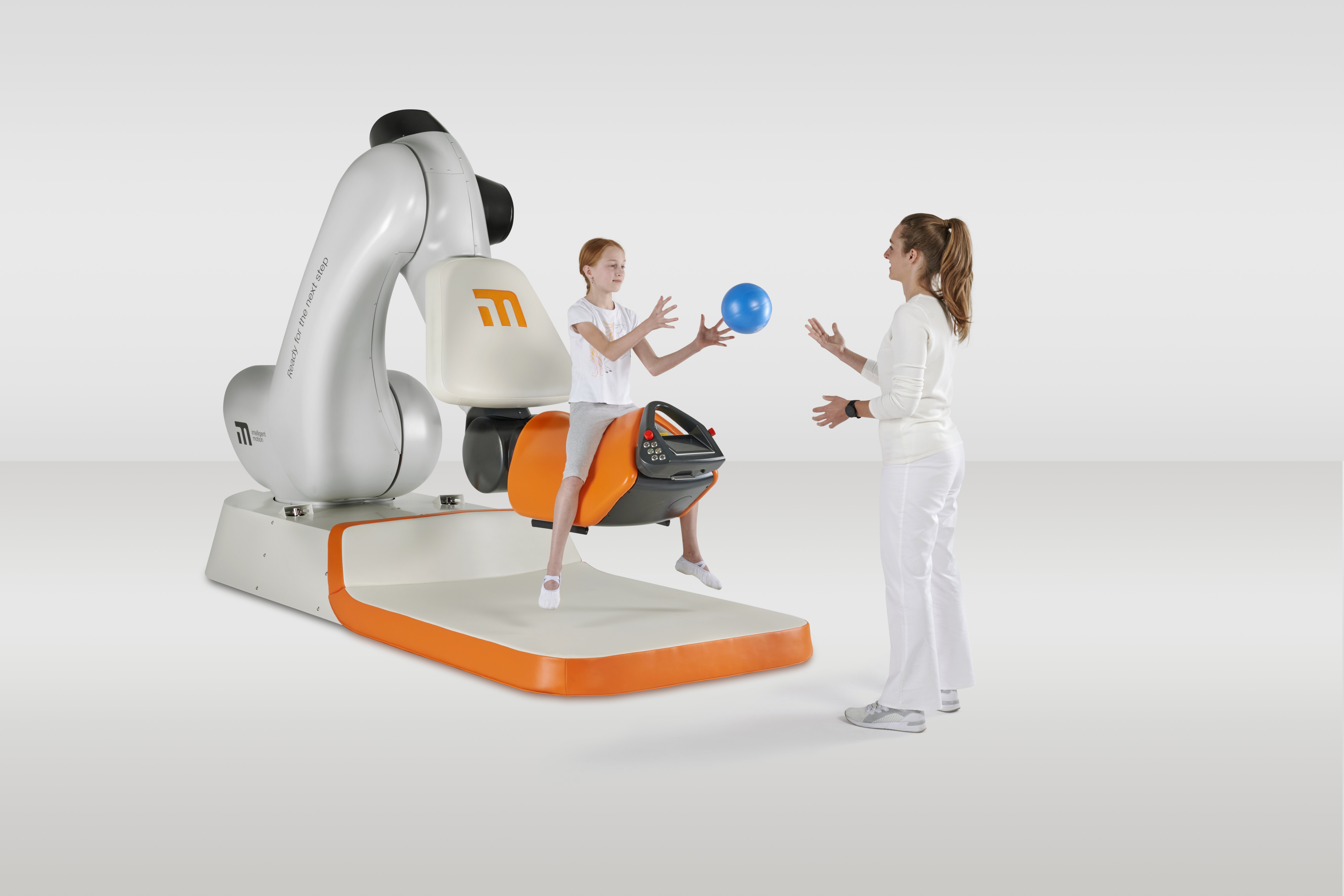
Hippotherapy with robots instead of horses: How a riding simulator helps sick and disabled people

Hippotherapy with robots instead of horses: How a riding simulator helps sick and disabled people

A new approach to rehabilitation is emerging as healthcare professionals explore the benefits of hippotherapy, which aims to help patients regain mobility and independence following serious illnesses. Traditionally reliant on horses, this therapeutic method is now being enhanced through the integration of innovative technologies and robotics, allowing patients to experience the benefits of therapeutic riding without the need for live animals. This advancement is particularly significant for individuals who may not have access to horses or who require a more controlled environment for their therapy sessions. As the healthcare community continues to prioritize patient-centered care, the incorporation of these modern techniques is expected to broaden the scope of rehabilitation options available, ultimately improving outcomes for patients.

Humanoid Robot Achieves Milestone by Riding Mechanical Horse for Archery

Humanoid Robot Achieves Milestone by Riding Mechanical Horse for Archery

A groundbreaking achievement in robotics occurred as a humanoid robot successfully mounted a mechanical horse and performed horseback archery. This event marks a significant advancement in the capabilities of humanoid robots, showcasing their potential for complex physical tasks. The importance of this development lies in its demonstration of the evolving capabilities of humanoid robots, which are increasingly able to perform intricate actions that require balance, coordination, and precision. This milestone not only highlights technological progress but also opens up new possibilities for the application of humanoid robots in various fields. Looking ahead, it will be crucial to monitor further advancements in humanoid robotics, particularly in their ability to engage in dynamic environments and perform tasks that require a high degree of skill. No further timeline was disclosed at the time of publication.

AI and Robotics
AgiBot unveils Lingxi X2, an advanced humanoid robot with multimodal intelligence

AgiBot unveils Lingxi X2, an advanced humanoid robot with multimodal intelligence

Peng Zhihui, the founder of AgiBot, unveiled a video today featuring the Lingxi X2, an advanced bipedal humanoid robot. This innovative robot is equipped with a sophisticated computing engine that enables it to perform a variety of tasks, including walking, running, dancing, riding a bicycle, balancing on a hoverboard, and even reading medication instructions. The Lingxi X2 was developed by AgiBot's X-Lab, highlighting the company's commitment to advancing robotics technology. This release marks a significant step in the integration of motion, interaction, and task execution intelligence in humanoid robots, showcasing the potential for practical applications in everyday life.

News Feed
RobotToday Initiative

Robotics needs a service framework.

RSF defines a common language for robot service capability, lifecycle operations, certification pathways, and service-provider networks.







