Industry Briefing
A single destination for timely, editor-curated robotics news from around the world.

Shanghai Advances BCI Development: The Race for Commercialization Has Started
Shanghai is emerging as a key player in the global brain-computer interface (BCI) competition. The Shanghai Municipal Commission of Economy and Information Technology recently released the 'Three-Year Action Plan for the Industrialization of Brain-Computer Interfaces (2026-2028)', which aims to establish a leading national industrial chain ecosystem in the non-invasive BCI sector by 2028. The plan includes nurturing at least 50 related enterprises and achieving large-scale applications of core products in medical rehabilitation and cognitive training. This initiative is not just a theoretical blueprint. A team led by Academician Zhou Liangfu from Huashan Hospital's Neurosurgery Department, in collaboration with the Institute of Microsystem Research at the Chinese Academy of Sciences, has developed an implanted BCI product that has completed its first clinical trial with volunteers for motor function rehabilitation in paraplegic patients. Shanghai is adopting a parallel strategy with multiple technological routes, supporting invasive, semi-invasive, and non-invasive teams with dedicated funding, with non-invasive approaches progressing more rapidly. The Pudong New Area has designated a 'Brain Science Industrial Base' where the first batch of companies can benefit from various supports, including R&D expense deductions and expedited clinical trial processes. Shanghai's goal is clear: to become the city with the lowest operational costs and minimal policy friction for BCI enterprises. As the global BCI landscape evolves, Shanghai's focus on industrialization aims to establish a commercial loop in hospitals while ensuring safety and regulatory compliance, leveraging China's vast market potential in stroke rehabilitation, youth attention training, and early Alzheimer's screening.
Brain-Computer Interfaces Healthcare Technology Neurorehabilitation Cognitive Training
Uber and Waymo Face Tensions as Robotaxi Partnerships Shift in Major Cities
The recent end of the Uber-Waymo partnership in Phoenix marks a significant shift in the robotaxi landscape, with both companies still maintaining services in Atlanta and Austin. The future of these agreements remains uncertain, as tensions rise between Uber executives and Waymo, suggesting potential conflicts in policy and market access as partnerships dissolve. This development is crucial as the National Highway Traffic Safety Administration (NHTSA) has issued a directive emphasizing the need for autonomous vehicles to effectively respond to emergency situations. Waymo, which operates the largest robotaxi fleet in the U.S., has faced scrutiny for its interactions with first responders, raising concerns about operational safety and regulatory compliance. Looking ahead, the NHTSA has called for solutions from AV developers by the end of the month, indicating a potential shift in regulatory oversight. Additionally, Rivian's recent capital raise of $1.32 billion and the introduction of its R2 SUV could signal a competitive shift in the EV market, as the company aims to deliver between 65,000 and 70,000 vehicles by 2026.
Transportation Elon Musk Uber Waymo Rivian robotaxi
Exploring Automation Intelligence: Opportunities and Challenges in AI for Manufacturing
The manufacturing sector is experiencing a surge in artificial intelligence (AI) applications, driven by recent advancements in speech, language, and content generation technologies. Engineers and technology leaders are keenly observing these developments to enhance quality, minimize rework, and increase throughput. However, many organizations face challenges in translating AI demonstrations into tangible business value, revealing the complexities of deploying AI in production environments. Despite significant investments in AI and machine learning (ML), the manufacturing industry is encountering hurdles similar to those faced during the initial wave of data science and ML in the context of Industry 4.0. Many early projects failed to deliver operational value due to the misalignment of algorithms designed for consumer behavior with the deterministic needs of industrial settings. As manufacturers increasingly seek actionable insights from their data, the need for a deeper understanding of AI technology and its application in industrial contexts becomes critical. Looking ahead, the emergence of automation intelligence, which integrates lessons from past experiences with current AI tools, offers a promising framework for addressing complex industrial challenges. As AI technologies like generative AI and foundation models continue to evolve, their successful implementation will depend on ensuring real-time grounding, safety, and regulatory compliance in manufacturing processes. No further timeline was disclosed at the time of publication.
Factory / Workforce
Major American deep-sea expedition delivers 4,059 samples across 53 survey sites
American Ocean Minerals Corporation (AOMC) has successfully completed a significant deep-sea environmental research initiative aimed at assessing the impact of mineral extraction on marine ecosystems. The project, which took place over the past several months, focused on various locations in the Pacific Ocean known for their rich mineral deposits. This research is part of AOMC's broader commitment to sustainable practices in the mining industry, driven by the increasing demand for critical minerals used in technology and renewable energy solutions. By conducting thorough environmental assessments, AOMC seeks to ensure that its operations do not adversely affect marine life or habitats. The findings from this extensive study will inform future mining practices and regulatory compliance, as the company aims to balance economic development with environmental stewardship. AOMC plans to share the results with stakeholders and the scientific community to foster transparency and collaboration in the pursuit of responsible ocean resource management.
Science
No driver, no operator: Inside redundant sensor infrastructure of a commercial robot bus
A significant initiative to expand the use of driverless shuttles beyond corporate campuses and testing sites is gaining momentum. This effort, which has been in progress for several years, aims to integrate autonomous vehicles into public transportation systems, thereby enhancing mobility options for urban residents. The push is particularly relevant as cities seek innovative solutions to address traffic congestion and reduce carbon emissions. Recent developments indicate that several municipalities are collaborating with technology companies to pilot driverless shuttle programs in urban environments. These trials are designed to assess the feasibility and safety of autonomous vehicles in real-world settings, with the goal of eventually implementing them as a regular mode of transport for the public. The motivation behind this initiative stems from the increasing demand for efficient and sustainable transportation solutions. By leveraging advancements in artificial intelligence and vehicle technology, proponents believe that driverless shuttles can provide a reliable alternative to traditional public transit, particularly in underserved areas. As cities prepare for these trials, stakeholders are focused on ensuring regulatory compliance and addressing public concerns regarding safety and privacy. The successful deployment of driverless shuttles could mark a transformative shift in urban mobility, paving the way for smarter, more sustainable cities.
Innovation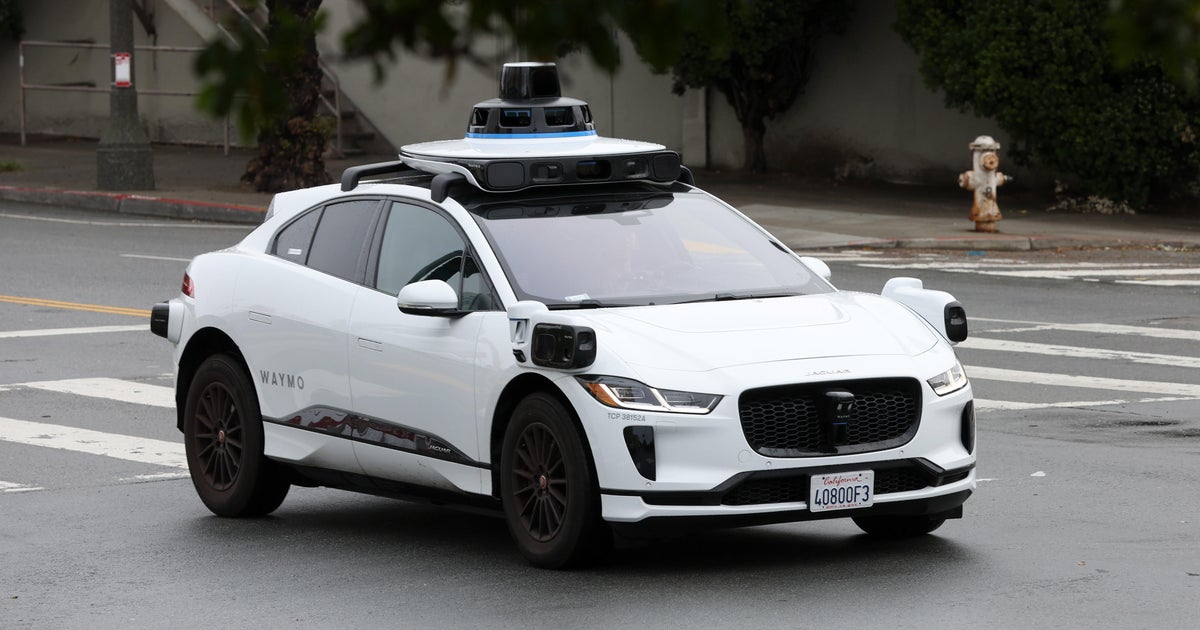
Waymo recalls robotaxis after some vehicles entered construction zone
Waymo has initiated a recall of its robotaxis after several incidents were reported where the autonomous vehicles ignored ramp-closure signs and entered freeway construction zones. This decision comes in response to safety concerns raised by these occurrences, highlighting potential risks to both passengers and construction workers. The recall aims to address these issues and ensure the vehicles operate within designated safety parameters. Waymo is expected to implement software updates and conduct thorough inspections to prevent future incidents. The company emphasizes its commitment to safety and regulatory compliance as it navigates the challenges of deploying autonomous technology on public roads.

Waymo says it built a better benchmark for comparing robotaxis to humans
Waymo has developed an advanced computer model aimed at enhancing its understanding of human behavior during crash scenarios involving its robotaxis. This initiative, which comes as part of the company's ongoing efforts to improve safety and reliability, utilizes extensive data analysis to simulate various accident situations. By accurately predicting how individuals might react in these critical moments, Waymo seeks to refine its autonomous driving technology and ensure better decision-making capabilities for its vehicles. The model is expected to play a crucial role in the company's safety protocols and regulatory compliance as it continues to expand its robotaxi services.
TC Transportation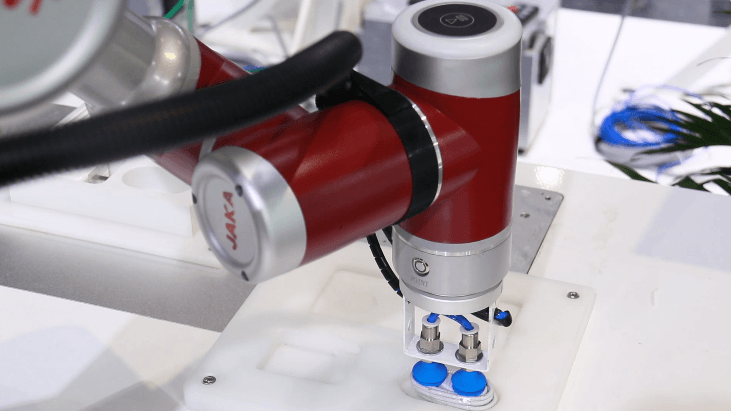
Essential Safety Tips: How to Operate 6 Axis Robot Arms Safely
The introduction of 6-axis robot arms into modern workplaces is transforming productivity and reshaping human-machine interactions. Unlike traditional industrial robots confined to isolated spaces, these advanced jointed arms are designed for close collaboration with human workers. This shift necessitates a focus on safety, which is essential not only for regulatory compliance but also for fostering a sustainable and confident workforce. To ensure safe operation, comprehensive risk assessments are crucial. Operators must establish "safety planes" and restricted zones within the robot's software to manage potential hazards, especially from end-effectors like sharp tools or high-temperature grippers. These virtual barriers enable the robot to function at full speed when unoccupied but switch to reduced speed or stop when a human enters the workspace. Key safety features include force-sensing technology, where internal torque sensors in the robot's joints detect resistance and halt movement within milliseconds upon contact with an object or person. Regular testing of these systems is vital for maintaining safety standards. Moreover, human awareness and training are critical. Workers are advised to avoid loose clothing and ensure that emergency stop buttons are easily accessible. Proper techniques during programming and operation further enhance safety. JAKA, a leader in robotic safety innovation, emphasizes employee protection with its JAKA Zu series, which combines high payload capacity with collaborative capabilities. Their intuitive safety configuration system, accessible via the JAKA App, allows users to easily set safety boundaries and collision sensitivity. By prioritizing safety in their designs, JAKA aims to provide powerful automation solutions while safeguarding workers' well-being.
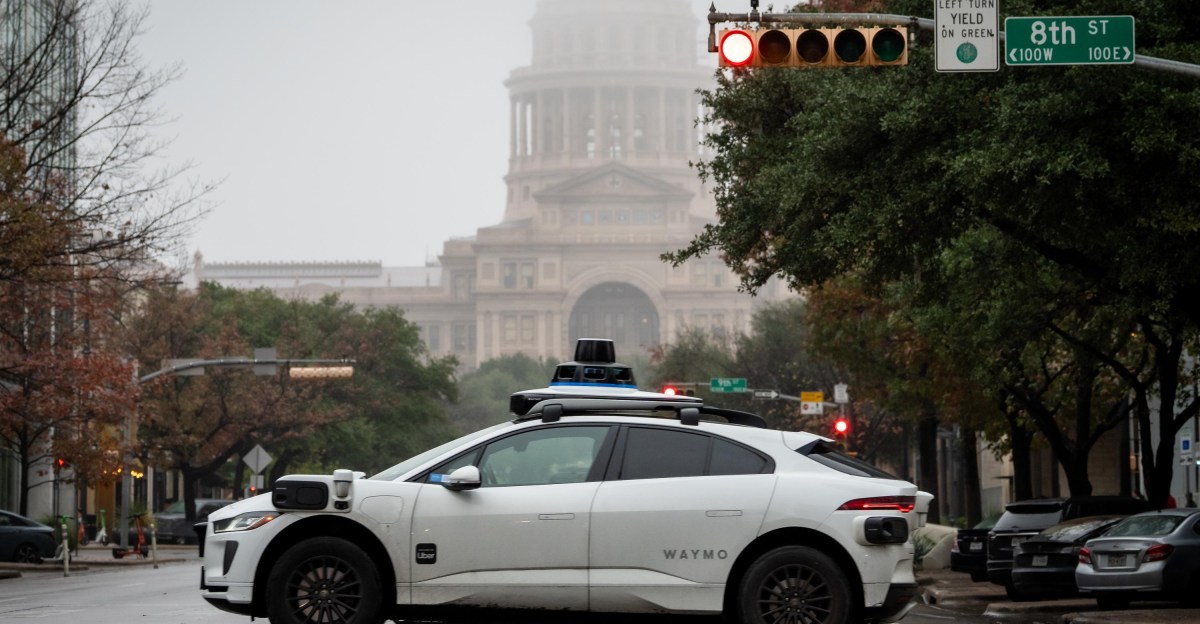
Waymo recalls robotaxis for driving on flooded roads
Waymo is initiating a recall of its autonomous driving software after a recent incident involving its vehicles navigating flooded roads. The recall impacts 3,791 vehicles equipped with the company's fifth and sixth generation systems. According to documents submitted to the National Highway Traffic Safety Administration, an unoccupied Waymo robotaxi encountered a flooded area deemed impassable, raising safety concerns. This action underscores the company's commitment to ensuring the reliability and safety of its autonomous technology, particularly in adverse weather conditions. The recall aims to address potential risks associated with the software's performance in such scenarios, reinforcing Waymo's proactive approach to vehicle safety and regulatory compliance.
Autonomous Cars News Transportation Waymo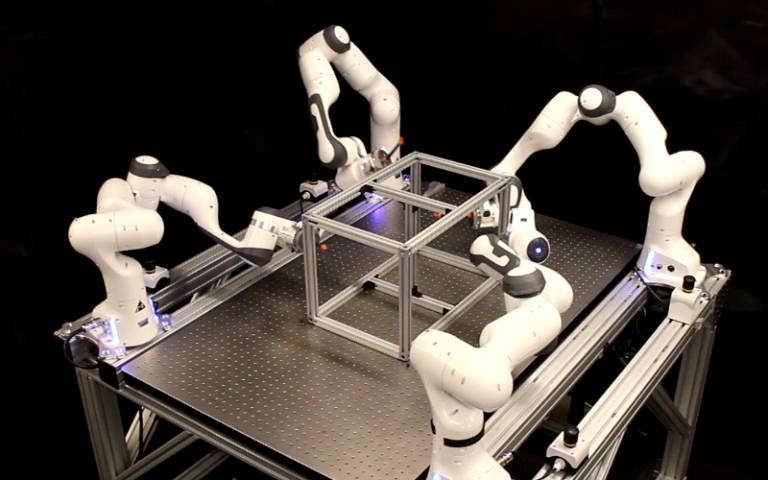
Former DJI sales vice president detained in China on suspicion of commercial bribery
A former vice president of sales at DJI, a prominent Chinese drone manufacturer, has been criminally detained by public security authorities on allegations of accepting bribes as a non-state employee. The executive, identified by the surname Yuan, held the position from May 2019 until May 2024, during which he was responsible for overseeing the company’s global sales operations. The investigation into Yuan's activities comes amid increasing scrutiny of corporate governance and ethical practices within China's technology sector. The case highlights ongoing concerns regarding corruption and regulatory compliance in the rapidly evolving drone industry.
News Feed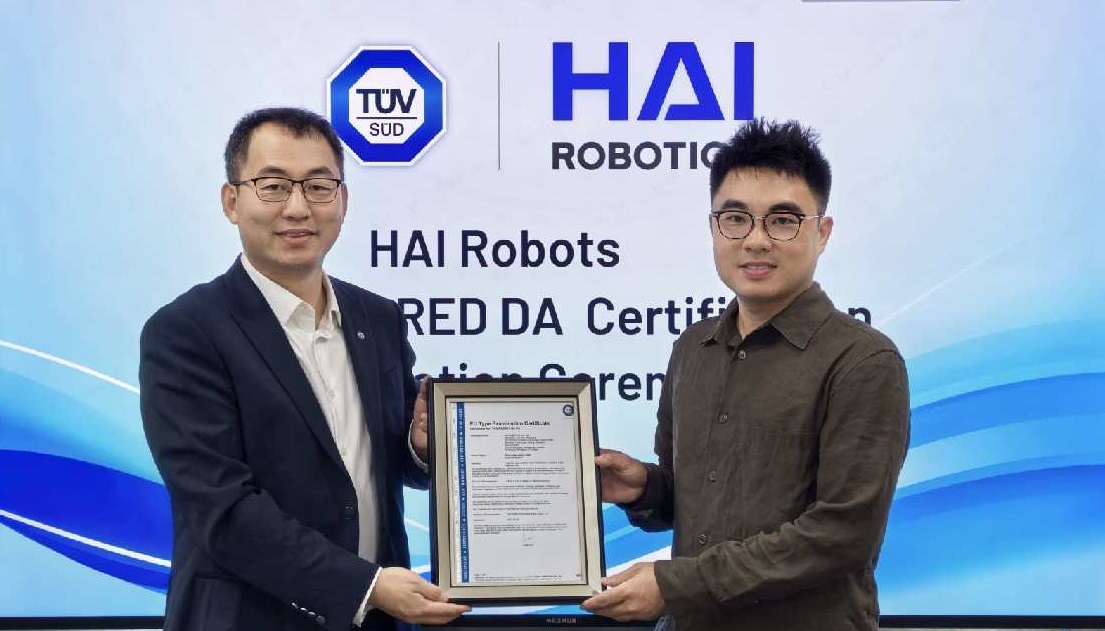
Hai Robotics Secures Radio Equipment Directive (RED) Articles 3.3(d) Compliance, Strengthening Cybersecurity for Automated Warehouses
Hai Robotics has successfully complied with the EU Radio Equipment Directive (RED) Articles 3.3(d), a significant milestone that enhances the cybersecurity of its automated warehouse systems. This certification underscores the company's dedication to adhering to regulatory standards while bolstering the reliability and integrity of its HaiPick Systems. As a result, the systems will ensure secure wireless communications and operational resilience within connected logistics environments, reflecting the growing importance of cybersecurity in the automation sector.
Cybersecurity Warehouse Automation Logistics Industrial Equipment Regulatory Compliance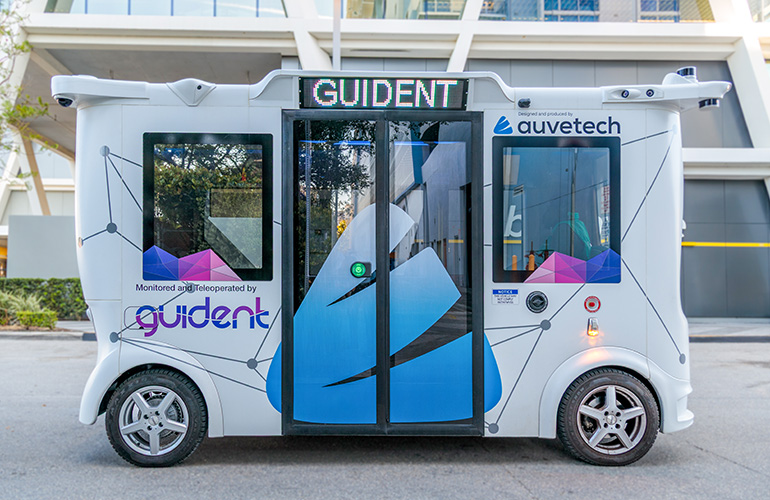
Tickets, geofences, and 1M miles: The new reality of California AV compliance
Guident CEO Harald Braun recently discussed the implications of California's new autonomous vehicle (AV) regulations on the driverless industry. The updated mandates, which include stringent compliance measures such as ticketing, geofencing, and a requirement for AVs to log one million miles, aim to enhance safety and accountability in the rapidly evolving sector. These regulations, set to take effect soon, reflect California's commitment to ensuring that autonomous vehicles operate safely within its borders. Braun emphasized that these changes will significantly impact how companies develop and deploy driverless technology, necessitating adjustments in operational strategies to meet the new standards. The conversation highlights the challenges and opportunities presented by the regulatory environment as the industry moves towards greater integration of autonomous vehicles on public roads.
Automotive News Regulatory & Compliance Safety & Security Self-Driving Vehicles Transportation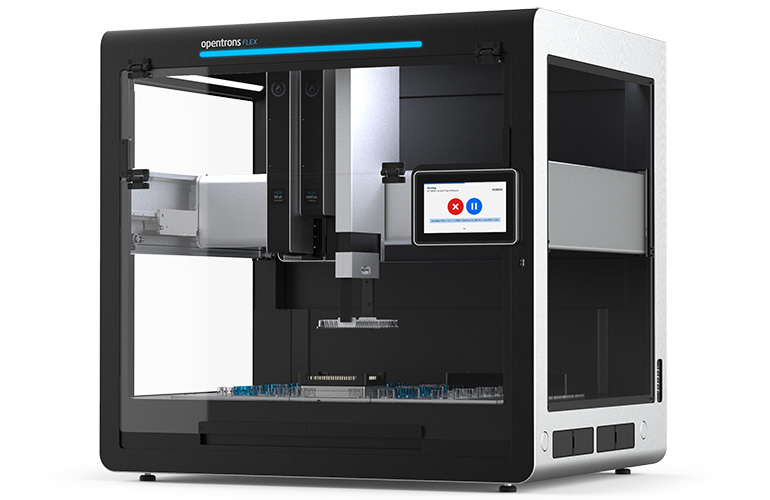
Opentrons launches Compliance Ready Software for Flex lab robots
Opentrons has announced the launch of its Compliance Ready Software, designed specifically for its Flex laboratory robots, which are now deployed in over 10,000 facilities globally. This new software enables these robots to adhere to stringent FDA regulations, enhancing their usability in regulated environments. The introduction of this software is a significant advancement for Opentrons, as it aims to streamline laboratory processes and ensure compliance with industry standards. By integrating this technology, the company seeks to expand the capabilities of its robotic systems, making them more accessible for laboratories that require adherence to strict regulatory frameworks.
Academia / Research Healthcare Robotics Laboratory / Cleanroom News Regulatory & Compliance Laboratory Automation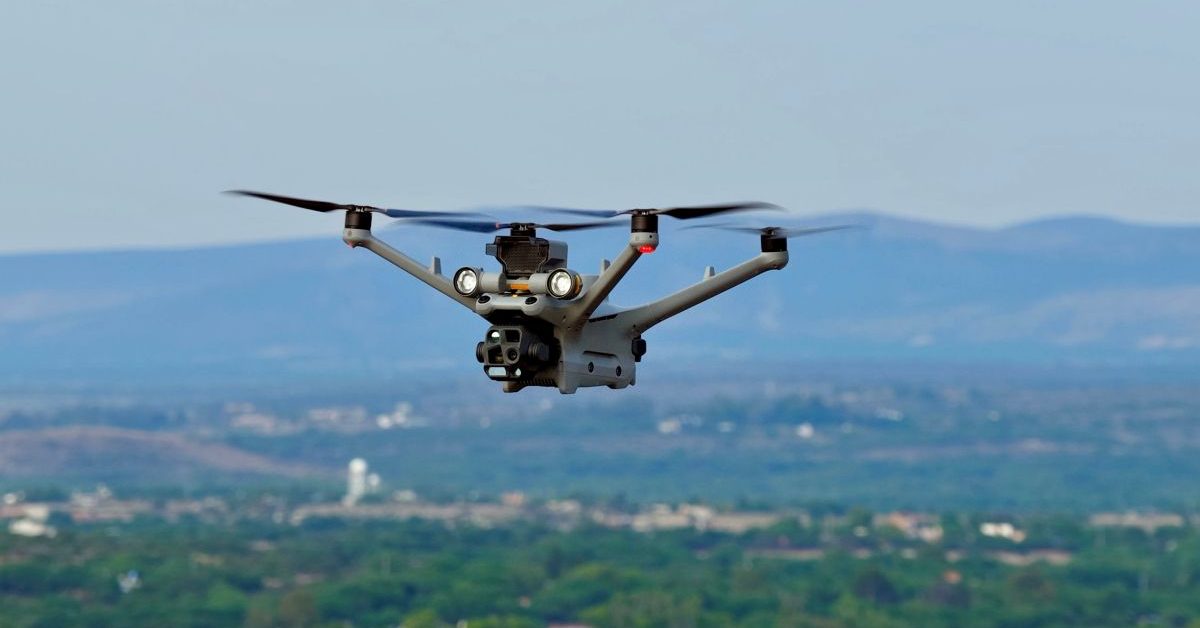
DJI Matrice 4D drone gains standalone C6 compliance across Europe
DJI has unveiled a significant certification update for its Matrice 4D drone series, now recognized under C6 certification in Europe. This enhancement allows operators to use the DJI RC Plus 2 Enterprise controller for direct operation, expanding the functionality of the drones beyond the previous requirement of using the DJI Dock 3. The update aims to improve accessibility and operational flexibility for enterprise users, reflecting DJI's commitment to meeting regulatory standards while enhancing user experience.
News
AirData Marks Energy and Utility Growth Milestone as BVLOS Rule Nears
AirData UAV, based in El Dorado Hills, California, has announced a significant milestone, surpassing 120 energy and utility customers globally. This achievement comes as the company prepares for the upcoming FAA Part 108 regulations, which are set to impact the drone industry. With over 63 million flights logged, AirData UAV is positioning itself as a leader in providing data solutions for these sectors. The expansion reflects the growing demand for drone technology in energy and utility operations, highlighting the company's commitment to innovation and compliance in a rapidly evolving regulatory landscape.
Drone News Drone News Feeds Energy infrastructure News utilities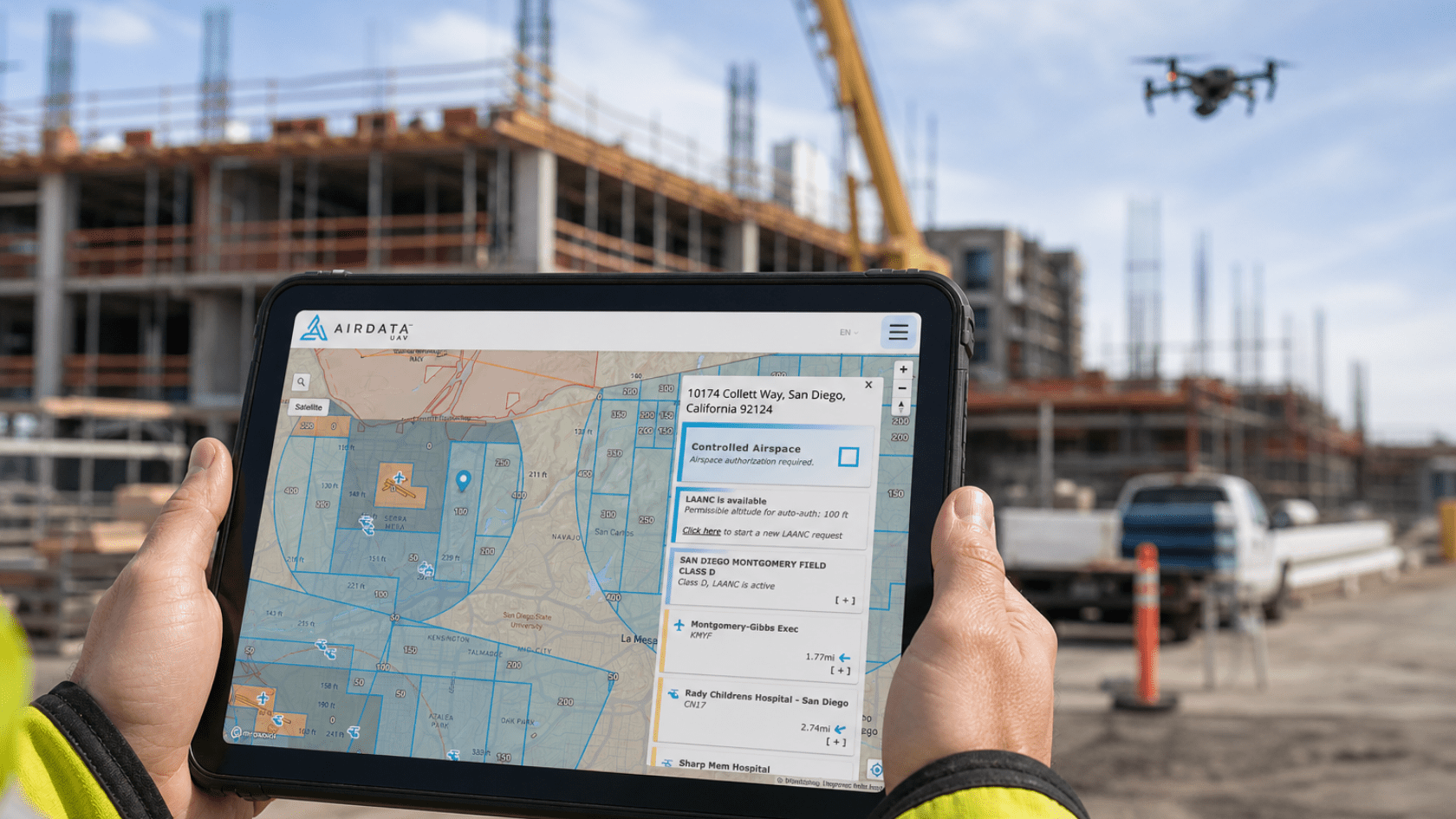
AirData Joins Commercial Drone Alliance as Industry Prepares for Part 108
AirData UAV has announced its membership in the Commercial Drone Alliance (CDA) as the U.S. drone industry gears up for the Federal Aviation Administration's (FAA) forthcoming Part 108 rule, which will regulate Beyond Visual Line of Sight (BVLOS) operations. This strategic partnership aims to enhance compliance and operational oversight for scaled BVLOS drone operations, positioning AirData to better support the evolving landscape of the drone industry. The move comes at a critical time as stakeholders prepare for significant regulatory changes that could impact drone operations nationwide.
BVLOS Drone News Drone News Feeds News AirData BVLOS operations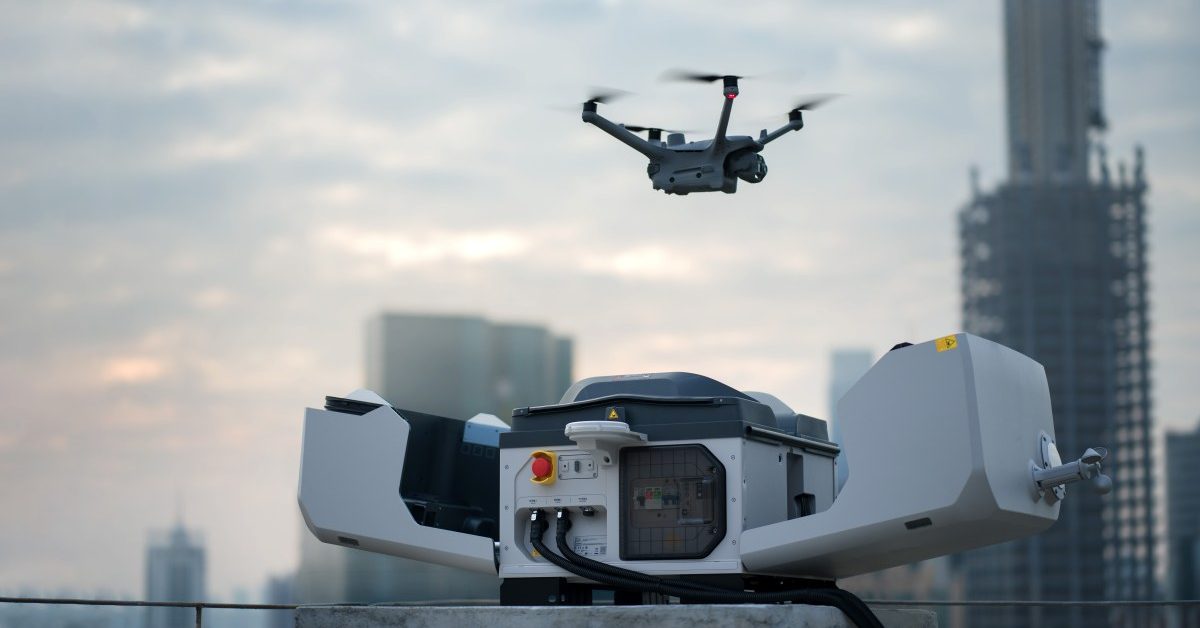
DJI Simplifies BVLOS Drone Approval Process for European Operators
DJI has completed a SAIL III declaration of compliance package for its DJI Dock 3 and Matrice 4D drone series, facilitating regulatory approvals for drone operators in Europe. This package provides manufacturer-backed technical evidence that can be included in Specific Operations Risk Assessment (SORA) applications, potentially easing the approval process for advanced drone operations. The significance of this development lies in its potential to streamline the regulatory landscape for commercial drone operators in Europe. SAIL III, categorized as medium-risk under EASA’s SORA framework, encompasses various commercial drone missions that extend beyond standard operations, such as automated BVLOS inspections and perimeter security. By offering a compliance package, DJI alleviates the burden on operators to generate extensive technical documentation for each safety objective. Looking ahead, operators can leverage DJI's completed engineering work to enhance their SORA applications, focusing on operational aspects rather than technical arguments about aircraft design. This initiative marks a pivotal step in making BVLOS operations more accessible, although it does not guarantee approval from aviation authorities. No further timeline was disclosed at the time of publication.
News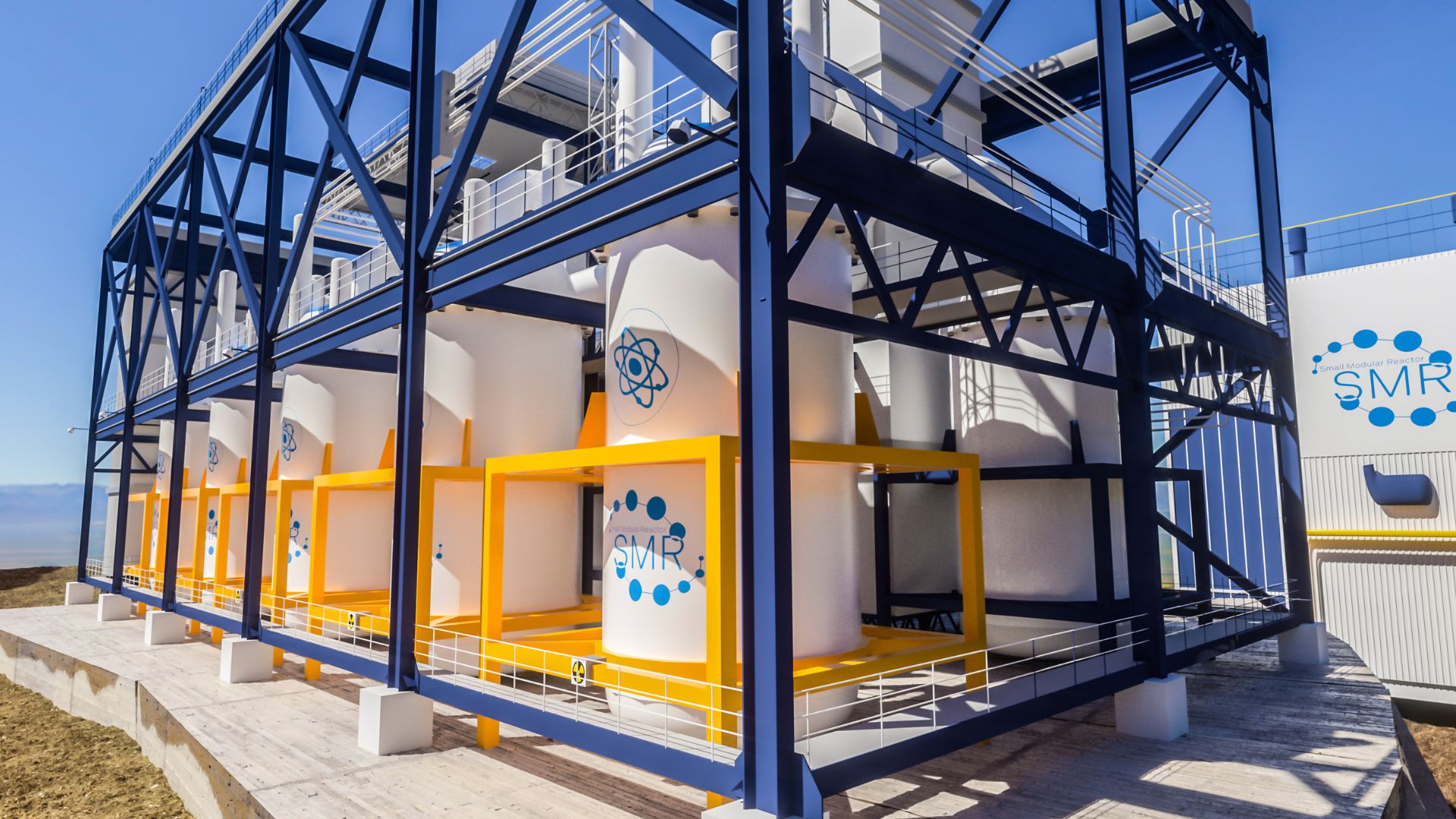
UK set for private 14 nuclear SMRs delivering 4.2 GW to meet 11% of power demand
A private consortium has announced its intention to construct 14 small modular nuclear reactors (SMRs) across various locations in the United States. This initiative, revealed on Tuesday, aims to enhance the country's energy infrastructure and contribute to its transition towards cleaner energy sources. The consortium, comprising several energy companies and technology firms, believes that SMRs can provide a safer and more efficient alternative to traditional nuclear power plants, addressing growing energy demands while minimizing environmental impact. The project is expected to create thousands of jobs during the construction phase and support local economies. The timeline for the reactors' completion is projected to span over the next decade, with the first units anticipated to be operational by 2030. The consortium plans to collaborate closely with regulatory bodies to ensure compliance with safety standards and to engage with communities to address any concerns regarding nuclear energy. This development marks a significant step in the ongoing efforts to diversify the energy portfolio and reduce reliance on fossil fuels.
Energy
The End of EU De Minimis Signals a New Era of Commerce Intelligence
In light of recent regulatory changes, businesses are grappling with their impact on consumer behavior, conversion rates, profitability, and potential for market expansion. As companies navigate these evolving regulations, understanding the nuances of shopper responses becomes crucial for maintaining competitiveness. This challenge is particularly pressing for organizations operating across multiple markets, where variations in regulations can lead to differing outcomes in customer engagement and sales performance. With data analysis trained up to October 2023, firms are urged to adapt their strategies to effectively respond to these shifts and capitalize on new opportunities while mitigating risks associated with compliance.

Microsoft, Amazon Cloud Services Face Tough EU Antitrust Law
Microsoft Corp.'s Azure and Amazon Web Services are facing scrutiny from the European Union as the bloc investigates their dominance in the cloud computing market. This initial probe highlights concerns regarding the companies' significant market power and compliance with the EU's stringent digital competition regulations. The investigation comes amid increasing efforts by European authorities to ensure fair competition and prevent monopolistic practices in the tech industry. As the EU ramps up its regulatory measures, both Microsoft and Amazon may need to adjust their business strategies to align with the evolving legal landscape. The outcome of this inquiry could have far-reaching implications for cloud service providers operating within the EU.
NMS:AMZN NMS:MSFT
AirData crosses 120 utility customers as drone use surges
AirData UAV has achieved a notable milestone in the energy and utilities sector, with over 120 organizations globally now utilizing its drone fleet management platform. This development coincides with a rapid increase in drone adoption across critical infrastructure, as operators brace for a potential major regulatory shift in commercial drone operations, anticipated to be the most significant in a decade. The growing reliance on drone technology highlights its importance in enhancing operational efficiency and compliance within the industry.
News
Carlo Gavazzi Expands Soft Starter Series to Additional Certifications
A new series of certifications has been introduced to enhance compliance with evolving regulations for HVAC systems, specifically addressing the use of flammable refrigerants. This initiative aims to ensure that industry professionals are equipped with the necessary knowledge and skills to safely handle these substances. The certifications reflect the latest standards and practices in the HVAC field, responding to increasing safety concerns and regulatory requirements. As the industry adapts to these changes, the new certifications will play a crucial role in promoting safe and efficient HVAC system operations.
Factory / Digital Transformation
Coping With Supply Chain Uncertainty: It Starts with Sense-Making
Sanctions, traditionally managed by legal and compliance professionals, are increasingly becoming a significant challenge for operations, finance, and management teams. This shift reflects a growing recognition of the complexities involved in navigating sanctions, which now require a more integrated approach across various departments. As organizations adapt to evolving regulatory landscapes, the need for cross-functional collaboration has never been more critical. This change is particularly evident in the wake of heightened geopolitical tensions and economic pressures, compelling companies to reassess their strategies and ensure compliance while maintaining operational efficiency. The trend underscores the importance of equipping teams beyond legal departments with the necessary tools and knowledge to effectively manage sanctions and mitigate risks.

A Question of Strategic Defense: The China Challenge in Latin America
Latin American companies are increasingly facing challenges related to their connections with Chinese capital, as these links may lead to complications in various areas. This shift comes in light of growing geopolitical tensions and economic scrutiny, prompting businesses to reassess their financial partnerships. The situation has become particularly pressing as firms navigate the complexities of international trade and investment, especially amid evolving regulatory environments. Companies are urged to adopt a more cautious approach, recognizing that their affiliations with Chinese investors could impact their operations, reputation, and compliance with local and international laws. As these dynamics unfold, businesses in the region must strategically evaluate their ties to Chinese capital to mitigate potential risks and ensure sustainable growth.

Microsoft offers devs a better way to control AI agent behavior
A new specification has been introduced that empowers developer, compliance, and security teams to create customized policies for agents through portable policy files. This initiative aims to enhance flexibility and control over policy implementation, allowing organizations to tailor their approaches to meet specific needs and regulatory requirements. By enabling teams to define their own guidelines, the specification seeks to streamline processes and improve overall security measures. The rollout of this specification is expected to take place in the coming months, providing teams with the tools necessary to adapt to evolving challenges in the technology landscape.
AI Agent Control Specification AI agents AI governance Microsoft
China establishes a venture capital fund in Hangzhou with 1 billion yuan; Tianjin opens AI sensor industrial park; Zhejiang plans
ZTO Express has established a new logistics company, Guangzhou Zhongjing Logistics Co., Ltd., in Guangzhou with a registered capital of 500 million RMB. The company, wholly owned by ZTO Express, will engage in domestic freight transportation, equipment leasing, and computer system services. OpenAI has announced its entry into the robotics sector, focusing on developing assistive robots. CEO Sam Altman stated the company is looking for engineers to create robots that can aid in building future infrastructure. The initiative, which has evolved from a world simulation research project, aims to integrate hardware and machine learning for practical applications. Nan Er, Vice President of Zhejiang Chint Electric, has been recognized as a "2026 Zhejiang Youth Technology Entrepreneur" as part of a program to support technology entrepreneurs in the region. Foxconn and French company Bull will collaborate to manufacture AI and cloud infrastructure, with an initial investment of over 120 million euros. The project will utilize facilities in both France and the Czech Republic. On June 1, new regulations for online food delivery were implemented, with Taobao Flash collaborating with various local regulatory bodies to label the first batch of "no dine-in" merchants, enhancing compliance among 60,000 restaurants this year. Muyu Group has partnered with Alibaba Cloud to develop an AI model for the livestock industry, significantly improving the efficiency of health checks for pigs. In investment news, a new venture capital fund, Guoxin Qianjiang, has been established in Hangzhou with a capital of 1 billion RMB, while Zhi Mi has opened a financing window with a pre-IPO valuation of approximately 70 billion RMB. In product developments, a new automotive brand resulting from a collaboration between Sairus and ByteDance is set to launch a hybrid vehicle this year, while Sharpa has introduced a humanoid robot equipped with advanced tactile capabilities in partnership with NVIDIA. Lastly, the Tianjin AI Sensor Industrial Park has officially opened, with ten companies signing contracts, and Shanghai is focusing on advancing core software technologies as part of its development plan. Zhejiang Province is also seeking to implement the "Spark Plan" to accelerate the application of quantum technology products.
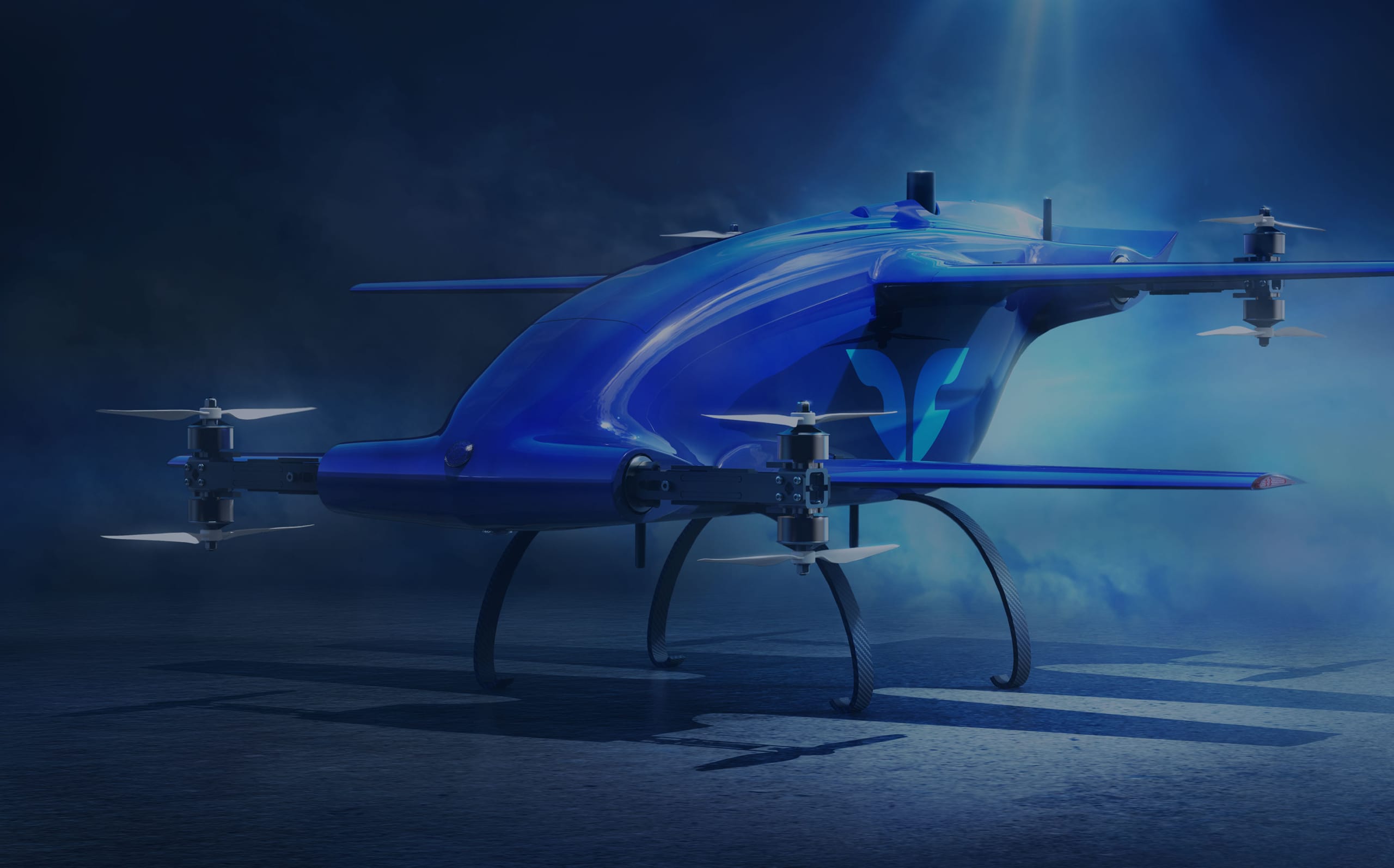
FCC Expands Conditional Approvals for Foreign-Made Drone Systems
The Federal Communications Commission (FCC) has expanded its list of conditionally approved drone systems, recently granting exemptions to additional uncrewed aircraft systems (UAS) and related components. This decision includes the addition of Blueflite, Verity, and Air VEV to the agency's Covered List framework, which has faced scrutiny and controversy. The announcement was made in a Public Notice, highlighting the FCC's ongoing efforts to regulate foreign-made drone technologies while addressing concerns over security and compliance. This expansion reflects the agency's commitment to fostering innovation in the drone industry while ensuring that safety and regulatory standards are met.
Drone News Drone News Feeds Drones in the News Feature 1 Legal News
China deepens crackdown on cross-border brokers, vows cleanup in 2 years
China's securities regulator has announced a significant crackdown on illegal cross-border investments, targeting unapproved overseas brokerage operations within the country. This initiative, revealed on May 22, 2026, aims to eliminate such activities over the next two years. The move comes as authorities penalized several prominent online brokers, including Tiger Brokers, Futu, and Longbridge, leading to a sharp decline in their US-listed shares. The crackdown reflects China's ongoing efforts to tighten control over financial markets and curb unauthorized foreign investment, amid increasing pressure on domestic brokers to expand their operations abroad. The regulatory actions are part of a broader strategy to ensure compliance and protect investors in the rapidly evolving financial landscape.

Deploying AI to Shed Light on the Murky Depths of Multi-Tier Supply Chains
As artificial intelligence increasingly integrates into supply chain operations, companies are urged to prepare for rising demands regarding transparency and governance. This shift is driven by the growing reliance on AI technologies, which necessitate clear accountability and oversight to ensure ethical practices and compliance with regulations. Industry experts emphasize that organizations must proactively establish frameworks that address these expectations, particularly as stakeholders become more aware of the implications of AI in their operations. By implementing robust governance structures, companies can not only meet regulatory requirements but also build trust with consumers and partners, ultimately enhancing their operational efficiency and reputation in a competitive market.

Nuro receives driverless testing permit ahead of Uber robotaxi service launch
A Silicon Valley autonomous vehicle startup has announced that it has yet to commence testing its driverless technology. Despite the growing interest and advancements in the autonomous vehicle sector, the company has not initiated any trials to evaluate the performance of its self-driving systems. The decision to delay testing may stem from the need to ensure safety and compliance with regulatory standards before deploying the technology on public roads. As the industry continues to evolve, this startup is focusing on refining its technology and preparing for future testing phases. The timeline for when testing will begin remains uncertain, as the company prioritizes thorough preparation over hastiness in launching its driverless vehicles.
Transportation autonomous vehicles lucid luid gravity nuro Uber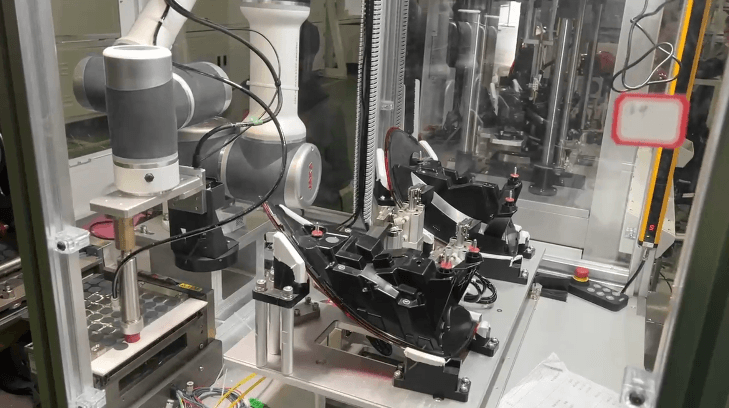
Everything You Need to Know About Collaborative Robot Safety Standards (ISO 10218)
As industries increasingly adopt collaborative robots, the regulatory landscape surrounding advanced robotics is adapting, particularly through the updated ISO 10218 standard for industrial robot safety. This international guideline, crucial for businesses utilizing collaborative robots, emphasizes the importance of compliance not just for legal reasons but as a strategic measure to ensure operational efficiency and worker safety. The ISO 10218 standard is divided into two parts: the first outlines safety requirements for robot manufacturers regarding the design and construction of robotic arms and controllers, while the second focuses on system integration, detailing safety protocols for the entire robot application, including workspace and human interaction. Key collaborative operation methods include Safety-rated Monitored Stop, Hand Guiding, Speed and Separation Monitoring, and Power and Force Limiting. Recent updates to the standard, effective in 2025, shift the focus toward a holistic risk assessment of the robot application, considering various factors such as arm speed and workpiece shape. JAKA Solutions is at the forefront of this evolution, ensuring that its robotic systems not only meet but exceed ISO 10218-1:2025 requirements. Their JAKA S series features advanced safety measures, including a safety-rated "skin" for enhanced environmental awareness, allowing seamless transitions between operational modes. By integrating JAKA technology, manufacturers can streamline compliance with CE and UKCA marking, supported by an intuitive interface for setting safety performance levels tailored to specific risk assessments. This innovation positions JAKA collaborative robots as reliable partners in enhancing production capabilities while prioritizing safety.
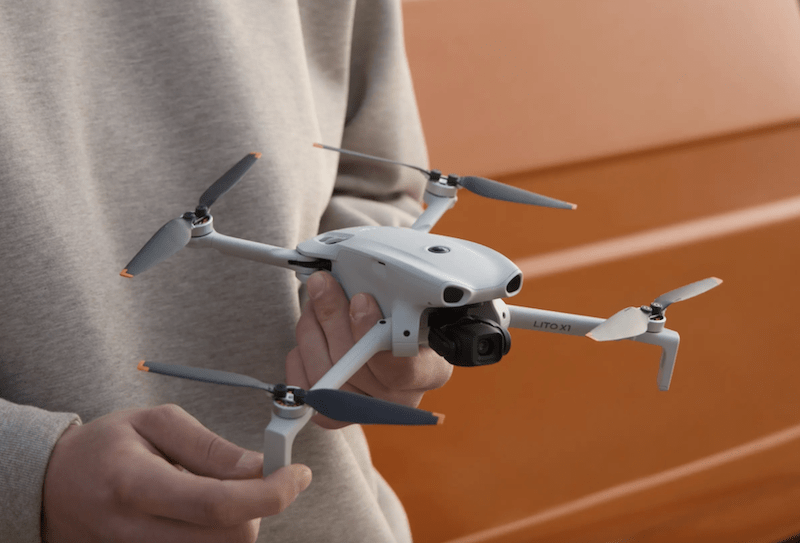
New DJI Drones Launch Globally, But Not in the U.S.
Drone manufacturer DJI has launched its latest consumer drones, the Lito X1 and Lito 1, targeting entry-level users with features designed to attract new pilots. Despite the strong initial interest and positive early coverage, these models will not be available for purchase in the United States. This restriction stems from regulatory challenges imposed by the Federal Communications Commission (FCC), which has limited the availability of certain drone products in the U.S. market. As DJI continues to expand its global offerings, the absence of these new models in the U.S. highlights ongoing concerns regarding compliance with local regulations and the impact on consumer access to innovative drone technology.
DJI Drone News Drone News Feeds News consumer drones DJI Lito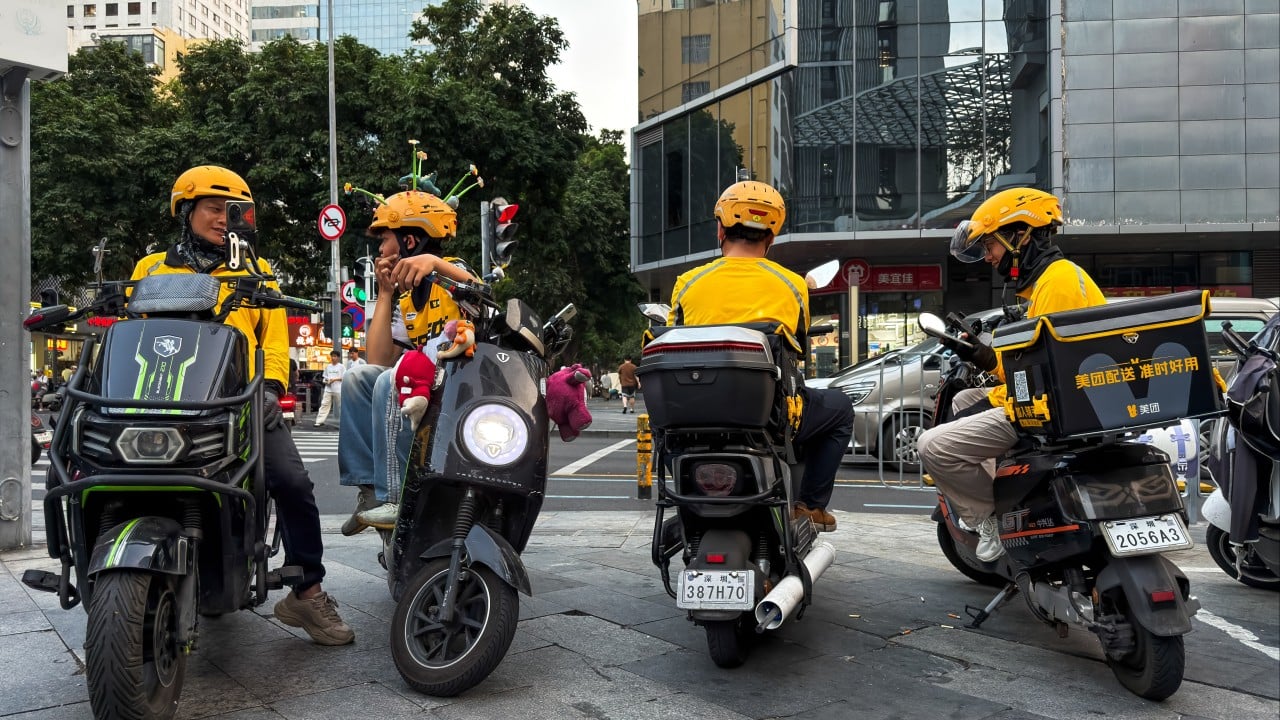
Chinese platforms fined 3.6b yuan for food safety violations amid cutthroat rivalry
China's State Administration for Market Regulation (SAMR) has imposed fines exceeding 3.6 billion yuan (approximately US$527.3 million) on seven prominent e-commerce and food delivery platforms, including Pinduoduo, Meituan, and JD.com. This decision was announced on Friday following an investigation that revealed these companies had inadequately verified the licenses of food vendors and permitted unverified "ghost" catering services to operate on their platforms. The regulatory action underscores the government's commitment to ensuring food safety and compliance within the rapidly growing online food service industry.

iRobot Completes Court-Supervised Transaction with Picea, Enabling the Next Chapter of Growth
iRobot, a Boston-based leader in consumer robotics, has successfully emerged from Chapter 11 bankruptcy, positioning itself for a stronger future. The company announced the establishment of a new independent subsidiary, iRobot Safe, which will focus on data protection and governance. This strategic move aims to enhance the company’s commitment to safeguarding user data and ensuring compliance with regulatory standards. The announcement, made in Bedford, Massachusetts, marks a significant milestone for iRobot as it seeks to rebuild and innovate within the rapidly evolving tech landscape. The establishment of iRobot Safe reflects the company's proactive approach to addressing growing concerns over data privacy and security in the consumer robotics sector.

China’s SAMR Opens Case to Investigate Qualcomm’s Autotalks Acquisition
China’s State Administration for Market Regulation (SAMR) has initiated an investigation into Qualcomm regarding its acquisition of V2X chipmaker Autotalks. The inquiry, announced today, centers on potential violations of the country’s Anti-Monopoly Law, specifically related to Qualcomm's alleged failure to report the concentration of undertakings associated with the deal. Qualcomm had disclosed the acquisition in May 2023, which has now raised concerns about compliance with regulatory requirements in China. The investigation underscores the increasing scrutiny of foreign investments in the Chinese technology sector and reflects the government's commitment to enforcing antitrust regulations.
News Feed
Sonardyne Awarded Contract for Seabed Monitoring Landers and Associated Services for NEP Project
Sonardyne has been awarded a contract to provide baseline environmental monitoring services for the United Kingdom's inaugural offshore carbon capture and storage (CCS) site. This decision follows a competitive bidding process, highlighting Sonardyne's expertise in the field. The project aims to ensure the effective monitoring of environmental conditions as the UK moves forward with its CCS initiatives, which are crucial for reducing carbon emissions and combating climate change. The monitoring services will play a vital role in assessing the environmental impact of the CCS operations, ensuring compliance with regulatory standards, and supporting the overall success of this pioneering project.

Temu faces suspension in Vietnam
Temu, a cross-border e-commerce platform associated with China's Pinduoduo, has been instructed to cease its operations in Vietnam, as reported by Chinese media outlet Yicai on Thursday. This directive comes amid a series of regulatory challenges faced by Chinese e-commerce platforms in the Southeast Asian country throughout the year. The Vietnamese government has been tightening regulations on foreign e-commerce entities, aiming to protect local businesses and ensure compliance with national laws. As a result, Temu's operations in Vietnam have been significantly impacted, reflecting broader trends in the region's approach to foreign digital commerce.
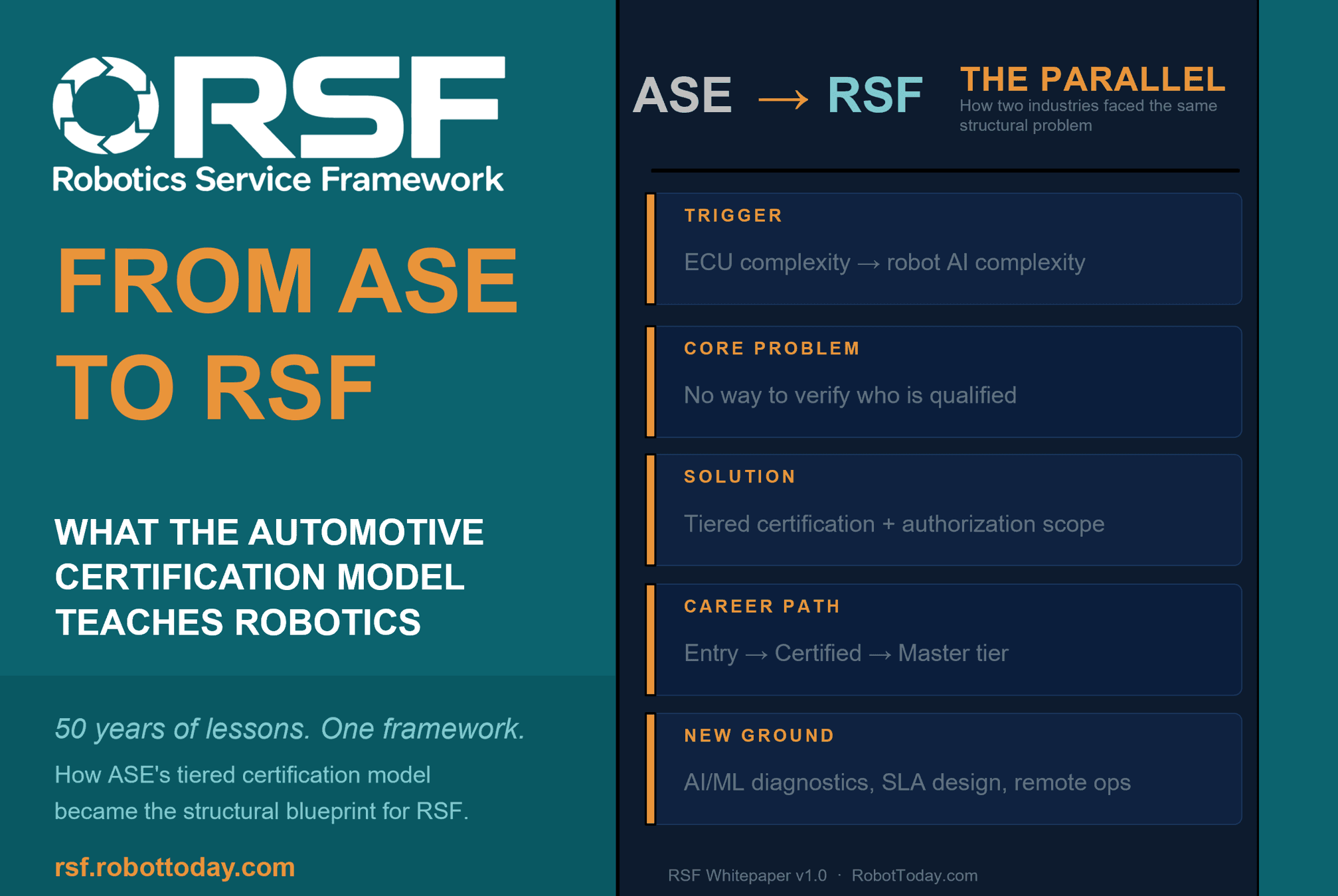
News FeedRobotics needs a service framework.
RSF defines a common language for robot service capability, lifecycle operations, certification pathways, and service-provider networks.