

Industry Briefing
A single destination for timely, editor-curated robotics news from around the world.
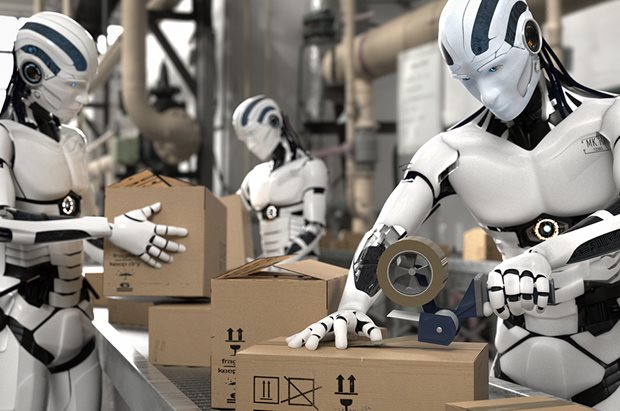
Pony AI Faces Stock Challenges Amid Regulatory Uncertainty in Robotaxi Sector
Pony AI's stock has struggled in 2026, with unclear reasons behind its poor performance. The company is facing challenges as regulatory uncertainty looms over the robotaxi market, particularly following Baidu's recent mishap that has raised concerns in China. This situation is significant as it highlights the vulnerabilities within the autonomous vehicle sector, especially for companies like Pony AI that are heavily invested in robotaxi technology. The regulatory landscape is critical for the success of such innovations, and any setbacks can impact investor confidence and market dynamics. Looking ahead, it will be important to monitor how Pony AI navigates these challenges and whether it can regain investor trust. No further timeline was disclosed at the time of publication.
PONY Richard Durant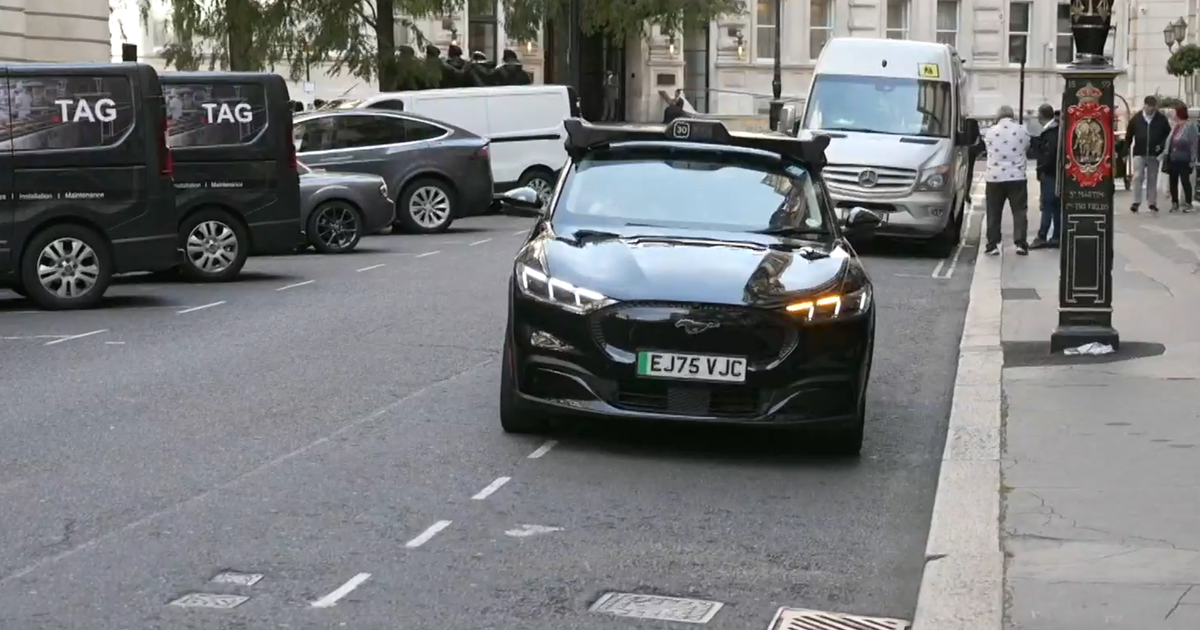
Uber Launches Robotaxis in London with Human Supervisors Amid Regulatory Challenges
Uber has introduced 15 autonomous Ford Mustang Mach-E vehicles in London, marking a significant milestone in urban mobility. This initiative, in collaboration with Wayve, faces regulatory hurdles as human supervisors are required on board due to current laws prohibiting full autonomy. The launch is crucial as it tests the capabilities of autonomous technology in a complex urban environment characterized by dense layouts and numerous roundabouts. Wayve's AI, which learns from diverse driving experiences, aims to navigate the challenges of London's unique road conditions, including a high volume of cyclists and pedestrians. Looking ahead, the project will continue to evolve as Uber and Wayve work towards achieving full autonomy. However, as of now, the robotaxis cannot service airport trips, and the presence of a supervisor remains a regulatory requirement. No further timeline was disclosed at the time of publication.
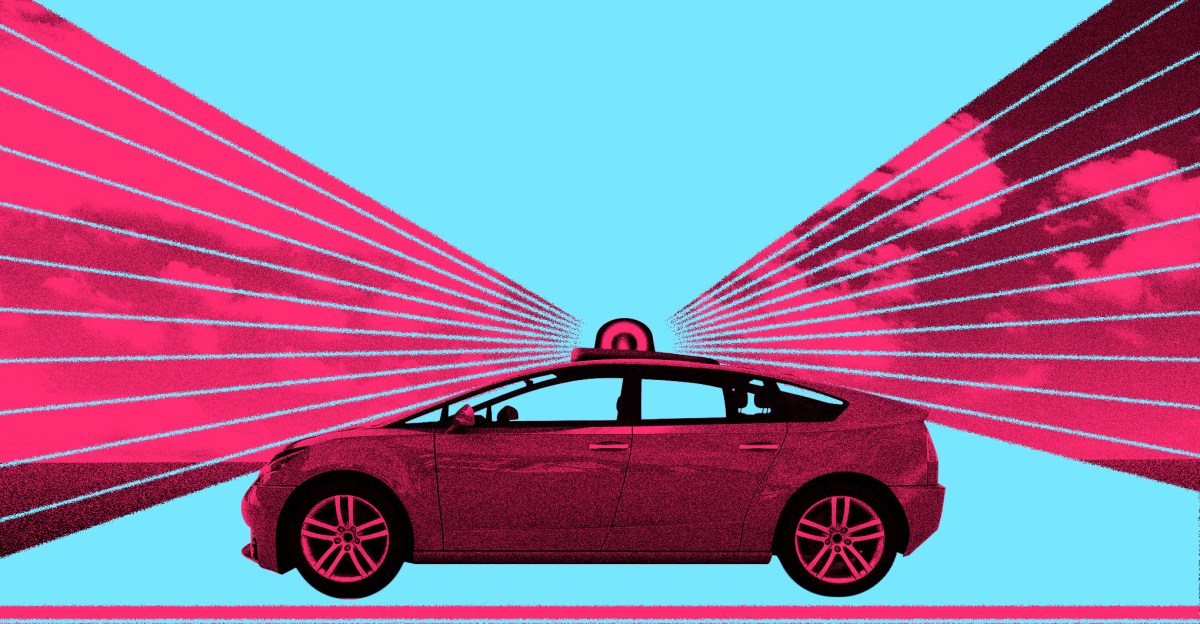
Robotaxis Expand on Roads Amid Intensifying Regulatory Challenges
The deployment of robotaxis is increasing, but regulatory challenges are mounting. In New York, Governor Kathy Hochul retracted a proposal for driverless robotaxis due to opposition from taxi drivers and unions, leaving commercial driverless services illegal. In Washington, D.C., labor unions are contesting legislation to legalize robotaxis, while San Francisco's Mayor Daniel Lurie calls for stricter regulations following traffic disruptions caused by Waymo's vehicles. The growing presence of robotaxis raises significant questions about safety and regulation. Policymakers are now faced with determining the pace of fleet expansion and the necessary proof companies must provide before scaling operations. Waymo leads the market with over 3,500 vehicles in 11 cities, while Zoox has begun paid rides in Las Vegas and testing in 10 cities. Tesla is also advancing its rollout with plans for its Cybercab. Despite the political focus, robotaxis still represent a small fraction of the U.S. ride-hailing market, with Waymo providing 500,000 rides weekly compared to Uber's 40 million daily trips. The visibility of robotaxis often overshadows their market impact, especially when operational issues arise during critical situations.
Autonomous Cars Electric Cars Policy Report Tesla TransportationRobotics needs a service framework.
RSF defines a common language for robot service capability, lifecycle operations, certification pathways, and service-provider networks.
Join the RobotToday community on LinkedIn
Daily robotics news, in-depth analysis, conference highlights, and discussions with professionals worldwide.







