Industry Briefing
A single destination for timely, editor-curated robotics news from around the world.
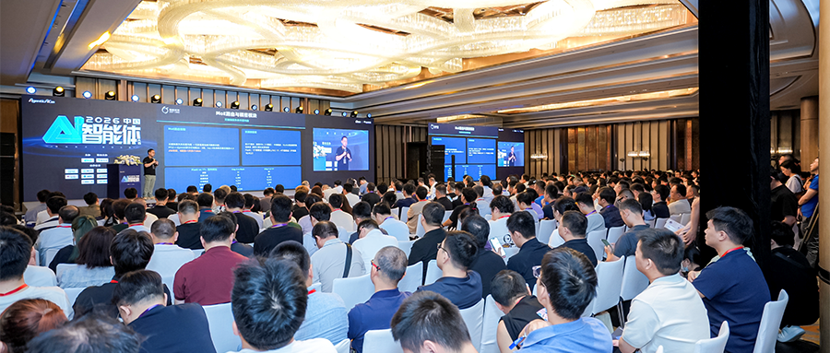
AI Agent Conference in Hangzhou Highlights Key Innovations and Challenges
The 2026 China AI Agent Conference wrapped up in Hangzhou, highlighting the advancements in Agentic AI and its impact on productivity. The event brought together 64 distinguished speakers who engaged in comprehensive discussions across ten key topics, shedding light on the latest technological innovations and tackling significant challenges facing the industry. The conference served as a platform for experts to share insights and explore the future of AI, emphasizing its transformative potential in various sectors.
Agentic AI Productivity Transformation AI Innovations Technology Conference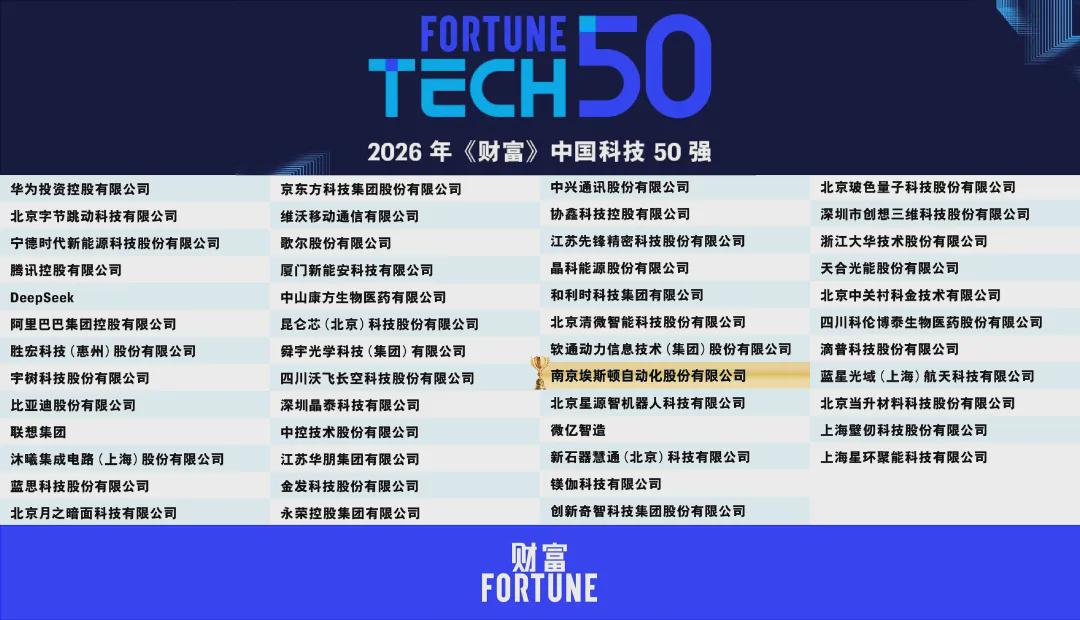
Aston Ranks Among the Top 50 Chinese Tech Companies in Fortune 2026, Leading Intelligent Manufacturing Transformation with AI+ Industrial Embodied Intelligence.
Aston has been recognized as one of the top 50 Chinese tech companies in the Fortune 2026 rankings, highlighting its significant role in advancing intelligent manufacturing through the integration of artificial intelligence and industrial embodied intelligence. This accolade reflects Aston's commitment to innovation and leadership in the tech sector, particularly in enhancing manufacturing processes. The recognition comes as industries increasingly adopt AI-driven solutions to improve efficiency and productivity. Aston's efforts in this domain are seen as pivotal in shaping the future of manufacturing in China and beyond, underscoring the company's influence in driving technological transformation.
Robotics Automation AI
Digital Transformation is Considered Essential by Most Manufacturers, Report Finds
A recent study conducted by Rockwell Automation has found that manufacturers are increasingly focusing on smart technologies to enhance their operations across various sectors. This shift towards advanced technological solutions is driven by the need for improved efficiency and productivity in manufacturing processes. The findings highlight a growing trend among companies to integrate innovative tools and systems that leverage data and automation. As industries strive to remain competitive in a rapidly evolving market, the adoption of these smart technologies is seen as a crucial step in optimizing performance and meeting consumer demands. The study underscores the importance of embracing digital transformation to navigate the challenges faced by manufacturers today.
Business Intelligence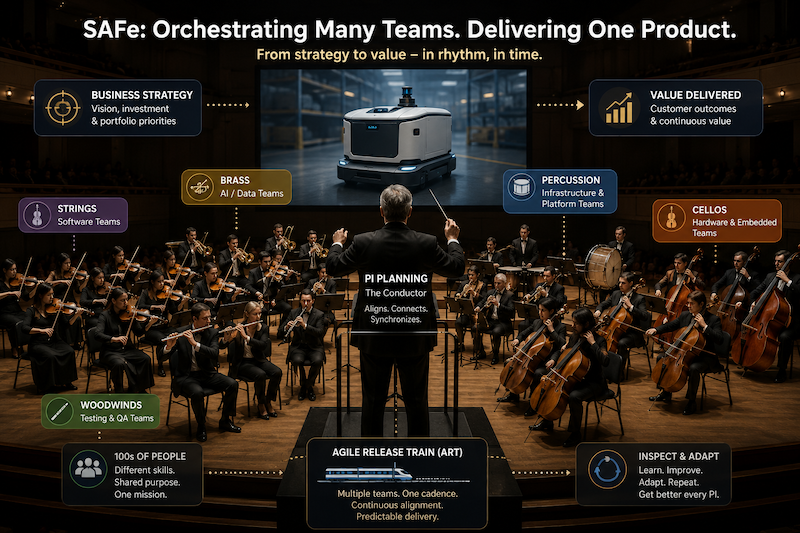
SAFe Has Won Enterprise Agile – What That Means for Your Career
In recent years, the landscape of enterprise agile frameworks has seen a significant shift, with the Scaled Agile Framework (SAFe) establishing itself as the leading methodology for large organizations seeking to implement agile practices at scale. This trend has been particularly evident among companies with substantial hiring needs, where SAFe's structured approach has facilitated smoother transitions to agile operations. The framework's popularity stems from its ability to address the complexities of scaling agile across various teams and departments, making it an appealing choice for enterprises aiming to enhance productivity and collaboration. As organizations continue to embrace agile methodologies, SAFe's dominance reflects a broader industry consensus on effective practices for large-scale agile transformation.
Business Computing Software agile coaching Agile leadership agile methodology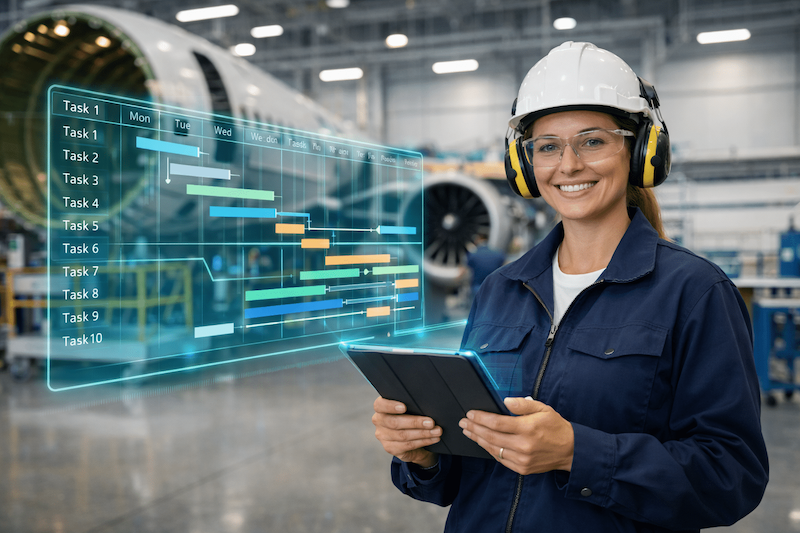
Top 7 AI Agent Platforms for Industrial Manufacturing in 2026
The manufacturing sector is undergoing a significant digital transformation, marked by substantial investments in Internet of Things (IoT) sensors, Manufacturing Execution Systems (MES), industrial analytics, and predictive maintenance solutions over the past decade. This shift has provided manufacturers with unparalleled operational visibility, enabling real-time monitoring of equipment, production lines, quality metrics, and material flows. Despite these advancements, production managers continue to face challenges in optimizing processes and improving efficiency. The integration of these technologies aims to enhance productivity and streamline operations, ultimately driving the industry towards a more data-driven future.
AI agents Manufacturing ai agents autonomous manufacturing digital manufacturing ERP integration
The myth of the reagent kit exits the stage, and the story of robots comes to the table.
The landscape of laboratory testing is undergoing a significant transformation as traditional reagent kits are being replaced by advanced robotics. This shift, which has been gaining momentum throughout 2023, is taking place in laboratories across various sectors, including healthcare and research institutions. The move towards automation is driven by the need for greater efficiency, accuracy, and speed in testing processes, which are critical in an era of rapid scientific advancement and increasing demand for reliable results. As laboratories adopt robotic systems, they are able to streamline workflows, reduce human error, and enhance productivity. These systems are designed to handle complex tasks, from sample preparation to analysis, allowing scientists and technicians to focus on more strategic aspects of their work. The integration of robotics not only improves operational efficiency but also supports the growing trend of high-throughput testing, which is essential for large-scale studies and diagnostics. This evolution in laboratory practices is indicative of a broader trend towards automation in various industries, reflecting a commitment to innovation and improved outcomes. As the reliance on reagent kits diminishes, the future of laboratory testing appears increasingly reliant on robotic technology, promising a new era of precision and efficiency in scientific research and healthcare diagnostics.
Robotics Automation AI
Tech Mahindra and Viam partner to scale advanced robotics and automation solutions
Tech Mahindra has announced a strategic partnership with Viam, enabling its global enterprise clients to leverage advanced robotics and automation capabilities through Viam's innovative physical AI platform. This collaboration, which aims to enhance operational efficiency and streamline processes for businesses, will provide clients with direct access to cutting-edge technology designed to optimize workflows and improve productivity. The partnership is expected to significantly impact various industries by integrating AI-driven solutions into everyday operations. This initiative reflects Tech Mahindra's commitment to driving digital transformation and innovation within its client base, positioning them at the forefront of technological advancements.
The Future of VFFS Technology in High-Speed Packaging Operations
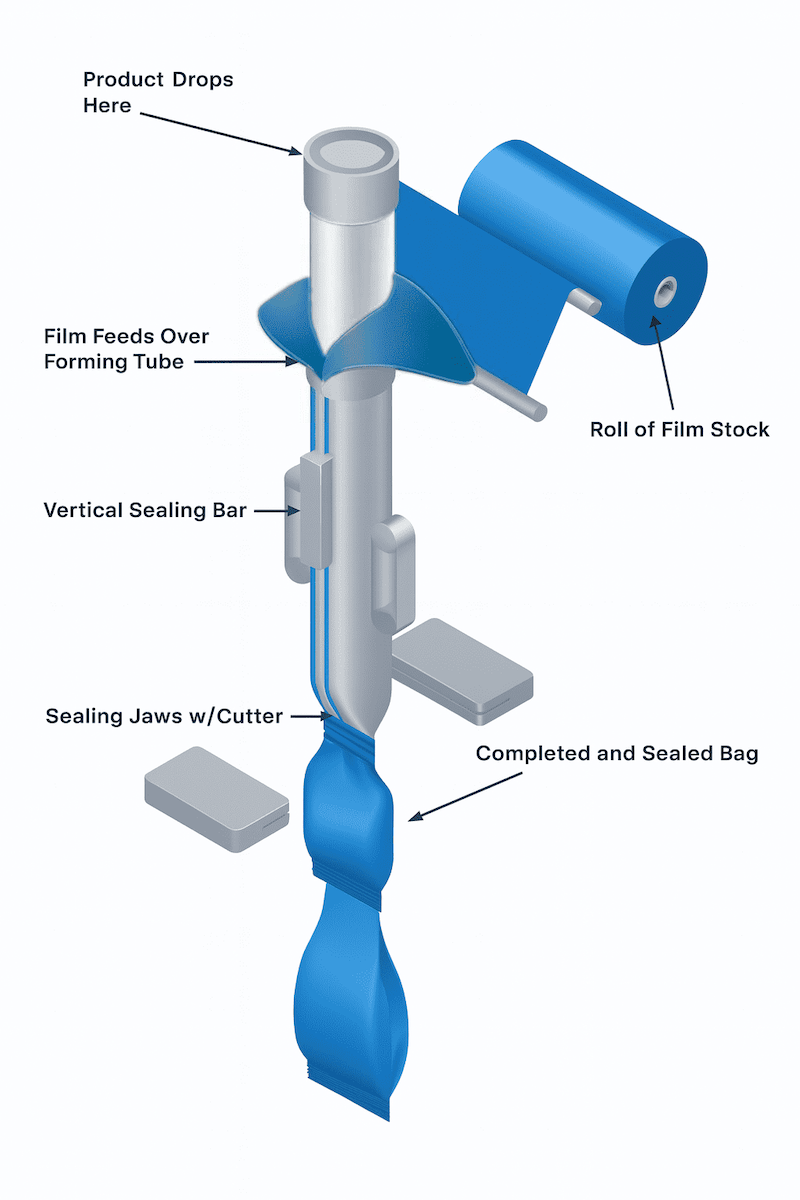
The packaging industry is experiencing significant changes as manufacturers respond to increasing consumer demands and shorter production timelines. This transformation is marked by a growing reliance on smarter, faster, and more efficient packaging solutions. Central to this evolution is Vertical Form Fill Seal (VFFS) technology, which has emerged as a crucial tool in contemporary packaging facilities. As companies across various sectors adopt this innovative system, they aim to enhance productivity and meet the dynamic needs of the market. The shift towards VFFS technology reflects a broader trend in the industry, where efficiency and adaptability are becoming paramount in the face of evolving consumer expectations.
Engineering Technology artificial intelligence automation news industrial automation industry 4.0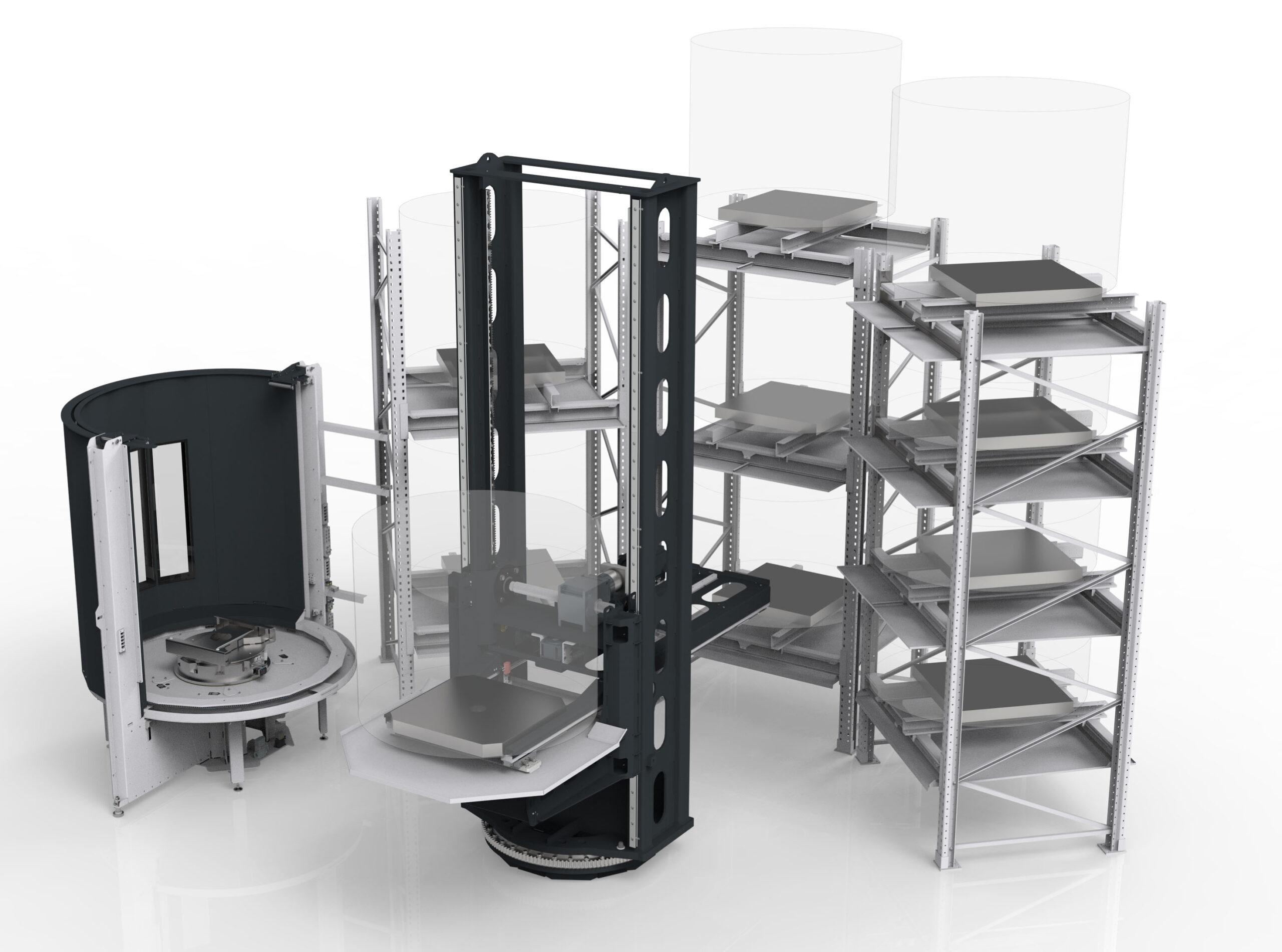
Complete Guide to CNC Pallet Changers in Machining Automation Centers
The manufacturing industry is experiencing increasing pressure to enhance productivity by producing more quickly and with fewer human errors. In response to these challenges, the automation of machining centers is emerging as a documented and effective solution. Central to this transformation are automatic pallet changers and CNC loading systems, which facilitate a seamless transition to more efficient operations. This shift towards automation is detailed in a comprehensive guide featured in Robot Magazine, highlighting the significance of these technologies in modern manufacturing processes.
À la une IA Industrie Robotique automatisation centre d’usinage automatisation CNC
Robotics Developers Focus on AI Software to Address Performance, Study Finds
A recent study has revealed a significant transformation in the field of robotics, highlighting a growing dependence on software and artificial intelligence (AI) technologies. This shift is reshaping how robotic systems are designed and function, indicating a move towards more intelligent and adaptable machines. The findings, based on data collected until October 2023, suggest that the integration of advanced software capabilities is crucial for enhancing the performance and efficiency of robotic systems. As industries increasingly adopt these innovations, the implications for automation and operational processes are profound, potentially leading to greater productivity and new applications across various sectors.
Business Intelligence
Reservoir’s Danny Bernstein says we’re ‘entering the golden age of robotics’ in agriculture
Danny Bernstein of Reservoir has highlighted the significant advancements in agricultural robotics, emphasizing the shift towards multi-tasking, multi-crop machines. Speaking at a recent event, he noted that the industry is entering what he describes as the "golden age of robotics" in agriculture. This transformation is largely driven by the increasing involvement of venture capital in the sector, which is fostering innovation and development. Bernstein's insights reflect a growing trend towards automation in farming, aimed at enhancing efficiency and productivity across various crops.
Agtech Artificial intelligence Deeptech Precision agriculture US & Canada ag robotics
Powering the next era of AI in manufacturing: Why it’s time to upgrade to the NVIDIA RTX PRO 4500 Blackwell Workstation Edition
NVIDIA has unveiled its latest advancements in manufacturing technology, showcasing how artificial intelligence and digital twins can significantly accelerate innovation in the industry. This announcement was made during a recent event held in October 2023, where industry leaders gathered to explore cutting-edge solutions. The integration of AI and digital twin technology aims to enhance efficiency and streamline processes within manufacturing operations. By leveraging NVIDIA's Blackwell architecture, companies can expect improved data processing capabilities that facilitate real-time decision-making and predictive analytics. This transformation is poised to not only boost productivity but also drive competitive advantage in an increasingly fast-paced market.
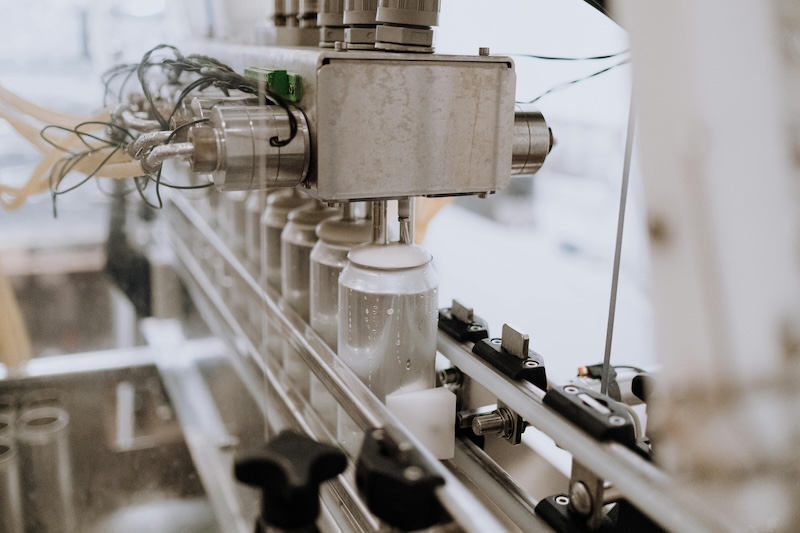
Application engineering for assembly systems is quietly becoming manufacturing’s biggest competitive edge
In a significant shift within the manufacturing sector, companies are increasingly focusing on application engineering to enhance assembly systems. This evolution is driven by the need for higher productivity and reduced error rates on the factory floor. Leading the charge is Atlas Copco, a prominent player in the industry, which is fully embracing this transformation. The emphasis is now on not just the machines themselves, but also on the engineering that connects and adjusts these machines in real-time to align with operational demands. As factories strive to optimize their processes, the integration of advanced engineering techniques is becoming essential for success in a competitive landscape.
Engineering Manufacturing application engineering assembly line automation assembly systems atlas copco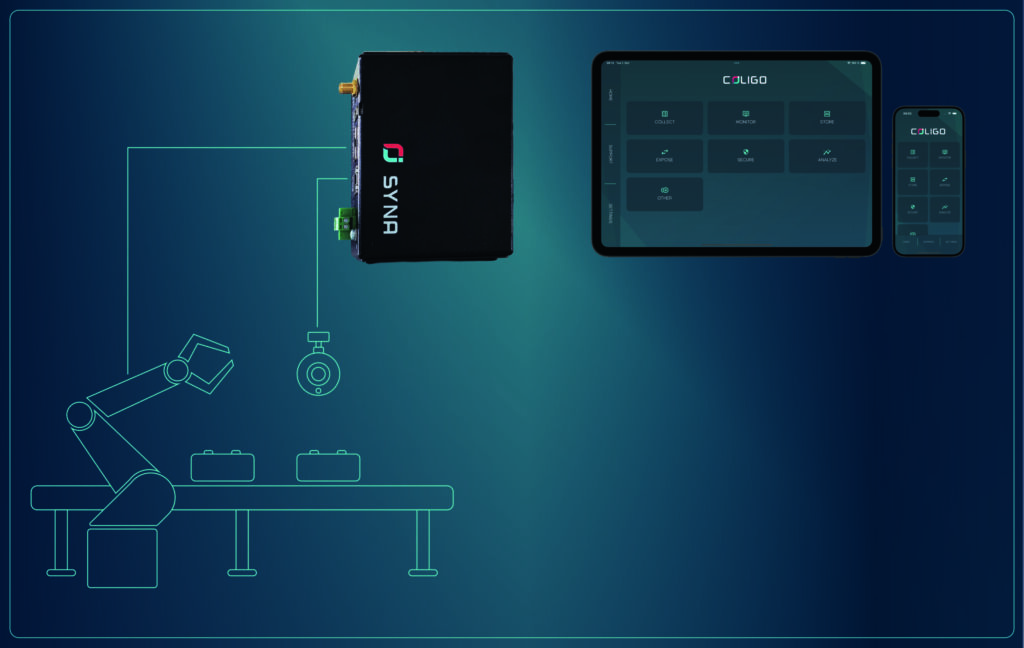
Simple edge analytics for machines and systems
Coligo, a platform dedicated to aiding companies in their transition to digitalization within operational technology (OT) environments, has introduced a new solution for simplifying edge analytics for machines and equipment. This initiative aims to enhance the efficiency and effectiveness of industrial operations by providing businesses with accessible tools for data analysis. The announcement highlights Coligo's commitment to supporting organizations in navigating the complexities of digital transformation, particularly in the manufacturing sector. The development is part of a broader trend towards integrating advanced analytics into industrial processes to drive innovation and improve productivity.
Allgemein Automation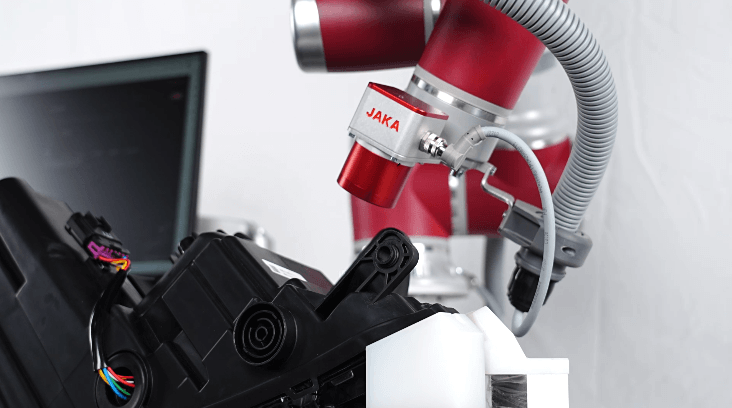
Enhancing Safety and Precision with Real-Time Force Feedback in Controllable Robots
The manufacturing sector is undergoing a significant transformation with the rise of collaborative robots, or cobots, particularly through innovations from JAKA Robotics. The company’s controllable robots utilize real-time force feedback technology, enhancing safety and precision in various industrial applications. This technology continuously monitors the forces exerted during operations, allowing cobots to adapt to unexpected changes in their environment, such as obstacles or excessive force during assembly. By equipping their cobots with real-time force feedback, JAKA Robotics significantly improves workplace safety, enabling safe collaboration between human workers and machines. For instance, when a cobot detects a sudden force change or an object in its path, it can automatically slow down or stop, reducing the risk of accidents. This capability not only enhances safety but also allows human operators to focus on more strategic tasks by relieving them from repetitive, hazardous activities. The JAKA Zu3 cobot exemplifies this innovation, designed for high-precision tasks in confined spaces, with a payload capacity of 3 kg and a reach of 626 mm. Its integration with vision systems allows for non-destructive testing and precise measurements, crucial in industries like electronics manufacturing. As the demand for advanced cobots grows, JAKA Robotics is committed to enhancing operational efficiency while prioritizing worker safety. The integration of real-time force feedback is set to redefine automation standards, positioning companies to thrive in a competitive landscape by improving productivity and quality control.
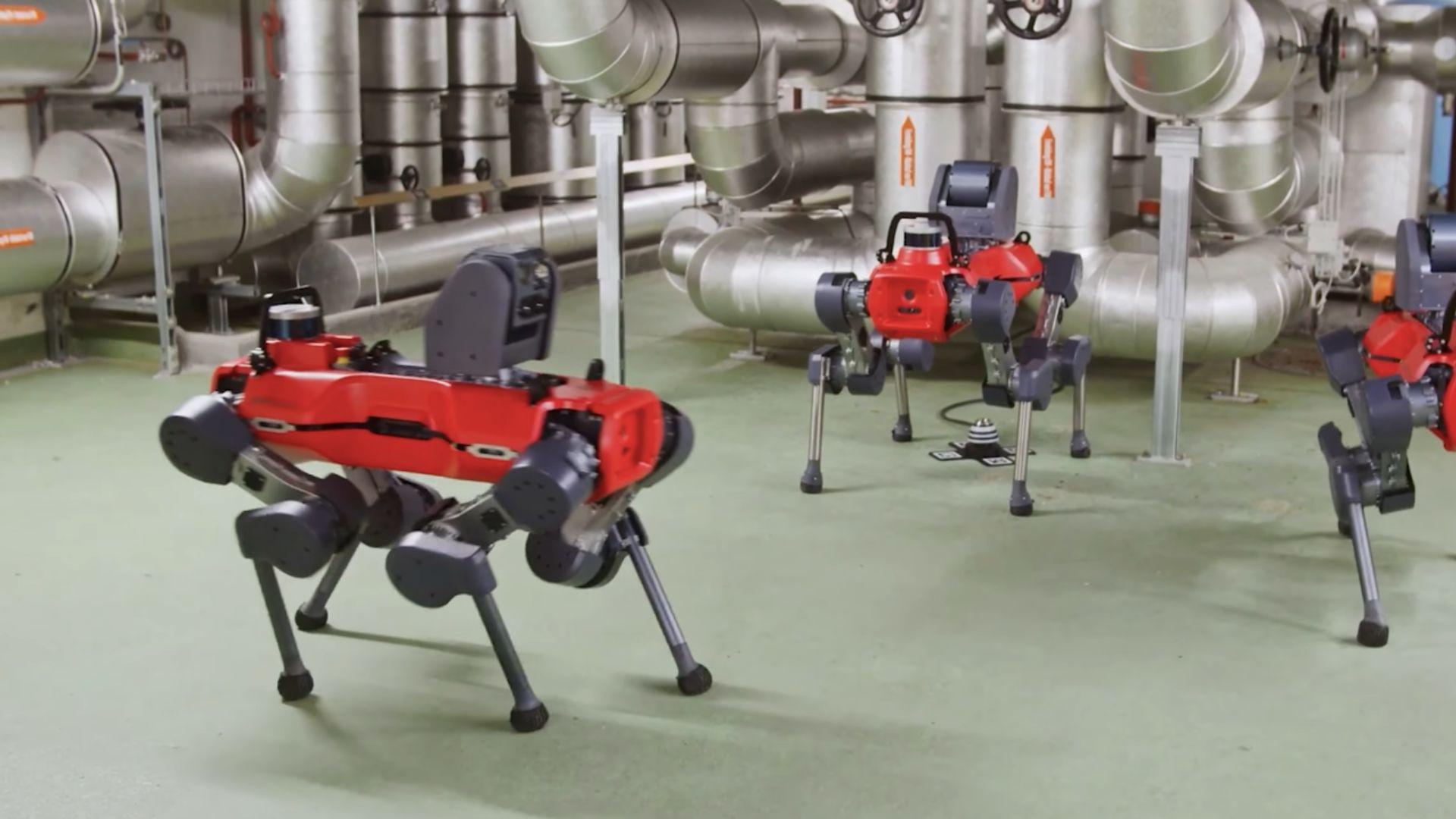
Video: New robot dog hunts tiny gas leaks at Norway’s massive carbon storage hub
In a significant shift, heavy industry is evolving to prioritize worker safety in hazardous environments. For decades, industries such as manufacturing and construction have focused on training employees to navigate dangerous conditions. However, recent advancements in technology and a growing emphasis on workplace safety are prompting companies to redesign their operations and environments to reduce risks. This transformation is gaining momentum as industries recognize the importance of protecting their workforce while maintaining productivity. Innovations such as automation, improved safety gear, and enhanced training programs are being implemented to create safer working conditions. The push for these changes is fueled by increasing regulatory pressures and a societal demand for better labor practices. As companies invest in these new safety measures, the landscape of heavy industry is set to change, potentially leading to a reduction in workplace accidents and injuries. This proactive approach not only benefits employees but also enhances overall operational efficiency, showcasing a commitment to both human and economic factors in the industrial sector.
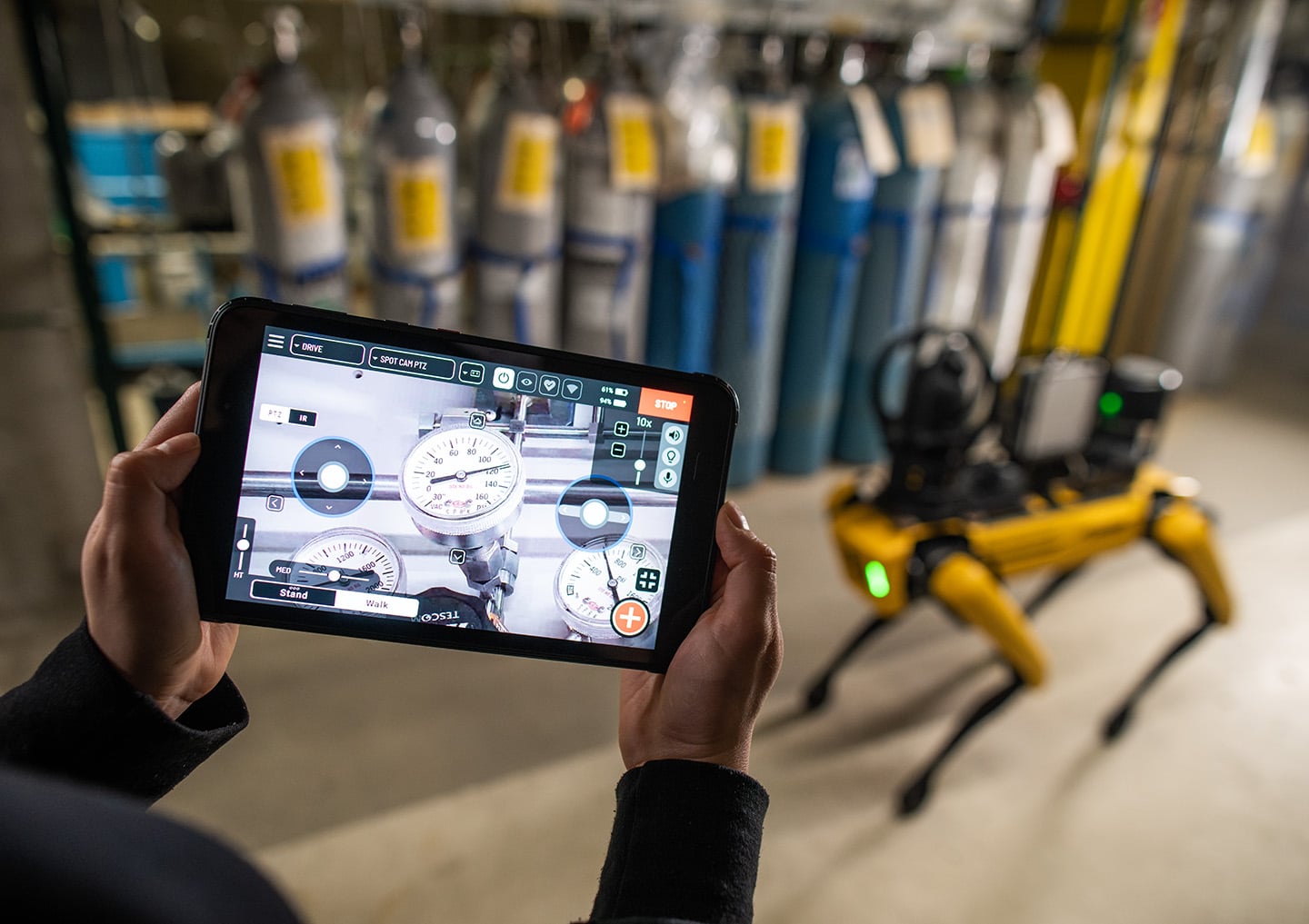
The Data Driving Asset Reliability | Boston Dynamics
Recent advancements in automation and real-time data collection are significantly transforming asset reliability across various industries. This shift, which has gained momentum in recent months, is particularly evident in sectors where operational efficiency is crucial. By leveraging these technologies, companies are effectively reducing instances of unplanned downtime, which can lead to costly interruptions in production. The integration of automated systems allows for continuous monitoring of equipment and processes, enabling organizations to identify potential issues before they escalate into major problems. This proactive approach not only enhances the reliability of assets but also streamlines operations, ultimately leading to improved productivity and cost savings. As industries increasingly adopt these innovative solutions, the focus on data-driven decision-making is becoming paramount. By harnessing real-time insights, businesses can make informed choices that optimize performance and minimize risks associated with equipment failure. This trend underscores the importance of embracing technological advancements to stay competitive in a rapidly evolving marketplace. Overall, the ongoing transformation driven by automation and data analytics is reshaping how companies manage their assets, ensuring a more resilient and efficient operational framework.
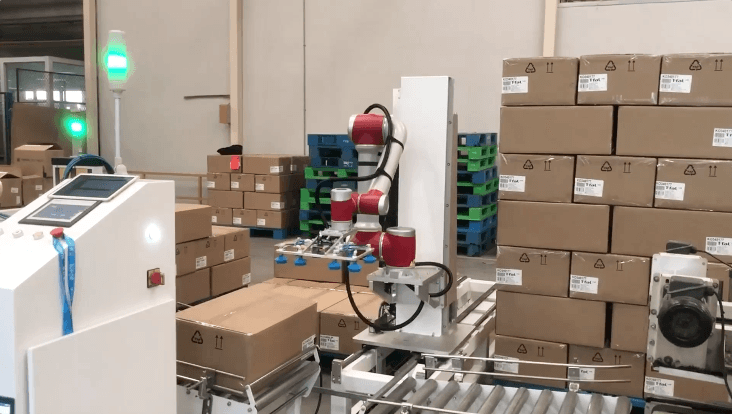
Cobot Palletizing vs. Traditional Palletizers: Speed, Footprint, and Cost Analysis
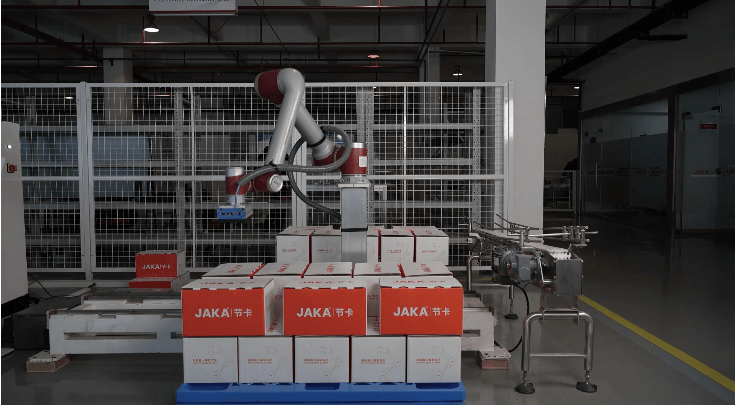
The palletizing process at the end of production lines is undergoing a significant transformation as manufacturers evaluate the shift from traditional palletizers to collaborative robot (cobot) systems. This change is driven by the need for greater flexibility and efficiency in supply chain operations. Traditional palletizers, known for their high-speed capabilities and suitability for single-SKU production, dominate high-output environments like food and beverage processing. However, cobots, equipped with 6-axis robotic arms, offer a more adaptable solution, particularly for facilities handling diverse product mixes. The transition is taking place as manufacturers seek to optimize space and reduce costs. Traditional systems require extensive floor space and safety barriers, often leading to operational bottlenecks. In contrast, cobots can operate safely alongside human workers, fitting into tighter spaces and allowing for more efficient warehouse layouts. Cost considerations also play a crucial role in this shift. While traditional palletizers may have similar initial costs, their total cost of ownership is significantly higher due to installation and maintenance expenses. Cobots, like those developed by JAKA, provide a more economical option, with easier installation and lower energy consumption. JAKA's Zu series exemplifies this innovation, offering advanced palletizing solutions that enhance productivity while minimizing product damage. As the industry adapts to these technological advancements, the choice between traditional and cobot palletizing systems will ultimately hinge on manufacturers' specific needs for speed, space, and cost efficiency.
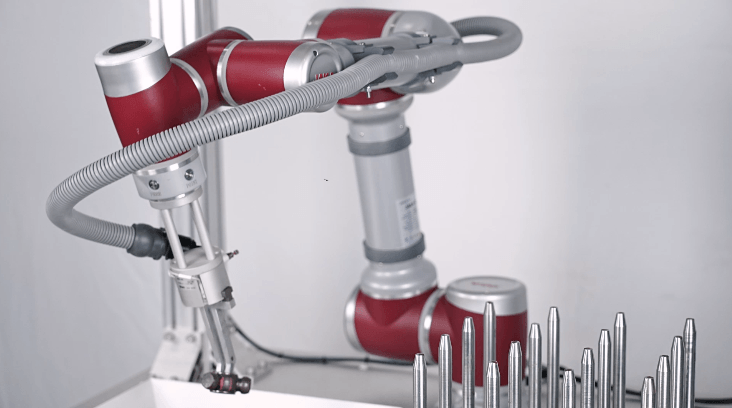
Why Global Buyers Are Increasingly Choosing Robot Arm China for Automation
The global industrial sector is experiencing a significant transformation as companies increasingly adopt flexible automation, particularly in China, which has emerged as the largest market for industrial robots. This shift is driven by a growing demand for sophisticated robotic arms that not only offer cost-effectiveness but also advanced adaptability and intelligence to seamlessly integrate into existing production lines. Historically associated with mass production, Chinese manufacturing is now recognized for its technical innovation and research and development in robotics. Local manufacturers are enhancing their technologies to meet stringent international standards, resulting in systems that excel in precision, payload capacity, and software integration. International buyers are attracted to these modern Chinese robotic solutions due to their rapid deployment capabilities and versatility, which are designed to simplify complex automation tasks for small and medium-sized enterprises. By focusing on user-friendly interfaces and modular designs, these robots lower the barriers to automation across various industries, including electronics, automotive, and food processing. Leading this collaborative revolution is JAKA, a global frontrunner in intelligent robotics. The company emphasizes a mission to enhance productivity through its innovative solutions, such as the JAKA Zu Series and S Series. These products boast impressive specifications, including high payload capacities and precise positioning accuracy, making them ideal for delicate tasks. JAKA's "plug-and-play" approach allows its collaborative robots to operate safely alongside human workers without traditional safety barriers, further enhancing their appeal. With a global service network and advanced training programs, JAKA positions itself as a comprehensive partner in automation, ensuring that its technology remains at the forefront of the industry.
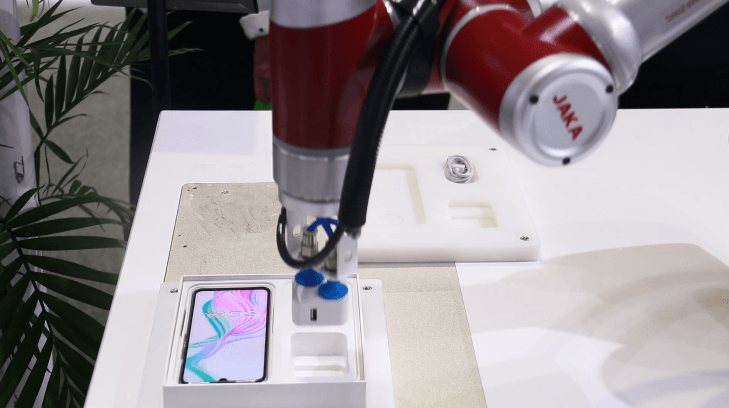
Which Company Makes Industrial Robots?
The global manufacturing sector is witnessing a significant transformation as it shifts from traditional high-speed automation to flexible collaborative systems. This change, driven by the emergence of "Industry 5.0," prioritizes human-machine synergy, allowing robots to operate safely alongside human workers. By 2026, the industrial robotics market has diversified, with companies adapting to the specific needs of production lines, moving beyond the dominance of the "Big Four" in heavy-duty manufacturing. Innovators in the field are now focusing on creating robots that are "Smart, Simple, Small," featuring intuitive graphical interfaces and wireless connectivity. This shift has enabled smaller enterprises to adopt automation technologies previously reserved for larger factories, resulting in increased productivity across various sectors, including electronics, food and beverage, and logistics. JAKA Robotics, a leader in this industrial revolution since 2014, emphasizes the concept of "embodied intelligence" in its robots. Their JAKA Zu series supports payloads up to 20kg with high precision, while the JAKA A series caters to delicate assembly lines with even greater accuracy. JAKA distinguishes itself with user-friendly innovations, such as mobile terminal APP control, which simplifies the automation process. The company’s commitment to providing safe and reliable robotic solutions positions it at the forefront of the evolving landscape of industrial innovation, paving the way for a new era in manufacturing.

Quiz: Industrial Connectivity Trends
Recent developments in industrial networks are significantly transforming the landscape of manufacturing connectivity. As companies increasingly adopt advanced technologies, the integration of Internet of Things (IoT) devices and cloud computing is reshaping how manufacturers communicate and operate. This shift is particularly evident in the ongoing evolution of smart factories, which leverage real-time data to enhance efficiency and productivity. The changes are occurring across various sectors, with a notable emphasis on automation and data analytics. By October 2023, many manufacturers have begun to implement these technologies to streamline operations and reduce costs. The push for greater connectivity is driven by the need for improved supply chain management and the ability to respond swiftly to market demands. Experts highlight that the transition to more interconnected systems is not merely a trend but a necessary adaptation to remain competitive in a rapidly changing global market. Manufacturers are increasingly recognizing the importance of collaboration and data sharing among partners to optimize processes and innovate products. As this transformation continues, the implications for workforce dynamics and skill requirements are becoming apparent. Companies are investing in training programs to equip employees with the necessary skills to thrive in this new environment. The ongoing evolution of industrial networks is poised to redefine traditional manufacturing paradigms, fostering a more agile and responsive industry capable of meeting the challenges of the future.
Process / Communication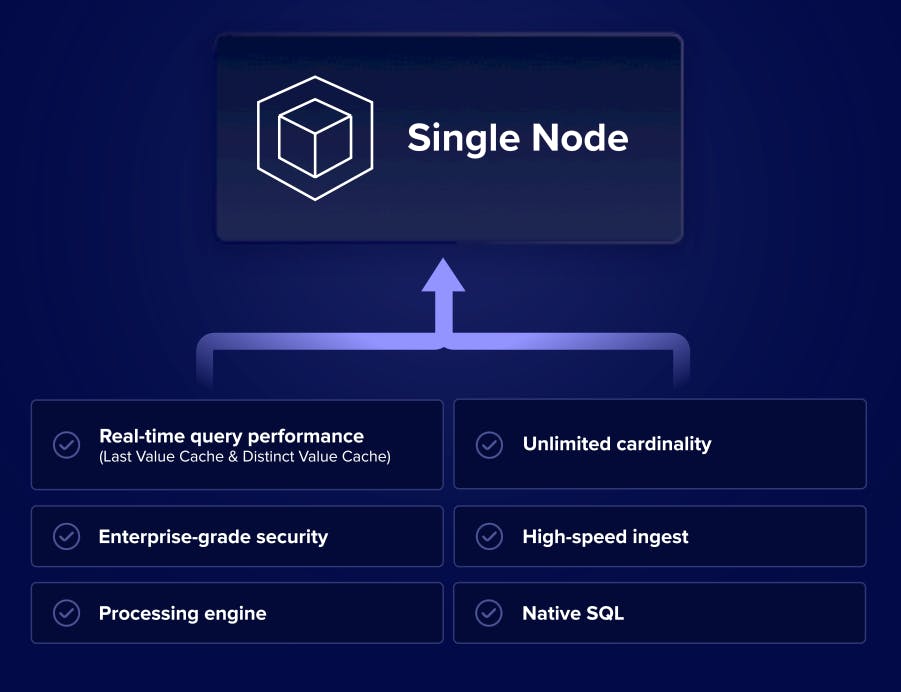
InfluxData Partners with Litmus to Connect, Contextualize and Store Operations Data
Manufacturers are set to benefit from a new integration that allows for the creation of a unified architecture across edge, on-premises, and cloud deployments. This development, announced recently, aims to streamline operations and enhance efficiency in production processes. By consolidating various deployment environments, companies can improve data management and accessibility, ultimately leading to better decision-making and increased productivity. The integration is expected to be implemented in the coming months, providing manufacturers with the tools necessary to adapt to the evolving technological landscape. This initiative reflects the industry's growing emphasis on digital transformation and the need for cohesive systems that can operate seamlessly across different platforms.
Factory / Analytics
AI and Robotics Leaders to Headline Automate 2026
The Association for Advancing Automation (A3) has announced the keynote lineup for Automate 2026, set to take place from June 22 to June 25 at McCormick Place in Chicago. This premier event, North America’s largest automation gathering, will focus on the transformative impact of artificial intelligence on industrial automation, addressing workforce shortages, enhancing productivity, and maintaining competitiveness across various sectors. Industry leaders, including executives from Siemens Digital Industries and Standard Bots, will lead discussions on the integration of AI into automation systems and the evolving capabilities of robotics in manufacturing and logistics. The program features a notable leadership conversation with former Chicago Bears linebacker Brian Urlacher and radio announcer Jeff Joniak, exploring the parallels between sports leadership and organizational performance. Anticipating over 50,000 attendees, Automate 2026 will showcase more than 1,000 exhibitors and feature over 200 expert speakers across 140 conference sessions, covering critical trends such as industrial AI and workforce transformation. The event aims to surpass the previous record set in 2024, which attracted nearly 43,000 registrants and generated a significant economic impact for the city. For further details and registration, interested participants can visit automateshow.com.
The Ultimate Guide to Understanding Collaborative Robots
Manufacturing is experiencing a significant transformation as it shifts from rigid machinery to flexible, integrated systems, primarily driven by the rise of collaborative robots (cobots). These advanced robots, equipped with sensors and power-limiting features, can safely operate alongside human workers without the need for extensive safety barriers. The appeal of cobots lies in their accessibility; they can be programmed using intuitive "drag-and-drop" interfaces, allowing operators with minimal technical skills to easily teach them new tasks. Their smaller physical footprint enables manufacturers to automate specific workstations without the need for complete facility overhauls, enhancing productivity in tasks such as precision assembly and palletizing. JAKA, a leader in this field, emphasizes its commitment to "Freeing Your Hands" through its S³ (Smart, Simple, Small) design philosophy. Their product line, including the JAKA Zu series, caters to various industrial needs, offering models with payloads ranging from 3kg to 20kg and exceptional precision. The JAKA Pro series is designed for harsh environments, featuring IP68 protection against oil, dust, and moisture, while the All-in-one series includes plug-and-play vision systems for autonomous adaptability. By adopting JAKA technology, manufacturers can ensure a future-proof ecosystem that integrates seamlessly into existing workflows, enhancing productivity as their operations scale. JAKA continues to innovate, providing the tools necessary for a more intelligent and flexible production line.
NVIDIA and Partners Showcase the Future of AI-Driven Manufacturing at Hannover Messe 2026
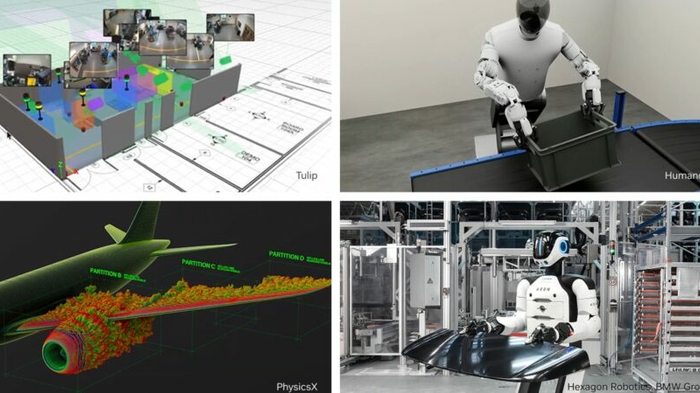
Manufacturing is undergoing a significant transformation as industries worldwide face increasing pressures to enhance efficiency and productivity. This shift is largely driven by the need for faster design cycles, streamlined operations, and a diminishing pool of skilled labor. As a result, companies across major industrial economies are increasingly turning to AI-driven production methods to meet these challenges. The transition to artificial intelligence in manufacturing is not only a response to current operational demands but also a strategic move to remain competitive in a rapidly evolving market. By leveraging advanced technologies, manufacturers aim to optimize processes and reduce costs, ultimately reshaping the future of production.

IoT SIM Cards Become Critical Infrastructure for Industrial Automation, Robotics, and Drone Operations
As industries such as manufacturing, logistics, energy, and infrastructure embrace digital transformation, a significant shift is occurring with the integration of cellular-connected devices. These advancements are replacing traditional isolated machines with interconnected systems that facilitate continuous communication. This transition enables real-time coordination and remote management, enhancing operational efficiency and responsiveness. The push for modernization is driven by the need for improved productivity and adaptability in an increasingly competitive market. By leveraging advanced technology, companies are positioning themselves to better meet the demands of their sectors and optimize their processes.

The Perfect Marriage: How CNC Solutions Turned ENCY, a Stäubli Robot, and a Beckhoff Controller into a Product
A recent analysis highlights the transformative role of robots in manufacturing environments, emphasizing that while they may appear as mere assemblies of joints and motors, their impact on production floors is profound. This shift in perspective was discussed during a conference held in October 2023, where industry experts gathered to explore advancements in robotics technology. The event took place in a major industrial hub, showcasing the latest innovations that enhance efficiency and productivity in manufacturing processes. The motivation behind this exploration stems from the increasing demand for automation in various sectors, driven by the need for improved precision and reduced labor costs. Experts demonstrated how robots are being integrated into workflows, not only to perform repetitive tasks but also to collaborate with human workers, thereby redefining the dynamics of the workplace. Through live demonstrations and case studies, attendees witnessed firsthand the capabilities of modern robotics, which are designed to adapt and learn from their environments. This evolution in robotics is seen as a crucial step towards achieving smarter manufacturing solutions that can respond to the fast-paced changes in market demands. As companies continue to invest in these technologies, the future of production is poised for significant transformation, promising enhanced operational efficiencies and new opportunities for growth.
The Impact of Automation and Industrial Robotics on Small and Midsize Enterprises
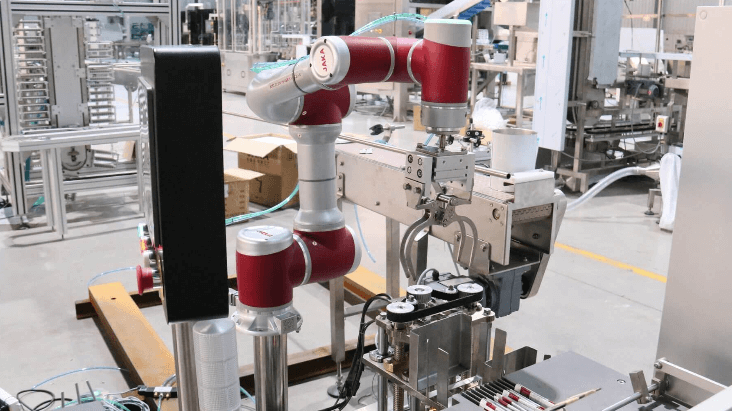
The landscape of automation and industrial robotics is evolving, enabling small and midsize enterprises to access advanced manufacturing tools previously deemed unattainable. JAKA, a key player in this transformation, focuses on creating industrial collaborative robots (cobots) designed for flexibility and ease of use. These modern cobots lower traditional barriers to entry by allowing existing shop floor personnel to manage automation without requiring extensive technical expertise. With intuitive programming and plug-and-play connectivity, JAKA's cobots can be quickly integrated into production processes, enhancing operational efficiency. Their compact design allows for easy redeployment across various tasks, making them ideal for businesses facing space constraints and fluctuating order demands. Moreover, the economic impact of these cobots extends beyond productivity. They improve operational consistency, reduce material waste, and enhance product quality, ultimately protecting brand reputation. By taking over repetitive and ergonomically challenging tasks, JAKA's cobots also help mitigate workplace fatigue and injuries, contributing to a safer work environment. As accessible automation reshapes the capabilities of smaller manufacturers, JAKA aims to empower these businesses with practical robotic solutions that deliver immediate benefits while fostering long-term growth and resilience.

India’s Global Systems Integrators Build Next Wave of Enterprise Agents With NVIDIA AI, Transforming Back Office and Customer Support
India's technology sector is undergoing a significant transformation as Agentic AI emerges as a key player, enhancing service delivery on a global scale. By leveraging NVIDIA AI Enterprise software and NVIDIA Nemotron models, leading tech companies in India are driving substantial improvements in productivity and efficiency across various industries. This shift is not only positioning India as a leader in AI innovation but also responding to the growing demand for advanced technological solutions in a competitive market. The integration of these cutting-edge tools is expected to streamline operations and foster growth, underscoring the country's commitment to embracing artificial intelligence as a cornerstone of its economic development.

piCOBOT® Electric for Logistics & Warehousing
The logistics and warehousing sectors are undergoing a significant transformation as they increasingly adopt collaborative robots (cobots), autonomous mobile robots (AMRs), and flexible automation solutions. This shift is driven by the need for enhanced operational efficiency and sustainability, as companies face mounting pressure to reduce energy consumption and lower emissions. The integration of these advanced technologies allows for rapid reconfiguration of operations, enabling businesses to adapt quickly to changing demands. As the industry moves away from traditional utility reliance, the focus on innovative automation methods is expected to reshape the future of logistics and warehousing, promoting both environmental responsibility and improved productivity.

Aerospace’s Automation Breakthrough: How Robotics and AI Orchestration Are Rewriting the Supply Chain
The aerospace industry is poised for significant advancements through the integration of physical automation and artificial intelligence (AI) systems. This innovative approach aims to enhance the coordination of information flow within complex, multi-vendor environments while ensuring the protection of confidential data. By leveraging these technologies, companies in the sector are expected to achieve greater operational efficiency and streamline processes. The push for this transformation is driven by the need to adapt to evolving industry demands and improve overall productivity. As organizations implement these integrated systems, they will likely reshape the landscape of aerospace operations, paving the way for a more secure and efficient future.
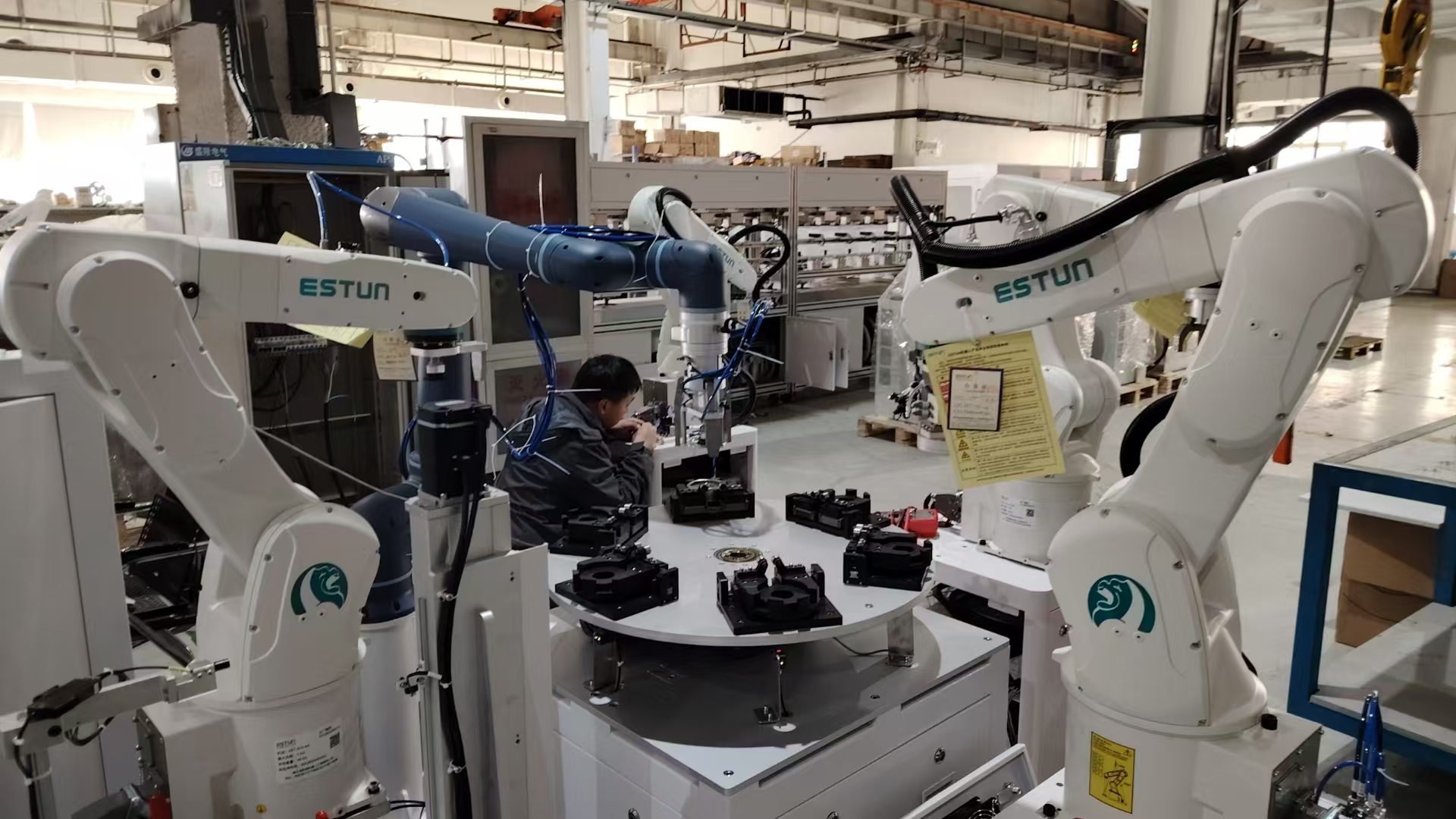
From Testing and Verification to Batch Trust: Estun and Partners Jointly Expand the Application Path of Domestic Robots
A partner company in Tianjin, recognized for its extensive technical expertise and industry experience in instrument and meter automated assembly, is reflecting on its successful collaboration in the field. Initially, when the partnership began, the integration of robots in domestic automated production lines was minimal. However, over the years, advancements in technology and increased awareness of automation's benefits have significantly boosted the adoption rate of robotic systems in manufacturing processes. This shift is attributed to the growing demand for efficiency and precision in production, prompting many industries to embrace automation solutions. The Tianjin partner has played a crucial role in this transformation, providing innovative assembly solutions that enhance productivity and reduce operational costs. As the industry continues to evolve, the company remains committed to leading advancements in automated assembly technology, ensuring that its clients stay competitive in a rapidly changing market.
ESTUN AUTOMATION ROBOTICS SERVO SYSTEMS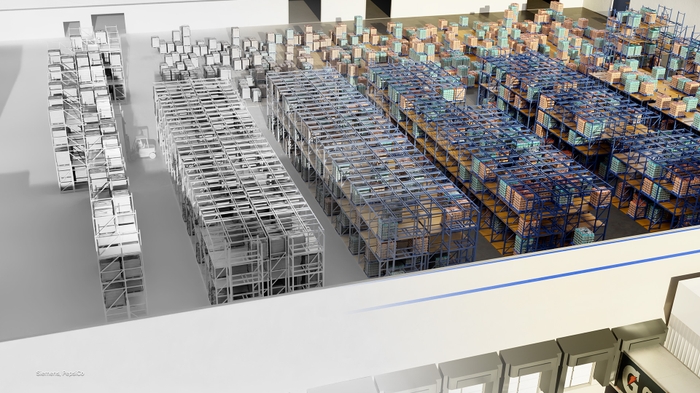
Siemens and NVIDIA Expand Partnership to Build the Industrial AI Operating System
Siemens and NVIDIA have announced a major expansion of their strategic partnership aimed at integrating artificial intelligence into practical applications. The announcement was made today, highlighting the companies' commitment to advancing AI technology for real-world use. This collaboration seeks to leverage NVIDIA's cutting-edge AI capabilities alongside Siemens' expertise in industrial automation and digitalization. By combining their strengths, the two companies aim to enhance productivity and innovation across various sectors, ultimately driving digital transformation in industries worldwide. This initiative reflects a growing trend among technology leaders to harness AI's potential to improve operational efficiency and create smarter solutions for complex challenges.
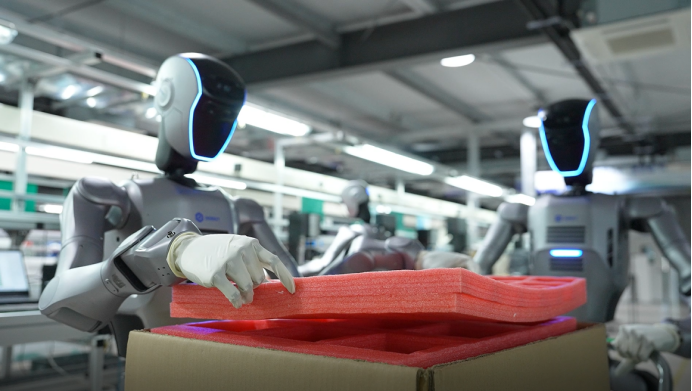
What Is a Humanoid Robot? Definition, Capabilities, and Industrial Reality
A recent exploration into humanoid robots has shed light on their defining characteristics, capabilities, and increasing significance in contemporary industrial automation. As industries evolve, these robots are being integrated into various sectors to enhance efficiency and productivity. The analysis, conducted by experts in robotics and automation, highlights how humanoid robots are designed to perform tasks traditionally executed by humans, thereby streamlining operations and reducing labor costs. This investigation comes at a time when businesses are seeking innovative solutions to meet growing demands and adapt to technological advancements. The findings emphasize the versatility of humanoid robots, which can be programmed for a range of functions, from assembly line work to customer service roles. The study underscores the importance of these robots in addressing labor shortages and improving workplace safety by taking on hazardous tasks. As companies increasingly adopt automation, the role of humanoid robots is expected to expand, leading to a transformation in the workforce landscape. This shift not only reflects the ongoing trend toward automation but also raises questions about the future of work and the potential for collaboration between humans and machines. In summary, the integration of humanoid robots into industrial settings is not just a technological advancement but a strategic response to the challenges faced by modern industries, paving the way for a new era of automation.
humanoid robot industrial automation DOBOT Atom robotics AI manufacturing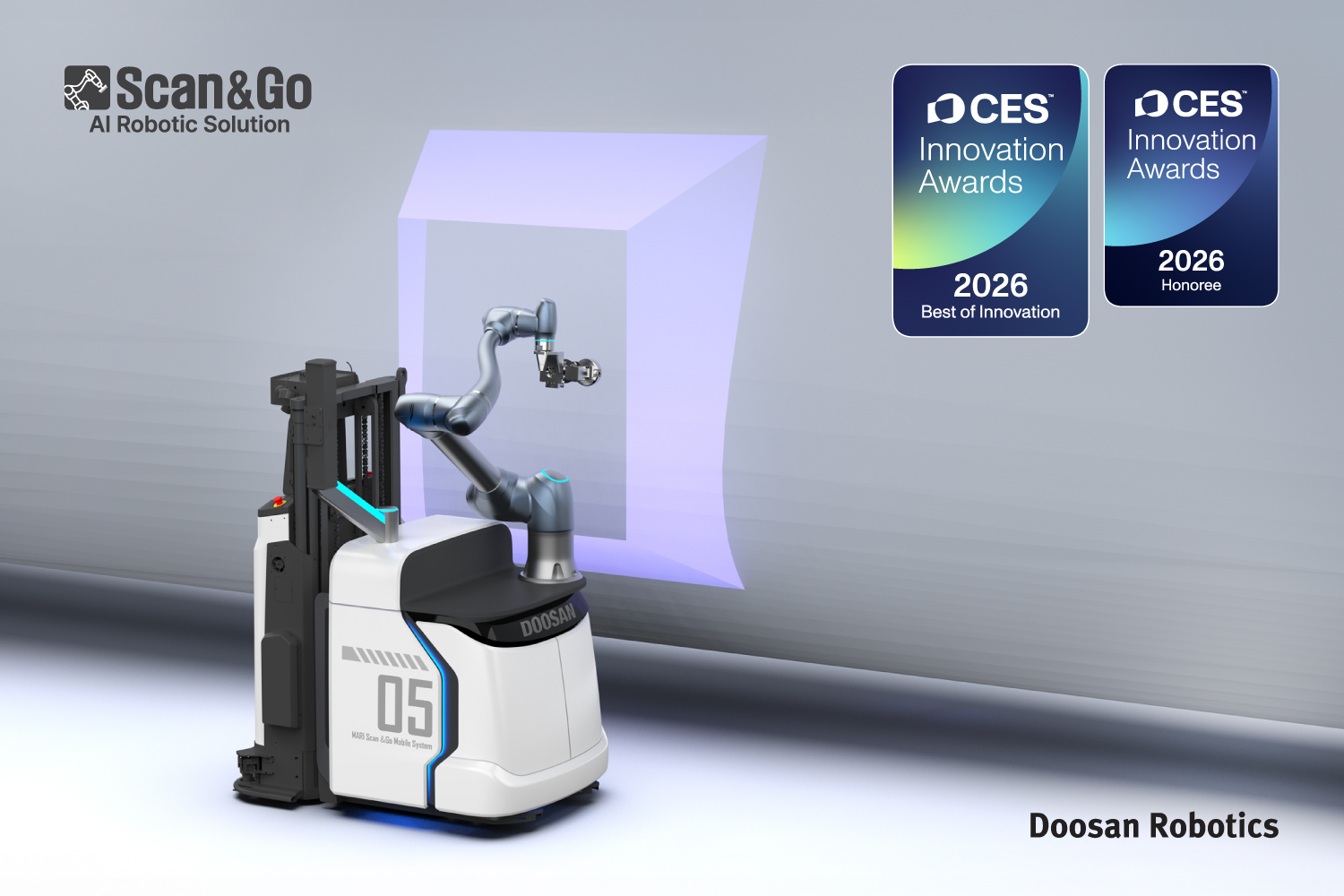
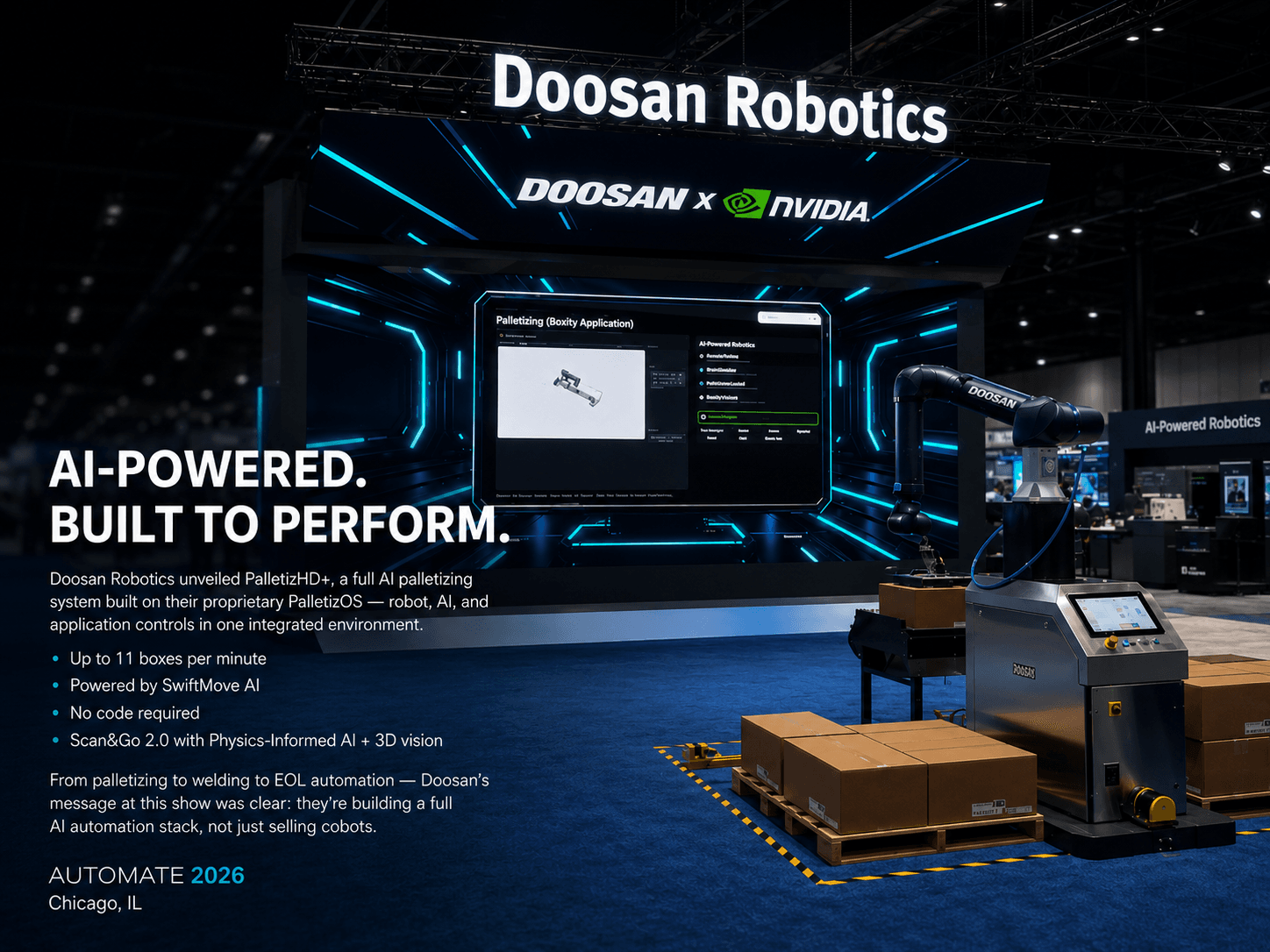
Doosan Robotics Wins Two CES Innovation Awards® 2026 Including “Best of Innovation” in AI Category
Doosan Robotics has received prestigious accolades at the CES Innovation Awards, being recognized as the Best of Innovation in the Artificial Intelligence category and as an Honoree in the Robotics category for its Scan & Go Autonomous Robotic Solution. These awards, presented by the Consumer Technology Association (CTA), highlight exceptional design and engineering in technology products ahead of CES 2026, scheduled for January 6–9 in Las Vegas. The Scan & Go solution, developed in partnership with Canada-based Maple Advanced Robotics Inc. (MARI), is an AI-driven robotic platform designed to enhance large-scale manufacturing and composite repair processes. Utilizing cognitive learning and 3D perception, the system interprets complex geometries in real time, generating optimized tool paths without the need for CAD modeling or programming. Mounted on a self-driving forklift, it autonomously navigates and operates on large, irregular structures, performing tasks such as sanding, grinding, and inspection with minimal preparation. This innovation aims to automate hazardous and labor-intensive maintenance tasks, addressing safety concerns related to noise, dust, and repetitive strain injuries. With advanced safety features, including torque-sensing collision detection, Scan & Go enhances workplace safety and productivity, earning recognition from leading wind energy manufacturers. Kevin Kim, CEO of Doosan Robotics, emphasized the company's commitment to developing immediate, on-site AI robotic solutions, marking Scan & Go as the beginning of a broader initiative to tackle real-world industrial challenges. This recognition at CES 2026 signifies Doosan's strategic transformation into an AI Robot Solution company, aimed at bolstering its global competitiveness in the robotics sector.
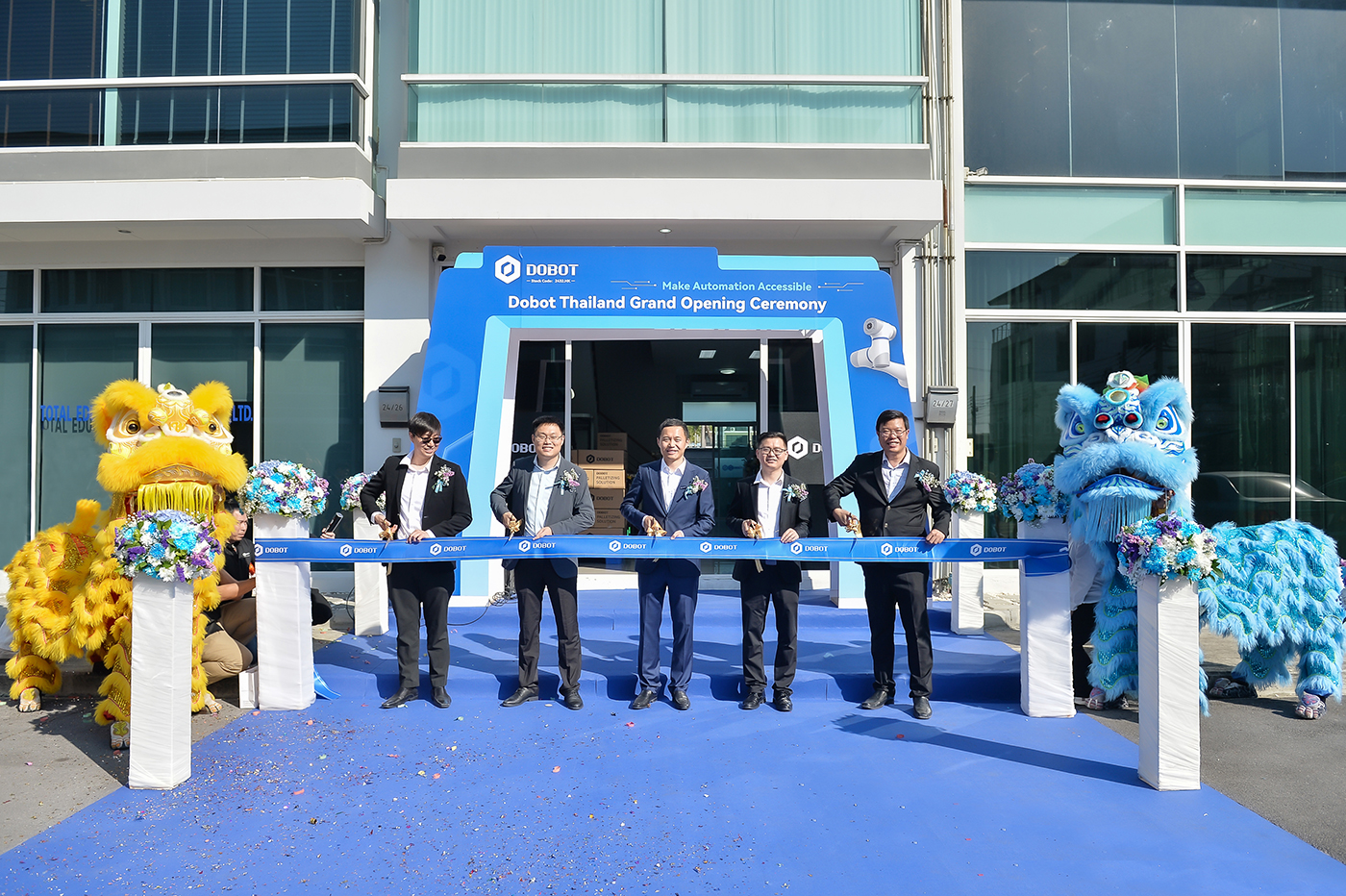
Dobot Thailand Opens to Advance Smart Manufacturing across Southeast Asia
Dobot Thailand has officially launched its operations, aiming to enhance smart manufacturing capabilities throughout Southeast Asia. The opening event took place recently in Bangkok, where industry leaders and stakeholders gathered to witness the unveiling of the company's innovative automation solutions. This initiative is driven by the growing demand for advanced manufacturing technologies in the region, as businesses seek to improve efficiency and productivity in response to competitive pressures. Dobot Thailand plans to provide cutting-edge robotic solutions and support services to local manufacturers, facilitating their transition to smart manufacturing practices. The company’s entry into the market is expected to significantly contribute to the digital transformation of the manufacturing sector in Southeast Asia, positioning the region as a hub for technological advancement.
Dobot Thailand Southeast Asia Automation,Dobot Localized Services
Zoom transitions to AI-driven future with corporate rebrand
On November 25, Zoom Communications, Inc. revealed its strategic shift towards becoming an AI-first company, moving away from its traditional focus on video conferencing. In a blog post titled “Allow us to reintroduce ourselves,” CEO Eric Yuan detailed the company’s vision to integrate artificial intelligence throughout the Zoom Workplace ecosystem. This transformation aims to enhance the platform's capabilities, expanding its functionality beyond mere video communication to better serve users in a rapidly evolving digital landscape. The initiative reflects the growing importance of AI in enhancing productivity and collaboration in the workplace.
News Feed
Automation is Leaving the Factory Floor and Moving into the Back Office
For decades, automation has primarily been associated with industrial settings, such as factories and warehouses, where robots and programmable systems efficiently managed repetitive physical tasks. However, recent developments indicate a significant shift in the application of automation beyond traditional environments. As of late 2023, various sectors are increasingly integrating automation into diverse areas, including service industries and everyday consumer interactions. This expansion is driven by the need for enhanced efficiency and precision, as organizations seek to reduce labor costs and improve productivity. The transition is facilitated by advancements in technology, which allow for more sophisticated automation solutions that can adapt to a wider range of tasks. As businesses recognize the potential benefits, the conversation around automation is evolving, highlighting its growing presence in non-industrial contexts.
Automation Business Industry ai agents artificial intelligence automation news
Why Financial Markets Are Becoming One of the Most Automated Industries on Earth
In today's industrial landscape, automation has become a defining characteristic of both manufacturing and trading environments. On factory floors, robotic arms and sensor networks are prominently featured, executing tasks with precision and efficiency without direct human intervention. Similarly, while modern trading desks may lack the visible machinery of a factory, they are equally influenced by automation technologies. These trading platforms utilize advanced algorithms and predictive analytics to streamline operations and enhance decision-making processes. This shift towards automation in both sectors reflects a broader trend driven by the need for increased efficiency and reduced operational costs. As businesses strive to remain competitive in a rapidly evolving market, the integration of sophisticated technologies is seen as essential. The adoption of these automated systems not only improves productivity but also enables firms to respond more swiftly to market changes and consumer demands. As companies continue to embrace automation, the implications for the workforce and the future of work are significant, prompting discussions about the balance between technological advancement and human employment. The ongoing evolution of automation in both manufacturing and trading underscores a pivotal moment in the way industries operate, signaling a future where technology plays an increasingly central role in business operations.
News ai in finance AI infrastructure algorithmic trading automated trading automation news
Interview with MTC’s Mike Wilson: ‘Automation is not optional if the UK wants to rebuild manufacturing’
During the 1980s, the UK underwent a significant economic transformation, often associated with the policies of then-Prime Minister Margaret Thatcher. This period marked a decisive shift from a manufacturing-based economy to one increasingly dominated by services, finance, retail, and consumer spending. As the country embraced these changes, the manufacturing sector diminished in importance, reflecting broader trends seen in other Western economies, particularly the United States. This evolution was driven by a combination of government policies aimed at deregulation and privatization, which sought to stimulate economic growth and enhance competitiveness in a rapidly changing global market. The lasting impact of this transition continues to shape the UK’s economic landscape today.
Economy Features Manufacturing Technology automation news British manufacturing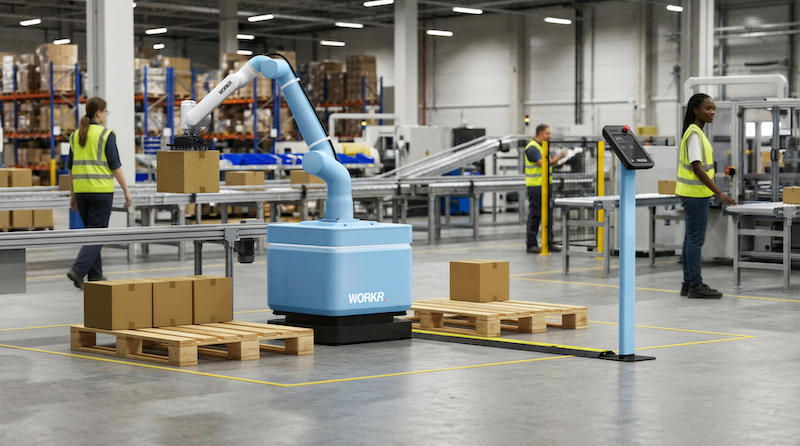
Interview with Workr Robotics CEO Ken Macken: ‘Paying for automation by the hour’
Industrial robotics is undergoing a significant transformation, driven by advancements in artificial intelligence, large language models, and embodied AI. This evolution has generated renewed interest in the development of robots capable of understanding, reasoning, and interacting with their physical environments. Notable partnerships, including collaborations between Google DeepMind and Boston Dynamics, have intensified discussions surrounding the potential for more sophisticated general-purpose robots. As these technologies continue to evolve, the industry anticipates a future where robots can perform a wider array of tasks, enhancing their utility across various sectors. The ongoing innovations suggest a promising trajectory for the integration of robotics into everyday life, potentially reshaping industries and improving operational efficiencies.
Features Industrial robots Robotics Software automation news automation roi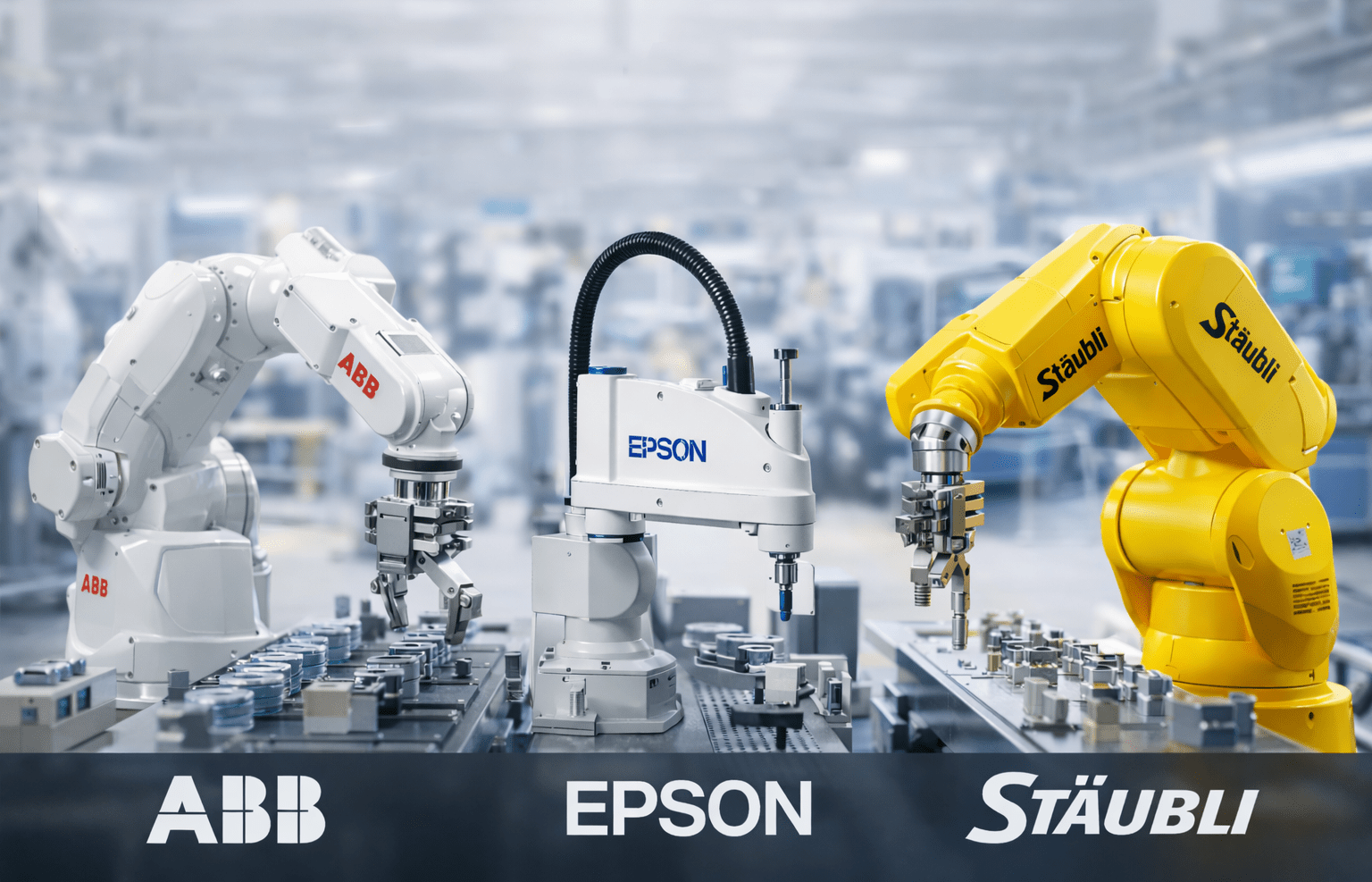
ABB vs Epson vs Stäubli : quel robot industriel choisir selon votre production ?
Choosing an industrial robot involves more than just brand preference or budget considerations; it significantly impacts a company's productivity, quality, flexibility, and competitiveness. In a global market dominated by a few key players, ABB, Epson, and Stäubli frequently emerge as top contenders in automation projects. This analysis highlights the critical factors businesses should consider when selecting the right industrial robot to meet their production needs. The insights are detailed in an article titled "ABB vs Epson vs Stäubli: Which Industrial Robot to Choose Based on Your Production?" published by Robot Magazine.
À la une Actualités IA Industriel Robotique ABB
The Shift from One-Size-Fits-All to Bespoke Systems
In a recent discussion among business leaders, the effectiveness of standard solutions in operational strategies was called into question. Many entrepreneurs, who have relied on widely recommended software and uniform processes for years, are now reconsidering whether these approaches truly serve their unique needs. This shift in perspective comes as businesses face increasingly complex challenges that require tailored solutions rather than one-size-fits-all methods. The conversation, which took place in late October 2023, highlighted the importance of adaptability and innovation in a rapidly changing market. Participants emphasized that relying solely on conventional wisdom may hinder growth and limit competitive advantage. As a result, there is a growing movement towards customized strategies that align more closely with individual business goals and customer demands.
Automation Business Robotics Software automation news automation software
Why Factory Automation Now Depends on Software-Savvy Workers
As automation increasingly integrates into production environments, the demand for workers skilled in managing technology is rising. Traditionally, factory automation was characterized by robotic arms performing repetitive tasks behind safety barriers. However, the evolving landscape now requires employees to navigate complex dashboards, respond to alerts, and make data-driven decisions. This shift reflects a broader trend in which the role of human workers is transforming from manual labor to technological oversight, necessitating a new set of skills to effectively collaborate with advanced machinery. The growing reliance on automation is reshaping the workforce, prompting a need for training and adaptation to ensure that employees can thrive in a more automated future.
Automation Factories Robotics automation news automation workforce cobots
How SMEs can use automation to their advantage
In 2026, small and medium-sized businesses in the U.S. are facing significant challenges as they navigate rising operational costs while meeting customer demands for quicker responses. With over 36 million small businesses in the country, many are still dependent on manual processes, which can lead to increased administrative burdens and reduced focus on revenue-generating activities. As the business landscape evolves, it becomes crucial for these enterprises to adopt more efficient systems to streamline operations and enhance customer service. The pressing need for modernization stems from the competitive market environment, where agility and responsiveness are key to survival and growth.
Automation Business AI for business automated workflows automation news automation software
How Automation Improves Service Consistency in Pest Control Operations
In the rapidly growing $15 billion pest control industry, companies face significant challenges as they expand into new territories. The primary concern is not the prevalence of pests but rather the potential for human error, which can jeopardize operational consistency. As businesses scale, the risk of technicians overlooking essential procedures or arriving late increases, leading to customer dissatisfaction and potential damage to the company's reputation. To combat these issues, pest control operations are implementing rigorous training programs and standardized protocols to ensure that all employees adhere to best practices, regardless of location. By focusing on operational excellence, these companies aim to maintain high service standards and foster customer trust in a competitive market.
Automation Environment Health AI scheduling automation news automation softwareRobotics needs a service framework.
RSF defines a common language for robot service capability, lifecycle operations, certification pathways, and service-provider networks.