

Industry Briefing
A single destination for timely, editor-curated robotics news from around the world.

Changying Precision Invests 10 Million to Launch Robotics Subsidiary in Yibin
Changying Precision has established a new subsidiary, Changying Robotics (Yibin) Co., Ltd., with a registered capital of 10 million yuan. This subsidiary will focus on the research, development, and sales of intelligent robots, as well as the manufacturing of industrial robots and processing of mechanical parts. The company is fully owned by Changying Precision, which has been expanding its robotics business in various locations including Shenzhen and Dongguan. The establishment of this subsidiary is significant as it aligns with Changying Precision's strategic direction towards embodied intelligence, which is part of their dual-pillar strategy alongside artificial intelligence. The company anticipates generating approximately 184 million yuan in revenue from robotics and other sectors by 2025. Furthermore, from January to April 2026, they expect to ship over 380,000 components for humanoid robots, enhancing their capabilities in the robotics market. Looking ahead, the new robotics entity will complement Changying Precision's existing manufacturing capabilities in Yibin, which includes a base for new energy battery structural components. This strategic move is expected to facilitate connections with automotive manufacturers and clients in the southwestern region, thereby reducing delivery times. No further timeline was disclosed at the time of publication.
Industrial Robots Smart Manufacturing Robotics Development Precision Manufacturing
Inbolt's Robotics Solutions Address Precision Challenges in Electronics Manufacturing
Inbolt is addressing the growing need for automation in electronics manufacturing, particularly in the assembly of complex data center infrastructure. With their control platform, which includes CAD-based programming and real-time control, Inbolt has installed over 200 robot arms across more than 100 factories, powering over 40 million robot cycles last year. The shift towards AI server racks has created a demand for more precise robotic solutions, as traditional manual assembly methods struggle with the complexities of modern electronics. Inbolt's technology aims to increase automation from 20-30% to 90%, focusing on the precision required for tasks like screw driving and cable routing, which are critical in preventing costly errors. As the electronics industry evolves, Inbolt's advancements in robotics will be crucial for meeting the challenges of high-voltage safety and ergonomic handling. The ability to adapt to frequent design changes and maintain high precision will be key factors to watch in the future of electronics assembly automation.

Robotics Revolutionizes Precision in Cataract Surgery with Advanced Technologies
Cataract surgery, long regarded as one of the most mastered surgical procedures, is entering a new phase with the introduction of robotics and high-precision lasers. Innovative platforms like the Polaris robot and solutions developed by Keranova assist surgeons with unmatched precision, enhancing the safety of the procedure. Robotic systems can achieve movements as precise as 5 microns, significantly improving surgical accuracy on delicate ocular structures. The integration of robotics in cataract surgery exemplifies the convergence of artificial intelligence, medical robotics, and high-precision imaging. While these technologies are still being deployed in many facilities, they herald a new generation of safer, more reproducible, and personalized ophthalmic surgery. With cataract surgery being the most performed surgical procedure globally, the demand for improved surgical productivity is critical, especially as the aging population increases the number of required interventions. As robotic platforms and next-generation lasers become more mature and accessible, they have the potential to transform the management of millions of cataract patients worldwide. The World Health Organization reports that cataracts affect over 94 million people, making advancements in surgical technology vital for addressing disparities in access to care, particularly in regions like sub-Saharan Africa.
À la une IA Industrie Robotique Santé automatisation médicale
Foundation Robotics Unveils Advanced Robotic Hand That Catches Baseballs with Precision
Foundation Robotics has released a video showcasing its innovative robotic hand that successfully catches a baseball mid-air, demonstrating significant advancements in robotic dexterity and control. This development is crucial as it illustrates how enhanced mechanical design and motion planning are enabling robotic hands to perform intricate tasks with human-like precision, a key requirement for industrial applications. Looking ahead, the focus will be on how this tendon-driven architecture and advanced control systems can further improve the capabilities of humanoid robots in handling diverse tools and objects, enhancing their utility in complex environments. No further timeline was disclosed at the time of publication.
AI and Robotics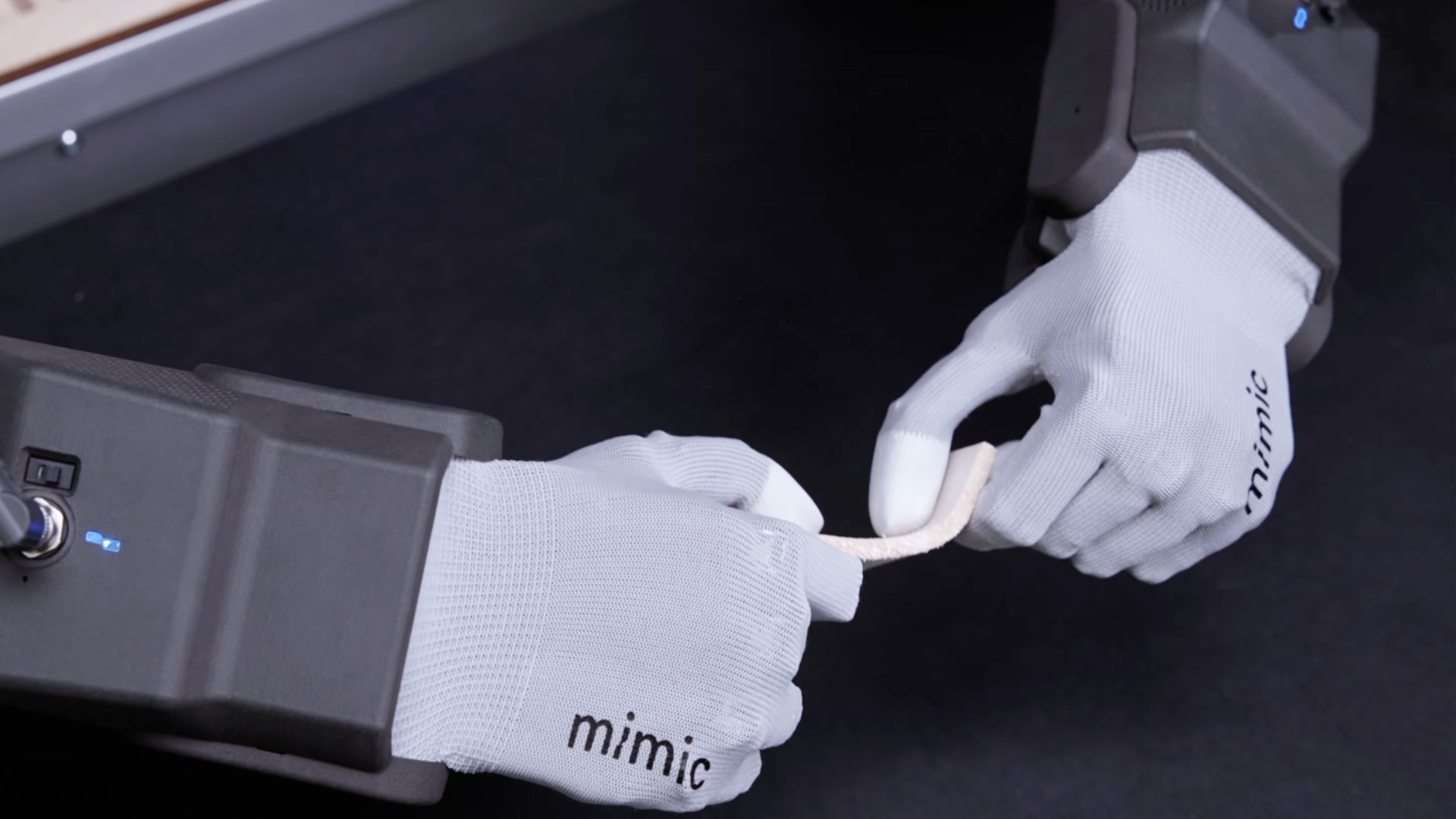
Mimic Robotics Launches Mimic Hand M1: A 55-Pound Lifting Robotic Hand with Human-Like Precision
Swiss startup Mimic Robotics has introduced the Mimic Hand M1, a robotic hand capable of lifting over 55 pounds while mimicking human dexterity. This innovative design features a tendon-driven architecture that houses actuators in the forearm, allowing for a compact yet powerful solution for factory automation. The Mimic Hand M1 is significant as it addresses the challenge of general-purpose dexterous manipulation in robotics. By utilizing a human-like hand structure, Mimic Robotics aims to enhance the transfer of skills from human demonstrations to robotic systems, thereby expanding the range of tasks AI can perform in industrial settings. Looking ahead, the focus will be on how the Mimic Hand M1 can be integrated into various manufacturing applications. Its ability to handle both delicate and heavy objects with precision positions it as a versatile tool in the evolving landscape of robotics and automation. No further timeline was disclosed at the time of publication.
AI and Robotics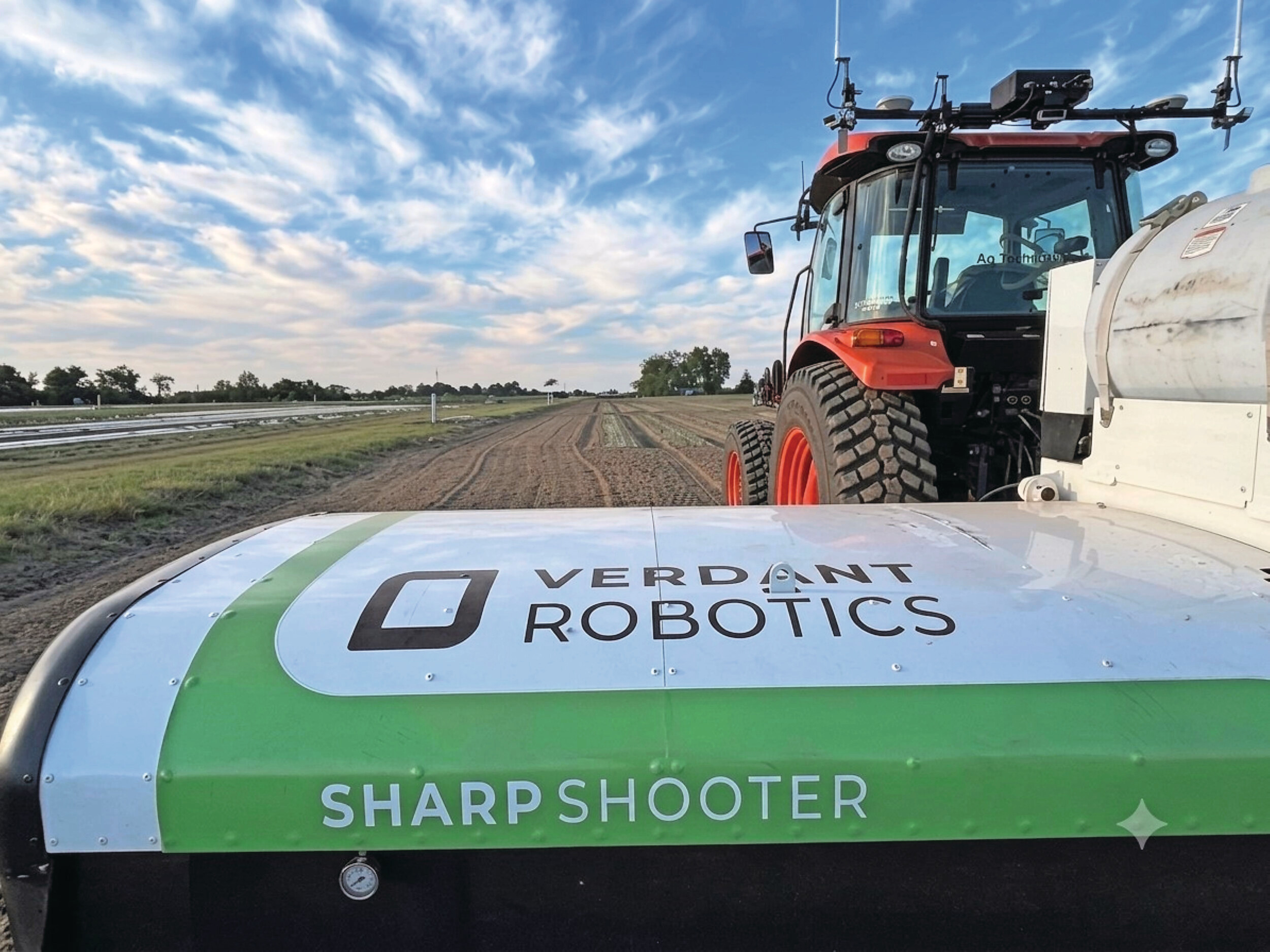
Sabanto and Verdant Robotics integrate autonomy and precision application systems
U.S. companies Sabanto Inc. and Verdant Robotics have announced a groundbreaking integration of their systems, marking a significant advancement in agricultural automation. This collaboration allows producers to automate various fieldwork tasks, including navigation and plant-level input application, without the need for an operator present in the cab. The integration aims to enhance efficiency and productivity in farming operations, responding to the growing demand for innovative agricultural solutions. By leveraging advanced technology, both companies are paving the way for a new era of autonomous farming, which could transform traditional practices and address labor shortages in the industry.
Autonomous/semi-autosteering systems autonomous farm equipment autonomous tractors crop management systems retrofit kits
Sabanto Inc. and Verdant Robotics Announce Technical Integration of Autonomous Tractor Operation with SharpShooter Plant-Level Precision Application
A new integrated solution has been developed that combines two systems, allowing for fully autonomous field work in agriculture. This innovation enables tasks ranging from navigation to plant-level application to be performed without the need for an operator in the cab. The advancement represents a significant leap in agricultural technology, streamlining operations and enhancing efficiency in the field. The system is designed to operate seamlessly, reflecting the latest advancements in automation and data integration. This development is expected to transform farming practices, reducing labor costs and increasing productivity.

Vishay Precision Group (VPG) is Benefiting from the Manufacturing Rebound and Robotics Growth
Vishay Precision Group, Inc. (NYSE: VPG), a Malvern, Pennsylvania-based company specializing in precision measurement and sensing technologies, is experiencing significant growth due to a rebound in manufacturing and advancements in robotics. In its first-quarter 2026 investor letter, Prosper Stars & Stripes highlighted VPG as a key beneficiary of these trends, noting a 33.60% increase in share price over the past month and an impressive 429.73% rise over the past year, with shares closing at $133.45 on June 17, 2026. The company's recent performance reflects a broader recovery in the industrial sector, with VPG reporting a book-to-bill ratio above 1.0 for the sixth consecutive quarter and projecting revenue growth of nearly 10% alongside a doubling of operating margins to approximately 20%. This growth is driven by increased demand across various markets, including military, space, semiconductors, and data centers. Additionally, VPG is positioning itself in the emerging humanoid robotics market, which is expected to scale significantly later this year, potentially expanding its addressable market. The company reported $84.4 million in revenue for Q1 2026, marking an 18% year-over-year increase. Despite its potential, some analysts suggest that other AI stocks may offer greater upside. As of the end of Q1 2026, VPG was held by 23 hedge fund portfolios, up from 20 in the previous quarter.

Why Precision Swiss Machining is Critical to the Future of Robotics and Automation
The industrial production landscape is undergoing a significant transformation due to the rapid advancements in robotics, factory automation, and intelligent manufacturing systems. This shift is characterized by an increasing reliance on highly precise mechanical systems that can operate continuously with minimal deviation. As automation technologies evolve and become more interconnected, modern manufacturing environments are integrating collaborative robots, automated assembly systems, and sensor-driven equipment. These innovations are not only enhancing efficiency but also improving the accuracy and reliability of production processes. The ongoing evolution in this sector reflects a broader trend towards smarter, more automated manufacturing practices that aim to meet the growing demands of global markets.
Automation Engineering Factories automated manufacturing automation hardware automation news
Changingtek Robotics Launches High-Precision Tactile Sensing Data Collection Hand, Uhand
A new compact unit has been developed, featuring a highly sensitive tactile array that boasts a spatial resolution of 2.34 taxels per square centimeter. This advanced technology is capable of detecting forces ranging from 0 to 160 Newtons, with an impressive sensing precision of 0.1 Newtons. The innovation aims to enhance applications in robotics and automation, providing more accurate and responsive interaction with various surfaces and objects. With training data available up to October 2023, this breakthrough represents a significant step forward in tactile sensing technology, potentially transforming how machines perceive and interact with their environments.
Lansi Technology's Robotics Production: Precision Manufacturing Meets Embodied Intelligence
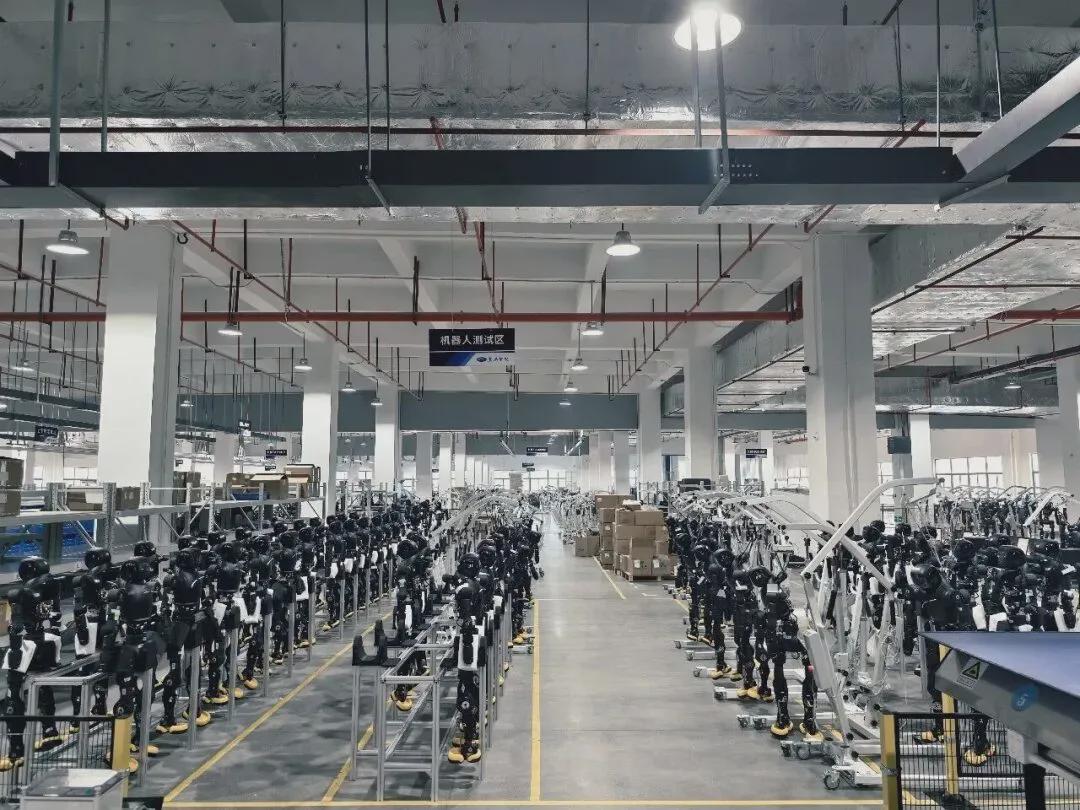
Lansi Technology, a company recognized for its mobile glass products, is expanding its operations into the robotics sector by utilizing its advanced manufacturing capabilities. Recently, the firm has commenced mass production of robotic components, marking a significant milestone in revenue generation. This strategic move aims to strengthen its foothold in the competitive robotics industry, supported by new partnerships that enhance its operational capacity and market presence. The initiative reflects Lansi's commitment to innovation and automation, positioning the company for future growth in this emerging field.
Robotics Manufacturing Automation Industrial Robots
Micro-Scale Robotics in the Medical Field: Precision Automation Meets Health Care Innovation
Recent advancements in micro-scale robotics are transforming the healthcare sector, showcasing significant progress in precision and data analytics. Unlike traditional medical machinery, which often occupies large spaces, these innovative micro-robots are designed to operate at a much smaller scale, offering new possibilities for patient care and treatment. This evolution in medical technology is driven by the need for more efficient and effective healthcare solutions, allowing for minimally invasive procedures and improved patient outcomes. As the field continues to evolve, the integration of these micro-robots into clinical practice is expected to enhance diagnostic capabilities and treatment options, ultimately reshaping the future of medical interventions.
NPPL+R tests 10 innovations in precision farming and robotics
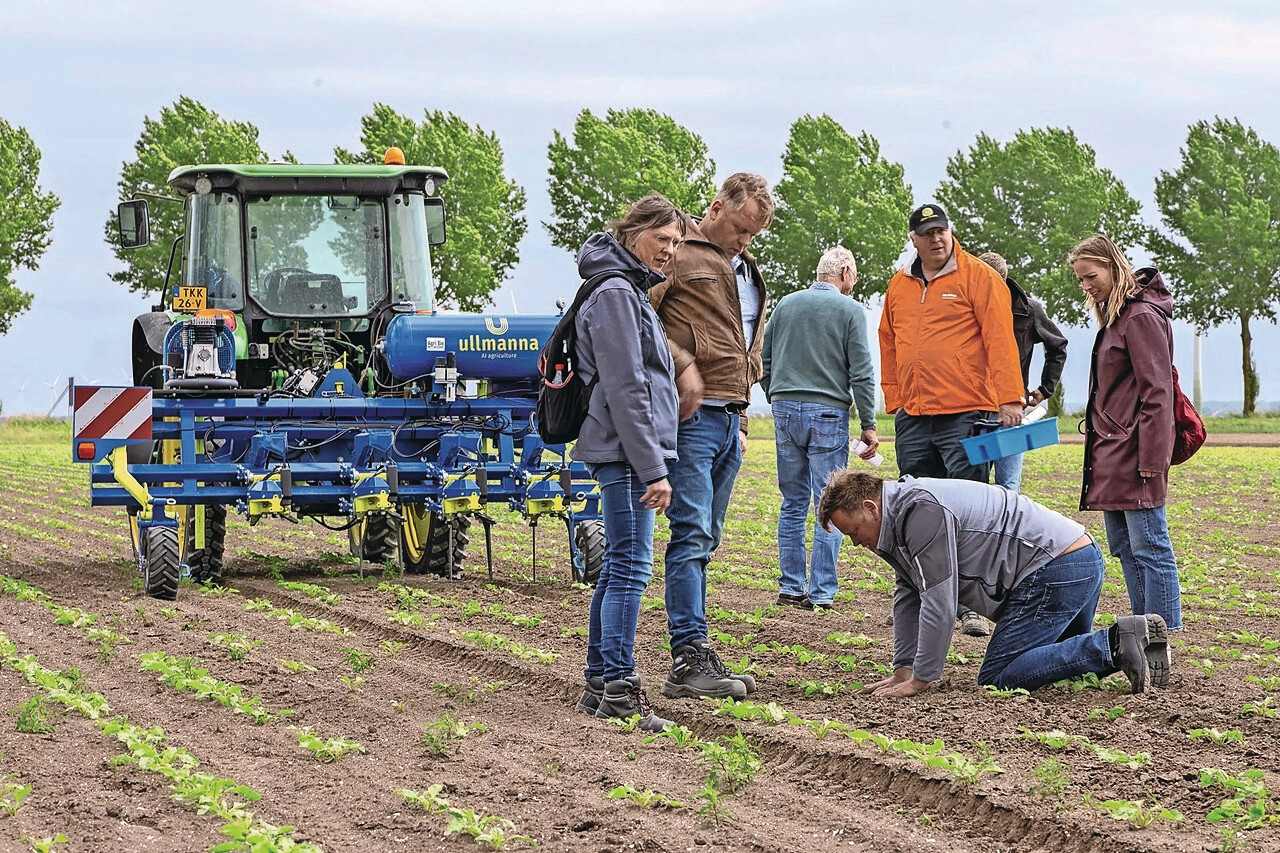
As spring approaches, participants and advisors in the NPPL+R projects are intensifying their efforts in precision farming and robotics. This practical program aims to enhance agricultural practices at the grower level by testing a variety of innovative techniques, including sowing, crop care, and harvesting. The initiative seeks to improve efficiency and productivity in farming, responding to the increasing demand for sustainable agricultural solutions. With the growing season on the horizon, stakeholders are preparing to implement these advancements, which are expected to play a crucial role in modernizing farming practices.
Smart farming autonomous tractors precision farming robotic harvesting
Robotecki Redefines Robotics Precision Cutting and Drilling Applications with RoboDK
The team at Robotecki has successfully implemented a new application that significantly reduces labor dependency for essential production tasks. This innovation, introduced in October 2023, has led to enhanced production quality and increased throughput. By streamlining operations, Robotecki aims to improve efficiency and meet growing market demands, positioning itself as a leader in automation within the industry. The application is expected to transform traditional manufacturing processes, allowing for a more agile and responsive production environment.
Robotics needs a service framework.
RSF defines a common language for robot service capability, lifecycle operations, certification pathways, and service-provider networks.
Join the RobotToday community on LinkedIn
Daily robotics news, in-depth analysis, conference highlights, and discussions with professionals worldwide.







