

Industry Briefing
A single destination for timely, editor-curated robotics news from around the world.
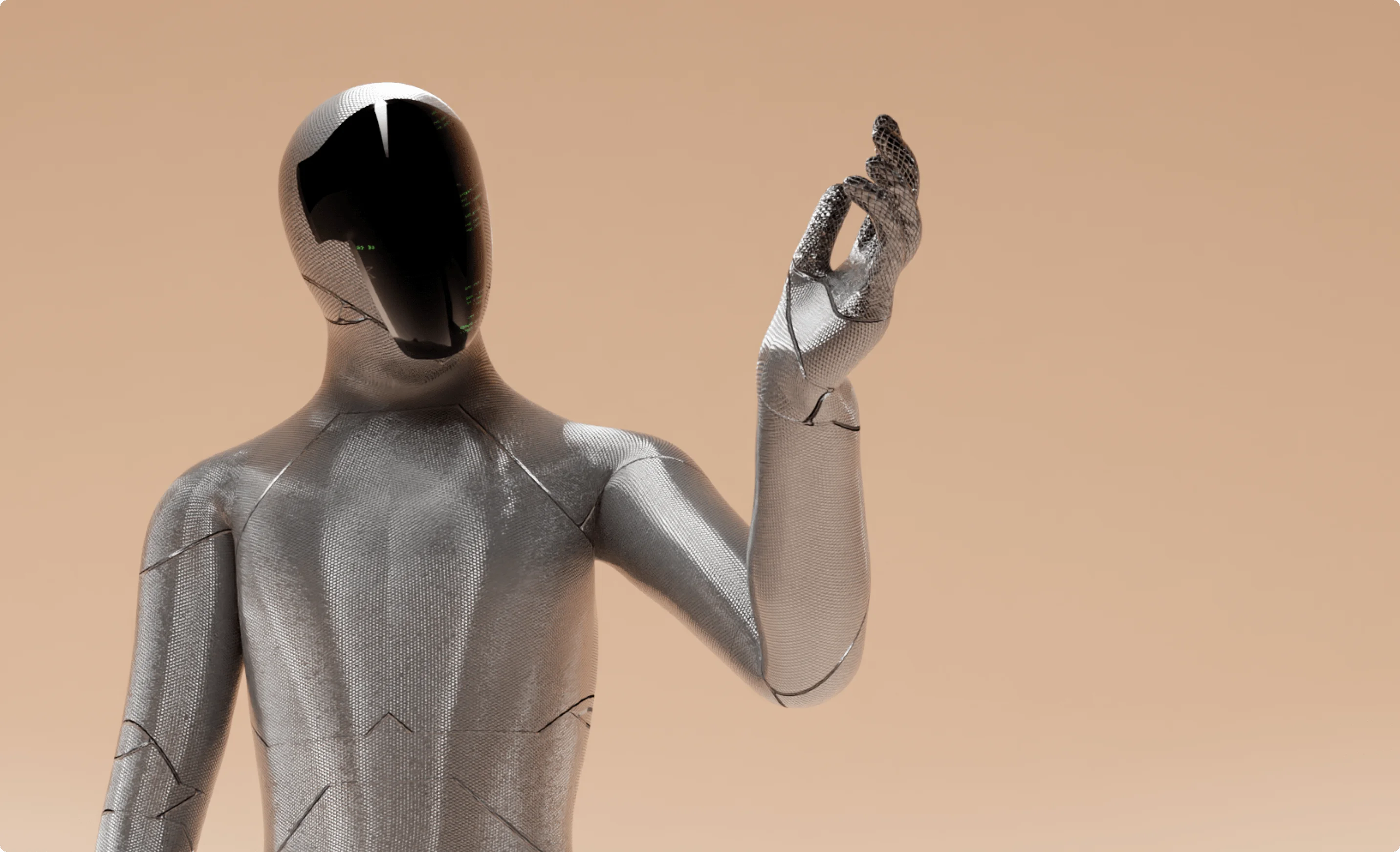
1X Co-Founder and "Principal Inventor" Splits to Launch Rival Robotics Firm
Dr. Phuong Nguyen, co-founder and principal inventor of the robotics company 1X, has announced the launch of a new venture, Physical Robotics AS. This initiative marks a strategic departure from 1X, focusing not on artificial intelligence itself, but on the methodologies for its development. While 1X emphasizes consumer-oriented "embodied learning," Nguyen is pivoting towards a concept he terms "Physical Intelligence" (PI), which leverages data collected from force-sensitive industrial manipulators. This shift reflects Nguyen's vision for advancing robotics through enhanced physical interaction and intelligence in industrial applications.
1X-technologies Physical Robotics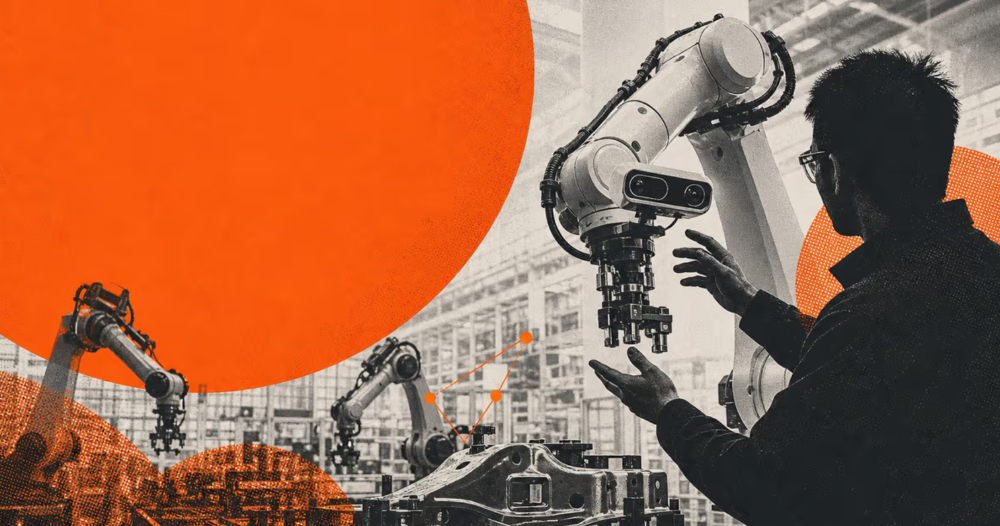
The integration of artificial intelligence and physical robot technology promotes the entry of factory automation into a new era.
The integration of artificial intelligence with physical robotics is ushering in a transformative era for factory automation. This advancement is set to revolutionize manufacturing processes, enhancing efficiency and productivity across various industries. As companies increasingly adopt these technologies, the shift is expected to occur rapidly, with significant developments anticipated in the coming months. The push towards automation is driven by the need for improved operational efficiency, cost reduction, and the ability to meet growing consumer demands. By leveraging AI capabilities, robots can now perform complex tasks with greater precision and adaptability, allowing factories to streamline operations and reduce human error. This evolution in technology not only promises to reshape the manufacturing landscape but also raises questions about the future of the workforce and the skills required in an increasingly automated environment.
Robotics Automation AI
Unitree Robotics partners with NetEase’s MMORPG to test robot technology in virtual worlds
Unitree Robotics, a Chinese company specializing in robotics, has announced a partnership with NetEase to integrate its technology with the popular martial arts MMORPG, Justice Online Mobile. This collaboration aims to utilize the game’s virtual environment as a testing ground for Unitree’s robotic systems. By leveraging user feedback from the game, the partnership seeks to enhance the development of Unitree’s robots while simultaneously improving the motion performance within the game. This innovative approach not only allows for real-time adjustments based on player interactions but also aims to bridge the gap between physical robotics and digital gaming experiences. The initiative marks a significant step in the evolution of both robotics and interactive entertainment, as it explores the potential of combining real-world technology with virtual applications.
News Feed
InDro Robotics Introduces Axiom Humanoid Platform to Enhance Physical AI Research Accessibility
InDro Robotics has launched the Axiom, a modular humanoid-style robotic platform aimed at facilitating Physical AI research. Announced on July 10, 2026, this budget-friendly solution is designed to lower the barriers for researchers and academic institutions in developing advanced robotics applications. Initial customer units are already being shipped, indicating strong market interest. The Axiom platform is significant as it democratizes access to humanoid robotics, which has traditionally been limited to well-funded organizations. By providing a more affordable option, InDro Robotics is positioning itself to capture a wider audience in the research community, potentially accelerating advancements in Physical AI technologies. This move aligns with the growing demand for accessible robotics solutions across various sectors. Looking ahead, InDro Robotics aims to expand its customer base and enhance the Axiom's capabilities based on user feedback. No further timeline was disclosed at the time of publication, but the initial shipping of units suggests a proactive approach to market engagement and product iteration.
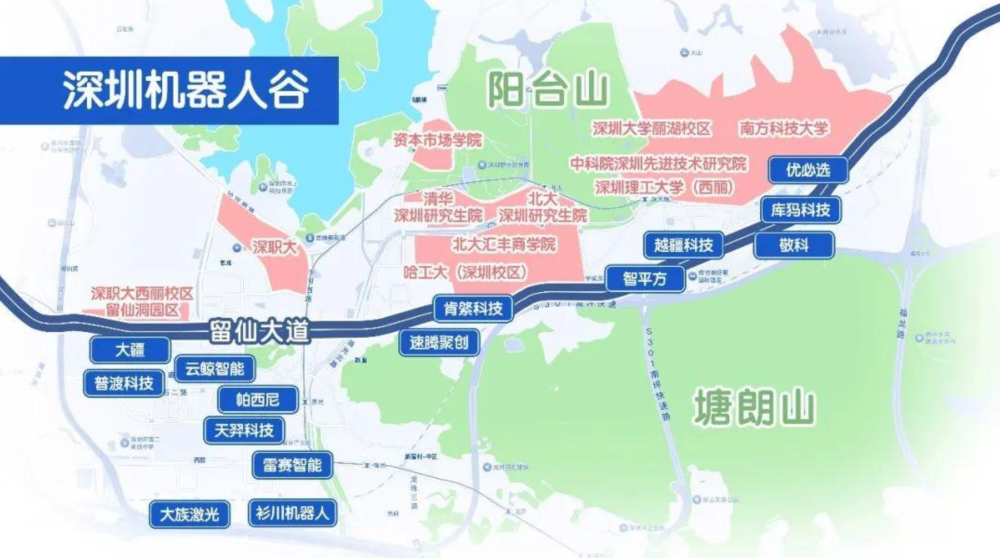
"Embodied Intelligence Industry Ecosystem Research" Opening: The "Body" and "Brain" of Shenzhen Robot Valley
Shenzhen's burgeoning robotics sector is set to gain further insights with the launch of the "Embodied Intelligence Industry Ecosystem Research" initiative. This new research aims to explore the intricate relationship between physical robotics and artificial intelligence, often referred to as the "body" and "brain" of the industry. The initiative was officially unveiled on October 15, 2023, in Shenzhen, a city recognized as a global hub for technological innovation and robotics development. The research is motivated by the increasing demand for advanced robotics solutions across various sectors, including manufacturing, healthcare, and logistics. By examining the interplay between embodied intelligence—where robots possess both physical form and cognitive capabilities—the initiative seeks to enhance the understanding of how these technologies can be optimized for real-world applications. Collaboration among local universities, tech companies, and research institutions will be a key component of the initiative, facilitating knowledge sharing and innovation. Through workshops, seminars, and collaborative projects, stakeholders will work together to address the challenges and opportunities within the robotics ecosystem. As Shenzhen continues to position itself at the forefront of robotics and artificial intelligence, this research initiative represents a significant step towards fostering a more integrated and advanced robotics industry, ultimately aiming to improve efficiency and effectiveness across various applications.
Robotics Automation AI
AI Company Aims to Be the 'Brain Supplier' for Embodied Intelligence with World Models and Hardware Adaptation
An innovative AI company is making strides in the development of advanced world models and adaptable systems aimed at enhancing embodied intelligence. Rather than concentrating solely on physical robotics, the company prioritizes the capabilities of its models, reflecting a shift in focus within the industry. Founded by a team of seasoned professionals with extensive experience in artificial intelligence, the company has effectively implemented its solutions in a range of real-world applications. This approach not only showcases the versatility of their technology but also highlights the growing recognition of the significance of model performance in the evolving landscape of AI.
Embodied Intelligence AI Models Robotics Industrial Automation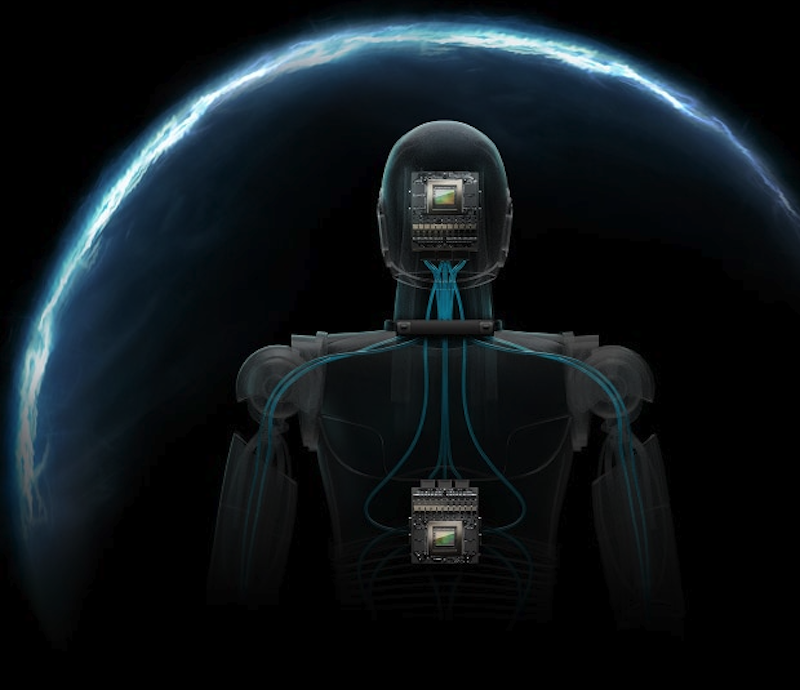
FORT Robotics Enhances AI Safety with Nvidia Halos at Automate Conference
FORT Robotics has joined the Nvidia Halos for Robotics ecosystem to enhance safety for autonomous robots. The company will showcase its agentic safety application, developed using the Nvidia Halos Outside-In Safety Blueprint, at the Automate conference in Chicago. This innovative solution utilizes external infrastructure sensors and visual AI agents to provide real-time, safety-certifiable functional safety, significantly improving operational efficiency in dynamic environments. The collaboration is significant as it addresses the limitations of traditional inside-out functional safety systems, which rely solely on onboard sensors. By integrating Nvidia's IGX Thor and Holoscan Sensor Bridge, FORT's solution allows robots to operate safely alongside human workers in high-efficiency modes. This adaptability is crucial for modern warehouses and factories, where environments are constantly changing, and safety frameworks must evolve to protect workers effectively. Looking ahead, FORT's integration with Nvidia Halos is expected to provide substantial value to customers in warehousing, manufacturing, and other automated sectors. The Outside-In Safety framework aims to prevent safety incidents in mixed human-robot environments, optimizing processes like inventory replenishment and product assembly. No further timeline was disclosed at the time of publication.
Artificial Intelligence Industry ai automation Autonomous robots fort robotics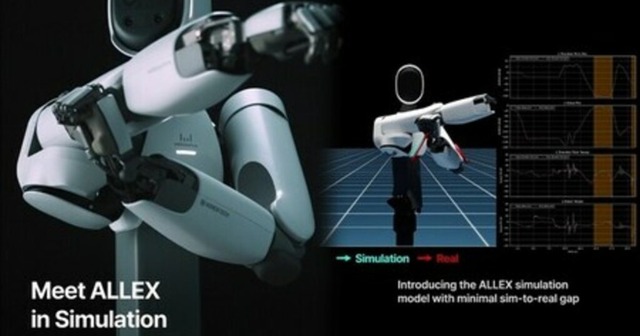
South Korea's WIRobotics unveils simulation model of humanoid "ALLEX," marking a step towards building a physical AI ecosystem.
South Korean robotics company WIRobotics has unveiled a simulation model of its humanoid robot, ALLEX, on June 29, 2026. This announcement coincides with the company's broader initiative to establish a technological roadmap aimed at developing a physical AI ecosystem. By sharing this simulation model, WIRobotics aims to foster innovation and collaboration within the robotics industry, positioning itself as a leader in the advancement of humanoid robotics technology.
Unitree Robotics, Hunan Steel, and Looper Robotics Form Alliance for Steel Plant Inspections
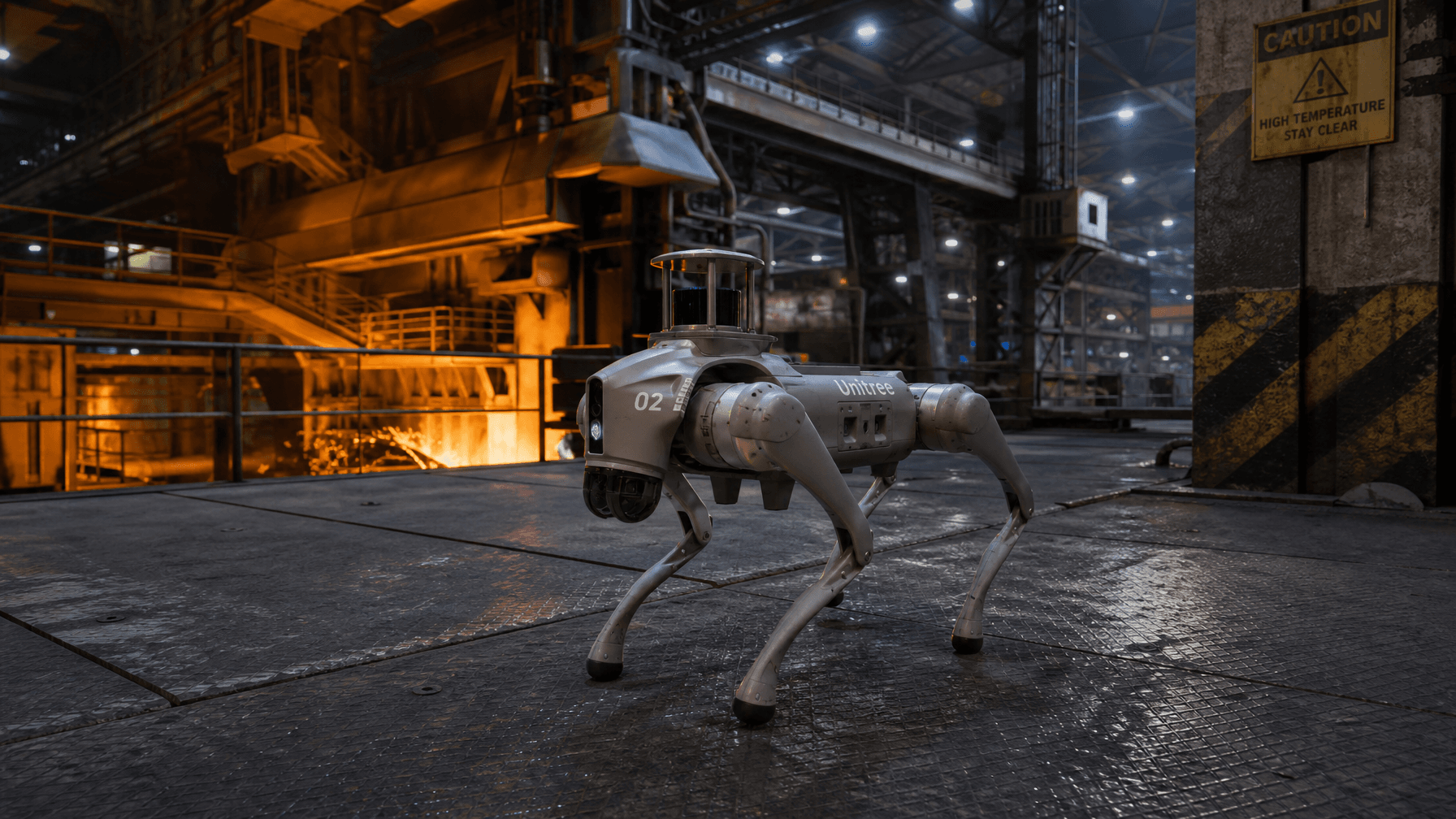
Unitree Robotics has partnered with Hunan Steel and Looper Robotics to create a tripartite alliance aimed at deploying legged robots for inspections in steel plants. This collaboration signifies a notable entry of embodied AI technology into the heavy industry sector. The partnership is significant as it highlights the increasing integration of advanced robotics and AI in traditional industries such as steel manufacturing. By utilizing legged robots, the alliance aims to enhance inspection processes, improve safety, and increase operational efficiency within the steel plant environment. Looking ahead, the deployment of these legged robots could set a precedent for further advancements in industrial automation. No further timeline was disclosed at the time of publication.
Technology
ABB Robotics and Roche Partner to Enhance Laboratory Efficiency with Intelligent Robotics
ABB Robotics has entered into a collaboration with Roche to develop digitally connected laboratories utilizing intelligent robotics. This partnership aims to improve laboratory workflows significantly, with initial applications focusing on pathology slide handling and enhancing intralogistics within Core Labs. The deployment will feature a variety of ABB Robotics technologies, including autonomous mobile manipulation and fixed articulating robots. This collaboration is significant as it represents a shift towards integrating advanced robotics in laboratory settings, which can lead to increased efficiency and reduced operational costs. By automating tasks such as slide handling, laboratories can expect to streamline processes, minimize human error, and enhance overall productivity. The use of intelligent robotics in this context is expected to set a new standard for laboratory operations. Looking ahead, the first applications of this collaboration are anticipated to roll out soon, although no specific timeline was disclosed at the time of publication. Stakeholders in the robotics and healthcare sectors should monitor this partnership closely, as it may pave the way for further advancements in laboratory automation and connectivity.
Kawasaki Robotics showcases 8-axis Physical AI robot and intelligent automation technologies at Automate 2026
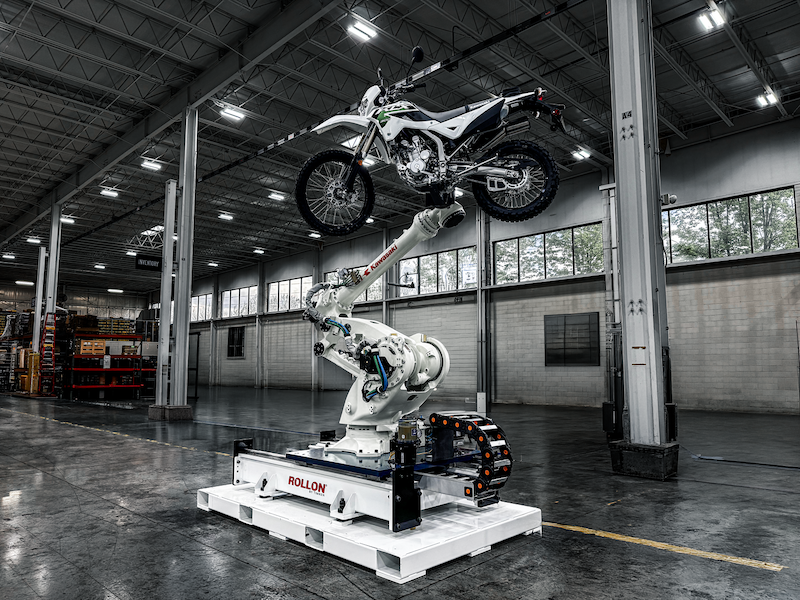
Kawasaki Robotics unveiled its latest advancements in automation technology at the Automate 2026 trade show held in Chicago. The event, which took place recently, highlighted the transformative impact of robotics, artificial intelligence, machine learning, vision systems, and real-time control on industrial automation. A key feature of the showcase was the introduction of the new “RL030N” robot platform, which boasts eight degrees of freedom and is specifically designed for Physical AI applications. This innovation reflects Kawasaki Robotics' commitment to pushing the boundaries of automation and enhancing operational efficiency across various industries.
Industrial robots News Robotics 8-axis robot Automate 2026 BA013L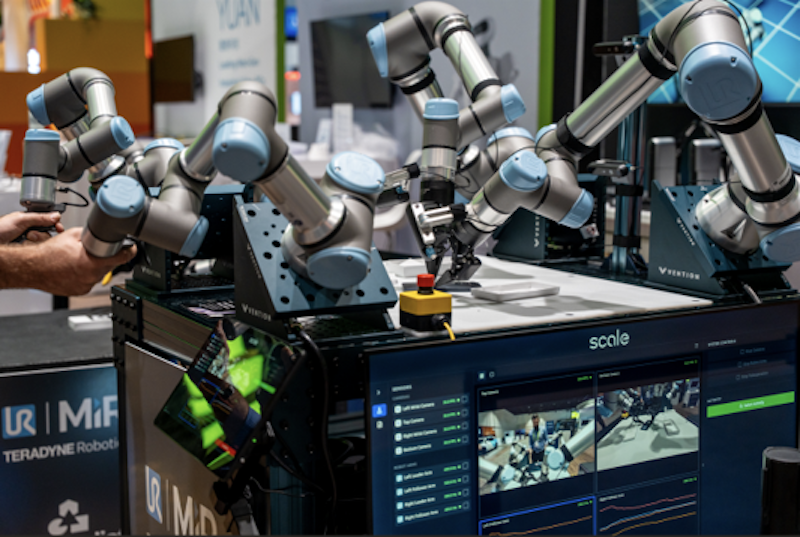
Teradyne Robotics unveils production-ready physical AI applications at Automate 2026
Teradyne Robotics, the parent company of Universal Robots and Mobile Industrial Robots, is set to showcase the impact of physical AI on industrial automation at the Automate 2026 trade show in Chicago from June 22 to 25. At booth #1250, attendees will witness demonstrations highlighting the capabilities of their robotic solutions. Jean-Pierre Hathout, President of the Teradyne Robotics Group, emphasized the significance of these innovations, stating that physical AI is prominently featured in their offerings. The event aims to illustrate how advancements in robotics are revolutionizing the industry and enhancing operational efficiency.
Events Features AI data centers ai robotics Automate 2026 autonomous mobile robots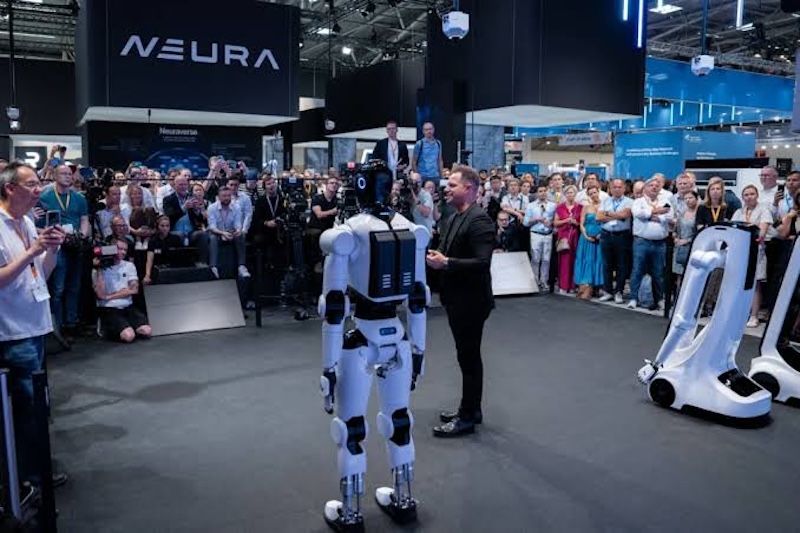
Neura Robotics raises record Series C of $1.4 billion to accelerate physical AI platform
Neura Robotics, a leader in cognitive robotics and the developer of the Neuraverse, has secured a significant Series C financing round totaling up to $1.4 billion. This funding aims to expedite the company's goal of establishing what it describes as the world's foremost physical AI platform. The substantial investment indicates a strong market valuation for Neura Robotics, reflecting investor confidence in its innovative technology and future potential.
Artificial Intelligence News Robot simulation ai robotics automation news Autonomous robots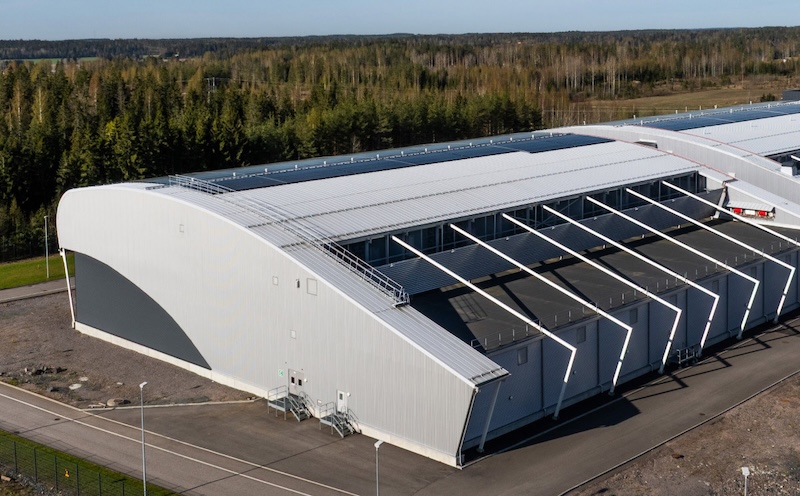
Nebius and Nvidia launch Physical AI Living Lab for European robotics startups
Nebius, a prominent AI cloud company, has launched the Physical AI Living Lab, a six-month initiative aimed at supporting robotics startups across Britain and Europe. This program provides participants with access to Nvidia’s advanced physical AI development tools alongside Nebius’s robust AI cloud infrastructure. The initiative addresses a significant challenge faced by early-stage robotics companies, which often lack the resources to create large-scale simulations, generate synthetic data, and utilize accelerated computing necessary for their development. By offering these essential tools and support, Nebius aims to foster innovation and growth within the robotics sector, ultimately enhancing the capabilities of emerging technologies in the field.
Artificial Intelligence Computing AI cloud computing AI infrastructure automation news nebius
Why robotics can’t advance without physical AI
Recent advancements in robotics are shifting focus from enhancing processors and mechanical designs to improving data quality, particularly through realistic training environments. This emerging field, known as Physical AI, emphasizes the creation of 3D assets and simulation environments that incorporate genuine physical properties. By accurately mimicking real-world behaviors, these simulations aim to enhance the training of robotic systems, enabling them to perform more effectively in various applications. As researchers and developers prioritize realistic data over traditional methods, the potential for breakthroughs in robotic capabilities is becoming increasingly evident. This evolution in robotics is expected to redefine how machines interact with their environments, paving the way for more sophisticated and adaptable technologies.
Artificial Intelligence Robotics ai robotics automation news Autonomous robots digital twins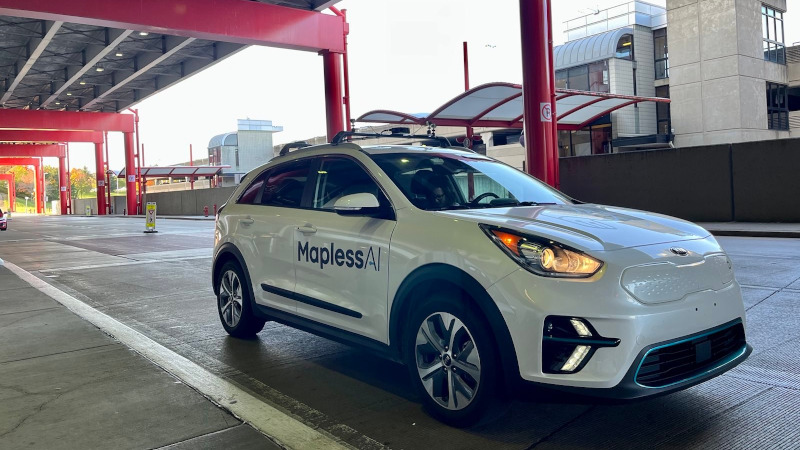
Fort Robotics acquires Mapless AI to expand supervised autonomy and physical AI safety platform
Fort Robotics, a company specializing in trust solutions for physical AI, has acquired Mapless AI, a prominent firm based in Boston and Pittsburgh known for its expertise in vehicle teleoperation and autonomy supervision. This acquisition marks a strategic move for Fort, enhancing its Trust Platform with two essential capabilities: remote human-in-the-loop teleoperation and onboard active safety. By integrating Mapless AI's technologies, Fort aims to broaden its commercial offerings and improve the safety and efficiency of autonomous systems. The deal underscores Fort's commitment to advancing the development of reliable and secure AI-driven solutions in the robotics sector.
Artificial Intelligence Financials & Investments Logistics active safety systems ai robotics automation news
HII Teams with GrayMatter Robotics to Integrate Physical AI into Manned and Unmanned Shipbuilding
HII and GrayMatter Robotics (GMR) have entered into a memorandum of understanding to explore the integration of GMR’s Physical AI technology into shipbuilding operations. The agreement, signed at GMR's headquarters, aims to enhance production efficiency, bolster the maritime industrial base, and support the shipbuilding workforce. Key technologies under consideration include autonomous surface preparation, coating, and inspection processes. The signing ceremony featured Eric Chewning, HII’s executive vice president of maritime systems and corporate strategy, alongside Ariyan Kabir, CEO and co-founder of GrayMatter Robotics. This collaboration seeks to innovate and modernize shipbuilding practices, ultimately improving throughput and operational effectiveness in the industry.
hii graymatter robotics physical ai unmanned shipbuilding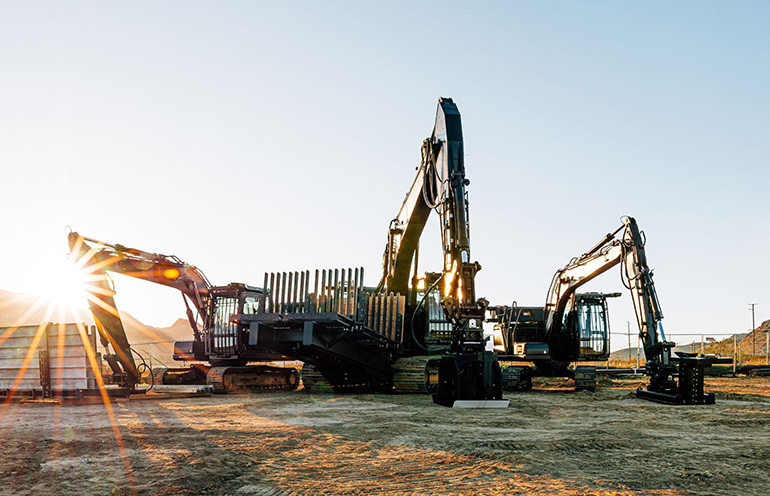
Blattner awards Built Robotics $75M contract for physical AI to help meet energy demand
Blattner has announced an expansion of its partnership with Built Robotics, awarding the company a substantial $75 million contract aimed at enhancing autonomous systems for solar construction projects. This collaboration is part of Blattner's strategy to address the growing energy demand by integrating advanced physical AI technologies into their operations. The partnership underscores the increasing reliance on automation in the renewable energy sector, particularly in solar energy development. By leveraging Built Robotics' expertise, Blattner aims to improve efficiency and scalability in its construction processes, ultimately contributing to a more sustainable energy future.
Artificial Intelligence Construction Energy / Solar / Renewables Mobility / Navigation News Self-Driving Vehicles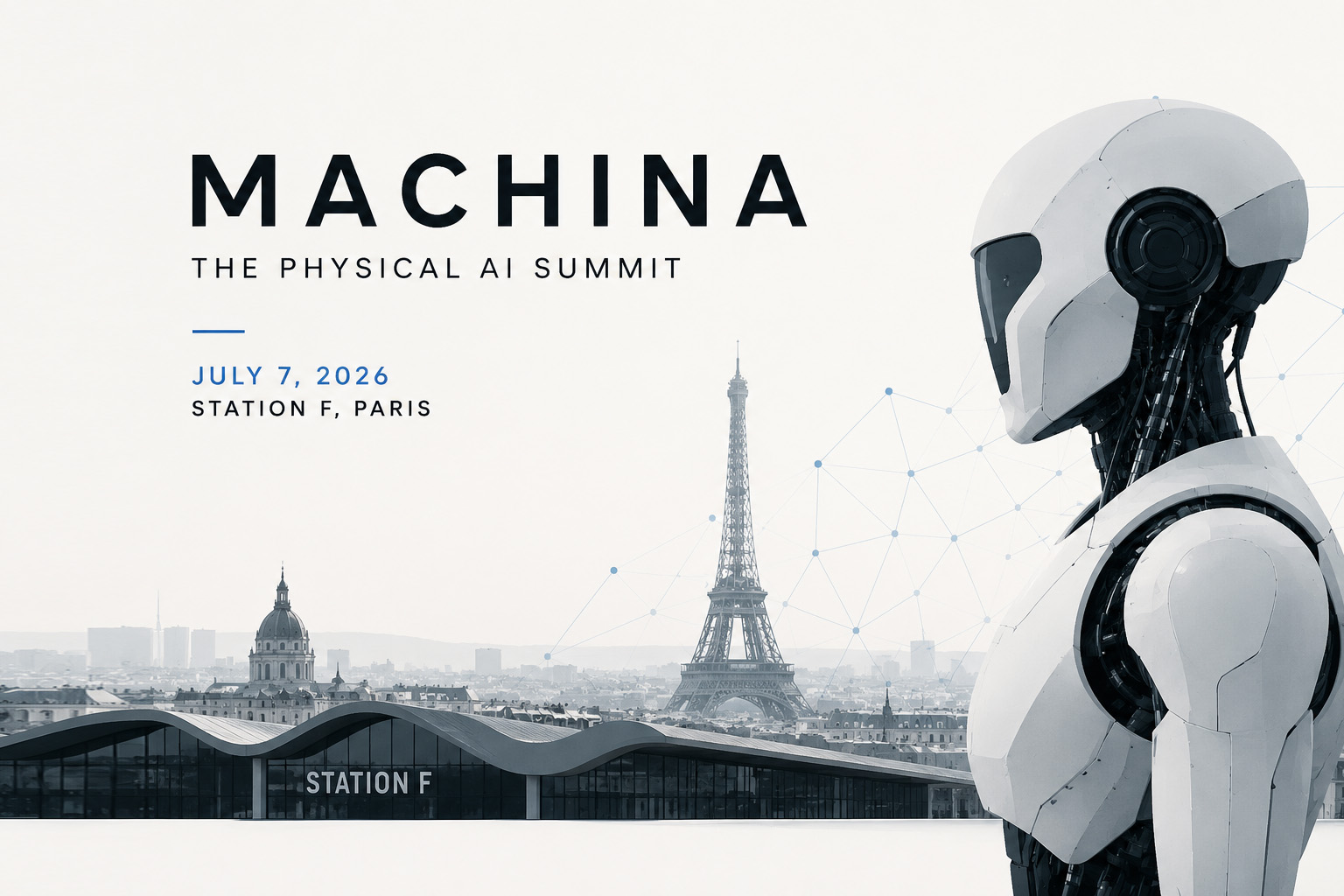
Paris aims to become the European capital of Physical AI by 2026.
A new era of artificial intelligence is emerging, transitioning from the digital realm of generative AI to the physical world with the development of robots that can perceive, reason, and act in real environments. On July 7, Paris will host the inaugural edition of MACHINA 2026, an event aimed at establishing the city as the European capital of Physical AI. This initiative reflects a growing interest in integrating advanced AI technologies into everyday life, highlighting the potential for robots to enhance various sectors by interacting with their surroundings in meaningful ways. The event is expected to showcase innovations and foster discussions on the future of robotics and AI in society.
À la une IA Industrie Robotique 1X Robotics Agility Robotics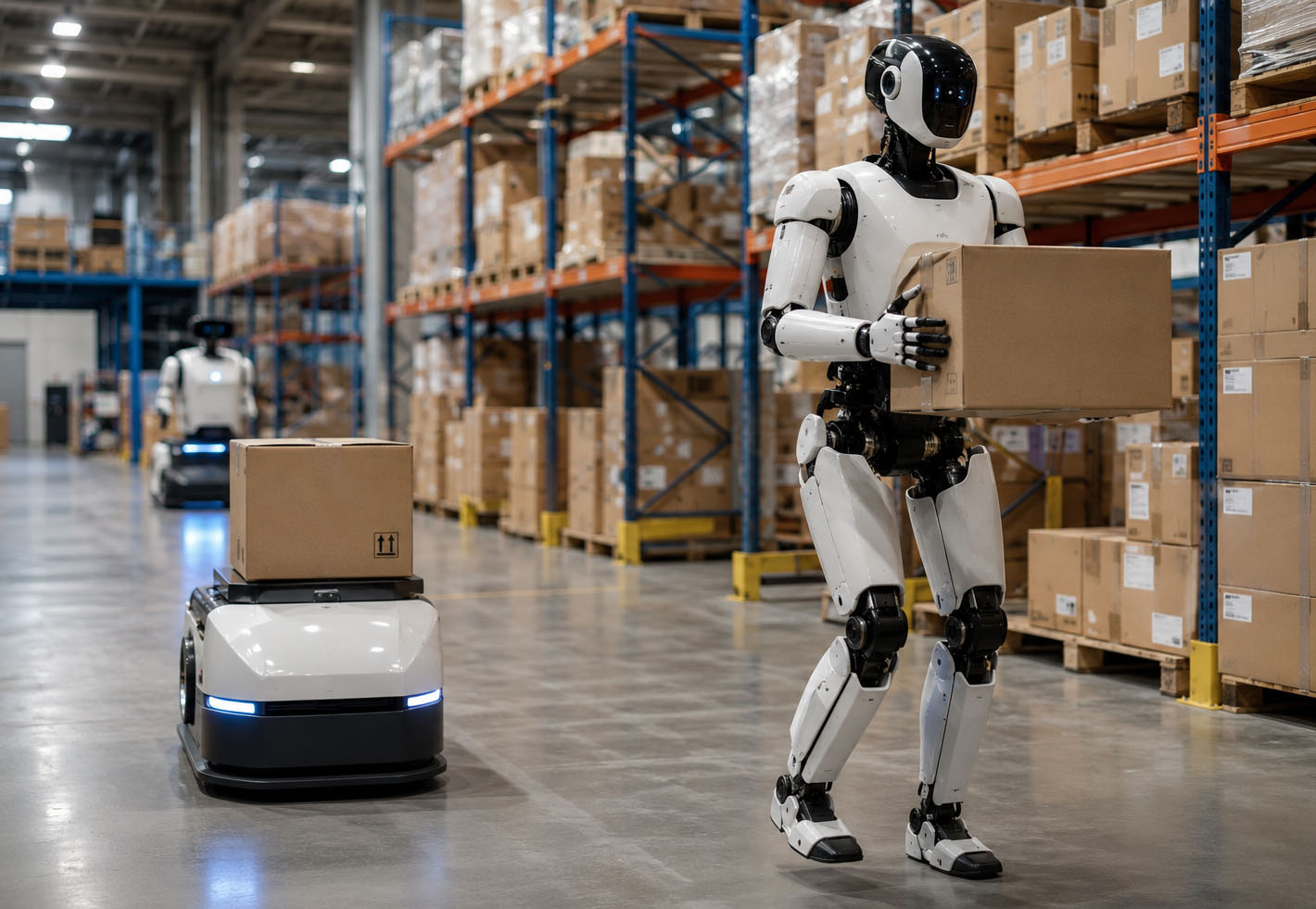
NVIDIA Halos for Robotics: A New Era for Industrial Robot Safety
Recent advancements in industrial robotics have marked a significant milestone in the integration of physical artificial intelligence. Over the past few years, the field has experienced unprecedented growth, evolving beyond mere data analysis and text generation. Now, AI technology is enabling machines to perceive their surroundings, make real-time decisions, and interact directly with their environment. This evolution is exemplified by NVIDIA's latest innovations, which are set to enhance the safety and functionality of industrial robots. As these developments unfold, the landscape of robotics is transforming, paving the way for smarter and more autonomous machines in various industries.
À la une IA Industrie Robotique automatisation industrielle. cobot industriel
NVIDIA's Halos for Robotics: A New Era for Industrial Robot Safety
Recent advancements in industrial robotics have marked a significant milestone in the integration of physical artificial intelligence. Over the past few years, the field has experienced unprecedented growth, with AI evolving beyond mere data analysis and text generation. Now, machines equipped with this technology can perceive their surroundings, make real-time decisions, and interact directly with their environment. This transformation is highlighted in a recent article discussing NVIDIA's Halos for Robotics, which emphasizes the new era of safety in industrial robots. The developments signal a shift in how robots operate, enhancing their capabilities and effectiveness in various industrial applications.
À la une IA Industrie Robotique automatisation industrielle. cobot industriel
Deep dive into ARM’s physical AI and robotics strategies with Drew Henry
Drew Henry, a representative from ARM, recently shared insights into the evolving landscape of physical AI, robotics, and autonomous systems, emphasizing their development to meet real-world challenges. In a detailed discussion, Henry outlined ARM's strategic approach to integrating advanced technologies in these fields, highlighting the necessity for systems that can operate effectively within the constraints of everyday environments. This conversation comes at a time when the demand for intelligent automation solutions is rapidly increasing, driven by the need for efficiency and innovation across various industries. The dialogue took place in a recent interview featured on The Robot Report, showcasing ARM's commitment to pioneering advancements in robotics and AI.
Artificial Intelligence Business Resources Controllers Development Tools / SDKs / Libraries Logistics Materials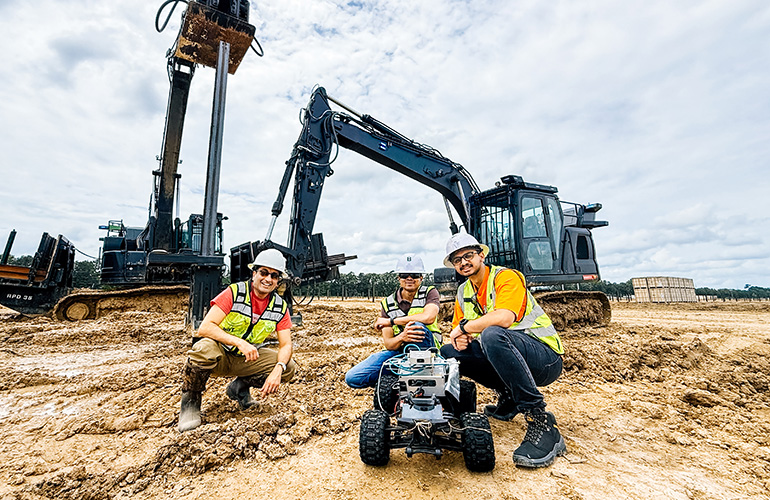
Built Robotics, Penn xLAB to develop physical AI for construction
xLAB and Built Robotics have announced a partnership aimed at enhancing construction site safety through advanced artificial intelligence. This collaboration focuses on capturing additional data to refine AI models that can better predict and mitigate risks in construction environments. The initiative comes at a time when the construction industry is increasingly prioritizing safety measures, driven by the need to reduce accidents and improve operational efficiency. By leveraging innovative technology, the two organizations aim to create a more secure working environment for construction workers. The development of this physical AI is expected to take place over the coming months, with both companies committed to integrating their expertise to achieve significant advancements in the field.
Academia / Research Artificial Intelligence Autonomous Mobile Robots (AMRs) Construction Mining News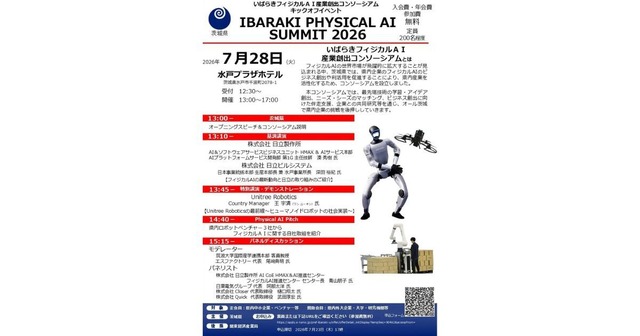
Ibaraki Prefecture Launches Consortium for Physical AI Industry with IBARAKI PHYSICAL AI SUMMIT 2026
Ibaraki Prefecture has established the 'Ibaraki Physical AI Industry Creation Consortium' to promote business development and utilization of physical AI by local companies. The kickoff event, 'IBARAKI PHYSICAL AI SUMMIT 2026', is scheduled for July 28, 2026, at the Mito Plaza Hotel in Mito City, Ibaraki Prefecture. This initiative is significant as physical AI, which integrates AI into physical devices like robots and autonomous vehicles, is expected to see substantial market growth globally. The consortium aims to create an environment that facilitates local companies in adopting physical AI technologies, aligning with current industry trends. The kickoff event will feature participation from related companies such as Hitachi and Unitree Robotics, along with robot demonstrations. A seminar discussing the evolution of RoboCup in the context of humanoid robots and physical AI will also take place, highlighting the challenges and advancements in the field as it prepares for the RoboCup 2026 World Championship in South Korea.
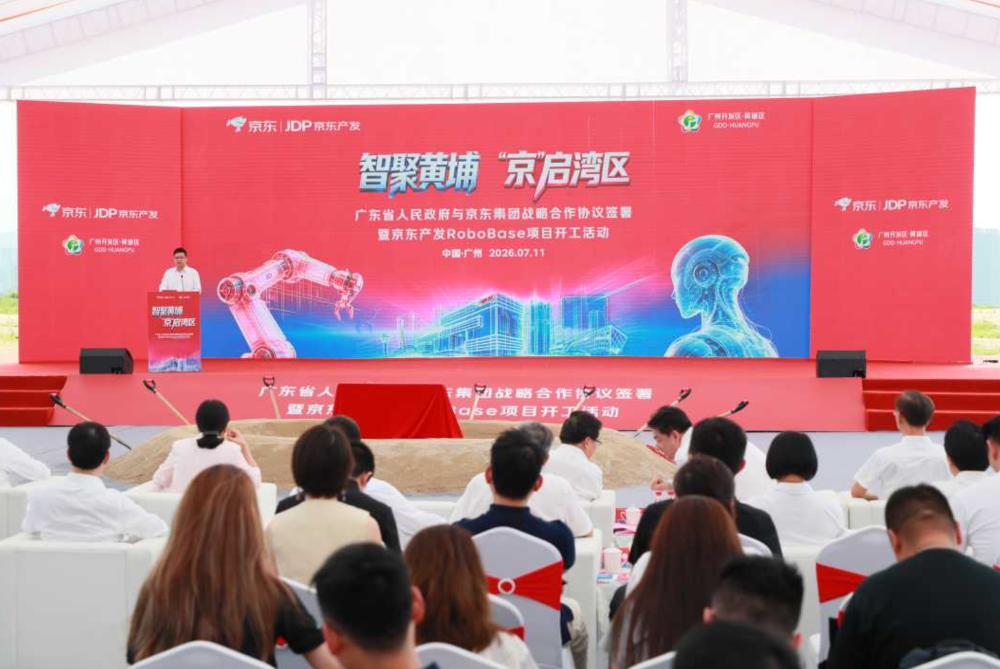
JD Group Launches First RoboBase Project in Guangzhou to Foster Robotics Ecosystem
On July 11, JD Group signed a comprehensive strategic cooperation agreement with the Guangdong provincial government, focusing on nine key areas including digital economy and modern logistics. The first physical benchmark of this agreement, the RoboBase project, commenced construction in the Huangpu Science City, Guangzhou. This marks JD's first RoboBase globally, covering approximately 190,000 square meters, with completion expected by the end of 2028 and an anticipated annual output value of about 1.75 billion yuan. The RoboBase project aims to integrate high-end manufacturing, technological innovation, and ecological services, concentrating on core robotic components, complete machine manufacturing, and high-end intelligent equipment. JD's approach is unique as it positions itself as an 'industrial infrastructure operator' rather than directly engaging in robot manufacturing. This strategy is designed to support robotics companies by providing a conducive environment for their operations. Looking ahead, JD's RoboBase will facilitate long-term testing for robots across various real-world scenarios, including JD MALL and logistics parks. The project also emphasizes talent development through partnerships with vocational schools in Guangdong. No further timeline was disclosed at the time of publication.
Robotics Ecosystem High-End Manufacturing Technological Innovation Supply Chain Solutions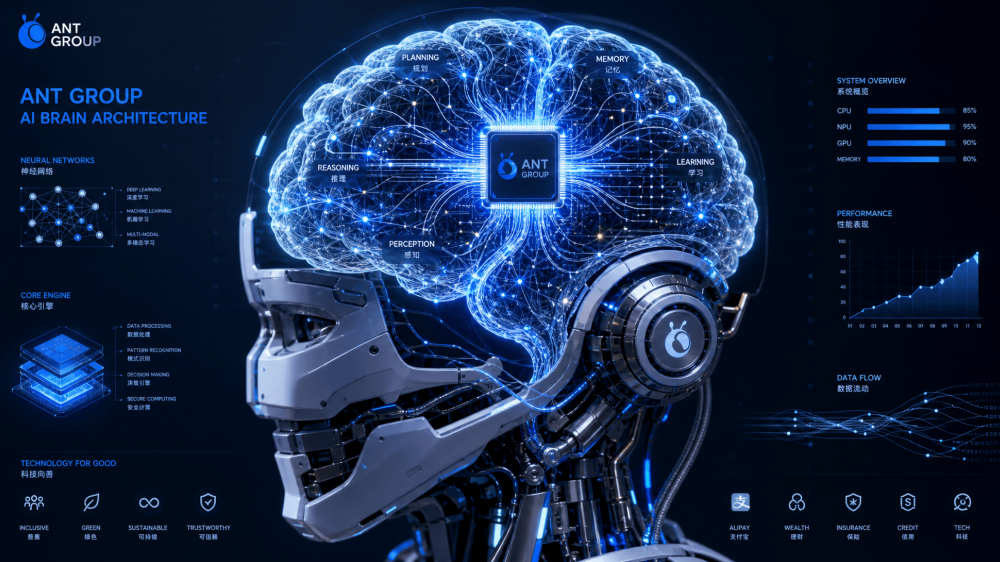
Ant Group's Robotics Subsidiary Introduces Innovative Robot Brain Technology
Ant Group's robotics subsidiary, Robbyant, has adopted a unique approach by prioritizing the development of a robot brain over hardware design. This strategy leverages the AI infrastructure behind Alipay, which processes billions of payment transactions daily, to enhance robots' ability to perceive their environment and make autonomous decisions. The introduction of the LingBot-VA 2.0 marks a significant advancement as it is the world's first embodiment-native pre-trained VA base model, specifically tailored for robots. In real-world tests, robots equipped with this model achieved a remarkable success rate of 93.6% in dual-arm tasks, showcasing the potential of this innovative technology. As hardware becomes increasingly standardized, the focus on software intelligence and data advantages is emerging as a new competitive edge. Ant Group's initiative to create a robot brain from its extensive payment data aims to bridge the gap between the digital and physical worlds, positioning Robbyant as a leader in the robotics field.
Robotics AI Machine Learning Automation
SoftServe Introduces Virtual Gyms for Enhanced Robotics Training and Deployment
SoftServe has highlighted the importance of 'virtual gyms' for robotics teams, emphasizing their role in preparing robots for dynamic environments. These high-fidelity simulation environments allow robots to train, fail, and recover safely before real-world deployment, addressing the challenges posed by unpredictable operational conditions. The global robotics market is projected to grow at a 19.6% CAGR from 2026 to 2036, underscoring the need for effective training solutions like virtual gyms to enhance robotic autonomy and performance. The shift from programmed automation to physical AI necessitates that robots adapt to constantly changing environments, which traditional training methods struggle to accommodate. Virtual gyms integrate technologies such as digital twins, reinforcement learning, and sensor modeling to provide a comprehensive training platform. This approach mitigates the risks and costs associated with real-world trials, enabling teams to generate valuable training data in a controlled setting, thus improving deployment success rates. Looking ahead, the adoption of virtual gyms is expected to become a standard practice in robotics development, as they offer a solution to the simulation-to-reality gap. No further timeline was disclosed at the time of publication, but the increasing complexity of robotic tasks suggests that the demand for such training environments will continue to rise as the industry evolves.
Artificial Intelligence Artificial Intelligence / Cognition Autonomous Mobile Robots (AMRs) Development Tools / SDKs / Libraries Industrial Robots Logistics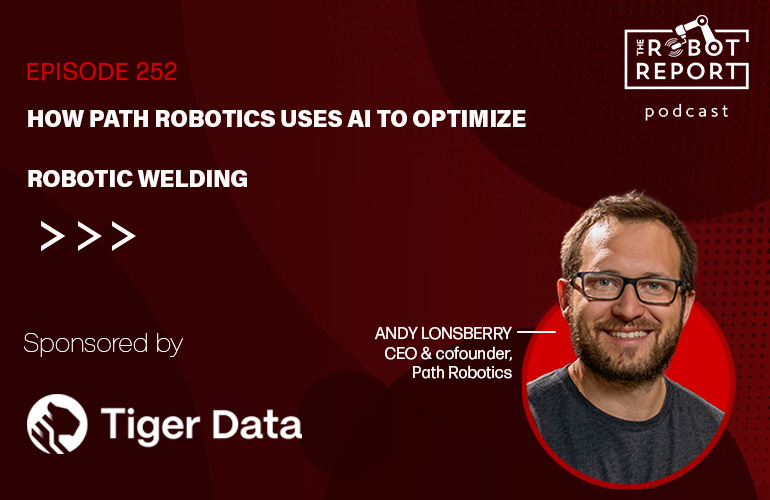
Path Robotics Enhances Welding Efficiency with AI and Boston Dynamics Robots
In a recent episode of The Robot Report Podcast, Andy Lonsberry, co-founder and CEO of Path Robotics, detailed the company's innovative approach to robotic welding. Based in Columbus, Ohio, Path Robotics utilizes AI to optimize the welding process by identifying torch paths and employing real-time vision guidance. This technology aims to streamline operations in manufacturing environments, addressing longstanding challenges in the industry. The significance of Path Robotics' advancements lies in their application of physical AI to enhance robotic systems. By integrating AI-driven solutions, the company is not only improving the efficiency of welding operations but also expanding the capabilities of robots in complex production settings. The deployment of Boston Dynamics' Spot robots for mobile welding applications in shipbuilding further exemplifies the potential of combining AI with robotics to tackle industry-specific challenges. Looking ahead, the focus will be on the continued integration of AI in robotic systems and the potential for further advancements in welding technology. No further timeline was disclosed at the time of publication, but the ongoing development in this area suggests a promising future for AI-enhanced manufacturing solutions.
Artificial Intelligence Assembly Cameras / Imaging / Vision Controllers Humanoids Manufacturing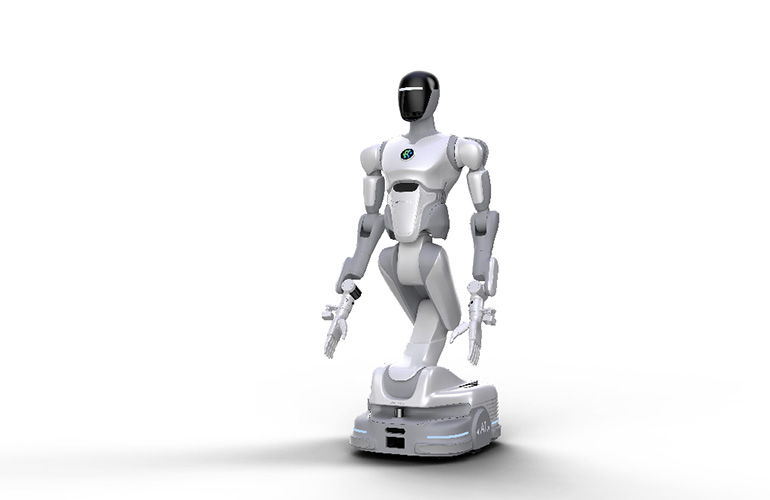
AI² Robotics Secures $735 Million Funding for Wheeled Humanoid Robots Development
AI² Robotics has successfully raised approximately $735 million in a recent funding round, elevating its valuation to around $2.8 billion. The Shenzhen-based company specializes in wheeled humanoid robots, which feature a humanoid torso and five-fingered hands, offering a unique alternative to traditional bipedal systems. This funding round attracted a diverse group of investors, including government-backed entities and major corporations, highlighting the growing importance of physical AI technology in China. The strategic choice to develop wheeled robots instead of bipedal models allows AI² Robotics to focus on mechanical simplicity and durability, making their robots more cost-effective and easier to deploy in public spaces. With over 34 degrees of freedom and a custom lifting mechanism, the robots are designed for various industrial applications, including logistics, manufacturing, and retail. The company’s proprietary Alpha Brain software enhances the robots' capabilities in real-time spatial reasoning and task planning, positioning them as practical solutions in structured environments. Looking ahead, AI² Robotics aims to further penetrate industrial markets while steering clear of the consumer robotics hype. The company is actively deploying its AlphaBot 2 in practical settings, emphasizing its utility in sectors such as biotech and public service. No further timeline was disclosed at the time of publication regarding future funding or product releases.
Artificial Intelligence / Cognition China Financial Humanoids Investments News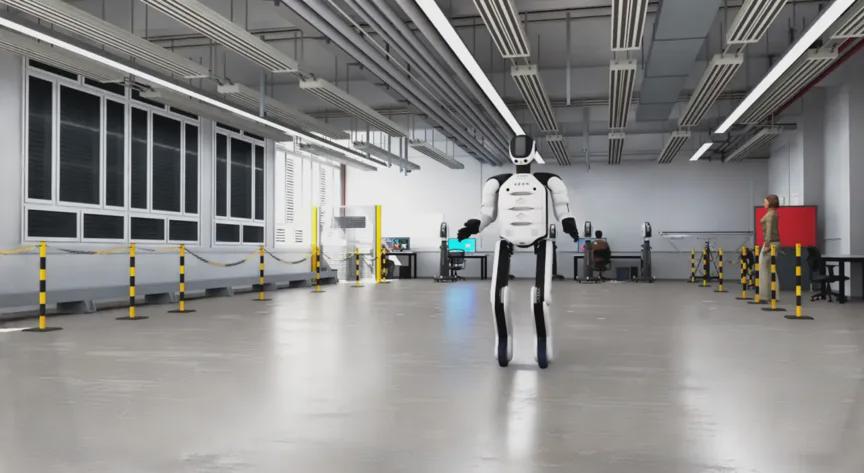
NVIDIA and DeepMind Lead Robotics Simulation Debate with New Industrial Applications
The field of embodied intelligence is witnessing a fierce debate over the best approach to training robots for industrial applications. One faction advocates for simulation-based training, leveraging structured environments to generate synthetic data, while the opposing view emphasizes the necessity of real-world data to handle complex physical interactions and unpredictable scenarios. Key players include NVIDIA, DeepMind, and Intrinsic, each with unique strategies and technologies. NVIDIA's Omniverse platform and Isaac Sim engine exemplify the simulation approach, enabling comprehensive digital twins of factories for training and optimization. Their collaboration with BMW on a digital twin project in Hungary showcases the potential of synthetic data in logistics and robotic movements. However, challenges remain in achieving the necessary fidelity for force control and physical interactions, prompting NVIDIA to seek partnerships with companies like Hexagon Robotics. Conversely, DeepMind's use of the MuJoCo physics engine has demonstrated that pure simulation can achieve industrial-grade precision in specific tasks, such as sorting with known rigid models. Yet, this method's effectiveness is limited to scenarios with minimal contact and force control. Intrinsic aims to transform simulation into a comprehensive development tool for industrial robots, focusing on lowering barriers for small manufacturers. The ongoing challenge of the SIM2REAL gap remains a critical factor in the success of these approaches.
Robotics Industrial Automation Simulation Technology AI
NASA and Rice University Launch Open-Source Simulator for Space Robotics Research
Rice University and NASA have introduced the iMETRO Dynamic Simulation, the first open-source platform for developing robots for spacecraft and habitats. Unveiled at the 2026 IEEE International Conference on Robotics and Automation in Vienna, this simulator creates a digital twin of NASA's iMETRO facility, enabling global researchers to test intravehicular robotic systems in a virtual setting. This platform is significant as it broadens access to advanced space robotics research, facilitating innovation for future human space missions. It focuses on robot manipulators that assist with maintenance and logistics tasks, which are crucial for reducing astronaut workloads during extended missions. The simulator features an eight-degree-of-freedom robotic manipulator model and supports ROS 2 and MuJoCo, enhancing usability and compatibility for developers. Looking ahead, the iMETRO Dynamic Simulation aims to maximize astronaut productivity by automating routine tasks, allowing crew members to focus on scientific exploration. The research team successfully demonstrated the simulator's capabilities by transferring a robotic application from simulation to the physical facility in under a day. No further timeline was disclosed at the time of publication.
AI and Robotics
Mistral AI Releases Robotics Model to Support Physical AI Push
Mistral AI, a French startup specializing in artificial intelligence, has unveiled a new robotics navigation model aimed at enhancing its capabilities in the burgeoning field of physical AI. This announcement comes as the company seeks to solidify its presence in the market, having recently secured partnerships with several prominent industrial clients across Europe. The development of this navigation model is part of Mistral AI's strategy to meet the increasing demand for advanced robotics solutions in various sectors. By leveraging cutting-edge technology, the startup aims to improve the efficiency and effectiveness of robotic systems in industrial applications.
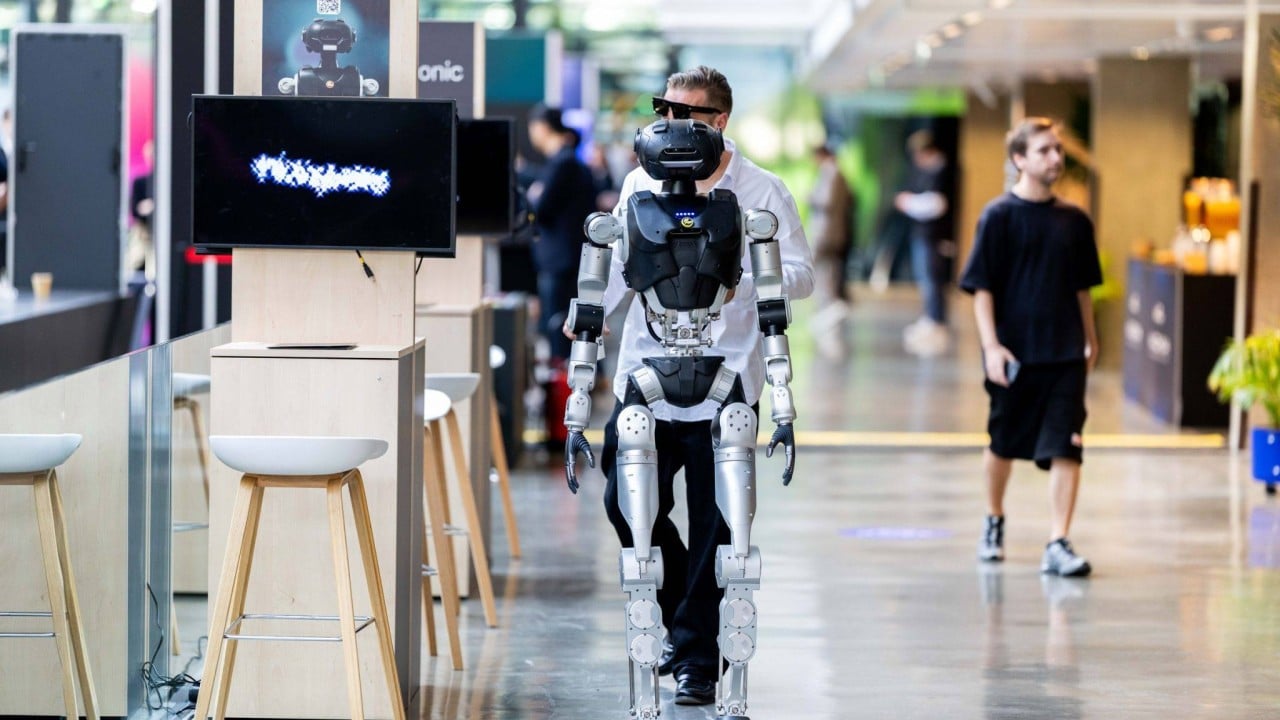
Physical AI ‘space race’: can Europe compete with China and the US in humanoid robotics?
European firms say they are fighting to secure a foothold in physical AI – the integration of artificial intelligence into robotics and machinery – as China and the United States take an early lead in the sector, with industry insiders warning the continent faces the threat of further deindustrialisation if it fails to establish a competitive industry. “You see China and the US … because of AI … typically they are considered the leaders, but do not count out Europe,” said David Kehr, president...
LG sets up CEO-level robotics unit for physical AI push
LG Electronics announced on Tuesday its plan to establish a new Robotics Business Center, effective Wednesday, as part of a strategic reshuffle aimed at enhancing its focus on physical AI, a key area for future growth. The new center will operate directly under the company's chief executive and will consolidate business development, sales, and operations functions into a cohesive unit. This restructuring is designed to streamline processes from identifying new opportunities to managing supply chain and manufacturing. The center will be led by Song, who is expected to drive the initiative forward.
All News
Ambi Robotics and Pickle Robot Deliver Integrated Physical AI Solution to Fully Automate Inbound Logistics
A groundbreaking commercial integration has been achieved in the field of Physical AI, marking a significant advancement in automation technology. This innovative system showcases how specialized robotic units can collaborate effectively to automate the processes of truck unloading and palletizing. The integration, which is the first of its kind, demonstrates the potential for enhanced efficiency and productivity in logistics operations. By utilizing advanced robotics, companies can streamline their supply chain processes, reducing labor costs and minimizing human error. This development is set to redefine industry standards and pave the way for further advancements in automated systems.

WIRobotics Begins Building a Physical AI Development Ecosystem: The First Technology Release Features the ALLEX Simulation Model
ALLEX Technologies has announced plans to sequentially release additional core technologies aimed at enhancing the development of Physical AI. This initiative is set to expand the Physical AI development ecosystem, facilitating high-fidelity Sim-to-Real validation processes. The company aims to create an open environment that supports researchers and robotics developers in their quest to innovate within the field. By fostering collaboration and providing advanced tools, ALLEX Technologies seeks to drive advancements in Physical AI, making it more accessible and effective for various applications.

ARM Institute expands RoboticsCareer.org into physical AI
The ARM Institute has announced an expansion of RoboticsCareer.org to include job opportunities in the burgeoning field of physical artificial intelligence (AI). This initiative aims to facilitate connections between employers and qualified candidates, addressing the increasing demand for talent in this innovative sector. The updated platform is expected to serve as a valuable resource for both job seekers and companies looking to hire skilled professionals in physical AI. This development reflects the ongoing growth and significance of robotics and AI in the workforce, highlighting the need for specialized talent in these areas.
Artificial Intelligence Artificial Intelligence / Cognition Business Resources Defense / Security Design / Development Educational
First educational event in Japan featuring humanoid demonstrations and physical AI experiences at elementary schools on June 26.
Play Robotics, a company specializing in safety evaluation and support for the integration of humanoid robots, is set to host a Physical AI Experience event on June 26, 2026. The event will take place at Shiroyama Elementary School in Inagi City. This initiative aims to provide participants with hands-on experiences to explore the capabilities and safety of humanoid robots, promoting awareness and understanding of AI technologies in educational environments. Through interactive demonstrations and activities, attendees will gain insights into the practical applications of robotics and artificial intelligence in everyday life.

China's Robotics Industry Sees Multiple Breakthroughs Across Humanoid Robots and Physical AI
China's robotics industry has achieved significant advancements in humanoid robots and physical artificial intelligence, marking a pivotal moment in the sector's development. These breakthroughs were reported in October 2023, showcasing the country's commitment to enhancing its technological capabilities. The innovations include improved mobility and functionality in humanoid robots, which are now capable of performing complex tasks that were previously thought to be the domain of human workers. This progress is driven by a combination of increased investment in research and development, collaboration between universities and tech companies, and a growing demand for automation across various industries. As China aims to position itself as a global leader in robotics, these developments not only highlight the nation's technological prowess but also its strategic focus on integrating AI into everyday applications. The advancements are expected to have far-reaching implications, potentially transforming sectors such as manufacturing, healthcare, and service industries. By leveraging cutting-edge technology, China is setting the stage for a future where robots play an integral role in both the economy and society.
Robotics
Bear Robotics acquires Kinisi Robotics to boost its physical AI capabilities
Bear Robotics has announced the acquisition of Kinisi Robotics, a move aimed at enhancing its physical AI capabilities. The integration will involve Kinisi's KR1 humanoid robot and the expertise of its engineering team based in Bristol. This strategic acquisition reflects Bear Robotics' commitment to advancing its technology in the robotics sector, particularly in the realm of physical AI. The deal is expected to bolster Bear Robotics' offerings and position the company for future growth in the competitive landscape of robotic solutions.
Artificial Intelligence Artificial Intelligence / Cognition Autonomous Mobile Robots (AMRs) Design / Development Financial Humanoids
Mantis Robotics Extends Potential of Physical AI with New Dual-Arm Fenceless Robot for Industrial and Retail Automation
Mantis Robotics has introduced its latest innovation, the MR-X dual-arm robot, at Automate 2026 in Chicago, showcasing advancements in physical AI for industrial and retail automation. This high-performance robot, capable of lifting up to 70 lbs and operating at speeds of 10.6 m/s, is designed to function without safety fences, allowing for flexible deployment in complex environments. The MR-X is inspired by human biomechanics, enabling it to perform demanding tasks that require both strength and dexterity. Its patented SafetyCore platform provides continuous awareness of its surroundings, allowing the robot to autonomously react to nearby humans without interrupting its operations. This feature eliminates the need for traditional safety infrastructure, enhancing efficiency while maintaining safety standards. Mantis Robotics aims to revolutionize automation with the MR-X, which builds on the success of its predecessor, the MR-1, known for its certified fenceless operation. CEO Gerry Vannuffelen emphasized that the MR-X is not just another humanoid robot, but a first-in-class dual-arm system that surpasses both collaborative robots and humanoids in speed and safety. Visitors to Booth 1261 in the South Hall at Automate 2026 can witness the MR-X's capabilities firsthand, interact with the MR-1, and explore the technology that enables rapid deployment without disruption. Mantis Robotics invites attendees to schedule personalized walkthroughs and learn about priority access for early customers.

NVIDIA Announces Halos for Robotics, the Industry’s First Full-Stack Safety System for Physical AI
NVIDIA has unveiled NVIDIA Halos for Robotics, marking a significant advancement as the first comprehensive safety system designed specifically for robotics and physical AI. This innovative system integrates AI computing capabilities with safety measures, aiming to enhance the operational reliability of robotic systems. The announcement was made today, reflecting NVIDIA's commitment to advancing technology in the robotics sector. By providing a unified solution, NVIDIA Halos seeks to address the growing need for safe and efficient robotic applications across various industries. This development is expected to facilitate the deployment of robotics in environments that require stringent safety protocols, thereby expanding the potential for AI-driven automation.
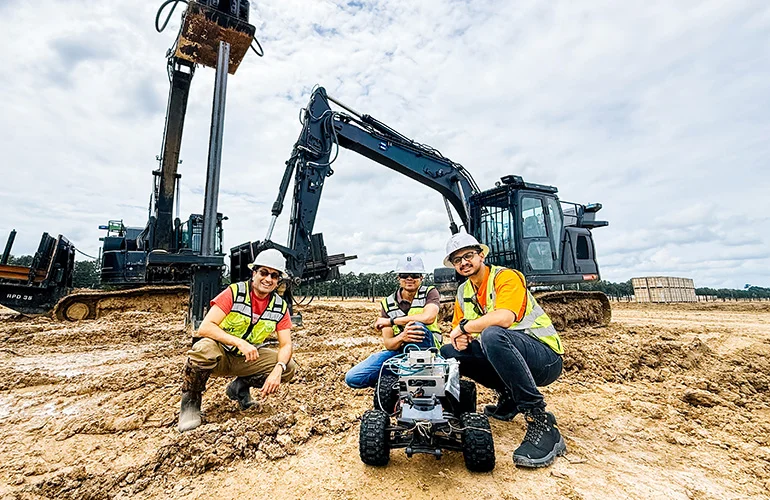
Built Robotics and Penn Engineering’s xLAB Partner for Physical AI in Construction
Built Robotics is partnering with the University of Pennsylvania’s Safe Autonomous Systems Lab, known as xLAB, to advance research in physical AI aimed at creating autonomous construction systems capable of safe operation in real-world environments. This collaboration combines Built Robotics' expertise in deploying autonomous technologies on construction sites with xLAB's cutting-edge research in safety and automation. The initiative seeks to enhance the efficiency and safety of construction processes by leveraging innovative AI solutions.
AI AI Funding & Investment AI Research & Advances Robotics Built Robotics Partnership
ABB Robotics delivers new industry-ready physical AI at Automate 2026
At Automate 2026, ABB Robotics will showcase its latest advancements in physical AI, including the debut of its Physical AI Toolchain, designed to enhance the capabilities of industrial robots. The event, taking place at Booth #1241 on June 17, 2026, will feature demonstrations of the Autonomous Versatile Robotics (AVR™) system, which equips robots with advanced sensory and mobility functions to operate more efficiently across various applications. Marc Segura, President of ABB Robotics, emphasized that physical AI is transforming traditional robotic operations, allowing for faster, safer, and smarter performance. The new toolchain facilitates the training of robots using simulated and real-world data, bridging the gap between simulation and practical application with high precision. This initiative follows ABB's partnership with NVIDIA, which aims to enhance robot training through advanced simulation technologies. Among the highlights will be the introduction of ABB's high-speed PoWa™ cobot family and a collaboration with Aura Sensae, integrating intelligent sensing technology for improved human-robot interaction. Visitors can expect to see demonstrations of AI-powered palletizing systems, intuitive interfaces, and real-time interaction capabilities, showcasing ABB's commitment to human-centric robotics. Additionally, ABB Robotics will host special events focused on automotive and software innovations on June 23 and 24, respectively, further engaging with industry stakeholders.

Kawasaki Robotics Unveils Dexterous Physical AI Robot Platform, Advanced Automation Technologies at Automate 2026
Kawasaki Robotics introduced its latest advancements in automation technology at Automate 2026, held in Chicago on June 17, 2026. The company showcased the new RL030N robot platform, which features eight degrees of freedom specifically designed for Physical AI applications, alongside its patented Pulseboard inspection technology. These innovations highlight Kawasaki's commitment to enhancing industrial automation through the integration of robotics, artificial intelligence, and machine learning. The RL030N robot stands out as the industry's first 8-axis platform, enabling high-speed motion and enhanced dexterity for complex tasks in dynamic environments. This robot is engineered to support AI-driven applications that require adaptive motion and obstacle avoidance, setting it apart from traditional industrial robots optimized for repetitive tasks. Additionally, Kawasaki demonstrated the Pulseboard technology in a robotic weld inspection system developed with Fives DyAG. This system significantly improves inspection efficiency by synchronizing image acquisition with the robot's movements, allowing for up to ten times faster weld inspections without compromising accuracy. Seiji Amazawa, President of Kawasaki Robotics, emphasized the importance of these technologies in shaping the future of automation, stating that they are designed to support emerging Physical AI applications while maintaining the reliability that manufacturers expect. The event marks a pivotal moment for Kawasaki Robotics as it continues to lead in intelligent automation solutions.
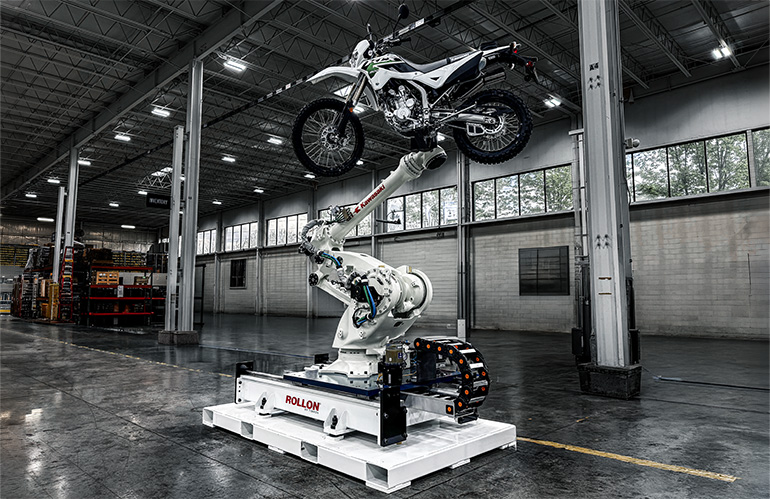
Kawasaki Robotics to debut RL030N physical AI platform at Automate
Kawasaki Robotics is set to unveil its RL030N physical AI platform, along with its 8-DoF robot and Pulseboard inspection technology, at the upcoming Automate event. This showcase, scheduled for later this month, aims to demonstrate the company's vision for intelligent automation solutions. By integrating advanced robotics with AI capabilities, Kawasaki Robotics seeks to enhance operational efficiency and precision in various industries. The introduction of these innovative systems reflects the growing demand for automation technologies that can adapt to complex tasks and improve productivity in manufacturing and beyond.
Arms / Manipulators Artificial Intelligence Automotive Cobot Arms Controllers Events
XPeng Is Getting Serious About Physical AI as Its CEO Takes Over the Robotics Division
XPeng, a leading Chinese electric vehicle manufacturer, is intensifying its focus on physical AI as competition in the EV sector escalates. CEO He Xiaopeng will assume control of the company's robotics division, coinciding with the anticipated mass production and commercialization of its humanoid IRON robots. This strategic move aims to diversify XPeng's offerings beyond electric vehicles, with plans to launch commercial sales in China and internationally next year. The announcement comes amid challenges for XPeng, including a significant decline in vehicle deliveries and stock performance, with a 24.34% drop over the past year. In the first quarter of 2026, the company reported a 33.3% decrease in vehicle deliveries compared to the same period in 2025, alongside a 295.9% increase in net losses. Despite these setbacks, XPeng's gross margin improved, and analysts have mixed but generally favorable views on the company's stock, with several upgrades following its recent earnings report. XPeng aims to deliver between 100,000 and 106,000 vehicles in the second quarter of 2026, projecting revenue growth of approximately 7.3% to 13.8% year-over-year. As XPeng ventures into robotics, it seeks to position itself as a leader in intelligent mobility solutions, leveraging advanced technology to enhance customer experiences.

German robotics firm Neura Robotics secures $1.4 billion in funding with support from Amazon and Nvidia.
On June 10, Neura Robotics, a German robotics company, announced the successful completion of a record-breaking Series C funding round, which could reach up to $1.4 billion. This significant investment aims to accelerate the development of a leading global platform in physical artificial intelligence. The funding round received backing from notable investors, including Amazon, NVIDIA, and the European Investment Bank, highlighting strong confidence in the company's vision and potential in the robotics sector.
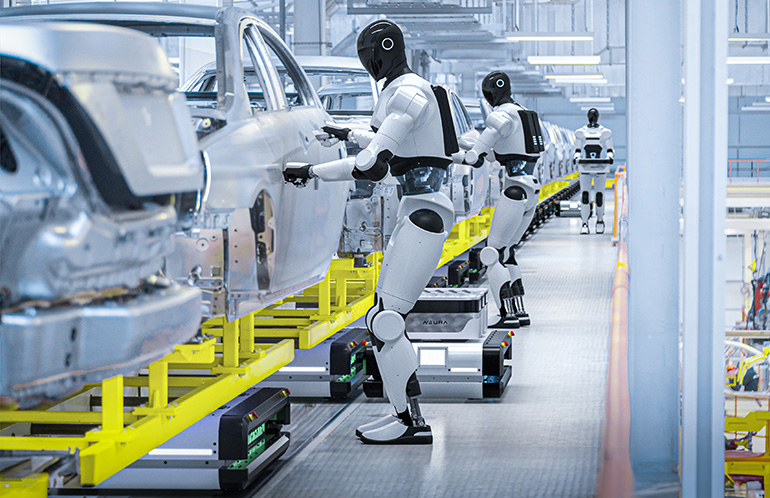
NEURA Robotics to raise up to $1.4B in Series C funding for physical AI
NEURA Robotics is set to enhance its capabilities in robot learning and increase the global production of humanoid robots and other systems. The company aims to raise up to $1.4 billion through a Series C funding round, which will support its ambitious expansion plans. This funding initiative reflects NEURA Robotics' commitment to advancing physical artificial intelligence and solidifying its position in the robotics market. The announcement comes as the demand for innovative robotic solutions continues to grow, prompting the company to seek substantial investment to fuel its development and production efforts.
Artificial Intelligence Artificial Intelligence / Cognition Autonomous Mobile Robots (AMRs) Collaborative Robots Development Tools / SDKs / Libraries Humanoids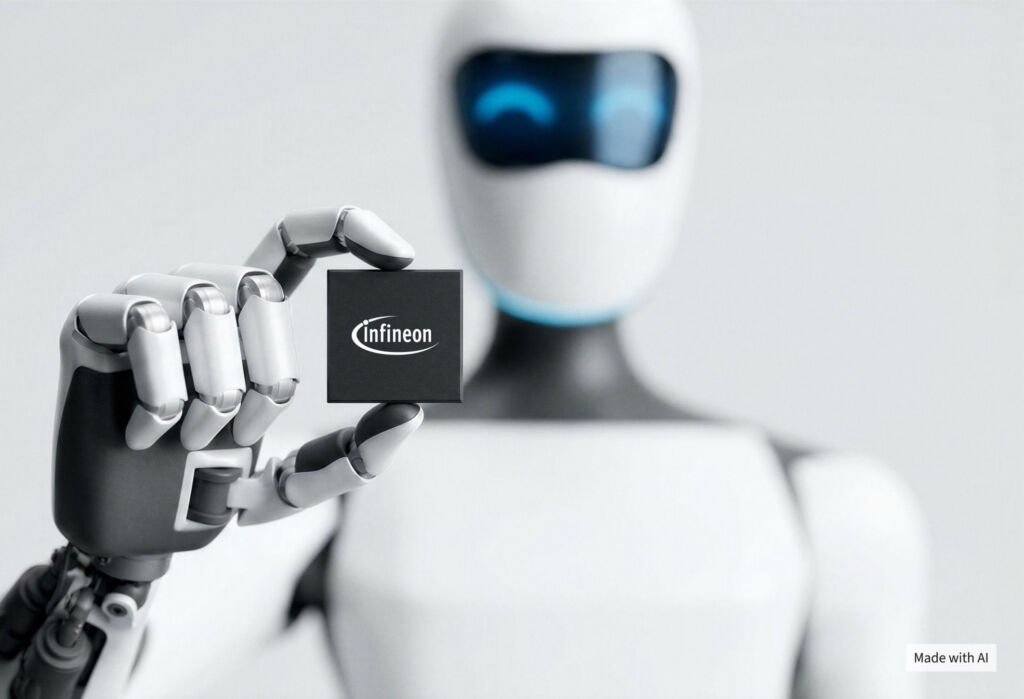
Increased Security for Physical AI
Infineon Technologies has announced the integration of its Optiga TPM SLB 9672 hardware security module into Nvidia's Jetson Thor computing platform, which is designed for robotics and autonomous systems. This collaboration aims to enhance security measures for physical artificial intelligence applications. By incorporating advanced security features, the partnership seeks to address growing concerns regarding data protection and system integrity in increasingly automated environments. The integration is expected to provide developers with robust tools to build secure and reliable robotic solutions.
Allgemein Robotersteuerung & Digital Twin RobotikRobotics needs a service framework.
RSF defines a common language for robot service capability, lifecycle operations, certification pathways, and service-provider networks.







