Industry Briefing
A single destination for timely, editor-curated robotics news from around the world.
Qianjue Robotics Launches X-TouchMind V1 and TacVerse 1k for Enhanced Robot Interaction
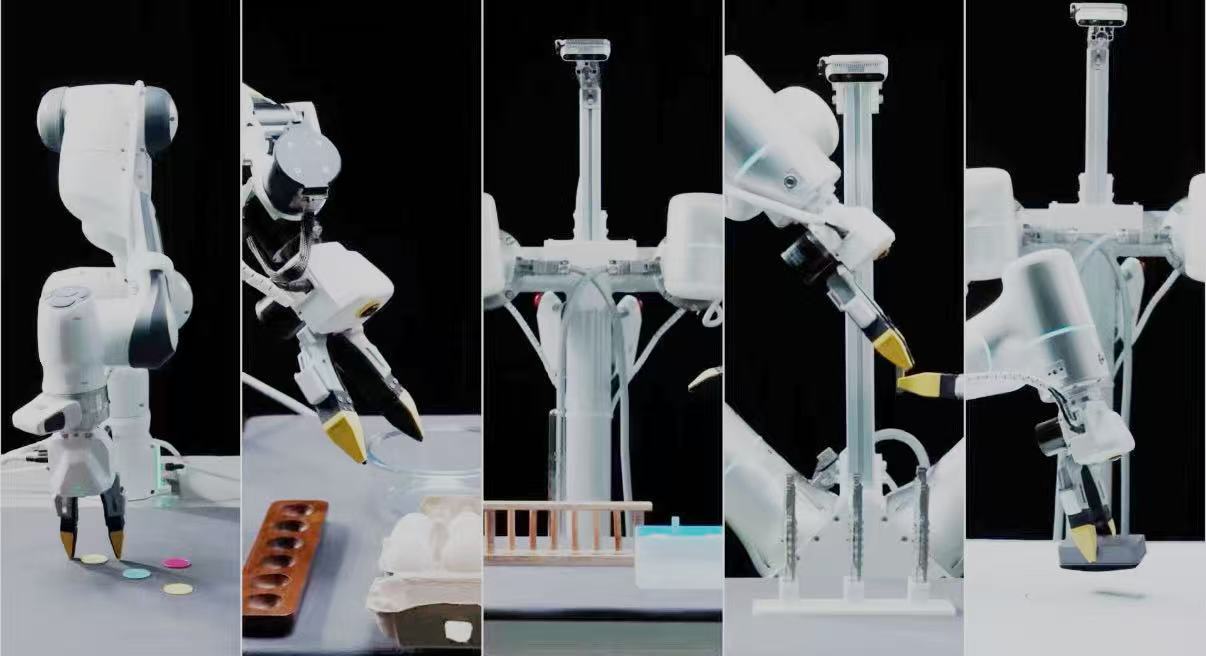
On July 16, Qianjue Robotics unveiled its first embodied tactile model, X-TouchMind V1, alongside the TacVerse 1k multimodal dataset. This development addresses the limitations of traditional visual models in robotic operations, particularly in precision assembly and handling delicate objects, where failures often occur after contact. The new model integrates visual, linguistic, tactile, and robotic state data to enhance physical interaction capabilities. The significance of this release lies in Qianjue's comprehensive approach, which encompasses tactile perception hardware, self-developed multimodal data collection devices, and the new tactile model. Unlike previous attempts that merely supplemented tactile signals to visual data, the VTLA embodied tactile model establishes a closed-loop system that fundamentally redefines the perception boundaries of robotic models. This innovation allows robots to understand and respond to physical interactions more effectively. Looking ahead, Qianjue Robotics will demonstrate the capabilities of the VTLA model at the WAIC 2026 exhibition, showcasing real-world applications such as autonomous box stacking and precise assembly of headphones. The focus will be on how the model can dynamically adjust actions based on tactile feedback, marking a significant advancement in robotic interaction technology. No further timeline was disclosed at the time of publication.
Tactile Intelligence Robotic Interaction Precision Assembly Multimodal Data AI Robotics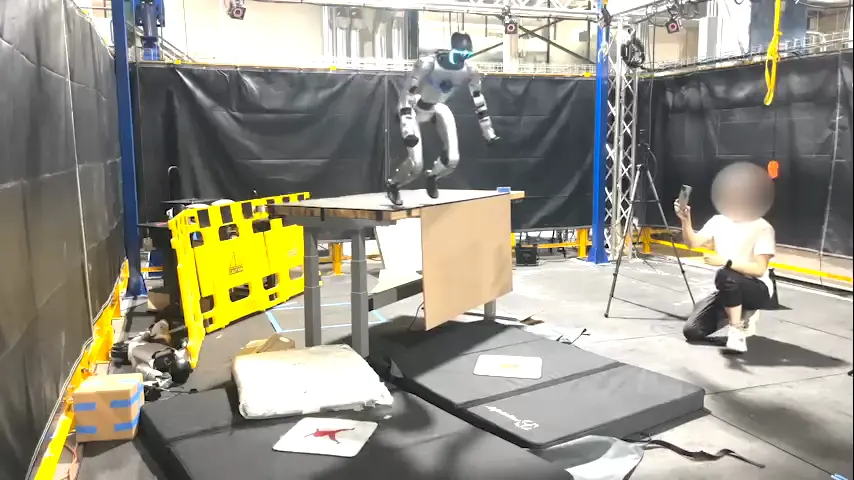
Amazon's OmniRetarget Teaches Humanoids Complex Skills by Preserving Physical Interactions
Amazon's FAR robotics team has introduced OmniRetarget, an innovative data generation engine designed to convert human movements into realistic trajectories for humanoid robots. This groundbreaking system allows a single demonstration by a human to be expanded into extensive training data, significantly streamlining the reinforcement learning process. As a result, complex loco-manipulation skills can be transferred from simulation to a real Unitree G1 robot without the need for additional training. The unveiling of OmniRetarget marks a significant advancement in robotics, enhancing the capabilities of humanoid robots and paving the way for more sophisticated applications in various fields.
AI Amazon simulation robotics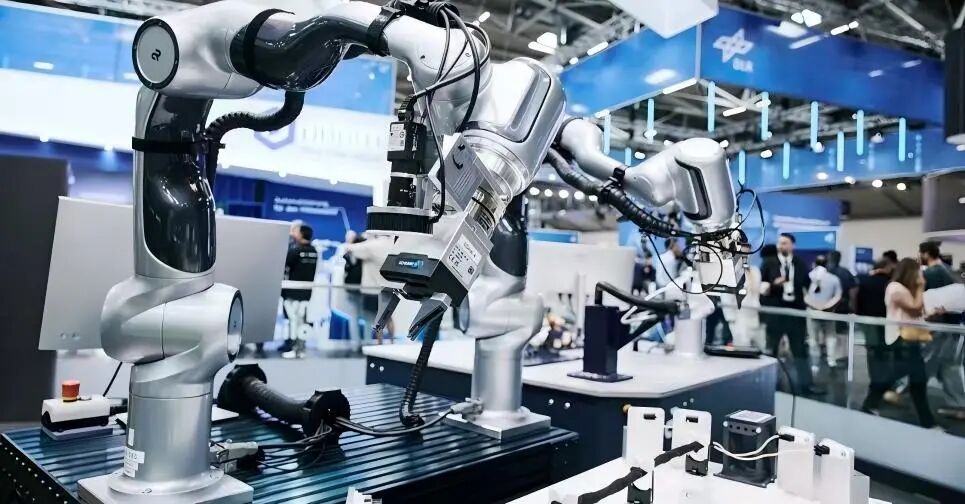
Revolutionizing Robot Interaction in the Era of Physical AI with Agile Robots
Agile Robots has unveiled a groundbreaking force control technology aimed at revolutionizing industrial automation and artificial intelligence. This innovative development, rooted in decades of aerospace research, allows robots to dynamically adapt to their physical environments, effectively addressing the persistent 'last millimeter problem' that has hindered task execution in complex scenarios. By enhancing the reliability of physical interactions, Agile Robots is positioning itself at the forefront of the evolving landscape of automation, enabling more sophisticated and efficient operations in various industries. This advancement marks a significant step forward in the integration of robotics into real-world applications, promising to improve productivity and operational effectiveness.
Force Control Technology Industrial Automation Robotics AI Physical Interaction
Yimu Technology Showcases Physical AI's Capabilities at WAIC 2026
At WAIC 2026, Yimu Technology attracted significant attention with its demonstration involving two identical peanuts. The exhibit illustrated the concept that while visual cues may be indistinguishable, tactile feedback reveals critical differences in texture and resilience. This highlights the importance of physical interaction in understanding the physical world. The significance of this demonstration lies in its implications for Physical AI. Traditional robots have struggled to interpret tactile information, often failing in tasks requiring sensitivity, such as handling fragile items. Yimu Technology emphasizes that the key to advancing robotics is not merely increasing model size but ensuring robots receive accurate physical feedback from their environment. Looking ahead, the focus will be on how effectively robots can integrate this tactile feedback into their operations. Yimu Technology's approach, which utilizes optical systems to measure minute deformations, could revolutionize how robots interact with their surroundings. No further timeline was disclosed at the time of publication.
Physical AI Tactile Sensors Robotics Machine Learning
Beyond Sensors: Qianjue's Vision for Tactile Intelligence in Robotics
Qianjue Robotics is making significant strides in the field of tactile intelligence, highlighting the critical role of touch in enhancing robotic interactions. During the International Conference on Robotics and Automation (ICRA) 2026, the company unveiled its comprehensive tactile intelligence technology. A standout feature of their presentation was the VTLA model, which empowers robots to autonomously execute intricate tasks, such as forming flexible paper boxes. This technology demonstrated impressive capabilities, particularly in dynamic environments, showcasing the potential for more effective and nuanced physical interactions in robotics.
Tactile Intelligence Robotics Automation VTLA Model Physical Interaction
AGIBOT Releases Open
AGIBOT has introduced the AGIBOT WORLD 2026 Theme 2: Rich Interaction, an innovative open-source dataset designed to improve the understanding of physical interactions between robots and objects. Launched recently, this initiative aims to capture a diverse array of interactions, including both successful and imperfect outcomes, thereby addressing significant data deficiencies within the embodied AI community. By providing this comprehensive dataset, AGIBOT seeks to facilitate advancements in world modeling and enhance robust representation learning, ultimately contributing to the development of more sophisticated AI systems.
Embodied AI Robotics Open-source Dataset Physical Interaction Machine Learning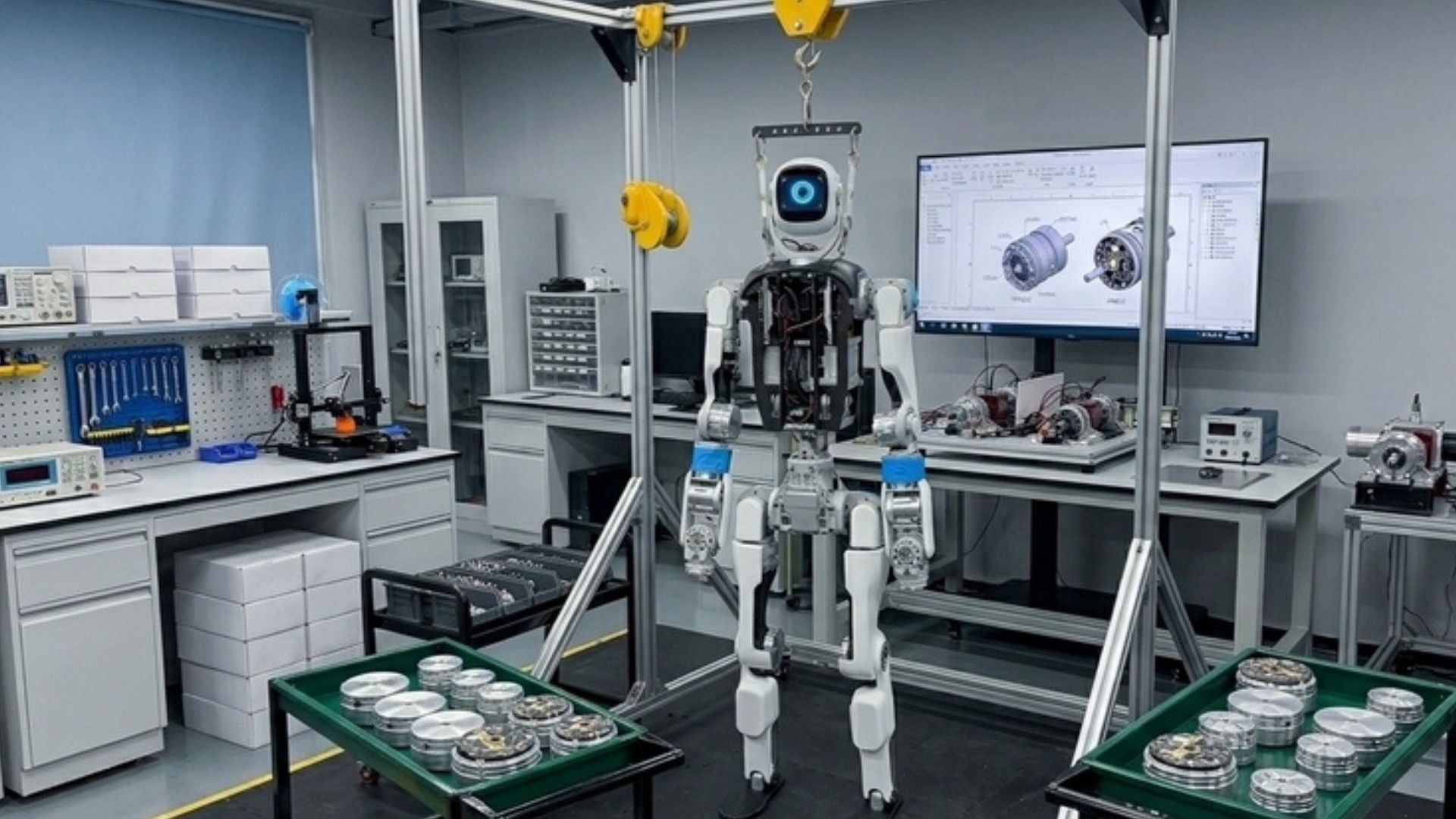
Taiwan’s new ‘intelligent’ humanoid robot combines sensing and adaptive interaction
A Taiwanese company has introduced its first humanoid robot designed to engage in physical interactions with humans. This groundbreaking development was announced during a technology expo held in Taipei on October 15, 2023. The robot, which features advanced artificial intelligence and motion capabilities, aims to enhance human-robot collaboration in various sectors, including healthcare and customer service. The motivation behind this innovation is to address the growing demand for automation and assistance in daily tasks, particularly in environments where human interaction is essential. By utilizing sophisticated sensors and machine learning algorithms, the robot can understand and respond to human gestures and commands, making it a versatile tool for both personal and professional use. The unveiling of this humanoid robot marks a significant milestone in Taiwan's robotics industry, showcasing the nation's commitment to technological advancement and innovation.
AI and Robotics
ZhiYuan Releases First Open-Source Dataset for World Models Focused on Rich Interaction
On June 3, 2026, ZhiYuan unveiled the second phase of the AGIBOT WORLD 2026 dataset, which centers on the theme of 'Rich Interaction.' This innovative open-source dataset is pioneering in its focus on physical interactions, meticulously documenting both successful and unsuccessful scenarios between robots and their environments. By offering a comprehensive range of data, the initiative seeks to improve world model training, thereby advancing the capabilities of robotic understanding and physical intelligence. This development marks a significant step forward in the field of robotics, as it aims to better equip machines to navigate complex real-world situations.
World Models Robotic Interaction Physical Intelligence Open-Source Datasets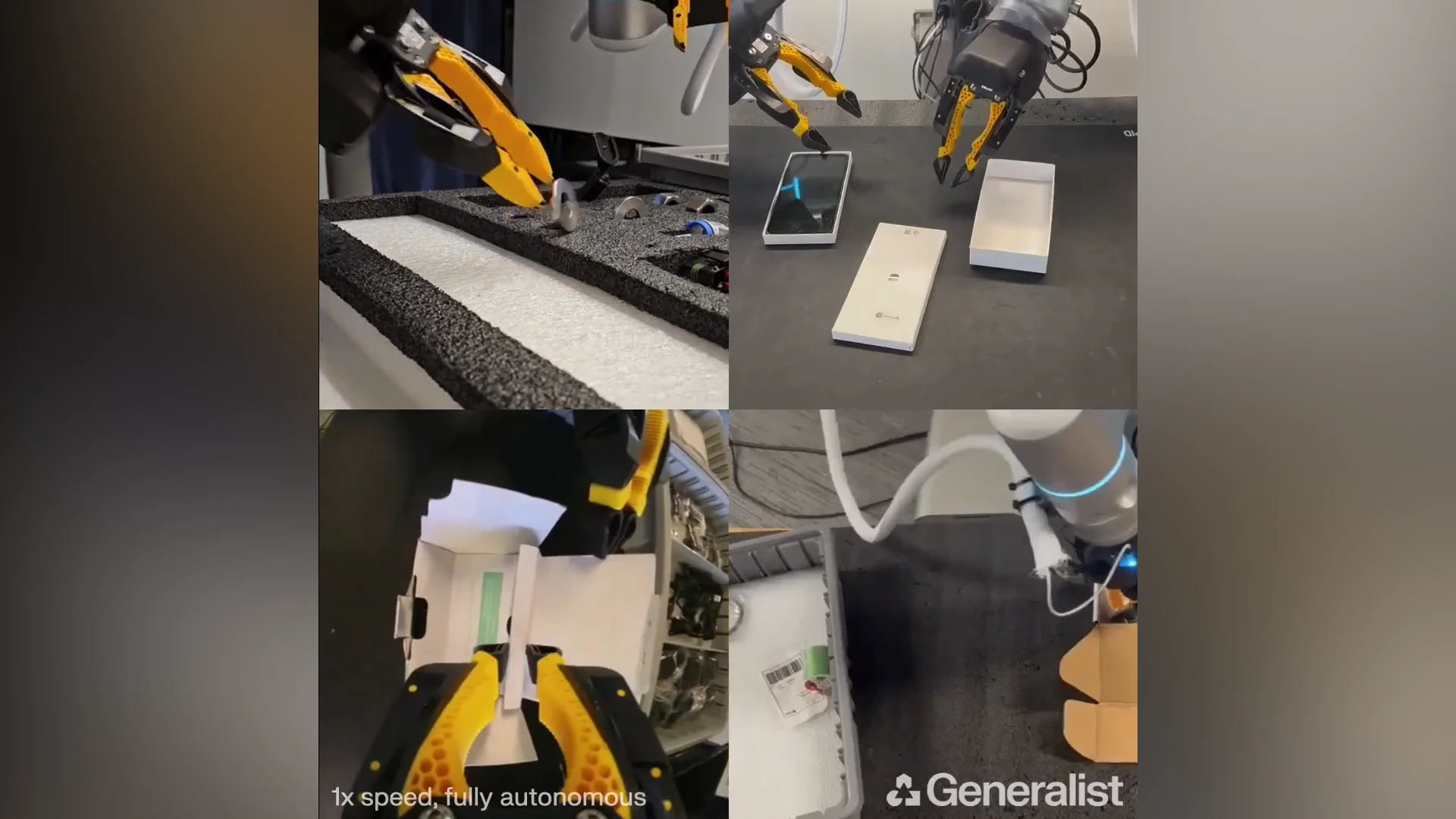
The Dark Matter of Robotics: Generalist AI’s Andy Zeng on the Quest for Physical Commonsense
The chief scientist of Generalist AI has emphasized that the future advancements in robotics will not stem from textual data available on the internet, but rather from enhancing the 'reflexive' intelligence associated with physical interactions. This statement highlights a shift in focus towards developing robots that can better understand and respond to their environments through direct engagement, rather than relying solely on pre-existing information. The insights were shared during a recent discussion on the evolution of artificial intelligence and its implications for robotic development. As the field progresses, experts are advocating for a more hands-on approach to training robots, suggesting that real-world experiences will be crucial in fostering their capabilities. This perspective underscores the importance of integrating sensory feedback and adaptive learning in robotic systems to achieve significant breakthroughs in the industry.
Generalist AI embodied-ai
Gravity 4D Launches First Module to Enhance World Models for Robotics
On July 17, Extreme Intelligence unveiled Gravity 4D WAM, the first module of its embodied intelligence framework, at the 2026 World Artificial Intelligence Conference (WAIC). This launch addresses a critical issue in current visual language models: the discrepancy between visually plausible predictions and physical reality. Gravity 4D aims to transition world models from merely predicting visuals to accurately anticipating three-dimensional physical evolution. The significance of Gravity 4D lies in its ability to enhance robotic operations by ensuring that actions are based on physical realities rather than just visual appearances. The framework introduces a 4D latent model that allows the World Action Model (WAM) to learn essential information about RGB appearance, spatial structure, and motion dynamics. This paradigm shift is crucial for improving the reliability of robotic tasks, as it ensures that robots can effectively grasp objects and navigate environments based on true physical interactions. Looking ahead, Gravity 4D's approach could redefine how robots interact with their environments, moving from visual-based predictions to a deeper understanding of physical laws. The framework's dual-brain architecture and integration of various sensory inputs will be further detailed in upcoming technology releases. No further timeline was disclosed at the time of publication.
Robotics AI Machine Learning Automation
BeingBeyond Unveils Being-M0.7: A Revolutionary Humanoid Robot for Mobility and Dexterity
On July 15, BeingBeyond officially launched the Being-M0.7, the world's first full-body mobile operation implicit world action model (Latent WAM). This model enables robots not only to 'see' the world but also to 'understand' how it operates, facilitating full-body movements and dexterous actions. It connects visual perception with physical interaction, allowing robots to exhibit human-like coordination. The significance of Being-M0.7 lies in its ability to learn from over 10,000 hours of human first-person video pre-training, enabling it to predict physical changes based on implicit visual and motion information. Before executing commands, the model learns three core capabilities: visual context understanding, future state prediction, and implicit representation of humanoid kinematics. This foundational understanding precedes its ability to control movements. Looking ahead, BeingBeyond's advancements in implicit world action models are noteworthy. The Being-M0.7 expands the capabilities of previous models, transitioning from desktop dexterous tasks to full-body mobile operations. Future demonstrations will likely showcase the robot's understanding of physical interactions and its ability to perform complex tasks autonomously, marking a significant step in humanoid robotics development.
Humanoid Robots Robotic Mobility AI Machine Learning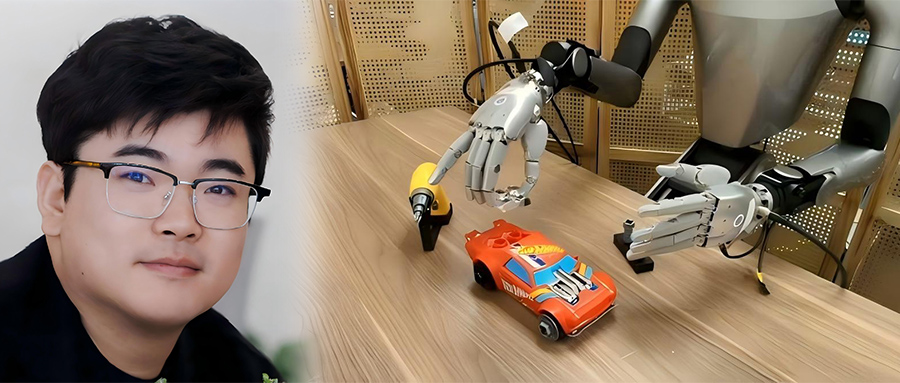
Harbin Institute of Technology Professor Establishes PHANES AI to Advance Tactile Robotics
Professor Yang Shuo from Harbin Institute of Technology (Shenzhen) has founded PHANES AI, focusing on human data, tactile perception, and world model research. The startup aims to enable humanoid robots to perform agile full-body movements. A key challenge identified is the gap in current training data, where visual cues do not capture the tactile feedback necessary for successful robotic operations. This initiative is significant as it addresses the limitations of existing robotic training methodologies, which rely heavily on visual data without incorporating tactile information. Recent studies, including NVIDIA's EgoScale, highlight the importance of first-person human operation data in training robots for complex tasks. By leveraging large amounts of human data combined with minimal real-world data, PHANES AI seeks to enhance the success rate of robots in intricate operations. Looking ahead, PHANES AI plans to develop innovative methods for collecting and scaling tactile data through its EgoTouch system, which integrates visual and tactile information. The startup's approach aims to bridge the gap between visual perception and physical interaction, ultimately improving the capabilities of humanoid robots in real-world applications. No further timeline was disclosed at the time of publication.
Humanoid Robots Tactile Perception Robotics AI Data-Centric AI
Robots can now 'see' touch thanks to a new color-changing tactile sensor
Engineers at Queen Mary University of London have developed an innovative color-changing tactile sensor that enables robots to perceive their environment through both sight and touch in real-time. The groundbreaking invention, led by postdoctoral researcher Giacomo Sasso from the School of Engineering and Materials Science, utilizes a unique mechanism that converts invisible forces into vibrant color patterns. This technology allows for the immediate generation of high-resolution maps detailing contact, strain, and pressure, significantly enhancing robotic interaction with their surroundings. The advancement promises to improve the capabilities of robots in various applications, from manufacturing to healthcare, by providing them with a more nuanced understanding of their physical interactions.
Robotics
Tactile Data Competition Begins: Qianjue's Gripper Transforms Robot Training
Qianjue Robotics has unveiled the XTac UMI G1, a groundbreaking wearable multi-modal data collection gripper aimed at addressing the challenges of embodied intelligence in robotics. The introduction of this innovative device comes in response to the industry's pressing need for high-quality tactile data, which is essential for training robots to perform complex tasks in real-world environments. By capturing detailed interaction data, the XTac UMI G1 seeks to bridge the existing gap between visual data and physical interaction, thereby enhancing the capabilities of robots. This development marks a significant step forward in improving robotic performance and adaptability in various applications.
Tactile Data Collection Robot Training Embodied Intelligence Robotics Technology
Insights behind Kinisi’s acquisition by Bear Robotics
Brennand Pierce, the founder and CEO of Kinisi Robotics, recently shared insights into the company’s innovative approach to physical artificial intelligence following its acquisition by Bear Robotics. This strategic move aims to enhance Bear Robotics' capabilities in the rapidly evolving field of robotics, particularly in applications that require advanced physical interaction. The acquisition, which underscores the growing interest in AI-driven robotics, is expected to bolster Bear Robotics' position in the market. Pierce highlighted the synergies between the two companies, emphasizing how Kinisi's technology will complement Bear Robotics' existing products and services. The deal marks a significant step in the integration of physical AI into everyday robotic applications, paving the way for more sophisticated and efficient robotic solutions.
Artificial Intelligence Business Resources Controllers Humanoids News Opinion
Moxy Unveils AI Companion Robot with Innovative Touch-Sensitive Skin
Moxy, an emotional companionship brand, has introduced its latest innovation: an AI companion robot equipped with a unique touch-sensitive skin that facilitates tactile interaction without the need for dialogue or cameras. Launched recently, this product is designed to meet the increasing demand for low-pressure companionship among young adults, providing a personalized emotional experience that emphasizes touch. The robot's design incorporates various emotional expressions, ensuring users can engage in a safe and private manner. Moxy aims to redefine companionship in a digital age, offering a solution that prioritizes emotional connection through physical interaction.
AI Companions Tactile Technology Emotional Support Robotics
Is Tactile Feedback the Key to Embodied Intelligence?
NVIDIA's DreamZero model has achieved significant recognition by surpassing two prominent robot benchmarks, igniting discussions about the influence of world models on embodied intelligence. This development, reported recently, has drawn attention to the contrasting perspectives within the tech community. Proponents argue that virtual training offers substantial promise for advancing robotic capabilities, while critics caution about the inherent difficulties associated with real-world physical interactions. The discourse highlights the critical role of tactile perception in effectively linking virtual simulations to practical tasks. In this context, the XHAND 1 Pro has emerged as an innovative tool, facilitating high-precision data collection essential for enhancing robotic performance in real-world scenarios.
Embodied Intelligence Tactile Perception Robotics AI Models
Interview with Wang Zhongyuan: VLA will survive, but world models are the future.
In recent months, the concept of "World Model" has gained significant traction within the AI and robotics sectors, driven by underlying industry anxieties. As AI technology has rapidly evolved over the past two years, limitations in embodied intelligence have become apparent, revealing that while robots can recognize objects, they struggle to understand physical interactions and causal relationships. The World Model aims to bridge this gap by enabling robots to learn the laws of the physical world. At the forefront of this exploration is Wang Zhongyuan, the director of the Beijing Academy of Artificial Intelligence, who identifies four distinct paths in the development of World Models. These include language-centered models, pixel-centered models, 3D structure-centered models, and visual representation-centered models. The Beijing Academy is pioneering a fifth approach that integrates language and visual data into a unified latent space representation, allowing for more complex interactions and predictions. Wang emphasizes that the World Model's potential lies in its ability to enhance embodied intelligence, enabling robots to understand and predict physical interactions over time. He envisions a future where World Models serve as the foundational brain for robots, capable of complex reasoning and decision-making in real-world scenarios. However, he cautions that achieving this goal will require significant advancements in data collection and model training, with a timeline of three to five years anticipated for substantial progress. As the field continues to evolve, the competition will focus on the ability to create models that accurately reflect the complexities of the physical world.

Breakthrough in Collective Intelligence: Tsinghua University Develops Aquatic Robot Swarm
Researchers at Tsinghua University have successfully created a swarm of miniature aquatic robots capable of exhibiting self-organized criticality without the need for central control. This innovative development, revealed in recent studies, highlights how these robots can engage in complex collective behaviors, including object manipulation and bridge formation, through simple physical interactions. The findings suggest significant potential for these systems to be applied in various fields, emphasizing their robustness and scalability. The research showcases a breakthrough in understanding how decentralized systems can operate effectively, paving the way for future advancements in robotics and automation.
Aquatic Robots Collective Intelligence Self-Organized Systems Robotics Research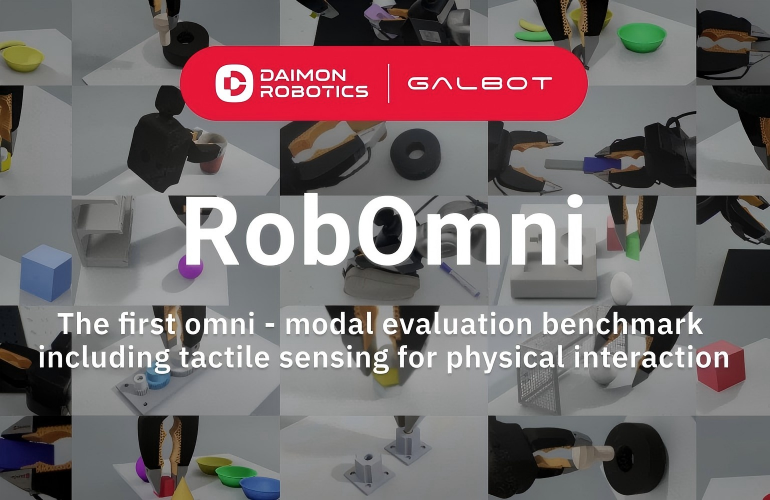
Daimon Robotics and Galbot jointly launches RobOmni for benchmarking tactile perception and dexterous manipulation
Daimon Robotics and Galbot have announced the launch of RobOmni, a new platform designed to benchmark tactile perception and dexterous manipulation in the field of embodied AI. This development marks a significant shift from traditional vision-centric approaches to a more comprehensive understanding of physical interactions. The collaboration aims to enhance the capabilities of robots in performing complex tasks that require fine motor skills and sensitivity to touch. The launch event took place recently, highlighting the growing importance of tactile feedback in robotics and its applications across various industries. By integrating advanced tactile sensing technologies, RobOmni is set to provide researchers and developers with the tools needed to push the boundaries of robotic dexterity and perception.
Sponsored Content
Invitation to the 2026 Zhangjiang EAI Conference on Embodied Intelligence
The 2026 Zhangjiang EAI Conference is set to delve into the evolution from visual models to physical interactions within the realm of embodied intelligence. Scheduled to take place in Zhangjiang, the conference will focus on significant advancements in world models and physical AI, alongside discussions on how to effectively integrate real-world data to improve robotic capabilities. The event seeks to connect theoretical technology with practical industrial applications, particularly addressing the challenges faced when deploying robots in dynamic environments. This initiative aims to foster innovation and collaboration among experts in the field, ultimately enhancing the functionality and adaptability of robotics in various sectors.
Embodied Intelligence Physical AI World Models Robotics Data Integration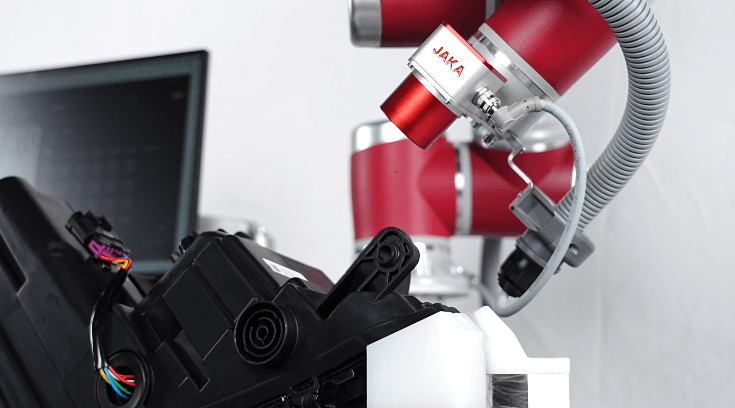
The Science Behind Cobot Force Sensing and Collision Detection
JAKA, a leader in collaborative robotics, is advancing the integration of force sensing and collision detection technologies to enhance safety and efficiency on production floors. As the demand for collaborative robots grows, understanding these systems becomes crucial for their effective deployment. Force sensing enables robots to perceive real-time physical interactions by continuously monitoring joint-level data such as torque and motion. This capability allows robots to differentiate between normal operational loads and unexpected contact, facilitating smoother transitions and reducing stress on both machinery and operators during tasks like assembly and inspection. Complementing this, collision detection translates abnormal force patterns into immediate responses, allowing robots to adjust their speed or halt operations when necessary. This continuous feedback loop fosters safe interactions between robots and human workers without the need for physical barriers, accommodating dynamic work environments. JAKA's compact cobot design, exemplified by the JAKA Zu3, integrates these technologies into a lightweight system suitable for precision tasks in confined spaces. With a payload capacity of 3 kg and a reach of 626 mm, the Zu3 is engineered for seamless human-robot collaboration, ensuring that existing workflows remain undisturbed. By embedding advanced sensing and control mechanisms into their robotics framework, JAKA aims to promote reliable collaboration in real-world production settings, where safety, precision, and adaptability are paramount.

Cartwheel Robotics Founder Scott LaValley Joins Google DeepMind
After the closure of his startup, a former Disney Imagineer and veteran of Boston Dynamics has partnered with Aaron Saunders to promote advancements in Physical AI. This collaboration aims to leverage their combined expertise in robotics and artificial intelligence to develop innovative solutions that enhance physical interactions between humans and machines. The initiative reflects a growing interest in the integration of AI into everyday physical tasks, driven by the increasing demand for automation and intelligent systems. The partnership is set to explore new frontiers in technology, potentially transforming industries that rely on physical labor and interaction.
Cartwheel Robotics US Market Google google-deepmind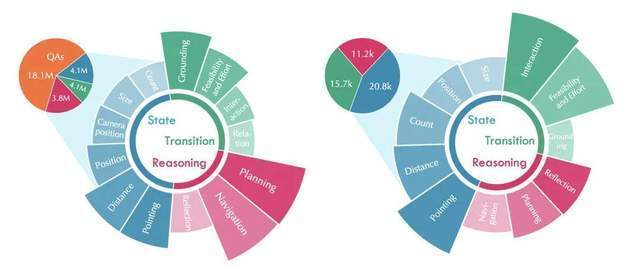
China's Embodied AI Models Gear Up for Competition Ahead of WAIC 2026
China's leading tech companies are intensifying their efforts in embodied AI as they prepare for the WAIC 2026 event in Shanghai, scheduled for July 17. This year's competition is marked by the launch of several advanced models, including Xiaomi's X0, a multimodal generative model with 38 billion parameters designed to enhance robotic training data generation. The significance of this competition lies in the critical need for physical interaction data, which is currently lacking by over 99%. Xiaomi's generative model aims to address this gap by autonomously generating and augmenting training data without the need for new data collection, thereby improving efficiency by 83 times. The event will showcase over 200 companies, highlighting the growing importance of embodied intelligence in the tech landscape. As the industry evolves, companies like Tencent Cloud and RoboScience are also making strides with cloud-based embodied AI services. The competition at WAIC 2026 will be pivotal, as companies vie for dominance in the emerging ecosystem of embodied intelligence, with advancements in visual understanding and cognitive reasoning being key areas of focus.
Embodied AI Robotics Data Synthesis Open Source Cognitive Computing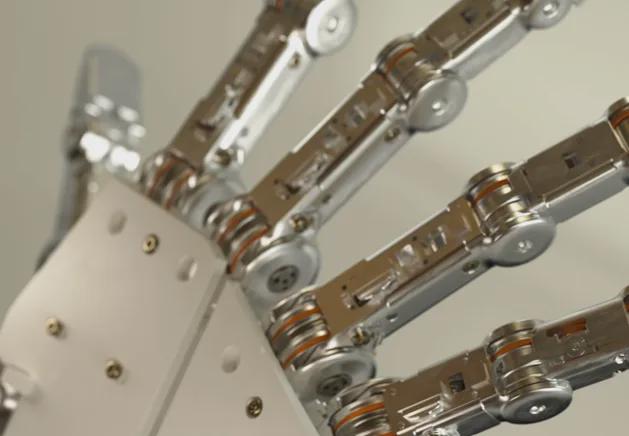
1X Launches Neo Robotic Hand Featuring 25 Degrees of Freedom and Force Transparency
On July 9, 2026, 1X, a unicorn supported by OpenAI, unveiled the Neo robotic hand designed for humanoid robots. This advanced hand boasts 25 degrees of freedom, enabling it to perform a wide range of human-like tasks, such as delicately picking grapes without crushing them and lifting weights up to 20 pounds. The innovative design incorporates a tendon-driven system that enhances dexterity and responsiveness. The significance of the Neo robotic hand lies in its unique 'Force Transparency' technology, which allows for bidirectional communication between the hand and its environment. Unlike traditional robotic hands that operate with high gear ratios, the Neo hand utilizes a low gear ratio of approximately 5:1 to 15:1, enabling it to provide real-time feedback on applied forces. This design not only enhances the hand's functionality but also improves the training of AI models by providing rich physical interaction data. Looking ahead, while the Neo hand addresses fundamental perception challenges, real-world complexities remain a concern. The hand must operate effectively in various domestic environments, where it may encounter grease, sauces, or dust. Ensuring safety during interactions with children and maintaining functionality in challenging conditions will be critical for the widespread adoption of this technology. No further timeline was disclosed at the time of publication.
Robotic Hands Humanoid Robots AI Tactile Sensors Robotics Technology
Humanoid Robots Enhance Performance in Real-World Applications with New Testing Metrics
Recent advancements in humanoid robotics have led to the development of new testing methods that evaluate how effectively these robots can handle real-world forces. This shift is significant as humanoid robots transition from novelty items to practical tools in various industries, including manufacturing and logistics, where they perform tasks such as lifting heavy boxes and moving furniture. The importance of this testing lies in its ability to measure the robots' capabilities in dynamic environments, ensuring they can operate safely and efficiently alongside human workers. As these robots take on more demanding roles, understanding their physical interactions with the environment becomes crucial for their integration into workplaces, enhancing productivity and safety. Looking ahead, the continued evolution of testing methodologies will be essential for the deployment of humanoid robots in more complex scenarios. No further timeline was disclosed at the time of publication, but ongoing research is expected to yield more robust performance metrics that will guide future developments in this field.
Robotics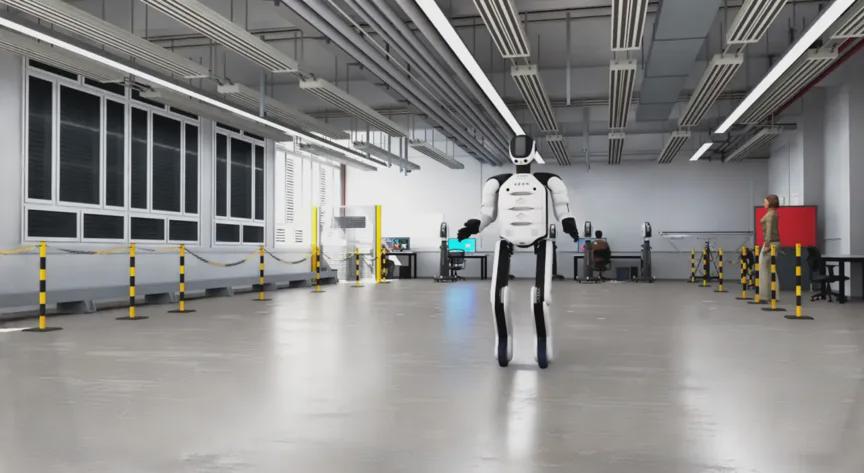
NVIDIA and DeepMind Lead Robotics Simulation Debate with New Industrial Applications
The field of embodied intelligence is witnessing a fierce debate over the best approach to training robots for industrial applications. One faction advocates for simulation-based training, leveraging structured environments to generate synthetic data, while the opposing view emphasizes the necessity of real-world data to handle complex physical interactions and unpredictable scenarios. Key players include NVIDIA, DeepMind, and Intrinsic, each with unique strategies and technologies. NVIDIA's Omniverse platform and Isaac Sim engine exemplify the simulation approach, enabling comprehensive digital twins of factories for training and optimization. Their collaboration with BMW on a digital twin project in Hungary showcases the potential of synthetic data in logistics and robotic movements. However, challenges remain in achieving the necessary fidelity for force control and physical interactions, prompting NVIDIA to seek partnerships with companies like Hexagon Robotics. Conversely, DeepMind's use of the MuJoCo physics engine has demonstrated that pure simulation can achieve industrial-grade precision in specific tasks, such as sorting with known rigid models. Yet, this method's effectiveness is limited to scenarios with minimal contact and force control. Intrinsic aims to transform simulation into a comprehensive development tool for industrial robots, focusing on lowering barriers for small manufacturers. The ongoing challenge of the SIM2REAL gap remains a critical factor in the success of these approaches.
Robotics Industrial Automation Simulation Technology AI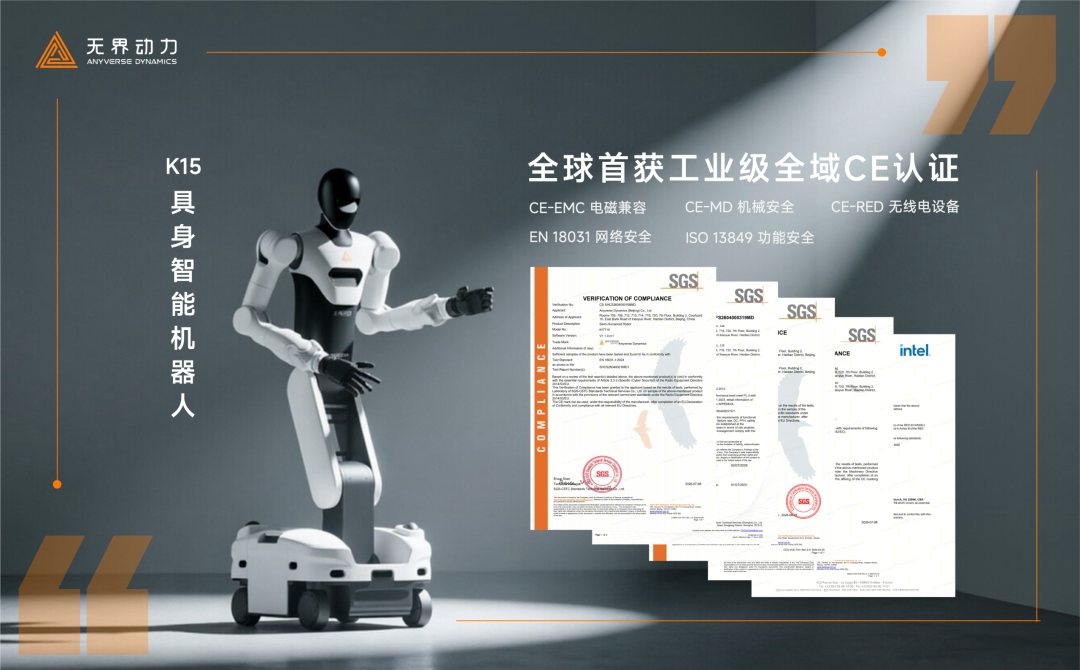
Unbounded Power Launches K15 Robot with Full CE Certification for Global Markets
On July 9, 2026, Unbounded Power announced that its second-generation K15 robot has achieved full industrial-grade CE certification, making it the world's first embodied intelligent robot to do so. The K15 has passed multiple EU standards, including CE-MD for machinery safety and EN ISO 13849 for functional safety, confirming its compliance with the highest global safety standards. This certification is significant as it allows the K15 to enter the European industrial manufacturing chain, enhancing its marketability in regions like the UK. The K15's compliance with stringent safety and electromagnetic compatibility standards ensures reliable operation in complex industrial environments, addressing potential risks associated with physical interactions and electromagnetic interference. With nearly $100 million in global orders now in the delivery phase, the first batch of K15 robots is being shipped to Europe. This marks a critical step in Unbounded Power's strategy to expand its global footprint and enhance the value chain of Chinese manufacturing, transitioning from hardware exports to integrated intelligent infrastructure solutions. No further timeline was disclosed at the time of publication.
Embodied Intelligence Industrial Robotics CE Certification Global Supply Chain Smart Manufacturing
HKU Professor Li Hongyang secures hundreds of millions in seed funding for his startup on embodied AI.
Archon Robotics, a Shanghai-based company specializing in whole-body humanoid models, has successfully secured hundreds of millions in seed funding from prominent investors, including ZhenFund, Gao Rong Capital, IDG Capital, and others. The financing round, which took place recently, aims to enhance the development of humanoid models, collect multimodal motion data, expand the talent team, and establish research centers and industry partnerships, with the goal of launching an open-source humanoid model by the end of this year. Founded in April 2026, Archon Robotics focuses on creating whole-body intelligence for humanoid robots, enabling them to perform complex tasks that require full-body coordination. The company's founder, Dr. Hongyang Li, is an assistant professor at the University of Hong Kong and has received accolades for his work in autonomous driving. Co-founder and CEO Dr. Tianyu Li, along with the core team, brings expertise from top institutions and has a strong background in robotics and AI. The humanoid robotics sector is at a pivotal moment, with significant investments occurring but lacking a unified technical consensus. Current limitations in training data restrict robots to simple tasks, as they often lack the necessary information for complex human-like interactions. Archon Robotics aims to address these gaps by redefining data collection methods to better capture human coordination and movement dynamics. The company plans to release its first humanoid model in late 2026, emphasizing the need for robots to operate effectively in dynamic home environments. By focusing on comprehensive data collection and understanding physical interactions, Archon Robotics seeks to advance the capabilities of humanoid robots beyond current limitations.

The Truth About the Robotics Industry: Don't Be Misled by the Humanoid Trend
In a recent interview, Gartner's Vice President of Research provided insights into the robotics industry, noting that while it is nearing commercialization, it has yet to achieve large-scale success. He raised questions about the need for humanoid robots, advocating for designs that prioritize functionality over aesthetics. The conversation also addressed significant data challenges within the industry, drawing parallels to the early stages of language model development. The VP emphasized that the future progress of robotics hinges on the availability of high-quality physical interaction data, which is crucial for advancing the technology.
Robotics Industry Humanoid Robots AI and Automation Data Challenges
Robots Creating Robots: Innovative Collaboration with $72 and Two Velcro Strips
Researchers at Cornell University have unveiled an innovative system named Cross-Link Collective, which enables small robot modules to work together without the need for direct communication. Each module, weighing only 25 grams, is capable of connecting with others and transforming into different shapes, allowing for enhanced navigation around obstacles and adaptability to various environments. This pioneering research underscores the potential of physical interactions in fostering emergent behaviors within robotic systems, marking a significant advancement in collaborative robotics.
Collective Robotics Modular Robots Robotic Collaboration Emergent Behavior Artificial Intelligence
Perceptron Mk1 shocks with highly performant video analysis AI model 80-90% cheaper than Anthropic, OpenAI & Google
Perceptron Inc., a Bellevue-based startup founded by former Meta researchers Armen Aghajanyan and Akshat Shrivastava, has launched its flagship video analysis model, Mk1, aimed at revolutionizing how enterprises utilize AI in real-time video processing. Announced today, this innovative model is priced significantly lower than competitors, at $0.15 per million input tokens and $1.50 per million output tokens, making it accessible for large-scale industrial applications. The Mk1 model, developed over 16 months, excels in understanding complex physical interactions and temporal reasoning, outperforming established models like OpenAI's GPT-5 and Google's Gemini 3.1 Pro in various benchmarks. Its unique architecture allows it to process video streams continuously, maintaining object identity and providing precise analysis of dynamic scenes, which is particularly beneficial for sectors such as security, robotics, and marketing. Perceptron aims to position Mk1 as a leader in the "Efficiency Frontier," balancing high performance with cost-effectiveness. The model's capabilities extend to auto-clipping highlights from live sports and enhancing quality control in manufacturing. A public demo site is available for potential users to explore its functionalities. This launch signifies a significant step towards integrating advanced AI into real-world applications, as the company seeks to make "physical AI" as prevalent as its digital counterpart.
Technology
Cornell’s insect-inspired 3D model could allow flapping-wing robots to fly stably
Researchers at Cornell University have unveiled a groundbreaking 3D computational model designed to decode complex physical phenomena. This innovative model, which was developed over the past year, aims to enhance our understanding of various scientific processes by simulating intricate interactions within physical systems. The research team, led by a group of physicists and engineers, conducted extensive experiments and simulations to refine the model's accuracy and applicability. The development of this model is particularly significant as it addresses longstanding challenges in the field of physics, providing a tool that can potentially revolutionize how scientists approach problem-solving in areas such as material science, fluid dynamics, and even climate modeling. By leveraging advanced algorithms and high-performance computing, the researchers were able to create a more precise representation of physical interactions, which could lead to new discoveries and innovations. This work not only showcases the capabilities of modern computational techniques but also underscores the importance of interdisciplinary collaboration in advancing scientific knowledge. The findings of this research are expected to be published in a leading scientific journal, contributing to ongoing discussions and developments in the field.

AI just discovered new physics in the fourth state of matter
Physicists have made significant progress in harnessing artificial intelligence to not only analyze data but also to discover new laws of nature. This breakthrough was achieved by a research team that integrated a specially designed neural network with advanced 3D tracking of particles within a dusty plasma, a unique state of matter observed in various environments, from outer space to wildfires. The study, conducted recently, demonstrated the model's ability to identify hidden patterns in particle interactions, successfully capturing complex, one-way (non-reciprocal) forces with over 99% accuracy. This innovative approach has challenged and overturned long-standing assumptions regarding the behavior of these forces, potentially reshaping our understanding of fundamental physical interactions.
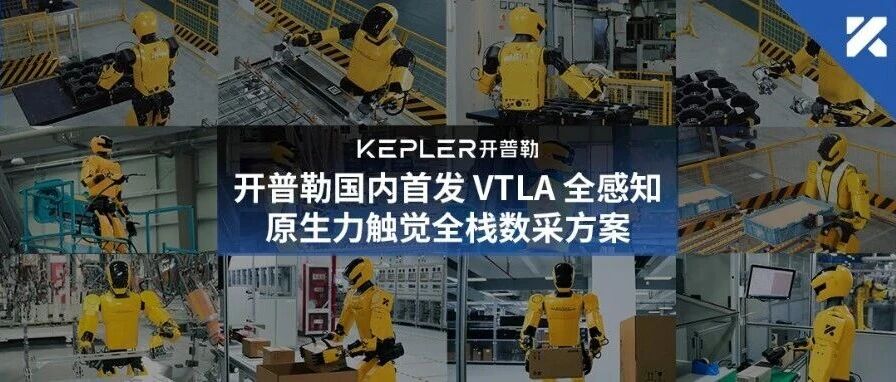
China's First Launch! This Innovative Data Collection Solution Enables Robots to Evolve While Working
Kepler Robotics has introduced the Kepler-OmniTac™ solution, marking a significant advancement in robotic technology as the first native VTLA all-perception model in China. This innovative system enables robots to gather tactile data while functioning in real industrial environments, representing a pivotal shift from traditional visual-based systems to a more integrated OmniVTLA approach. The development aims to enhance the physical interaction capabilities of robots, allowing for more effective and nuanced operations in various industrial settings.
Industrial Robots Data Collection Solutions Tactile Sensing AI Robotics Technology
1X Co-Founder and "Principal Inventor" Splits to Launch Rival Robotics Firm
Dr. Phuong Nguyen, co-founder and principal inventor of the robotics company 1X, has announced the launch of a new venture, Physical Robotics AS. This initiative marks a strategic departure from 1X, focusing not on artificial intelligence itself, but on the methodologies for its development. While 1X emphasizes consumer-oriented "embodied learning," Nguyen is pivoting towards a concept he terms "Physical Intelligence" (PI), which leverages data collected from force-sensitive industrial manipulators. This shift reflects Nguyen's vision for advancing robotics through enhanced physical interaction and intelligence in industrial applications.
1X-technologies Physical Robotics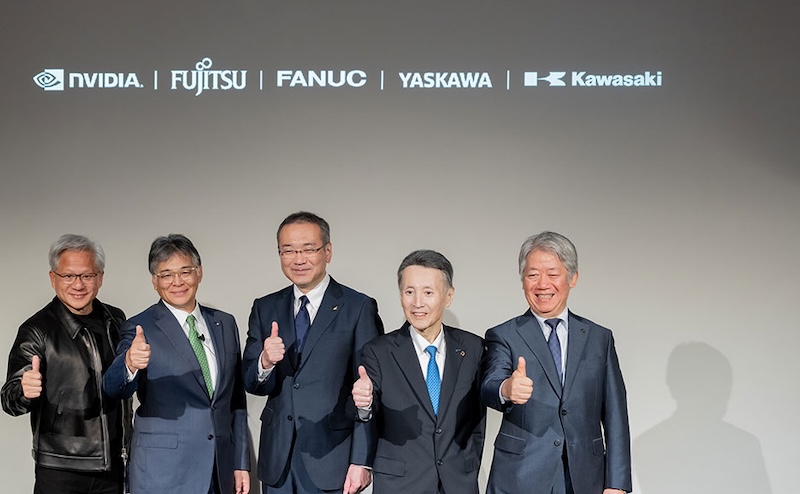
Fujitsu Collaborates with Fanuc, Yaskawa, and Kawasaki to Enhance Physical AI with Nvidia
Fujitsu has initiated a partnership with Japanese robotics firms Fanuc, Yaskawa Electric, and Kawasaki Heavy Industries to advance the development and deployment of physical AI in sectors such as manufacturing, logistics, and healthcare. This collaboration will leverage Nvidia's physical AI technologies to create a collaborative control platform that connects digital systems with robots and physical equipment. The initiative aims to accelerate the adoption of physical AI, addressing challenges like labor shortages and an aging workforce while enhancing global competitiveness. The platform will optimize production planning in manufacturing, automate material handling in logistics, and improve healthcare operations by automating the transport of medical supplies and assisting with patient interactions. Fujitsu plans to develop an open collaborative control platform that integrates AI, robotics, and data analysis technologies, ensuring interoperability and addressing cybersecurity concerns. No further timeline was disclosed at the time of publication.
Artificial Intelligence Industry News ai factory automation fanuc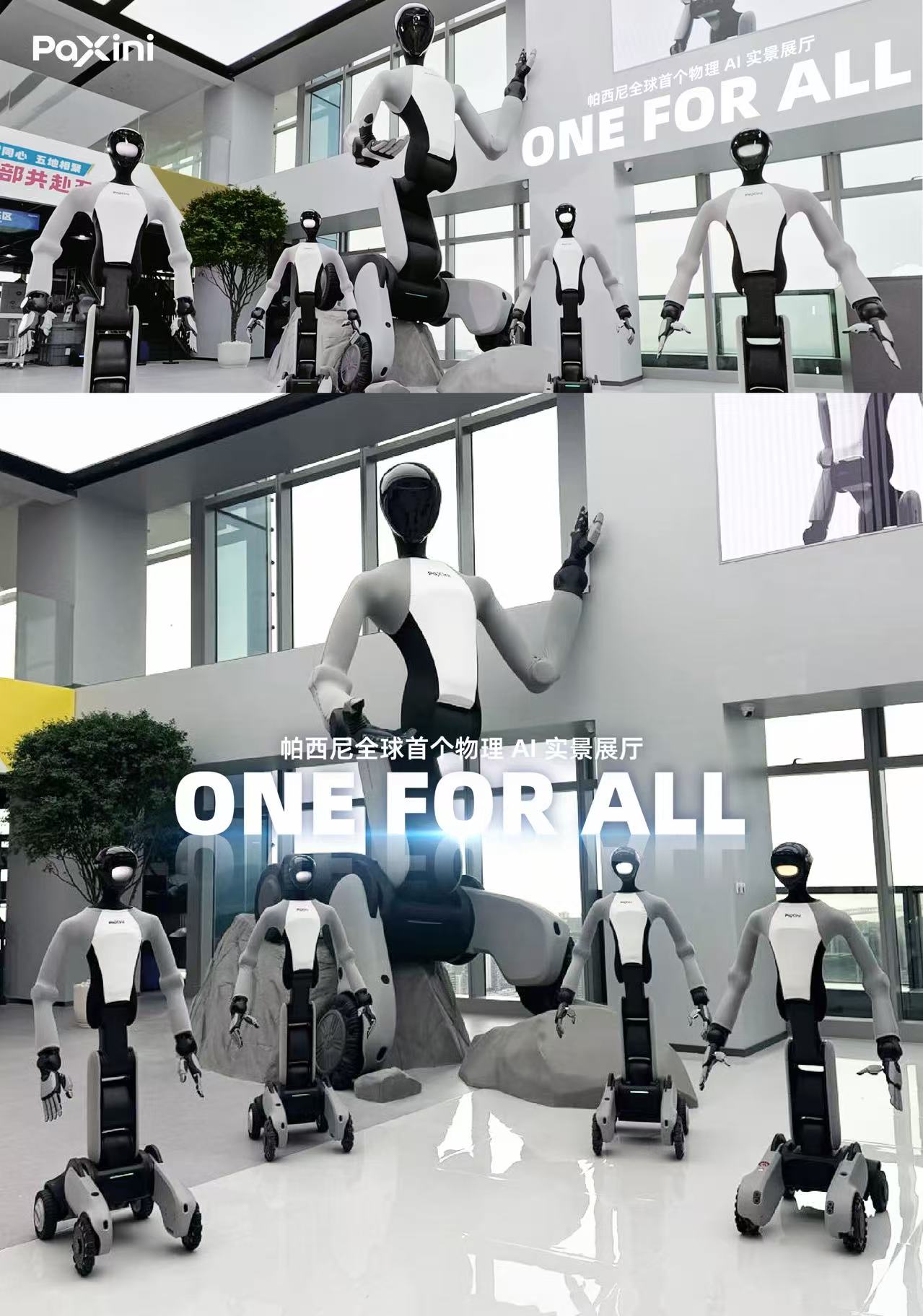
PaXini Unveils Its First Physical AI Experience Hall 'ONE FOR ALL' Globally
On July 15, PaXini launched its first physical AI experience hall, 'ONE FOR ALL', marking a significant milestone in robotics. This venue showcases the evolution of tactile sensing technology and features a nearly 3,000 square meter space dedicated to immersive human-robot interaction. The hall serves as a flagship platform for PaXini's full-stack embodied perception ecosystem, allowing visitors to engage with advanced technologies like the Feelix high-fidelity physical contact simulation platform and the TORA series humanoid robots. This initiative represents a transformative leap in the robotics industry, emphasizing the importance of tactile feedback in enhancing robotic capabilities. Looking ahead, the 'ONE FOR ALL' hall is positioned as a pioneering space for exploring the boundaries of embodied intelligence. As the physical AI landscape evolves, this venue will play a crucial role in demonstrating the practical applications of embodied perception and human-robot collaboration. No further timeline was disclosed at the time of publication.
Physical AI Tactile Sensing Technology Human-Robot Interaction Embodied Intelligence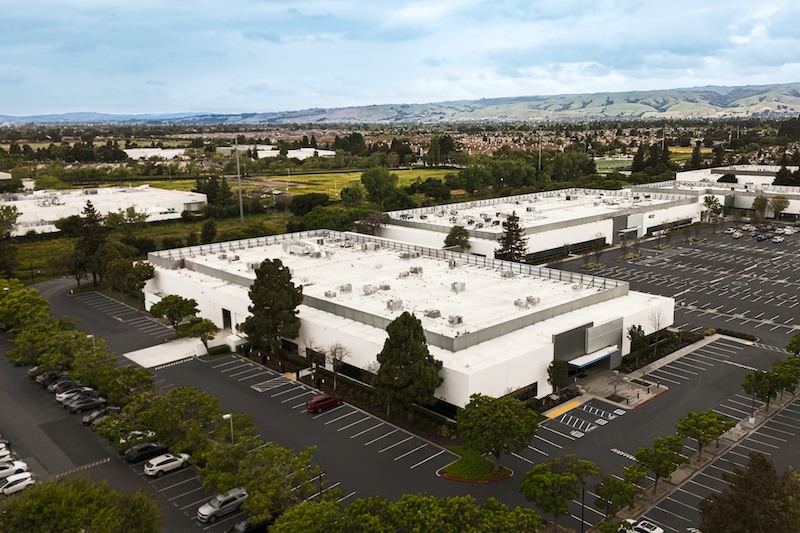
Agility Robotics Launches New Facility in Fremont to Enhance Physical AI Development
Agility Robotics has inaugurated a new facility in Fremont, California, aimed at accelerating advancements in physical AI that enhance customer operations. This 60,000-square-foot site will serve as a hub for software development and AI capabilities, focusing on training and testing technologies that enable the humanoid robot, Digit, to acquire new skills and perform complex tasks in various environments. The establishment of this facility is significant as it positions Agility Robotics in the heart of Silicon Valley, a region known for its AI talent and innovation. The company plans to employ nearly 200 staff members, including experts in hardware engineering and AI/ML software, to drive the development of next-generation AI capabilities that will enhance Digit's safety and productivity in enterprise settings. Looking ahead, Agility Robotics has secured over $300 million in multi-year orders for Digit v5 and has a growing pipeline of more than 30 customers. The Fremont facility is crucial for meeting the increasing demand for humanoid robots in warehouses and manufacturing, as it aims to deliver ongoing safety and productivity improvements in collaboration with human workers. No further timeline was disclosed at the time of publication.
Humanoids Infrastructure News agility robotics ai artificial intelligence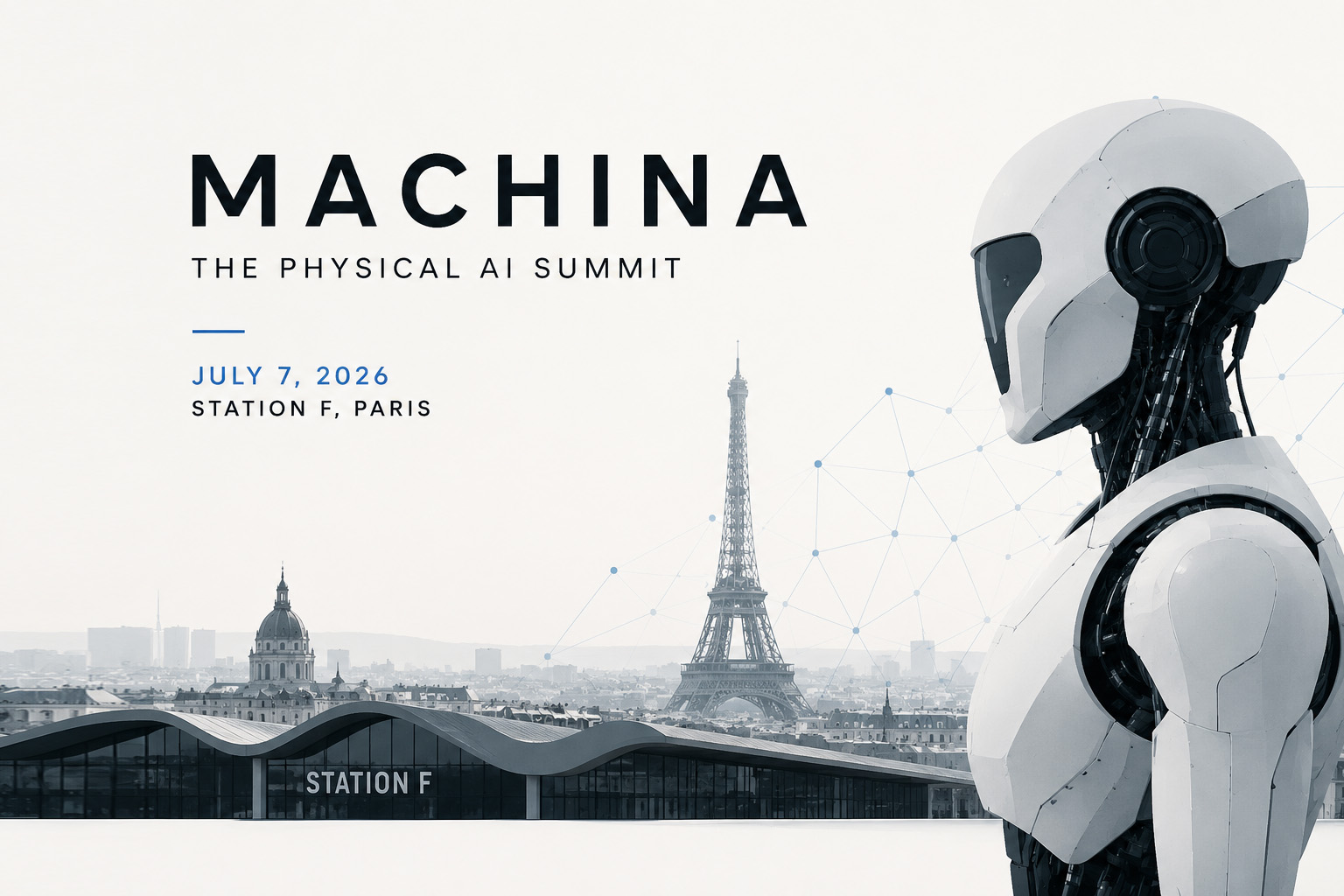
Paris aims to become the European capital of Physical AI by 2026.
A new era of artificial intelligence is emerging, transitioning from the digital realm of generative AI to the physical world with the development of robots that can perceive, reason, and act in real environments. On July 7, Paris will host the inaugural edition of MACHINA 2026, an event aimed at establishing the city as the European capital of Physical AI. This initiative reflects a growing interest in integrating advanced AI technologies into everyday life, highlighting the potential for robots to enhance various sectors by interacting with their surroundings in meaningful ways. The event is expected to showcase innovations and foster discussions on the future of robotics and AI in society.
À la une IA Industrie Robotique 1X Robotics Agility Robotics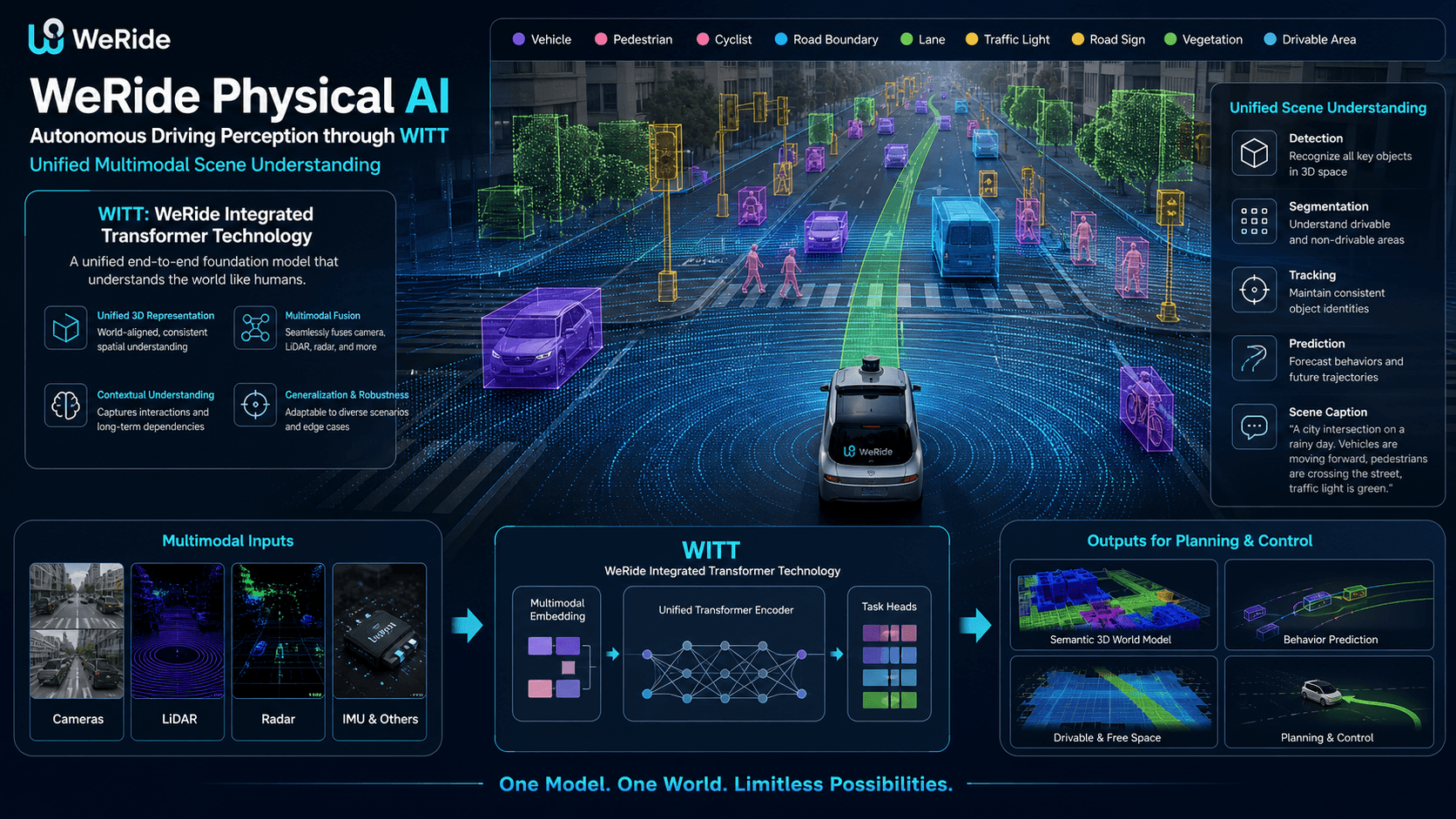
WeRide Launches WITT: A Physical AI Foundation Model for Multimodal Scene Understanding
WeRide has introduced WITT, a groundbreaking physical AI foundation model designed to enhance multimodal scene understanding. This model utilizes minimal physical fact units, which are crucial for applications in autonomous driving and robotics. The launch of WITT is significant as it aims to streamline the integration of various data types, improving the efficiency and effectiveness of AI systems in interpreting complex environments. This advancement could lead to more reliable autonomous systems that can better navigate real-world scenarios. Looking ahead, the implications of WITT's capabilities in the fields of autonomous driving and robotics will be closely monitored. No further timeline was disclosed at the time of publication.
Technology
ByteDance Explores Physical AI, Indicating a Shift Beyond Traditional Models
ByteDance has clarified its position regarding autonomous driving, stating it will not pursue smart driving. However, this clarification signals a significant shift as the company explores Physical AI. Unlike traditional AI, which learns from vast text data, Physical AI understands physical laws and causality, enabling it to predict physical states rather than merely generating text. The emergence of Physical AI is expected to peak around 2026 due to three key turning points: the spillover effects of large model technologies, breakthroughs in simulation technology that overcome data limitations, and a significant decrease in hardware costs. These advancements are paving the way for applications in autonomous driving, which has already seen large-scale commercialization in various sectors, outpacing humanoid robots still in demonstration phases. Industrial Physical AI is poised to revolutionize productivity through applications like predictive maintenance and quality inspection. While specialized robots are being deployed in logistics and inspection, the widespread implementation of general-purpose humanoid robots may take another 5 to 10 years. The competition in Physical AI has begun, marking a transformative shift as AI evolves from merely processing information to reshaping the world.
Physical AI Autonomous Driving Industrial Automation Simulation Technology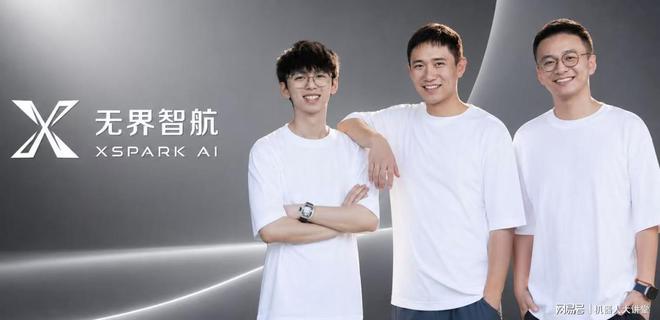
Xspark AI Raises Nearly 100 Million Yuan to Enhance Physical AI Capabilities
Xspark AI, a company focused on reliable physical intelligence, has successfully completed its first angel funding round, securing nearly 100 million yuan. The funding was led by Dinghui VGC, Chuxin Capital, and SEE Fund, with participation from various financial and industrial investors. The capital will primarily support core technology development and the scaling of Physical AI applications. This investment highlights the growing interest in Physical AI, which aims to bridge the gap between advanced AI models and real-world applications. As robots increasingly demonstrate enhanced understanding and planning capabilities, the challenge remains to ensure they can operate reliably and safely in dynamic environments. Xspark AI's approach combines multispectral tactile perception and self-developed data generation models to create a comprehensive framework for deploying Physical AI in practical scenarios. Looking ahead, Xspark AI's founders emphasize the importance of accumulating real-world operational data to drive the commercial viability of Physical AI. No further timeline was disclosed at the time of publication, but the company aims to achieve significant milestones in the integration of embodied intelligence into everyday tasks, positioning itself for future advancements in the field.
Physical AI Robotics Technology Development Investment AI Applications
Increased Security for Physical AI
Infineon Technologies has announced the integration of its Optiga TPM SLB 9672 hardware security module into Nvidia's Jetson Thor computing platform, which is designed for robotics and autonomous systems. This collaboration aims to enhance security measures for physical artificial intelligence applications. By incorporating advanced security features, the partnership seeks to address growing concerns regarding data protection and system integrity in increasingly automated environments. The integration is expected to provide developers with robust tools to build secure and reliable robotic solutions.
Allgemein Robotersteuerung & Digital Twin Robotik
Nvidia Collaborates with Toyota's Woven City to Advance Physical AI Technologies
Nvidia has announced a partnership with Toyota's Woven City, a smart city located in Shizuoka prefecture, Japan. This collaboration aims to enhance the implementation of artificial intelligence technologies in traffic management systems within the city. By providing foundational technologies, Nvidia seeks to accelerate the adoption of AI solutions in Japan. This partnership is significant as it aligns with Nvidia's strategy to expand its influence in the AI sector, particularly in Japan, where smart city initiatives are gaining momentum. Woven City serves as a testing ground for innovative technologies, making it an ideal location for Nvidia to showcase its capabilities in AI and traffic management. Looking ahead, the collaboration between Nvidia and Woven City may lead to further advancements in smart city technologies and AI applications. No further timeline was disclosed at the time of publication.
How can robots acquire skills through interactions with the physical world? An interview with Jiaheng Hu
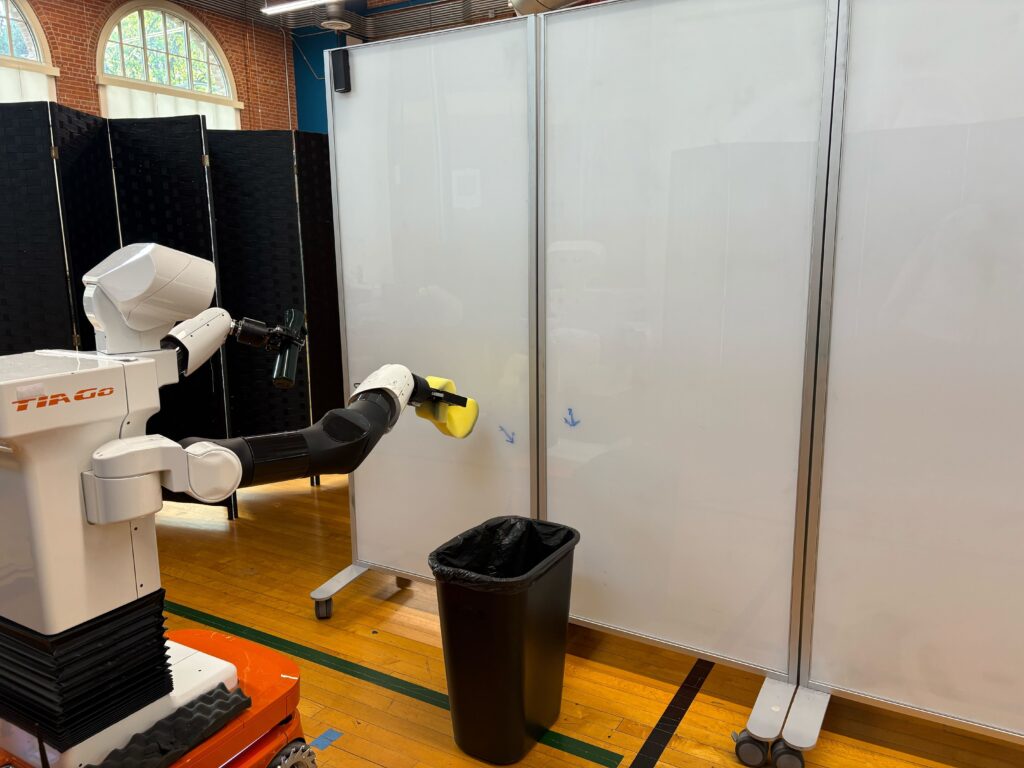
Researchers are tackling the challenges of controlling high-degree-of-freedom systems, such as mobile manipulators, which are essential for both household and industrial robotics. Despite the potential of reinforcement learning to develop effective robot control policies, scaling these methods to more complex systems has presented significant difficulties. To address this issue, a team has introduced SLAC, or Simulation-Pretrained Latent Action Space, a novel approach designed to enhance the scalability of reinforcement learning in robotic applications. This innovative method aims to streamline the process of training robots, making it easier to implement advanced control strategies in real-world scenarios. The ongoing research highlights the importance of developing efficient robotic systems that can adapt to various environments and tasks, ultimately paving the way for more versatile and capable robots in the future.

ABB Robotics delivers new industry-ready physical AI at Automate 2026
At Automate 2026, ABB Robotics will showcase its latest advancements in physical AI, including the debut of its Physical AI Toolchain, designed to enhance the capabilities of industrial robots. The event, taking place at Booth #1241 on June 17, 2026, will feature demonstrations of the Autonomous Versatile Robotics (AVR™) system, which equips robots with advanced sensory and mobility functions to operate more efficiently across various applications. Marc Segura, President of ABB Robotics, emphasized that physical AI is transforming traditional robotic operations, allowing for faster, safer, and smarter performance. The new toolchain facilitates the training of robots using simulated and real-world data, bridging the gap between simulation and practical application with high precision. This initiative follows ABB's partnership with NVIDIA, which aims to enhance robot training through advanced simulation technologies. Among the highlights will be the introduction of ABB's high-speed PoWa™ cobot family and a collaboration with Aura Sensae, integrating intelligent sensing technology for improved human-robot interaction. Visitors can expect to see demonstrations of AI-powered palletizing systems, intuitive interfaces, and real-time interaction capabilities, showcasing ABB's commitment to human-centric robotics. Additionally, ABB Robotics will host special events focused on automotive and software innovations on June 23 and 24, respectively, further engaging with industry stakeholders.

Alibaba eyes physical world with its first suite of AI models for robots
Alibaba Group Holding has unveiled its inaugural suite of artificial intelligence models designed for robots, positioning itself in the competitive landscape of advancing AI beyond traditional chatbot applications. On Tuesday, the Hangzhou-based technology leader introduced the Qwen Robot Suite, a significant step into the realm of "embodied AI," which enables machines to perceive, reason, and engage with their physical surroundings. This innovative suite has been developed by Alibaba's AI research division, Tongyi Lab, and is currently undergoing pilot testing with select partners within the company. This move reflects Alibaba's commitment to expanding the capabilities of AI in real-world applications, aiming to enhance the interaction between machines and their environments.

Robots are closing in on human-like judgments, addressing a key challenge in physical AI
Researchers at KAIST have made significant strides in advancing the commercialization of physical AI by creating a groundbreaking technology that allows artificial intelligence to autonomously learn human judgment criteria from a limited number of videos. This development, which emerged from ongoing efforts to enhance AI's adaptability and decision-making capabilities, represents a crucial step toward integrating AI more effectively into real-world applications. The innovation was unveiled recently, highlighting the potential for AI systems to better understand and replicate human-like reasoning in various contexts. By streamlining the learning process, this technology could pave the way for more intuitive and responsive AI solutions across multiple industries, ultimately enhancing user interaction and satisfaction.
Robotics
How Physical AI Is Closing the Gap Between Simulation and the Shop Floor
A new generation of systems is emerging that not only simulates the physical world but also engages in real-time reasoning and actions. This advancement is driven by a sophisticated spatial computing stack that integrates foundation models, AI-generated software, and high-fidelity 3D sensing technologies. These systems aim to enhance interactions with the environment, providing more intuitive and responsive experiences. The development is part of a broader trend in technology aimed at creating smarter, more adaptive solutions across various industries, including gaming, robotics, and virtual reality. As these innovations continue to evolve, they promise to transform how users interact with digital and physical spaces, paving the way for more immersive and effective applications.
Robotics needs a service framework.
RSF defines a common language for robot service capability, lifecycle operations, certification pathways, and service-provider networks.