

Industry Briefing
A single destination for timely, editor-curated robotics news from around the world.

McKesson Faces Major Data Breach as Hackers Claim Millions of Patient Records Stolen
A hacking group known as ShinyHunters has claimed responsibility for a recent cyberattack on McKesson, a leading U.S. pharmaceutical distributor. The breach involved unauthorized access to several cloud-hosted accounts, resulting in the theft of sensitive patient data, including personal information and protected health information related to oncology and medical-surgical units. This incident highlights the increasing vulnerability of healthcare companies to cyberattacks, as hackers target organizations to steal sensitive medical data for extortion purposes. McKesson, which handles a significant amount of patient data across the United States, confirmed the breach and reported potential service degradation due to the attack. The hackers demanded a ransom of $55 million to prevent the public release of the stolen data. As cyberattacks on healthcare organizations become more frequent, industry stakeholders should remain vigilant. The recent breaches affecting companies like Boston Scientific and Stryker indicate a troubling trend in the sector. No further timeline was disclosed at the time of publication.
Security cyberattack cybersecurity data breach healthcare
Expper Technologies' Robin Robot Enhances Patient Calmness in Healthcare Settings
Expper Technologies has introduced Robin, a mobile robot designed to support healthcare teams and improve patient emotional well-being in around 30 hospitals and clinics. Robin, a kid-sized socially assistive robot, interacts through speech and has a friendly persona, aimed at reducing anxiety in pediatric and eldercare environments. The significance of Robin lies in its ability to provide comfort to patients, particularly during the COVID-19 pandemic when many children faced isolation from their families. By engaging with patients, Robin helps to create a more calming atmosphere, which is crucial in healthcare settings where anxiety can be prevalent. Looking ahead, Expper Technologies continues to explore the deployment of Robin across various healthcare facilities, including dental clinics and eldercare homes. No further timeline was disclosed at the time of publication.
Artificial Intelligence Artificial Intelligence / Cognition Autonomous Mobile Robots (AMRs) Design / Development Healthcare Robotics Markets / Industries
Addressing the Human Bottleneck in Healthcare Automation: Aligning Physicians with Patient Demand
Hospitals are increasingly adopting automation to enhance care delivery by integrating software for administrative tasks, utilizing robots for logistics, and deploying AI for documentation and scheduling. These advancements aim to reduce waiting times and streamline workflows, allowing clinical teams to focus more on patient care. However, despite these technological improvements, healthcare automation faces a significant limitation: the availability of physicians. Even with optimized back-office operations and improved information flow, the system can falter if the right doctors are not present in necessary specialties and locations, leading to delays in patient care. As automation becomes a standard part of hospital operations, the challenge of matching physician availability with patient demand intensifies. The reliance on robotic process automation (RPA) to alleviate administrative burdens highlights the need for a balanced approach that addresses both technological and human resource constraints in healthcare delivery. No further timeline was disclosed at the time of publication.
Automation Health artificial intelligence automation digital health healthcare automation
Five Innovative Robots Transforming Modern Medicine and Patient Care
The integration of robots in healthcare has evolved from a futuristic concept to a reality, with machines now playing vital roles in operating rooms and rehabilitation centers worldwide. These robots enhance surgical precision, disinfect hospital environments, and assist in patient recovery, showcasing their diverse applications in modern medicine. The da Vinci Surgical System, developed by Intuitive Surgical, stands out as the most widely adopted surgical robot globally, approved by the FDA since 2000. It enables surgeons to perform complex procedures with enhanced dexterity and reduced tremors, impacting various specialties such as urology and gynecology. Meanwhile, the Xenex LightStrike robot addresses the critical issue of hospital-acquired infections by using ultraviolet light to disinfect rooms quickly and effectively, contributing to patient safety and infection control. As the healthcare landscape continues to embrace robotic technology, stakeholders should monitor advancements in robotic applications and their implications for patient care. The ongoing development of robots like the da Vinci and LightStrike highlights the potential for improved outcomes in surgery and infection management. No further timeline was disclosed at the time of publication.
Lists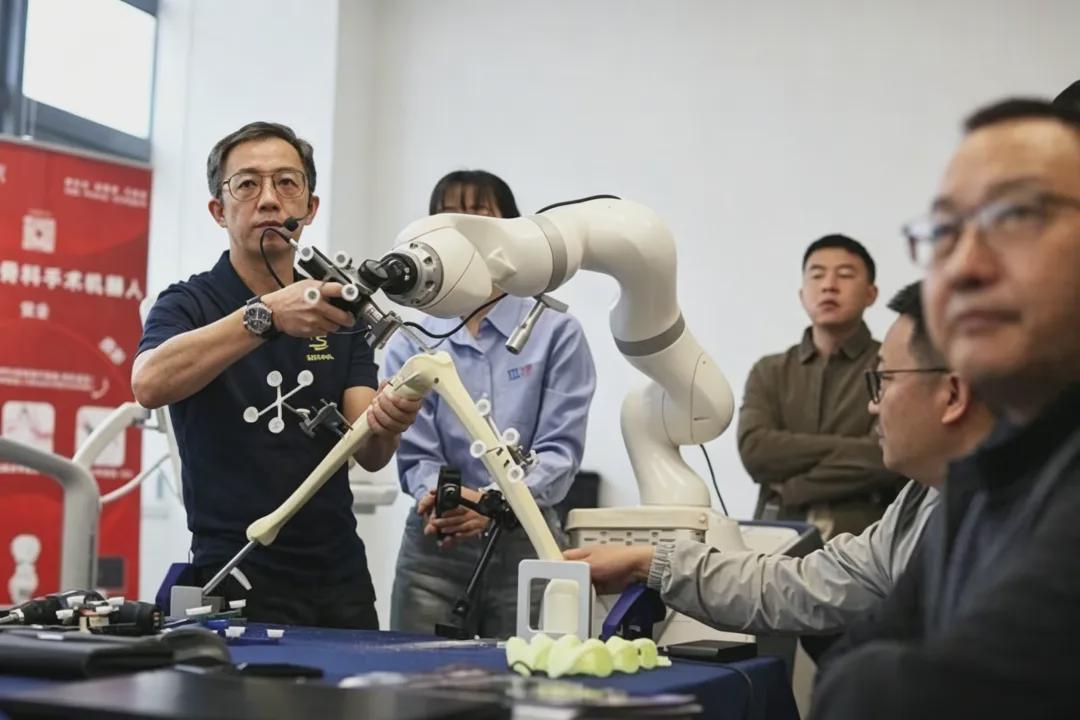
Domestic Orthopedic Robots Enhance Healthcare Access for Remote Patients
On National Science Workers Day, China's orthopedic and sports medicine center showcased the transformative role of domestic surgical robots in enhancing healthcare access in remote areas. The Kunlun® orthopedic surgical robot, developed by Yuanhua Intelligent Technology, is at the forefront of this innovation, enabling high-precision surgeries that are crucial for patients in underserved regions. This advancement not only improves recovery times but also elevates the overall medical experience for those who previously faced significant barriers to quality surgical care.
Orthopedic Robots Healthcare Technology Surgical Innovation Telemedicine
Co-designed robots reveal what health care staff and patients actually need
A recent study led by Cornell Tech is exploring the integration of robots in hospitals and care facilities, focusing on their impact on both caregivers and patients. The research involves collaboration with health care workers, long-term care residents, and community members to actively participate in the design process of these robots. This initiative aims to address ongoing concerns about the effectiveness of robotic assistance in improving care quality. By involving stakeholders directly, the study seeks to ensure that the robots meet the actual needs of those who will use them, ultimately enhancing the caregiving experience. The findings could provide valuable insights into the future role of robotics in health care settings.
RoboticsRobotics needs a service framework.
RSF defines a common language for robot service capability, lifecycle operations, certification pathways, and service-provider networks.
Join the RobotToday community on LinkedIn
Daily robotics news, in-depth analysis, conference highlights, and discussions with professionals worldwide.







