Industry Briefing
A single destination for timely, editor-curated robotics news from around the world.
Ukraine Looks to Export Drone Expertise as It Pursues New NATO Partnerships
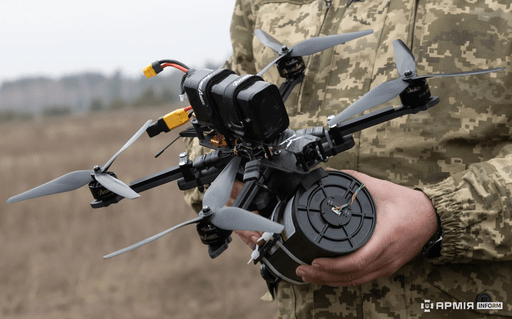
Kyiv’s proposed agreements reflect a broader shift from wartime recipient to provider of drone technology and operational knowledge For much of the war with Russia, Ukraine has relied on international partners for military equipment. Now, the country is positioning itself as an exporter of drone expertise. According to Ukrainian officials, Kyiv hopes to sign drone […] The post Ukraine Looks to Export Drone Expertise as It Pursues New NATO Partnerships appeared first on DRONELIFE.
Applications Defense defense Drone Manufacturing Drone News Drone News Feeds
Uber and Waymo Face Tensions as Robotaxi Partnerships Shift in Major Cities
The recent end of the Uber-Waymo partnership in Phoenix marks a significant shift in the robotaxi landscape, with both companies still maintaining services in Atlanta and Austin. The future of these agreements remains uncertain, as tensions rise between Uber executives and Waymo, suggesting potential conflicts in policy and market access as partnerships dissolve. This development is crucial as the National Highway Traffic Safety Administration (NHTSA) has issued a directive emphasizing the need for autonomous vehicles to effectively respond to emergency situations. Waymo, which operates the largest robotaxi fleet in the U.S., has faced scrutiny for its interactions with first responders, raising concerns about operational safety and regulatory compliance. Looking ahead, the NHTSA has called for solutions from AV developers by the end of the month, indicating a potential shift in regulatory oversight. Additionally, Rivian's recent capital raise of $1.32 billion and the introduction of its R2 SUV could signal a competitive shift in the EV market, as the company aims to deliver between 65,000 and 70,000 vehicles by 2026.
Transportation Elon Musk Uber Waymo Rivian robotaxi
Nvidia Announces Partnerships with Doosan, LG Focused on Physical AI, Robotics
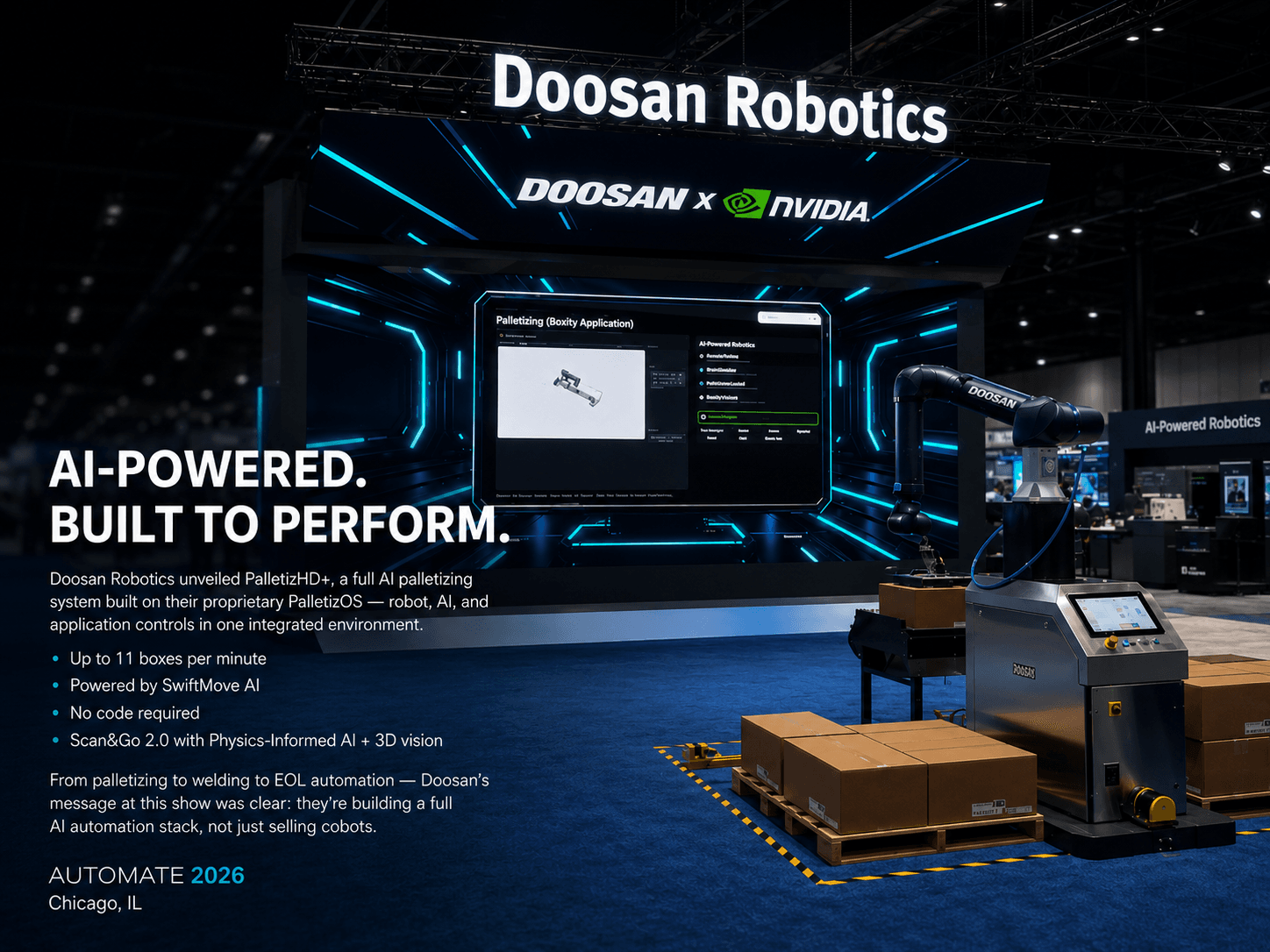
Nvidia is enhancing its presence in South Korea by forming strategic partnerships with Doosan Group and LG Group. This initiative aims to advance the development of industrial robots, autonomous equipment, robotics training data, and AI-powered manufacturing systems. The collaborations, announced recently, seek to transcend conventional factory automation by emphasizing the creation of software, simulation, and other innovative technologies. These efforts reflect Nvidia's commitment to driving AI integration in manufacturing processes, positioning the company as a key player in the rapidly evolving industrial landscape of South Korea.
AI AI Funding & Investment Robotics Doosan Group LG Group Partnership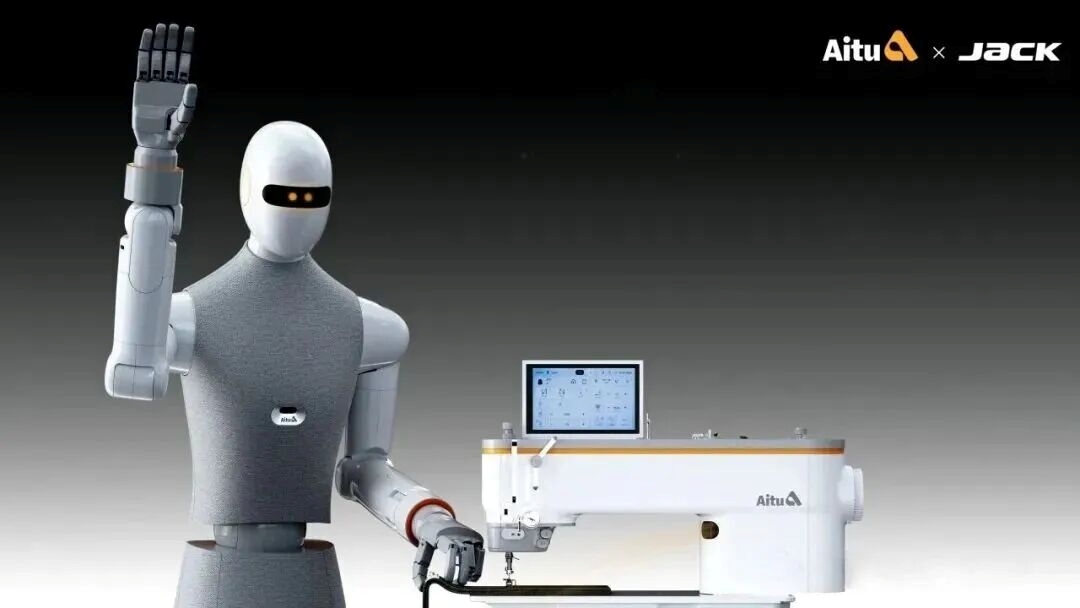
Jack Technology's Ambition in Humanoid Robots Unveiled with Strategic Partnerships
Jack Technology, a prominent player in the sewing equipment sector, has announced the formation of strategic alliances with the Zhejiang Humanoid Robot Innovation Center and Zhiyuan Robotics. This collaboration aims to create joint ventures focused on integrating artificial intelligence and humanoid robotics into the garment manufacturing industry. The initiative is designed to tackle ongoing labor shortages and improve production efficiency, reflecting Jack Technology's commitment to innovation and modernization in manufacturing processes. The partnerships signal a significant shift in how the industry may operate in the future, leveraging advanced technology to meet evolving market demands.
Humanoid Robots AI Garment Manufacturing Automation
Fourier Rehab’s GReAT Summit 2026 Highlights Rehabilitation Robotics, ExoMotus M4 Updates, and New Global Partnerships
Fourier Rehab hosted the Global Rehabilitation & Assistive Technology Network (GReAT) Summit 2026 from May 13 to 15 at its headquarters in Shanghai. The event convened a diverse group of clinicians, researchers, and industry leaders to discuss advancements in rehabilitation technology. Key topics included the latest developments in rehabilitation robotics and updates on the ExoMotus M4 device. The summit also facilitated the establishment of new global partnerships aimed at enhancing rehabilitation practices and technologies. This gathering underscores the growing importance of collaboration in the field of rehabilitation and assistive technology.
Who Builds the Sky? How Regional Partnerships Are Creating the Infrastructure for Advanced Air Mobility
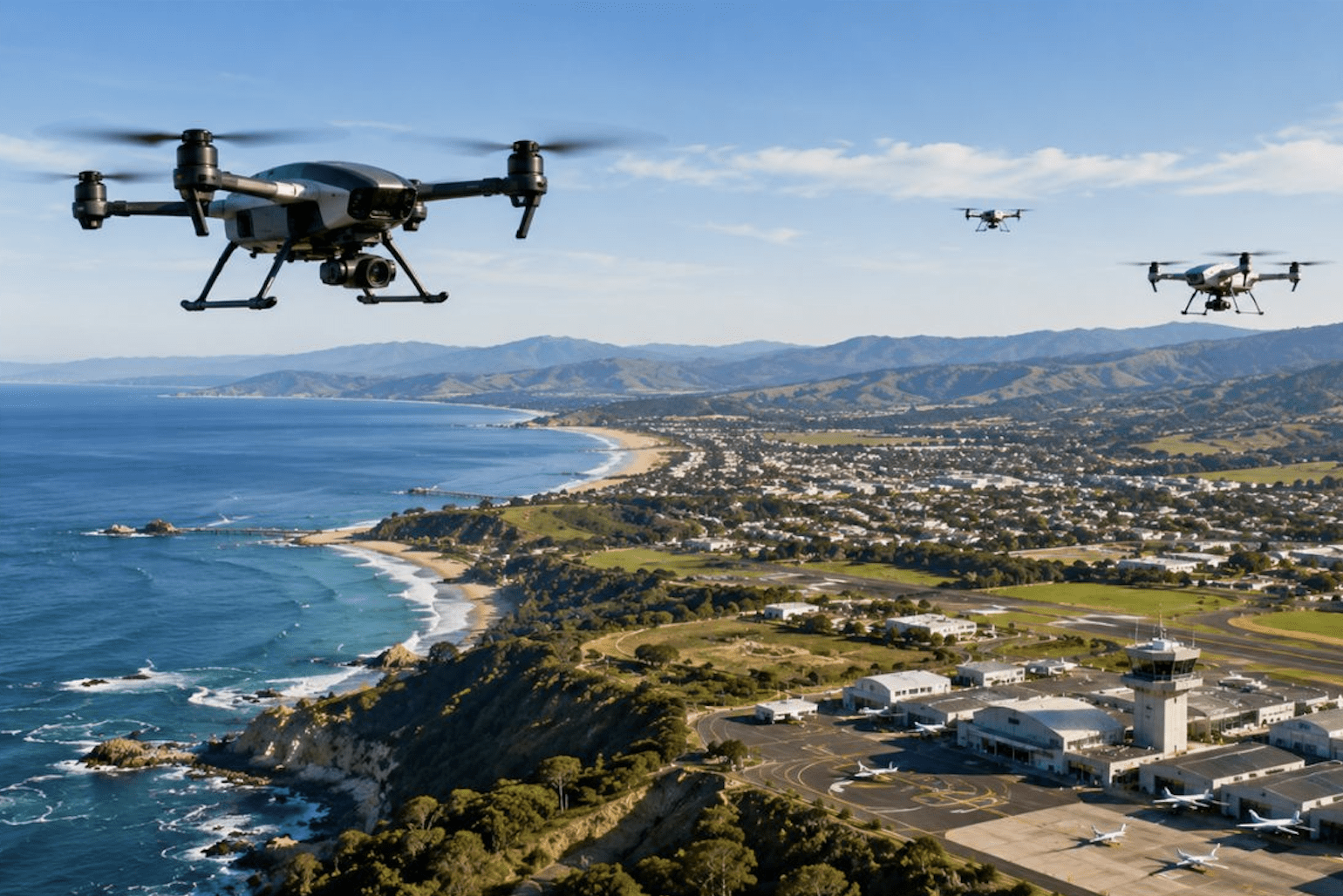
In a recent episode of the Drone Radio Show, Lavera Alexander, Chief Growth Officer of the Monterey Bay Economic Partnership (MBEP), emphasized the critical role of regional collaboration, airport infrastructure, and economic development in shaping the future of advanced air mobility. The discussion highlighted that while aircraft technology is essential, the success of this emerging industry relies heavily on the interconnected efforts of local stakeholders. Alexander's insights reflect a growing recognition that building a robust framework for advanced air mobility requires more than just technological advancements; it necessitates a comprehensive approach that integrates community resources and infrastructure planning. The episode serves as a call to action for regions to work together in fostering an environment conducive to the growth of this innovative sector.
Advanced Air Mobility Aerospace Applications Drone News Drone News Feeds News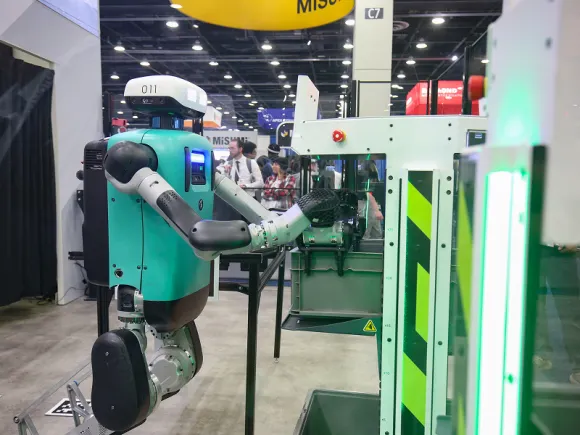
Nvidia and ABB Robotics advance partnerships, Standard Bots raises $200M
Ahead of the upcoming Automate trade show, robotics companies are showcasing their latest innovations in Chicago. The event, scheduled for next week, serves as a platform for these firms to present cutting-edge technologies and advancements in automation. With the industry rapidly evolving, the previews aim to attract attention from potential buyers and industry professionals eager to explore new solutions that enhance productivity and efficiency. The demonstrations will highlight various applications of robotics across different sectors, emphasizing the growing importance of automation in modern manufacturing and logistics. As companies prepare for the trade show, the anticipation builds for what promises to be a significant gathering in the robotics sector.
Bee Technology Secures Hundreds of Millions in Angel+ Round Financing with State-Owned and Industrial Partnerships
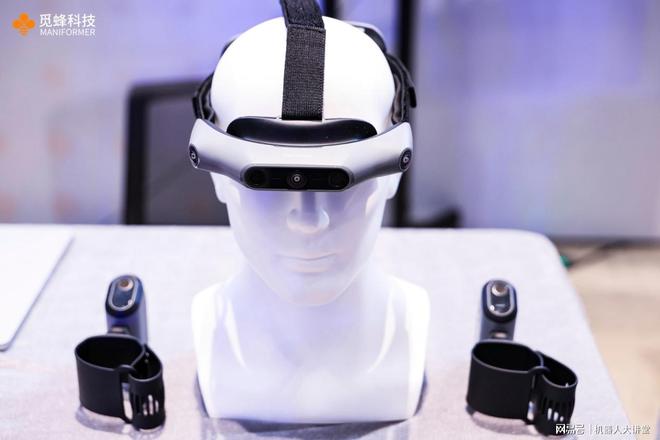
Bee Technology, a comprehensive physical AI data service platform, has secured hundreds of millions in a strategic financing round. This funding, spearheaded by Guofang Venture Capital and backed by several state-owned and industrial partners, is intended to bolster the company's data collection and governance capabilities. The initiative seeks to tackle significant challenges within the embodied intelligence sector, positioning Bee Technology for enhanced growth and innovation in this rapidly evolving field.
AI Data Services Data Governance Embodied Intelligence Robotics Investment
OLO Robotics completes commercial launch with three international manufacturing and distribution partnerships
A Sheffield-based startup has launched an innovative platform that enables mainstream developers to create robotics applications directly through their web browsers. This groundbreaking development, announced recently, aims to democratize access to robotics technology, making it easier for developers without extensive technical backgrounds to engage in robotics programming. By leveraging cloud-based tools, the platform simplifies the process of designing and testing robotic systems, allowing users to experiment and iterate in real-time. The initiative is part of a broader effort to foster innovation in the robotics sector and encourage more developers to explore this rapidly evolving field.

EDGE CEO talks company’s role in Iran conflict, plus future partnerships
Hamad Al Marar, the Managing Director and CEO of EDGE, recently engaged in an interview with Breaking Defense, where he shared insights on the advancements in UAV technology and outlined the company’s future initiatives. During the discussion, Al Marar emphasized the strategic importance of unmanned aerial vehicles in modern defense systems and highlighted EDGE's commitment to innovation in this rapidly evolving sector. The conversation took place in October 2023, reflecting the company's ongoing efforts to position itself at the forefront of defense technology development. By focusing on cutting-edge UAV solutions, EDGE aims to enhance operational capabilities and address emerging security challenges in the region and beyond.
Air Warfare Global Land Warfare air defense Air Force Army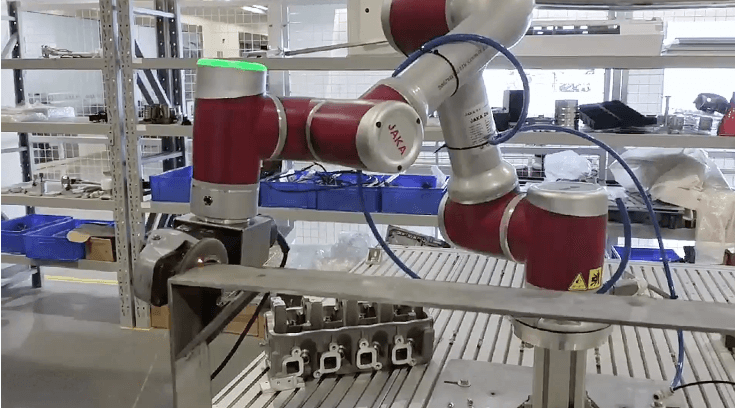
Robot Arm Company Partnerships: Leveraging Integrators for Complex Automation
JAKA, a company specializing in robotic arms, emphasizes the importance of collaboration with system integrators to successfully implement automation in complex processes such as polishing and surface treatment. This partnership is crucial for transforming a standalone robotic unit into a fully integrated and productive solution. System integrators bring essential cross-disciplinary expertise, enabling them to design and program complete workcells tailored to specific applications, such as achieving a flawless finish on metal parts. The deployment of a polishing robot involves more than just movement; it requires precise pressure control and complex trajectory planning. JAKA's advanced technology, including force-sensing capabilities and an intuitive programming interface, provides integrators with a stable platform to optimize application parameters. Manufacturers are encouraged to select integrators with relevant industry experience to ensure successful automation projects. JAKA supports its partners by offering technical resources, training, and collaborative assistance, which simplifies the integration process and enhances the effectiveness of their robotic systems. Ultimately, the synergy between manufacturers, skilled system integrators, and JAKA's reliable robotic technology facilitates the transition from automation concepts to practical applications on the factory floor, making complex tasks like polishing manageable and scalable.
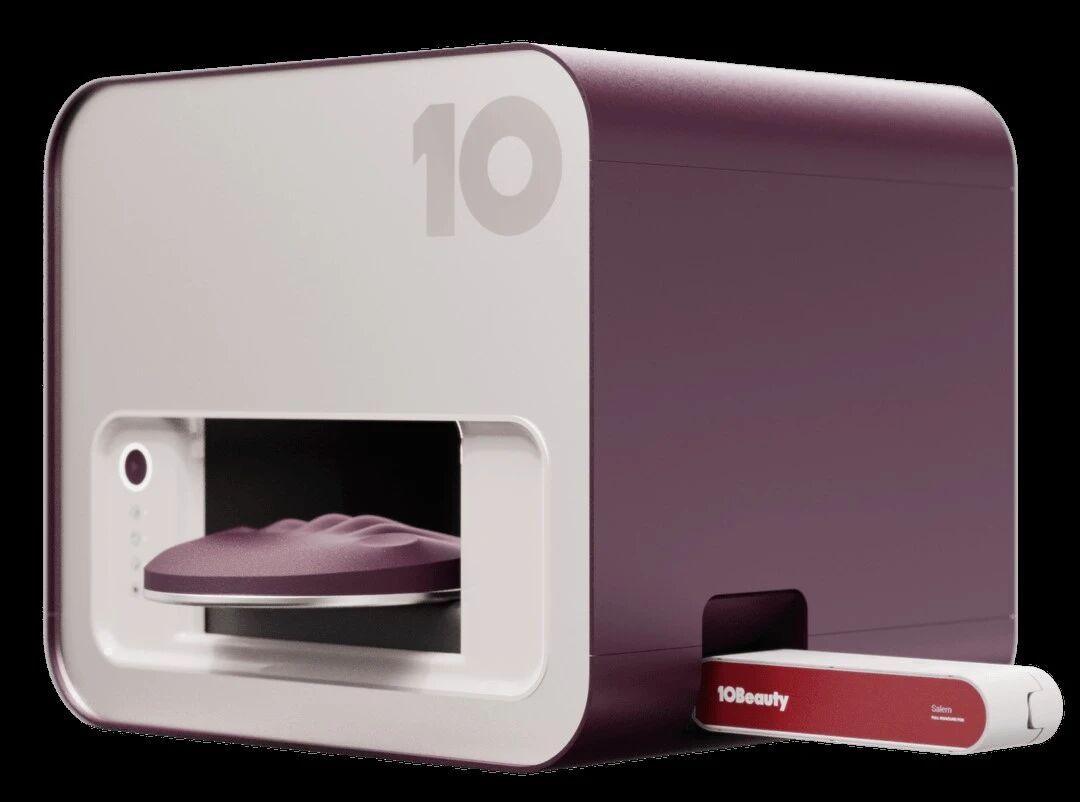
$70 Million Investment in Nail Art Robots?
10Beauty, an innovative company specializing in automated nail art, has successfully secured $23.5 million in Series B funding, raising its total funding to over $70 million. The investment will support the expansion of its flagship product, 'The 10', a cutting-edge automated nail machine that provides a comprehensive manicure experience in just 25 to 45 minutes. Utilizing artificial intelligence and precision robotics, 'The 10' ensures both hygiene and personalized service for users. To enhance accessibility, 10Beauty has formed partnerships with major retailers, including Ulta Beauty and Nordstrom, to seamlessly integrate its services into their existing retail environments. This funding round marks a significant step in the company's mission to revolutionize the nail care industry through technology.
Nail Art Robots Automated Beauty Services AI Technology Retail Partnerships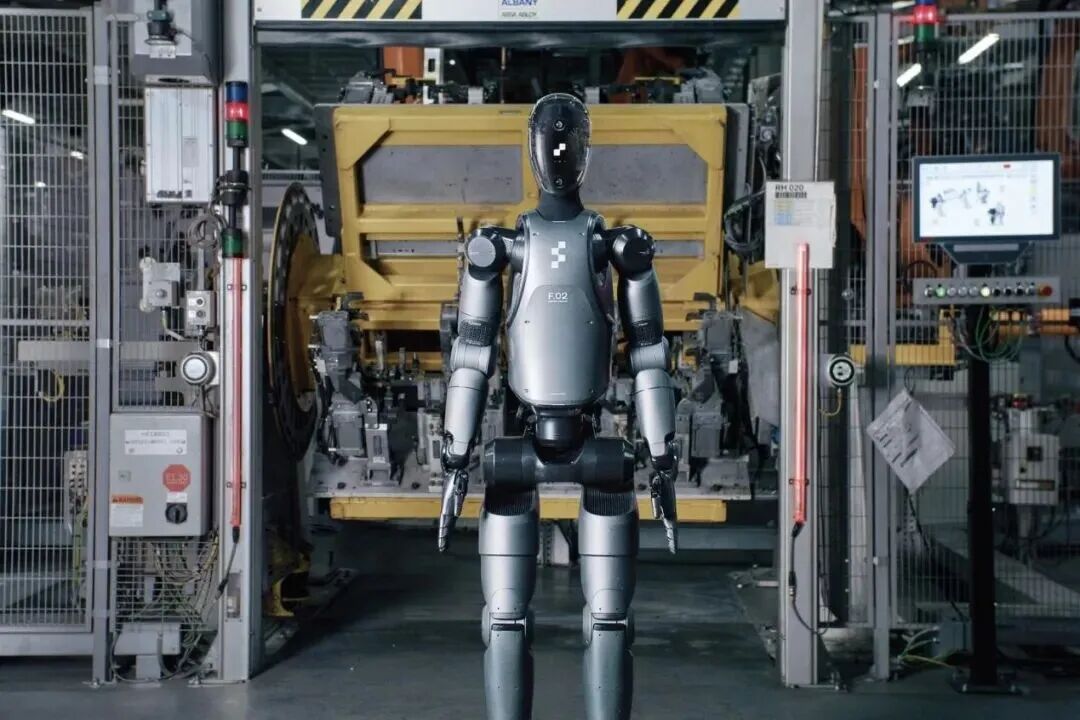
Figure AI, Valued at $39 Billion, Faces a 'Trust Crisis'
Figure AI, a humanoid robot startup valued at approximately $40 billion, is facing increased scrutiny following allegations regarding the autonomy of its robots and a contentious partnership with BMW. Despite showcasing its technology through high-profile demonstrations, skepticism has arisen concerning the authenticity of its advancements and the specifics of its commercial collaborations. This growing distrust among stakeholders highlights concerns about the startup's claims and the implications of its partnerships in the rapidly evolving robotics industry.
Humanoid Robots AI Robotics Technology Automation Commercial Partnerships
AGIBOT Wins GLOMO Award at MWC 2026 and Announces New Global Collaborations
AGIBOT has been honored with the GLOMO Award for Best Private Network Solution at the Mobile World Congress (MWC) 2026, held in Barcelona. This accolade highlights the company's innovative EasyOn 5G-A-RobotNet solution, which aims to revolutionize the deployment of robotics technologies. In conjunction with this recognition, AGIBOT announced strategic global partnerships with major players such as China Mobile and Joybuy. These collaborations are designed to enhance the implementation and reach of AGIBOT's advanced robotics solutions, further solidifying its position in the industry.
Robotics Artificial Intelligence Telecommunications Technology Partnerships Mobile Networking
Zipline Expands Drone Delivery Services with New Leadership in Austin and Cleveland
Zipline is intensifying its drone delivery efforts in the U.S. by launching services in Austin and Cleveland, supported by new executives from Tesla, Waymo, and Uber. This strategic move comes as demand for Zipline's delivery platform surges, with a 13-fold increase in businesses utilizing the app in the first half of 2026. The significance of this expansion lies in Zipline's milestone of over 2.5 million commercial deliveries globally, with 70% of flights occurring in the U.S. The upcoming launch of a home prescription delivery service in partnership with Cleveland Clinic marks a pivotal moment for healthcare logistics, with plans to broaden the service to include lab samples and medical supplies. Looking ahead, Zipline's entry into Austin will allow customers to order food and retail products with rapid delivery times. The company is experiencing swift growth, with notable partnerships from national chains like Chipotle and Little Caesars. No further timeline was disclosed at the time of publication.
News
Zhuji Power Raises Nearly $200 Million in Pre-IPO Funding, Achieves $2.2 Billion Valuation
On July 14, Zhuji Power, a humanoid robotics company, announced the completion of its Pre-IPO funding round, raising nearly $200 million and achieving a post-funding valuation of approximately $2.2 billion. This marks a significant milestone as the company has secured a total of $400 million in funding over two rounds within six months, positioning itself among the top tier of humanoid robotics firms in China. The importance of this funding lies in Zhuji Power's strategic shift from a technology-focused narrative to a capital-driven approach, with plans for an IPO targeting Hong Kong. The company offers a diverse product lineup, including the full-sized humanoid robot Oli, priced at 158,000 yuan, aimed at industrial and research applications, and the interactive robot Luna, starting at 298,000 yuan, designed for commercial service scenarios. Looking ahead, Zhuji Power's next challenge will be to demonstrate its market impact by revealing sales figures and customer engagement. The company's ability to convert its extensive partnerships and technological advancements into tangible deployment data will be crucial in justifying its high valuation and ensuring a successful IPO process.
Humanoid Robots Pre-IPO Funding Robotics Technology Industrial Automation
Xuri S600 Achieves Mass Production Validation with Over 20 Clients at WAIC
On July 15, during the World Artificial Intelligence Conference (WAIC) in Shanghai, Digua Robotics announced significant progress regarding the Xuri S600. The company has secured partnerships with over 20 leading clients, collaborating with more than 100 industry partners to complete adaptive integration across various sectors, including humanoid robots and industrial applications. Several collaborative models have entered real-world testing and mass production validation phases, accelerating the platform's industrial deployment. The importance of this development lies in the Xuri S600's recognition for its core capabilities in embodied intelligence mass production. The platform's single-chip full-stack design offers high reliability and a comprehensive engineering toolchain, which has garnered industry-wide acknowledgment since its launch in November 2025. Notably, multiple benchmark projects have made clear progress, with the A3 robot from Itstone Technology set to deploy the Xuri S600 for large-scale industrial applications. Looking ahead, the Xuri S600 is transitioning from technical validation to real hardware and mass production verification. Key clients have shared their experiences, emphasizing the platform's ability to facilitate stable and predictable robot deployment. No further timeline was disclosed at the time of publication.
Embodied Intelligence Humanoid Robotics Industrial Automation AI Technology
Bosch Initiates 200 mm Silicon Carbide Chip Production at California Semiconductor Plant
Bosch has commenced sample production of silicon carbide (SiC) semiconductor chips at its facility in Roseville, California. This marks a significant advancement in the effort to revitalize power chip manufacturing within the United States. The company has also secured up to $225 million in funding from the U.S. Department of Commerce’s CHIPS Program Office to support its investment of up to $2 billion at the site. The Roseville plant is set to begin commercial production in 2026, making it Bosch's first semiconductor manufacturing site in the U.S. The facility will produce third-generation SiC chips on 200-millimeter wafers, aligning with the U.S. government's initiative to bolster domestic semiconductor manufacturing. Silicon carbide chips are increasingly vital for applications in electric vehicles, industrial equipment, and energy systems. Looking ahead, Bosch plans to invest up to $7.5 billion across its U.S. operations by 2031, enhancing manufacturing capacity and expanding its North American business. The Roseville site currently employs over 300 individuals and is committed to workforce development through local education partnerships, with plans to contribute more than $100,000 annually to community STEM programs starting in 2026.
Innovation
Uber Expands Beyond Ride-Hailing with Hotels, Boat Rentals, and Financial Services
Uber has been diversifying its offerings beyond ride-hailing and delivery, introducing hotel bookings through a partnership with Expedia, concierge features, and boat rentals in Europe. This shift aims to enhance the travel experience for users, who often require rides and food during their trips. Uber's Chief Product Officer, Sachin Kansal, emphasized that travel is a crucial addition to their services, complementing rides and food delivery. The expansion into travel and financial services is significant as Uber seeks to strengthen its market position and relationships with autonomous vehicle partners. The company is developing a new business unit, AV Labs, focused on gathering driving data through sensor-equipped vehicles, which could provide leverage against competitors like Waymo. This strategy reflects Uber's ambition to evolve into a comprehensive platform while maintaining a selective approach to its offerings. Looking ahead, Uber's approach to integrating new services will be crucial. The company is exploring partnerships for financial services and may consider deeper integrations based on user traction. No further timeline was disclosed at the time of publication.
TC Transportation AI Uber Sachin Kansal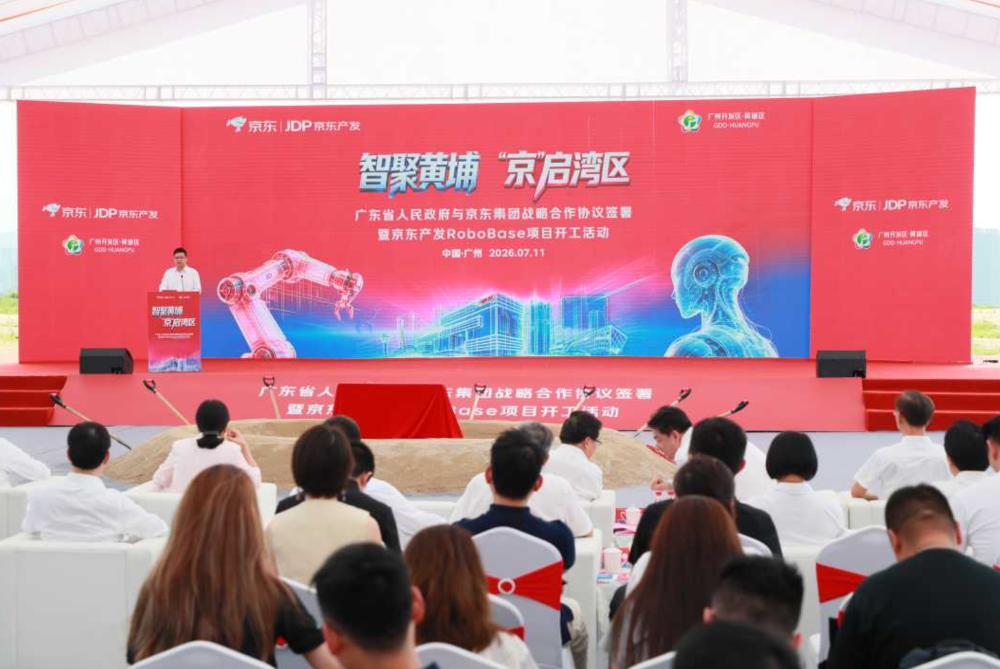
JD Group Launches First RoboBase Project in Guangzhou to Foster Robotics Ecosystem
On July 11, JD Group signed a comprehensive strategic cooperation agreement with the Guangdong provincial government, focusing on nine key areas including digital economy and modern logistics. The first physical benchmark of this agreement, the RoboBase project, commenced construction in the Huangpu Science City, Guangzhou. This marks JD's first RoboBase globally, covering approximately 190,000 square meters, with completion expected by the end of 2028 and an anticipated annual output value of about 1.75 billion yuan. The RoboBase project aims to integrate high-end manufacturing, technological innovation, and ecological services, concentrating on core robotic components, complete machine manufacturing, and high-end intelligent equipment. JD's approach is unique as it positions itself as an 'industrial infrastructure operator' rather than directly engaging in robot manufacturing. This strategy is designed to support robotics companies by providing a conducive environment for their operations. Looking ahead, JD's RoboBase will facilitate long-term testing for robots across various real-world scenarios, including JD MALL and logistics parks. The project also emphasizes talent development through partnerships with vocational schools in Guangdong. No further timeline was disclosed at the time of publication.
Robotics Ecosystem High-End Manufacturing Technological Innovation Supply Chain Solutions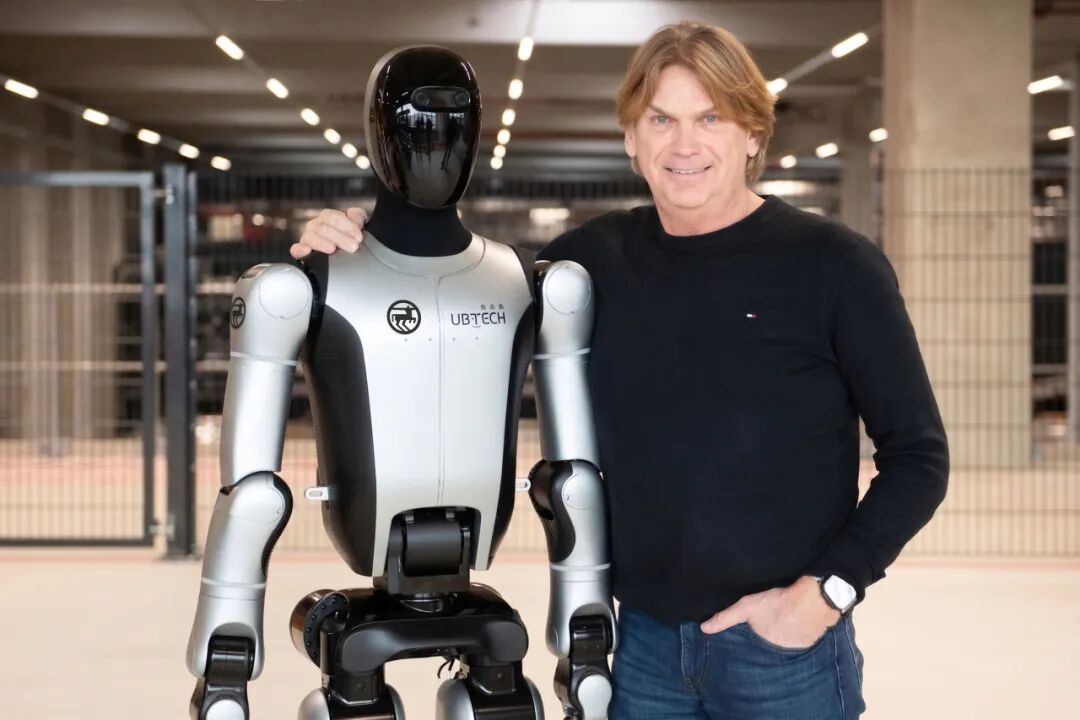
UBTECH Collaborates to Enhance Global Reach of Humanoid Robots in European Retail Logistics
UBTECH has announced partnerships aimed at accelerating the deployment of humanoid robots in European retail logistics environments. This initiative is part of UBTECH's broader strategy to expand its global footprint and enhance operational efficiencies in logistics through advanced robotics technology. The significance of this collaboration lies in its potential to transform retail logistics by integrating humanoid robots, which can streamline operations, reduce labor costs, and improve service delivery. As the demand for automation in logistics grows, UBTECH's efforts may set a precedent for the adoption of robotics in various sectors across Europe. Looking ahead, industry stakeholders should monitor UBTECH's progress in deploying these humanoid robots and the impact on logistics operations. The effectiveness of these robots in real-world applications will be crucial in determining the future of robotics in retail logistics. No further timeline was disclosed at the time of publication.

Long March 10B Achieves Successful Recovery, Boosting China's Commercial Space Efforts
China's Long March 10B rocket successfully completed its first flight recovery, marking a significant milestone in the country's commercial space sector. This achievement is expected to accelerate competition among companies like LandSpace and JianYuan, which are also aiming for reflight milestones by the end of 2023. The successful recovery of the Long March 10B is crucial as it demonstrates China's growing capabilities in reusable rocket technology, which is essential for reducing launch costs and increasing launch frequency. This development positions China as a formidable player in the global commercial space race, potentially attracting more investments and partnerships in the sector. Looking ahead, both LandSpace's Zhuque-3 and JianYuan's YX-1 are targeting their own reflight milestones within the same timeframe. No further timeline was disclosed at the time of publication, but the ongoing advancements suggest a rapidly evolving landscape in China's commercial space endeavors.
Technology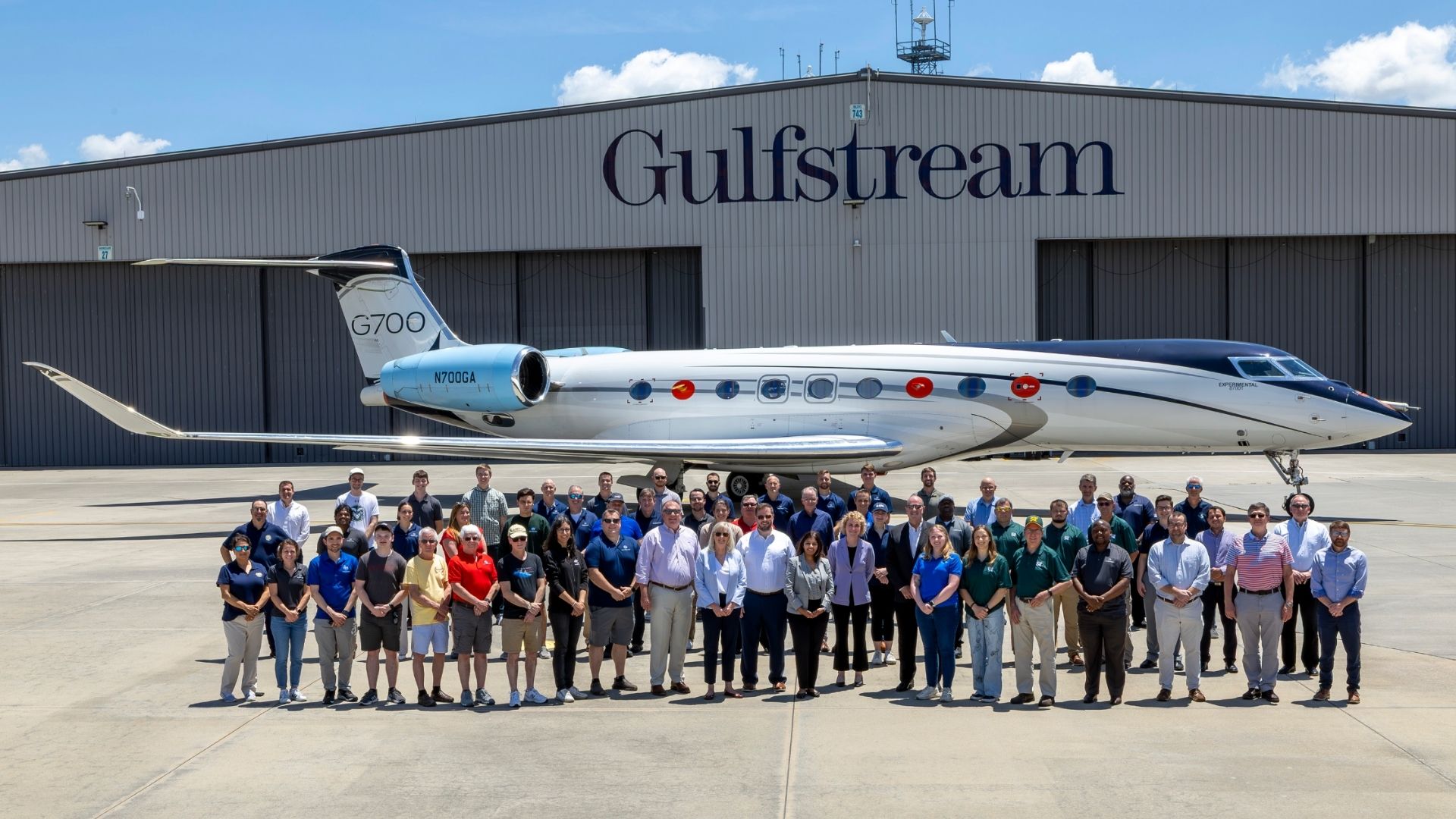
Gulfstream G800 Completes First 100% SAF Flight to Analyze Contrail Emissions
Gulfstream Aerospace has successfully conducted a high-altitude flight test campaign using a G800 business jet powered entirely by neat sustainable aviation fuel (SAF). The tests, which took place at altitudes up to 50,000 feet, marked the first instance of both the G800 and its Rolls-Royce Pearl 700 engine operating on 100% SAF. A modified Gulfstream G700 served as an airborne emissions laboratory, enabling researchers to measure particulate emissions and atmospheric conditions during the flights. This initiative is significant as it aims to assess the potential of 100% SAF in reducing emissions linked to contrail formation, a critical factor in aviation's environmental impact. Preliminary findings suggest a measurable reduction in particulate emissions when using neat HEFA SAF, which contains no sulfur or aromatics, unlike conventional jet fuels. The collaboration involved multiple organizations, including NASA and the FAA’s ASCENT, highlighting the importance of partnerships in advancing sustainable aviation technologies. Looking ahead, Gulfstream's ongoing research will continue to focus on optimizing environmental efficiencies in aviation. The data collected from this campaign is expected to enhance understanding of aviation's broader environmental impact and contribute to future regulatory and technological developments. No further timeline was disclosed at the time of publication.
Innovation
Robotera, Alta, and Adage Automation Secure Funding for Growth Initiatives
This week, Robotera, Alta, and Adage Automation successfully raised funds to support their growth initiatives. The specific amounts raised were not disclosed, but these investments are expected to enhance their operational capabilities and expand their market reach in the robotics sector. The funding is significant as it reflects a growing trend of investment in robotics and automation technologies, indicating increased confidence in the market's potential. Companies like Robotera and Alta are focusing on innovative solutions that could lead to improved efficiencies and productivity in various applications. Looking ahead, stakeholders should monitor these companies for future announcements regarding product developments or strategic partnerships. No further timeline was disclosed at the time of publication, but the raised funds are likely to accelerate their growth trajectories in the coming months.
Artificial Intelligence Investments Newsletters Acquisition artificial intelligence Asia
Momenta Launches on Hong Kong Stock Exchange with Strong Market Reception
On July 8, Momenta officially debuted on the Hong Kong Stock Exchange with an initial price of HKD 295.6, rising over 6% on opening day and achieving a market capitalization exceeding HKD 70 billion. The public offering was oversubscribed by approximately 414 times, leading to its designation as the 'first stock of physical AI.' This label has been previously claimed by other companies, indicating a competitive market for the 'physical AI' concept. Momenta's significance lies in its dual approach to autonomous driving, focusing on both L2++ driver assistance and Robotaxi services. As of April 2026, the company reported a 65% market share in the third-party city NOA supplier market. With over 1 million vehicles equipped with Momenta systems and partnerships with nine of the world's top ten automakers, the company demonstrates strong growth potential, with revenue projected to increase from CNY 743 million in 2023 to CNY 2.413 billion by 2025. Looking ahead, Momenta's transition from being labeled a 'city NOA supplier' to the 'first stock of physical AI' could significantly impact its valuation. However, the market will ultimately focus on its financial performance and the practical application of its technologies. No further timeline was disclosed at the time of publication regarding future developments or milestones for the company.
Autonomous Driving Physical AI Market Valuation Technology Startups
Ant Group Launches LingBot-VA 2.0 with Advanced Spatial Awareness and Vision Models
On July 10, Ant Group introduced LingBot-VA 2.0, the first embodied native action model in the industry. This release marks the culmination of their full-stack 2.0 model series, featuring advancements in spatial perception and real-time interaction. The launch has generated significant buzz across international platforms like Reddit and Hugging Face, indicating a strong interest in their technology. The significance of LingBot-VA 2.0 lies in its comprehensive technology stack, which includes LingBot-Depth 2.0 and LingBot-Vision. LingBot-Depth 2.0 enhances depth perception with a training dataset expanded from 3 million to 150 million, achieving top scores in 12 out of 16 benchmarks. Meanwhile, LingBot-Vision introduces a novel pre-training target, improving depth estimation accuracy despite using a smaller dataset compared to competitors. Looking ahead, the next steps for Ant Group involve further collaboration with industry partners, as LingBot-Depth 2.0 has already received professional certification from Orbbec. The company is also focusing on integrating their models into the industry, with no further timeline disclosed at the time of publication for upcoming releases or partnerships.
Robotics AI Machine Learning Computer Vision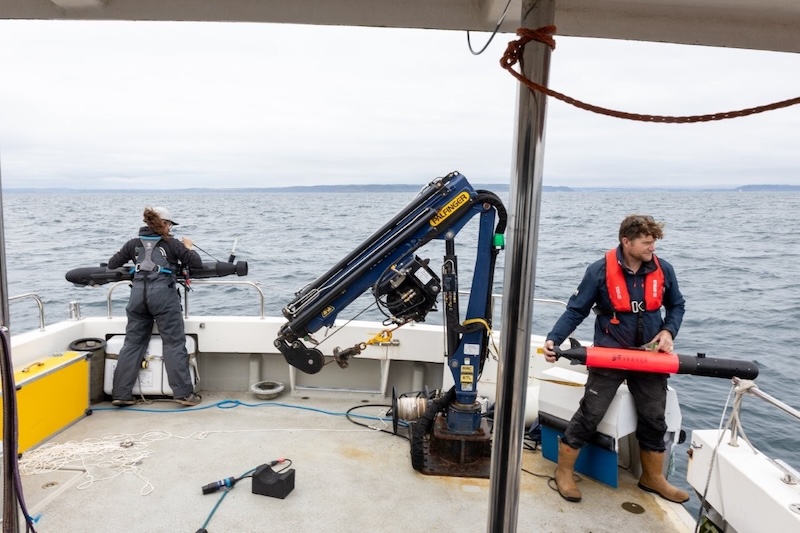
University of Plymouth Launches £1.2 Million Multi-Robot Demonstration at Smart Sound Connect
The University of Plymouth has successfully completed a significant underwater trials demonstration at the Smart Sound Connect Subsurface (SSCS) project, showcasing multi-marine robotic platforms. This event featured collaboration among ACUA Ocean, ecoSUB Robotics, Seaber, and Sonardyne, highlighting the capabilities of the £1.2 million initiative aimed at enhancing marine autonomy and ocean sensing in the UK. The demonstration attracted stakeholders from various sectors, emphasizing the project's role in advancing technology in marine environments. The SSCS project enhances the existing Smart Sound Plymouth testbed by integrating a seabed node array for precise positioning and communication, alongside intelligent sensors. This infrastructure supports advanced testing capabilities for autonomous vehicles, reinforcing Plymouth's status as a leading hub for marine autonomy. The successful demonstration underscores the importance of collaborative efforts in developing ocean observing technologies that can provide actionable intelligence for climate resilience and preparedness. Looking ahead, the SSCS project aims to further develop ocean observing technologies that can transform prototypes into reliable data streams. No further timeline was disclosed at the time of publication, but the ongoing collaboration is expected to drive innovation and strengthen industry partnerships in marine autonomy and sensing technologies.
Marine Research ACUA Ocean automation autonomous underwater vehicles auv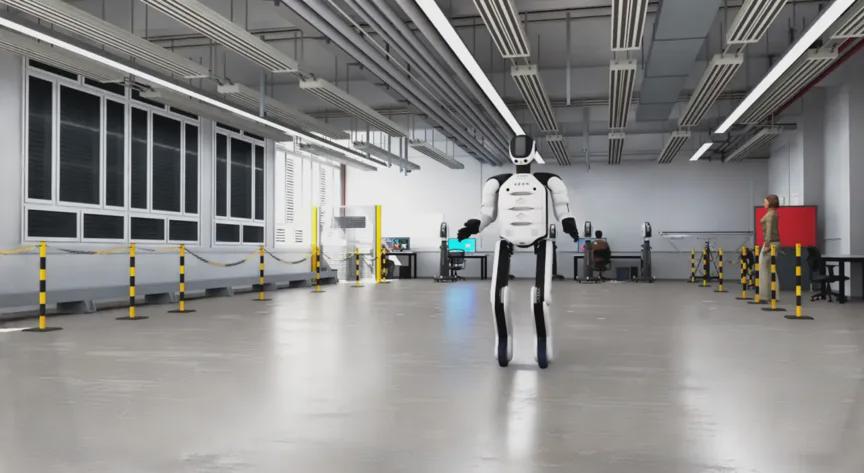
NVIDIA and DeepMind Lead Robotics Simulation Debate with New Industrial Applications
The field of embodied intelligence is witnessing a fierce debate over the best approach to training robots for industrial applications. One faction advocates for simulation-based training, leveraging structured environments to generate synthetic data, while the opposing view emphasizes the necessity of real-world data to handle complex physical interactions and unpredictable scenarios. Key players include NVIDIA, DeepMind, and Intrinsic, each with unique strategies and technologies. NVIDIA's Omniverse platform and Isaac Sim engine exemplify the simulation approach, enabling comprehensive digital twins of factories for training and optimization. Their collaboration with BMW on a digital twin project in Hungary showcases the potential of synthetic data in logistics and robotic movements. However, challenges remain in achieving the necessary fidelity for force control and physical interactions, prompting NVIDIA to seek partnerships with companies like Hexagon Robotics. Conversely, DeepMind's use of the MuJoCo physics engine has demonstrated that pure simulation can achieve industrial-grade precision in specific tasks, such as sorting with known rigid models. Yet, this method's effectiveness is limited to scenarios with minimal contact and force control. Intrinsic aims to transform simulation into a comprehensive development tool for industrial robots, focusing on lowering barriers for small manufacturers. The ongoing challenge of the SIM2REAL gap remains a critical factor in the success of these approaches.
Robotics Industrial Automation Simulation Technology AI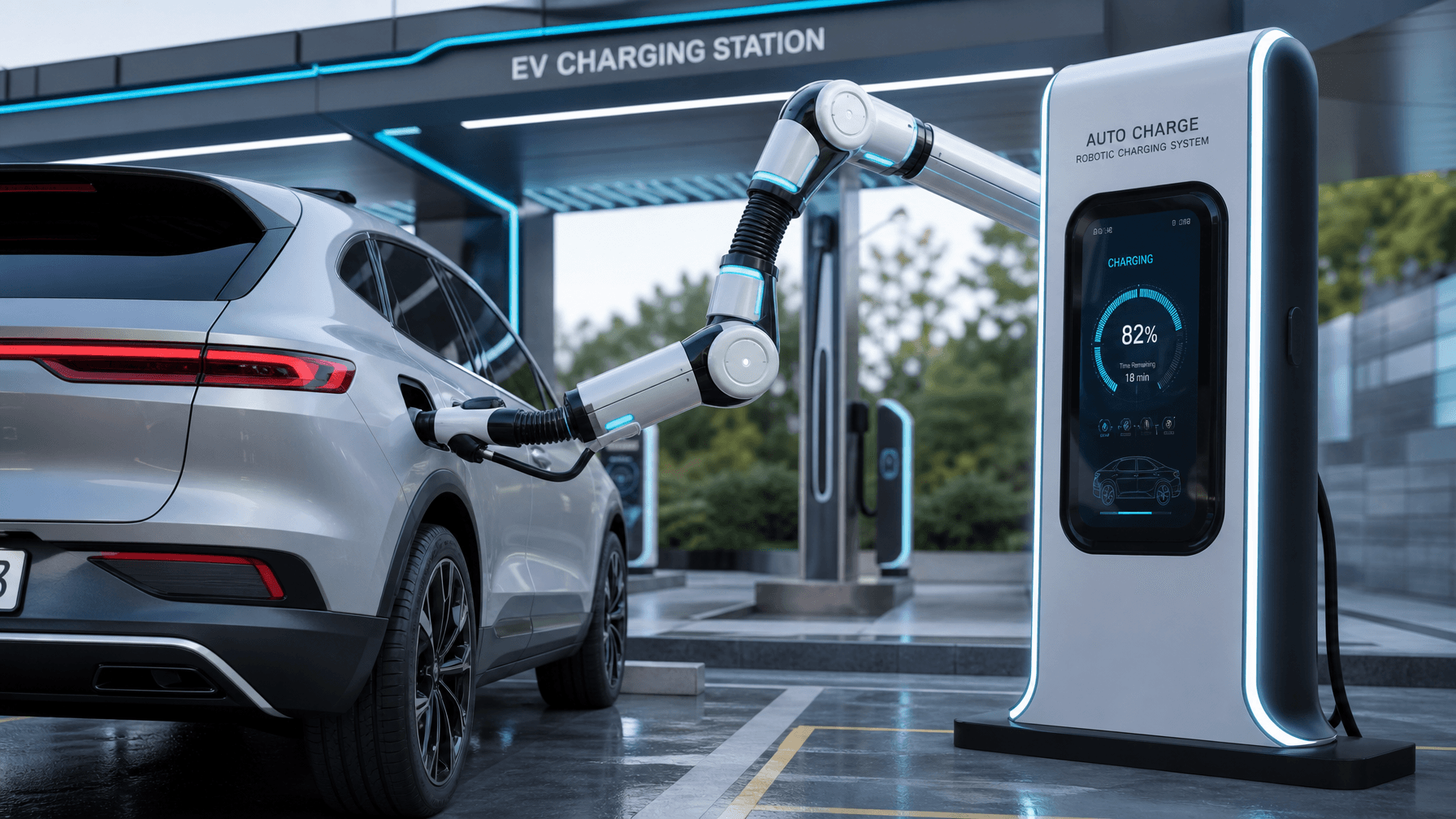
Wisson Launches Flexible Charge Engine for Adaptive EV Charging Across 130+ Models
Wisson has launched the Flexible Charge automatic charging service engine, which features zero-second adaptive tolerance. This innovative solution is designed to support public, dedicated, and home electric vehicle (EV) charging, accommodating over 130 different vehicle models. The introduction of this technology marks a significant advancement in EV charging capabilities. The significance of the Flexible Charge engine lies in its ability to provide seamless and efficient charging solutions for a wide range of electric vehicles. By offering zero-lag adaptive charging, Wisson aims to enhance user experience and convenience, addressing a critical need in the growing EV market. This development is expected to contribute to the broader adoption of electric vehicles by reducing charging downtime. Looking ahead, Wisson's next steps in the rollout of the Flexible Charge engine remain to be seen. No further timeline was disclosed at the time of publication, but the company is likely to focus on expanding its market presence and partnerships to maximize the deployment of this technology across various charging infrastructures.
Technology
Dogtooth Secures £14M Investment for AI Robotics in Agriculture
Cambridge-based AI robotics company Dogtooth has successfully raised £14 million in funding to enhance its agricultural technology solutions. This investment aims to accelerate the development of advanced robotics designed for precision farming, addressing the growing demand for automation in the agtech sector. The funding round highlights the increasing interest in AI-driven solutions within the agricultural industry, particularly in the UK market. The significance of this funding lies in its potential to transform agricultural practices through the integration of AI and robotics. As the global agricultural sector faces challenges such as labor shortages and the need for sustainable practices, innovations like those from Dogtooth are crucial. The investment reflects a broader trend of increasing capital flow into agtech, with investors recognizing the importance of technology in enhancing productivity and sustainability. Looking ahead, Dogtooth's next steps will likely focus on scaling its technology and expanding its market presence. No further timeline was disclosed at the time of publication, but the company’s advancements in AI robotics could set new benchmarks in the agricultural sector, paving the way for future innovations and partnerships in agtech.
Agtech FoodTech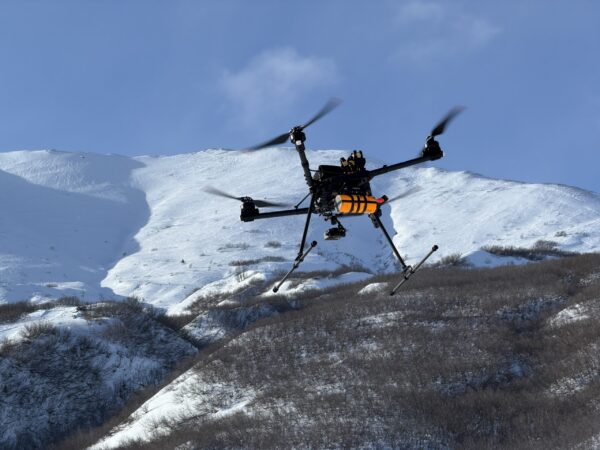
Drone Amplified Receives FAA Approval for MONTIS Avalanche Control Drone Operations
Drone Amplified, a Nebraska-based company, announced on July 8, 2026, that it has received regulatory approval from the Federal Aviation Administration (FAA) for its MONTIS drone, designed for avalanche control operations. This approval establishes a legal framework for the commercial deployment of the remote avalanche mitigation system across the United States, enhancing safety measures in avalanche-prone areas. The FAA's endorsement is significant as it allows Drone Amplified to offer its innovative technology to U.S. customers, potentially transforming avalanche management practices. The MONTIS drone is expected to improve response times and operational efficiency in avalanche control, addressing a critical need in mountainous regions where avalanches pose serious risks to safety and infrastructure. Looking ahead, the company aims to expand its market presence and operational capabilities following this regulatory milestone. No further timeline was disclosed at the time of publication, but stakeholders will be keen to see how quickly Drone Amplified can roll out its services and establish partnerships in the avalanche control sector.
Disaster Response dispatch Drone News Drone News Feeds Drones in the News Environmental Research
California Startup Develops Tube-Launched Quadcopter for U.S. Military Defense
A California-based startup, founded by a 22-year-old Ukrainian software engineer, is developing a tube-launched, foldable quadcopter designed to counter unmanned aerial systems (UAS). The company aims to market this innovative defense technology to the U.S. military, targeting the rising threat of drone and missile attacks. Specific metrics regarding the quadcopter's capabilities and launch timeline have not been disclosed. This initiative is significant as it addresses the increasing frequency and sophistication of drone warfare, which poses challenges to military operations. By making drone attacks financially burdensome, the startup hopes to deter potential aggressors and enhance national security. The focus on a compact, easily deployable system aligns with current military needs for versatile and effective countermeasures against aerial threats. Looking ahead, the startup's next steps include securing partnerships with defense agencies and demonstrating the quadcopter's effectiveness in real-world scenarios. No further timeline was disclosed at the time of publication, but the company is poised to make waves in the defense sector if successful in its endeavors.
Anti-drone technology Applications Defense defense Drone News Drone News Feeds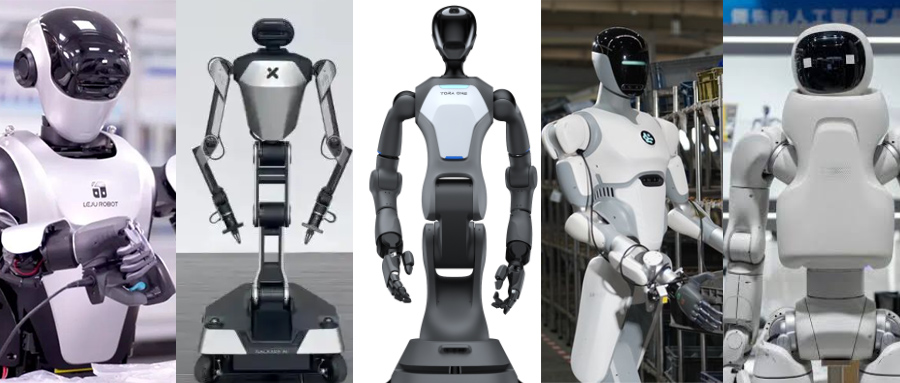
Why Leading Robotics Companies Are Investing in Lingjing Zhiyuan
Shanghai-based AI startup Lingjing Zhiyuan has successfully raised over 100 million yuan in funding to advance its development of a comprehensive computing platform designed for embodied intelligence. This initiative aims to integrate various components, including chips, operating systems, and models, to improve the performance of robotics and tackle significant industry challenges such as latency and control. With established partnerships with over 300 manufacturers, including leading firms in the sector, Lingjing Zhiyuan is strategically positioned to become a frontrunner in the robotics infrastructure market.
Embodied Intelligence Robotics Infrastructure AI Technology Chip Development Operating Systems
Can Google Cloud break free from its "perennial third place" status? An analysis of the favorable winds.
Google Cloud is experiencing a positive shift in the enterprise market as major domestic system integrators (SIs) in Japan are moving towards collaboration with the company. This development comes in the wake of Google Cloud's previous struggles to compete with industry giants like AWS and Microsoft. The partnerships are being forged to leverage Google Cloud's capabilities, particularly in artificial intelligence, which is seen as a strategic advantage in enhancing service offerings. The collaboration aims to integrate AI agents into various business solutions, reflecting a growing recognition of Google Cloud's potential in the market. As these SIs align with Google Cloud, the company is poised to strengthen its position and expand its influence in the enterprise sector.
Beijing Launches Specialized Robot Industrial Park in Changping to Boost Innovation
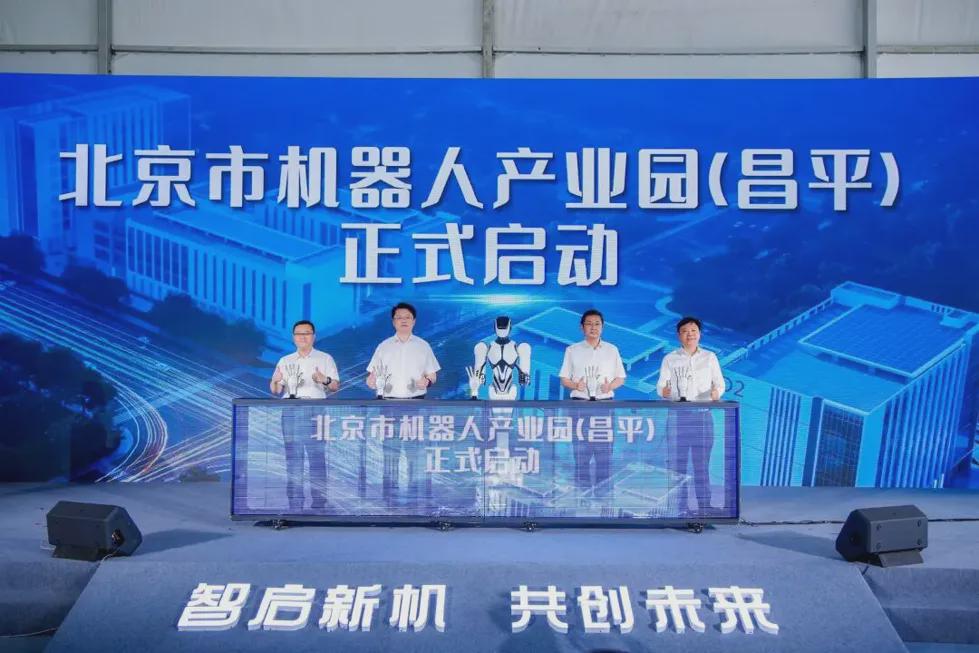
On July 6, Beijing inaugurated its first specialized Robot Industrial Park in Changping, designed to encompass the entire robot industry chain. This initiative aims to enhance innovation and research in robotics, attracting high-quality enterprises and fostering collaboration among government, academia, and industry leaders to bolster the growth of the digital economy in Beijing. The establishment of this park is significant as it represents a strategic move to strengthen Beijing's position in the robotics sector. By focusing on the entire industry chain, the park is expected to facilitate advancements in technology and increase the competitiveness of local firms in the global market. This initiative aligns with China's broader goals of advancing its digital economy and technological capabilities. Looking ahead, stakeholders will be monitoring the park's development closely to assess its impact on the robotics industry in Beijing. No further timeline was disclosed at the time of publication regarding specific projects or partnerships that may emerge from this initiative.
Robot Industry Innovation Hub Industrial Park Research and Development Smart Manufacturing
Mistral AI Releases Robotics Model to Support Physical AI Push
Mistral AI, a French startup specializing in artificial intelligence, has unveiled a new robotics navigation model aimed at enhancing its capabilities in the burgeoning field of physical AI. This announcement comes as the company seeks to solidify its presence in the market, having recently secured partnerships with several prominent industrial clients across Europe. The development of this navigation model is part of Mistral AI's strategy to meet the increasing demand for advanced robotics solutions in various sectors. By leveraging cutting-edge technology, the startup aims to improve the efficiency and effectiveness of robotic systems in industrial applications.
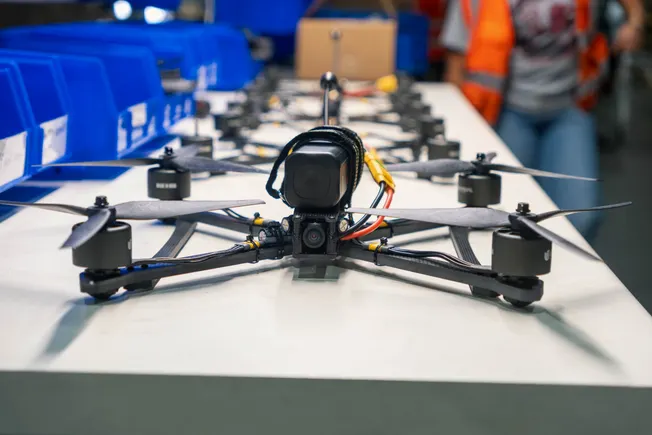
How a drone maker aims to fix the supply chain
Brett Velicovich, co-founder of Powerus and a U.S. Army veteran, has outlined the company's initiative to establish a comprehensive drone manufacturing process within the United States. This effort aims to enhance domestic production capabilities and reduce reliance on foreign suppliers. By leveraging his military experience and expertise in drone technology, Velicovich is spearheading this project to address growing demands in the drone industry. The initiative is part of a broader movement to bolster American manufacturing and innovation, particularly in the defense and technology sectors. Powerus is actively working on developing the necessary infrastructure and partnerships to facilitate this transition, with plans to implement the manufacturing process in the near future.

Mainland Chinese tech firms find more than just deep capital pools in Hong Kong
Mainland Chinese technology companies newly listed on Hong Kong’s stock exchange are deepening their engagement with the city, tapping not only its capital markets but also its global connectivity to refine products, forge international partnerships and expand overseas, according to executives. For Beijing-based service robot maker Yunji Technology, Hong Kong has become a key gateway to global markets since its listing in the city in October. “If we use one word to describe what Hong Kong offers...
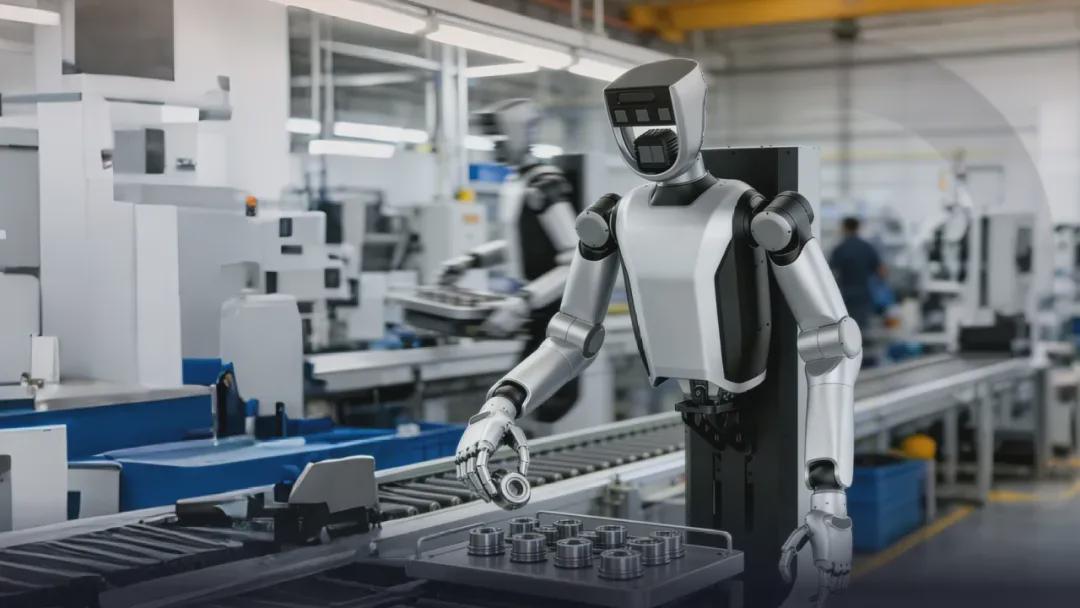
Humanoid Robots Boosting Collaborative Robot Revenue by 10% to 30%
The collaborative robot industry is experiencing significant evolution, particularly with the rising popularity of humanoid robots. A recent report forecasts substantial revenue growth in the sector, largely attributed to strategic partnerships between collaborative robot companies and humanoid robot manufacturers. This trend is particularly pronounced in China, where a strong supply chain for humanoid robotics is fostering new opportunities for collaborative robot firms. As these companies leverage established technologies to enhance their product offerings, the synergy between collaborative and humanoid robotics is expected to drive innovation and expansion in the market.
Collaborative Robots Humanoid Robots Robotics Supply Chain Industrial Automation
What Makes AI Art Worth Collecting?
In May, an anonymous artist who goes by SHL0MS on X posted that he had used AI to generate an image inspired by Claude Monet and asked people to weigh in on how it missed the mark. More than 600 responses called out issues, saying the colors were off, the depth was all wrong, and that AI didn’t understand how light worked.SHL0MS then revealed that the image was of a real Monet, one of around 250 variations of water lilies the artist had painted in his lifetime. He had simply downloaded a high-resolution image from Wikimedia and cropped out the signature. He minted the exchange as an NFT (a unique digital collectible recording ownership of the work), titled it “Inferior Image,” and sold it for just over US $40,000 after 28 bids.The stunt exposed how charged the conversation around AI art has become, and how quick people are to dismiss anything AI-generated as slop—even when it’s not. Yet even as those arguments continue, a market for AI-generated art has begun to form anyway. It’s fragmented and contested, but bigger than most people realize.Jediwolf, an anonymous collector who says he has spent more than 20 years acquiring digital and AI art, was watching the experiment unfold in real time on X. He had never interacted with SHL0MS before, but when the NFT went up for auction he made a bid and won. “I was buying a unique moment in time,” he says, “captured by an artist and preserved as a token.”The Monet was not AI art, but most of what Jediwolf buys is. One of Jediwolf’s digital collections, which he calls UnderTheGAN—a play on GANs, or generative adversarial networks, the AI technology that preceded today’s diffusion models—comprises roughly 100 works valued at around $72,000, focused on early AI art from 2015 to 2020, before the medium went mainstream. He describes his role as part collector, part researcher, part curator, trying to document a fast-moving field.“A decade ago, digital art was often treated as peripheral to the ‘serious’ art world,” he says. “Today, it is increasingly difficult to separate contemporary culture from the internet.”AI Art Moves Into MuseumsThe market for AI art extends beyond NFTs: AI-generated pieces are also finding their way into physical installations. Last month saw the opening of Dataland, the world’s first generative AI museum, in downtown Los Angeles. It was spearheaded by Refik Anadol, a digital artist who has built a career out of transforming data into large-scale immersive experiences. The opening exhibition has pieces that use data that Anadol collected from rainforests around the world, with real-time weather information from 16 rainforests feeding into all five galleries. In three of the rooms, the imagery also shifts in response to visitors’ own biometric data, tracked by bracelets they wear. Like any museum it sells tickets, ranging from $49 to $79, and has a gift shop. This shop, however, uses visitors’ biometric data collected during their visit to generate a unique design printed on a T-shirt. For $15,000, a robotic painting system called Qualia creates a one-of-a-kind canvas from that same data, painted once a day, with a waiting list already forming. A founding collection of 1,000 AI data sculptures that evolve based on environmental data from global rainforests sold out in 34 minutes at $5,000 each.The system running it all, which Anadol calls the Large Nature Model, was trained on more than 500 million nature images representing 2.2 million species, gathered through field expeditions to 16 rainforests and partnerships with institutions including the Smithsonian and the Cornell Lab of Ornithology.For Anadol, AI art requires a different kind of transparency than any medium that came before it. Because commercial AI tools have shaped how most people understand the technology, artists working with it seriously have to be more open about their process than painters or photographers ever did.“For AI art, we have to know where the data comes from, we have to know which model is trained and how it’s trained,” he says. “We can’t just think about authenticity and uniqueness if a service and product is the fundamental layer of the artwork.”The reviews for Dataland have mostly been positive, with one critic calling it the Citizen Kane of immersive experiences. But Anadol is used to a more divided reception. His 2022 installation at MoMA—a 7-by-7-meter screen of AI-generated fluid forms with shifting colors and sounds—drew 3 million visitors and entered the permanent collection, even as New York Magazine called it “a massive techno lava lamp.” Anadol sees the skepticism as nothing new, just the latest version of a resistance that has greeted all new media. “Every art form has gone through similar cycles of denial,” he says. “We are living in a renaissance that started 10 years ago, and I just don’t think everyone is aware of it yet.”Who Is Buying AI Art?The broader market data points in multiple directions at once. According to the Art Basel and UBS Art Market Report 2026, digital art’s share of sales nearly tripled between 2024 and 2025, and just over half of all fine art collectors surveyed had purchased a digital artwork in 2025, making it the third most popular category after painting and sculpture (the report does not break out AI art specifically).Meanwhile, Christie’s shuttered its pioneering digital art department in September, folding digital works back into its broader contemporary sales after none of its dedicated auctions broke $400,000.The most data-rich window into buyer behavior comes from a less glamorous corner of the market. After one major stock image platform allowed AI-generated images, monthly sales jumped 80 percent, according to Samuel Goldberg, an economist at Stanford Graduate School of Business who published a research paper about the shift. Traditional contributors began leaving the platform as generative images flooded in, and creators using AI tools rushed to fill the gap. “It looks like consumers like generative AI,” Goldberg says, “and it seems like nongenerative artists could be getting crowded out of the market.” Stock images are essentially a commodity version of art, according to Goldberg, and because image-generating models are already very good at producing them, what’s happening there may be a preview of what’s coming for other creative goods markets—including fine arts—as the technology improves.Artists are typically among the first to test the limits of a new technology; early adopters have created AI art since the 1970s. What’s new now is the ability for anyone to generate an image in seconds with a text prompt. That, according to Christiane Paul, curator of digital art at the Whitney Museum of American Art, is not the same thing at all. What fills those stock-image platforms, and what most people encounter when they think of AI art, does not qualify as art.True AI art, Paul says, is a subcategory of digital art that uses artificial intelligence as both a tool and a medium, engaging with it practically and conceptually, doing things like training custom models, building extensions, and layering control systems. “A visual created by a prompt is not art,” she says. What serious AI artists are actually doing is much more than typing a few words into DALL-E.Far from the shortcut most people assume, working seriously with AI as an artistic medium is, by her account, brutally hard. Every artist she talks to says the same thing. “It is much, much harder than a paintbrush to handle,” she says. “You are literally communicating with a system with a completely different logic.”Thanks to bubblemaps.io for its research assistance on the NFT market.
Ai-art Generative-ai Digital-art Blockchain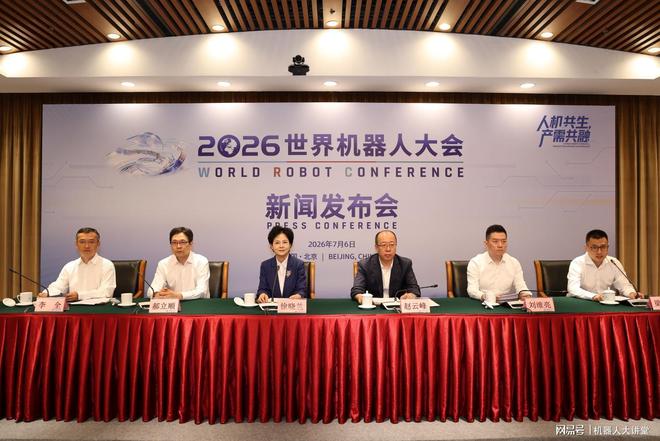
2026 World Robot Conference Press Release Held in Beijing
On July 6, a press conference in Beijing announced the upcoming 2026 World Robot Conference, highlighting the pivotal role of robotics in promoting high-quality development and fostering international collaboration. Key leaders in the robotics industry discussed significant advancements and outlined the conference's emphasis on innovation. They underscored the necessity of integrating robotic technologies across various sectors to improve public welfare and drive economic growth. The event aims to showcase the latest innovations and encourage global partnerships in the rapidly evolving field of robotics.
Robotics Innovation Industry Collaboration Technology Development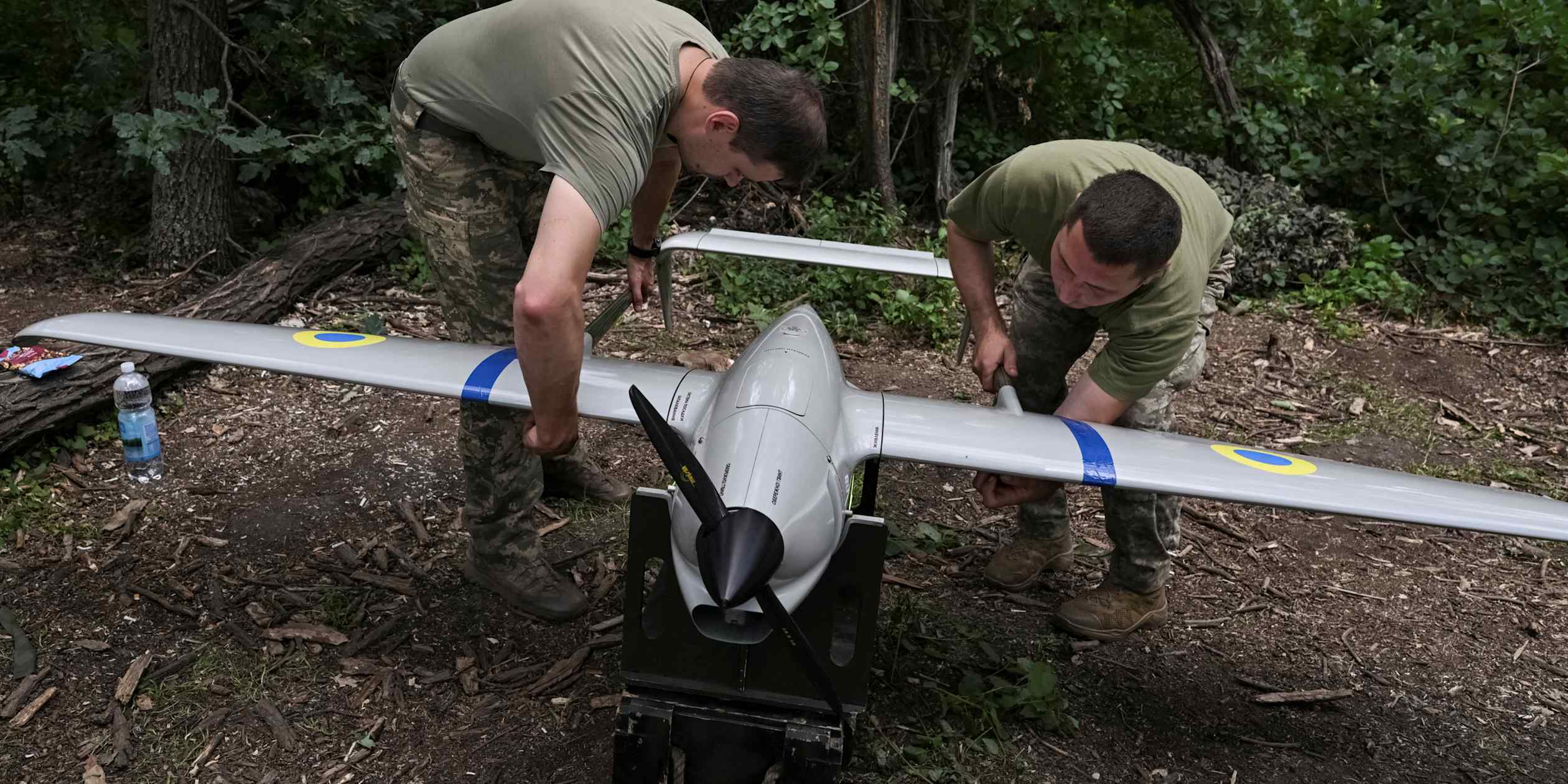
Ukraine pushes civil drone drive with Japan and Taiwan
The Ukrainian Chamber of Commerce in Japan has announced a new initiative aimed at fostering collaboration on civil drone technologies with Japanese companies, as well as partners from Taiwan, South Korea, and several Southeast Asian nations. This initiative, unveiled on July 6, 2026, seeks to establish a "China-free" supply chain for the postwar use of drones, reflecting Ukraine's ongoing efforts to enhance its defense capabilities amid the conflict with Russia. The collaboration is part of a broader strategy to leverage advanced drone technology for both military and civilian applications, as demonstrated by the recent deployment of domestically manufactured reconnaissance drones by Ukrainian military personnel. By engaging with regional allies, Ukraine aims to strengthen its technological partnerships and ensure a secure supply chain for critical defense resources.
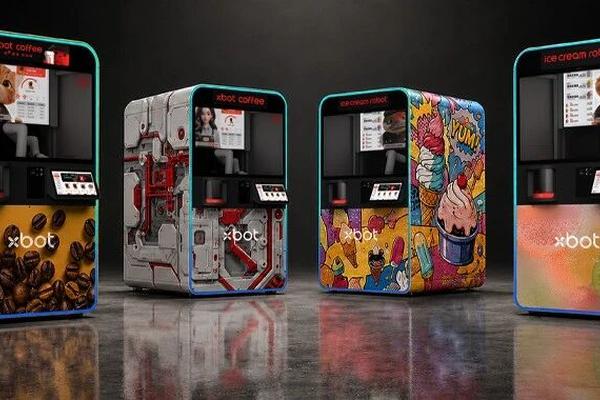
Xiaomi's former executive Tang Mu raises hundreds of millions for coffee robot startup, backed by Lin Bin and Li Wanqiang.
The robotics company Yingshi XBOT has successfully secured hundreds of millions in funding through two rounds of financing, with the Series A round raising 200 million yuan from Hong Kong's Jian Kun Capital and the Series B round expected to bring in 300 to 500 million yuan from various government and industry investors. This marks one of the largest investments in the restaurant-focused robotics sector to date. Founded in 2022 by Tang Mu, a former product manager with extensive experience in tech firms like Tencent and Xiaomi, Yingshi XBOT aims to revolutionize the food service industry by deploying robots for tasks such as coffee making in commercial spaces. The company’s technology is built around a specialized operating system, XOS 3.0, designed for the restaurant sector. This system features a multi-layered architecture that optimizes performance and efficiency while addressing common challenges in the industry. Yingshi XBOT has launched several product lines, including coffee and ice cream robots, which have already been deployed in over 1,000 locations worldwide, producing more than 4 million cups of coffee. With a focus on commercial applications rather than household or industrial settings, Yingshi XBOT has adopted a "Robot as a Service" (RaaS) model, allowing businesses to benefit from robotic solutions without the burden of ownership. The company has established partnerships with various brands and is exploring international markets, projecting significant revenue growth in the coming years.

Smart mobility company becomes top electric motorcycle brand in Indonesia after raising millions from CATL fund.
OMOWAY, a smart two-wheeler mobility company, has successfully completed both Series A and A+ funding rounds, each raising tens of millions of dollars. The A+ round was led by Lochpine Capital, a fund backed by CATL, while Monolith led the A round with participation from CICC Capital and existing investor ZhenFund. Founded less than two years ago, OMOWAY has attracted a strong roster of investors, including Sequoia, ZhenFund, and various funds from the new energy sector. With significant financial backing and industry resources, OMOWAY is accelerating the commercialization of its products globally. In June, the company launched its flagship product, the OMO-X, with its first delivery in Indonesia, where it quickly became the top-selling electric motorcycle in the country during its first month. OMOWAY aims to disrupt the traditional motorcycle market, which has long been dominated by Japanese fuel brands, by addressing common industry challenges such as the high premium on advanced smart products and the lack of technological appeal in affordable options. The OMO-X features advanced technology, including a digital key, automatic side stand, remote control capabilities, and a large 10.25-inch interactive display, significantly enhancing user experience. The OMO-X Smart model focuses on intelligent mobility, while the OMO-X Balance is the world's first mass-produced self-balancing motorcycle, utilizing gyroscopic technology to improve stability. OMOWAY is also developing a reinforcement learning model for real-world driving conditions and has implemented a 360° panoramic vision system for enhanced safety. With a proprietary technology framework that integrates AI and robotics, OMOWAY is expanding its dealer network in Indonesia and plans to enter markets in Thailand, Singapore, and Europe, aiming to evolve transportation into intelligent partnerships for various applications.
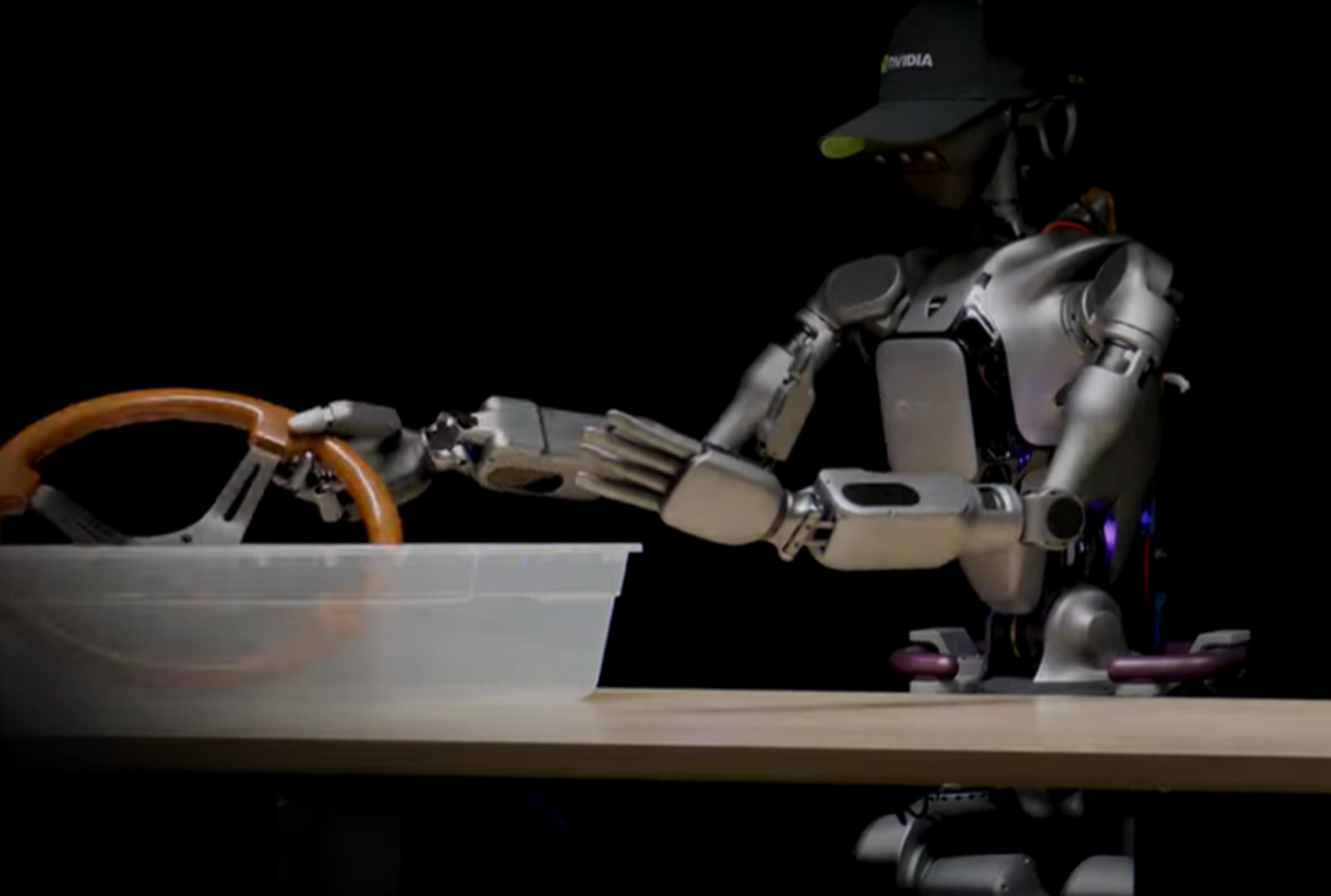
Dassault Aviation confirms dispute with Airbus over Eurodrone project
In a recent statement, Eric Trappier, the CEO of Dassault Aviation, alleged that Airbus is attempting to marginalize his company from the Eurodrone project, a significant European defense initiative. This accusation highlights ongoing tensions within the aerospace sector, particularly regarding collaboration and competition among major players in defense technology. Trappier's remarks come amid increasing scrutiny of the project's structure and the roles of various stakeholders involved. The Eurodrone program aims to develop a next-generation unmanned aerial vehicle for European military forces, and the dynamics of participation are critical for its success. The situation underscores the complexities of international defense partnerships and the strategic interests of companies vying for influence in this lucrative market.
News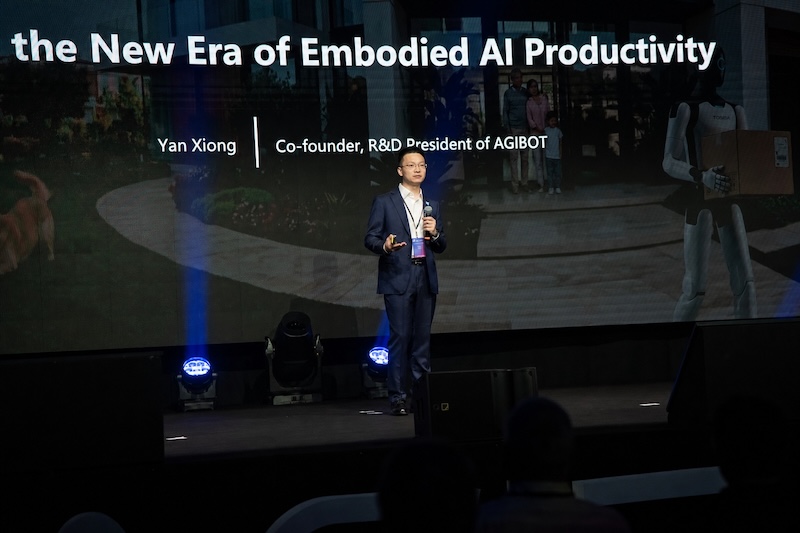
AGIBOT debuts A3 humanoid robot in Europe and launches UK Robot-as-a-Service model
AGIBOT, a prominent developer in the field of embodied AI and robotics, recently convened the UK AGIBOT Partner Conference (APC) 2026 in London. This event represents a significant milestone in the company's strategy to expand its presence in Europe and enhance the commercial viability of humanoid robotics. The conference focused on AGIBOT's dedication to technological innovation, practical applications, and fostering local partnerships to drive long-term value in the robotics sector. Through discussions and presentations, AGIBOT highlighted its vision for the future of humanoid robotics and the importance of collaboration in achieving its objectives.
Humanoids News agibot AGIBOT A3 artificial intelligence commercial robotics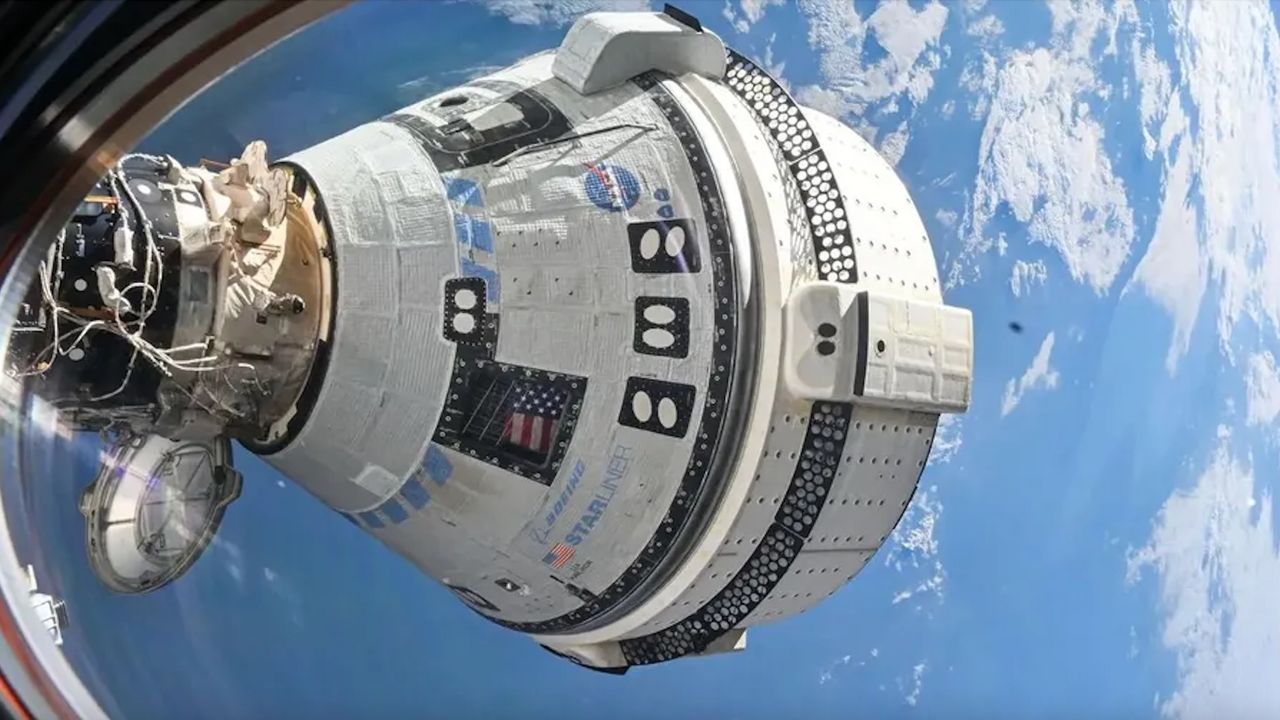
NASA audit puts Boeing's Starliner under an even bigger microscope: When will it fly astronauts again?
A recent audit by NASA highlights the agency's need to secure additional astronaut flights to the International Space Station (ISS) by 2030, primarily due to ongoing challenges with Boeing's Starliner spacecraft. The report underscores concerns regarding the spacecraft's development and operational readiness, which have prompted NASA to reassess its current flight schedule and capabilities. As the agency aims to maintain a continuous human presence in low Earth orbit, the findings emphasize the urgency of addressing these issues to ensure reliable transportation for astronauts. The audit serves as a critical reminder of the complexities involved in space missions and the importance of robust partnerships with commercial providers like Boeing.
Human Spaceflight Space Exploration
AGIBOT Hosts UK APC2026 in London, Advancing Commercial Deployment of Humanoid Robotics in Europe
AGIBOT held the UK AGIBOT Partner Conference 2026 in London, emphasizing its dedication to promoting the commercial use of humanoid robotics across Europe. The conference marked the European debut of the AGIBOT A3 and introduced a new Robot-as-a-Service (RaaS) model. This event showcased AGIBOT's partnerships with local organizations aimed at exploring practical applications of robotics and improving access to advanced robotic technologies in multiple sectors. Through these initiatives, AGIBOT seeks to drive innovation and enhance the integration of robotics into everyday business operations.
Humanoid Robotics Embodied AI Robot-as-a-Service Commercial Deployment Technology Innovation
UK abandons Type 83 destroyer plans for aerial and underwater drone motherships
The Royal Navy is poised to implement a significant shift in its defense strategy, aiming to enhance its operational capabilities in response to evolving global threats. This strategic overhaul, announced on October 15, 2023, will focus on modernizing naval forces and integrating advanced technologies to better address challenges in maritime security. The initiative is part of a broader effort to ensure the Royal Navy remains a formidable presence in international waters, particularly amid rising tensions in various regions. The decision comes as defense officials recognize the need for a more agile and responsive naval fleet, capable of countering emerging threats from state and non-state actors alike. By investing in cutting-edge equipment and fostering partnerships with allied nations, the Royal Navy seeks to bolster its deterrence capabilities and maintain strategic advantages. The new strategy will involve a comprehensive review of current assets and a commitment to developing innovative solutions that align with the United Kingdom's defense priorities. This proactive approach is intended to safeguard national interests and enhance the Royal Navy's role in global security operations. As the Royal Navy embarks on this transformative journey, it aims to ensure that it is well-equipped to navigate the complexities of modern warfare and uphold its commitment to protecting the UK's maritime interests.
Military
HKU Professor Li Hongyang secures hundreds of millions in seed funding for his startup on embodied AI.
Archon Robotics, a Shanghai-based company specializing in whole-body humanoid models, has successfully secured hundreds of millions in seed funding from prominent investors, including ZhenFund, Gao Rong Capital, IDG Capital, and others. The financing round, which took place recently, aims to enhance the development of humanoid models, collect multimodal motion data, expand the talent team, and establish research centers and industry partnerships, with the goal of launching an open-source humanoid model by the end of this year. Founded in April 2026, Archon Robotics focuses on creating whole-body intelligence for humanoid robots, enabling them to perform complex tasks that require full-body coordination. The company's founder, Dr. Hongyang Li, is an assistant professor at the University of Hong Kong and has received accolades for his work in autonomous driving. Co-founder and CEO Dr. Tianyu Li, along with the core team, brings expertise from top institutions and has a strong background in robotics and AI. The humanoid robotics sector is at a pivotal moment, with significant investments occurring but lacking a unified technical consensus. Current limitations in training data restrict robots to simple tasks, as they often lack the necessary information for complex human-like interactions. Archon Robotics aims to address these gaps by redefining data collection methods to better capture human coordination and movement dynamics. The company plans to release its first humanoid model in late 2026, emphasizing the need for robots to operate effectively in dynamic home environments. By focusing on comprehensive data collection and understanding physical interactions, Archon Robotics seeks to advance the capabilities of humanoid robots beyond current limitations.
Robotics needs a service framework.
RSF defines a common language for robot service capability, lifecycle operations, certification pathways, and service-provider networks.