

Industry Briefing
A single destination for timely, editor-curated robotics news from around the world.
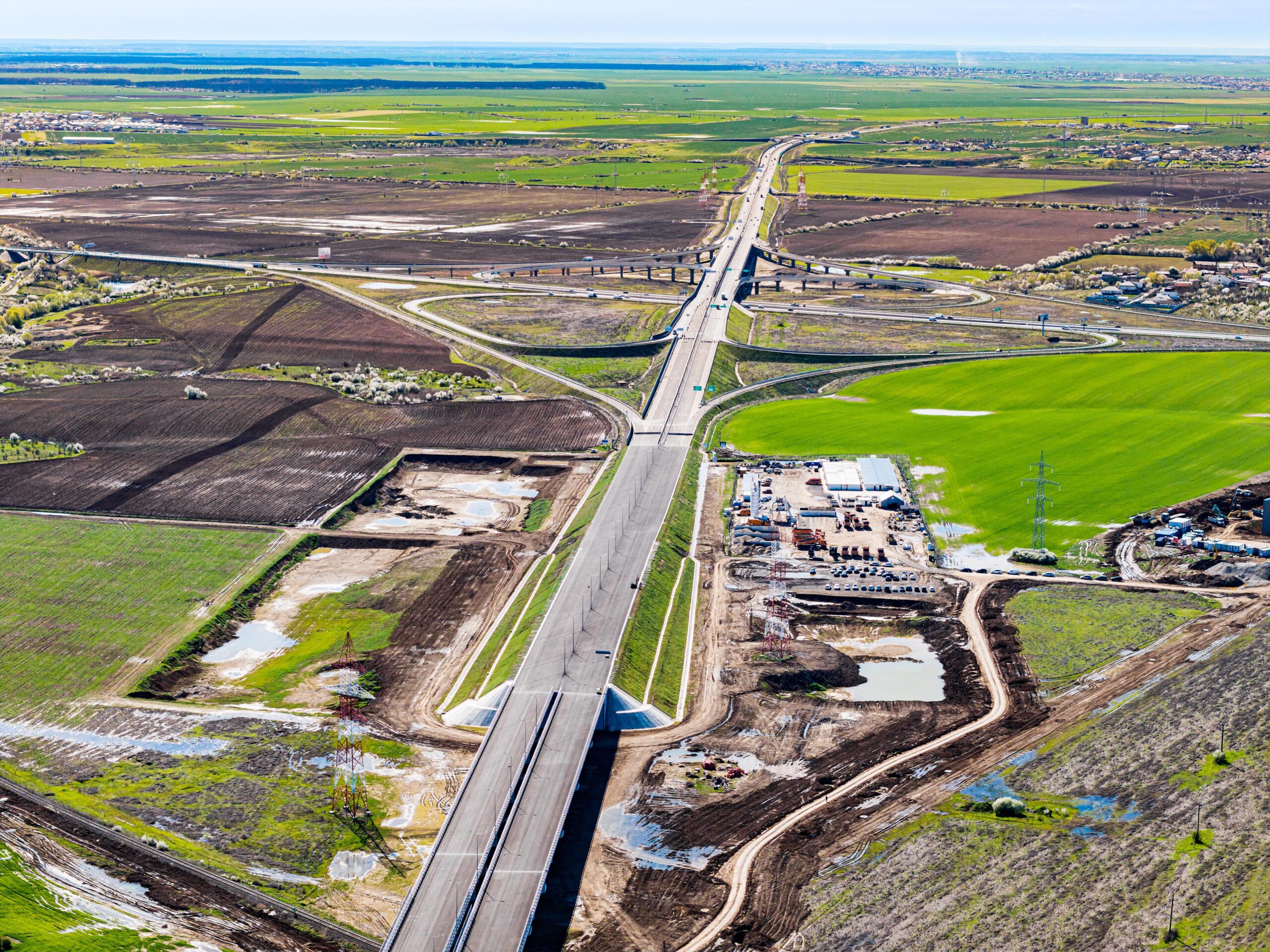
Improving Traffic Management in Automated Logistics Parks with Integrated Systems
Recurring vehicle queues at logistics facilities are increasingly seen as reflections of broader operational issues rather than just infrastructure problems. Andrei Iacobiță, managing director at IESYS, emphasizes the importance of an integrated Traffic Management System (TMS) to manage vehicle flow effectively. By analyzing operational indicators such as throughput and dwell time, facilities can better understand their capacity and respond to fluctuations in demand. The timing of operational information is crucial for logistics facilities to adapt to changing traffic conditions. Strategic decisions made during site design, including the placement of vehicle identification technologies, can significantly impact operational performance. When vehicle data is shared with the TMS, it can facilitate proactive routing and loading decisions, preventing congestion before it occurs. As logistics parks become more automated, the connection between vehicle movements and operational processes will be vital. By integrating various systems through the TMS, operators can gain a comprehensive view of how different factors influence traffic performance, enabling them to address underlying issues more effectively. No further timeline was disclosed at the time of publication.
Couriers and Express CV, Trucks, Vans and Trailers Loading Bay and Doors Road Transport and Haulage TMS and Telematics Transport and DistributionRobotics needs a service framework.
RSF defines a common language for robot service capability, lifecycle operations, certification pathways, and service-provider networks.
Join the RobotToday community on LinkedIn
Daily robotics news, in-depth analysis, conference highlights, and discussions with professionals worldwide.







