

Industry Briefing
A single destination for timely, editor-curated robotics news from around the world.
Hai Robotics Wins Technology Excellence Award at PACK EXPO Las Vegas 2025 for HaiPick Climb System
Hai Robotics has received the prestigious Technology Excellence Award for its HaiPick Climb system during the PACK EXPO Las Vegas 2025 event. This cutting-edge goods-to-person system significantly boosts warehouse efficiency by employing compact climbing robots. By making advanced Automated Storage and Retrieval Systems more accessible and cost-effective, Hai Robotics aims to transform operations for a broader spectrum of warehouses, enhancing productivity and operational capabilities in the logistics sector.
Warehouse Automation Automated Storage and Retrieval Systems Packaging Technology Logistics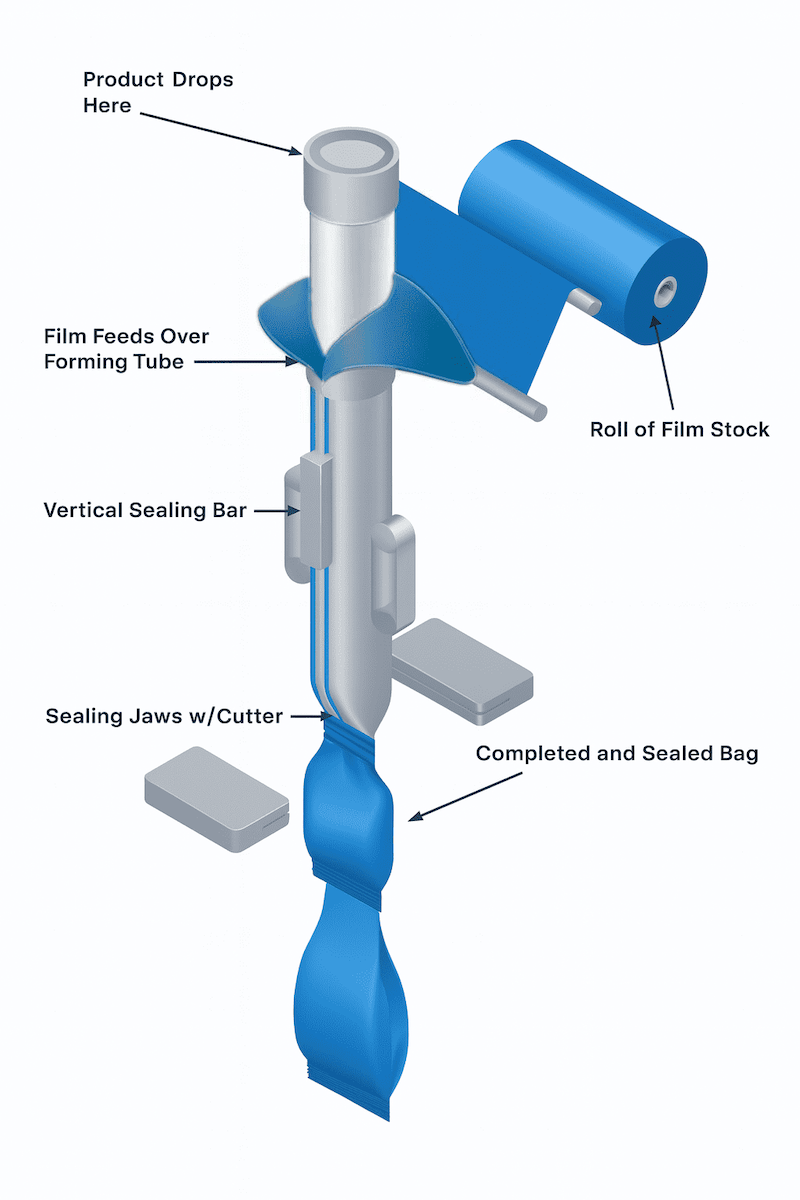
The Future of VFFS Technology in High-Speed Packaging Operations
The packaging industry is experiencing significant changes as manufacturers respond to increasing consumer demands and shorter production timelines. This transformation is marked by a growing reliance on smarter, faster, and more efficient packaging solutions. Central to this evolution is Vertical Form Fill Seal (VFFS) technology, which has emerged as a crucial tool in contemporary packaging facilities. As companies across various sectors adopt this innovative system, they aim to enhance productivity and meet the dynamic needs of the market. The shift towards VFFS technology reflects a broader trend in the industry, where efficiency and adaptability are becoming paramount in the face of evolving consumer expectations.
Engineering Technology artificial intelligence automation news industrial automation industry 4.0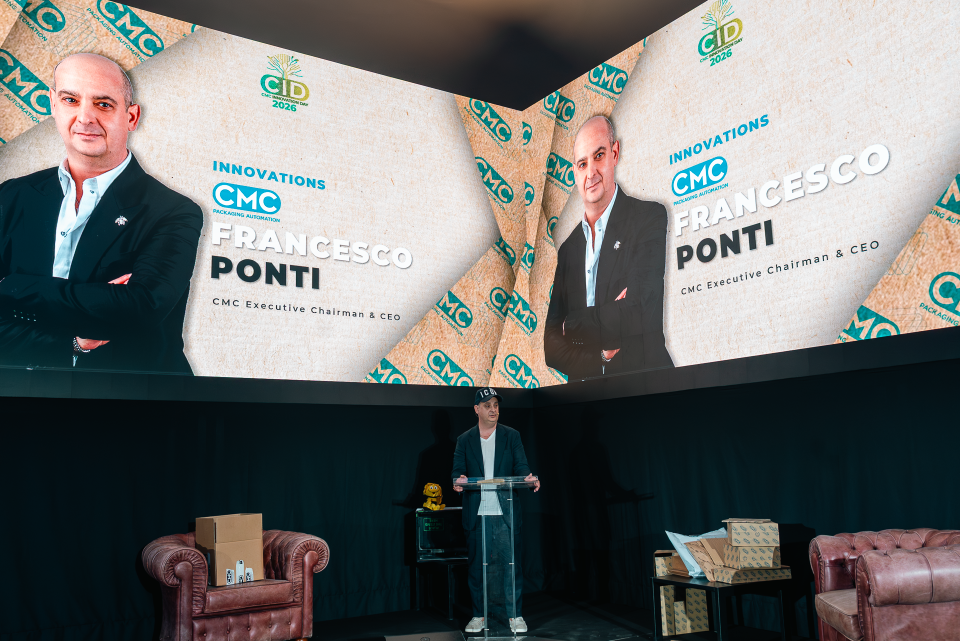
Innovation Day for Advanced Packaging Automation
Over 160 participants from 87 companies across 30 countries convened at CMC Packaging Automation's headquarters for the annual CID26 – CMC Innovation Day 2026. This year's event, themed ‘Ecosystem,’ focused on advancements in fulfillment automation, systems integration, and right-sized packaging. Attendees included customers, technology partners, policymakers, and industry experts, all united to explore innovative solutions and foster collaboration within the packaging sector. The gathering aimed to address the evolving needs of the industry and promote sustainable practices, highlighting CMC's commitment to driving progress in packaging automation.
Automated Packaging eFulfilment Label and Print Packaging and Ecommerce CMC Fulfilment Automation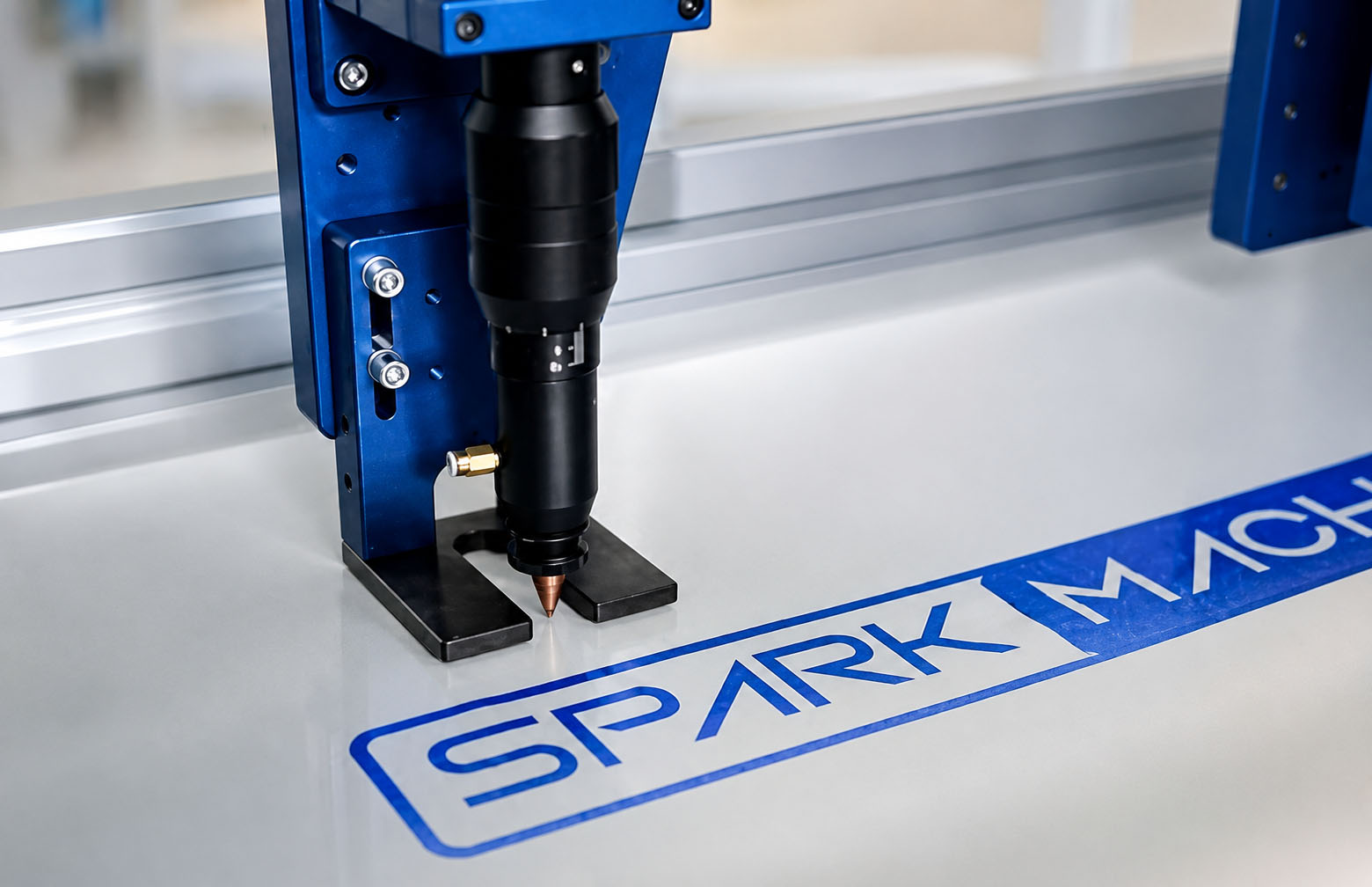
Laser micro-perforation with camera: enhancing reliability in packaging films through industrial vision.
In the contemporary flexible packaging industry, achieving excellence extends beyond aesthetics to become a critical functional requirement. The optimization of permeability has emerged as a fundamental pillar in preserving the freshness of products, where every technical detail plays a vital role in extending shelf life and minimizing food waste. Recent advancements in laser micro-perforation technology, combined with industrial vision systems, are enhancing the reliability of packaging films. This innovative approach not only improves product preservation but also addresses the growing demand for sustainable packaging solutions. The integration of these technologies is transforming how the industry approaches packaging efficiency and effectiveness.
À la une IA Industrie Robotique conservation des aliments contrôle qualité automatisé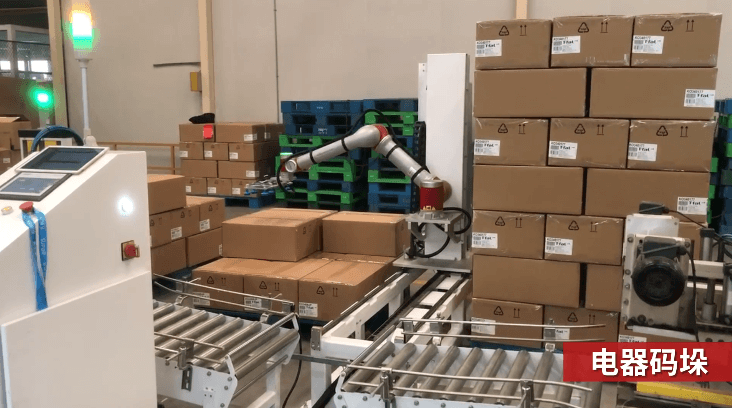
Robotic Packaging Solutions for Perishables: Meeting Strict Hygiene Standards
JAKA has introduced advanced industrial welding robots and robotic packaging solutions aimed at enhancing the safety and quality of perishable goods. As manufacturers grapple with the challenges of maintaining hygiene standards during high-volume production, JAKA's automation technology offers a solution. The JAKA Zu30 palletizing robot, designed for compact spaces, can operate across multiple production lines, significantly reducing operational costs while minimizing human contact to lower contamination risks. These robotic systems automate repetitive tasks such as palletizing and product sorting, thereby eliminating potential human errors and ensuring sanitary packaging operations. They are easy to clean and maintain, aligning with the strict hygiene requirements of the food, pharmaceutical, and sensitive product industries. By providing flexible integration capabilities, the JAKA Zu30 can adapt to various packaging formats and load sizes, making it suitable for a wide range of perishable goods. JAKA's commitment to automation not only improves production efficiency but also creates a cleaner and safer workspace for operators. By leveraging these innovative solutions, companies can achieve reliable packaging performance while adhering to stringent industry standards, ultimately safeguarding product quality and worker safety.
Robot Arms for Food and Beverage Packaging: Three Functional Options
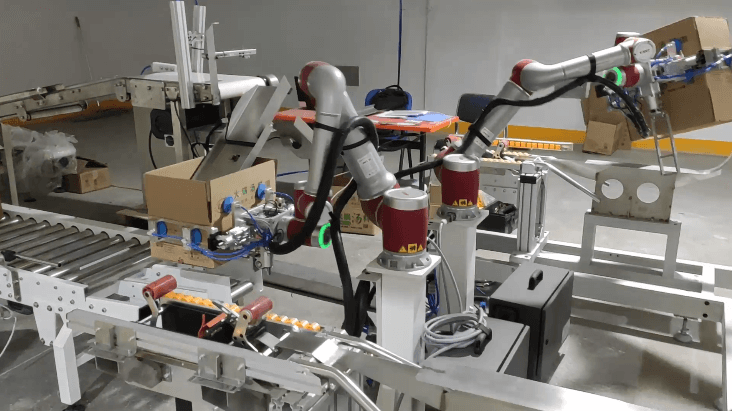
In the food and beverage sector, the unique challenges of packaging automation demand specialized solutions, particularly in hygiene, speed, and gentle handling. JAKA, a provider of industrial robotic arms, emphasizes the importance of selecting the right technology to meet these specific needs. Their robotic arms are designed for precision in handling delicate items such as baked goods and chocolates, achieving accuracy within 0.2mm to minimize product waste and maintain production efficiency. Additionally, JAKA robots are built to withstand demanding environments, featuring an IP54 rating for waterproof and dustproof performance. This durability allows them to operate reliably in cold storage and humid conditions, while their compact design enables installation in tight spaces on busy packaging floors. Moreover, JAKA robotic arms excel in integration, functioning as intelligent nodes within packaging lines. They can communicate with vision systems and conveyors, allowing for real-time adjustments based on data received from cameras. This capability enhances overall equipment effectiveness by ensuring precise placement of products into moving cartons. By aligning their robotic technology with the specific challenges of food and beverage packaging, JAKA aims to enhance hygiene, consistency, and throughput in this fast-paced and regulated industry.
Cobots: Best Practices for Food and Beverage Packaging
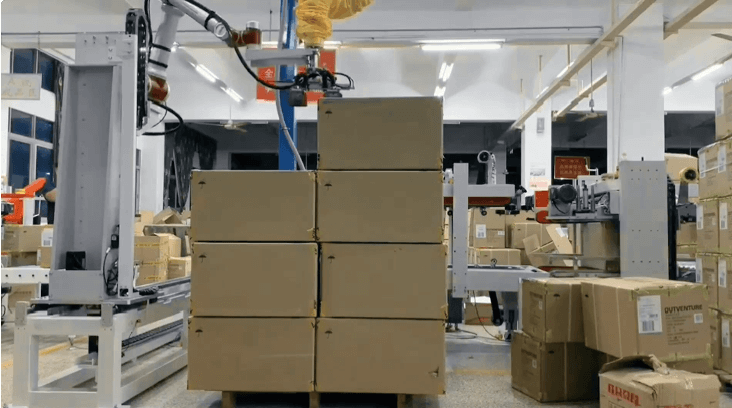
JAKA, a leader in robotics and manufacturing, is addressing the challenges of hygiene and flexibility in food and beverage packaging through innovative collaborative robot technology. As the demand for efficient and adaptable production processes grows, JAKA has developed robotic arms designed to withstand rigorous cleaning protocols, featuring an IP54 waterproof and dustproof rating. This design ensures that hygiene standards are met without compromising functionality. The company emphasizes user-friendly operation, allowing packaging line technicians to easily reprogram robots for quick adjustments between multiple product SKUs. JAKA’s intuitive graphical programming interface enables rapid mold changes and adaptations to various package sizes, significantly reducing downtime and making advanced robotics accessible to a wider range of team members. In high-speed production environments, precision is critical. JAKA’s robotic arms are equipped with high-precision hardware and adaptive control algorithms to maintain consistent accuracy throughout long production runs. This capability ensures that every package is handled correctly, preserving product quality and line efficiency. By focusing on hygiene, ease of use, and precision, JAKA aims to integrate collaborative robots seamlessly into packaging processes, enhancing both quality and flexibility on the production floor. The company’s commitment to addressing the unique demands of the food and beverage sector positions it as a key player in advancing robotics and manufacturing solutions.

Intel reveals new XBM memory architecture patent to reduce AI memory costs by bypassing HBM silicon interposer.
On July 8, Intel revealed a recently filed patent application for a new high-bandwidth memory architecture called Cross-Batch Memory (XBM). This innovative design aims to reduce advanced packaging costs and alleviate the "memory wall" bottleneck faced by AI chips. By eliminating the silicon interposer required for High Bandwidth Memory (HBM) and utilizing UCIe interconnect technology along with an integrated redundancy repair mechanism, XBM enhances efficiency. The patent outlines a back-end transistor (BEOL) DRAM stacking design that maintains packaging dimensions similar to HBM4 while improving scalability and supporting defect repair to boost yield.

Rockwell Automation, Inc. (ROK): One of the Best Robotics Stocks to Buy, Helping Manufacturers Move from Fragmented Automation
Rockwell Automation, Inc. (NYSE: ROK) has emerged as a leading player in the robotics sector, particularly after the launch of its FactoryTalk Orchestration software on June 22, 2026. This innovative solution is designed to streamline material flow and production processes, addressing the needs of manufacturers seeking to enhance automation and robotics capabilities. By standardizing connectivity across various systems, the software aims to facilitate a shift from fragmented automation to more cohesive and autonomous operations. The introduction of FactoryTalk Orchestration is expected to significantly improve manufacturing efficiency, allowing companies to increase throughput, minimize bottlenecks, and adapt swiftly to market changes. Notably, Cranswick Plc, a prominent British gourmet food manufacturer, has already adopted Rockwell's Autonox robotics for automated packaging, further illustrating the practical applications of this technology in creating interconnected production lines. As the world's largest company focused solely on industrial automation and digital transformation, Rockwell Automation continues to innovate by providing hardware, software, and services that enhance the efficiency and sustainability of manufacturing processes. While there are discussions about the investment potential of ROK, some analysts suggest that other AI stocks may offer higher returns in a shorter timeframe.
The Small Component Problem Behind More Reliable Industrial Robots
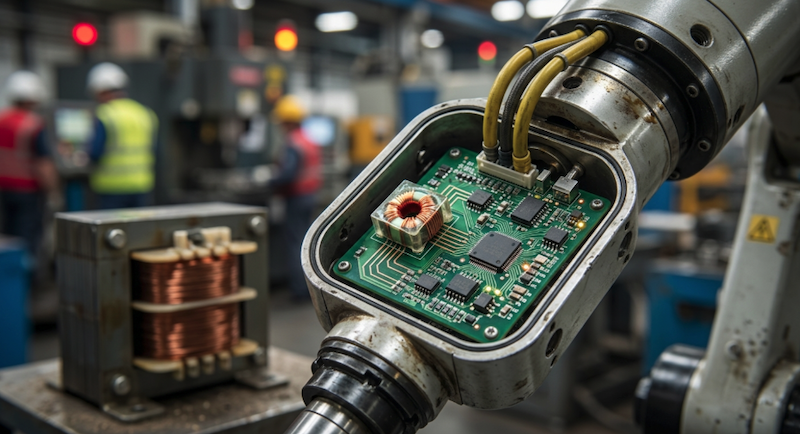
In a groundbreaking development for the manufacturing industry, advanced automation technology is transforming assembly lines and semiconductor packaging facilities. A robotic arm, capable of executing movements with sub-millimeter precision at an impressive rate of 300 cycles per minute, is at the forefront of this innovation. These robotic systems are enhanced by machine vision technology, remote input/output blocks, and sensitive microcontrollers, allowing for seamless coordination and efficiency in production processes. This technological advancement is taking place in various industrial settings, where multiple machines share a common power source through an industrial rail system. The integration of heavy CNC machines into this grid further exemplifies the collaborative nature of modern manufacturing, where precision and speed are paramount. The motivation behind this shift towards automation is to increase productivity and reduce human error in manufacturing processes. By leveraging sophisticated robotics and interconnected systems, companies aim to streamline operations and enhance overall output. As industries continue to adopt these cutting-edge technologies, the future of manufacturing looks increasingly automated and efficient, promising significant advancements in production capabilities.
Components Design Engineering Industrial robots amrs automation news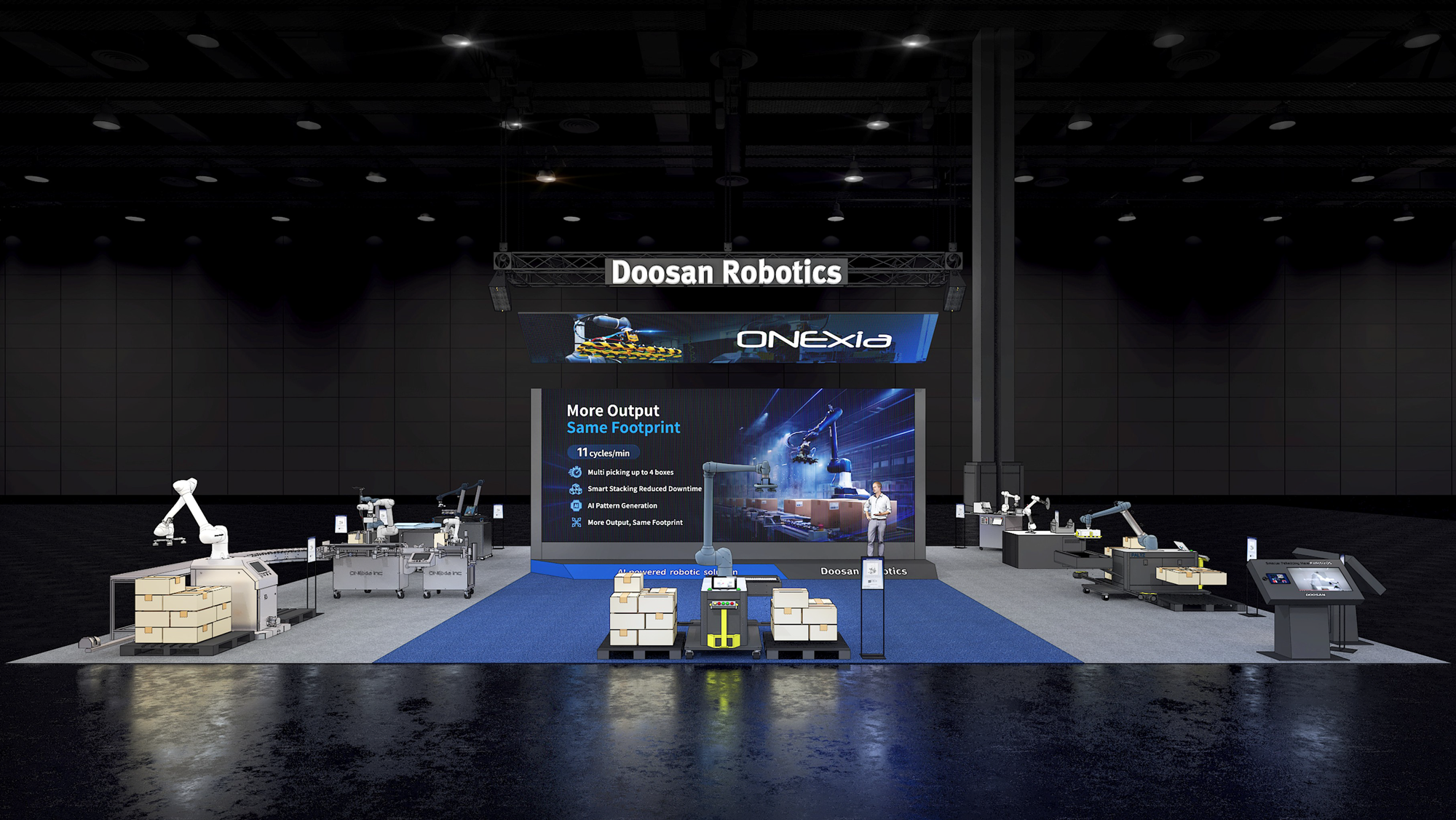
Doosan Robotics Unveils AI Palletizing Solution PalletizHD+ at Automate 2026
Doosan Robotics has unveiled its latest innovation, PalletizHD+, an AI-driven palletizing solution set to debut at Automate 2026, North America's premier automation exhibition, taking place from June 22 to 25 at McCormick Place in Chicago. This new technology aims to simplify the traditionally complex process of palletizing automation by integrating the robot, AI, and application controls into a single platform through Doosan's proprietary PalletizOS. PalletizHD+ boasts impressive capabilities, processing up to 11 boxes per minute and managing multiple boxes simultaneously, thanks to its SwiftMove technology, which optimizes robot motion for enhanced speed and stability. This advancement not only increases throughput but also shortens the payback period for automation investments. The solution features an intuitive interface that allows users to input box dimensions and pallet conditions, enabling the AI to automatically generate optimized stacking patterns, facilitating quicker adjustments for varying product types and packaging formats. Additionally, the system includes remote support features to streamline operational efficiency by allowing users to monitor system status and troubleshoot issues swiftly. At the Automate 2026 event, Doosan Robotics will also showcase Scan&Go 2.0, an upgraded solution that empowers robotic arms to autonomously execute complex tasks using advanced AI and 3D vision technology. CEO Kevin Kim emphasized the company's commitment to expanding its portfolio of AI-powered robotic solutions, aiming to enhance productivity and operational efficiency across various industrial applications.

SAP SE (SAP), Cyberwave Deploy Autonomous AI Robots in Logistics Warehouse
SAP SE and Cyberwave have successfully deployed fully autonomous, AI-powered robots in SAP's logistics warehouse located in St. Leon-Rot, Germany, as of May 11, 2026. This initiative represents a significant advancement for SAP, transitioning its Physical AI technology from research to practical application. The robots, powered by SAP’s cloud-native Logistics Management solution and the SAP Business Technology Platform, are now capable of performing various tasks including box folding, packaging, and shipping fulfillment. The deployment addresses common challenges in logistics robotics, such as unpredictable environments and diverse object shapes that often hinder traditional systems. Cyberwave's innovative platform utilizes Vision-Language-Action and Reinforcement Learning models, enabling non-expert operators to teach robots new tasks through simple demonstrations. This approach significantly reduces training time from weeks to hours and allows robots to adapt to dynamic conditions in real-time. As a result of this integration, SAP has reported increased warehouse throughput and a decrease in physically demanding tasks for human workers. The project serves as a successful reference implementation, showcasing how a robust digital infrastructure combined with adaptive AI can enhance logistics operations. Both SAP and Cyberwave are now focused on further developing these Embodied AI capabilities to support future large-scale deployments.
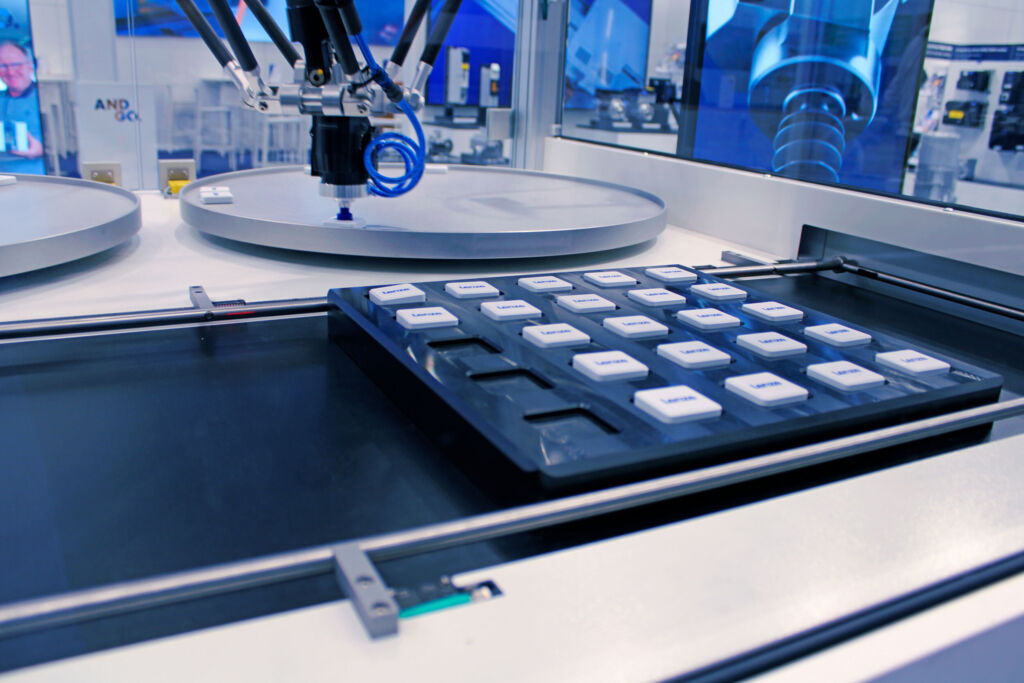
Pick and place processes on rotating tables without downtime
At this year's Interpack, Lenze showcased its innovative inline robotics featuring rotary tracking through a Delta robot. This demonstration highlighted the company's advancements in pick-and-place processes on rotating tables, emphasizing the capability to operate without any downtime. The event, which serves as a significant platform for the packaging and processing industry, allowed Lenze to illustrate how their technology can enhance efficiency and productivity in automated systems.
Allgemein Lebensmittel & Verpackung Lösungen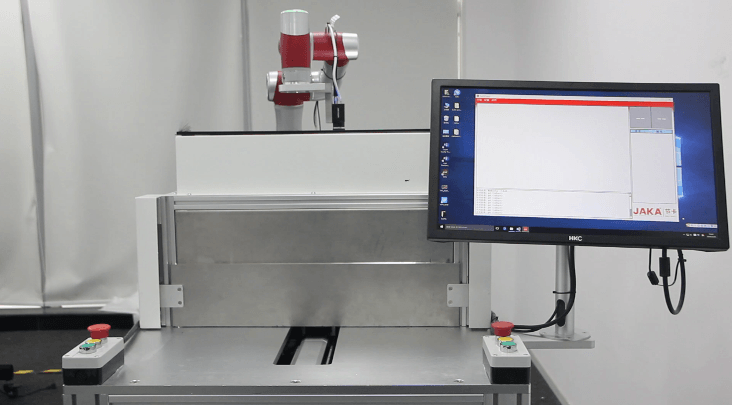
N Degrees of Freedom: Understanding the Versatility of the Articulated Robot Arm
JAKA Robotics is revolutionizing industrial automation with its advanced articulated robots, particularly the JAKA S5 model, which offers exceptional versatility and dexterity. These collaborative robots feature multiple degrees of freedom, allowing them to perform intricate tasks with high precision, making them essential in industries such as assembly, welding, and packaging. The JAKA S5 is equipped with a built-in force sensor that enables multi-dimensional force perception, crucial for delicate operations like flexible grasping and gluing. Its articulated design allows access to confined spaces, enhancing its utility for tasks that traditional robots struggle with, such as welding in tight corners. These robots are designed for seamless integration into existing workflows, requiring no installation or configuration, which minimizes downtime and accelerates startup times. Additionally, features like singularity protection enhance reliability and safety, reducing the risk of operational errors. As industries evolve, the demand for adaptable automation solutions grows. JAKA's articulated robots empower companies to streamline processes, improve safety, and maintain high production quality while reducing labor costs. By embracing this innovative technology, businesses can enhance their operational efficiency and redefine their manufacturing capabilities, positioning themselves at the forefront of industrial automation.
5 Tips to Optimize Pick and Place Robotic Arm Cycle Times with Vision Systems
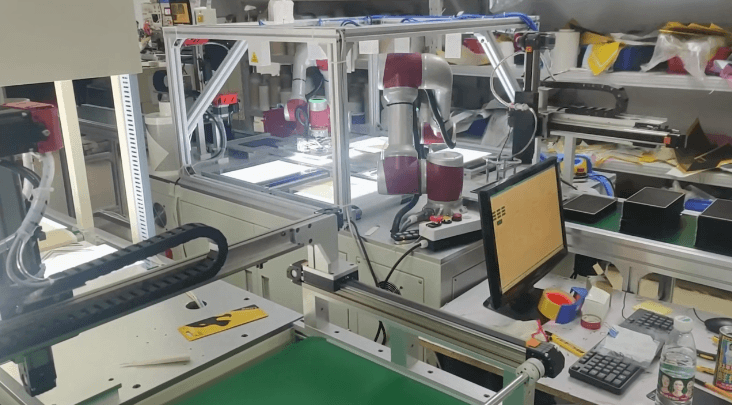
In the realm of high-speed manufacturing, optimizing robotic efficiency is crucial, particularly with the integration of vision systems in 6-axis robotic arms. JAKA, a leader in automation technology, has developed the JAKA Zu series to enhance the performance of pick-and-place operations, particularly in fast-paced sectors like electronics and food packaging. To improve throughput, manufacturers are advised to optimize lighting and contrast, ensuring that parts are easily identifiable to reduce image processing lag. Implementing "on-the-fly" image processing allows the robotic arm to capture images while in motion, potentially cutting cycle times by 20% to 30%. Additionally, utilizing multi-tasking and path smoothing techniques enables the robot to maintain momentum and efficiency during operations. By narrowing the search windows for the vision system to specific areas on conveyor belts, manufacturers can significantly speed up part identification. Furthermore, calibrating for latency between the camera and the robotic arm is essential for precise part handling, allowing the robot to predict part locations accurately. The JAKA Zu7 model, with a payload capacity of 7kg and a reach of 819mm, exemplifies this advanced integration of vision and motion. Its high-speed joint actuators and exceptional repeatability of ±0.02mm ensure that operations are both fast and accurate. JAKA's commitment to "Embodied Intelligence" is reflected in its user-friendly software ecosystem, which facilitates easy calibration and setup for complex routines, ultimately driving productivity in modern manufacturing environments.

Accelerating Chipmaking Innovation for the Energy-Efficient AI Era
Applied Materials is set to revolutionize semiconductor research and development with the opening of its EPIC Center in 2026, marking the largest investment in advanced semiconductor equipment R&D in U.S. history at approximately $5 billion. This initiative aims to address the pressing demands of the AI era, where companies are racing to enhance AI system performance while managing energy consumption. The EPIC Center will facilitate a collaborative environment where engineers and technologists work together from the outset, streamlining the traditional R&D workflow that has become too slow for the rapid advancements required in AI technology. By integrating atomistic modeling, process development, and validation within a shared space, EPIC aims to accelerate the transition from research to high-volume manufacturing. As AI workloads increasingly depend on efficient data movement, the center will focus on optimizing three interconnected domains: logic, memory, and advanced packaging. Innovations such as 3D devices, high-bandwidth memory, and hybrid bonding will be prioritized to enhance energy efficiency and performance per watt. The EPIC model emphasizes the need for a new approach to innovation, breaking down silos and fostering collaboration among industry leaders and academic institutions. This shift is essential to meet the challenges posed by the angstrom era, where the complexity of semiconductor manufacturing demands a more integrated and rapid development process. Through EPIC, Applied Materials aims to lead the charge in delivering the next generation of energy-efficient AI technologies.
Chipmaking Artificial-intelligence Materials-science Semiconductors
Humanoid Secures Landmark Deal with Schaeffler to Deploy Thousands of Humanoid Robots
Humanoid, a London-based AI and robotics startup, has secured a significant phased deployment agreement with Schaeffler, a leading motion technology company, to integrate humanoid robots into its manufacturing operations. The rollout is set to commence in late 2026, with the initial deployment occurring at two Schaeffler sites in Germany. This landmark agreement aims to deploy thousands of humanoid robots across Schaeffler’s global facilities by 2032, following successful proof-of-concept trials. The first phase will take place from December 2026 to June 2027, focusing on box handling in Herzogenaurach and conducting capability demonstrations in Schweinfurt. The collaboration emphasizes economic viability, with Humanoid assisting Schaeffler in seamlessly integrating robotic systems into existing production environments while adhering to safety and IT standards. The partnership operates under a Robot-as-a-Service (RaaS) model, where Humanoid will provide not only the robotic systems but also ongoing support, maintenance, and performance management. Additionally, Humanoid has entered a five-year supply agreement with Schaeffler, designating them as the preferred supplier for actuators, which will cover over 50% of Humanoid's actuator needs through 2031. Artem Sokolov, Humanoid's founder and CEO, highlighted the importance of this collaboration in advancing humanoid robotics within global manufacturing. Dr. Jochen Schroeder, COO of Schaeffler AG, emphasized the partnership's role in scaling advanced robotics technology in real-world manufacturing settings. Following the initial deployment, both companies plan to assess performance and expand the use of humanoid robots for various tasks, including assembly and packaging.

Chef Robotics Expands into Component Assembly for CPG Manufacturing
Chef Robotics has announced an expansion into component assembly for consumer packaged goods (CPG) manufacturing, enabling automation of secondary packaging and kitting processes. This development, revealed on May 11, 2026, allows Chef robots to efficiently handle a variety of items, including sauce sachets, seasoning packets, and even non-food inserts like cutlery kits and instruction cards. Historically, CPG assembly lines have relied heavily on manual labor due to the challenges posed by lightweight and deformable items. Chef Robotics aims to address this issue by utilizing AI-powered computer vision, which enables robots to assess and manipulate items in real time, ensuring precise placement without damage. The technology adapts to the variability of items in unstructured bins, eliminating the need for pre-sorting. The new assembly application features three key capabilities: detecting and reorienting items mid-pick for accurate placement, picking and placing multiple components simultaneously, and ensuring correct item allocation in multi-compartment products. This innovation promises higher throughput, reduced labor dependency, and consistent item placement across production shifts. Chef's CPG assembly application is available in the US, Canada, the UK, and Germany, and operates on existing robotic hardware and software, allowing for seamless integration into current manufacturing setups. The service is offered under Chef's robotics-as-a-service (RaaS) pricing model, further solidifying the company's position as a leader in AI-driven food robotics solutions.

Chef Robotics Physical AI Models Can Now Automate Baked Goods Packing
A new application has been developed to streamline the packaging process for various baked goods, including burger buns, chocolate chip cookies, biscotti, butter cookies, biscuits, fortune cookies, granola bars, rusks, and shortbreads. This innovative technology automates the placement of these products into trays and packaging containers, followed by sealing to ensure freshness and quality. The application aims to enhance efficiency in production lines, reducing manual labor and minimizing the risk of contamination. By implementing this system, bakeries and food manufacturers can improve their operational workflow and meet increasing consumer demand for packaged baked items. The rollout of this application is expected to take place in the coming months, with trials already underway in select facilities.

Chef Robotics Physical AI Models Can Now Automate Baked Goods Packing
A new application has been developed to streamline the packaging process for various baked goods, including burger buns, chocolate chip cookies, biscotti, butter cookies, biscuits, fortune cookies, granola bars, rusks, and shortbreads. This innovative technology automates the placement of these products into trays and packaging containers, followed by sealing to ensure freshness and quality. The application aims to enhance efficiency in production lines, reducing manual labor and minimizing the risk of contamination. By implementing this system, manufacturers can improve their output and maintain high standards in food safety. The rollout of this application is expected to significantly benefit the baking industry, particularly as demand for packaged baked goods continues to rise.

Why Thermal Metrology Must Evolve for Next-Generation Semiconductors
A recent analysis highlights the challenges posed by rising power density, 3D integration, and innovative materials in the field of semiconductor thermal management. As the industry faces heat flux projections exceeding 1,000 W/cm² for next-generation accelerators, thermal management has emerged as the primary constraint on semiconductor scaling, shifting the focus from traditional lithography techniques. This shift is driven by advancements in heterogeneous integration and AI-driven power density. The study also addresses the implications of extreme material properties on thermal design, particularly in nanoscale thin films where conventional bulk assumptions are inadequate. It emphasizes the importance of engineered ultra-high-conductivity materials, such as diamond and boron arsenide, and the challenges of devices operating above 200 °C in wide-band gap systems. Furthermore, the analysis reveals that thermal boundary resistance at bonded interfaces and dielectric stacks has become a critical factor in ensuring reliability. To mitigate these issues, the report advocates for a thermal-first design workflow, which integrates measured, scale-appropriate thermal properties early in the design cycle. This approach aims to calibrate models, reduce uncertainty, and prevent costly failures in advanced packaging and 3D architectures. The findings underscore the urgent need for advanced metrology to keep pace with the evolving demands of semiconductor technology. A free whitepaper detailing these insights is available for download.
Semiconductors Thermal-management Scaling Type-whitepaper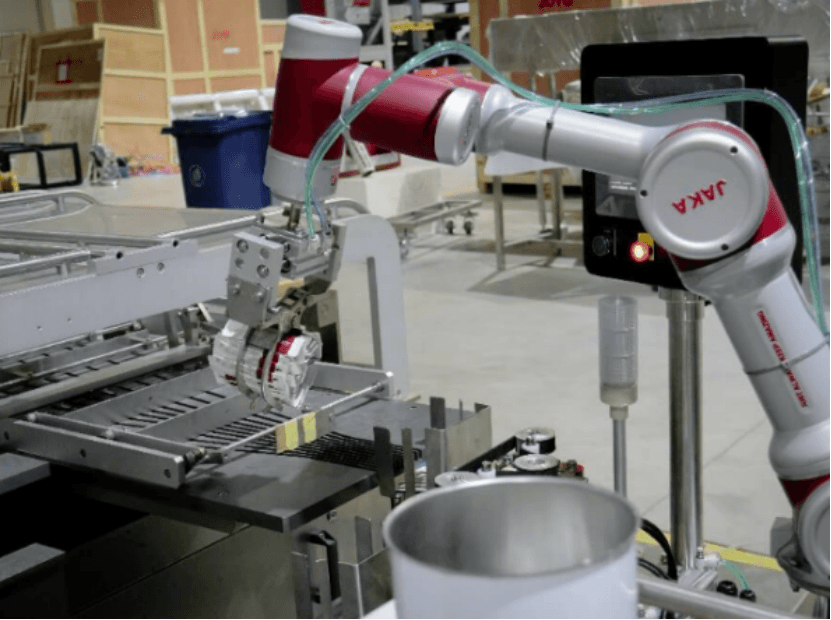
Why Are Robot Arms Important for SMEs and Industry Giants?
In the competitive industrial sector, the adoption of industrial robot arm technology is becoming essential for both small and medium-sized enterprises (SMEs) and large corporations. A company specializing in automation has highlighted the transformative impact of robotic solutions on production efficiency, which reduces reliance on manual labor while ensuring consistent output quality. By utilizing robotic systems for tasks such as painting, assembly, and packaging, businesses can enhance throughput, minimize operational errors, and streamline repetitive processes. The JAKA Zu20 Packing model exemplifies the precision and quality control that these robotic systems offer, ensuring repeatability in packaging and reducing defective products. This high level of precision not only conserves materials but also prevents unnecessary rework, benefiting both SMEs by conserving resources and larger firms by maintaining brand reputation. Moreover, the implementation of robotic solutions significantly influences labor management and operational costs. By automating repetitive tasks, companies can lower management overhead and human error, allowing for quick adjustments in production lines without extensive retraining. The compact and flexible design of the JAKA Zu20 Packing model facilitates seamless integration into existing workflows, enhancing productivity without major facility changes. In summary, industrial robot arm technology is increasingly recognized as a necessity for businesses striving to remain competitive. The integration of robotic automation leads to improved quality control, cost efficiency, and operational resilience, providing a practical pathway for manufacturers to navigate the evolving industrial landscape.
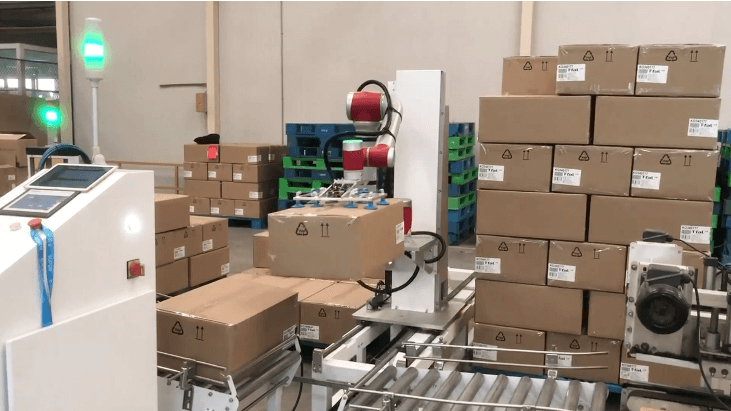
What is Palletizing in Robotics?
In modern logistics and production facilities, the automation of palletizing—stacking products onto pallets—is gaining traction, particularly through the use of robotic arms. JAKA, a leader in robotics, emphasizes the importance of palletizing robots, which are designed to efficiently handle, organize, and stack items, thereby replacing the physically demanding and repetitive tasks traditionally performed by human workers. These robotic arms automate the placement of various items onto pallets for storage or shipment, enhancing operational efficiency while minimizing the risk of injury associated with manual labor. The precision control technology employed by JAKA ensures that each item is placed accurately, contributing to the stability and integrity of the pallets. The compact design of these robots allows them to operate effectively within the confined spaces of packaging lines. Implementing a palletizing robot involves critical considerations such as payload capacity, reach, and speed, which collectively influence the throughput of production lines. Unlike industrial welding robots that follow complex paths, palletizing robots utilize efficient path planning for pick-and-place operations. JAKA’s systems are adaptable, allowing for quick reprogramming to accommodate various product types and box patterns. Moreover, palletizing robots are integrated into broader automation systems that include conveyors and vision sensors, enhancing their functionality within smart workflows. JAKA's robots are designed for seamless communication with these peripheral devices, ensuring reliable operation even in noisy factory environments. By streamlining the final stages of production and handling, JAKA's palletizing robots represent a significant advancement in logistics automation, improving efficiency and alleviating the physical burden on workers.
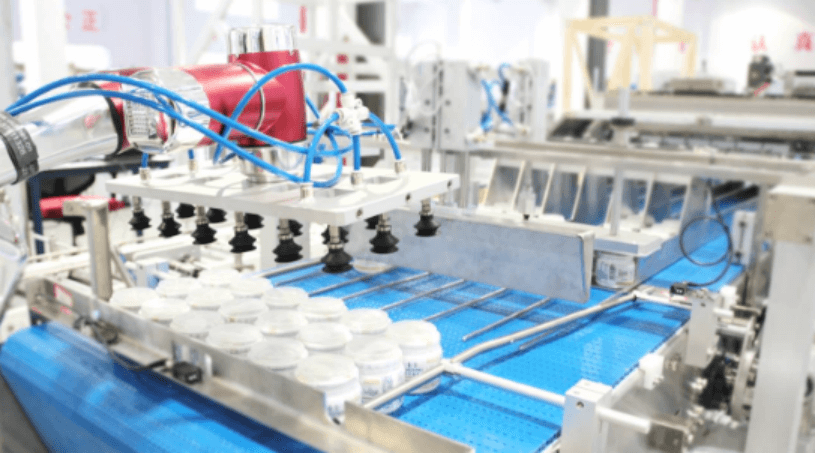
What Are the 5 Types of Industrial Robots?
JAKA, an industrial robot company, is at the forefront of automation technology, focusing on five primary types of robots that cater to various production needs. These include articulated robots, known for their flexibility and complex movements, which are essential for tasks like welding and assembly. The compact design of JAKA's Zu series exemplifies this versatility, allowing operation in confined spaces. Additionally, the SCARA robot specializes in high-speed, precise motions within a horizontal plane, making it ideal for electronics manufacturing. JAKA emphasizes engineering principles that ensure repeatability and stability in all its robotic models. The delta robot, characterized by its parallel-linked arms, excels in ultra-high-speed picking and packaging, particularly in the food and pharmaceutical industries. JAKA is committed to delivering reliable automation solutions that meet rigorous production standards. The Cartesian robot, or gantry robot, operates on three linear axes, making it suitable for applications such as 3D printing and precise dispensing. Its intuitive programming aligns with JAKA's mission to make automation accessible. Lastly, collaborative robots, or cobots, represent a significant shift towards human-centric automation, designed to work safely alongside human workers. JAKA focuses on developing accessible cobots equipped with user-friendly programming and safety features. Overall, JAKA aims to provide a diverse range of robotic solutions that enhance flexibility, efficiency, and collaboration in modern manufacturing environments.
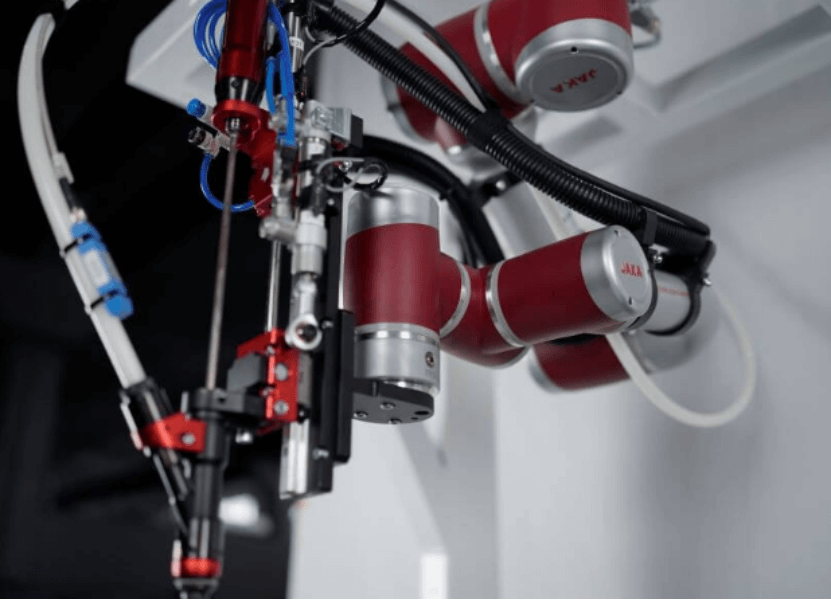
Benefits of Choosing a Collaborative Robot Cobot for Small to Mid-Sized Businesses (SMEs)
Small to mid-sized manufacturers are increasingly turning to collaborative robots, or cobots, to enhance their operational capabilities without the complexities associated with traditional automation systems. JAKA, a leading technology provider, emphasizes that their cobots offer a practical solution for SMEs facing challenges such as skilled labor shortages and fluctuating order volumes. The deployment of these robots, designed to work alongside human staff, allows businesses to automate repetitive and ergonomically challenging tasks, thereby improving output quality and employee well-being. This collaboration enables a smaller workforce to manage a broader operational scope, enhancing stability without necessitating a proportional increase in personnel. One of the key advantages of JAKA's cobots is their technical flexibility. The six-axis robot arm can be utilized for various applications, including screwdriving, polishing, and packaging, making it ideal for facilities with diverse production needs. Additionally, the user-friendly programming interface allows in-house technicians to easily manage and adjust the systems without relying on external specialists. Financially, the cobots align well with SME budgets, requiring a lower initial investment and offering a quicker return on investment compared to large-scale automation. Their consistent performance reduces material waste and minimizes costly human errors, ultimately improving profit margins. By augmenting the human workforce, these robots allow businesses to scale production without proportionately increasing labor costs. JAKA's collaborative robots are designed to integrate seamlessly into existing workflows, providing SMEs with a resilient and adaptable solution to enhance productivity and ensure sustainable growth in a competitive market.

BTM INDUSTRIAL IS HOSTING AN ONLINE SALE OF INDUSTRIAL ROBOTS ON DECEMBER 17-18, 2025
A significant court-authorized sale is underway, involving the liquidation of over 200 robots specifically designed for automating various industrial tasks, including welding, manufacturing, packaging, warehousing, and food processing. This event, which aims to clear all assets regardless of their market value, reflects the ongoing trend of automation in the manufacturing sector. The sale is expected to attract interest from companies looking to enhance their operational efficiency through advanced robotics technology. The timing of this liquidation comes as industries increasingly seek to streamline processes and reduce labor costs.

Solving Today’s Toughest Test Challenges: A New Era of Engineering Productivity
Test engineers in the semiconductor industry are currently grappling with significant challenges due to the increasing complexity of chip designs and the rapid pace of product development. As of today, these professionals are adapting to advancements in technology such as advanced packaging and chiplet architectures, which are reshaping the landscape of semiconductor manufacturing. The integration of AI accelerators is further complicating the testing process, necessitating innovative approaches to ensure quality and performance. The industry's evolution demands that engineers not only enhance their technical skills but also adopt new methodologies to keep up with the fast-changing environment. This shift is crucial for maintaining competitiveness in a market that is continuously pushing the boundaries of what is possible in semiconductor technology.
Apple Taps China’s BYD to Build HomePod with Screen, Tabletop Robot in Vietnam
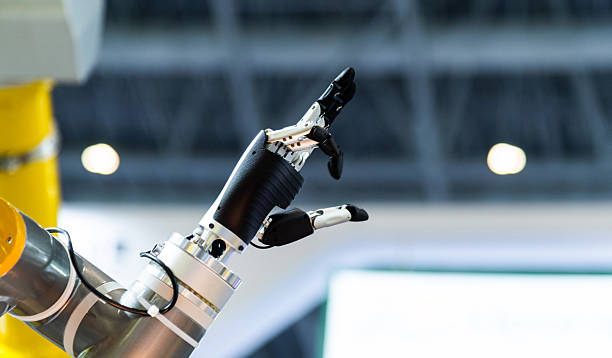
Apple is set to enhance its smart home manufacturing operations in Vietnam, partnering with Chinese company BYD to handle the final assembly, testing, and packaging of its upcoming home devices. This new product line will feature a HomePod-style smart display and a motorized tabletop robot, with the HomePod display expected to launch in spring 2026. The decision to expand manufacturing in Vietnam is part of Apple's strategy to diversify its supply chain and reduce reliance on China amidst ongoing geopolitical tensions and trade uncertainties. By collaborating with BYD, Apple aims to leverage the company's expertise in electronics manufacturing to ensure a smooth production process for its innovative home technology.
News Feed
EE Times: Flexible Test Strategies Keeping Pace with Semiconductor Evolution
The semiconductor industry is undergoing a significant transformation, propelled by innovations in artificial intelligence, advanced packaging techniques, heterogeneous integration, and edge computing technologies. This evolution is reshaping semiconductor design and manufacturing processes, enabling companies to enhance performance and efficiency. As these advancements continue to emerge, industry leaders are adapting their strategies to meet the growing demands for more powerful and versatile chips. The shift is not only impacting production methods but also influencing the broader technology landscape, as semiconductors play a crucial role in powering a wide array of devices and applications. This ongoing change is expected to drive competition and collaboration among key players in the market, ultimately leading to new opportunities and challenges within the sector.
How Pick and Pack Fulfillment is Transforming Order Delivery in the Automation Age
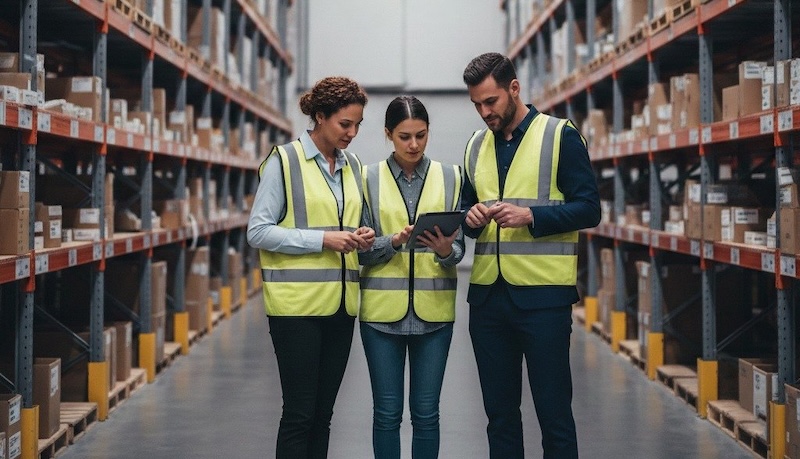
The modern supply chain has undergone a significant transformation, with consumers now expecting two-day shipping as a standard. This shift necessitates a complete rethinking of traditional logistics practices, moving away from manual processes to technology-driven solutions. Companies face challenges in managing increased order volumes while maintaining accuracy, highlighting the need for advanced robotics and smart software in logistics. The implementation of intelligent pick and pack fulfillment workflows is crucial for warehouses to enhance efficiency. By analyzing order data in real time, these systems optimize item retrieval and minimize unnecessary movement within the facility. Techniques such as batch picking and zone picking streamline operations, allowing workers to compile orders more quickly, which leads to faster delivery times and improved customer satisfaction. The rise of autonomous mobile robots (AMRs) marks a significant change in warehouse operations. These robots have evolved from being a novelty to a necessity, utilizing advanced navigation technologies to operate safely in dynamic environments. As logistics providers continue to adopt these innovations, the focus will be on further enhancing operational efficiency and meeting the growing demands of consumers.
Automation Logistics Supply chain amrs autonomous mobile robots e-commerce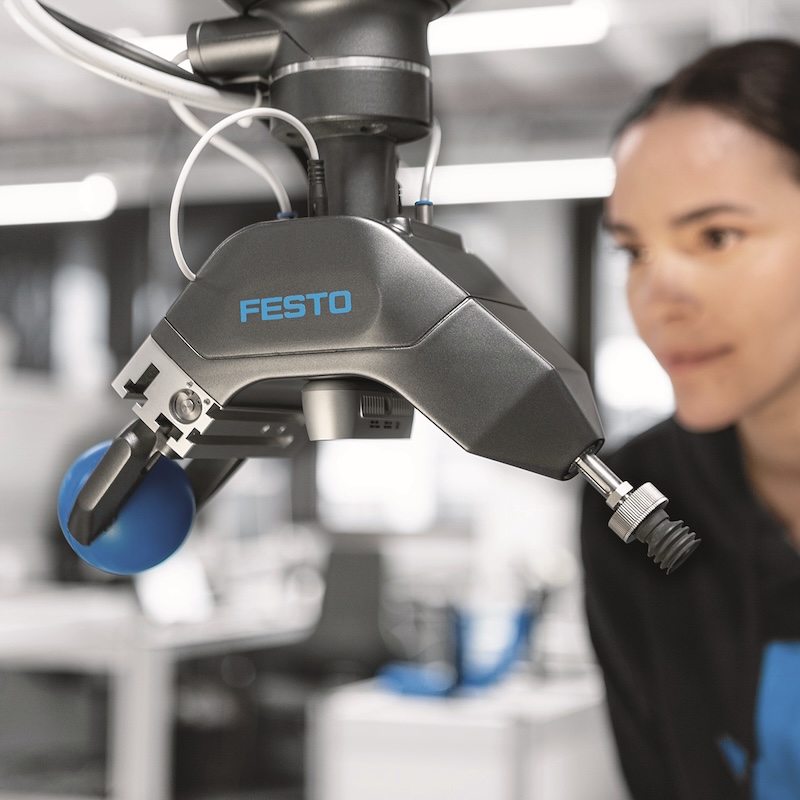
Festo launches GripperAI software to simplify flexible robot handling
Festo has launched GripperAI, an innovative AI-driven software designed to enhance robotic handling capabilities. This solution allows robots to manage a variety of mixed, unfamiliar, and randomly positioned products without requiring extensive programming or specialized vision systems. The introduction of GripperAI aims to provide manufacturers with increased flexibility in their automated handling processes. By automatically determining the best gripping point for each item, the software streamlines operations and improves efficiency in manufacturing environments. This advancement reflects Festo's commitment to integrating cutting-edge technology into automation solutions, catering to the evolving needs of the industry.
Components Industrial robots News AI software automation news cobots
Inside modern supplement manufacturing: How automated filling lines are raising the quality bar
Recent advancements in automation are transforming the supplement manufacturing industry, particularly through the implementation of cutting-edge filling lines that enhance both quality and efficiency. These innovative systems not only incorporate advanced technologies but also necessitate the establishment of new protocols and expectations for quality assurance. As manufacturers adopt these automated solutions, they are experiencing significant breakthroughs and adopting best practices that elevate production standards. The article delves into how these automated filling lines are setting a new benchmark in the industry, emphasizing the critical controls that are essential for maintaining high-quality output.
Health Manufacturing automated filling lines automated inspection automation news checkweighers
How HGHY Pulp Molding Production Lines Are Reshaping Sustainable Manufacturing
As global manufacturers increasingly prioritize sustainable production, HGHY's pulp molding equipment and automation systems are emerging as essential elements in eco-friendly manufacturing. This shift is driven by stricter environmental regulations, escalating labor costs, and a growing demand for recyclable products. In response, more manufacturers are adopting fully automated molded fiber production lines, positioning HGHY at the forefront of this transformation. The company's innovative solutions are helping businesses meet both regulatory requirements and consumer expectations for sustainability, thereby enhancing operational efficiency and reducing environmental impact.
Environment Manufacturing Technology automated production lines automation news circular economyRobotics needs a service framework.
RSF defines a common language for robot service capability, lifecycle operations, certification pathways, and service-provider networks.







