

Industry Briefing
A single destination for timely, editor-curated robotics news from around the world.
Research on the Application of SSG‐RRT Path Planning Algorithm Integrated With Dynamic Obstacle Avoidance in Wheeled Picking Robot
A recent study published in the Journal of Field Robotics highlights advancements in robotic technology aimed at improving agricultural efficiency. Researchers from various institutions conducted the study to explore how autonomous robots can enhance crop management and reduce labor costs. The findings, released in early October 2023, indicate that these robots can perform tasks such as planting, monitoring, and harvesting with greater precision than traditional methods. The research was conducted in diverse agricultural settings, showcasing the robots' adaptability to different crops and terrains. By integrating advanced sensors and machine learning algorithms, the robots can analyze soil conditions and plant health, allowing for timely interventions that can lead to increased yields. This initiative is driven by the growing need for sustainable farming practices in response to global food demands and labor shortages in the agricultural sector. The study emphasizes that implementing robotic solutions could not only optimize resource use but also address environmental concerns associated with conventional farming techniques. As the agricultural industry faces mounting challenges, the deployment of these innovative robotic systems represents a significant step forward in modernizing farming practices and ensuring food security for the future.
RESEARCH ARTICLE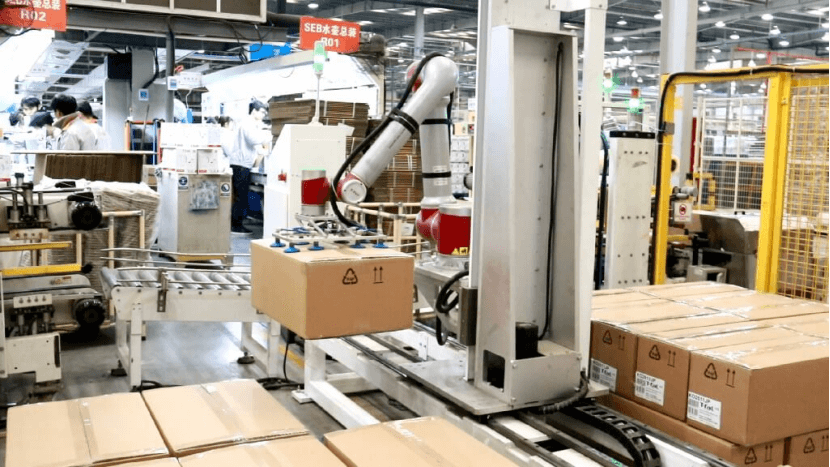
Flexible Robot Path Planning: How to Adapt to Changing Workpiece Geometry
JAKA, a leader in robotics technology, is addressing the challenges of automated finishing processes, particularly in polishing applications where workpiece dimensions can vary. Traditional robots, which rely on fixed programming, often struggle to maintain quality when faced with different part geometries. To overcome this limitation, JAKA has developed a flexible robotic system that intelligently adapts its polishing path in real time, ensuring consistent quality across diverse production batches. This innovative approach integrates advanced sensory technology, such as vision systems and laser scanners, which capture the actual geometry of each workpiece. The robot's control system then compares this data to the ideal CAD model, allowing for dynamic adjustments in its trajectory. JAKA's proprietary force control technology further enhances this adaptability by maintaining optimal contact pressure, compensating for minor deviations in part shape. To simplify the user experience, JAKA's systems feature intuitive graphical off-line programming software that enables operators to easily import new CAD models and generate tool paths with minimal reprogramming. The compact and lightweight design of JAKA's robotic arms facilitates quick repositioning for different production lines, while standardized communication protocols allow for swift integration of various sensors, reducing downtime. By combining mechanical dexterity, integrated perception, and intelligent control algorithms, JAKA is transforming polishing robots from rigid tools into adaptive partners. This advancement ensures high-quality finishing standards, even as product designs evolve, ultimately benefiting manufacturers in high-mix production environments.
Robotics needs a service framework.
RSF defines a common language for robot service capability, lifecycle operations, certification pathways, and service-provider networks.
Join the RobotToday community on LinkedIn
Daily robotics news, in-depth analysis, conference highlights, and discussions with professionals worldwide.







