Industry Briefing
A single destination for timely, editor-curated robotics news from around the world.

Zhang Yaqin: AI is not a bubble, but AI companies are.
In June, during an interview at the Tsinghua Wuxi Research Institute's Intelligent Industry Innovation Center, Academician Zhang Yaqin discussed the current state of AI investment and entrepreneurship, suggesting a more cautious approach to the rapidly growing sector. Zhang, who founded the Tsinghua University Intelligent Industry Research Institute (AIR) five years ago, noted that while AIR has successfully incubated ten companies with a combined valuation of 150 billion yuan, its primary focus remains on research rather than commercialization. Zhang, a prominent figure in AI and a fellow of the IEEE, likened the current AI investment climate to the internet boom of 1998-1999, emphasizing the importance of sustainable growth and cautioning against the potential for market bubbles. He highlighted the need for new AI algorithms to enhance efficiency and pointed out that while the AI sector holds significant long-term potential, many early-stage companies may face challenges in proving their viability. Every June, AIR hosts the "Taihu Dialogue" in Wuxi, fostering discussions on AI advancements. Zhang expressed concerns about the risks associated with high valuations and the necessity for a focused approach in startups. He emphasized that while funding is crucial, it should not overshadow the importance of developing robust products and technologies. Looking ahead, Zhang identified "physical AI" as a key area for development by 2026 and outlined the challenges of creating robots capable of performing complex tasks in real-world environments. He underscored the importance of collaboration between academia and industry to cultivate talent and drive innovation in AI, while also addressing the ethical and safety risks associated with advanced AI systems.

Robot Talk Episode 162 – The robot doctor will see you now
Over the past four decades, the field of medicine has undergone significant transformation due to advancements in robotics, computer vision, and artificial intelligence, particularly in the realm of robot-assisted surgery. These innovative technologies are enhancing the capabilities of healthcare professionals in various areas, including diagnosis, surgical procedures, and rehabilitation. However, as these medical tools become more autonomous, pressing ethical questions have emerged regarding their use and implications in patient care. The ongoing evolution of these technologies prompts a critical examination of the balance between innovation and ethical responsibility in healthcare.
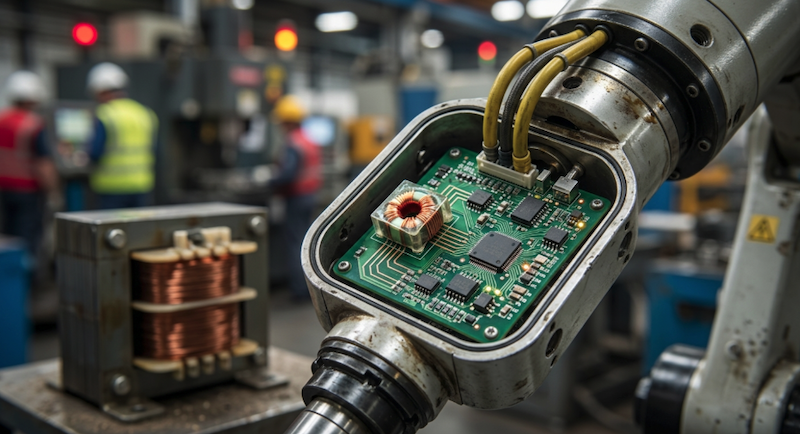
The Small Component Problem Behind More Reliable Industrial Robots
In a groundbreaking development for the manufacturing industry, advanced automation technology is transforming assembly lines and semiconductor packaging facilities. A robotic arm, capable of executing movements with sub-millimeter precision at an impressive rate of 300 cycles per minute, is at the forefront of this innovation. These robotic systems are enhanced by machine vision technology, remote input/output blocks, and sensitive microcontrollers, allowing for seamless coordination and efficiency in production processes. This technological advancement is taking place in various industrial settings, where multiple machines share a common power source through an industrial rail system. The integration of heavy CNC machines into this grid further exemplifies the collaborative nature of modern manufacturing, where precision and speed are paramount. The motivation behind this shift towards automation is to increase productivity and reduce human error in manufacturing processes. By leveraging sophisticated robotics and interconnected systems, companies aim to streamline operations and enhance overall output. As industries continue to adopt these cutting-edge technologies, the future of manufacturing looks increasingly automated and efficient, promising significant advancements in production capabilities.
Components Design Engineering Industrial robots amrs automation news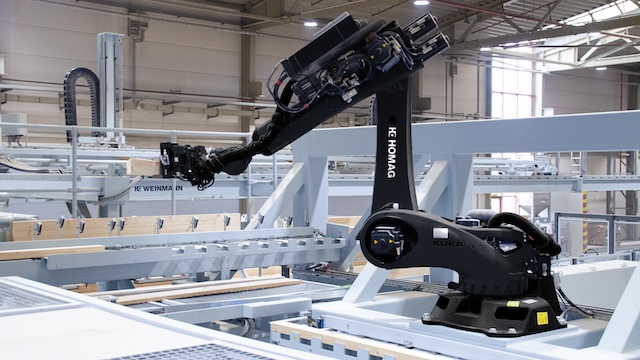
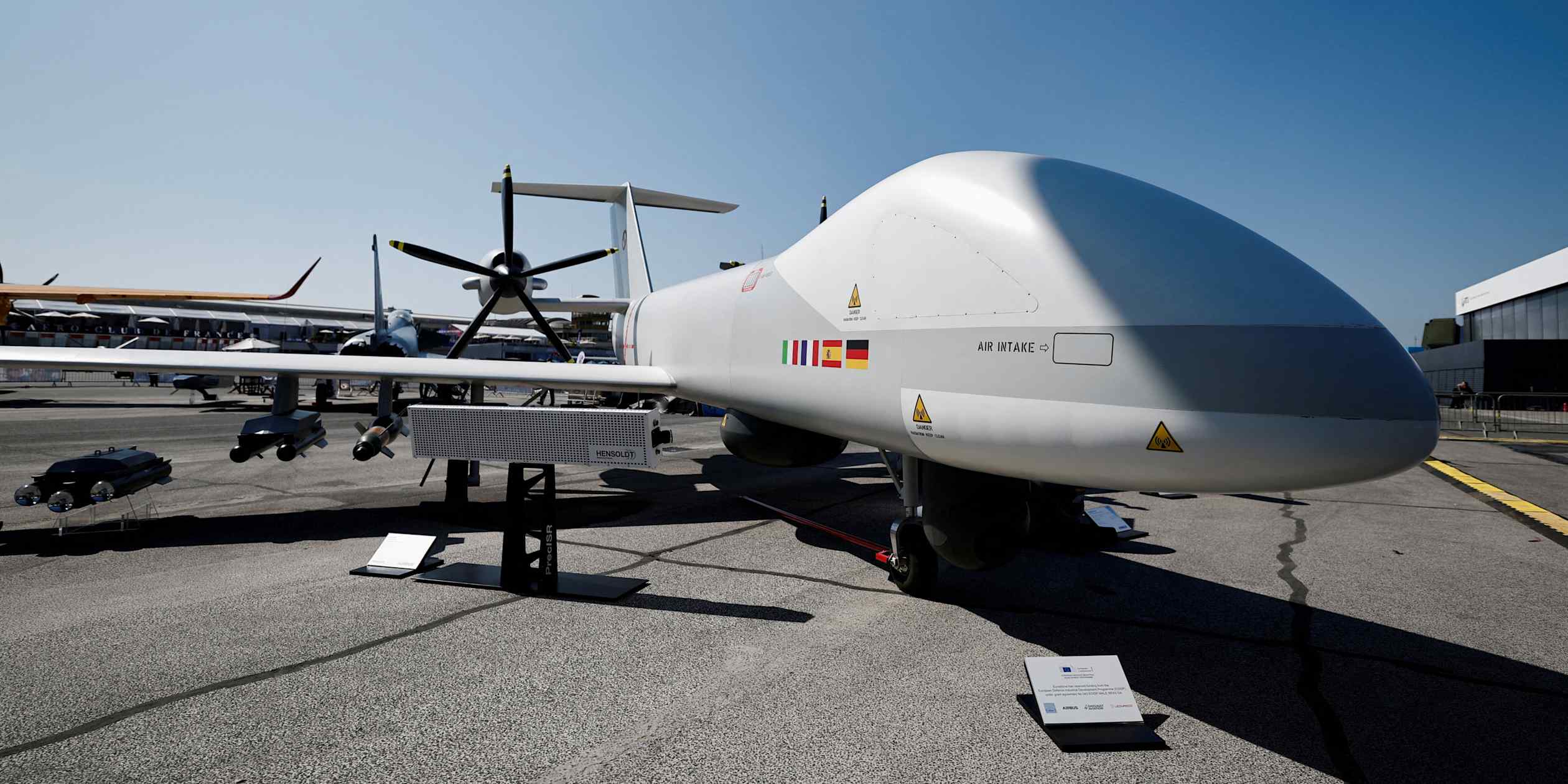
Kawasaki Heavy and Airbus to team up on anti-submarine drone for Japan
Kawasaki Heavy Industries is collaborating with Airbus to develop anti-submarine drones, aimed at enhancing Japan's maritime defense capabilities. This partnership, announced on June 26, 2026, will focus on equipping the existing Eurodrone with advanced maritime surveillance technology provided by Kawasaki. The initiative is intended to bolster Japan's defense strategy and will be proposed to the country's defense ministry for consideration. The collaboration reflects a growing emphasis on integrating advanced technology into national defense systems, particularly in response to regional security challenges.

Liquid AI's smallest model yet LFM2.5-230M beats models 4X its size at data extraction, can run 'anywhere'
Liquid AI, a company founded by former MIT computer scientists, has unveiled its latest AI language model, LFM2.5-230M, which is designed for efficient data extraction and local deployment on devices such as smartphones and laptops. Released today, this 230-million-parameter model is noted for its ability to run on various hardware platforms, outperforming larger models like Alibaba's Qwen3.5 and Google's Gemma 3 in specific benchmarks. Targeting developers and engineers, LFM2.5-230M operates under a dual-use commercial license, allowing free access for individuals and companies with annual revenues below $10 million, while larger enterprises must secure a paid agreement. The model distinguishes itself by utilizing the LFM2 architecture, enabling high inference speeds with a minimal memory footprint, making it suitable for edge computing. Liquid AI's launch reflects a broader industry shift towards architectural efficiency rather than sheer parameter counts, as major AI firms focus on models with hundreds of billions of parameters. The LFM2.5-230M is specifically tailored for lightweight data extraction tasks, allowing businesses to automate processes without relying on costly cloud services. In practical applications, the model has been successfully deployed in a humanoid robot, demonstrating its capability to process complex commands efficiently. Available immediately on platforms like Hugging Face, LFM2.5-230M aims to revolutionize how enterprises manage data extraction, moving away from traditional, rigid systems to more adaptable AI-driven solutions.
Technology
Great Robots, Failed Companies: The Business Foundations Automation Startups Skip
Building a successful automation company involves challenges that extend beyond technical capabilities, according to industry experts. While teams may excel at designing functional robots or reliable automated systems, the real hurdles often lie in establishing the necessary business infrastructure to support these technologies. This aspect of development is frequently overlooked, yet it is crucial for turning innovative ideas into viable commercial ventures. As the automation sector continues to grow, addressing these foundational business issues will be essential for companies aiming to thrive in a competitive market.
Automation Business Technology automation industry automation news automation startup
OpenAI's updated GPT-5.5 Instant is better at shopping, complex constraints, and understanding user intent — and it's already in the API
OpenAI has announced an update to its popular language model, GPT-5.5 Instant, which is now the default for free ChatGPT users. The upgrade, revealed on June 24, enhances the model's ability to understand user intent and adapt responses, particularly in complex scenarios like shopping and local recommendations. This update follows the model's initial release in early May 2026, which aimed to address factual inaccuracies and improve conversational quality. The latest version is being rolled out first to paid subscribers, with free users gaining access shortly thereafter. While OpenAI has not provided specific performance benchmarks, the company claims significant improvements in handling multi-part instructions and contextual awareness. This is expected to make ChatGPT more effective for everyday tasks, such as planning trips or comparing products. For developers, the updated model can be accessed through OpenAI's chat-latest API alias, which points to the latest Instant model. However, OpenAI continues to recommend the separate gpt-5.5 model for production use. The update reflects a shift towards more intuitive AI systems capable of better inferring user goals and maintaining context across interactions, marking a significant step forward in generative AI technology.
Technology
This DJI drone flies up to 93 minutes for under $300
In a surprising development for drone enthusiasts, a new offering promises an astonishing 93 minutes of flight time for under $300. This unprecedented duration sets it apart from typical drones, which often struggle to exceed 30 minutes of continuous use. The product, which targets both hobbyists and casual users, aims to enhance the flying experience by providing extended aerial capabilities without the need for frequent battery changes. The announcement comes amid growing interest in drone technology, as consumers seek more value and performance from their purchases. The innovative design and efficient battery management system are key factors contributing to this extended flight time, making it a compelling option for those looking to explore the skies without the limitations of shorter flights.
News
General Intuition’s $2.3B bet that video games can train AI agents for the real world
General Intuition has successfully secured $320 million in funding to enhance its artificial intelligence capabilities, leveraging extensive data derived from millions of hours of gameplay and betting action. This significant investment aims to advance the development of AI that mimics human intuition more closely. The funding round, which took place recently, underscores the growing interest in AI technologies that can interpret complex patterns and make decisions similar to human behavior. By utilizing this vast dataset, General Intuition seeks to refine its algorithms and improve the performance of its AI systems, positioning itself at the forefront of innovation in the gaming and betting industries.
AI Fundraising Robotics Startups AI training data general intuition![Frank Kendall on the trouble with banning autonomous weapons [Book excerpt]](/assets/images/default_feed_32.jpg)
Frank Kendall on the trouble with banning autonomous weapons [Book excerpt]
In a recent book excerpt, former Air Force Secretary Frank Kendall explores the potential for effective arms control measures to be implemented for autonomous systems. This discussion comes amid growing concerns about the rapid development and deployment of such technologies in military applications. Kendall's insights aim to address the challenges and implications of regulating autonomous weapons, emphasizing the need for a robust framework to ensure safety and accountability. As nations increasingly invest in advanced military capabilities, the conversation around arms control for these systems becomes increasingly urgent. The excerpt highlights the complexities involved in establishing regulations that can keep pace with technological advancements while promoting international stability.
Opinion AI & Autonomy autonomy darpa Drones Frank Kendall
From Fortnite to robots: General Intuition raises $2.3B on bet that video games can train AI agents for the real world
General Intuition has successfully secured $320 million in funding to enhance its artificial intelligence capabilities, which are designed to mimic human intuition by leveraging extensive data from millions of hours of gameplay and betting actions. This significant investment aims to propel the development of AI systems that can better understand and predict human behavior in gaming contexts. The funding round, which reflects growing interest in AI applications within the gaming and betting industries, will enable General Intuition to expand its research and development efforts. The company plans to utilize this capital to refine its algorithms and improve the accuracy of its AI models, ultimately striving to create technology that resonates more closely with human decision-making processes.
Startups AI Robotics Fundraising Khosla Ventures AI training data
National Resilience Strategy Connects the Dots Behind U.S. Drone Policy
The White House has unveiled a new National Resilience Strategy that integrates commercial drones into its broader initiative aimed at bolstering U.S. manufacturing, infrastructure, and supply chain resilience. Although the strategy mentions the commercial drone industry only once, this reference highlights the Administration's perspective on the role of drones in enhancing national capabilities. The strategy reflects an effort to address vulnerabilities in the supply chain and improve overall resilience in response to various challenges. By recognizing the potential of commercial drones, the White House aims to leverage this technology to strengthen critical sectors of the economy.
Drone Manufacturing Drone News Drone News Feeds News Policy US Government
RoboScience launches Visics, a versatile embodied model for cross-ontology, cross-object, and cross-task applications.
On June 24, RoboScience, a company specializing in embodied intelligence, unveiled its self-developed Visics large model, introducing the innovative VLOA (Vision-Language-Object-Action) architecture. This announcement marks a significant advancement in the field, demonstrating the model's applications in real-world scenarios such as furniture assembly, dexterous grasping, and dynamic assembly lines. The current landscape of embodied intelligence lacks a universally accepted foundational representation unit, which hampers data collection, model learning, and the transfer of knowledge to new contexts. Traditionally, models have focused on replicating specific robotic movements tied to particular tasks, limiting their adaptability to new robots, objects, or environments. Founder and CEO Tian Ye highlighted three major challenges in robotic operations: poor generalization, difficulty in precise manipulation, and cumulative errors in long-range tasks. To address these issues, RoboScience has developed a new foundational representation unit from the ground up. The Visics model employs a dual-engine architecture, consisting of an embodied world model and a universal operation model, each operating independently. The embodied world model utilizes vast amounts of internet video data to learn the physical dynamics of objects, while the operation model translates object trajectories into actionable commands for robots. This layered design enhances the model's generalization capabilities across various robotic platforms and tasks. RoboScience's innovative approach also includes a high-precision simulation engine, RoboMirage, which, combined with automated video data annotation, significantly reduces data acquisition costs. The company aims to build a comprehensive dataset of over 1 terabyte of high-quality manipulation trajectories by 2026. Since its inception, RoboScience has garnered support from multiple investors and established research and production centers in major Chinese cities. The company plans to collaborate with various sectors, including retail and logistics, to standardize robotic products for industrial and commercial applications by the end of this year.

Nvidia Wants to Make Humanoid AI Robots Safer Around Humans
Nvidia is advancing the development of humanoid robots, emphasizing the critical need for these machines to recognize and respond to danger swiftly before they can effectively collaborate with humans. In an interview with Bloomberg's Ed Ludlow, Deepu Talla, Vice President of Robotics and Edge AI at Nvidia, discussed the innovative technologies being designed to enhance robots' situational awareness. This initiative is part of Nvidia's broader efforts to integrate artificial intelligence into robotics, aiming to create safer and more responsive machines for various applications. The conversation highlights the importance of safety in robotics as the industry moves towards more sophisticated and capable humanoid systems.
NMS:NVDA
Beyond the Drone: Percepto’s New Platform Brings AI to Infrastructure Inspections
Percepto has unveiled its next-generation inspection software at the InnovateEnergy Week conference, which is currently taking place in The Woodlands, Texas. This new platform aims to enhance the capabilities of energy companies, particularly in the oil, gas, and electric utility sectors, by providing actionable data that is crucial for their operations. The launch reflects the industry's growing need for advanced technology to optimize infrastructure inspections and improve efficiency. By integrating artificial intelligence into their inspection processes, Percepto seeks to revolutionize how companies manage and analyze their energy resources, ultimately supporting their production goals.
Applications Drone News Drone News Feeds Drones in the News Energy infrastructure
Hyundai eyes full ownership of Boston Dynamics
Hyundai Motor Group is exploring a potential deal to exchange its artificial intelligence research division in the United States for SoftBank's remaining 9.65 percent stake in Boston Dynamics. This move, reported on Thursday, aims to grant Hyundai full ownership of the robotics company ahead of its anticipated initial public offering. If the transaction is finalized, Boston Dynamics would become a wholly owned subsidiary of Hyundai, enhancing the automaker's capabilities in robotics and AI technology. The strategic shift reflects Hyundai's commitment to expanding its portfolio in advanced technologies as it prepares for future market opportunities.
All News
Major Italian shipbuilder Fincantieri exploring nuclear-powered vessels, CEO says
During a recent closed-door roundtable, Fincantieri CEO Pierroberto Folgiero discussed key insights gained from the ongoing conflict in Ukraine, particularly in relation to the use of naval drones. He emphasized the importance of adapting military strategies and technologies in light of the lessons learned from the war. Additionally, Folgiero addressed the future development of a common European patrol corvette, highlighting the need for collaborative efforts among European nations to enhance maritime security. The discussions aimed to foster innovation and cooperation in defense capabilities, reflecting the evolving geopolitical landscape.
Global Naval Warfare corvette Europe Fincantieri NATO
Adobe acquires image and video enhancement tool maker Topaz Labs
Adobe has announced plans to integrate Topaz Labs' advanced imaging tools into its suite of applications. This collaboration aims to enhance the capabilities of Adobe's software, providing users with improved features for photo editing and image processing. The integration is expected to roll out in the coming months, allowing creatives to leverage Topaz Labs' technology seamlessly within Adobe's ecosystem. This move is part of Adobe's ongoing commitment to innovate and provide users with cutting-edge tools that streamline their workflows and elevate their creative projects. By incorporating Topaz Labs' tools, Adobe seeks to remain competitive in the rapidly evolving digital content creation landscape.
AI Apps Adobe Creative Cloud Mergers and Acquisitions topaz labs
Robotic Process Automation in 2026: A Buyer’s Guide for Procurement Teams
Over the past decade, the landscape of Robotic Process Automation (RPA) has evolved significantly. Initially characterized by basic screen-scraping bots that mimicked human interactions with legacy desktop applications, the technology has now advanced to include both attended and unattended bots. These modern bots are capable of managing user interface tasks within various enterprise systems such as ERP and CRM platforms, as well as billing tools that organizations are reluctant to phase out. As of October 2023, RPA has shifted towards an API-first approach, enabling more sophisticated orchestration that directly integrates with cloud services at various integration points. This transformation reflects the growing demand for automation solutions that enhance efficiency and streamline operations across industries. The shift not only highlights the technological advancements in RPA but also underscores the necessity for businesses to adapt to changing digital landscapes in order to remain competitive.
Automation Business Digital Automation ai agents automation anywhere automation news
Robots that can identify materials and map unknown environments could aid nuclear and defense sectors
Researchers at the University of Surrey are developing advanced robots capable of surpassing human vision, creating live 3D maps of unfamiliar environments, and determining the composition of various objects. This innovative technology, which is currently in development, has the potential to revolutionize several fields, including nuclear inspection, rail and building safety, and search and rescue operations in combat zones. By enhancing robotic capabilities, the team aims to improve safety and efficiency in critical situations where human intervention may be risky or impractical. The project highlights the university's commitment to pioneering research that addresses real-world challenges through cutting-edge technology.
Robotics
ByteDance's Doubao Crosses Production-Grade Threshold with 180 Trillion Daily Tokens
On June 23, ByteDance unveiled its latest flagship large language model, Doubao-Seed-2.1 Pro, which significantly enhances its capabilities by increasing daily token calls to unprecedented levels. This launch marks a strategic move by the tech giant to strengthen its position in the competitive AI landscape. The Doubao 2.1 Pro aims to provide more efficient and sophisticated language processing, catering to a growing demand for advanced AI solutions across various industries. By leveraging cutting-edge technology and extensive data training, ByteDance seeks to meet the evolving needs of users and businesses alike, further establishing its influence in the AI sector.
AI
RoboScience Unveils Visics, a General-Purpose Embodied AI Model
On June 24, RoboScience, a Beijing-based company specializing in embodied intelligence, launched its new general-purpose embodied AI model, Visics. This innovative model is designed to enhance robotic capabilities by integrating advanced perception and decision-making processes. The unveiling took place in Beijing, showcasing Visics' potential applications across various industries, including healthcare, manufacturing, and service sectors. The development of Visics aims to address the growing demand for intelligent automation solutions that can adapt to complex environments and tasks. By leveraging cutting-edge technology, RoboScience seeks to position itself at the forefront of the AI revolution, offering tools that can significantly improve operational efficiency and effectiveness in diverse applications.
EmbodiedAI
Underwater robots that are always on call pave the way for pipeline and cable security
As economic activity in ocean spaces continues to rise, there is an increasing demand for regular monitoring and inspection of underwater infrastructure, including pipelines, cables, and installations. This need is driven by the growing complexity of global security concerns, which necessitate enhanced surveillance capabilities. Autonomous underwater vehicles (AUVs) are emerging as vital tools in this effort, offering advanced monitoring solutions that can operate in challenging environments. Furthermore, there is a pressing requirement for greater understanding of the seabed and oceanic regions to support sustainable development and security measures. As stakeholders seek to address these challenges, the integration of AUV technology is expected to play a pivotal role in ensuring the safety and integrity of underwater assets.
Robotics
NVIDIA's Halos for Robotics: A New Era for Industrial Robot Safety
Recent advancements in industrial robotics have marked a significant milestone in the integration of physical artificial intelligence. Over the past few years, the field has experienced unprecedented growth, with AI evolving beyond mere data analysis and text generation. Now, machines equipped with this technology can perceive their surroundings, make real-time decisions, and interact directly with their environment. This transformation is highlighted in a recent article discussing NVIDIA's Halos for Robotics, which emphasizes the new era of safety in industrial robots. The developments signal a shift in how robots operate, enhancing their capabilities and effectiveness in various industrial applications.
À la une IA Industrie Robotique automatisation industrielle. cobot industriel
Agreenculture acquires Chouette to add agronomic intelligence to autonomous machines
French autonomous-machinery specialist Agreenculture has announced its acquisition of Chouette, a company known for its AI-driven agronomic analysis tailored for viticulture. This strategic move, revealed recently, aims to integrate Agreenculture’s advanced autonomy technology with Chouette’s sophisticated crop-monitoring algorithms. The collaboration is set to enhance the development of machines capable of operating independently while also interpreting field observations. This initiative reflects a growing trend in the agricultural sector to leverage artificial intelligence for improved efficiency and precision in farming practices.
Autonomous/semi-autosteering systems agricultural robots agronomists autonomous technology crop monitoring vineyard robots
Path Tracking Control for Crawler Robots With Track Slippage and Signal Time Delay Based on Pure Pursuit and Look‐Ahead Heading Error Compensation
A recent study published in the Journal of Field Robotics highlights advancements in autonomous robotic systems designed for agricultural applications. Conducted by a team of researchers from various institutions, the study was released in early October 2023. The research focuses on the integration of artificial intelligence and machine learning to enhance the efficiency and effectiveness of farming practices. The motivation behind this study stems from the increasing demand for sustainable agricultural solutions amid global food security challenges. By employing innovative robotic technologies, the researchers aim to address labor shortages and improve crop management. The study outlines the development of a prototype robot capable of performing tasks such as planting, monitoring, and harvesting crops with minimal human intervention. Field tests were conducted in diverse agricultural settings to evaluate the robot's performance and adaptability. The findings indicate that the robotic systems can significantly reduce operational costs and increase yield, offering a promising solution for modern farming challenges. This research not only contributes to the field of robotics but also provides valuable insights for farmers seeking to adopt new technologies for enhanced productivity.
RESEARCH ARTICLE
Jalapeño, OpenAI’s first custom chip, targets gigawatt-scale data center deployment
OpenAI has introduced its inaugural custom AI accelerator, named Jalapeño, signaling a significant advancement in the company's technological capabilities. This announcement was made recently as OpenAI aims to enhance its AI models' performance and efficiency. The development of Jalapeño is part of OpenAI's broader strategy to optimize its infrastructure and support the growing demand for more powerful artificial intelligence solutions. By designing a specialized accelerator, OpenAI seeks to improve processing speeds and reduce energy consumption, ultimately allowing for more complex computations and faster training times for AI models. This initiative underscores OpenAI's commitment to innovation and its efforts to maintain a competitive edge in the rapidly evolving field of artificial intelligence.
AI and Robotics
BRINC Partnership Gives Public Safety Agencies an “Immediate Upgrade” in Incident Intelligence
BRINC, a manufacturer of drones for public safety, has formed a partnership with Nova Software Company to enhance aerial mapping and data analysis for first responders. This collaboration aims to provide public safety agencies with advanced capabilities, enabling them to utilize BRINC drones for improved incident intelligence. The integration of Nova's software will allow these agencies to transform aerial data into actionable insights, significantly upgrading their operational efficiency. This initiative underscores the growing importance of technology in emergency response, as agencies seek innovative solutions to enhance their effectiveness in critical situations. The partnership represents a strategic move to equip first responders with the tools necessary for better decision-making and situational awareness in the field.
Applications Drone News Drone News Feeds emergency response Featured – Safety and Security Fire and Police
Rough demos unlock precise robot actions, with up to fourfold real-world gains
Advancements in robotics are leading to the development of highly dexterous robots that are becoming integral to both daily life and industrial applications. These robots are capable of performing intricate tasks, such as assembling small components for smartphones and aiding surgeons during operations. However, the traditional method of training these robots to replicate delicate human movements has been labor-intensive and costly, requiring extensive data collection at precise time intervals. This challenge has prompted researchers to seek more efficient training methods to enhance the capabilities of robotic systems, ultimately aiming to reduce the time and financial burden associated with their development. As the demand for precision in various sectors grows, the evolution of robotic dexterity is expected to play a crucial role in improving efficiency and effectiveness across multiple fields.
Robotics
First educational event in Japan featuring humanoid demonstrations and physical AI experiences at elementary schools on June 26.
Play Robotics, a company specializing in safety evaluation and support for the integration of humanoid robots, is set to host a Physical AI Experience event on June 26, 2026. The event will take place at Shiroyama Elementary School in Inagi City. This initiative aims to provide participants with hands-on experiences to explore the capabilities and safety of humanoid robots, promoting awareness and understanding of AI technologies in educational environments. Through interactive demonstrations and activities, attendees will gain insights into the practical applications of robotics and artificial intelligence in everyday life.
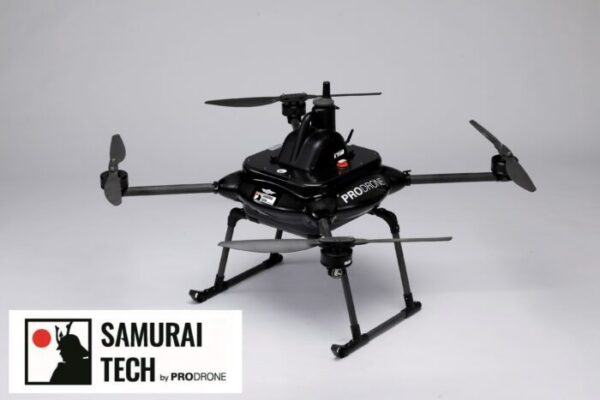
Prodrone Debuts All-Japanese Industrial Drone
Prodrone, an industrial drone developer based in Aichi, has launched the PD4B-MS prototype, marking the debut of its new SAMURAI TECH brand. This all-Japan industrial drone is notable for being constructed entirely with components sourced from domestic suppliers, showcasing the country's capabilities in drone technology. The unveiling of the PD4B-MS highlights Prodrone's commitment to fostering local industry and innovation within Japan's drone sector. The introduction of this prototype reflects a growing trend towards self-sufficiency in technology manufacturing, as companies seek to leverage local resources and expertise.
Drone News Drone News Feeds Japan Drone Industry Japan Drone News JUIDA News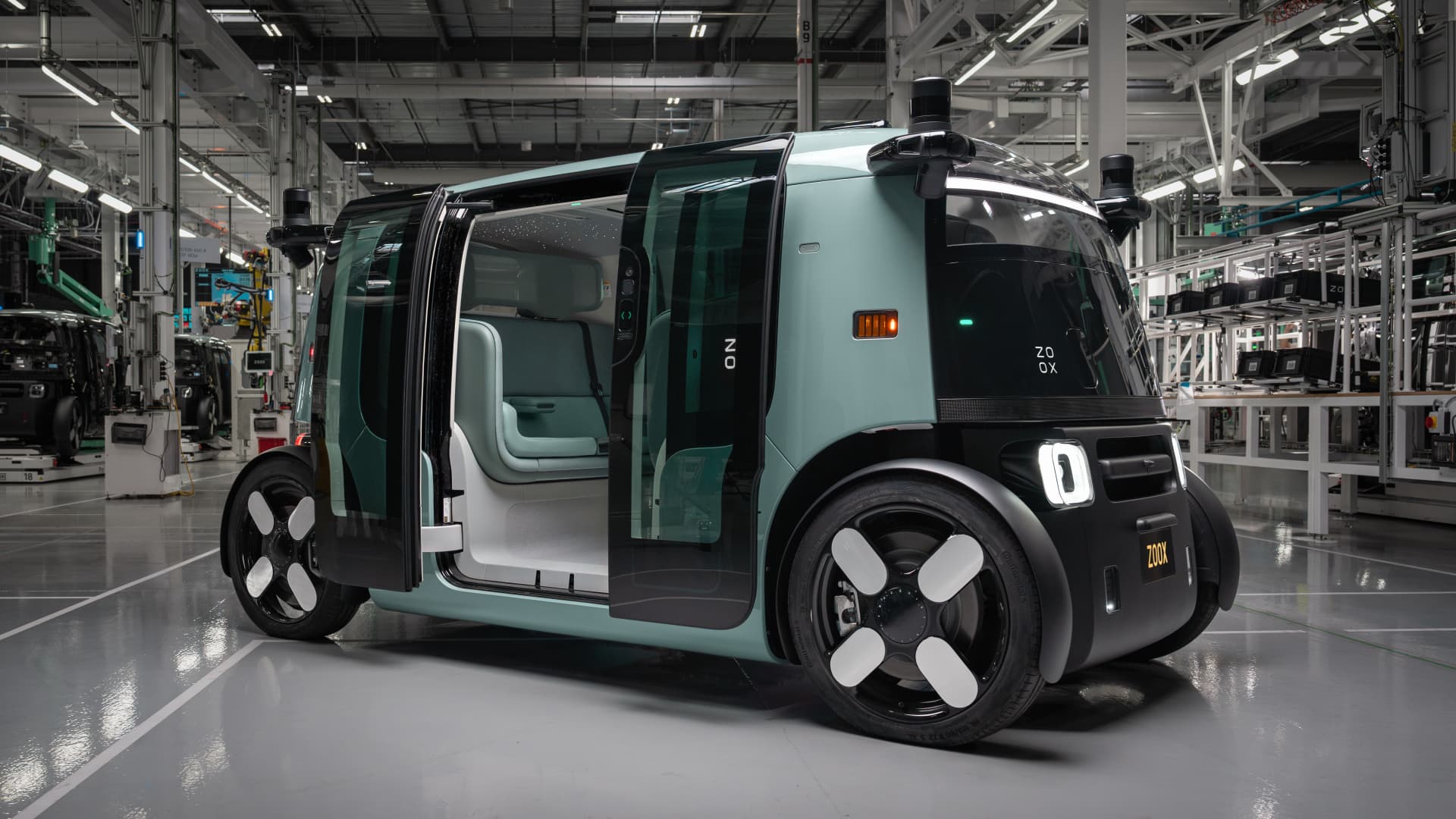
Amazon's Zoox unveils redesigned robotaxi ahead of upcoming expansion
Zoox, the autonomous vehicle division of Amazon, is set to enhance its robotaxi services as it plans to expand into new markets and introduce paid rides. The company aims to improve its technology and operational capabilities to meet growing demand for innovative transportation solutions. This strategic move comes as Zoox prepares to transition from a testing phase to a commercial model, allowing users to access rides for a fee. The expansion reflects Amazon's commitment to advancing its presence in the autonomous vehicle sector and capitalizing on the increasing interest in self-driving technology.

Zoox upgrades its robotaxi as it prepares for commercial service
Zoox has unveiled its latest robotaxi model, featuring enhanced cushioning, a lighter color scheme, and improved communication capabilities. The new design includes a more advanced microphone and speaker system, allowing for clearer interactions with Zoox Support. This innovation aims to elevate the passenger experience by providing a more comfortable and user-friendly environment. The announcement comes as part of Zoox's ongoing efforts to refine its autonomous vehicle technology and enhance customer service, reflecting the company's commitment to advancing urban mobility solutions.
Transportation zoox robotaxi robotaxis
Inchworm-inspired robot that crawls without rigid parts could enable remote exploration
Researchers at the University of Gothenburg have developed a groundbreaking robot inspired by the movement of an inchworm, which operates without any rigid components. This innovative design allows the robot to mimic the flexing motion of muscles, making it suitable for various applications, including inspecting sewer pipes and exploring Mars. The findings of this research have been shared on the arXiv preprint server, highlighting the potential of soft robotics in diverse environments. The project aims to enhance exploration and inspection capabilities in challenging and confined spaces, showcasing the versatility and adaptability of this new robotic technology.
Robotics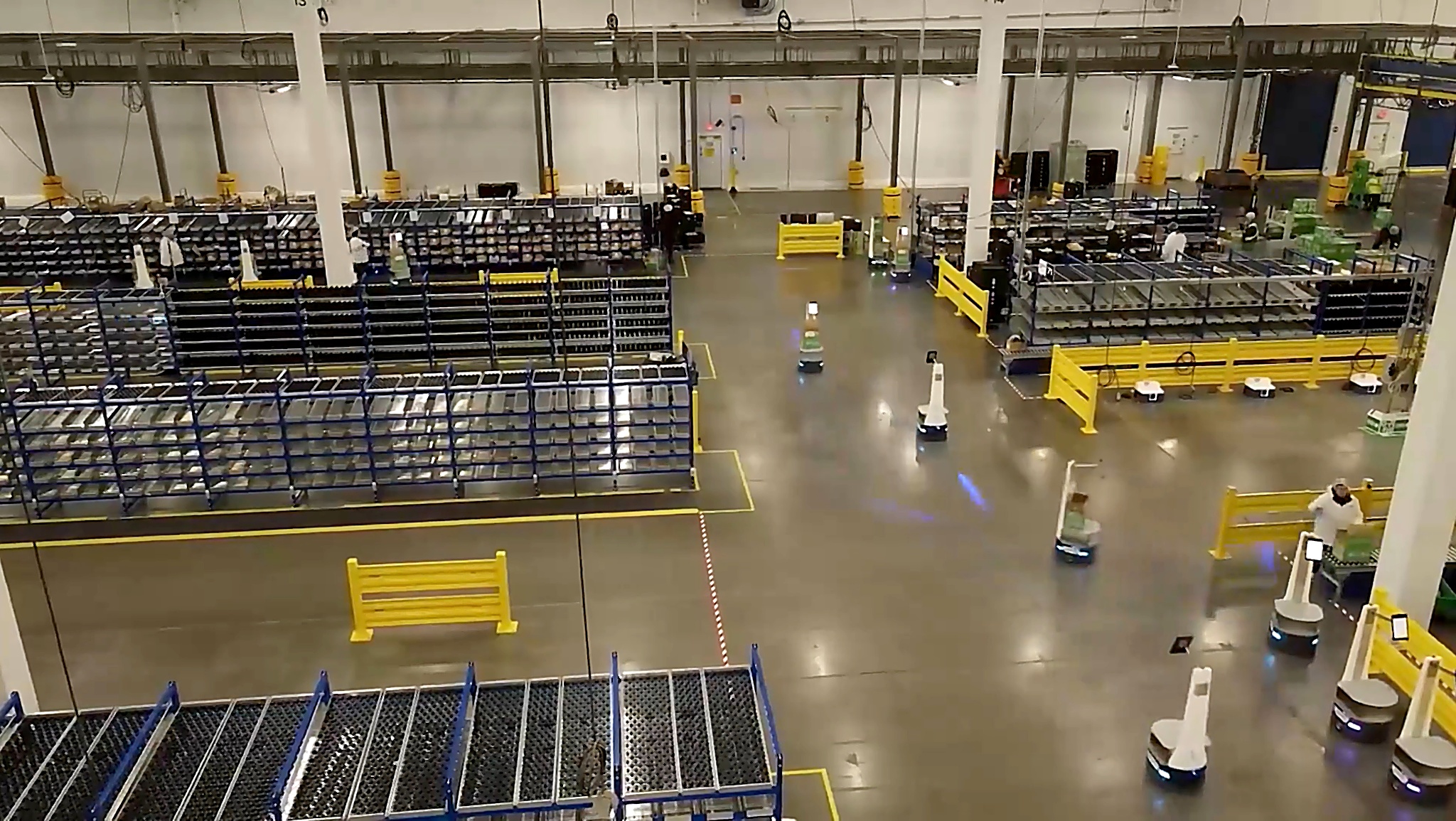
HelloFresh Expand Temperature-Controlled SKU Capacity
Locus Robotics has unveiled a cold-storage hardware modification that significantly enhances HelloFresh's chilled fulfillment capabilities. This upgrade allows the leading meal kit company to increase its temperature-controlled stock-keeping units (SKUs) from 100 to 500, marking a fivefold expansion. The enhancement is expected to provide greater meal variety and open new revenue streams across HelloFresh's diverse brand portfolio, including its Factor brand. The deployment of 13 Locus robots was integral to this expansion, showcasing the innovative collaboration between the two companies.
AMR and AGV Automation Systems and Shuttles Cold Chain Logistics eFulfilment Materials Handling Robotic Picking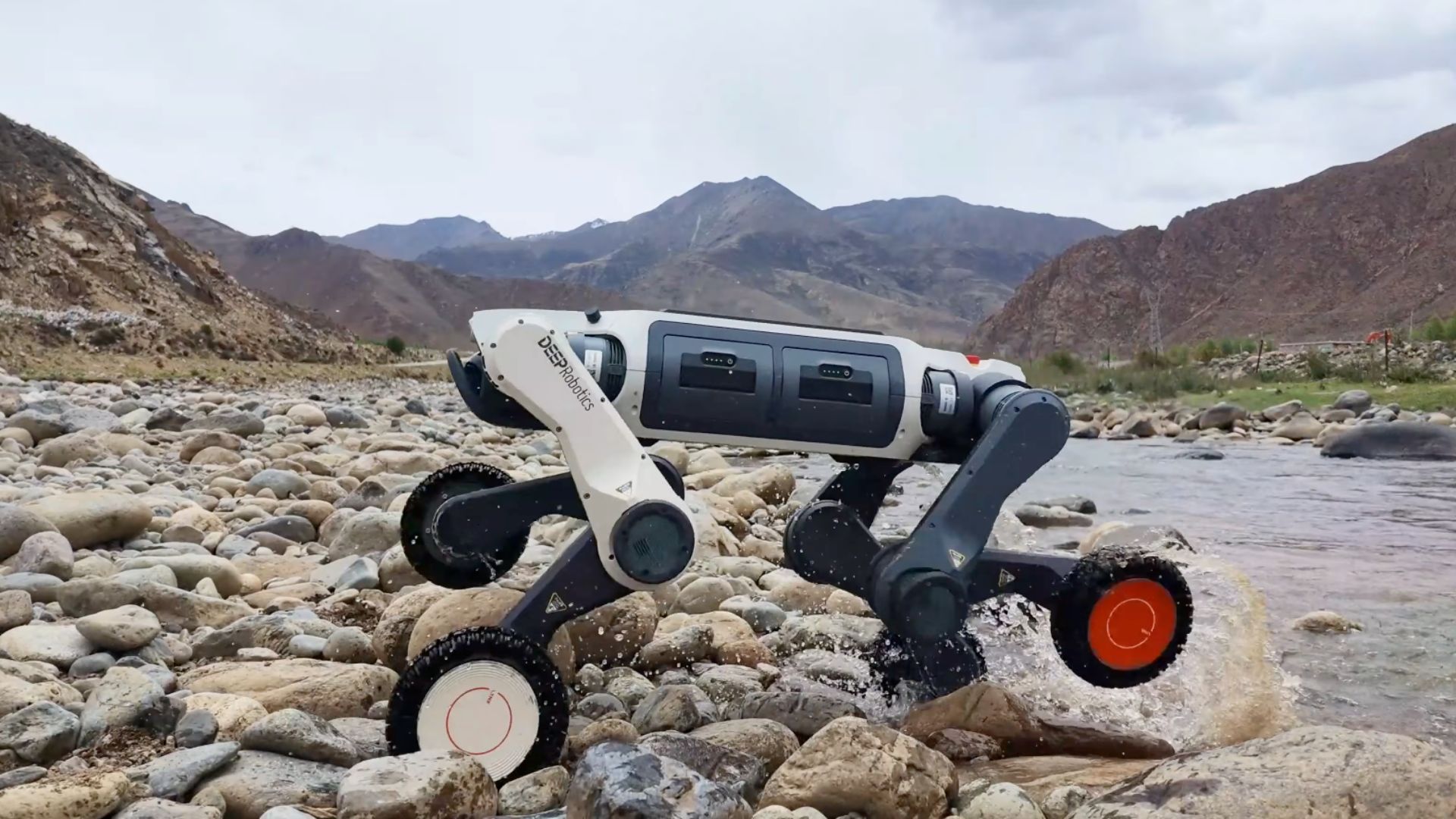
China’s new robot dog tackles -22°F cold, crosses river and rugged terrain in demo
DEEP Robotics has unveiled its latest innovation, a wheeled-legged robot specifically engineered to navigate and perform tasks in challenging industrial environments. The demonstration took place recently, showcasing the robot's capabilities in handling various terrains and obstacles typically encountered in industrial settings. This development aims to enhance operational efficiency and safety in sectors that require robust and versatile robotic solutions. The unique design combines the agility of legs with the stability of wheels, allowing the robot to adapt to different surfaces and tasks seamlessly. By integrating advanced technology, DEEP Robotics seeks to address the growing demand for automation in industries facing labor shortages and increasing operational complexities.
AI and Robotics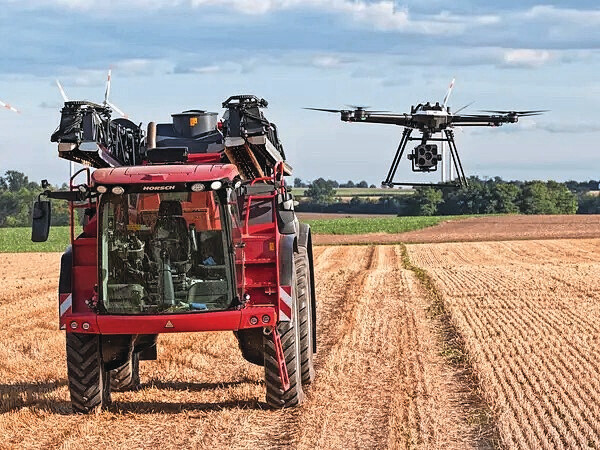
Horsch enters into partnership with application map specialist
Machinery manufacturer Horsch has acquired a strategic stake in German company Sam-Dimension, which specializes in creating application maps for spot spraying against weeds using drone imagery. This partnership, which has been in place since 2019, aims to enhance agricultural efficiency through innovative technology. Sam-Dimension has developed a high-resolution camera capable of capturing images with a precision of 1 millimeter, further advancing the capabilities of precision farming. This investment reflects Horsch's commitment to integrating cutting-edge technology into agricultural practices to improve crop management and sustainability.
Smart farming camera spray technology
Embraer and OGMA complete first Hungarian C-390 maintenance in Portugal
Embraer, in collaboration with the Portuguese aerospace company OGMA, has successfully completed the first scheduled 24-month maintenance for a C-390 Millennium aircraft belonging to the Hungarian Air Force. This significant milestone was achieved as part of ongoing efforts to ensure the operational readiness and reliability of the aircraft, which plays a crucial role in Hungary's military capabilities. The maintenance work was carried out in Portugal, showcasing the partnership between the two companies and their commitment to supporting the Hungarian military's aviation needs. This maintenance cycle not only enhances the aircraft's performance but also extends its service life, reflecting the growing importance of the C-390 Millennium in modern air force operations.
News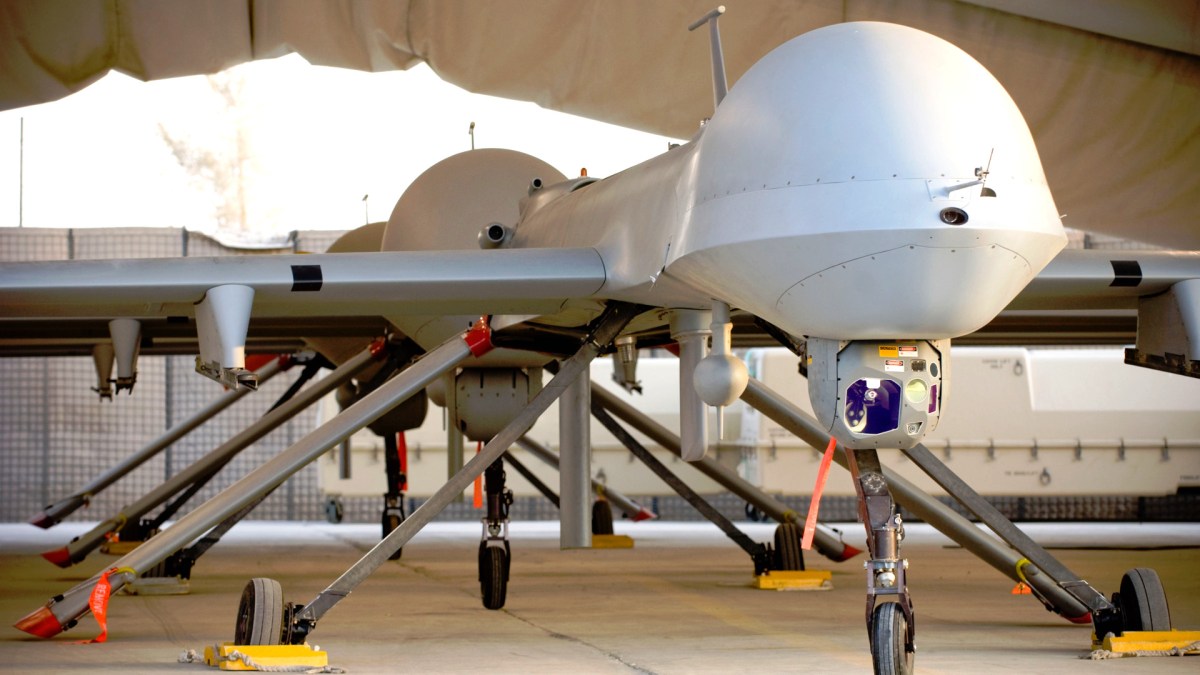
Pocket Fleet Of Unseen MQ-1 Predators Still Flying In Specialized Role
Formerly retired MQ-1 Predator drones, once a staple of the U.S. Air Force, are now being repurposed for specialized missions, showcasing their continued relevance in modern military operations. These drones, which had been phased out of active service, are being utilized in roles that require their unique capabilities, allowing them to contribute to missions that demand surveillance and reconnaissance. This resurgence of the MQ-1s comes as military strategists seek cost-effective solutions to meet evolving operational needs. The drones are primarily being deployed in less conventional environments, where their stealth and adaptability provide a tactical advantage. While the exact locations and details of their current missions remain classified, the ongoing use of these drones highlights the military's commitment to maximizing existing resources. The decision to keep the MQ-1s operational reflects a broader trend within the defense sector to extend the lifespan of proven technologies amidst budget constraints and the need for versatile aerial platforms. As of October 2023, these unmanned aerial vehicles continue to play a crucial role in enhancing situational awareness and intelligence gathering, proving that even retired military assets can find new life in the ever-evolving landscape of defense operations.
Air Drones Navies News & Features Q-1 Sea
AI Is Designing Radio Chips That Humans Couldn’t Even Imagine
Researchers at Princeton University have made significant strides in the design of radio-frequency integrated circuits (RFICs), a critical component for advancing wireless technologies such as 5G, autonomous vehicles, and satellite communications. Utilizing reinforcement learning and inverse design techniques, the team has developed a method to create RFICs from scratch, drastically reducing design time and achieving record performance levels. This innovative approach leverages AI to navigate the complex design space of RFICs, traditionally seen as an art requiring years of expertise. By employing machine learning algorithms, the researchers can generate novel circuit layouts that outperform existing designs while minimizing the time taken for development. The project, which began after the success of AI in games like Go, aims to overcome the limitations of conventional RFIC design, which has remained largely artisanal. The researchers emphasize the need for large, shared datasets and open ecosystems to further enhance AI's capabilities in understanding electromagnetic and circuit behaviors. As the demand for advanced RFICs grows, the potential for AI-driven design to revolutionize the field is becoming increasingly apparent. The findings have attracted attention within the RF community, sparking discussions about the future of AI in circuit design and the importance of collaboration between AI researchers and chip designers to unlock new possibilities in technology.
Machine-learning Ic-design Chip-design Rf Rfic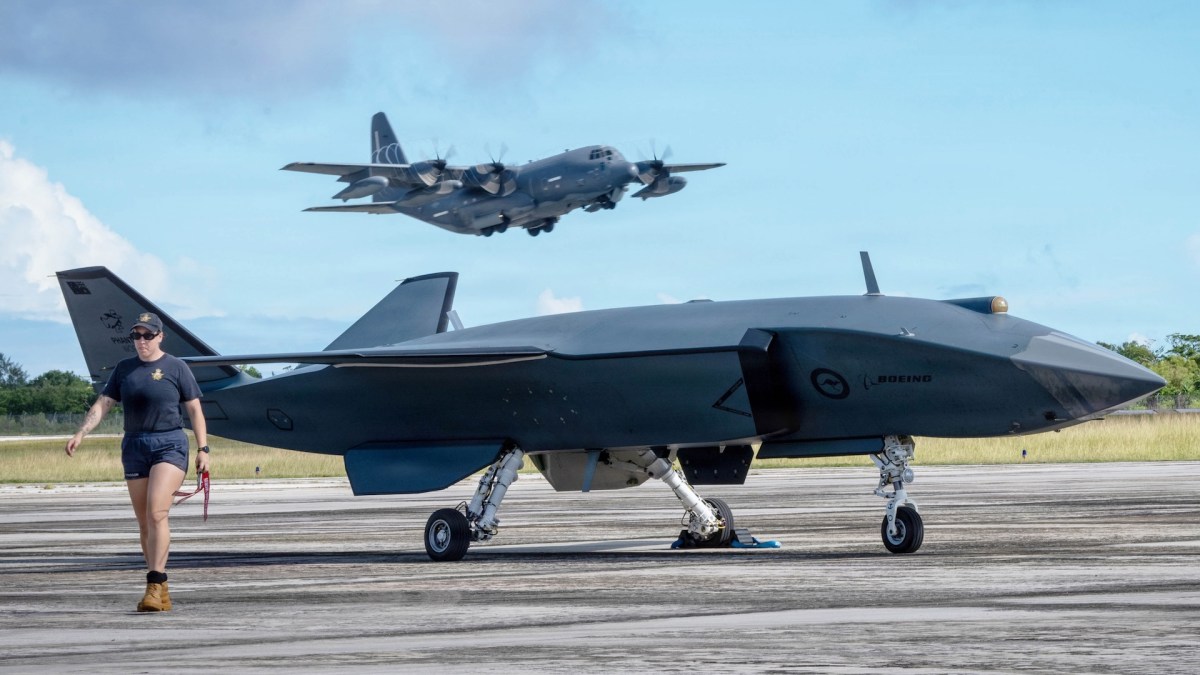
MQ-28 Ghost Bat Drone Debuts In Large-Force Combat Exercise In The Pacific
The MQ-28 Ghost Bat drone made its debut during the Valiant Shield exercise, showcasing its capabilities alongside other crewless combat aerial systems (CCAs) in a large-force combat scenario in the Pacific. This event, which highlights the integration of advanced drone technology into military operations, aims to explore how these systems can enhance coalition operations in future conflicts. The exercise underscores the growing importance of unmanned systems in modern warfare and their potential to transform strategic partnerships among allied forces.
Air Around The Globe Indo-Pacific Loyal Wingman MQ-28 News & Features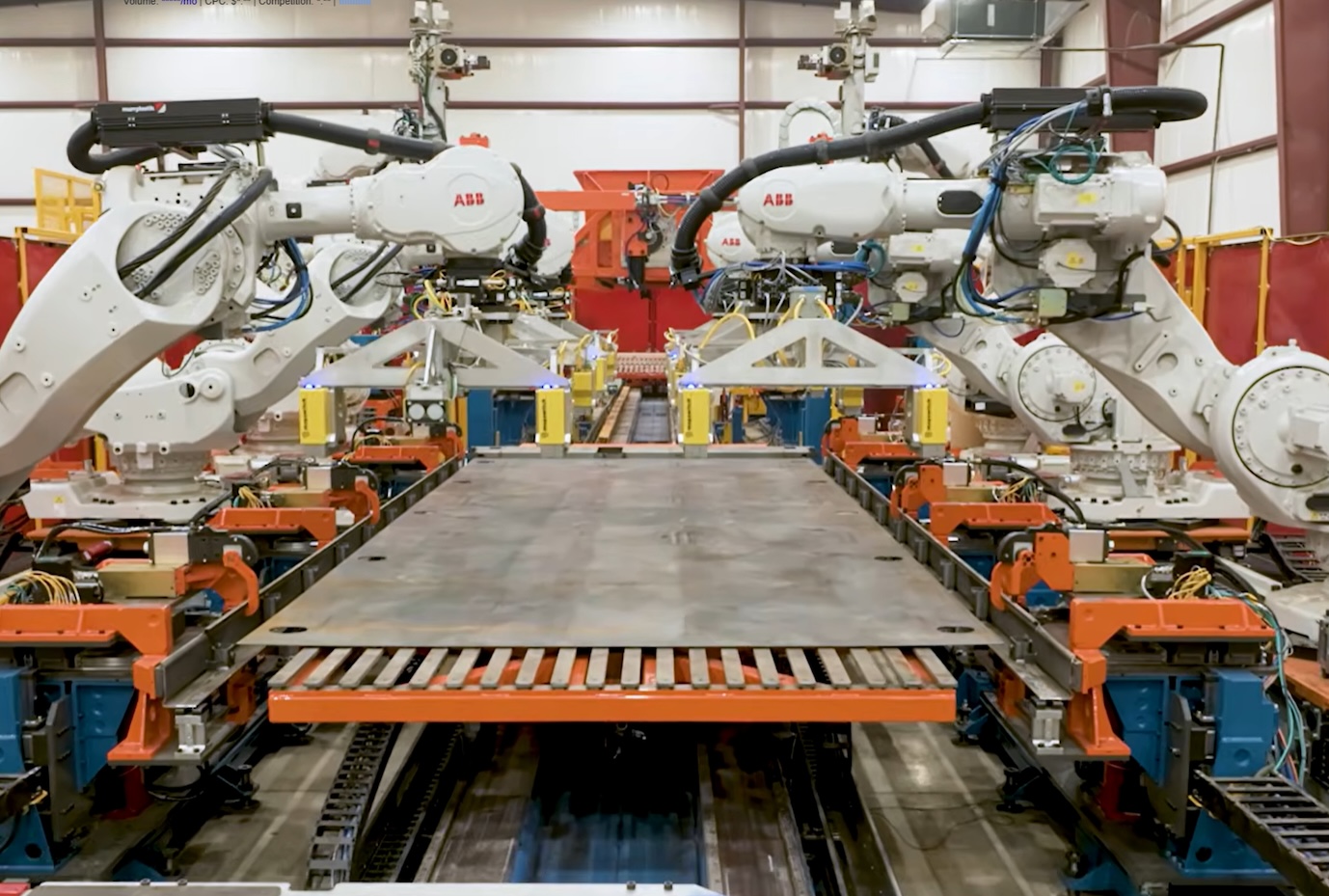
UK industry team looks to miniaturize DragonFire laser for Type 45 destroyer debut
The United Kingdom is poised to become the first European NATO member to operationally deploy advanced laser directed energy technology by 2027. This initiative reflects the UK's commitment to enhancing its defense capabilities in response to evolving security challenges. The deployment aims to provide a cutting-edge solution for military operations, improving efficiency and effectiveness on the battlefield. The move underscores the UK's leadership role within NATO and its dedication to modernizing its armed forces in line with contemporary technological advancements.
Global Naval Warfare Army DragonFire Drones Europe
Roundtable: Those who stand against the wind, seeking answers across the sea | 36Kr WAVES 2026 New Wave
In 2026, the WAVES conference, organized by 36Kr and AnYun, took place in Panyu, Guangzhou, focusing on the theme "This Summer." The event gathered top investors, industry leaders, and emerging entrepreneurs over two days to discuss the evolution of AI and hard technology, which are shifting from niche areas to mainstream consensus. The conference featured 14 in-depth roundtable discussions and numerous independent speeches that explored the underlying logic of key sectors such as AI, hard technology, overseas expansion, and healthcare. Key speakers included Peng Xiaoqiu, editor-in-chief of 36Kr, Zhang Hanliang from DBS Bank, Tao Yangfeng from Zero One Capital, Guo Bin from Paradise Silicon Valley, and Liu Bingbin, CEO of Zendure. They shared insights on the changing landscape of entrepreneurship, particularly the transition from manufacturing advantages to brand and engineering advantages in the past decade. Discussions highlighted the importance of understanding market demands and the risks associated with overseas expansion, emphasizing that successful ventures require a deep understanding of both domestic and international markets. The conference underscored the necessity for entrepreneurs to be aware of their capabilities and the potential pitfalls of blindly pursuing global opportunities. As the landscape of international business continues to evolve, the insights shared at WAVES 2026 aim to guide entrepreneurs in navigating the complexities of global markets.
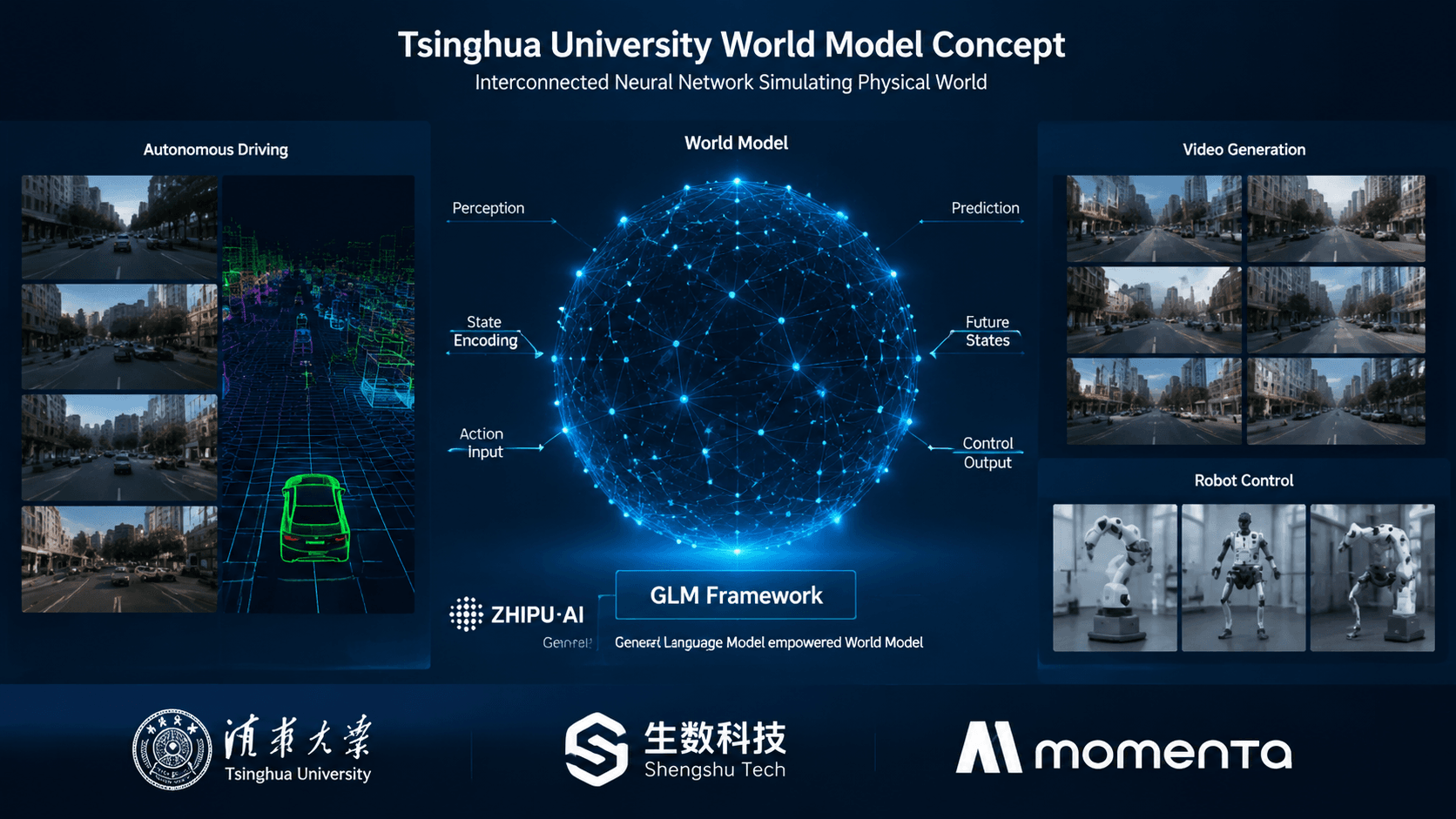
Tsinghua Ecosystem Sets Its Sights on World Models as the Next AI Frontier
Tsinghua University-affiliated companies, including Zhipu AI, Shengshu Tech, and Momenta, are advancing their research and development efforts in world models, focusing on applications in video processing, robotics, and autonomous driving. These initiatives are part of a broader push to enhance artificial intelligence capabilities and improve the efficiency and effectiveness of automated systems. The companies aim to leverage cutting-edge technology to address real-world challenges and contribute to the rapidly evolving landscape of AI. With a commitment to innovation, these firms are positioning themselves at the forefront of the AI revolution, seeking to establish a competitive edge in the global market.
AI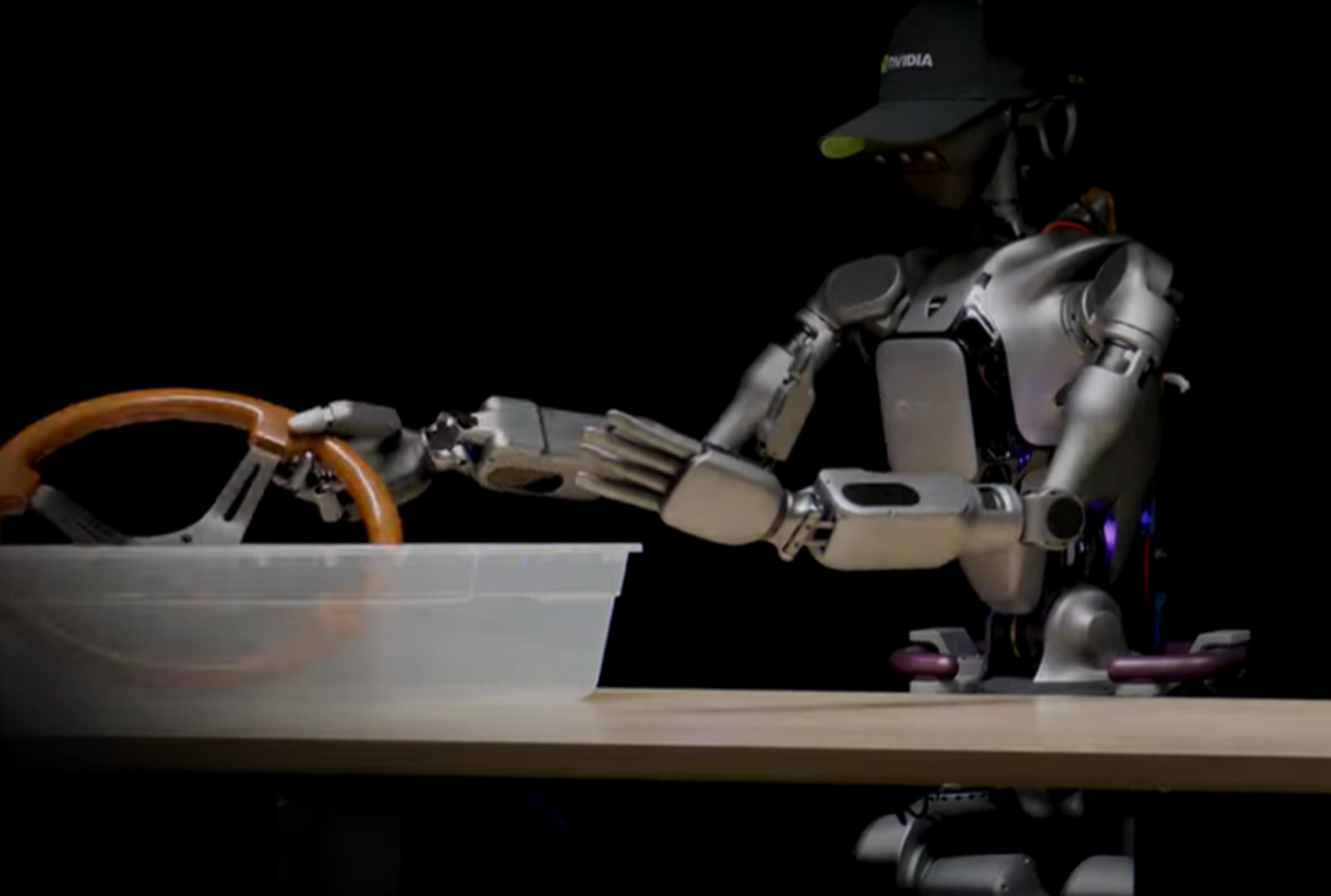
A high-endurance DNA origami snap-through switch for functional nanoscale control
In June 2026, a groundbreaking study published in Science Robotics highlights advancements in robotic technology that could revolutionize various industries. Researchers from leading universities and tech companies collaborated to develop a new generation of robots capable of performing complex tasks with unprecedented efficiency and precision. This innovation aims to address the growing demand for automation in sectors such as manufacturing, healthcare, and logistics. The study showcases robots equipped with advanced artificial intelligence and machine learning algorithms, enabling them to adapt to dynamic environments and learn from their experiences. By enhancing their operational capabilities, these robots can significantly reduce labor costs and improve productivity, ultimately benefiting businesses and consumers alike. The research team conducted extensive experiments in controlled environments to test the robots' performance, demonstrating their ability to execute intricate tasks that were previously thought to require human intervention. This development comes in response to the increasing pressure on industries to streamline operations and meet the challenges posed by a rapidly changing economic landscape. As companies seek to integrate these advanced robotic systems into their workflows, the implications for the workforce and future job markets are profound. The study underscores the potential for robots to not only augment human labor but also create new opportunities in technology and engineering fields. The findings are expected to spark further research and investment in robotics, paving the way for a more automated future.
Research Article
DNA origami snaps into place
In a groundbreaking study published in the June 2026 issue of Science Robotics, researchers from leading universities have unveiled a new robotic system designed to assist in complex surgical procedures. This innovative technology aims to enhance precision and reduce recovery times for patients undergoing surgery. The research team, comprised of engineers and medical professionals, conducted extensive trials over the past year, demonstrating the robot's capabilities in various surgical environments. Their findings indicate that the robotic system can significantly improve outcomes in surgeries that require high levels of dexterity and accuracy. The motivation behind this development stems from the increasing demand for minimally invasive surgical techniques, which are known to offer patients quicker recovery and less postoperative pain. By integrating advanced robotics with surgical practices, the team hopes to address these needs and set a new standard in surgical care. The trials were conducted in multiple hospitals across the United States, where the robotic system was tested in real-time surgical scenarios. Feedback from surgeons and patients has been overwhelmingly positive, highlighting the robot's potential to revolutionize surgical procedures. As the medical community continues to explore the integration of robotics in healthcare, this study marks a significant step forward, paving the way for future innovations that could transform patient care and surgical practices worldwide.
Focus
Is your robot vacuum cleaner spying on you?
In a groundbreaking study published in the June 2026 issue of Science Robotics, researchers have unveiled a new robotic system designed to enhance surgical precision and efficiency. This innovative technology, developed by a team of engineers and medical professionals, aims to reduce the risks associated with complex surgical procedures. The research team conducted extensive trials over a two-year period, testing the robotic system in various surgical environments. Their findings indicate that the robot can perform intricate tasks with a level of accuracy surpassing that of human surgeons, potentially leading to improved patient outcomes. The motivation behind this development stems from the increasing demand for safer and more effective surgical methods, particularly in high-stakes operations. By integrating advanced robotics with surgical practices, the team hopes to address common challenges such as human error and fatigue during lengthy procedures. The trials took place in multiple hospitals across the United States, where the robotic system was utilized in real-time surgeries. Observations showed a significant decrease in operation times and recovery periods for patients, highlighting the potential of robotics to revolutionize the field of surgery. As the medical community continues to explore the implications of this technology, the research team is optimistic about future applications, including training programs for surgeons and expanded use in various medical specialties. This advancement marks a significant step forward in the intersection of robotics and healthcare, promising to enhance the capabilities of surgical teams worldwide.
Focus
Learning flight navigation like a honey bee
In June 2026, a groundbreaking study published in Science Robotics highlights significant advancements in robotic technology aimed at enhancing human-robot collaboration. Researchers from leading universities and tech companies have developed a new generation of robots equipped with advanced artificial intelligence, enabling them to perform complex tasks alongside human workers more efficiently. This initiative is driven by the increasing demand for automation in various industries, particularly in manufacturing and healthcare, where precision and reliability are paramount. The study outlines how these robots can adapt to dynamic environments, learn from human interactions, and improve their performance over time, thereby reducing the risk of workplace accidents and increasing productivity. The research team conducted extensive field tests in factories and hospitals to evaluate the robots' capabilities in real-world scenarios. The results demonstrated a marked improvement in task execution speed and accuracy when robots and humans worked in tandem, showcasing the potential for these technologies to transform traditional workflows. As industries continue to evolve, the implications of this research could lead to a new era of collaboration between humans and machines, addressing labor shortages and enhancing operational efficiency. The findings underscore the importance of ongoing innovation in robotics, paving the way for future developments that could redefine the nature of work across various sectors.
Editors' Choice
Embodied AI Chip Market Heats Up as Multiple Players Race for Dominance
The embodied AI chip market is experiencing rapid growth as various companies compete for leadership in this emerging sector. As of October 2023, advancements in artificial intelligence and robotics have fueled the demand for specialized chips that enhance machine learning capabilities and improve efficiency in automated systems. Major tech firms and startups alike are investing heavily in research and development to create innovative solutions that cater to diverse applications, from autonomous vehicles to smart home devices. This surge in competition is driven by the increasing need for more sophisticated AI technologies that can process data in real-time and adapt to changing environments. As players in the market strive to differentiate their products, collaborations and partnerships are becoming common strategies to accelerate development and gain a competitive edge. The race for dominance in the embodied AI chip market is expected to intensify, with significant implications for the future of technology and automation.
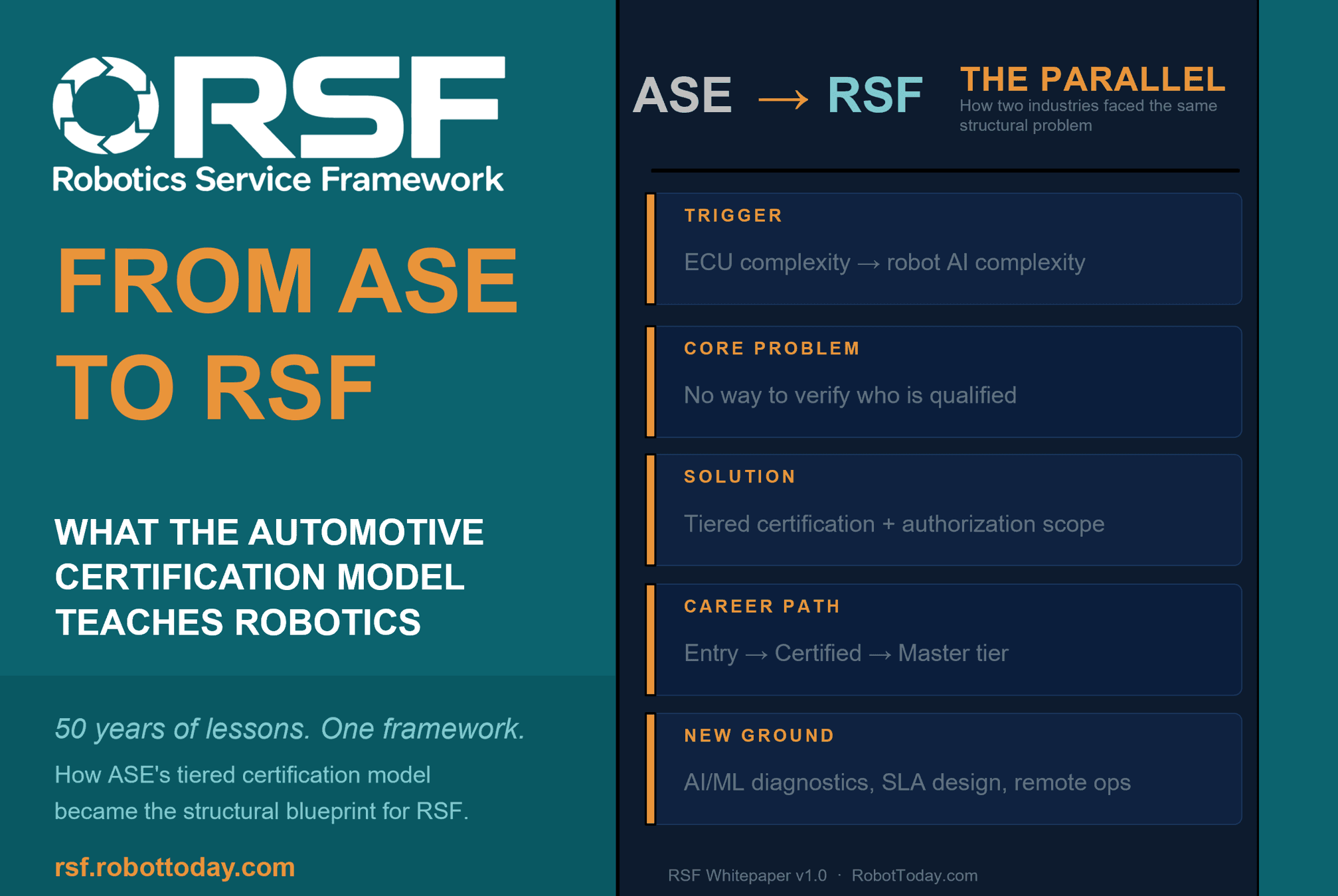
AIRobotics needs a service framework.
RSF defines a common language for robot service capability, lifecycle operations, certification pathways, and service-provider networks.