Industry Briefing
A single destination for timely, editor-curated robotics news from around the world.
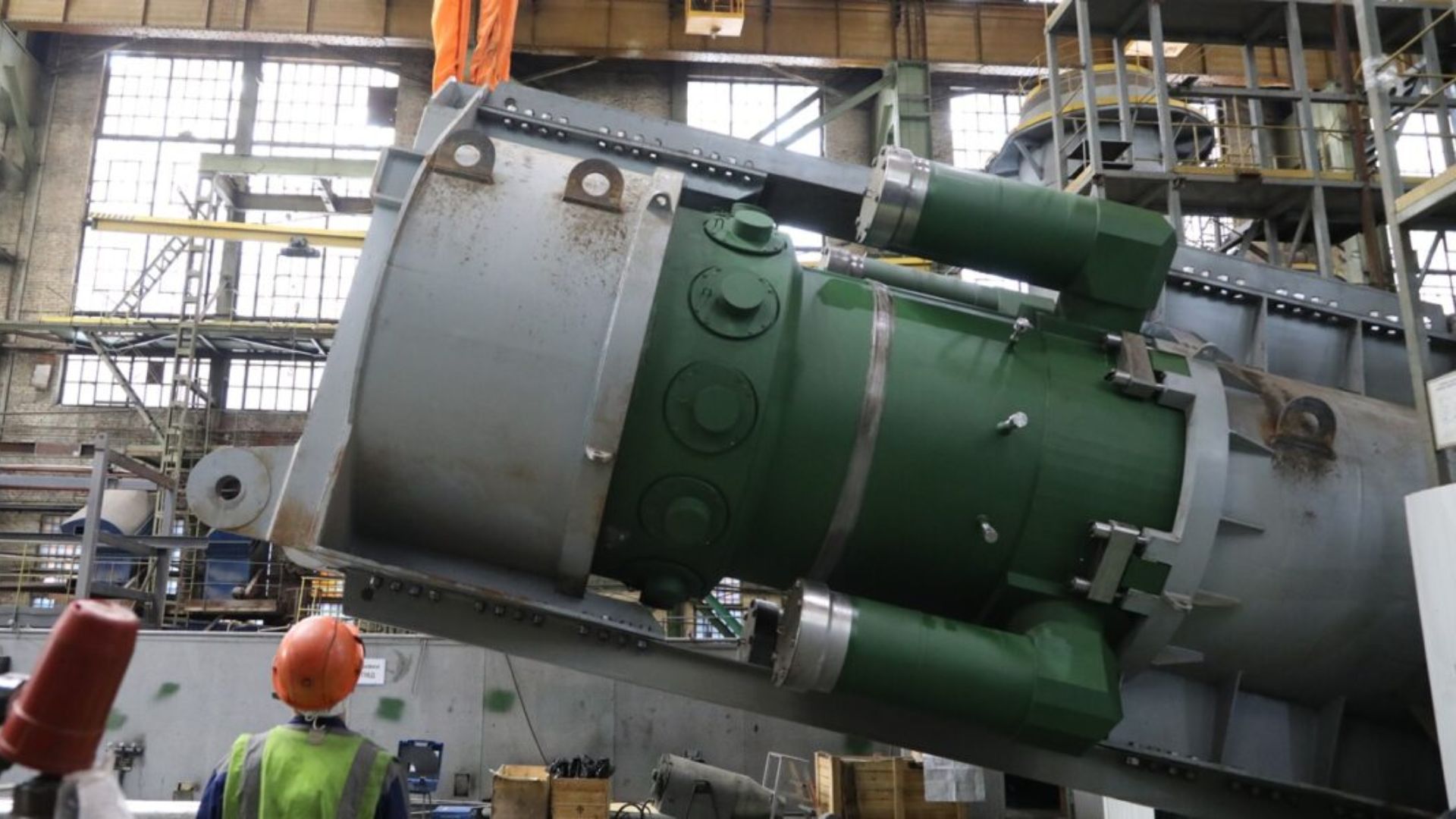
Russia's Rosatom Develops 15 RITM-200 Marine Nuclear Reactors for Icebreakers
Russia has successfully constructed 15 RITM-200 reactor units, with plans for 13 more, as reported by Rosatom chief Alexey Likhachev. These small-scale reactors, each with a thermal power output of 175 megawatts and a lifespan of at least 40 years, are designed for use in hard-to-reach areas, particularly for icebreakers operating in icy waters. The RITM-200's innovative design integrates the core and steam generators within a single pressure vessel, reducing the system's footprint by approximately one-third compared to traditional marine reactors. This compact design allows for enhanced operational capabilities, enabling Project 22220 icebreakers to adapt their buoyancy for navigating both deep ocean and shallow river environments. Looking ahead, Rosatom is adapting the RITM-200 for civilian energy applications, including the RITM-200N for land-based power generation in Yakutia and the RITM-200S for floating power stations. The company is also exploring micro-reactor technologies for remote areas, with projects like the Shelf micro-reactor and the Elena thermoelectric unit. No further timeline was disclosed at the time of publication.
Energy
TerraPower Secures Deals for Eight 345-MW Natrium Reactors in US Nuclear Initiative
TerraPower, a nuclear firm backed by Bill Gates, has announced two significant agreements to advance the deployment of its Natrium reactors. On August 14, the company revealed partnerships with South Korean firms Hyundai Engineering & Construction and SK Innovation, aimed at facilitating the construction of up to eight Natrium reactors. This move follows discussions with key government and industry leaders in South Korea. The importance of these agreements lies in their potential to enhance international collaboration and financing for advanced nuclear technology. TerraPower's Natrium reactors, which combine sodium-cooled fast reactors with molten salt energy storage, are designed to operate continuously and provide reliable power. The first Natrium plant is currently under development in Wyoming, with completion expected in 2030, marking a significant milestone in the US nuclear landscape. Looking ahead, TerraPower's collaboration with SK Innovation may lead to the establishment of South Korea's first commercial Natrium plant and further international expansion. The companies plan to explore the integration of digital technologies, such as AI and digital twins, to optimize nuclear operations. No further timeline was disclosed at the time of publication.
Energy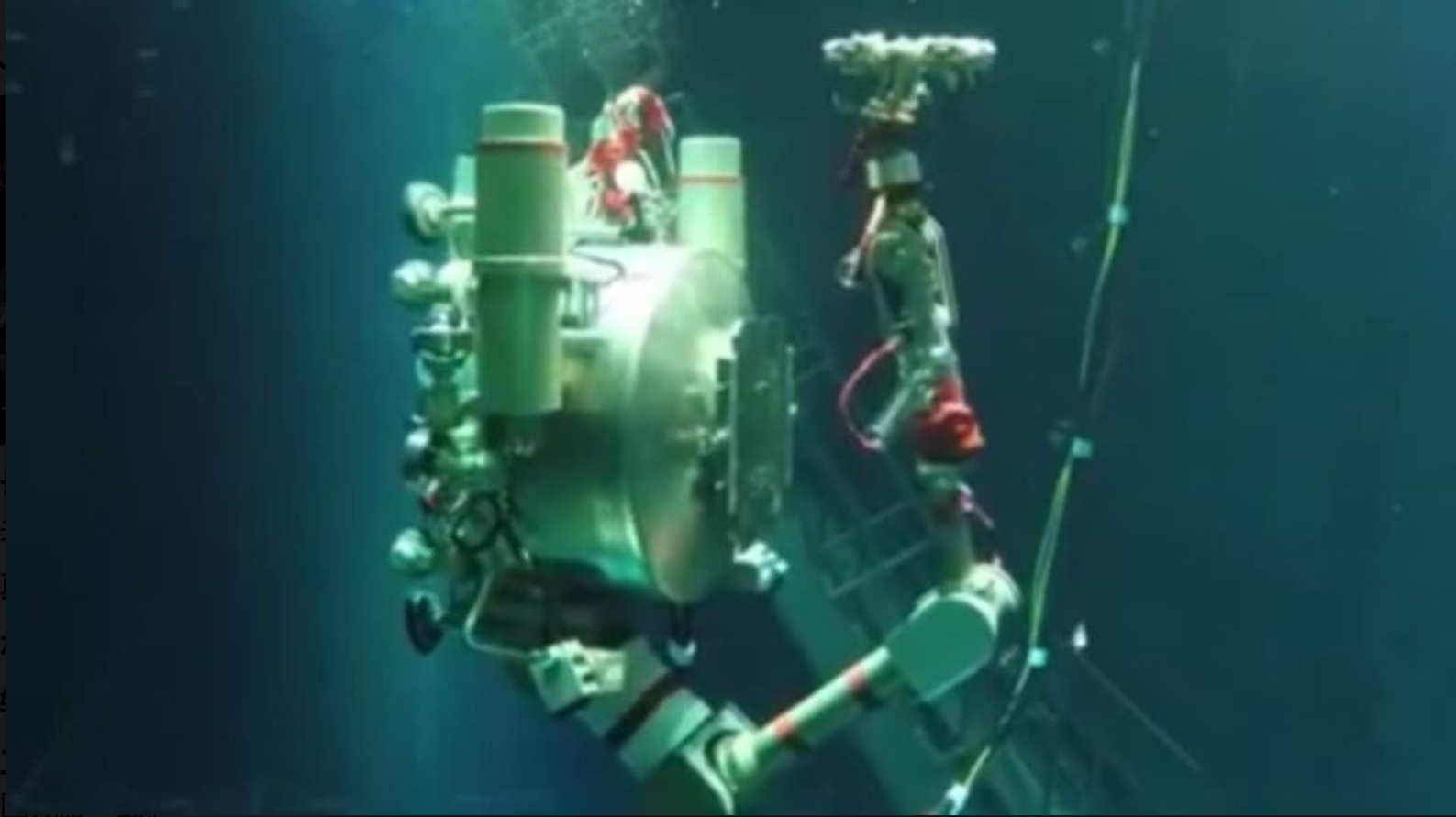
A-UT Robot: 30 Years of Underwater Inspections in Nuclear Reactors
The A-UT robot, resembling a giraffe, has been operational in Japan's nuclear power plants for 30 years. Developed by Mitsubishi Heavy Industries, it performs critical inspections inside reactor pressure vessels using ultrasonic probes, where human access is impossible due to radiation. This robot is essential for ensuring the integrity of reactor components that contain high-pressure, high-temperature water and nuclear fuel. Its ability to operate in hazardous conditions makes it an invaluable tool for maintaining safety in nuclear energy production, especially as Japan's nuclear sector begins to revive. Looking ahead, the A-UT's role is expected to grow as more nuclear reactors restart operations, including the Kashiwazaki-Kariwa Unit 6 in February 2026. The continued use of such robots highlights their importance in energy strategy, ensuring the safety of welds in environments that are too dangerous for humans.
Nuclear Robotics Underwater Inspection Industrial Automation Radiation Protection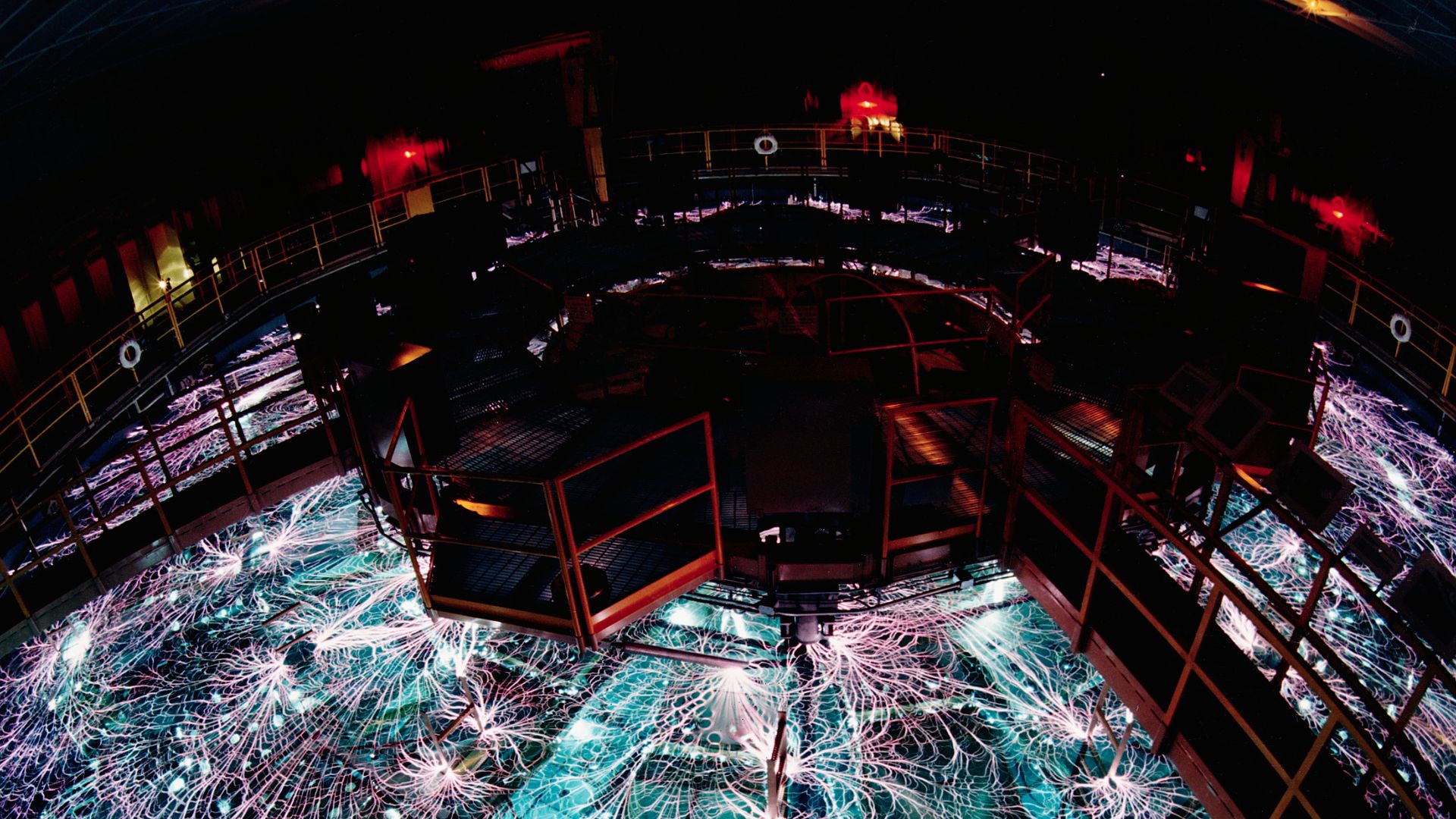
Penn State Scientists Discover Cause of Corrosion Highways in Advanced Nuclear Reactors
Researchers at Penn State University have identified the reasons behind the formation of 'corrosion highways' in advanced nuclear reactors. By adjusting the atomic arrangement of structural metals, they can influence the corrosion rate and extent, which is critical as nuclear energy gains traction in the quest for low-carbon energy solutions. The significance of this research lies in its potential to enhance the safety and efficiency of molten salt reactors, which operate at much higher temperatures than conventional fission reactors. With temperatures reaching 1,500 degrees Fahrenheit (800 degrees Celsius), understanding corrosion mechanisms is vital to prevent safety risks associated with reactor vessel integrity. Looking ahead, the team aims to develop a high-length-scale model to predict how different alloy materials behave when exposed to molten salt. This advancement could lead to the design of safer vessels for molten salt reactors, addressing the corrosion challenges identified in their studies. No further timeline was disclosed at the time of publication.
Science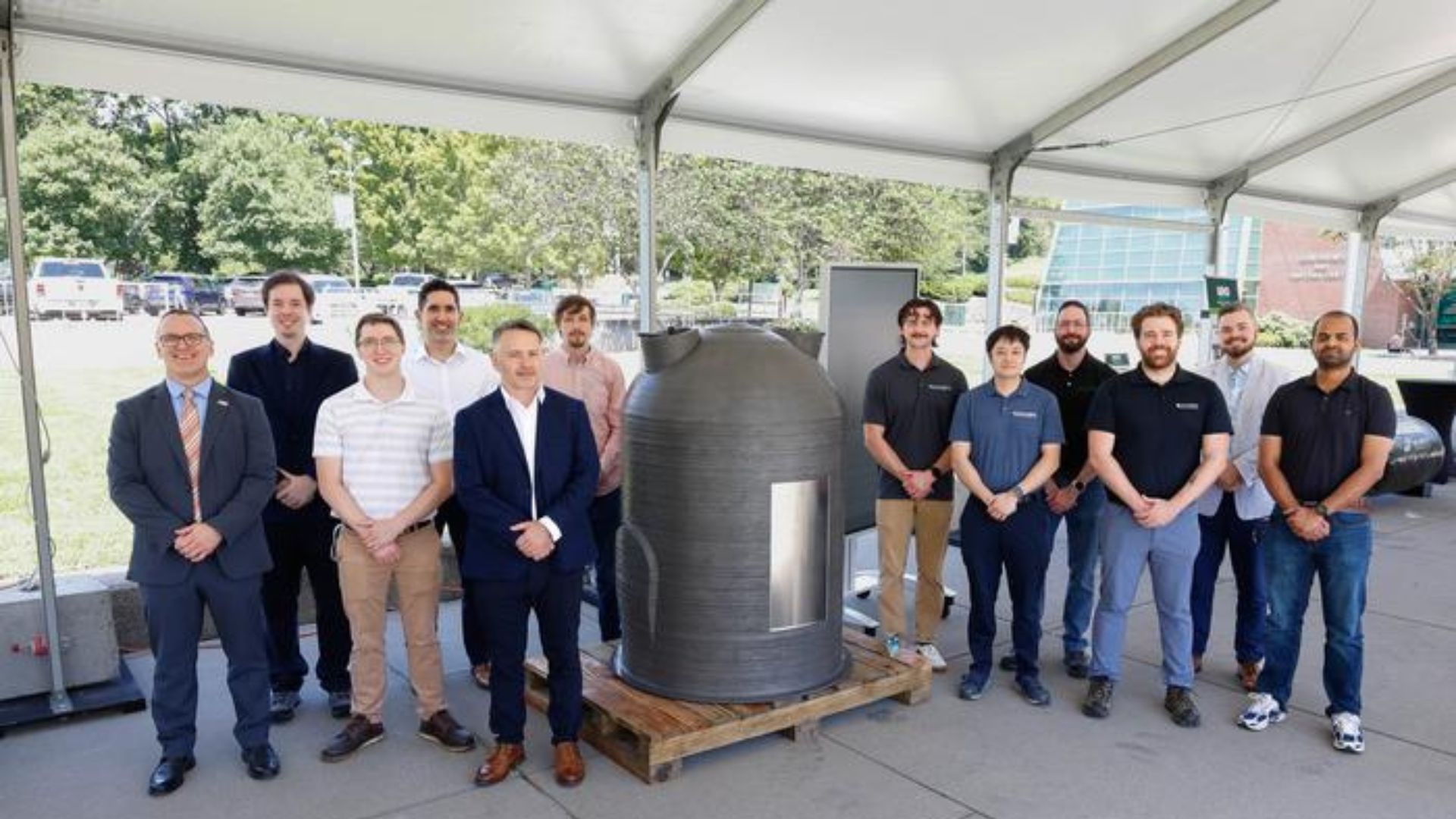
Oak Ridge National Laboratory Utilizes Robotics to 3D Print Steel Pressure Vessel for Nuclear Applications
Oak Ridge National Laboratory (ORNL) and its industry partners are leveraging advanced manufacturing technologies, including heavy 3D printing and AI-driven automation, to address challenges in the U.S. industrial supply chain. A notable achievement includes the creation of a three-by-five-foot nuclear pressure vessel using a three-armed robot named MedUSA, showcasing the potential of additive manufacturing in producing large metal components. This initiative is crucial as the U.S. industrial sector grapples with significant operational challenges, including irregular supply chains and a shortage of skilled labor, which have led to delays in critical infrastructure projects. The Materials and Manufacturing Innovation Days event at ORNL brought together over 350 leaders to discuss accelerating the adoption of advanced manufacturing technologies, aiming to transform laboratory innovations into practical applications for U.S. manufacturers. Looking ahead, the focus will be on overcoming certification hurdles for 3D-printed components, as highlighted by participants at the event. The collaboration between ORNL and various industry stakeholders aims to enhance supply chain resilience and expedite the qualification of alternative materials and manufacturing processes, ensuring that advancements in technology translate effectively to the factory floor.
Energy Innovation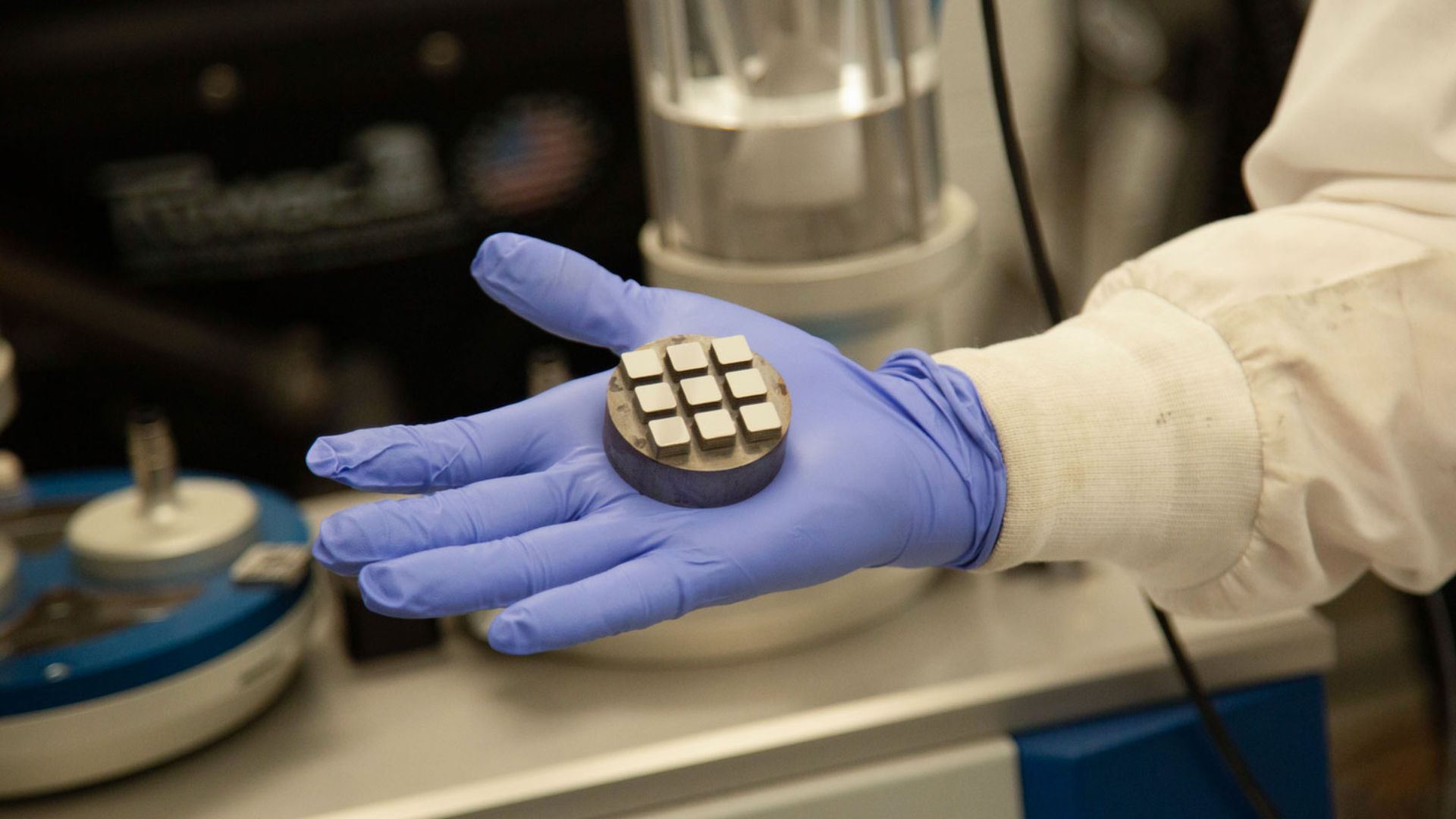
University of Toronto Engineers Develop Six New Metal Alloys for Extreme Environments
Researchers at the University of Toronto Engineering have created six innovative metal alloys using an AI-driven discovery platform. These alloys are designed to enhance the durability of components in jet engines and nuclear reactors, capable of withstanding temperatures exceeding 1,832°F. The AI-assisted approach significantly accelerates the identification of high-performance materials, demonstrating the potential for rapid advancements in material science. The significance of this development lies in the growing demand for materials that can endure extreme temperature and pressure fluctuations, which are common in applications like jet engines and nuclear power plants. Yu Zou, the project leader, emphasized the need for materials that can be produced through 3D metal printing, allowing for the creation of complex components that traditional manufacturing methods cannot achieve. Looking ahead, the researchers aim to further refine their AI-driven system to explore additional material compositions. No further timeline was disclosed at the time of publication, but the initial success in identifying six new alloy formulations suggests a promising future for advanced materials in extreme environments.
AI and Robotics Energy InnovationRobotics needs a service framework.
RSF defines a common language for robot service capability, lifecycle operations, certification pathways, and service-provider networks.
Join the RobotToday community on LinkedIn
Daily robotics news, in-depth analysis, conference highlights, and discussions with professionals worldwide.