Industry Briefing
A single destination for timely, editor-curated robotics news from around the world.

New Quantum Hermite Transform Algorithm Enhances AI and Scientific Computing Potential
Researchers from the U.S. Department of Energy’s Brookhaven National Laboratory, Northeastern University, Google Quantum AI, and the University of Texas at Austin have introduced a new quantum computing algorithm called the quantum Hermite transform (QHT). This algorithm aims to broaden the scope of problems that future quantum computers can address, particularly in artificial intelligence and scientific simulations. The significance of the quantum Hermite transform lies in its potential to improve data processing and simulation capabilities of quantum computers. By introducing a new computational building block, the QHT could lead to more efficient quantum algorithms in various fields, including materials science and energy research. The findings were presented at the 58th Annual ACM Symposium on Theory of Computing in Salt Lake City. Looking ahead, the researchers emphasize that expanding the library of reusable quantum primitives like the QHT will facilitate the development of innovative quantum algorithms. This advancement could provide exponential speed advantages over classical methods, marking a pivotal step in the evolution of quantum computing applications. No further timeline was disclosed at the time of publication.
AI and Robotics
Thirteen New Embodied AI Models Released in June 2026 by BAAI and Alibaba
In June 2026, the landscape of embodied AI saw the introduction of 13 new models, including significant contributions from BAAI and Alibaba's Qwen-Robot. This rapid development indicates a shift from traditional hardware benchmarks to a focus on software intelligence, highlighting the competitive nature of the field. The emergence of these models underscores the growing importance of software capabilities in embodied AI, as companies strive to enhance their offerings and differentiate themselves in a crowded market. This trend reflects a broader industry movement towards prioritizing intelligent software solutions over hardware specifications. Looking ahead, industry observers should monitor the ongoing advancements in embodied AI models, as the pace of innovation suggests that new releases may continue to emerge frequently. No further timeline was disclosed at the time of publication.
Technology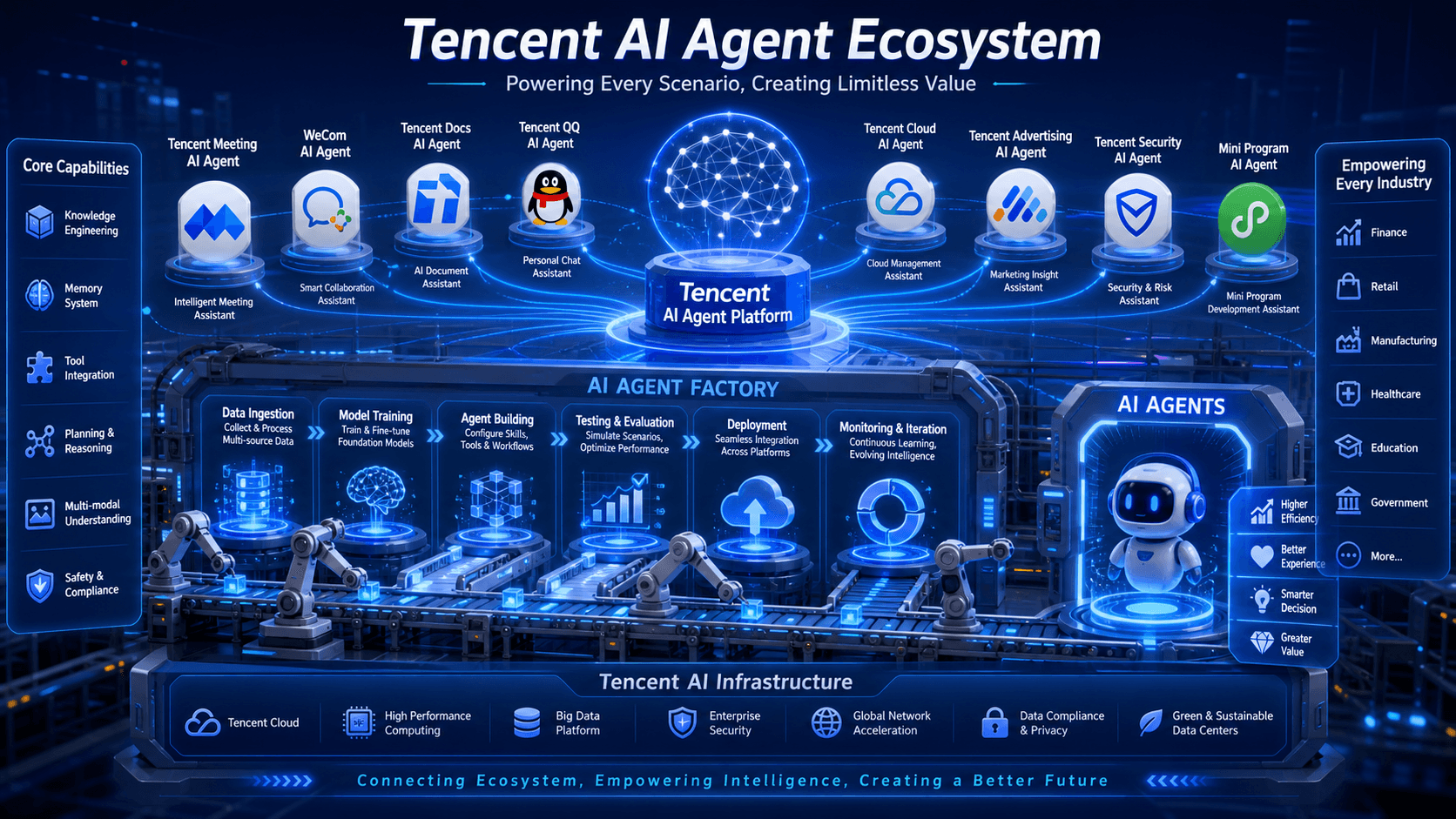
Tencent Emerges as a Leading Agent Production Hub with WorkBuddy and New AI Offerings
Tencent has established itself as a significant player in the agent production sector, launching WorkBuddy, which has garnered 8.85 million monthly visits. This initiative is part of a broader strategy that includes the introduction of several AI agents such as Zaohua Gongfang, Ardot, Miora, WorkRally, DataBuddy, and LearnBuddy. The rise of Tencent as an agent factory is noteworthy as it reflects the growing demand for AI-driven solutions across various industries. With WorkBuddy's impressive user engagement, Tencent is positioning itself to capitalize on the increasing reliance on intelligent agents in both personal and professional environments. Looking ahead, industry observers should monitor Tencent's continued expansion in the AI agent space and its impact on the competitive landscape. No further timeline was disclosed at the time of publication.
Industry
MIT and York University Study Visual Learning in the Brain Using Neural Networks
Researchers at MIT’s McGovern Institute for Brain Research and York University in Toronto have investigated how visual learning occurs in the brain. By analyzing neural activity and utilizing computational modeling, they compared the learning processes of animals and an artificial neural network designed to mimic brain architecture. Their findings, published on July 8 in Nature Communications, reveal that changes in visual processing are crucial for learning to discriminate new objects. This research is significant as it enhances our understanding of the brain's adaptability and the mechanisms behind visual learning. The study suggests that while the overall activity patterns in the inferior temporal cortex remain stable, subtle changes occur in response to learned object recognition. These insights could inform educational strategies and improve learning outcomes across various contexts. Looking ahead, the researchers aim to further explore how these modest changes in neural activity contribute to learning. They believe that artificial neural networks can provide valuable insights into biological learning processes, potentially leading to new experimental approaches and predictions that extend beyond current understanding. No further timeline was disclosed at the time of publication.
Research Neuroscience Learning Brain and cognitive sciences Computer modeling Vision
Alibaba bans Claude Code internally; FF's LA office empty, company denies; Microsoft invests $2.5 billion to form new AI company.
In a significant policy shift, China's Ministry of Finance, State Taxation Administration, and Ministry of Industry and Information Technology announced the adjustment of tax incentives for energy-efficient and new energy vehicles. Effective January 1, 2027, the government will eliminate the half-tax reduction for energy-efficient vehicles and discontinue the tax exemption for pure electric commercial vehicles, plug-in hybrid vehicles, and fuel cell commercial vehicles. This decision aims to align tax policies with the evolving automotive market and promote sustainable practices. The announcement follows a comprehensive evaluation of the current tax framework and its impact on the industry.

SpaceX sets IPO price to raise $75 billion; OpenAI CEO delays South Korea visit; new AI complaint center launched.
OpenAI CEO Sam Altman has postponed his planned visit to South Korea, originally scheduled for June 14-15, due to personal reasons. During the visit, he was expected to meet with leaders from major companies including Samsung Electronics, Kakao, and NAVER. In a separate announcement, Waymo, the autonomous driving subsidiary of Alphabet, revealed a new $30 monthly membership plan called Waymo Premier, aimed at invited users. This plan will offer benefits such as priority rides, a 10% cashback on trips, and the ability to cancel rides up to five times a month at no cost. Initial invitations will be sent to eligible passengers in San Francisco, Los Angeles, and Phoenix, with plans to expand to other cities. Meanwhile, SK Hynix is exploring the integration of AI technologies, including ChatGPT, into its operations. CEO Lee Seok-hee indicated that the company is balancing the protection of industrial technology with the adoption of external AI services, considering tools like Microsoft 365 and CoPilot. In financial news, major Wall Street banks have begun restricting hedge funds' leverage on Asian chip stocks, including SK Hynix and Samsung, due to concerns over potential market corrections. This move involves raising financing costs for hedge fund bets and limiting new transactions. Additionally, Google announced a $50 million investment to train U.S. tech workers, addressing the growing demand for AI infrastructure. This investment is part of a broader initiative that has already seen over $1 billion allocated to training programs since 2022. Lastly, SK Hynix reported that a fire at its Cheongju plant on June 12 has been brought under control, with production equipment operating normally.

Krypton Evening News: Token prices drop to a few dollars; OpenAI may significantly reduce product prices; discounted train tickets for
Christian Stein has been appointed as the new CEO of Renault Group Spain, effective July 1, succeeding Josep María Recasens, who is leaving the company for new career opportunities. Stein will also continue in his role as Chief Communications Officer and report to Renault Group CEO François Provost. In a significant shift, General Motors is considering abandoning the use of lithium iron phosphate (LFP) batteries for electric vehicles, despite plans to produce them by the end of 2027 at a joint factory in Tennessee. This decision comes as the company reassesses its battery technology strategy amidst a competitive market. Global prediction markets Polymarket and Kalshi have reported that contracts for the upcoming World Cup champion have surpassed $2 billion, potentially setting a new record for single-event prediction market transactions. In the tech sector, OpenAI is contemplating substantial price reductions for its products to compete with rival Anthropic, as rising costs for AI services have become a concern for executives. Meanwhile, J&T Express has responded to an investigation by China's State Post Bureau, emphasizing its commitment to cooperate fully and improve safety management practices in light of the inquiry. AliExpress, Alibaba's cross-border e-commerce platform, has launched official local delivery services in five countries, including the U.S. and Spain, aiming to enhance logistics efficiency for merchants. In product news, Insta360 has unveiled the Luna Ultra, the world's first 8K dual-camera gimbal, which sold out shortly after its launch on June 10. Lastly, Neura Robotics, a German robotics firm, has secured $1.4 billion in funding to accelerate its development of a leading physical AI platform, with backing from major investors like Amazon and NVIDIA.

Microsoft warns of seven new threats from agent-based AI systems, including tool contamination and visual attacks.
Microsoft has revised its classification of agent-based AI vulnerabilities, adding seven new categories, including supply chain breaches and target takeover. This update follows insights gained from real-world red team operations, highlighting the need for enhanced measures against human approval evasion and memory corruption. The company advocates for the implementation of defensive strategies during the design phase to better safeguard against these emerging threats.

Ardian to invest €5 billion in digital infrastructure in France; Kuaishou creates 189 new jobs, 15 from AI; China allocates
On June 2, 2023, in Beijing, Gaode Map and the Singapore Tourism Board signed a strategic cooperation memorandum, marking the launch of the first collaborative tourism ranking list between a Chinese company and an overseas national tourism board. This initiative will feature the Singapore Street Ranking, utilizing Gaode's advanced aerial street view technology to provide a 360-degree perspective of local attractions, hotels, neighborhoods, and restaurants. The goal is to enhance the travel experience by allowing visitors to assess their destinations before arrival. In a separate development, the Jiangxi National Rare Earth Technology Innovation Center was established with a registered capital of 1.25 billion yuan, focusing on mineral resource exploration and scientific research. Additionally, WeRide and Uber announced plans to introduce Spain's first commercial Robotaxi service in Madrid, expanding WeRide's presence to its twelfth global city. The initiative aims to deploy hundreds of Robotaxis in the city center as operational benchmarks are met. In France, Ardian, a private equity firm, revealed a partnership with Verne to invest up to 5 billion euros in developing a next-generation digital infrastructure park in the Île-de-France region, with a target capacity of 500 megawatts by 2030. Other notable news includes a collaboration between Google and Telstra to build a fiber and submarine cable network in Australia, updates on the recovery timeline for Blue Origin's launch facilities following a recent rocket explosion, and a reduction in fuel surcharges for domestic flights in China starting June 5.

Peter J. Denning Challenges Alan Turing's AI Assumptions in New Book
Prominent computer scientist Peter J. Denning argues that Alan Turing's foundational assumptions about artificial intelligence may have misled AI research for 75 years. In his book, 'Turing's Mistake: Escaping the Yoke of Unintelligent Machines,' Denning critiques Turing's belief that intelligence can exist independently of a physical body and that machines can demonstrate intelligence through human-like conversation. Denning emphasizes that these assumptions have shaped AI development, leading to a focus on artificial general intelligence (AGI) that he believes is unlikely to succeed. He warns that the technologies being developed could pose significant new risks, particularly due to the limitations of machine learning in capturing tacit knowledge, which includes common sense, emotions, and practical skills. The book highlights the challenges of encoding tacit knowledge into machines, citing the Cyc project as an example of the difficulties in organizing common sense. Denning's insights suggest that the pursuit of AGI may overlook the complexities of human intelligence, raising questions about the future direction of AI research. No further timeline was disclosed at the time of publication.
Waze Introduces AI-Driven Features and Customization Enhancements for Users
Waze, the navigation app owned by Google, is launching new AI-powered features and customization options. These updates include conversational reporting of road changes and personalized navigation, utilizing Google’s Gemini AI assistant to enhance user experience and compete with services like Apple Maps. The introduction of personalized navigation allows Waze to suggest routes based on a user's trip history and traffic patterns, catering to individual preferences such as highway driving. Users can opt for alternate routes or disable personalization if desired. This feature is currently being rolled out globally on both Android and iOS platforms. Additionally, Waze is launching a Motorcycle mode that leverages AI to provide two-wheeler-specific routes and hazard alerts, with availability in several countries including Argentina and Brazil. The ability to report road updates conversationally is also being implemented, enhancing user interaction with the app. No further timeline was disclosed at the time of publication.
AI Apps Google Maps navigation waze
OpenAI introduces GPT-5.6 models with enhanced efficiency and cybersecurity features
OpenAI has launched its latest family of models, GPT-5.6, featuring three variants: Sol, Terra, and Luna. Announced on Thursday, these models promise significant advancements in enterprise applications, coding, and scientific research. Notably, Sol is reported to be 54% more token efficient for coding tasks, positioning it as a leading option in the AI landscape. The introduction of GPT-5.6 is significant as it aims to enhance cybersecurity capabilities, with OpenAI claiming it is their strongest model yet in this area. The model supports various defensive activities such as threat modeling and code review, addressing concerns raised by previous regulatory scrutiny. This launch is strategically timed to compete with offerings from rivals like Anthropic, with OpenAI asserting that its models outperform competitors in key metrics. Looking ahead, OpenAI's new models are now available across platforms including ChatGPT and Codex, with pricing structured per million tokens. The company has not disclosed specific timelines for future updates or enhancements, but the competitive landscape suggests ongoing developments in AI model capabilities and market positioning.
AI ChatGPT gpt-5.6 OpenAI sam altman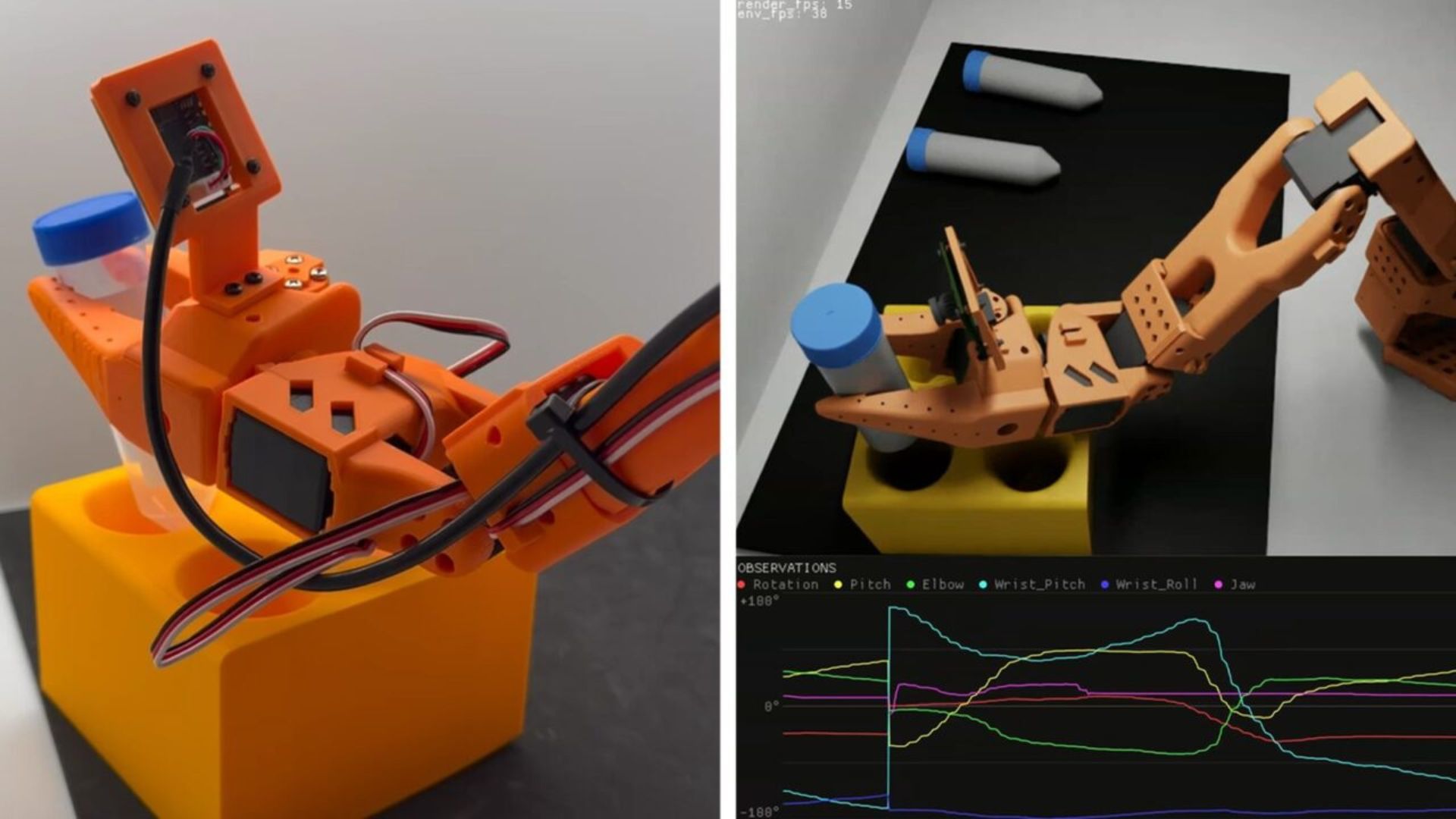
NVIDIA and Hugging Face Enhance LeRobot with New AI Models and Frameworks
NVIDIA has expanded its collaboration with Hugging Face to enhance the LeRobot open-source robotics platform with new AI models and frameworks. This integration includes the NVIDIA Isaac GR00T 1.7 vision-language-action model and the Isaac Teleop framework, aimed at streamlining robot development. The partnership seeks to make advanced robotics tools more accessible to developers and researchers, with plans to incorporate NVIDIA Cosmos 3 in the future. This collaboration is significant as it addresses the fragmented nature of robotics development by providing standardized workflows for data collection, model training, and robot deployment. The introduction of the Isaac Teleop framework allows for high-quality training data collection through human demonstrations, which can be shared within the LeRobot ecosystem. By lowering barriers to entry, NVIDIA and Hugging Face aim to foster broader collaboration in the robotics community. Looking ahead, NVIDIA plans to integrate the Cosmos 3 model into LeRobot, which will generate synthetic robotics data and assist in policy development. The collaboration builds on existing resources, including a dataset with over 350,000 robot trajectories and 57 million grasp examples. No further timeline was disclosed at the time of publication.
AI and Robotics
Intel reveals new XBM memory architecture patent to reduce AI memory costs by bypassing HBM silicon interposer.
On July 8, Intel revealed a recently filed patent application for a new high-bandwidth memory architecture called Cross-Batch Memory (XBM). This innovative design aims to reduce advanced packaging costs and alleviate the "memory wall" bottleneck faced by AI chips. By eliminating the silicon interposer required for High Bandwidth Memory (HBM) and utilizing UCIe interconnect technology along with an integrated redundancy repair mechanism, XBM enhances efficiency. The patent outlines a back-end transistor (BEOL) DRAM stacking design that maintains packaging dimensions similar to HBM4 while improving scalability and supporting defect repair to boost yield.

Microsoft establishes "Microsoft Frontier Company" to support AI implementation for clients with a team of 6,000.
Microsoft has announced the establishment of a new organization called "Microsoft Frontier Company," aimed at assisting client companies with the implementation of artificial intelligence (AI) by deploying AI engineers on-site. The initiative involves an investment of $2.5 billion and is expected to support a workforce of approximately 6,000 employees. This move comes as competition intensifies among tech giants, with OpenAI and Amazon's AWS also launching specialized organizations to facilitate AI integration for their customers.
Microsoft announces customizable isolation environment "Microsoft Execution Containers" for AI agents, compatible with OpenClaw.
Microsoft has unveiled a new customizable isolated environment for AI agents, known as Microsoft Execution Containers (MXC). This announcement was made recently as part of the tech giant's ongoing efforts to enhance AI development and deployment capabilities. The MXC aims to provide developers with a secure and flexible platform to create and manage AI applications, ensuring that they can operate independently while maintaining high levels of performance and security. By offering this innovative solution, Microsoft seeks to address the growing demand for robust AI systems that can be tailored to specific needs, thereby facilitating more efficient and effective AI integration across various industries.

Microsoft announces Android-based AI agent platform "Solara" and showcases Snapdragon-powered badge device.
At the recent Build 2026 conference, Microsoft unveiled a new platform called Project Solara, designed specifically for executing AI agents. Unlike traditional operating systems, this platform is based on AOSP (Android Open Source Project). In collaboration with Qualcomm, Microsoft introduced a device resembling an employee badge, as well as a stationary device developed in partnership with MediaTek. The company has initiated pilot programs with major enterprises to test these innovations.

Microsoft unveils AI-focused mini PC "Surface RTX Spark Dev Box" featuring NVIDIA SoC.
At the recent Build 2026 conference, Microsoft unveiled its new AI-focused desktop PC, the Surface RTX Spark Dev Box. This powerful machine is equipped with NVIDIA's RTX Spark technology, delivering an impressive computational performance of up to 1 petaflop and featuring 128GB of memory. These specifications enable local inference and training of models with over 120 billion parameters. Additionally, the device comes pre-installed with a variety of development tools, catering to the needs of developers working in artificial intelligence and machine learning.

Microsoft announces "Surface Laptop Ultra" featuring NVIDIA's new RTX Spark chip for local execution of large AI models.
Microsoft has unveiled its latest high-performance laptop, the Surface Laptop Ultra, which features NVIDIA's new Arm processor, the RTX Spark. This innovative device is designed to deliver powerful AI computing capabilities, enabling users to run large AI models in local environments. The announcement highlights Microsoft's commitment to advancing technology that enhances productivity and performance for users seeking cutting-edge solutions.

Microsoft announces "Surface Laptop Ultra," designed with NVIDIA, enabling local execution of AI models.
Microsoft has unveiled its latest notebook, the Surface Laptop Ultra, marking a significant advancement in its product line. This new device is the first Surface model to feature the RTX Spark system-on-chip (SoC), which was co-designed with NVIDIA. The Surface Laptop Ultra boasts an impressive AI computing performance of 1 petaflop, allowing it to handle complex tasks efficiently. It is equipped with up to 128GB of unified memory, enabling the execution of models with 120 billion parameters locally. The highly anticipated laptop is set to be released in the fall of 2026, reflecting Microsoft's commitment to integrating cutting-edge technology into its devices to meet the growing demands of AI applications.

Roundtable Discussion: Hey? AI! This Month, This Year, and Next Five Years of AI | 36Kr WAVES 2026 New Wave
In 2026, the investment landscape in China is witnessing a significant transformation as artificial intelligence (AI) evolves from a mere technical concept to a driving force in various industries. The WAVES 2026 conference, organized by 36Kr and AnYun, took place in Guangzhou's Panyu district, gathering top investors, industry leaders, and emerging entrepreneurs to explore the implications of AI and hard technology on the future of innovation. Over two days, the event featured 14 in-depth roundtable discussions and numerous independent presentations, focusing on key sectors such as AI, hard technology, international expansion, and healthcare. During the conference, industry experts discussed the rapid pace of AI development, highlighting how companies are now experiencing frequent valuation updates and financing rounds. Investors shared insights on the changing dynamics of funding, with many companies securing multiple rounds of financing within months, a stark contrast to previous trends. The conversation also touched on the implications of regulatory challenges, particularly concerning AI models and their accessibility. Participants emphasized the importance of stability and reliability in AI applications, as well as the need for a deep understanding of specific industries to successfully implement AI solutions. The discussions underscored a growing interest in physical AI applications, with expectations for commercialization in sectors like pharmaceuticals and materials science within the next few years. As the AI landscape continues to evolve, investors are increasingly focused on identifying unique opportunities and fostering innovative solutions that address real-world challenges.

AGIRobots unveils new semi-humanoid robot "AGIRobots Worker" to enhance physical AI in manufacturing and logistics.
AGIRobots has unveiled its latest semi-humanoid robot, the "AGIRobots Worker," aimed at enhancing the use of physical AI in the manufacturing and logistics sectors. This announcement was made recently as part of the company's ongoing efforts to innovate and improve operational efficiency in these industries. The AGIRobots Worker is designed to assist in various tasks, streamlining processes and potentially reducing labor costs. By integrating advanced AI technology, the robot is expected to play a crucial role in transforming traditional workflows, making them more efficient and adaptable to modern demands. The launch reflects AGIRobots' commitment to driving technological advancements that support the evolving needs of the manufacturing and logistics landscapes.

OpenAI releases life sciences AI "GPT-Rosalind" for bio-defense, raising concerns over dual-use risks.
OpenAI has launched the "Rosalind Biodefense" program, utilizing its frontier reasoning model, GPT-Rosalind, specifically designed for life sciences research. Announced recently, this initiative focuses on detecting biological threats for defense purposes. The program will provide approved developers, U.S. government agencies, and allied partner organizations with free access to its API, aiming to enhance biodefense capabilities.

Chinese AI company offers a new solution for physical AI in the uncertain trillion-dollar market.
In 2026, the field of physical AI is set to emerge as a transformative force, following a consensus reached by industry leaders at the CES in Las Vegas, where NVIDIA's CEO Jensen Huang heralded the arrival of "physical AI's ChatGPT moment." Over the past two years, significant advancements have been made in five key areas: brain models, imagination engines, training environments, ontology, and commercial ecosystems, laying the groundwork for real-world applications. In the first half of 2026, global investment in physical AI surged, with over $6.4 billion raised in just the first quarter, including notable funding rounds from AMI Labs and World Labs. The industry is witnessing a clear technological divergence, with three primary paths emerging: Visual Language Models (VLM), Visual Language Action (VLA), and world models. The anticipated future architecture for physical AI is expected to integrate VLA's decision-making capabilities with world models' predictive simulations. Despite the rapid growth, the competitive landscape remains uncertain, with various companies pursuing different strategies, including those focusing solely on VLA or world models, and others exploring hybrid approaches. The ultimate goal is to develop AI that can effectively navigate and understand the complexities of the physical world, moving beyond mere reactive capabilities to proactive, autonomous decision-making. As the physical AI market is projected to expand significantly, reaching an estimated $3.26 trillion by 2040, the industry faces the challenge of ensuring that technology translates into tangible business value. Companies like Om AI are pioneering innovative models that prioritize continuous perception and spatial understanding, aiming to redefine how AI interacts with its environment. The ongoing evolution of physical AI emphasizes the importance of real-world applications and the need for AI systems that can adapt and respond to dynamic physical spaces.

Euro credit default swap costs rise amid renewed concerns over AI.
Concerns over the valuation of AI companies have led to a deterioration in market sentiment, resulting in increased costs for credit default protection on euro-denominated bonds. A report from Deutsche Bank strategists highlights that worries about the technology sector have overshadowed investor optimism regarding progress in U.S.-Iran negotiations. According to data from S&P Global Market Intelligence, the iTraxx Europe Crossover index, which tracks euro high-yield credit default swaps, rose by 3 basis points to 250 basis points. Meanwhile, the iTraxx Europe Main index, which monitors euro investment-grade credit default swaps, increased by 1 basis point to 52 basis points.

AI-Generated Phishing Emails: A New Trend in Cyber Attacks
Microsoft has reported a rise in phishing attacks, fraudulent advertisements, and exploitation of search results that misuse the popularity of AI services. These attacks are being carried out under the guise of well-known platforms such as ChatGPT, Claude, and DeepSeek. Cybercriminals are employing these tactics to steal authentication and payment information, as well as to distribute malware. The increase in such malicious activities highlights the vulnerabilities associated with the growing reliance on AI technologies.

Microsoft announces seven self-developed AI models for image editing and voice recognition.
Microsoft has unveiled a suite of seven AI models, collectively known as "Microsoft AI Models." This announcement was made recently as the tech giant continues to expand its capabilities in artificial intelligence. The launch aims to enhance various applications across industries, reflecting Microsoft's commitment to innovation and leadership in AI technology. By leveraging these models, businesses and developers can integrate advanced AI functionalities into their products and services, thereby improving efficiency and user experience. The introduction of these models underscores Microsoft's strategy to provide robust AI solutions that cater to the evolving needs of the market.

The Week Ahead in AI: Musk vs Altman, Cannes AI Film Festival, Is AI Cheaper than Human Workers, Plus Big Week Ahead for Earnings
Elon Musk's long-standing legal dispute with OpenAI is set to go to trial on Monday in California. The lawsuit, initiated by Musk, accuses OpenAI and its CEO, Sam Altman, of various grievances related to the development and management of artificial intelligence. This trial marks a significant moment in the ongoing tensions between Musk and the organization he co-founded, as it seeks to address the implications of AI technology and its governance. The outcome could have far-reaching consequences for the future of AI development and the responsibilities of its creators.
AI Insights Robotics AI Dev 26 x SF Alphabet Amazon
Vantis BVLOS System Adds New Partner, FAA Waiver Across 5,000 Square Miles
Frontier Precision has received a new FAA waiver allowing it to operate any NDAA-compliant drone weighing under 55 pounds across more than 5,000 square miles of airspace managed by Vantis, North Dakota’s advanced beyond-visual-line-of-sight (BVLOS) system. This development marks Frontier Precision as the second champion operator to join the Vantis network, which aims to enhance drone operations in the region. The waiver facilitates expanded BVLOS operations within the four designated Vantis service volumes, significantly broadening the scope of drone activities in North Dakota. This partnership is expected to advance the integration of drone technology into various sectors, promoting innovation and efficiency in aerial operations.
BVLOS Drone News Drone News Feeds Long Range News Agriculture Drones
Venus Aerospace raises $90M Series B to build a new kind of rocket engine
A groundbreaking development in rocket technology is poised to attract significant attention from the aerospace industry. Engineers and scientists are collaborating to design an innovative rocket engine that promises to enhance efficiency and reduce costs in space travel. This initiative is gaining momentum as the demand for advanced propulsion systems increases, driven by both commercial space ventures and governmental space exploration programs. The project is currently underway, with prototypes expected to be tested in early 2024 at a facility in California known for its aerospace advancements. The motivation behind this initiative stems from the need for sustainable and reliable space travel solutions, as traditional rocket engines face limitations in performance and environmental impact. By leveraging cutting-edge materials and advanced engineering techniques, the team aims to create a rocket engine that not only meets the rigorous demands of space missions but also paves the way for future innovations in the field. As the project progresses, it is anticipated that the new engine design will attract interest from various stakeholders, including private space companies and government agencies, eager to capitalize on its potential benefits. This pioneering effort reflects a broader trend in the aerospace sector, where the push for more efficient and environmentally friendly technologies is reshaping the landscape of space exploration. As the world watches closely, the successful development of this new rocket engine could mark a significant milestone in the quest for sustainable space travel.
Fundraising Space Mercury Fund rockets
71% of Consumers Say Viral Trends Drive Purchases, Putting New Pressure on Retail Fulfillment, Finds Locus Robotics
A recent consumer survey has revealed that the surge in viral demand is significantly transforming retail fulfillment strategies. Conducted in October 2023, the survey highlights the growing pressure on retailers to adapt to rapidly changing consumer preferences and shopping behaviors. As online shopping continues to gain momentum, businesses are increasingly challenged to streamline their operations and enhance delivery efficiency to meet customer expectations. The findings indicate that retailers must innovate their fulfillment processes to stay competitive in a market where speed and convenience are paramount. This shift is driven by consumers' desire for quick access to trending products, prompting retailers to rethink their logistics and inventory management practices. The survey underscores the urgent need for businesses to embrace new technologies and strategies to effectively respond to this evolving landscape.

Ukrainian Drone Strikes Hit 28 Russian Vessels in Sea of Azov Campaign
On July 11, Ukraine reported that its aerial drones struck 28 Russian vessels in the Sea of Azov, part of an ongoing campaign that has targeted nearly 80 ships since July 6. This includes a significant number of oil tankers from Russia's shadow fleet, leading to a temporary halt in shipping through the Don-Azov Channel, a crucial navigable waterway for grain exports. The significance of these attacks lies in their impact on Russia's maritime operations and economy. Analysts noted that approximately 25% of Russia's wheat exports, the world's largest exporter of the grain, transit through the Sea of Azov. The strikes have prompted Russia to suspend new vessel transit applications through the Kerch Strait and halt navigation on the Don-Azov Canal, further isolating the Crimean peninsula and disrupting Russian energy supplies. Looking ahead, the Ukrainian military's 414th Separate Unmanned Strike Aviation System Brigade, known as “Magyar’s Birds,” continues to execute operations targeting Russian naval assets and infrastructure. The brigade's campaign, dubbed “Operation ‘Crimean Switch Off,’” aims to weaken Russian capabilities in the region. No further timeline was disclosed at the time of publication.
News & Features Air Around The Globe Drones Europe Russia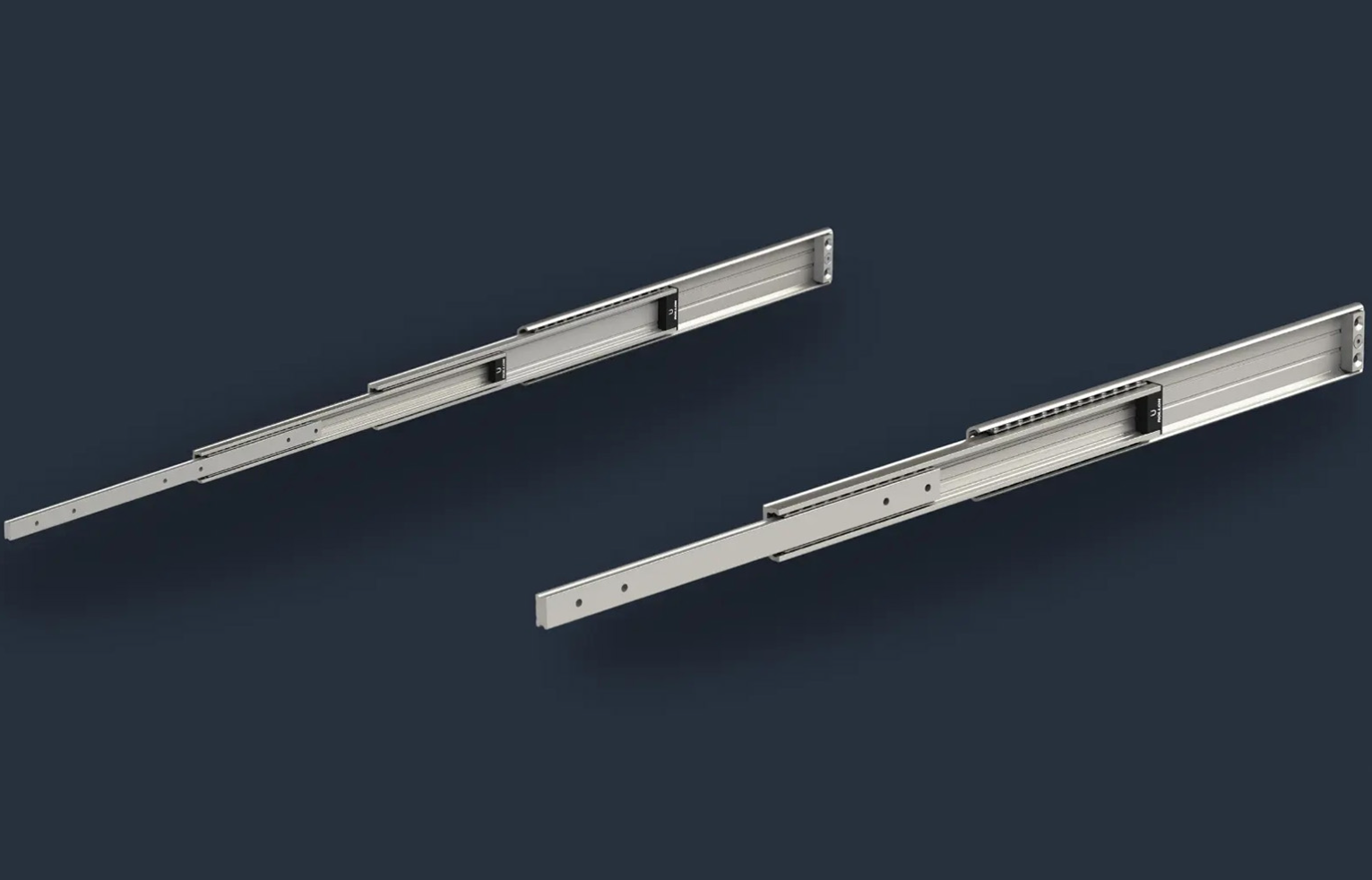
Rollon Launches Magnetic Telescopic Rails to Enhance Railway Maintenance Efficiency
Rollon, a leader in linear motion systems, has introduced the HVC-MG and H1C-MG integrated magnetic telescopic rails. These rails, designed for high-load applications, incorporate magnets into the rail structure to improve control and reduce effort during maintenance tasks. The new technology was unveiled this week and aims to enhance the efficiency and safety of railway maintenance operations by allowing engineers to easily pull out heavy battery compartments weighing hundreds of kilograms. The significance of this innovation lies in its ability to provide a seamless operation under heavy loads, addressing the challenges faced by maintenance personnel in the railway sector. The integrated magnets facilitate a sequential opening of the rail components, which minimizes simultaneous stress and enhances load distribution. This results in smoother operation, reduced manual effort, and extended rail lifespan, making it particularly suitable for the demanding environments of high-speed rail and subway systems. Looking ahead, Rollon plans to expand its magnetic control sequential motion technology across more product lines. The HVC and H1C series rails offer full extension and super extension options, maximizing accessibility while minimizing space usage. No further timeline was disclosed at the time of publication for additional product releases or enhancements.
Railway Maintenance Linear Motion Systems Heavy Equipment Automation Technology
Kraken and Capewell Achieve First USV Airdrop from A400M Aircraft
Kraken Technology Group and Capewell, in collaboration with the Royal Navy, have successfully executed the world's first airdrop of an uncrewed surface vessel (USV) from an A400M military transport aircraft. This milestone was achieved during trials where the K3 SCOUT USV was deployed from 1,300 feet into waters with Sea State 4 conditions, demonstrating a new capability for rapid insertion of maritime vessels into challenging environments. The significance of this achievement lies in its potential to enhance military operations by allowing for quick deployment of high-performance USVs in contested areas. The trials utilized Kraken's K3 SCOUT airdrop kit and Capewell's Universal Maritime Craft Aerial Delivery System (UMCADS), showcasing a new IN-Release system that ensures reliable load disconnect across various applications, thereby improving operational flexibility and response times. Looking ahead, Kraken and Capewell plan to further develop their partnership to enhance operational capabilities with their modular platforms. No further timeline was disclosed at the time of publication, but the successful completion of four live airdrops in six days indicates a strong foundation for future advancements in USV deployment strategies.
usv airdrop kraken technology group capewell royal navy project beehive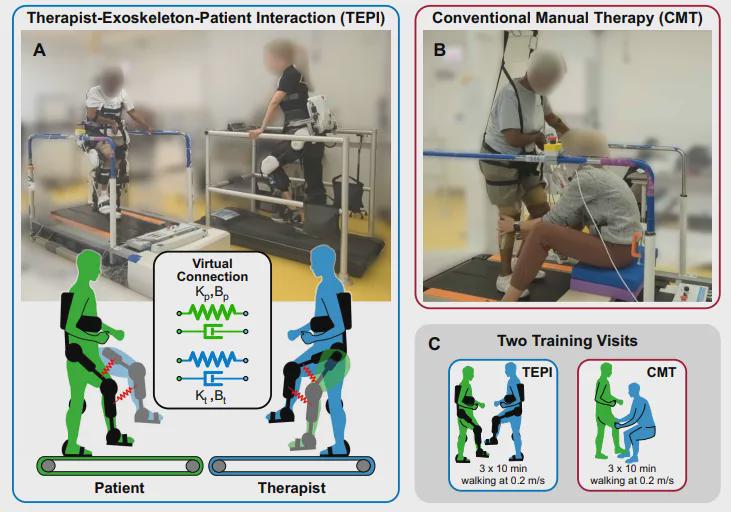
New Paradigm for Stroke Gait Training: Therapist-Exoskeleton-Patient Interaction
A research team from Northwestern University and Shirley Ryan AbilityLab has unveiled an innovative approach to stroke rehabilitation that integrates a therapist-exoskeleton-patient interaction model. This groundbreaking method enables both therapists and patients to don exoskeletons, facilitating real-time interaction during gait training sessions. The new technique aims to improve the effectiveness of rehabilitation and boost patient engagement, offering a significant advancement over conventional manual training methods. The introduction of this technology marks a promising development in the field of stroke recovery, potentially transforming how therapists assist patients in regaining mobility.
Stroke Rehabilitation Exoskeleton Technology Gait Training Physical Therapy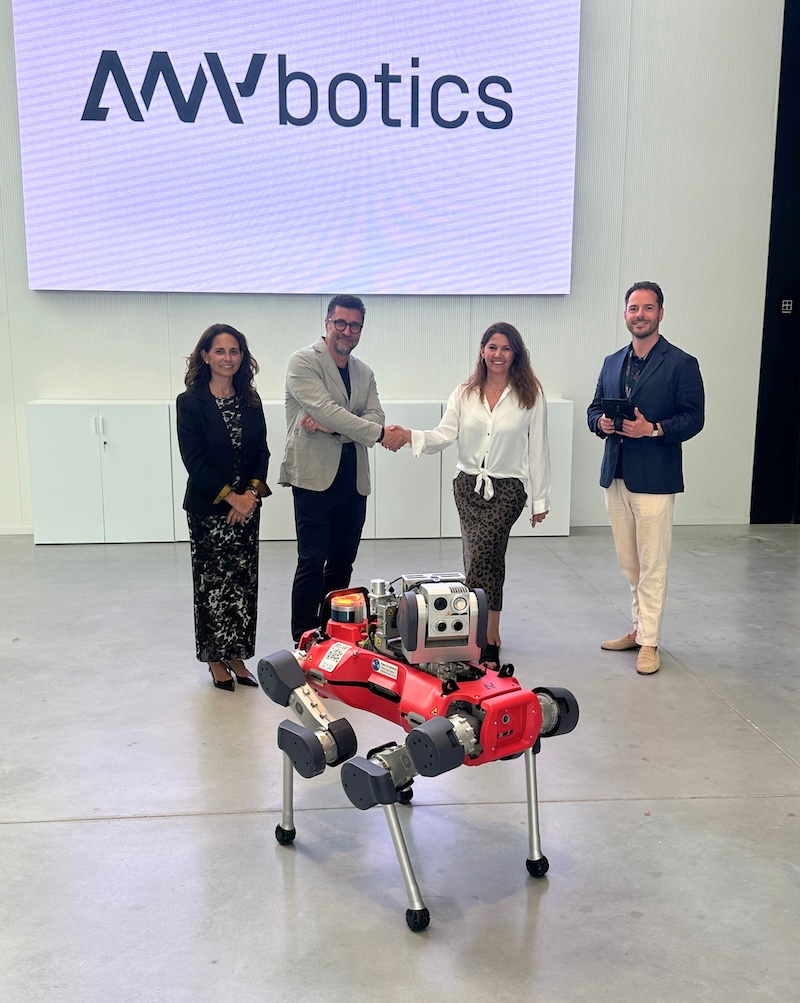
ANYbotics expands global presence with new engineering and AI hub in Barcelona
ANYbotics, a leader in AI-driven robotic inspection solutions, has inaugurated a new office in Barcelona, Spain, situated at the DFactory Barcelona campus. This marks the company’s third global location, joining its existing offices in Zurich and San Francisco. The expansion comes in response to the growing demand for ANYbotics' autonomous inspection technologies, particularly in asset-intensive and process-driven sectors. The new engineering and AI hub is expected to enhance the company’s capabilities and support its strategic growth in the region.
Infrastructure News ai robotics anybotics automation news autonomous inspection robots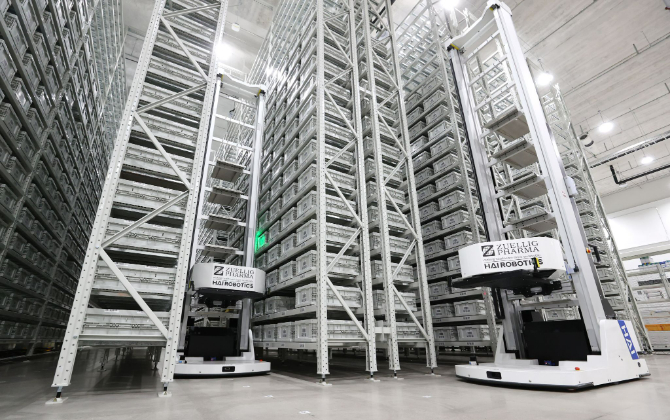
Hai Robotics’ HaiPick Solution Powers Zuellig Pharma Korea’s New CTS Innovation Center
Hai Robotics has implemented its HaiPick solution at Zuellig Pharma Korea's newly established Clinical Trial Support Innovation Center. This deployment, which took place recently, is designed to enhance logistics for clinical trials through advanced automation technologies. The facility incorporates features such as automated order fulfillment, cold chain logistics, and precise inventory management. These innovations aim to improve healthcare access and operational efficiency within the clinical trial process, ultimately benefiting the pharmaceutical sector and its stakeholders.
Healthcare Automation Clinical Trials Logistics Robotics Supply Chain Management
Dr. Mohsen Sohi new Chairman of the Supervisory Board – KION increases dividend
Dr. Mohsen Sohi has been appointed as the new Chairman of the Supervisory Board of KION GROUP AG, taking over from Hans Peter Ring. This leadership change comes as the company also announced an increased dividend of €0.82 per share, reflecting its strong financial performance. In a move to further emphasize its commitment to sustainability and employee development, KION GROUP AG has extended the contract of Chief People and Sustainability Officer Valeria Gargiulo until 2030. The announcements signal the company's strategic focus on enhancing shareholder value while prioritizing sustainable practices and workforce growth.
intralogistics supply chain solutions industrial trucks forklift trucks warehouse trucks automation technology
Factorial Energy and Tulip Tech Achieve 30% Flight Range Increase with Solid-State Batteries
Factorial Energy, based in Boston, and Tulip Tech from the Netherlands have transitioned from flight testing to the commercialization of lithium-metal UAV battery packs. Announced on July 13, 2026, their strategic partnership aims to expedite the deployment of solid-state and lithium-metal batteries for advanced drones, with initial tests showing over a 30% increase in flight range without engineering optimizations. This collaboration is significant as it addresses the growing demand for high-endurance UAVs across commercial, industrial, and defense sectors, with the global UAV market projected to exceed $160 billion by 2034. Factorial emphasizes that energy storage is a critical bottleneck affecting mission radius, payload, and fleet economics, making their advancements crucial for future drone capabilities. Looking ahead, the partnership establishes a framework for joint customer engagement and a roadmap for volume production. No further timeline was disclosed at the time of publication, but the companies are moving swiftly from testing to commercialization, indicating a strong potential for future developments in UAV battery technology.
battery technology Drone News Drone News Feeds drone parts News $160 billion UAV market
Robosys Automation Launches New Software Autopilot VOYAGER AI SMARTPILOT™ at Autonomous Ship Expo
Robosys Automation, a leader in vessel control systems and advanced maritime autonomy, introduced its latest innovation, the VOYAGER AI SMARTPILOT™ software autopilot, at the Autonomous Ship Expo held in Amsterdam, Netherlands. This unveiling took place during the expo, which showcases cutting-edge technologies in the maritime industry. The development of the VOYAGER AI SMARTPILOT™ aims to enhance the safety and efficiency of maritime navigation, addressing the growing demand for autonomous solutions in shipping. By leveraging advanced artificial intelligence, the software is designed to improve decision-making processes for vessel operations, ultimately contributing to the future of autonomous shipping.
robosys automation new software autopilot voyager ai smartpilot™
Zipline Expands Drone Delivery Operations with New Executives from Tesla, Uber, and Waymo
Zipline is enhancing its drone delivery services in the U.S. by hiring former executives from Tesla, Uber, and Waymo to support its expansion. The company has achieved over 2.5 million commercial deliveries and is currently making one delivery every 20 seconds. With a factory capable of producing 24,000 drones annually, Zipline anticipates a 15-fold growth in its U.S. operations this year. This strategic hiring is significant as it positions Zipline to scale its services in both domestic and international markets, moving beyond its initial focus on medical deliveries in Africa. The addition of experienced leaders from major tech companies is expected to streamline operations and enhance Zipline's competitive edge against rivals like Alphabet's Wing. Looking ahead, Zipline plans to launch operations in Austin, Houston, and Cleveland, with expectations of entering many more U.S. metros and new international markets by 2027. The company's innovative approach aims to revolutionize delivery logistics, making it as seamless as possible for customers.
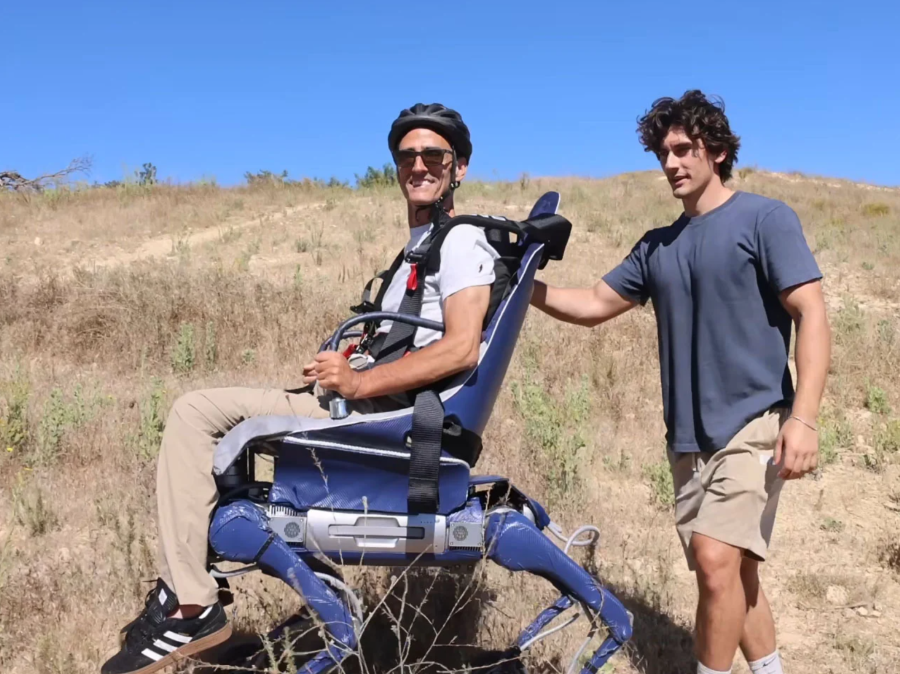
Jake Laser Transforms Unitree Robot Dog into Wheelchair for Father’s Mobility
Jake Laser has ingeniously modified a Unitree industrial robot dog into a wheelchair for his father, who has been affected by multiple sclerosis for over 20 years. This innovative device features a hybrid wheeled and walking design, allowing it to navigate various terrains, including stairs and rocky paths, providing newfound mobility for Jake's father. The significance of this transformation lies in its technical ingenuity and emotional impact. By integrating a racing-style seat and recalibrating the robot's software to accommodate his father's weight, Jake ensured that the robot could maintain balance and stability. The project not only enhances mobility but also restores a sense of independence and pride for his father, who can now control the robot using a wireless joystick. Looking ahead, Jake's creation marks a notable advancement in assistive technology, blending robotics with personal mobility solutions. No further timeline was disclosed at the time of publication, but the successful testing of the robot on challenging terrains indicates potential for broader applications in mobility aids for individuals with disabilities.
Assistive Technology Robotics Mobility Solutions Innovation
Siemens collaborates with Databricks and FFT to enhance production data with AI insights.
Siemens has unveiled a new edge-to-cloud integration in collaboration with Databricks, a leading Data and AI company, and its long-time automation partner, FFT Produktionssysteme. This innovative partnership aims to streamline the connection of production data directly to enterprise AI, eliminating the need for complex IoT middleware. By facilitating this direct integration, Siemens and its partners intend to empower industrial customers to transform their production data into actionable insights, thereby enhancing the scalability of industrial AI solutions on a global scale. This initiative underscores the growing importance of data-driven decision-making in the manufacturing sector, enabling companies to leverage advanced analytics for improved operational efficiency and competitiveness.
Artificial Intelligence Automation Industry News artificial intelligence cloud computing
SpaceX's Starmind Plans 1 Million AI Satellites Amid Collision Risks
SpaceX has announced its ambitious Starmind project, which aims to deploy 1 million AI satellites in orbits between 500 and 2,000 km. This initiative, confirmed by Elon Musk on June 23, 2026, follows a merger with xAI, valuing the combined entity at $1.25 trillion. The satellites will function as orbital data centers, processing AI workloads powered by solar arrays and linked by optical lasers. The significance of Starmind lies in its potential to add 100 gigawatts of AI compute capacity annually, contingent on the successful operation of the Starship launch system. However, the project raises concerns regarding space debris, as the current orbital environment is already congested, with a 20% increase in collision risk reported since 2024. The European Space Agency has highlighted that the density of debris in low Earth orbit is now comparable to that of active satellites, complicating the operational landscape for new entrants like Starmind. Looking ahead, the first operational orbital AI deployments are targeted for 2028, with test launches expected in early 2027. However, the project faces scrutiny regarding its impact on space debris, as even a 1% failure rate could significantly increase the number of uncontrollable objects in orbit, exacerbating existing risks. No further timeline was disclosed at the time of publication.
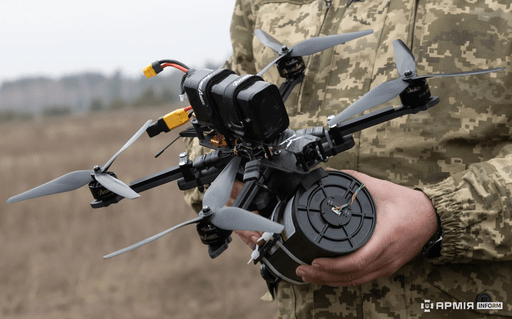
Ukraine Looks to Export Drone Expertise as It Pursues New NATO Partnerships
Kyiv’s proposed agreements reflect a broader shift from wartime recipient to provider of drone technology and operational knowledge For much of the war with Russia, Ukraine has relied on international partners for military equipment. Now, the country is positioning itself as an exporter of drone expertise. According to Ukrainian officials, Kyiv hopes to sign drone […] The post Ukraine Looks to Export Drone Expertise as It Pursues New NATO Partnerships appeared first on DRONELIFE.
Applications Defense defense Drone Manufacturing Drone News Drone News Feeds
Paris aims to become the European capital of Physical AI by 2026.
A new era of artificial intelligence is emerging, transitioning from the digital realm of generative AI to the physical world with the development of robots that can perceive, reason, and act in real environments. On July 7, Paris will host the inaugural edition of MACHINA 2026, an event aimed at establishing the city as the European capital of Physical AI. This initiative reflects a growing interest in integrating advanced AI technologies into everyday life, highlighting the potential for robots to enhance various sectors by interacting with their surroundings in meaningful ways. The event is expected to showcase innovations and foster discussions on the future of robotics and AI in society.
À la une IA Industrie Robotique 1X Robotics Agility Robotics
BilibiliWorld 2026 is China's first overseas ticketed ACG event; 17 measures to promote AI in consumer development; Kuaizhou-11 rocket successfully
Didi Autonomous Driving showcased its advancements in self-driving technology at the MOVE 2026 conference held in London on June 17-18. The company highlighted its achievement of L4-level core technology and the delivery of its new Robotaxi model, R2, developed in collaboration with GAC Aion, which is currently undergoing road tests in cities like Guangzhou and Beijing. Since launching all-weather passenger testing in select areas last year, Didi has maintained a safe and stable operational performance. On June 18, Cainiao's Vice President Bi Jianghua announced plans to deploy four large-scale climbing robot warehouses globally within the next four months, following successful trials during the 618 shopping festival. This initiative aims to enhance the efficiency of e-commerce supply chains. DingTalk's new CEO, Chen Yusen, communicated organizational changes in a company-wide letter, establishing a core platform business department and integrating various teams to streamline operations. The State Administration for Market Regulation is overseeing an antitrust compliance rectification for Huolala, mandating the cessation of practices that unreasonably lower freight prices and enforcing fair pricing algorithms. The company is expected to refund 1.2 billion yuan to drivers and reduce its commission rates. Additionally, Cao Cao Mobility announced its RoboX strategy at the International Automotive and Supply Chain Expo in Hong Kong on June 18, planning to deploy 100,000 Robovans by 2030 to enhance logistics networks. BilibiliWorld 2026 will be the first comprehensive ACG exhibition in China to offer overseas ticket sales, with tickets available globally starting June 20, for the event scheduled from July 10-12 in Shanghai. KKR has committed $1.4 billion to expand Altavair's commercial aircraft leasing portfolio, while Manifold AI has secured nearly 1 billion yuan in Pre-A funding. In economic news, Goldman Sachs suggests the Federal Reserve may need to implement consecutive rate hikes in September if inflation remains high. Meanwhile, Hong Kong plans to launch five-year government bond futures on August 3, 2026. The Ministry of Commerce has introduced 17 measures to promote the integration of artificial intelligence into consumer markets.

Antaira Unveiling Over 30 New Products at Automate 2026
Antaira has announced its commitment to the automation market with the launch of a new line of rugged switches designed to enhance network reliability across a variety of applications. This debut comes as industries increasingly seek robust solutions to support their automation needs. The switches are engineered to withstand harsh environments, making them suitable for diverse sectors including manufacturing, transportation, and energy. By introducing these products, Antaira aims to address the growing demand for reliable networking equipment that can perform under challenging conditions. The launch reflects the company's strategy to expand its portfolio and reinforce its position in the automation sector, responding to the evolving technological landscape and the need for improved connectivity solutions.
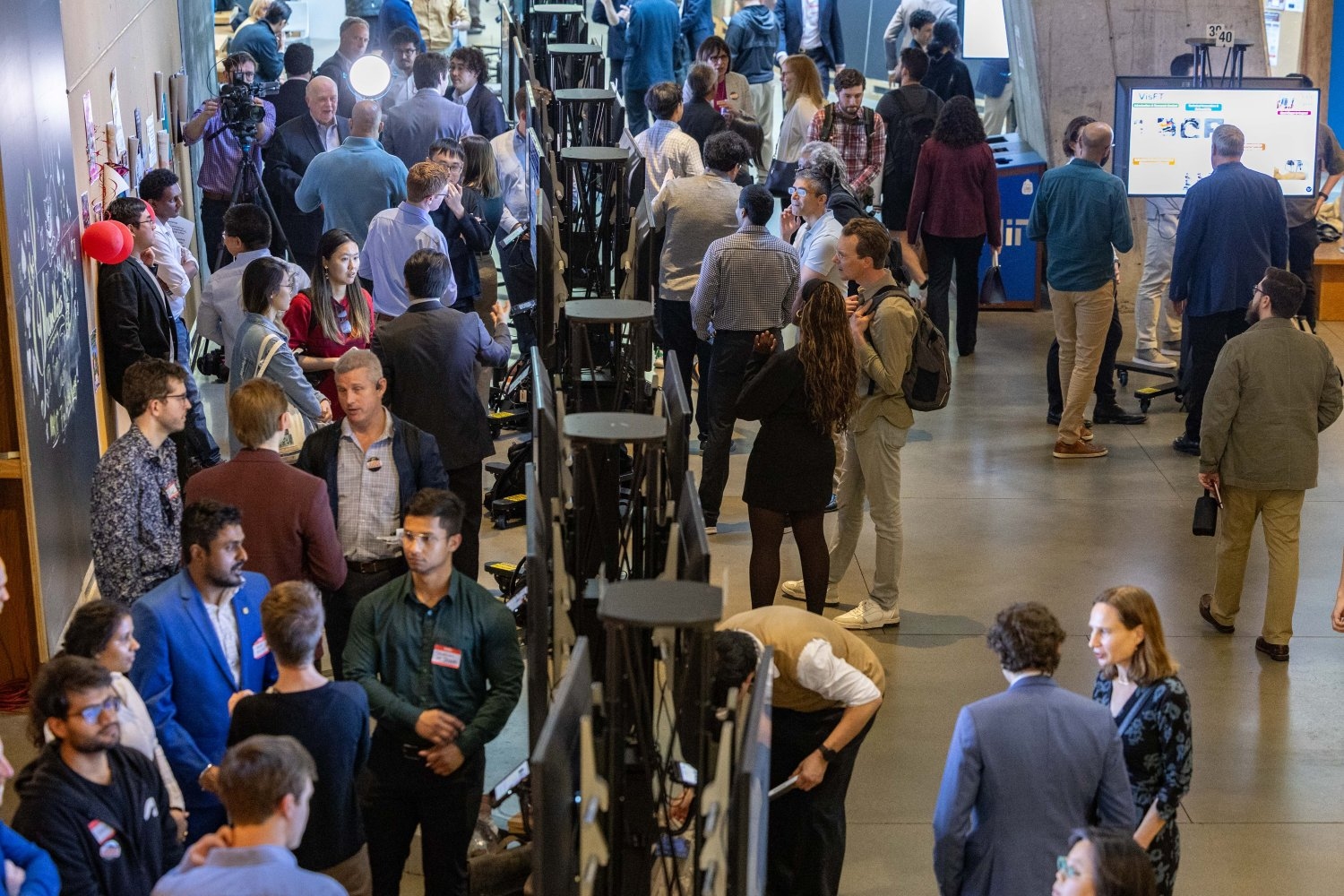
MIT’s Initiative for New Manufacturing builds momentum
In its inaugural year, the Innovative Manufacturing Network (INM) has made significant strides in advancing new manufacturing technologies. The organization has focused on three key areas: research, workforce development, and industry engagement. By fostering collaboration among various stakeholders, INM aims to accelerate the adoption and practical application of these technologies in the manufacturing sector. The initiative is driven by the need to enhance efficiency and competitiveness within the industry, responding to the growing demand for innovation and modernization. Through targeted programs and partnerships, INM is positioning itself as a catalyst for change, ensuring that the latest advancements are effectively integrated into real-world manufacturing processes.
Special events and guest speakers Classes and programs Industry Collaboration Mechanical engineering Manufacturing
European manufacturers unveil new main battle tank variants at Eurosatory
On Monday, KNDS unveiled its latest innovation, the CaPINT MBT, during a presentation aimed at modernizing France's armored vehicle capabilities. This new main battle tank is designed to serve as a replacement for the aging Leclerc fleet, which is anticipated to be phased out by 2037. The introduction of the CaPINT MBT comes in response to the need for advanced military technology that can meet contemporary defense challenges and enhance France's operational readiness. The event marks a significant step in the ongoing evolution of military equipment, as KNDS seeks to address the future demands of armored warfare.
Global Land Warfare Army Europe EUROSATORY 2026 franceRobotics needs a service framework.
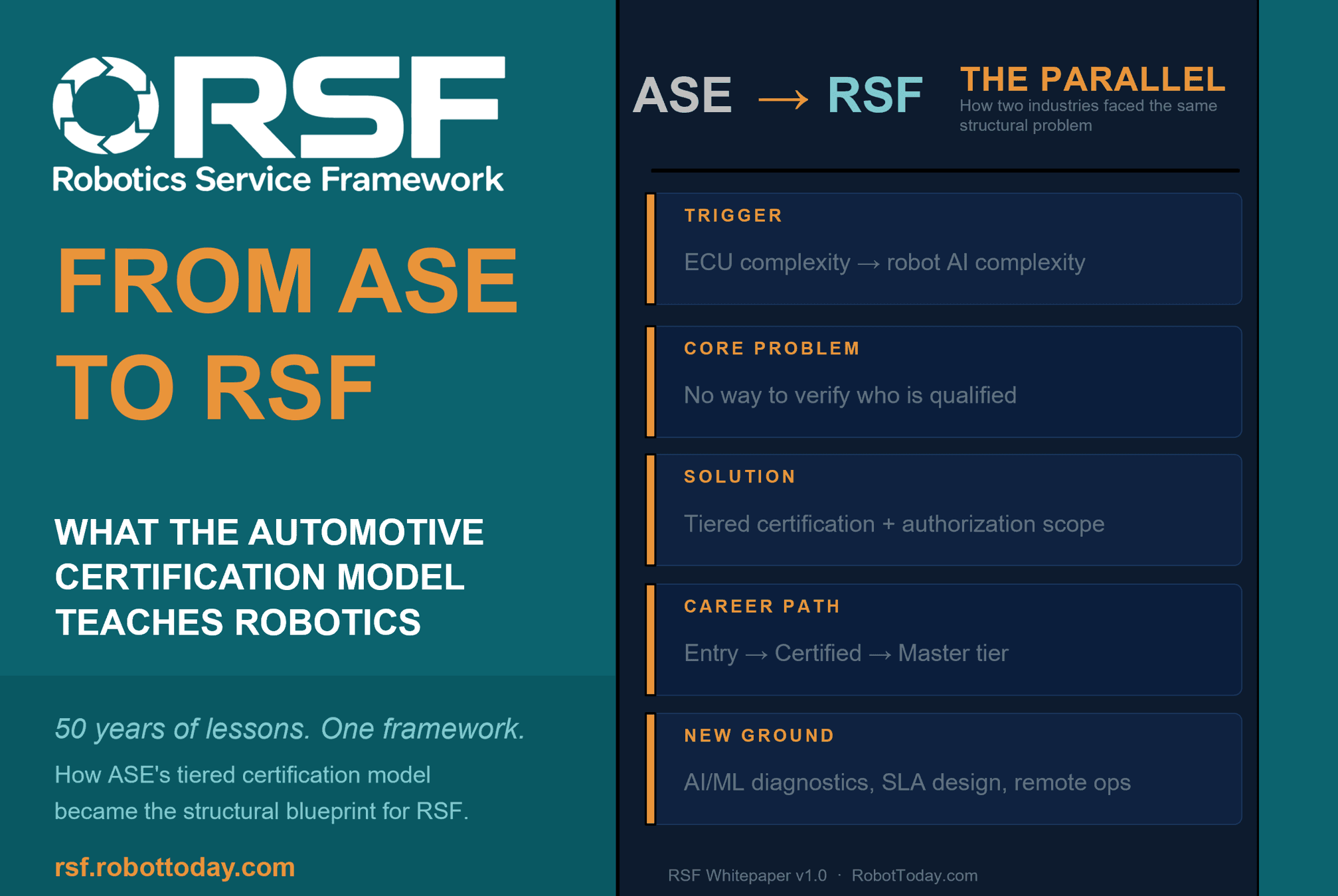
RSF defines a common language for robot service capability, lifecycle operations, certification pathways, and service-provider networks.