Industry Briefing
A single destination for timely, editor-curated robotics news from around the world.
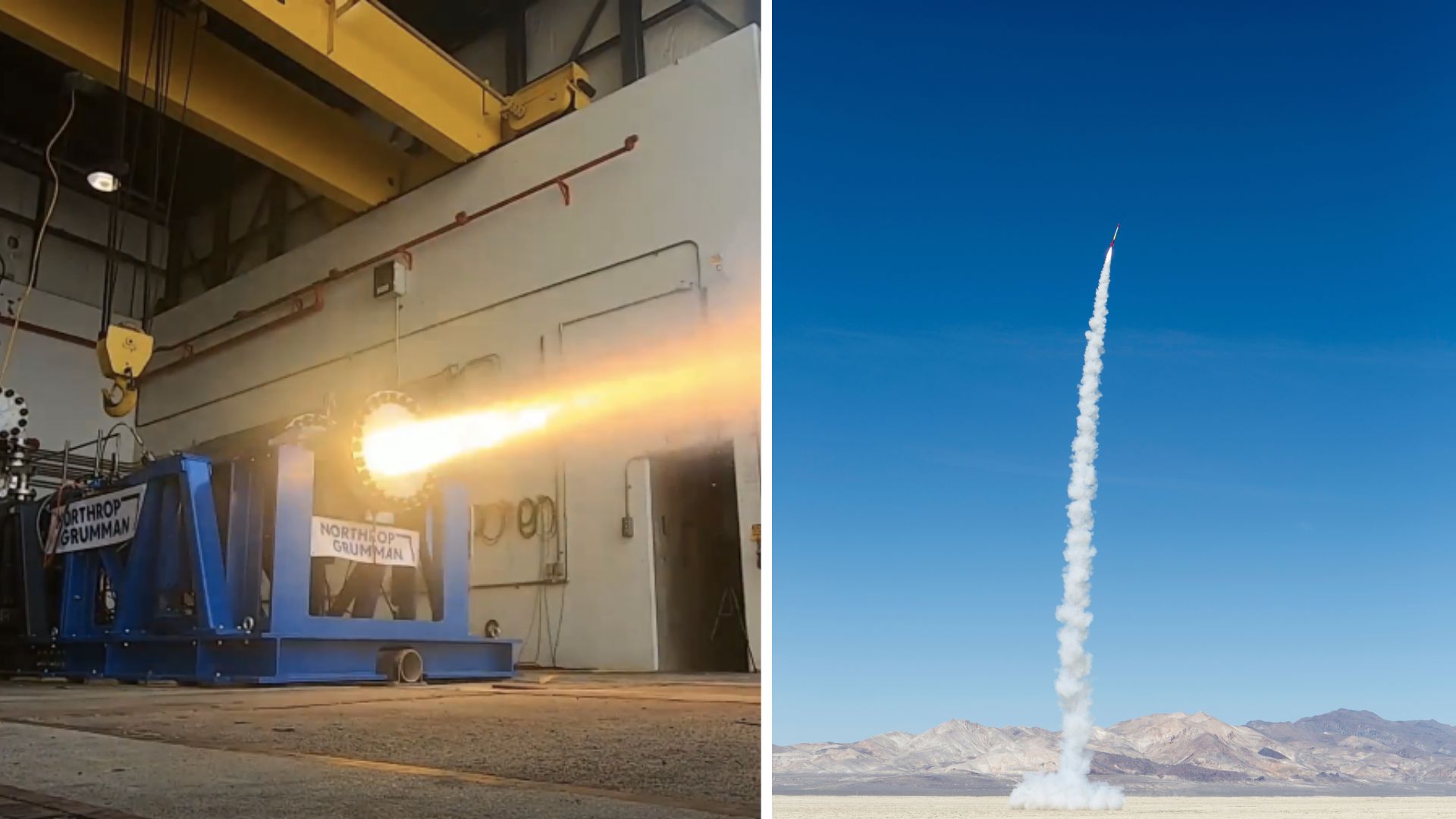
Northrop Grumman to Enhance US Army's Counter-Drone Missiles with Ramjet Technology
Northrop Grumman has secured an $18.8 million contract to develop next-generation solid fuel ramjet propulsion for the U.S. Army's XRC missile prototypes. This initiative aims to improve the detection and engagement of unmanned aerial systems at extended ranges, addressing the evolving threats faced by military forces. The integration of ramjet technology allows for a more efficient propulsion system, utilizing atmospheric oxygen as an oxidizer, which increases range and energy. This advancement is crucial for enhancing the Army's Maneuver Short Range Air Defense (M-SHORAD) system, which protects maneuvering forces from low-altitude aerial threats, including advanced unmanned systems. As adversaries deploy sophisticated unmanned systems, the extended-range capabilities of the XRC program are vital for the Army's layered air defense strategy. Northrop Grumman's ongoing contributions to the counter-UAS ecosystem, including the development of the Raid Hunter air defense system, further strengthen the defense against diverse aerial threats.
Military
Seven Influential Missiles That Transformed Aerospace Engineering During the Cold War
The Cold War spurred significant advancements in missile technology, driven by the need for military superiority. Innovations in propulsion, navigation, and materials were crucial as both the U.S. and the Soviet Union developed missiles capable of long-range, rapid response, and precise operation under challenging conditions. Key missiles like the Soviet R-7 and America's SM-65 Atlas exemplified these advancements. The R-7, designed by Sergei Korolev, became the first intercontinental ballistic missile in 1957 and later launched satellites, marking a pivotal moment in the Space Age. The Atlas missile, with its unique pressure-stabilized tanks, pushed the boundaries of weight reduction and structural integrity, enabling significant missions including John Glenn's orbital flight. The Polaris A-1 and Minuteman missiles further revolutionized military operations. The Polaris A-1 transformed submarines into mobile launch platforms, while the Minuteman introduced automated launch control with solid-fuel stages, enhancing readiness and efficiency. No further timeline was disclosed at the time of publication.
Military
Taiwan Proposes $4.6 Billion Supplementary Defense Budget for Drones and Missiles
Taiwan's cabinet has proposed a supplementary defense budget of T$145.7 billion ($4.59 billion) for the year 2026. This budget aims to enhance Taiwan's military capabilities, particularly in the areas of drones and missiles, in response to ongoing pressures from China. The proposed budget is significant as it reflects Taiwan's commitment to strengthening its defense amid rising tensions in the region. The focus on drones and missiles indicates a strategic shift towards modernizing its military assets to better address potential threats. Looking ahead, it will be important to monitor how this budget proposal progresses through the legislative process and whether it will be fully approved. No further timeline was disclosed at the time of publication.
News
Japan Requests Record $55.6 Billion Defense Budget for Extended-Range Missiles and Drones
Japan's defense ministry has proposed a record budget of 8.89 trillion yen ($55.6 billion) for the upcoming fiscal year, focusing on advanced weaponry including Northrop Grumman's AGM-88G AARGM-ER anti-radar missile. This marks Japan's first interest in dedicated anti-radar capabilities, reflecting a shift in military priorities. The significance of this budget lies in Japan's strategic pivot towards enhancing its defense capabilities amid regional tensions, particularly with China and Russia. The request highlights a preference for stand-off missiles, drones, and AI technologies, indicating a modernization of Japan's defense posture. Looking ahead, the budget request anticipates the release of key national security documents that will clarify procurement priorities. Notably, Japan aims to develop domestic missile systems and enhance its unmanned capabilities, including the acquisition of additional MQ-9B SeaGuardian drones and interceptor drones, which will play a crucial role in its defense strategy.
Air Warfare Global AARGM Air Force Asia Defense Budget
Korea Aerospace Industries and Hyundai Rotem Collaborate on KF-21 Air-to-Air Missiles
Korea Aerospace Industries (KAI) and Hyundai Rotem have entered into a memorandum of understanding (MoU) to collaborate on the development and integration of advanced airborne weaponry, specifically focusing on air-to-air missiles for the KF-21 fighter jet. This partnership is significant as it underscores the growing emphasis on enhancing the capabilities of the KF-21, which is a key component of South Korea's defense strategy. The collaboration aims to leverage both companies' expertise in aerospace and defense technology to create more effective and advanced weapon systems. Looking ahead, industry stakeholders will be keen to observe the progress of this collaboration and its impact on the KF-21 program. No further timeline was disclosed at the time of publication.
News
U.S. Army Intercepts Over 1,400 Iranian Missiles and Drones During Recent Conflicts
The U.S. Army successfully intercepted more than 1,400 Iranian missiles and drones during two recent Middle East conflicts, as reported by Lt. Gen. John Rafferty, commander of the U.S. Army Space and Missile Defense Command. This significant achievement highlights the Army's role in air and missile defense, particularly during the 12-day war between Iran and Israel, where 125 ballistic missiles were engaged. This operation underscores the importance of U.S. military capabilities in the region, especially as concerns grow over the depletion of interceptor stocks. The Army's 32nd Air and Missile Defense Command adapted to counter advanced threats, utilizing systems like THAAD and Patriot, which are regarded as leading technologies globally. The collaborative defense efforts with partner nations further emphasize the strategic significance of integrated air defense systems. Looking ahead, the U.S. military's ongoing challenges with interceptor inventory and the need for replenishment will be critical to monitor. As the region continues to face missile threats, the effectiveness of the U.S. and allied air defense systems will be pivotal in maintaining security and operational readiness. No further timeline was disclosed at the time of publication.
Land Armies Around The Globe Iran Israel Land-Based Ballistic Missile Defense
Fire Point CEO Discusses Development of Missiles and Drones Against Russian Forces
Fire Point CEO Iryna Terekh recently shared insights on the company's evolution from a garage startup to a key player in missile and drone production. Amid ongoing threats from Russian missiles, Terekh highlighted the effectiveness of their FP-1 and FP-2 drones, as well as the new Flamingo cruise missiles, which enhance Ukraine's long-range capabilities. The significance of Fire Point's advancements lies in their strategic aim to counter Russian aggression. The FP-9 ballistic missile, designed to strike targets up to 500 miles away, and the FP-7.x interceptor, intended as a cost-effective alternative to Patriot systems, are pivotal in strengthening Ukraine's defense. Terekh's leadership has been crucial in navigating the challenges of weapon development under constant threat. Looking ahead, the status of the FP-9 program and the development of indigenous missile systems will be critical. Terekh's insights into the use of AI in weapon systems and the challenges faced during production highlight the innovative approaches being taken to ensure Ukraine's defense capabilities remain robust. No further timeline was disclosed at the time of publication.
News & Features Around The Globe Europe Land Land-Based Ballistic Missile Defense Russia
Comparing Surface-to-Air Missiles and Interceptor Drones for Air Defense
The evolution of air defense strategies has been significantly influenced by the rise of drones, which present new challenges for traditional systems. While surface-to-air missiles (SAMs) are powerful against high-speed threats like fighter jets and cruise missiles, their high cost makes them less effective against inexpensive drones. This has led militaries to explore drone interceptors as a more economical alternative for neutralizing UAVs. Drone interceptors are designed to engage slower-moving targets, making them ideal for small reconnaissance and attack drones. These interceptors often utilize simpler airframes and components, allowing for a cost-effective response to low-value threats. The goal is to avoid using expensive missiles against cheaper drones, thus optimizing resource allocation in modern air defense. As military strategies continue to adapt, the effectiveness of both SAMs and drone interceptors will be crucial to watch. While SAMs excel in speed and engagement capabilities against fast-moving threats, the development of specialized drone interceptors may reshape air defense dynamics. No further timeline was disclosed at the time of publication.
Military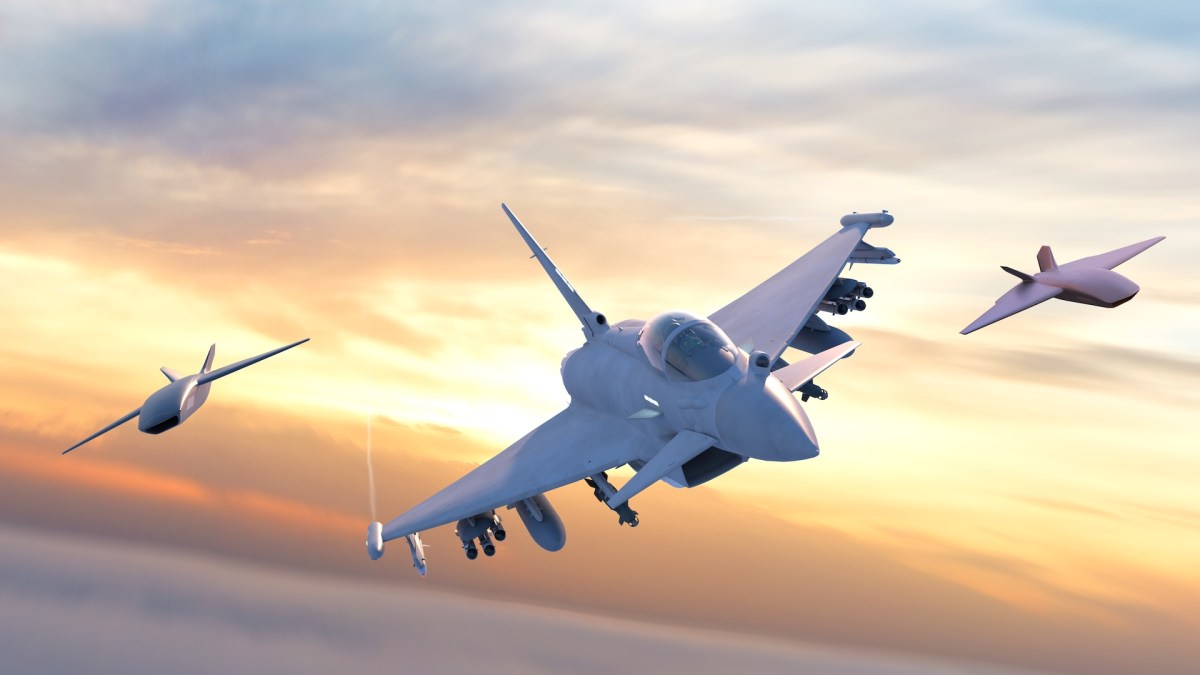
BAE Systems Explores Typhoon Integration with CCA Drones and Meteor Missiles
BAE Systems is investigating the integration of uncrewed collaborative combat aircraft (CCA) with the Eurofighter Typhoon, aiming to enhance combat capabilities. This initiative is part of a broader Long-Term Evolution (LTE) program that seeks to improve the jet's operational effectiveness in modern warfare environments. The integration of CCAs with the Typhoon is significant as it aims to expand the combat mass and operational range of air forces, addressing emerging threats. BAE Systems has accelerated this work over the past year, coinciding with the U.K. Royal Air Force's launch of the Storm Fighter CCA program, which will enable these drones to operate alongside the Typhoon, F-35, and future Tempest jets. Looking ahead, BAE Systems plans to incorporate advanced technologies such as the European Common Radar System (ECRS) Mk 2 and a large-area display cockpit into the Typhoon. These enhancements are expected to improve the aircraft's capabilities in collaborative combat scenarios, as demonstrated in recent simulations off the east coast of Scotland, where Typhoons successfully coordinated with CCAs.
Air Air Forces Collaborative Combat Aircraft Fighters Royal Air Force Typhoon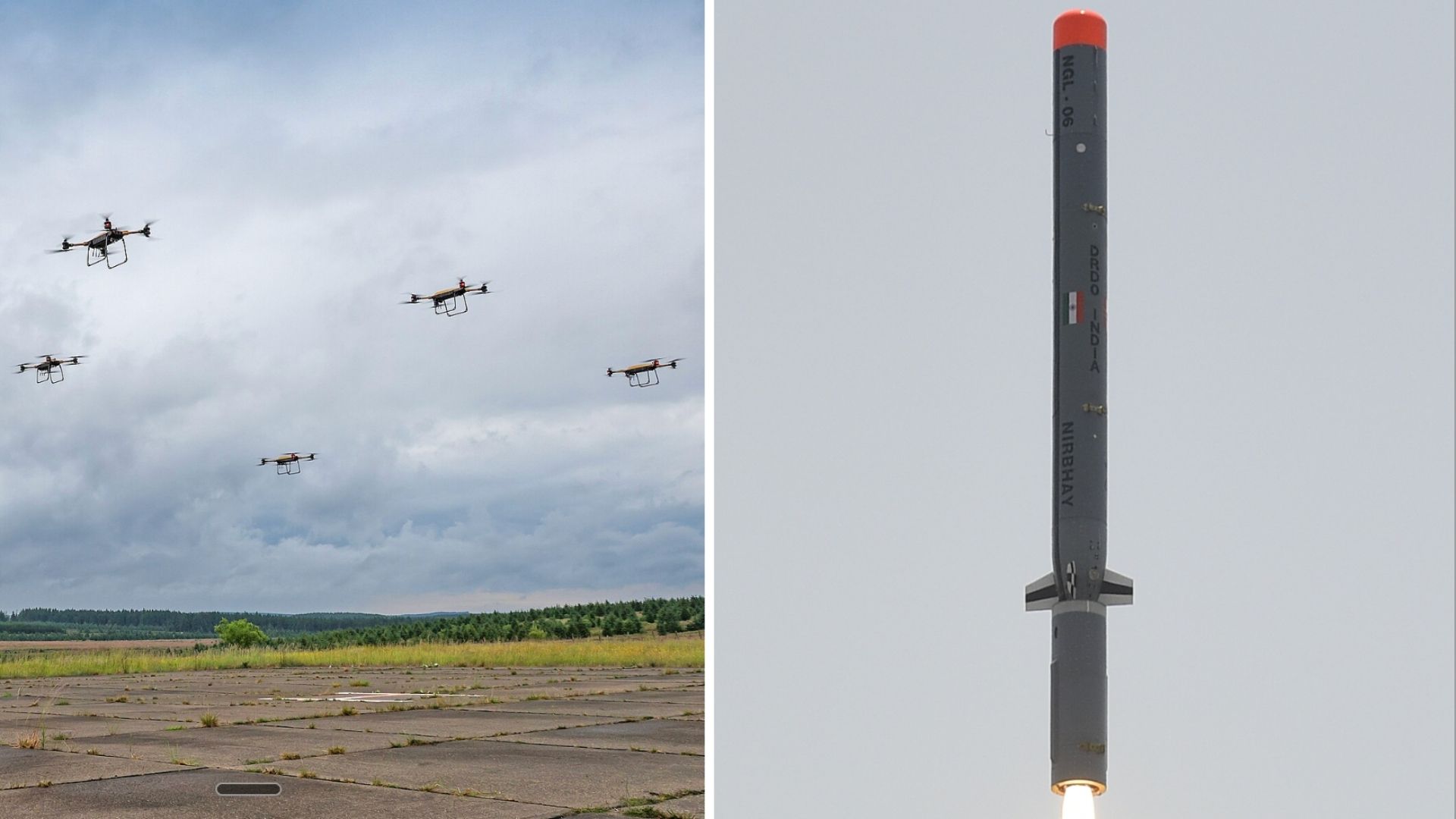
Comparative Analysis of Drone Swarms and Cruise Missiles: Range, Cost, and Power
Drone swarms and cruise missiles serve to challenge modern air-defense systems, albeit through distinct methodologies. Cruise missiles, such as the US Navy's Tomahawk, excel in long-range precision strikes, capable of traveling approximately 900 nautical miles (1,600 kilometers) and delivering powerful warheads. In contrast, drone swarms leverage quantity and coordination, saturating defenses despite their generally shorter ranges and smaller payloads. The significance of this comparison lies in the evolving landscape of military technology, where the choice between cruise missiles and drone swarms can influence operational strategies. While cruise missiles possess greater destructive power with warheads around 1,000 pounds, drone swarms can overwhelm targets through sheer numbers, allowing multiple simultaneous strikes. This capability makes drone swarms an appealing option for modern warfare, where cost-effectiveness and adaptability are crucial. Looking ahead, the development of both technologies will be critical in shaping future military engagements. As advancements continue, the balance between the sophistication of cruise missiles and the tactical advantages of drone swarms will likely dictate their respective roles in combat scenarios. No further timeline was disclosed at the time of publication.
Military
Raytheon Secures $20.7 Billion Contract from US Department of War for AMRAAM Production
Raytheon, a business unit of RTX, has been awarded a multi-year contract valued at up to $20.7 billion by the US Department of War. This contract aims to increase the production of Advanced Medium-Range Air-to-Air Missiles (AMRAAM). This significant contract underscores the US government's commitment to enhancing its defense capabilities, particularly in air-to-air combat scenarios. The ramp-up in AMRAAM production is crucial for maintaining military readiness and supporting ongoing defense initiatives. Looking ahead, industry observers will be keen to monitor the production timelines and any potential impacts on supply chains associated with this contract. No further timeline was disclosed at the time of publication.
News
Kratos and GE Aerospace Successfully Ignite GEK800 Turbofan Engine for Missiles
Kratos Defense & Security Solutions and GE Aerospace have achieved a major milestone with the first successful ignition of the GEK800 turbofan engine. This engine is designed for next-generation US cruise missiles, marking a significant advancement in missile technology. The successful ignition of the GEK800 engine is crucial as it represents progress in developing advanced propulsion systems for military applications. This milestone underscores the collaboration between Kratos and GE Aerospace in enhancing the capabilities of US defense systems. Looking ahead, the focus will be on further testing and development of the GEK800 engine to ensure its reliability and performance in operational environments. No further timeline was disclosed at the time of publication.
News
Exploring Counter-Drone Technologies and Innovations at AFA Day 2
On the second day of the AFA trade show, various technologies were showcased, including counter-drone lasers and cutaway engine blocks. These innovations highlight the growing focus on addressing drone threats in military applications. The significance of these technologies lies in their potential to enhance security measures against unauthorized drone activities. As drone usage increases, the development of effective countermeasures becomes crucial for defense strategies. Looking ahead, industry professionals will be keen to observe advancements in counter-drone systems and their integration into existing military frameworks. No further timeline was disclosed at the time of publication.
Air Warfare Aerovironment AFA Multimedia 2026 Air Force Anduril Brawlr
General Atomics Unveils Wildfire Drone with 9,200-Mile Range and Anti-Ship Missile Capability
General Atomics Aeronautical Systems Inc. (GA-ASI) has introduced its Wildfire unmanned aircraft, designed as a faster and more cost-effective alternative to the MQ-9A Reaper. The Wildfire aims to fulfill the Pentagon's Massed Modular Aircraft (MMA) program requirements, supporting long-endurance missions and potential civil applications. The significance of the Wildfire lies in its ability to perform reconnaissance and strike missions, traditionally managed by the Reaper, while also being suitable for commercial cargo transport. GA-ASI President David Alexander emphasized the aircraft's design for high-demand missions and cost-conscious customers, highlighting its flexibility and scalability. Looking ahead, the Air Force has set a fiscal 2031 target for the MMA program, with an aim for 20 mission-ready aircraft. GA-ASI asserts that the Wildfire could enter service ahead of schedule and produce more than twice the number of aircraft within the same timeframe, reflecting the military's shift towards lower-cost unmanned systems. No further timeline was disclosed at the time of publication.
Military
USAF's First F-15EX Eagle II Leaves Boeing for Portland Before Kadena Deployment
The U.S. Air Force has marked a significant milestone in its fighter modernization efforts with the departure of its first F-15EX Eagle II from Boeing's St. Louis facility to Portland Air National Guard Base. This aircraft is set to undergo further preparations before being deployed to Kadena Air Base in Japan, expected in fiscal year 2027. The F-15EX represents a major upgrade from the aging F-15C/D fleet, featuring advanced technologies such as digital fly-by-wire controls, an all-glass cockpit, and the capacity to carry hypersonic weapons. With a payload capacity of 29,500 pounds, it aims to enhance the U.S. Air Force's operational capabilities in the Indo-Pacific region, where air superiority is crucial. As the F-15EX transitions to Kadena, it will not only replace older aircraft but also strengthen U.S.-Japan defense ties through enhanced training opportunities. The aircraft's multi-role capabilities will allow for greater flexibility in mission execution, reinforcing the importance of maintaining credible airpower in a strategically vital area.
Military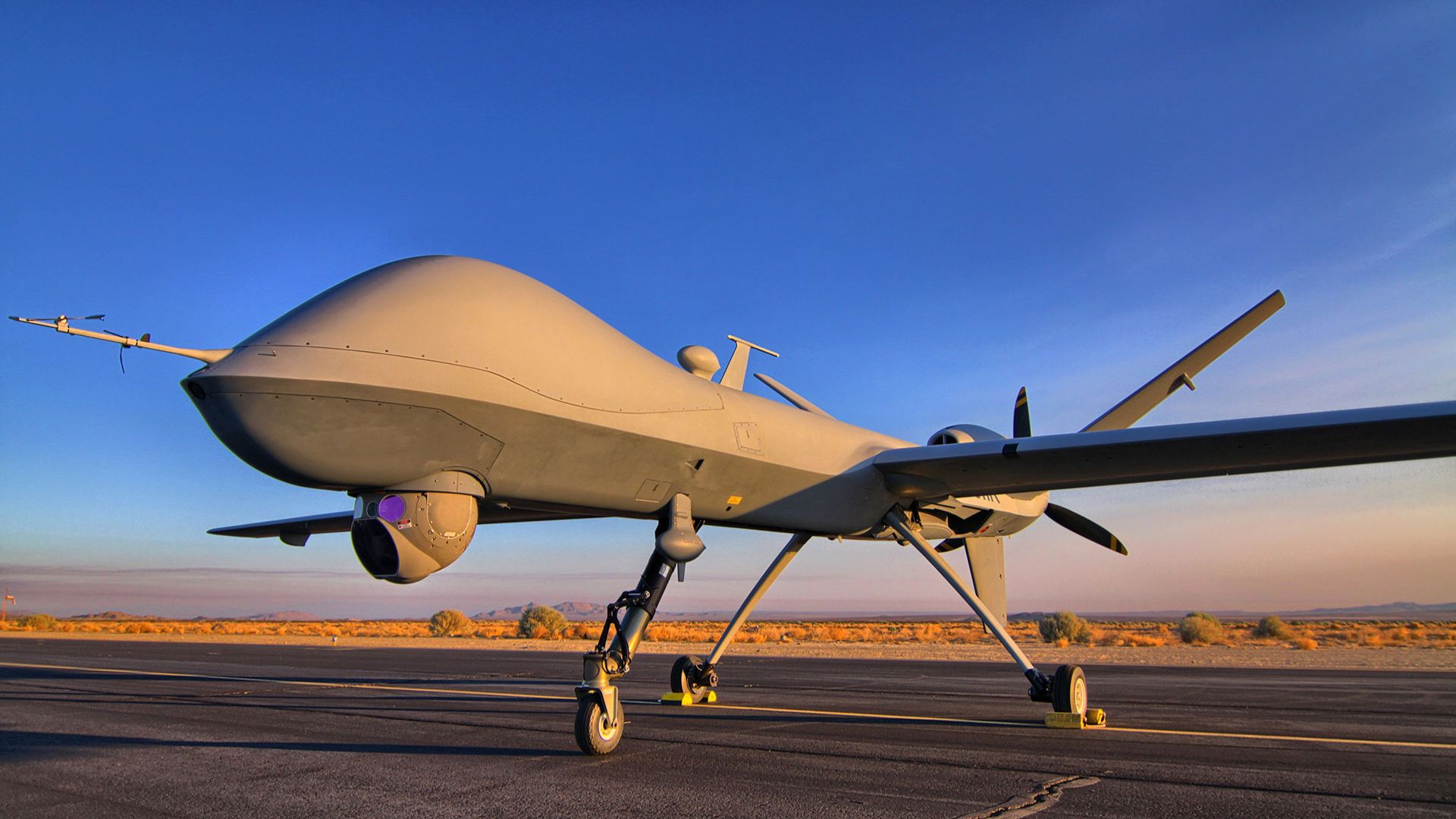
General Atomics Introduces Wildfire Drone with 11,500-Mile Range and Anti-Ship Missile Capability
General Atomics has announced the Wildfire, a new long-range unmanned aircraft concept designed to meet modern drone warfare demands and potentially succeed the MQ-9 Reaper. This Unmanned Aerial System (UAS) aims to fulfill the Pentagon's requirements for medium-altitude, long-endurance aircraft capable of intelligence, surveillance, reconnaissance, and strike missions. The Wildfire is being developed with a 10,000-nautical-mile ferry range and the capacity to carry up to four AGM-158C Long Range Anti-Ship Missiles (LRASM). It is also designed to coordinate swarms of up to 100 aircraft under semi-autonomous control, addressing the Pentagon's evolving airpower strategy that anticipates losses in high-end conflicts. The Pentagon's Massed Modular Aircraft (MMA) program seeks cost-effective, modular unmanned aircraft capable of operating in significant numbers. General Atomics aims to meet these requirements, with prototype flight testing expected to begin within 21 months of contract award, targeting initial operational capability by fiscal year 2031.
Military
Chinese Robots Demonstrate High-Risk Capabilities at 2026 World Robot Conference in Beijing
At the 2026 World Robot Conference in Beijing, various Chinese companies are showcasing humanoid and quadruped robots for aviation, security, and military operations. The five-day event highlights robots designed for tasks such as industrial site patrols, suspect restraint, and missile loading onto aircraft, reflecting the growing interest in high-risk robotic applications. The significance of this conference lies in its demonstration of China's expanding robotics industry, with over 300 exhibitors presenting innovations that span factory automation, public services, and specialized military operations. Notably, the Fengxing-001 humanoid robot from the Aviation Industry Corporation of China (AVIC) is designed for intelligent manufacturing and aircraft operations, showcasing advanced capabilities that could streamline missile loading tasks. Looking ahead, the conference also features the second World Humanoid Robot Games, with 2,056 machines from 16 countries competing in various events. As the robotics sector continues to evolve, the integration of robots in security applications, such as those developed by NEXWISE, indicates a trend towards reducing human involvement in high-risk environments. No further timeline was disclosed at the time of publication.
AI and Robotics
Northrop Grumman Launches 50mm Raid Hunter for Enhanced Short-Range Air Defense
Northrop Grumman has unveiled the Raid Hunter, a new short-range air defense system designed to protect military bases from aerial threats. This 50mm gun-based system aims to counter cruise missiles and drone swarms, addressing a critical gap in short-range air defense capabilities. The introduction of Raid Hunter is significant as it provides military forces with a mobile and cost-effective solution to respond to large-scale aerial attacks. With its ability to strike multiple targets quickly, the system enhances the protection of vital infrastructure against evolving threats. Looking ahead, Northrop Grumman plans to conduct testing throughout the year to evaluate Raid Hunter's performance and operational deployment timeline. The system's modular design and mobility will allow for flexible deployment options, making it suitable for various operational environments.
Military
Chinese Researchers Develop New Tantalum Alloy for Extreme Heat Applications
Researchers from Xi’an Jiaotong University in China have created a new tantalum-based alloy that maintains its strength at temperatures up to 2,400 degrees Celsius. This breakthrough addresses significant challenges in materials science, particularly for aerospace and advanced engineering applications. The new alloy's ability to withstand extreme heat without losing structural integrity is crucial for modern technologies like hypersonic aircraft, reusable spacecraft, and advanced nuclear reactors. Traditional high-performance alloys begin to weaken around 2,000 degrees Celsius, making this development a significant advancement in high-temperature materials. Future applications of this alloy could include components for hypersonic missiles, rocket nozzles, and nuclear reactors. However, further testing is needed to ensure its economic viability and long-term performance in real-world conditions. No further timeline was disclosed at the time of publication.
Military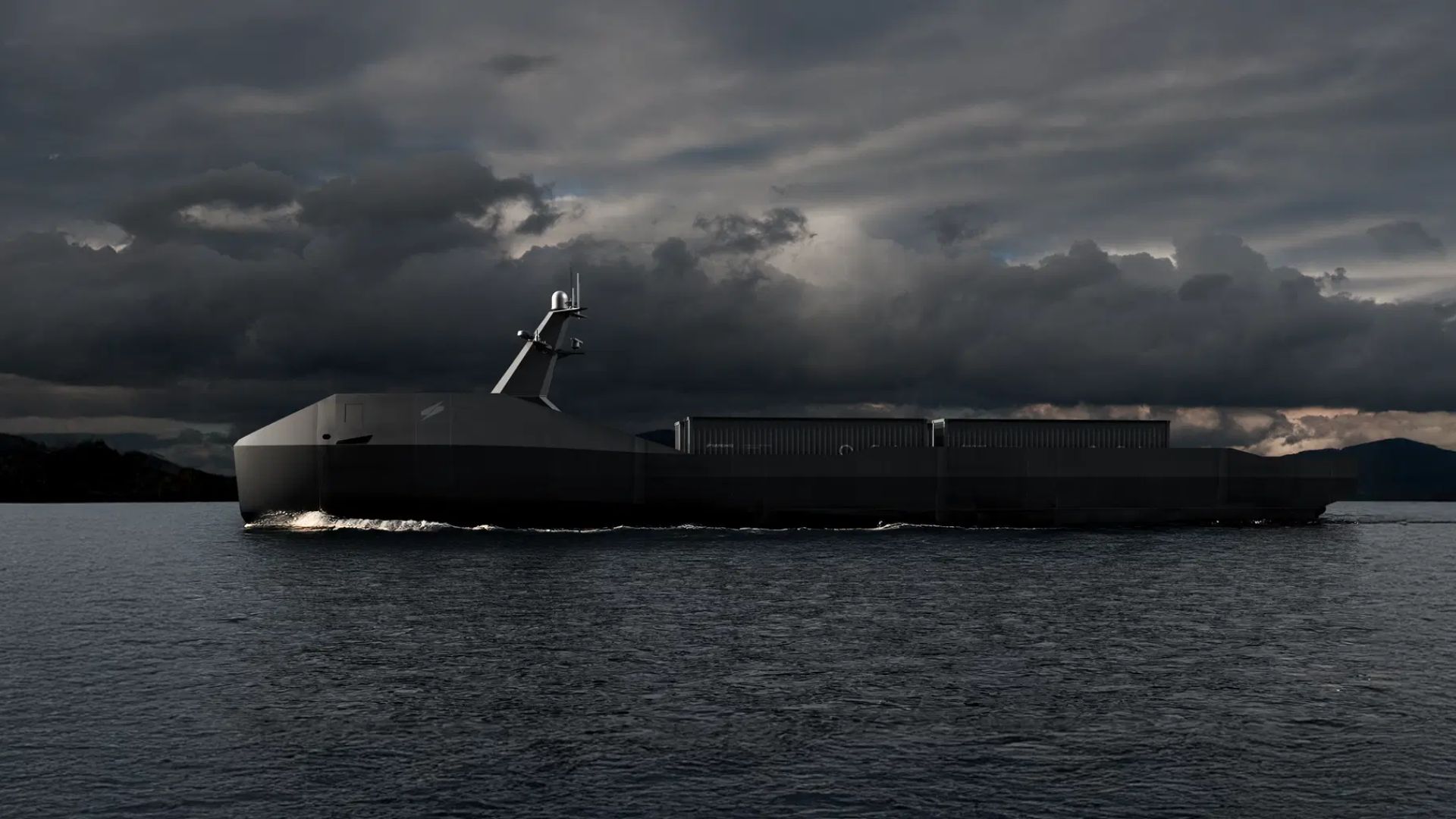
US’ new 180-foot drone ship could launch hypersonic missiles, demo set for 2027
Saronic and Castelion, two prominent defense technology firms, have unveiled their intention to merge efforts in developing an autonomous warship. This strategic collaboration aims to enhance maritime security capabilities and address emerging threats in naval warfare. The announcement was made on October 15, 2023, during a defense technology conference held in Athens, Greece. The motivation behind this partnership stems from the increasing demand for advanced naval solutions that can operate independently in complex environments. By pooling their expertise and resources, Saronic and Castelion seek to accelerate the innovation process and deliver cutting-edge technology to military clients worldwide. The proposed autonomous warship is expected to incorporate advanced artificial intelligence and machine learning systems, enabling it to perform a variety of missions, including reconnaissance, surveillance, and combat operations, without direct human intervention. This development reflects a broader trend in the defense industry towards automation and smart technologies, aimed at enhancing operational efficiency and reducing risks to personnel. As the defense sector continues to evolve, the collaboration between Saronic and Castelion positions them at the forefront of the autonomous naval warfare market, potentially reshaping the future of maritime defense strategies.
Military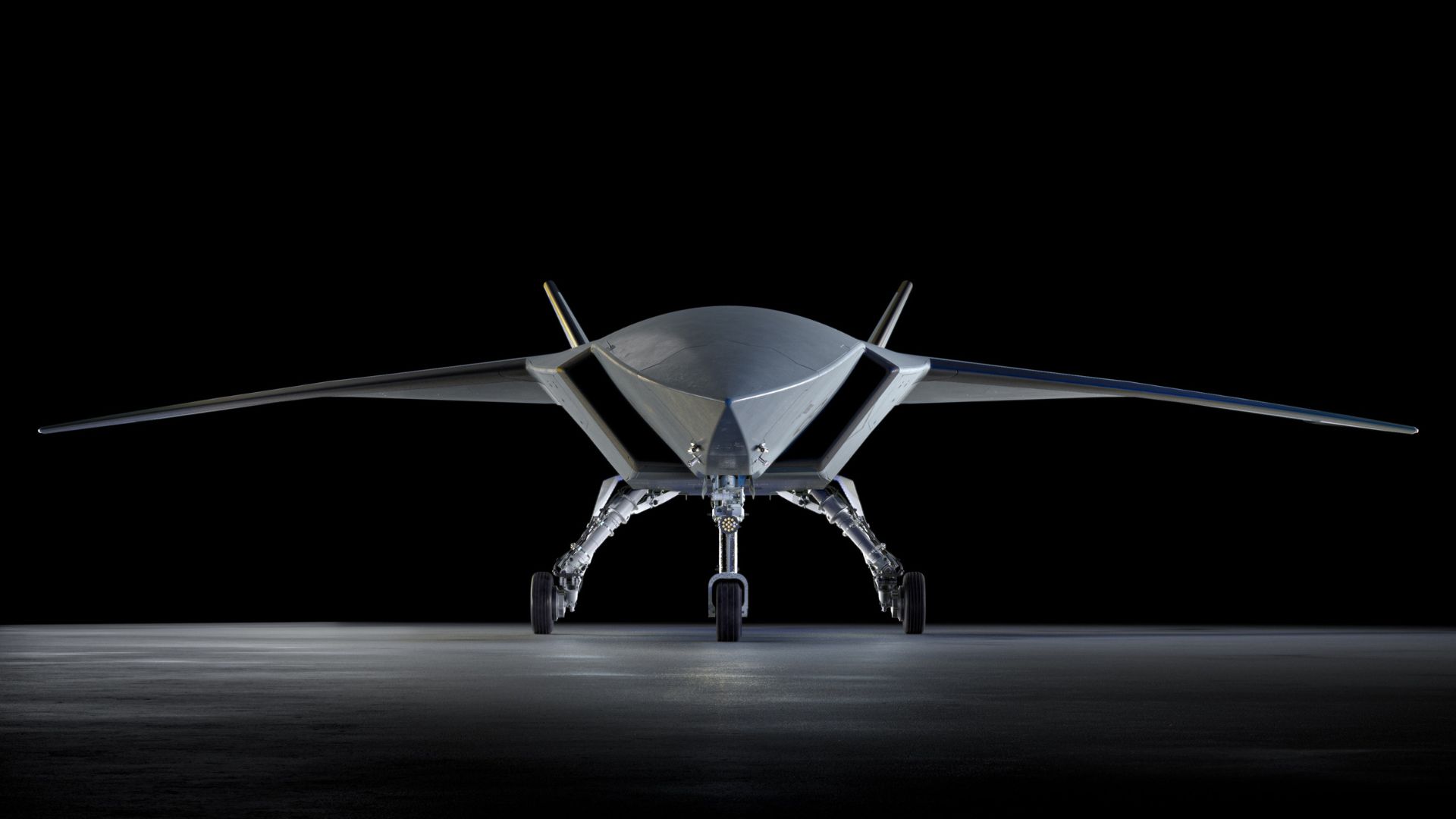
Boeing’s bigger Ghost Bat can carry missiles internally, carry more combat load
Boeing has introduced an upgraded version of its MQ-28 Ghost Bat drone, enhancing its capabilities with extended range and improved technology. The announcement was made during a recent defense expo in Australia, where the company showcased its commitment to advancing unmanned aerial systems. This new iteration aims to meet the growing demands for advanced surveillance and combat support in modern warfare. Boeing's development of the MQ-28 is driven by the need for more versatile and efficient military drones that can operate in complex environments. The enhancements include advanced sensors and artificial intelligence features, which allow for better decision-making and operational efficiency. This latest model is expected to play a crucial role in future defense strategies, particularly in the Indo-Pacific region, where military presence and technological superiority are increasingly prioritized.
Military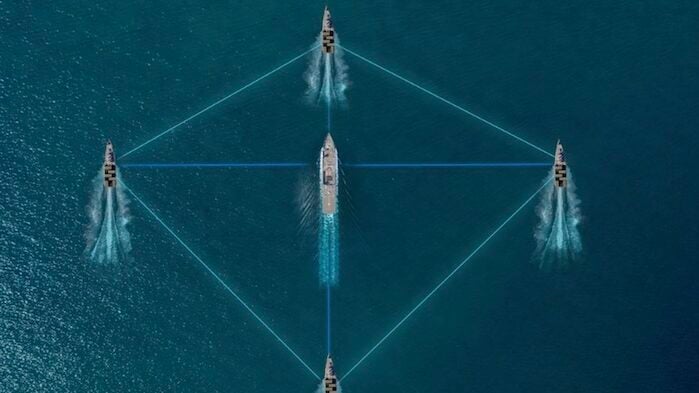
IAI’s new Diamond naval offering envisions flexible drones, missiles for small vessels
A new defense strategy is being implemented that features a network of small satellite ships equipped with various defensive systems. This innovative approach allows these ships to operate independently while remaining connected to a central mother ship, creating a disaggregated model of naval defense. The initiative aims to enhance maritime security and adaptability in response to evolving threats. By utilizing this modular system, naval forces can improve their operational flexibility and resilience in various combat scenarios. The deployment of these satellite ships is expected to take place in the coming months, with the goal of bolstering national defense capabilities and ensuring a more robust presence in contested waters.
Global Middle East Naval Warfare Drones industry Israel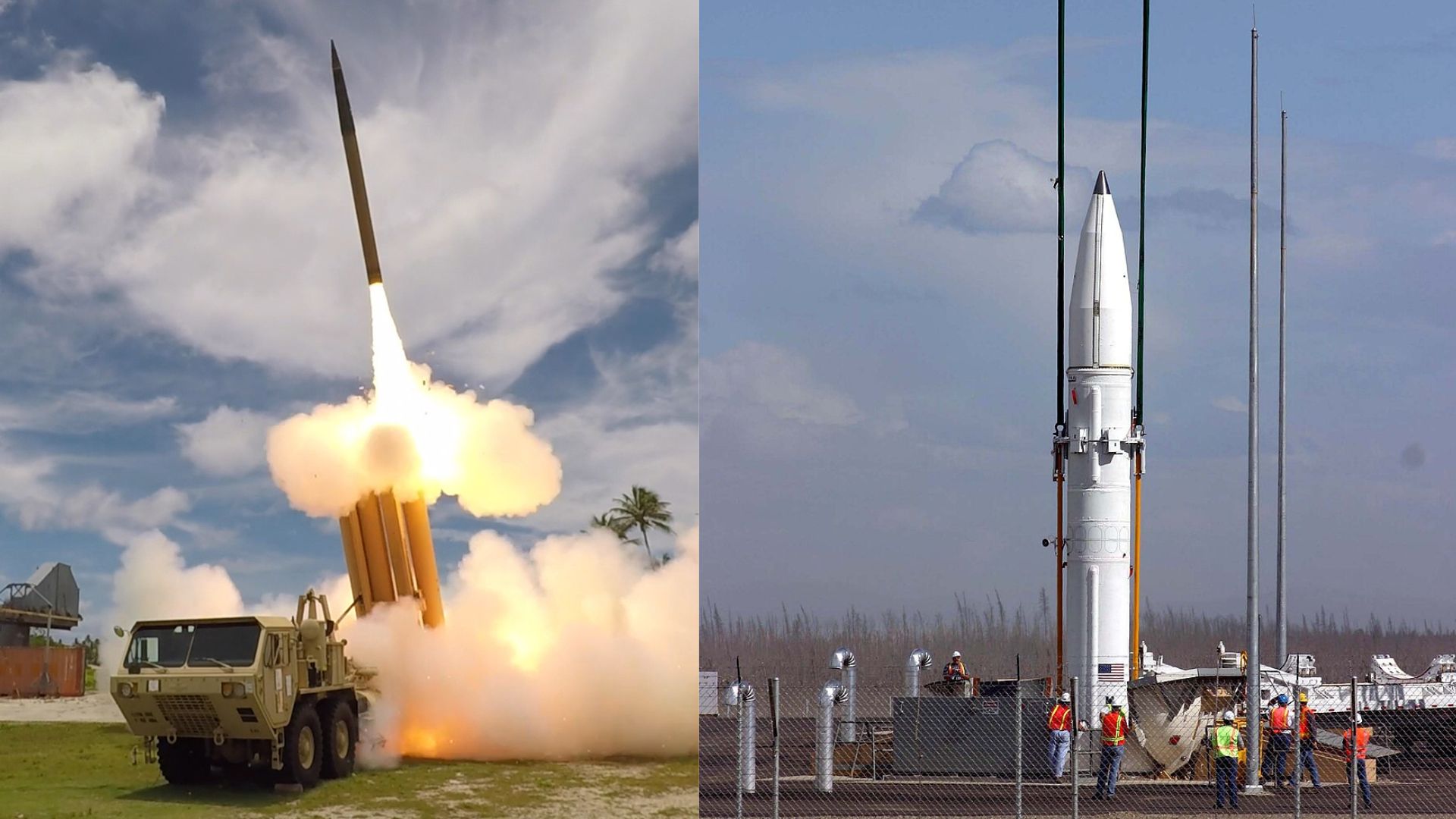
US Army seeks Mach 5 missiles under $1 million to defend against drone raids
The U.S. Army is seeking to develop a new class of low-cost interceptors designed to effectively combat drones and cruise missiles. This initiative comes in response to the increasing threat posed by unmanned aerial vehicles and advanced missile systems in modern warfare. The Army aims to enhance its defensive capabilities while maintaining budgetary constraints, reflecting a strategic shift towards more affordable and efficient solutions for air defense. The project is part of a broader effort to modernize military technology and ensure readiness against evolving threats. The Army is currently exploring various technological approaches and partnerships to expedite the development and deployment of these interceptors, with the goal of integrating them into existing defense frameworks.
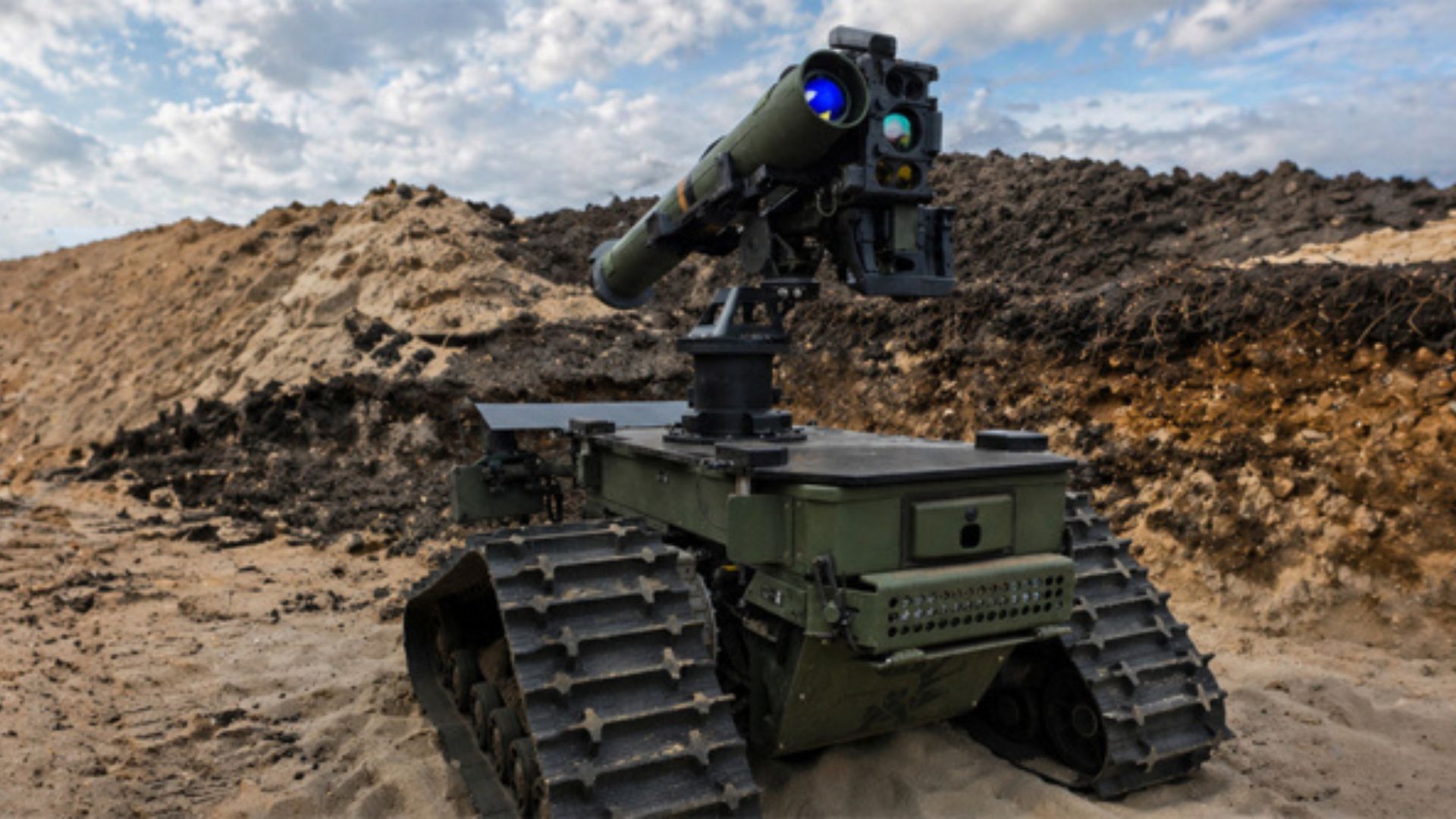
Germany’s Ziesel combat robot fires 3.4-mile anti-tank missiles during military trials
German defense companies have made significant strides in advancing a new combat robot, bringing it closer to deployment on the front lines. This development follows a successful launch that showcased the robot's capabilities. The initiative is part of Germany's broader effort to enhance its military technology and modernize its armed forces amid increasing global security challenges. The combat robot is designed to assist troops in various operations, potentially reducing risks to human soldiers. The successful demonstration of the robot's functions marks a crucial step in integrating advanced technology into military operations, reflecting a growing trend among nations to leverage robotics in defense strategies. As tensions rise in various regions, the push for innovative military solutions underscores the urgency for nations to adapt and strengthen their defense mechanisms.
Uncrewed 37-foot Orca-like strike submarine can unleash missiles and FPV drones
A Turkish defense company has introduced a new strike-capable extra-large uncrewed underwater vehicle, marking a significant advancement in naval technology. The unveiling took place during a defense exhibition in Istanbul, showcasing the vehicle's potential for enhancing Turkey's maritime capabilities. This development is part of Turkey's broader strategy to bolster its defense industry and assert its presence in regional waters. The vehicle is designed to conduct various missions, including surveillance and combat operations, reflecting the increasing importance of unmanned systems in modern warfare. By integrating advanced technologies, the company aims to position Turkey as a key player in the global defense market.
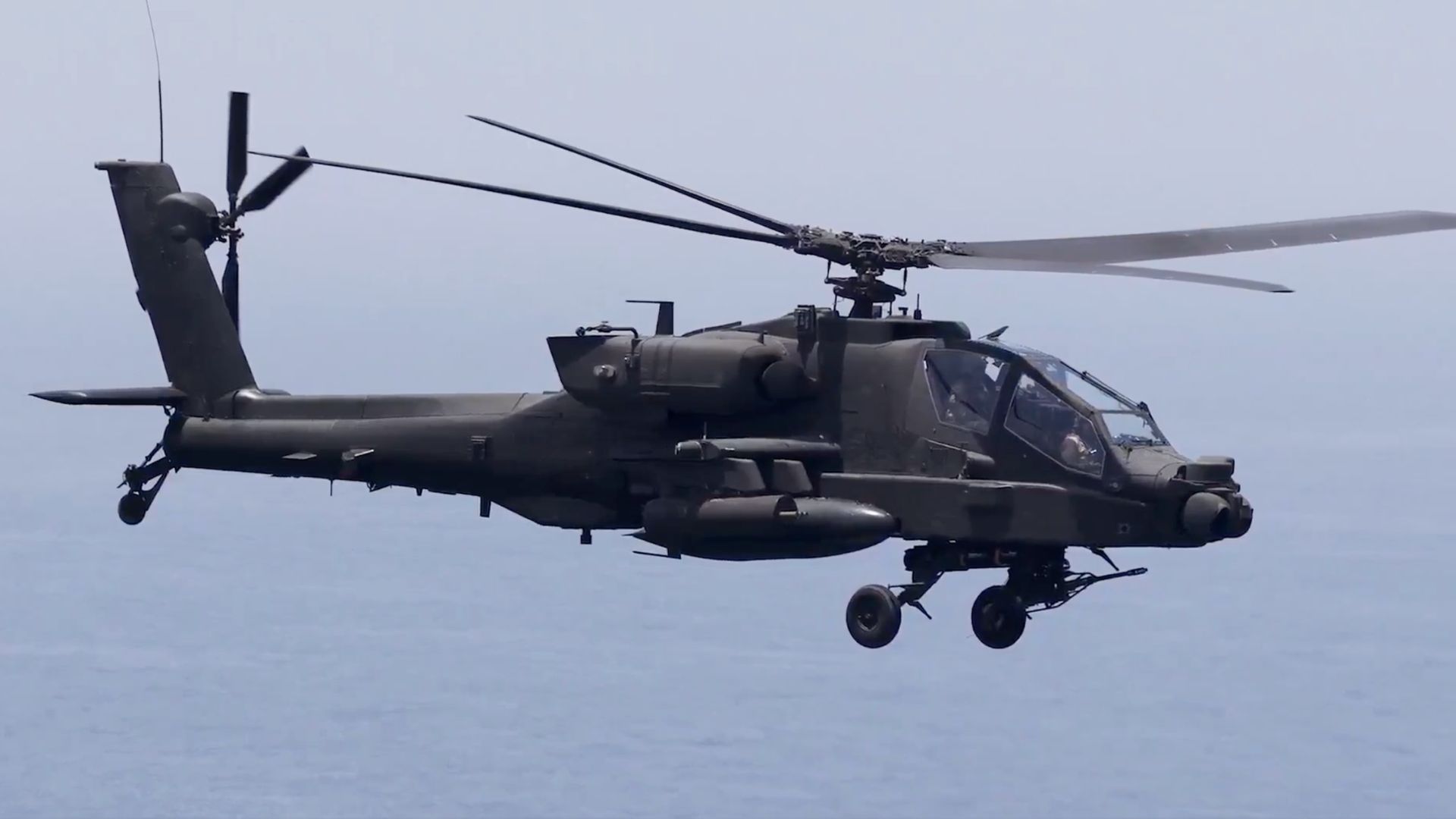
US attack helicopters sink 6 Iranian boats in Hormuz, shoot down missiles and drones
On May 4, 2026, the U.S. military conducted a targeted strike in the Strait of Hormuz, a strategic waterway crucial for global oil transportation. This operation was part of an ongoing effort to counter escalating threats from regional adversaries, particularly amid rising tensions in the Middle East. The strike aimed to neutralize specific military assets believed to be involved in hostile activities against U.S. interests and allies in the region. The decision to launch the strike followed a series of provocations, including attacks on commercial vessels and threats to shipping lanes, which prompted U.S. officials to act decisively to ensure maritime security. The operation involved precision airstrikes, utilizing advanced technology to minimize collateral damage while effectively targeting the identified threats. Military analysts noted that this action underscores the U.S. commitment to maintaining freedom of navigation in international waters and deterring aggression from hostile forces. As the situation continues to evolve, the U.S. military remains on high alert, prepared to respond to any further escalations in the region.
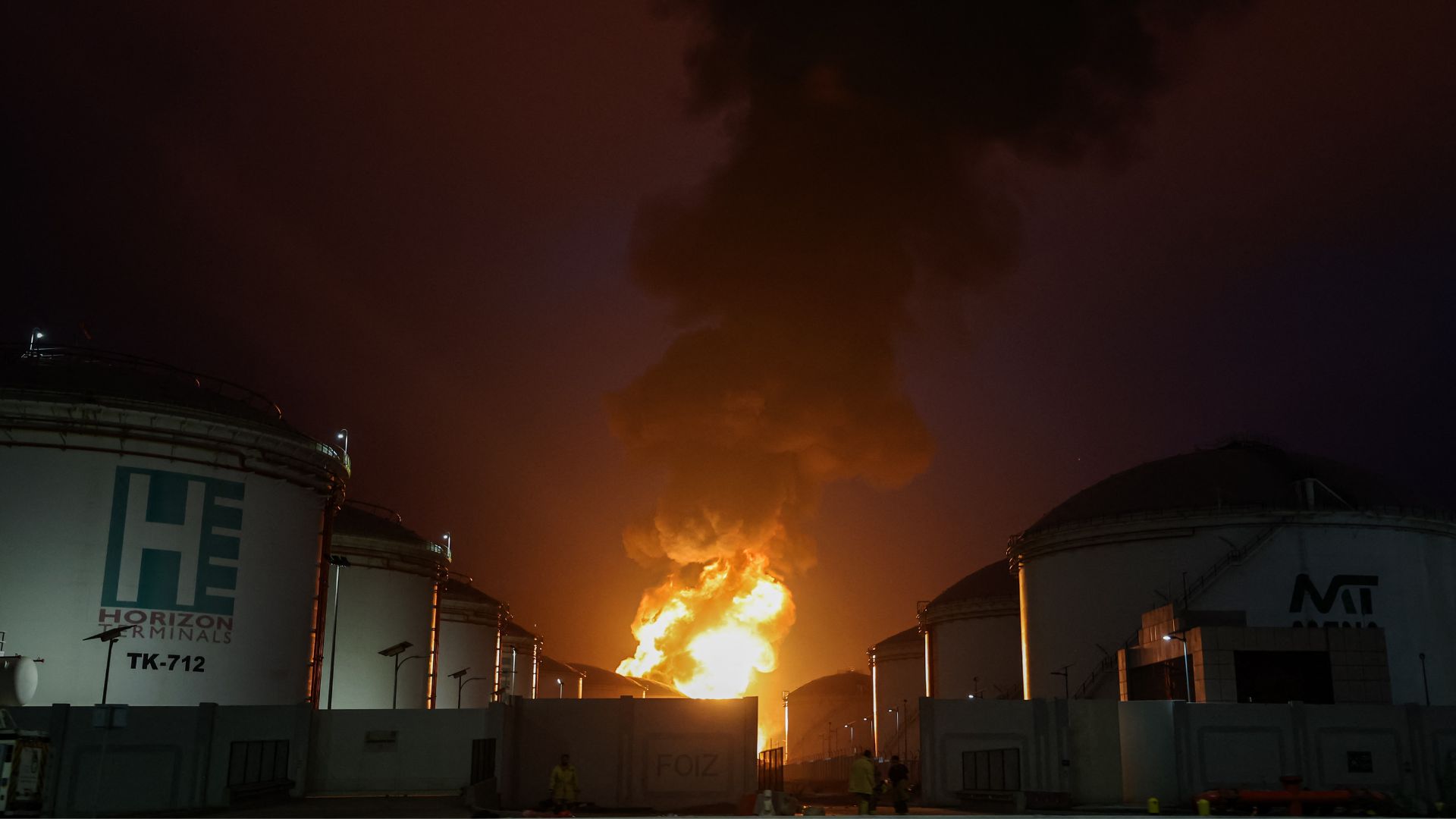
UAE reports intercepting Iranian missiles and drones as Hormuz tensions escalate
On Monday, air defense systems in the United Arab Emirates successfully intercepted multiple aerial threats, including missiles. The incidents occurred amid heightened tensions in the region, prompting the UAE to bolster its defense capabilities. The attacks, which were reportedly launched from neighboring territories, aimed to target key infrastructure within the UAE. In response, the country's military forces activated their defense protocols, effectively neutralizing the threats before any damage could be inflicted. This proactive measure underscores the UAE's commitment to safeguarding its national security and maintaining stability in a volatile geopolitical landscape. The situation remains under close monitoring as authorities assess the implications of these aerial assaults.

Kongsberg to Develop Missiles and Drone Boats in Ukraine
Kongsberg Defence & Aerospace has signed agreements with two prominent Ukrainian companies to collaborate on the development and production of affordable, high-volume air defense missiles and unmanned surface vessels. This initiative aims to bolster Ukraine's defense capabilities amid ongoing regional tensions. In conjunction with these agreements, KONGSBERG is also establishing a permanent office in Kyiv to facilitate operations and strengthen its presence in the country. The move underscores the company's commitment to supporting Ukraine's defense industry and enhancing its military infrastructure.
kongsberg drone boats usvRobotics needs a service framework.
RSF defines a common language for robot service capability, lifecycle operations, certification pathways, and service-provider networks.
Join the RobotToday community on LinkedIn
Daily robotics news, in-depth analysis, conference highlights, and discussions with professionals worldwide.