

Industry Briefing
A single destination for timely, editor-curated robotics news from around the world.

EPFL Research Team Advances Micro Flying Devices Using Helmholtz Resonance Physics
A research team from the École Polytechnique Fédérale de Lausanne (EPFL) has achieved a breakthrough in micro flying devices based on Helmholtz resonance physics. Their findings, published in the journal Science Advances, involve 3D printing bottles just a few hundred micrometers in size and using sound to create directed airflow, generating thrust. This innovation is significant as it utilizes sound waves to drive micro-robots, a method previously explored in liquids but less so in air. The team demonstrated that thrust is linearly related to the volume of the resonant cavity, with a fitting slope of 0.044 and R²=0.999, indicating that as the cavity volume increases, thrust increases by approximately 44 μN per cm³ at 130 dB sound pressure. Looking ahead, the research suggests that the shape of the cavity has minimal impact on thrust, allowing for the potential to amplify thrust using cubic cavity arrays. No further timeline was disclosed at the time of publication.
Micro Robots Acoustic Propulsion 3D Printing Resonance Technology
Systematic Review of Acoustic Microbots: Fabrication Techniques and Actuation Mechanisms
A systematic review published in the Journal of Field Robotics explores the relationship between fabrication techniques and acoustic actuation mechanisms in acoustic microbots. This study highlights various methods used in the development of these microbots, emphasizing their significance in advancing robotics technology. Understanding the connection between fabrication and actuation is crucial for enhancing the performance and capabilities of acoustic microbots. The findings of this review could lead to improved designs and applications in fields such as medical devices and environmental monitoring, where precision and efficiency are paramount. Future research should focus on integrating innovative fabrication methods with advanced acoustic actuation systems to unlock new functionalities in microbot technology. No further timeline was disclosed at the time of publication.
SURVEY ARTICLE
EPFL Engineers Develop Sound-Powered Micro-Robots Without Motors or Batteries
Engineers at Switzerland’s École Polytechnique Fédérale de Lausanne (EPFL) have developed a method to convert sound waves into directional thrust, enabling the creation of micro-machines that operate without motors, batteries, or electronics. This innovative technique utilizes Helmholtz resonance, where sound excites air within a cavity, generating propulsion through airflow imbalance. This advancement is significant as it allows for the design of small boats and ultralight aerial vehicles powered solely by sound, eliminating the need for traditional power sources. The EPFL team’s approach, which involves 3D-printed hollow cavities, represents a shift from previous acoustic levitation methods, offering a new way to achieve self-generating thrust through concentrated air jets. Looking ahead, the potential for further miniaturization of these sound-powered devices could revolutionize robotics and aeronautics. Researchers have already demonstrated prototypes at both centimeter and microscopic scales, showcasing capabilities such as controlled navigation and impressive lift, indicating a promising future for passive materials in robotic applications. No further timeline was disclosed at the time of publication.
Innovation
UK RAS STEPS Hosts Micromaze Robot Hackathon at University of York
From August 25 to 27, 2026, UK RAS STEPS organized a Micromaze Robot Hackathon at the University of York’s Institute for Safe Autonomy. Participants worked in teams to design, build, and program autonomous robots that could navigate complex mazes using a custom Raspberry Pi Pico W platform. The event featured various sensors and tools, culminating in a final challenge that evaluated maze performance and innovative features. This Hackathon is significant as it not only fosters technical skills in robotics but also serves as a potential model for future professional development and outreach programs aimed at introducing robotics to children and students. The collaborative environment encouraged participants to engage deeply with robotics concepts and practical applications. Looking ahead, the success of this event may lead to more initiatives focused on robotics education and community engagement. No further timeline was disclosed at the time of publication.

Zhejiang University Professor Secures Hundreds of Millions for Flying Robot Development
Recently, the flying robotics company Weifen Zhifei announced the completion of hundreds of millions in Series A2 funding. This round was led by PwC Capital, with participation from Honghui Fund, Yangtze River Delta Smart Cultural Fund, and existing investors including Wuyuan Capital and Shenchuang Investment. Founded in July 2024, Weifen Zhifei has completed seven funding rounds totaling over 500 million yuan, focusing on flying embodied intelligence and advanced flight control technologies. The significance of this funding lies in Weifen Zhifei's ambition to develop flying robots capable of operating in complex environments. The company has been recognized as a potential national unicorn and is led by Gao Fei, a professor at Zhejiang University. With over ten years of experience in aerial robotics and numerous publications, Gao has pioneered autonomous flight systems in unstructured environments. The company’s products, including the P300 flying robot, are designed for autonomous operations in challenging settings without GPS. Looking ahead, Weifen Zhifei's products are already being deployed in emergency response, mining, and power sectors, showcasing capabilities in autonomous mapping and safety assessments. However, challenges remain in scaling operations due to regulatory and technical cost barriers. No further timeline was disclosed at the time of publication.
Flying Robots Autonomous Technology Robotics AI Drone Technology
Light-Powered Nanorobots Developed to Collect and Transport Bacteria in Microbial Environments
Researchers at Julius-Maximilians-Universität Würzburg have developed tiny light-powered nanorobots capable of hunting down and collecting bacteria. These microdrones, measuring less than one micrometer, utilize photon recoil for propulsion and can maneuver effectively in microscopic environments. This advancement represents a significant step towards direct manipulation of biological materials in water, addressing longstanding challenges in the field. The ability to control and transport bacteria with these nanorobots could revolutionize microbiology and biomedical research. By simplifying their design and steering system, the researchers have created devices that can efficiently scan and clean microscopic environments. This innovation not only enhances our understanding of the microbial world but also opens up new possibilities for applications in various scientific fields. Looking ahead, the continued development of these nanorobots may lead to their use in precise material manipulation and environmental cleaning at the microscopic level. As researchers refine their capabilities, the potential for these tiny machines to impact scientific research and practical applications will become increasingly significant. No further timeline was disclosed at the time of publication.

University of Stuttgart and Max Planck Institute Develop Magnet-Controlled Microscrolls for Robotics
Researchers at the University of Stuttgart and the Max Planck Institute for Solid State Research have created innovative microscrolls that can be magnetically controlled to unroll and roll up. Inspired by butterfly proboscises, these ceramic microscrolls represent a significant advancement in smart materials. This development is crucial for enhancing drive technologies in micro- and soft robotics, which are increasingly important in various economic sectors. The ability to manipulate these microscrolls with precision opens new avenues for efficient robotic applications, potentially transforming how tiny robots operate. Looking ahead, the implications of this research could lead to more sophisticated robotic systems that leverage these smart materials. No further timeline was disclosed at the time of publication.
Robotics
AGRIST partners with Microsoft to tackle global food challenges using AI harvesting robots in advanced agricultural applications.
AGRIST Corporation, based in Shintomi Town, Miyazaki Prefecture, showcased its innovative use of physical AI in smart agriculture at the Microsoft AI Co-Innovation Lab KOBE annual event. The event took place on June 10, 2026, at the Kobe Asahi Hall. AGRIST's presentation highlighted advanced examples of how artificial intelligence can enhance agricultural practices, demonstrating the company's commitment to integrating cutting-edge technology into farming. This initiative aims to improve efficiency and productivity in the agricultural sector, reflecting a broader trend towards modernization in farming techniques.

Chinese Robotics Industry Advances with Autonomous Flying Machines
The phrase 'Chinese people can fly' has become a cultural phenomenon this summer, symbolizing a broader trend in China's robotics sector. While the internet buzzes with this slogan, Chinese robots are indeed taking to the skies, transitioning from traditional drones to advanced flying robots capable of autonomous operations. This shift is significant as it reflects China's industrial strength and technological advancements. According to Gao Fei, founder of Micro Differential Intelligence, traditional drones rely on human control, whereas flying robots utilize autonomous navigation and intelligent systems to operate independently in challenging environments. This evolution from tools to intelligent entities is crucial for enhancing operational efficiency in various sectors. Looking ahead, the demand for intelligent flying devices is surging across industries such as agriculture, inspection, rescue, and logistics. The global market for aerial robots is projected to grow significantly, with China's market expected to reach $2.72 billion by 2032. As policies support the development of low-altitude economies and embodied intelligence, the intersection of these two fields is set to accelerate the deployment of flying robots in urban environments.
Flying Robots Embodied Intelligence Aerial Technology Smart Automation
Innovations in Domestic Surgical Robots Face Industry Challenges Amid Rapid Evolution
Recent advancements in surgical robotics, including ultra-remote 5G-assisted surgeries and single-port minimally invasive robots, are redefining precision in modern surgical medicine. However, as the industry progresses towards large-scale delivery, many research teams face harsh realities in engineering, struggling with the production of critical components like fatigue-resistant screws and high-rigidity cables. The innovation of high-end medical devices is not a solo endeavor, as the Chinese surgical robot industry transitions from prototype validation to deep autonomous innovation. The gap between laboratory success and stable mass production remains significant, with teams encountering structural challenges in achieving the extreme physical requirements for components, which include high tensile strength and stringent biocompatibility. To overcome the difficulties of transitioning from prototype to mass production, collaboration across the entire value chain is essential. This includes integrating core components, high-end materials, surface treatment processes, and complete system engineering, rather than relying solely on individual manufacturers or suppliers to address these complex challenges.
Surgical Robots Medical Devices Supply Chain Collaboration Precision Manufacturing
TIANZHIHANG Aims to Acquire MicroPort Orthopedics to Reshape Global Supply Chain
TIANZHIHANG is set to acquire MicroPort Orthopedics, a move that consolidates years of overseas regulatory and clinical trust-building into one transaction. This acquisition signifies a strategic shift as Chinese robotics companies expand their reach beyond mere product exports. The importance of this acquisition lies in its potential to streamline the entry of TIANZHIHANG into international markets, particularly in the orthopedic sector. By integrating MicroPort Orthopedics, TIANZHIHANG aims to enhance its distribution network and regulatory compliance, which are critical for success in overseas markets. Looking ahead, industry observers will be keen to see how this acquisition unfolds and its impact on the global supply chain dynamics. No further timeline was disclosed at the time of publication.
Industry
Micron: Humanoid Robots' Storage Capacity Surpasses L2+ Cars by Tenfold, Potentially Triggering a Super Cycle
Micron Technology has announced record revenues, underscoring the growing storage requirements of humanoid robots, which are anticipated to require ten times more storage than Level 2+ autonomous vehicles. This dramatic increase in demand is expected to initiate a long-term super cycle in memory demand, fundamentally altering the view of storage chips as essential components within artificial intelligence infrastructure. The company's insights reflect a broader trend in the tech industry, where advancements in robotics and AI are driving the need for enhanced data storage solutions.
Memory Chips AI Infrastructure Humanoid Robots Autonomous Vehicles Data Storage
Latest Progress! Zhejiang University Team's T-RO Research Achievements, Magnetic-Controlled Microrobots Achieve "Wave-Like Steps" in Complex Environments.
A team from Zhejiang University has made significant advancements in the field of robotics with their development of magnetic-controlled microrobots capable of executing "wave-like steps" in complex environments. This breakthrough was announced recently, showcasing the innovative capabilities of these microrobots, which can navigate challenging terrains with enhanced agility. The research aims to address various practical applications, including medical procedures and environmental monitoring, where precise movement is crucial. By employing magnetic fields to control the microrobots, the team has demonstrated a novel approach to maneuvering small-scale machines, potentially paving the way for future technological advancements in robotics.
Robotics Automation AI
IERA Award 2026 Goes to Flying Warehouse Robots by Verity from Switzerland
Verity, a leading technology company, has been acknowledged for its innovative development and successful market launch of a cutting-edge warehouse intelligence system. This recognition comes as the company aims to enhance operational efficiency and streamline logistics processes within the supply chain sector. The system, which leverages advanced data analytics and artificial intelligence, was officially unveiled in October 2023, positioning Verity at the forefront of warehouse management solutions. The initiative is part of Verity's broader strategy to address the growing demand for smarter, more efficient inventory management in an increasingly competitive market. By integrating real-time data insights, the warehouse intelligence system is designed to optimize inventory tracking, reduce operational costs, and improve overall productivity for businesses.

Translational bottlenecks for biohybrid microrobots
In a groundbreaking study published in the June 2026 issue of Science Robotics, researchers from leading universities have unveiled a new robotic system designed to assist in disaster relief efforts. This innovative technology aims to enhance the efficiency and effectiveness of rescue operations in the aftermath of natural disasters. The research team, comprised of experts in robotics and emergency management, conducted extensive field tests to evaluate the robot's capabilities in various simulated disaster scenarios. These tests demonstrated the robot's ability to navigate challenging terrains, locate survivors, and deliver essential supplies, significantly improving response times compared to traditional methods. The motivation behind this development stems from the increasing frequency and severity of natural disasters worldwide, which necessitates advanced solutions to aid first responders. By integrating artificial intelligence and machine learning, the robotic system can adapt to dynamic environments and make real-time decisions, thereby optimizing rescue strategies. The study's findings highlight the potential for robotics to transform disaster response, offering a promising tool for humanitarian efforts. As the world faces escalating climate-related challenges, this innovative approach could play a crucial role in saving lives and mitigating the impact of future disasters.
Focus
Microrobots Repair Spinal Cord
Spinal cord injuries pose significant challenges for individuals, leading to severe physical and emotional repercussions. Recent studies highlight the urgent need for improved treatment and rehabilitation methods to support those affected. As awareness grows, healthcare professionals and researchers are collaborating to develop innovative therapies and technologies aimed at enhancing recovery and quality of life for patients. This initiative is particularly crucial given the increasing incidence of such injuries due to accidents and sports-related incidents. By focusing on cutting-edge research and comprehensive care strategies, the medical community aims to mitigate the long-term effects of spinal cord injuries and empower individuals on their path to recovery.

Award Registration! Top Scholars Discuss Micro Robots and Autonomous Navigation Innovations
A recent Cell Press Live event brought together three prominent experts to explore the latest advancements in autonomous navigation technologies. The discussion covered a range of applications, including self-driving cars, drones, and innovative drug delivery systems. Scheduled for a future date, the event offers free registration for attendees eager to gain insights into cutting-edge research in micro-robotics, light-driven robots, and optimization frameworks for enhancing autonomous systems. This initiative aims to inform and engage the public in the rapidly evolving field of autonomous technology, showcasing how these innovations can transform various industries.
Micro Robots Autonomous Navigation Soft Robotics AI Drug Delivery Systems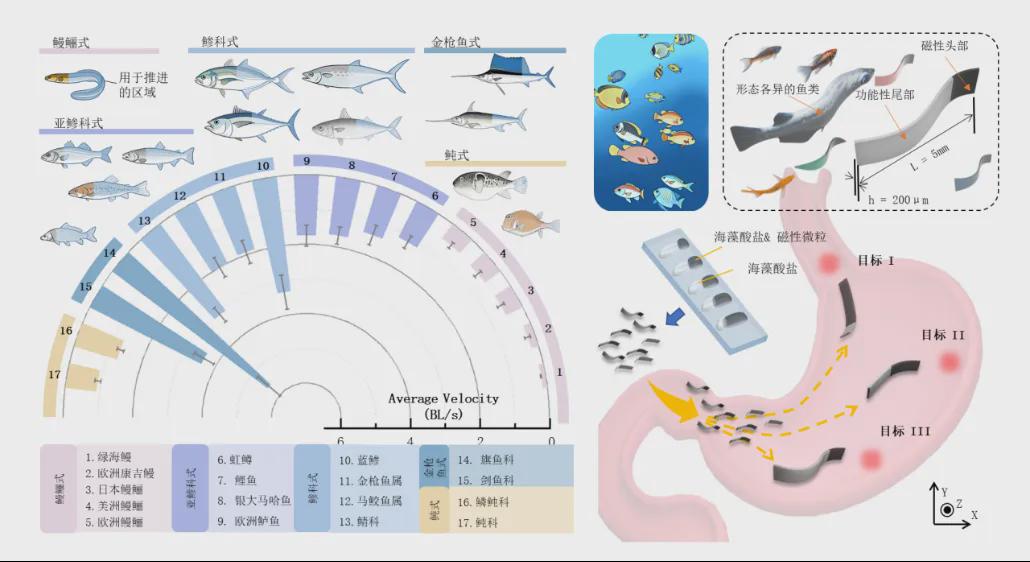
Inspired by Fish Diversity: Beijing Institute of Technology Team Develops Morphology-Encoded Soft Microrobots
A research team at the Beijing Institute of Technology has unveiled a groundbreaking system of soft microrobots that mimic the various swimming styles of fish. This innovative development allows for the selective control of the robots by adjusting their body proportions within a uniform magnetic field. The advancements in this technology hold significant promise for future applications in the biomedical field, potentially enhancing medical procedures and therapies.
Soft Robotics Biomedical Engineering Microrobots Control Systems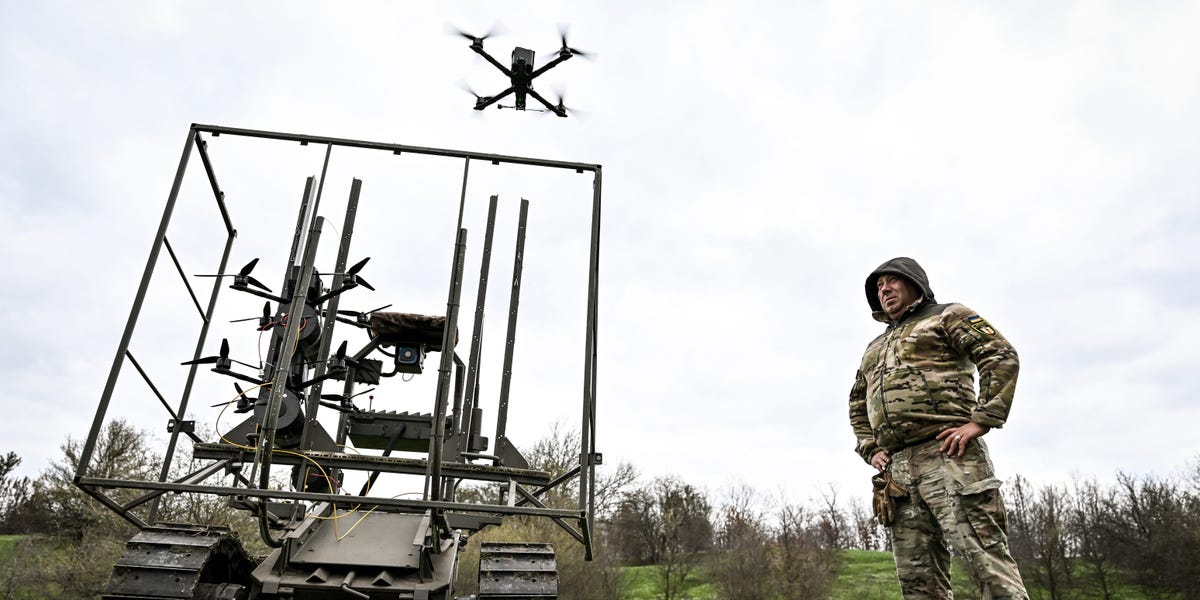
Ukraine is teaming up its war robots with flying drones for maximum effect in battle
Ukraine is enhancing its military capabilities through the integration of a diverse fleet of ground robots and flying drones. This innovative approach, which combines the unique strengths of both technologies, is proving to be a game-changer on the battlefield. As of October 2023, the Ukrainian forces are increasingly leveraging these advanced systems to improve operational efficiency and effectiveness in various combat scenarios. The strategic use of these unmanned vehicles aims to bolster Ukraine's defense efforts amid ongoing conflicts, showcasing the country's commitment to modernizing its military assets and adapting to the evolving nature of warfare.
Military & Defense ukraine ground-robots drones drone-warfare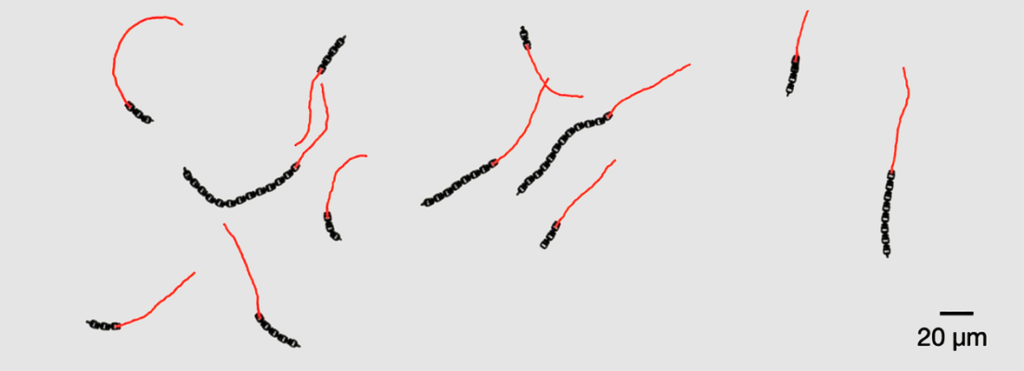
Developing active and flexible microrobots
Researchers at Leiden University, led by Professor Daniela Kraft and Mengshi Wei, have developed innovative microscopic robots that operate autonomously without the need for sensors, software, or external control. These robots exhibit movement driven solely by their unique shapes and interactions with their surroundings. This groundbreaking advancement, unveiled recently, holds significant potential for biomedical applications, paving the way for new methods in medical treatment and diagnostics. The team’s work represents a significant leap in the field of robotics, showcasing how design and environmental factors can create intelligent behavior in microscopic machines.
29,900 Half-Body Robots! Qingbao Robotics Redefines the Future with 41 Degrees of Freedom and 200+ Micro-Expressions
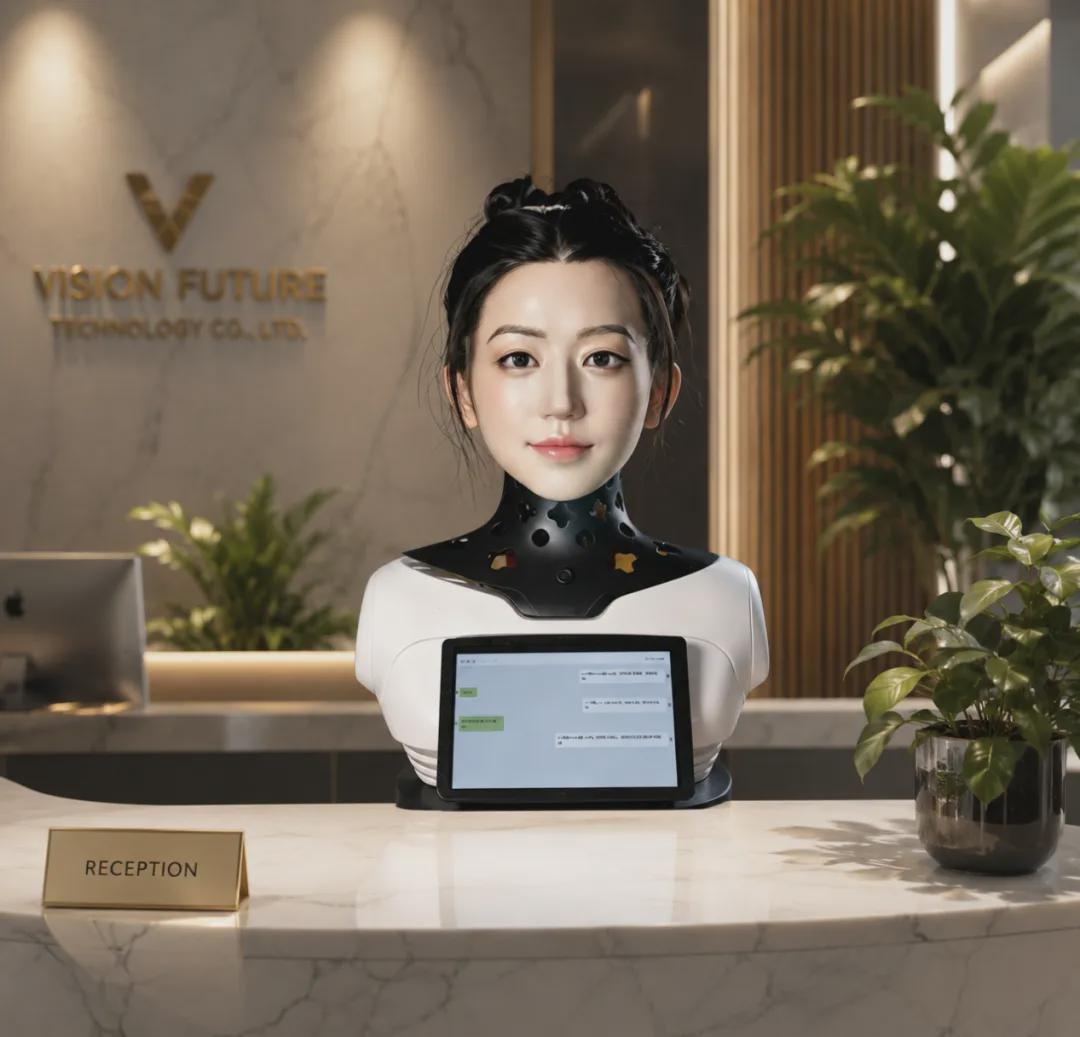
Qingbao Robotics, a company spearheaded by Tsinghua University PhD Wang Lei, is making significant strides in the half-body humanoid robot sector by integrating advanced technology that facilitates emotional interaction and various commercial applications. The robots developed by Qingbao are equipped with 41 degrees of freedom, allowing for nuanced micro-expressions that enhance empathy and interaction between humans and robots. This innovation aims to transform the way robots engage with people, making them more relatable and effective in diverse settings. As the demand for emotionally intelligent robots grows, Qingbao Robotics is positioning itself at the forefront of this emerging industry, potentially reshaping the future of human-robot relationships.
Humanoid Robots Emotional AI Robotics Technology AI Interaction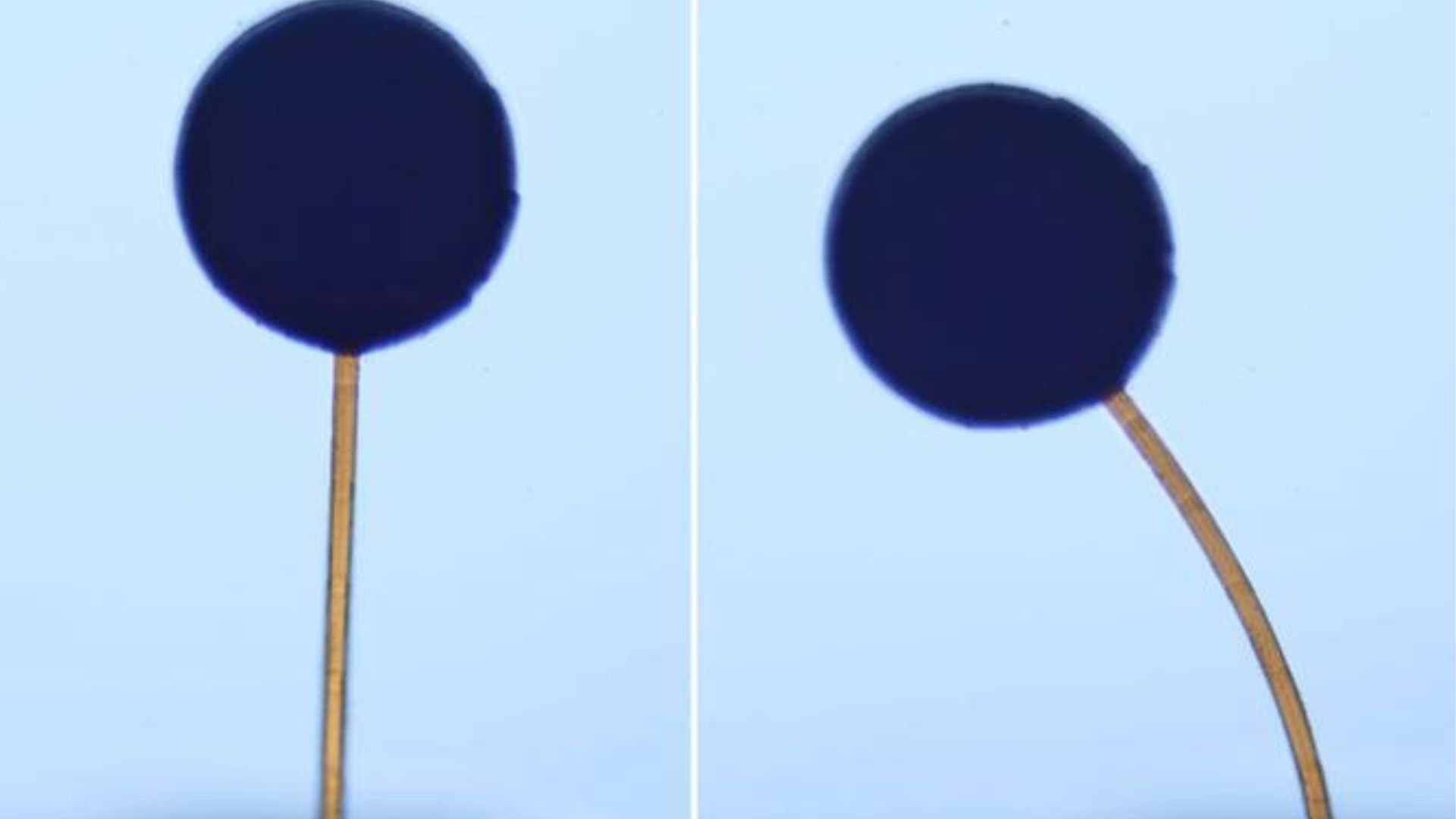
MIT engineers develop 3D-printed micro-robots that can be controlled by magnets
A team of engineers has successfully developed an innovative soft magnetic hydrogel that can be 3D-printed into intricate microscopic structures. This breakthrough, announced in October 2023, opens new avenues for applications in various fields, including biomedical engineering and robotics. The hydrogel's unique properties allow it to respond to magnetic fields, making it particularly useful for creating responsive materials and devices. By utilizing advanced 3D printing techniques, the engineers demonstrated the ability to fabricate complex shapes that were previously difficult to achieve with traditional materials. This advancement not only enhances the versatility of hydrogels but also paves the way for future research and development in smart materials.

Magnetic coil setup guides microrobots without seeing them
Researchers at Southern Methodist University (SMU) have developed an innovative electromagnetic coil system capable of controlling microrobots without the need for continuous visual tracking. This advancement, unveiled recently, holds significant potential for applications in various fields, including medical procedures inside the human body and operations within industrial pipes, where visibility is often limited. By eliminating the reliance on cameras for position tracking, the new system enhances the versatility and functionality of microrobots, paving the way for more efficient and effective interventions in challenging environments. The breakthrough represents a crucial step forward in robotics technology, promising to expand the operational capabilities of microrobots in both healthcare and industrial settings.
Robotics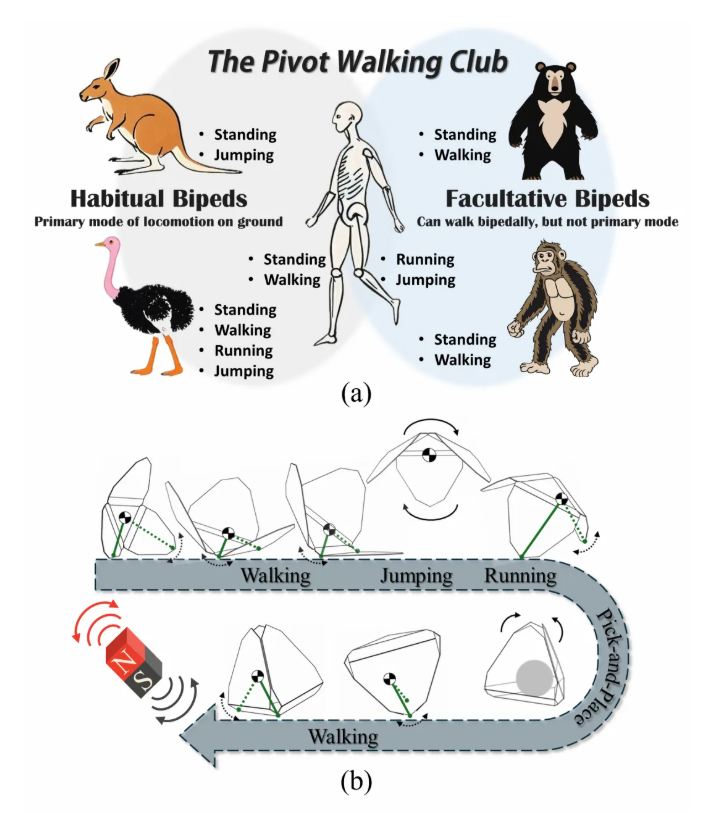
Micro Grippers with Parkour Abilities? BIT Team Proposes New Mechanism for Magnetic-Driven Microrobots Integrating Morphology and Function!
A research team at the Beijing Institute of Technology has unveiled an innovative magnetic-driven microrobot that demonstrates autonomous decision-making and adaptive movement capabilities in challenging environments. Drawing inspiration from natural organisms, this microrobot can seamlessly transition between various movement modes, allowing it to navigate efficiently and execute tasks effectively. The development of this technology aims to enhance robotic performance in complex terrains, potentially expanding its applications in fields such as search and rescue, environmental monitoring, and medical assistance. The team's work represents a significant advancement in robotics, showcasing how nature-inspired designs can lead to improved functionality and versatility in robotic systems.
Magnetic Microrobots Autonomous Robotics Soft Robotics Biomedical Applications
Robot Talk Episode 128 – Making microrobots move, with Ali K. Hoshiar
Claire recently engaged in a discussion with Ali K. Hoshiar, a Senior Lecturer in Robotics at the University of Essex and Director of the Robotics for Under Millimetre Innovation (RUMI) Lab. The conversation focused on the movement and collaborative functions of microrobots, highlighting their potential applications in various fields. Hoshiar, who leads the EPSRC-funded ‘In-Target’ project, shared insights into the innovative research being conducted at the university. His work has garnered recognition, including the award for Best Interdisciplinary Research, underscoring the significance of interdisciplinary approaches in advancing robotic technology. This dialogue took place as part of ongoing efforts to explore the capabilities and future impact of microrobots in practical scenarios.
Robotics needs a service framework.
RSF defines a common language for robot service capability, lifecycle operations, certification pathways, and service-provider networks.
Join the RobotToday community on LinkedIn
Daily robotics news, in-depth analysis, conference highlights, and discussions with professionals worldwide.






