Industry Briefing
A single destination for timely, editor-curated robotics news from around the world.
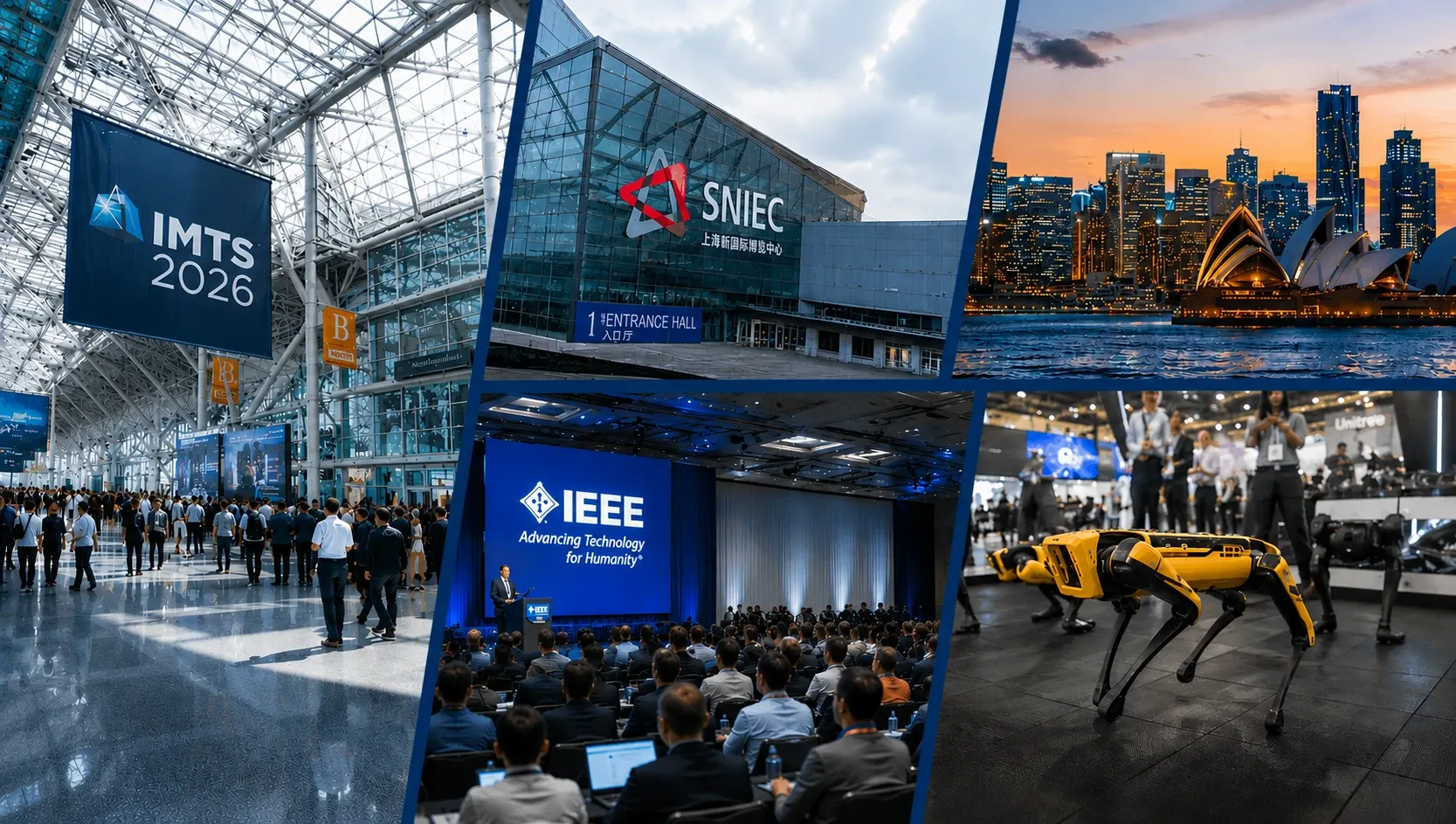
7th China Robotics Academic Annual Conference Scheduled for July 2026 in Shanghai
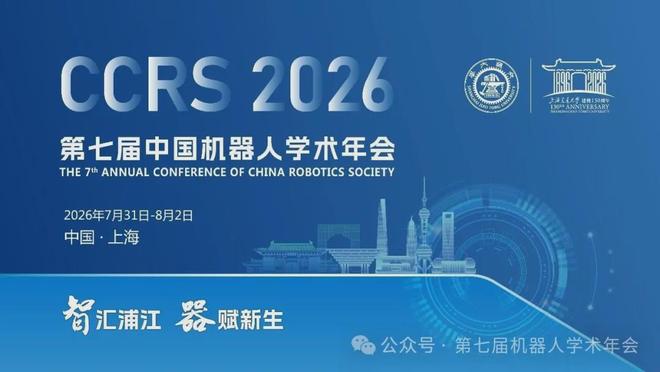
The 7th China Robotics Academic Annual Conference (CCRS 2026) is set to take place from July 31 to August 2, 2026, at the National Exhibition and Convention Center in Shanghai. The event is co-hosted by several prominent organizations, including the Robotics Branch of the Chinese Mechanical Engineering Society and the Robotics Professional Committee of the Chinese Automation Society, with Shanghai Jiao Tong University and the Shanghai Robotics Society as the local organizers. This year's conference theme is 'Intelligent Integration at the Huangpu River, New Life for Robotics.' It will feature discussions on various topics such as industrial robots, medical robots, service robots, and AI+ robotics. The event aims to attract over 200 renowned experts and scholars in the robotics field, facilitating in-depth academic exchanges through keynote speeches and specialized forums, with an expected attendance of over 3,000 participants. Attendees are reminded to register before payment and to provide proof of student status if applicable. The conference will also serve as a platform for showcasing technologies and products from leading companies in robotics and artificial intelligence. No further timeline was disclosed at the time of publication.
Robotics AI Industrial Robots Medical Robots Conference
Soft Graphene Muscle Enables Robots to Maintain Stability for Over 13 Hours
Researchers from Sun Yat-sen University and Tsinghua University have developed a soft robot capable of maintaining stability against disturbances for over 13 hours. This innovation utilizes an ultrathin soft muscle, known as Soft Graphene Muscle (SGM), which integrates self-sensing, electrothermal actuation, and disturbance control without the need for external sensors. The significance of this development lies in its potential to enhance the operational capabilities of soft robots in real-world environments. Traditional soft robots often struggle with stability due to their flexible structures, which can amplify disturbances. The SGM's ability to adaptively balance objects heavier than itself marks a significant advancement in soft robotics, moving closer to practical applications. Future developments to watch include the potential for further integration of sensing and control within soft materials, as well as the implications for deploying soft robots in complex environments. The research was published in eScience, highlighting the collaborative efforts of experts in biomedical engineering and integrated circuits from both universities.
Soft Robotics Adaptive Control Robotics Engineering AI Material Science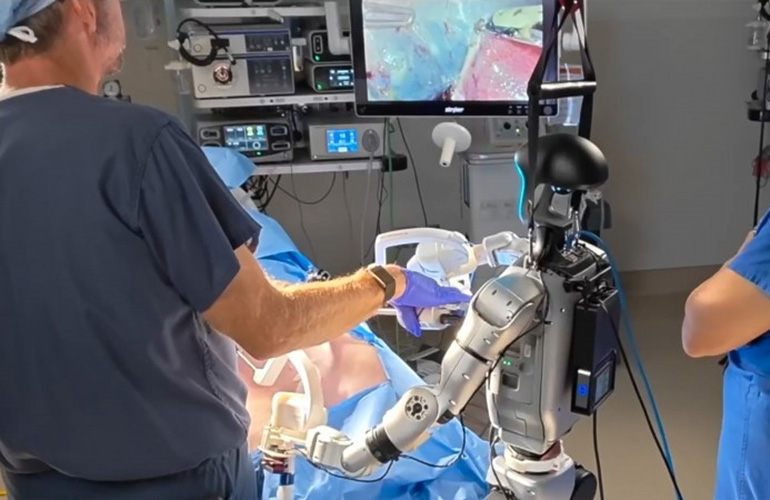
UC San Diego Trials Teleoperated Humanoid Robots for Surgical Procedures
In a groundbreaking preclinical trial at UC San Diego, teleoperated humanoid robots successfully conducted surgeries, marking a significant advancement in surgical technology. This trial represents the first instance of humanoid robots being utilized in a surgical context, showcasing their potential to enhance precision and efficiency in medical procedures. The significance of this development lies in the versatility of humanoid robots, which may offer improved capabilities over traditional robotic systems like the da Vinci Surgical System. By integrating advanced teleoperation techniques, these robots could potentially reduce the need for human intervention, thereby minimizing risks and improving patient outcomes in complex surgeries. Looking ahead, the next steps involve further trials to assess the long-term effectiveness and safety of these humanoid robots in surgical environments. No further timeline was disclosed at the time of publication, but the results of this trial could pave the way for broader applications in healthcare robotics.
Healthcare Robotics Human Robot Interaction / Haptics Humanoids News Surgical / Interventional Systems Surgical Systems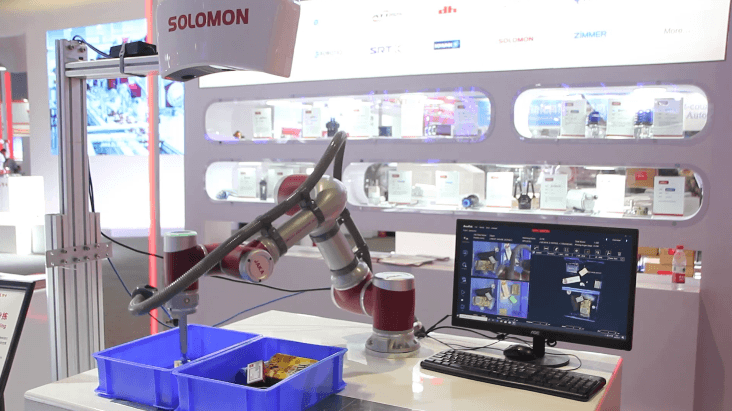
Assembler Robots in Medical Device Manufacturing: Precision and Sterilization
In the rapidly evolving field of medical device manufacturing, JAKA is at the forefront of integrating assembler robots into production lines to enhance precision and maintain strict sterilization standards. These advanced 6-axis robot arms are designed to navigate the complexities of assembling miniature components and delicate materials, ensuring stable motion control and predictable positioning throughout long operating cycles. By minimizing human contact in sensitive environments, JAKA's automation solutions help reduce contamination risks and support adherence to sterilization protocols. The implementation of these robots allows manufacturers to adapt to cleanroom layouts while remaining flexible enough to accommodate product changes. JAKA's lightweight robotic structures can be quickly deployed and adjusted, making them ideal for small-batch and multi-variety manufacturing, which is prevalent in the medical sector. This adaptability not only prevents workpiece loss but also enhances productivity without compromising quality. As the demand for precision and efficiency in medical device assembly continues to grow, JAKA's focus on practical automation solutions positions them as a key player in the industry. Their commitment to developing reliable motion control and adaptive assembly logic ensures that manufacturers can achieve consistent performance while navigating the challenges of regulated production environments. By leveraging the capabilities of assembler robots, JAKA is paving the way for more controlled and efficient medical device manufacturing processes.
Inspired by Fish Diversity: Beijing Institute of Technology Team Develops Morphology-Encoded Soft Microrobots
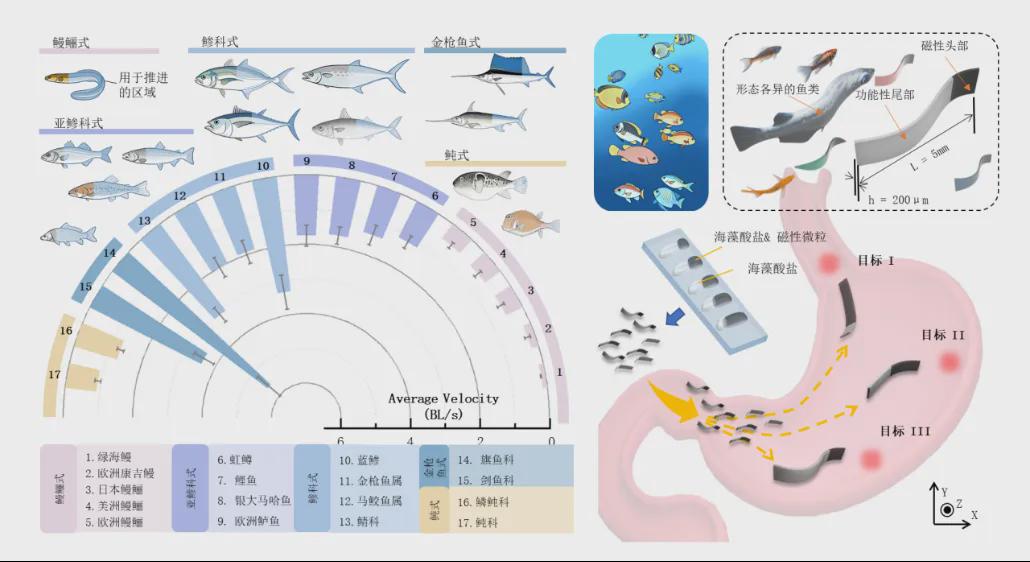
A research team at the Beijing Institute of Technology has unveiled a groundbreaking system of soft microrobots that mimic the various swimming styles of fish. This innovative development allows for the selective control of the robots by adjusting their body proportions within a uniform magnetic field. The advancements in this technology hold significant promise for future applications in the biomedical field, potentially enhancing medical procedures and therapies.
Soft Robotics Biomedical Engineering Microrobots Control Systems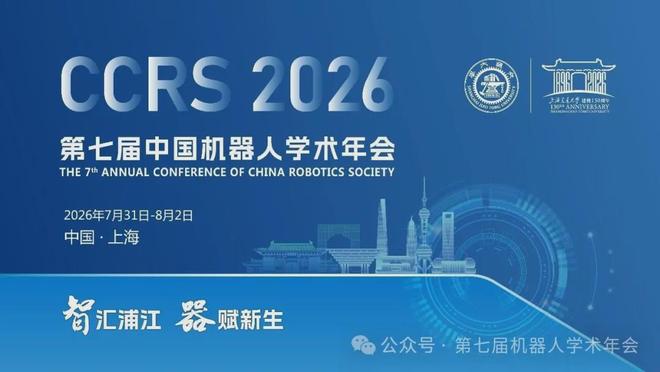
Official Notice for the 7th China Robotics Academic Annual Conference (First Round)
The 7th China Robotics Academic Annual Conference (CCRS 2026) is set to take place from July 31 to August 2, 2026, at the National Exhibition and Convention Center in Shanghai. This significant event will bring together more than 3,000 participants, including leading experts in robotics, to engage in discussions on a wide range of topics within the field. The conference aims to foster collaboration and innovation among researchers and practitioners, highlighting the advancements and future directions of robotics technology.
Robotics Conference AI in Robotics Industrial Robots Medical Robots Service Robots
Defining Autonomy for Wellness Robots in Senior Care
A recent examination highlights the potential of socially assistive wellness robots in enhancing senior wellness across seven key dimensions. This analysis, aimed at addressing the escalating senior care crisis, underscores the challenges posed by demographic shifts, workforce shortages, and gaps in daily wellness programming that traditional care models face. The study defines wellness robots distinctly from companion and medical devices, emphasizing their unique features and functions. It introduces a framework for measuring the autonomy of these robots using the Care Robot Autonomy Scale (CRAS), a six-level scale inspired by the SAE J3016 driving standard, which assesses four critical care dimensions. Furthermore, the research outlines a roadmap for achieving full autonomy in wellness robots, detailing necessary technical capabilities, clinical evidence, and a phased approach leading into the early 2030s. This comprehensive analysis aims to inform stakeholders about the transformative role of wellness robots in senior care and the urgent need for innovative solutions in the face of growing demands. A free whitepaper summarizing these findings is available for download.
Type-whitepaper Wellness-robots Autonomous-robots Robotics
BayCare Expands Autonomous Hospital Delivery with New Relay Robots at Winter Haven Hospitals
In response to the ongoing healthcare labor shortage, a new initiative has been launched to expand the use of robotic technology in hospitals. This expanded fleet of robots is designed to automate non-clinical logistics, allowing healthcare professionals to focus more on direct patient care. By streamlining tasks such as inventory management and supply delivery, the robots aim to enhance efficiency within medical facilities. This initiative is particularly timely as healthcare systems face increasing pressure to optimize resources and improve patient outcomes. The deployment of these robots is expected to significantly reduce the burden on nursing staff, ultimately prioritizing nurse-to-patient interaction and enhancing the overall quality of care.
NYC Tests Cargo Drones to Cut Traffic and Speed Medical Deliveries
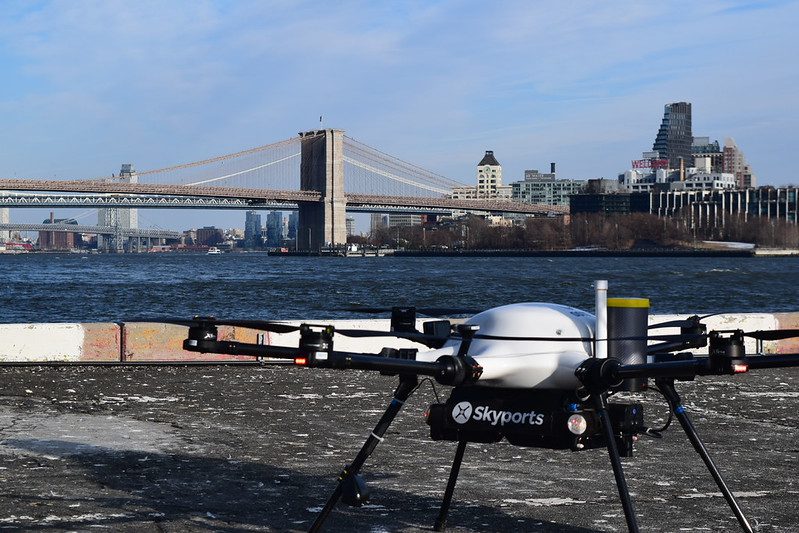
The Port Authority of New York and New Jersey is set to initiate a yearlong cargo drone trial starting April 27. This innovative project, in partnership with Skyports, aims to test scheduled drone flights for middle-mile delivery services between lower Manhattan and Brooklyn. The initiative seeks to alleviate traffic congestion in New York City while enhancing the efficiency of medical logistics. By exploring the capabilities of cargo drones, the Port Authority hopes to improve delivery times and support critical supply chains in the urban environment.
Applications Delivery Drone News Drone News Feeds Healthcare Medical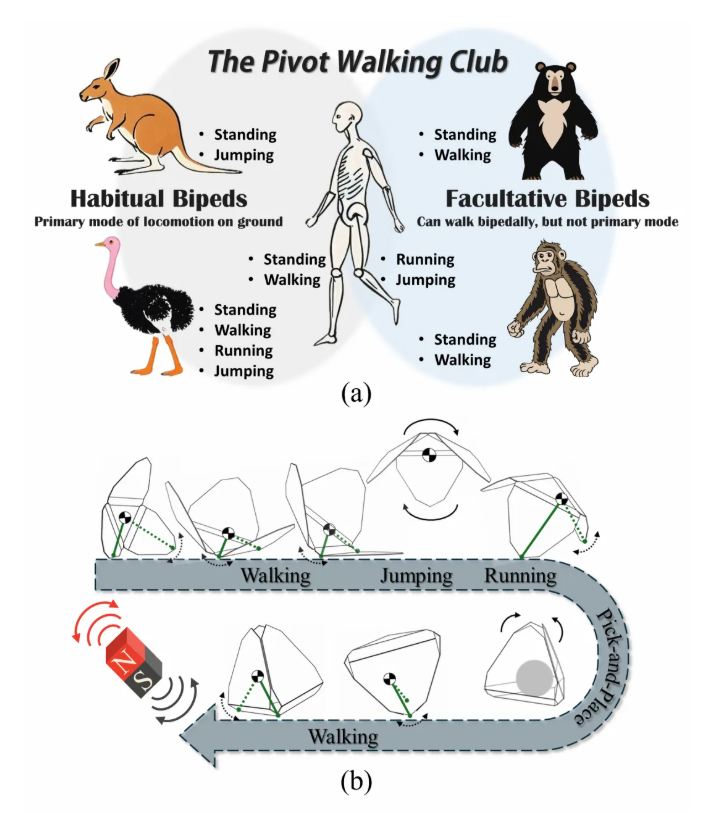
Micro Grippers with Parkour Abilities? BIT Team Proposes New Mechanism for Magnetic-Driven Microrobots Integrating Morphology and Function!
A research team at the Beijing Institute of Technology has unveiled an innovative magnetic-driven microrobot that demonstrates autonomous decision-making and adaptive movement capabilities in challenging environments. Drawing inspiration from natural organisms, this microrobot can seamlessly transition between various movement modes, allowing it to navigate efficiently and execute tasks effectively. The development of this technology aims to enhance robotic performance in complex terrains, potentially expanding its applications in fields such as search and rescue, environmental monitoring, and medical assistance. The team's work represents a significant advancement in robotics, showcasing how nature-inspired designs can lead to improved functionality and versatility in robotic systems.
Magnetic Microrobots Autonomous Robotics Soft Robotics Biomedical Applications
How Conostech is Pioneering Digital Surgery with Surgical Robots
At the Hamlyn Medical Robotics Conference, a significant international challenge demonstrated the integration of AI algorithms in surgical robots, marking a transformative moment in the medical field. The event showcased how surgical robots are evolving into advanced platforms capable of incorporating AI technologies. Among the participants, Conostech's Sentire system emerged as a notable contender, distinguished by its open architecture and strong performance. This positions Conostech as a leading force in the rapidly developing domain of digital surgery, reflecting the industry's shift towards more intelligent and adaptable surgical solutions.
Surgical Robots AI Integration Digital Surgery Medical Robotics
Friendly social robots may help ease a child's anxiety at the doctor's office
During a recent medical appointment at the UC Davis MIND Institute, 3-year-old Cameron encountered a delightful surprise in the waiting room: friendly AI robots visiting from Japan. Cameron's mother, Caroline Nguyen, expressed their immediate affection for the robots, stating, "We both melted when we saw them. They're so adorable, and the little sounds they make—I mean, she took to them right away." The visit aimed to provide a comforting and engaging experience for young patients, showcasing the potential of social robots in healthcare settings.
Robotics
Latest Progress! Zhejiang University Team's T-RO Research Achievements, Magnetic-Controlled Microrobots Achieve "Wave-Like Steps" in Complex Environments.
A team from Zhejiang University has made significant advancements in the field of robotics with their development of magnetic-controlled microrobots capable of executing "wave-like steps" in complex environments. This breakthrough was announced recently, showcasing the innovative capabilities of these microrobots, which can navigate challenging terrains with enhanced agility. The research aims to address various practical applications, including medical procedures and environmental monitoring, where precise movement is crucial. By employing magnetic fields to control the microrobots, the team has demonstrated a novel approach to maneuvering small-scale machines, potentially paving the way for future technological advancements in robotics.
Robotics Automation AI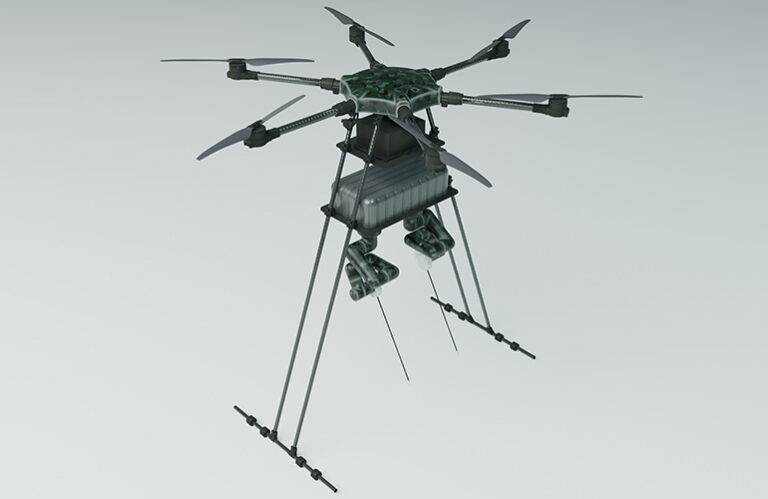
Can surgical robots fly? SS Innovations discusses challenges, solutions
SS Innovations, a robotics developer, is concentrating its efforts on enhancing emergency medical care in active war zones and other challenging environments. The company is exploring the feasibility of deploying surgical robots in these high-stress situations, addressing the unique challenges posed by such settings. This initiative aims to improve the speed and effectiveness of medical interventions in areas where traditional healthcare access is limited or compromised. By leveraging advanced robotics technology, SS Innovations seeks to provide critical support to medical personnel and improve patient outcomes in emergencies. The ongoing discussions around this innovative approach highlight the potential for surgical robots to revolutionize emergency care in some of the most dangerous locations worldwide.
Defense / Security Drones Healthcare Robotics Markets / Industries News Robots / Platforms
Surgical Robots Begin Leasing in Hospitals: What's Next?
Beijing hospitals are increasingly opting to lease surgical robots rather than purchasing them outright, a strategic move aimed at improving access to cutting-edge medical technology. This shift allows healthcare facilities to assess the robots' performance in real clinical environments before making significant financial commitments. Additionally, leasing arrangements come with ongoing support and training from suppliers, ensuring that medical staff are well-equipped to utilize the advanced equipment effectively. This innovative approach reflects a growing trend within the healthcare sector to enhance operational efficiency and patient care through the adoption of new technologies.
Surgical Robots Healthcare Innovation Medical Equipment Leasing Clinical Services
Beihang University Unveils New Bioinspired Soft Robot for Medical Applications
A collaborative research team from Beihang University in China and Koç University in Turkey has created a groundbreaking millimeter-scale soft robot that mimics the movement of snails. This innovative robot employs a unique fluid transport mechanism, enabling it to traverse slippery and intricate surfaces with ease. The development holds significant promise for advancing the design of future medical micro-robots, potentially enhancing their functionality in various applications. The team's findings were recently published in the esteemed journal 'Science Advances', highlighting the potential impact of this technology in the field of robotics and medicine.
Soft Robotics Medical Robotics Bioinspired Technology Fluid Transport Systems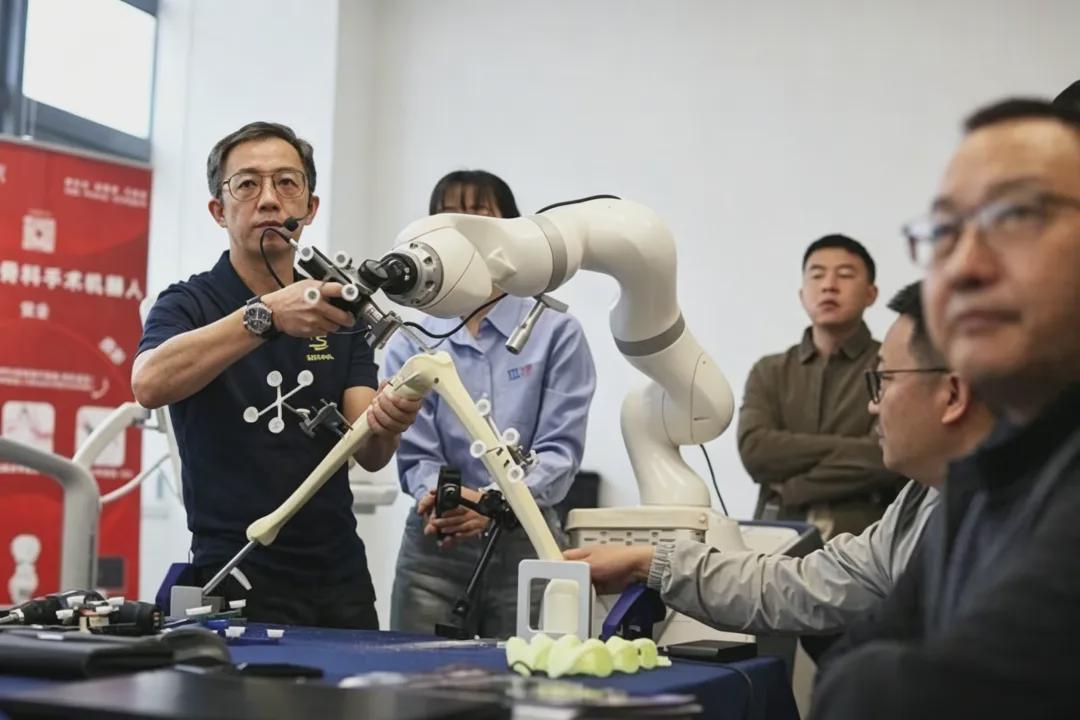
Domestic Orthopedic Robots Enhance Healthcare Access for Remote Patients
On National Science Workers Day, China's orthopedic and sports medicine center showcased the transformative role of domestic surgical robots in enhancing healthcare access in remote areas. The Kunlun® orthopedic surgical robot, developed by Yuanhua Intelligent Technology, is at the forefront of this innovation, enabling high-precision surgeries that are crucial for patients in underserved regions. This advancement not only improves recovery times but also elevates the overall medical experience for those who previously faced significant barriers to quality surgical care.
Orthopedic Robots Healthcare Technology Surgical Innovation Telemedicine
Small Industrial Robots Pros and Cons: An Honest Review for Lean Automation
In a bid to enhance manufacturing efficiency through "Lean Automation," many producers are turning to small industrial robots, such as the JAKA MiniCobo, which offers a compact solution to traditional bulky systems. These mini robot arms, designed to fit in tight spaces, provide a low-risk entry into automation, allowing manufacturers to maximize productivity while minimizing waste. The JAKA MiniCobo, weighing just 9.4 kg and featuring a 580 mm reach with a 1 kg payload, is particularly suited for delicate tasks in sectors like electronics and medical services. Its integrated intelligent drive module simplifies installation, eliminating the need for bulky control cabinets and enabling a plug-and-play experience. While small robots offer advantages such as energy efficiency, lower total cost of ownership, and safer operation near human workers, they also face limitations. Most can handle payloads under 2 kg and may struggle with high-torque tasks due to their lightweight construction. Additionally, they require careful management in high-temperature environments to prevent overheating. The JAKA MiniCobo exemplifies the principles of Lean Automation by reducing space and complexity while maintaining precision, making it an attractive option for manufacturers looking to streamline operations.

Yiji Mountain Hospital Welcomes a 'Non-Staff Officer': How Qizhi Uses Embodied Intelligent Robots to Enhance Healthcare
Yiji Mountain Hospital has partnered with Qizhi Robotics to integrate embodied intelligent robots into clinical environments, a move aimed at tackling real-world medical challenges. This collaboration, announced recently, seeks to enhance patient care by leveraging advanced technology while also prioritizing emotional interaction in healthcare settings. The initiative reflects a growing trend in the medical field to incorporate innovative solutions that not only improve operational efficiency but also foster a more compassionate approach to patient treatment.
Embodied Intelligence Healthcare Robotics Medical Technology AI in Healthcare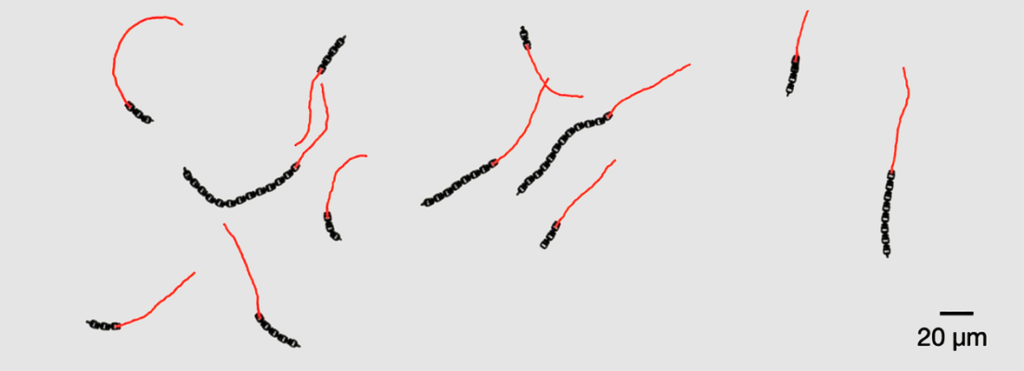
Developing active and flexible microrobots
Researchers at Leiden University, led by Professor Daniela Kraft and Mengshi Wei, have developed innovative microscopic robots that operate autonomously without the need for sensors, software, or external control. These robots exhibit movement driven solely by their unique shapes and interactions with their surroundings. This groundbreaking advancement, unveiled recently, holds significant potential for biomedical applications, paving the way for new methods in medical treatment and diagnostics. The team’s work represents a significant leap in the field of robotics, showcasing how design and environmental factors can create intelligent behavior in microscopic machines.
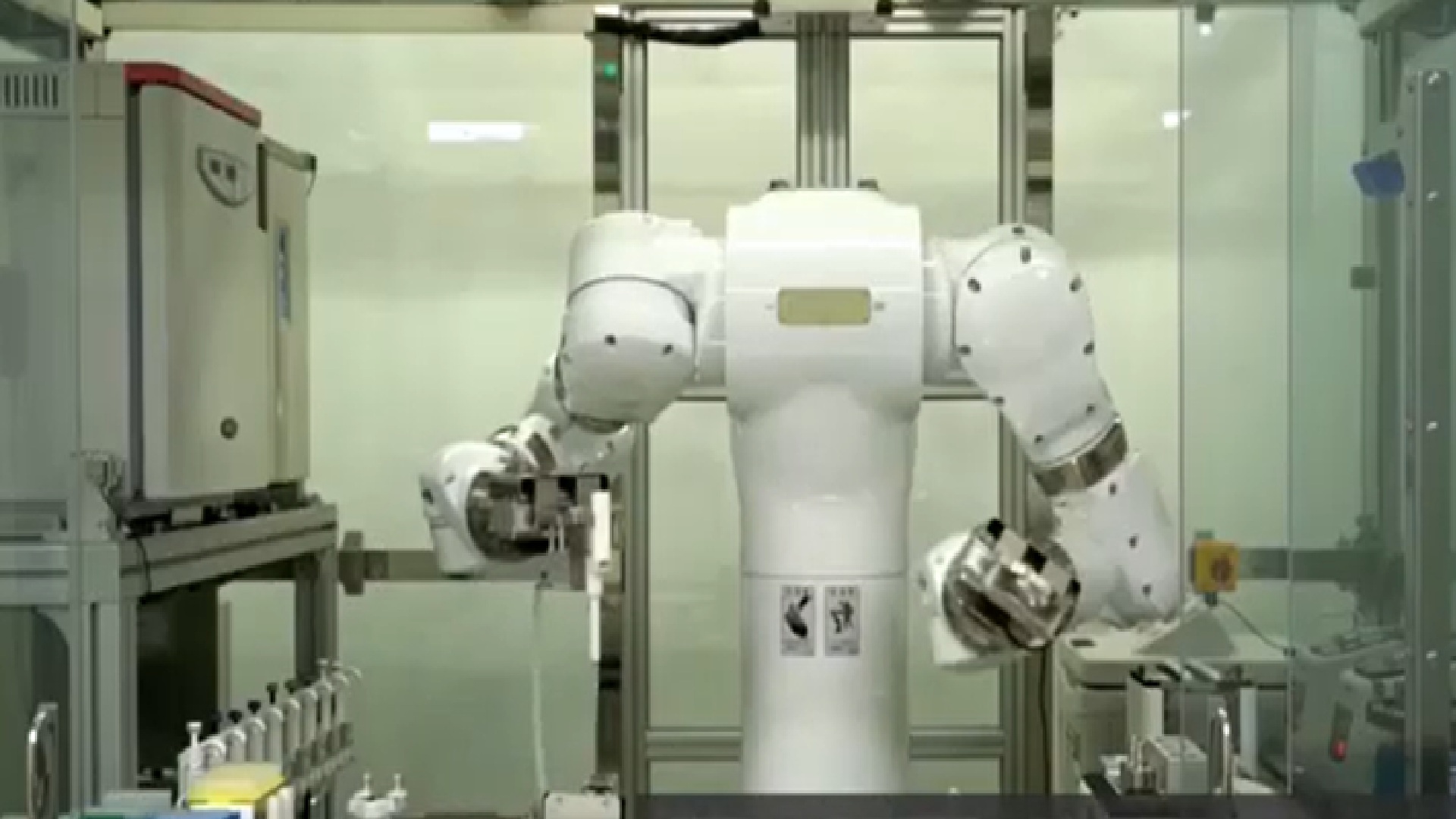
Japan: World-first fully automated medicine lab with humanoids, robots and no humans
A Japanese university has inaugurated a cutting-edge robotics laboratory aimed at advancing medical research through automation. This initiative, which commenced recently, allows robots to perform complex medical experiments that were traditionally conducted by human researchers. The university's goal is to enhance the efficiency and accuracy of medical studies, addressing the growing demand for innovative solutions in healthcare. By integrating robotics into the research process, the institution hopes to accelerate discoveries and improve patient outcomes. The laboratory is equipped with state-of-the-art technology designed to facilitate a wide range of experiments, showcasing the potential of robotics in transforming the medical field.
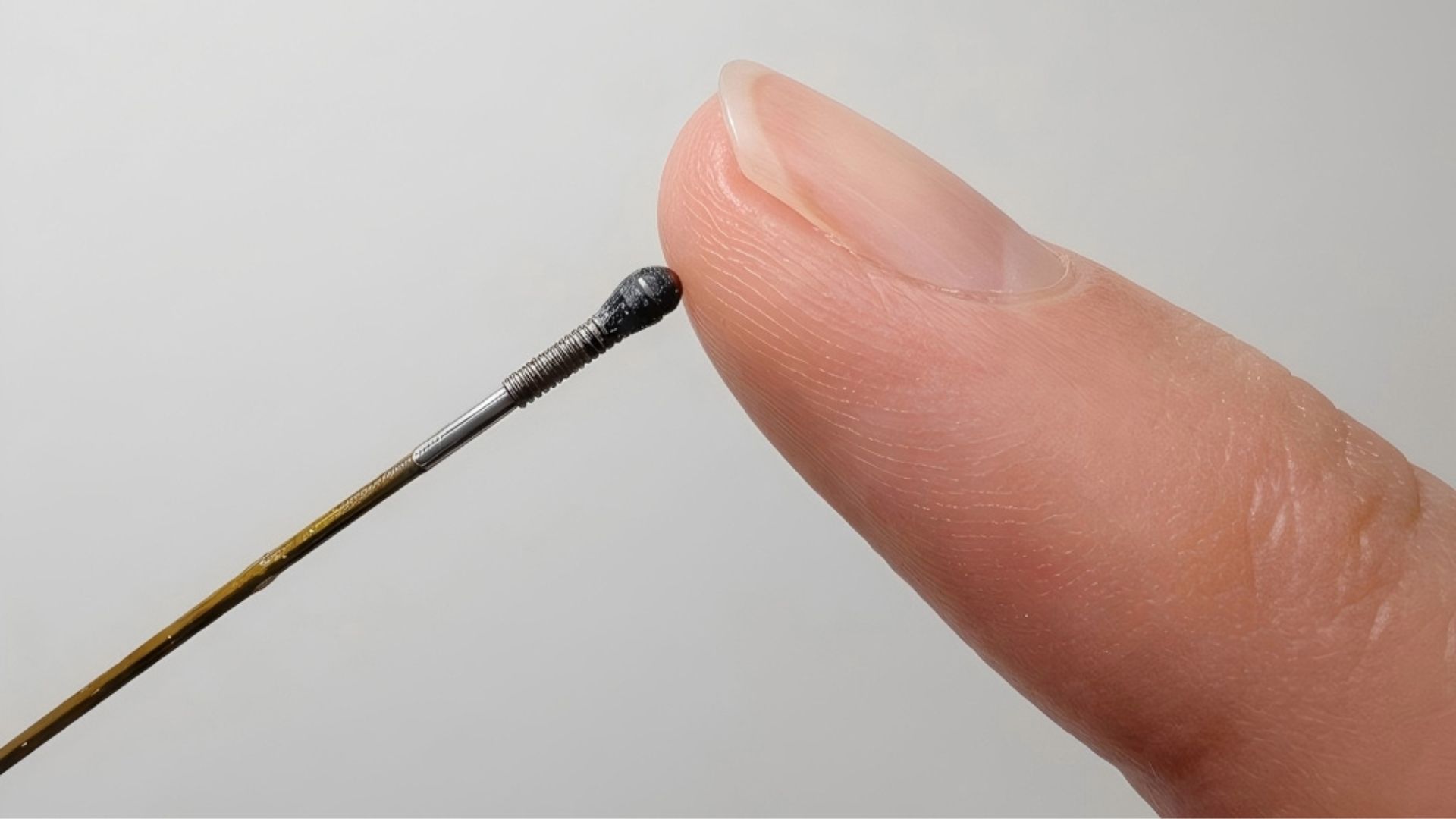
China builds rice-sized sensor that lets surgical robots feel touch in real time
Chinese researchers have unveiled a groundbreaking optical sensor the size of a grain of rice, designed to enhance the capabilities of surgical robots. This innovative technology, introduced recently, aims to improve precision in minimally invasive surgeries by providing real-time imaging and feedback during procedures. The development is driven by the need for more effective surgical tools that can reduce recovery times and minimize complications for patients. By integrating this compact sensor into robotic systems, the researchers hope to revolutionize surgical practices, making them safer and more efficient. The sensor's small size allows for easy incorporation into existing robotic frameworks, paving the way for its potential widespread adoption in medical facilities.

Learn how to successfully design hospital logistics robots at the Robotics Summit
Experts from Rovex Technologies, SKA Robotics, and ST Engineering Aethon are set to engage in discussions about the design considerations for hospital robotics at the upcoming Robotics Summit. This event, aimed at enhancing the efficiency and effectiveness of logistics robots in healthcare settings, will take place soon, though the exact date has not been specified. The focus will be on addressing the unique challenges and requirements of designing robots that can operate seamlessly within hospital environments. By sharing their insights and experiences, these industry leaders aim to foster innovation and improve the integration of robotic solutions in medical facilities, ultimately enhancing patient care and operational efficiency.
Autonomous Mobile Robots (AMRs) Events Healthcare Robotics Markets / Industries Mobility / Navigation News
Micro-Scale Robotics in the Medical Field: Precision Automation Meets Health Care Innovation
Recent advancements in micro-scale robotics are transforming the healthcare sector, showcasing significant progress in precision and data analytics. Unlike traditional medical machinery, which often occupies large spaces, these innovative micro-robots are designed to operate at a much smaller scale, offering new possibilities for patient care and treatment. This evolution in medical technology is driven by the need for more efficient and effective healthcare solutions, allowing for minimally invasive procedures and improved patient outcomes. As the field continues to evolve, the integration of these micro-robots into clinical practice is expected to enhance diagnostic capabilities and treatment options, ultimately reshaping the future of medical interventions.
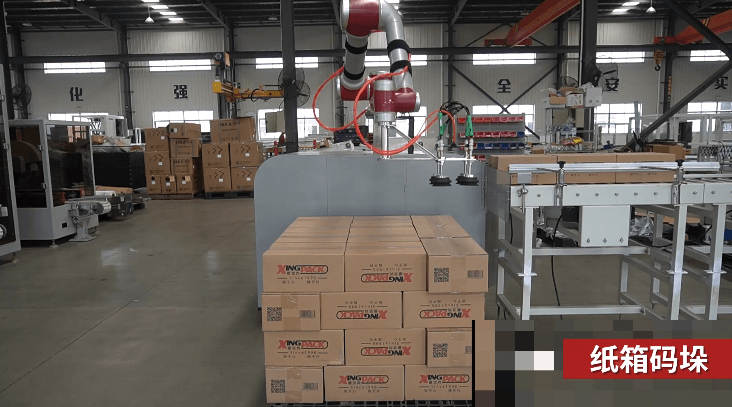
How Manufacturing Robots for Sale Improve Worker Ergonomics and Reduce Injury Risk
In response to the growing need for enhanced worker safety and comfort in industrial settings, JAKA is promoting the use of manufacturing robots, specifically the JAKA S5 flexible robot arm. This initiative aims to improve ergonomics and reduce injury risks associated with repetitive tasks. By integrating these advanced automation solutions into production lines, JAKA enables employees to focus on higher-value work while minimizing physical strain. The JAKA S5 robot, designed for easy integration with zero installation and configuration requirements, takes over demanding tasks such as heavy lifting and precise assembly. This allows workers to maintain natural postures and decreases their exposure to movements that can lead to long-term injuries. The robot's built-in force sensor enhances workplace safety by providing adaptive responses to production variations, thereby reducing the risk of accidents. While cost remains a significant consideration for businesses, JAKA emphasizes that investing in flexible robot arms can yield long-term benefits, including decreased medical claims and improved productivity. The company collaborates with clients to assess their specific production needs and identify cost-effective solutions that prioritize both functionality and ergonomics. Overall, JAKA's flexible robot arm technology is positioned as a key player in fostering safer and more efficient workplaces, aligning with the industry's evolving demands for sustainable manufacturing practices.
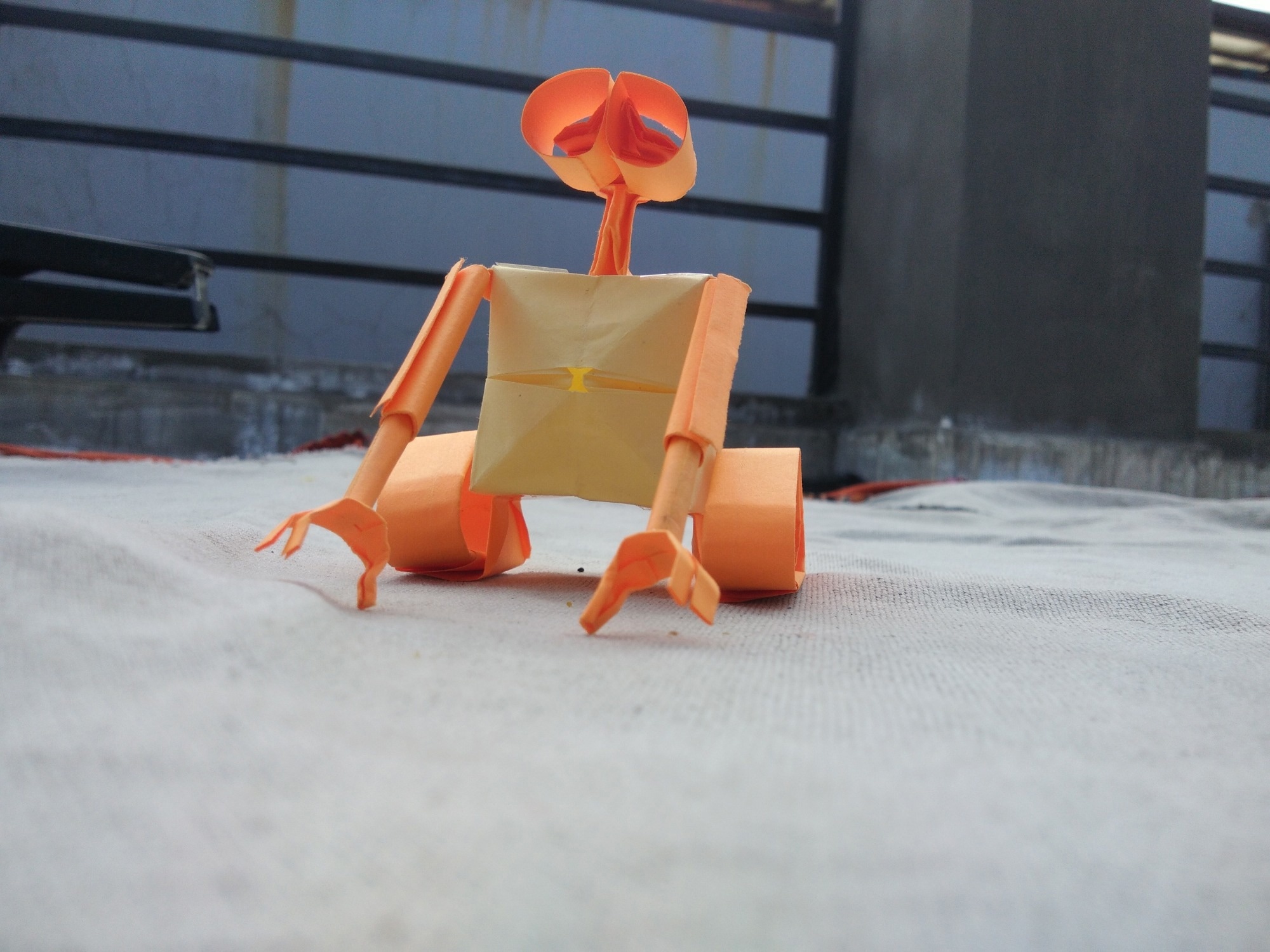
Joule Heating Enables Self-Folding Origami Robots
Researchers have developed innovative liquid crystal elastomer hinges integrated with Joule heating technology, resulting in highly adaptable origami robots. These advanced robots demonstrate exceptional actuation precision and impressive durability over numerous cycles. This breakthrough was achieved through the combination of materials science and engineering techniques, allowing for the creation of reconfigurable structures that can perform complex movements. The development aims to enhance the functionality and versatility of soft robotics, making them suitable for a variety of applications, including medical devices and environmental monitoring. The findings were published in a recent study, showcasing the potential for these robots to revolutionize fields that require flexible and resilient robotic solutions.

Magnetic coil setup guides microrobots without seeing them
Researchers at Southern Methodist University (SMU) have developed an innovative electromagnetic coil system capable of controlling microrobots without the need for continuous visual tracking. This advancement, unveiled recently, holds significant potential for applications in various fields, including medical procedures inside the human body and operations within industrial pipes, where visibility is often limited. By eliminating the reliance on cameras for position tracking, the new system enhances the versatility and functionality of microrobots, paving the way for more efficient and effective interventions in challenging environments. The breakthrough represents a crucial step forward in robotics technology, promising to expand the operational capabilities of microrobots in both healthcare and industrial settings.
Robotics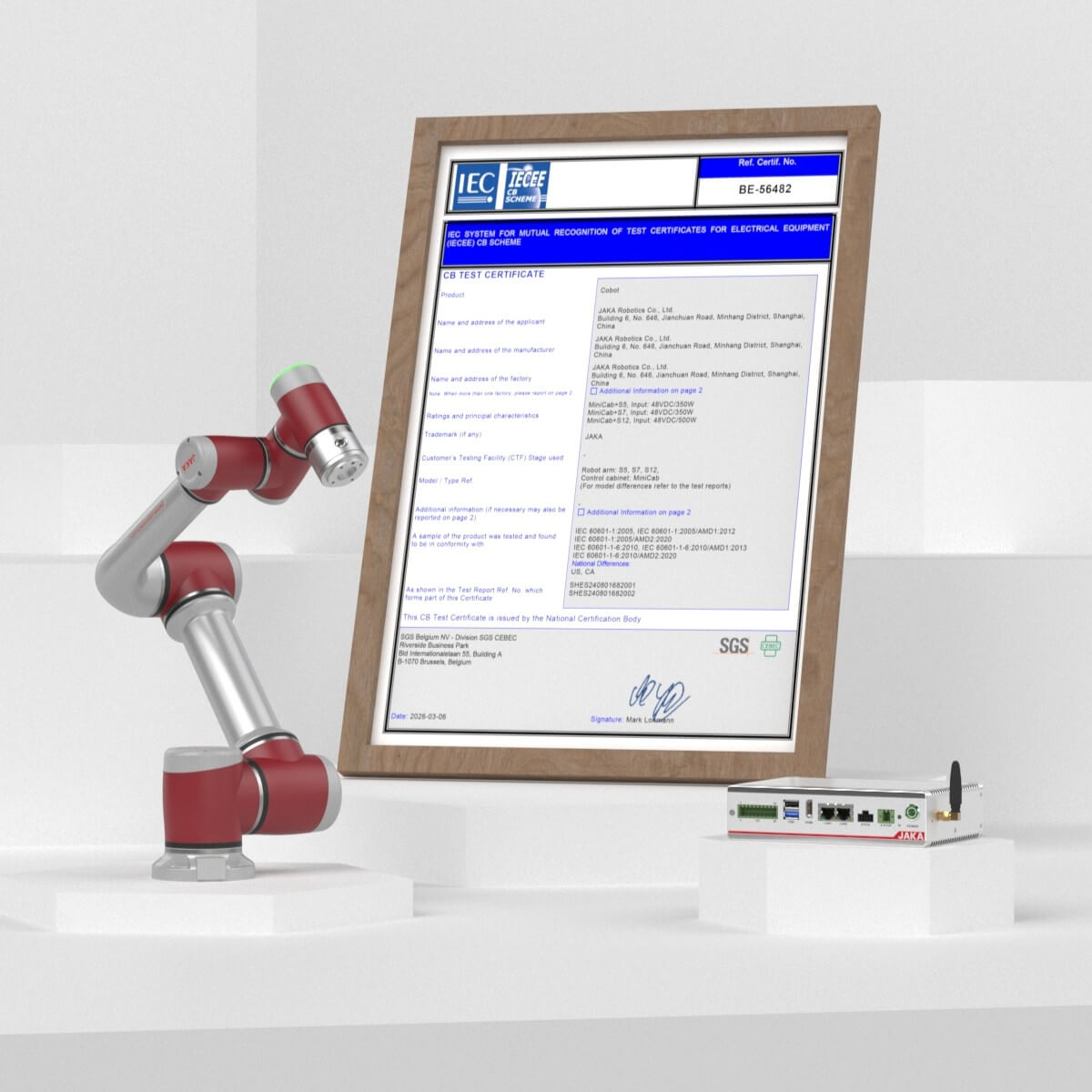
JAKA Achieves IEC 60601 Medical Safety Certification
JAKA Technology has achieved a significant milestone by obtaining IEC 60601 medical safety certification for its S series collaborative robots (cobots) — the S5, S7, and S12, along with the MiniCab control cabinet. This certification, recognized globally as the benchmark for medical electrical equipment safety, was awarded following rigorous testing that adheres to the stringent requirements of the IEC 60601-1 series, which surpasses typical industrial standards. The certification process involved comprehensive evaluations of electrical safety, ensuring that the cobots maintain patient and operator safety even in the event of a single component failure. This is crucial in medical environments where limits on leakage current and electromagnetic interference are strictly enforced. For instance, certified JAKA robots will not disrupt sensitive medical devices such as ECG monitors or electrosurgical units, even in complex electromagnetic settings. Additionally, the robots underwent thorough assessments of their mechanical safety features, including collision detection and safe speed monitoring. These enhancements allow for smoother and safer interactions between the robots and healthcare personnel or patients. With this certification, JAKA solidifies its position as a trusted entity in the global medical device market, ready to provide compliant and safe automation solutions for healthcare systems worldwide.
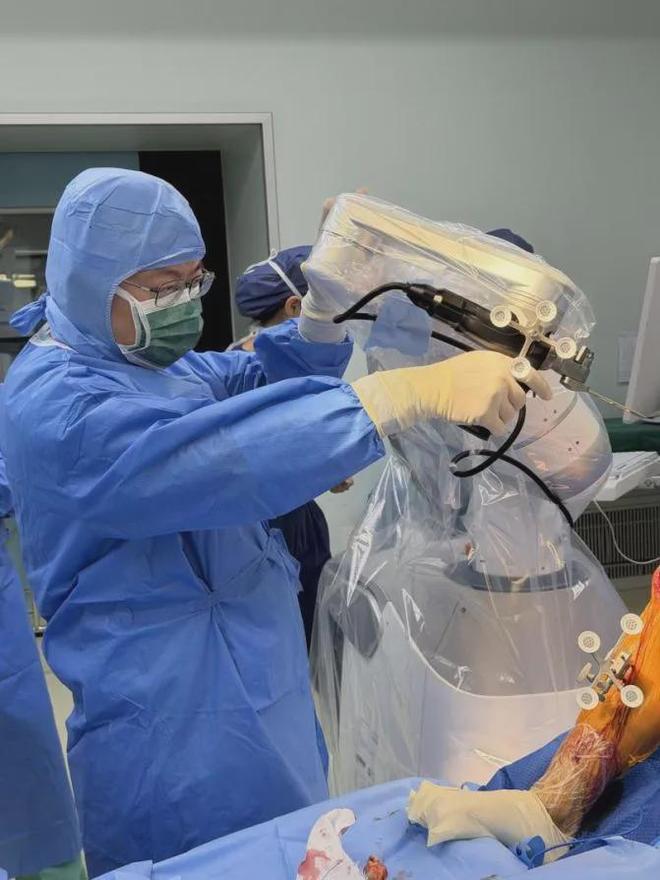
First HX Robotic Arm-Assisted Joint Replacement Surgery at PLA General Hospital's Fourth Medical Center
The orthopedic team at PLA General Hospital's Fourth Medical Center has achieved a significant milestone by successfully conducting its first total knee replacement surgery using the HX robotic arm. The procedure was performed on a 61-year-old female patient, marking a notable advancement in the application of domestic orthopedic surgical robots in clinical practice. This innovative technology aims to enhance surgical precision and promote quicker recovery times for patients undergoing knee replacement procedures.
Orthopedic Robotics Surgical Innovation Medical Technology Robotic Surgery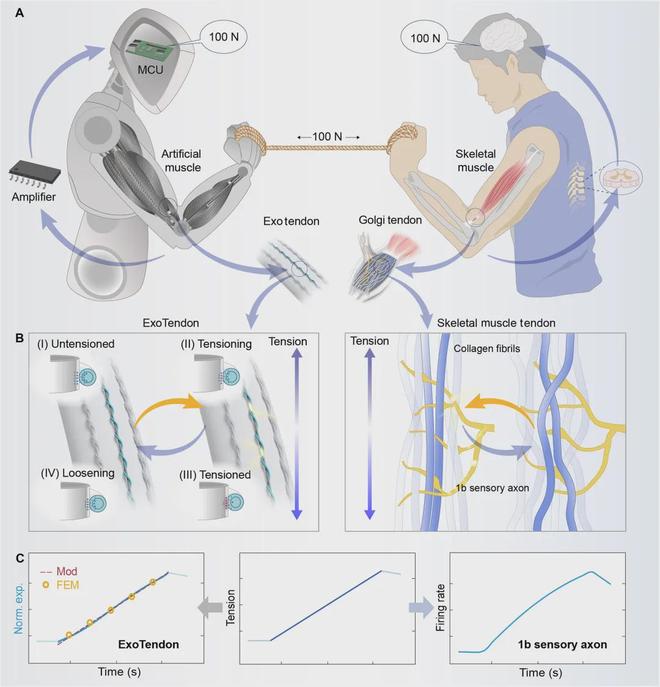
Robots' 'Muscles' Can Now Self-Regulate Force: Bionic Exoskeleton Tendon Featured in Science Advances
Researchers from various Chinese universities have unveiled ExoTendon, an innovative bionic exoskeleton tendon designed to mimic human muscle sensors. This groundbreaking development enables robotic muscles to autonomously adjust their force, which is expected to greatly improve walking balance and speed for stroke patients. The project highlights the potential for advanced rehabilitation technologies to enhance mobility and quality of life for individuals recovering from strokes. The announcement comes as part of ongoing efforts to integrate robotics and healthcare, showcasing how technology can address specific medical challenges.
Bionic Exoskeletons Artificial Muscles Rehabilitation Technology Biomedical Engineering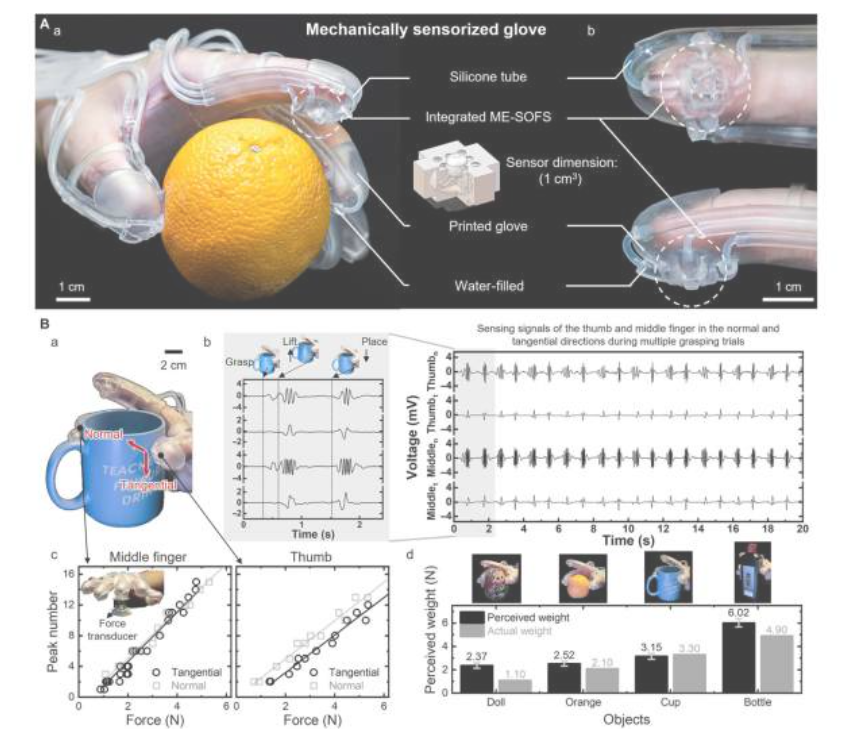
Singapore Team Develops ME-SOFS: A Mechanical Sensor for Touch Perception Without Electronics
A research team from the National University of Singapore has introduced a groundbreaking soft force sensor called ME-SOFS, which converts touch into fluid-driven motion without any electronic components. This innovative sensor features a 3D-printed soft porous structure with a central pillar connected to five fluid-filled chambers. When pressure is applied, the pillar tilts, compressing the corresponding chamber and driving fluid to actuators, enabling the detection of forces in multiple directions. The significance of ME-SOFS lies in its ability to operate without electronic interference, making it ideal for applications in medical training and elderly care. The sensor can generate readable signals through integrated magnets and coils, allowing it to measure force without external power. This technology has been successfully demonstrated in a soft glove that detects grip strength and predicts object weight, as well as in a tactile feedback system that enables operators to control robotic arms through force feedback. Looking ahead, the ME-SOFS sensor demonstrates robust performance under extreme conditions, such as high temperatures and underwater pressures. Its unique design allows it to function effectively in various environments, making it a valuable tool for soft robotics that require safe interaction with humans. No further timeline was disclosed at the time of publication.
Soft Robotics Fluid Sensors Mechanical Systems Robotics Technology
Microrobots Repair Spinal Cord
Spinal cord injuries pose significant challenges for individuals, leading to severe physical and emotional repercussions. Recent studies highlight the urgent need for improved treatment and rehabilitation methods to support those affected. As awareness grows, healthcare professionals and researchers are collaborating to develop innovative therapies and technologies aimed at enhancing recovery and quality of life for patients. This initiative is particularly crucial given the increasing incidence of such injuries due to accidents and sports-related incidents. By focusing on cutting-edge research and comprehensive care strategies, the medical community aims to mitigate the long-term effects of spinal cord injuries and empower individuals on their path to recovery.

Pea-sized liquid-metal pump helps soft robots become lighter, portable, and more agile
Engineers at the University of Bristol have created a groundbreaking pea-sized liquid-metal pump that has the potential to revolutionize various industries. This innovative device, designed to be compact and efficient, could serve as a replacement for traditional pumps in applications ranging from medical devices to robotics. The development was announced recently, showcasing the university's commitment to advancing engineering technology. The motivation behind this invention stems from the need for more versatile and efficient pumping solutions that can operate in tight spaces and under varying conditions. By utilizing liquid metal, the pump offers enhanced performance and adaptability compared to conventional materials. The engineering team achieved this breakthrough through a combination of advanced materials science and innovative design techniques, allowing for the creation of a pump that is not only small but also highly effective. As industries seek to improve efficiency and reduce energy consumption, this new liquid-metal pump could play a crucial role in meeting those demands. With its potential applications still being explored, the University of Bristol's development marks a significant step forward in pump technology, promising to influence a wide range of fields in the near future.

Extreme dynamic symmetry enables omnidirectional and multifunctional robots
In a groundbreaking study published in the May 2026 issue of Science Robotics, researchers have unveiled a new robotic system designed to assist in complex surgical procedures. This innovative technology aims to enhance precision and reduce recovery times for patients undergoing surgery. Conducted at a leading medical research facility, the study highlights the collaboration between engineers and medical professionals to develop a robot capable of performing intricate tasks with minimal human intervention. The research team, motivated by the need for improved surgical outcomes and efficiency, utilized advanced algorithms and machine learning techniques to train the robot. Over a series of trials, the system demonstrated remarkable accuracy in simulated environments, suggesting its potential for real-world applications in operating rooms. As healthcare continues to evolve, this robotic system represents a significant advancement in surgical technology, promising to transform the way surgeries are performed and ultimately improve patient care. The findings underscore the importance of interdisciplinary collaboration in driving innovation in medical robotics, paving the way for future developments in the field.
Research Article
Chinese Surgical Robots Surpass Da Vinci in Domestic Market Share, Expanding into Global Remote Surgery
China's surgical robot industry has achieved a significant milestone, with the MicroPort MedBot Toumai surpassing the Da Vinci system in domestic market share from January to May 2026. This development marks a pivotal moment for the country's medical technology sector, showcasing its rapid advancements and growing competitiveness in the global market. Additionally, the MicroPort MedBot Toumai is leading the way in remote surgery, expanding its reach across multiple countries. This progress reflects China's commitment to innovation in healthcare technology and its ambition to establish a strong presence in the international surgical robotics arena.
News
MIT engineers develop 3D-printed micro-robots that can be controlled by magnets
A team of engineers has successfully developed an innovative soft magnetic hydrogel that can be 3D-printed into intricate microscopic structures. This breakthrough, announced in October 2023, opens new avenues for applications in various fields, including biomedical engineering and robotics. The hydrogel's unique properties allow it to respond to magnetic fields, making it particularly useful for creating responsive materials and devices. By utilizing advanced 3D printing techniques, the engineers demonstrated the ability to fabricate complex shapes that were previously difficult to achieve with traditional materials. This advancement not only enhances the versatility of hydrogels but also paves the way for future research and development in smart materials.

Tiny, knotted robots jump, fly and plant seeds
Researchers at the University of Pennsylvania have developed an innovative soft robot inspired by the mechanics of knots. Rather than viewing knots solely as tools for holding tension, the engineering team explored the potential of designing a knot that can release itself. This groundbreaking approach has resulted in a tiny robot that can perform impressive aerial maneuvers, including leaping several meters into the air, flipping mid-flight, spinning like a propeller, and even gliding back to its original position. The project, which showcases the intersection of engineering and robotics, aims to expand the capabilities of soft robotics and could have significant implications for various applications in fields such as search and rescue, exploration, and medical devices. The research highlights the potential of rethinking traditional concepts to unlock new technological advancements.
Robotics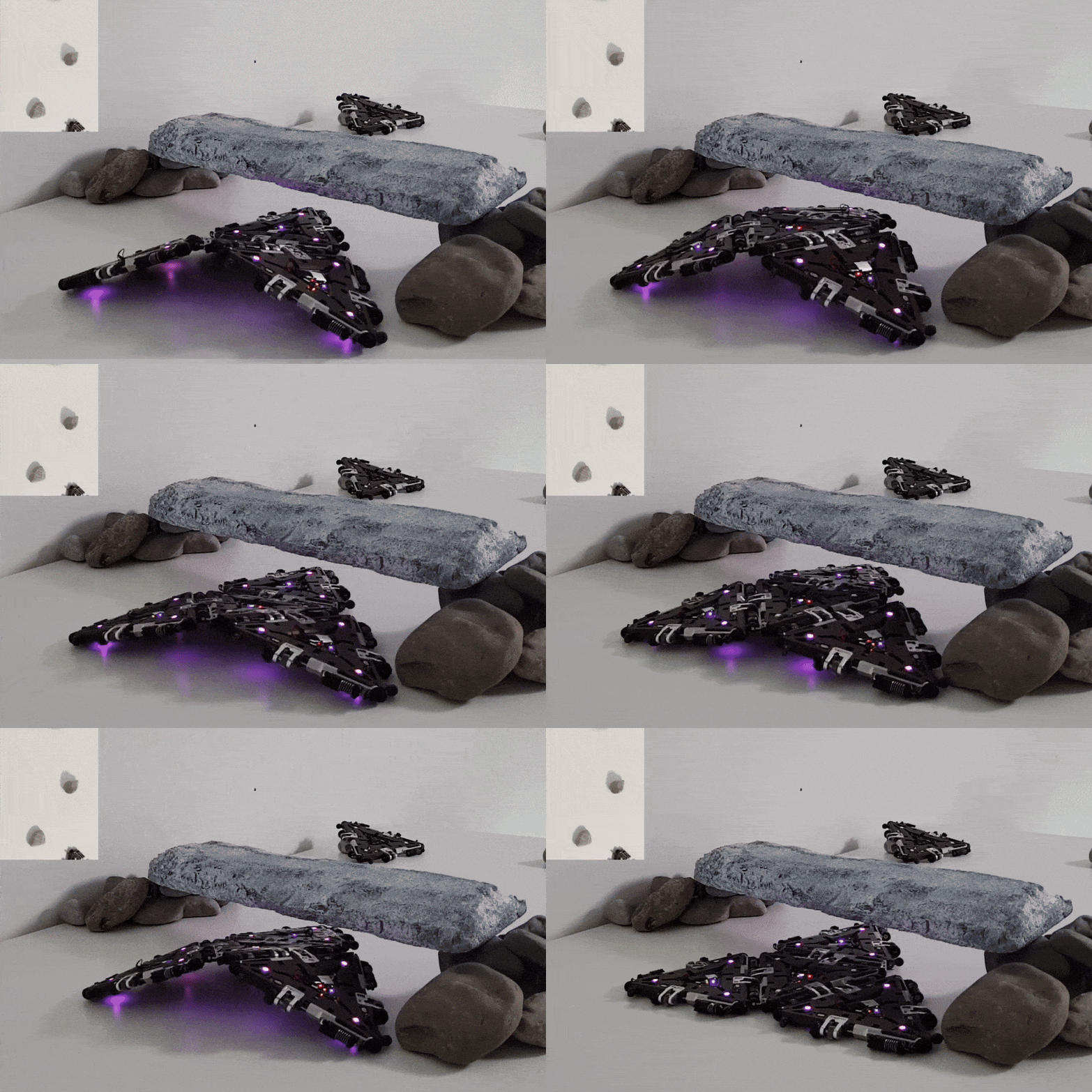
Video Friday: Robot Collective Stays Alive Even When Parts Die
IEEE Spectrum robotics has released its weekly roundup of notable robotics videos, along with a calendar of upcoming events, including the International Conference on Robotics and Automation (ICRA) scheduled for June 1-5, 2026, in Vienna. Among the highlights, researchers from the Max Planck Institute and other institutions have published a study revealing that elephants' unique whiskers contribute to their exceptional sense of touch, potentially inspiring advancements in robotic sensing technologies. In product news, Weave Robotics announced the launch of Isaac 0, a laundry-folding robot set to begin shipping to homes in the Bay Area in February 2026. Meanwhile, engineers at Boston Dynamics continue to test the Atlas platform's full-body control capabilities. Additionally, a team from the University of Waterloo has developed a system enabling collaborative art creation with robots, while Harvard scientists have introduced a new 3D-printing method for soft robotics that could enhance medical technology. Texas A&M University has unveiled a quiet all-electric unmanned rotorcraft, and Deep Robotics has showcased the Lynx M20 robot, designed for winter sports challenges. These developments reflect ongoing innovations in robotics, addressing both practical applications and advanced research, as the field continues to evolve.
Modular-robots Video-friday Autonomous-robots
STMicroelectronics Invests in Oversonic Robotics to Enhance Humanoid Robot Development
Oversonic Robotics, an Italian cognitive robotics firm known for RoBee, has announced a strategic investment from STMicroelectronics, Fondazione ENEA Tech Biomedical, and SpotInvest. This investment aims to accelerate Oversonic's industrial, technological, and international growth, particularly in the cognitive humanoid robotics sector. The involvement of STMicroelectronics, a leader in semiconductors, is expected to bolster Oversonic's technological advancements and support its expansion into the U.S. market. The partnership will enhance the development of RoBee, the first certified cognitive humanoid robot designed for complex environments, and facilitate applications in manufacturing and healthcare. Looking ahead, Oversonic plans to focus on expanding its technological platform and applications while strengthening its team and industrial capacity. The company views the U.S. as a key market for its cognitive humanoid robotics, aiming for significant growth in both commercial and industrial sectors. No further timeline was disclosed at the time of publication.
Humanoids News artificial intelligence automation cognitive robotics deep tech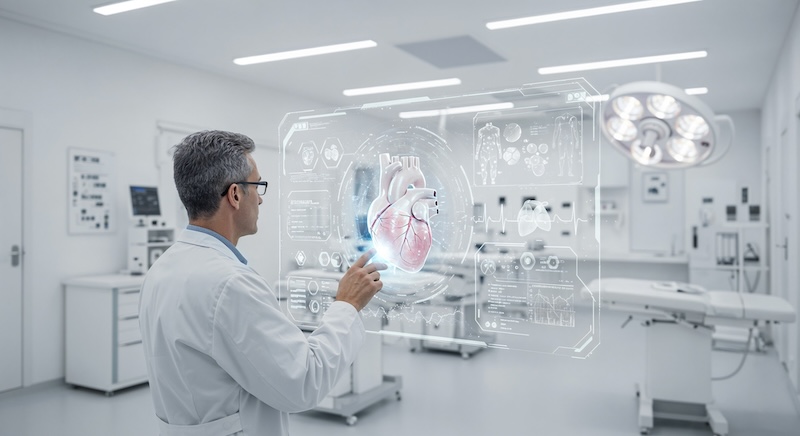
Is Robotic Surgery Worth Traveling Abroad for? – Patient Guide
As patients face lengthy wait times and limited availability of specialized surgeons for robotic surgery, many are considering traveling abroad for their procedures. This trend has emerged as individuals seek more accessible options for advanced medical technology that may not be offered locally. The growing interest in international medical travel highlights the challenges within the healthcare system, prompting patients to explore alternatives that could expedite their treatment. By opting for overseas surgery, patients hope to receive timely care and benefit from cutting-edge techniques that may not be available in their home countries.
Health Technology automation news da Vinci surgical system healthcare innovation Healthcare Technology
Virginia Tech researchers control soft robotics with ‘AI’s cousin’: ‘Reservoir computing’
Researchers at Virginia Tech are advancing the field of soft robotics, which utilizes flexible, muscle-like materials to create machines capable of bending and stretching in ways that surpass traditional rigid robots. This innovative technology enables applications such as harvesting ripe tomatoes and navigating complex search-and-rescue environments. However, the inherent flexibility of these robots presents significant challenges in control and precision. The team at Virginia Tech is focused on addressing these control difficulties to enhance the functionality and reliability of soft robotics, aiming to unlock their full potential in various practical applications.
Computing Features Robotics Science agricultural robotics ai robotics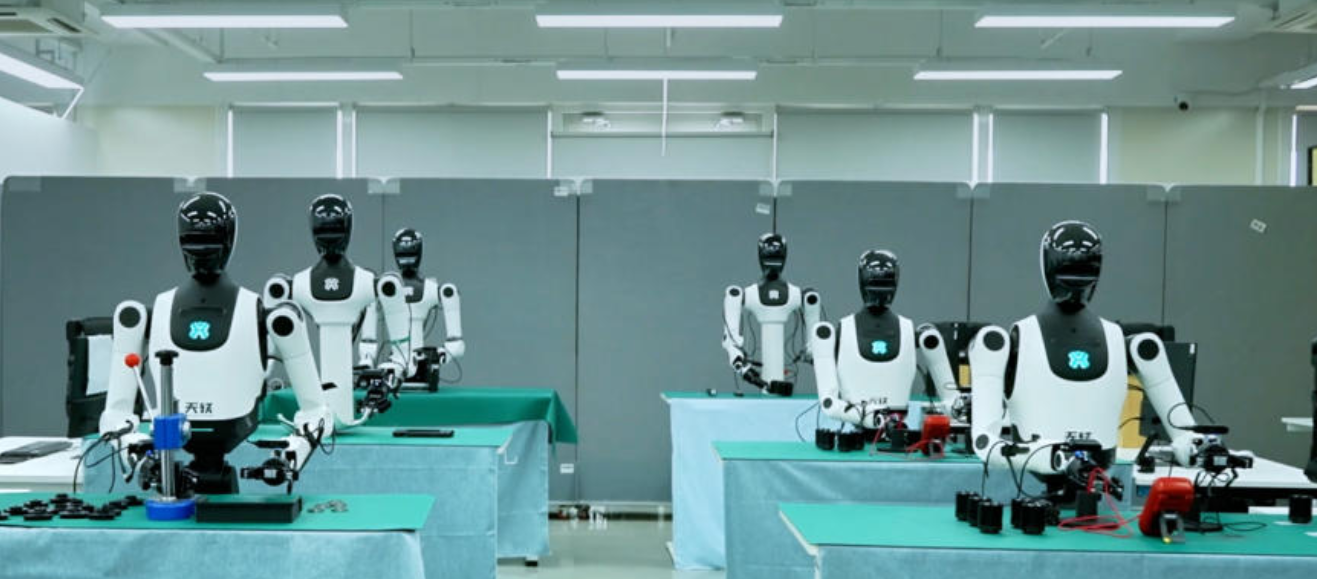
Launch of Robo-ValueRL: The First Open-Source VLA Reinforcement Learning Framework for Robotics
The Beijing Humanoid Robot Innovation Center and Renmin University of China's Gaoling Artificial Intelligence Institute have launched the Robo-ValueRL open-source framework. This initiative aims to enhance humanoid robots' decision-making capabilities in precision tasks, such as semiconductor assembly, by addressing challenges in data quality, control precision, and adaptability in dynamic environments. Robo-ValueRL introduces a value estimation mechanism based on historical observations, enabling robots to autonomously assess their actions. This closed-loop learning process—observation, value estimation, correction, and iteration—allows for improved accuracy and reduced instability in operations. The framework is fully open-source, providing access to core algorithms, evaluation tools, and standardized protocols for universities, research institutions, and manufacturers. The open-source nature of Robo-ValueRL significantly lowers the barriers for small and medium-sized manufacturers to implement reinforcement learning in specialized fields like semiconductor production and medical device manufacturing. This development marks a shift in humanoid robotics from laboratory experiments to practical industrial applications, paving the way for robots to evolve their decision-making capabilities independently.
Humanoid Robots Reinforcement Learning Precision Manufacturing Open Source Technology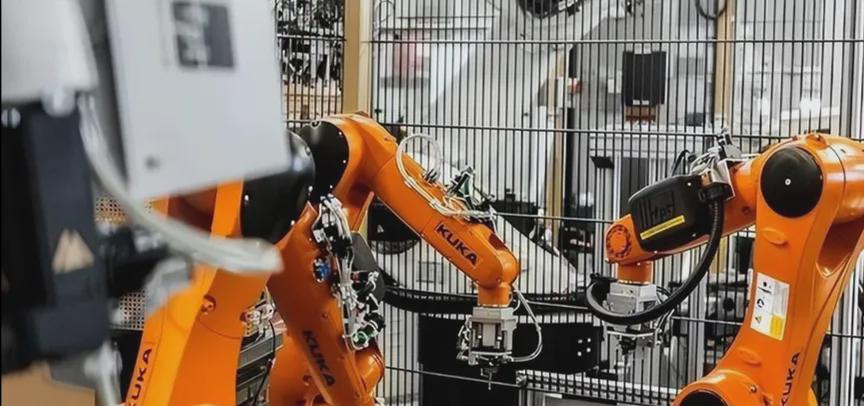
Midea Group Signs 300 Million RMB Strategic Deal to Expand Industrial Robotics
Midea Group's subsidiary KUKA has signed a strategic cooperation agreement with YINGKE Medical and YINGKE Recycling, valued at over 300 million RMB. This deal includes 1,500 industrial robots, 500 mobile and embodied intelligent robots, and 50 automated storage systems, showcasing Midea's commitment to expanding its industrial robotics capabilities. This partnership signifies a pivotal shift for Midea, transitioning from project-level procurement to a comprehensive group-level strategic collaboration. The collaboration aims to enhance production efficiency through advanced automation solutions, integrating AI visual recognition and adaptive grasping technologies. Looking ahead, Midea's focus on its ToB business model is expected to accelerate, with KUKA playing a crucial role in this transformation. The industry will be watching closely to see how this strategic partnership evolves and contributes to Midea's growth in the industrial automation sector. No further timeline was disclosed at the time of publication.
Industrial Robotics Automation Solutions Smart Manufacturing B2B Technology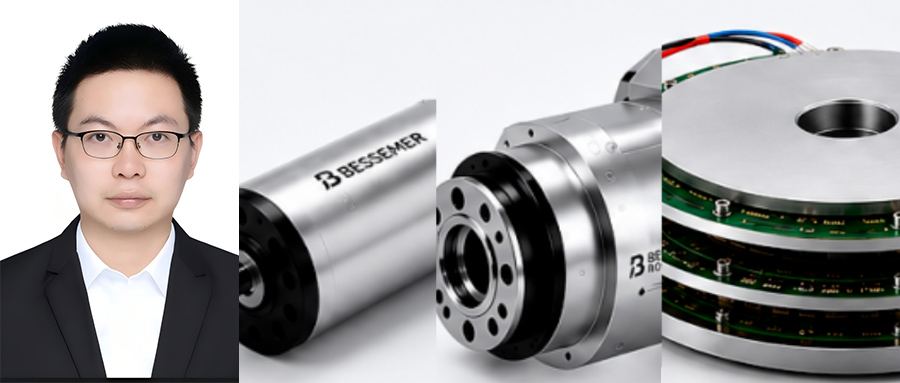
Bessemer Technology Secures Angel Funding for Motor Innovations in Robotics
Bessemer (Shanghai) Technology, founded by Assistant Professor Zhu Wenjun from Xi'an Jiaotong-Liverpool University, has successfully raised millions in angel funding from the Pudong AI Seed Fund. Established in 2025 with a registered capital of 2 million yuan, the company holds two patents and aims to optimize motor technology and establish mass production lines with the new funding. This funding is significant as it marks a shift in investment focus towards core components like joint motors, which have been underdeveloped in China. While many domestic motor technologies remain in the experimental phase, Bessemer is building a complete chain from electromagnetic simulation to standardized hardware, addressing the gap between laboratory innovations and industrial production. Looking ahead, Bessemer's product line includes the E series and S series motors, designed for humanoid robots and medical devices, which could disrupt the market by offering lighter, more efficient alternatives to traditional motors. No further timeline was disclosed at the time of publication for upcoming product launches or additional funding rounds.
Motor Technology Robotics Angel Investment High-Tech Startups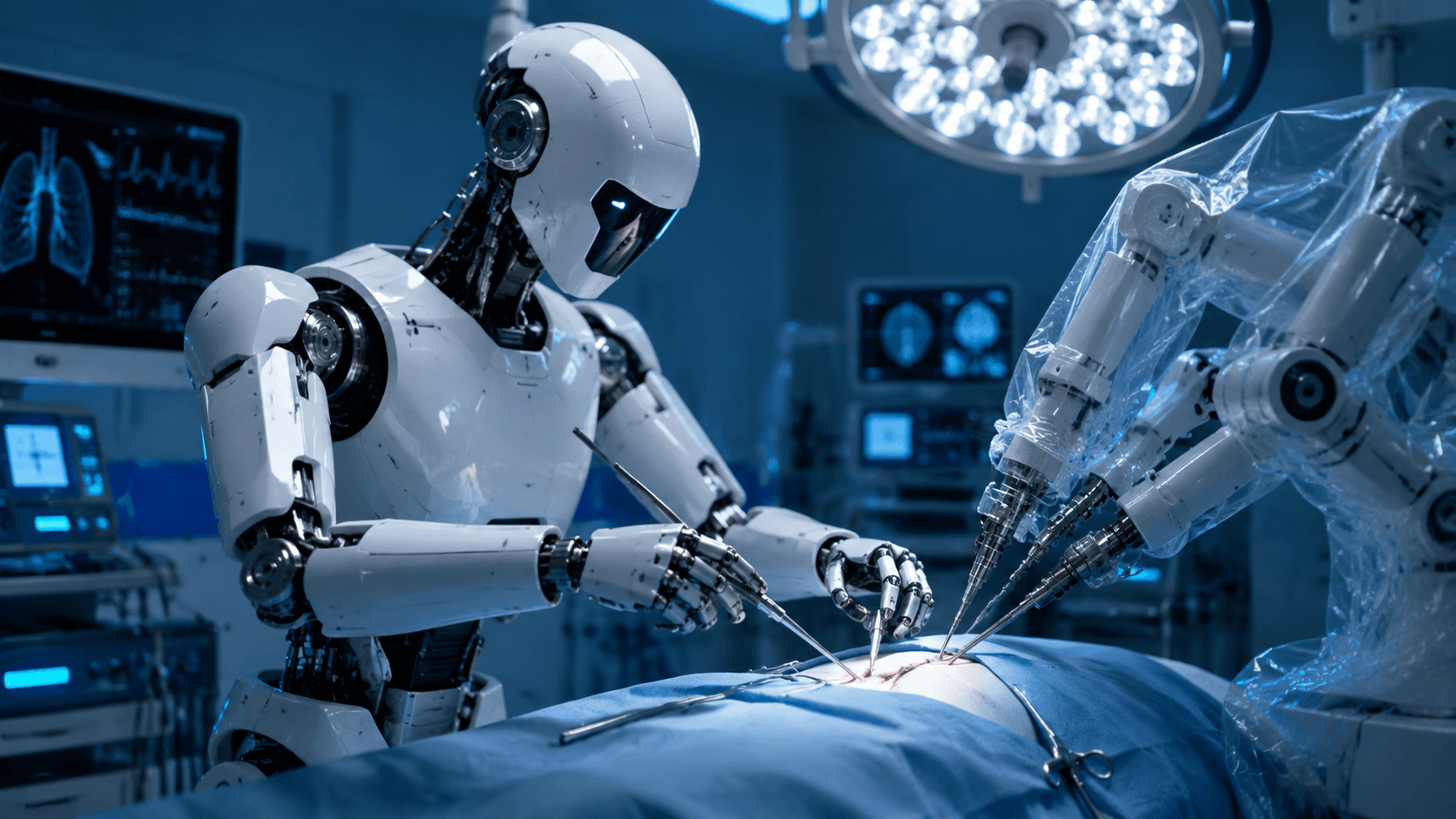
Unitree G1 Humanoid Robot Achieves Milestone in Live Gallbladder Surgery
The Unitree G1 humanoid robot has successfully performed a laparoscopic cholecystectomy on a living subject, marking a significant milestone in robotic surgery. This operation represents the first instance of a general-purpose humanoid robot conducting live surgery, showcasing advancements in robotic capabilities and surgical precision. This achievement is noteworthy as it highlights the growing integration of robotics in medical procedures, potentially transforming surgical practices. The successful completion of this surgery could pave the way for broader applications of humanoid robots in healthcare, addressing labor shortages and enhancing surgical outcomes through precision and consistency. Looking ahead, the implications of this surgery could lead to further developments in robotic-assisted procedures. No further timeline was disclosed at the time of publication, but the medical community will be closely monitoring advancements in humanoid robotics and their applications in surgery.
Robotics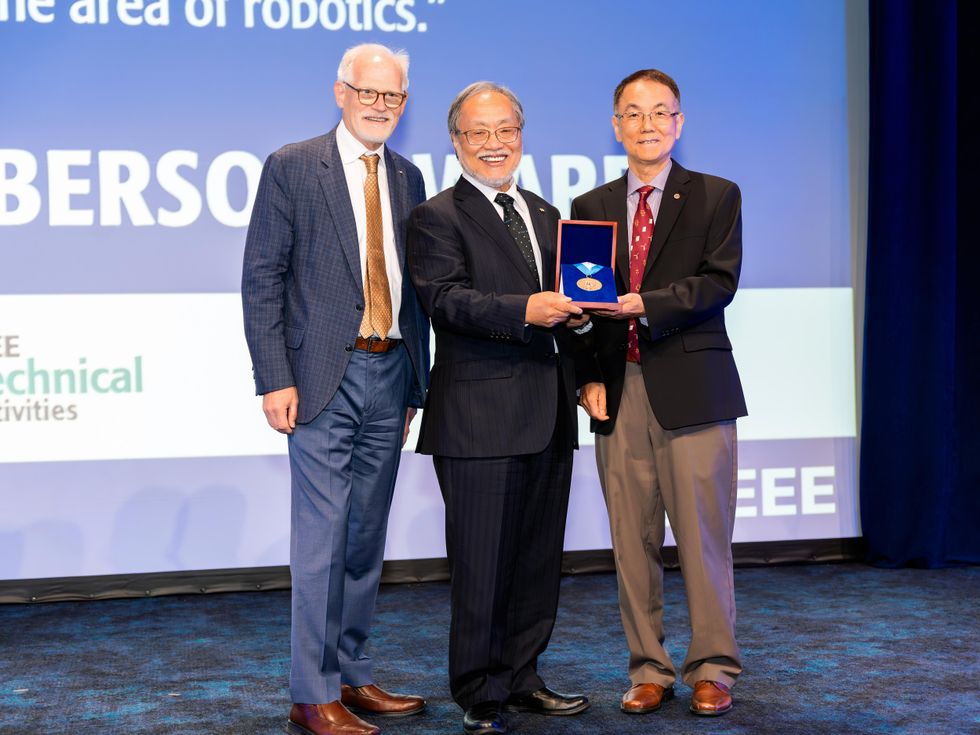
IEEE Honors Robotics Pioneer Toshio Fukuda
Toshio Fukuda has been blazing trails for most of his career. He is considered to be one of the most prolific scholars in robotics, writing more than 2,000 research papers and authoring several books on the field. He’s an influential figure thanks to his pioneering work developing biomedical robotic systems, industrial robots, micro-nano robotics, mechatronics, and AI-driven automation.Fukuda launched one of the first robotics conferences, the IEEE/RSJ International Conference on Intelligent Robots and Systems (IROS). It is still popular almost 40 years later.Toshio FukudaEmployerEgypt-Japan University of Science and Technology, in Alexandria TitleProfessor and vice president of research Member gradeLife Fellow Alma matersWaseda University, in Tokyo; University of Tokyo An IEEE Life Fellow, he is a professor emeritus in the department of micro-nano systems engineering and a visiting professor at Nagoya University, in Japan, where he taught for nearly 25 years. Currently, he is a vice president of research at the Egypt-Japan University of Science and Technology, in Alexandria, Egypt.Within IEEE, Fukuda has held top volunteer positions including the organization’s highest office: He served as IEEE president in 2020, becoming the first person of Asian descent to hold the role.He’s a former program director of Japan’s Moonshot program, which by 2050 intends to develop advanced AI robots.Born in Japan, Fukuda has been recognized by the country for his contributions to science with two of its highest awards: the Medal of Honor with a purple ribbon in 2015 and the Order of the Sacred Treasure in 2022.IEEE honored him with this year’s Richard M. Emberson Award for “distinguished service advancing the technical objectives of IEEE, especially in the area of robotics.” The IEEE Board-level award is sponsored by the IEEE Technical Activities Board. Fukuda received the award on 24 April at a ceremony in New York City.As a former IEEE president who has served as a master of ceremonies at several of the organization’s major award events, Fukuda noted that he is more accustomed to bestowing awards than receiving them.“It’s very interesting to be on the receiving end,” he says.The journey into robotics researchAs a teenager, Fukuda spent his summer breaks teaching himself how to build things including transistor radios and steam engines.“It was very nice to have a hands-on hobby and make these kinds of things myself,” he says. His experimentation led him to study engineering.He earned a bachelor’s degree in engineering in 1971 from Waseda University, in Tokyo. He says one of his professors there—Ichiro Kato, regarded as the father of Japanese robotics research—was a good mentor who made a positive impact.Fukuda’s research interests were robotics and mechatronics, a field that combines robotics, electronics, computer science, and control systems.He went on to earn a master’s degree and a doctorate in science from the University of Tokyo, in 1971 and 1977. During those years, he also attended Yale, where he conducted research on advanced control theory in 1973.He reflects fondly on his time at Yale: “It was a very nice environment and a kind of free-thinking atmosphere. It motivated me to study more.”“IEEE doesn’t care who you are, what you do, what country you are from, or whether you are male or female. IEEE accepts people who have energy and passion.”While at Yale, Fukuda served as an assistant to his advisor—which led him to consider a career in academia, he says, because he enjoyed the freedom that research work afforded him.But he realized that such freedom comes with a price. University researchers are expected to raise the money that funds their work. He compares researchers to small-business owners who have to bring in money to keep their enterprise afloat.That realization led him to select robotics as his field because he intended to develop technologies useful to industry, he says.After earning his doctorate, he returned to Japan in 1977 to work as a research scientist at the government’s Mechanical Engineering Laboratory, later renamed the National Institute of Advanced Industrial Science and Technology, in Tsukuba.“There was a lot of research going on at the lab, including practical robotics and theory,” he says.He left Japan in 1979 to become a visiting research fellow at the University of Stuttgart, in Germany. During his year there, he studied systems, software problems, and related topics.He returned to Japan and was hired as an associate professor of mechanical engineering at the Tokyo University of Science. He conducted research into practical uses for robots by visiting industrial plants. He decided to develop robots that inspect industrial equipment such as those used in assembly plants, oil refineries, and power stations—places that “can be hostile environments for humans,” he says.His work drew interest from chemical, oil, and utility companies.“I got a lot of money from them for this very practical application, which funded my research,” he says, laughing.Developing popular robotic systemsFukuda grew tired of making those robots, he says, so he switched to creating ones for scientific applications. He developed many techniques, but he probably is best known for his modular, cellular robotic systems (CEBOTs), which he introduced in 1985.He has described how CEBOTs work in numerous papers published in the IEEE Xplore Digital Library.The CEBOT system is composed of a number of autonomous robotic cells that stick together like interlocking Lego plastic bricks, he says.Each cell is a fundamental modular unit that has a function. When a simple task is given, the system can analyze it and generate the structure of the cellular manipulator. The cells connect to and detach from each other through connection mechanisms and cooperate mutually, creating complex structures and configurations.“You start developing from the component-wise to the cell-wise to a small functional unit—and then you come up with clusters that make bigger systems. We can make a society of robot beings like that,” he explained in his oral history published on the Engineering and Technology History Wiki. “It’s a distributed robotic system, a self-organized robotic system, and also an evolutionary robotic system.“It’s also a fault-tolerant robot system because if something is wrong, you just remove those things and make a new one. You keep the system working. That’s a great thing.”Today CEBOTs are used for a variety of tasks such as delivering medication in hospitals, assisting with planting crops, and transporting products in distribution centers. Check out IEEE Spectrum’s Robots Guide for news from the world of robotics.In 1989 Fukuda joined Nagoya University as a professor of mechanical engineering and micro-nano systems engineering. During his 24-year career there, he was director of the university’s Center for Micro-Nano Mechatronics. He developed a long list of technologies at the university, including many for medical applications. He also conducted groundbreaking research into intelligent robotic systems and micro- and nano-robotics.Another technology he is known for is brachiation robots, which he helped develop in 1988. He calls them monkey robots because they’re based on the pendulum-like movement of monkeys swinging from tree to tree. The gravity-based locomotion enables continuous movement.Brachiation robots now are inspecting high-voltage transmission towers and bridges, searching damaged buildings for survivors, and performing maintenance on pipelines and cables.Fukuda retired from the university in 2013 and was named professor emeritus.He didn’t stay retired for long, though. He next held a teaching appointment at Meijo University, in Nagoya, until he left in 2022 to join the Egypt-Japan University.A prominent volunteerHe joined IEEE in 1980 at the encouragement of one of his research advisors, Professor Fumio Harashima, now an IEEE Life Fellow. After attending conferences and reading the organization’s publications, Fukuda says, he looked forward to becoming more involved.“I wanted to know how to organize a conference and how to edit a paper for one of its Transactions,” he says. “I wanted to know what was going on from inside the organization, not just the outside.”In 1988 he was the founding chair and organizer of IROS, in Tokyo. The conference had 330 attendees that year, and was supported by Harashima. Today it is one of the largest and most prestigious conferences on the topic, attracting more than 9,000 people annually. Out of 120,000 conferences, it was the only conference in the Nature Index database for this year, Fukuda says.In 1996 he and other members launched IEEE Transactions on Mechatronics.He was the founding president of the IEEE Nanotechnology Council, which was established in 2002. He is considered a pioneer in nanotechnology research, particularly regarding how it relates to robotics.Over the years, he has held numerous volunteer positions on IEEE editorial boards and committees.He was the 1998–1999 president of the IEEE Robotics and Automation Society, becoming the first non-U.S. member to hold the title.He was director of IEEE Division X (2001–2002 and 2017–2018), which covers intelligent systems, biological engineering, robotics, control systems, and photonic technologies. He served as the 2013–2014 director of IEEE Region 10 (Asia-Pacific).As the 2020 IEEE president, Fukuda saw the organization through the early part of the COVID-19 pandemic. Because of travel restrictions, he realized IEEE should change how it offered its in-person services, specifically educational programs. He encouraged IEEE Educational Activities to develop an online learning platform. The IEEE Learning Network started with just three courses and now offers nearly 2,000 courses, webinars, and learning materials.An award-winning memberThe Emberson Award joins a slew of other recognitions Fukuda has received from IEEE. They include several from the IEEE Robotics and Automation Society: a 2004 Pioneer Award, a 2009 Saridis Leadership Award, and the 2011 Harashima Award for Innovative Technologies. He is also a recipient of the Board-level 2010 IEEE Robotics and Automation Technical Field Award.He says he feels strongly that IEEE should be a diverse organization that is welcoming to all. As IEEE president, he led efforts to devise a diversity, equity, and inclusion program. Several policies, procedures, and bylaws were revised to give members a safe, inclusive place for discourse.“It’s important for IEEE to make everyone feel comfortable,” he says. “DEI programs are important. All people should be equal. IEEE doesn’t care who you are, what you do, what country you are from, or whether you are male or female. IEEE accepts people who have energy and passion.“It accepted me, from the Far East. That’s why I like it.”You can learn more about Fukuda and his career from the oral history conducted by the IEEE History Center.
Robotics Robots Ieee-member-news Type-ti Ieee-awards Toshio-fukuda
EleTac: An elephant-inspired soft robotic gripper with a sophisticated sense of touch
Soft grippers, which are built from flexible materials that can bend and deform, are attracting a lot of attention from robotics researchers worldwide. Unlike conventional robots made from rigid metal or plastic, soft grippers can grasp items more gently while naturally adapting to different shapes. This makes them uniquely suitable for delicate tasks such as handling fruit, baked goods, lab samples and medical supplies.
Robotics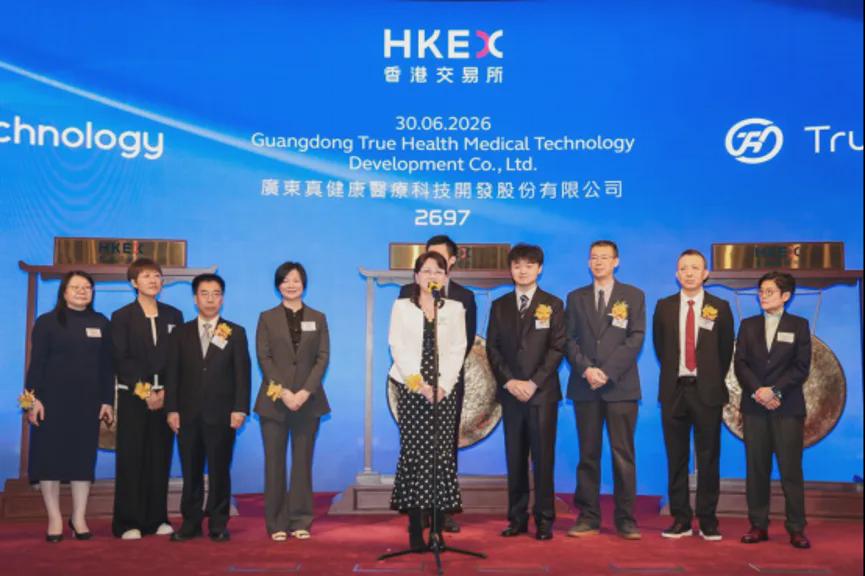
Market Value Exceeds 10 Billion: First Percutaneous Surgery Robot Listed on HKEX
Guangdong Zhenjiankang Medical Technology Co., Ltd. made its debut on the Hong Kong Stock Exchange, marking a significant milestone as the first company specializing in percutaneous surgery robots. On its first day of trading, the company's stock skyrocketed by 216.96%, propelling its market capitalization to HKD 14.259 billion. Zhenjiankang's focus on advanced percutaneous and ablation surgery technologies has positioned it as a leader in the Chinese market, underscoring its impressive revenue growth driven by innovative products and strong clinical validation.
Percutaneous Surgery Robots Medical Robotics Healthcare Technology Market Growth Innovation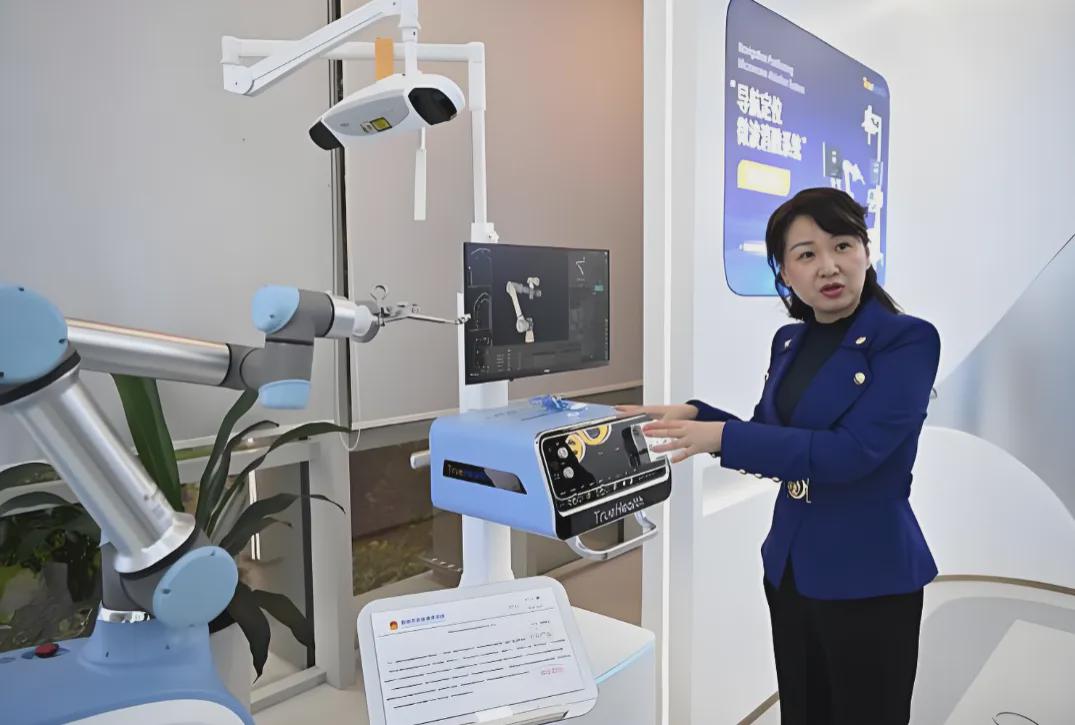
China's First Publicly Listed Percutaneous Surgery Robot Company Emerges
Zhenjiankang Medical Technology Co., Ltd. is preparing to launch its initial public offering (IPO) in Hong Kong, where it plans to offer more than 3.5 million shares. The company, which focuses on the development and commercialization of percutaneous surgery robots, has established a significant presence in the Chinese market. With robust financial performance and a well-defined business strategy, Zhenjiankang seeks to utilize its innovative technology to improve surgical efficiency and broaden its range of products in the rapidly expanding medical robotics sector.
Surgical Robots Medical Technology Healthcare Innovation Robotics
"BioGeometry" secures hundreds of millions in strategic funding to create a "microscopic world model" in life sciences.
AI-native biotechnology company BaiAo Geometry has successfully secured several hundred million yuan in strategic financing, with investments led by the Shanghai Biomedical Innovation Transformation Fund, Guoke Investment, Dacheng Wisdom, and Xinglian Capital, alongside follow-on investments from GaoRong Capital and the Index AI Industry Innovation Fund. The funds will primarily support the ongoing development of their life sciences micro-world model, GeoFlow, and the advancement of their proprietary drug pipeline. Artificial intelligence is rapidly evolving along two main trajectories: digital AI, represented by large language and multimodal models, and physical AI, exemplified by autonomous vehicles and humanoid robots. Life AI is emerging as a promising frontier, a sentiment echoed by leading global investors and scientists. BaiAo Geometry's GeoFlow model, launched in 2024, aims to understand and design molecular interactions at an atomic level, enabling the creation of novel molecules that have never existed in nature. The company has iterated GeoFlow multiple times, achieving significant advancements in protein structure prediction and de novo design capabilities. By applying Test-Time Scaling technology, BaiAo Geometry enhances the success rate of protein designs without the need for extensive retraining. This innovation allows for the rapid generation and optimization of high-affinity binding molecules, significantly reducing the time and cost associated with traditional drug discovery processes. BaiAo Geometry has established over 20 business development collaborations with domestic and international pharmaceutical companies, focusing on high-specificity antibody design and vaccine development. The company is currently working on the next iteration of GeoFlow, which aims to expand modeling from individual molecules to entire molecular systems, further revolutionizing drug development in the biotechnology sector.
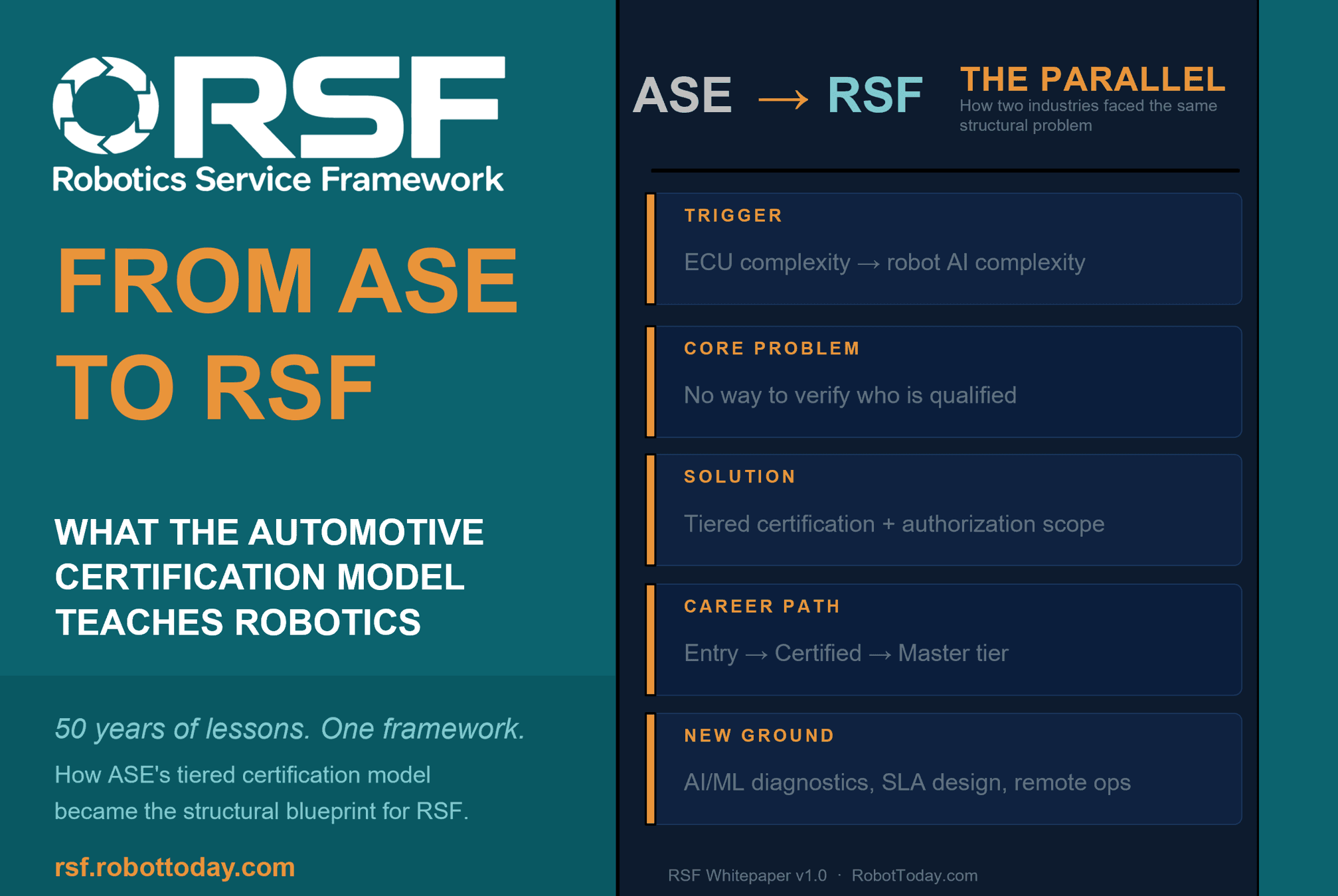
Robotics needs a service framework.
RSF defines a common language for robot service capability, lifecycle operations, certification pathways, and service-provider networks.