

Industry Briefing
A single destination for timely, editor-curated robotics news from around the world.
Microsoft Discontinues Copilot+ PC Branding Amid Evolving AI Strategy
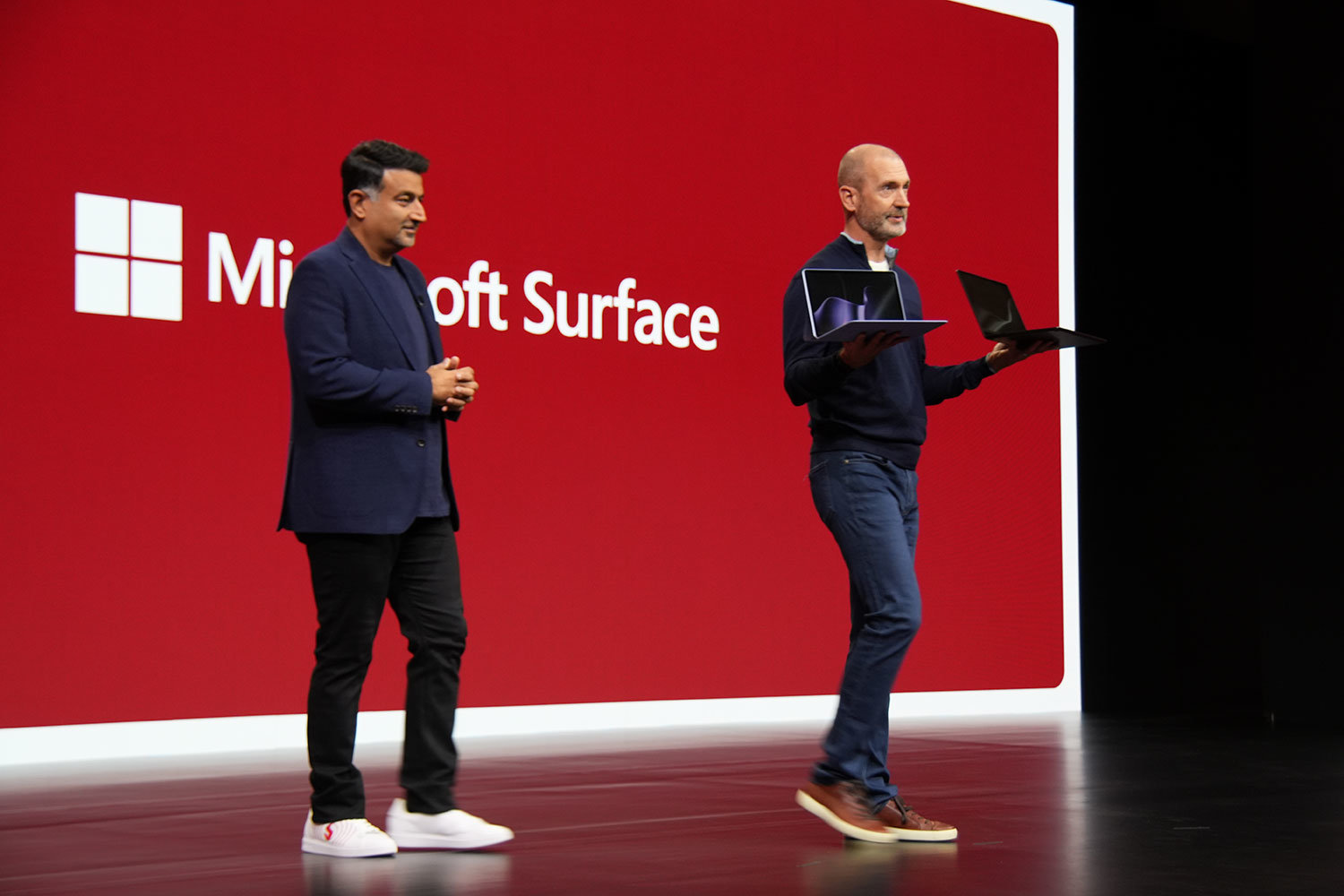
Microsoft has officially ceased branding its PCs as 'Copilot+ PC,' as confirmed by Brett Ostrom, CVP of Surface. This decision indicates a shift in Microsoft's marketing strategy, moving away from the previously emphasized AI PC branding introduced in May 2024. The Copilot+ PC was initially promoted for its high-performance capabilities, including over 40 TOPS of NPU and 16GB of memory, but no new devices under this branding have been released since 2026. The discontinuation of the Copilot+ PC branding reflects a broader trend in the market, where many existing PCs meet the performance standards that were once associated with the Copilot+ label. This change suggests that Microsoft is adapting its approach to AI integration in PCs, allowing for a more seamless experience without the need for specific branding. As the market evolves, it is expected that a significant number of Windows 11 PCs will soon possess capabilities comparable to those of the former Copilot+ PCs. Looking ahead, the impact of this branding shift may lead to a more integrated AI experience across a wider range of devices. While Microsoft has provided substantial rebates to partners for promoting Copilot+ PCs, the absence of this branding may not hinder the performance advancements in upcoming Windows PCs. No further timeline was disclosed at the time of publication.

Microsoft's Office Branding Strategy During Early Windows PC Era Explained
Stephen Sinofsky, former head of Microsoft's Office division, discussed the company's branding strategy for Office products from 2000 onwards. He revealed that the rebranding occurred every 24 to 36 months to maintain consumer interest and drive sales, particularly in retail environments where software was primarily sold. This strategy was crucial as the market shifted from physical sales to volume licensing for businesses. The importance of this rebranding approach lies in its adaptation to changing market dynamics. Sinofsky noted that prior to 2000, retail sales dominated, but as the landscape evolved, the focus shifted towards ensuring that corporate clients felt the need to upgrade their software. This was essential for maintaining sales momentum and ensuring that existing products did not become perceived as outdated. Looking ahead, the implications of this branding strategy may influence how Microsoft continues to market its Office products in the future, especially as the demand for new features and updates evolves. No further timeline was disclosed at the time of publication.

Microsoft Expands Zero Trust Strategy for AI Agents and DevSecOps Implementation
On August 4, 2026, Microsoft announced an expansion of its Zero Trust strategy to address the growing attack surface associated with AI agents and autonomous workflows. The updated strategy includes a new 'Zero Trust Assessment' specifically for AI, along with a dedicated framework for DevSecOps. This initiative aims to enhance security measures across development pipelines and AI environments. The importance of this development lies in its potential to safeguard organizations utilizing AI technologies, such as Microsoft Copilot, by establishing a baseline for security posture and providing prioritized improvement recommendations. The framework incorporates 15 control groups and 91 tasks, applying Zero Trust principles to various aspects of development and infrastructure. Looking ahead, organizations are encouraged to leverage the new tools and guidelines to create a structured roadmap for security enhancements over the next 12 to 24 months. No further timeline was disclosed at the time of publication.

Microsoft's Copilot Key Faces Early Deactivation Amid AI Strategy Shift
Microsoft has introduced a feature to completely disable the 'Copilot Key' in the Windows 11 Insider Preview build 26300.8935, raising concerns about its future. Initially announced in January 2024, the Copilot Key was intended to enhance user experience but has faced criticism for its forced integration into keyboards, particularly affecting users reliant on specific key functions. The decision to allow the Copilot Key to be disabled reflects Microsoft's struggle to implement this feature effectively. Users have reported that the key's mandatory placement has hindered their productivity, leading to dissatisfaction. The introduction of the 'Do nothing' option in the latest build signifies a potential retreat from the company's initial strategy. Looking ahead, the Copilot Key's future remains uncertain, with its deactivation option expected to roll out widely in the upcoming Windows 11 update in late 2026. This development may indicate a broader shift in Microsoft's approach to AI integration within its products, as the company reassesses its strategy in response to user feedback.
SpaceX's Starmind Faces Feasibility Challenges for 1 Million Satellite Deployment
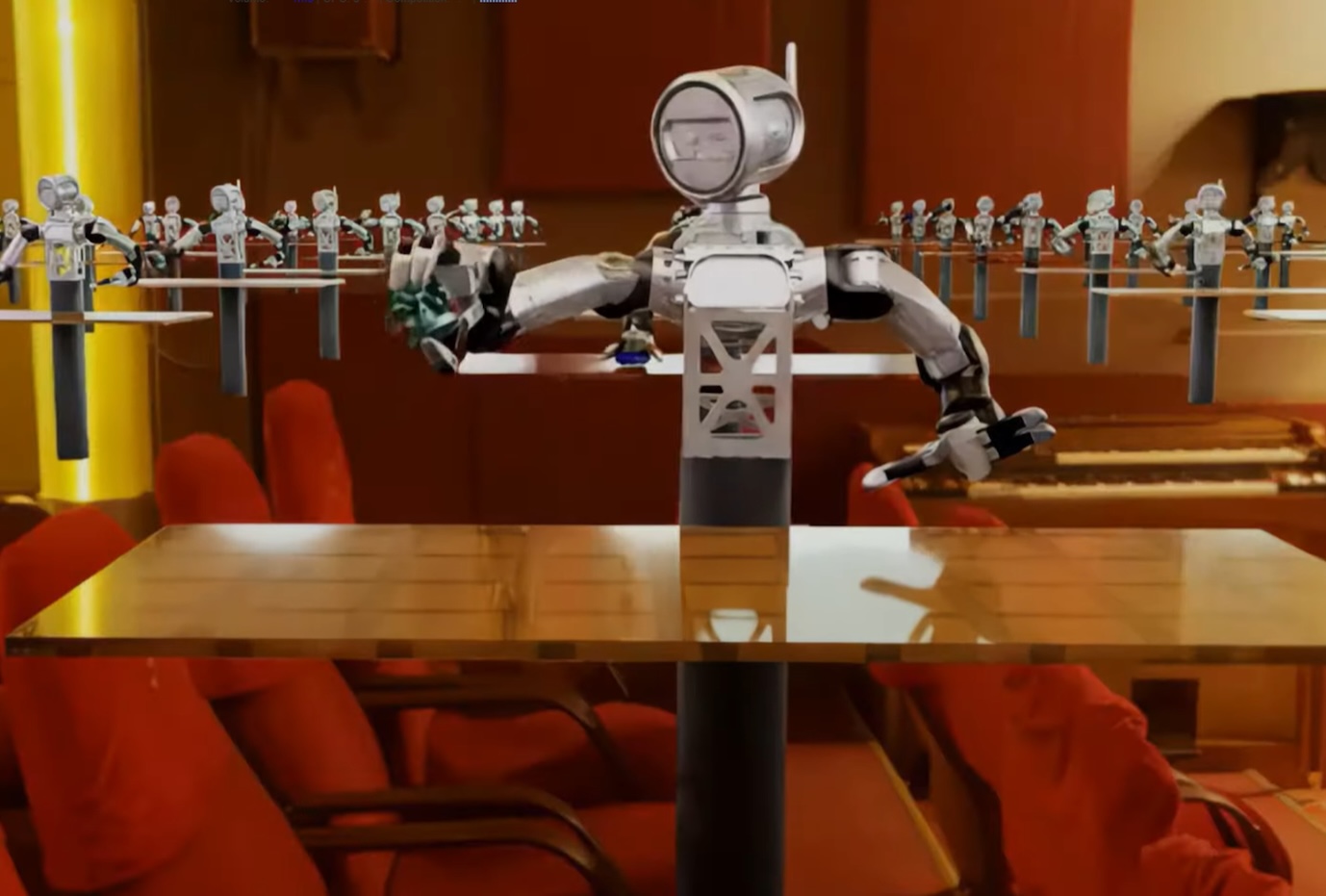
On January 30, 2026, SpaceX submitted a request to the FCC to launch up to 1 million satellites as part of its Starmind orbital compute constellation. This ambitious plan is unprecedented, as the total number of satellites ever launched globally is in the low tens of thousands. The proposal seeks a waiver from standard deployment milestones, citing reliance on the Starship's full reusability for success. The significance of this request lies in the technical and logistical challenges it presents. Experts warn that low Earth orbit may not support the proposed number of active satellites without risking a debris cascade. SpaceX's own IPO prospectus acknowledges unresolved dependencies related to Starship's launch cadence and reusability, which are critical for the orbital AI compute strategy. Looking ahead, the timeline for achieving the necessary launch cadence and manufacturing capacity remains uncertain. SpaceX's Gigasat facility in Texas aims for volume production by late 2027, but this would require unprecedented output levels. No further timeline was disclosed at the time of publication, leaving the feasibility of the Starmind project in question.

SpaceX's Starmind Project: Supplier Strategy and Chip Manufacturing Plans for 2026
SpaceX's Starmind project, aimed at deploying up to 1 million AI satellites, was filed with the FCC on January 30, 2026. The initiative is designed to minimize reliance on external suppliers, with CEO Elon Musk stating that current chip production capabilities only meet 2% of the projected needs. The first satellite, AI1, is set for prototype launches in early 2027, featuring a 70-meter wingspan and a modular payload system that allows for interchangeable chips from various suppliers. The significance of Starmind lies in its ambitious supply chain strategy, which seeks to transition from external hardware suppliers to a fully integrated Musk-owned facility by 2028. The Gigasat manufacturing site in Bastrop, Texas, is expected to be operational by the end of 2027, with plans for high-volume production of the D3 chip, specifically designed for space applications. This approach aims to consolidate chip manufacturing processes under the Terafab joint venture, which has an estimated initial investment of $55 billion. Looking ahead, the next milestone for Starmind is the launch of AI1 prototypes in early 2027, while the full-scale chip production at Terafab is projected to ramp up significantly thereafter. However, analysts express skepticism regarding the feasibility of achieving Musk's ambitious compute goals, which may require substantial investment and time to establish the necessary manufacturing capabilities.
Is "Dehydration Cooling" the Future for Data Centers in the AI Era? Insights from Microsoft's Waterless Cooling Strategy.
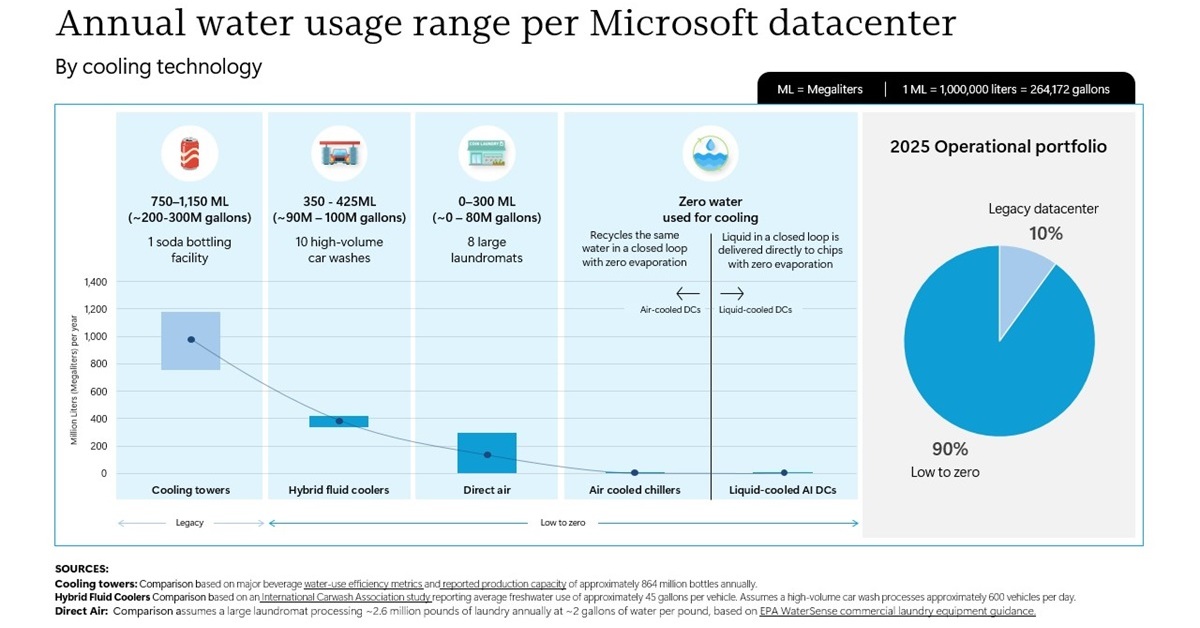
Microsoft has announced new water conservation measures for its data centers in response to the growing demand for AI and cloud services. The tech giant aims to achieve water positivity by 2030, targeting a 90% improvement in water usage efficiency compared to initial levels. To support this goal, Microsoft plans to implement waterless cooling systems in its latest facilities and utilize rainwater, thereby promoting sustainable infrastructure operations.

Sumitomo Corporation and Kyoto City find winning strategy for AI use, resolving the Copilot cost-effectiveness issue.
As the effectiveness of generative AI comes under scrutiny, Sumitomo Corporation has independently verified Microsoft’s projected cost savings associated with the technology. This evaluation highlights the potential benefits of generative AI, particularly through its applications in Kyoto City. By examining these case studies, the analysis aims to uncover successful strategies for investing in generative AI, shedding light on its practical implications and future prospects.

Windows 11 response improvements are gradually taking effect with the latest update and a shift in Microsoft's AI strategy.
Microsoft has launched a new update for Windows 11, aimed at enhancing performance, particularly in the responsiveness of the Start menu and application launches. This update comes at a pivotal moment for the company, as it faces significant changes within its AI division. Yusuf Mehdi, who has been instrumental in leading Microsoft's AI and operating systems efforts, has announced his departure. Additionally, the company is revising its internal rules regarding the use of AI development tools. These developments indicate a potential shift in Microsoft's AI strategy as it navigates these transitions.
Robotics needs a service framework.
RSF defines a common language for robot service capability, lifecycle operations, certification pathways, and service-provider networks.
Join the RobotToday community on LinkedIn
Daily robotics news, in-depth analysis, conference highlights, and discussions with professionals worldwide.







