Industry Briefing
A single destination for timely, editor-curated robotics news from around the world.
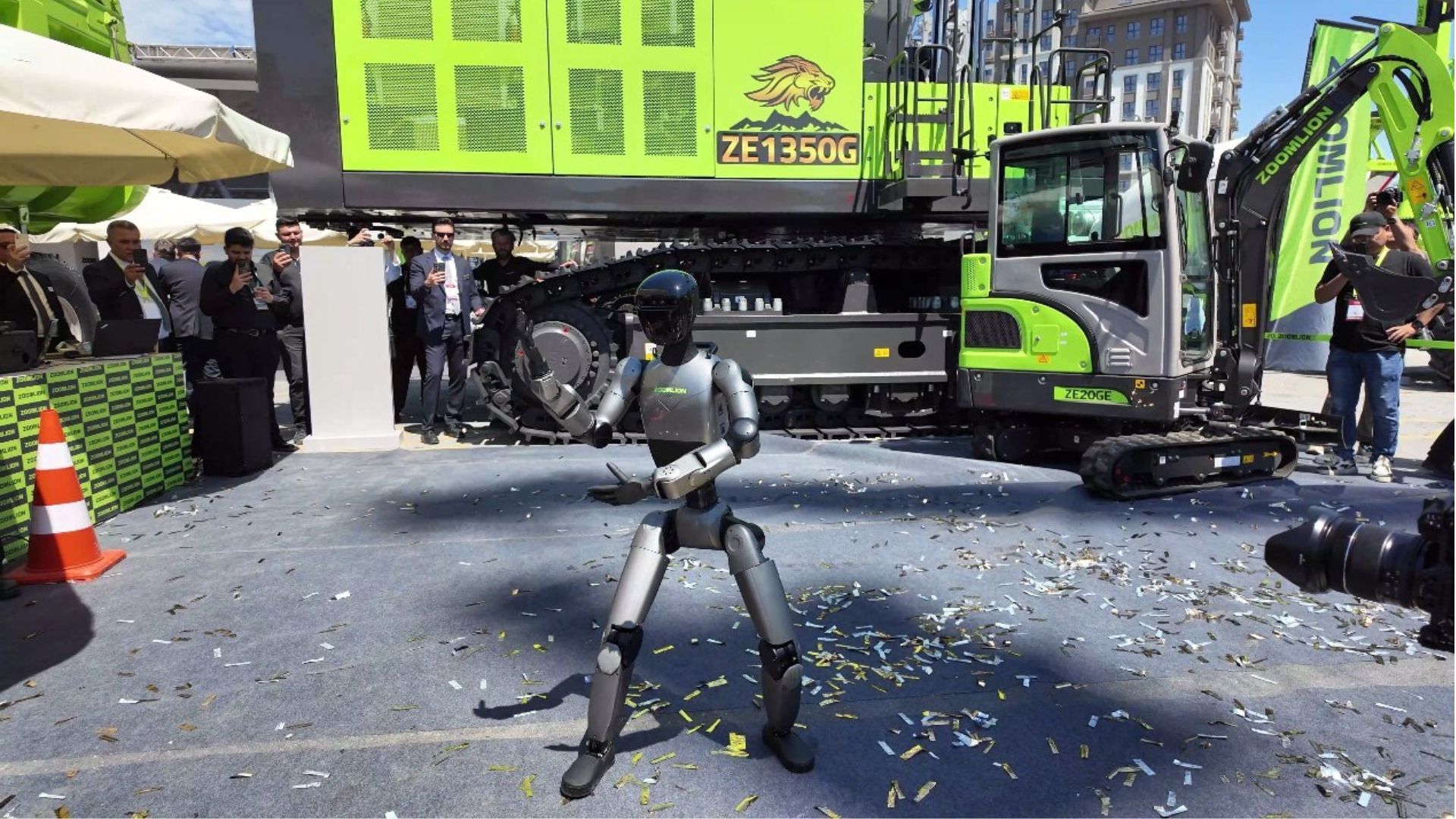
China’s Z01 humanoid robot masters Tai Chi moves with human-like balance and control
A new humanoid robot from China has emerged as a highlight at a prominent technology exhibition held in Shanghai this week. The robot, designed to mimic human movements and interactions, showcases advanced artificial intelligence capabilities that have captivated attendees and industry experts alike. This development reflects China's growing investment in robotics and AI technology, aiming to position itself as a leader in the global tech landscape. Demonstrations of the robot's abilities, including its capacity for conversation and physical tasks, have sparked discussions about the future of automation and human-robot collaboration. The exhibition serves as a platform for innovation, drawing significant attention to the potential applications of such technology in various sectors, including healthcare, education, and entertainment. As interest in robotics continues to rise, this humanoid robot stands as a testament to the rapid advancements being made in the field.
AI and Robotics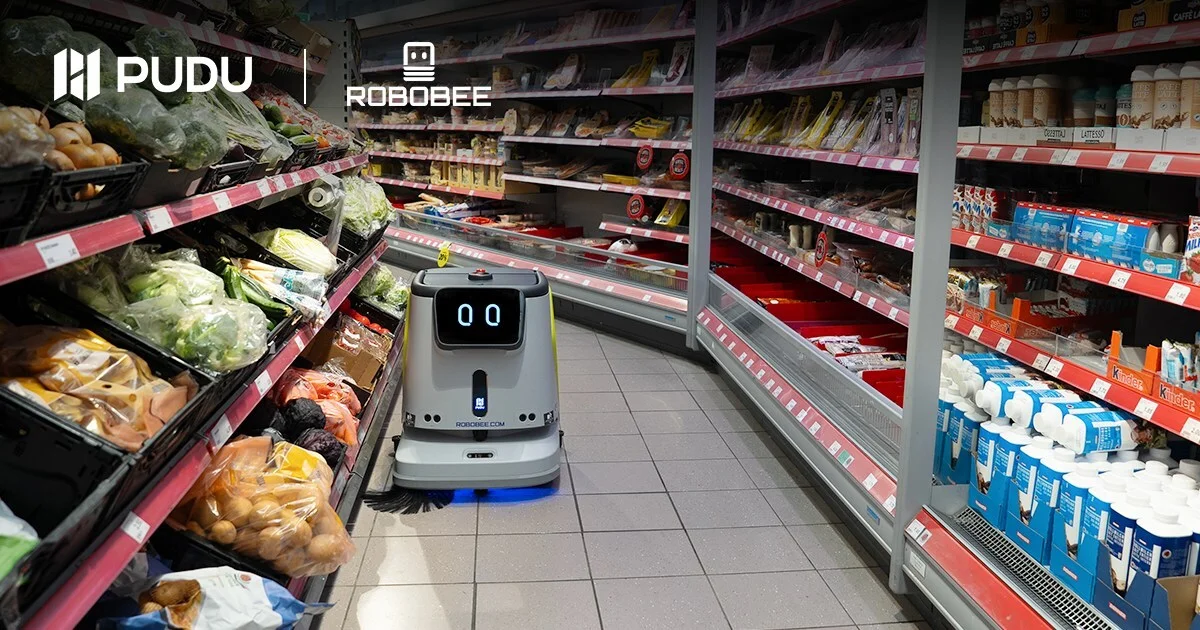
Pudu Deploys 200 Cleaning Robots Across Swiss Supermarket Network
Swiss supermarket chain Denner has announced the deployment of 200 autonomous floor-cleaning robots throughout its store network, marking a significant expansion of its cleaning operations. This initiative follows a successful pilot program conducted in four stores in 2025, which demonstrated the effectiveness of the technology. The partnership with Chinese robot manufacturer Pudu Robotics and regional distributor Robobee has facilitated this rollout, aimed at enhancing operational efficiency and maintaining cleanliness in stores. The move reflects Denner's commitment to innovation and improving customer experience through advanced automation solutions.
AI AI Funding & Investment AI Use Cases Robotics Denner Pudu Robotics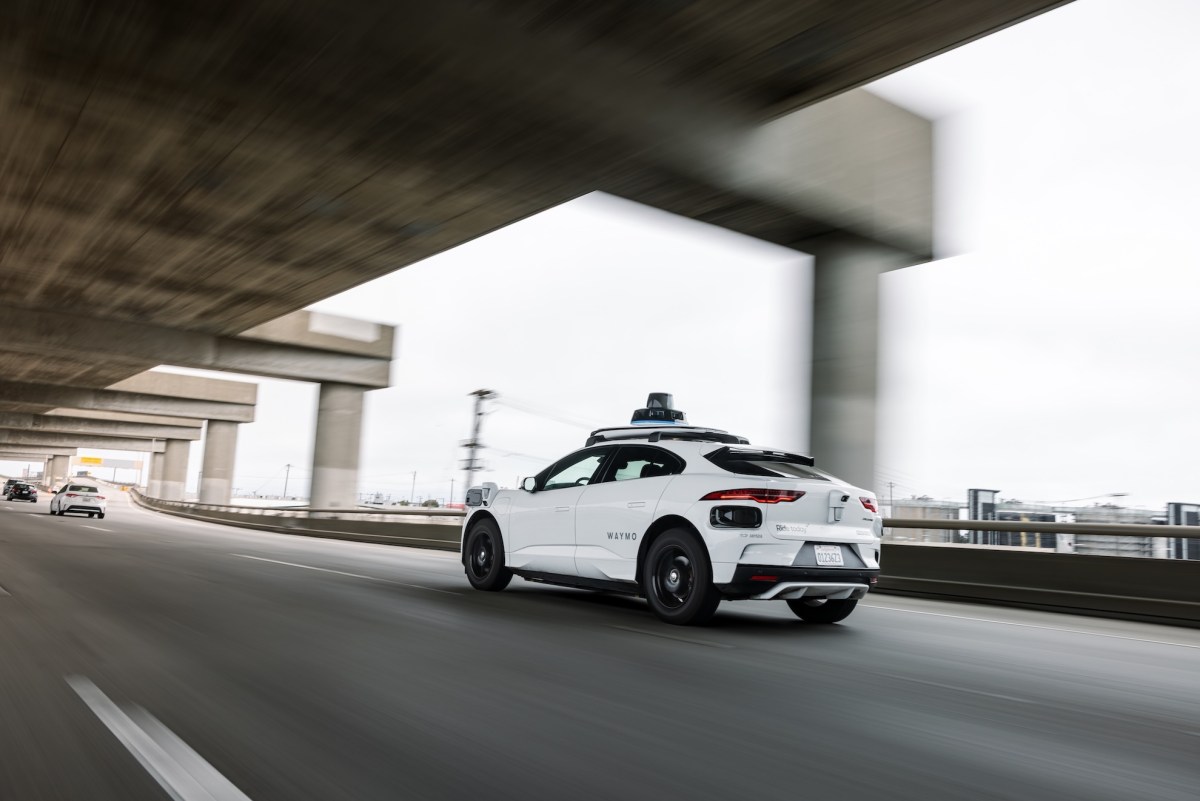
Waymo says it built a better benchmark for comparing robotaxis to humans
Waymo has developed an advanced computer model aimed at enhancing its understanding of human behavior during crash scenarios involving its robotaxis. This initiative, which comes as part of the company's ongoing efforts to improve safety and reliability, utilizes extensive data analysis to simulate various accident situations. By accurately predicting how individuals might react in these critical moments, Waymo seeks to refine its autonomous driving technology and ensure better decision-making capabilities for its vehicles. The model is expected to play a crucial role in the company's safety protocols and regulatory compliance as it continues to expand its robotaxi services.
TC Transportation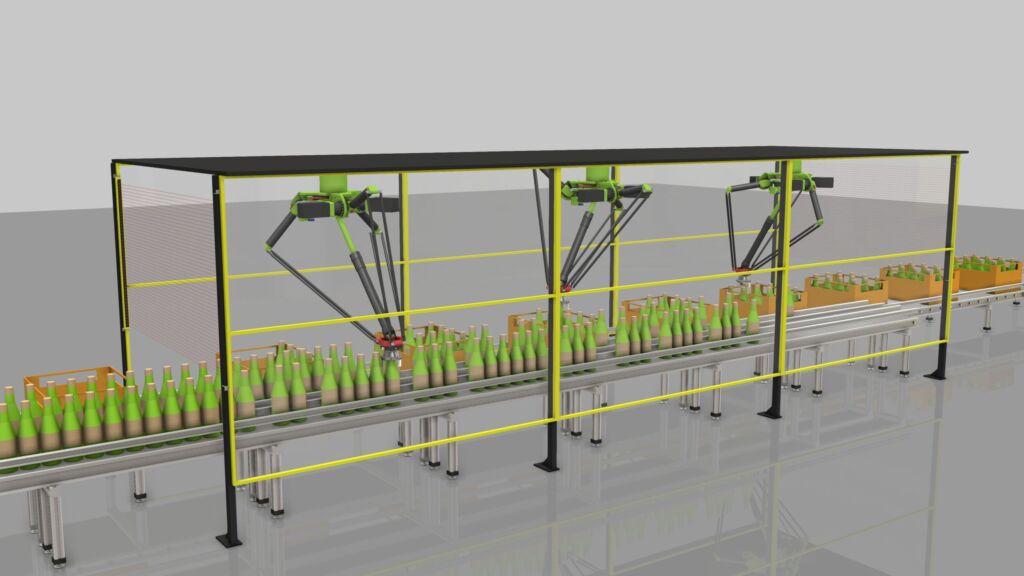
Robotics as Part of Machine Control
As the demands for modern packaging lines continue to rise, with increased throughput, greater variety, and heightened flexibility becoming essential, the use of robotics is gaining traction in the end-of-line sector. To efficiently meet these evolving requirements, new automation approaches are integrating robotics directly into machine control systems. One such solution is KeMotion from Keba Industrial Automation, which combines robotics and machine automation on the Kemro X platform. This advancement reflects the industry's shift towards more sophisticated and adaptable manufacturing processes, aimed at enhancing productivity and operational efficiency.
Allgemein Lebensmittel & Verpackung Lösungen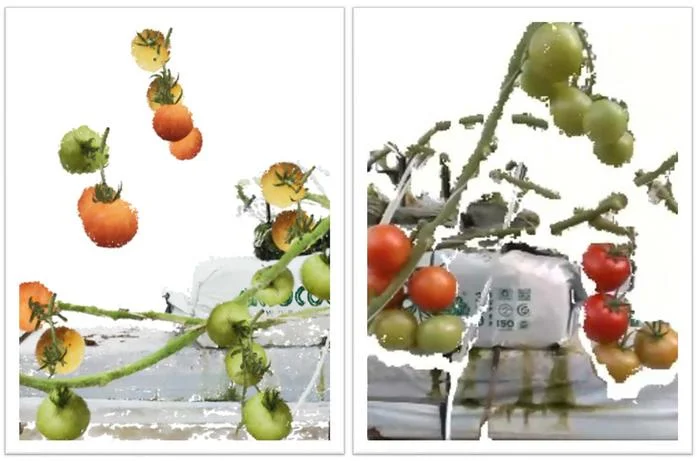
Researchers Develop Method To Train Ag AI Robots with Virtual Tomatos
Researchers at Osaka Metropolitan University have introduced a groundbreaking method for creating synthetic training data aimed at enhancing agricultural AI systems. This innovative approach utilizes realistic virtual tomato farms, addressing a significant challenge in the development of autonomous harvesting robots. The findings of this study, published in the journal Smart Agricultural Technology, highlight the potential of virtual environments to effectively train AI models. By simulating diverse farming scenarios, the researchers aim to improve the efficiency and accuracy of AI systems in agricultural applications, ultimately paving the way for more advanced robotic solutions in the field.
AI AI Research & Advances Robotics agriculture AI autonomous harvesting robots Osaka Metropolitan University
Tsinghua-Harvard Team's Acorn Robot Develops 'Zero-Data' Robot That Learns Through Instinct, Not Training Data
A team of researchers educated at Tsinghua University and Harvard has developed an innovative robot capable of learning physical manipulation without any prior training data. This groundbreaking technology relies solely on tactile sensors and an instinct-driven trial and error approach to tackle complex tasks, such as picking up a flat credit card. The project highlights a significant advancement in robotics, showcasing the potential for machines to adapt and learn in real-time, which could revolutionize various applications in automation and artificial intelligence.
Robotics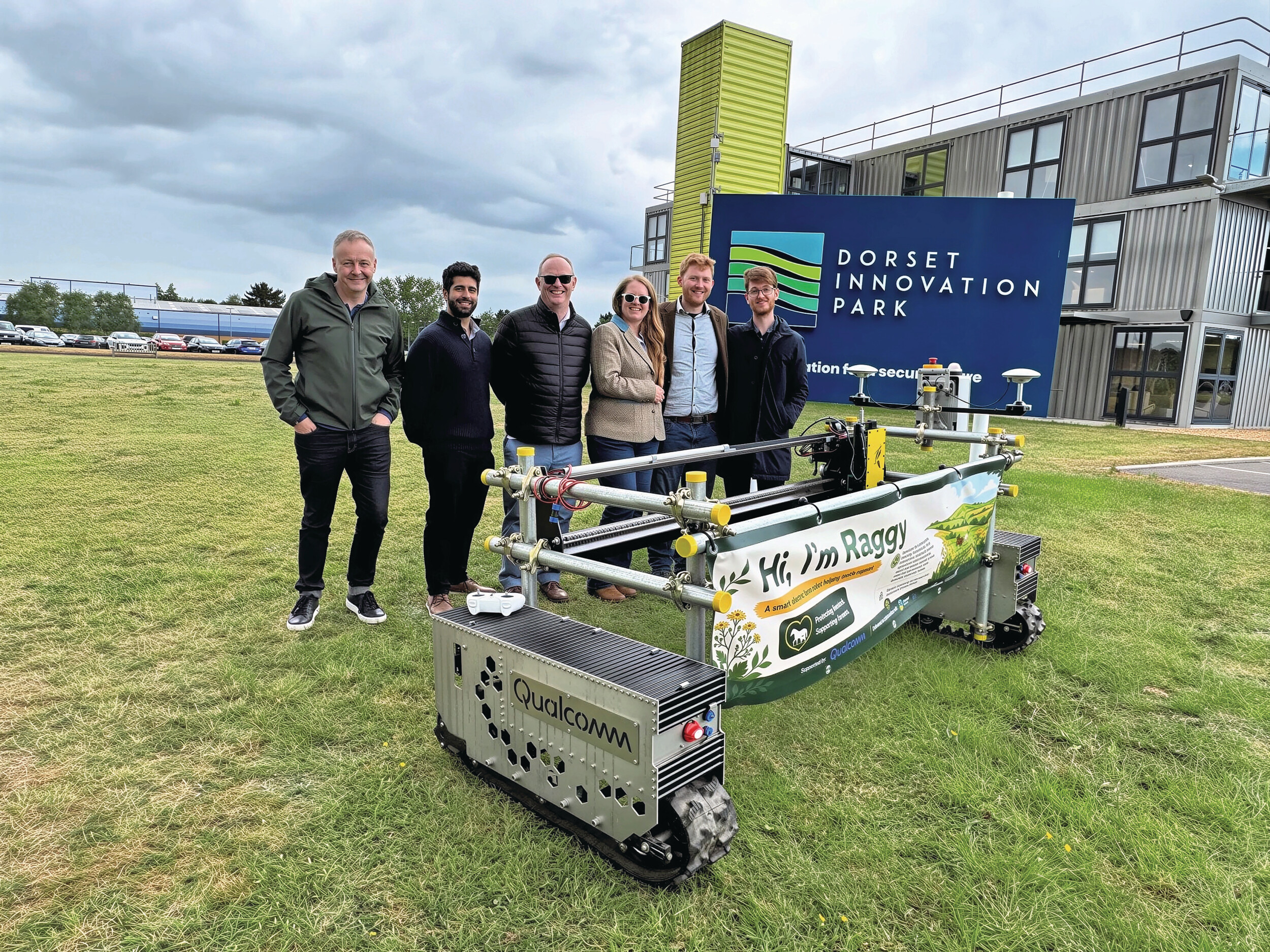
Robot Raggy taking on one of farming’s most persistent weed problems
This summer, farmers in Dorset are closely monitoring the progress of Raggy, a small autonomous robot designed to combat ragwort infestations. Developed by the UK robotics firm Robotriks, Raggy has arrived at Dorset Innovation Park near Wareham for its final testing phase before launching field trials across various farms and land in the region. The introduction of this electrically powered robot is highly anticipated by local farmers and landowners, who are eager for an effective solution to manage the invasive weed that poses a threat to livestock and crops. The ongoing trials aim to demonstrate Raggy's capabilities in tackling this persistent agricultural challenge.
Field robots autonomous farm equipment electric tractors Machine vision robotics weed control systems
UBTECH-backed UWORLD’s full-size humanoid companion robot secures 3,000 orders in eight days
UBTECH's consumer brand, UWORLD, has announced that its full-size ultra-bionic humanoid robot has garnered over 3,000 orders within just eight days of its launch on the Chinese e-commerce platform JD.com, which took place on June 2. Designed as an emotional companion, the robot features encrypted memory storage and offers extensive customization options for its appearance. Currently, it is available exclusively to adult consumers, highlighting a growing interest in advanced robotics for personal use.
News Feed
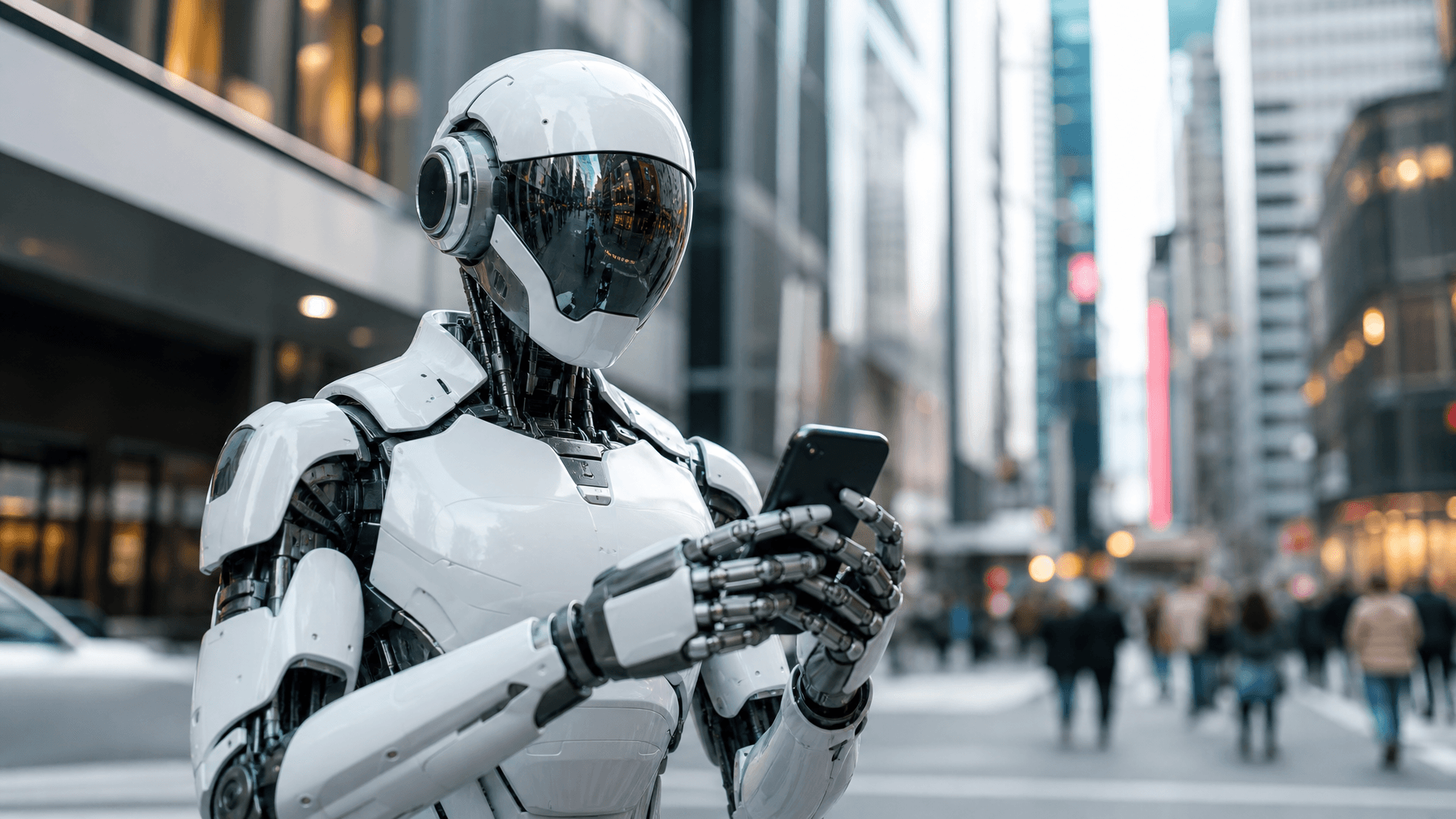
Chinese Humanoid Robots Take the Internet by Storm as Overseas Influencers
Unitree Robotics' G1 humanoid robots have gained international attention, becoming viral sensations across various countries. A Buddhist monk in South Korea has showcased the robot's capabilities, while a counselor in Japan has integrated it into therapeutic practices. In Poland, the G1 has captured the public's interest as a street celebrity, entertaining and engaging with passersby. Meanwhile, in the United States, a controversial influencer has sparked debate by using the robot in provocative social media content. This diverse range of applications highlights the G1's versatility and the growing fascination with robotics in everyday life. The robots' rapid rise to fame reflects a broader trend of increasing acceptance and curiosity about artificial intelligence and humanoid technology in different cultural contexts.
HumanoidRobotics
Automated Lawn Maintenance: An Agronomic and Operational Review of Turf Health, Biodiversity, and Field Performance
A recent study published in the Journal of Field Robotics highlights advancements in autonomous robotic systems designed for agricultural applications. Researchers from a leading university conducted the study to explore how these robots can enhance efficiency in farming practices. The research was carried out over the summer of 2023 at various agricultural sites across the Midwest. The motivation behind this initiative stems from the increasing demand for sustainable farming solutions that can address labor shortages and improve crop yields. By integrating advanced sensors and machine learning algorithms, the robots are capable of performing tasks such as planting, monitoring crop health, and harvesting with minimal human intervention. The study involved extensive field tests, where the robots demonstrated their ability to navigate complex terrains and adapt to changing environmental conditions. Results showed a significant increase in productivity compared to traditional farming methods, suggesting that the implementation of these technologies could revolutionize the agricultural sector. As the agricultural industry faces challenges related to climate change and population growth, this research underscores the potential of robotics to provide innovative solutions that promote sustainability and efficiency in food production. The findings are expected to pave the way for further developments in agricultural robotics, ultimately benefiting farmers and consumers alike.
SURVEY ARTICLE
Hey, Siri, here’s what I actually want from AI
In a world increasingly reliant on technology, many individuals are grappling with the desire for personal AI assistants to enhance daily life. As of October 2023, the growing dependence on these digital companions raises concerns about the implications of relying too heavily on artificial intelligence. While the convenience of having a friendly robot voice to assist with tasks is appealing, some fear that it may lead to a diminished ability to function independently. This tension highlights a broader societal debate about the balance between leveraging technology for efficiency and maintaining personal autonomy. As more people consider integrating AI into their routines, the question remains: will this reliance ultimately empower or hinder human capability?
AI Apple siri WWDC 2026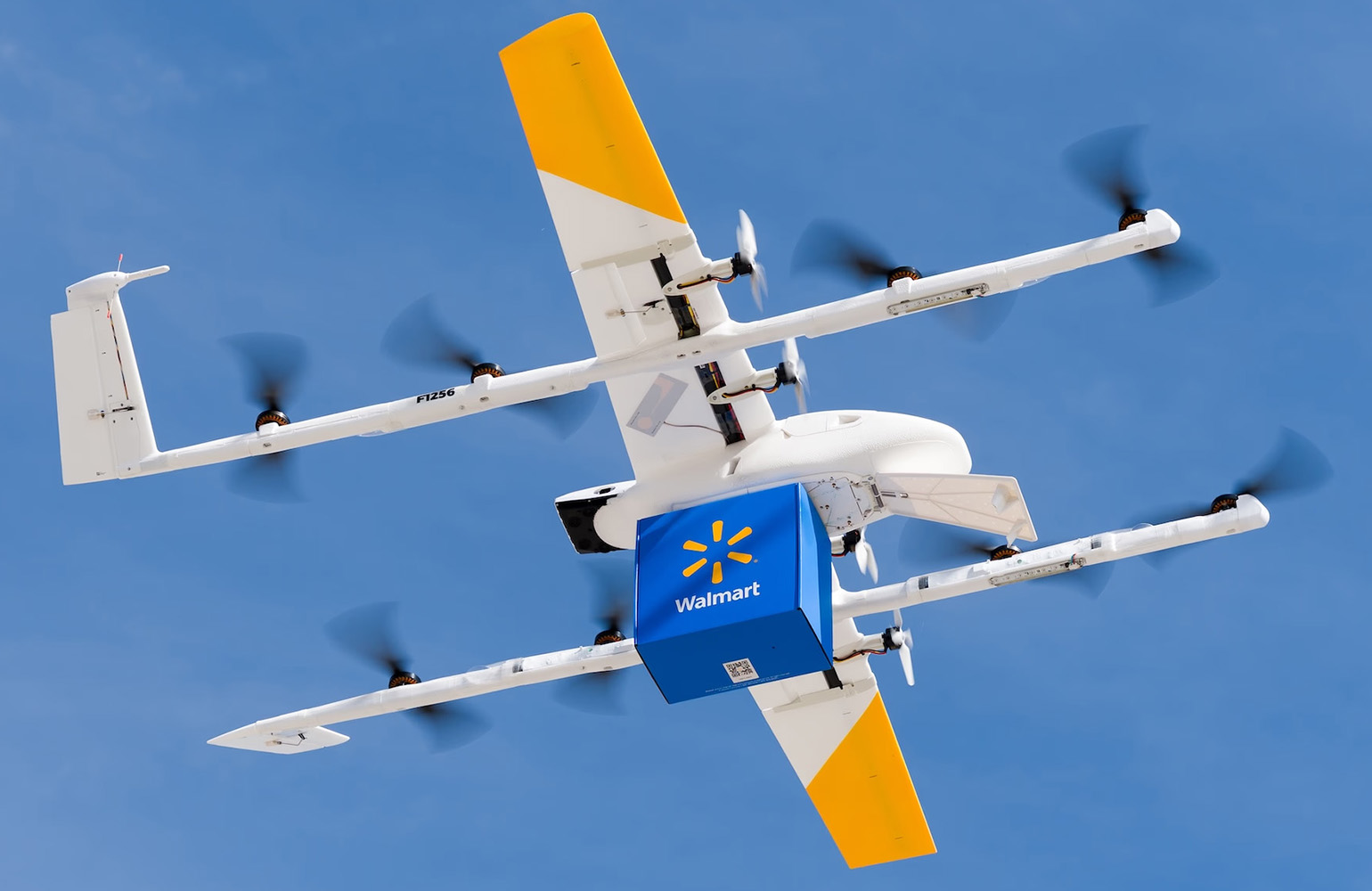
Walmart, Wing add 7 markets in drone delivery expansion
Wing, the drone delivery service, is set to expand its operations by introducing drone deliveries in seven new markets across the United States. This expansion will include Memphis, New Orleans, Philadelphia, Phoenix, San Diego, San Francisco, and Salt Lake City. The initiative, which is part of a collaboration with Walmart, aims to enhance delivery efficiency and accessibility for customers in these cities. The rollout is expected to take place in the coming months, reflecting a growing trend in the retail industry to leverage drone technology for faster and more convenient delivery options.
Drones News Robots / Platforms Unmanned Aerial Systems / Drones walmart Wing
NVIDIA and LG Group build AI factory to train robots and power future mobility
Researchers and engineers are advancing the next frontier of artificial intelligence, focusing on the development of machines capable of movement, visual perception, and autonomous decision-making. This initiative, which has gained momentum in recent months, aims to enhance the functionality and adaptability of AI systems across various sectors, including healthcare, transportation, and robotics. The push for these advancements is driven by the increasing demand for intelligent systems that can operate in dynamic environments and perform complex tasks without human intervention. By integrating advanced sensors and machine learning algorithms, developers are working to create AI that not only processes information but also interacts with the physical world in real-time. This evolution in AI technology is taking place in research laboratories and tech hubs around the globe, with significant contributions from universities, private companies, and government agencies. As these entities collaborate, they are exploring innovative applications that could revolutionize industries and improve everyday life. The ongoing research is expected to culminate in prototypes and pilot programs by early 2024, showcasing the potential of these intelligent machines. As the field progresses, ethical considerations and safety measures are also being prioritized to ensure responsible deployment and integration into society. The ultimate goal is to create AI systems that enhance human capabilities and contribute positively to various aspects of life.

Octopus-inspired robotic arm uses distributed tactile sensors for adaptive grip
Engineers have successfully created a robotic arm inspired by the sensory capabilities of the octopus. This innovative development aims to enhance robotic dexterity and adaptability in various applications, including medical procedures and complex manufacturing tasks. The project, which has been in the works for several years, showcases the potential of biomimicry in advancing technology. Researchers conducted extensive studies on the octopus's unique nervous system and flexible limbs to replicate its remarkable ability to manipulate objects with precision. The robotic arm is designed to mimic these characteristics, allowing for greater flexibility and sensitivity compared to traditional robotic systems. This breakthrough, unveiled at a technology conference earlier this month, represents a significant step forward in robotics, potentially transforming how machines interact with their environment and perform intricate tasks.

Robots learn to anticipate chaos, but still fail to read a decidedly human signal
Researchers at Cornell University are exploring the integration of artificial intelligence into robotics to enhance social intelligence, enabling robots to interpret facial expressions, anticipate human needs, and interact effectively within societal contexts. In a recent study, the team evaluated vision language models (VLMs)—AI systems capable of processing and generating both visual and linguistic data. The research focused on assessing these models' ability to predict outcomes in tense scenarios depicted in short videos, such as a toddler precariously carrying an overflowing mug of coffee. This investigation aims to advance the development of robots that can better understand and respond to human emotions and behaviors, ultimately improving their functionality in everyday environments.
Robotics
Q&A: Riyadh Air CEO Tony Douglas on launching a new airline, expanding its fleet, and the future of air travel
Riyadh Air, the airline launched by Saudi Arabia’s Crown Prince Mohammed bin Salman three years ago, is set to commence operations following the delivery of its first Boeing 787-9 Dreamliners. In an exclusive interview with Al Arabiya English, CEO Tony Douglas outlined the airline's ambitious plans for rapid expansion. The introduction of these aircraft marks a significant milestone for Riyadh Air, which aims to establish itself as a major player in the aviation industry. The airline's launch aligns with Saudi Arabia's broader vision to enhance tourism and diversify its economy.
Aircraft Business aerospace air travel airline expansion airline innovation
OnLogic to Showcase Practical Physical AI and Full-Facility Workload Consolidation at Automate 2026
OnLogic, a leader in industrial computing, is set to showcase its innovative edge solutions at the Automate 2026 show, taking place from June 22-25 at McCormick Place in Chicago, Illinois. Positioned at Booth 867, the company aims to highlight practical applications of Physical AI and advanced workload consolidation, moving beyond the prevalent cloud AI hype. As industries increasingly seek to implement artificial intelligence, many face challenges such as cloud latency and high bandwidth costs. OnLogic's VP of Product Engineering, Sheldon Sun, emphasizes the need for reliable edge computing to enable real-time operations in demanding environments. The company will demonstrate how its robust hardware can effectively bridge the gap between sophisticated software and the realities of modern industrial settings. Attendees can expect live demonstrations, including a forklift near-miss detection system powered by edge computing and an automated quality control inspection using advanced machine vision. OnLogic will also present a range of industrial and edge computing solutions, including the Helix 520 Series and the ultra-compact CL260 fanless computer, designed for various applications within the industrial sector. For more information on OnLogic's offerings and to engage with their team during the event, visitors are encouraged to stop by Booth 867 or visit their website.

White House AI Adviser Sriram Krishnan to Leave Trump Administration at End of June
Sriram Krishnan, the senior policy adviser for artificial intelligence at the White House, will leave his position at the end of June after 18 months of contributing to the development of U.S. AI policy within the Trump administration. Krishnan, who has an extensive background in the tech industry as a former product leader at major companies including Microsoft, Twitter, Facebook, and Snap, has also served as a partner at the venture capital firm Andreessen Horowitz. His departure marks a significant transition in the administration’s approach to AI, as he has played a pivotal role in shaping the nation's strategies and regulations in this rapidly evolving field.
AI AI Funding & Investment AI Policy & Regulation Sriram Krishnan
Standard Bots Raises $200M in Series C Funding at $1B Valuation to Scale American-Made, AI-Native Industrial Robots
Standard Bots, a U.S.-based robotics company, has successfully secured $200 million in a Series C funding round, primarily led by RoboStrategy. Existing investors, including General Catalyst, also contributed to this significant investment. This funding round elevates the company's valuation to $1 billion and is aimed at enhancing the production capabilities of its AI-powered industrial robots. The influx of capital will enable Standard Bots to expand its operations and meet the growing demand for advanced robotics solutions in various industries.
AI AI Funding & Investment Robotics funding General Catalyst industrial robotics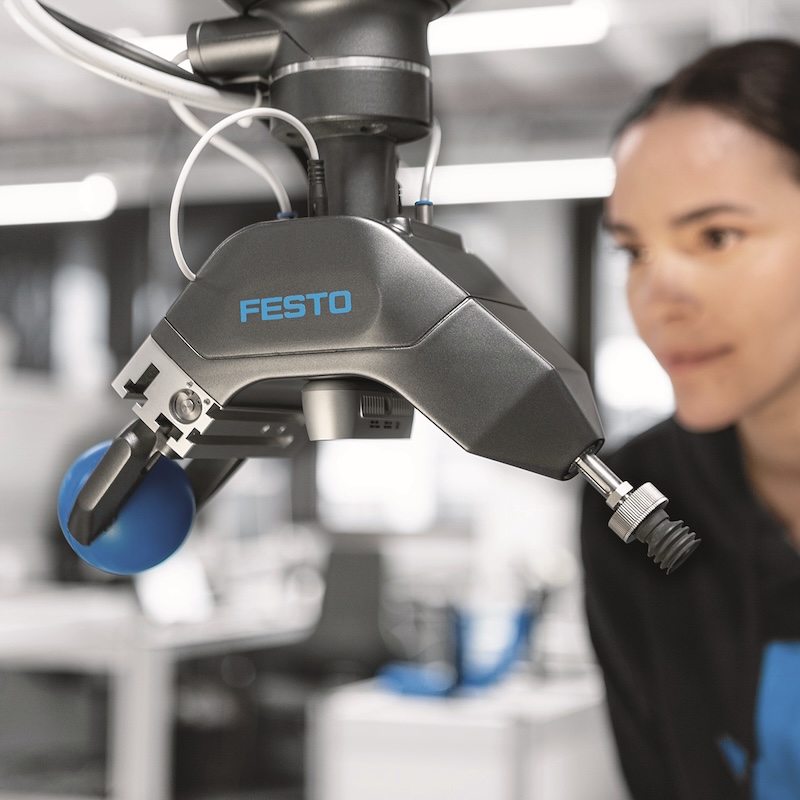
Festo launches GripperAI software to simplify flexible robot handling
Festo has launched GripperAI, an innovative AI-driven software designed to enhance robotic handling capabilities. This solution allows robots to manage a variety of mixed, unfamiliar, and randomly positioned products without requiring extensive programming or specialized vision systems. The introduction of GripperAI aims to provide manufacturers with increased flexibility in their automated handling processes. By automatically determining the best gripping point for each item, the software streamlines operations and improves efficiency in manufacturing environments. This advancement reflects Festo's commitment to integrating cutting-edge technology into automation solutions, catering to the evolving needs of the industry.
Components Industrial robots News AI software automation news cobots
MIT researchers channel AI to turn hand gestures into robot training data
Researchers have developed an innovative method to enhance the capabilities of humanoid robots, particularly in tasks such as grasping objects. This advancement involves the use of a specialized ultrasound wristband worn by a human instructor, which captures the intricate movements of muscles, tendons, and ligaments beneath the skin. By analyzing this data, the robots can learn to replicate these movements more effectively. The initiative, which began in late 2023, aims to improve the dexterity and functionality of robots in various applications, from manufacturing to personal assistance. The ultrasound technology provides real-time feedback, allowing the robots to adjust their movements based on the instructor's actions. This approach not only enhances the robots' ability to perform complex tasks but also opens new avenues for human-robot interaction. The research is being conducted at a leading robotics lab, where experts are focused on bridging the gap between human-like movement and robotic precision. By mimicking the natural motion of human hands, the robots are expected to achieve greater efficiency and adaptability in their operations. This breakthrough could significantly impact industries that rely on automation, making robots more versatile and capable of handling delicate tasks that require a human touch.
Robotics
China’s UBTECH plans to send life-like humanoid robot companions in customer’s homes
Chinese robotics company UBTECH has introduced a new consumer-focused brand named UWORLD, alongside the launch of its innovative U1 robot. This announcement was made during a press event held on October 15, 2023, in Beijing, where company executives highlighted their commitment to advancing robotics technology for everyday use. The U1 robot is designed to enhance home automation and personal assistance, reflecting UBTECH's strategy to expand its market presence beyond industrial applications. By targeting consumers, UBTECH aims to meet the growing demand for smart home devices and improve the quality of life through advanced robotics. The U1 robot features user-friendly interfaces and connectivity options, making it accessible for a wide range of users. This launch marks a significant step for UBTECH as it seeks to establish itself as a leader in the consumer robotics sector.
US engineers make ‘artificial eyes’ to improve vision in robots, self-driving cars
Researchers at Penn State University have developed an innovative device inspired by the human eye, aimed at enhancing the vision capabilities of self-driving cars. This groundbreaking technology was unveiled recently as part of ongoing efforts to improve the safety and reliability of autonomous vehicles. The device mimics the eye's ability to adapt to varying light conditions, which is crucial for navigating complex environments. The motivation behind this advancement stems from the challenges faced by self-driving cars in low-light situations, where traditional sensors often struggle to provide accurate data. By integrating this eye-inspired technology, the researchers hope to significantly reduce the risk of accidents and improve the overall performance of autonomous systems. This development is part of a broader initiative to advance automotive technology and ensure that self-driving cars can operate effectively in diverse conditions. The research team utilized a combination of advanced materials and optical engineering to create a device that can dynamically adjust its sensitivity, much like the human eye does when transitioning from bright to dim environments. As the automotive industry continues to push towards fully autonomous vehicles, innovations like this are essential for addressing safety concerns and building public trust in self-driving technology. The research findings are expected to contribute to future advancements in vehicle design and functionality, paving the way for safer roads.
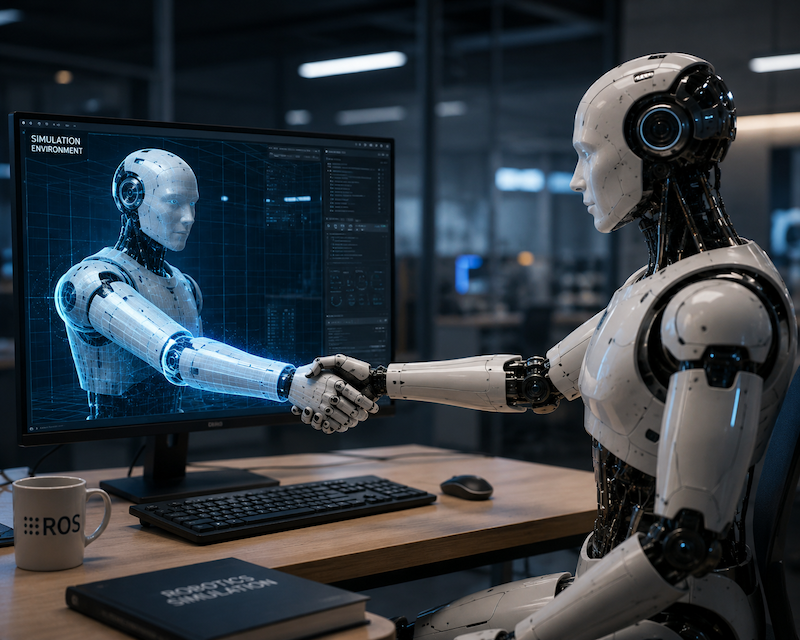
Simulation tools in the ROS ecosystem: Testing and validating robots virtually
In a significant advancement for robotics, researchers are increasingly relying on virtual environments to develop and refine robots before they are deployed in the real world. This trend allows robots, such as those used in warehouses, autonomous vehicles, and humanoid designs, to undergo extensive training and testing in simulated settings. By utilizing these virtual platforms, developers can enhance the robots' navigation and operational skills without the risks and costs associated with real-world trials. This approach not only accelerates the development process but also improves the overall safety and efficiency of robotic systems. As the technology evolves, the reliance on virtual training is expected to grow, paving the way for more sophisticated and capable robots in various industries.
Computing Features Robot simulation Software automation news Autonomous robots
MIIT and SASAC Launch 2026 Humanoid Robot Real-Scene Training Initiative
China's Ministry of Industry and Information Technology (MIIT) and the State-owned Assets Supervision and Administration Commission (SASAC) have announced a comprehensive action plan aimed at deploying humanoid robots across various sectors by 2026. This initiative seeks to implement thousands of humanoid robots in real-world industrial, service, and specialized applications, with a focus on over 100 high-value scenarios. The plan underscores China's commitment to advancing its robotics industry and enhancing automation in key areas, reflecting a strategic move to boost productivity and innovation in the face of evolving market demands. The deployment strategy will involve collaboration between government bodies and private enterprises to ensure effective integration of these technologies into existing workflows.
HumanoidRobotics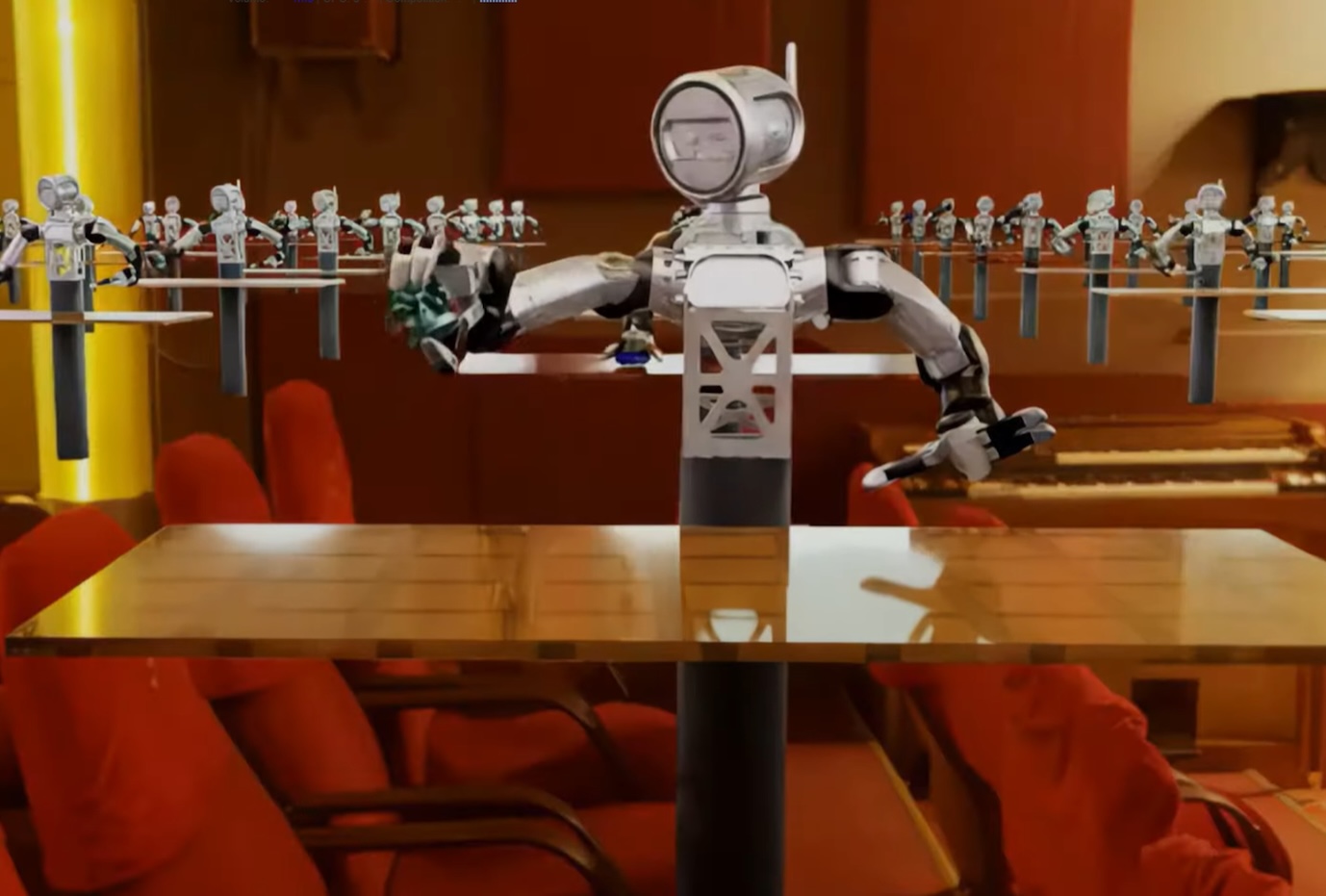
RGPB‐Planner: A Real‐Time Gaussian Potential B‐Spline Trajectory Planner for Unmanned Aerial Vehicles in Complex Environments
A recent study published in the Journal of Field Robotics explores advancements in autonomous robotic systems designed for agricultural applications. Researchers from various institutions conducted the study to address the growing need for efficient farming solutions amid increasing global food demands. The findings, released in early October 2023, highlight innovative technologies that enhance the capabilities of robots in tasks such as planting, harvesting, and monitoring crops. The research was conducted in diverse agricultural settings, showcasing how these robotic systems can adapt to different environments and crop types. By integrating artificial intelligence and machine learning, the robots are able to optimize their performance, reducing labor costs and increasing productivity for farmers. This initiative stems from the urgent necessity to improve agricultural efficiency and sustainability in response to climate change and population growth. The study emphasizes that the implementation of these robotic systems could significantly transform traditional farming practices, making them more resilient and resource-efficient. The research team utilized a combination of field tests and simulations to demonstrate the effectiveness of the robotic technologies, providing a comprehensive analysis of their potential impact on the agricultural sector. As the industry continues to evolve, the insights from this study may pave the way for broader adoption of robotics in farming, ultimately contributing to food security and environmental sustainability.
RESEARCH ARTICLE
B&R Stores Introduces Simbe's Tally Inventory Robot In Stores Across Nebraska
A family-owned grocery chain has introduced autonomous shelf-scanning technology to enhance its operational efficiency and improve customer experience. This initiative, aimed at boosting shelf visibility and ensuring pricing accuracy, was implemented in stores across the region in October 2023. By utilizing advanced scanning systems, the grocer seeks to streamline in-store execution and maintain optimal inventory levels. The decision to adopt this technology stems from a commitment to providing customers with reliable pricing and well-stocked shelves, ultimately fostering customer loyalty and satisfaction. The integration of this innovative solution is expected to transform the shopping experience by allowing staff to focus more on customer service rather than manual inventory checks.

Cognizant Launches Sovereign Physical AI Platform-As-A-Service
Cognizant has unveiled a new sovereign Physical AI Platform-as-a-Service aimed at assisting enterprises in the integration and management of autonomous systems, industrial equipment, and AI-driven operations through a unified software layer. This innovative platform, developed on the Cognizant Intelligence Spine architecture, is designed to seamlessly connect various technologies, including sensors, cameras, robots, and digital twins. By providing a comprehensive solution, Cognizant seeks to enhance operational efficiency and streamline the management of complex industrial environments. The launch reflects the company's commitment to advancing AI capabilities within the enterprise sector, enabling businesses to leverage cutting-edge technology for improved performance and productivity.
AI AI Funding & Investment AI Use Cases Robotics Cognizant Energy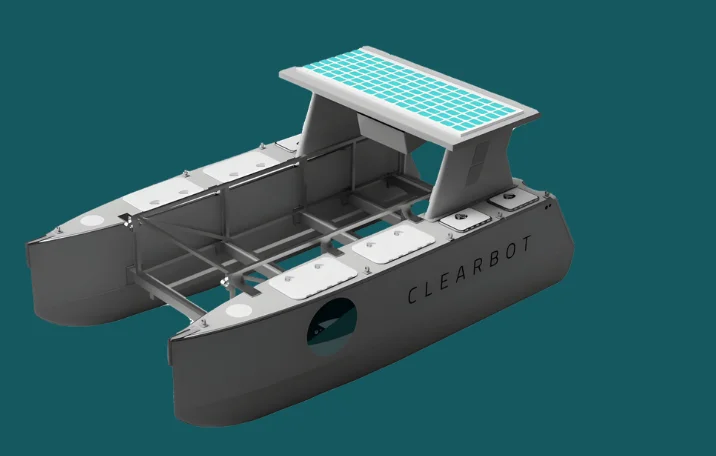
Clear Robotics Raises $1.75M in Pre-Series A Funding to Expand Development of Zero-Emission Autonomous Ships
Clear Robotics has successfully secured $1.75 million in a pre-Series A funding round aimed at enhancing the deployment of its autonomous vessels throughout Asia and the Middle East. The funding round, led by Shipsfocus Ventures, also saw participation from notable investors including Katapult Ocean, SGInnovate, M7 Holdings, and MGS Ventures, among others. This financial boost will enable Clear Robotics to accelerate its expansion efforts in the rapidly evolving maritime technology sector, addressing the growing demand for innovative shipping solutions in these regions.
AI AI Funding & Investment Robotics autonomous ships autonomous surface vessel Clear Robotics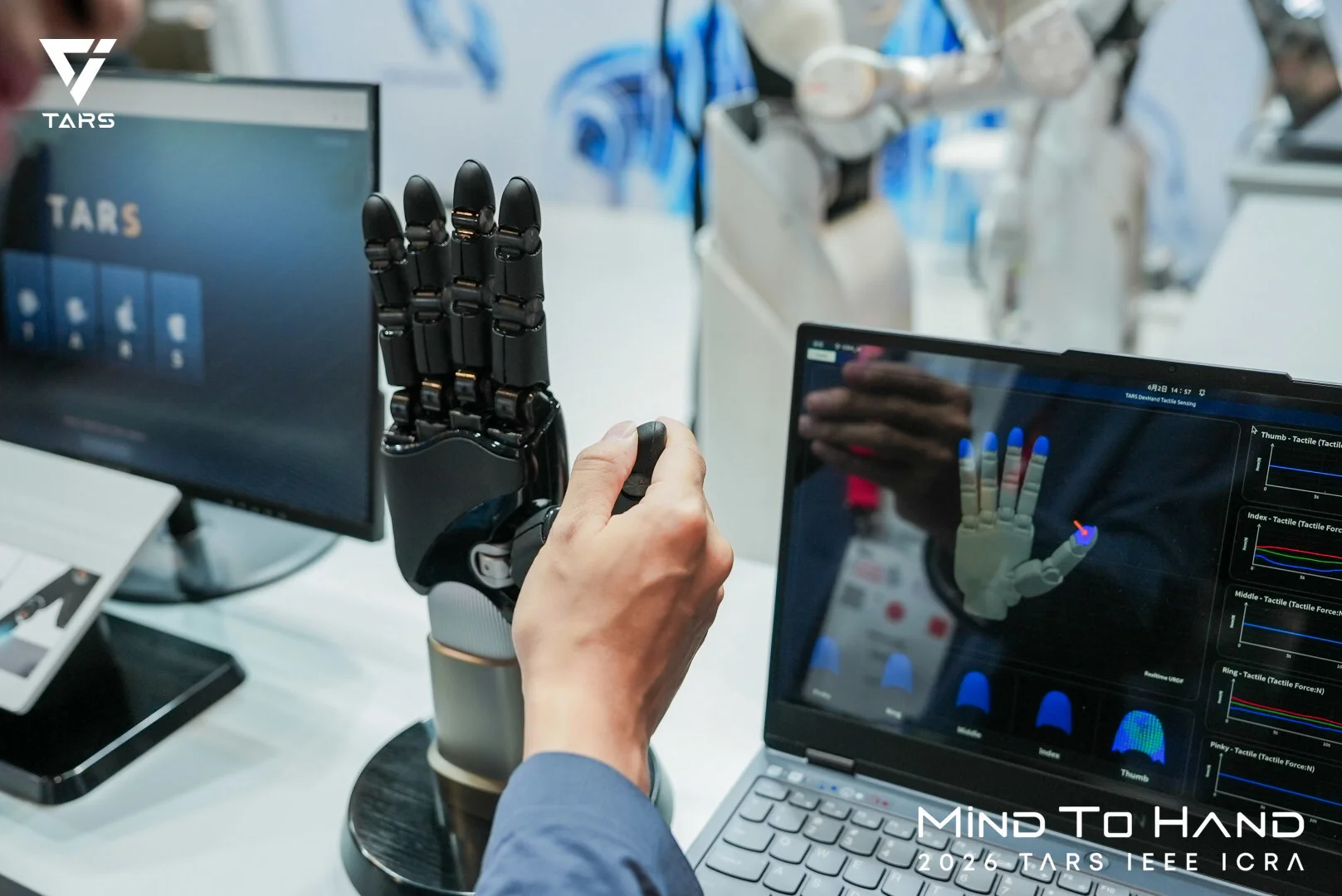
China’s TARS Debuts Humanoid Robotic ‘DexHand’
TARS, a Chinese humanoid robotics company, has unveiled its latest innovation, the DexHand robotic hand, during a demonstration at the ICRA 2026 conference held in Vienna last week. This advanced system aims to closely mimic the structure and movement of the human hand, showcasing its capabilities through real-time sign-language gestures and mirror-control interactions. The demonstration highlighted the platform's dexterity, emphasizing TARS's commitment to advancing human-robot interaction and enhancing the functionality of robotic systems.
AI AI Use Cases Robotics Uncategorized China DexHand
YY Group Launches Training Lab, Deploys Pilot Robotics in Singapore
YY Group Holding Limited, an AI-native workforce management and integrated facility management provider, has announced the launch of its Humanoid Robotics Training Lab as part of its ongoing AI training data strategy. This initiative, which was first introduced on April 22, 2026, aims to enhance the company's capabilities in developing advanced AI solutions. The lab will focus on training humanoid robots to improve efficiency in various operational tasks. The announcement marks a significant step for YY Group as it seeks to solidify its position in the rapidly evolving AI sector across Asia and beyond.
AI AI Use Cases Robotics humanoid robots Singapore training data
UMass Amherst Researchers Developing AI Architecture That Uses a Fraction of the Energy Required by Today’s AI Systems
Researchers at the University of Massachusetts Amherst have unveiled a groundbreaking artificial intelligence architecture aimed at significantly lowering the energy consumption of advanced AI systems while maintaining their learning capabilities. This innovative approach, inspired by brain function, was developed with funding from the U.S. National Science Foundation and the Air Force Office of Scientific Research. By mimicking the efficiency of the human brain, the new architecture seeks to address the growing energy demands associated with AI technologies, which have raised concerns regarding sustainability and environmental impact. The research, which highlights the potential for more eco-friendly AI solutions, could pave the way for advancements in various fields reliant on artificial intelligence, ultimately promoting a more sustainable future for technology.
AI AI Research & Advances Robotics architecture energy consumption Research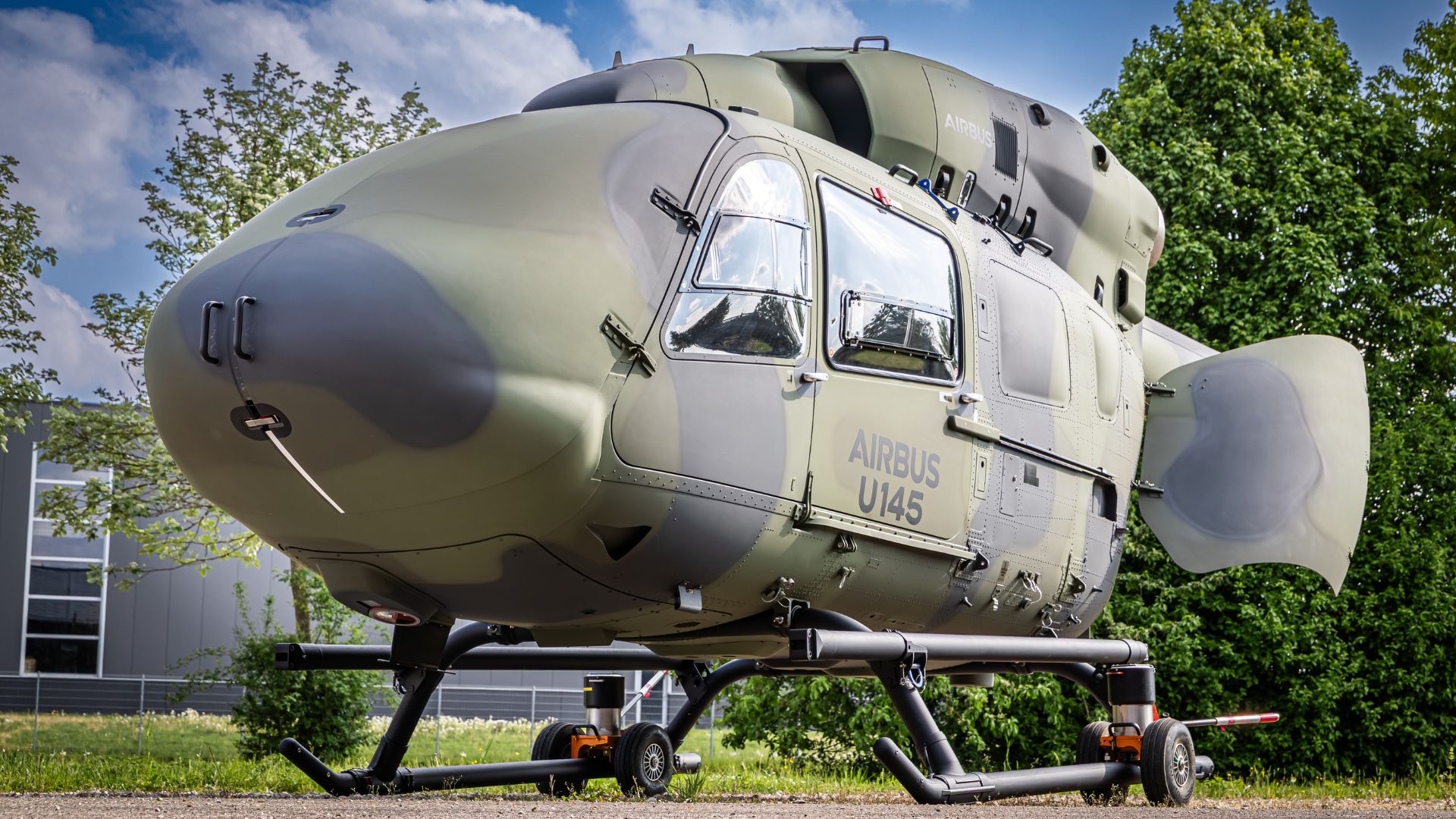
Airbus debuts U145 autonomous helicopter drone with no cockpit for military missions
Airbus Helicopters has unveiled a new autonomous aircraft derived from its widely-used H145 platform, marking a significant advancement in aviation technology. The announcement was made during the International Paris Air Show, which took place from June 19 to June 25, 2023. This innovative aircraft aims to enhance operational efficiency and safety in various sectors, including medical transport, search and rescue, and logistics. The motivation behind this development stems from the growing demand for unmanned aerial vehicles that can perform complex missions with minimal human intervention. By leveraging advanced automation and artificial intelligence, Airbus Helicopters seeks to address challenges in urban air mobility and improve response times in critical situations. The aircraft is designed to operate in diverse environments, showcasing its versatility and potential for integration into existing air traffic systems. Through rigorous testing and collaboration with regulatory bodies, Airbus aims to ensure that the new autonomous H145 meets safety standards and can be deployed effectively in real-world scenarios. This initiative reflects Airbus Helicopters' commitment to innovation and its vision for the future of aviation, where autonomous systems play a crucial role in enhancing air transport capabilities.

Hitachi and Intel Collaborating to Develop Physical AI, Quantum Computing Across Key Industries
Hitachi and Intel have announced a strategic partnership aimed at advancing technologies in physical AI, quantum computing, and digital infrastructure. This collaboration, which was revealed recently, seeks to leverage Hitachi’s strengths in information technology, operational technology, and industrial systems alongside Intel’s capabilities in semiconductor manufacturing and computing. The two companies intend to focus their efforts on developing innovative solutions for various sectors, including manufacturing, energy, and mobility. By combining their expertise, Hitachi and Intel aim to enhance industrial processes and drive technological progress across these critical industries.
AI AI Funding & Investment Robotics Foundry Hitachi Intel
Unitree's Future Humanoid Strategy: Accelerating Growth through Mass Production and Open Source from Physical Ability to Embodied AI
Unitree, a leading Chinese robotics manufacturer, recently participated in the Humanoids Summit held in Takanawa, Tokyo. The company is currently focusing its growth strategy on humanoid robots and embodied AI. During the summit, representatives from Unitree delivered a presentation outlining their vision and advancements in these cutting-edge technologies, highlighting their commitment to innovation in the robotics field.

TARS brings real-life embodied AI to ICRA 2026 robotics conference
TARS made a significant impact at the IEEE International Conference on Robotics and Automation (ICRA 2026) with the international launch of its DexHand platform, which garnered considerable interest from both industry leaders and academics. The event took place during the conference, where Dr. Ding, TARS’ chief scientist and co-founder, delivered a keynote address in the plenary session. The demonstration of DexHand highlighted its ability to perform all 26 sign-language gestures of the English alphabet, showcasing the platform's innovative capabilities and potential applications in enhancing communication. This debut not only marks a milestone for TARS but also emphasizes the growing intersection of robotics and accessibility technology.
Artificial Intelligence Components automation news DexHand dexterous manipulation embodied ai
ACS Raises $200M in Series B Funding to Expand ‘Bullfrog’ Autonomous Counter-Drone System
Allen Control Systems has successfully secured $200 million in a Series B funding round aimed at enhancing the production of its autonomous counter-drone weapons systems, which are intended for the U.S. military and its allied nations. The funding round was spearheaded by Smash Capital, with contributions from existing investors such as Craft Ventures, Rally Ventures, and Inspired Capital. This financial boost will enable the company to scale its operations and meet the growing demand for advanced defense technologies in response to increasing drone threats.
AI AI Funding & Investment Robotics ACS Allen Control Systems autonomous
Industrial Automation Is Quietly Becoming a Software Discipline
A recent exploration into software-defined automation highlights its pivotal role in advancing toward autonomous systems. Industry experts gathered at a technology conference in San Francisco on October 15, 2023, to discuss the transformative potential of this innovative approach. The event showcased how organizations are increasingly adopting software-defined automation to enhance operational efficiency and reduce human error in various sectors, including manufacturing and logistics. The motivation behind this shift stems from the growing demand for smarter, more responsive systems capable of adapting to real-time data and changing environments. By leveraging advanced algorithms and machine learning, companies are streamlining processes and achieving greater levels of autonomy in their operations. Participants emphasized the importance of collaboration between technology providers and end-users to ensure successful implementation. Demonstrations of real-world applications illustrated how software-defined automation can optimize workflows and improve decision-making capabilities. As industries continue to evolve, the integration of these technologies is expected to drive significant advancements in productivity and innovation. The discussions also touched on the challenges that accompany this transition, including the need for robust cybersecurity measures and the potential impact on the workforce. As organizations navigate these complexities, the journey toward full autonomy remains a focal point for future developments in technology.
Factory / Control
Robotic Assistance in Natural Disasters and Human-Caused Crises
The Synergise research and development consortium is conducting its first integrated system field test to evaluate new technological solutions, including robots, drones, sensors, localization systems, wearables, and communication platforms. This test is taking place at a training ground in Botkyrka, Sweden, where the consortium aims to assess the effectiveness of these technologies in realistic operational environments. The initiative is driven by the need to enhance response capabilities for natural disasters and human-made crises, showcasing how advanced technology can aid in emergency situations.
Allgemein Newsarchiv Servicerobotik
FBI, DHS Take On the Challenge of Building Counter-UAS System
Federal security officials, including the FBI and DHS, are actively working to establish new counter-drone protocols aimed at safeguarding high-profile sporting events and critical infrastructure from potential threats posed by drones. This initiative follows a year of comprehensive legislative, legal, and physical preparations to address the risks associated with careless or hostile drone operations. The efforts reflect a growing recognition of the need for enhanced security measures in an era where drone technology is increasingly accessible and potentially dangerous.
defense Drone News Drone News Feeds drone security News Security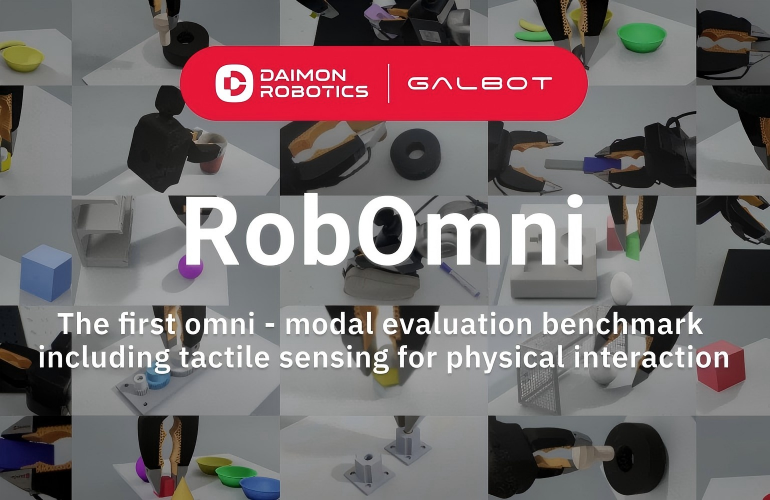
Daimon Robotics and Galbot jointly launches RobOmni for benchmarking tactile perception and dexterous manipulation
Daimon Robotics and Galbot have announced the launch of RobOmni, a new platform designed to benchmark tactile perception and dexterous manipulation in the field of embodied AI. This development marks a significant shift from traditional vision-centric approaches to a more comprehensive understanding of physical interactions. The collaboration aims to enhance the capabilities of robots in performing complex tasks that require fine motor skills and sensitivity to touch. The launch event took place recently, highlighting the growing importance of tactile feedback in robotics and its applications across various industries. By integrating advanced tactile sensing technologies, RobOmni is set to provide researchers and developers with the tools needed to push the boundaries of robotic dexterity and perception.
Sponsored Content
Nvidia Announces Partnerships with Doosan, LG Focused on Physical AI, Robotics
Nvidia is enhancing its presence in South Korea by forming strategic partnerships with Doosan Group and LG Group. This initiative aims to advance the development of industrial robots, autonomous equipment, robotics training data, and AI-powered manufacturing systems. The collaborations, announced recently, seek to transcend conventional factory automation by emphasizing the creation of software, simulation, and other innovative technologies. These efforts reflect Nvidia's commitment to driving AI integration in manufacturing processes, positioning the company as a key player in the rapidly evolving industrial landscape of South Korea.
AI AI Funding & Investment Robotics Doosan Group LG Group Partnership
Chinese firm to deploy 100 humanoid robots to households for daily chores
A Chinese robotics company has initiated the deployment of its humanoid robots in private residences, signaling a significant advancement in domestic automation. This initiative commenced recently as part of the company's broader strategy to integrate advanced robotics into everyday life. The robots are designed to assist with various household tasks, enhancing convenience and efficiency for homeowners. By introducing these humanoid robots into real homes, the company aims to showcase their capabilities and gather user feedback to refine their technology further. This move reflects the growing trend of incorporating artificial intelligence and robotics into personal living spaces, driven by the increasing demand for smart home solutions. The deployment is expected to pave the way for more widespread acceptance and utilization of humanoid robots in domestic settings.

Massachusetts votes to pass new privacy rights bill that bans sale of precise location data
A new bill is set to prohibit companies and startups in the state from selling individuals' precise location data. This legislation aims to enhance privacy protections for residents by preventing the unauthorized distribution of sensitive information. The bill is anticipated to be introduced in the upcoming legislative session, reflecting growing concerns over data privacy and the potential misuse of location tracking technologies. Advocates for the measure argue that it is essential to safeguard personal information in an increasingly digital world, where location data can be exploited for various purposes, including targeted advertising and surveillance. The proposed ban is expected to undergo discussions and revisions before it is finalized and enacted into law.
Privacy Security cybersecurity location data privacy
Autonomous drone can deliver life jackets to people that fall overboard
When a person falls overboard, the urgency of the situation escalates rapidly, as their chances of survival diminish significantly with each passing minute. Rescue operations face critical challenges, particularly due to the time required for a vessel to come to a complete stop and deploy a rescue boat. By the time the search begins, the individual may have drifted far from the ship, complicating recovery efforts. This race against time highlights the importance of swift action and efficient rescue protocols in maritime emergencies.
Robotics
Europe unifies autonomous vehicle laws, speeds up robotaxi expansion
Autonomous taxi services have experienced significant growth in major metropolitan areas across the United States, revolutionizing urban transportation. As of October 2023, companies specializing in self-driving technology have expanded their fleets and operational zones, responding to increasing demand for efficient and cost-effective travel options. The rise of these services is driven by advancements in artificial intelligence and robotics, enabling safer and more reliable rides without human drivers. Cities such as San Francisco, Los Angeles, and New York have become key testing grounds, where regulatory frameworks are evolving to accommodate this innovative mode of transport. The integration of autonomous taxis into public transit systems aims to alleviate traffic congestion and reduce carbon emissions, aligning with broader environmental goals. As these services continue to develop, stakeholders are closely monitoring their impact on urban mobility and the potential challenges they may pose to existing transportation infrastructures.

‘World’s first’ shapeshifting soft robotic cells that adapt on demand unveiled
London-based startup Morph has unveiled an innovative soft robotics platform aimed at enhancing physical intelligence in various applications. The launch, which took place recently, showcases the company's commitment to advancing robotic technology that can adapt and interact more effectively with its environment. By leveraging cutting-edge materials and design, Morph's platform is designed to improve the functionality and versatility of robots, making them more capable of performing complex tasks in diverse settings. This development is particularly significant as the demand for intelligent robotic solutions continues to grow across industries, including healthcare, manufacturing, and logistics. Morph's approach integrates advanced engineering with user-friendly interfaces, allowing for seamless integration into existing systems. The startup aims to address the challenges faced by traditional robotics, which often struggle with flexibility and adaptability. Through this launch, Morph seeks to position itself as a leader in the soft robotics sector, driving innovation that could transform how robots are utilized in everyday applications.
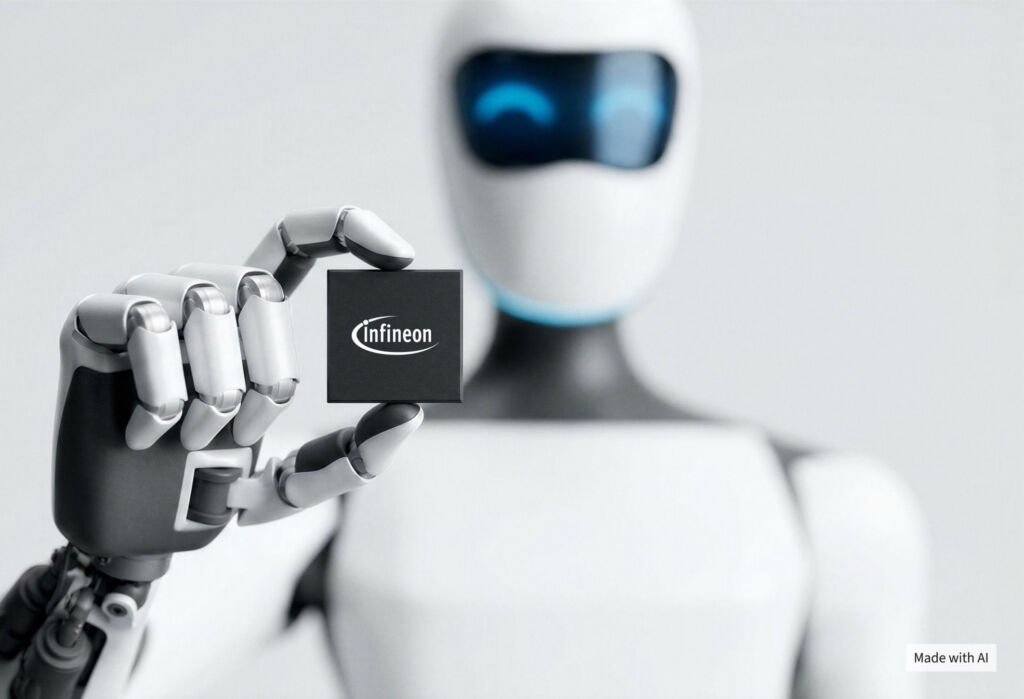
Increased Security for Physical AI
Infineon Technologies has announced the integration of its Optiga TPM SLB 9672 hardware security module into Nvidia's Jetson Thor computing platform, which is designed for robotics and autonomous systems. This collaboration aims to enhance security measures for physical artificial intelligence applications. By incorporating advanced security features, the partnership seeks to address growing concerns regarding data protection and system integrity in increasingly automated environments. The integration is expected to provide developers with robust tools to build secure and reliable robotic solutions.
Allgemein Robotersteuerung & Digital Twin Robotik
Free tickets for VISION 2026
Although the VISION 2026 event is still a few months away, scheduled to take place from October 6 to 8 in Stuttgart, ROBOTIK UND PRODUKTION is offering an opportunity for attendees to secure free admission tickets in advance. This initiative aims to encourage participation in the upcoming exhibition, which will showcase advancements in the fields of robotics and production technology.
Allgemein