

Industry Briefing
A single destination for timely, editor-curated robotics news from around the world.
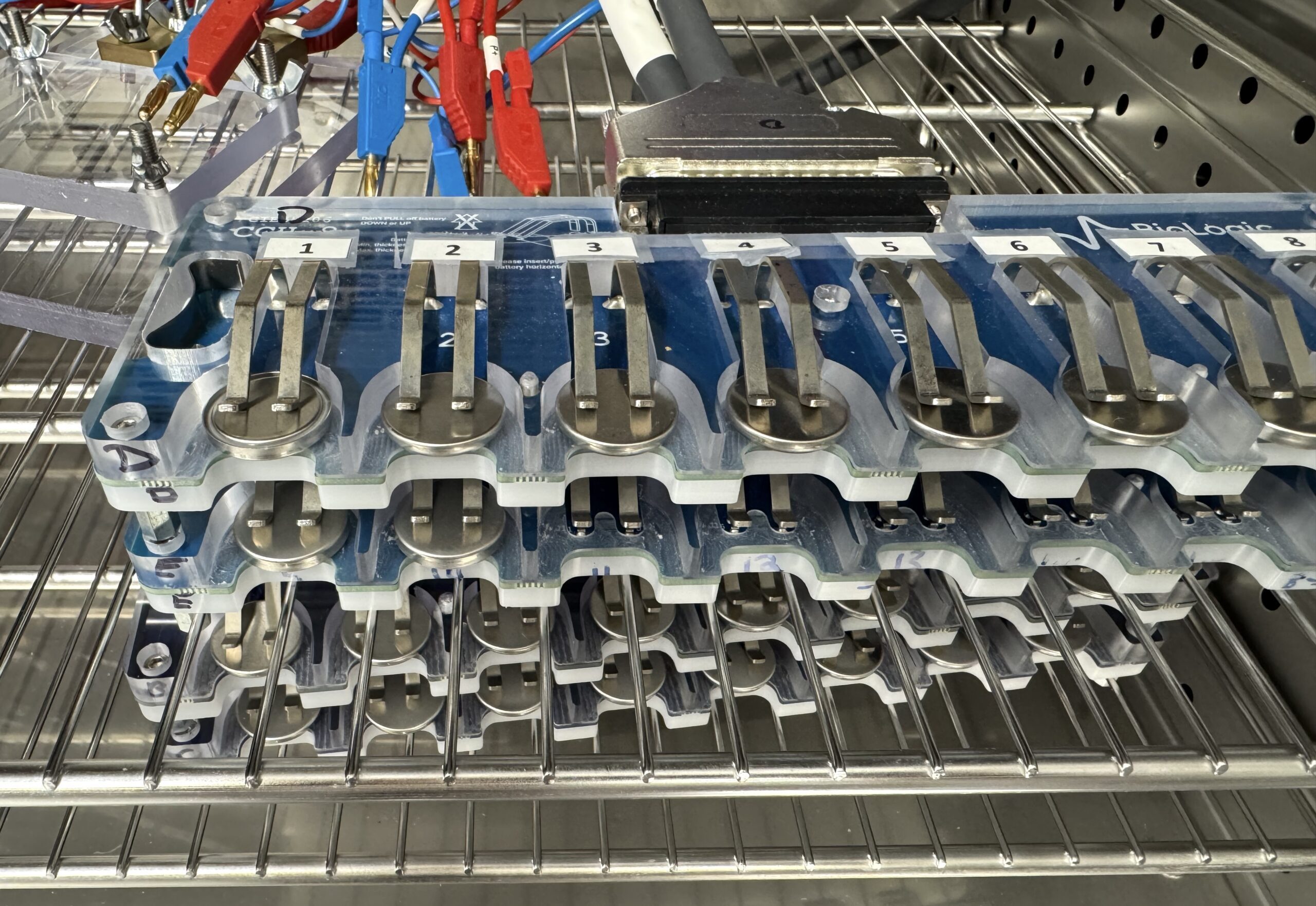
Cornish Lithium Achieves Milestone with UK-Mined Lithium for Battery Production
Cornish Lithium has successfully demonstrated the viability of lithium mined and refined in the UK for lithium-ion battery cell production. This achievement aligns with efforts by the UK, US, and other nations to enhance domestic supply chains for critical technologies. The company produced battery-grade lithium hydroxide monohydrate from ore at its Trelavour Lithium Project in Cornwall, utilizing its proprietary LiStract technology. Approximately two kilograms of this material were provided to the Centre for Process Innovation, which manufactured and tested lithium-ion coin cell batteries, showing performance comparable to commercially available lithium hydroxide. This development is significant as it contributes to broader initiatives aimed at securing supply chains for advanced technology, particularly in light of China's dominance in battery materials processing. The UK aims for 10% of its critical mineral demand to be met through domestic production by 2035, with a focus on reducing reliance on single countries for these essential resources.
Drone News Drone News Feeds Europe Drone Industry News UK Drone Industry UK Drone Space
Li-S Energy's Lithium-Sulfur Batteries Enter US Army Testing for Drone Applications
Li-S Energy, an Australian battery developer, has delivered lithium-sulfur battery cells to the US Army for independent testing. This marks the first instance of the company's technology being evaluated by a US government agency, specifically by the US Army Combat Capabilities Development Command C5ISR Center at Aberdeen Proving Ground. The significance of this testing lies in the potential for lithium-sulfur batteries to enhance military operations that increasingly depend on drones and autonomous systems. With nearly double the energy density of conventional lithium-ion batteries, these cells could enable unmanned platforms to achieve longer flight times, greater ranges, and increased payload capacities, which are critical for modern military applications. Looking ahead, the evaluation by the DEVCOM C5ISR Center could pave the way for the integration of Li-S Energy's technology into various military programs, including unmanned aircraft and ground robots. No further timeline was disclosed at the time of publication.
Energy Military
Re:Build Manufacturing Launches US-Made Lithium-Ion Battery Packs for UAVs
Re:Build Manufacturing has initiated direct commercial sales of its new lithium-ion battery packs designed for unmanned aerial vehicles (UAVs). This product line includes the Core, Power, and Performance series, which cater to various energy configuration needs. The launch is part of a broader manufacturing expansion at the company's Pennsylvania facility, aimed at producing Group 1, Group 2, and Group 3 unmanned aircraft systems (UAS). The introduction of these battery packs is significant as it addresses supply chain vulnerabilities in domestic aerospace hardware. UAV developers, particularly in dual-use, public safety, and military sectors, face stringent procurement regulations regarding component origins. Re:Build's assembly protocol utilizes non-FEOC battery cells to ensure compliance with National Defense Authorization Act (NDAA) procurement frameworks, thus enhancing the reliability of UAV operations. Looking ahead, Re:Build Manufacturing is set to provide dedicated engineering support for custom energy storage solutions, including Battery Management System (BMS) development. The company's advanced manufacturing facility in New Kensington, spanning 175,000 square feet, is designed to facilitate the transition from UAV prototyping to mass production, addressing common scaling challenges in the industry. No further timeline was disclosed at the time of publication.
Military
Robot Bank showcases humanoid, transport, cleaning, and autonomous forklifts at "RTJ2026" demo exhibition.
Robot Bank Corporation has announced its participation in the largest robotics exhibition in the Chubu region, "ROBOT TECHNOLOGY JAPAN 2026 (RTJ2026)," which will take place from June 11 to June 13, 2026, at the Aichi Sky Expo in Aichi Prefecture. This event aims to showcase advancements in robotics technology and foster collaboration within the industry.
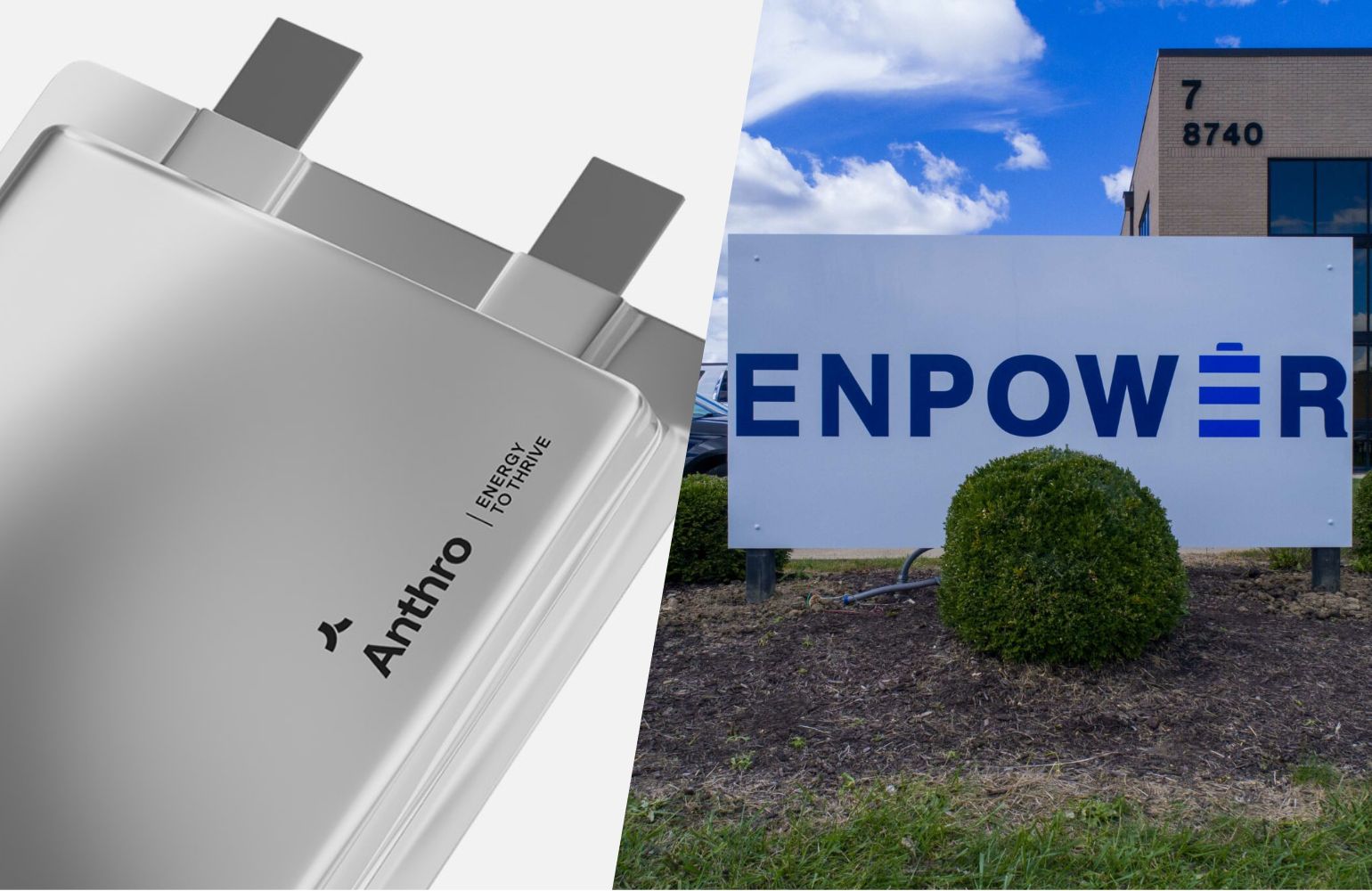
Anthro Energy partners with EnPower to develop lithium-ion cells in the U.S.
EnPower and Anthro Energy have announced a strategic partnership aimed at advancing lithium-ion cell development in the United States. This collaboration will leverage EnPower's expertise in electrode and pouch cell manufacturing alongside Anthro Energy's innovative Proteus electrolyte platform. By combining their respective technologies, the companies seek to enhance the performance and efficiency of lithium-ion batteries, addressing the growing demand for sustainable energy solutions. The partnership marks a significant step forward in the U.S. battery manufacturing landscape, reflecting a commitment to innovation and competitiveness in the energy sector.
Aerospace Batteries / Power Supplies Defense / Security Drones Maritime Mobility / Navigation
From Forklifts to Laser Guided Vehicles — The Operational Shift in High-Volume Manufacturing
In response to the growing demands of manufacturing systems, which require increased efficiency and precision, the use of Automated Guided Vehicles (LGVs) is becoming more prevalent. Unlike traditional forklifts, which rely heavily on operator skill and can be affected by factors such as fatigue and congestion, LGVs offer a consistent and repeatable solution for material handling. This shift is particularly crucial as production volumes rise and tolerances become tighter, necessitating a more reliable flow of materials within facilities. As industries seek to enhance their operational capabilities, the integration of LGVs is seen as a strategic move to improve productivity and reduce the risks associated with human error.

Accelerating Digital Transformation in Automotive Parts Manufacturing with Autonomous Forklifts
Automotive parts manufacturers are facing an urgent need for intelligent and digital transformation in their manufacturing and intralogistics operations. This shift is driven by the critical importance of maintaining a reliable and high-quality supply of components, which is essential for ensuring vehicle safety and performance. As the industry evolves, manufacturers are recognizing that adopting advanced technologies and data-driven processes is key to meeting the growing demands for efficiency and quality in the production of automotive parts. This transformation is not only vital for maintaining competitiveness but also for addressing the challenges posed by an increasingly complex supply chain.
Robotics needs a service framework.
RSF defines a common language for robot service capability, lifecycle operations, certification pathways, and service-provider networks.
Join the RobotToday community on LinkedIn
Daily robotics news, in-depth analysis, conference highlights, and discussions with professionals worldwide.







