

Industry Briefing
A single destination for timely, editor-curated robotics news from around the world.
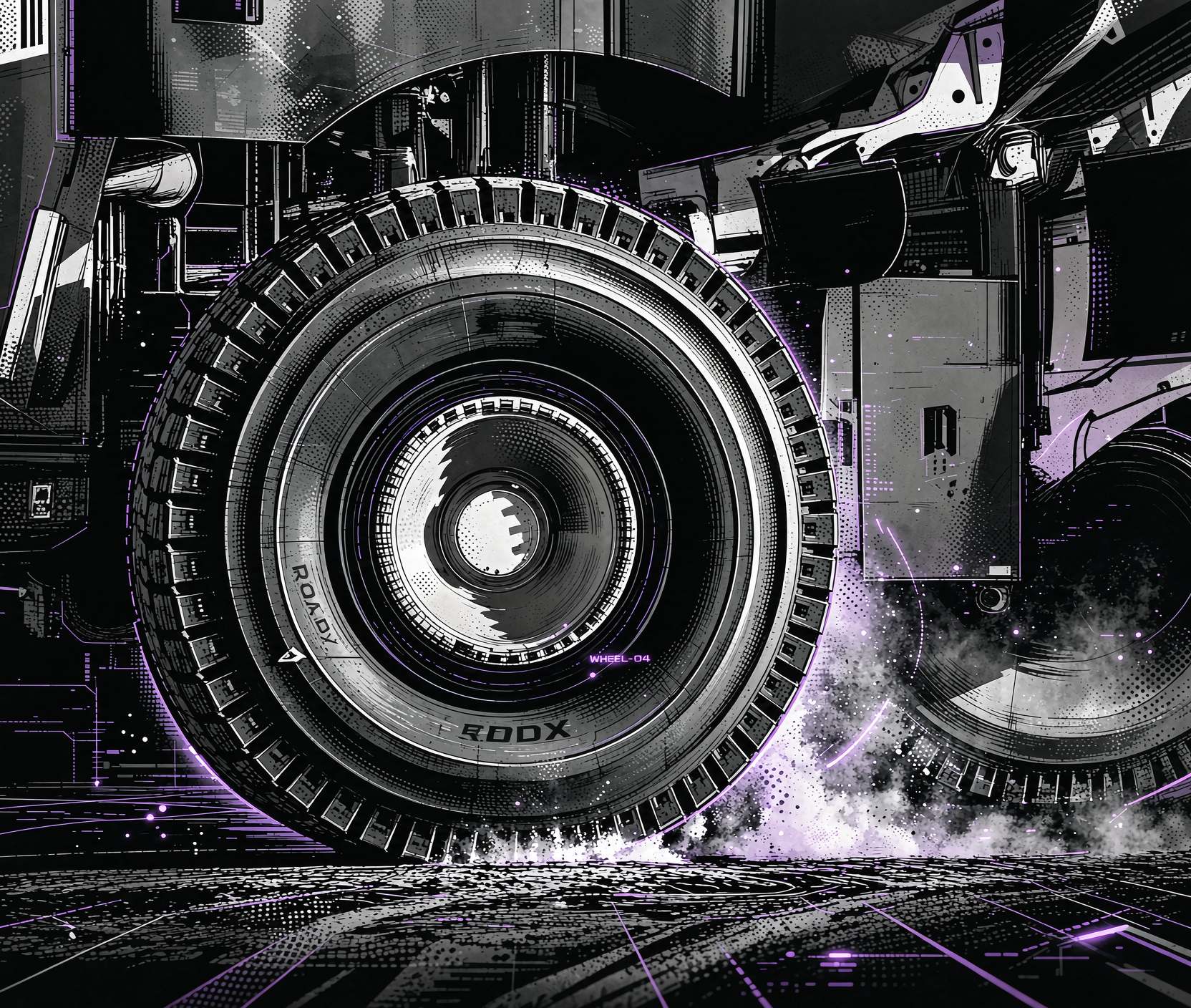
PitPro Automation Installs Tire Changing Robots to Combat Labor Shortages
PitPro Automation has installed its first robotic system at a Kal Tire store in Calgary, Canada, addressing labor shortages in tire shops. The system, consisting of two box-sized robots, can change a full set of tires in just 15 minutes, which is approximately 90% faster than manual labor. CEO Jeremy Conrad highlighted the physically demanding nature of tire changing and the ongoing staffing challenges faced by tire shops. The automation solution is viewed as a 'force multiplier' by Kal Tire's senior vice president, Kenneth Chaun, allowing technicians to focus on diagnostics and customer service while robots handle the heaviest lifting. The system is designed to integrate seamlessly into existing service bays, performing tasks similar to those in NASCAR pit stops. It also features sensors for measuring tread depth and tire pressure, ensuring precise tightening of fasteners to OEM specifications. PitPro aims to target chain tire shops due to their standardized layouts, which facilitate larger-scale deployments. With a significant portion of Canadian drivers using winter tires, the market presents a unique opportunity. While the installation in Calgary faced challenges like dust exposure, the company is optimistic about future installations, with plans for more systems in the pipeline this fall.
Tire Changing Robots Automation Technology Labor Shortages Automotive Service Robotics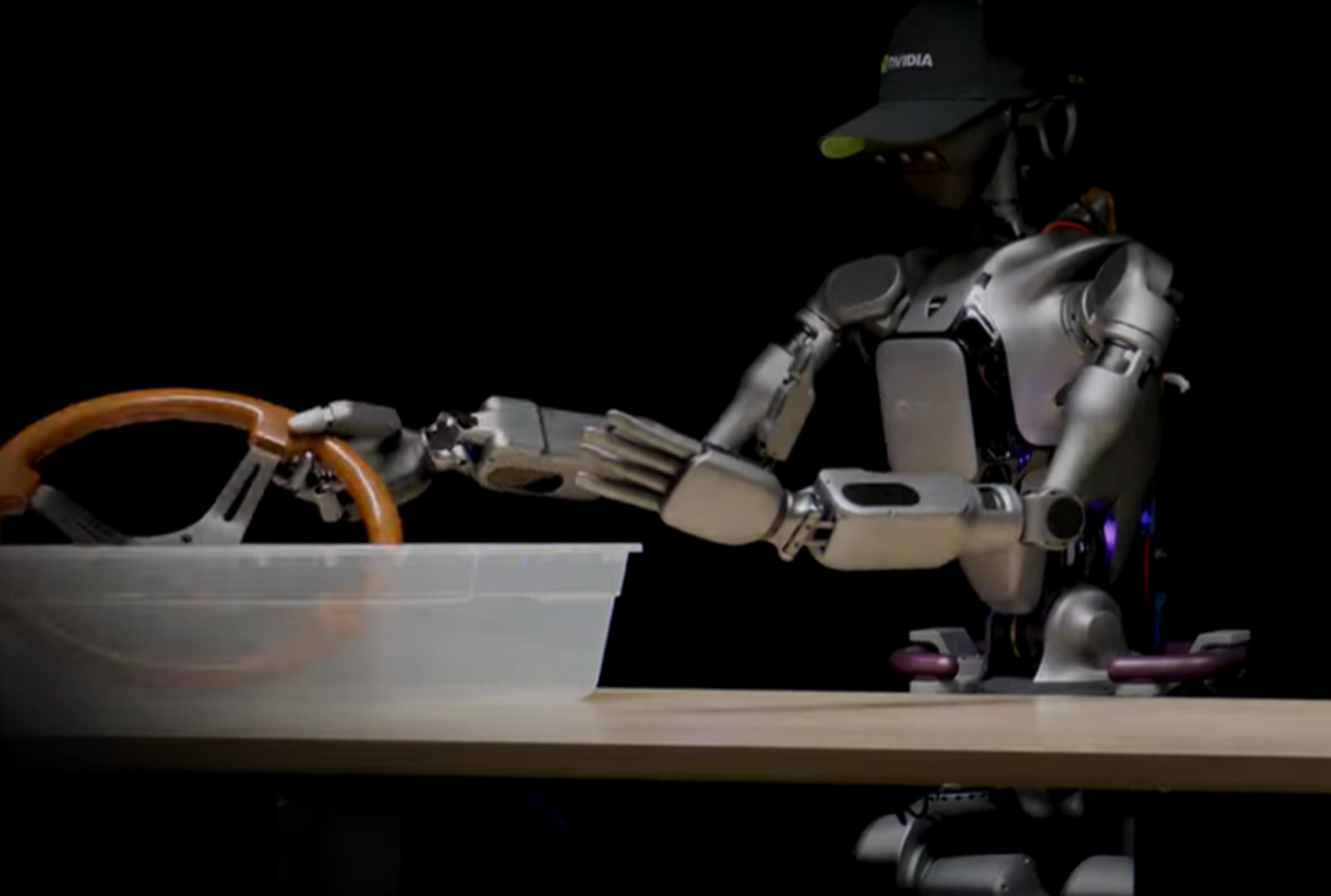
Quadruped Robots Highlighted at IFA: China's Solution to Global Labor Shortages
At the 2026 IFA in Berlin, quadruped robots emerged as a significant focus, with Shenzhen's Xuanji Power winning the Best in IFA Next & Emerging Technologies award for its Hypertron-T01 heavy-duty quadruped robot. Unlike previous exhibitions showcasing dancing robots, Xuanji Power presented a product already operational in the field, capable of handling dynamic loads up to 80 kg across challenging terrains. The importance of this development lies in addressing labor shortages in specialized industries, as highlighted by Xuanji Power's emphasis on the robot's ability to perform reliably in real-world scenarios. The Hypertron series has been successfully deployed in substations, demonstrating its capability for long-term, unmanned operations. The company aims to transition quadruped robots from demonstration to practical applications, focusing on stable performance in real environments. Looking ahead, Xuanji Power announced the opening of its core SDK interfaces to facilitate rapid development of localized solutions by European integrators and developers. This move underscores the shift of quadruped robots from mere exhibition pieces to essential tools capable of operating in hazardous environments, marking a significant step towards industrialization in response to global labor challenges.
Quadruped Robots Industrial Automation Robotics Technology AI Solutions
Figure CEO Brett Adcock Highlights ROI from Humanoids Amid Labor Shortages
Brett Adcock, CEO of Figure AI, asserts that humanoid robots are already providing return on investment as companies face severe labor shortages. In a recent podcast, he emphasized that the focus has shifted from merely proving hardware functionality to addressing critical workforce needs for enterprise clients. Adcock pointed out that while many companies are increasing production, the real challenge lies in developing intelligent robotic systems rather than just mass-producing hardware. He compared unintelligent robots to early consumer drones, which were often difficult to operate and quickly abandoned, highlighting the importance of achieving human-level intelligence in robots. Figure has recently celebrated the completion of its 1,000th engineering validation test robot for the Figure 03 generation, marking a significant milestone for the $39 billion startup. Adcock noted that the modularity of humanoid components makes scaling production easier compared to automobile manufacturing, allowing Figure to deploy robots to its commercial customers effectively.
Brett Adcock US Figure Figure-03
Avatar Robotics Secures $6.5 Million Seed Funding to Tackle Labor Shortages
Avatar Robotics has successfully raised $6.5 million in a seed financing round led by AlleyCorp, following a pre-seed investment from defy.vc. The funding will be utilized to deploy semi-humanoid robots in logistics, manufacturing, and warehousing sectors, addressing ongoing labor shortages in the U.S. workforce. This investment is significant as it supports Avatar Robotics' strategy of employing a human-in-the-loop approach, which combines remote teleoperation with machine-learning autonomy. This method not only enhances operational efficiency but also generates valuable datasets for future robotic model training, crucial for advancing automation in industries facing high turnover rates. Looking ahead, Avatar Robotics plans to scale its robot fleets and expand customer deployments, particularly with a multi-billion-dollar warehouse operator. No further timeline was disclosed at the time of publication.
Arms / Manipulators Artificial Intelligence / Cognition Assembly Humanoids Investments Logistics
Korben for People Develops Professional Robotics Solutions Amid Labor Shortages
Korben for People, based in Perpignan and Paris, is developing software solutions for service robotics. Founded in late 2024 by Lucas Goumarre, the company addresses sectors facing labor shortages and currently has 250 establishments in France equipped with its solutions. The platform facilitates communication between different brands of robots and coordinates their operations. The significance of Korben for People lies in its innovative approach to assist employees without replacing them, which is crucial in a labor market increasingly challenged by shortages. The company reported a revenue of 5 million euros with an EBITDA of 10% in its last fiscal year. A funding round of 10 million euros is underway to support its development and expansion into Europe and North America, with a revenue target of 15 million euros by 2027. Looking ahead, Korben for People plans to expand its platform to international markets, including potential commercialization to Chinese industries. No further timeline was disclosed at the time of publication.
Pyrénées-Orientales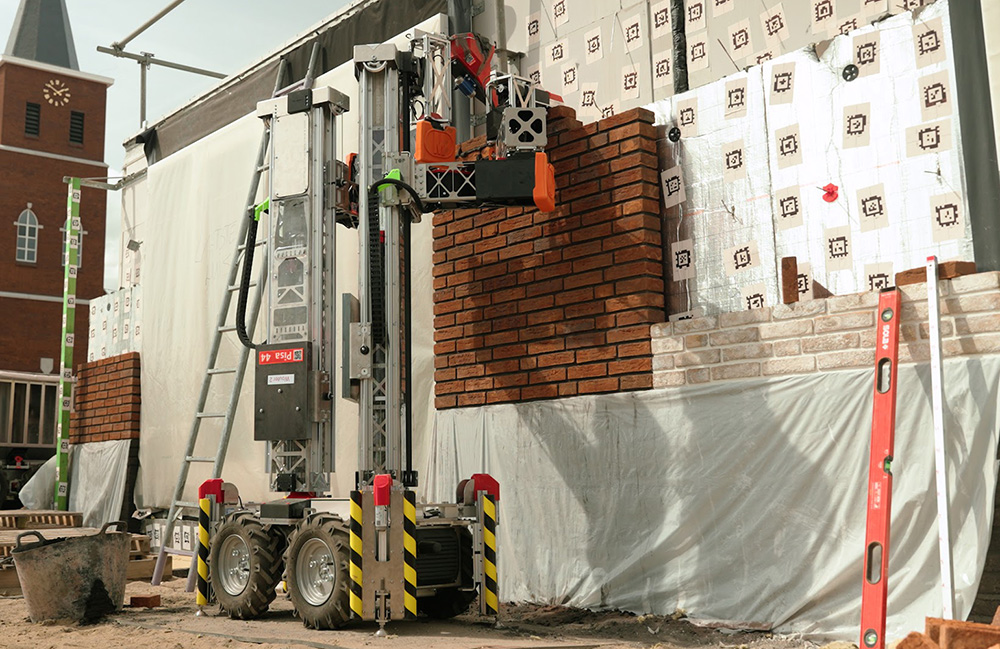
Monumental's Pisa Robot Tackles Bricklaying Amid Construction Labor Shortages
Monumental is deploying its Pisa robot to automate bricklaying, addressing the construction industry's significant labor shortages. With 92% of contractors struggling to fill roles and a deficit of 4.5 million homes in the U.S., the need for robotic solutions is critical. CEO Salar al Khafaji emphasizes that robotics can fill the gap left by retiring workers, making construction a prime candidate for automation. The labor shortage in construction is exacerbated by an aging workforce and a lack of interest from younger generations. Al Khafaji points out that bricklaying is particularly challenging and represents a major job-shortage category in several Western European countries. By focusing on bricklaying, Monumental aims to demonstrate that robots can effectively handle complex tasks, paving the way for broader applications in construction. Looking ahead, Monumental plans to expand its robotic capabilities beyond bricklaying to include block work and other foundational tasks. While companies like Bedrock Robotics and Gravis Robotics focus on the initial stages of construction, Monumental sees an opportunity in the shell-building phase, where competition is currently limited. No further timeline was disclosed at the time of publication.
Artificial Intelligence Artificial Intelligence / Cognition Autonomous Mobile Robots (AMRs) Construction Design / Development Markets / Industries
Kubota Introduces Autonomous M5 Narrow Diesel Tractor to Address Labor Shortages
Kubota unveiled the M5 Narrow diesel specialty tractor at CES 2026, showcasing its integrated autonomous capabilities designed for agriculture. This innovation is crucial as the agricultural sector faces a significant labor shortage, with the average farmer nearing 60 years old and over 40% of farmers aged 65 and older. The introduction of physical AI into heavy machinery is essential for maintaining productivity in challenging environments like vineyards and orchards, where precision is critical. The importance of this development lies in its potential to mitigate the impact of an aging workforce in agriculture and construction. As skilled operators retire, the need for intelligent machines that can operate autonomously becomes increasingly urgent. The agricultural sector, particularly in permanent crops, requires advanced technology to navigate complex environments and ensure efficient production. Looking ahead, the focus will be on how these autonomous machines can adapt to the unique challenges of various agricultural settings. With the labor gap becoming a structural issue rather than a cyclical one, the deployment of advanced autonomous solutions will be vital for the future of food production and infrastructure development.
Agriculture Artificial Intelligence Autonomous Mobile Robots (AMRs) Construction Educational Opinion
Avatar Robotics Secures $6.5 Million to Accelerate Humanoid Deployment for Labor Shortages
Avatar Robotics, based in San Francisco, has announced the successful raising of $6.5 million in a seed round led by AlleyCorp. The company aims to address the significant structural challenge of labor shortages in the U.S. economy, particularly in warehouses, logistics, and manufacturing sectors. As companies seek to bring production back to the U.S. and demand faster shipping, many are struggling to secure and retain personnel for physically demanding and repetitive tasks. The company is deploying a new industrial infrastructure that combines humanoid robots, human operators for remote control, and AI-driven autonomy. These robots are designed to handle high-value tasks in warehouses and manufacturing, such as picking, packing, sorting, and material movement, operating 24/7. Since its launch in December 2025, Avatar Robotics' robots have assisted in packing, sorting, and shipping over 900,000 products in real customer environments, including major beauty retailers. Looking ahead, the new funding will be allocated to expanding deployments, accelerating the development of autonomy software, scaling the robot fleet, and enhancing engineering and operations teams. Avatar Robotics envisions deploying millions of robots across various sectors, enabling on-demand industrial-level labor availability for businesses of all sizes and allowing workers worldwide to virtually operate fleet-scale physical systems.

Autodesk and University of Florida Launch Advanced Robotics Lab for Industrialized Construction
Autodesk has made a $1 million donation to establish the Autodesk Design and Make Laboratory at the University of Florida. This initiative aims to equip students with the necessary skills for careers in industrialized construction, addressing a significant workforce gap as 41% of the current workforce is expected to retire by 2031. The establishment of this lab is crucial as Florida faces a shortage of over 121,000 homes and rental units. By preparing students for the industrialized construction sector, the lab will contribute to alleviating both housing and labor shortages in the region, fostering a new generation of skilled professionals. Looking ahead, the focus will be on how effectively the lab can bridge the skills gap in the construction industry and support local workforce development. No further timeline was disclosed at the time of publication.
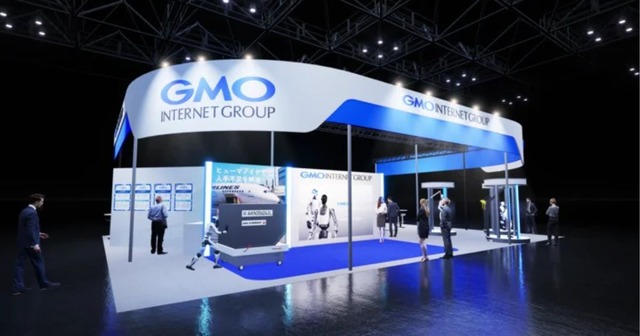
GMO Internet Group to Exhibit as Platinum Sponsor at Japan Drone 2026, Aiming to Address Airport Labor Shortages with Humanoids.
GMO Internet Group will participate as a Platinum Sponsor at Japan's largest drone and eVTOL international exhibition, "Japan Drone / Next Generation Air Mobility EXPO 2026," scheduled to take place from June 3 to June 5, 2026, at Makuhari Messe. This event aims to showcase advancements in drone technology and air mobility solutions, reflecting the growing interest and investment in the sector. By taking on a leading sponsorship role, GMO Internet Group underscores its commitment to innovation and its strategic focus on the future of transportation.
Japan Airlines begins humanoid robot trials at Tokyo's Haneda airport as labor shortages bite
Tokyo's Haneda Airport is set to trial humanoid robots in its ground services as a response to ongoing labor shortages and the challenges posed by an aging workforce. This initiative aims to enhance operational efficiency and address the increasing demand for airport services. The trial is expected to commence soon, although specific dates have not yet been disclosed. By integrating advanced robotics into its operations, Haneda Airport seeks to mitigate the impact of labor constraints while maintaining high standards of service for travelers. The deployment of these robots represents a significant step towards modernization in the aviation industry, showcasing how technology can be leveraged to solve pressing workforce issues.
Robotics needs a service framework.
RSF defines a common language for robot service capability, lifecycle operations, certification pathways, and service-provider networks.
Join the RobotToday community on LinkedIn
Daily robotics news, in-depth analysis, conference highlights, and discussions with professionals worldwide.







