A single destination for timely, editor-curated robotics news from around the world.
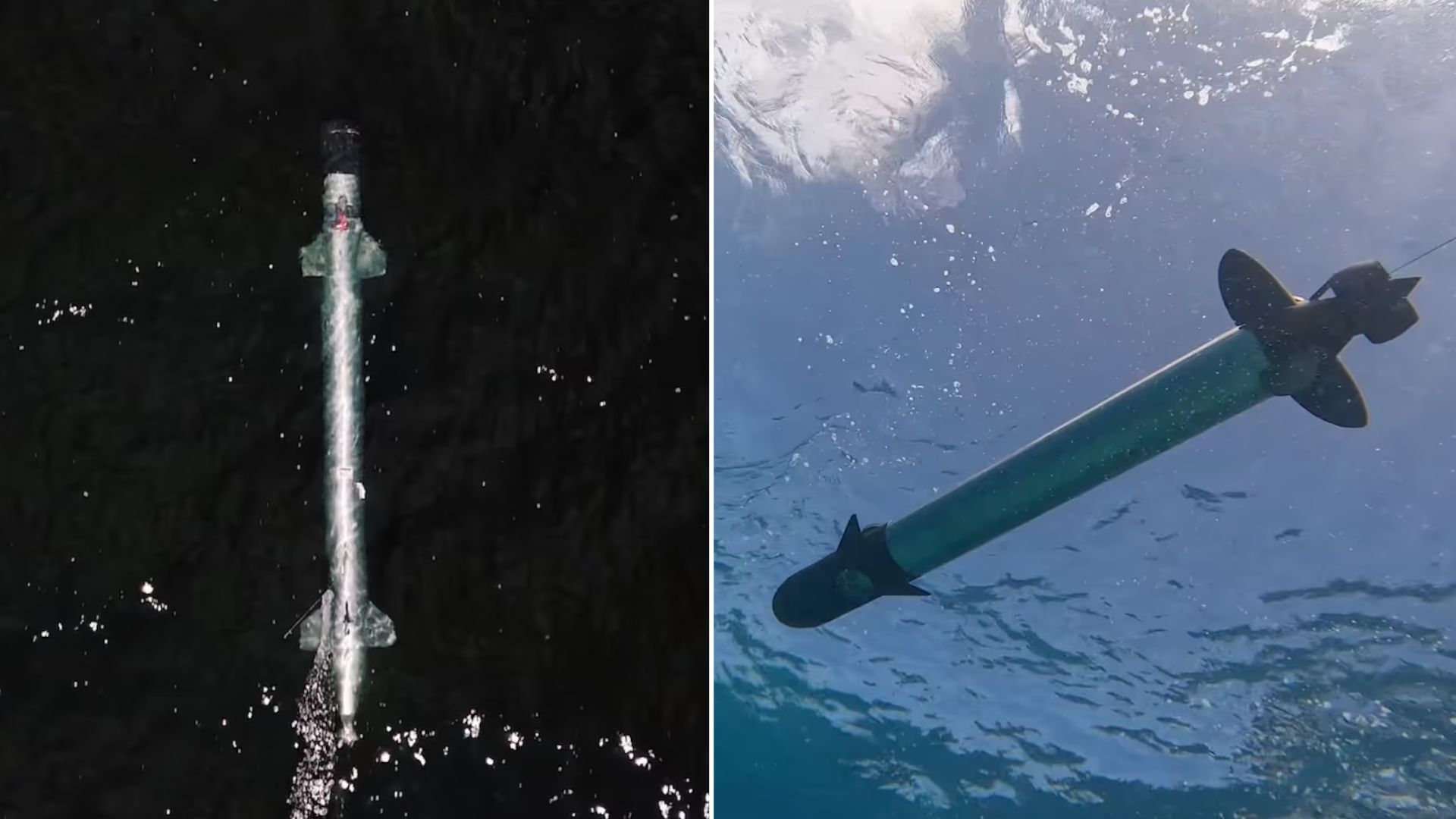
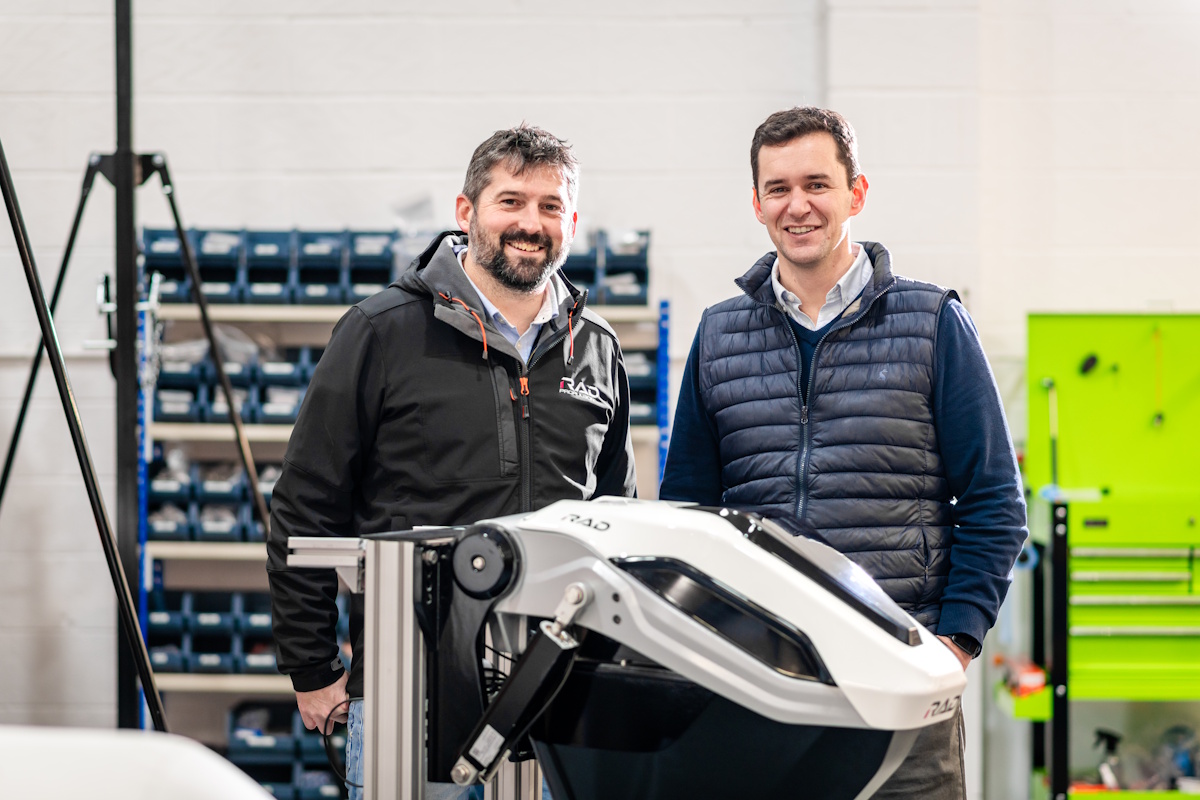
RAD, a marine technology firm, has successfully raised £4.4 million in funding to accelerate the commercialization of its autonomous vessel technologies and expand its electric propulsion systems. This funding round, led by Mercia Ventures, comes after a year of significant product development and customer engagement, including the launch of the Axon open systems architecture for uncrewed vessels at the Combined Naval Event in May 2026. The funding is crucial as RAD aims to capitalize on the growing demand for flexible and scalable marine solutions in both defense and commercial sectors. The Axon architecture allows for rapid development and integration of uncrewed vessel capabilities, which is expected to enhance operational efficiency and reduce vendor lock-in for operators. With this investment, RAD is positioned to lead the electrification shift in marine technology, similar to trends seen in road transport. Looking ahead, RAD plans to utilize the funds for international expansion, including establishing a presence in the U.S. market, and further developing its electric propulsion systems and energy management technologies. The company is also focused on enhancing its engineering capabilities to meet the increasing demand from its diverse customer base. No further timeline was disclosed at the time of publication.
ROVplanet.com By ROV Planet Jul 08, 2026 rad raise investment commercialisation autonomous marine technology propulsion systems
Phoxter Co., Ltd. will showcase its innovations at the upcoming "Robot Technology Japan 2026" exhibition, scheduled to take place from June 11 to June 13, 2026, at the Aichi Sky Expo. This event aims to highlight advancements in robotics technology and foster collaboration within the industry. By participating, Phoxter seeks to demonstrate its commitment to driving innovation and engaging with potential partners and customers in the rapidly evolving robotics sector.
RobotStart.info Jun 03, 2026
SAE Media Group has announced that the Unmanned Maritime Systems Technology USA (UMST USA) 2026 conference will take place in Arlington, Virginia, from September 14 to 16, 2026. This event is recognized as North America’s leading gathering focused on maritime robotics and autonomous systems. It aims to bring together senior naval leaders, government officials, and industry innovators to foster the advancement and operational integration of robotics and autonomous systems (RAS) within the maritime sector. The conference seeks to address the growing need for innovation in maritime technology, highlighting its importance for national security and economic development.
ROVplanet.com By ROV Planet Jun 23, 2026 unmanned maritime systems technology usa 2026 early bird registration events
The 5th Annual Unmanned Maritime Systems Technology (UMST) USA Conference is set to take place, positioning itself as North America’s premier event focused on the development of unmanned and autonomous maritime technologies. Scheduled for later this year, the conference will gather industry leaders, researchers, and technology developers to discuss innovations and advancements in maritime capabilities. The event aims to foster collaboration and knowledge sharing among participants, highlighting the growing importance of unmanned systems in enhancing maritime operations and safety. Attendees will have the opportunity to engage in discussions, attend workshops, and network with experts in the field, all contributing to the ongoing evolution of maritime technology.
ROVplanet.com By ROV Planet Jun 02, 2026 events unmanned maritime systems technology usa
Klein Marine Systems, recognized as a global leader in advanced side scan sonar and underwater imaging technology, has unveiled its latest innovation, the MANTIS UUV. This integrated multi-channel side scan sonar system is specifically designed to enhance unmanned underwater vehicles by providing high-quality imaging and onboard processing capabilities. The announcement was made today, highlighting the company’s commitment to improving underwater exploration and data collection. The MANTIS UUV aims to streamline integration processes, making it a valuable tool for various applications in marine research and industry.
ROVplanet.com By ROV Planet May 12, 2026 klein marine systems mantis uuv smartarray technology™ uuv auv
Klein Marine Systems, a prominent player in sonar technology, has secured a contract to supply Synthetic Aperture Sonar (SAS) hardware to Saab Kockums AB, based in Linköping, Sweden. This partnership underscores Klein's commitment to advancing maritime surveillance and reconnaissance capabilities. The agreement highlights the growing demand for sophisticated sonar systems in defense applications, as both companies aim to enhance underwater operational efficiency. The collaboration is expected to leverage Klein's cutting-edge technology to support Saab's ongoing projects, reflecting a strategic alignment in the defense sector.
ROVplanet.com By ROV Planet Apr 30, 2025 klein marine systems development agreement saab synthetic aperture sonar (sas) technology
Klein Marine Systems, a prominent player in sonar technology, has announced the integration of the Exail Octans Nano OEM Attitude and Heading Reference System (AHRS) as the standard navigation solution for its 5900 Side Scan Sonar (SSS). This strategic collaboration, revealed recently, is designed to improve the precision and reliability of the sonar system, which is essential for high-resolution seabed mapping. The enhanced capabilities will support various applications across defense, security, and commercial sectors, reflecting the growing demand for advanced maritime technology.
ROVplanet.com By ROV Planet Apr 14, 2025 klein marine systems exail navigation technology 5900 sonar
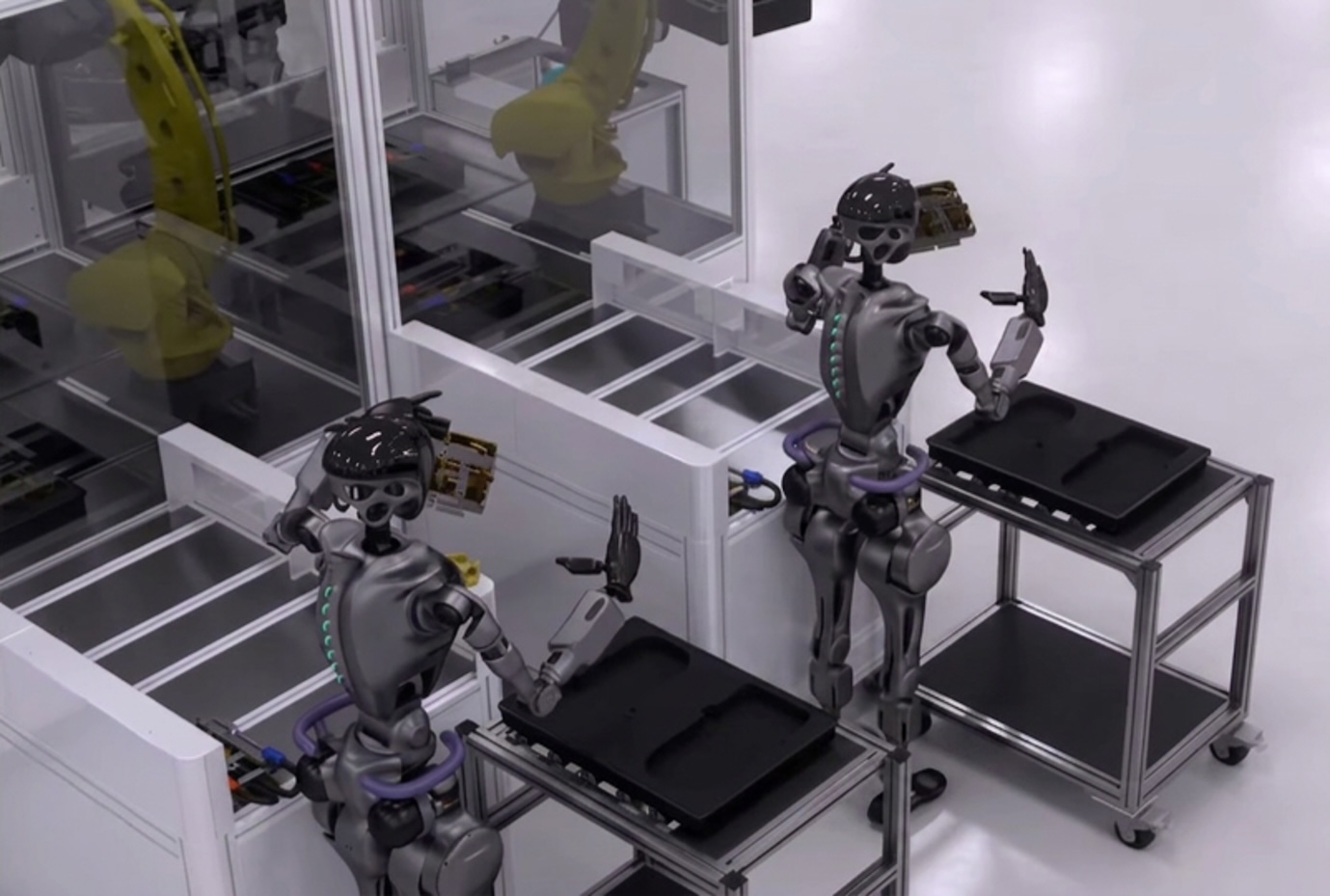
Recently, China's Ministry of Industry and Information Technology approved the development of the first industry standard for collaborative intelligent systems, led by UBTECH Robotics. The standard, titled 'Control Interface Specifications for Embodied Collective Intelligent Systems in Industrial Applications,' aims to address interoperability issues among multi-robot systems in industrial settings, marking a significant step in standardization. This initiative is crucial as industrial production shifts from single-robot operations to collaborative multi-robot systems. The lack of unified protocols and control interfaces has hindered the scalability of collective intelligence technologies. The new standard will provide clear guidelines for task allocation, fault reporting, and security interactions, facilitating better integration of diverse robotic systems in smart factories and logistics. Looking ahead, UBTECH is also collaborating with the China Electronics Standardization Institute to develop a reference architecture for collective intelligent systems. This comprehensive framework will define key terminologies and functional modules, further solidifying the foundation for collective intelligence standards in China. No further timeline was disclosed at the time of publication.
leaderobot.com By Leaderobot Jul 10, 2026 Humanoid Robots Industrial Automation AI Standards Collective Intelligence Robotics
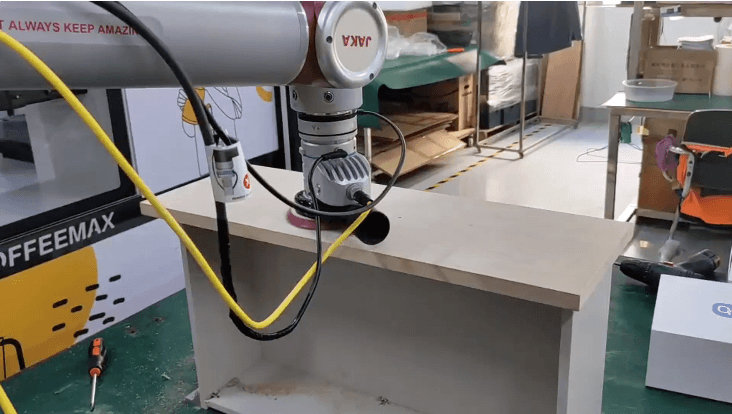
JAKA, a leader in automation robotics technology, has unveiled its advanced polishing robot, powered by the innovative CAB V3 controller, designed to enhance the precision and consistency of metal component finishing. This cutting-edge system, which integrates sophisticated sensing and control mechanisms, addresses the challenges faced by skilled artisans in achieving flawless surfaces. The CAB V3 controller serves as the brain of the robot, translating high-resolution sensor data into precise motion commands. Equipped with advanced proprioceptive sensors and force control technology, the polishing robot can adapt to subtle variations in part geometry, ensuring optimal tool orientation and pressure during operation. This real-time feedback loop allows the robot to maintain high standards of quality while compensating for any deviations. JAKA's design philosophy emphasizes the seamless integration of sensing, computation, and mechanical action, enabling the polishing robot to operate smoothly without vibrations that could damage surfaces. The CAB V3 also supports connectivity with external vision systems and factory networks, enhancing flexibility in mixed-production environments. By leveraging this advanced automation technology, manufacturers can achieve unprecedented levels of consistency and quality in their finishing tasks, transforming the traditional polishing process into a highly efficient and repeatable operation.
jaka.com By JAKA Mar 02, 2026
The U.S. Navy is undergoing a significant transformation as it integrates unmanned maritime capabilities into its operations, reflecting a broader shift towards autonomous systems across all military domains. This evolution is driven by the need to enhance operational efficiency and adaptability in modern naval warfare. As of October 2023, the Navy is actively working to incorporate these advanced technologies, which are expected to reshape traditional naval strategies and improve mission effectiveness. The push for these innovations underscores the military's commitment to staying at the forefront of technological advancements in defense.
ROVplanet.com By ROV Planet May 13, 2025 events unmanned maritime systems technology usa conference
Professor Yang Shuo from Harbin Institute of Technology (Shenzhen) has founded PHANES AI, focusing on human data, tactile perception, and world model research. The startup aims to enable humanoid robots to perform agile full-body movements. A key challenge identified is the gap in current training data, where visual cues do not capture the tactile feedback necessary for successful robotic operations. This initiative is significant as it addresses the limitations of existing robotic training methodologies, which rely heavily on visual data without incorporating tactile information. Recent studies, including NVIDIA's EgoScale, highlight the importance of first-person human operation data in training robots for complex tasks. By leveraging large amounts of human data combined with minimal real-world data, PHANES AI seeks to enhance the success rate of robots in intricate operations. Looking ahead, PHANES AI plans to develop innovative methods for collecting and scaling tactile data through its EgoTouch system, which integrates visual and tactile information. The startup's approach aims to bridge the gap between visual perception and physical interaction, ultimately improving the capabilities of humanoid robots in real-world applications. No further timeline was disclosed at the time of publication.
leaderobot.com By Leaderobot Jul 13, 2026 Humanoid Robots Tactile Perception Robotics AI Data-Centric AI
Yuanluo Technology has successfully launched the world's first autonomous laboratory on a national research platform, marking a significant advancement in embodied intelligence. The laboratory's robotic system can autonomously perform over 40 operations, including nucleic acid extraction and cytotoxicity testing, with a precision of less than one millimeter. This achievement demonstrates the robot's capability to execute complex, multi-step tasks continuously for over three hours, addressing challenges in throughput and consistency in biochemical research. This development is crucial as it signifies a shift from demonstration to practical application of embodied intelligence in the biochemical and material science sectors. The Object-centric Physics Native Model (OPN), developed by Yuanluo, enables the robot to understand and adapt to the dynamic conditions of a real laboratory environment. By integrating visual, tactile, and force feedback, the robot can make real-time adjustments, ensuring stable execution of intricate experimental workflows across multiple devices. Looking ahead, the successful implementation of this autonomous laboratory sets the stage for further advancements in research and development processes across various industries, including public health and advanced manufacturing. The next milestones will involve expanding the capabilities of the OPN model and integrating it into more complex industrial systems. No further timeline was disclosed at the time of publication.
leaderobot.com By Leaderobot Jul 13, 2026 Autonomous Laboratories Embodied Intelligence Biochemical Research Robotics AI
XTEND Reality Inc. has secured a U.S. patent for its autonomous navigation technology, specifically U.S. Patent No. 12,222,735, which allows drones to navigate toward operator-designated destinations without reliance on the surrounding environment. This patent, also granted in Israel, supports the company's mission to enhance drone autonomy in complex operational settings, reducing operator workload and improving mission execution reliability. The significance of this patent lies in its ability to enable drones to adapt their navigation in real-time while maintaining focus on mission objectives. As autonomous operations grow in defense, security, and public safety sectors, this technology positions XTEND favorably in a competitive landscape, reinforcing its software foundation, XOS, for next-generation autonomous systems. Looking ahead, XTEND is set to participate in the Gauntlet II phase of the U.S. Department of War's Drone Dominance Program, which will test autonomous systems in August at Fort Carson, Colorado. No further timeline was disclosed at the time of publication regarding additional developments related to this patent or upcoming projects.
RoboticsBusinessReview.com By The Robot Report Staff Jul 10, 2026 Controllers Defense / Security Investments Mergers & Acquisitions News Unmanned Aerial Systems / Drones
A company specializing in advanced robotics is enhancing production efficiency by integrating vision systems into its industrial cobot solutions. This innovative approach allows robots, such as the JAKA Pro16, to perceive and adapt to changing conditions on the production line, enabling them to identify parts, detect orientation, and adjust movements in real time. The implementation of these vision systems minimizes the risk of misplacement and reduces human error during loading and unloading tasks. The company’s cobot platforms are designed for flexibility, allowing them to efficiently respond to diverse production requirements. By detecting subtle variations and unexpected obstacles, these robots enhance the resilience of production lines. The JAKA Pro16 features simple programming capabilities that facilitate quick adjustments to production setups, thereby minimizing downtime and improving overall efficiency and product quality. Additionally, the company emphasizes user-friendly programming interfaces, enabling operators with minimal training to manage complex tasks effectively. The drag-and-drop teaching and graphical interfaces of the JAKA Pro16 maximize robot utilization while allowing human resources to focus on strategic activities. This combination of visual perception and intelligent control algorithms ensures high precision and adaptability in various manufacturing scenarios. In summary, the integration of vision systems into robotics technology is pivotal for creating flexible manufacturing solutions. The company remains committed to developing adaptive robotics that enhance task accuracy, optimize workforce allocation, and support high-quality production outcomes.
jaka.com By JAKA Mar 23, 2026
On April 27, a significant event took place in Beijing, where the National Commendation Conference for Advanced Collectives in the Industry and Information Technology System recognized outstanding contributions within the sector. Estun Automation Co., Ltd. received the prestigious title of "National Advanced Collective in the Industry and Information Technology System." This accolade highlights the company's commitment to innovation and excellence in the rapidly evolving field of industry and information technology, underscoring its role in advancing technological development in China. The conference aimed to celebrate and promote high-performing organizations that contribute to the nation's industrial and technological progress.
estun.com By ESTUN Apr 27, 2025 ESTUN AUTOMATION ROBOTICS SERVO SYSTEMS
The NanoFab Equipment Management and Operations (NEMO) system has been introduced to enhance the management of shared facilities, focusing on tool training, reservations, and lab communications. This innovative platform aims to streamline operations for users, ensuring efficient access to equipment and resources. The system is designed to support collaborative research environments by providing a centralized hub for managing various aspects of facility usage. With the implementation of NEMO, users can expect improved coordination and communication within the lab, ultimately fostering a more productive research atmosphere. The rollout of this system is expected to significantly benefit researchers and technicians alike, facilitating a smoother workflow and better resource allocation.
MITNews By MIT.nano May 04, 2026 Facilities Research Open source Collaboration Software Nanoscience and nanotechnology
TranscEngram, a robotics startup focused on developing autonomous intelligence, has successfully secured hundreds of millions in angel funding. The investment round saw participation from a diverse group of industry and state-owned enterprises, including Charoen Pokphand Group’s China National Pharmaceutical, Pudong Venture Capital, and several others. Founded in September 2023 by leading AI experts, including Professor Ma Yi from the University of Hong Kong, TranscEngram aims to create a unified system for robots that mimics human cognitive processes through a "brain + cerebellum" architecture. This innovative approach seeks to advance the field of explainable embodied intelligence by enabling robots to learn through a closed-loop of perception, prediction, and interaction. The newly acquired funds will primarily support the development of advanced models for embodied control and physical world modeling, as well as the establishment of research and industrial bases in Shenzhen and Shanghai. The company’s technology promises to enhance robots' capabilities in self-correction and continuous evolution, moving towards commercial applications. TranscEngram's unique memory system allows robots to learn from vast amounts of data without relying on fixed programming, significantly improving their performance in multi-tasking scenarios. The startup is currently focusing on high-end service sectors, such as hotel operations and flexible manufacturing in aerospace, aiming to automate and optimize these industries. With research and data centers established in major cities, TranscEngram is collaborating with leading robotics firms to integrate its innovative solutions into existing production processes, enhancing efficiency and adaptability in real-world applications.
36kr.com Jul 05, 2026
Modern robotics systems are revolutionizing various industries by enhancing efficiency, accuracy, and productivity. Organizations across sectors, including manufacturing and logistics, are increasingly relying on automated systems to ensure seamless operations around the clock. As businesses seek reliable backup power solutions for their robotics infrastructure, Nite & Day Power emerges as a key resource, offering specialized information on uninterruptible power systems. This shift towards automation and the need for dependable power sources highlight the growing importance of technology in maintaining operational continuity in today's fast-paced industrial environment.
RoboticsAndAutomationNews.com By Sam Francis Jun 18, 2026 Energy Robotics Technology automation news backup power industrial automation
The UK Defence Science and Technology Laboratory (Dstl) has developed a new digital messaging system called Assured Intent Messaging (AIM). This innovative platform aims to enhance communication across various military technologies, ensuring a more cohesive and efficient exchange of information. The initiative reflects the UK's commitment to improving military operations and interoperability among different systems. By integrating diverse communication methods, AIM seeks to address existing challenges in military coordination, ultimately enhancing operational effectiveness. The introduction of this system marks a significant advancement in military communication technology, with potential implications for future defense strategies.
Army-Technology By Jangoulun Singsit May 07, 2026 News
On January 30, 2026, SpaceX filed with the FCC to launch up to 1 million AI compute satellites, positioning orbital data centers as a solution to the increasing demand for AI computing power. Ground data centers are facing significant challenges, with energy consumption projected to reach approximately 1,050 TWh in 2026, making them the fifth-largest electricity consumer globally. The demand for new data center capacity is outpacing the growth of power generation infrastructure, leading to a critical bottleneck in the grid system. The significance of this initiative lies in the structural constraints faced by ground data centers, including power delivery limitations, high water consumption, and local opposition to new projects. The Uptime Institute's 2026 outlook identifies power as the primary constraint on data center growth, with capacity clearing prices in the PJM grid skyrocketing to $329.17/MW, driven by data center expansion. Additionally, cooling requirements are becoming increasingly unsustainable, with facilities consuming vast amounts of water, further complicating their operational viability. Looking ahead, SpaceX's orbital AI compute initiative aims to circumvent these challenges by leveraging the advantages of space, such as continuous solar power and minimal local opposition. The first AI prototypes are expected to launch in early 2027, with operational deployments planned for 2028. No further timeline was disclosed at the time of publication.

optimusk.blog By OptimusK Blog Jul 08, 2026
On July 1, the U.S. Department of War announced a significant reorganization of its unmanned systems enterprise by establishing a new Direct Reporting Portfolio Manager for Unmanned Systems (DRPM-UxS). This central office will be responsible for consolidating the acquisition, standards, budgeting, and industry engagement related to the military's drone and autonomous programs. The move aims to enhance oversight and streamline operations within the Department’s unmanned systems, reflecting a commitment to improving efficiency and effectiveness in military technology.
Dronelife.com By Miriam McNabb Jul 02, 2026 Applications Defense defense Drone News Drone News Feeds Dual Use
Teradar, a company specializing in terahertz (THz) vision technology, has initiated a paid technical evaluation program with a leading German automotive manufacturer. This collaboration aims to assess Teradar's innovative sensing technology for potential integration into advanced driver assistance systems (ADAS) and autonomous driving platforms. The evaluation will specifically target challenging scenarios where traditional sensing technologies, including cameras, radar, and lidar, may face limitations. By exploring the capabilities of THz technology, both Teradar and the automotive manufacturer seek to enhance the safety and efficiency of future automotive systems.
RoboticsAndAutomationNews.com By Sam Francis Jun 26, 2026 Components Design Engineering adas advanced driver assistance systems automation news
Ondas Holdings has introduced two innovative autonomous defense systems, MODUS and IRON WAVE, aimed at assisting military forces in countering the escalating threats posed by drones and enhancing the deployment of robotic systems. This announcement highlights the company's commitment to addressing critical challenges faced by modern military operations. The unveiling of these systems comes at a time when the proliferation of drone technology and robotic warfare is reshaping the battlefield landscape. By providing advanced solutions, Ondas Holdings seeks to empower frontline troops with enhanced capabilities to effectively neutralize aerial threats and integrate robotic support into their operations.
Dronelife.com By Miriam McNabb Jun 04, 2026 Anti-drone technology Applications C-UAS defense Defense Drone News
Israeli defense and technology firm Elbit Systems has finalized its acquisition of Blue White Robotics, commonly referred to as Bluewhite, through its subsidiary FUSE. This strategic move, completed recently, positions Elbit to enhance its capabilities in the rapidly growing field of autonomous vehicle technology, particularly for agricultural applications. Founded in 2017 and based in Tel Aviv, Bluewhite has garnered recognition as a leading innovator in this sector, making the acquisition a significant step for Elbit in expanding its technological portfolio and market reach.
FutureFarming By René Groeneveld Jun 02, 2026 Autonomous/semi-autosteering systems autonomous technology autonomous tractors digitalization iot precision agriculture
Recent advancements in RFID and barcode technology are transforming business operations by enabling real-time asset and inventory tracking. These technologies enhance accuracy and speed in daily workflows, with barcodes facilitating quick scanning and RFID providing automated visibility on a larger scale. As a result, companies across various sectors—including manufacturing, healthcare, retail, and logistics—are experiencing reduced downtime and improved decision-making capabilities. This shift towards smarter operations is particularly evident in busy warehouses, where the integration of these technologies streamlines processes and enhances overall efficiency. The growing reliance on RFID and barcode systems underscores their critical role in optimizing business performance and adapting to the demands of modern supply chains.
RoboticsAndAutomationNews.com By Sam Francis May 28, 2026 Communications Internet Technology asset management asset tracking automation news
NORD Drivesystems has announced the launch of its latest motor starters and variable-frequency drives, designed to facilitate seamless integration and scalability for various applications. This new product line aims to enhance operational efficiency and adaptability in industrial settings. The release underscores NORD's commitment to providing innovative solutions that meet the evolving needs of the market. The announcement was made recently, highlighting the company's ongoing efforts to advance technology in drive systems.
RoboticsBusinessReview.com By The Robot Report Staff May 05, 2026 Actuators / Motors / Servos Controllers Motion Control Networking / Connectivity News NORD Drivesystems
Engineers developing distributed AI platforms are facing a new challenge known as "quiet failure," where systems appear operational but produce incorrect outcomes over time. This issue arises as autonomy in software systems increases, complicating traditional methods of monitoring and observability. In late-stage testing, engineers find that while monitoring dashboards indicate a healthy status, users report that the system's decisions are increasingly flawed. For instance, an AI assistant designed to summarize regulatory updates may continue to function technically but rely on outdated information due to a failure to update its document retrieval process. This disconnect highlights the limitations of conventional observability metrics, which focus on uptime and error rates rather than the ongoing alignment of system behavior with intended outcomes. As autonomous systems operate continuously and make decisions based on evolving contexts, engineers must shift their focus from merely ensuring component functionality to actively supervising overall system behavior. This requires the implementation of supervisory control architectures that can monitor and intervene in real-time, preventing behavior drift before it leads to significant issues. The growing prevalence of quiet failures calls for a rethinking of reliability in engineering, emphasizing the need for continuous behavioral monitoring and control. As AI systems become more autonomous, this new approach will likely extend across various domains, transforming how engineers ensure that systems not only function correctly but also remain aligned with their intended purposes over time.
IEEESpectrumAI By Varun Raj Apr 07, 2026 Software-failure Software-reliability Software-engineering Cloud-computing Autonomous-systems
Motubrain has emerged as a leader in the field of embodied artificial intelligence, achieving top rankings in two global benchmarks that assess its capabilities in understanding and generating information about the world. This significant milestone was reached in October 2023, highlighting the company's innovative approach to AI technology. By redefining the standards of embodied AI, Motubrain aims to enhance the interaction between humans and machines, making AI systems more intuitive and responsive. The advancements made by Motubrain are expected to have a profound impact on various industries, paving the way for more sophisticated applications of AI in everyday life.
RoboticsTomorrow.com Apr 29, 2026
In recent years, manufacturing has experienced a significant transformation as companies shift from standalone automation to interconnected and flexible systems. JAKA, a leader in collaborative robot technology, has observed this evolution, where production environments are increasingly designed around coordinated robots, autonomous guided vehicles (AGVs), and Industrial Internet of Things (IIoT) platforms. This transition enables automation to adapt dynamically to real production conditions while ensuring safety and flexibility in workplaces that prioritize human interaction. Initially, collaborative robots were embraced for their ability to work safely alongside human operators, facilitating smoother automation processes. As their applications have matured, integrating these robots with AGVs and IIoT systems has become a logical progression. This integration allows for synchronized material handling and processing tasks, enhancing efficiency. IIoT connectivity further supports real-time data exchange, enabling predictive maintenance and improved process visibility, which is crucial for maintaining flexibility in production lines. AGVs play a pivotal role in extending automation beyond fixed workstations. When connected through IIoT infrastructure, these vehicles and robots can share crucial information, reducing idle time and manual interventions while enhancing workflow traceability. This coordination not only boosts operational efficiency but also increases transparency, allowing for continuous optimization and informed decision-making. To facilitate this integrated approach, JAKA has developed the Ai12, a collaborative robot designed for easy deployment through wireless teaching and graphical programming. This technology enhances safety and adaptability, allowing for seamless human-robot interaction. JAKA envisions a future where industrial robotic automation is not merely a collection of isolated machines but a cohesive system that evolves with production demands, fostering smarter and more responsive industrial environments.
jaka.com By JAKA Apr 03, 2026
Researchers at Tufts University have developed a groundbreaking type of biological machine known as a "neurobot," which combines living cells with neural networks to create self-directed systems. This innovative advancement was reported in the journal Advanced Science last month. The neurobots, which are constructed from frog cells, are capable of swimming and responding to their environment through integrated neurons that allow for electrochemical signaling. The development of neurobots marks a significant evolution from earlier biological machines, known as xenobots, which were limited to mechanical movements. These new creations exhibit more complex behaviors, such as exploring their surroundings and adapting to stimuli, thanks to their ability to process information internally. The research aims to deepen understanding of how neural networks can lead to sophisticated behaviors, potentially paving the way for applications in tissue repair and environmental monitoring. The team, led by biologist Michael Levin, plans to extend this technology by incorporating human neural cells into their designs, creating "anthrobots." These living machines could be trained to perform specific tasks, such as detecting environmental pollutants. The commercial startup Fauna Systems, co-founded by Levin, is focusing on deploying xenobots for environmental sensing, aiming to provide real-time indicators of ecosystem health. Despite the promising potential of neurobots, researchers acknowledge significant technical challenges ahead. However, the initial focus remains on simpler xenobots, which are already demonstrating valuable capabilities in monitoring environmental conditions.
Spectrum.ieee.orgAutomaton By Elie Dolgin Apr 02, 2026 Bioengineering Frog Living-cells Biomimetics Bioinspired-robots
Daoyuan Technology has announced a strategic partnership with Galaxy General Robotics to develop automotive-grade Inertial Measurement Unit (IMU) modules. This collaboration is set to enhance the precision of speed and posture information in embodied intelligent robots. By integrating advanced IMU technology, the partnership aims to significantly improve balance control and navigation capabilities, particularly in complex dynamic environments. The initiative reflects both companies' commitment to advancing robotics technology and addressing the growing demand for more sophisticated robotic systems in various applications.
leaderobot.com By Leaderobot Mar 13, 2026 IMU Technology Embodied Intelligence Robotics Automotive Solutions
As artificial intelligence continues to evolve, experts are increasingly discussing its potential impact on daily life. With advancements in AI technology projected to accelerate, individuals may soon experience significant changes in their routines and interactions. These developments are anticipated to unfold over the next few years, particularly as AI systems become more integrated into various sectors, including healthcare, education, and transportation. The motivation behind this shift is rooted in the desire to enhance efficiency and improve quality of life. AI has the potential to automate mundane tasks, provide personalized recommendations, and facilitate better decision-making processes. As a result, people may find themselves relying more on AI-driven tools for everything from managing schedules to accessing information. This transformation is expected to occur through the gradual implementation of AI solutions in everyday applications. As businesses and organizations adopt these technologies, consumers will likely see an increase in AI-powered services and products, leading to a more interconnected and streamlined experience. In summary, the ongoing advancements in AI technology are set to reshape daily life in the coming years, driven by the need for greater efficiency and improved living standards. As these changes unfold, individuals will need to adapt to a new reality where AI plays an increasingly prominent role in their everyday activities.
Substack.com By Jack Clark Nov 17, 2025
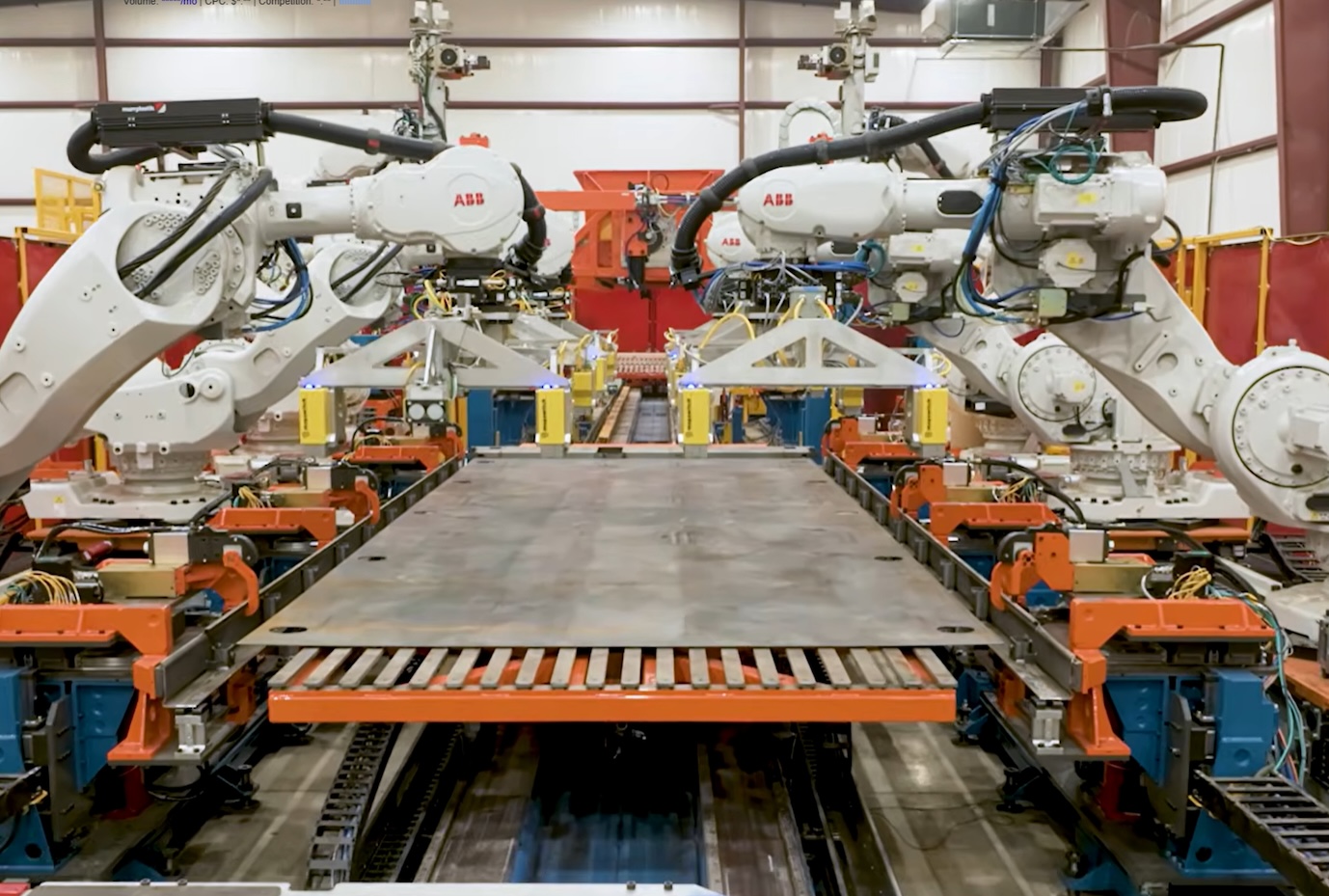
On July 8, ABB Robotics launched the Flexley Stack F712, an AI-driven autonomous forklift utilizing visual SLAM technology. This product completes ABB's lineup of autonomous mobile robots (AMRs), which now includes forklifts, tuggers, and transport vehicles. The F712 can handle various load types, with a maximum capacity of 2000 kg and a lifting height of 8.5 meters, achieving a top speed of 1.7 meters per second under full load. The significance of the F712 lies in its advanced navigation capabilities, which eliminate the need for traditional infrastructure like reflective markers or magnetic strips. With a positioning accuracy of ±10 mm, the F712 can autonomously navigate complex warehouse environments. It integrates seamlessly with the AMR Studio software, allowing for rapid deployment and fleet coordination, reducing debugging time by 20% compared to traditional systems. Looking ahead, the F712 is designed to support various internal logistics tasks, including warehousing and production line operations, and is compliant with the latest ISO and ANSI safety standards. No further timeline was disclosed at the time of publication, but the F712 represents a significant step towards more autonomous and capable robotic solutions in smart manufacturing environments.
leaderobot.com By Leaderobot Jul 10, 2026 Autonomous Forklifts AI Robotics Warehouse Automation Visual SLAM Logistics Technology
U.S. companies Sabanto Inc. and Verdant Robotics have announced a groundbreaking integration of their systems, marking a significant advancement in agricultural automation. This collaboration allows producers to automate various fieldwork tasks, including navigation and plant-level input application, without the need for an operator present in the cab. The integration aims to enhance efficiency and productivity in farming operations, responding to the growing demand for innovative agricultural solutions. By leveraging advanced technology, both companies are paving the way for a new era of autonomous farming, which could transform traditional practices and address labor shortages in the industry.
FutureFarming By René Groeneveld Jul 02, 2026 Autonomous/semi-autosteering systems autonomous farm equipment autonomous tractors crop management systems retrofit kits
Automated online investing is revolutionizing wealth-building strategies for individuals by streamlining the investment process. This innovative approach alleviates the burdens of manual tracking, trade timing, and emotional decision-making, allowing investors to depend on sophisticated systems that manage the majority of the work. As a result, more people are gaining access to investment opportunities, fostering a more inclusive financial landscape. This transformation, driven by advancements in technology and data analytics, is reshaping traditional investment practices and empowering individuals to grow their wealth with greater ease and efficiency.
RoboticsAndAutomationNews.com By Sam Francis Jun 25, 2026 Business Financials & Investments AI investing algorithmic investing artificial intelligence automated online investing
Hangkai Microelectronics is taking significant steps to advance the adoption of its embodied intelligent end force control technology through a recent capital increase and a strategic price drop. This initiative, announced in October 2023, aims to enhance the accessibility of their innovative solutions in the market. The company is focused on expanding its reach and facilitating the integration of this technology across various industries, addressing the growing demand for intelligent automation. By reducing prices, Hangkai Microelectronics hopes to attract a broader customer base and accelerate the implementation of their cutting-edge technology, ultimately positioning itself as a leader in the field of intelligent control systems.
leaderobot.com By Leaderobot Jun 25, 2026 Robotics Automation AI
Norwegian company Maritime Robotics has secured €28 million in growth funding to enhance its autonomous maritime systems. The funding round, which was led by Mustard Seed + Partners, also saw contributions from existing investors including EnvisionTech, Nysnø Climate Investment, and Umoe, along with participation from the company's founders, employees, and early backers. This financial boost aims to support the company's expansion efforts in the rapidly evolving maritime technology sector.
AIInsider By Greg Bock Jun 18, 2026 AI AI Funding & Investment Robotics autonomous maritime systems funding maritime robotics
In recent years, autonomous trucks have captured significant attention and investment in the freight transportation sector. However, freight rail is also experiencing a transformative shift, as highlighted by Matt Soule, founder and CEO of Parallel Systems. He asserts that autonomous rail technology could revolutionize the industry, offering a promising alternative to traditional freight methods. This development comes at a time when the logistics sector is increasingly seeking innovative solutions to enhance efficiency and reduce costs. As the demand for sustainable and automated transport solutions grows, the freight rail industry is positioning itself to leverage advancements in technology, potentially reshaping the future of cargo movement across the country.
RoboticsAndAutomationNews.com By Sam Francis Jun 15, 2026 Engineering Features Logistics Transportation ai logistics automation news
The effective deployment of mobile robots hinges not only on the quantity of vehicles utilized but also on their operational behavior in conjunction with various factors such as layout, material flow, charging infrastructure, and control systems. This comprehensive approach is essential for optimizing the integration of mobile robots within industrial settings, ensuring they function seamlessly as part of a holistic system. The insights were shared in a recent article on ROBOTIK UND PRODUKTION, highlighting the importance of strategic planning in the implementation of robotic technology in modern production environments.
ROBOTICSandPRODUCTION By xmlrpc Jun 08, 2026 Allgemein Automation Fördertechnik & Handling Lagerlogistik & Materialfluss Mobile Robotik
Winston Leung recently highlighted the significance of QNX in the fields of robotics and artificial intelligence during a discussion centered on safety, innovation, and emerging industry trends. His insights underscore the increasing importance of deterministic real-time systems in robotics, particularly as the demand for reliable and efficient technology continues to grow. This conversation, featured in a post on The Robot Report, reflects the evolving landscape of robotics and the critical role that advanced operating systems play in ensuring both safety and performance in automated systems. As industries increasingly adopt AI-driven solutions, the need for robust and responsive systems like QNX becomes paramount to meet the challenges of modern robotics.
RoboticsBusinessReview.com By Mike Oitzman Jun 05, 2026 Artificial Intelligence Business Resources News Opinion Podcast Robots / Platforms
Engineers and operators in the manufacturing sector are addressing environmental threats to machine vision cameras, which can compromise system accuracy and lead to operational downtime. To mitigate these risks, experts are implementing protective measures and maintenance strategies designed to enhance the durability and reliability of these critical systems. By focusing on proactive maintenance and environmental safeguards, teams can ensure that machine vision technology continues to function effectively, even in challenging conditions. This approach not only helps maintain productivity but also extends the lifespan of the equipment, ultimately supporting the efficiency of manufacturing processes.
AutomationWorld.com By (James R. Koelsch, contributing writer) Jun 03, 2026 Factory / Sensors
Collective Defence has successfully acquired counter-drone company Asterion in a deal valued at over $1 billion, marking a significant milestone as Luxembourg's first defense unicorn. This acquisition, announced recently, combines Asterion’s expertise in counter-unmanned aerial systems (UAS) with Collective Defence’s cybersecurity capabilities, positioning the newly formed entity as one of Europe’s largest privately held defense technology firms. The strategic move aims to enhance the region's defense capabilities amid growing concerns over drone-related threats and cybersecurity vulnerabilities.
Dronelife.com By Miriam McNabb Jun 03, 2026 Applications C-UAS Defense defense Drone News Drone News Feeds
In a recent discussion among technology experts, the importance of integrating security into the design of modern robotic platforms was emphasized. The experts highlighted that security should be a foundational principle, advocating for the implementation of architectural controls that promote least-privilege execution. This approach ensures that each component of the system operates with the minimum level of access necessary, thereby reducing potential vulnerabilities. Additionally, strong isolation between system components was recommended to prevent breaches from spreading across the platform. The experts also stressed the need for robust fault containment measures to protect against failures that could compromise the system's integrity. This dialogue took place in October 2023, reflecting a growing awareness of the critical role that security plays in the development of advanced robotics. The motivation behind these recommendations is to enhance the resilience of robotic systems against cyber threats and operational failures, ensuring safer and more reliable technology in various applications.
roboticstomorrow-Robotics Jun 02, 2026
Motorola Solutions has announced its intention to acquire D-Fend Solutions, a counter-drone technology firm, for $1.5 billion, highlighting the increasing demand for airspace security. The definitive agreement was made public on June 1, reflecting a broader trend among governments to enhance their counter-unmanned aerial systems (UAS) capabilities. This acquisition underscores the growing recognition of the importance of counter-drone technology in safeguarding public safety, national security, and critical infrastructure. As drone usage continues to rise, the need for effective countermeasures has become paramount, prompting Motorola Solutions to invest significantly in this sector.
Dronelife.com By Miriam McNabb Jun 01, 2026 Anti-drone technology C-UAS Drone News Drone News Feeds drone security Drones in the News
Québec-based Davie and the UK’s Kraken Technology Group have entered into a strategic collaboration aimed at enhancing the production, integration, and development of Kraken's advanced autonomous solutions in Canada. This partnership, announced today, seeks to leverage Davie’s expertise in shipbuilding and marine technology to bolster the capabilities of Kraken’s innovative offerings. By establishing a Canadian base for these operations, the collaboration aims to strengthen local industry and support the growing demand for autonomous technologies in maritime applications. The initiative reflects a commitment to advancing technological development in the region while fostering international cooperation in the field of autonomous systems.
ROVplanet.com By ROV Planet May 26, 2026 davie kraken technology group production autonomous vessels
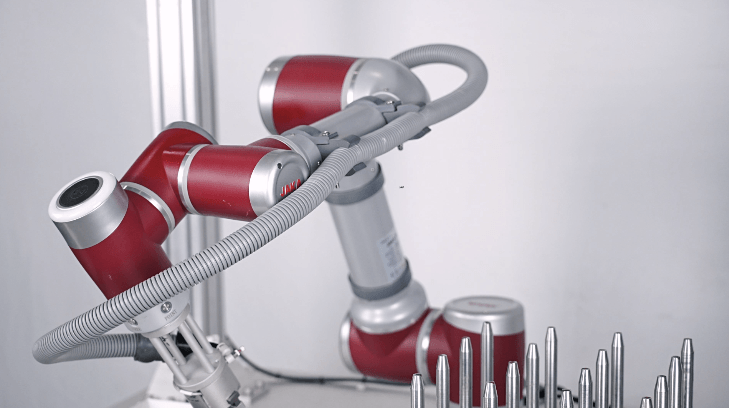
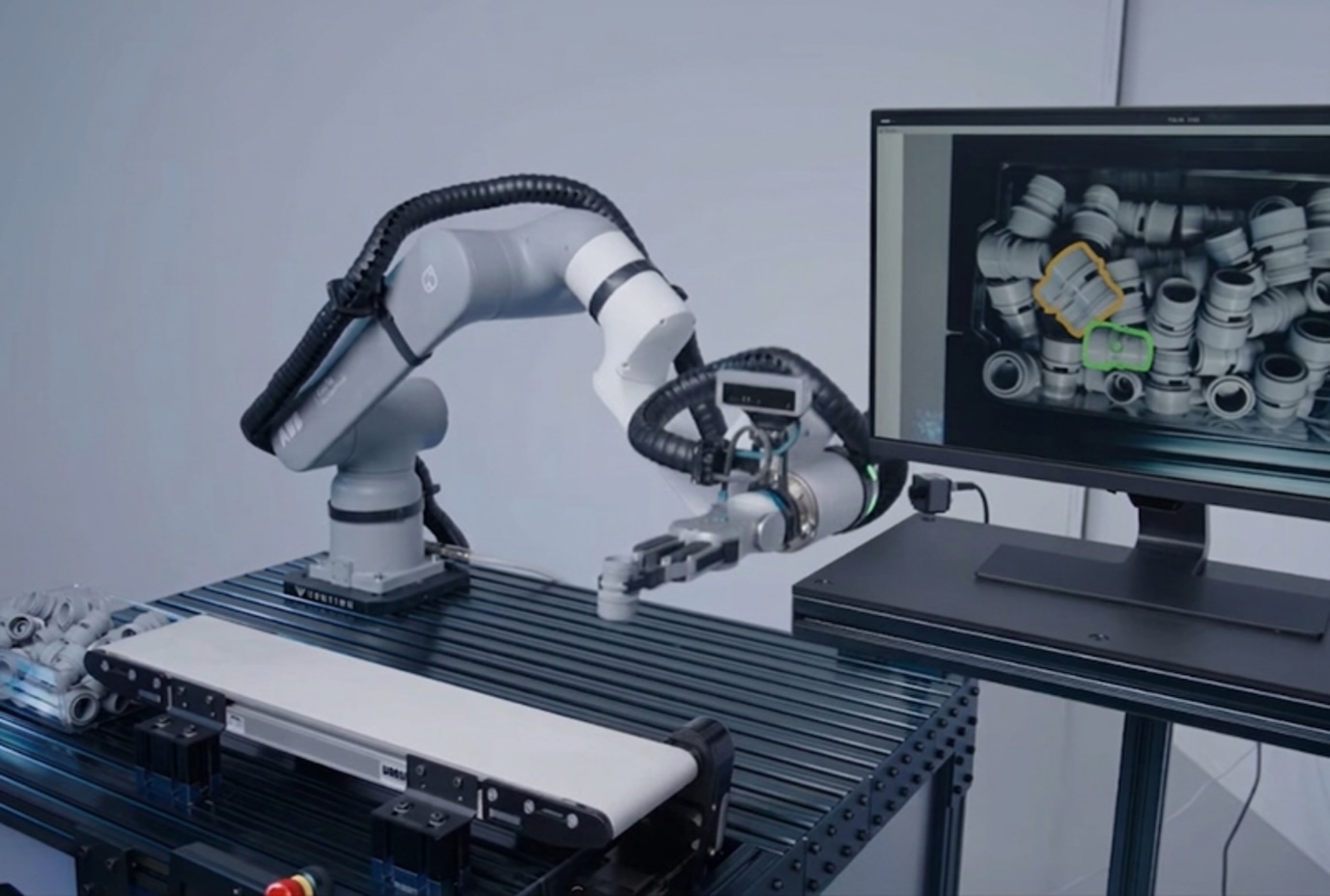
In the realm of high-speed manufacturing, optimizing robotic efficiency is crucial, particularly with the integration of vision systems in 6-axis robotic arms. JAKA, a leader in automation technology, has developed the JAKA Zu series to enhance the performance of pick-and-place operations, particularly in fast-paced sectors like electronics and food packaging. To improve throughput, manufacturers are advised to optimize lighting and contrast, ensuring that parts are easily identifiable to reduce image processing lag. Implementing "on-the-fly" image processing allows the robotic arm to capture images while in motion, potentially cutting cycle times by 20% to 30%. Additionally, utilizing multi-tasking and path smoothing techniques enables the robot to maintain momentum and efficiency during operations. By narrowing the search windows for the vision system to specific areas on conveyor belts, manufacturers can significantly speed up part identification. Furthermore, calibrating for latency between the camera and the robotic arm is essential for precise part handling, allowing the robot to predict part locations accurately. The JAKA Zu7 model, with a payload capacity of 7kg and a reach of 819mm, exemplifies this advanced integration of vision and motion. Its high-speed joint actuators and exceptional repeatability of ±0.02mm ensure that operations are both fast and accurate. JAKA's commitment to "Embodied Intelligence" is reflected in its user-friendly software ecosystem, which facilitates easy calibration and setup for complex routines, ultimately driving productivity in modern manufacturing environments.
jaka.com By JAKA May 18, 2026
FAULHABER has unveiled its latest innovation, the DualGear, specifically engineered to enhance performance in space-constrained autonomous logistics applications. This development aims to address the growing demand for efficient and compact solutions in the logistics sector, where maximizing space and performance is crucial. The introduction of DualGear reflects FAULHABER's commitment to advancing technology in the field of automation, particularly in environments where traditional systems may fall short. By integrating this new gear system, the company seeks to improve operational efficiency and reliability in autonomous logistics operations.
RoboticsBusinessReview.com By The Robot Report Staff May 02, 2026 Actuators / Motors / Servos AGVs Autonomous Mobile Robots (AMRs) drive Logistics Motion Control
General Oceans has announced the acquisition of MRV Systems, a company specializing in long-duration, autonomous data collection, which will enhance its capabilities in underwater technology. This strategic move, finalized recently, adds approximately 22 employees and expands General Oceans' presence in the United States with offices in San Diego, Wood Dale, and Seattle. The acquisition aligns with General Oceans' growth strategy, allowing for increased collaboration between MRV and the company’s existing brands, thereby leveraging the Group’s global capabilities. This transaction is part of General Oceans' ongoing efforts to strengthen its market position through a series of successful acquisitions.
ROVplanet.com By ROV Planet Apr 10, 2026 general oceans purchase agreement mrv systems
ZTASP, a cutting-edge assurance and governance platform for autonomous systems, has made significant advancements in ensuring the safety and integrity of operations in real-world environments. This platform integrates various technologies, including drones, robots, sensors, and human operators, into a cohesive zero-trust architecture. Utilizing Secure Runtime Assurance (SRTA) and Secure Spatio-Temporal Reasoning (SSTR), ZTASP continuously monitors system integrity and enforces safety protocols, allowing for resilient operations even in challenging conditions. Recently, ZTASP has achieved operational validation at Technology Readiness Level (TRL) 7, demonstrating its effectiveness in mission-critical scenarios. Key components, such as the Saluki secure flight controllers, have reached TRL 8 and are now actively deployed in customer systems. Originally designed for high-stakes missions, the platform's assurance capabilities are increasingly applicable across various sectors, including healthcare, transportation, and critical infrastructure. This evolution reflects a growing recognition of the need for robust safety measures in diverse operational domains.
Spectrum.ieee.orgAutomaton By Technology Innovation Institute Apr 09, 2026 Autonomous-systems Drones Sensors Transportation Type-whitepaper
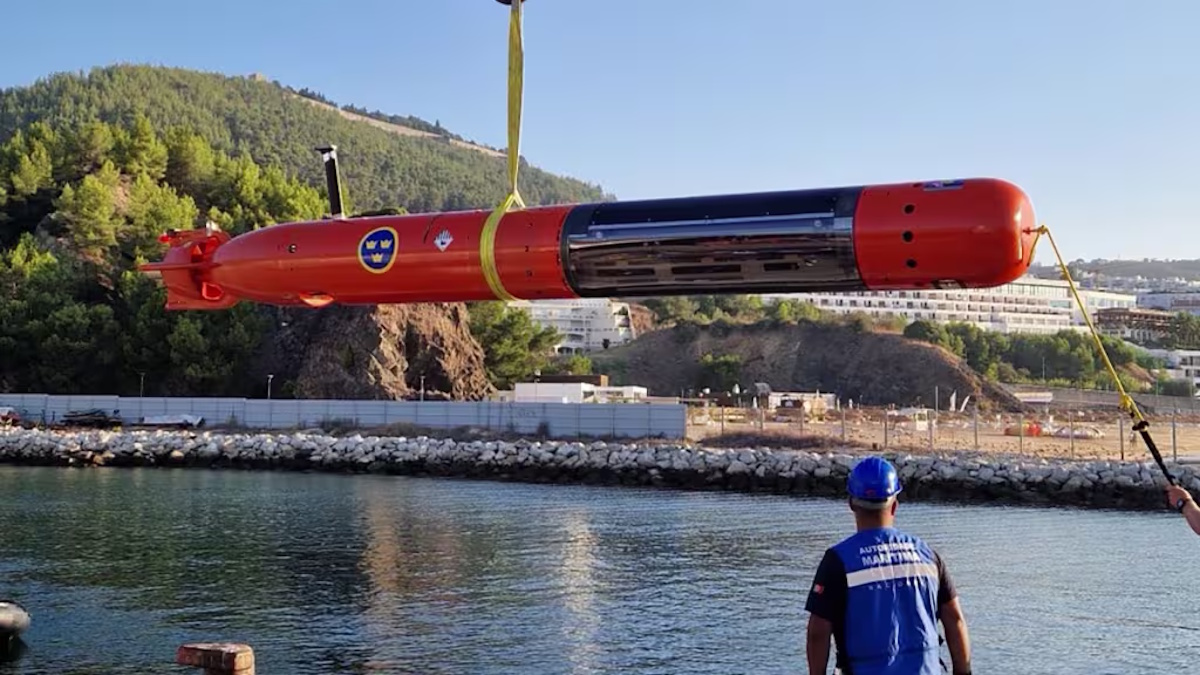
Teledyne Gavia, a prominent provider of modular autonomous underwater vehicle systems and a division of Teledyne Marine, has received a follow-on order from the Swedish Defence Materiel Administration (FMV) for additional GAVIA Autonomous Underwater Vehicles and associated payload modules. This latest order follows the successful delivery of initial GAVIA systems to the Swedish Armed Forces, which took place in 2025. The continued partnership underscores the Swedish military's commitment to enhancing its underwater capabilities through advanced technology.
ROVplanet.com By ROV Planet Mar 27, 2026 swedish defence materiel administration (fmv) gavia auv systems teledyne gaviaRSF defines a common language for robot service capability, lifecycle operations, certification pathways, and service-provider networks.