

Industry Briefing
A single destination for timely, editor-curated robotics news from around the world.

New US Photonics Design Platform Accelerates 1.6T Chip Development for Data Centers
Researchers in the United States have introduced a novel photonics design platform aimed at expediting the creation of high-performance chips for data centers. OpenLight, a semiconductor company based in California, and Israeli chipmaker Tower Semiconductor have enhanced their PH18DA photonics ecosystem by launching OpenLight’s photonic Process Design Kit (PDK), now accessible through Cadence’s electronic design automation tools. This open-platform design kit offers engineers a comprehensive library of components for developing custom Photonic Application-Specific Integrated Circuits (PASICs) and simplifies the process of creating photonic integrated circuits (PICs). The technology supports 400G and 1.6T photonic circuits, potentially streamlining the transition from design to production on the PH18D platform, according to OpenLight CEO Adam Carter. The integration of this PDK into Cadence tools is expected to facilitate the design of photonic integrated circuits alongside conventional integrated circuits. The collaboration aims to enhance the development of advanced optical systems, with a focus on improving performance, power efficiency, and scalability for next-generation optics solutions. No further timeline was disclosed at the time of publication.
AI and Robotics
Top Group and Yuan Sheng Technology Establish Strategic Partnership for Tactile Perception Development
Top Group and Yuan Sheng Technology have signed a strategic cooperation agreement to collaborate on embodied intelligent perception and execution capabilities. This partnership aims to enhance the core technologies of tactile perception for dexterous hands and accelerate the commercialization of embodied intelligence. Previously, in August, Top Group made a strategic investment in Yuan Sheng Technology, marking a shift from financial investment to technical collaboration. Yuan Sheng Technology focuses on tactile infrastructure for embodied intelligence, developing an integrated technology system that includes tactile sensors, data collection, and hardware-software architecture. Their multidimensional tactile technology is characterized by high density, thinness, and the ability to perceive various forces, applicable in scenarios such as dexterous hands and humanoid robots. The company has achieved reliable mass production of automotive-grade tactile sensors, which are now being delivered to well-known clients in robotics and data collection. Top Group has established a dedicated robotics actuator division to enhance its capabilities in core hardware areas such as dexterous hands and precision components. The combination of Top Group's actuators and Yuan Sheng's sensors is crucial for achieving the precise feedback required for delicate operations. The focus of their collaboration is to accelerate the commercialization of embodied intelligence, and it remains to be seen if this partnership can produce replicable delivery cases in practical applications.
Tactile Sensors Embodied Intelligence Robotics Automation Sensor Technology
Humanoid Robot Participates in Classic Developmental Psychology Experiment to Explore Sensorimotor Contingency
A collaborative research team from the University of Hamburg, Czech Technical University in Prague, and Université Paris-Est/CNRS published findings in 'Science Robotics' on how infants learn the connection between their movements and changes in their environment. The study utilized a humanoid robot, iCub, to replicate the mobile paradigm experiment first proposed in 1969 by Rovee and Rovee. This research is significant as it addresses a longstanding question in developmental psychology regarding how infants recognize that their actions can influence their surroundings. By employing a robot to physically engage in the experiment, the team aimed to provide insights into the mechanisms behind sensorimotor contingency, which have been difficult to observe in infants due to variability in responses. Looking ahead, the implications of this study could enhance our understanding of cognitive mechanisms that support human behavior, such as prediction errors and curiosity. No further timeline was disclosed at the time of publication.
Humanoid Robots Developmental Psychology Sensorimotor Learning AI Robotics Research
Development of Innovative Gripping Mechanism and Dual Manipulator System for Apple Harvesting with Tractor
A novel gripping mechanism and dual manipulator robotic system designed for apple harvesting using a tractor has been developed. This innovative system aims to enhance the efficiency of apple picking, addressing the labor shortages faced in agriculture. The significance of this development lies in its potential to revolutionize apple harvesting processes, making them more efficient and less reliant on manual labor. By integrating advanced gripping technology with a dual manipulator system, the project seeks to improve productivity in the agricultural sector. Looking ahead, the focus will be on testing the system in real-world conditions to evaluate its performance and effectiveness in apple harvesting. No further timeline was disclosed at the time of publication.
RESEARCH ARTICLE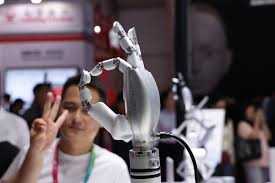
Development and Testing of a Cost-Effective Integrated Gripper-Shear End-Effector
A new integrated gripper-shear end-effector has been developed and validated, showcasing efficiency and cost-effectiveness. This innovation aims to enhance robotic capabilities in various applications by combining gripping and cutting functionalities into a single tool. The significance of this development lies in its potential to reduce operational costs while improving performance in tasks that require both gripping and shearing actions. By integrating these two functions, the end-effector can streamline processes in fields such as manufacturing and logistics, where efficiency is paramount. Looking ahead, the focus will be on further testing and optimization of the end-effector for specific applications. No further timeline was disclosed at the time of publication.
RESEARCH ARTICLE
Dai Weijin Discusses Collaborative Efficiency as Key to Robot Chip Development
Dai Weijin, Chief Strategy Officer of Chipone Technology, highlighted the critical issue of collaborative efficiency in robot chip development. While the industry focuses on TOPS performance metrics, he emphasized that the real challenge lies in ensuring system efficiency aligns with computational power. He pointed out that while automotive chips may have excess computational capacity, robots require low-latency perception capabilities that are currently insufficient. Dai noted that reusing automotive chips was a necessary early choice for the industry, but the fundamental logic differs between automotive and robotics. Robots demand precise interactions in complex environments, which cannot be achieved by simply repurposing automotive technology. He explained that robot chips typically utilize a layered computing architecture, where the 'brain' handles decision-making and planning, while the 'small brain' manages perception and real-time control. Looking ahead, Dai believes that industrial applications, particularly in logistics and material handling, will lead the way in adopting these technologies. Chipone's strategy focuses on scalable architecture and providing clients with the most suitable configurations to quickly develop their products, emphasizing that collaborative efficiency is the true competitive advantage in the market.
Robot Chips Collaborative Efficiency Layered Computing Industrial Automation
Iran Considers Joining BRICS Development Bank for Infrastructure Financing
Iran is exploring the possibility of joining the New Development Bank (NDB) associated with BRICS. If successful, this membership would allow Iran to access funding for various infrastructure projects, including those in transportation, sanitation, and urban development. The potential membership is significant as it would provide Iran with financial resources to enhance its infrastructure capabilities. This move could help address pressing needs in urban development and public services, which are crucial for the country's economic growth and sustainability. As Iran pursues this opportunity, stakeholders will be watching closely to see how this membership could impact its infrastructure projects and overall economic strategy. No further timeline was disclosed at the time of publication.
Unitree Robotics Completes Successful IPO, Raising $904 Million for Humanoid AI Development
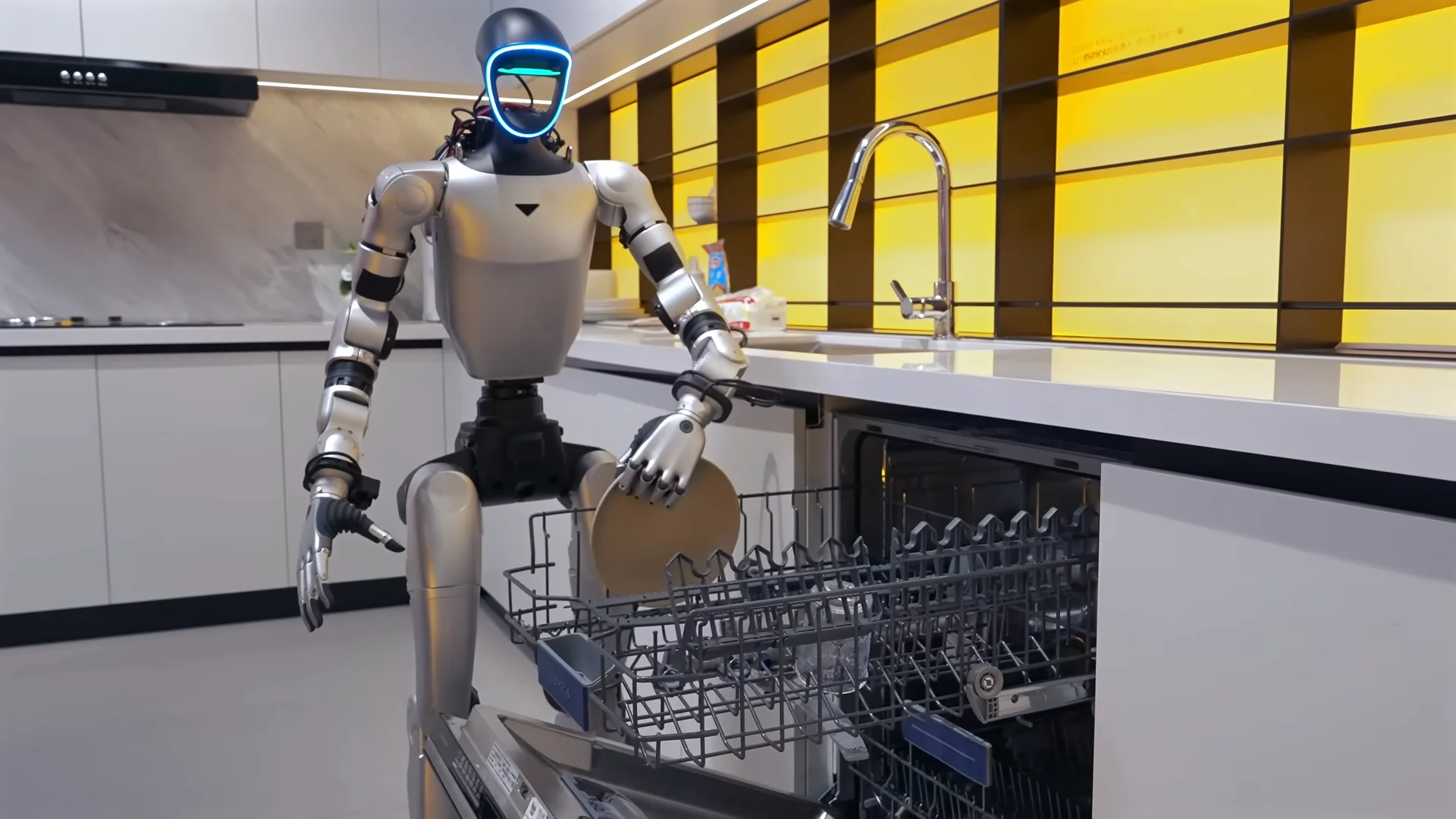
Unitree Robotics has successfully launched its initial public offering (IPO) on the Shanghai Stock Exchange's STAR Market, raising approximately 6.1 billion yuan ($904 million) by offering 40.45 million shares at 150.8 yuan ($22.35) each. This IPO has propelled the company's valuation to around 61 billion yuan, reflecting a significant retail interest in physical artificial intelligence companies. The overwhelming demand for Unitree's shares, with online subscriptions reaching 8,288.82 times the offered amount, underscores the growing appetite for embodied AI technologies, which are prioritized by Beijing. The IPO exceeded the company's initial fundraising target of 4.2 billion yuan, validating its aggressive hardware strategy and signaling a robust market for humanoid robotics. Looking ahead, Unitree's strategic partnership with DeepSeek, which invested 140.8 million yuan ($20.8 million) for a 2.31 percent stake, aims to develop AI models for humanoid machines. This collaboration addresses key challenges in robotics, particularly in translating AI reasoning into physical actions. No further timeline was disclosed at the time of publication.
Unitree Robotics Market China IPO
CATL Backs RoboParty in 500 Million Yuan Funding for Open-Source Bipedal Humanoid Development
RoboParty has successfully raised nearly 500 million yuan through angel and Pre-A funding rounds, with CATL exclusively participating in the Pre-A round. The startup, founded by 22-year-old Huang Yi from Harbin Institute of Technology, focuses on developing an open-source embodied platform featuring the RPO robot. This investment is significant as it highlights the growing interest in robotics and humanoid technology, particularly in the context of open-source development. CATL's involvement underscores the potential for collaboration between battery technology and robotics, which could lead to innovative solutions in the field. Looking ahead, the emphasis will be on how RoboParty leverages this funding to advance its RPO robot and expand its open-source platform. No further timeline was disclosed at the time of publication.
Industry
AgiBot Initiates IPO Process in Hong Kong for Humanoid Robot Development
AgiBot, a Chinese humanoid robot manufacturer, has begun the initial steps for an IPO in Hong Kong. This development follows previous reports indicating that the Shanghai-based company had engaged banks and was preparing for its public listing. The significance of this IPO lies in AgiBot's focus on creating humanoid robots and embodied AI systems tailored for both industrial and commercial sectors. Founded in 2023, the company aims to enhance its market presence and attract investment to further its innovative projects. Looking ahead, industry observers will be keen to monitor the progress of AgiBot's IPO and its potential impact on the robotics sector. No further timeline was disclosed at the time of publication.
News Feed
Japan Allocates $2.4 Billion for AI Development with NVIDIA Chip Acquisition
On July 16, Japan's Ministry of Economy, Trade and Industry announced a significant investment of 387.3 billion yen (approximately $2.4 billion) to support the AI company Noetra. This funding will be used to procure around 27,500 NVIDIA Rubin GPUs for the establishment of a national AI data center, marking one of the largest single-country chip procurements globally. This initiative is crucial as Japan aims to address its declining population and severe labor shortages. The government has set a clear target to capture over 30% of the global 60 trillion yen robotics market by 2040. Noetra, which was established in January 2026 and includes major companies like Sony, SoftBank, NEC, and Honda, aims to develop advanced multimodal AI models capable of understanding Japanese language and recognizing various forms of media. Looking ahead, Noetra plans to release its first general-purpose AI model by March 2027, followed by continuous iterations and specialized models for robotics applications. The deployment of the Rubin chips in a large data center in Sakai, Osaka, is scheduled for June 2028, positioning Japan to lead in the next era of AI and robotics integration.
AI Technology Robotics NVIDIA Chips Data Centers
RSS2026: Development of Consensus and China's Role in Embodied Intelligence
The Robotics: Science and Systems (RSS) conference is set to commence in St. Louis this June, marking a significant event in the robotics academic community. Since its inception in 2006, RSS has been known for its selective approach, accepting only about 60 papers annually, and is regarded as a leading indicator in the field of robotics. The 2026 conference will introduce a new focus on embodied intelligence alongside traditional motion planning and operational algorithms. Embodied intelligence has rapidly transitioned from a laboratory concept to an industrial hotspot over the past two years. The integration of large language models with visual models has led to the development of the Vision-Language-Action (VLA) framework, enabling robots to comprehend natural language commands and execute multi-step tasks. This technological pathway has sparked extensive academic debate regarding the reliability of end-to-end Transformer-based strategies in real-world applications versus potential overfitting in datasets. The positioning of embodied intelligence at RSS2026 will be symbolically significant for China. In recent years, international conferences have often viewed Chinese teams as representatives of engineering implementation rather than contributors of original theory. An increase in Chinese academic contributions at RSS this year could indicate a subtle shift in the international academic community's perception of the landscape of embodied intelligence research, highlighting the importance of high-quality theoretical innovation.
Embodied Intelligence Robotics Research Vision-Language-Action AI Robotics Algorithms
Japan Plans Acquisition of 27,500 Nvidia Rubin Chips for Domestic AI Robotics Development
Japan is set to purchase 27,500 next-generation Rubin chips from Nvidia Corp. to develop a foundational AI model tailored for robotics. This initiative aims to enhance Japan's capabilities in creating sovereign AI systems that can be integrated into various robotic applications. The acquisition of these chips is significant as it represents Japan's commitment to advancing its technological independence in the field of artificial intelligence. By building a homegrown AI model, Japan seeks to strengthen its position in the global robotics market and reduce reliance on foreign technologies. Looking ahead, the focus will be on how effectively Japan can leverage these Rubin chips to create a robust AI framework for robots. No further timeline was disclosed at the time of publication.
Mirae Asset Leads $400 Million Funding Round for D-Robotics' Robot Development Platform
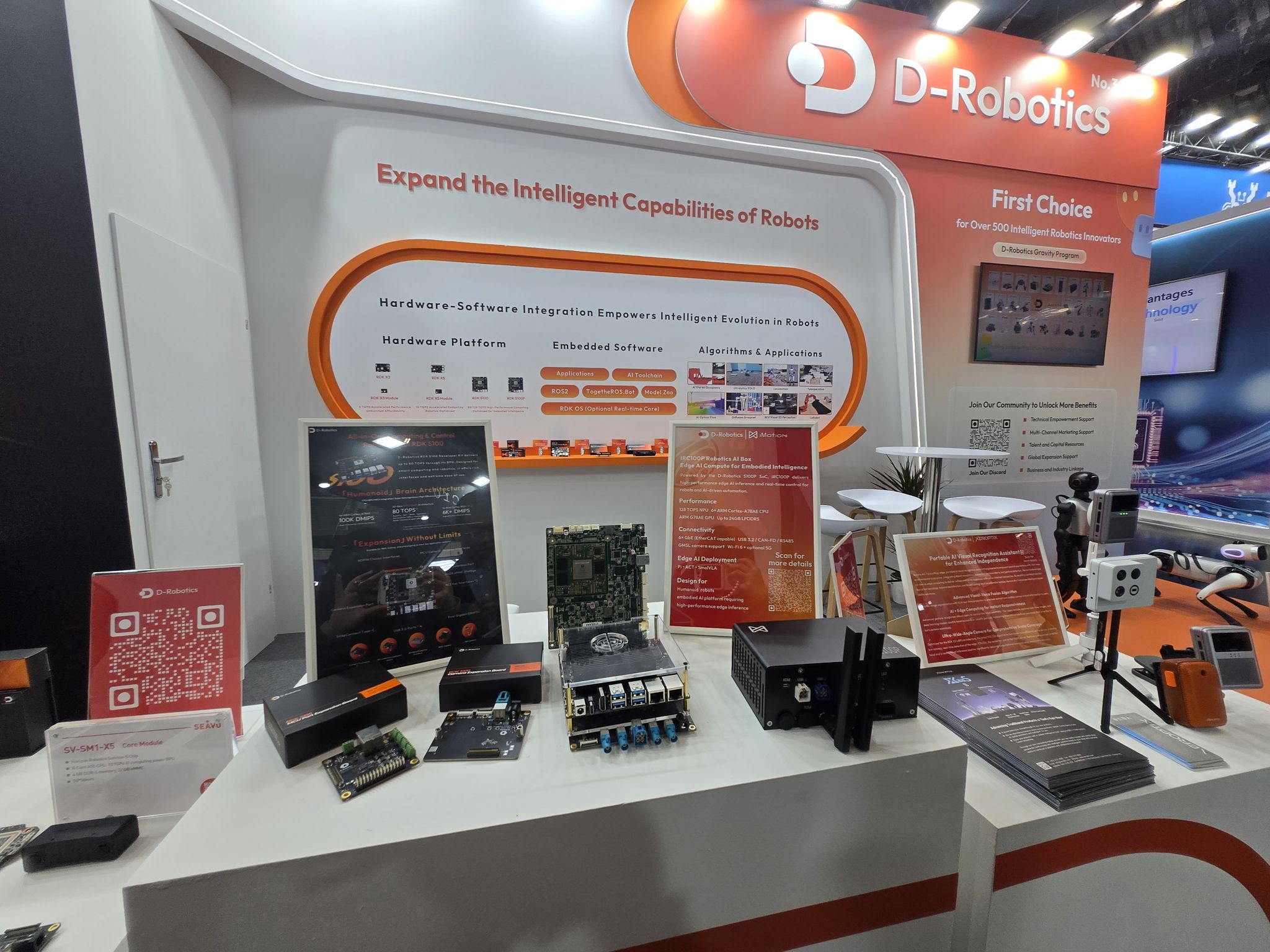
D-Robotics announced that it has secured $400 million in funding, led by Mirae Asset. This investment aims to enhance the company's platform designed to support the development of robots across established categories and general-purpose humanoid robots. The funding is significant as it underscores the growing interest and investment in robotics technology, particularly in the realm of humanoid robots. D-Robotics' focus on developing a versatile platform could position it favorably in a competitive market, attracting further partnerships and innovations in robot design and functionality. Looking ahead, industry observers will be keen to see how D-Robotics utilizes this funding to advance its platform and what new developments may emerge in the humanoid robotics sector. No further timeline was disclosed at the time of publication.
Artificial Intelligence Investments News Robotics China d-robotics
Deere Reports Q3 2026 Earnings and Partners with Reservoir for AI Development
Deere & Co. announced a Q3 2026 net income of $1.379 billion, or $5.10 per share, exceeding market expectations despite challenges in its Production and Precision Agriculture division. The company raised its full-year net income guidance to between $4.75 billion and $5 billion, indicating a potential bottoming out of the agricultural equipment cycle. The partnership with Reservoir, involving a $10 million investment over three years, aims to enhance the development and commercialization of rugged AI technologies for high-value crop agriculture. This collaboration reflects Deere's strategy to innovate rapidly and address real-world agricultural challenges, particularly as the demand for automation grows amid rising input costs. Looking ahead, Deere anticipates benefiting from the increased adoption of autonomous capabilities and connected fleet software. The partnership with Reservoir is expected to foster innovation in rural communities by connecting tech entrepreneurs with growers and industry partners, particularly in key agricultural regions like California and Arizona. No further timeline was disclosed at the time of publication.
Agriculture Analysis Autonomous Mobile Robots (AMRs) Earnings Investments News
ROKAE Robotics and SHANTUI Forge Strategic Alliance for Intelligent Construction Machinery Development
On June 17, ROKAE Robotics and SHANTUI Construction Machinery Co., Ltd. signed a strategic cooperation agreement aimed at advancing intelligent construction machinery. This partnership will focus on the joint development of intelligent products and upgrades to production lines, integrating high-end equipment manufacturing with advanced technologies. This collaboration is significant as it seeks to establish a benchmark in the construction machinery sector, enhancing the global competitiveness of China's high-end equipment manufacturing industry. ROKAE Robotics will leverage its expertise in robotics and AI, while SHANTUI will contribute its extensive experience in construction machinery, ensuring a comprehensive approach to innovation. Looking ahead, ROKAE Robotics plans to strengthen its core technologies and explore new applications of robotics and AI. The partnership aims to drive intelligent transformation in the construction machinery industry, with no further timeline disclosed at the time of publication.

Addressing Space, Real-Time, and Reliability Challenges in Robotic Hands Development
The bionic dexterous hand is becoming a key growth area in the robotics industry, with significant advancements expected by 2026. Currently, dexterous hands account for 17%-30% of the total material costs of robotic systems, and funding in this sector is projected to exceed 25 billion yuan in the first half of 2026, with annual sales potentially reaching 70,000 units. This shift signifies a departure from mere conceptual discussions to tangible orders and performance realization. The recent World Artificial Intelligence Conference (WAIC) in Shanghai showcased various exhibitors demonstrating high-degree-of-freedom dexterous hands capable of intricate tasks, highlighting the industry's common challenges in precision actuators. Developers face three critical hurdles: achieving 22 degrees of freedom or more for fine movements while integrating miniature motors, sensors, and wiring in a compact palm, all while balancing space constraints, real-time synchronization, and long-term reliability. The solution lies in innovative control chip architecture. National Technology has introduced a 1+4 distributed MCU architecture designed for 22-degree-of-freedom dexterous hands, optimizing performance through layered control. This system utilizes a main control chip and four node chips for individual fingers, enhancing computational power, real-time response, and compact design, thereby addressing the industry's pressing challenges.
Robotic Hands MCU Architecture Industrial Automation AI Robotics
Key Developments to Anticipate at the 2026 Farnborough International Airshow
The 2026 Farnborough International Airshow is expected to showcase significant advancements in aerospace technology and innovation. Industry leaders and companies will likely unveil new aircraft models, cutting-edge technologies, and strategic partnerships that could reshape the aviation landscape. This event is crucial for stakeholders in the aerospace sector, as it provides a platform for networking, collaboration, and investment opportunities. The airshow will highlight trends in sustainability, defense, and commercial aviation, reflecting the industry's response to evolving market demands and regulatory pressures. As the event approaches, attendees should keep an eye on announcements regarding new aircraft designs and technological breakthroughs. The Farnborough Airshow serves as a barometer for the future of aviation, making it essential for professionals to stay informed about the developments that could impact their operations and investments.
Air Warfare Global Air Force Business & Industry CCA collaborative combat aircraft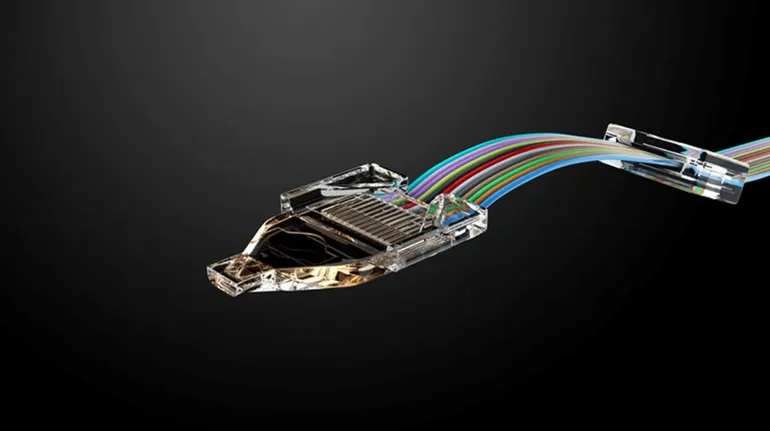
Microsoft and 3M Collaborate on AI and Data Center Research and Development
Microsoft and 3M have announced a partnership aimed at accelerating AI adoption and enhancing the physical networks necessary for cloud growth and AI workloads. This collaboration will focus on research and development related to Microsoft’s data center and device marketplace, leveraging 3M's expertise in electronic components and materials science. The significance of this partnership lies in Microsoft's ambitious plans to invest approximately $80 billion in AI-enabled data centers by January 2025, which will support the training of large language models and the deployment of machine intelligence. Currently, Microsoft operates over 400 data centers globally, with the first of two new facilities in Mount Pleasant, Wisconsin, now fully operational. Looking ahead, both companies are part of the Expanded Beam Optics Multi-Source Agreement Group, which aims to advance open specifications for EBO connectivity products in the AI market. 3M is also expanding its manufacturing capacity for high-speed interconnects, responding to increased demand from hyperscalers and ensuring a reliable supply chain for AI data centers. No further timeline was disclosed at the time of publication.
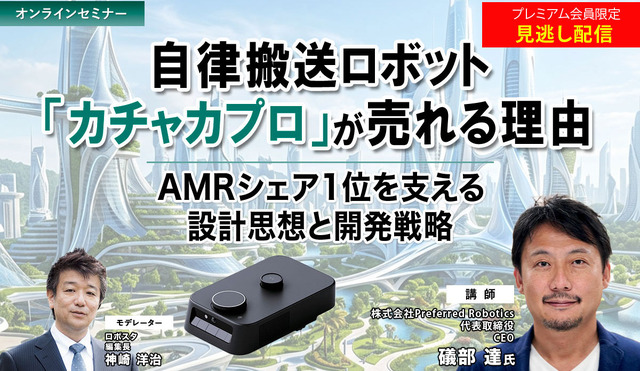
Why the Autonomous Delivery Robot "Kachakapro" is Selling Well: Design Philosophy and Development Strategy Behind Its Market Leadership
In a recent online seminar hosted by Robosta, Takashi Isobe, CEO of Preferred Robotics, discussed the company's success in capturing the top market share in Japan with their product "Kachakapro." The seminar focused on the development of practical robots that serve real societal needs, highlighting the design philosophy behind creating usable products and the realities of mass production and distribution. Isobe's insights aim to shed light on how robotics can effectively integrate into everyday life, emphasizing the importance of functionality and accessibility in robotic design.
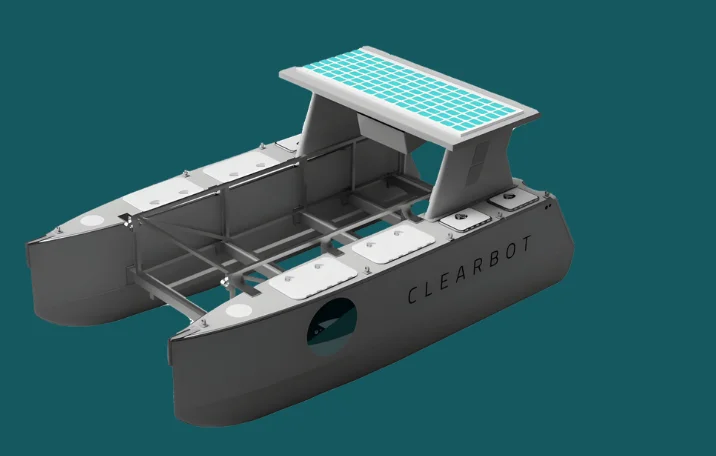
Clear Robotics Raises $1.75M in Pre-Series A Funding to Expand Development of Zero-Emission Autonomous Ships
Clear Robotics has successfully secured $1.75 million in a pre-Series A funding round aimed at enhancing the deployment of its autonomous vessels throughout Asia and the Middle East. The funding round, led by Shipsfocus Ventures, also saw participation from notable investors including Katapult Ocean, SGInnovate, M7 Holdings, and MGS Ventures, among others. This financial boost will enable Clear Robotics to accelerate its expansion efforts in the rapidly evolving maritime technology sector, addressing the growing demand for innovative shipping solutions in these regions.
AI AI Funding & Investment Robotics autonomous ships autonomous surface vessel Clear Robotics
How Alisira OÜ Approaches Leadership Development From Within
Alisira OÜ is redefining leadership succession by emphasizing design over traditional recruitment methods. This innovative approach influences various organizational practices, including meeting management and the assignment of challenging tasks. The company aims to shape its future leadership team by prioritizing internal development rather than relying on external hires. This strategic focus is expected to foster a more cohesive and capable leadership structure over the next three years. Alisira's commitment to this design-centric philosophy reflects a broader trend in organizational management, as companies increasingly recognize the importance of nurturing talent from within to ensure sustainable growth and adaptability in a competitive landscape.
Business Computing Technology Alisira OÜ automation news Business Management
Hyperscale Data's Subsidiary Omnipresent Robotics Enters into an Agreement Providing for the Acquisition of Robots from AGIBOT and Related Developments
Omnipresent Robotics is set to launch the initial deployment of up to 143 AGIBOT intelligent robots in Michigan. This initiative aims to enhance domestic teleoperation capabilities, facilitate VLA data processing, and support embodied AI training. The deployment is also expected to contribute to the expansion of the local workforce. The rollout marks a significant step in integrating advanced robotics into various sectors, reflecting the company's commitment to innovation and workforce development in the region.
Design and Development of an Automatic Soft Robotic Parallel Manipulator Device to Aid in Cardiopulmonary Resuscitation
In the May 2026 issue of the Journal of Field Robotics, researchers published a study exploring advancements in robotic technology aimed at enhancing agricultural efficiency. The study, conducted by a team of engineers and agricultural scientists, highlights innovative robotic systems designed to optimize crop monitoring and harvesting processes. The research was carried out over the course of two years, with field tests conducted in various agricultural settings across the Midwest. The motivation behind this initiative stems from the growing need for sustainable farming practices and the increasing labor shortages in the agricultural sector. By integrating advanced robotics, the team aims to address these challenges and improve productivity while minimizing environmental impact. The study details the development and implementation of autonomous robots equipped with sensors and machine learning algorithms that enable them to analyze soil conditions, monitor plant health, and perform precise harvesting tasks. The results indicate significant improvements in crop yield and resource management, demonstrating the potential of robotics to revolutionize traditional farming methods. This research not only contributes to the field of robotics but also offers practical solutions for modern agricultural challenges, paving the way for a more sustainable and efficient future in food production.
RESEARCH ARTICLE
Development of Spatial Path Tracking Algorithm and Controller for a 6‐SPS Stewart Parallel Manipulator: A Simulation and Experimental Study
A recent study published in the Journal of Field Robotics highlights advancements in autonomous robotic systems designed for agricultural applications. Researchers from various institutions conducted the study to address the increasing demand for efficient farming practices amid global food shortages. The findings, released in early October 2023, showcase innovative technologies that enable robots to perform tasks such as planting, harvesting, and monitoring crops with minimal human intervention. The research was conducted in various agricultural settings, demonstrating the robots' adaptability to different environments and crops. By integrating artificial intelligence and machine learning, the robotic systems can analyze soil conditions, weather patterns, and crop health, allowing for precise interventions that enhance productivity and sustainability. This initiative aims to alleviate labor shortages in the agricultural sector and improve food security by optimizing resource use and reducing waste. The study emphasizes the potential of these technologies to transform traditional farming methods, making them more efficient and environmentally friendly. As the agricultural industry faces mounting challenges, the deployment of autonomous robots may play a crucial role in ensuring a stable food supply for the future.
RESEARCH ARTICLERobotics needs a service framework.
RSF defines a common language for robot service capability, lifecycle operations, certification pathways, and service-provider networks.
Join the RobotToday community on LinkedIn
Daily robotics news, in-depth analysis, conference highlights, and discussions with professionals worldwide.







