

Industry Briefing
A single destination for timely, editor-curated robotics news from around the world.

Honeywell Aerospace Agrees to $2 Million Settlement with DOJ Over Cybersecurity Violations
Honeywell Aerospace has reached a $2 million settlement with the Department of Justice (DOJ) regarding allegations of cybersecurity violations. The lawsuit claimed that Honeywell engaged in a fraudulent scheme related to a quantum computing contract awarded in 2020, coinciding with the SolarWinds cyberattack that compromised numerous organizations. The DOJ asserted that Honeywell failed to report cybersecurity incidents and submitted false claims for payment, particularly concerning its Advanced Connected Sustainability Technologies (ACST) unit, which was responsible for safeguarding sensitive government information. This settlement highlights the increasing scrutiny on government contractors regarding compliance with cybersecurity regulations mandated by the Department of Defense (DOD) and the National Institute of Standards and Technology (NIST). The DOD's Cybersecurity Maturity Model Certification program, which has been in development since 2019, requires contractors to report cyber incidents and maintain robust cybersecurity practices. The Honeywell case is part of a broader trend, as the DOJ has pursued several contractors for similar violations, emphasizing the legal risks associated with cybersecurity compliance. Looking ahead, organizations engaged in federal contracts must prioritize cybersecurity compliance to mitigate legal risks. The Honeywell settlement serves as a reminder that cybersecurity deficiencies can have significant implications beyond IT issues, especially as new verification requirements under the Cybersecurity Maturity Model Certification are implemented. No further timeline was disclosed at the time of publication.

Honeywell Aerospace Adjusts Earnings Forecast Due to Supply Chain Challenges
Honeywell Aerospace has revised its earnings forecast downward, attributing the change to ongoing supply chain issues. CEO James Currier indicated that the company had anticipated improvements in supply chain operations would enhance production rates more rapidly this year. This adjustment is significant as it highlights the persistent challenges faced by manufacturers in the aerospace sector, particularly in managing supply chain disruptions. The inability to resolve these issues as expected may impact Honeywell's overall performance and investor confidence. Looking ahead, stakeholders should monitor Honeywell's strategies for addressing these supply chain hurdles and any potential timelines for recovery. No further timeline was disclosed at the time of publication.

Honeywell Aerospace Prioritizes Organic Growth While Considering M&A Opportunities
Honeywell Aerospace's CEO has outlined a strategic focus on capital allocation, emphasizing organic growth as the top priority. The company is also open to pursuing mergers and acquisitions (M&A) as part of its growth strategy. This approach reflects Honeywell's commitment to enhancing its market position and driving innovation in the aerospace sector. The emphasis on organic growth indicates Honeywell Aerospace's intention to strengthen its existing operations and capabilities. By prioritizing internal development, the company aims to foster innovation and improve efficiency, which are crucial in the competitive aerospace industry. The potential for M&A suggests that Honeywell is also considering external opportunities to accelerate its growth trajectory. Looking ahead, stakeholders should monitor Honeywell Aerospace's capital allocation decisions, particularly any announcements regarding M&A activities. The company's strategic choices will be pivotal in shaping its future growth and competitive standing in the aerospace market. No further timeline was disclosed at the time of publication.
Air Warfare Air Force Business & Industry buybacks dividends Europe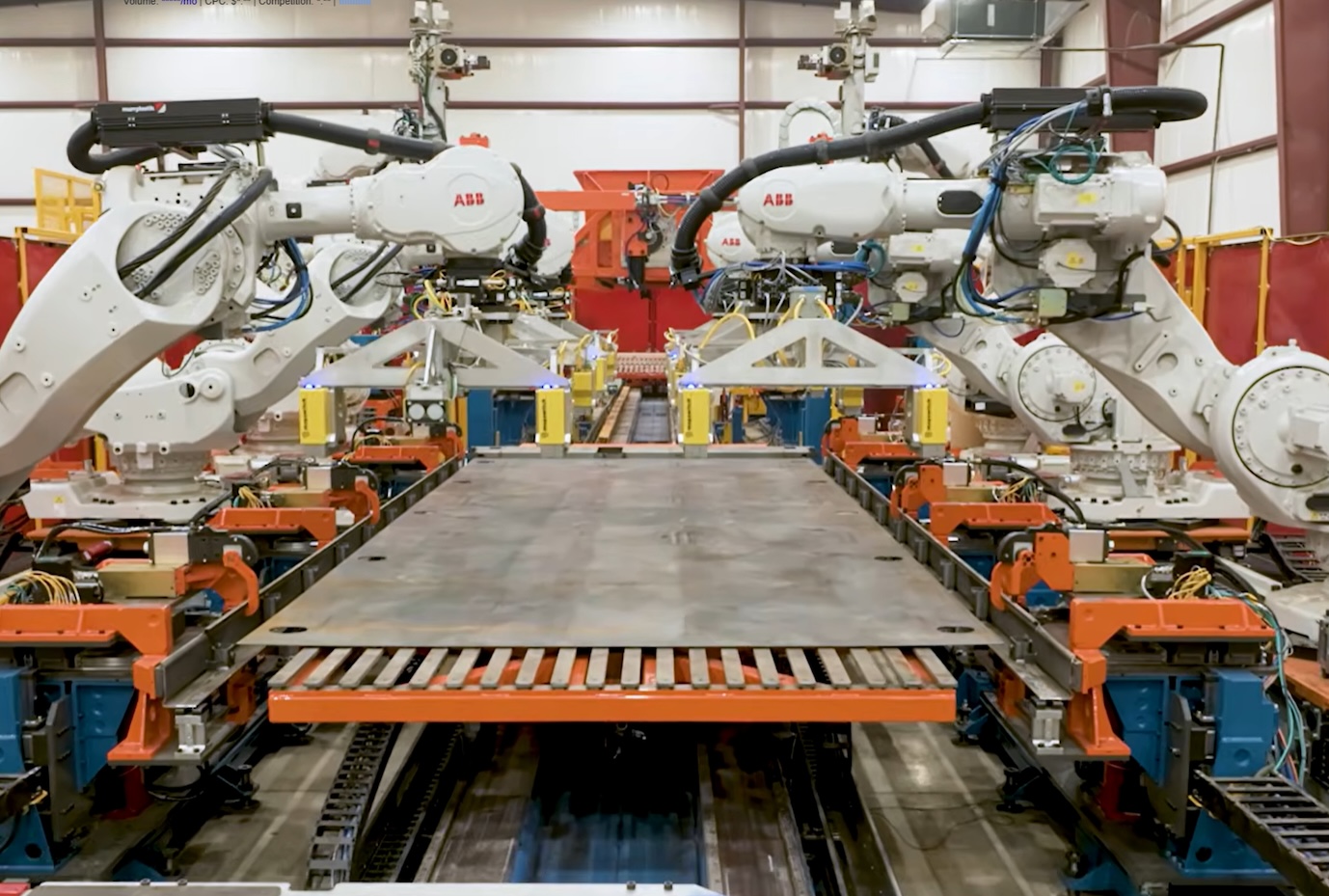
Honeywell Aerospace Introduces 40kW PTMS Upgrade for Enhanced F-35 Cooling Capacity
Honeywell Aerospace has announced the launch of the P40 Power and Thermal Management System (PTMS) upgrade for the Lockheed Martin F-35. This new system provides a significant 25% increase in cooling capacity, enhancing the operational efficiency of the aircraft. The upgrade is crucial as it addresses the thermal management needs of the F-35 fleet, ensuring that the aircraft can operate effectively under various conditions. Improved cooling capacity is essential for maintaining performance and reliability, especially during demanding missions. Looking ahead, industry stakeholders will be monitoring the deployment of the P40 PTMS and its impact on the F-35 fleet's operational capabilities. No further timeline was disclosed at the time of publication.
News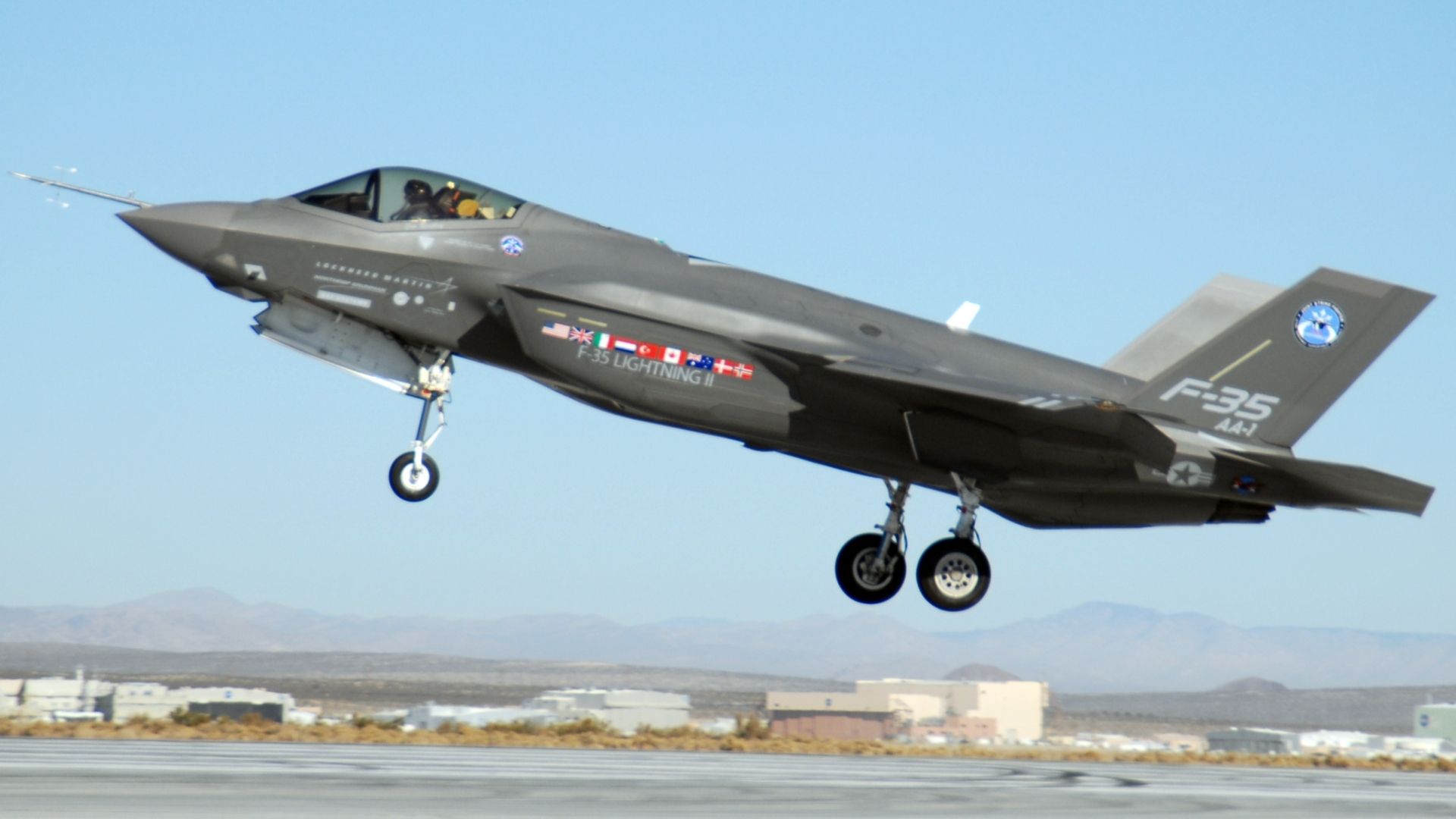
Honeywell Aerospace Introduces 40-Kilowatt Cooling Upgrade for F-35 Fighter Jet
Honeywell Aerospace has unveiled a new upgrade for the F-35 fighter jet, enhancing its cooling capacity by 25% through the P40 upgrade. This improvement raises the aircraft's power and thermal management system (PTMS) cooling capability from approximately 32 to 40 kilowatts, enabling better management of heat generated by advanced sensors and mission systems. The significance of this upgrade lies in its ability to support the F-35's evolving technological demands without necessitating structural changes to the aircraft. As operators integrate more sophisticated sensors and computing systems, the cooling system's capacity becomes critical to maintain optimal operational temperatures for onboard equipment. Looking ahead, the P40 upgrade is expected to facilitate future enhancements to the F-35's capabilities. While specific upgrades utilizing the additional cooling capacity have not been disclosed, Honeywell's approach, which includes software modifications and improvements to liquid-cooling equipment, positions the F-35 to better handle the increasing thermal loads associated with advanced mission systems. No further timeline was disclosed at the time of publication.
Military
Honeywell Aerospace begins trading as standalone company
Honeywell has revealed plans to restructure its operations by dividing the company into three distinct business segments. This strategic decision, announced in February 2025, aims to enhance operational efficiency and focus on core competencies. The restructuring is part of Honeywell's broader initiative to adapt to changing market demands and improve shareholder value. By creating specialized divisions, the company intends to streamline its processes and better serve its customers across various sectors. This move reflects Honeywell's commitment to innovation and growth in an increasingly competitive landscape.
Air Warfare Pentagon Air Force Business & Industry Honeywell Honeywell Aerospace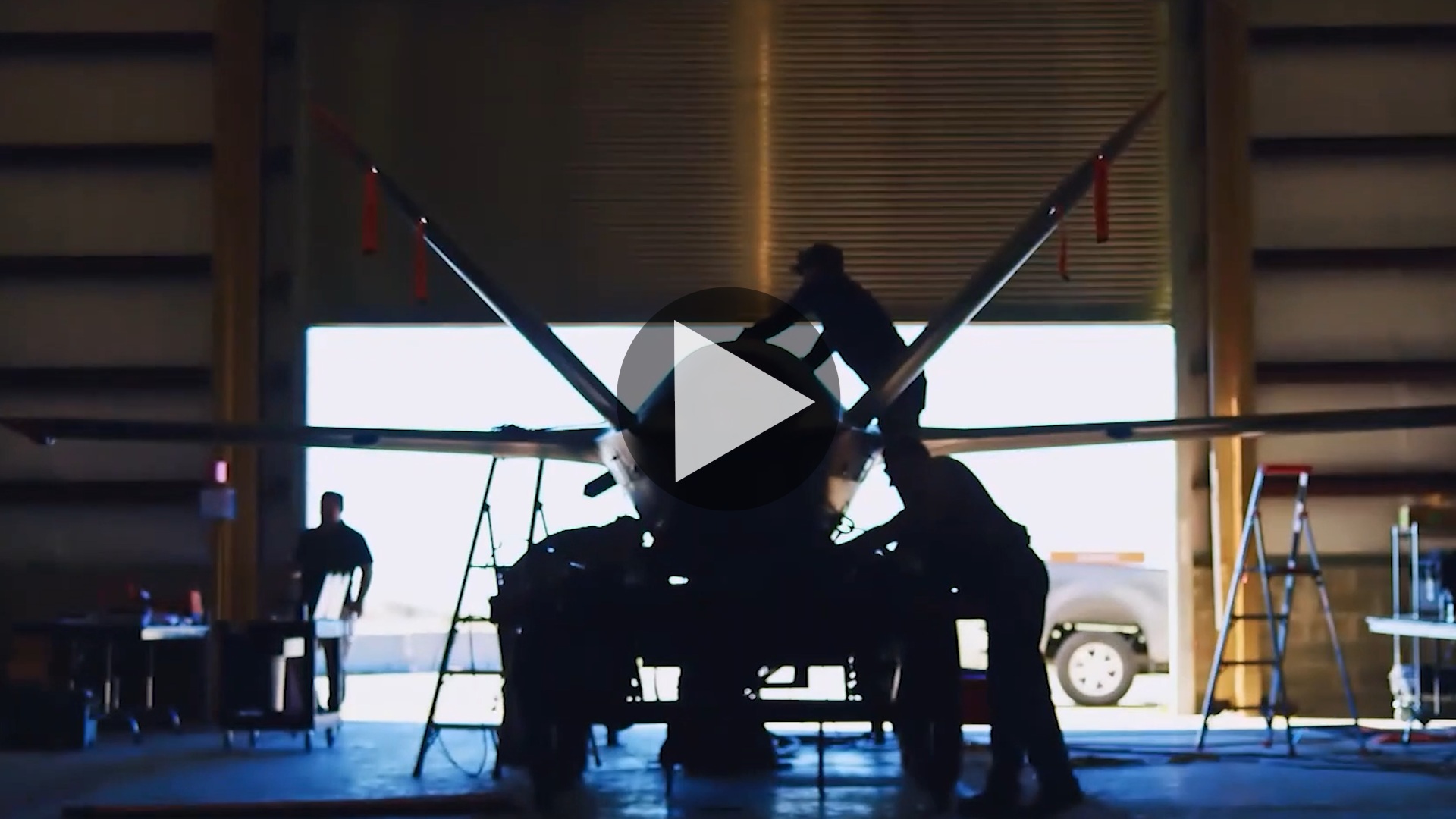
How Honeywell Aerospace plans to tap into the global CCA market
Honeywell Aerospace executive Matthew Milas recently emphasized the company's perspective on Connected Aircraft (CCAs) during a presentation. He highlighted the importance of CCAs as a vital platform-agnostic solution that can enhance operational efficiency and connectivity in the aviation industry. Milas articulated that Honeywell aims to position itself as a leading supplier in this evolving market, focusing on innovative technologies that cater to diverse aircraft platforms. This strategic approach reflects the company's commitment to adapting to the changing needs of the aerospace sector and providing comprehensive solutions that improve overall performance and safety. The discussion took place at a recent industry conference, where key stakeholders gathered to explore advancements in aviation technology and connectivity.
Air Warfare Air Force Business & Industry collaborative combat aircraft Drones Future Airpower Roundtable
Honeywell Aerospace lays out manufacturing plans at investor day
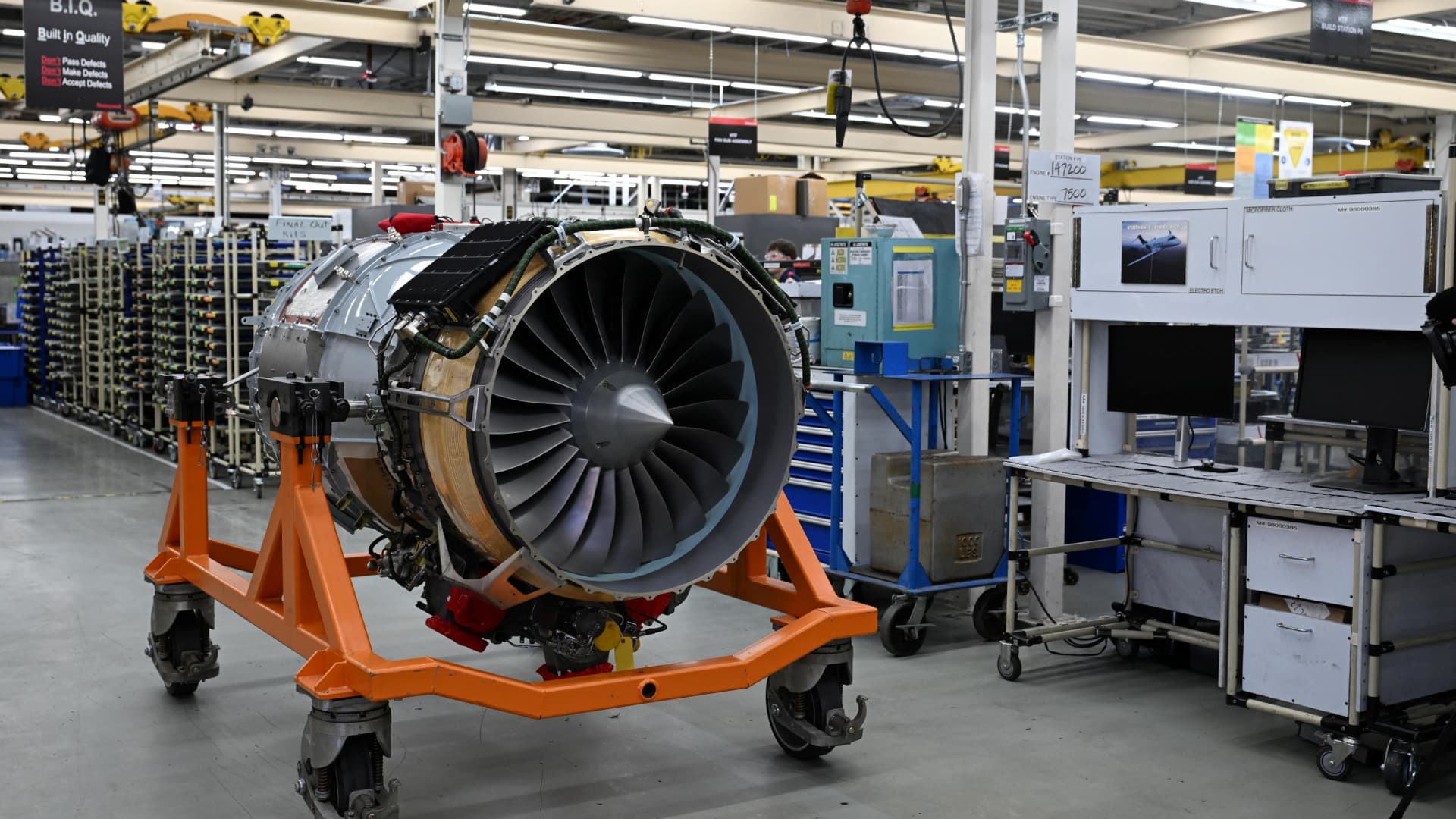
A company is preparing for its official spin-off on June 29, with ambitious plans to achieve $6.5 billion in earnings by the year 2030. This strategic move is part of a broader initiative to enhance operational efficiency and focus on core business areas, positioning the company for sustainable growth in a competitive market. The spin-off is expected to allow for greater flexibility and innovation, enabling the newly formed entity to better respond to industry demands and consumer needs. As the date approaches, stakeholders are closely monitoring developments and potential impacts on the company's overall performance and market presence.
As Honeywell Aerospace readies for its standalone debut, its CEO is forecasting big growth
Honeywell has set an ambitious financial target, aiming for annual earnings of at least $6.5 billion and a full-year free cash flow of at least $4 billion by the year 2030. This strategic goal reflects the company's commitment to enhancing its financial performance and shareholder value in the coming years. The initiative is part of Honeywell's broader strategy to capitalize on market opportunities and drive sustainable growth across its various business segments. By focusing on innovation and operational efficiency, Honeywell plans to achieve these financial milestones, positioning itself for long-term success in a competitive landscape.

Honeywell announces new brand identities for its automation and aerospace divisions.
On June 1, Honeywell announced the launch of new brand identities for its automation and aerospace divisions, which will be known as Honeywell Technologies and Honeywell Aerospace, respectively. This rebranding comes as the aerospace division prepares for its separation, with both Honeywell Technologies and Honeywell Aerospace set to become independent publicly traded companies by June 29, 2026. The move aims to enhance focus on their respective markets and drive growth in their specialized sectors.
Robotics needs a service framework.
RSF defines a common language for robot service capability, lifecycle operations, certification pathways, and service-provider networks.
Join the RobotToday community on LinkedIn
Daily robotics news, in-depth analysis, conference highlights, and discussions with professionals worldwide.







