Industry Briefing
A single destination for timely, editor-curated robotics news from around the world.
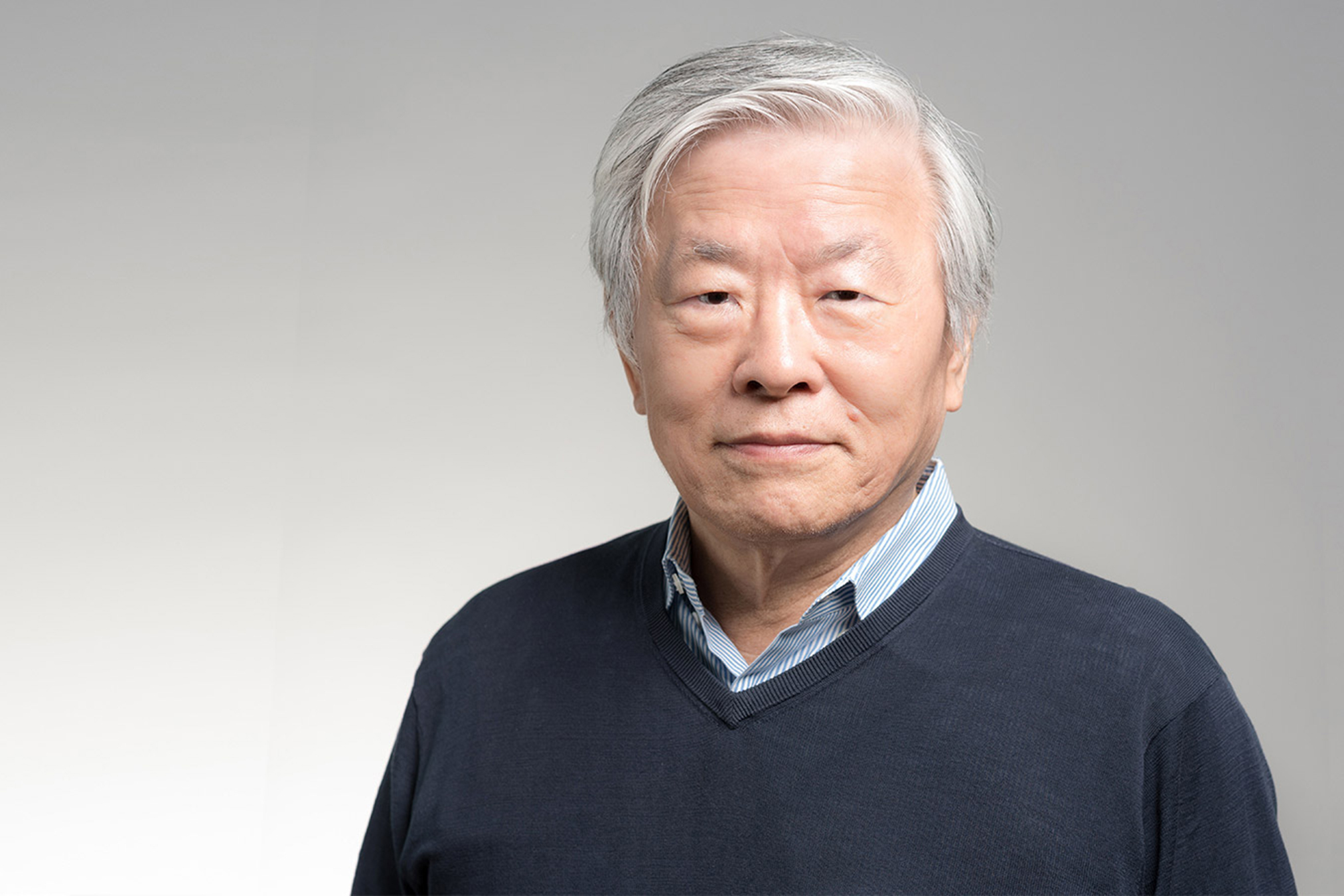
MIT's Susumu Tonegawa, Nobel Laureate in Physiology, Passes Away at 86
Susumu Tonegawa, the Picower Professor of Biology and Neuroscience at MIT, passed away on July 11 at the age of 86. He was a distinguished molecular biologist known for his groundbreaking work in immunology and neuroscience, particularly for discovering how the immune system generates antibody diversity, earning him the Nobel Prize in Physiology or Medicine in 1987. Tonegawa's contributions significantly advanced our understanding of both immunology and neuroscience. His research into the mechanisms of memory storage in the brain, specifically through the concept of 'engrams,' has opened new avenues for exploring cognitive functions. His legacy includes over 40 years at MIT, where he also founded the Picower Institute for Learning and Memory. Looking ahead, the impact of Tonegawa's work on immunological therapies and memory research will continue to influence scientific inquiry. No further timeline was disclosed at the time of publication.
Faculty Obituaries Neuroscience Biology Brain and cognitive sciences Picower Institute
SpaceX's Starmind Faces Feasibility Challenges for 1 Million Satellite Deployment
On January 30, 2026, SpaceX submitted a request to the FCC to launch up to 1 million satellites as part of its Starmind orbital compute constellation. This ambitious plan is unprecedented, as the total number of satellites ever launched globally is in the low tens of thousands. The proposal seeks a waiver from standard deployment milestones, citing reliance on the Starship's full reusability for success. The significance of this request lies in the technical and logistical challenges it presents. Experts warn that low Earth orbit may not support the proposed number of active satellites without risking a debris cascade. SpaceX's own IPO prospectus acknowledges unresolved dependencies related to Starship's launch cadence and reusability, which are critical for the orbital AI compute strategy. Looking ahead, the timeline for achieving the necessary launch cadence and manufacturing capacity remains uncertain. SpaceX's Gigasat facility in Texas aims for volume production by late 2027, but this would require unprecedented output levels. No further timeline was disclosed at the time of publication, leaving the feasibility of the Starmind project in question.

Romania buys Spyder air defense system as part of ‘largest deal’ in Rafael history, CEO says
In response to the ongoing conflict in Ukraine, Romania is enhancing its national defense capabilities by acquiring advanced military systems, including those from Israel. This initiative reflects the country's commitment to bolstering its security measures amid heightened regional tensions. The Romanian government has recognized the need for improved defense mechanisms to safeguard its borders and ensure national stability. The acquisition of these Israeli systems is part of a broader strategy to modernize the military and address potential threats posed by the war in Ukraine, which is occurring just across the border. As Romania continues to navigate the complexities of the geopolitical landscape, these upgrades are seen as essential for maintaining a robust defense posture in an increasingly uncertain environment.
Uncategorized air defense Israel Israel Aerospace Industries IAI NATO Rafael Advanced Defense Systems
A Piece of Automation History in Steel Construction
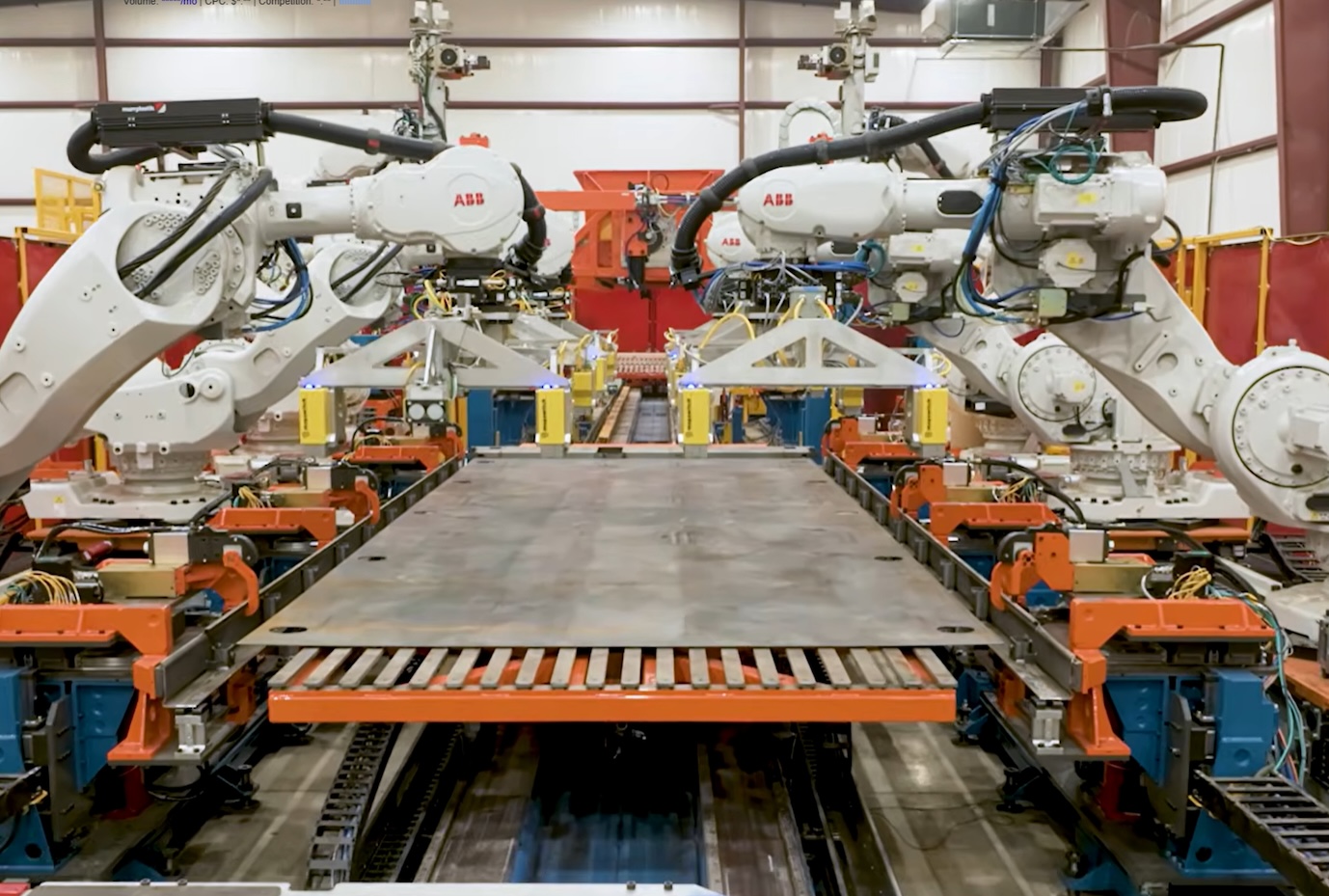
Liebherr Group has taken a significant step in automation by fully automating the production of complex component assemblies at its facility in Telfs, Austria. This milestone marks the first time the construction machinery manufacturer has implemented such advanced automation in its production processes. The autonomous manufacturing cell, developed and built by Yaskawa, utilizes three Motoman industrial robots to handle all manipulation and assembly tasks, culminating in the efficient output of finished components. This innovation reflects Liebherr's ongoing commitment to pushing the boundaries of automation in their manufacturing operations.
Allgemein Anwendungen & Lösungen Lösungen
Ground robots in Latvia and the history of manned-unmanned teaming
This week on The Break Out, NATO troops are conducting drone testing in Eastern Europe, showcasing the alliance's commitment to enhancing its military capabilities. The event highlights the growing significance of unmanned systems in modern warfare, as the program aims to evaluate the effectiveness and reliability of various drone technologies. The testing comes at a critical time, given the evolving security landscape in the region. By examining the historical development of unmanned systems alongside current advancements, the initiative seeks to improve operational strategies and strengthen defense readiness among member nations. The program underscores NATO's proactive approach to adapting to new threats and ensuring collaborative defense efforts.
Global Break Out Video Drones Europe FPV ground robotics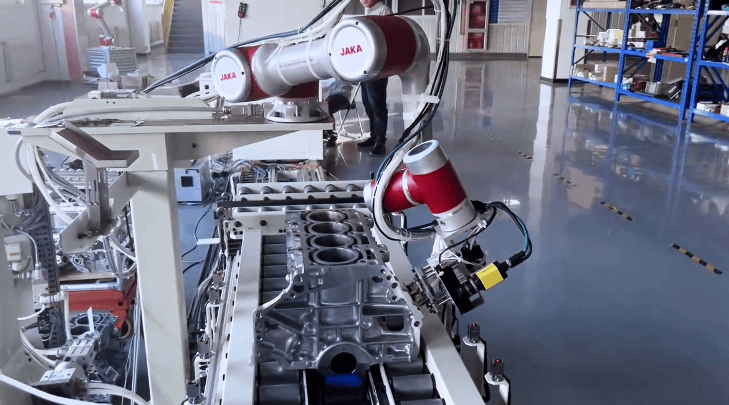
The History and Development of Collaborative Robot Technology
The landscape of robot technology is undergoing a significant transformation, shifting from isolationist industrial automation to a more integrated approach that emphasizes collaboration. Traditionally, industrial robots were powerful machines confined behind barriers, posing safety risks to human workers due to their lack of environmental awareness. However, the introduction of collaborative robots has marked a pivotal change, focusing on safety, flexibility, and shared workspaces. This evolution began in the late 1990s, with early research aimed at creating machines that assist rather than replace humans. Innovations such as power and force limiting (PFL) technology have enabled robots to detect external resistance and respond accordingly. As sensor technology advanced, robots became capable of perceiving their surroundings through sophisticated sensors and vision systems. Modern robotic systems now prioritize user-friendly programming, allowing small manufacturers to implement advanced automation without the need for specialized engineers. This shift has made collaborative robots essential for high-mix, low-volume production environments, where rapid re-tasking is crucial for competitiveness. JAKA Company, established in 2014, is at the forefront of this technological shift. The company’s name reflects its commitment to pushing the boundaries of collaborative robotics. JAKA has developed the A series of robots, designed for high-speed and precision tasks in various industries, including automotive and pharmaceuticals. With a repeatability of ±0.02 mm, these robots ensure high-quality performance in delicate operations. By adopting JAKA's technology, manufacturers can streamline their processes and reduce setup costs, reinforcing the company's mission to empower the future of global manufacturing.

The Biggest Catalyst for Tesla Stock in History Could Trigger in Just 3 Months
A significant event unfolded recently as a coalition of environmental organizations, including Greenpeace and the World Wildlife Fund, gathered in New York City to advocate for stronger climate action. This rally took place on October 15, 2023, coinciding with the United Nations Climate Change Conference. Activists and concerned citizens united to demand immediate measures to combat climate change, emphasizing the urgency of the crisis and the need for governments to commit to more ambitious carbon reduction targets. The coalition highlighted the alarming rise in global temperatures and the increasing frequency of extreme weather events as key motivators for their demonstration. Participants engaged in speeches, marches, and the distribution of informational materials to raise awareness and pressure policymakers to take decisive action. The event aimed to galvanize public support and influence international negotiations, underscoring the critical role of collective action in addressing the climate emergency.
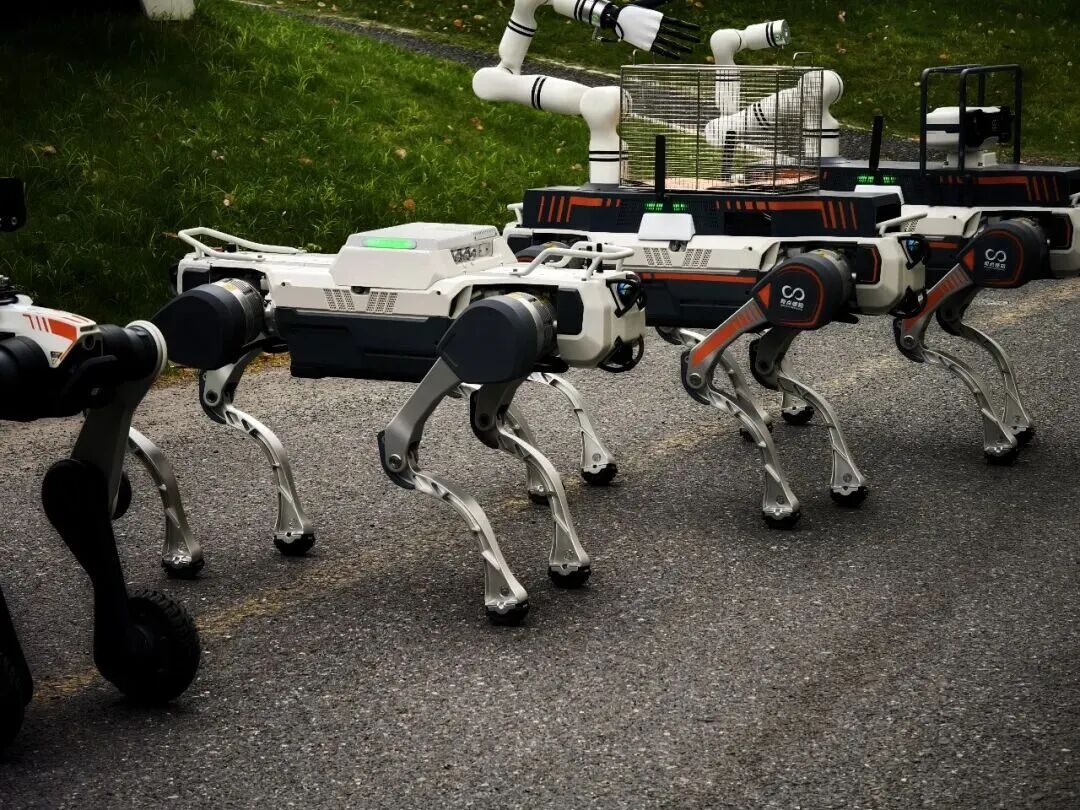
Nearly 10 Billion! The Largest Procurement of Embodied Robots in History! How is the 'National Team' Defining the Next Generation Power Grid?
The State Grid Corporation of China has announced a substantial investment of around 6.8 billion yuan aimed at acquiring 8,500 embodied intelligent devices by the year 2026. This initiative is centered on enhancing capabilities in power inspection, live working, emergency rescue, and logistics. The investment reflects a strategic shift towards embracing autonomous operations within the energy sector, signaling a commitment to modernizing infrastructure and improving operational efficiency. By integrating advanced technology, the State Grid Corporation aims to bolster its service delivery and response mechanisms in critical situations, ultimately enhancing the reliability of power supply across the nation.
Embodied Intelligence Power Grid Automation Robotics Procurement Energy Sector Innovation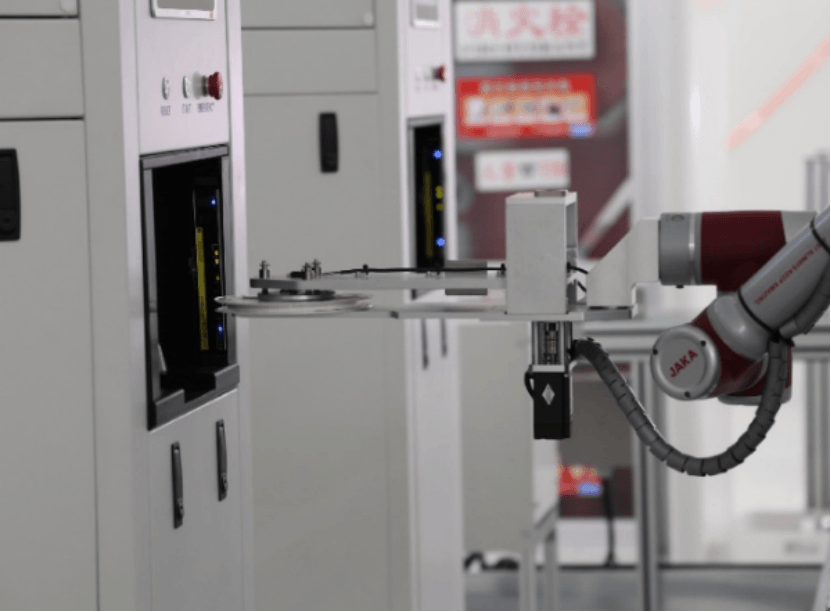
The History and Development of Industrial Cobots in Modern Automation
Industrial automation has undergone significant transformation over the past few decades, with collaborative robots, or cobots, playing a pivotal role in this evolution. JAKA, a leading company in this field, has highlighted how these robots enhance manufacturing processes by allowing safe and efficient collaboration with human workers. Unlike traditional robots that operate in isolation, cobots are designed to work alongside humans, improving workplace efficiency, reducing exposure to hazardous tasks, and ensuring consistent product quality. The journey of industrial cobots began in the early 1990s when researchers sought to merge automation with human collaboration. Initially, safety concerns limited robots to isolated environments, but advancements in technology have since enabled them to operate safely in shared spaces. JAKA has utilized these innovations to develop the JAKA Pro5, a robot that ensures precise handling while minimizing workplace accidents. Today, cobots are increasingly utilized across various sectors, including electronics, automotive, and logistics. Their ability to take on repetitive or dangerous tasks allows human operators to concentrate on more complex decision-making roles. The JAKA Pro5, for instance, is highly adaptable and can be quickly reprogrammed for different production needs, enhancing operational flexibility and reducing costs associated with equipment changes. Looking ahead, JAKA envisions a future where collaborative robots will continue to advance, incorporating intelligent sensing and adaptive learning. This evolution aims to create smart factories where humans and machines work together seamlessly, ensuring that automation remains both productive and safe.
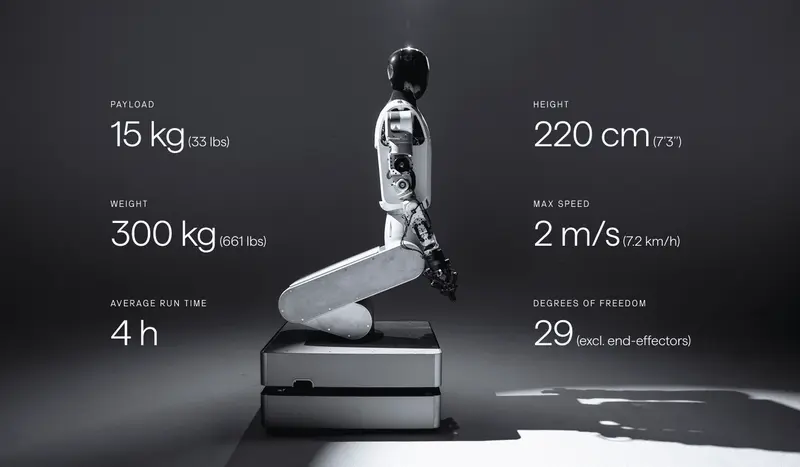
UK Startup Humanoid Claims "Fastest-Developed Humanoid in History" with HMND 01 Alpha Reveal
UK-based robotics company Humanoid has introduced its inaugural robot, the HMND 01 Alpha, achieving a remarkable development timeline of only seven months. The launch, which took place recently, is accompanied by a documentary that offers an in-depth and candid perspective on the rigorous and often tumultuous journey of creating this advanced industrial machine. The initiative reflects Humanoid's commitment to innovation in robotics and aims to showcase the challenges and triumphs faced during the development process.
HMND-01 automation Humanoid robotics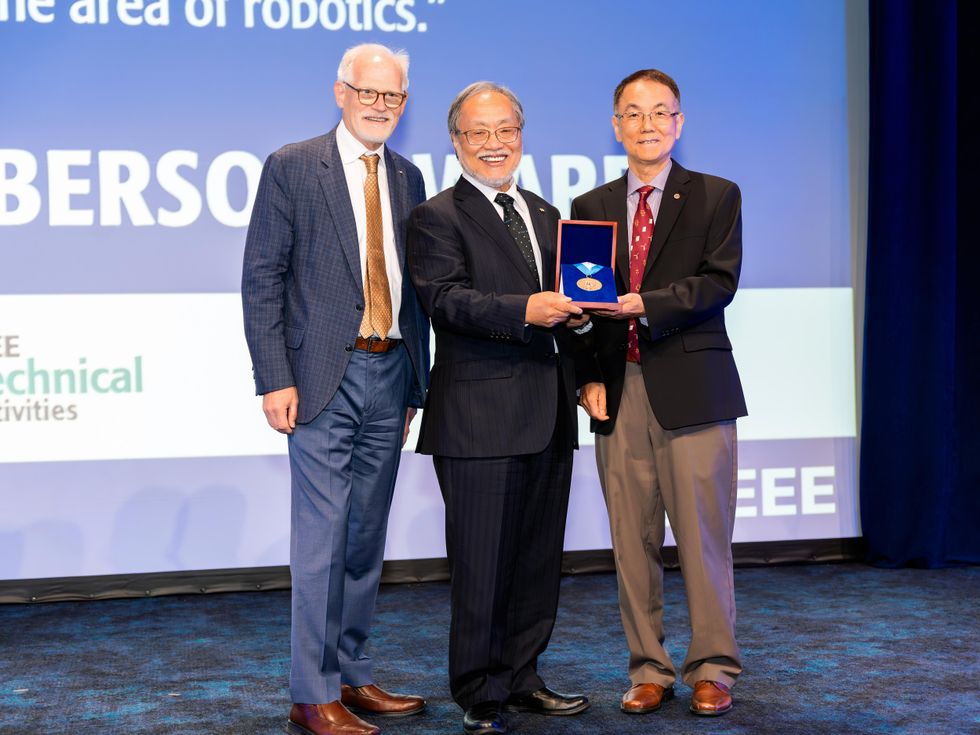
IEEE Honors Robotics Pioneer Toshio Fukuda
Toshio Fukuda has been blazing trails for most of his career. He is considered to be one of the most prolific scholars in robotics, writing more than 2,000 research papers and authoring several books on the field. He’s an influential figure thanks to his pioneering work developing biomedical robotic systems, industrial robots, micro-nano robotics, mechatronics, and AI-driven automation.Fukuda launched one of the first robotics conferences, the IEEE/RSJ International Conference on Intelligent Robots and Systems (IROS). It is still popular almost 40 years later.Toshio FukudaEmployerEgypt-Japan University of Science and Technology, in Alexandria TitleProfessor and vice president of research Member gradeLife Fellow Alma matersWaseda University, in Tokyo; University of Tokyo An IEEE Life Fellow, he is a professor emeritus in the department of micro-nano systems engineering and a visiting professor at Nagoya University, in Japan, where he taught for nearly 25 years. Currently, he is a vice president of research at the Egypt-Japan University of Science and Technology, in Alexandria, Egypt.Within IEEE, Fukuda has held top volunteer positions including the organization’s highest office: He served as IEEE president in 2020, becoming the first person of Asian descent to hold the role.He’s a former program director of Japan’s Moonshot program, which by 2050 intends to develop advanced AI robots.Born in Japan, Fukuda has been recognized by the country for his contributions to science with two of its highest awards: the Medal of Honor with a purple ribbon in 2015 and the Order of the Sacred Treasure in 2022.IEEE honored him with this year’s Richard M. Emberson Award for “distinguished service advancing the technical objectives of IEEE, especially in the area of robotics.” The IEEE Board-level award is sponsored by the IEEE Technical Activities Board. Fukuda received the award on 24 April at a ceremony in New York City.As a former IEEE president who has served as a master of ceremonies at several of the organization’s major award events, Fukuda noted that he is more accustomed to bestowing awards than receiving them.“It’s very interesting to be on the receiving end,” he says.The journey into robotics researchAs a teenager, Fukuda spent his summer breaks teaching himself how to build things including transistor radios and steam engines.“It was very nice to have a hands-on hobby and make these kinds of things myself,” he says. His experimentation led him to study engineering.He earned a bachelor’s degree in engineering in 1971 from Waseda University, in Tokyo. He says one of his professors there—Ichiro Kato, regarded as the father of Japanese robotics research—was a good mentor who made a positive impact.Fukuda’s research interests were robotics and mechatronics, a field that combines robotics, electronics, computer science, and control systems.He went on to earn a master’s degree and a doctorate in science from the University of Tokyo, in 1971 and 1977. During those years, he also attended Yale, where he conducted research on advanced control theory in 1973.He reflects fondly on his time at Yale: “It was a very nice environment and a kind of free-thinking atmosphere. It motivated me to study more.”“IEEE doesn’t care who you are, what you do, what country you are from, or whether you are male or female. IEEE accepts people who have energy and passion.”While at Yale, Fukuda served as an assistant to his advisor—which led him to consider a career in academia, he says, because he enjoyed the freedom that research work afforded him.But he realized that such freedom comes with a price. University researchers are expected to raise the money that funds their work. He compares researchers to small-business owners who have to bring in money to keep their enterprise afloat.That realization led him to select robotics as his field because he intended to develop technologies useful to industry, he says.After earning his doctorate, he returned to Japan in 1977 to work as a research scientist at the government’s Mechanical Engineering Laboratory, later renamed the National Institute of Advanced Industrial Science and Technology, in Tsukuba.“There was a lot of research going on at the lab, including practical robotics and theory,” he says.He left Japan in 1979 to become a visiting research fellow at the University of Stuttgart, in Germany. During his year there, he studied systems, software problems, and related topics.He returned to Japan and was hired as an associate professor of mechanical engineering at the Tokyo University of Science. He conducted research into practical uses for robots by visiting industrial plants. He decided to develop robots that inspect industrial equipment such as those used in assembly plants, oil refineries, and power stations—places that “can be hostile environments for humans,” he says.His work drew interest from chemical, oil, and utility companies.“I got a lot of money from them for this very practical application, which funded my research,” he says, laughing.Developing popular robotic systemsFukuda grew tired of making those robots, he says, so he switched to creating ones for scientific applications. He developed many techniques, but he probably is best known for his modular, cellular robotic systems (CEBOTs), which he introduced in 1985.He has described how CEBOTs work in numerous papers published in the IEEE Xplore Digital Library.The CEBOT system is composed of a number of autonomous robotic cells that stick together like interlocking Lego plastic bricks, he says.Each cell is a fundamental modular unit that has a function. When a simple task is given, the system can analyze it and generate the structure of the cellular manipulator. The cells connect to and detach from each other through connection mechanisms and cooperate mutually, creating complex structures and configurations.“You start developing from the component-wise to the cell-wise to a small functional unit—and then you come up with clusters that make bigger systems. We can make a society of robot beings like that,” he explained in his oral history published on the Engineering and Technology History Wiki. “It’s a distributed robotic system, a self-organized robotic system, and also an evolutionary robotic system.“It’s also a fault-tolerant robot system because if something is wrong, you just remove those things and make a new one. You keep the system working. That’s a great thing.”Today CEBOTs are used for a variety of tasks such as delivering medication in hospitals, assisting with planting crops, and transporting products in distribution centers. Check out IEEE Spectrum’s Robots Guide for news from the world of robotics.In 1989 Fukuda joined Nagoya University as a professor of mechanical engineering and micro-nano systems engineering. During his 24-year career there, he was director of the university’s Center for Micro-Nano Mechatronics. He developed a long list of technologies at the university, including many for medical applications. He also conducted groundbreaking research into intelligent robotic systems and micro- and nano-robotics.Another technology he is known for is brachiation robots, which he helped develop in 1988. He calls them monkey robots because they’re based on the pendulum-like movement of monkeys swinging from tree to tree. The gravity-based locomotion enables continuous movement.Brachiation robots now are inspecting high-voltage transmission towers and bridges, searching damaged buildings for survivors, and performing maintenance on pipelines and cables.Fukuda retired from the university in 2013 and was named professor emeritus.He didn’t stay retired for long, though. He next held a teaching appointment at Meijo University, in Nagoya, until he left in 2022 to join the Egypt-Japan University.A prominent volunteerHe joined IEEE in 1980 at the encouragement of one of his research advisors, Professor Fumio Harashima, now an IEEE Life Fellow. After attending conferences and reading the organization’s publications, Fukuda says, he looked forward to becoming more involved.“I wanted to know how to organize a conference and how to edit a paper for one of its Transactions,” he says. “I wanted to know what was going on from inside the organization, not just the outside.”In 1988 he was the founding chair and organizer of IROS, in Tokyo. The conference had 330 attendees that year, and was supported by Harashima. Today it is one of the largest and most prestigious conferences on the topic, attracting more than 9,000 people annually. Out of 120,000 conferences, it was the only conference in the Nature Index database for this year, Fukuda says.In 1996 he and other members launched IEEE Transactions on Mechatronics.He was the founding president of the IEEE Nanotechnology Council, which was established in 2002. He is considered a pioneer in nanotechnology research, particularly regarding how it relates to robotics.Over the years, he has held numerous volunteer positions on IEEE editorial boards and committees.He was the 1998–1999 president of the IEEE Robotics and Automation Society, becoming the first non-U.S. member to hold the title.He was director of IEEE Division X (2001–2002 and 2017–2018), which covers intelligent systems, biological engineering, robotics, control systems, and photonic technologies. He served as the 2013–2014 director of IEEE Region 10 (Asia-Pacific).As the 2020 IEEE president, Fukuda saw the organization through the early part of the COVID-19 pandemic. Because of travel restrictions, he realized IEEE should change how it offered its in-person services, specifically educational programs. He encouraged IEEE Educational Activities to develop an online learning platform. The IEEE Learning Network started with just three courses and now offers nearly 2,000 courses, webinars, and learning materials.An award-winning memberThe Emberson Award joins a slew of other recognitions Fukuda has received from IEEE. They include several from the IEEE Robotics and Automation Society: a 2004 Pioneer Award, a 2009 Saridis Leadership Award, and the 2011 Harashima Award for Innovative Technologies. He is also a recipient of the Board-level 2010 IEEE Robotics and Automation Technical Field Award.He says he feels strongly that IEEE should be a diverse organization that is welcoming to all. As IEEE president, he led efforts to devise a diversity, equity, and inclusion program. Several policies, procedures, and bylaws were revised to give members a safe, inclusive place for discourse.“It’s important for IEEE to make everyone feel comfortable,” he says. “DEI programs are important. All people should be equal. IEEE doesn’t care who you are, what you do, what country you are from, or whether you are male or female. IEEE accepts people who have energy and passion.“It accepted me, from the Far East. That’s why I like it.”You can learn more about Fukuda and his career from the oral history conducted by the IEEE History Center.
Robotics Robots Ieee-member-news Type-ti Ieee-awards Toshio-fukuda
Japan Pioneered Humanoid Robots—Can It Now Catch China?
“In the future, the relationship between humans and robots will deepen, and the distinction between them will probably disappear.” This prediction, from one of the attendees at the recent Humanoids Summit in Tokyo, might have been unremarkable had it not come directly from an android that was first introduced to the world 20 years ago. Geminoid HI-6 is the sixth-generation of a robot originally designed in 2006. The mechanical twin of Osaka University professor Hiroshi Ishiguro, Geminoid HI-6 is now equipped with a large language model trained on Ishiguro’s own writings and interviews. It has advanced conversational skills and can even have a chat with its creator, an eerie spectacle. But at the Humanoids Summit, Geminoid was one of the few humanoid robots from Japan, the country that pioneered the form factor.While the event in Tokyo only had about 40 robots on display, Chinese systems outnumbered Japanese by roughly three to one. Some Japanese robotics firms were even using Chinese robots in their own technology demonstrations, something that would have been unthinkable in the recent past—one Japanese engineer described the situation as “sad.” The conference was a stark reminder of how Japan has ceded its early lead in humanoid robot development to overseas competitors, and the challenge it now faces to secure a place in an ecosystem increasingly dominated by general-purpose robots powered by AI. Twenty-five years ago, Japan was turning out groundbreaking humanoids that were showstopping in their abilities, but they were not commercialized as practical machines in any meaningful way. Heavily influenced by science fiction and lacking practical applications, they were mostly expensive technology demonstrations that were eventually mothballed. What Japan retains, however, is robotics design and know-how, which it must leverage to be a key player in the rapidly evolving humanoid ecosystem. Learning to Walk—Then Standing StillTo anyone who has seen recent videos of Chinese humanoids doing kung-fu and synchronized acrobatics, as well as half-marathon races, China’s remarkable progress in the field is nothing new. At the Humanoids Summit, Toyota showed a video of its latest basketball-playing robot, and Honda exhibited its latest robot hand, but the full-scale humanoids on the floor were mostly Chinese–the kid-size K1 machines from Booster Robotics of Beijing were dancing to Michael Jackson tunes. The full-scale G1 humanoid from Unitree Robotics of Hangzhou was also doing demos. “You cannot sell these bipedal systems in Japan for safety and compliance reasons,” says Shuichi Nagao, a frequent visitor to China as CTO of Omakase Robotics, a division of Zeals, a Japanese humanoid robot developer. Omakase was exhibiting a G1 modified with an external PC controller, a dextrous hand, a suction-cup manipulator and a sensor “hat” with an extra speaker, mic and camera. “In China, the government is pushing humanoid development. They didn’t have an industry 20 years ago. The people pushing it are young, in their 20s and 30s. It’s a really different mentality out there,” says Nagao. “Big players in Japan are still looking for use cases for humanoids. In China, they’re already doing mass production and reducing the cost, so other countries can’t compete with them anymore.”Another Japanese company showing off G1 bots was summit sponsor GMO AI & Robotics, a subsidiary of Japanese internet company GMO. It’s using the robots in partnership with Japan Airlines to load and unload cargo containers at Tokyo’s Haneda airport. The cargo project is a trial—like many other humanoid experiments—but the fact that Chinese machines have penetrated so far into Japan’s ecosystem upends a long history. In 1973, scientists at Waseda University in Tokyo built WABOT-1, considered the first full-scale humanoid robot and capable of slow bipedal locomotion, grasping objects and simple communication. It inspired Honda’s groundbreaking Asimo humanoid, but it was never commercialized. Asimo was eventually retired in 2022, the year ChatGPT was released. Two years later, Unitree’s G1 went on sale for US $16,000. China’s High Torque Technology Co. showed off its Mini Pi biped, customized with an anime-inspired head, at Humanoids Summit in Tokyo. The regular version is priced at $3,500. Tim HornyakSupply and DemandJapan’s development of humanoids happened before practical applications or widespread demand were in place, but bad timing is only part of the story—Japan also has a history of developing technologies that might appeal to domestic consumers but not necessarily those overseas. For example, decades after they first appeared, its highly engineered, multifunction toilets have only recently found a following abroad. Japan’s humanoid prowess was partly built on the back of its legendary industrial automation, yet even that stronghold has eroded. Ani Kelkar, a partner from McKinsey & Company in Boston who produces analytical reports about the robotics industry, told the summit audience that while Japan occupied the top spot in the world in manufacturing robot density (the number of multipurpose industrial robots in operation per 10,000 employees) from at least 1994 to 2009, it then slipped to second in 2014, third in 2019 and fifth in 2024. In that year, South Korea was at the top of the leaderboard with a robot density of 1,220 compared to Japan’s 446. The International Federation of Robotics estimates China now has the most operational industrial robots in the world, with around 2 million total units, approximately 4.5 times more than Japan. “The annual installation numbers are impressive too: 54 percent of all robots installed worldwide in 2024 were deployed in China,” the IFR said in a release in April 2026. “I think the loss of Japanese leadership is more to do with the rise of China as a manufacturing powerhouse including for sectors that Japan had high export levels,” Kelkar said in an email interview. “The recovery has not yet happened as Japan ‘missed’ the rapid acceleration in AI for robotics and is now playing catchup.”How Japan Can Adapt Kelkar believes Japan has a US $100 billion opportunity in general-purpose robotics, which are machines that can perform a wide variety of tasks, and it cannot rely on the slower-growing industrial robot market, which is centered on factory machines that do one simple and predictable task like welding car parts. He points to a McKinsey white paper suggesting that while Japan has much of the hardware and technology experience needed to support general purpose robot development, it must change its strategy to capture more share in AI, software, data collection and robotics platforms.Tetsuya Ogata is a professor of engineering and director of the Institute for AI and Robotics at Waseda University, the birthplace of humanoids in Japan. He briefed the summit on how a nonprofit he chairs, the AI Robot Association (AIRoA), is working with Toyota and other members to develop foundational technologies for collaborative use. For instance, AIRoA has collected some 80,000 hours of data on remote operation of mobile manipulators, and Ogata believes it’s the largest dataset of its kind. Using the data, it built and verified Vision-Language-Action (VLA) models, and it has also started data collection for dual-arm mobile manipulation. In an interview, Ogata acknowledged Japan’s struggle to find its place in the changing landscape. “The world of AI is inherently a game of scale,” says Ogata. “Therefore, Japan’s absolute prerequisite is to secure a competitive baseline of scale—in data, computing resources, and talent. Beyond that, what I consider most critical is a mindset shift: rather than trying to hoard scale within a single nation or company, we must grow stronger by collaborating with a diverse ecosystem of domestic and international players.” Specifically, this means creating a ‘collaborative domain’ to address data—the single biggest bottleneck—through industry-wide cooperation rather than data-siloing. By collectively nurturing a pre-competitive, shared data infrastructure and foundation model, individual companies can then compete on top of it with their own applications. “By offering this open ‘data ecosystem’ to the world, we can engage global players and establish a ‘third pole’ alongside the US and China,” says Ogata. “I believe this is how Japan can reclaim its global presence.”In 1999, Japan introduced the world’s first mobile internet services platform. But being first didn’t turn Japan into a smartphone manufacturing or design center—it’s now merely a supplier of parts to other countries who are leading the smartphone industry. If Japan can avoid a repeat of that experience and successfully deregulate, diversity, and commercialize its original humanoid dreams, it stands a better chance of influencing the direction of the industry and reaping billions in value. As automobiles and electronics were pillars of Japan’s industrial strategy in the last century, Japan could make humanoid robots one of its key value generators in the 21st century, an approach that would not only deliver economic benefits but give Japan greater clout in how the industry will evolve. Just like Japanese cars, electronics, and even toilets, Japanese humanoids could stand for craftsmanship and reliability. It’s a legacy that Japan can’t afford to give up.
Japan Robotics Humanoids Humanoid-robots
After a Decade of Changxin, Hefei Bets on Embodied Intelligence
Changxin Technology, based in Hefei, has made headlines by becoming the second-largest initial public offering (IPO) in the history of the STAR Market. This significant achievement highlights the company's rapid growth and the city's commitment to fostering leading enterprises. Hefei is now leveraging its successful investment strategies, previously applied in the semiconductor industry, to venture into the burgeoning field of embodied intelligence. This strategic move aims to replicate the success seen in semiconductors, positioning Hefei as a key player in this emerging sector.
Semiconductors Investment Strategy Embodied Intelligence AI
SpaceX Stock Faces Tesla-Style Crash Fears as $3 Trillion Valuation Sparks Debate
SpaceX's stock is facing potential crash warnings just days after its record-setting debut on the Nasdaq, which occurred on June 12, 2026. The company raised approximately $75 billion, making it the largest IPO in history and pushing its valuation close to $3 trillion. This rapid rise has drawn comparisons to Tesla's volatile initial public offering in 2010, leading to a divided response among market analysts. Some predict a significant correction as selling pressure mounts, while others believe the limited public float could sustain elevated prices for an extended period. As of now, SpaceX shares have surged to around $213.95, reflecting a 56% increase since the opening price of $135. Analysts like Ted Pillows warn that the stock's trajectory mirrors Tesla's early performance, which saw substantial initial gains followed by sharp declines. Investor Jo Bhakdi anticipates downward pressure starting in August due to the thin float and high valuation relative to projected revenue. Conversely, some experts argue that the scarcity of shares, coupled with strong demand, could prevent a crash. Investment adviser Thierry Borgeat noted that the current market dynamics favor buyers, as the number of exchange-traded funds (ETFs) holding SpaceX stock has surged from four to around 120 in just days. The true test for SpaceX will come in August when early lock-up expirations may increase supply, but until then, the stock is likely to be influenced more by market sentiment than by fundamental valuations.
Naval carrier set to deploy with a drone, while Marines say goodbye to the Harrier
This week, the U.S. Navy is enhancing its fleet capabilities as a Seahawk drone is scheduled to join the aircraft carrier USS Theodore Roosevelt. This integration reflects ongoing efforts to modernize naval operations and improve surveillance and reconnaissance missions. Additionally, the aviation community bids farewell to a legendary aircraft, which is making its final flight, marking the end of an era in military aviation history. The events highlight the Navy's commitment to advancing technology while honoring its storied past.
Air Warfare Naval Warfare Air Force Break Out Video harrier HarrierJumpJet
Humanoid robot climbs 20,341-foot volcano as team eyes Mount Everest next
A humanoid robot has made history by successfully reaching the summit of Chimborazo, Ecuador's highest volcano. This remarkable achievement took place recently, showcasing advancements in robotics and artificial intelligence. The mission aimed to explore the capabilities of robots in extreme environments, highlighting their potential for future scientific research and exploration. The robot, equipped with advanced sensors and navigation systems, ascended the challenging terrain, demonstrating its ability to operate in harsh conditions. This milestone not only marks a significant technological breakthrough but also opens new avenues for utilizing robotics in remote and inaccessible locations.

Odessa Oilfield Accident Lawyer: Your Guide to Legal Support and Justice
In the Permian Basin, individuals affected by oilfield accidents are urged to seek not just legal representation but a dedicated advocate committed to securing their future. A prominent team of Odessa-based oilfield accident lawyers emphasizes their readiness to confront large corporations on behalf of injured workers and their families. With a proven track record of winning billions in compensation, they highlight their unbeaten history as a testament to their effectiveness in fighting for justice. The firm aims to provide support and representation for those navigating the aftermath of workplace disasters, ensuring that victims receive the compensation they deserve.
Business Engineering accident compensation automation news energy industry industrial accidents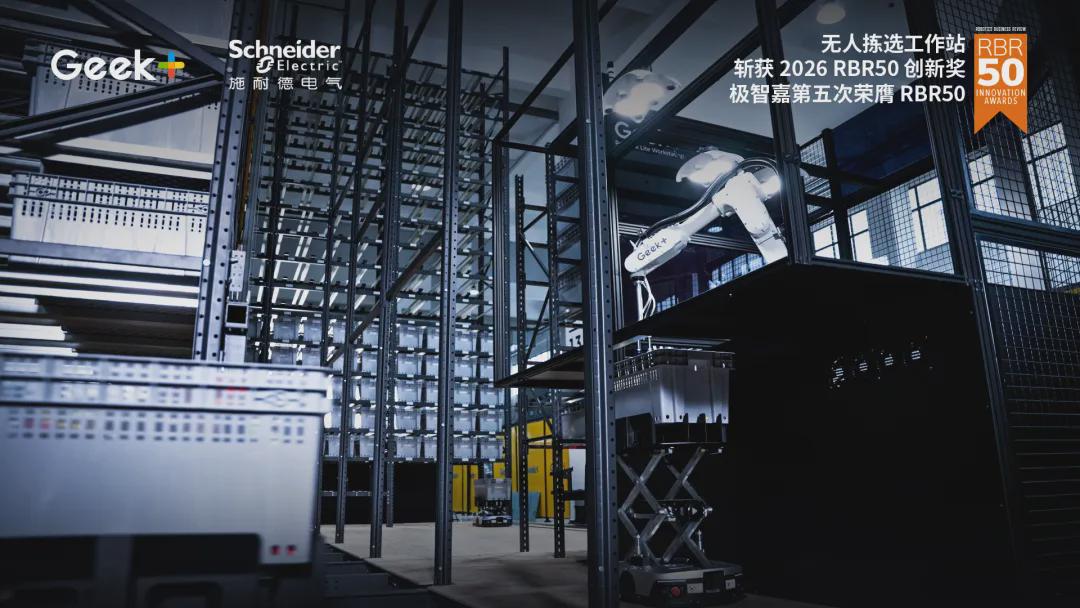
Geek+ Achieves Fifth Win at 'Oscars of Robotics': Valuation Anchor for Embodied Intelligence Platform Taking Shape
On May 19, Geek+ announced that its embodied intelligence picking workstation has been honored with the 2026 RBR50 Global Robotics Innovation Award. This recognition marks the fifth award for the company, solidifying its position as the most awarded Chinese firm in the history of the RBR50. The accolade underscores Geek+'s evolution from a logistics equipment provider to a platform-based enterprise focused on embodied intelligence, reflecting its commitment to innovation in the robotics sector.
Robotics Innovation Warehouse Automation Embodied Intelligence AI Solutions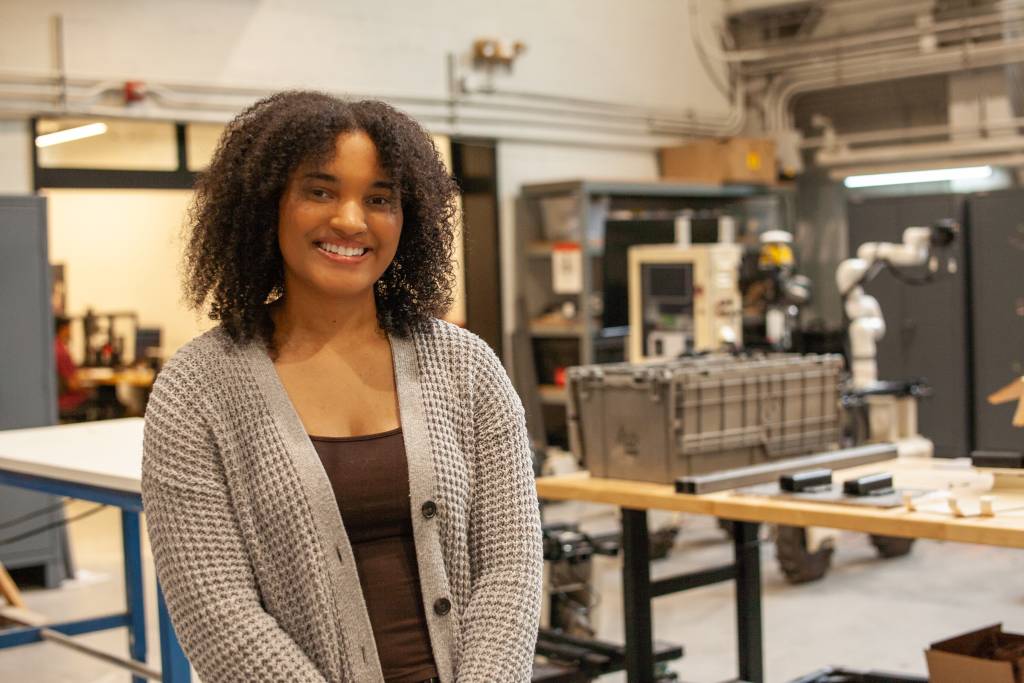
Work Hard and Dream Harder
Beverly Da Costa has made history as the first graduate of Carnegie Mellon University's Bachelor of Science in Robotics program. The announcement was made via a mass email from Martial Hebert, the dean of the School of Computer Science, in 2023. This milestone reflects the university's commitment to advancing education in robotics and highlights Da Costa's dedication and hard work throughout her studies. Her achievement serves as an inspiration to future students in the program, emphasizing the importance of perseverance and ambition in pursuing one's dreams.
RI Life
Saab’s Seaeye Lynx surveyed ‘Holy Grail’ San José shipwreck
Saab UK's Seaeye Lynx subsea vehicle has been instrumental in the survey and documentation of the 18th-century galleon San José, a significant cultural heritage asset of Colombia. This operation took place recently, highlighting the ongoing efforts to preserve and understand historical maritime artifacts. The use of advanced technology like the Seaeye Lynx underscores the importance of innovative approaches in underwater archaeology, aiming to safeguard Colombia's rich maritime history for future generations. The collaboration between Saab UK and local authorities demonstrates a commitment to cultural preservation and the exploration of historical treasures beneath the sea.
saab seaeye lynx rov survey san josé shipwreck
Magellan Complete Digital Twin of The Bismarck Ahead of Titanic Debris Field Release
Magellan Limited has achieved a significant milestone in deep-ocean surveying and maritime heritage by creating the first complete ultra-high-resolution digital twin of the German battleship Bismarck. This historic vessel, which sank during World War II, lies approximately 4,790 meters beneath the surface of the North Atlantic, on the steep slope of an underwater volcanic formation. The project, which underscores advancements in forensic wreck analysis, aims to enhance understanding of maritime history and preserve the legacy of the Bismarck through cutting-edge digital technology. The successful completion of this digital twin marks a pivotal moment in the field, showcasing how innovative techniques can be applied to explore and document underwater sites that are otherwise difficult to access.
megallan
Cranfield Aerospace Solutions (CAeS) unveils ST-5 ‘Stingray’ Multi-Role Long-Endurance Drone and signs MoU with National Oceanography Centre to enter into a strategic collaboration
Cranfield Aerospace Solutions (CAeS), a pioneering aerospace company based in the UK, has entered into a Memorandum of Understanding with the National Oceanography Centre (NOC), a prominent institution in oceanographic research with over 60 years of history. This collaboration aims to leverage CAeS's innovative aerospace technologies alongside NOC's extensive expertise in oceanography to advance research and development in marine environments. The agreement was finalized recently, marking a significant step in fostering partnerships that bridge aerospace and marine science. By combining their strengths, both organizations seek to address pressing challenges related to ocean health and sustainability, demonstrating a commitment to addressing environmental issues through technological innovation.
cranfield aerospace solutions (caes) st-5 ‘stingray’ multi-role long-endurance drone mou national oceanography centre (noc)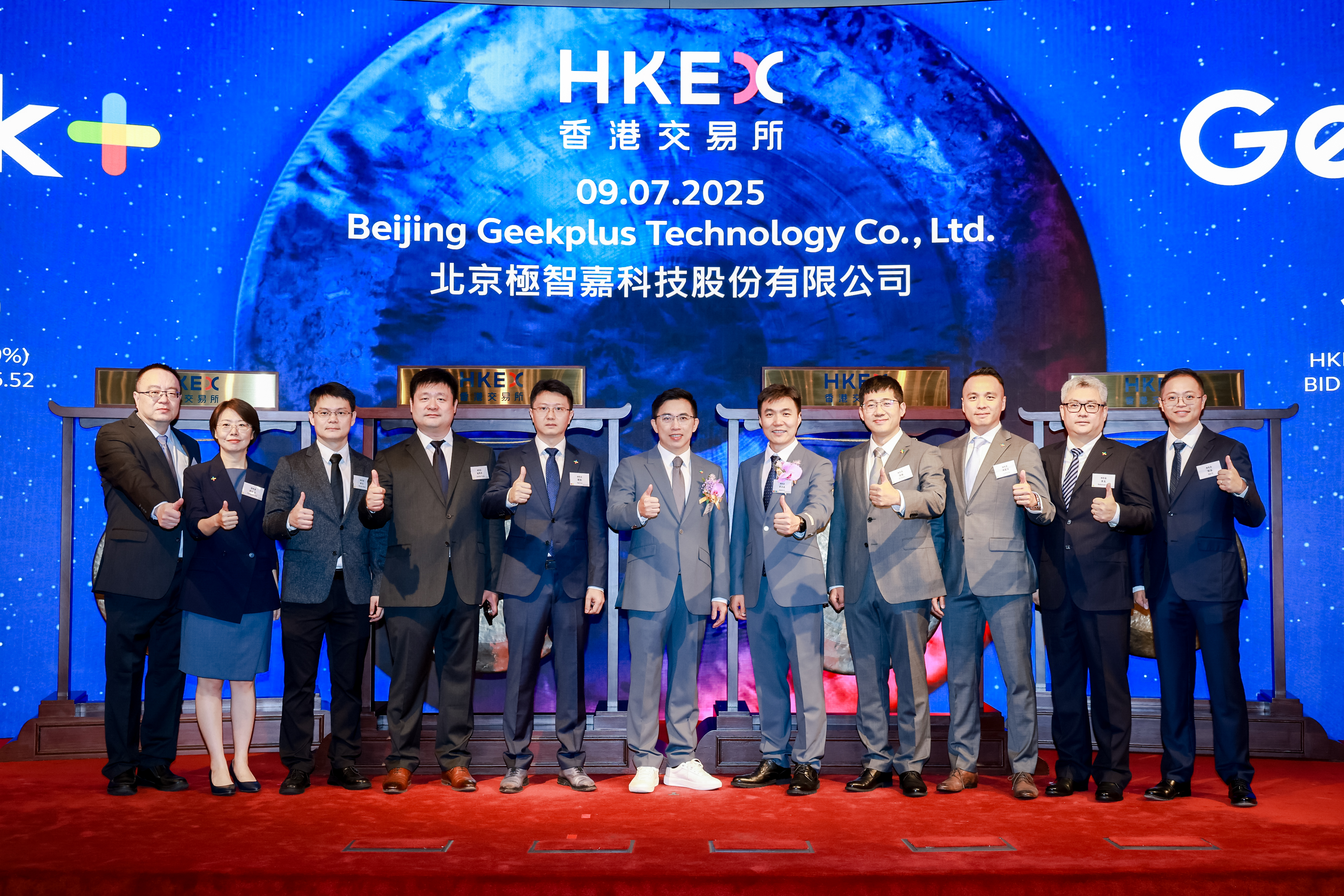
Geekplus Lists on HKEX, Revolutionizing Global Logistics with Robotics
Geekplus, a prominent player in the warehouse robotics sector, has made history by becoming the first company in the autonomous mobile robot (AMR) warehouse robotics market to be publicly traded on the Hong Kong Stock Exchange. The initial public offering (IPO) garnered substantial interest from investors, reflecting strong demand and confidence in the company's potential. This successful listing not only marks a significant milestone for Geekplus but also positions the company for considerable growth within the global logistics industry. The move is driven by the company's commitment to technological innovation and the commercialization of its advanced robotics solutions, aimed at enhancing efficiency in warehouse operations.
Warehouse Robotics Logistics Automation Technology Supply Chain Management
U-Boat Worx Celebrates Milestone with the Launch of 60th Submarine
U-Boat Worx, a leading manufacturer of personal submersibles, has announced the launch of its 60th submarine, a bespoke Super Yacht Sub 3. This milestone, celebrated in the company’s 20-year history, features a distinctive metallic bronze color scheme and has been crafted exclusively for a private client. The launch underscores U-Boat Worx's commitment to innovation and luxury in the submersible market.

Olympic champion Zheng Qinwen reportedly set to become Audi brand ambassador
Chinese tennis player Zheng Qinwen is poised to become a brand ambassador for Audi in China following the release of a teaser trailer by the German luxury car manufacturer. The video, which was shared on November 7 on Weibo, hints at a female athlete who has made history by winning a gold medal at the Roland-Garros Stadium. This partnership marks a significant move for Audi as it seeks to enhance its brand presence in the Chinese market, leveraging Zheng's rising profile in the sports world. The collaboration is expected to resonate with fans and consumers, showcasing both the athlete's achievements and Audi's commitment to supporting prominent figures in sports.
News Feed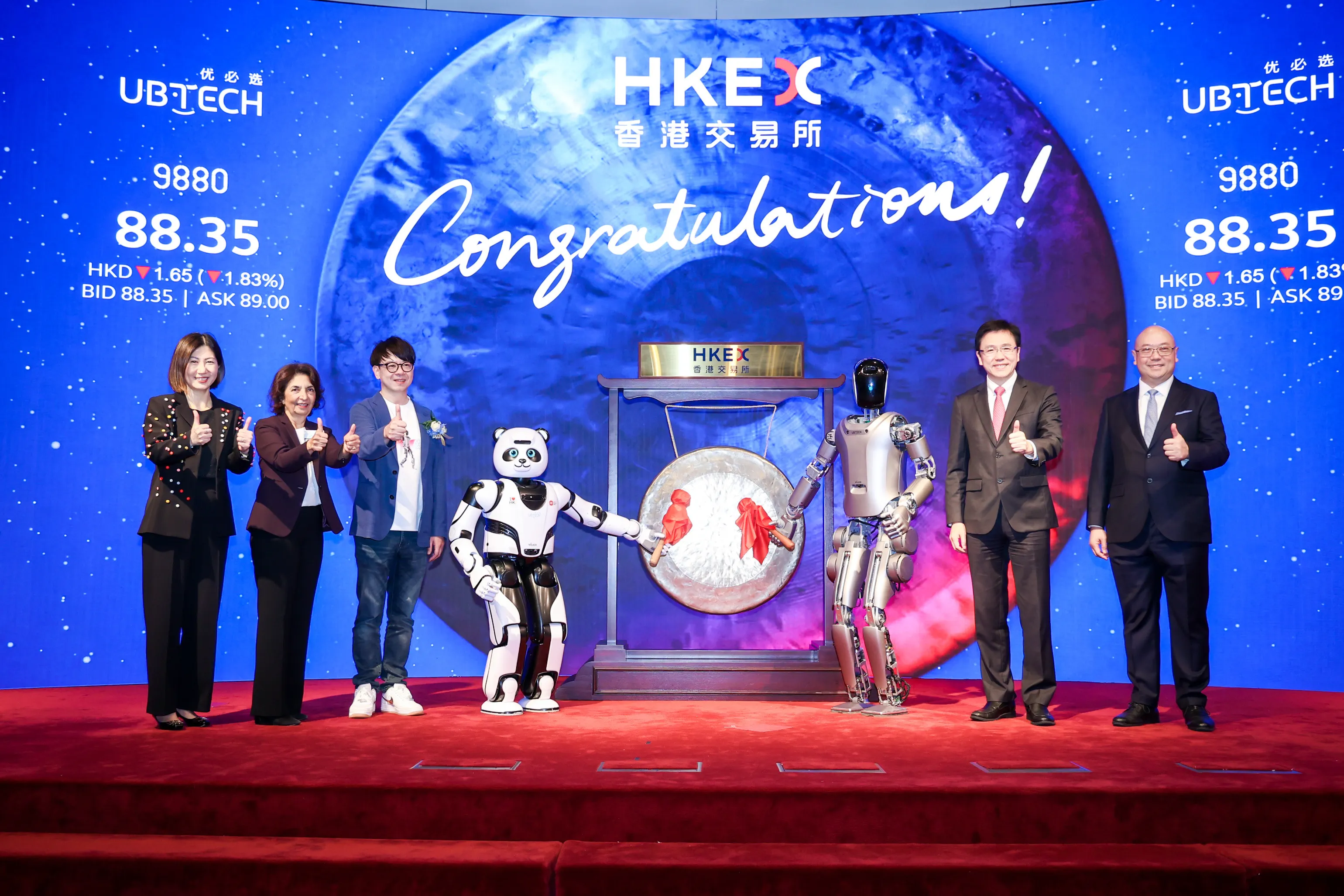
As Walker S Strikes the Gong, UBTECH Robotics Becomes the First Humanoid Robot Company Listed on the Main Board of the HKEX
UBTECH Robotics made history on December 29, 2023, by officially listing on the main board of the Hong Kong Stock Exchange, becoming the first humanoid robot company to achieve this milestone. The company, which boasts a market capitalization of HK$37.6 billion, celebrated the occasion with a listing ceremony that showcased its latest innovation, the industrial humanoid robot known as Walker S. This event underscores UBTECH's commitment to advancing the commercialization of humanoid robotics. CEO Zhou Jian highlighted the company's dedication to innovation and its focus on meeting societal needs through cutting-edge robotics technology.
Robotics needs a service framework.
RSF defines a common language for robot service capability, lifecycle operations, certification pathways, and service-provider networks.