Industry Briefing
A single destination for timely, editor-curated robotics news from around the world.

Xiangdao faces 16% "platform tax" challenge.
In May 2026, Xiangdao Mobility, backed by SAIC Group, submitted a revised prospectus to the Hong Kong Stock Exchange, marking its second attempt at an initial public offering (IPO). This updated filing includes comprehensive financial and operational data for the entirety of 2025, signaling an improvement in the company's profitability. Despite a steady increase in revenue, which rose from 5.718 billion yuan in 2023 to 6.774 billion yuan in 2025, the number of active drivers has stagnated. The monthly active driver count grew marginally from 94,000 to 100,000, with a notable 9% drop from 2024 to 2025. This discrepancy suggests that revenue growth is primarily driven by an increase in orders per driver rather than an expansion of the driver base. As the ride-hailing market approaches saturation, with over 20 major cities issuing capacity warnings in 2026, Xiangdao reported an average of 8.6 daily orders per vehicle in 2025, reflecting a 14.6% year-on-year increase. However, the company relies heavily on external platforms for 98.5% of its orders, incurring significant commission costs that compress profit margins. Looking ahead, Xiangdao aims to pivot towards autonomous driving technology, collaborating with partners like Momenta for development while focusing on enhancing its smart dispatch and safety monitoring systems. However, the transition to Robotaxi services raises questions about future profitability and market positioning, especially as the company remains cautious about international expansion compared to its competitors.
Virtual roads and wire cars: Hyundai’s digital proving ground
In Hwaseong, Gyeonggi Province, Hyundai Motor Group is at the forefront of transforming vehicle quality inspection to meet the demands of software-defined vehicles (SDVs). The company's Namyang research center has introduced innovative inspection technologies that leverage digital twin technology, robotics, and artificial intelligence. This initiative aims to enhance the efficiency and effectiveness of vehicle testing as automobiles increasingly rely on complex software systems. By pioneering these advancements, Hyundai is addressing the challenges posed by the evolving automotive landscape, ensuring that their vehicles meet the highest standards of quality and performance.
All News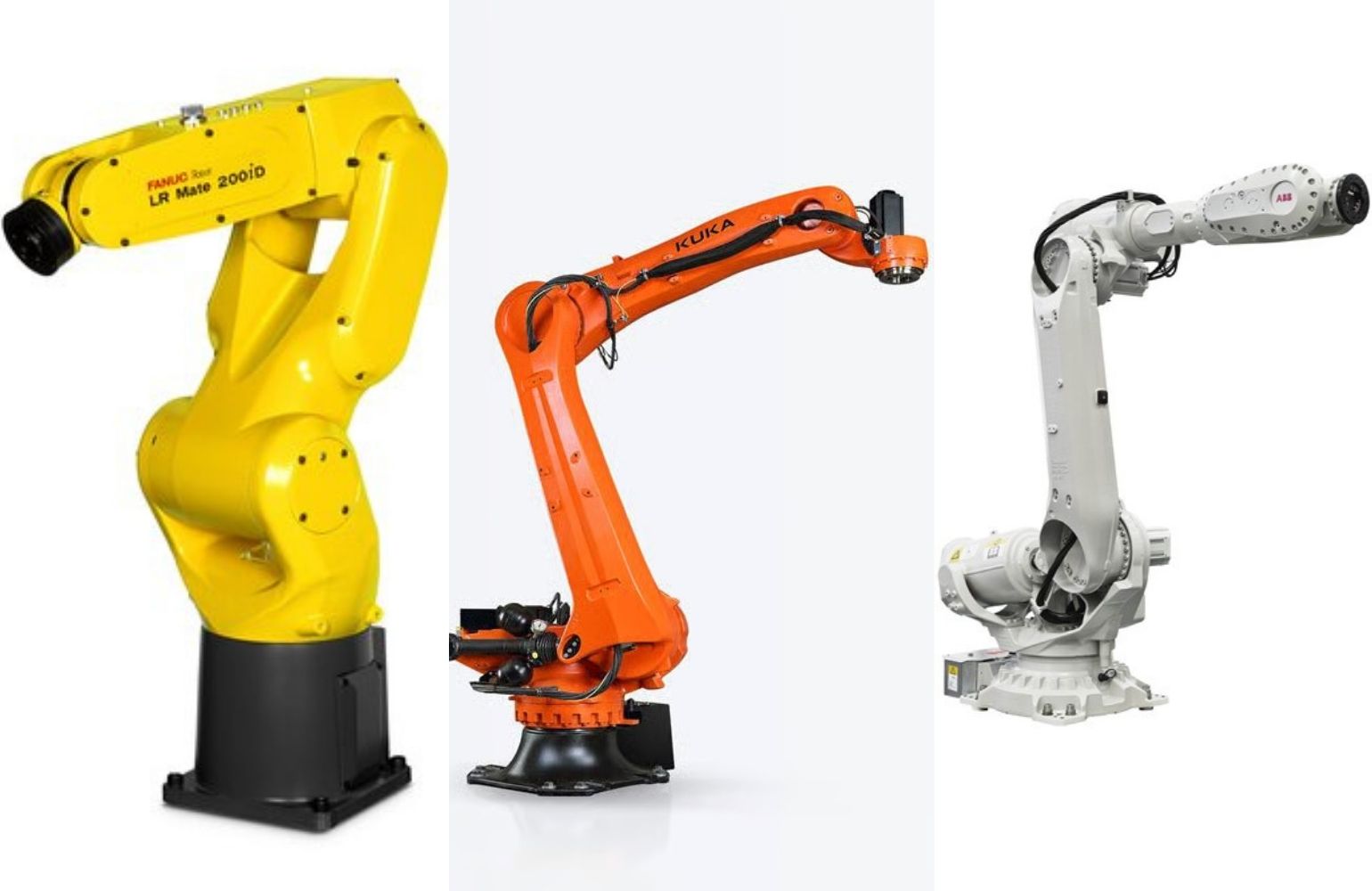
Why you should combine robot dexterity with mechanical positioning for complex assembly operations
Experts in robotics are increasingly emphasizing the significance of mechanical positioning in enhancing machine mobility, range, and speed. This recognition comes as industries seek to improve efficiency in complex assembly operations. The integration of robot dexterity with advanced mechanical positioning techniques is seen as a crucial step towards achieving more effective and precise automation solutions. By optimizing these elements, manufacturers can streamline their processes, reduce errors, and ultimately boost productivity. The insights were shared in a recent article on The Robot Report, highlighting the growing trend of combining these technologies to meet the demands of modern manufacturing environments.
Arms / Manipulators Assembly Industrial Robots Manufacturing Markets / Industries Motion Control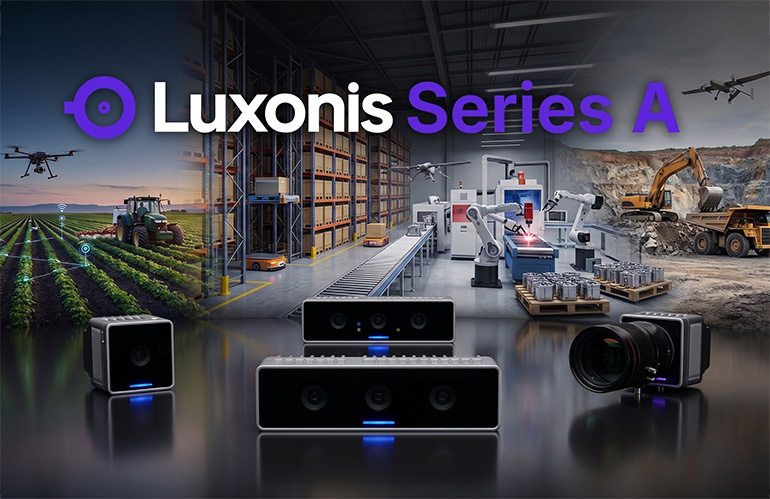
Luxonis closes Series A round to scale physical AI perception layer
Luxonis has announced its plans to increase production of its OAK camera and enhance its platform to better support robotics and industrial automation. This initiative follows the successful closure of its Series A funding round, which aims to bolster the company's capabilities in developing a physical AI perception layer. The funding will enable Luxonis to refine its technology and expand its market presence in the rapidly evolving field of AI and automation.
Agriculture Artificial Intelligence Cameras / Imaging / Vision Defense / Security Industrial Robots Logistics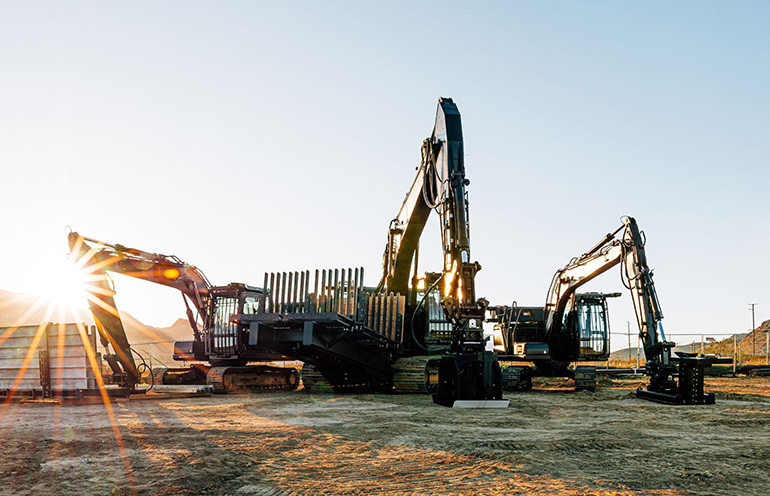
Blattner awards Built Robotics $75M contract for physical AI to help meet energy demand
Blattner has announced an expansion of its partnership with Built Robotics, awarding the company a substantial $75 million contract aimed at enhancing autonomous systems for solar construction projects. This collaboration is part of Blattner's strategy to address the growing energy demand by integrating advanced physical AI technologies into their operations. The partnership underscores the increasing reliance on automation in the renewable energy sector, particularly in solar energy development. By leveraging Built Robotics' expertise, Blattner aims to improve efficiency and scalability in its construction processes, ultimately contributing to a more sustainable energy future.
Artificial Intelligence Construction Energy / Solar / Renewables Mobility / Navigation News Self-Driving Vehicles
Why Are Custom Harness Solutions Essential for Next Generation Technology?
In the realm of hardware development, a recurring issue has emerged where wiring is often considered an afterthought. Engineers invest significant time and resources into creating advanced electric powertrains and high-density sensor arrays, ensuring that the mechanical and software components are meticulously designed. However, a common oversight occurs when the physical connections fail to fit within the designated space, leading to potential setbacks in the project timeline. This problem is particularly pronounced when relying on off-the-shelf components that may not be compatible with innovative designs. As the industry continues to evolve, addressing these wiring challenges is crucial for the successful integration of new technologies.
Engineering Technology aerospace Cable assembly Cable management Custom harness solutions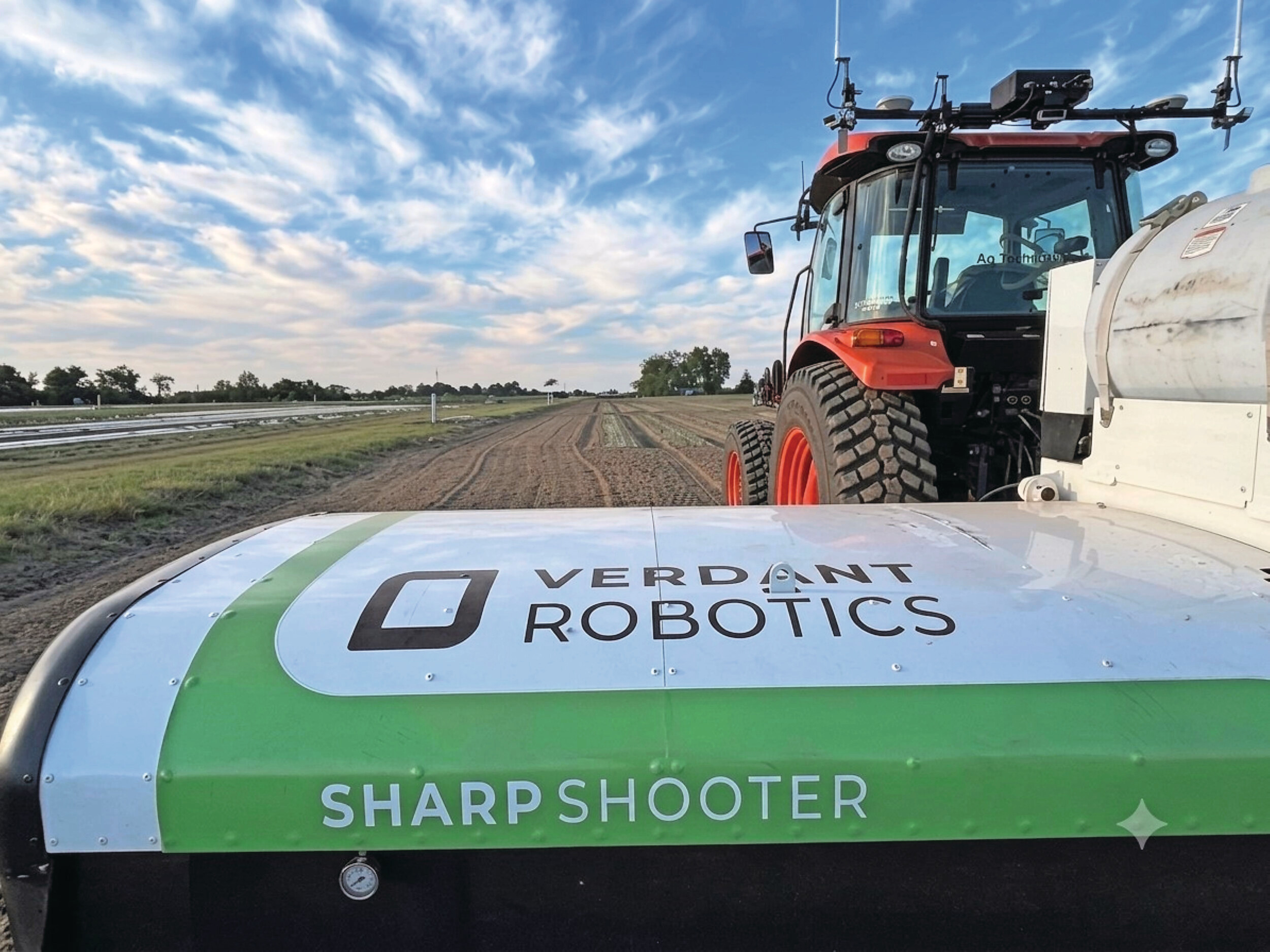
Sabanto and Verdant Robotics integrate autonomy and precision application systems
U.S. companies Sabanto Inc. and Verdant Robotics have announced a groundbreaking integration of their systems, marking a significant advancement in agricultural automation. This collaboration allows producers to automate various fieldwork tasks, including navigation and plant-level input application, without the need for an operator present in the cab. The integration aims to enhance efficiency and productivity in farming operations, responding to the growing demand for innovative agricultural solutions. By leveraging advanced technology, both companies are paving the way for a new era of autonomous farming, which could transform traditional practices and address labor shortages in the industry.
Autonomous/semi-autosteering systems autonomous farm equipment autonomous tractors crop management systems retrofit kits
The Role of Risk Calculations in Building More Reliable Automated Trading Systems
The Bank for International Settlements has raised concerns about the reliability of fast trading systems, highlighting the growing prevalence of automated and algorithmic trading in financial markets. This shift has underscored the necessity for robust risk controls to manage the complexities associated with these trading strategies. As financial institutions increasingly rely on automated systems, the importance of thorough evaluation and development of these strategies becomes paramount. The bank emphasizes that the key to success in this environment lies in leveraging accurate data and effective risk management practices.
Business Investments algorithmic trading Automated trading systems CFD calculator Drawdown analysis
Bentley prices drop to 270,000; second-hand luxury fuel car prices plummet; Cambrian loses 70 billion in market value in a
OpenAI has reportedly achieved a significant technological breakthrough, successfully reducing the operational costs of its AI model inference by over 50% through a series of system optimizations. This development was disclosed by engineers within the company on June 30. Meanwhile, in the automotive sector, the price of second-hand luxury fuel vehicles has seen a dramatic decline, with a Bentley listed at approximately 26,800 yuan and a Porsche Macan at around 15,000 yuan as of July 1 in Qingdao. This drop is attributed to a notable increase in depreciation rates, which reached 30% in May alone, a stark contrast to the previous annual average of 30%. In the realm of artificial intelligence, Anthropic announced that its Claude model is now fully available on Microsoft Foundry, allowing enterprise users to deploy the model within the Azure environment. Additionally, Amazon Web Services revealed plans to invest $1 billion to establish a new AI department aimed at assisting clients in building AI systems. In financial news, Warren Buffett has paused his annual donations to the Bill and Melinda Gates Foundation, pending the outcome of an investigation related to the late Jeffrey Epstein. Furthermore, the U.S. Federal Reserve Chairman emphasized the ongoing challenge of high inflation levels in the country, indicating a commitment to maintaining price stability. As for the tech industry, Meta is reportedly planning to sell excess AI computing resources to external clients, intensifying competition with major cloud service providers.
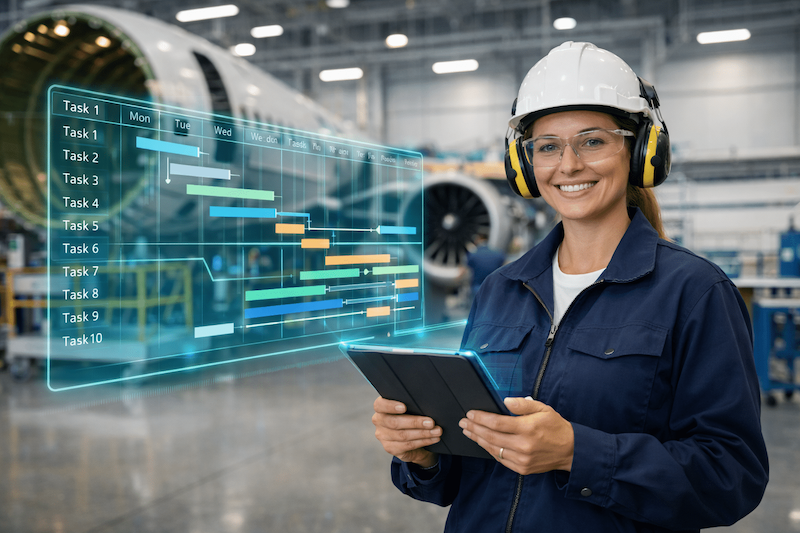
Top 7 AI Agent Platforms for Industrial Manufacturing in 2026
The manufacturing sector is undergoing a significant digital transformation, marked by substantial investments in Internet of Things (IoT) sensors, Manufacturing Execution Systems (MES), industrial analytics, and predictive maintenance solutions over the past decade. This shift has provided manufacturers with unparalleled operational visibility, enabling real-time monitoring of equipment, production lines, quality metrics, and material flows. Despite these advancements, production managers continue to face challenges in optimizing processes and improving efficiency. The integration of these technologies aims to enhance productivity and streamline operations, ultimately driving the industry towards a more data-driven future.
AI agents Manufacturing ai agents autonomous manufacturing digital manufacturing ERP integration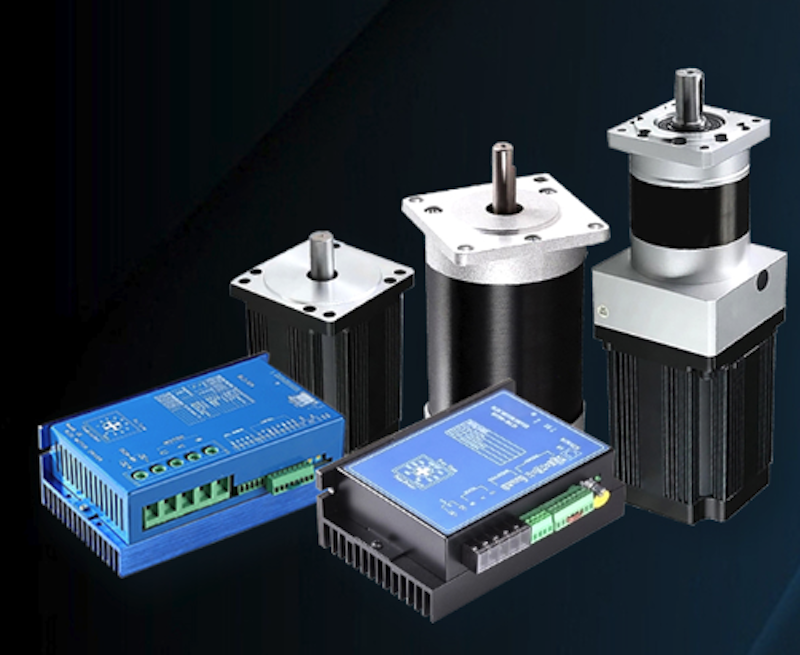
How Motor Controllers Influence Robot Accuracy and Energy Efficiency
As the robotics sector rapidly evolves, industries including manufacturing, healthcare, logistics, and agriculture are increasingly reliant on advanced motion control technologies. This surge in demand is largely driven by the need for precise and energy-efficient solutions to enhance operational efficiency. Central to many of these modern robotic systems are Brushless DC (BLDC) motors, which are celebrated for their high efficiency, reliability, and extended lifespan. However, the optimal performance of these motors is contingent upon effective control strategies and integration within robotic frameworks. As companies seek to leverage the advantages of BLDC motors, ongoing innovations in motion control technology are expected to further enhance the capabilities of robotic systems across various sectors.
Components Engineering amrs autonomous mobile robots BLDC motor controllers BLDC motors
Robotics Then And Now: 2000 To 2026 By The Numbers
The landscape of robotics has dramatically evolved over the past two decades, transforming from simple, stationary arms used in manufacturing to advanced machines capable of navigating environments, assisting in surgeries, and even driving passengers. In 2000, robots were limited to repetitive tasks within confined spaces, but by 2024, the industry is projected to see approximately 4.66 million industrial robots in operation, with an additional 575,000 expected to be installed in 2025. This growth includes the rise of collaborative robots, surgical systems, robotaxis, and humanoid robots, reflecting a significant shift in commercial applications. The ROBO index, which tracks the performance of the robotics sector, comprises 76 constituents, with major players like FANUC and Yaskawa among its largest holdings. This evolution in robotics is driven by advancements in technology, enabling machines to perform complex tasks alongside humans, thereby reshaping industries and enhancing productivity.
TER ISRG FANUY YASKY CGNX AMZN
Productive Robotics Equips Manufacturers With Zero Programming End-To-End Automation At IMTS
Productive Robotics, based in Santa Barbara, California, is set to showcase its innovative end-to-end automation solutions at the International Manufacturing Technology Show (IMTS) 2026, taking place on July 1. The company will exhibit at two booths, highlighting its 7-axis OB7 collaborative robots, which require no programming and offer a plug-and-play setup. This technology aims to address acute labor shortages, rising costs, and global competition faced by manufacturers. In Booth #339186, the focus will be on automating metal removal processes, while Booth #237138 will emphasize abrasive machining, sawing, and gear production. Zac Bogart, president of Productive Robotics, emphasized the importance of CNC machining for U.S. manufacturers, particularly in defense, aerospace, and automotive sectors, as well as for reshoring efforts to stabilize supply chains. The demonstrations will include automated vision inspection systems, MIG welding, and laser welding applications, showcasing the versatility of the company's robots. With their unique 7-axis design, these collaborative robots offer enhanced dexterity, allowing them to perform a wide range of tasks without the need for workspace redesign. The user-friendly interface enables operators with no robotics experience to quickly teach the robots tasks, significantly boosting productivity and safety in various manufacturing environments. For more information, visit Productive Robotics' website.

Industrial Flooring Upgrades: When Retrofitting Makes More Sense Than Full Replacement
In a recent industry analysis, experts highlighted the challenges associated with full replacement of mezzanine systems and ground-floor concrete slabs. This process often leads to extended downtime, resulting in lost productivity and increased labor costs for businesses. The findings, based on data collected until October 2023, underscore the need for companies to consider alternative solutions that could mitigate these disruptions. By exploring options such as repairs or upgrades rather than complete replacements, businesses may be able to maintain operational efficiency while managing costs more effectively. The report serves as a crucial reminder for stakeholders to weigh the implications of extensive renovations on their overall productivity and financial health.
Research on Harvesting Robots for Fragile Fruit: A Review
A recent study published in the Journal of Field Robotics highlights advancements in autonomous robotics technology. Researchers from a leading robotics institute conducted experiments to improve the navigation and decision-making capabilities of robots in complex environments. The study, released in early October 2023, took place in various outdoor settings, including forests and urban areas, to test the robots' adaptability to different terrains. The motivation behind this research stems from the growing demand for autonomous systems in sectors such as agriculture, disaster response, and urban planning. By enhancing the robots' ability to process real-time data and make informed decisions, the team aims to increase their efficiency and reliability in real-world applications. Through a combination of machine learning algorithms and sensor integration, the researchers developed a new framework that allows robots to better interpret their surroundings and respond to dynamic changes. This innovative approach not only improves navigation but also enables robots to collaborate more effectively with human operators. The findings from this study are expected to pave the way for more sophisticated autonomous systems, ultimately contributing to the advancement of robotics technology and its integration into everyday life.
SURVEY ARTICLE
In Robotics, Ruggedization Is No Longer Optional
As the field of robotics advances, the need for ruggedized design in autonomous systems is increasingly recognized as essential for dependable performance in real-world environments. This shift highlights the growing importance of durability and resilience in robotic applications, moving beyond controlled settings to tackle more challenging conditions. The push for ruggedization is driven by the demand for robots to operate effectively in diverse and often harsh environments, ensuring they can withstand various operational stresses. This trend reflects a broader evolution in robotics, as developers prioritize the integration of robust features to enhance reliability and functionality in practical applications. The emphasis on rugged design is becoming a fundamental requirement for the future of autonomous robotics.
Sponsored Content WiBotic
US firm builds 90,000-sq-ft robot park to advance humanoid robots with real-world training
Apptronik, a Texas-based humanoid robotics company, has launched Robot Park, an expansive training and data facility covering nearly 90,000 square feet. This state-of-the-art center, inaugurated recently, aims to enhance the development and capabilities of humanoid robots. By providing a dedicated space for training, Apptronik seeks to improve the performance of its robotic systems, ensuring they can effectively interact with humans and navigate complex environments. The establishment of Robot Park reflects the company's commitment to advancing robotics technology and addressing the growing demand for intelligent automation solutions. Through rigorous training programs and data collection, Apptronik plans to refine its robots' skills and adaptability, positioning itself at the forefront of the robotics industry.
AI and Robotics
As AI Reshapes Global Energy Systems, Melbourne Leads Through Engineering Collaboration
As artificial intelligence (AI) rapidly expands, it is driving a significant increase in global electricity demand, presenting urgent challenges for energy systems. Melbourne, Australia, is positioning itself as a leader in addressing these issues, with a focus on the infrastructure necessary to support AI's growth. By 2035, data centers in Australia are expected to consume up to 11 percent of the nation's electricity, raising concerns about generation and system reliability. The University of Melbourne is at the forefront of this initiative, with interdisciplinary research aimed at developing energy systems that can meet the demands of AI. The Melbourne Energy Institute is exploring how various energy technologies interact, while facilities like the Smart Grid Lab allow for real-time simulations of power systems. This integrated approach is essential for designing resilient and efficient energy systems that can adapt to new patterns of demand. Victoria's advanced energy ecosystem, which includes renewable generation and battery storage, is crucial for balancing digital growth with sustainability. The collaboration between researchers, industry, and policymakers is vital for creating future energy systems that are affordable and resilient. Looking ahead, Melbourne will host the IEEE PES Generation Transmission and Distribution Asia 2027 Conference, bringing together global experts to address the evolving challenges in power systems. This event underscores Melbourne's commitment to fostering international collaboration and innovation in energy solutions, reinforcing its role as a key player in the global energy transition.
Artificial-intelligence Australia Energy-systems University-of-melbourne Ai-data-centers Power-grid
ND UAS Council Adds Grand Forks DDA to Strengthen Drone Ecosystem
The North Dakota UAS Council has announced the addition of the Grand Forks Downtown Development Association (DDA) as its newest member, a move aimed at strengthening the connection between the state’s drone industry and its downtown community. This announcement was made on June 9, highlighting the council's commitment to fostering collaboration and innovation within the drone ecosystem in North Dakota. By integrating the DDA, the council seeks to enhance local economic development and promote the growth of drone-related initiatives in the region.
Drone News Drone News Feeds News State Government State Policy Autonomous Systems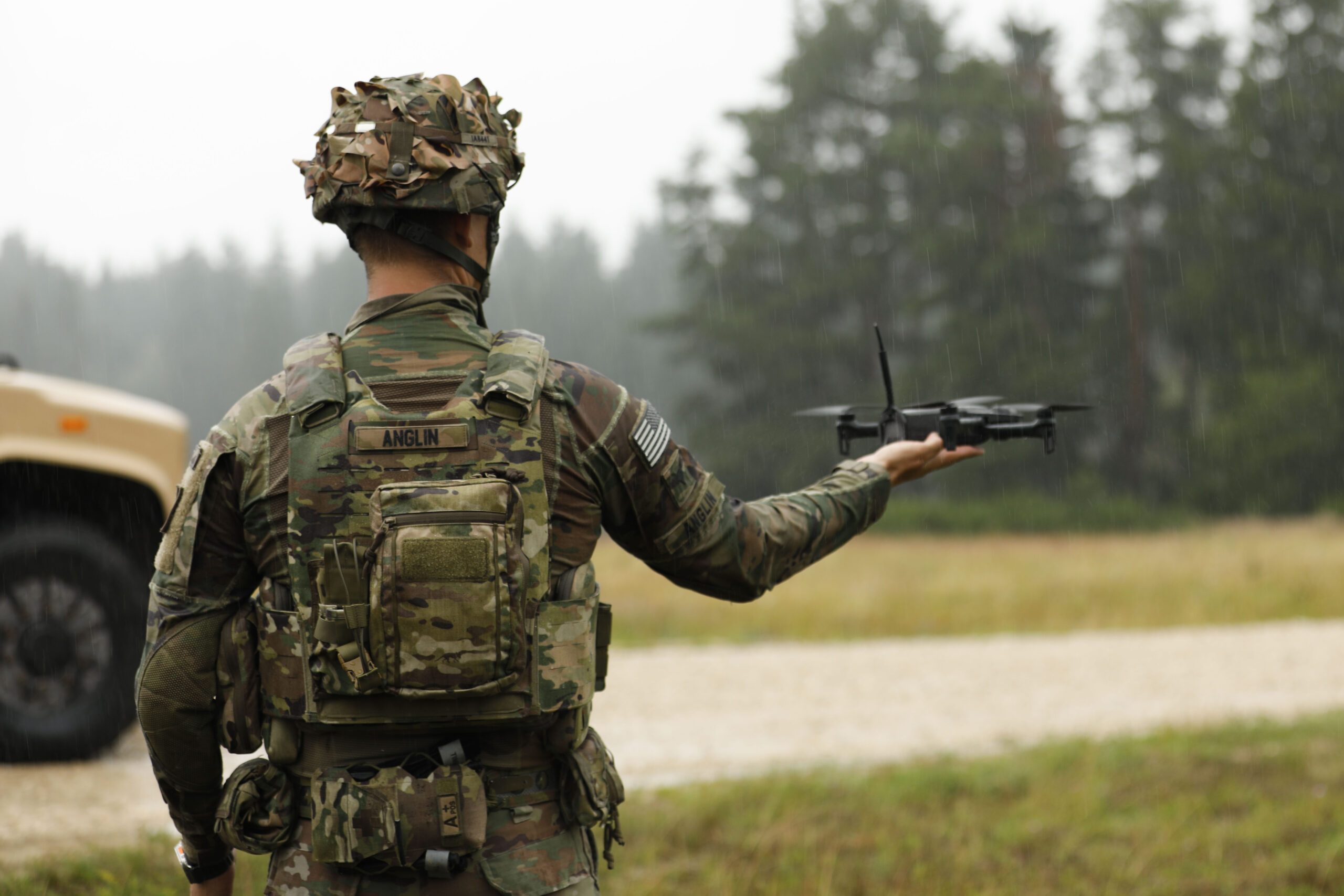
House FY27 NDAA Signals Drones Have Become Core Military Infrastructure
The House Armed Services Committee is shifting its focus regarding military drones, emphasizing the establishment of standards, training, doctrine, and sustainment necessary for integrating unmanned systems into the core infrastructure of the U.S. military. This strategic move comes after years of congressional discussions primarily centered on procurement and supply chain security. The committee's proposal signals a significant transition in how the military views and utilizes drone technology, aiming to make these systems a permanent fixture within its operations. This change reflects a growing recognition of the importance of drones in modern warfare and military strategy.
Applications Defense defense DL Exclusive Drone News Drone News Feeds
Horror-movie cue inspires wearable that turns robot movements into warning music
In an innovative twist, researchers at Georgia Tech's robotics lab are harnessing the power of music to enhance the emotional engagement of robots. This groundbreaking project aims to integrate musical cues into robotic systems, allowing them to respond more effectively to human emotions and interactions. By employing techniques similar to those used in horror films, where music heightens tension and anticipation, the team seeks to create robots that can better understand and react to human feelings. This initiative not only showcases the intersection of technology and art but also addresses the growing need for robots to operate in social environments. The research, ongoing since early 2023, is part of a broader effort to improve human-robot interaction, making these machines more relatable and responsive. As the field of robotics continues to evolve, the incorporation of musical elements could redefine how robots engage with people, ultimately leading to more intuitive and empathetic machines.
Robotics
Underwater ribbon cutting ushers in new URI Ocean Robotics Laboratory
The Narragansett Bay Campus recently celebrated a significant milestone, marking a pivotal moment in its development and contributions to marine research and education. The event, which took place on October 15, 2023, brought together faculty, students, and community members to recognize the campus's achievements and future goals. This gathering highlighted the institution's commitment to advancing knowledge in marine sciences and fostering collaboration among researchers. Attendees participated in various activities, including presentations and discussions, aimed at showcasing the campus's innovative projects and its role in addressing environmental challenges. The celebration underscored the importance of the Narragansett Bay Campus as a hub for scientific inquiry and community engagement, reinforcing its mission to enhance understanding of marine ecosystems and promote sustainability efforts in the region.
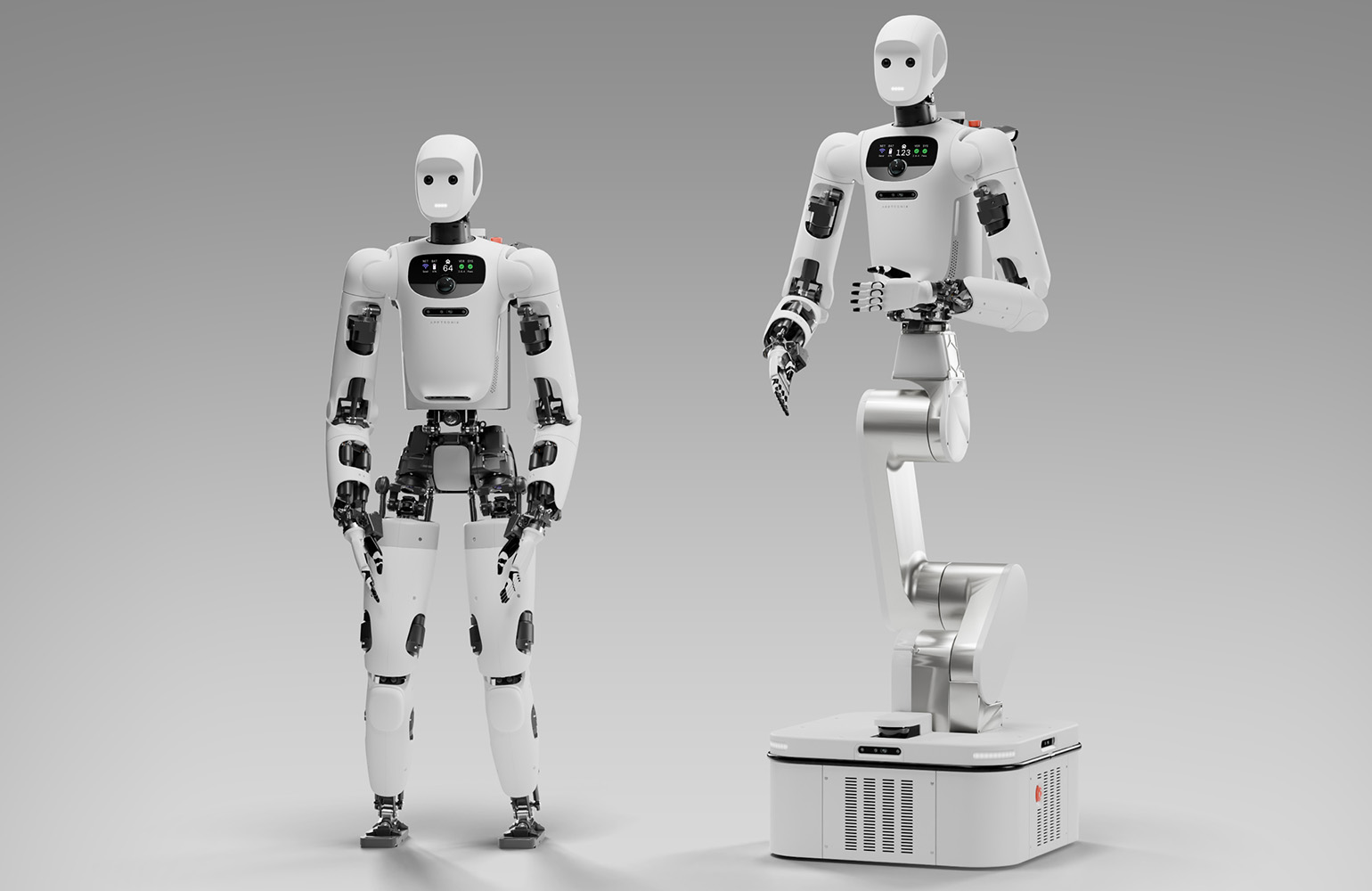
Apptronik unveils Apollo 2 and a flagship data collection and training facility
Apptronik has introduced Apollo 2, a cutting-edge data collection and training platform designed to facilitate continuous learning through its deployment. This innovative system aims to enhance the capabilities of robotic technologies by providing a robust environment for data gathering and training processes. The announcement highlights Apptronik's commitment to advancing robotics and artificial intelligence, reflecting the growing demand for sophisticated training tools in these fields. The unveiling of Apollo 2 marks a significant step forward in the company's efforts to improve the efficiency and effectiveness of robotic systems.
Artificial Intelligence Artificial Intelligence / Cognition Design / Development Humanoids News Robots / Platforms
Anthropic's Claude model officially launched on Microsoft Foundry.
On June 29, Anthropic announced the official availability of its Claude model on Microsoft Foundry, specifically within the Azure AI Foundry platform. This development allows enterprise users to deploy and utilize the Claude model directly in the Azure environment, leveraging existing Azure authentication, billing, and governance systems. Currently, the platform supports Claude Opus 4.8 and Claude Haiku 4.5, which include features such as prompt caching and extended thinking capabilities. These functionalities are designed for applications in programming, intelligent agents, and complex reasoning scenarios. Anthropic also noted that users can choose to run their inference either on Azure or in an Anthropic-hosted environment. Looking ahead, both companies plan to gradually align their features and models for enhanced compatibility.

New 6 mW Chip Helps Small Robots Build 3D Maps in Real Time
Gleanmer, a technology company specializing in autonomous navigation solutions, has developed an innovative system that integrates Gaussian-based mapping with specialized hardware. This advancement aims to significantly decrease memory and power requirements, enabling more efficient real-time navigation for autonomous vehicles. The new technology is expected to enhance the performance of self-driving systems, making them more viable for widespread use. The announcement comes as the industry continues to seek solutions that address the growing demands for energy efficiency and computational power in autonomous systems. Gleanmer's approach represents a promising step forward in the quest for sustainable and effective navigation technologies.

The Signal Beneath the Intelligence
As the technology industry engages in discussions surrounding models, parameters, and computer architectures, a critical development is emerging at the signal level that could significantly impact autonomous systems. These systems, regardless of the complexity of their software, rely on their ability to accurately sense, respond to, and interact with the real world. This foundational aspect is essential for the advancement and effectiveness of autonomous technologies. The ongoing debates and innovations are taking place against the backdrop of rapid advancements in artificial intelligence and machine learning, highlighting the importance of robust sensory capabilities in ensuring that these systems operate effectively in diverse environments. As the industry continues to evolve, the focus on enhancing signal processing will play a pivotal role in shaping the future of autonomous systems.
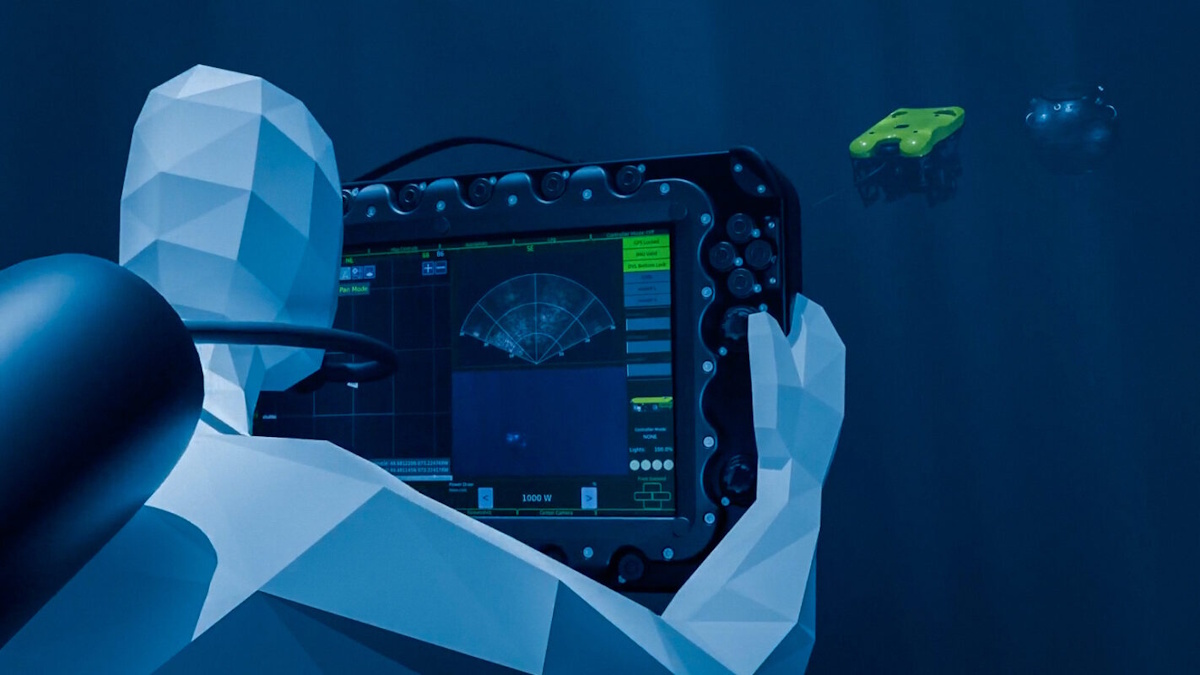
Greensea IQ is Awarded $18 Million Contract by the US Navy for the Bayonet Underwater Controller (BUC) Development and Sustainment
Greensea Systems, Inc., operating as Greensea IQ, has secured an $18.15 million Indefinite-Delivery/Indefinite-Quantity (IDIQ) contract to deliver hardware, software, and engineering technical services. This contract, awarded for an undisclosed duration, focuses on the development of underwater controllers essential for the operation of autonomous and remotely operated systems in maritime settings. The contract aims to enhance capabilities in underwater technology, reflecting the growing demand for advanced solutions in marine environments.
greensea iq u.s. navy new contract bayonet underwater controller (buc) development and sustainment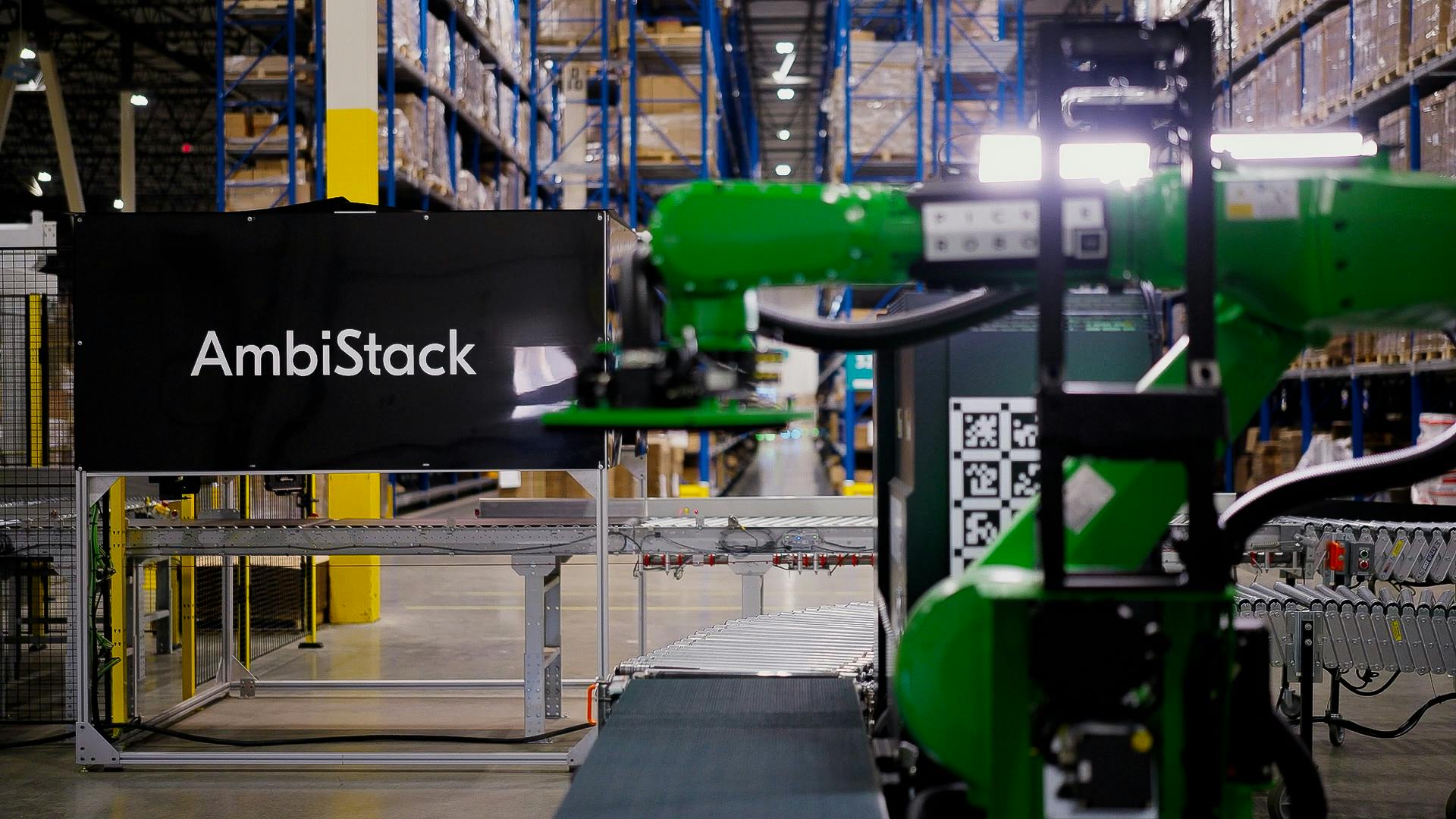
Ambi Robotics, Pickle Robot Company Integrate Robotic Systems
A group of companies is collaborating to showcase the potential of specialized automation technologies for warehouse operations. This initiative aims to highlight how these advancements can enhance efficiency and productivity within the logistics sector. The demonstration is set to take place in the coming months at various locations, allowing warehouse operators to see firsthand the benefits of integrating automation into their processes. By leveraging cutting-edge technology, the companies hope to address the growing demand for streamlined operations in an increasingly competitive market. This effort reflects a broader trend towards automation in industries seeking to optimize their supply chains and reduce operational costs.
Factory / Supply Chain Management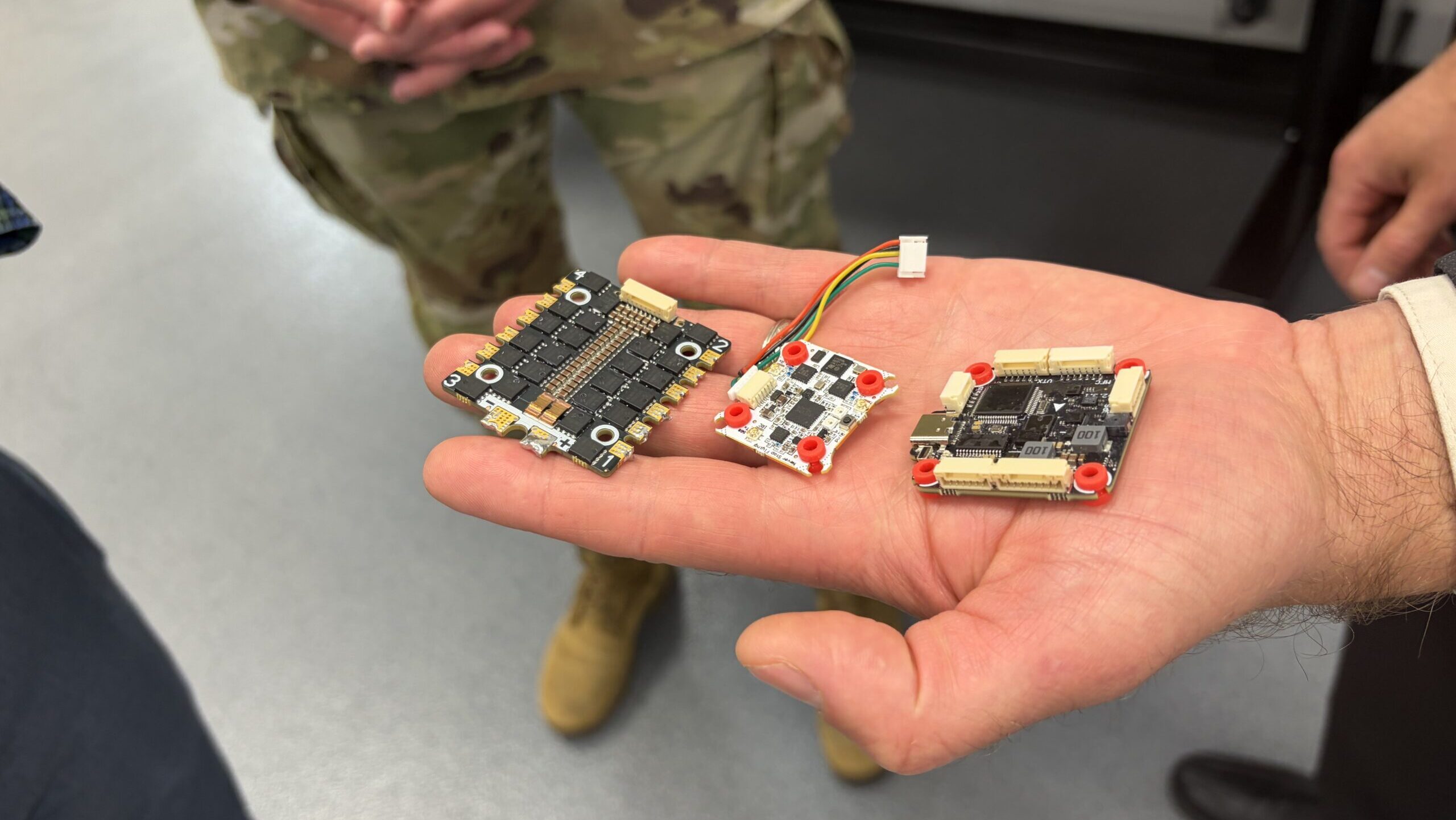
Tobyhanna Depot boosts drone component production with new assembly lines
In preparation for the Army's advanced manufacturing strategy, leaders from the Army's organic industrial base have announced plans to enhance the production of drone components under the Drone Dominance initiative. This initiative aims to bolster the Army's capabilities in unmanned aerial systems, reflecting a strategic focus on modernizing military technology. The details were unveiled during a recent briefing, highlighting the Army's commitment to increasing efficiency and output in drone manufacturing. By leveraging advanced manufacturing techniques, the Army seeks to ensure that its drone fleet remains competitive and effective in various operational environments. This move comes as part of a broader effort to adapt to evolving warfare dynamics and maintain technological superiority.
Land Warfare Networks & Digital Warfare advanced manufacturing Army Army Material Command cyber security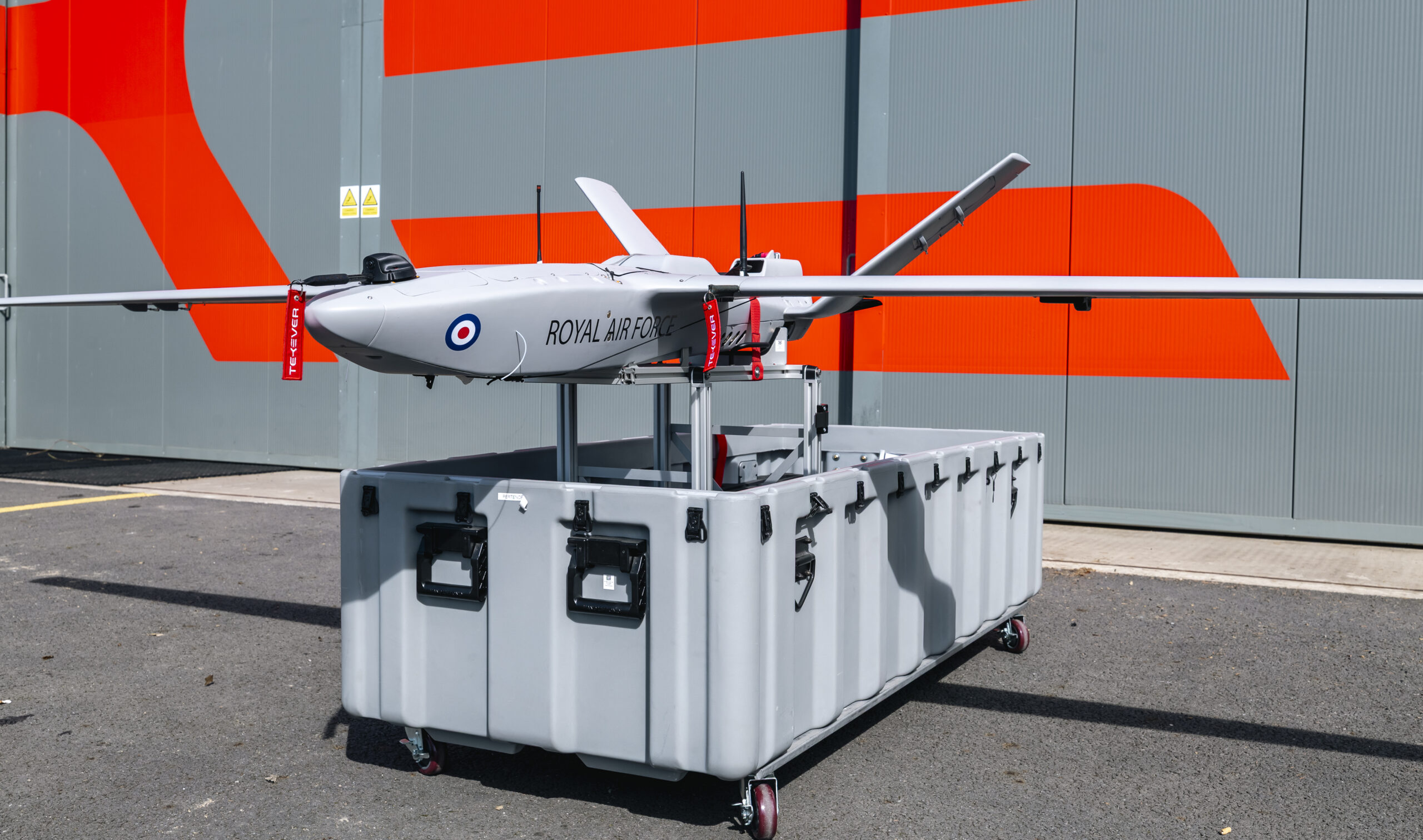
Drones, fighters, armored vehicles: Highlights from the UK’s Defence Investment Plan
The UK government has announced a significant investment of £5 billion aimed at advancing autonomous systems as part of its defense strategy. This initiative, outlined in the latest Defense Investment Plan (DIP), emphasizes the development of a “hybrid navy” that integrates cutting-edge technology into naval operations. The funding is intended to enhance the capabilities of the armed forces, reflecting a broader trend towards modernization and innovation in military operations. The push for these autonomous systems is driven by the need to adapt to evolving security challenges and to maintain a competitive edge in defense capabilities. The plan is set to reshape the future of the UK’s naval forces, ensuring they are equipped to address contemporary threats effectively.
Global Land Warfare Naval Warfare AH-64E Apache Army Challenger 3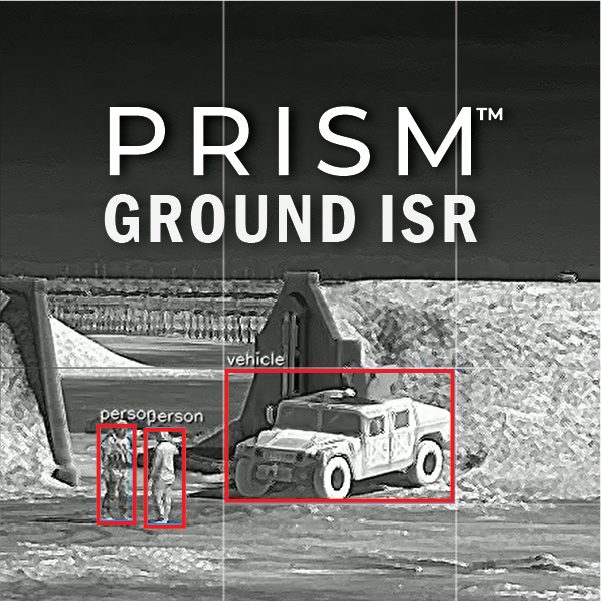
Teledyne FLIR OEM Expands Prism AI Platform with Ground ISR Software for Military Target Classification
Teledyne FLIR OEM has launched Prism™ Ground ISR, an advanced AI-powered software stack aimed at enhancing ground-based intelligence, surveillance, and reconnaissance (ISR) missions. This new software expands the capabilities of the existing Prism software family, which previously focused on counter-drone applications. The introduction of this technology marks a significant development in military target classification, leveraging AI, thermal imaging, and computational imaging to improve operational effectiveness. The announcement was made recently, highlighting the company's commitment to advancing ISR capabilities for military applications.
Applications Data analytics Defense defense Drone News Drone News Feeds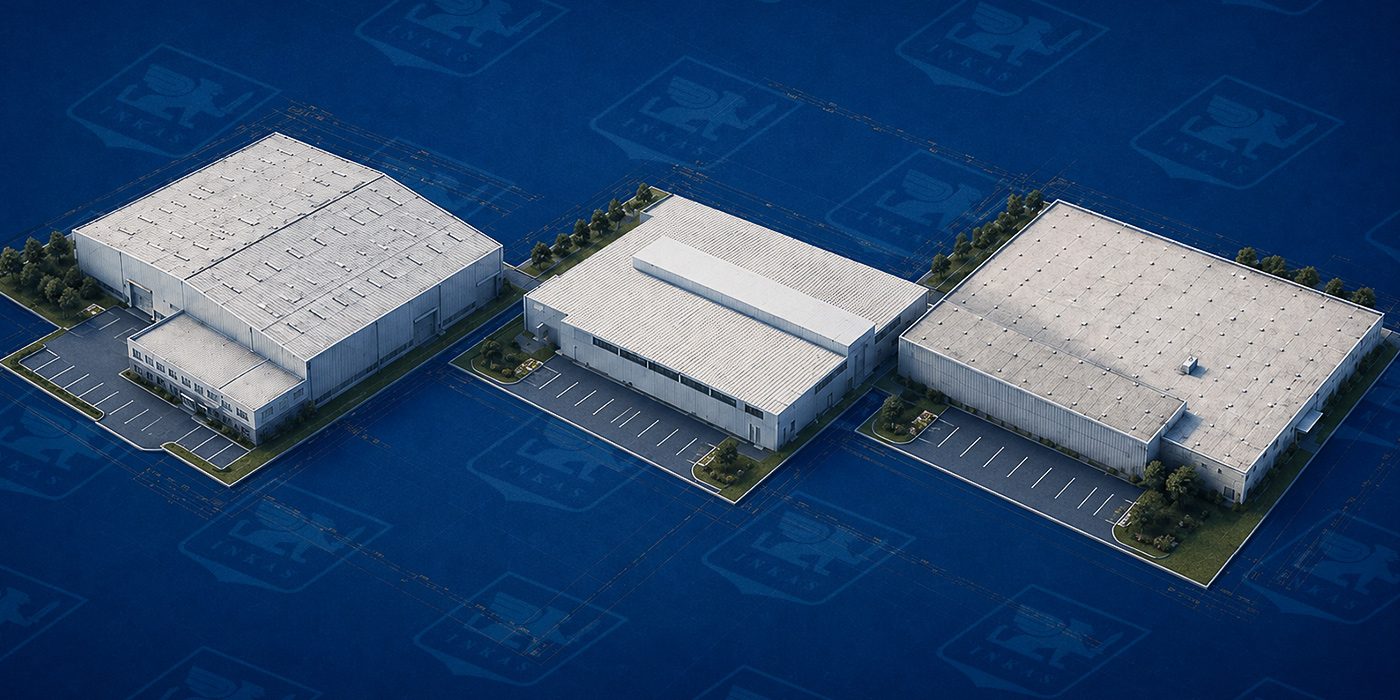
INKAS Expansion Highlights Growing Investment in North American Defense Manufacturing
Toronto-based INKAS has announced a significant expansion of its North American manufacturing capabilities with the addition of three new production facilities in Canada and the United States. This strategic move aims to more than double the company’s manufacturing space, enabling enhanced production of armored vehicles, unmanned systems, and special-purpose platforms. The expansion reflects INKAS's commitment to supporting growth in the defense manufacturing sector, responding to increasing demand for advanced military and security solutions. The new facilities are expected to bolster the company’s operational efficiency and capacity, positioning INKAS to better serve its clients in a rapidly evolving market.
Applications Canada Canadian Drone Industry Defense defense Drone Manufacturing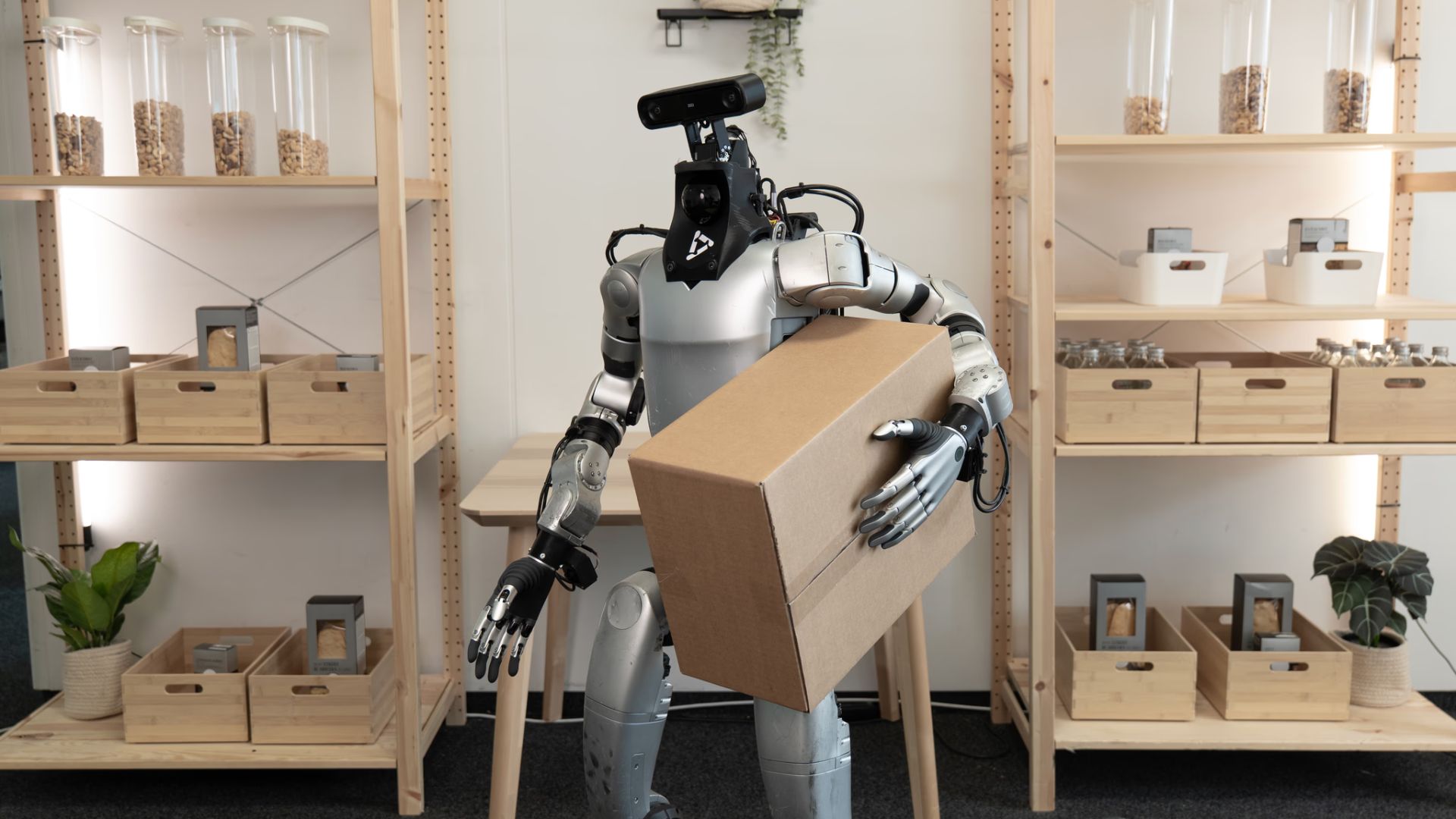
Video: New AI model gives humanoid robots 90 percent success in complex missions
Flexion Robotics has launched Reflect v1.0, an innovative robotics intelligence platform designed to enhance the capabilities of humanoid robots. This groundbreaking technology was unveiled recently, showcasing its potential to revolutionize the interaction between humans and robots. The platform integrates advanced machine learning algorithms, allowing robots to learn from their environments and adapt their behaviors accordingly. The introduction of Reflect v1.0 aims to address the growing demand for more intelligent and responsive robotic systems in various sectors, including healthcare, education, and customer service. By equipping humanoid robots with this sophisticated intelligence, Flexion Robotics seeks to improve efficiency and effectiveness in tasks that require human-like interaction. The development process involved extensive research and collaboration with experts in artificial intelligence and robotics, ensuring that the platform meets the needs of diverse applications. As the robotics industry continues to evolve, Reflect v1.0 positions Flexion Robotics at the forefront of innovation, paving the way for a future where humanoid robots can seamlessly integrate into everyday life.
AI and Robotics
Gartner: AI Expected to Become More Embedded in Supply Chains
A recent report has highlighted several emerging technologies poised to transform supply chains in the upcoming year. Among these innovations are autonomous AI software, advanced robotics, and interconnected data systems. These technologies are anticipated to enhance efficiency and streamline operations within the logistics sector. As businesses increasingly seek to optimize their supply chain management, the integration of these tools is expected to play a crucial role in meeting evolving market demands. The findings underscore the importance of technological adaptation in maintaining competitiveness in a rapidly changing economic landscape.
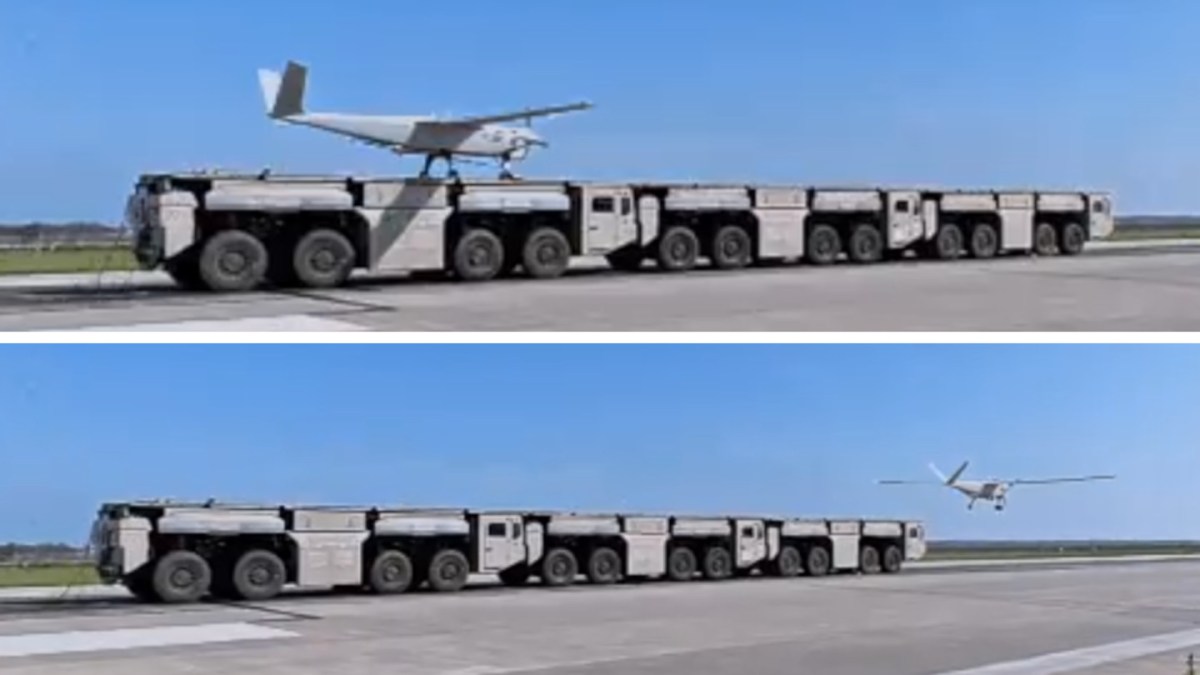
China’s Truck-Mounted Electromagnetic Aircraft Catapult Seen In Action For The First Time
A train of truck-mounted electromagnetic aircraft catapults has been observed in action for the first time, showcasing a significant advancement in military technology. This system, which is part of a broader family of containerized systems, was initially introduced on a Chinese cargo ship last December. The recent demonstration highlights China's ongoing efforts to enhance its naval capabilities and modernize its military equipment. The catapults are designed to launch aircraft from land or sea platforms, potentially transforming operational strategies for the Chinese military. This development underscores the increasing emphasis on advanced technology in military operations, reflecting a global trend toward modernization in defense systems.
News & Features Around The Globe China Drones Indo-Pacific
UK unveils long-delayed defence plan with £5bn drone investment
The UK Government is set to unveil its long-awaited Defence Investment Plan (DIP), which includes a significant commitment of £5 billion aimed at enhancing the integration of drones and autonomous systems within the armed forces. This investment will be implemented over the next four years, reflecting the government's strategic focus on modernizing military capabilities. The announcement comes as part of broader efforts to strengthen national defense in response to evolving global security challenges. By prioritizing advanced technology, the UK aims to ensure its armed forces remain competitive and effective in contemporary warfare.
News
UK Sacrifices Its Future Destroyer As Part Of Massive Bet On Drones Across Its Forces
The UK government is implementing a significant transformation in its military strategy, prioritizing the integration of uncrewed platforms across land, sea, and air operations. This ambitious overhaul comes at the cost of sacrificing its future destroyer, signaling a strategic shift towards drone technology as a cornerstone of the nation's defense capabilities. The decision reflects a growing recognition of the importance of unmanned systems in modern warfare, aiming to enhance operational efficiency and adaptability. As the UK moves forward with this initiative, it seeks to position its forces at the forefront of technological advancements in military operations.
News & Features Air Air Forces Around The Globe Europe Navies
Soft, robotic cells from morph embed physical AI into hardware
Morph has introduced an innovative soft robotics platform that focuses on the design and manufacturing of what it terms “soft robotic cells.” This new technology integrates physical artificial intelligence into hardware, enhancing the capabilities of robotic systems. The launch marks a significant advancement in the field of robotics, aiming to improve the functionality and adaptability of robots in various applications. The announcement was made recently, highlighting Morph's commitment to pushing the boundaries of robotics and AI integration. The development of these soft robotic cells is expected to open new avenues for automation and intelligent systems across multiple industries.
Artificial Intelligence Artificial Intelligence / Cognition Design / Development Financial Grippers Investments
Chinese AI company offers a new solution for physical AI in the uncertain trillion-dollar market.
In 2026, the field of physical AI is set to emerge as a transformative force, following a consensus reached by industry leaders at the CES in Las Vegas, where NVIDIA's CEO Jensen Huang heralded the arrival of "physical AI's ChatGPT moment." Over the past two years, significant advancements have been made in five key areas: brain models, imagination engines, training environments, ontology, and commercial ecosystems, laying the groundwork for real-world applications. In the first half of 2026, global investment in physical AI surged, with over $6.4 billion raised in just the first quarter, including notable funding rounds from AMI Labs and World Labs. The industry is witnessing a clear technological divergence, with three primary paths emerging: Visual Language Models (VLM), Visual Language Action (VLA), and world models. The anticipated future architecture for physical AI is expected to integrate VLA's decision-making capabilities with world models' predictive simulations. Despite the rapid growth, the competitive landscape remains uncertain, with various companies pursuing different strategies, including those focusing solely on VLA or world models, and others exploring hybrid approaches. The ultimate goal is to develop AI that can effectively navigate and understand the complexities of the physical world, moving beyond mere reactive capabilities to proactive, autonomous decision-making. As the physical AI market is projected to expand significantly, reaching an estimated $3.26 trillion by 2040, the industry faces the challenge of ensuring that technology translates into tangible business value. Companies like Om AI are pioneering innovative models that prioritize continuous perception and spatial understanding, aiming to redefine how AI interacts with its environment. The ongoing evolution of physical AI emphasizes the importance of real-world applications and the need for AI systems that can adapt and respond to dynamic physical spaces.

Stronger Cybersecurity for Today's Connected Automation Systems
Bosch Rexroth is hosting an event focused on the Cyber Resilience Act (CRA) to address the growing challenges of cyber threats and regulatory requirements faced by manufacturers. Scheduled for October 2023, this session aims to provide attendees with practical strategies for securing connected automation systems. The discussion will emphasize the importance of proactive vulnerability management and lifecycle security, highlighting how these measures can transform cybersecurity into a competitive advantage for businesses. By integrating built-in cybersecurity into automation platforms, manufacturers can enhance their operational efficiency while navigating the complexities of modern cyber risks.

NEW INDRO CORTEX, CONTROLLER SIMPLIFY ROBOTIC INTEGRATION AND OPERATION
InDro Cortex has emerged as a versatile compute and sensor integrator designed for use on various robotic platforms. This innovative device, measuring 11cm x 14cm x 10cm and weighing just 679 grams, enables seamless data transmission over 5G networks with minimal latency. It also allows remote operators to send instructions to the robotic systems it supports. The platform-agnostic nature of Cortex means it can be integrated with nearly any robotic framework, enhancing operational flexibility and efficiency in diverse applications. This advancement in robotics technology is set to revolutionize how remote operations are conducted, offering real-time communication and control capabilities.

Apollo 2 robots are actively gathering real-world data from various Robot Park locations and customer sites as part of a collaboration with Google DeepMind. This initiative aims to enhance the development of artificial intelligence models for future humanoid systems. The data collection process is ongoing and is expected to contribute significantly to advancements in AI technology, reflecting the growing partnership between robotics and artificial intelligence sectors.

Ambi Robotics and Pickle Robot Deliver Integrated Physical AI Solution to Fully Automate Inbound Logistics
A groundbreaking commercial integration has been achieved in the field of Physical AI, marking a significant advancement in automation technology. This innovative system showcases how specialized robotic units can collaborate effectively to automate the processes of truck unloading and palletizing. The integration, which is the first of its kind, demonstrates the potential for enhanced efficiency and productivity in logistics operations. By utilizing advanced robotics, companies can streamline their supply chain processes, reducing labor costs and minimizing human error. This development is set to redefine industry standards and pave the way for further advancements in automated systems.

Sabanto Inc. and Verdant Robotics Announce Technical Integration of Autonomous Tractor Operation with SharpShooter Plant-Level Precision Application
A new integrated solution has been developed that combines two systems, allowing for fully autonomous field work in agriculture. This innovation enables tasks ranging from navigation to plant-level application to be performed without the need for an operator in the cab. The advancement represents a significant leap in agricultural technology, streamlining operations and enhancing efficiency in the field. The system is designed to operate seamlessly, reflecting the latest advancements in automation and data integration. This development is expected to transform farming practices, reducing labor costs and increasing productivity.
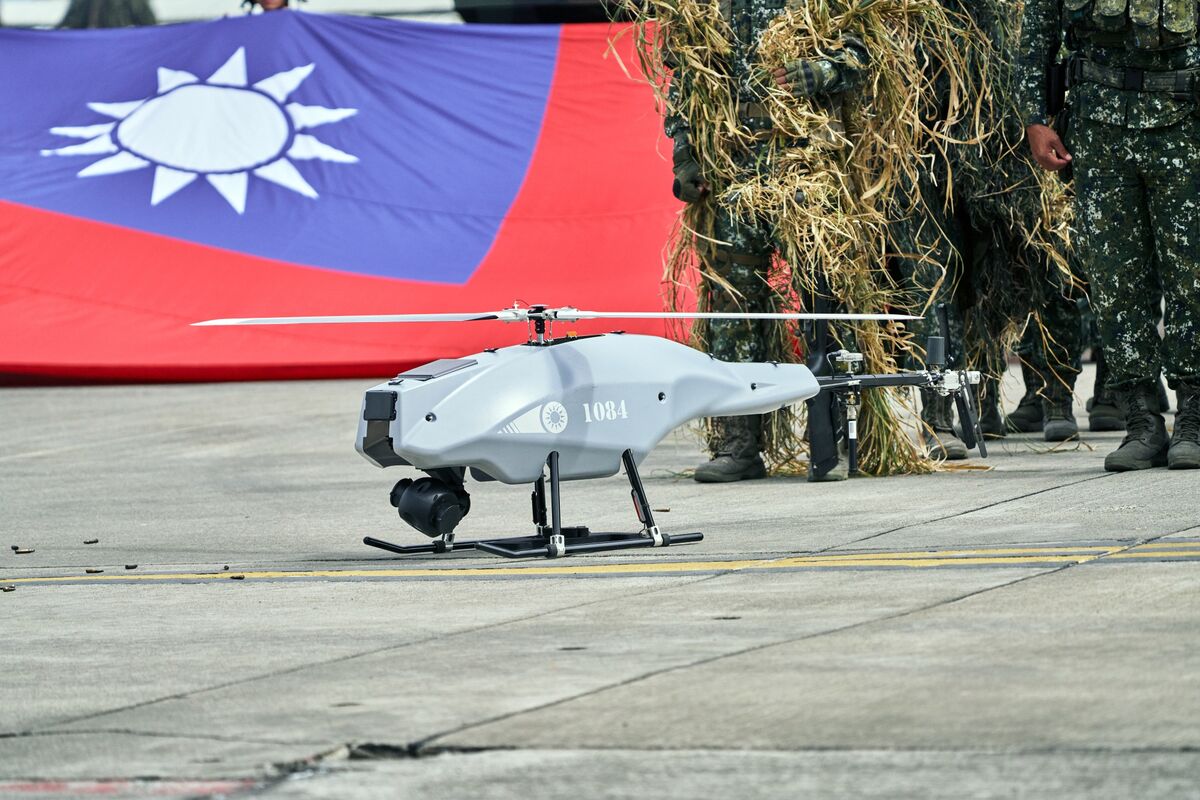
Taiwan Opposition’s $7.5 Billion Plan Stirs Drone Defense Debate
Taiwan's main opposition party has unveiled a strategy to advance the drone industry, shortly after blocking a similar initiative proposed by President Lai Ching-te's administration. This development comes amid ongoing discussions regarding unmanned systems, which hold significant importance for Taiwan's defense capabilities. The opposition's move reflects a growing emphasis on enhancing the island's technological and military resources in response to regional security challenges. The initiative aims to bolster Taiwan's defense infrastructure and ensure its preparedness in an increasingly complex geopolitical landscape.

M3RS: Multi‐Robot, Multi‐Objective, and Multi‐Mode Routing and Scheduling
A recent study published in the Journal of Field Robotics highlights the advancements in robotic technology aimed at enhancing agricultural efficiency. Conducted by a team of researchers from various universities, the study was released in October 2023. The research focuses on the integration of autonomous robots in farming practices, particularly in crop monitoring and harvesting tasks. The motivation behind this initiative stems from the growing need for sustainable agricultural solutions to meet the demands of a rising global population. By employing robots equipped with advanced sensors and artificial intelligence, farmers can optimize resource usage, reduce labor costs, and increase crop yields. The researchers conducted field trials across multiple farms, demonstrating how these robotic systems can operate in real-time to assess plant health and identify areas requiring attention. The findings suggest that the implementation of such technologies could revolutionize traditional farming methods, making them more efficient and environmentally friendly. As the agricultural sector faces challenges such as labor shortages and climate change, this innovative approach offers a promising pathway to enhance productivity while minimizing environmental impact. The study underscores the potential of robotics in transforming agriculture, paving the way for future developments in the field.
RESEARCH ARTICLE
In Defence Investment Plan preview, Britain bets big on drones, ‘hybrid’ navy
The Ministry of Defence has announced an initiative to develop at least six hybrid warships that will integrate with unmanned systems both in the air and at sea. This strategic move aims to enhance naval capabilities and modernize the fleet, reflecting a growing emphasis on advanced technology in military operations. The initiative underscores the Ministry's commitment to maintaining a competitive edge in maritime defense, particularly in an era where unmanned systems are becoming increasingly vital for operational effectiveness. The timeline for the project has not been specified, but it represents a significant step towards modernizing naval warfare and adapting to evolving threats.
Air Warfare Global Land Warfare Naval Warfare Air Force Ajax
How NVIDIA’s Inference Software Stack Powers the Lowest Token Cost
As organizations transition from experimental AI pilots to fully operational AI factories, there is a significant shift in infrastructure decision-making. This change, observed in late 2023, emphasizes the importance of cost efficiency, focusing on the cost per token rather than just peak chip specifications. Companies are now prioritizing how many useful tokens can be generated per dollar spent, per watt of energy consumed, and within specific latency requirements. This strategic pivot aims to enhance the overall performance and affordability of AI systems, ensuring they can meet the growing demands of the market while maintaining efficiency.
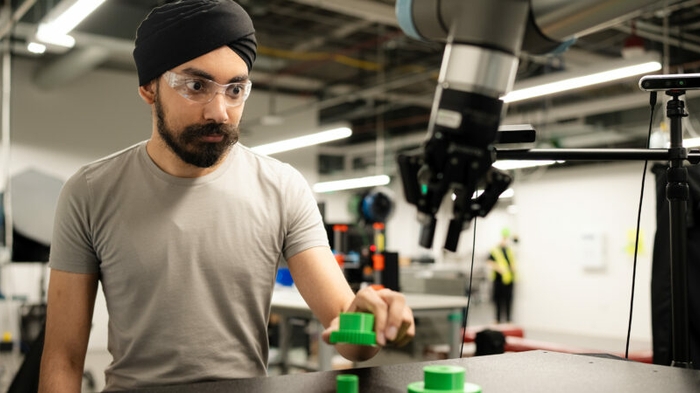
How Jaiveer Singh Is Helping Robots — and Developers — Move Faster
Jaiveer Singh, an expert in robotics, emphasizes the importance of foundational elements in robotics, such as the internal components of machines and the software that allows developers to access a robot's cameras. Rather than focusing on the flashy aspects of robots, he advocates for a deeper understanding of the engineering and infrastructure necessary for their development. This approach highlights the critical role that well-designed systems play in enabling robots to function effectively in various applications. Singh's perspective aims to shift the conversation towards the essential technical groundwork that supports the advancement of robotic technology.
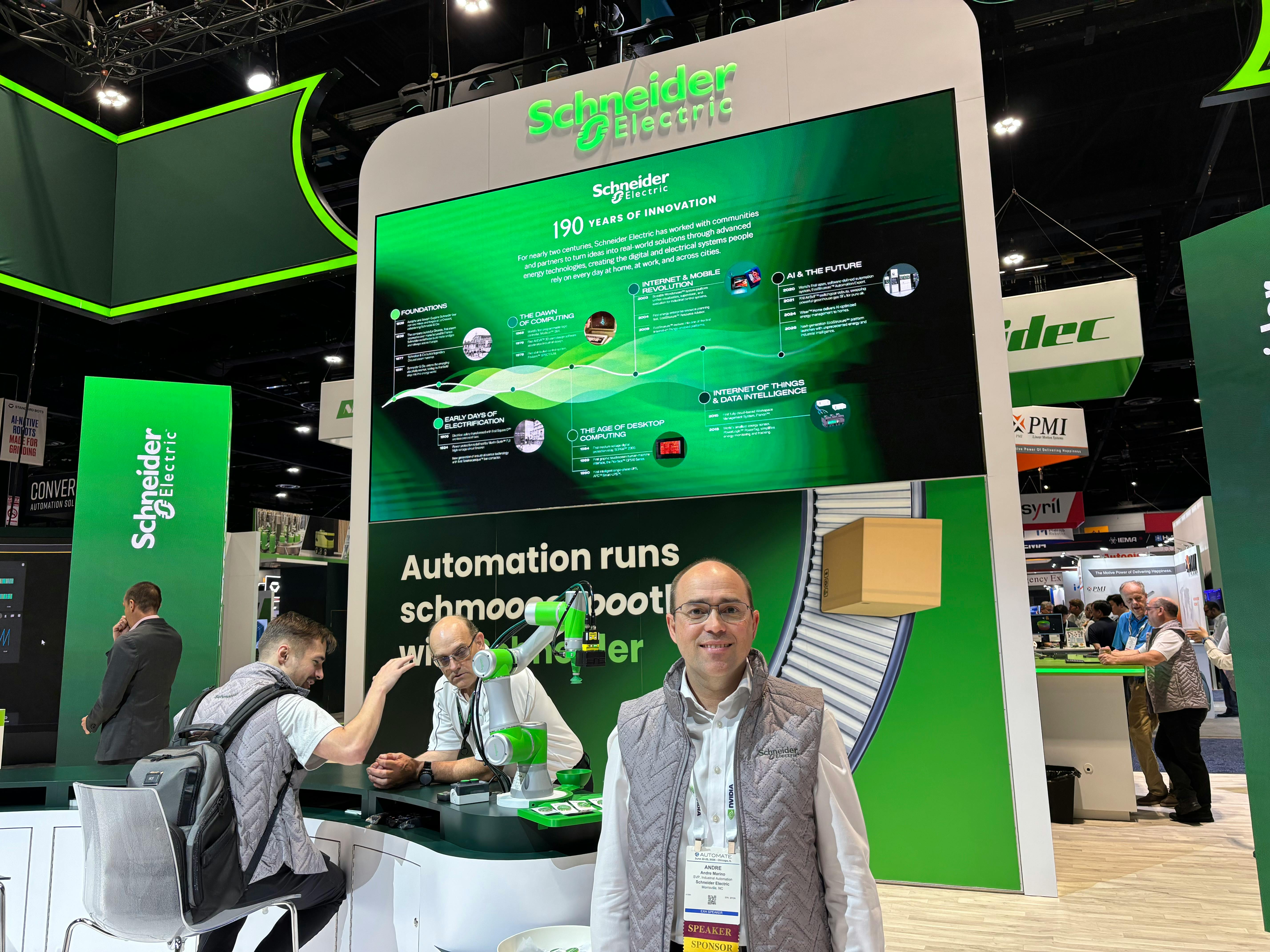
Large World Models & Software-Defined Automation: A Schneider Exec's Look at the Future
In a recent industry discussion, experts highlighted a significant challenge facing businesses: the issue of vendor lock-in. This problem, which restricts companies to a single supplier, limits their flexibility and innovation potential. The conversation took place during a technology conference held in San Francisco on October 15, 2023, where industry leaders gathered to address current trends and obstacles in the market. Participants emphasized that reliance on a single vendor can hinder competition and stifle creativity, as companies may feel compelled to continue using a service or product that does not fully meet their evolving needs. The motivation behind this concern stems from a desire for greater adaptability and the ability to leverage multiple solutions to enhance operational efficiency. To combat vendor lock-in, experts suggested strategies such as adopting open standards and promoting interoperability among different systems. By encouraging a more collaborative environment, businesses can mitigate risks associated with being tied to one provider and foster a more dynamic marketplace. The discussions underscored the importance of addressing these challenges to ensure that companies can thrive in an increasingly competitive landscape.
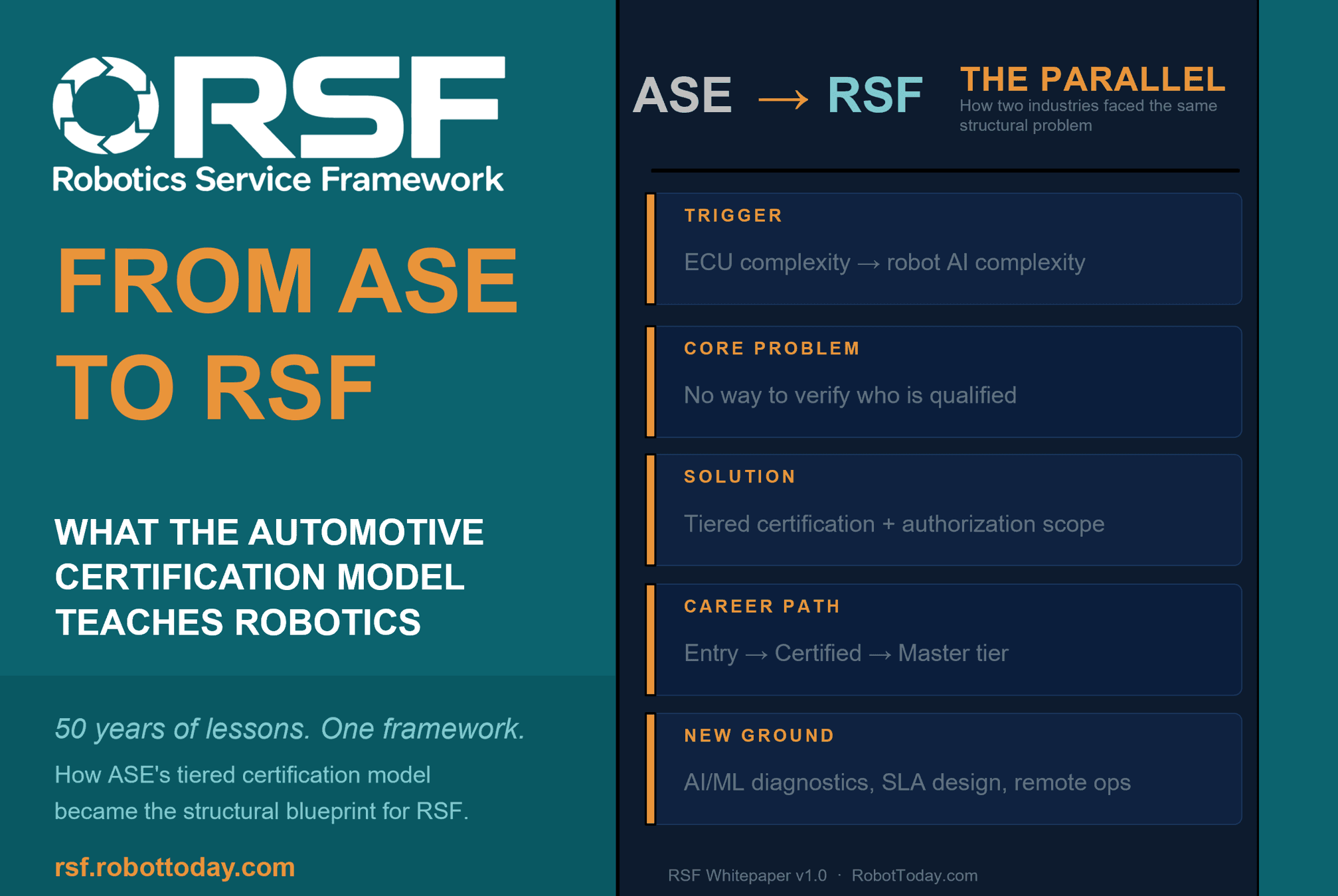
Factory / ControlRobotics needs a service framework.
RSF defines a common language for robot service capability, lifecycle operations, certification pathways, and service-provider networks.