Industry Briefing
A single destination for timely, editor-curated robotics news from around the world.

Countdown to the 2026 Smart Elderly Care Robot Competition: Preview of Exciting Highlights
The 2026 Smart Elderly Care Robot Application Competition will be held on May 25-26 in Langfang, China, highlighting advancements in robotic technology for elderly care. This event will present two primary challenges focused on rehabilitation and elderly care robots, evaluating their effectiveness in scenarios related to health management and emotional support. Participants are expected to demonstrate innovative solutions that address the urgent needs of the aging population, aiming to bridge the gap between technological advancements and practical applications in elderly care.
Elderly Care Robots Robotics Competition Health Management Assistive Technology Smart Home Solutions
2026 Smart Elderly Care Robot Competition Concludes Successfully with 12 Teams Honored
The 2026 Smart Elderly Care Robot Application Competition took place in Langfang, bringing together 57 teams to showcase their innovations aimed at enhancing elderly care through technology. Themed 'Robots Empowering Elderly Care, Technology Warming the Sunset Years,' the event focused on health management and emotional support for seniors. After a series of tasks, 12 teams were recognized for their outstanding contributions, underscoring the growing importance of integrating advanced technology into real-world applications for elderly care. This competition not only highlighted the potential of rehabilitation and caregiving robots but also emphasized the role of innovation in improving the quality of life for the aging population.
Elderly Care Robots Rehabilitation Technology Healthcare Robotics Assistive Technology
2026 Smart Elderly Care Robot Competition Launches with Eight Key Tasks
The 2026 Smart Elderly Care Robot Application Competition commenced in Langfang, featuring innovative robots aimed at aiding the elderly in daily tasks. Participants showcased their designs, which included solutions for mobility support, health management, and emotional companionship, all targeting the pressing challenges encountered in elderly care. The competition prioritizes practical applications and safety, focusing on the real-world effectiveness of these technologies rather than just theoretical concepts.
Elderly Care Robots Healthcare Robotics Assistive Technology Robotics Competitions
Can AI outperform doctors? Experts weigh the pros and cons
In a recent statement, a prominent CEO emphasized the importance of leveraging artificial intelligence to enhance personal health management. The CEO urged individuals to utilize AI technologies more effectively to gain insights into their health status and make informed decisions. This call to action comes as advancements in AI continue to evolve, offering new opportunities for individuals to monitor and improve their well-being. The remarks were made during a conference focused on health technology, highlighting the growing intersection between AI and healthcare. The CEO's advocacy reflects a broader trend in the industry, where AI is increasingly seen as a vital tool for empowering patients and promoting proactive health measures. As the conversation around AI in healthcare gains momentum, experts believe that integrating these technologies into daily health practices could lead to significant improvements in health outcomes.
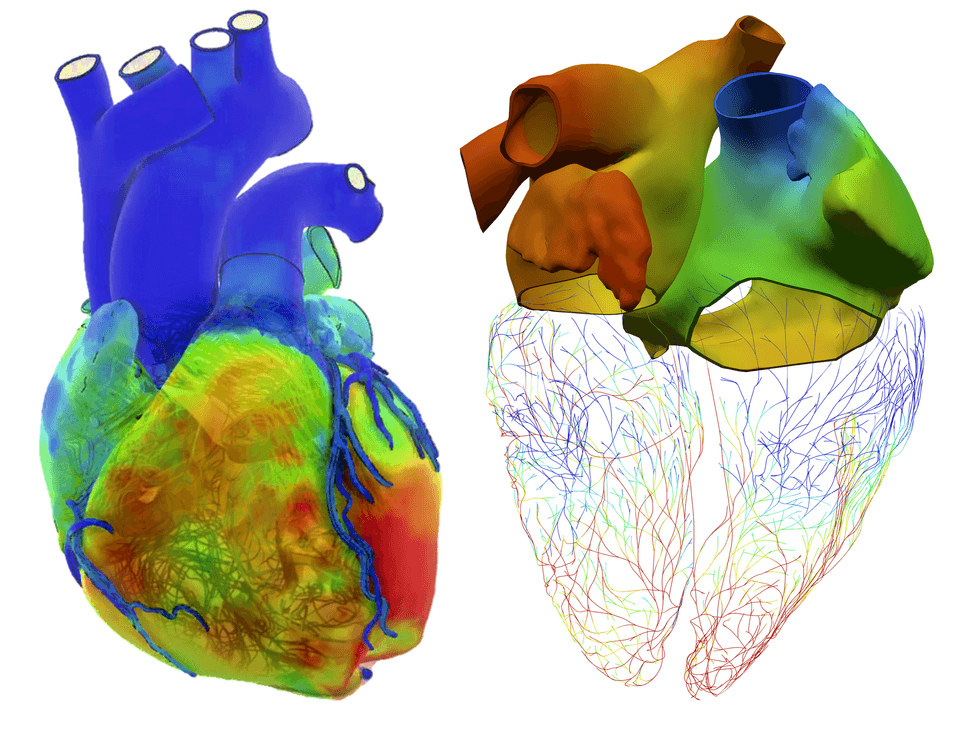
How Your Virtual Twin Could One Day Save Your Life
In May 2019, a cardiac surgeon at Boston Children’s Hospital successfully performed a complex heart surgery on a child with a severe congenital defect, utilizing advanced virtual twin technology. This innovative approach involved creating a detailed 3D model of the child's heart and vascular system from MRI and CT scans, allowing the surgical team to simulate various strategies and predict outcomes before the operation. The procedure was critical due to the unique nature of the child's heart condition, which had no established surgical manual. The Living Heart Project, initiated in 2014, has since guided nearly 2,000 surgeries by employing virtual twin modeling, which combines engineering principles with medical expertise to enhance surgical precision and patient outcomes. This project, now involving over 150 organizations globally, aims to revolutionize medical treatment by providing a dynamic, predictive tool that can simulate the human body's responses. The technology not only aids in surgical planning but also has the potential to streamline clinical trials. By creating virtual patient cohorts, researchers can test treatments more efficiently, reducing the time and costs associated with traditional trials. The FDA has recognized the significance of this approach, collaborating with the project to establish guidelines for in silico clinical trials, marking a significant shift in how medical innovations are developed and validated. As virtual twins expand beyond cardiac applications to other organs, they promise to transform healthcare by enabling personalized medicine and fostering a deeper understanding of patient physiology, ultimately improving treatment outcomes and patient engagement in their health management.
Cardiology Digital-twins Personalized-medicine Virtual-heart Generative-ai
Why EHR Integration is the Make-or-Break Factor in Healthcare AI Deployments
Healthcare organizations are rapidly adopting artificial intelligence tools, but many are facing significant challenges in integrating these systems with existing Electronic Health Record (EHR) platforms. Practitioners often initiate the use of automation platforms and conduct pilot programs, only to encounter a critical barrier: the inability of new AI systems to communicate with EHRs. This lack of interoperability leads to increased manual workloads, undermining the intended efficiency gains of automation. As healthcare providers strive to enhance operational efficiency through technology, the disconnect between AI tools and EHR systems poses a substantial hurdle that must be addressed to realize the full potential of these innovations.
Digital Automation Health ai in healthcare AI scheduling automation news bidirectional integration
Advancements in Humanoid Robotics Driven by Power Management Solutions
The latest episode of Designing the Future highlights the significant progress in humanoid robotics, driven by advancements in speed, mobility, and dexterity. As these technologies evolve, the role of power management becomes increasingly critical, particularly in the context of battery and fuel cell usage. Engineers face challenges in converting energy from onboard sources to effectively power mechatronics and logic systems. This focus on power management is essential for the realization of humanoid robots that can perform a wide range of tasks, fulfilling the long-held promise of general-purpose machines. The conversation between Jim Anderton and John Quinlan from Murata Power Solutions underscores the importance of efficient power solutions in enhancing robotic performance. As the industry continues to innovate, the interplay between power systems and robotic capabilities will shape future developments. Looking ahead, the demand for compact and efficient power products will likely grow as humanoid robots become more prevalent in various sectors, including industrial and medical markets. No further timeline was disclosed at the time of publication.
Humanoids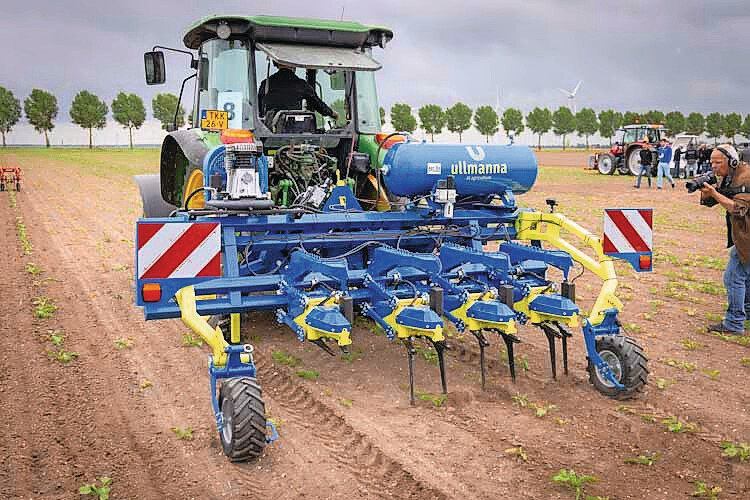
Weeding robot part of integrated weed management
A recent field trial at Wageningen University & Research (WUR) in Valthermond, Netherlands, has highlighted the necessity for growers to adopt additional methods beyond weeding robots to effectively manage weed control. The trial, which draws on practical experiences expected to be implemented by 2025, underscores the challenges faced by agricultural producers in maintaining crop health and productivity. As the agricultural sector increasingly seeks innovative solutions to combat weeds, the findings from WUR suggest that a multifaceted approach will be essential for sustainable farming practices.
Smart farming mechanical weeder precision spraying weeding robots
Vbot Launches Daitou EDU: A Versatile Quadruped Robot Development Platform
Vbot has introduced the Daitou EDU, a quadruped robot development platform designed for real-world applications. Unlike traditional robots that focus on speed and agility, the Daitou EDU emphasizes the importance of practical use cases in various sectors, such as property management and healthcare. The significance of the Daitou EDU lies in its advanced capabilities, including 128 TOPS edge computing power, integrated perception hardware, and autonomous mobility features. This platform allows developers to create applications without starting from scratch, addressing the gap between robotic capabilities and practical applications in diverse environments. Looking ahead, the Daitou EDU represents a shift in the robotics industry towards creating adaptable robots that can be redefined for multiple scenarios. As developers begin to leverage its features, the potential for innovative applications in various fields will expand, raising questions about the future roles of robots in everyday life.
Quadruped Robots Robotics Development Embodied Intelligence AI Applications
Milan hospital deploys 4-ft-tall humanoid robot to assist wards and relay patient data
In a significant effort to alleviate healthcare workloads and enhance ward efficiency, a new initiative has been launched by healthcare authorities. This program, introduced in October 2023, aims to streamline operations within hospitals across the region. By implementing advanced technologies and innovative management strategies, the initiative seeks to reduce the burden on medical staff and improve patient care. The decision to launch this program stems from ongoing concerns about staff burnout and the need for more effective resource allocation in healthcare facilities. As part of the rollout, hospitals will receive support in adopting these new practices, which are expected to lead to better patient outcomes and a more sustainable work environment for healthcare professionals.
AI and Robotics
AI May Unlock Early Disease Clues Hidden in Routine Eye Exams
A recent study conducted by an interdisciplinary team of scientists at The University of Manchester has revealed that advancements in artificial intelligence could revolutionize routine eye tests by detecting early signs of heart and brain diseases. This innovative approach aims to identify potential health issues long before symptoms manifest, offering a proactive strategy for disease management. The findings underscore the potential of AI technology in enhancing diagnostic capabilities, paving the way for earlier interventions and improved patient outcomes. As the research progresses, it could significantly change how healthcare professionals monitor and address cardiovascular and neurological conditions.

No Future in Industrial Leadership Without Women
In the manufacturing sector, women remain underrepresented in leadership roles, prompting an organizational consultant to launch an internal leadership program aimed at preparing female talent for operational management positions. Research indicates that diverse leadership teams in production not only contribute a wider range of perspectives but also enhance companies' resilience to global market demands and cultural complexities. The pharmaceutical company Dr. Kade Health Care exemplifies successful implementation of work-life balance and female leadership in practice. This initiative highlights the critical need for gender diversity in industrial leadership to ensure a sustainable future for the industry.
Allgemein
BayCare Expands Autonomous Hospital Delivery with New Relay Robots at Winter Haven Hospitals
In response to the ongoing healthcare labor shortage, a new initiative has been launched to expand the use of robotic technology in hospitals. This expanded fleet of robots is designed to automate non-clinical logistics, allowing healthcare professionals to focus more on direct patient care. By streamlining tasks such as inventory management and supply delivery, the robots aim to enhance efficiency within medical facilities. This initiative is particularly timely as healthcare systems face increasing pressure to optimize resources and improve patient outcomes. The deployment of these robots is expected to significantly reduce the burden on nursing staff, ultimately prioritizing nurse-to-patient interaction and enhancing the overall quality of care.

A Critical Review of Reinforcement Learning Algorithms for Mobile Robot Path Planning
The Journal of Field Robotics has published an early view article highlighting recent advancements in robotic technology. Researchers from various institutions have collaborated to explore innovative applications of robotics in diverse fields, including agriculture, healthcare, and disaster response. The findings, released in October 2023, underscore the growing importance of robotics in enhancing efficiency and safety across these sectors. The study emphasizes the integration of artificial intelligence and machine learning to improve the functionality and adaptability of robotic systems. By leveraging these technologies, the researchers aim to address complex challenges faced in real-world scenarios, such as precision farming and emergency management. This publication is part of an ongoing effort to disseminate cutting-edge research that can inform future developments in robotics. The collaborative nature of the research showcases a commitment to interdisciplinary approaches, fostering innovation that can lead to significant societal benefits. As the field continues to evolve, the implications of these advancements are expected to resonate across various industries, driving further investment and interest in robotic solutions.
SURVEY ARTICLE
Do We Really Need Smarter AI to Cure Cancer?
Major tech companies like Meta and OpenAI are heavily investing in the development of artificial general intelligence (AGI) and artificial superintelligence (ASI), with estimates suggesting over a trillion dollars has already been allocated to artificial intelligence (AI) initiatives. Despite the excitement surrounding these advancements, Emilia Javorsky, director of the Futures program at the Future of Life Institute, cautions against over-reliance on future AI capabilities to solve complex health issues like cancer. In her March essay, "AI vs Cancer," Javorsky critiques the notion that AGI or ASI could cure cancer, emphasizing that cancer is not a singular disease but a collection of highly individualized conditions requiring tailored treatments. Javorsky argues that while current AI applications are making strides in areas such as drug discovery and clinical trials, the focus should shift towards collecting comprehensive health data and improving existing medical tools rather than solely investing in advanced AI technologies. She advocates for a balanced approach that prioritizes effective resource allocation in cancer research and treatment. Javorsky's insights highlight the importance of leveraging existing AI capabilities to enhance patient care and accelerate medical innovation, while also addressing systemic challenges within the healthcare system. Her perspective offers a hopeful outlook on the potential for AI to contribute meaningfully to cancer management and treatment.
Medical-ai Cancer Oncology Agi Superintelligence Cancer-treatments
Import AI 452: Scaling laws for cyberwar; rising tides of AI automation; and a puzzle over gDP forecasting
A recent analysis highlights the potential of artificial intelligence (AI) to significantly transform the global economy. Experts predict that by 2030, AI could contribute an additional $15.7 trillion to the world’s GDP, driven by advancements in productivity and innovation across various sectors. This economic shift is expected to occur as businesses increasingly adopt AI technologies to streamline operations and enhance decision-making processes. The report, released in October 2023, emphasizes that industries such as healthcare, finance, and manufacturing stand to benefit the most from AI integration. In healthcare, for instance, AI can improve diagnostics and patient care, while in finance, it can optimize trading strategies and risk management. The manufacturing sector may see increased efficiency through automation and predictive maintenance. The motivation behind this economic revolution stems from the need for companies to remain competitive in an evolving market. As organizations face rising operational costs and the demand for faster service, AI offers solutions that can lead to substantial cost savings and improved customer experiences. To capitalize on these opportunities, businesses are encouraged to invest in AI research and development, as well as workforce training to ensure employees are equipped to work alongside advanced technologies. The transition to an AI-driven economy is expected to require collaboration between governments, private sectors, and educational institutions to create a supportive environment for innovation and growth. As the world approaches this pivotal shift, the implications of AI on job markets, economic inequality, and ethical considerations will also need to be addressed to ensure a balanced and inclusive economic future.
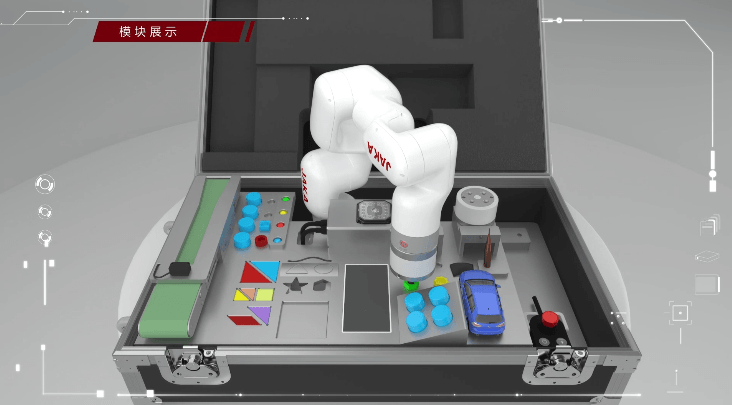
Four Use Cases of Miniature Robotic Arm in Medical and Pharmaceutical Dispensing
JAKA, a leader in medical and pharmaceutical technology, is revolutionizing dispensing processes with its innovative miniature robotic arm, the JAKA MiniCobo. This advanced system enhances operational efficiency and safety by minimizing human interaction with hazardous materials, which is crucial in environments where precision is essential. The MiniCobo's flexible programming allows for quick adaptations to various medications and formulations, significantly reducing product modification cycles and the need for multiple equipment units. Operators can seamlessly switch tasks, from measuring liquids to sorting vials, without sacrificing accuracy or throughput. In addition to improving safety by reducing direct human exposure to dangerous chemicals, the MiniCobo ensures consistent processing quality through its precise handling of sensitive substances. By replacing manual labor in high-risk areas, JAKA aims to lower workplace incidents while maintaining the integrity of delicate operations. The integration of the MiniCobo extends beyond safety; it interfaces with laboratory information management systems and automated storage units, streamlining workflows and enhancing overall operational efficiency. Its compact design makes it suitable for deployment in space-constrained medical and pharmaceutical labs, ultimately reducing equipment costs by performing multiple tasks within a single unit. JAKA's commitment to advancing dispensing technology through miniature robotics not only enhances safety and precision but also supports complex workflows, contributing to improved outcomes in healthcare and pharmaceutical operations.
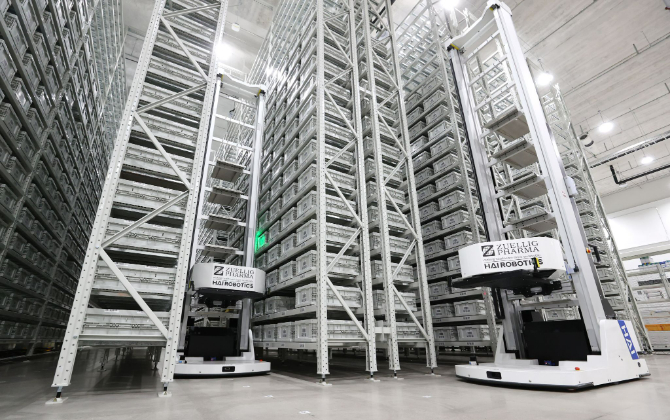
Hai Robotics’ HaiPick Solution Powers Zuellig Pharma Korea’s New CTS Innovation Center
Hai Robotics has implemented its HaiPick solution at Zuellig Pharma Korea's newly established Clinical Trial Support Innovation Center. This deployment, which took place recently, is designed to enhance logistics for clinical trials through advanced automation technologies. The facility incorporates features such as automated order fulfillment, cold chain logistics, and precise inventory management. These innovations aim to improve healthcare access and operational efficiency within the clinical trial process, ultimately benefiting the pharmaceutical sector and its stakeholders.
Healthcare Automation Clinical Trials Logistics Robotics Supply Chain Management
RFID and Barcode Technology for Smarter Operations
Recent advancements in RFID and barcode technology are transforming business operations by enabling real-time asset and inventory tracking. These technologies enhance accuracy and speed in daily workflows, with barcodes facilitating quick scanning and RFID providing automated visibility on a larger scale. As a result, companies across various sectors—including manufacturing, healthcare, retail, and logistics—are experiencing reduced downtime and improved decision-making capabilities. This shift towards smarter operations is particularly evident in busy warehouses, where the integration of these technologies streamlines processes and enhances overall efficiency. The growing reliance on RFID and barcode systems underscores their critical role in optimizing business performance and adapting to the demands of modern supply chains.
Communications Internet Technology asset management asset tracking automation news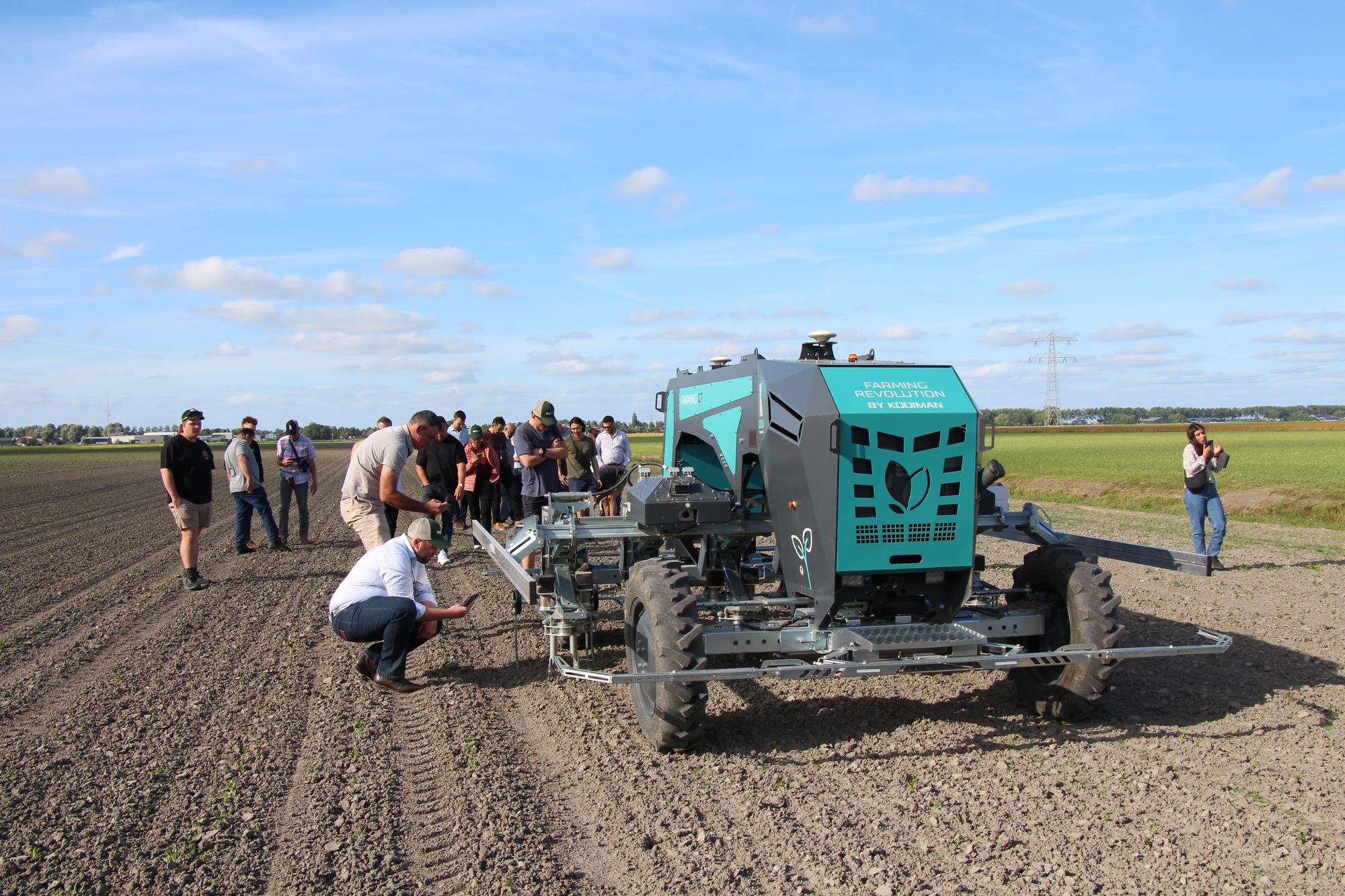
Australian Growers Gain Insights from European Study Tour on Automation and Robotics
Twenty Australian vegetable and onion growers participated in a 10-day study tour across the UK and the Netherlands, organized under the VegMech project. This initiative, led by the Department of Primary Industries (Queensland) and funded by Hort Innovation, aimed to showcase how European farmers are integrating automation and robotics into their agricultural practices. The tour provided firsthand insights into the use of technologies like the Farming GT hoeing robot, which has been effective in managing weeds in crops such as celeriac and pumpkins. With about 40 units sold in Europe, the Farming GT can hoe 8 to 10 hectares daily, addressing labor shortages and promoting sustainable weed management. Looking ahead, Australian growers are keen to explore precision agriculture solutions to enhance crop health while minimizing herbicide use. The interest in technologies like laser weeding indicates a shift towards more sustainable farming practices. No further timeline was disclosed at the time of publication.
Smart farming field robots laser weeding mechanical weeding robotic harvesting sustainable farming
A Survey of Dynamic Wireless Power Transfer for Persistent UAV Transportation in Low‐Altitude Economy: The Field–Motion Framework
A recent study published in the Journal of Field Robotics highlights advancements in robotic technology aimed at enhancing agricultural efficiency. Researchers from various universities collaborated to develop an innovative robotic system designed to automate crop monitoring and management tasks. This study, released in early October 2023, emphasizes the growing need for sustainable farming practices amid increasing global food demands. The robotic system utilizes advanced sensors and artificial intelligence to assess crop health, optimize irrigation, and reduce pesticide usage. By integrating these technologies, the researchers aim to support farmers in making data-driven decisions that can lead to higher yields and lower environmental impact. The project was conducted in various agricultural settings, showcasing its adaptability to different crops and farming methods. The motivation behind this initiative stems from the challenges faced by the agricultural sector, including labor shortages and the need for more efficient resource management. By automating routine tasks, the robotic system not only addresses these issues but also promotes sustainable agricultural practices that are essential for future food security. As the agricultural landscape continues to evolve, this research represents a significant step towards the integration of robotics in farming, potentially transforming how crops are cultivated and managed in the years to come.
SURVEY ARTICLE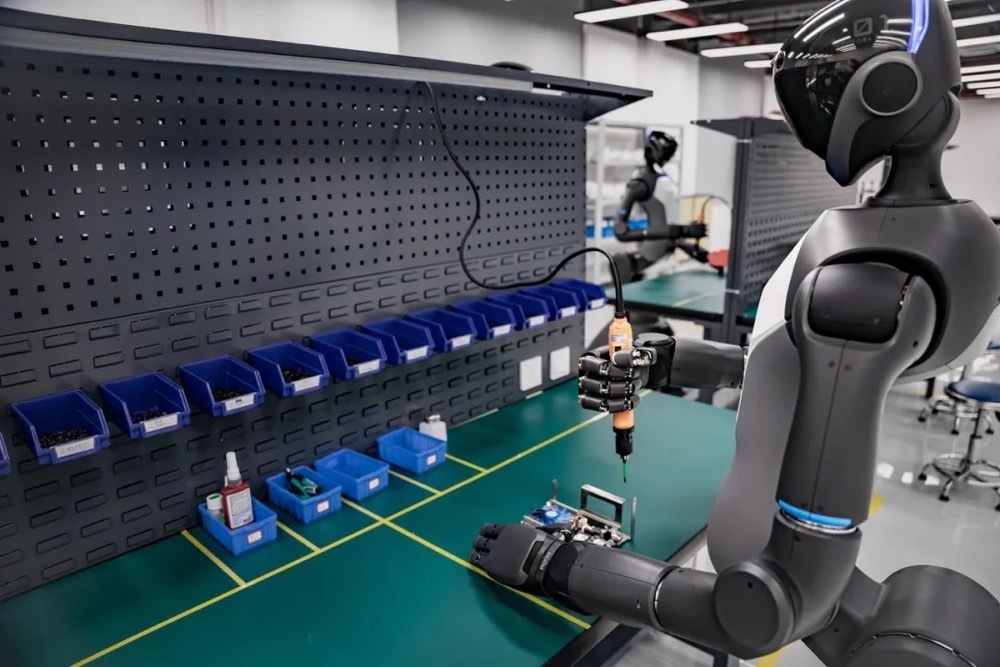
A Vision‐Guided Docking Method for Autonomous Underwater Vehicle From Ice Hole
A recent study published in the Journal of Field Robotics highlights advancements in autonomous robotic systems designed for agricultural applications. Researchers from a leading university conducted experiments to evaluate the efficiency of these robots in crop monitoring and management. The study, released in early October 2023, took place in various agricultural settings across the Midwest. The motivation behind this research stems from the increasing need for sustainable farming practices amid rising global food demands. By integrating advanced robotics and artificial intelligence, the team aimed to enhance productivity while minimizing environmental impact. The robots utilized cutting-edge sensors and machine learning algorithms to collect and analyze data on crop health, soil conditions, and pest activity. Through a series of field trials, the researchers demonstrated that these autonomous systems could significantly reduce labor costs and improve yield predictions. The findings suggest that the implementation of such technology could revolutionize traditional farming methods, making them more efficient and environmentally friendly. This study not only underscores the potential of robotics in agriculture but also paves the way for further innovations that could address the challenges faced by the agricultural sector in the coming years.
RESEARCH ARTICLE
Linear System Identification and Control of a Low‐Cost High‐Performance Omnidirectional Marine Surface Vehicle for Swarming Applications
The Journal of Field Robotics has published an early view article highlighting advancements in robotic technology aimed at enhancing agricultural efficiency. Researchers from various institutions collaborated on this study, which was released in October 2023. The article focuses on the development of autonomous robots designed to optimize crop management and reduce labor costs in farming practices. This initiative is driven by the increasing demand for sustainable agricultural solutions amid a growing global population. The team employed cutting-edge artificial intelligence and machine learning techniques to enable robots to perform tasks such as planting, monitoring crop health, and harvesting with minimal human intervention. Field tests conducted in diverse agricultural settings demonstrated the robots' effectiveness in improving yield while minimizing resource usage. The findings suggest that integrating robotics into farming could significantly address labor shortages and enhance food production efficiency. As the agricultural sector faces mounting pressures from climate change and economic constraints, this research underscores the potential of technology to transform traditional farming methods and promote sustainability.
RESEARCH ARTICLE
Research on the Application of SSG‐RRT Path Planning Algorithm Integrated With Dynamic Obstacle Avoidance in Wheeled Picking Robot
A recent study published in the Journal of Field Robotics highlights advancements in robotic technology aimed at improving agricultural efficiency. Researchers from various institutions conducted the study to explore how autonomous robots can enhance crop management and reduce labor costs. The findings, released in early October 2023, indicate that these robots can perform tasks such as planting, monitoring, and harvesting with greater precision than traditional methods. The research was conducted in diverse agricultural settings, showcasing the robots' adaptability to different crops and terrains. By integrating advanced sensors and machine learning algorithms, the robots can analyze soil conditions and plant health, allowing for timely interventions that can lead to increased yields. This initiative is driven by the growing need for sustainable farming practices in response to global food demands and labor shortages in the agricultural sector. The study emphasizes that implementing robotic solutions could not only optimize resource use but also address environmental concerns associated with conventional farming techniques. As the agricultural industry faces mounting challenges, the deployment of these innovative robotic systems represents a significant step forward in modernizing farming practices and ensuring food security for the future.
RESEARCH ARTICLE
Motion Control and Experimental Verification of a Continuum Aerial Manipulator for Power Grid Maintenance Operations
A recent study published in the Journal of Field Robotics highlights advancements in robotic technology aimed at improving agricultural efficiency. Researchers from various institutions collaborated to develop a new robotic system designed to automate the process of crop monitoring and management. This innovative system was tested in fields across California during the summer of 2023, demonstrating its potential to enhance productivity and reduce labor costs for farmers. The motivation behind this research stems from the increasing demand for sustainable agricultural practices and the need to address labor shortages in the farming sector. By integrating advanced sensors and artificial intelligence, the robotic system can analyze crop health, soil conditions, and environmental factors in real-time, providing farmers with actionable insights. The study outlines the methodology used in the field trials, including the deployment of multiple robotic units equipped with cutting-edge technology. These robots were programmed to navigate autonomously, collect data, and deliver precise recommendations for crop management. The findings indicate that the implementation of such robotic systems could lead to significant improvements in yield and resource efficiency. As the agricultural industry faces mounting challenges, this research underscores the importance of innovation in fostering sustainable practices and meeting the needs of a growing population. The successful trials pave the way for further development and potential commercialization of robotic solutions in agriculture, promising a transformative impact on the sector.
RESEARCH ARTICLE
Heavy‐UUV Docking System for a Fixed Seabed Station Based on Differential Optical‐Guidance Beacons
The Journal of Field Robotics has recently published an early view article highlighting advancements in robotic technology. Researchers from various institutions have collaborated to develop a new autonomous navigation system that enhances the efficiency and safety of field operations. This innovative system was tested in agricultural settings in California during the summer of 2023, where it demonstrated significant improvements in crop monitoring and resource management. The motivation behind this research stems from the growing need for precision agriculture, which aims to optimize farming practices and reduce environmental impact. By integrating advanced sensors and machine learning algorithms, the team was able to create a robotic platform capable of navigating complex terrains while collecting valuable data on soil health and crop conditions. The successful implementation of this technology could revolutionize the agricultural sector, providing farmers with tools to make informed decisions and increase productivity. The findings are expected to contribute to ongoing discussions about sustainable farming practices and the role of robotics in addressing global food security challenges.
RESEARCH ARTICLE
The art(s) of laser weeding demystified: laser expert Matthias Lautenschläger explains
Farmers, growers, and contractors worldwide are increasingly turning their attention to laser weeding, a cutting-edge agricultural technique gaining traction in the industry. This innovative method utilizes high-intensity lasers to target and eliminate weeds without harming crops, offering a sustainable alternative to traditional herbicides. As the agricultural sector grapples with rising temperatures and the challenges posed by climate change, the urgency for effective and environmentally friendly solutions has never been greater. Laser weeding not only reduces the reliance on chemical treatments but also minimizes soil disturbance, promoting healthier ecosystems. The growing interest in this technology is evident as more agricultural professionals seek training and information on its implementation. Demonstrations and workshops are being organized globally, showcasing the efficiency and precision of laser weeding systems. As farmers look for ways to enhance productivity while adhering to sustainable practices, laser weeding stands out as a promising solution that addresses both economic and environmental concerns. With the agricultural landscape evolving rapidly, this method could redefine weed management strategies in the years to come.
Smart farming laser weeding machinery precision agriculture weed control
A Low‐Drift Legged Robot State‐Estimation System Through Combined Physics‐Informed Contact Estimation Network and Full Joint State
A recent study published in the Journal of Field Robotics highlights advancements in autonomous robotic systems designed for agricultural applications. Researchers from various institutions collaborated to develop innovative algorithms that enhance the efficiency and precision of farming robots. The findings, released in early October 2023, demonstrate how these technologies can significantly improve crop monitoring and management. The study was conducted across multiple farms in the Midwest, where the team tested the robots' capabilities in real-world conditions. By utilizing advanced sensors and machine learning techniques, the robots were able to identify crop health issues and optimize resource usage, such as water and fertilizers. This approach not only aims to increase agricultural productivity but also addresses sustainability concerns in farming practices. The motivation behind this research stems from the growing need for efficient food production methods to meet the demands of a rising global population. As traditional farming faces challenges such as labor shortages and environmental impacts, the integration of autonomous systems presents a viable solution. The researchers emphasized that the successful implementation of these technologies could lead to a transformative shift in how agriculture is practiced, ultimately benefiting both farmers and consumers alike.
RESEARCH ARTICLE
Multi‐Robot Collaborative Navigation Framework Based on 3D Voronoi Partitioning in Uneven and Unstructured Environments
A recent study published in the Journal of Field Robotics highlights advancements in autonomous robotic systems designed for agricultural applications. Researchers from various institutions collaborated to develop innovative algorithms that enhance the efficiency and accuracy of these robots in crop monitoring and management. The study, released in early October 2023, emphasizes the growing need for automation in agriculture due to labor shortages and the increasing demand for food production. The research was conducted across multiple farms in the Midwest, where the team tested the robots' capabilities in real-world conditions. By integrating machine learning techniques, the robots can now analyze crop health, detect pests, and optimize resource usage, significantly reducing the environmental impact of farming practices. This initiative aims to address the challenges faced by farmers, particularly in light of climate change and the need for sustainable agriculture. The findings suggest that implementing these robotic systems can lead to improved yields and reduced operational costs, ultimately benefiting both farmers and consumers. As the agricultural sector continues to evolve, the integration of such technologies is seen as a crucial step toward a more sustainable future.
RESEARCH ARTICLE
Precision Error Compensation Algorithm for Automated Drill Pipe Gripping in Underground Coal Mine Drilling Robots
A recent study published in the Journal of Field Robotics highlights advancements in robotic technology, focusing on the development of autonomous systems for agricultural applications. Conducted by a team of researchers from leading universities, the study was released in June 2026 and emphasizes the growing need for efficient farming solutions amid increasing global food demand. The research showcases innovative robotic designs capable of performing tasks such as planting, harvesting, and monitoring crop health with minimal human intervention. By integrating artificial intelligence and machine learning algorithms, these robots can adapt to varying environmental conditions and optimize their performance over time. The motivation behind this initiative stems from the challenges faced by the agricultural sector, including labor shortages and the need for sustainable practices. The researchers aim to address these issues by providing farmers with tools that enhance productivity while reducing the environmental impact of farming activities. Through extensive field trials, the team demonstrated the effectiveness of these autonomous systems in real-world agricultural settings, illustrating their potential to revolutionize farming practices. The findings suggest that widespread adoption of such technologies could significantly improve crop yields and resource management, ultimately contributing to food security in the face of a growing global population.
RESEARCH ARTICLE
Improved ESO‐LOS Guidance Strategy for AUV: Theory and Experiment Validation
A recent study published in the Journal of Field Robotics highlights advancements in autonomous robotic systems designed for agricultural applications. Researchers from various institutions collaborated to develop innovative algorithms that enhance the efficiency of robots in crop monitoring and management. The findings, released in early October 2023, indicate that these robotic systems can significantly improve yield predictions and reduce labor costs for farmers. Conducted in diverse agricultural settings, the research aimed to address the growing need for sustainable farming practices amid increasing global food demands. By employing cutting-edge technology, the team demonstrated how autonomous robots can collect and analyze data more accurately than traditional methods, enabling farmers to make informed decisions about resource allocation and crop health. The study underscores the potential of robotics to transform the agricultural landscape, offering solutions that not only optimize productivity but also promote environmental sustainability. As the agricultural sector faces challenges such as labor shortages and climate change, these advancements in robotic technology could play a crucial role in ensuring food security for future generations.
RESEARCH ARTICLE
How to Maintain and Manage 6 Axis Robot Arms for Longevity and Precision
In the realm of smart manufacturing, the 6-axis robot arm has emerged as a crucial tool for achieving high-speed production and exceptional accuracy. However, maintaining its peak performance requires a systematic management approach. Neglecting routine maintenance can lead to unexpected downtime and safety hazards in collaborative workspaces. To address this, manufacturers are encouraged to adopt a tiered maintenance strategy that ensures the robot's repeatability and structural integrity. A successful maintenance program begins with daily visual inspections, where operators check for wear on the robot’s harness and ensure cleanliness to prevent contamination of internal components. In addition to daily checks, a quarterly or semi-annual schedule should focus on mechanical stability and accuracy, utilizing tools like laser trackers to detect any drift caused by thermal expansion or wear. The longevity of these robotic arms also hinges on the health of internal components and software. Regular checks for lubrication and maintaining a clean, temperature-controlled environment for the control cabinet are essential. Furthermore, keeping the robot's firmware updated and backing up program data ensures rapid recovery in case of hardware failures. JAKA Robotics has developed the JAKA Zu series, designed to minimize maintenance needs while maximizing operational life. The JAKA Zu20 model, capable of handling a 20 kg payload, is particularly suited for heavy-duty applications. The company also offers a digital ecosystem through the JAKA App, enabling users to monitor robot performance wirelessly. With built-in diagnostics and professional training resources, JAKA aims to provide a reliable investment in robotic technology that delivers precision and value over time.

Design and Kinematic Analysis of a Six‐Wheeled Robot With a Passive Suspension for Integrated Terrain Adaptability and Vibration Mitigation
A recent study published in the Journal of Field Robotics highlights advancements in autonomous robotic systems designed for agricultural applications. Researchers from a leading university conducted experiments to assess the effectiveness of these robots in improving crop management and yield. The study, released in early October 2023, took place in various agricultural settings across the Midwest, where the robots were deployed to monitor crop health and optimize resource usage. The motivation behind this research stems from the increasing demand for sustainable farming practices and the need to enhance productivity in the face of climate change challenges. By integrating advanced sensors and machine learning algorithms, the robots are capable of analyzing soil conditions and plant health in real-time, allowing farmers to make informed decisions. The study's findings indicate that the implementation of these autonomous systems can significantly reduce labor costs and increase efficiency in farming operations. As the agricultural sector continues to evolve, this research underscores the potential of robotics to transform traditional farming methods, paving the way for a more sustainable and productive future in agriculture.
RESEARCH ARTICLE
Scaling AI into production is forcing a rethink of enterprise infrastructure
Nutanix executives Tarkan Maner and Thomas Cornely discussed the challenges organizations face in transitioning from AI experimentation to large-scale deployment during a recent interview with VentureBeat. This shift is crucial as AI increasingly influences various industries, including banking, healthcare, and retail. While companies have made strides in piloting AI solutions, Cornely highlighted the significant gap between developing prototypes and deploying them across large workforces. The emergence of agentic AI, which operates autonomously and manages complex workflows, adds to the operational demands on enterprises. Nutanix emphasizes the need for a robust infrastructure that can handle multiple AI agents and workloads while ensuring security and governance. The company’s recent launch of the Nutanix Agentic AI Solution aims to provide a comprehensive platform that supports both experimentation and production, facilitating collaboration between AI developers and infrastructure teams. As organizations navigate the complexities of AI deployment, they are increasingly relying on hybrid environments that combine cloud and on-premises solutions to meet regulatory and security requirements. Nutanix’s approach offers flexibility across various cloud providers, enabling enterprises to optimize their AI capabilities. Ultimately, the goal is to operationalize AI effectively, bridging the gap between development and infrastructure management to support enterprise-wide deployment.
Orchestration
How to Achieve Remote Monitoring and Diagnostics for Controllable Robot Systems
In the evolving landscape of smart manufacturing, the significance of collaborative robots is shifting from mere physical performance to the ability to be managed remotely. As production environments become increasingly decentralized, companies are prioritizing remote monitoring and diagnostics to oversee robot health, predict maintenance needs, and troubleshoot issues without on-site presence. To achieve effective remote management, a combination of advanced hardware sensors and cloud-based software is essential. Utilizing the Industrial Internet of Things (IIoT), data from robots—including motor temperature and power consumption—is streamed to centralized dashboards. Secure data transmission protocols like OPC UA and MQTT facilitate communication with Manufacturing Execution Systems, enabling the use of "Digital Twin" technology. This allows real-time mirroring of a robot's movements, triggering automated alerts for predictive maintenance to prevent costly downtimes. JAKA is at the forefront of this innovation, moving beyond traditional operations to create a connected ecosystem. Their "Smart, Simple, Small" philosophy ensures that managing JAKA systems is as user-friendly as mobile applications. With advanced wireless teaching and cloud management tools, users can monitor their fleet of robots globally from a single interface. JAKA's software suite enables remote diagnostics, providing real-time feedback on robot status, which is crucial for maintaining continuous production across various locations. The integration of AI-driven vision and sensing further enhances remote monitoring capabilities. By investing in JAKA, companies are securing a future-proof solution that ensures control and productivity, regardless of geographical constraints.

Biomimetic Multifinger Tactile Sensing and Contact‐Regulated Palpation for Autonomous Breast Tumor Localization
A recent study published in the Journal of Field Robotics highlights advancements in autonomous robotic systems designed for agricultural applications. Researchers from a leading university conducted experiments to evaluate the effectiveness of these robots in optimizing crop management and enhancing productivity. The study took place over the summer of 2023 on various farms across the Midwest, where the robots were deployed to monitor crop health, assess soil conditions, and automate harvesting processes. The motivation behind this research stems from the increasing demand for sustainable farming practices and the need to address labor shortages in the agricultural sector. By integrating advanced robotics and artificial intelligence, the team aimed to demonstrate how these technologies can improve efficiency and reduce the environmental impact of farming. Through a series of field tests, the researchers collected data on the robots' performance, analyzing their ability to navigate complex terrains and make real-time decisions based on environmental inputs. The findings indicate that these autonomous systems not only enhance productivity but also contribute to more precise resource management, ultimately supporting the goal of sustainable agriculture. This study represents a significant step forward in the application of robotics in farming, showcasing the potential for technology to transform traditional agricultural practices and meet the challenges posed by a growing global population.
RESEARCH ARTICLE
Research on Collision Avoidance Methods for Logistics Unmanned Aerial Vehicle Based on Dynamic Controlled Interactive Collaborative Fusion
A recent study published in the Journal of Field Robotics highlights advancements in robotic technology aimed at enhancing agricultural efficiency. Researchers from various institutions collaborated to develop a new autonomous robot designed to optimize crop monitoring and management. The study, released in early October 2023, emphasizes the growing need for innovative solutions in agriculture to address challenges such as labor shortages and increasing food demand. The robot utilizes advanced sensors and machine learning algorithms to gather real-time data on soil conditions, crop health, and environmental factors. This data-driven approach allows farmers to make informed decisions, ultimately leading to improved yields and reduced resource waste. The research team conducted field tests in various agricultural settings, demonstrating the robot's effectiveness in diverse conditions. The motivation behind this initiative stems from the pressing need for sustainable agricultural practices as global populations continue to rise. By integrating robotics into farming, the researchers aim to support farmers in adapting to changing environmental conditions while maximizing productivity. This breakthrough in agricultural robotics represents a significant step toward modernizing farming practices, showcasing how technology can play a crucial role in addressing food security and sustainability challenges. The findings are expected to influence future developments in the field, paving the way for more sophisticated agricultural solutions.
RESEARCH ARTICLE
Soft Computing Techniques Applied to Adaptive Hybrid Navigation Methods for Tethered Robots in Dynamic Environments
A recent study published in the Journal of Field Robotics highlights advancements in robotic technology aimed at enhancing agricultural efficiency. Researchers from various institutions conducted experiments over the past year, focusing on the integration of autonomous robots in crop monitoring and management. The study, carried out in multiple agricultural settings across the Midwest, demonstrates how these robots can significantly reduce labor costs and increase yield by providing real-time data on soil conditions and crop health. The motivation behind this research stems from the growing need for sustainable farming practices amid rising global food demands. By employing sophisticated sensors and machine learning algorithms, the robots are designed to analyze vast amounts of agricultural data, allowing farmers to make informed decisions quickly. The findings indicate that the use of these robotic systems can lead to a more precise application of resources, ultimately promoting environmental sustainability. As the agricultural sector faces challenges such as labor shortages and climate change, the implementation of robotic technology presents a viable solution to improve productivity and resilience in farming operations. The research team plans to continue refining these technologies, aiming for broader adoption in the industry.
RESEARCH ARTICLE
产业资本联手加持!节卡获新一轮融资,通用智能战略再加码
JAKA Robotics has successfully completed a new round of equity financing, led by Dalinghao Bay Venture and Lingang Digital Technology, with participation from Guangyu Technology and Xingyu Co., both affiliated with Hon Hai Group. The funds raised will primarily focus on advancing core technologies in embodied intelligence and enhancing the commercialization of general-purpose intelligent robots, reinforcing JAKA's transition from commercial validation to large-scale implementation. The investment partners bring significant industry expertise, providing strategic support to JAKA in overcoming challenges related to embodied intelligence technology and accelerating product innovation in general-purpose robotics. JAKA aims to fully invest in the general-purpose intelligent robotics sector by 2025, leveraging a robust product matrix that includes collaborative and embodied intelligent robots applicable in various industries such as automotive, electronics, and healthcare. JAKA has developed a comprehensive research and development system supported by modular hardware, advanced algorithms, and cutting-edge technology. This includes the JAKA EVO industrial platform, which serves as the central operating system for its robots, enabling efficient data management and coordination across multiple robotic forms. With a strong market presence, JAKA has established nine branches globally and partnered with over 300 distributors, expanding its reach to nearly 100 countries. The recent investment underscores confidence in JAKA's technological capabilities and the long-term potential of the general-purpose intelligent robotics market, as the company continues to innovate and enhance its product offerings to meet diverse industry needs.
Performance Evaluation and Improvement for RGB‐D Cameras on High‐Throughput Phenotyping Robots
In a recent study published in the Journal of Field Robotics, researchers have explored advancements in robotic technology aimed at enhancing agricultural efficiency. The study, which appears in the May 2026 issue, highlights innovative methods for deploying autonomous robots in crop management. Conducted by a team of experts in robotics and agriculture, the research took place over several months at various test sites across the Midwest. The motivation behind this research stems from the growing need for sustainable farming practices that can meet the demands of an increasing global population. By integrating advanced robotics into agricultural processes, the team aims to reduce labor costs and improve crop yields while minimizing environmental impact. The researchers utilized a combination of machine learning algorithms and sensor technology to develop robots capable of performing tasks such as planting, monitoring crop health, and harvesting. Through rigorous field tests, they demonstrated that these robots could operate efficiently in diverse conditions, adapting to changes in weather and soil quality. This groundbreaking work not only showcases the potential of robotics in transforming agriculture but also addresses critical challenges faced by farmers today. As the agricultural sector continues to evolve, the findings from this study could pave the way for more widespread adoption of robotic solutions, ultimately contributing to a more sustainable and productive future for farming.
RESEARCH ARTICLE
YOLO v9‐S Net: YOLO V9 Squeeze SegNet for Object Detection Using Vehicle Image
A recent study published in the Journal of Field Robotics highlights advancements in robotic technology aimed at enhancing agricultural efficiency. Researchers from a leading university conducted experiments to evaluate the effectiveness of autonomous robots in crop monitoring and management. The study, released in May 2026, demonstrates how these robots can significantly reduce labor costs and improve yield through precise data collection and analysis. The research was carried out in various agricultural settings, showcasing the robots' ability to navigate diverse terrains and adapt to different crop types. By employing advanced sensors and machine learning algorithms, the robots can identify plant health issues and optimize resource usage, such as water and fertilizers. This initiative stems from the growing need for sustainable farming practices amid rising global food demand and labor shortages in the agricultural sector. The findings suggest that integrating robotic technology into farming operations not only addresses these challenges but also promotes environmental stewardship by minimizing waste and maximizing productivity. The study's implications could reshape the future of agriculture, offering a viable solution to enhance food security while reducing the environmental impact of farming practices. As the agricultural landscape continues to evolve, the role of robotics is expected to become increasingly pivotal in achieving sustainable growth.
RESEARCH ARTICLE
HDP‐Map: Hierarchical Dual‐Path Learning Framework With Geometric‐Semaware Attention
In May 2026, researchers published a study in the Journal of Field Robotics, focusing on advancements in robotic technology for agricultural applications. The study highlights innovative methods for enhancing crop monitoring and management through the use of autonomous robots. Conducted by a team of engineers and agricultural scientists, the research aims to address the growing challenges of food production and sustainability in the face of climate change and population growth. The team conducted field tests in various agricultural settings to evaluate the effectiveness of their robotic systems in real-world conditions. By integrating advanced sensors and machine learning algorithms, the robots were able to collect and analyze data on crop health, soil conditions, and environmental factors, providing farmers with actionable insights to optimize their practices. This research is motivated by the need for more efficient agricultural methods that can help ensure food security while minimizing environmental impact. The findings suggest that the implementation of robotic technology could significantly improve productivity and resource management in farming, paving the way for smarter, more sustainable agricultural practices in the future.
RESEARCH ARTICLE
Design and Performance Analysis of a Delta Robot for High‐Speed Seed Cutting
In a recent study published in the Journal of Field Robotics, researchers explored advancements in robotic technology aimed at enhancing agricultural efficiency. The findings, released in May 2026, highlight innovative methods for integrating autonomous systems into farming practices. Conducted by a team of experts in robotics and agriculture, the research took place in various agricultural settings to assess the practical applications of these technologies. The motivation behind this study stems from the growing need for sustainable farming solutions that can address labor shortages and increase productivity in the face of climate change. By employing advanced robotics, the team demonstrated how these systems can optimize crop management and reduce resource waste. The research involved extensive field trials, where robotic systems were tested for their ability to perform tasks such as planting, monitoring crop health, and harvesting. The results indicated significant improvements in efficiency and yield, suggesting that the integration of robotics could revolutionize traditional farming methods. This study not only contributes to the body of knowledge in agricultural robotics but also underscores the potential for these technologies to transform the agricultural landscape, making it more resilient and sustainable for future generations.
RESEARCH NOTE
SensHB.Q: A Cost‐Effective Force‐Sensitive Handlebar to Control Omnidirectional Robots and Wheelchairs
In a recent study published in the Journal of Field Robotics, researchers explored advancements in robotic technologies aimed at enhancing agricultural efficiency. The study, which appears in the May 2026 issue, highlights innovative robotic systems designed to optimize crop management and reduce labor costs. Conducted by a team of engineers and agricultural scientists, the research took place over several months at various test farms across the Midwest. The motivation behind this initiative stems from the increasing demand for sustainable farming practices amid a growing global population. By integrating cutting-edge robotics into agricultural processes, the researchers aim to address labor shortages and improve productivity. The study details the implementation of autonomous robots equipped with advanced sensors and AI algorithms that can monitor crop health, automate planting, and facilitate precision irrigation. Through a series of field trials, the team demonstrated the robots' capabilities in real-world farming conditions, showcasing their potential to revolutionize traditional agricultural methods. The findings suggest that these robotic systems could significantly enhance yield while minimizing environmental impact, paving the way for smarter farming solutions in the future.
RESEARCH ARTICLE
Design and Development of an Automatic Soft Robotic Parallel Manipulator Device to Aid in Cardiopulmonary Resuscitation
In the May 2026 issue of the Journal of Field Robotics, researchers published a study exploring advancements in robotic technology aimed at enhancing agricultural efficiency. The study, conducted by a team of engineers and agricultural scientists, highlights innovative robotic systems designed to optimize crop monitoring and harvesting processes. The research was carried out over the course of two years, with field tests conducted in various agricultural settings across the Midwest. The motivation behind this initiative stems from the growing need for sustainable farming practices and the increasing labor shortages in the agricultural sector. By integrating advanced robotics, the team aims to address these challenges and improve productivity while minimizing environmental impact. The study details the development and implementation of autonomous robots equipped with sensors and machine learning algorithms that enable them to analyze soil conditions, monitor plant health, and perform precise harvesting tasks. The results indicate significant improvements in crop yield and resource management, demonstrating the potential of robotics to revolutionize traditional farming methods. This research not only contributes to the field of robotics but also offers practical solutions for modern agricultural challenges, paving the way for a more sustainable and efficient future in food production.
RESEARCH ARTICLE
Design and Analysis of Automatic Whole Row Tomato Seedling Transplanter Technology With Integrated Controlling System
In May 2026, the Journal of Field Robotics published a significant study that explores advancements in robotic technology aimed at enhancing agricultural practices. Researchers from various institutions collaborated to investigate the integration of autonomous robots in crop management, focusing on their efficiency and effectiveness in monitoring plant health and optimizing resource use. The study highlights the growing need for innovative solutions in agriculture, driven by increasing global food demands and the challenges posed by climate change. By employing advanced sensors and machine learning algorithms, the robots demonstrated improved accuracy in detecting crop diseases and pests, ultimately leading to better yield outcomes. This research underscores the potential of robotics to transform traditional farming methods, offering a sustainable approach to food production in an era of rapid technological advancement.
RESEARCH ARTICLE
Design of a Hybrid Robot Based on a Tensegrity Structure
In May 2026, researchers published a significant study in the Journal of Field Robotics, highlighting advancements in robotic technology. The study focuses on the development of autonomous robots designed for agricultural applications, aiming to enhance efficiency and productivity in farming practices. Conducted by a team of engineers and scientists, the research was carried out at various agricultural sites to test the robots' capabilities in real-world conditions. The motivation behind this initiative stems from the increasing demand for sustainable farming solutions amid growing global food shortages. By integrating advanced robotics, the team seeks to address labor shortages and improve crop management through precision farming techniques. The robots utilize cutting-edge sensors and artificial intelligence to navigate fields, monitor crop health, and optimize resource usage. The findings indicate that these autonomous systems can significantly reduce operational costs while increasing yield, marking a potential turning point in agricultural practices. As the study gains attention, it is expected to influence future research and development in the field of agricultural robotics, paving the way for more innovative solutions to meet the challenges of modern farming.
RESEARCH ARTICLE
Analysis of Unilateral Track Movement for Tracked Unmanned Combat Vehicles
A recent study published in the Journal of Field Robotics highlights advancements in autonomous robotic systems designed for agricultural applications. Researchers from a leading university conducted experiments to assess the effectiveness of these robots in optimizing crop management. The study took place over the summer of 2023 on various farms across the Midwest, where the robots were deployed to monitor crop health and automate tasks such as planting and harvesting. The motivation behind this research stems from the increasing need for sustainable farming practices and the challenges posed by labor shortages in the agricultural sector. By integrating advanced sensors and artificial intelligence, the robots demonstrated significant improvements in efficiency and accuracy compared to traditional farming methods. The researchers utilized a combination of field tests and data analysis to evaluate the robots' performance, focusing on their ability to adapt to different environmental conditions and crop types. The findings suggest that these autonomous systems could play a crucial role in enhancing productivity while reducing the environmental impact of farming. As the agricultural industry continues to evolve, this study underscores the potential of robotics to transform farming practices, addressing both economic and ecological challenges. The ongoing research aims to further refine these technologies, paving the way for broader adoption in the field.
RESEARCH ARTICLE
VISTA‐Campus Dataset: VersatIle Slam DaTAset With Multimodal Sensor for Campus Environments
A recent study published in the Journal of Field Robotics highlights the advancements in robotic technology aimed at enhancing agricultural efficiency. Researchers from various institutions collaborated to develop innovative robotic systems designed to assist farmers in crop monitoring and management. The study, released in early October 2023, emphasizes the growing need for sustainable farming practices in response to increasing global food demands and environmental challenges. The research team conducted extensive field trials in multiple agricultural settings, demonstrating how these robots can autonomously navigate fields, collect data on crop health, and optimize resource usage. By integrating artificial intelligence and machine learning, the robots can analyze real-time data to provide actionable insights for farmers, ultimately leading to improved yields and reduced waste. This initiative is driven by the urgent need to address food security and environmental sustainability, as traditional farming methods face limitations in efficiency and scalability. The findings suggest that adopting robotic technology could significantly transform agricultural practices, making them more resilient and productive in the face of future challenges.
RESEARCH ARTICLE
A Novel Global Path Planning Algorithm for Underwater Vehicle Engineering Applications
A recent study published in the Journal of Field Robotics has unveiled significant advancements in robotic technology aimed at enhancing agricultural practices. Researchers from various institutions collaborated to develop a new robotic system designed to improve crop monitoring and management. Conducted over the summer of 2023, the project took place in various agricultural settings across the Midwest, where the team tested the system's capabilities in real-world conditions. The motivation behind this initiative stems from the increasing need for efficient farming solutions that can address labor shortages and optimize resource use. By integrating advanced sensors and artificial intelligence, the robotic system is capable of analyzing soil health, monitoring plant growth, and identifying pest infestations more effectively than traditional methods. The research team employed a series of field tests to evaluate the robot's performance, collecting data on its accuracy and efficiency in various agricultural tasks. The results indicate that the robotic system not only enhances productivity but also reduces the environmental impact of farming practices. This innovative approach represents a significant step forward in the field of agricultural robotics, promising to support farmers in meeting the challenges of modern agriculture while promoting sustainable practices. The findings are expected to influence future developments in the sector, paving the way for broader adoption of robotic technologies in farming.
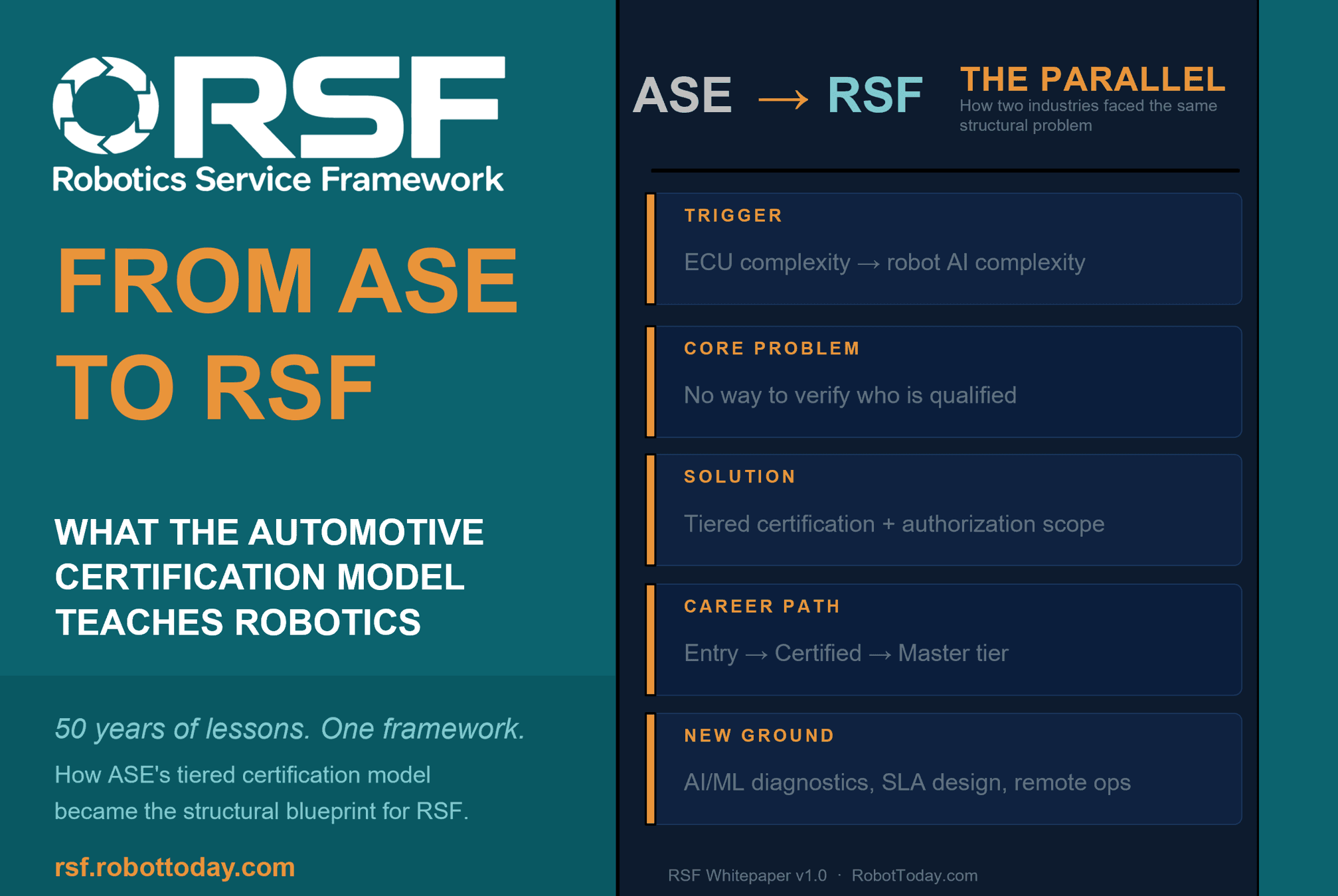
RESEARCH ARTICLERobotics needs a service framework.
RSF defines a common language for robot service capability, lifecycle operations, certification pathways, and service-provider networks.