Industry Briefing
A single destination for timely, editor-curated robotics news from around the world.
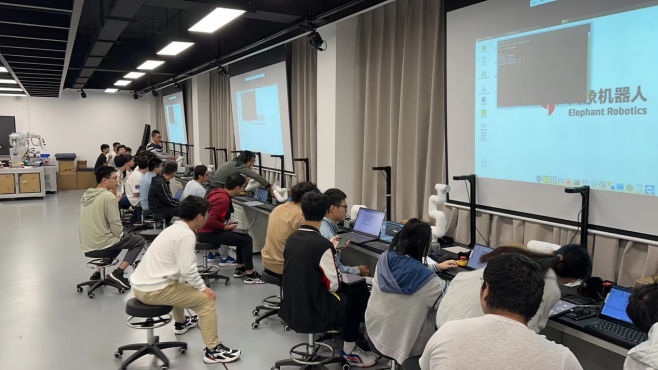
The Return of Fudan University's 'Regular': How a Collaborative Robot Arm Became a Fixture at a Top University
Fudan University has enhanced its robotics curriculum by incorporating the myCobot 320 collaborative robot arm, significantly improving hands-on learning opportunities for students. The integration of this advanced technology follows a successful initial order, prompting the university to place a reorder to ensure continued access to the robot. This move underscores the robot's crucial role in connecting theoretical knowledge with practical application in the field of robotics education.
Collaborative Robots Robotics Education AI Technology Hands-on Learning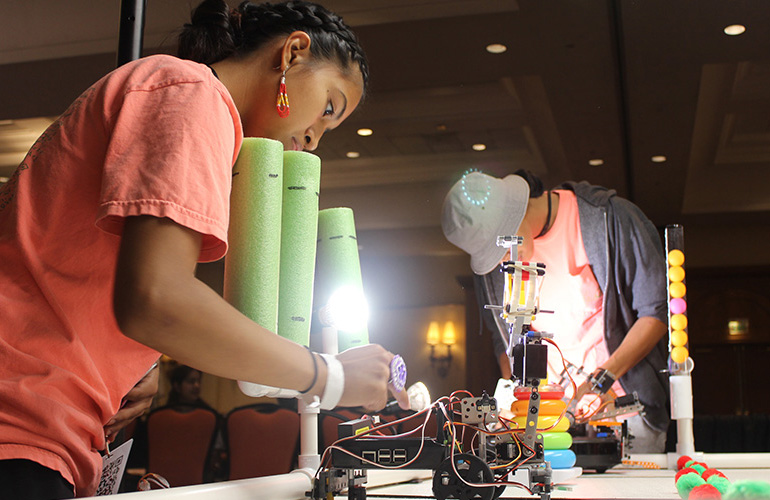
KISS Institute Launches BotBall to Enhance STEM Education with Student-Led Robotics
The KISS Institute for Practical Robotics (KIPR) has introduced BotBall, a robotics program designed to foster creativity and critical thinking among students. This initiative emphasizes student-led engineering, allowing participants from elementary to high school to engage in hands-on learning using a standardized kit. The program ensures a level playing field by providing all teams with the same materials, promoting accountability and project management skills without adult intervention during competitions. BotBall challenges traditional educational models by integrating real programming languages like C and Python into its curriculum, demonstrating that students can handle complex coding at an early age. The Junior Botball Challenge (JBC) further innovates by allowing up to five students to collaborate on a single robot, shifting the focus from competition to inquiry-driven problem solving. This approach encourages teamwork and a deeper understanding of both mechanics and software among participants. As the school year approaches, KIPR is expected to release more details about the upcoming competition schedule. The BotBall program represents a significant shift in STEM education, moving away from conventional roles and fostering a new generation of students who are well-versed in both engineering and programming disciplines. No further timeline was disclosed at the time of publication.
Autonomous Mobile Robots (AMRs) Educational News competition education workforce
New humanoid robot built for companionship with 90% accuracy in recognizing emotions
Chinese robotics company UBTech has unveiled its latest innovation, the UWORLD U1 Series, which it claims to be the world's first humanoid robot designed for educational purposes. The launch took place on October 15, 2023, during a technology expo in Beijing, where the company showcased the robot's capabilities in interactive learning and skill development for students. The UWORLD U1 Series aims to enhance educational experiences by providing personalized tutoring and engaging students in STEM subjects through interactive lessons. UBTech's motivation behind this development is to address the growing demand for innovative educational tools that can adapt to various learning styles and environments. The humanoid robot features advanced AI technology, enabling it to interact with students in real-time, respond to questions, and facilitate hands-on learning activities. By integrating robotics into the classroom, UBTech hopes to inspire a new generation of learners and foster interest in technology and engineering fields. With this launch, UBTech positions itself at the forefront of the educational technology sector, aiming to revolutionize how students engage with learning materials and prepare for future careers in an increasingly digital world.
AI and Robotics
LLMs help robots understand vague instructions and focus on key details
In a future workplace scenario, employees may find themselves training robots as new colleagues. This innovative approach involves a method akin to "show and tell," where human workers demonstrate tasks physically while explaining the processes involved. This training method aims to enhance the integration of robots into various environments, such as warehouses and offices, by providing them with practical, hands-on learning experiences. As industries increasingly adopt automation, the need for effective training techniques for robotic assistants becomes essential to ensure smooth operations and collaboration between humans and machines. This shift reflects a broader trend towards the incorporation of advanced technology in the workforce, emphasizing the importance of adaptability and skill development in an evolving job landscape.
Robotics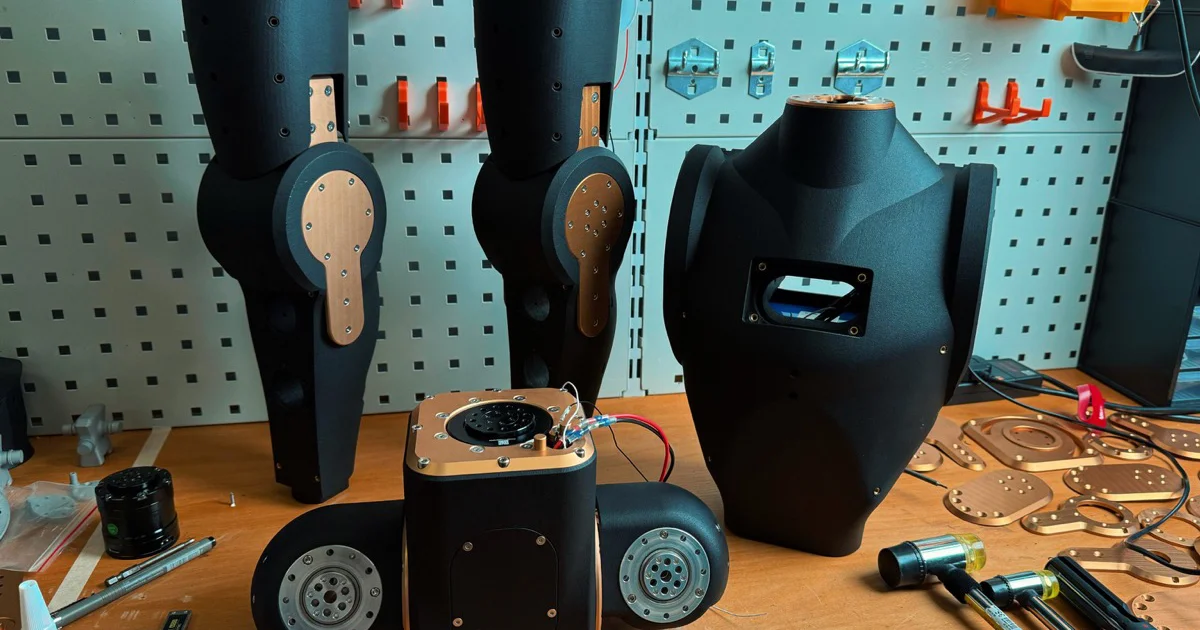
Beyond the Kit: Asimov Details the 100-Hour Path to a Walking Humanoid
Menlo Research has unveiled a detailed guide to accompany its recently launched "Here Be Dragons" DIY kit, aimed at enthusiasts looking to construct a 1.2-meter humanoid robot at home. This guide addresses the mechanical, electronic, and simulation challenges that builders may encounter during the assembly process. The initiative, which seeks to empower hobbyists and aspiring engineers, provides step-by-step instructions and troubleshooting tips to facilitate the creation of the humanoid. By offering this resource, Menlo Research hopes to enhance the accessibility of advanced robotics projects, encouraging innovation and hands-on learning in the field.
US open-source Asimov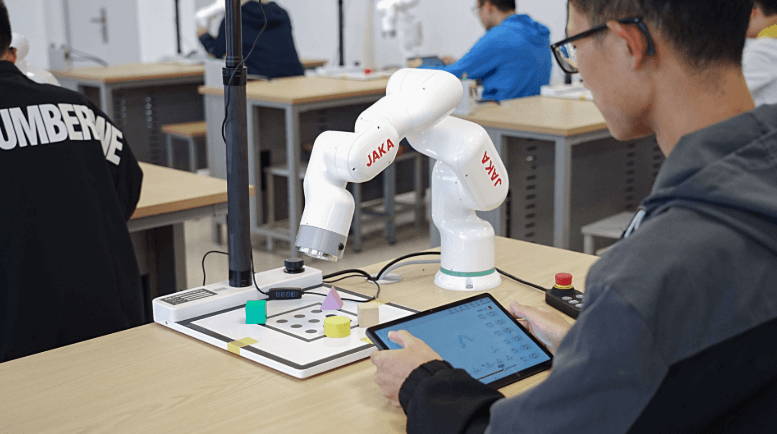
Educational Robotic Arm Best Practices for K-12 STEM Curriculum
In an effort to enhance K-12 STEM education, JAKA has introduced mini robot arm solutions designed to foster critical thinking and hands-on learning among students. This initiative aims to make STEM concepts more interactive and accessible, addressing the growing need for practical educational tools. The JAKA MiniCobo, a lightweight and cost-effective robotic arm, allows students to engage in incremental, project-based activities that build their skills from simple tasks to complex programming exercises. By integrating these robotic arms into classrooms, educators can facilitate real-world applications of STEM principles, encouraging teamwork and problem-solving through projects such as assembling components and simulating industrial processes. The MiniCobo's user-friendly design ensures that teachers can easily incorporate robotics into their lessons without extensive preparation, making it suitable for daily classroom use. Safety and accessibility are prioritized in JAKA's educational solutions, which comply with strict safety standards and feature intuitive programming interfaces. This design enables students to experiment confidently while allowing teachers to focus on guiding learning objectives. By providing robust and approachable robotics technology, JAKA aims to inspire the next generation of innovators and engineers, ultimately advancing educational outcomes in STEM fields.
CMU, STEM Coding Lab, Valley School of Ligonier To Launch AI Fluency Project
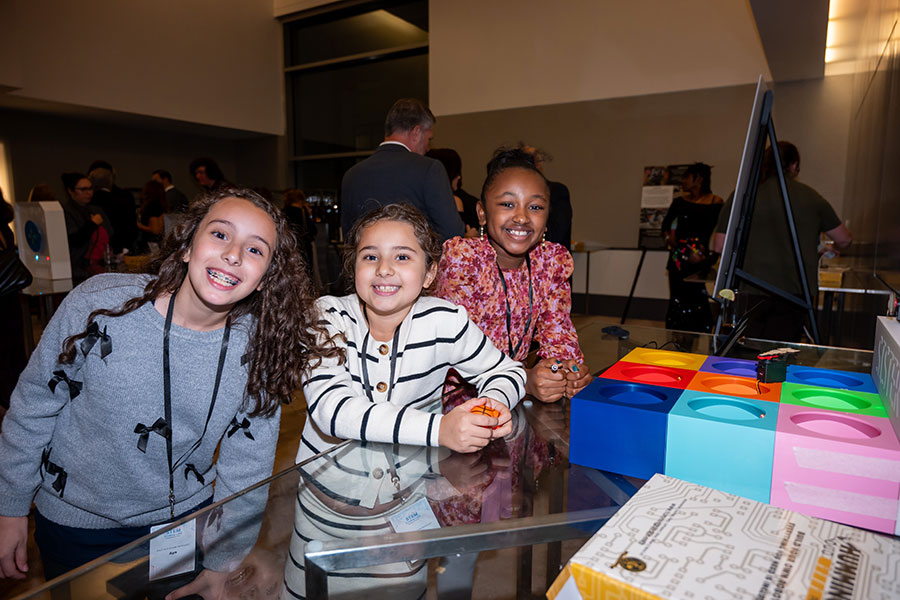
Carnegie Mellon University's CREATE Lab, in collaboration with the STEM Coding Lab and the Valley School of Ligonier, is set to launch the AI Fluency Pilot Project aimed at enhancing students' understanding of artificial intelligence. This initiative seeks to equip students with essential AI knowledge and skills, fostering a deeper comprehension of the technology that increasingly influences various aspects of society. The project is expected to roll out soon, providing an innovative educational framework that integrates hands-on learning experiences. Through this partnership, the organizations aim to prepare students for a future where AI plays a pivotal role in numerous fields.
Announcements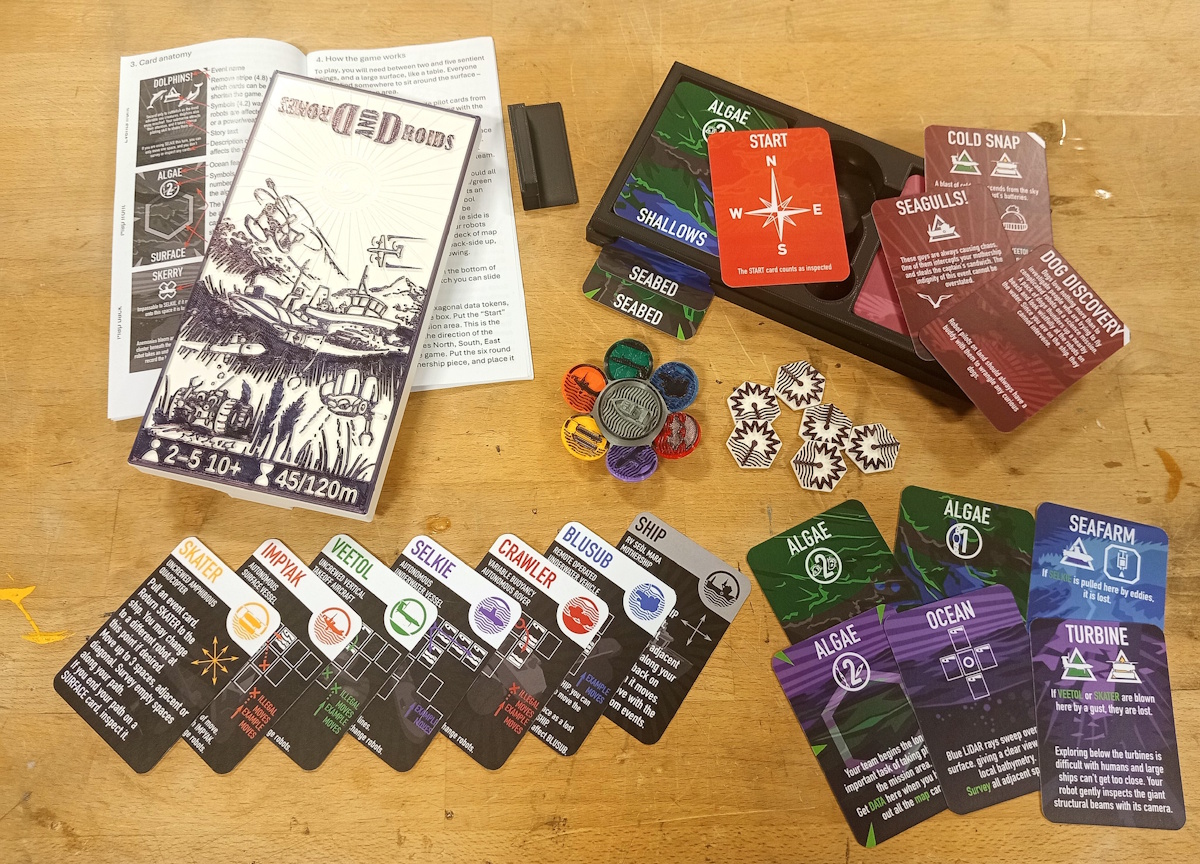
Crowdfunder Success Prepares Ocean Robotics Game for Launch
A team of scientists has launched an innovative tabletop game aimed at educating players about marine robotics and technology, following the success of their recent crowdfunding campaign. This initiative seeks to make learning about complex scientific concepts accessible and engaging for both homes and classrooms. By combining entertainment with education, the creators hope to inspire a new generation of young minds to explore the field of marine science and robotics. The game is designed to facilitate hands-on learning experiences, encouraging players to interact with the technology in a fun and interactive way. With the backing of enthusiastic supporters from the crowdfunding platform, the project is set to reach a wider audience, promoting awareness and interest in marine technology.
crowdfunding ocean robotics game launch scottish association for marine science (sams)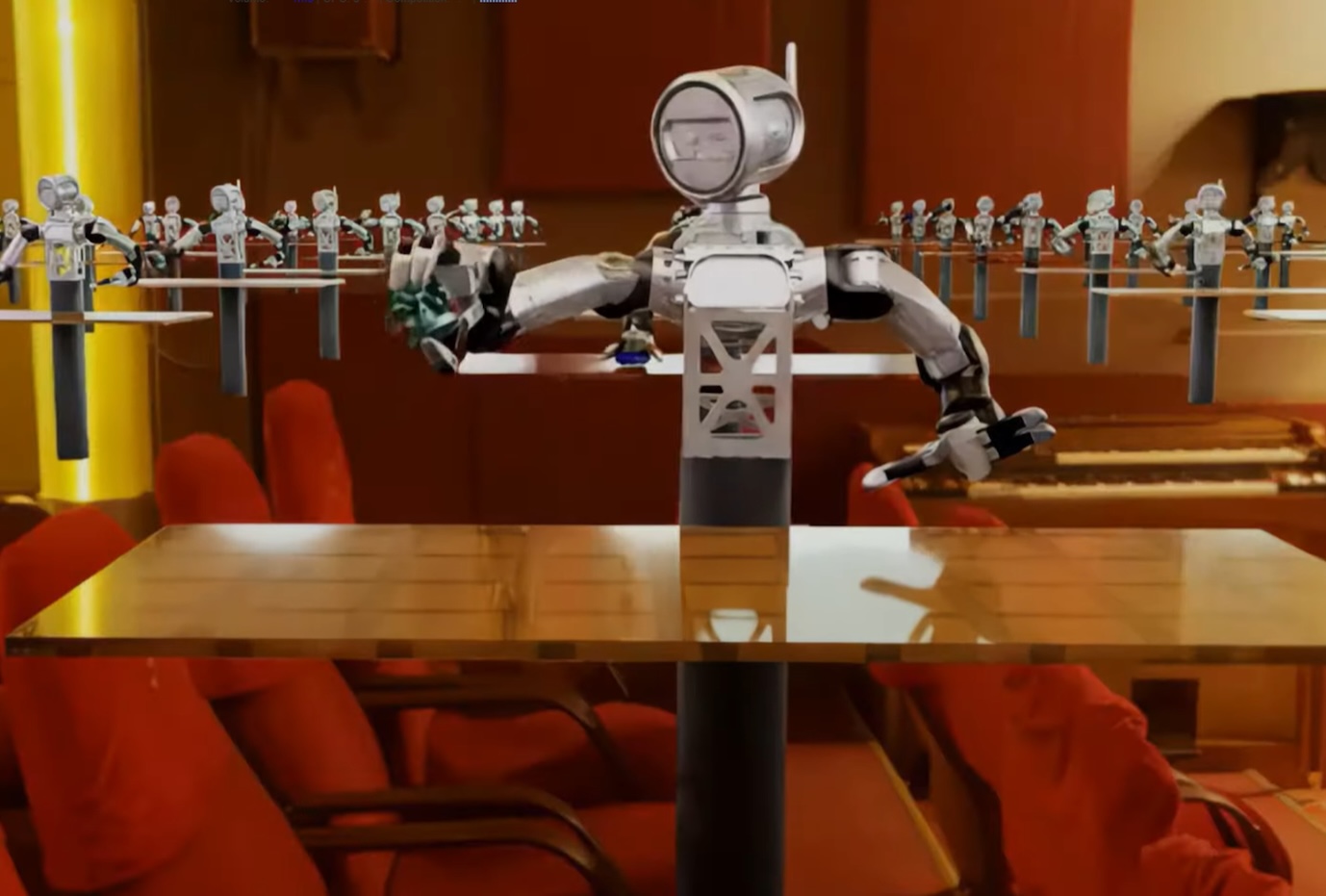
Tongji University purchases 10 Unitree humanoid robots for student training
Tongji University, a leading educational institution in China, has entered into a procurement agreement worth RMB 8.26 million (approximately $1.14 million) with Unitree Robotics. This contract, announced on the China Government Procurement Network, involves the acquisition of 10 Unitree H1-2 humanoid robots along with essential accessories, including high-precision depth cameras and LiDAR technology. The initiative aims to enhance the university's robotics training capabilities, reflecting a growing emphasis on advanced technology in education. The partnership is expected to facilitate hands-on learning and research opportunities in the field of robotics, positioning Tongji University at the forefront of innovation in this rapidly evolving sector.
News Feed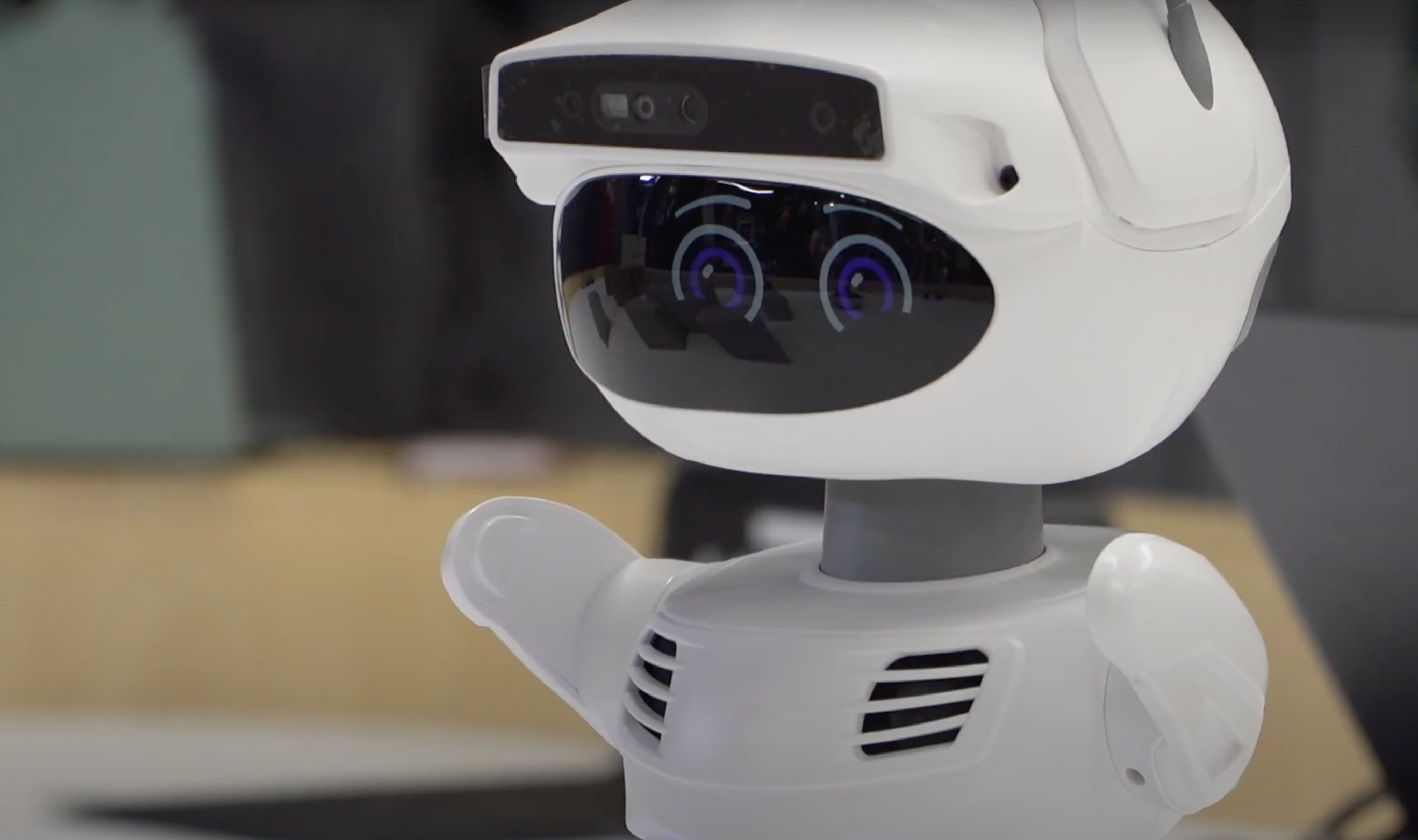
Interdisciplinary Collaboration: A Look Into the AI Maker Space
At Carnegie Mellon University, the AI Maker Space is fostering interdisciplinary collaboration among students from various fields. Manager Greg Armstrong and student worker Leonardo Mouta are actively engaged in calibrating robots, exemplifying the hands-on learning environment that encourages creativity and innovation. Within this dynamic space, students from biology, computer science, business, and the arts come together to share ideas and work on projects, driven by a shared curiosity. This collaborative atmosphere not only enhances learning but also promotes the integration of diverse perspectives in problem-solving. The AI Maker Space serves as a hub for students to explore and develop their skills in a supportive and interactive setting.
Research RI Life
LA High School Students Engage with Real Robotics at Faraday Future Headquarters This Summer
A group of K-12 students in Los Angeles has been hands-on with real humanoid robots and industrial-grade robotic dogs at Faraday Future's headquarters this summer. On July 15, Faraday Future announced that its EAI Robotics Summer Camp, in collaboration with the Lynwood and El Segundo school districts, has entered its second week, alongside a partnership with Triple I, a full-cycle education organization in the U.S. The summer camp is notable for using actual robotics equipment rather than toy kits or computer simulators. Students have worked with Faraday Future's own robots, including the Navi, an educational four-legged robot priced under $2,000, the industrial-grade Aegis, and the humanoid robot Master. The camp employs a five-day progressive learning structure, culminating in students programming and debugging real hardware. Participants have transformed from beginners to capable of autonomous system demonstrations within just one week. Faraday Future's Co-CEO Chen Zhe emphasized the importance of immersive engineering experiences for students and how their feedback aids product iteration and course design. He believes education will be a key application area for scaling consumer robotics in its early stages, as Faraday Future aims to bridge classroom learning with practical experience and home education.
Robotics Education Hands-on Learning Consumer Robotics Programming STEM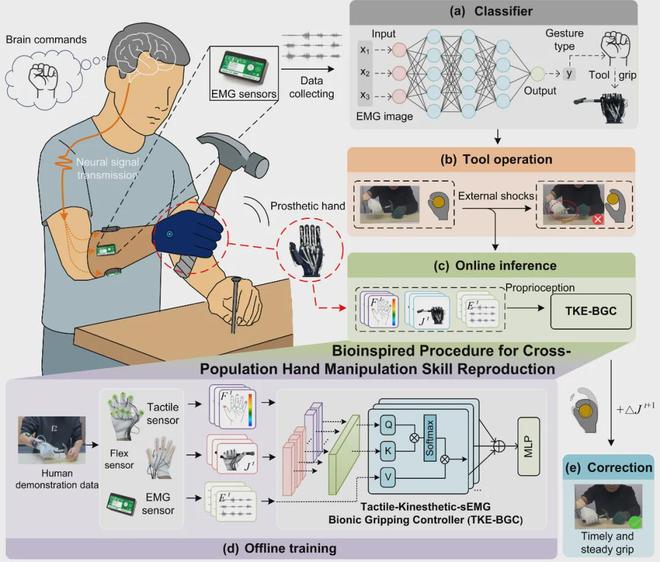
Dynamic Skill Learning for Tactile Myoelectric Prosthetic Hands in Tool Handling
A collaborative research team from Beijing University of Posts and Telecommunications, Tsinghua University, and Wuhan University of Science and Technology has unveiled a groundbreaking multimodal control framework designed for myoelectric prosthetic hands. This innovative technology, introduced recently, aims to enhance the stability and efficiency of dynamic tool handling, thereby significantly improving the daily independence of amputees. By integrating advanced control mechanisms, the framework allows users to perform tasks with greater ease and precision, marking a notable advancement in prosthetic technology.
Myoelectric Prosthetics Bionic Systems Assistive Technology Robotics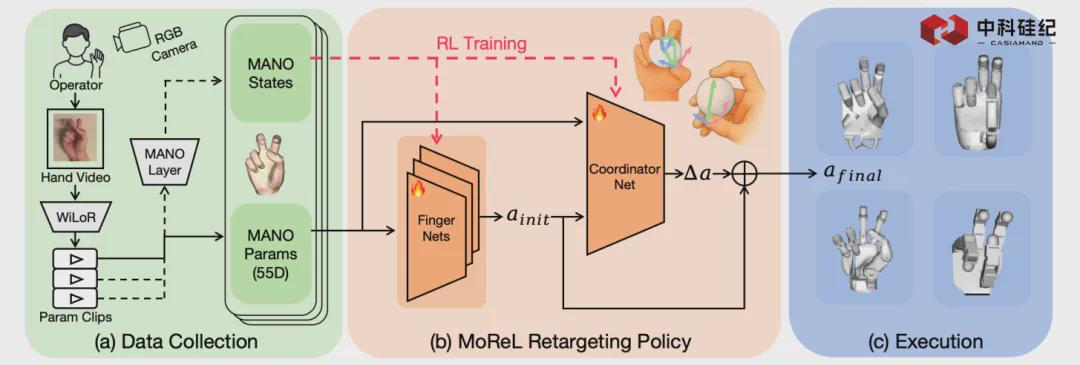
Breaking Through Data Bottlenecks: Si 0.5 Enables Millisecond Mapping from Human to Dexterous Hands
Zhongke Silicon Memory has unveiled MoReL, an innovative modular reinforcement learning framework designed to enhance embodied intelligence by facilitating real-time mapping of human hand movements to a variety of dexterous robotic hands. This significant advancement, announced recently, aims to tackle the prevalent issues of data scarcity and compatibility that have hindered the effective control of robotic systems. By enabling precise and efficient manipulation across different robotic platforms, MoReL eliminates the necessity for extensive reconfiguration, thereby streamlining the integration of human-like dexterity in robotics. This development marks a pivotal step forward in the field, promising to enhance the functionality and adaptability of robotic hands in various applications.
Robotic Manipulation Reinforcement Learning Dexterous Robotics Human-Robot Interaction
KUKA brings hands-on industrial automation to the classroom
KUKA is enhancing its educational initiatives by focusing on technical training in automation at vocational schools and universities. The company is introducing modular robot learning cells and AI-supported applications to facilitate hands-on training, enabling educational institutions to effectively incorporate industrial automation into their curricula. This initiative aims to provide students with a clear, application-oriented understanding of modern production environments, ensuring they are well-prepared for future workforce demands. By investing in these educational resources, KUKA seeks to bridge the gap between academic training and industry requirements, fostering a new generation of skilled professionals in automation.
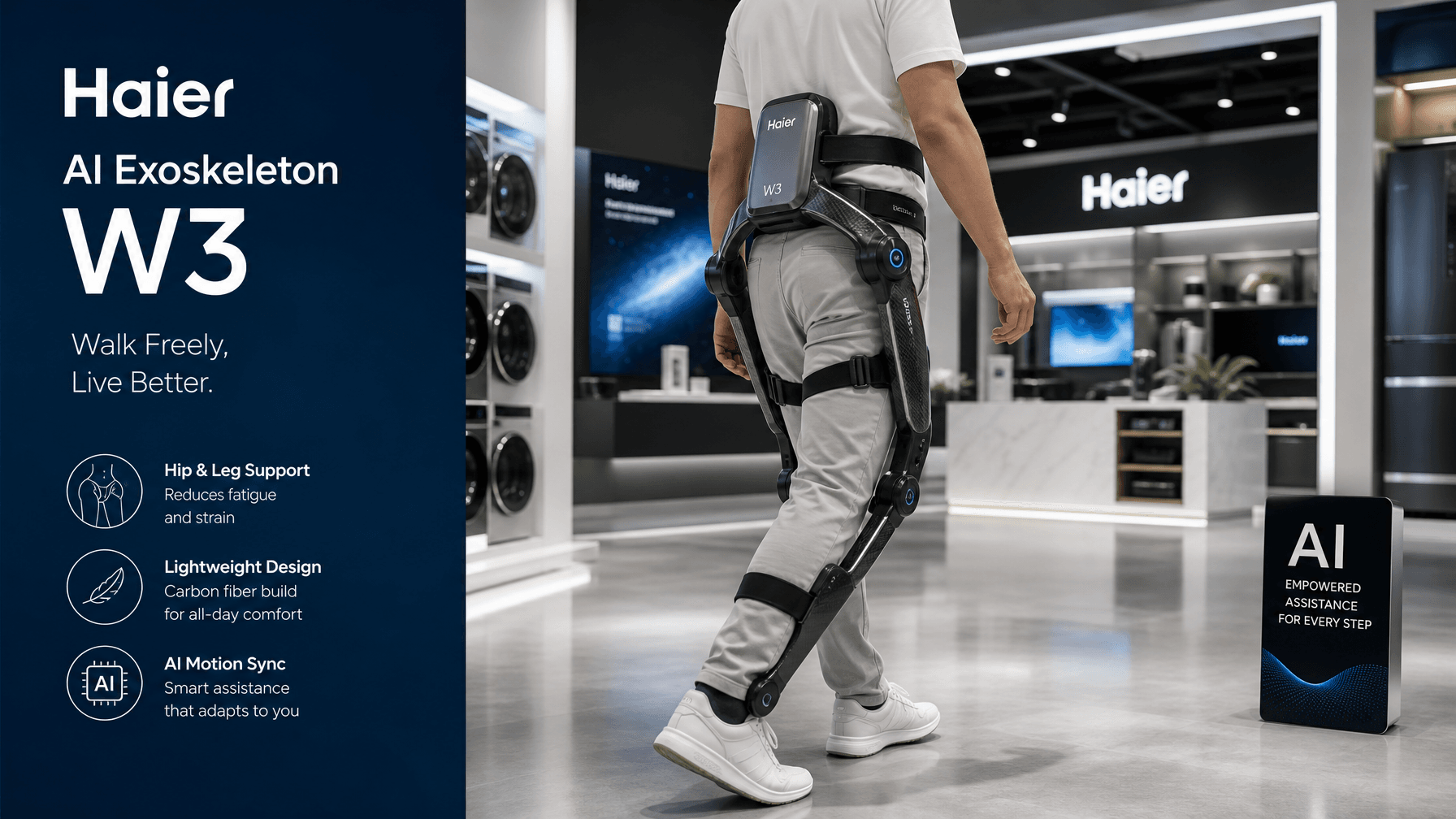
Haier Launches Lightweight AI Exoskeleton W3 for $2200 in Guangzhou Stores
Haier has introduced its third-generation AI exoskeleton, the W3, which weighs only 1.75 kg and is priced at $2200. This wearable robot is now available in physical stores located in Guangzhou, marking a significant step in consumer robotics. The W3 features advanced AI gait learning technology that adapts to the user's walking patterns in real time, enhancing usability and comfort. The introduction of the W3 is significant as it represents Haier's commitment to integrating AI into wearable technology, making it more accessible for everyday use. The lightweight design and real-time adaptation capabilities position the W3 as a practical solution for individuals seeking mobility assistance. This development reflects a growing trend in the market towards more user-friendly and adaptable robotic solutions. Looking ahead, it will be important to monitor consumer feedback and sales performance of the W3 in the coming months. No further timeline was disclosed at the time of publication regarding additional features or expansions beyond the Guangzhou market.
Technology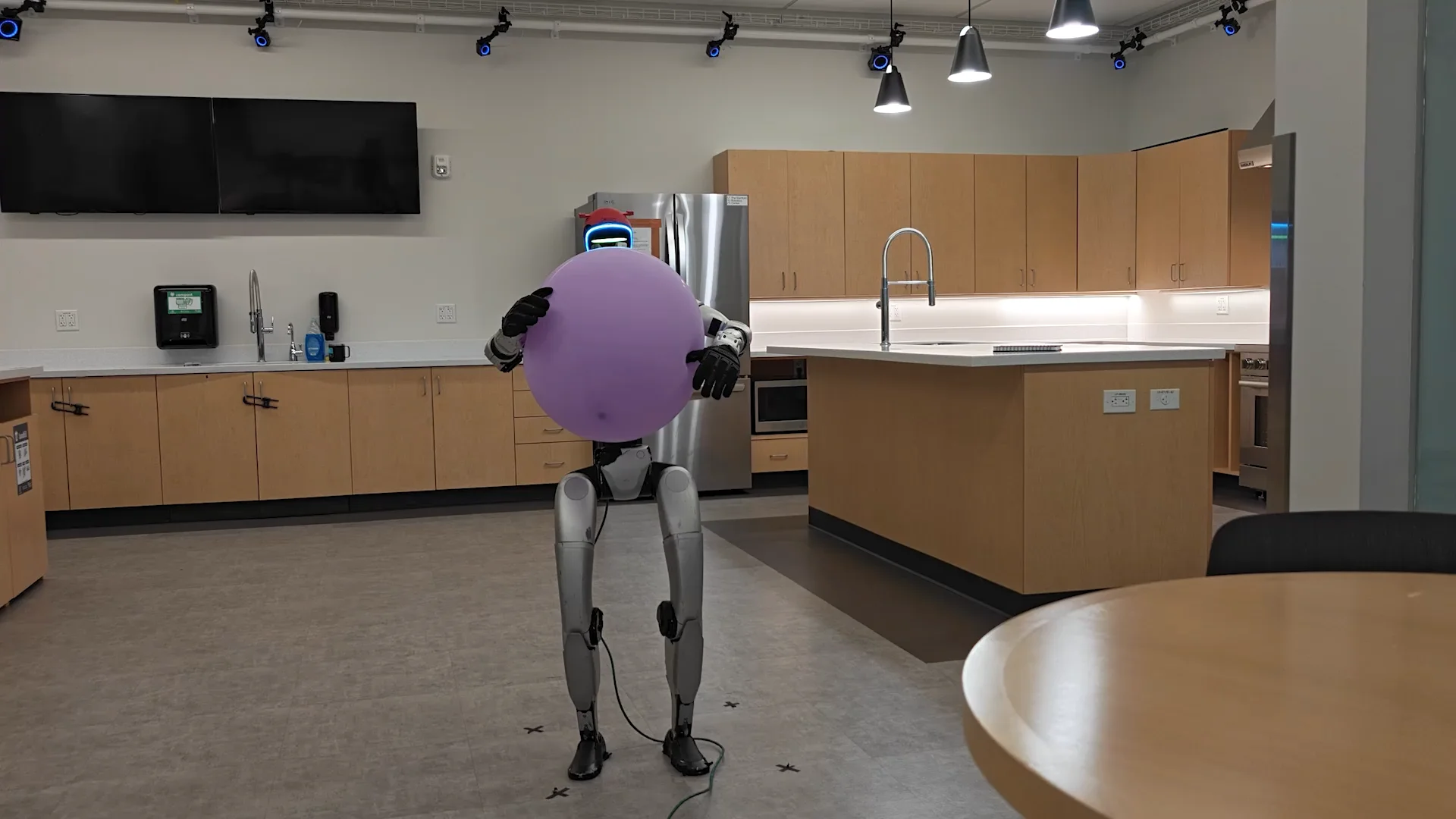
Stanford’s ‘GentleHumanoid’ Teaches Robots to Hug, Shake Hands, and Handle Balloons
Researchers at Stanford University have developed a groundbreaking reinforcement learning framework that enhances the upper-body compliance of humanoid robots. This innovative approach builds on the recent advancements made by MIT's SoftMimic project. The new technology allows robots to perform delicate tasks such as safely hugging, providing support, and handling fragile objects. The research aims to improve human-robot interaction and expand the practical applications of robotics in everyday life. By enabling robots to exhibit more human-like movements and responses, this development could significantly enhance their functionality in various settings, from caregiving to manufacturing. The findings underscore the potential for robots to integrate more seamlessly into human environments, promoting safety and efficiency in their interactions.
G1 Unitree Robotics Stanford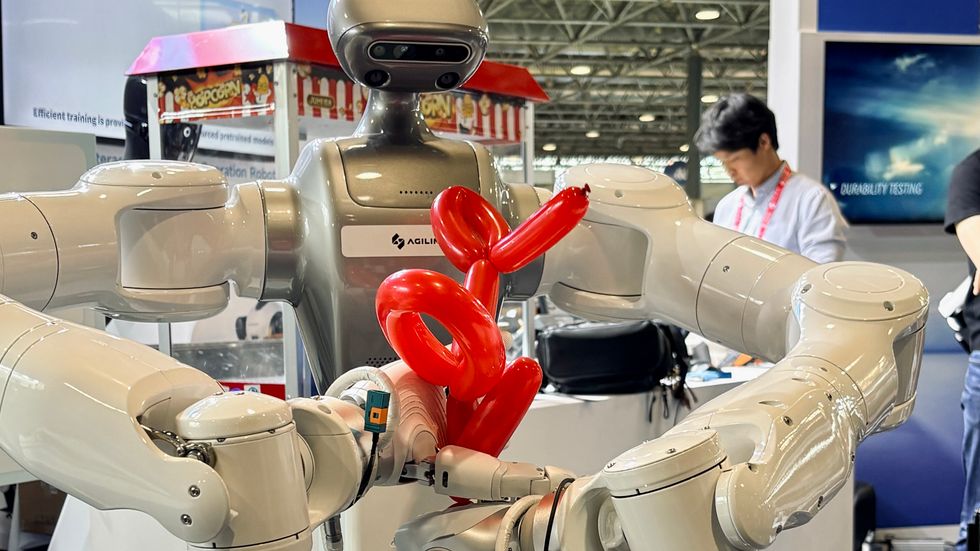
Beyond Dexterity: Why Contact May Define the Next Era of Robotics
At the 2026 IEEE International Conference on Robotics (ICRA) in Vienna, AGILINK showcased a captivating demonstration of robotic dexterity by creating a balloon dog, which drew significant attention from attendees. This seemingly playful task is recognized in the robotics community as a complex manipulation challenge due to the balloon's lightweight and highly deformable nature. The demonstration highlighted the intricate balance between motion and contact intelligence, essential for successful robotic manipulation. AGILINK's approach involved mapping the actions of professional balloon artists to robotic hands, allowing the robot to learn both successful manipulation sequences and recovery strategies during failures. This dual focus on motion and contact intelligence is crucial, as maintaining stable interaction with the balloon is as important as executing the correct sequence of actions. In conjunction with the balloon dog demonstration, AGILINK introduced the OmniHand 3 Ultra-M, a dexterous robotic hand designed to enhance contact intelligence through advanced sensing and faster response capabilities. The hand features 20 active degrees of freedom and a direct-drive architecture, enabling precise force regulation and tactile sensing across its surface. The significance of these advancements extends beyond balloon animals, addressing broader challenges in robotics related to unstable and deformable interactions, such as delicate assembly and household tasks. As robotics research increasingly prioritizes interaction dynamics, AGILINK's innovations may pave the way for more effective manipulation in unpredictable real-world environments.
Humanoid-robots Physical-ai Dexterous-hands Direct-drive-actuation Robotic-manipulation Reinforcement-learning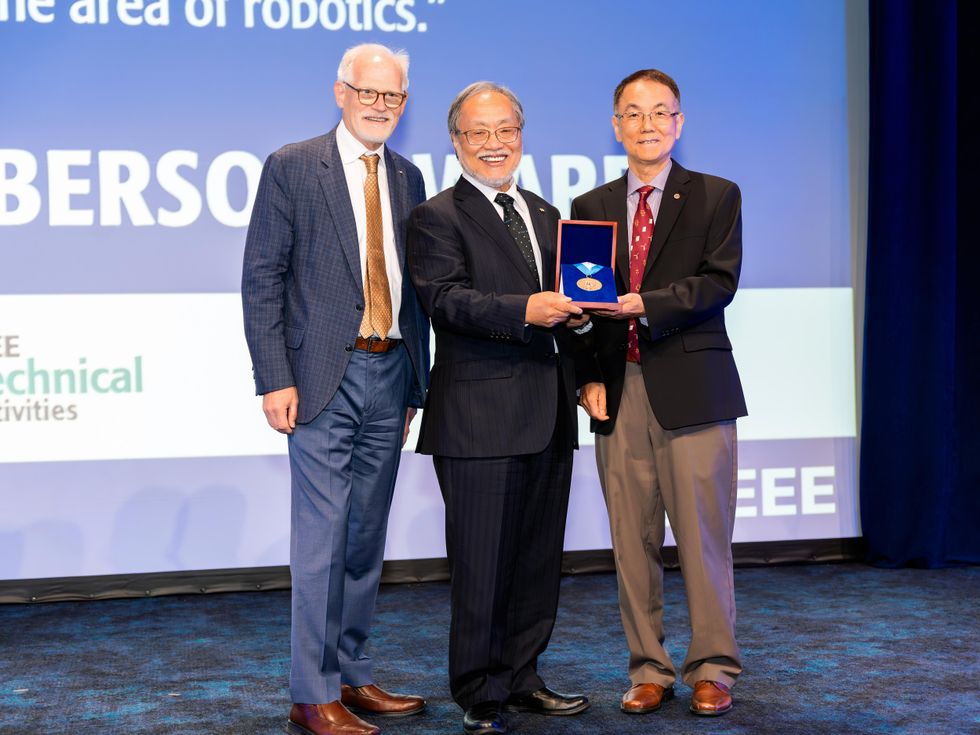
IEEE Honors Robotics Pioneer Toshio Fukuda
Toshio Fukuda has been blazing trails for most of his career. He is considered to be one of the most prolific scholars in robotics, writing more than 2,000 research papers and authoring several books on the field. He’s an influential figure thanks to his pioneering work developing biomedical robotic systems, industrial robots, micro-nano robotics, mechatronics, and AI-driven automation.Fukuda launched one of the first robotics conferences, the IEEE/RSJ International Conference on Intelligent Robots and Systems (IROS). It is still popular almost 40 years later.Toshio FukudaEmployerEgypt-Japan University of Science and Technology, in Alexandria TitleProfessor and vice president of research Member gradeLife Fellow Alma matersWaseda University, in Tokyo; University of Tokyo An IEEE Life Fellow, he is a professor emeritus in the department of micro-nano systems engineering and a visiting professor at Nagoya University, in Japan, where he taught for nearly 25 years. Currently, he is a vice president of research at the Egypt-Japan University of Science and Technology, in Alexandria, Egypt.Within IEEE, Fukuda has held top volunteer positions including the organization’s highest office: He served as IEEE president in 2020, becoming the first person of Asian descent to hold the role.He’s a former program director of Japan’s Moonshot program, which by 2050 intends to develop advanced AI robots.Born in Japan, Fukuda has been recognized by the country for his contributions to science with two of its highest awards: the Medal of Honor with a purple ribbon in 2015 and the Order of the Sacred Treasure in 2022.IEEE honored him with this year’s Richard M. Emberson Award for “distinguished service advancing the technical objectives of IEEE, especially in the area of robotics.” The IEEE Board-level award is sponsored by the IEEE Technical Activities Board. Fukuda received the award on 24 April at a ceremony in New York City.As a former IEEE president who has served as a master of ceremonies at several of the organization’s major award events, Fukuda noted that he is more accustomed to bestowing awards than receiving them.“It’s very interesting to be on the receiving end,” he says.The journey into robotics researchAs a teenager, Fukuda spent his summer breaks teaching himself how to build things including transistor radios and steam engines.“It was very nice to have a hands-on hobby and make these kinds of things myself,” he says. His experimentation led him to study engineering.He earned a bachelor’s degree in engineering in 1971 from Waseda University, in Tokyo. He says one of his professors there—Ichiro Kato, regarded as the father of Japanese robotics research—was a good mentor who made a positive impact.Fukuda’s research interests were robotics and mechatronics, a field that combines robotics, electronics, computer science, and control systems.He went on to earn a master’s degree and a doctorate in science from the University of Tokyo, in 1971 and 1977. During those years, he also attended Yale, where he conducted research on advanced control theory in 1973.He reflects fondly on his time at Yale: “It was a very nice environment and a kind of free-thinking atmosphere. It motivated me to study more.”“IEEE doesn’t care who you are, what you do, what country you are from, or whether you are male or female. IEEE accepts people who have energy and passion.”While at Yale, Fukuda served as an assistant to his advisor—which led him to consider a career in academia, he says, because he enjoyed the freedom that research work afforded him.But he realized that such freedom comes with a price. University researchers are expected to raise the money that funds their work. He compares researchers to small-business owners who have to bring in money to keep their enterprise afloat.That realization led him to select robotics as his field because he intended to develop technologies useful to industry, he says.After earning his doctorate, he returned to Japan in 1977 to work as a research scientist at the government’s Mechanical Engineering Laboratory, later renamed the National Institute of Advanced Industrial Science and Technology, in Tsukuba.“There was a lot of research going on at the lab, including practical robotics and theory,” he says.He left Japan in 1979 to become a visiting research fellow at the University of Stuttgart, in Germany. During his year there, he studied systems, software problems, and related topics.He returned to Japan and was hired as an associate professor of mechanical engineering at the Tokyo University of Science. He conducted research into practical uses for robots by visiting industrial plants. He decided to develop robots that inspect industrial equipment such as those used in assembly plants, oil refineries, and power stations—places that “can be hostile environments for humans,” he says.His work drew interest from chemical, oil, and utility companies.“I got a lot of money from them for this very practical application, which funded my research,” he says, laughing.Developing popular robotic systemsFukuda grew tired of making those robots, he says, so he switched to creating ones for scientific applications. He developed many techniques, but he probably is best known for his modular, cellular robotic systems (CEBOTs), which he introduced in 1985.He has described how CEBOTs work in numerous papers published in the IEEE Xplore Digital Library.The CEBOT system is composed of a number of autonomous robotic cells that stick together like interlocking Lego plastic bricks, he says.Each cell is a fundamental modular unit that has a function. When a simple task is given, the system can analyze it and generate the structure of the cellular manipulator. The cells connect to and detach from each other through connection mechanisms and cooperate mutually, creating complex structures and configurations.“You start developing from the component-wise to the cell-wise to a small functional unit—and then you come up with clusters that make bigger systems. We can make a society of robot beings like that,” he explained in his oral history published on the Engineering and Technology History Wiki. “It’s a distributed robotic system, a self-organized robotic system, and also an evolutionary robotic system.“It’s also a fault-tolerant robot system because if something is wrong, you just remove those things and make a new one. You keep the system working. That’s a great thing.”Today CEBOTs are used for a variety of tasks such as delivering medication in hospitals, assisting with planting crops, and transporting products in distribution centers. Check out IEEE Spectrum’s Robots Guide for news from the world of robotics.In 1989 Fukuda joined Nagoya University as a professor of mechanical engineering and micro-nano systems engineering. During his 24-year career there, he was director of the university’s Center for Micro-Nano Mechatronics. He developed a long list of technologies at the university, including many for medical applications. He also conducted groundbreaking research into intelligent robotic systems and micro- and nano-robotics.Another technology he is known for is brachiation robots, which he helped develop in 1988. He calls them monkey robots because they’re based on the pendulum-like movement of monkeys swinging from tree to tree. The gravity-based locomotion enables continuous movement.Brachiation robots now are inspecting high-voltage transmission towers and bridges, searching damaged buildings for survivors, and performing maintenance on pipelines and cables.Fukuda retired from the university in 2013 and was named professor emeritus.He didn’t stay retired for long, though. He next held a teaching appointment at Meijo University, in Nagoya, until he left in 2022 to join the Egypt-Japan University.A prominent volunteerHe joined IEEE in 1980 at the encouragement of one of his research advisors, Professor Fumio Harashima, now an IEEE Life Fellow. After attending conferences and reading the organization’s publications, Fukuda says, he looked forward to becoming more involved.“I wanted to know how to organize a conference and how to edit a paper for one of its Transactions,” he says. “I wanted to know what was going on from inside the organization, not just the outside.”In 1988 he was the founding chair and organizer of IROS, in Tokyo. The conference had 330 attendees that year, and was supported by Harashima. Today it is one of the largest and most prestigious conferences on the topic, attracting more than 9,000 people annually. Out of 120,000 conferences, it was the only conference in the Nature Index database for this year, Fukuda says.In 1996 he and other members launched IEEE Transactions on Mechatronics.He was the founding president of the IEEE Nanotechnology Council, which was established in 2002. He is considered a pioneer in nanotechnology research, particularly regarding how it relates to robotics.Over the years, he has held numerous volunteer positions on IEEE editorial boards and committees.He was the 1998–1999 president of the IEEE Robotics and Automation Society, becoming the first non-U.S. member to hold the title.He was director of IEEE Division X (2001–2002 and 2017–2018), which covers intelligent systems, biological engineering, robotics, control systems, and photonic technologies. He served as the 2013–2014 director of IEEE Region 10 (Asia-Pacific).As the 2020 IEEE president, Fukuda saw the organization through the early part of the COVID-19 pandemic. Because of travel restrictions, he realized IEEE should change how it offered its in-person services, specifically educational programs. He encouraged IEEE Educational Activities to develop an online learning platform. The IEEE Learning Network started with just three courses and now offers nearly 2,000 courses, webinars, and learning materials.An award-winning memberThe Emberson Award joins a slew of other recognitions Fukuda has received from IEEE. They include several from the IEEE Robotics and Automation Society: a 2004 Pioneer Award, a 2009 Saridis Leadership Award, and the 2011 Harashima Award for Innovative Technologies. He is also a recipient of the Board-level 2010 IEEE Robotics and Automation Technical Field Award.He says he feels strongly that IEEE should be a diverse organization that is welcoming to all. As IEEE president, he led efforts to devise a diversity, equity, and inclusion program. Several policies, procedures, and bylaws were revised to give members a safe, inclusive place for discourse.“It’s important for IEEE to make everyone feel comfortable,” he says. “DEI programs are important. All people should be equal. IEEE doesn’t care who you are, what you do, what country you are from, or whether you are male or female. IEEE accepts people who have energy and passion.“It accepted me, from the Far East. That’s why I like it.”You can learn more about Fukuda and his career from the oral history conducted by the IEEE History Center.
Robotics Robots Ieee-member-news Type-ti Ieee-awards Toshio-fukuda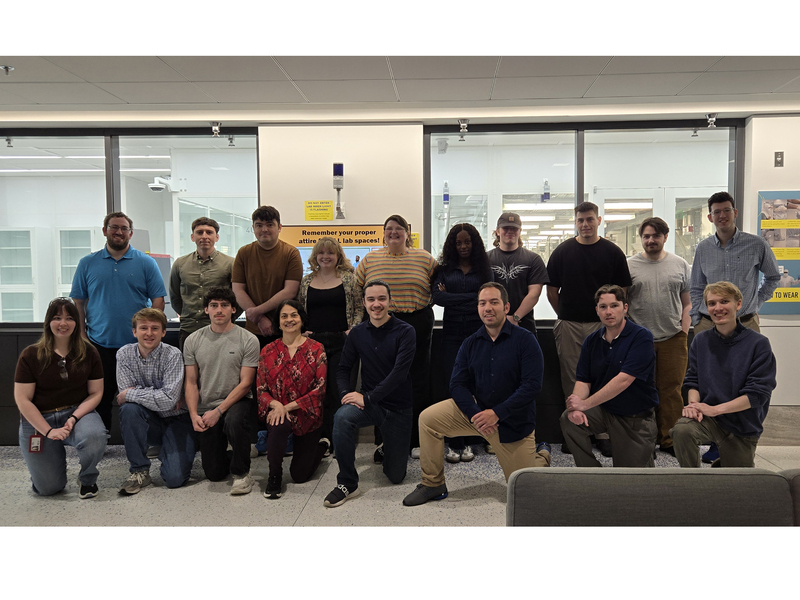
Students from across the Northeast step inside MIT.nano’s cleanroom
A hands-on boot camp is currently underway, aimed at teaching integrated photonics to students from community and four-year colleges in the region. This educational initiative, which focuses on practical skills and knowledge in the rapidly evolving field of photonics, is designed to equip participants with the necessary tools to excel in this technology-driven industry. The program is taking place in local educational institutions, fostering collaboration and learning among students from diverse backgrounds. By providing this training, organizers hope to enhance the workforce's capabilities and address the growing demand for expertise in integrated photonics. The boot camp emphasizes experiential learning, allowing students to engage directly with the technology and gain valuable insights into its applications and implications.
Materials Research Laboratory MIT.nano Education, teaching, academics STEM education Manufacturing Industry
Ambassadors of STEM
A newly established student club at the Massachusetts Institute of Technology (MIT) is dedicated to supporting K-12 students through hands-on STEM education. This initiative, spearheaded by alumni of the FIRST Robotics program, seeks to leverage their experiences and expertise to inspire younger students in the fields of science, technology, engineering, and mathematics. The club aims to create engaging learning opportunities that foster creativity and problem-solving skills among participants. By organizing workshops, mentorship programs, and robotics competitions, the group hopes to enhance educational enrichment and ignite a passion for STEM in the next generation. The club's formation reflects a growing commitment within the MIT community to address educational disparities and promote STEM literacy among youth.
Clubs and activities STEM education Students Undergraduate Robotics Mechanical engineering
NVIDIA and Google Cloud Empower the Next Wave of AI Builders
At the recent Google I/O conference, NVIDIA and Google Cloud announced a significant initiative aimed at enhancing the productivity of over 100,000 developers within their collaborative developer community. This program offers curated learning paths, hands-on labs, and various events designed to support developers in building innovative solutions. The partnership underscores both companies' commitment to fostering a robust ecosystem for developers, facilitating skill development and project execution in an increasingly competitive tech landscape. By providing these resources, NVIDIA and Google Cloud aim to empower developers to leverage cutting-edge technologies and accelerate their projects effectively.
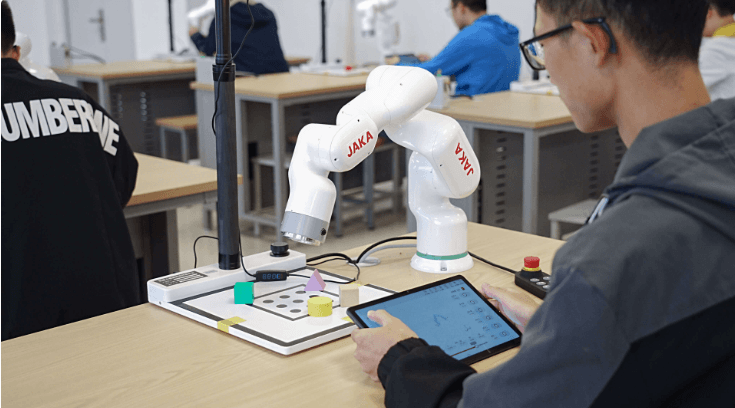
Industrial Automation and Robotics for Educators: Training the Next Generation
The rapid evolution of industrial automation and robotics is reshaping global manufacturing, leading to an increased need for a skilled workforce adept at managing advanced machinery. As educators strive to connect theoretical engineering principles with the practical demands of modern smart factories, there is a pressing requirement for classroom tools that reflect real-world equipment. By 2026, the integration of robotics into STEM curricula is expected to be crucial for fostering critical thinking and technical literacy among students. Educational programs are shifting towards "Embodied Intelligence," where learners engage with sophisticated technologies like industrial robot arms, enhancing their understanding of vision systems, sensor feedback, and machine learning. This hands-on experience equips students with essential skills in industrial safety, workflow optimization, and predictive maintenance, preparing them for careers as automation engineers and technicians. However, challenges persist, including the high costs and complexities associated with traditional industrial robots, which often require specialized facilities and safety measures. To address these issues, educational institutions are exploring "all-in-one" solutions that prioritize safety and usability while maintaining industrial-grade performance. JAKA Robotics is stepping up to meet these educational needs by providing tools that facilitate a safe learning environment. Their JAKA Academy offers a comprehensive training platform with courses ranging from basic operations to advanced software development. The versatile JAKA Zu and S series robots are designed for both research and classroom use, allowing students to engage in practical tasks and develop innovative AI-driven workflows. By incorporating JAKA's technology into educational settings, students are empowered to become the next generation of leaders in industrial automation.
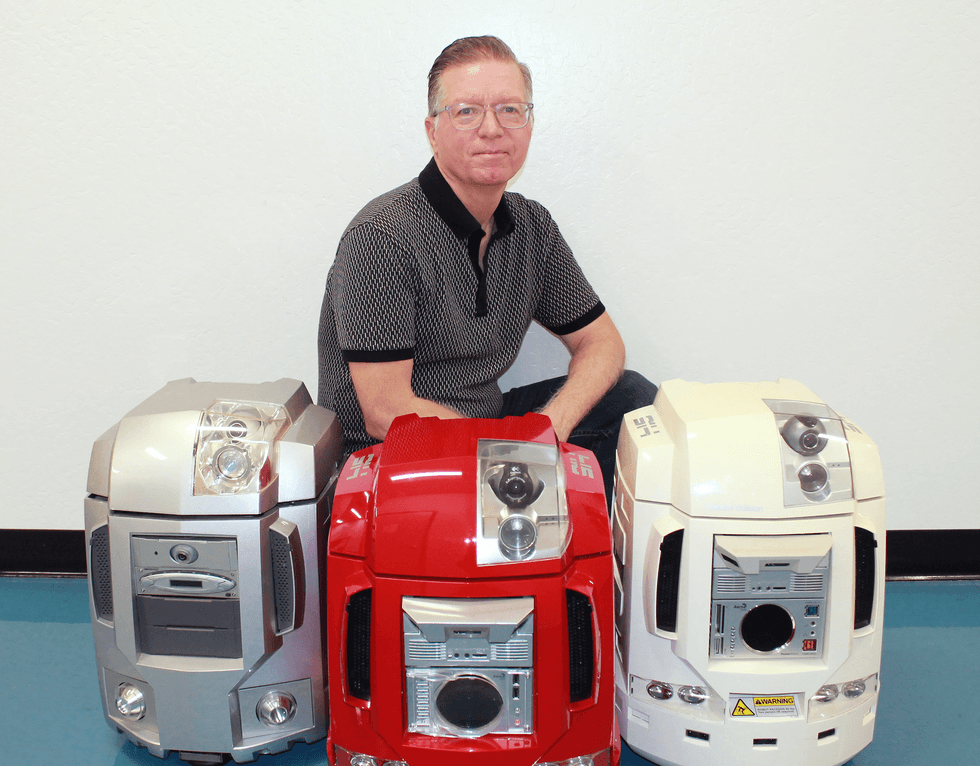
This Roboticist-Turned-Teacher Built a Life-Size Replica of ENIAC
Tom Burick, a technology instructor at PS Academy in Gilbert, Arizona, has spearheaded a project with his students to construct a full-scale replica of the Electronic Numerical Integrator and Computer (ENIAC) to commemorate the 80th anniversary of its creation. This initiative began at the start of the 2025-26 school year at the school, which caters to students with autism and other specialized learning needs. Burick, who has a background in robotics and a personal connection to neurodiversity, aims to inspire his students by leveraging their unique strengths through hands-on projects. The ENIAC, one of the first programmable electronic computers, was originally built in the 1940s and dismantled in the 1950s. Burick and his students embarked on this ambitious project to provide a tangible experience of the historic machine, which involved constructing 40 large panels and installing 18,000 simulated vacuum tubes. The project utilized nearly 300 square meters of cardboard and extensive glue and paint, showcasing the students' dedication and teamwork. Burick, who transitioned to teaching after closing his robotics company during the 2008 financial crisis, emphasizes the importance of mentorship and aims to pay forward the support he received as a young person. Through projects like the ENIAC replica, he fosters an environment where students can thrive and explore their interests in technology and robotics, reinforcing the notion that their neurodivergent traits can be powerful assets in problem-solving and creativity.
Robotics Eniac Teaching Neurodivergent Computer-history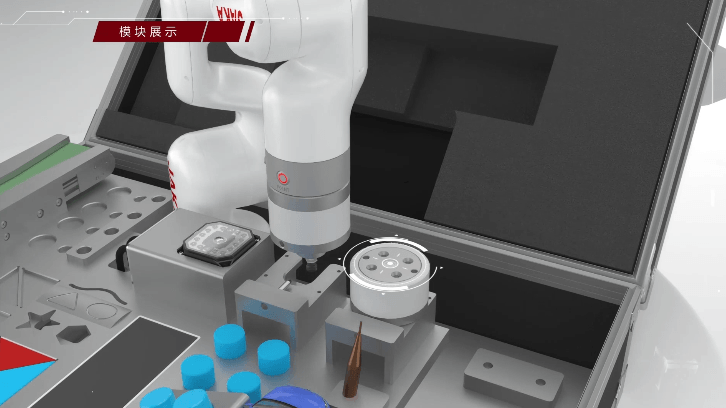
Educational Robotic Arm in Action: Case Studies in High School Robotics Clubs
In recent years, high school robotics clubs have increasingly adopted educational robotic arms, such as the JAKA MiniCobo, to enhance student learning through hands-on experience with automation and programming. This versatile tool allows students to engage in various tasks, including sorting and assembly, while minimizing direct contact with potentially hazardous equipment, thereby creating a safer learning environment. The JAKA MiniCobo has become a central resource in several robotics clubs, where students have successfully programmed the arm to identify and separate components during projects. This adaptability enables students to explore multiple programming approaches and fosters collaboration as they work in teams to troubleshoot and refine their coding solutions. Educators have noted that the use of this robotic arm not only improves accuracy and efficiency but also teaches essential skills in workflow optimization and precision control, crucial for careers in engineering and STEM fields. Furthermore, the integration of the JAKA MiniCobo into extracurricular activities has significantly boosted student engagement. Students benefit from immediate feedback on their programming efforts and enjoy the creative freedom to design new tasks, simulating real-world industrial processes. This hands-on approach cultivates curiosity and confidence in technology, ultimately preparing students for future innovations. Overall, the incorporation of educational robotic arms like the JAKA MiniCobo in high school settings exemplifies the transformative potential of automation in education, equipping students with valuable skills while promoting a safe and engaging learning atmosphere.
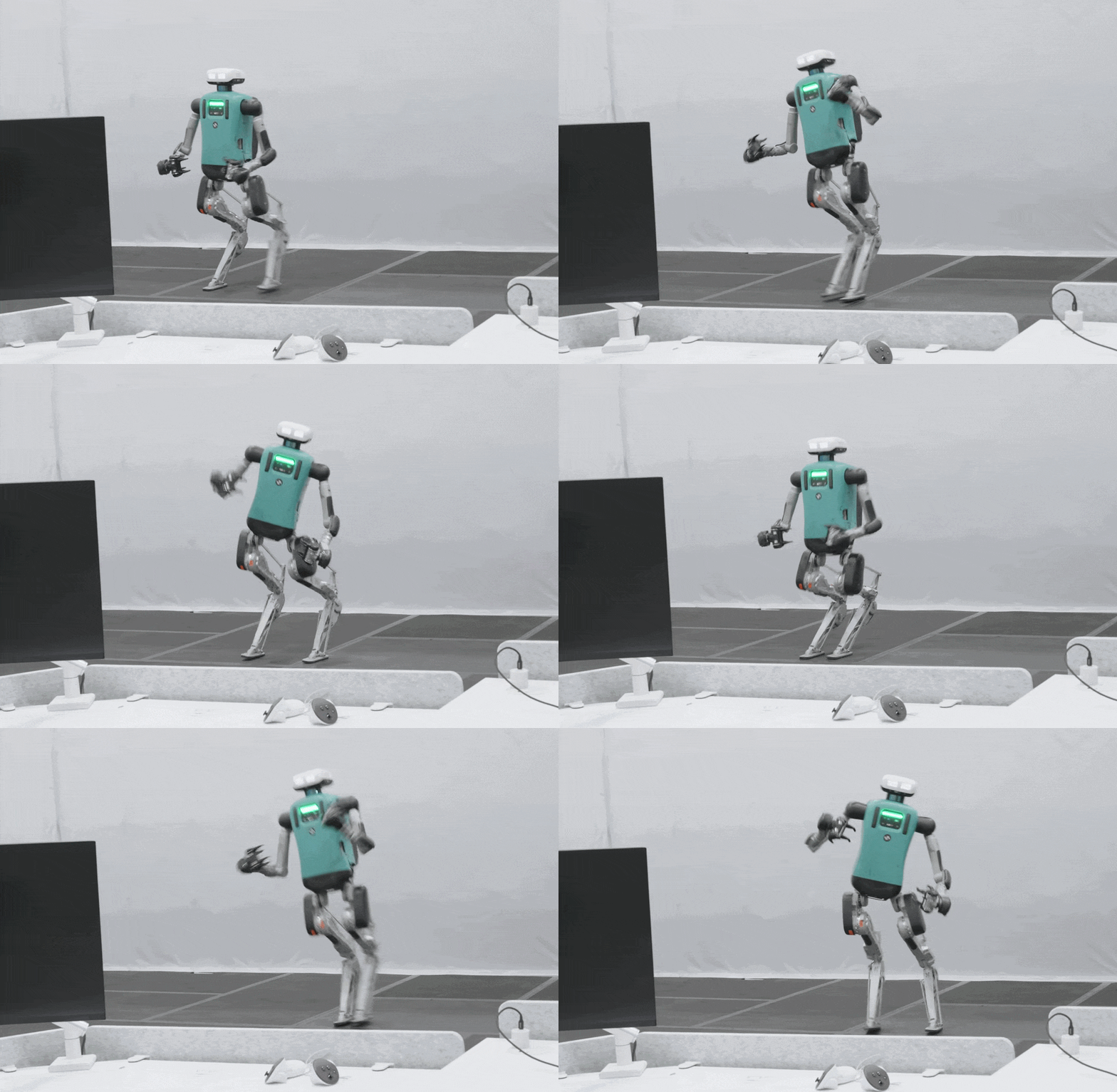
Video Friday: Digit Learns to Dance—Virtually Overnight
In a recent roundup of advancements in robotics, IEEE Spectrum highlighted several notable developments and upcoming events in the field. Among the key innovations is Digit, a humanoid robot that can learn new whole-body control capabilities overnight through sim-to-real reinforcement training, enhancing its performance in various tasks. Additionally, the introduction of GEN-1 marks a significant milestone in robot learning, achieving a 99% success rate in simple physical tasks and drastically reducing task completion time. Unitree has made strides by open-sourcing the UnifoLM-WBT-Dataset, a comprehensive dataset for humanoid robot teleoperation, which has been available since March 5, 2026. Meanwhile, researchers presented MRReP, a Mixed Reality interface that allows users to guide autonomous mobile robots in human-shared environments through hand gestures. In other developments, Sanctuary AI showcased its advanced hydraulic hands capable of dexterous manipulation, while China’s Yuxing 3-06 satellite successfully completed an in-orbit refueling test, paving the way for future satellite servicing. Furthermore, Japan Railway West collaborated with Serendix to utilize 3D printing technology for rapid construction at Hatsushima station, demonstrating innovative solutions to infrastructure challenges. Upcoming robotics events include ICRA 2026 in Vienna from June 1-5, and the Summer School on Multi-Robot Systems in Prague from July 29 to August 4, 2026, providing platforms for further exploration and collaboration in the robotics sector.
Humanoid-robots Video-friday Robot-ai Human-robot-interaction Teleoperation Industrial-robots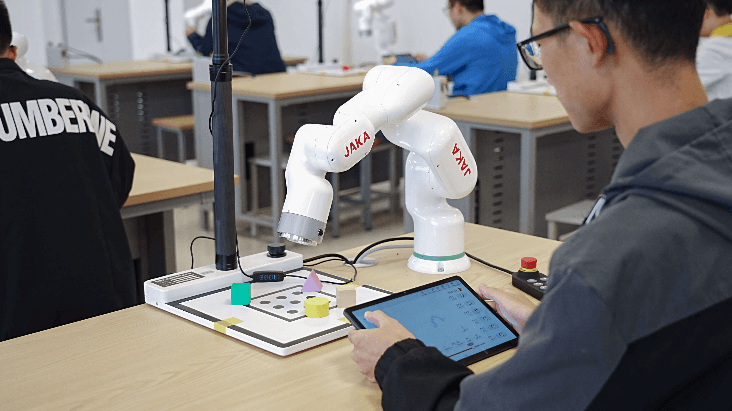
Automation and Industrial Robotics for Education: Training Programs and Platforms
JAKA, a leader in industrial automation and robotics, is revolutionizing technical education by integrating hands-on experience with industrial cobot systems into learning environments. This initiative aims to prepare students for future careers in manufacturing and engineering by providing practical knowledge that complements traditional theoretical studies. The company has developed training programs centered around the JAKA Pro16, an industrial cobot designed to operate in challenging environments, allowing students to engage in tasks such as palletizing, machine tending, and precision welding without damaging sensitive equipment. This hands-on approach helps learners understand the practical challenges of modern industrial settings. JAKA's modular platforms facilitate both individual and collaborative learning, enabling students to program trajectories, test automation sequences, and analyze data from integrated sensors. This immersive experience connects theoretical concepts with real-world applications, enhancing problem-solving skills and technical confidence. The goal of these educational programs is to equip students with the skills necessary for careers in manufacturing, engineering, and technology. By interacting with advanced robotics like the JAKA Pro16, students gain insights into mechanical operations, control systems, and safety protocols. JAKA also provides instructor guides and safety materials to ensure effective and secure learning. Through this commitment to integrating automation and robotics into education, JAKA is helping to bridge the gap between classroom learning and industry requirements, ultimately preparing the next generation for the evolving challenges of modern manufacturing.
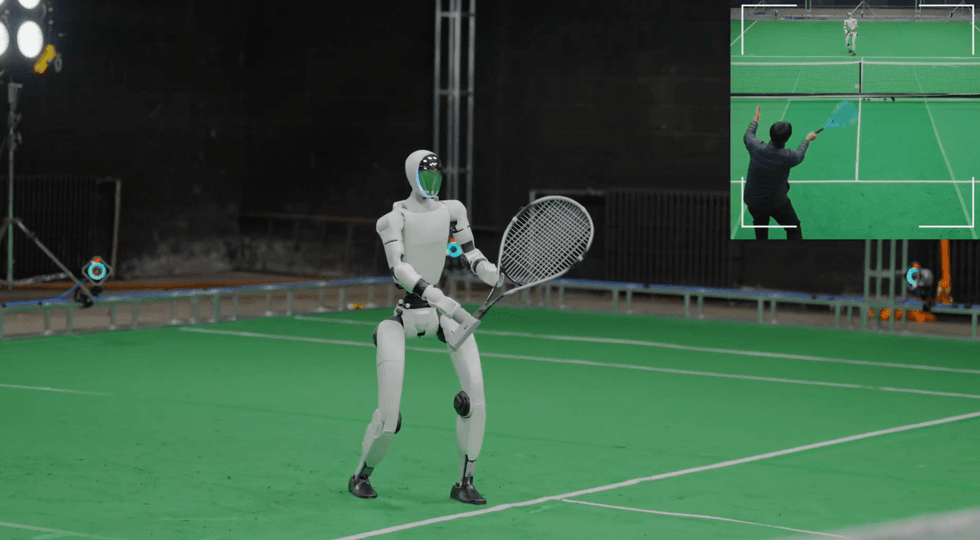
Video Friday: Humanoid Learns Tennis Skills Playing Humans
IEEE Spectrum robotics has released its latest edition of Video Friday, showcasing a variety of innovative robotics videos and announcing upcoming events in the field. Notable events include the International Conference on Robotics and Automation (ICRA) scheduled for June 1-5, 2026, in Vienna, and a Summer School on Multi-Robot Systems from July 29 to August 4, 2026, in Prague. Among the featured advancements, researchers have developed LATENT, a system designed to teach humanoid robots tennis skills by learning from imperfect human motion data. This innovation addresses the challenges of replicating human-like athleticism in robotics. Additionally, a breakthrough has been achieved in robotic manipulation, with a robot successfully peeling an apple using dual dexterous hands, showcasing significant progress in bimanual tasks. The development of MoDE-VLA, a control system that integrates vision, language, force, and touch data, further enhances the robot's ability to perform complex tasks with stability and precision. This shared-autonomy approach allows human operators to guide robots in executing intricate movements. In other highlights, collaborations between Tesollo and Hanyang University have led to advancements in robotic hand technology, while the Fluent Robotics Lab at the University of Michigan is set to present a paper on operational PR2 robots. The KAIST DRCD Lab has also demonstrated the capabilities of its humanoid robot, trained through deep reinforcement learning. As robotics continues to evolve, these innovations reflect the ongoing efforts to bridge the gap between human-like dexterity and robotic functionality.
Humanoid-robots Video-friday Robot-locomotion Nvidia Robot-manipulation Quadruped-robots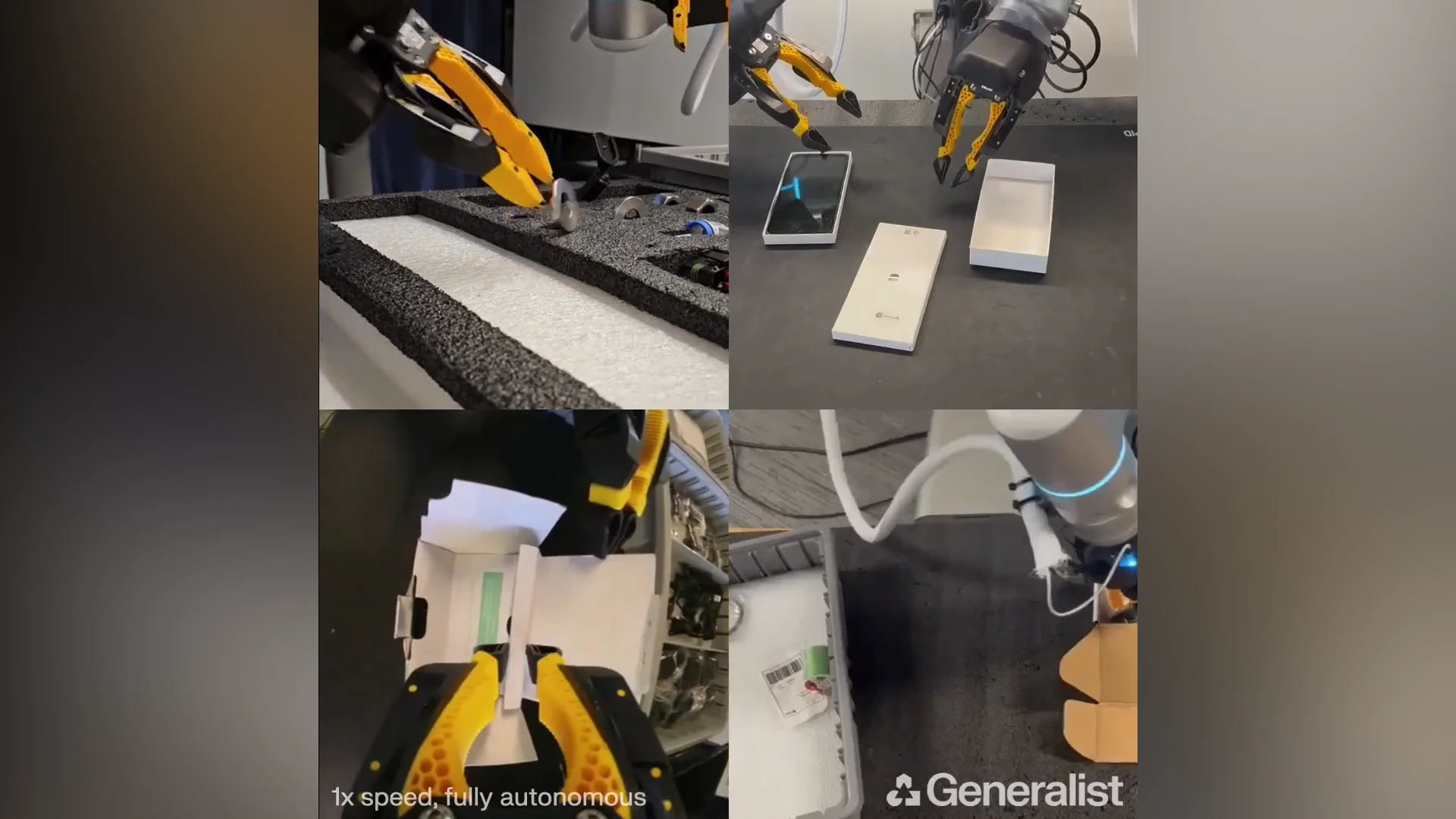
The Dark Matter of Robotics: Generalist AI’s Andy Zeng on the Quest for Physical Commonsense
The chief scientist of Generalist AI has emphasized that the future advancements in robotics will not stem from textual data available on the internet, but rather from enhancing the 'reflexive' intelligence associated with physical interactions. This statement highlights a shift in focus towards developing robots that can better understand and respond to their environments through direct engagement, rather than relying solely on pre-existing information. The insights were shared during a recent discussion on the evolution of artificial intelligence and its implications for robotic development. As the field progresses, experts are advocating for a more hands-on approach to training robots, suggesting that real-world experiences will be crucial in fostering their capabilities. This perspective underscores the importance of integrating sensory feedback and adaptive learning in robotic systems to achieve significant breakthroughs in the industry.
Generalist AI embodied-ai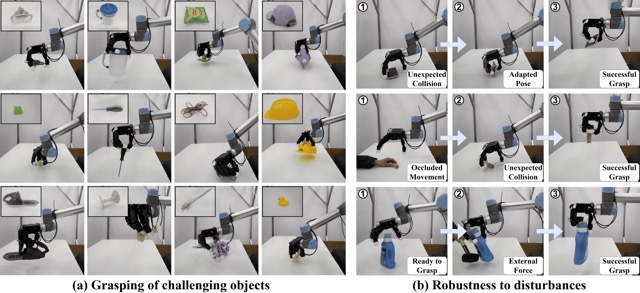
CoRL2025 – RobustDexGrasp: dexterous robot hand grasping of nearly any object
Researchers are increasingly focused on bridging the dexterity gap between human and robotic hands, a challenge that has significant implications for various industries. Human hands, with their remarkable 20 degrees of freedom, exhibit an unparalleled ability to perform intricate tasks, from gripping tools to making quick adjustments in response to unexpected changes. This natural dexterity allows humans to engage in a wide range of activities with ease and precision. The quest to replicate this level of skill in robotic hands has gained momentum in recent years, driven by the growing demand for advanced automation in sectors such as manufacturing, healthcare, and service industries. As of October 2023, experts are exploring innovative designs and technologies that could enhance the functionality and adaptability of robotic hands, aiming to create machines that can perform complex tasks with the same fluidity as human hands. By leveraging advancements in artificial intelligence, machine learning, and materials science, researchers are developing robotic systems that can learn from their environment and improve their performance over time. This ongoing effort not only seeks to enhance the capabilities of robots but also aims to expand their applications, potentially transforming the way humans and machines interact in everyday tasks. The successful integration of dexterous robotic hands could lead to significant improvements in efficiency and safety across various fields, marking a pivotal step toward a future where robots can seamlessly assist humans in their daily lives.
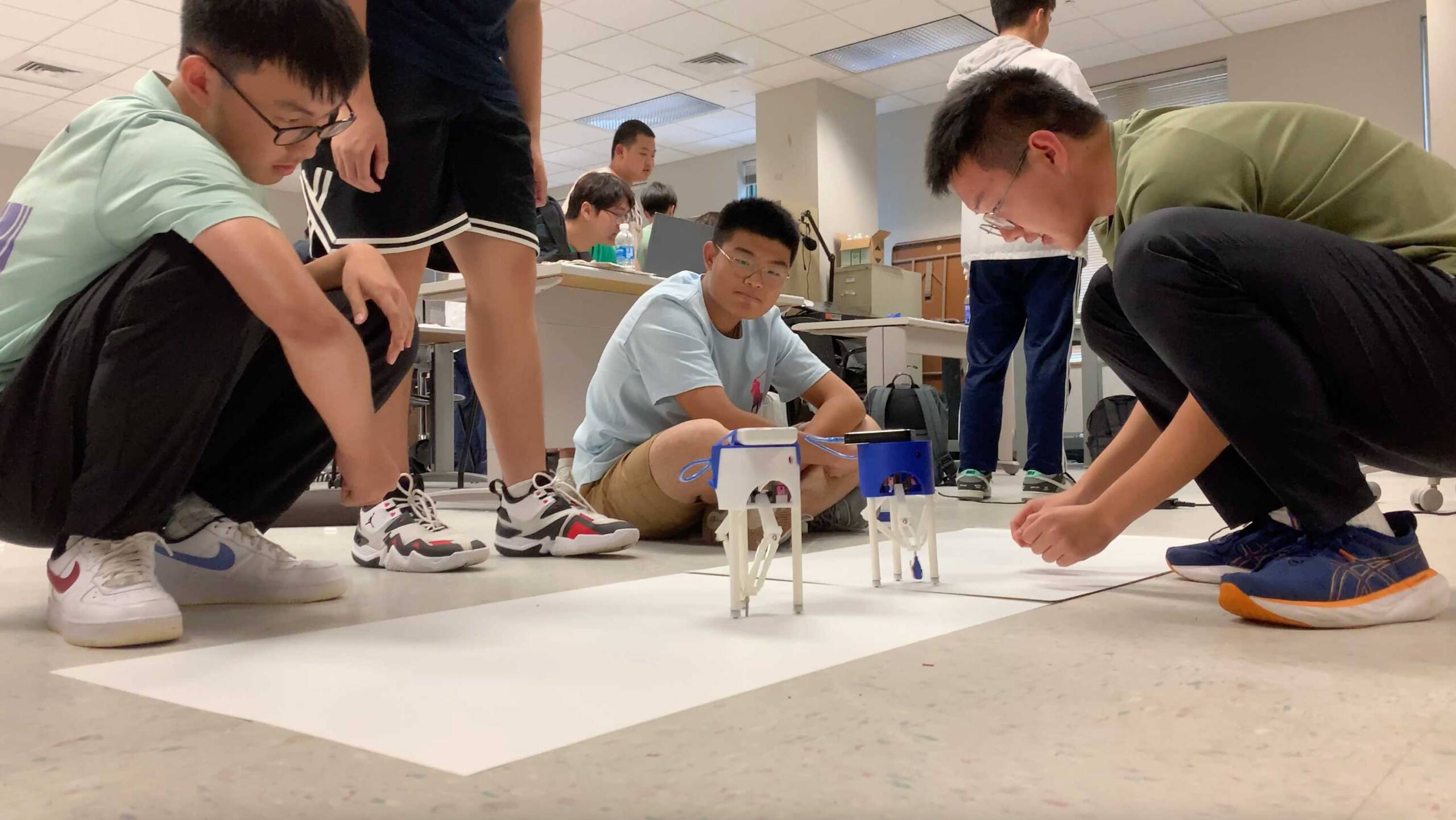
High Schoolers Bring Robots to Life at CMU Feiyue Program
Twenty high school students engaged in hands-on robotics activities in a classroom at Carnegie Mellon University, where they were preparing for the upcoming Feiyue Robotics Program showcase. As they worked in small groups, students experimented with tri-legged robots, attempting to make them walk. Laughter filled the room as some robots toppled over after their initial steps, highlighting the challenges and excitement of the learning process. This event aims to foster interest in robotics and provide students with practical experience in programming and engineering, showcasing their efforts and creativity at the upcoming showcase.
Uncategorized
Interview with Sharpa’s Alicia Veneziani: ‘Dexterous manipulation is the key to useful humanoid robots’
Recent advancements in humanoid robotics have captivated audiences with remarkable demonstrations of walking, running, jumping, and balancing. However, experts in the field caution that while locomotion is a significant aspect, it is not the only challenge facing the development of practical humanoid robots. Many robotics specialists emphasize that the greater hurdle lies in replicating human-like cognitive abilities and social interactions, which are essential for these machines to be genuinely useful in everyday environments. As researchers continue to push the boundaries of technology, the focus is shifting towards enhancing the cognitive and emotional intelligence of robots, which could ultimately determine their effectiveness in real-world applications.
Design Features Humanoids ai robotics Alicia Veneziani automation newsRobotics needs a service framework.
RSF defines a common language for robot service capability, lifecycle operations, certification pathways, and service-provider networks.