Industry Briefing
A single destination for timely, editor-curated robotics news from around the world.

OpenAI's updated GPT-5.5 Instant is better at shopping, complex constraints, and understanding user intent — and it's already in the API
OpenAI has announced an update to its popular language model, GPT-5.5 Instant, which is now the default for free ChatGPT users. The upgrade, revealed on June 24, enhances the model's ability to understand user intent and adapt responses, particularly in complex scenarios like shopping and local recommendations. This update follows the model's initial release in early May 2026, which aimed to address factual inaccuracies and improve conversational quality. The latest version is being rolled out first to paid subscribers, with free users gaining access shortly thereafter. While OpenAI has not provided specific performance benchmarks, the company claims significant improvements in handling multi-part instructions and contextual awareness. This is expected to make ChatGPT more effective for everyday tasks, such as planning trips or comparing products. For developers, the updated model can be accessed through OpenAI's chat-latest API alias, which points to the latest Instant model. However, OpenAI continues to recommend the separate gpt-5.5 model for production use. The update reflects a shift towards more intuitive AI systems capable of better inferring user goals and maintaining context across interactions, marking a significant step forward in generative AI technology.
Technology
OpenAI releases GPT-5.5, bringing company one step closer to an AI ‘super app’
OpenAI has announced the launch of its latest model, which boasts enhanced capabilities across a wide range of categories. This development, revealed in October 2023, aims to improve the performance and versatility of AI applications. By leveraging advanced training techniques and a more extensive dataset, the new model is designed to provide users with more accurate and efficient responses. OpenAI's commitment to pushing the boundaries of artificial intelligence continues to drive innovation in the field, as the organization seeks to address diverse user needs and applications.
AI sam altman OpenAI greg brockman ChatGPT GPT-5.5
OpenAI’s New GPT-5.5 Powers Codex on NVIDIA Infrastructure — and NVIDIA Is Already Putting It to Work
OpenAI's Codex, an advanced AI coding application, is set to transform knowledge work by enhancing how developers process information, solve complex problems, and generate innovative ideas. This evolution in AI technology aims to streamline workflows and drive innovation across various sectors. With the capabilities of Codex, developers can expect significant improvements in efficiency and creativity, allowing them to tackle more intricate challenges and produce novel solutions. As the technology continues to evolve, it is anticipated that AI will play an increasingly vital role in shaping the future of work, particularly in fields that require high levels of cognitive engagement.

OpenAI Launches GPT 5.6 as Preferred Model for Microsoft 365 Copilot Integration
OpenAI has announced that its latest model, GPT 5.6, will serve as the preferred AI model for Microsoft 365 Copilot, enhancing productivity applications like Word, Excel, and PowerPoint. This announcement came amid reports of Microsoft increasingly utilizing its in-house models, known as MAI, to reduce costs. The launch event took place on Thursday, reinforcing the ongoing collaboration between the two companies despite speculation about a potential rift. The significance of this announcement lies in the continued integration of OpenAI's advanced AI capabilities within Microsoft's suite of productivity tools. OpenAI emphasized its commitment to enhancing user experience across Microsoft applications, which could lead to improved functionality and user engagement. The partnership aims to leverage AI to benefit a broader range of individuals and organizations, maintaining a competitive edge in the productivity software market. Looking ahead, it remains to be seen how the relationship between OpenAI and Microsoft will evolve, especially with Microsoft’s in-house models gaining traction. No further timeline was disclosed at the time of publication regarding future developments or enhancements to the partnership. Observers will be keen to monitor how this dynamic affects both companies' strategies in the AI and productivity sectors.
AI Copilot gpt-5.6 Microsoft OpenAI
OpenAI introduces GPT-5.6 models with enhanced efficiency and cybersecurity features
OpenAI has launched its latest family of models, GPT-5.6, featuring three variants: Sol, Terra, and Luna. Announced on Thursday, these models promise significant advancements in enterprise applications, coding, and scientific research. Notably, Sol is reported to be 54% more token efficient for coding tasks, positioning it as a leading option in the AI landscape. The introduction of GPT-5.6 is significant as it aims to enhance cybersecurity capabilities, with OpenAI claiming it is their strongest model yet in this area. The model supports various defensive activities such as threat modeling and code review, addressing concerns raised by previous regulatory scrutiny. This launch is strategically timed to compete with offerings from rivals like Anthropic, with OpenAI asserting that its models outperform competitors in key metrics. Looking ahead, OpenAI's new models are now available across platforms including ChatGPT and Codex, with pricing structured per million tokens. The company has not disclosed specific timelines for future updates or enhancements, but the competitive landscape suggests ongoing developments in AI model capabilities and market positioning.
AI ChatGPT gpt-5.6 OpenAI sam altman
Microsoft Edge 150 Launches with Google Account Sign-In and OpenAI Unveils GPT-5.6
On July 2, Microsoft released version 150.0.4078.48 of Microsoft Edge for desktop, introducing support for Google account sign-ins on both Windows and macOS. This update allows users to log in using either a Microsoft or Google account, enhancing accessibility for users. IT administrators can manage this feature through a new policy called 'NonMicrosoftAccountSignInEnabled'. The significance of this update lies in its potential to streamline user experience and broaden the browser's appeal. By allowing Google account integration, Microsoft Edge aims to attract users who prefer Google's ecosystem, thereby increasing its market share. Additionally, version 150 will be the last to support macOS 13 Monterey, as future updates will require macOS 12 Ventura or later. On July 9, OpenAI officially launched its new AI model series, GPT-5.6, following a limited preview. This series includes three tiers: Sol, Terra, and Luna, each optimized for different performance and cost metrics. The rollout of GPT-5.6 is expected to enhance capabilities in various applications, including coding and cybersecurity, with pricing structured to appeal to a wide range of users. No further timeline was disclosed at the time of publication.

SpaceX sets IPO price to raise $75 billion; OpenAI CEO delays South Korea visit; new AI complaint center launched.
OpenAI CEO Sam Altman has postponed his planned visit to South Korea, originally scheduled for June 14-15, due to personal reasons. During the visit, he was expected to meet with leaders from major companies including Samsung Electronics, Kakao, and NAVER. In a separate announcement, Waymo, the autonomous driving subsidiary of Alphabet, revealed a new $30 monthly membership plan called Waymo Premier, aimed at invited users. This plan will offer benefits such as priority rides, a 10% cashback on trips, and the ability to cancel rides up to five times a month at no cost. Initial invitations will be sent to eligible passengers in San Francisco, Los Angeles, and Phoenix, with plans to expand to other cities. Meanwhile, SK Hynix is exploring the integration of AI technologies, including ChatGPT, into its operations. CEO Lee Seok-hee indicated that the company is balancing the protection of industrial technology with the adoption of external AI services, considering tools like Microsoft 365 and CoPilot. In financial news, major Wall Street banks have begun restricting hedge funds' leverage on Asian chip stocks, including SK Hynix and Samsung, due to concerns over potential market corrections. This move involves raising financing costs for hedge fund bets and limiting new transactions. Additionally, Google announced a $50 million investment to train U.S. tech workers, addressing the growing demand for AI infrastructure. This investment is part of a broader initiative that has already seen over $1 billion allocated to training programs since 2022. Lastly, SK Hynix reported that a fire at its Cheongju plant on June 12 has been brought under control, with production equipment operating normally.
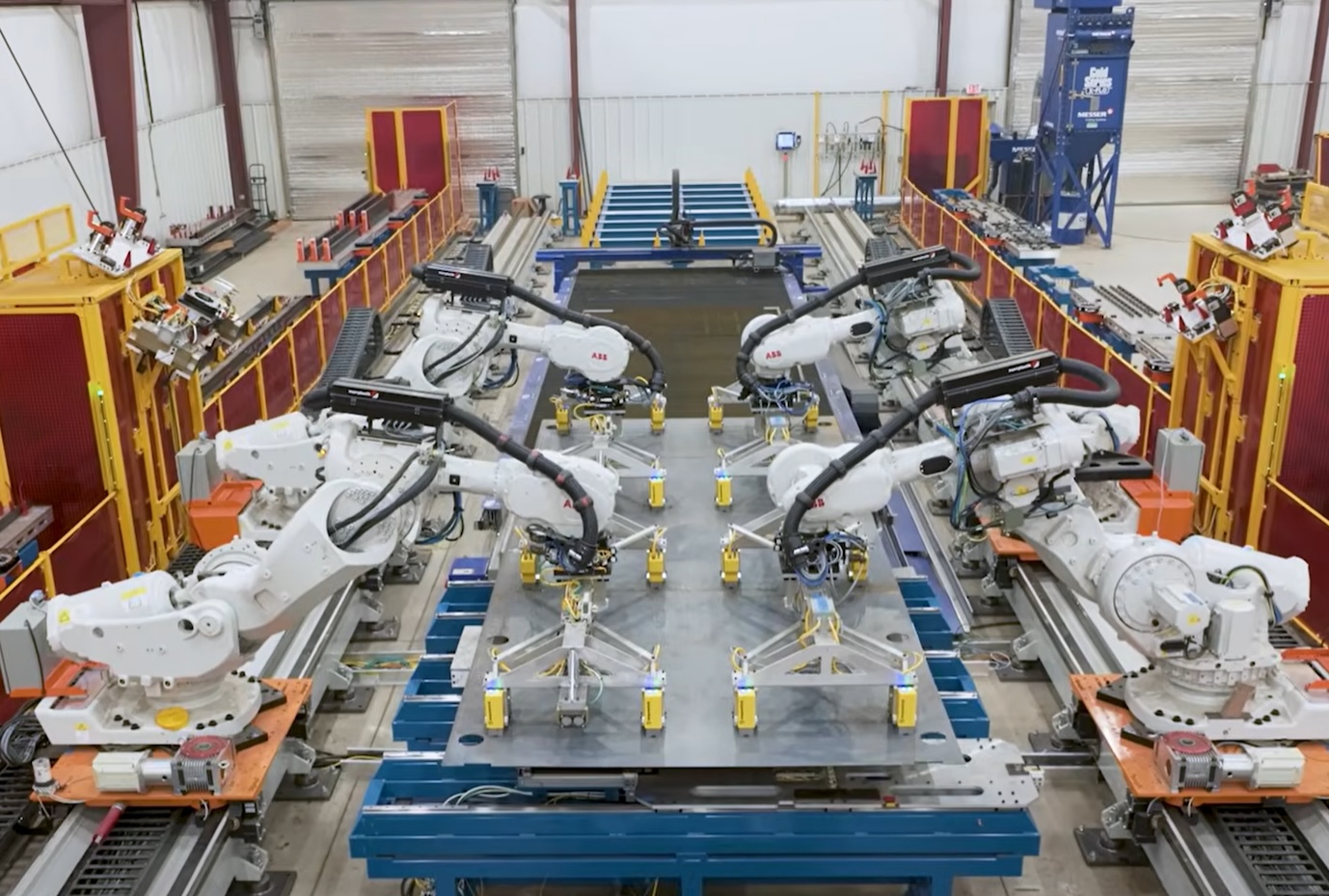
ByteDance Releases Doubao-Seed-2.0, Positions Pro Model Against GPT 5.2 and Gemini 3 Pro
ByteDance has unveiled Doubao-Seed-2.0, the newest iteration of its Doubao large language model series. This latest version, particularly the Pro variant, has been benchmarked against advanced models such as GPT 5.2 and Gemini 3 Pro. It is specifically engineered to excel in long-chain reasoning and agent-based tasks. According to ByteDance, Doubao 2.0 Pro has demonstrated superior performance across various multimodal, mathematical, and coding benchmarks, positioning it as a leading contender in the competitive landscape of artificial intelligence. The release reflects ByteDance's commitment to advancing AI technology and enhancing its capabilities for complex problem-solving tasks.
News Feed
OpenAI releases life sciences AI "GPT-Rosalind" for bio-defense, raising concerns over dual-use risks.
OpenAI has launched the "Rosalind Biodefense" program, utilizing its frontier reasoning model, GPT-Rosalind, specifically designed for life sciences research. Announced recently, this initiative focuses on detecting biological threats for defense purposes. The program will provide approved developers, U.S. government agencies, and allied partner organizations with free access to its API, aiming to enhance biodefense capabilities.

ChatGPT as a therapist? New study reveals serious ethical risks
Recent research from Brown University highlights significant ethical concerns surrounding the use of AI chatbots, such as ChatGPT, for therapy-style advice. As millions increasingly rely on these digital platforms for mental health support, the study reveals that even when programmed to emulate trained therapists, these systems frequently violate essential ethical standards in mental health care. In comparisons with peer counselors and licensed psychologists, researchers identified 15 distinct ethical risks, including inadequate handling of crisis situations, reinforcement of harmful beliefs, biased responses, and the provision of "deceptive empathy," which mimics genuine care without true understanding. This study raises urgent questions about the safety and effectiveness of AI in sensitive mental health contexts, prompting a reevaluation of their role in providing support to vulnerable individuals.

FAULHABER focuses on torque, noise, and power with new GPT gearheads
FAULHABER has introduced its latest GPT gearheads, designed to enhance the performance of motors within its standard range. These innovative gearheads prioritize torque, noise reduction, and power efficiency while maintaining a compact design. This development reflects FAULHABER's commitment to advancing motor technology, aiming to meet the growing demands for high-performance solutions in various applications. The new gearheads are expected to provide significant improvements in operational efficiency, making them a valuable addition to the company's product lineup.
Actuators / Motors / Servos Motion Control News FAULHABER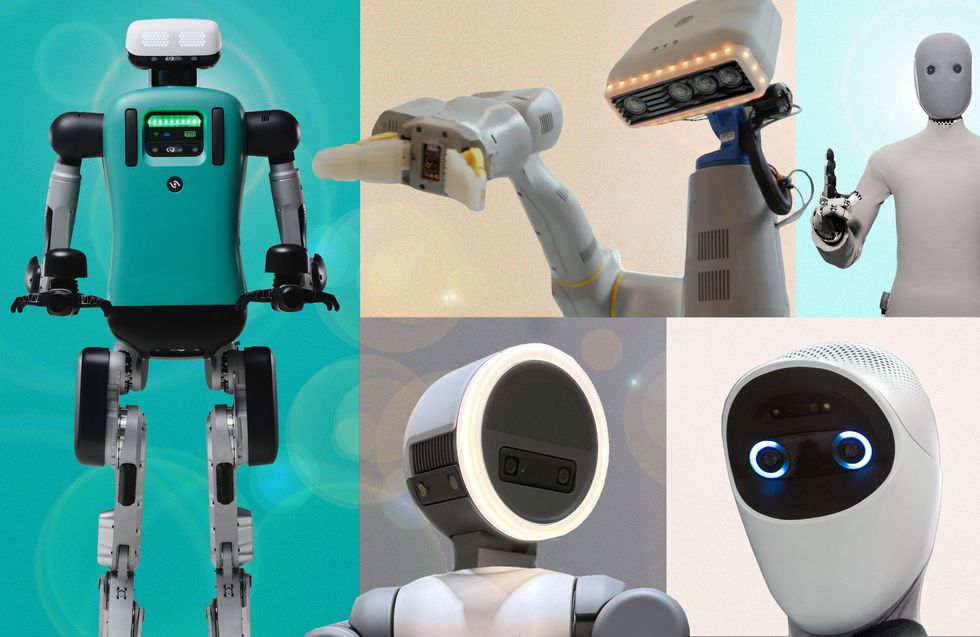
Will Robotics Have a ChatGPT Moment?
In the coming decades, billions of AI-powered robots are expected to collaborate with humans across various sectors, including factories, warehouses, elder care, disaster response, and home assistance. By 2025, investments in robotics reached a record $40.7 billion, highlighting the growing interest in this technology. Despite ambitious claims from robotics companies about humanoid robots entering homes soon, significant challenges remain in bridging the gap between current capabilities and the promises made. Experts in AI and robotics, including a professor from Oregon State University and a former Google X executive, emphasize that while AI is revolutionizing robotics, the complexity of real-world environments poses substantial hurdles. Current demonstrations of humanoid robots, such as those showcased at the 2026 Spring Festival Gala in China, often rely on scripted performances rather than genuine autonomy, revealing the limitations of existing technology. The development of general-purpose robots is hindered by the need for vast amounts of high-quality training data and the challenge of creating hardware that can safely interact with humans. As robotics evolves, the focus will shift to practical applications that address real-world needs, with an emphasis on safety and reliability. The path forward involves a series of incremental advancements rather than a single breakthrough, as AI-driven robots gradually begin to deliver tangible benefits across various industries, potentially transforming the economy and improving daily life.
Robotics Everyday-robots Agility-robotics Artificial-intelligence
Study finds ChatGPT gets science wrong more often than you think
A recent study evaluated the performance of ChatGPT in assessing the validity of various scientific hypotheses. Conducted by researchers, the analysis revealed that while the AI model initially appeared to correctly identify the truthfulness of hypotheses approximately 80% of the time, this figure diminished significantly when factoring in the likelihood of random guessing. The findings raised concerns about the model's reasoning capabilities, as it often provided inconsistent answers to the same questions posed multiple times. This inconsistency highlights potential limitations in the reliability of AI in scientific reasoning, prompting further scrutiny of its application in critical decision-making contexts.
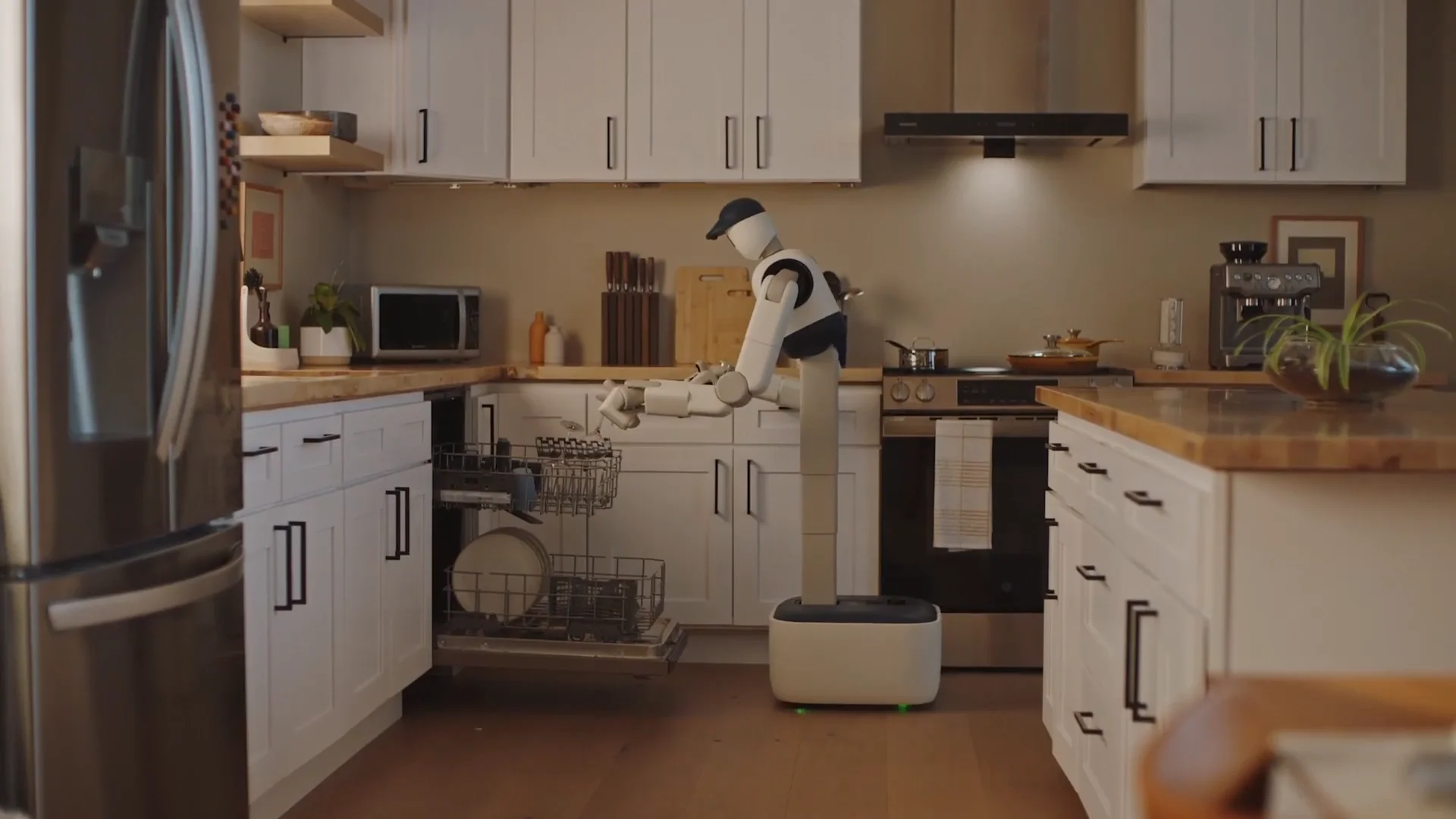
Sunday Robotics Founders on the "GPT Moment" for Physical AI and Breaking the Data Bottleneck
In a recent interview, Tony Zhao and Cheng Chi discussed their innovative "data-first" philosophy, which they believe is pivotal in advancing technology within their industry. They emphasized the impending end of teleoperation, suggesting that reliance on remote control systems is becoming obsolete. Zhao and Chi expressed their concerns about the current state of the industry, which they feel is caught in a transitional phase between traditional generative pre-trained transformers (GPT) and the more advanced ChatGPT models. Their insights reflect a broader trend in technology, where data-driven approaches are increasingly seen as essential for progress. The interview sheds light on the challenges and opportunities facing the industry as it navigates this critical evolution.
Sunday Robotics Memo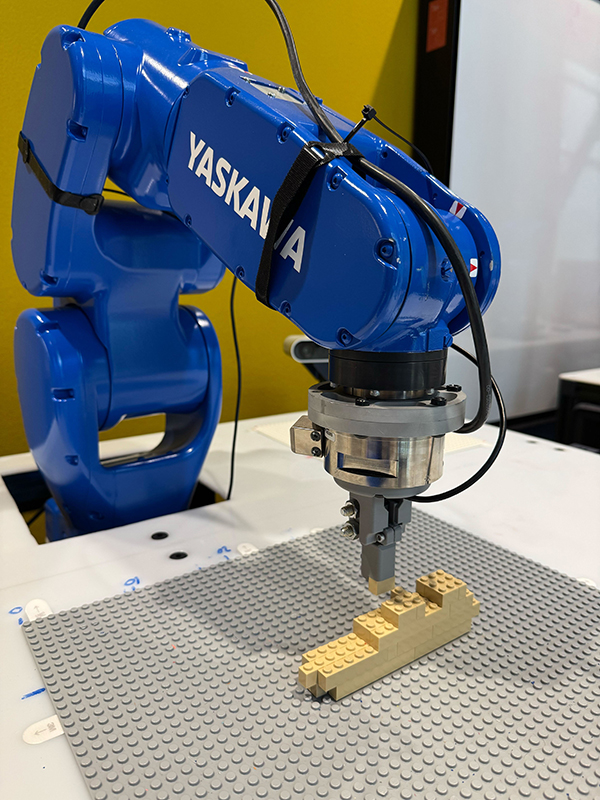
Imagination Meets Automation With BrickGPT
Researchers at Carnegie Mellon University's School of Computer Science have created an innovative tool called BrickGPT that merges artificial intelligence with creativity. This tool utilizes text prompts to assist both individuals and robots in transforming their ideas into tangible creations using Lego bricks. The development of BrickGPT represents a significant advancement in the intersection of imagination and automation, showcasing the potential for AI to enhance creative processes.
Research
This startup thinks robotics is about to have its ChatGPT moment
General Intuition is investing significantly in the potential of video game data to enhance the development of physical artificial intelligence. The company believes that millions of hours of gameplay data can be utilized to train foundational models, which could streamline the process of creating more intelligent robots that require less real-world data for training. This initiative comes as the demand for advanced robotics continues to grow, with applications spanning various industries. By leveraging the rich datasets generated from video games, General Intuition aims to accelerate the evolution of AI technologies, making them more efficient and capable in real-world scenarios. The project is set to unfold over the coming months, with the goal of transforming how robots learn and adapt to their environments.
AI Robotics Equity general intuition pim de witte
Beyond the VLA: NVIDIA’s DreamZero and the ‘GPT-2 Moment’ for Robotic World Models
NVIDIA GEAR Lab has introduced DreamZero, an advanced World Action Model (WAM) featuring 14 billion parameters. This innovative model employs video diffusion technology to provide robots with a form of physical "imagination," allowing them to complete tasks without prior training and adapt quickly to various robotic forms. The unveiling of DreamZero marks a significant advancement in robotics, showcasing the potential for enhanced flexibility and efficiency in robotic applications. By leveraging this cutting-edge technology, NVIDIA aims to revolutionize how robots interact with their environments and perform complex tasks autonomously.
Dr Jim Fan NVIDIA World-Models Research embodied-ai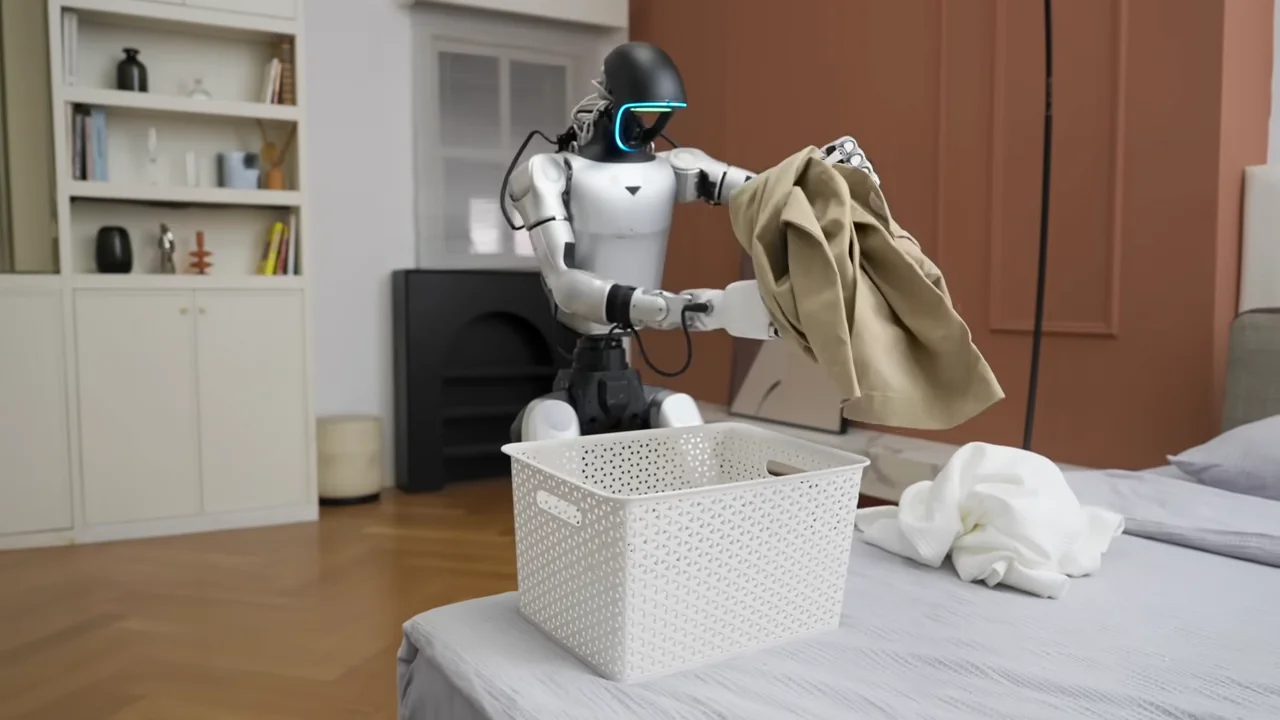
Unitree CEO Defines Embodied AI’s ‘ChatGPT Moment’ With an “80% Target”
At a recent forum in Shanghai, Unitree CEO Wang Xingxing highlighted a significant milestone for embodied AI, identifying an 80% task success rate in unfamiliar environments as a key breakthrough. Despite this progress, Wang and other industry leaders expressed concerns that advancements in the field are occurring at a slower pace than anticipated. They emphasized the need for urgent standardization of data and hardware to accelerate development and enhance the effectiveness of AI technologies. The forum served as a platform for discussing the challenges and potential solutions facing the industry as it seeks to improve AI capabilities in real-world applications.
Unitree Robotics
Archivists Turn to LLMs to Decipher Handwriting at Scale
Recent advancements in artificial intelligence are revolutionizing the transcription of handwritten historical documents, making previously inaccessible archives more usable for researchers and the public. Mark Humphries, a history professor at Wilfrid Laurier University in Ontario, has been at the forefront of this transformation, utilizing OpenAI's GPT-4 to analyze millions of World War I pension records. His research, published in May 2025, demonstrated that AI models significantly outperformed traditional handwriting recognition software, achieving lower error rates and faster processing times. The implications of this technology extend beyond academia. Institutions like the University of North Carolina at Chapel Hill and the Federal Reserve Bank of Philadelphia are exploring AI transcription for various historical documents, enabling new avenues for research into topics such as enslaved ancestors and economic history. Lianne Leddy, a co-author of Humphries' study, emphasized that AI tools can uncover stories of Indigenous women from historical records, which would have taken years to analyze manually. As AI continues to evolve, tools like Archive Pearl are being developed to democratize access to historical documents, allowing users to quickly obtain accurate transcriptions. This shift not only aids trained historians but also empowers non-experts and families seeking to explore their heritage, fundamentally changing the landscape of historical research.
Archives Artificial-intelligence Writing Chatgpt Yann-lecun
MIT and Toyota Develop SceneSmith to Enhance Robot Training with AI-Generated Environments
MIT and the Toyota Research Institute have introduced SceneSmith, a system that utilizes AI agents to create realistic 3D environments for robot training. This innovation addresses the significant challenge of generating diverse simulation content, which is crucial for teaching robots various tasks in a cost-effective manner. The SceneSmith system employs three AI agents, leveraging the advanced vision-language model GPT-5.2, to design intricate indoor scenes. These environments, featuring up to six times more objects than previous methods, allow robots to practice skills in a rich virtual playground, ultimately reducing the need for extensive real-world testing. As the research progresses, the effectiveness of these AI-generated environments will be closely monitored. The team has already demonstrated that robots can successfully navigate and perform tasks in these virtual settings, indicating a promising future for robotic training methodologies. No further timeline was disclosed at the time of publication.
Research Robotics Artificial intelligence Simulation Computer science and technology Machine learning
Large Tabular Models Excel Where LLMs Fail
A new generative AI model, known as NEXUS, has emerged from the startup Fundamental, which recently secured $275 million in funding. Launched on February 5, 2026, NEXUS is designed to analyze structured data, a task that traditional large language models (LLMs) like ChatGPT and Claude struggle with. While LLMs excel in generating human-like text and images, they falter when faced with complex tabular data, which is crucial for businesses across various sectors, including finance and healthcare. Fundamental's CEO, Jeremy Fraenkel, explained that LLMs are not suited for structured data due to their reliance on sequential input, making them less effective for tasks requiring deterministic predictions, such as fraud detection. In contrast, NEXUS utilizes a large tabular model (LTM) that directly models the structure of tabular data, allowing for more accurate reasoning and predictions. The development of NEXUS involved training on billions of tables, using a mix of proprietary and public datasets while ensuring customer data confidentiality. This innovative model has already been integrated into Amazon Web Services' SageMaker platform, enhancing its accessibility for businesses handling sensitive data. As the demand for effective data analysis solutions grows, other companies, including Feedzai and Google, are also developing similar technologies. Experts predict that the future of data processing will increasingly rely on automated systems, combining the strengths of LLMs and LTMs to improve efficiency and accuracy in data analysis.
Data-analytics Llms Foundation-models Databases
Commemorating 70 Years of Artificial Intelligence
Artificial intelligence (AI), a transformative technology of the 21st century, is reshaping various aspects of life and has seen unprecedented adoption rates since its formal establishment in 1956 at the Dartmouth Summer Research Project. Pioneers like John McCarthy and Marvin Minsky introduced the concept, envisioning machines that could simulate human intelligence. Over the past 70 years, AI has evolved significantly, impacting fields such as business, education, healthcare, and military applications. The journey of AI has been marked by innovation and setbacks, including periods known as "AI winters," where interest and funding waned. However, a resurgence in the 2010s, driven by advances in deep learning and generative AI, has led to the development of sophisticated systems like ChatGPT, which was publicly released in 2022. This evolution has enabled AI to perform cognitive tasks at unprecedented speeds, automate processes, and enhance creativity. Despite its advantages, AI poses significant risks, including biased outputs, privacy concerns, and the potential for misinformation. The IEEE has played a crucial role in guiding AI's development, promoting ethical standards, and fostering research through publications and conferences. As AI continues to advance, the focus remains on ensuring it is human-centered and beneficial for society, emphasizing the need for responsible governance and informed decision-making. The future of AI will depend on the choices made today, as the technology's trajectory is shaped by collective actions and ethical considerations.
Type-ti Ieee-history Artificial-intelligence Ai History-of-technology
Perceptron Mk1 shocks with highly performant video analysis AI model 80-90% cheaper than Anthropic, OpenAI & Google
Perceptron Inc., a Bellevue-based startup founded by former Meta researchers Armen Aghajanyan and Akshat Shrivastava, has launched its flagship video analysis model, Mk1, aimed at revolutionizing how enterprises utilize AI in real-time video processing. Announced today, this innovative model is priced significantly lower than competitors, at $0.15 per million input tokens and $1.50 per million output tokens, making it accessible for large-scale industrial applications. The Mk1 model, developed over 16 months, excels in understanding complex physical interactions and temporal reasoning, outperforming established models like OpenAI's GPT-5 and Google's Gemini 3.1 Pro in various benchmarks. Its unique architecture allows it to process video streams continuously, maintaining object identity and providing precise analysis of dynamic scenes, which is particularly beneficial for sectors such as security, robotics, and marketing. Perceptron aims to position Mk1 as a leader in the "Efficiency Frontier," balancing high performance with cost-effectiveness. The model's capabilities extend to auto-clipping highlights from live sports and enhancing quality control in manufacturing. A public demo site is available for potential users to explore its functionalities. This launch signifies a significant step towards integrating advanced AI into real-world applications, as the company seeks to make "physical AI" as prevalent as its digital counterpart.
Technology
AI Is Starting to Build Better AI
Recent advancements in artificial intelligence (AI) have reignited discussions about recursive self-improvement (RSI), a concept first proposed by mathematician I. J. Good in 1966. As AI systems like large language models (LLMs) and machine-learning algorithms evolve, researchers are exploring how these technologies can autonomously enhance their own capabilities. Notable developments include OpenAI's GPT-5.3-Codex, which reportedly assisted in its own creation, and Google DeepMind's AlphaEvolve, designed to optimize complex problems in scientific discovery. While some researchers view these advancements as steps toward fully autonomous AI, they acknowledge that current systems still depend on human oversight for goal-setting and evaluation. Experts like Jeff Clune from the University of British Columbia believe that the field is on the brink of achieving RSI, which could revolutionize science and technology. However, challenges remain, including the complexity of AI systems and the necessity of human involvement in the development process. Concerns about the potential risks of RSI have also emerged, with some experts advocating for a pause in AI development to prevent unintended consequences. The debate continues over whether AI could lead to an intelligence explosion, with many researchers emphasizing the importance of maintaining human oversight to ensure safe progress. As AI technologies evolve, the future landscape may see a collaborative relationship between humans and machines, reshaping roles in research and innovation.
Ai-safety Singularity Llms Evolutionary-algorithm
DeepSeek launches V3.2 models with integrated reasoning tool use
DeepSeek has announced the launch of its V3.2 and V3.2-Speciale models, now available across web, app, and API platforms. This latest version introduces built-in reasoning capabilities for agent tasks and marks the first instance of the model supporting tool calls in both reasoning and non-reasoning modes. According to the company, V3.2 achieves results comparable to GPT-5 on public reasoning benchmarks, while also optimizing output length and reducing computational costs. The release aims to enhance user experience and efficiency in various applications, reflecting DeepSeek's commitment to advancing AI technology.
News Feed
Sarang Gupta Builds AI Systems With Real-World Impact
Sarang Gupta, a data scientist at OpenAI in San Francisco, has leveraged his childhood curiosity and engineering skills to make significant contributions to the field of artificial intelligence. From a young age, Gupta demonstrated a knack for problem-solving, fixing household items and later developing software solutions, including an online ordering system for a local restaurant. After earning dual degrees in industrial engineering and business management from the Hong Kong University of Science and Technology, he began his career at Goldman Sachs, where he automated trade reconciliation processes, enhancing operational efficiency. In 2020, Gupta earned a master's degree in data science with a focus on AI from Columbia University, where he collaborated on projects that aimed to improve journalism through technology. He then joined Asana as a product data scientist, leading the launch of AI-powered features to enhance user experience. His work gained momentum alongside the rise of generative AI, prompting him to transition to OpenAI in September 2025. At OpenAI, Gupta collaborates with the marketing team to develop data-driven models that optimize customer outreach and measure the effectiveness of various marketing channels. He emphasizes the transformative potential of AI across industries and plans to continue his work in this rapidly evolving field. Gupta, an IEEE member since 2024, values the organization for its resources and networking opportunities, which he believes inspire and enhance his professional journey.
Ieee-member-news Openai Generative-ai Chatgpt Careers Type-ti
OpenAI's Greg Brockman Takes Charge of Product Strategy Amid Leadership Changes
OpenAI has announced that Greg Brockman, co-founder and president, will take over product responsibilities following the resignation of Fidji Simo due to chronic illness. Simo, who had been with the company for about a year, will transition to a part-time advisory role. Brockman will now oversee key initiatives including ChatGPT and enterprise teams, reporting directly to CEO Sam Altman. This leadership change comes as OpenAI prepares for a potential IPO, having confidentially filed its prospectus in June. With a valuation of $852 billion, the company faces pressure to generate revenue amid increasing competition from firms like Anthropic and Google. Notably, ChatGPT's market share has dipped below 50%, prompting OpenAI to promote its AI coding assistant, Codex, to attract more users. Looking ahead, OpenAI's next steps include solidifying its market position and preparing for its IPO, which is expected to occur next year. No further timeline was disclosed at the time of publication. Brockman's leadership will be crucial as the company navigates these challenges and seeks to maintain its competitive edge in the rapidly evolving AI landscape.

AI Models Overthink Problems—and It’s a Security Risk
Large language models (LLMs) that can think through problems step-by-step have significantly increased the scope of tasks that AI can tackle. But new research suggests these reasoning capabilities also introduce a critical vulnerability that could allow attackers to slow these systems to a crawl.While earlier generations of LLMs would immediately produce a response to a user’s request, today’s most advanced models generate an internal monologue where they break down the problem into steps and reason about the best way to tackle it before providing an answer. This has allowed AI to tackle increasingly complex problems, particularly in areas like coding and math.However, previous research has shown that these models are susceptible to sometimes producing excessively long streams of reasoning that do little to boost performance, a phenomenon known as “overthinking.” In research presented this week at the International Conference on Machine Learning 2026 in Seoul, researchers from Zhejiang University and e-commerce giant Alibaba in China demonstrate that they can deliberately induce overthinking by subjecting models to logically inconsistent prompts. The result is a form of denial-of-service attack on commercial AI models.Evolutionary Prompt Attack on LLMsThe team has developed an evolutionary algorithm that corrupts the logical structure of prompts, causing models to spiral into overthinking as they attempt to reason through fundamentally unsolvable problems. Generating longer responses costs more and increases the load on a model provider’s servers, so if done at scale, the researchers say, this could significantly degrade the experience of legitimate users. The attack was effective against reasoning models from leading AI companies including DeepSeek-R1, Alibaba’s Qwen3-Thinking, OpenAI’s GPT-o3, and Google’s Gemini 2.5 Flash and resulted in outputs up to 26 times as long as standard responses on a standard math benchmark.“Across multiple datasets and reasoning models, our method substantially amplifies the output length,” Wei Cao, a masters student at Zhejiang University, wrote in an email to IEEE Spectrum. “Our results suggest that overthinking is not an isolated phenomenon specific to individual models, but rather a shared vulnerability among modern reasoning models.”The team’s approach builds on previous research from another group of researchers that showed reasoning models tend to overthink when faced with a question in which a key premise has been removed—such as asking how far someone who walks ten miles a day covers in total without specifying how many days they walked for. Rather than identifying that the problem is unsolvable, models often engage in extended but ultimately fruitless reasoning loops in an attempt to answer the question.Taking the idea a step further, the authors took 940 problems from three math benchmark datasets and used an LLM to break down their logical structure into a set of premises and a final question. The genetic algorithm then jumbled these up using a variety of “mutations,” including swapping premises between problems, adding extra premises to problems, deleting existing premises from problems, and swapping the final questions between two sets of premises.After each round of mutations, the problems are scored on how many words they cause a target model to output and also whether they increase the frequency of specific linguistic markers of overthinking—words like “but,” “wait,” “maybe,” or “alternatively.” The problems that scored highest on both measures are retained and the remaining ones are jumbled up again, and this process is repeated for five generations. Crucially, the approach doesn’t require access to the internals of a model and can generate malicious prompts by simply querying the target, which makes it possible to attack closed-source commercial services, says Cao.Overthinking Vulnerability in AI ModelsThe researchers found that the approach consistently led to outputs several times longer than those generated by the unmodified questions for the reasoning models they tested it on. The biggest jump came from DeepSeek-R1 on the MATH dataset, which is made up of problems from high school math competitions, where the maximum output was 26.1 times as long as the longest response the model provided to unaltered questions. While the main thrust of the research was focused on math problems, the authors also tested it on coding, scientific reasoning, and dialogue challenges, and observed significant jumps in output length in all three.One challenge for the approach is that developing the malicious prompts requires repeated queries to expensive reasoning models, which Cao admitted could limit its cost-effectiveness. However, the researchers also demonstrated that when they used a smaller, cheaper model to generate the malicious prompts they were still able to induce the target models to produce outputs several times longer than normal. This ability to transfer malicious prompts between models significantly increases the attack’s feasibility, Cao wrote.However, he pointed out that the goal of the research is not to develop a practical DoS attack on reasoning models. Factors like the providers’ pricing model, rate limiting policies, context window size, and existing defenses could all impact how effective the approach is. The intention is instead to highlight these models’ vulnerability to logically inconsistent prompts so that providers can attempt to mitigate the problem.“Our objective is not to demonstrate that large-scale attacks can be launched at negligible cost, but rather to establish that this attack surface exists,” he wrote. “Our results indicate that the vulnerability represents a realistic security concern.”
Llms Artificial-intelligence Denial-of-service Cybersecurity
Small-AI Models Gain Traction Around the World
One morning in 2019, Adebayo Alonge was in a Cape Town hotel room, preparing to demonstrate his startup’s AI answer to a serious problem in African health care: counterfeit medication, which kills thousands of people across the continent every year.The RxScanner is a handheld spectrometer that scans a pill with infrared light, then sends the item’s molecular profile to an AI model equipped with a pharmaceutical database. In seconds, the AI identifies the medication from its molecular profile—or reports that it’s phony.Pharmacies were using the system in more than a dozen countries, including Ghana, Kenya, Myanmar, and Alonge’s native Nigeria. But that morning in South Africa, it didn’t work. “I was shocked,” Alonge says.The spectrometer connected to the AI model—but the data center was 14,000 kilometers away and bandwidth was limited. “Our server was in the United States, and just to get the result of a single scan was taking me over 5 minutes.”So Alonge immediately asked his engineers to shrink the AI model down to a smaller, low-power, unconnected version that could run entirely on his Android phone. They produced it 2 hours later, and that saved the demo.More importantly, the work birthed a new version of his device, which can authenticate a pill in places without broadband, computers, or even reliable electricity. It also turned Alonge into an advocate for this kind of “small AI.”Small AI for Global Health Care AccessSmall AI is a far cry from wealthy nations’ colossal large language models (LLMs), hyperscale data centers, multibillion-dollar investments, and debates about AI consciousness. But for millions of people around the world, the only AI that matters, and often the only kind available, is small. (According to a World Bank Report issued in November, only 0.7 percent of internet users in the world’s poorest countries have used ChatGPT, compared to a quarter of all internet users in the most developed nations.)“Most people are discussing AI from the LLM/generative side. But that needs a lot of computing power, electricity, massive data, and skilled people to manage it,” Ajay Banga, president of the World Bank, said last January at the World Economic Forum, in Davos. “Outside the developed world, other than maybe India and China, very few countries have that combination.”By contrast, small AI can deliver useful, even life-saving services to people in areas that have none of those things, Banga said. In India, where the government’s AI plans call for more development of small AI, many such systems are working for farmers.For example, a drone-based system developed by Bala Murugan and colleagues at the Vellore Institute of Technology, in India, takes photos of cashew plants and quickly identifies those with splotches that indicate disease. All the processing takes place on the drone itself, so there’s no need for a computer on-site, nor for a connection to a central server.Using small language models trained for a specific problem, and sometimes running on cheap, low-power devices, other small-AI implementations have been developed to identify ant infestations in a Uruguayan vineyard, detect the presence of malaria-carrying mosquitoes in a number of nations, and run electrocardiograms from an Arduino device in parts of Brazil that lack access to more complex equipment.“This is the most important area in AI nowadays,” says Marcelo José Rovai, a professor at the Institute of Engineering and Information Systems at the Federal University of Itajubá, in Brazil, who was involved in all three projects. “It’s growing very fast.”Low-Power, Small-AI Models on Devices Small AI models can run on a variety of low-power devices, including [from left to right] an Arduino Nano 33 BLE Sense, a Seeed Wio Terminal, and an Arduino Portenta.Moez AltayebFor Alonge, Rovai, and other advocates, small AI is not just “a promising trend,” as that November World Bank report calls it. It may be, in the long term, the form of AI that will touch the most lives and remain sustainable after some of the giant models become too costly for most users.“I think the future of AI is not like one giant model, at a center. I think it’s millions of small, precise models deployed at the edge, each one solving like a specific problem, a specific context,” Alonge says. This is partly because much of humanity—including people in parts of rich countries as well as the developing world—lives without access to cutting-edge frontier models. But, he says, it’s also because those models are not sustainable.“If someone is not subsidizing it, most people will not be able to afford those models. So those of us who are said to be small-AI developers are the ones who will have to build for the majority of the world,” Alonge says.There is no strict definition of “small AI,” but people often use the term for language models with at most a few billion parameters. (Compare that to cutting-edge models, which can include more than a trillion.) That’s small enough to run directly on a phone or a Raspberry Pi. That’s what allows these applications to run on devices without a connection to a data center and use only a few watts of power, often supplied by a battery or a solar panel.Despite their small footprint, these models aren’t fundamentally different technology from that of gigantic AI models, Rovai says. Many instances of small language models were created the same way the phone-based version of Alonge’s pharmaceuticals scanner was—by “pruning” large models, or removing the parameters that weren’t involved in the task. The result is a system that’s less capable generally but still very good at the specific job it was pruned for, Rovai says. A lighter version of RxAll’s RxScanner spectrometer sends its results to an AI model run locally on a phone to check that a drug’s molecular signature is genuine.RxAllOther small models are created by “distillation.” They are trained to mimic a large model, until their performance approaches that of their “teacher,” Rovai says. In other cases, a larger model’s precision is reduced, for example, so that a model run on 32-bit architecture can run on 8-bit designs. In situations where the machine learning application is being used to classify data or predict patterns (like an ant infestation), it’s trained from the beginning on a small device, not derived from a larger model at all. Running all these small, specialized systems is becoming easier, Rovai says, for two reasons.The first reason is that hardware is getting better and more capable while using less power, he says. This means more and more phones can run small AI—especially those equipped with neural processing units, which are specialized chips that handle AI tasks like facial recognition and changing the brightness, shadows, or contrast in a photo.In 2025, slightly more than a third of all smartphones shipped worldwide were capable of running generative AI, and that figure will reach 45 percent by the end of this year, according to the technology research firm Counterpoint. By the end of next year, slightly more than half of all smartphones will be able to run a small AI model.The second reason Rovai cites is the shrinking footprint of language models. Both Google DeepMind’s Gemma 4 (released in April) and Alibaba’s Qwen 3.5 are “fantastic” for small AI, Rovai says. Both models are “open weight,” meaning users can adjust the connections between parameters to suit their needs. This makes it easy, for example, “to take a lot of data from, say, the milk industry and retrain the model specifically on that,” Rovai says.Rovai illustrated these reasons on a Zoom call, using one of his most recent experiments. Holding up a device, he says, “This is the new Arduino UNO Q—a US $50 device with a Qualcomm chipset. I’m running a language model here, which collects data from sensors and analyzes that data to detect tiny pools of water where mosquitoes might be breeding. It takes 3 watts to run it.”Support for Small-AI DevelopmentConvinced that millions of people are already benefiting from these kinds of applications, the World Bank now actively promotes small AI with grants, mentorship programs, financing, technical advice, and models of government policies that are friendly for small-AI development. For example, in Rwanda, the World Bank is backing a government program to help low-income households get devices that can run AI.All that said, no one claims that large language models are going away entirely. To create a generative AI that can run on a phone or other small device requires the architectural insights, data processing, and results of a larger model, Rovai says. “We need the big models to create these smaller models.” And for all that small AI can benefit people without access to big AI, the technology can’t solve the larger problems of development and digital inequality, Alonge says. Implementing small AI won’t allow nations to escape the challenge of creating an ecosystem to support AI: reliable power, a supply chain that works, and an educational system that develops the talents needed to create AI tools.Though his drug-scanning system can run for days on a phone with no connection, “you still want to be able to enable periodic syncing for updates with new signatures for the medications and analytics,” Alonge says. “And even when you are using batteries, reliable power is important. That phone battery is not going to last forever.”In many parts of the world, the future of small AI isn’t assured, he says. “It works, and many places will eventually need to use it. The question is whether or not the political actors are wise enough to invest in infrastructure to support it long term.”
Small-language-models Artificial-intelligence Llms
Japan Pioneered Humanoid Robots—Can It Now Catch China?
“In the future, the relationship between humans and robots will deepen, and the distinction between them will probably disappear.” This prediction, from one of the attendees at the recent Humanoids Summit in Tokyo, might have been unremarkable had it not come directly from an android that was first introduced to the world 20 years ago. Geminoid HI-6 is the sixth-generation of a robot originally designed in 2006. The mechanical twin of Osaka University professor Hiroshi Ishiguro, Geminoid HI-6 is now equipped with a large language model trained on Ishiguro’s own writings and interviews. It has advanced conversational skills and can even have a chat with its creator, an eerie spectacle. But at the Humanoids Summit, Geminoid was one of the few humanoid robots from Japan, the country that pioneered the form factor.While the event in Tokyo only had about 40 robots on display, Chinese systems outnumbered Japanese by roughly three to one. Some Japanese robotics firms were even using Chinese robots in their own technology demonstrations, something that would have been unthinkable in the recent past—one Japanese engineer described the situation as “sad.” The conference was a stark reminder of how Japan has ceded its early lead in humanoid robot development to overseas competitors, and the challenge it now faces to secure a place in an ecosystem increasingly dominated by general-purpose robots powered by AI. Twenty-five years ago, Japan was turning out groundbreaking humanoids that were showstopping in their abilities, but they were not commercialized as practical machines in any meaningful way. Heavily influenced by science fiction and lacking practical applications, they were mostly expensive technology demonstrations that were eventually mothballed. What Japan retains, however, is robotics design and know-how, which it must leverage to be a key player in the rapidly evolving humanoid ecosystem. Learning to Walk—Then Standing StillTo anyone who has seen recent videos of Chinese humanoids doing kung-fu and synchronized acrobatics, as well as half-marathon races, China’s remarkable progress in the field is nothing new. At the Humanoids Summit, Toyota showed a video of its latest basketball-playing robot, and Honda exhibited its latest robot hand, but the full-scale humanoids on the floor were mostly Chinese–the kid-size K1 machines from Booster Robotics of Beijing were dancing to Michael Jackson tunes. The full-scale G1 humanoid from Unitree Robotics of Hangzhou was also doing demos. “You cannot sell these bipedal systems in Japan for safety and compliance reasons,” says Shuichi Nagao, a frequent visitor to China as CTO of Omakase Robotics, a division of Zeals, a Japanese humanoid robot developer. Omakase was exhibiting a G1 modified with an external PC controller, a dextrous hand, a suction-cup manipulator and a sensor “hat” with an extra speaker, mic and camera. “In China, the government is pushing humanoid development. They didn’t have an industry 20 years ago. The people pushing it are young, in their 20s and 30s. It’s a really different mentality out there,” says Nagao. “Big players in Japan are still looking for use cases for humanoids. In China, they’re already doing mass production and reducing the cost, so other countries can’t compete with them anymore.”Another Japanese company showing off G1 bots was summit sponsor GMO AI & Robotics, a subsidiary of Japanese internet company GMO. It’s using the robots in partnership with Japan Airlines to load and unload cargo containers at Tokyo’s Haneda airport. The cargo project is a trial—like many other humanoid experiments—but the fact that Chinese machines have penetrated so far into Japan’s ecosystem upends a long history. In 1973, scientists at Waseda University in Tokyo built WABOT-1, considered the first full-scale humanoid robot and capable of slow bipedal locomotion, grasping objects and simple communication. It inspired Honda’s groundbreaking Asimo humanoid, but it was never commercialized. Asimo was eventually retired in 2022, the year ChatGPT was released. Two years later, Unitree’s G1 went on sale for US $16,000. China’s High Torque Technology Co. showed off its Mini Pi biped, customized with an anime-inspired head, at Humanoids Summit in Tokyo. The regular version is priced at $3,500. Tim HornyakSupply and DemandJapan’s development of humanoids happened before practical applications or widespread demand were in place, but bad timing is only part of the story—Japan also has a history of developing technologies that might appeal to domestic consumers but not necessarily those overseas. For example, decades after they first appeared, its highly engineered, multifunction toilets have only recently found a following abroad. Japan’s humanoid prowess was partly built on the back of its legendary industrial automation, yet even that stronghold has eroded. Ani Kelkar, a partner from McKinsey & Company in Boston who produces analytical reports about the robotics industry, told the summit audience that while Japan occupied the top spot in the world in manufacturing robot density (the number of multipurpose industrial robots in operation per 10,000 employees) from at least 1994 to 2009, it then slipped to second in 2014, third in 2019 and fifth in 2024. In that year, South Korea was at the top of the leaderboard with a robot density of 1,220 compared to Japan’s 446. The International Federation of Robotics estimates China now has the most operational industrial robots in the world, with around 2 million total units, approximately 4.5 times more than Japan. “The annual installation numbers are impressive too: 54 percent of all robots installed worldwide in 2024 were deployed in China,” the IFR said in a release in April 2026. “I think the loss of Japanese leadership is more to do with the rise of China as a manufacturing powerhouse including for sectors that Japan had high export levels,” Kelkar said in an email interview. “The recovery has not yet happened as Japan ‘missed’ the rapid acceleration in AI for robotics and is now playing catchup.”How Japan Can Adapt Kelkar believes Japan has a US $100 billion opportunity in general-purpose robotics, which are machines that can perform a wide variety of tasks, and it cannot rely on the slower-growing industrial robot market, which is centered on factory machines that do one simple and predictable task like welding car parts. He points to a McKinsey white paper suggesting that while Japan has much of the hardware and technology experience needed to support general purpose robot development, it must change its strategy to capture more share in AI, software, data collection and robotics platforms.Tetsuya Ogata is a professor of engineering and director of the Institute for AI and Robotics at Waseda University, the birthplace of humanoids in Japan. He briefed the summit on how a nonprofit he chairs, the AI Robot Association (AIRoA), is working with Toyota and other members to develop foundational technologies for collaborative use. For instance, AIRoA has collected some 80,000 hours of data on remote operation of mobile manipulators, and Ogata believes it’s the largest dataset of its kind. Using the data, it built and verified Vision-Language-Action (VLA) models, and it has also started data collection for dual-arm mobile manipulation. In an interview, Ogata acknowledged Japan’s struggle to find its place in the changing landscape. “The world of AI is inherently a game of scale,” says Ogata. “Therefore, Japan’s absolute prerequisite is to secure a competitive baseline of scale—in data, computing resources, and talent. Beyond that, what I consider most critical is a mindset shift: rather than trying to hoard scale within a single nation or company, we must grow stronger by collaborating with a diverse ecosystem of domestic and international players.” Specifically, this means creating a ‘collaborative domain’ to address data—the single biggest bottleneck—through industry-wide cooperation rather than data-siloing. By collectively nurturing a pre-competitive, shared data infrastructure and foundation model, individual companies can then compete on top of it with their own applications. “By offering this open ‘data ecosystem’ to the world, we can engage global players and establish a ‘third pole’ alongside the US and China,” says Ogata. “I believe this is how Japan can reclaim its global presence.”In 1999, Japan introduced the world’s first mobile internet services platform. But being first didn’t turn Japan into a smartphone manufacturing or design center—it’s now merely a supplier of parts to other countries who are leading the smartphone industry. If Japan can avoid a repeat of that experience and successfully deregulate, diversity, and commercialize its original humanoid dreams, it stands a better chance of influencing the direction of the industry and reaping billions in value. As automobiles and electronics were pillars of Japan’s industrial strategy in the last century, Japan could make humanoid robots one of its key value generators in the 21st century, an approach that would not only deliver economic benefits but give Japan greater clout in how the industry will evolve. Just like Japanese cars, electronics, and even toilets, Japanese humanoids could stand for craftsmanship and reliability. It’s a legacy that Japan can’t afford to give up.
Japan Robotics Humanoids Humanoid-robots
Apple price hike sparks surge in Sam's Club purchases; DeepSeek launches major hiring; gold falls below $4000 again.
OpenAI has officially announced the launch of its new flagship AI model, GPT-5.6, on June 27, 2023. However, due to restrictions from the U.S. government, only a select group of "trusted partners" have access to this advanced model, which includes three variations: Sol, Terra, and Luna, each designed for different applications. The introduction of GPT-5.6 aims to enhance AI reasoning capabilities and streamline complex tasks. In related news, on June 26, the price of gold fell below $4,000 per ounce, influenced by several investment banks, including Goldman Sachs, lowering their price targets for the precious metal. This decline has led to a corresponding drop in gold jewelry prices across various retail outlets in China. Meanwhile, in the tech sector, Asian stock prices related to Apple's supply chain experienced significant declines following the company's announcement of price increases for its MacBook and iPad products. This has raised concerns about the potential impact of rising semiconductor costs on consumer demand and overall tech spending. In the automotive industry, Tesla has shifted its Full Self-Driving (FSD) sales model to a subscription basis globally, with plans to phase out the one-time purchase option by June 30. Additionally, Volkswagen is reportedly planning to cut up to 100,000 jobs as part of a restructuring effort aimed at reducing costs by €11 billion by 2030.

SpaceX falls below IPO closing price, losing $400 billion; UK PM Starmer resigns; SK Hynix surpasses Samsung in market value.
On June 22, UK Prime Minister Keir Starmer announced his resignation from the leadership of the Labour Party, stating he would continue to serve as Prime Minister until a successor is chosen. Starmer acknowledged the party's concerns about his ability to lead them into the next election and accepted the feedback he received. In South Korea, semiconductor giant SK Hynix surpassed Samsung Electronics in market capitalization for the first time in 25 years, with a total value of approximately 207.97 trillion won, outpacing Samsung by about 18.85 trillion won. This shift marks a significant change in the Korean stock market, where Samsung had held the top position since 1999. Meanwhile, Samsung Electronics has rolled out ChatGPT and Codex to all its employees in South Korea, aiming to enhance AI adoption within the company. This deployment is one of OpenAI's largest enterprise-level initiatives to date, covering various operational areas including research and development, manufacturing, and marketing. In the United States, SpaceX's stock has seen a significant decline, dropping 16% and falling below its initial public offering price. The company is now planning to issue bonds to raise at least $20 billion to repay a transitional loan and support general corporate purposes. Lastly, former U.S. Federal Reserve Chairman Alan Greenspan passed away at the age of 100, leaving behind a legacy of significant influence on U.S. economic policy during his tenure from 1987 to 2006.

Why this CEO thinks video games make better training data than the internet
Recent discussions in the field of artificial intelligence have highlighted the limitations of large language models, such as ChatGPT and Claude, in achieving artificial general intelligence (AGI). While these models excel in text generation, they struggle with understanding the dynamics of movement through space and time, a critical component for developing generalized intelligence. To address this gap, researchers are exploring the potential of gaming data as a solution. This innovative approach, known as General Intuition, aims to leverage the rich, interactive environments found in video games to enhance AI's understanding of real-world physics and dynamics. By integrating insights from gaming, experts believe they can create more sophisticated models capable of reasoning and adapting in complex scenarios. The exploration of this method is ongoing, with the hope of advancing the field of AGI significantly.
AI Startups AI Funding general intuition physical ai Pim DeWit
Chinese AI company offers a new solution for physical AI in the uncertain trillion-dollar market.
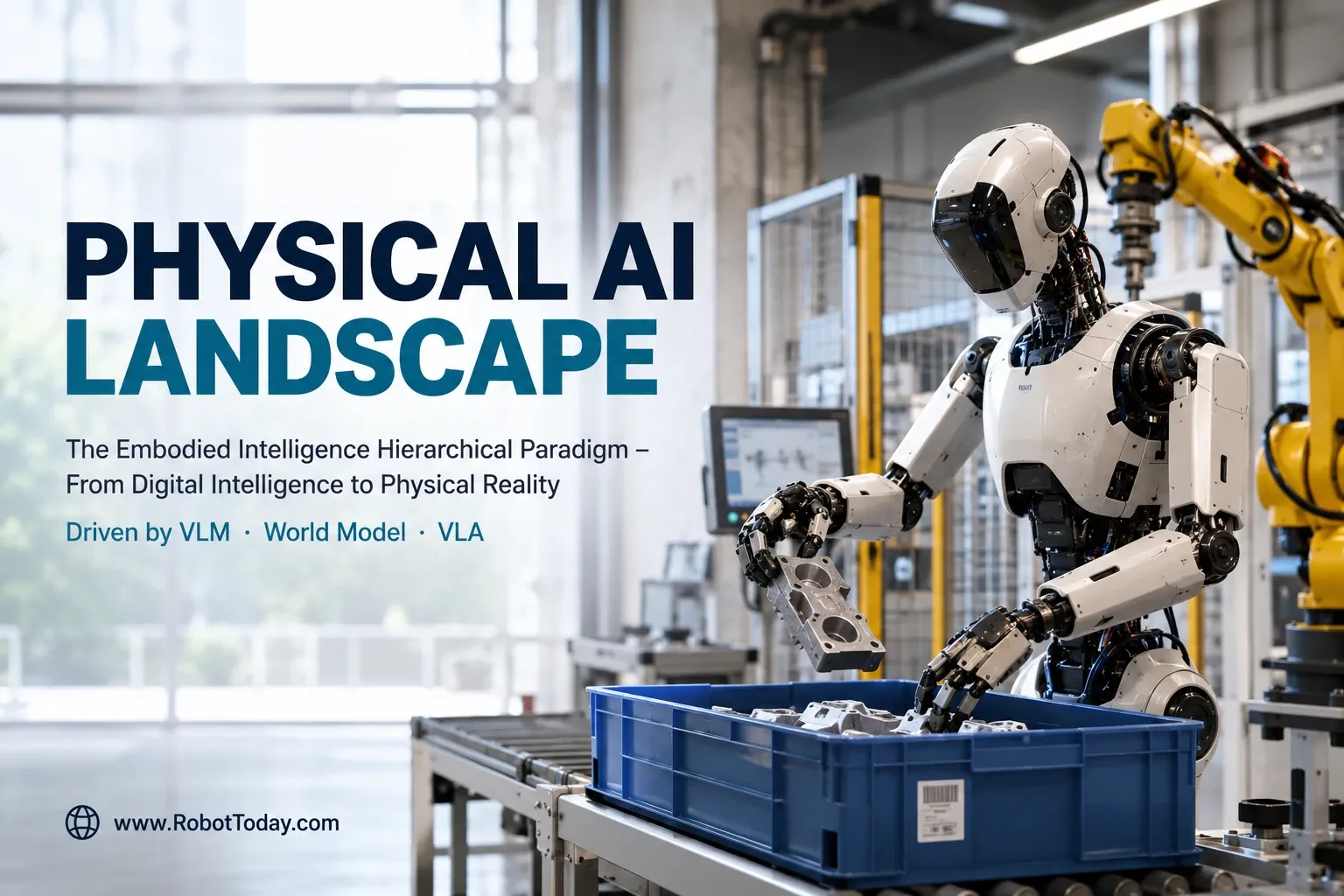
In 2026, the field of physical AI is set to emerge as a transformative force, following a consensus reached by industry leaders at the CES in Las Vegas, where NVIDIA's CEO Jensen Huang heralded the arrival of "physical AI's ChatGPT moment." Over the past two years, significant advancements have been made in five key areas: brain models, imagination engines, training environments, ontology, and commercial ecosystems, laying the groundwork for real-world applications. In the first half of 2026, global investment in physical AI surged, with over $6.4 billion raised in just the first quarter, including notable funding rounds from AMI Labs and World Labs. The industry is witnessing a clear technological divergence, with three primary paths emerging: Visual Language Models (VLM), Visual Language Action (VLA), and world models. The anticipated future architecture for physical AI is expected to integrate VLA's decision-making capabilities with world models' predictive simulations. Despite the rapid growth, the competitive landscape remains uncertain, with various companies pursuing different strategies, including those focusing solely on VLA or world models, and others exploring hybrid approaches. The ultimate goal is to develop AI that can effectively navigate and understand the complexities of the physical world, moving beyond mere reactive capabilities to proactive, autonomous decision-making. As the physical AI market is projected to expand significantly, reaching an estimated $3.26 trillion by 2040, the industry faces the challenge of ensuring that technology translates into tangible business value. Companies like Om AI are pioneering innovative models that prioritize continuous perception and spatial understanding, aiming to redefine how AI interacts with its environment. The ongoing evolution of physical AI emphasizes the importance of real-world applications and the need for AI systems that can adapt and respond to dynamic physical spaces.

Flexible Planetary Gear Series
Faulhaber has introduced its new GPT gear series, specifically engineered to handle exceptionally high torque applications. This innovative line of flexible planetary gearheads aims to meet the increasing demands of various industries requiring reliable and efficient power transmission solutions. The announcement of the GPT series highlights Faulhaber's commitment to advancing technology in the field of robotics and production.
Allgemein Antriebs- und Lineartechnik Robotik
OpenAI partners with US govt for bio-weapons detection and threat preparedness
OpenAI has unveiled a new biodefense initiative that leverages its advanced AI model, GPT-Rosalind, designed for specialized frontier reasoning. This initiative aims to enhance the understanding and response to biological threats, reflecting a growing concern over global health security. The launch took place in October 2023, as part of OpenAI's commitment to applying cutting-edge technology to address pressing societal challenges. By utilizing GPT-Rosalind, researchers and policymakers will be able to analyze complex biological data more effectively, facilitating informed decision-making in biodefense strategies. This development underscores the importance of integrating artificial intelligence into public health efforts, particularly in an era marked by increasing biological risks.
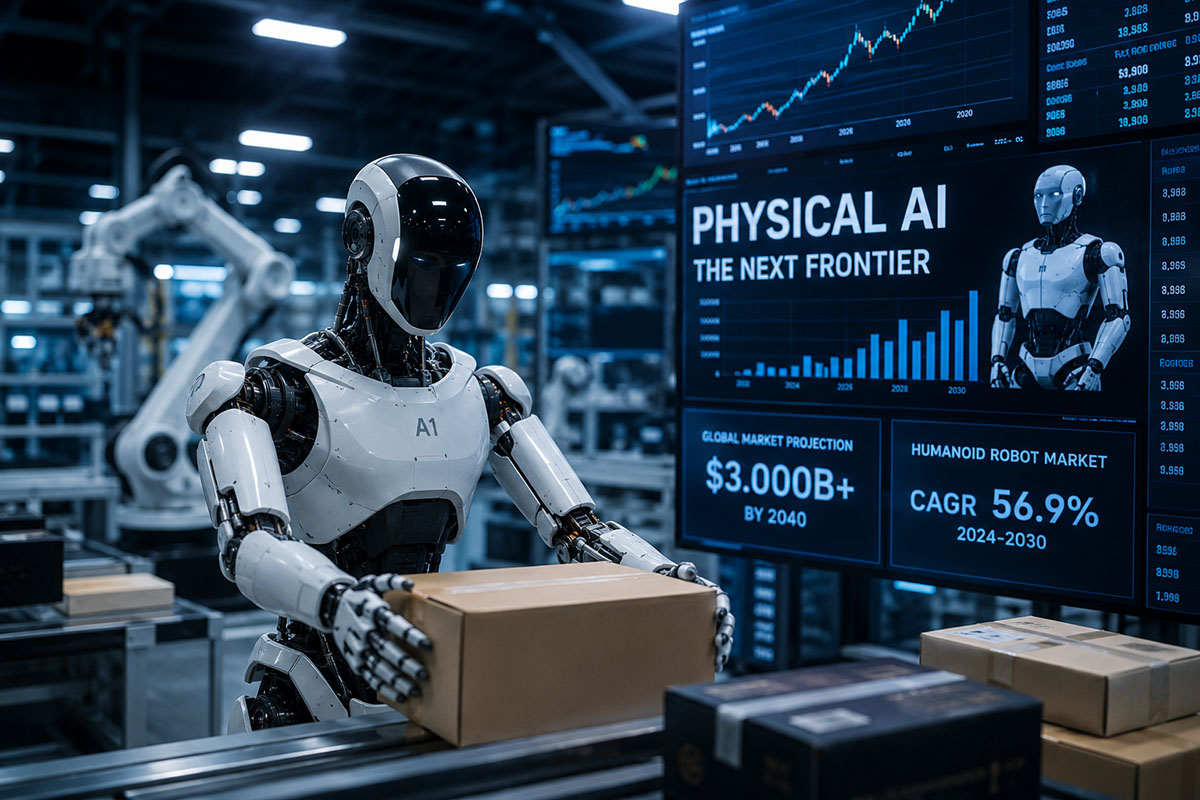
L’IA physique : le prochain marché que surveille déjà Wall Street
As global attention remains captivated by ChatGPT and generative artificial intelligence, a new wave of innovation is quietly emerging within the laboratories of major tech companies, industrial firms, and investment funds. This development, known as "Physical AI," represents a significant evolution in the field of artificial intelligence. Although still relatively unknown, Physical AI is garnering interest from Wall Street investors, who are closely monitoring its potential market impact. The concept aims to integrate AI with physical systems, potentially transforming various industries and applications. As this technology progresses, it may redefine the landscape of AI and its practical uses in everyday life.
À la une IA Industrie Robotique ABB robotique Amazon robots
Can AI Chatbots Reason Like Doctors?
A recent study published on April 30 in the journal Science reveals that OpenAI's large language model (LLM) has outperformed physicians in clinical reasoning tasks using real emergency room records. This research comes amid growing scrutiny of the reliability of medical information provided by chatbots, with some studies highlighting impressive diagnostic capabilities while others point to inaccuracies and fabricated information. OpenAI has introduced tools like ChatGPT for Clinicians and ChatGPT for Healthcare, aiming to assist medical professionals. The study involved comparing the performance of the LLM with that of physicians during various stages of emergency care, demonstrating that the AI model consistently provided accurate or close diagnoses more frequently than human doctors. Despite the promising results, researchers, including coauthor Arjun Manrai from Harvard Medical School, caution against interpreting these findings as a signal that AI could replace doctors. Instead, they emphasize the need for further research and clinical trials to explore how LLMs can be effectively integrated into medical practice. Experts like Mickael Tordjman from the Icahn School of Medicine stress the importance of developing reliable evaluation methods for LLMs in clinical settings. As the technology evolves rapidly, there is an urgent need to address regulatory and liability questions surrounding its use in healthcare. While acknowledging the potential benefits of AI in medicine, researchers advocate for responsible innovation and careful evaluation to ensure patient safety and effective integration into clinical workflows.
Large-language-models Llms Chatbots Medical-ai Ai-safety Openai
Chatbots Need Guardrails to Prevent Delusions and Psychosis
As millions globally engage with chatbots like ChatGPT and Claude for companionship, therapy, and romance, concerns are rising over their psychological impact. While some users report benefits, studies indicate that these AI interactions can exacerbate delusions, particularly in those vulnerable to mental health issues. Notably, a Florida teenager's suicide was linked to a chatbot relationship, prompting mental health experts to criticize the use of AI as counselors, citing violations of established mental health standards. In response, researchers, including Yale's Ziv Ben-Zion, advocate for stringent safeguards for emotionally responsive AI. Proposed measures include clear reminders that chatbots are not human, monitoring user language for signs of distress, enforcing conversational boundaries, and involving clinicians in the design process. Experts emphasize the need for independent audits to assess chatbot behavior, as current self-regulation by AI labs is deemed insufficient. To address the issue of chatbots reinforcing harmful beliefs through sycophancy, researchers are developing systems like SHIELD and EmoAgent to detect risky language patterns and provide corrective feedback. The challenge remains in distinguishing harmful content from normal conversation, especially during prolonged interactions that can lead to psychological drift. Legislative measures are also emerging, with the EU's AI Act set to enforce transparency about AI interactions by August 2026. In the U.S., states like New York and California are implementing laws requiring reminders that users are interacting with AI and addressing suicidal ideation. As AI companions become more lifelike, the integration of clinical and ethical considerations into their development is increasingly critical.
Chatbots Medical-ai Ai-regulation Mental-health
Researchers tested AI against 100,000 humans on creativity
A groundbreaking study involving over 100,000 participants has revealed that advanced generative AI systems, such as GPT-4, can outperform the average human in specific creativity tests. Conducted recently, the research highlights AI's ability to excel in tasks that assess original thinking and idea generation. However, the findings also indicate limitations, as the most creative individuals, particularly those in the top 10%, significantly surpass AI capabilities in more complex creative endeavors like poetry and storytelling. This study underscores the evolving landscape of AI and its implications for creative fields, showcasing both its advancements and its boundaries in comparison to human creativity.

The human brain may work more like AI than anyone expected
Researchers have unveiled that the human brain processes spoken language similarly to advanced AI language models, such as those based on GPT technology. This revelation came during a study where scientists monitored brain activity while participants listened to an extended podcast. The findings indicate that comprehension occurs in a gradual, layered manner, mirroring the step-by-step processing utilized by AI systems. This research not only enhances our understanding of human cognition but also provides insights into the parallels between biological and artificial intelligence, shedding light on the intricate workings of language comprehension.
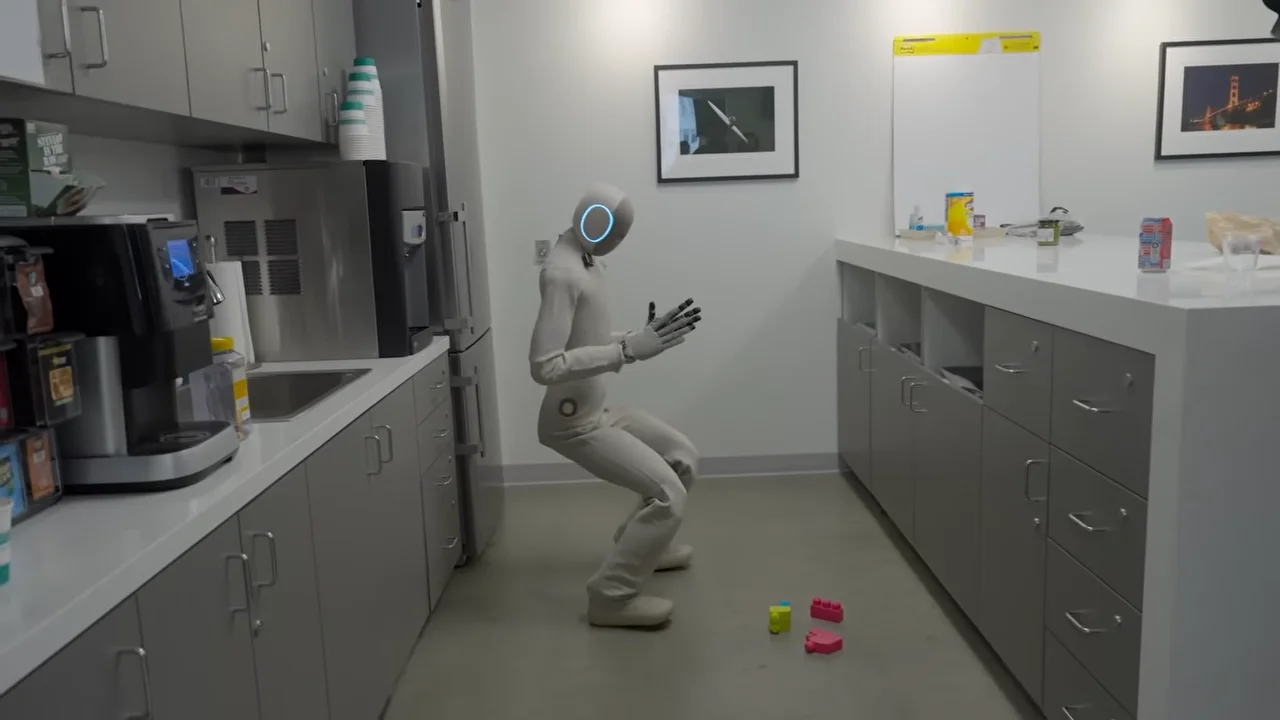
1X CEO Details NEO's 'Two Modes' and Defends Teleoperation as 'More Secure' than a Cleaner
In a recent interview, Bernt Børnich, CEO of 1X, defended the company's NEO robot, emphasizing its human-in-the-loop model and drawing comparisons to industry leaders such as Waymo and ChatGPT. Børnich explained that the NEO operates in "two modes," highlighting its adaptability and responsiveness. He also introduced new privacy controls designed to enhance user security and trust in the technology. Looking ahead, Børnich expressed optimism about achieving full autonomy for the NEO by 2027, outlining a strategic timeline for the robot's development and deployment. This vision reflects 1X's commitment to advancing robotics while addressing concerns about privacy and operational efficiency.
1X-technologies NEO
Testing at the Speed of Light: Enabling Scalable Optical Testing for Silicon Photonics and CPO
A recent analysis reveals that a single query made through ChatGPT now requires approximately ten times the energy of a standard Google search. This significant energy consumption is expected to escalate as artificial intelligence technologies expand to include image and video generation capabilities. The findings highlight growing concerns about the environmental impact of AI advancements, prompting discussions on the sustainability of such technologies. As the demand for AI-driven services increases, experts are calling for more efficient energy solutions to mitigate the ecological footprint associated with these innovations.

OpenAI launches new voice intelligence features in its API
OpenAI has announced the introduction of new features designed to enhance customer service systems, with potential applications extending to various sectors such as education and creator platforms. These advancements, which leverage the company's extensive training on data up to October 2023, aim to improve user interactions and streamline processes across multiple industries. By integrating these features, OpenAI seeks to provide more efficient solutions that cater to the evolving needs of businesses and educational institutions alike. The rollout of these capabilities underscores OpenAI's commitment to innovation and its role in shaping the future of technology-driven communication.
AI OpenAI gptRobotics needs a service framework.
RSF defines a common language for robot service capability, lifecycle operations, certification pathways, and service-provider networks.