Industry Briefing
A single destination for timely, editor-curated robotics news from around the world.

Goodwood Festival of Speed unveils Future Lab lineup for 2026
The Goodwood Festival of Speed has revealed the exhibitor lineup for its 2026 Future Lab exhibition, which will showcase innovations from companies and research organizations in fields such as robotics, artificial intelligence, quantum computing, healthcare, space exploration, and digital technologies. Scheduled to take place at the heart of the Festival of Speed, the Future Lab aims to draw over 90,000 visitors, highlighting the event's commitment to promoting cutting-edge advancements. This initiative underscores the festival's role as a platform for technological exploration and engagement within the automotive and broader tech communities.
Events artificial intelligence automation embodied ai formula e Future Lab
General Intuition raises $320M to use video game data to train robots
General Intuition has secured $320 million in funding to enhance its innovative approach to artificial intelligence training for robotics. The company is leveraging video game clips that feature embedded action labels to accelerate the training process for AI systems. This funding will enable General Intuition to further develop its technology, which aims to improve the efficiency and effectiveness of robotic learning. By utilizing the rich data from video games, the company seeks to provide robots with a more nuanced understanding of actions and environments, ultimately advancing the field of robotics. The investment comes at a time when the demand for sophisticated AI solutions in various industries is on the rise, highlighting the potential impact of General Intuition's work in shaping the future of robotics.
Artificial Intelligence Artificial Intelligence / Cognition Design / Development Financial Investments News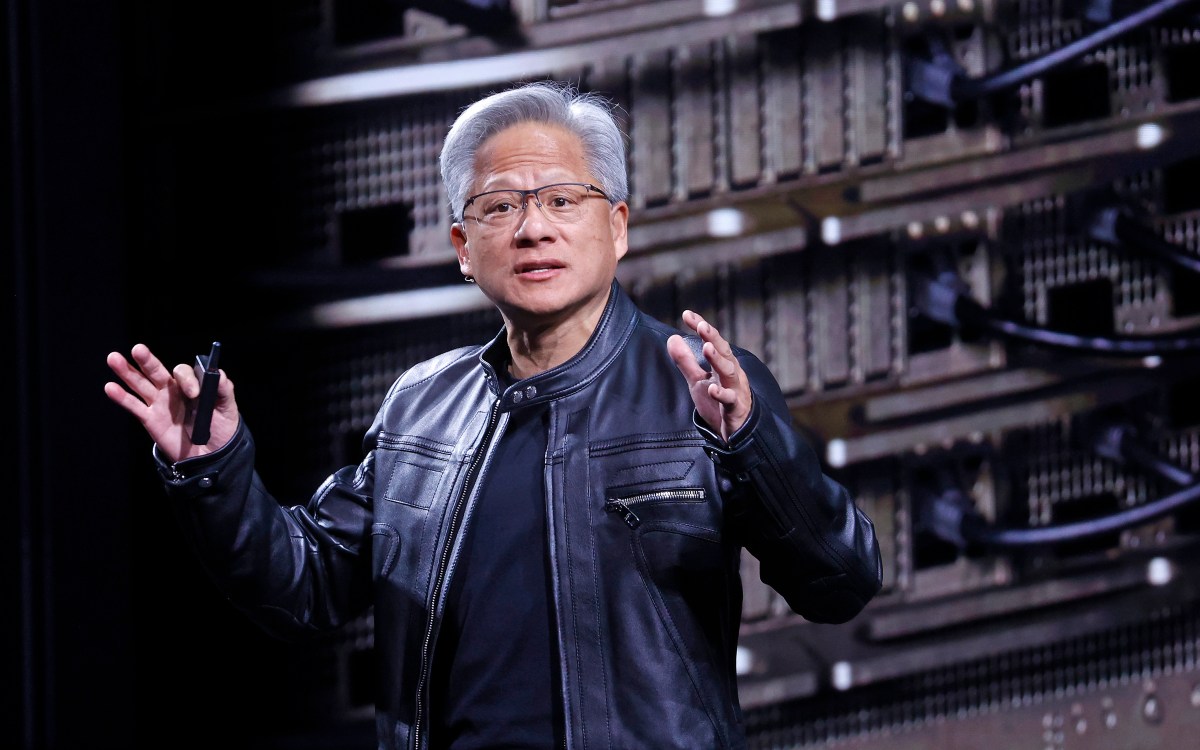
Why everyone from OpenAI to SpaceX is building their own chips (and turning up the heat on Nvidia)
Nvidia, a leader in the AI chip market, may soon face increased competition as OpenAI announces its development of a new custom inference chip named Jalapeño, in collaboration with Broadcom. This strategic move comes as OpenAI joins a growing list of tech giants, including Google, Apple, and SpaceX, who are seeking to reduce their reliance on a single supplier for critical technology. The initiative reflects a broader industry trend aimed at diversifying chip sources to mitigate risks associated with dependence on Nvidia. OpenAI's plans signal a significant shift in the competitive landscape of AI hardware, potentially reshaping the dynamics of the market.
AI a24 agility AI chips AI loops Anthropic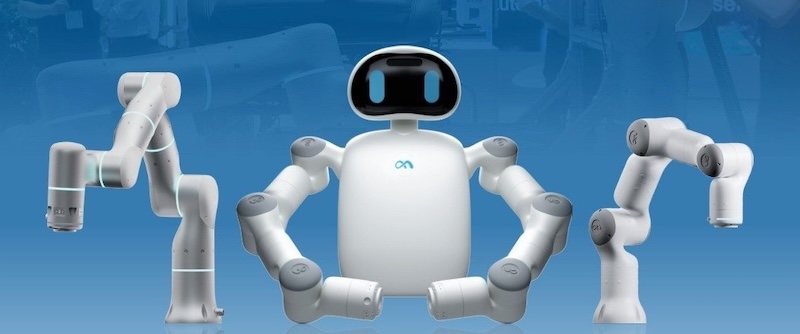
Flexiv launches new ‘adaptive robots’ for industrial automation
Flexiv has introduced two innovative adaptive robots aimed at enhancing tactile sensing and physical AI capabilities within the realm of industrial automation. The company unveiled its flagship Enlight robotic arm and the Mico dual-arm robotic platform, marking a notable advancement in force-controlled robotics and embodied intelligence. The Enlight arm features a seven-axis design, allowing for greater flexibility and precision in various applications. This launch, which took place recently, underscores Flexiv's commitment to pushing the boundaries of robotics technology to meet the evolving needs of the manufacturing sector. By integrating advanced sensing and control mechanisms, these robots are expected to improve operational efficiency and adaptability in complex industrial environments.
Industrial robots News adaptive robots cobots collaborative robots embodied ai
Zhang Yaqin: AI is not a bubble, but AI companies are.
In June, during an interview at the Tsinghua Wuxi Research Institute's Intelligent Industry Innovation Center, Academician Zhang Yaqin discussed the current state of AI investment and entrepreneurship, suggesting a more cautious approach to the rapidly growing sector. Zhang, who founded the Tsinghua University Intelligent Industry Research Institute (AIR) five years ago, noted that while AIR has successfully incubated ten companies with a combined valuation of 150 billion yuan, its primary focus remains on research rather than commercialization. Zhang, a prominent figure in AI and a fellow of the IEEE, likened the current AI investment climate to the internet boom of 1998-1999, emphasizing the importance of sustainable growth and cautioning against the potential for market bubbles. He highlighted the need for new AI algorithms to enhance efficiency and pointed out that while the AI sector holds significant long-term potential, many early-stage companies may face challenges in proving their viability. Every June, AIR hosts the "Taihu Dialogue" in Wuxi, fostering discussions on AI advancements. Zhang expressed concerns about the risks associated with high valuations and the necessity for a focused approach in startups. He emphasized that while funding is crucial, it should not overshadow the importance of developing robust products and technologies. Looking ahead, Zhang identified "physical AI" as a key area for development by 2026 and outlined the challenges of creating robots capable of performing complex tasks in real-world environments. He underscored the importance of collaboration between academia and industry to cultivate talent and drive innovation in AI, while also addressing the ethical and safety risks associated with advanced AI systems.
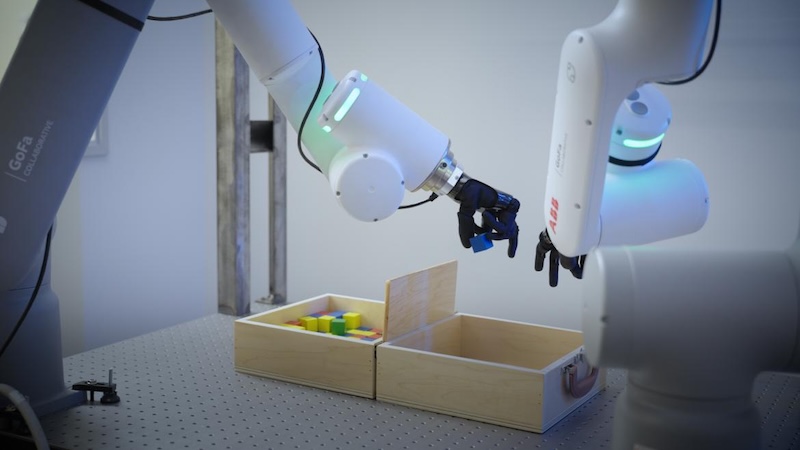
ABB Robotics and Psyonic use human-generated data to advance robotic dexterity
ABB Robotics is partnering with California-based bionics firm Psyonic to enhance robotic gripping and dexterity, addressing a significant challenge in the industry. This collaboration aims to leverage real-world manipulation data derived from human prosthetic use, which could lead to a reduction in engineering time by as much as 30%. The initiative involves integrating the Psyonic Ability Hand with ABB's GoFa robotic arm, creating a more efficient and adaptable solution for various applications. This innovative approach seeks to improve the functionality of robotic systems, making them more effective in handling tasks that require precision and flexibility.
Components Design Engineering abb robotics ai robotics automation news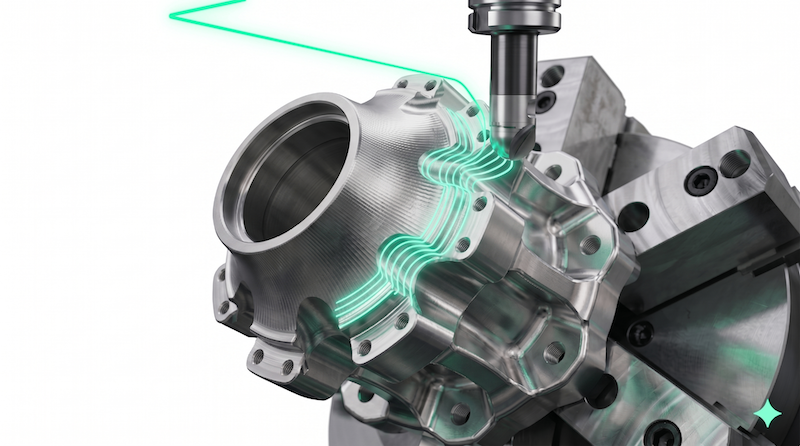
Limitless Labs raises $20 million to expand AI platform for CNC programming and precision manufacturing
Limitless Labs, a company specializing in AI software for CNC programming and precision manufacturing, has successfully secured $20 million in a Series A funding round. This investment, co-led by Dell Technologies Capital and Square Peg, aims to enhance the company's physical AI platform and expedite its implementation within the manufacturing industry. Additional contributions came from Grove Ventures and Meron Capital, among others. The funding will enable Limitless Labs to further develop its innovative solutions, addressing the growing demand for advanced manufacturing technologies.
Engineering Manufacturing agentic ai ai manufacturing automation news Blue Origin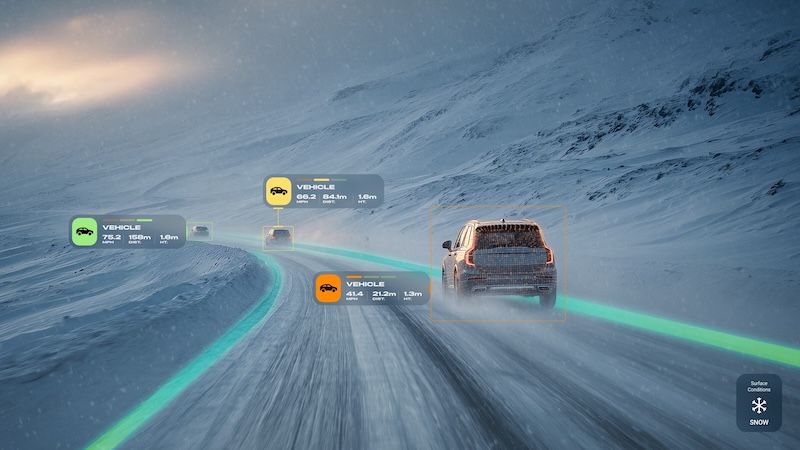
Teradar enters paid evaluation program with German automaker for terahertz vehicle sensing technology
Teradar, a company specializing in terahertz (THz) vision technology, has initiated a paid technical evaluation program with a leading German automotive manufacturer. This collaboration aims to assess Teradar's innovative sensing technology for potential integration into advanced driver assistance systems (ADAS) and autonomous driving platforms. The evaluation will specifically target challenging scenarios where traditional sensing technologies, including cameras, radar, and lidar, may face limitations. By exploring the capabilities of THz technology, both Teradar and the automotive manufacturer seek to enhance the safety and efficiency of future automotive systems.
Components Design Engineering adas advanced driver assistance systems automation news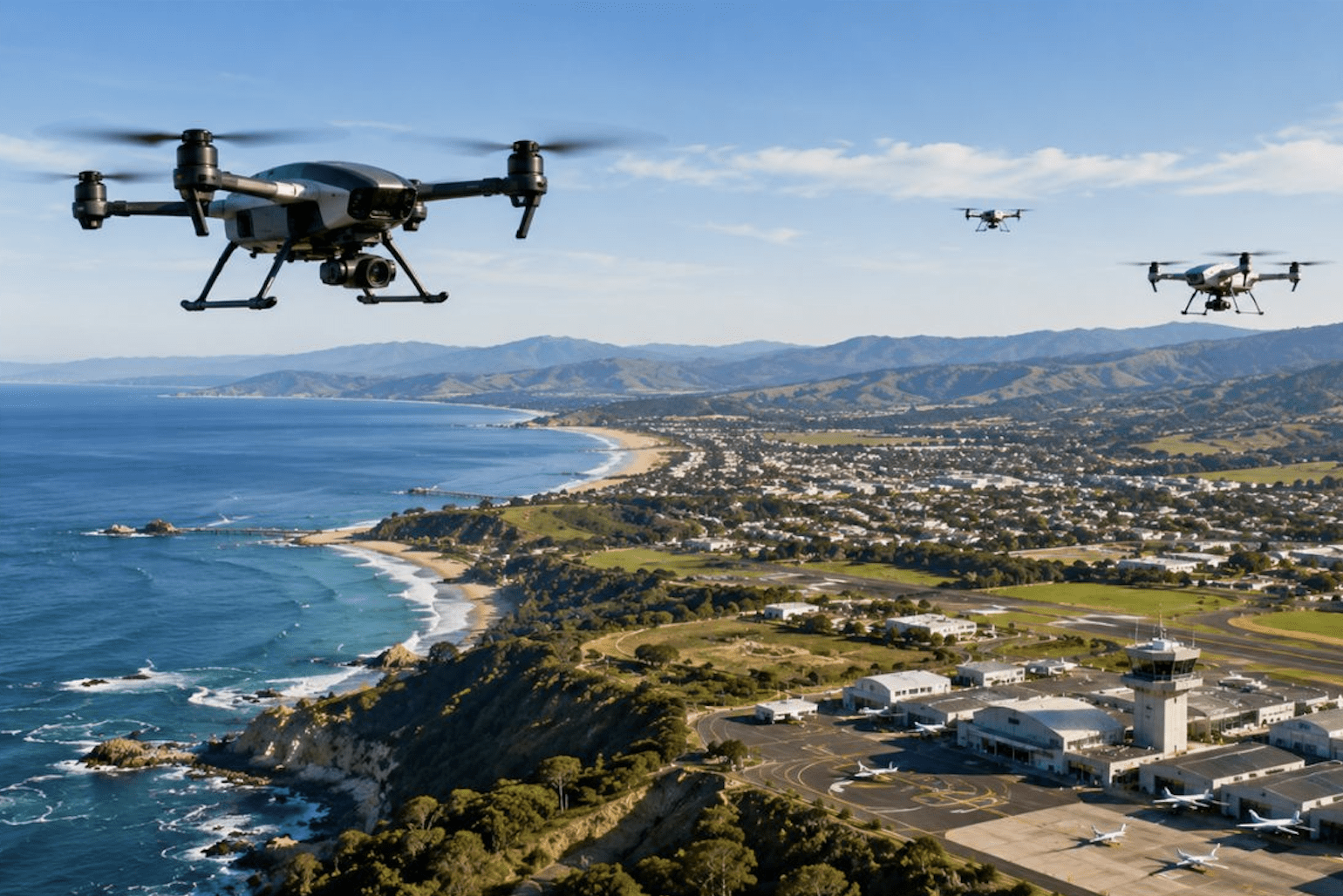
Who Builds the Sky? How Regional Partnerships Are Creating the Infrastructure for Advanced Air Mobility
In a recent episode of the Drone Radio Show, Lavera Alexander, Chief Growth Officer of the Monterey Bay Economic Partnership (MBEP), emphasized the critical role of regional collaboration, airport infrastructure, and economic development in shaping the future of advanced air mobility. The discussion highlighted that while aircraft technology is essential, the success of this emerging industry relies heavily on the interconnected efforts of local stakeholders. Alexander's insights reflect a growing recognition that building a robust framework for advanced air mobility requires more than just technological advancements; it necessitates a comprehensive approach that integrates community resources and infrastructure planning. The episode serves as a call to action for regions to work together in fostering an environment conducive to the growth of this innovative sector.
Advanced Air Mobility Aerospace Applications Drone News Drone News Feeds News
How Automation Professionals Are Future-Proofing Their Wealth
A sense of unease is permeating the technology sector as employees grapple with the implications of automation on their job security. This anxiety, while not openly discussed in meetings or performance reviews, is increasingly evident among workers who have dedicated years to mastering automation tools. As companies navigate layoffs, model updates, and organizational changes, many are beginning to question whether their skills in automation might ultimately render them redundant. This growing concern reflects a broader apprehension about the future of work in an industry that is rapidly evolving due to technological advancements. The situation highlights the need for professionals to adapt and consider new roles as automation continues to reshape the landscape of employment in tech.
Automation Business Technology ai artificial intelligence automation news
Windows 10's Extended Security Updates available until October 12, 2027.
Microsoft has announced an extension of the availability of its Extended Security Updates (ESU) for Windows 10, originally set to begin in October 2024. The deadline for individual users to access these updates will now be extended by an additional year. Current users of Windows 10 will not need to take any specific action to benefit from this extension, ensuring continued security support for their systems. This decision reflects Microsoft's commitment to providing ongoing protection for users as they transition to newer operating systems.
AI in warfare – friend or foe?
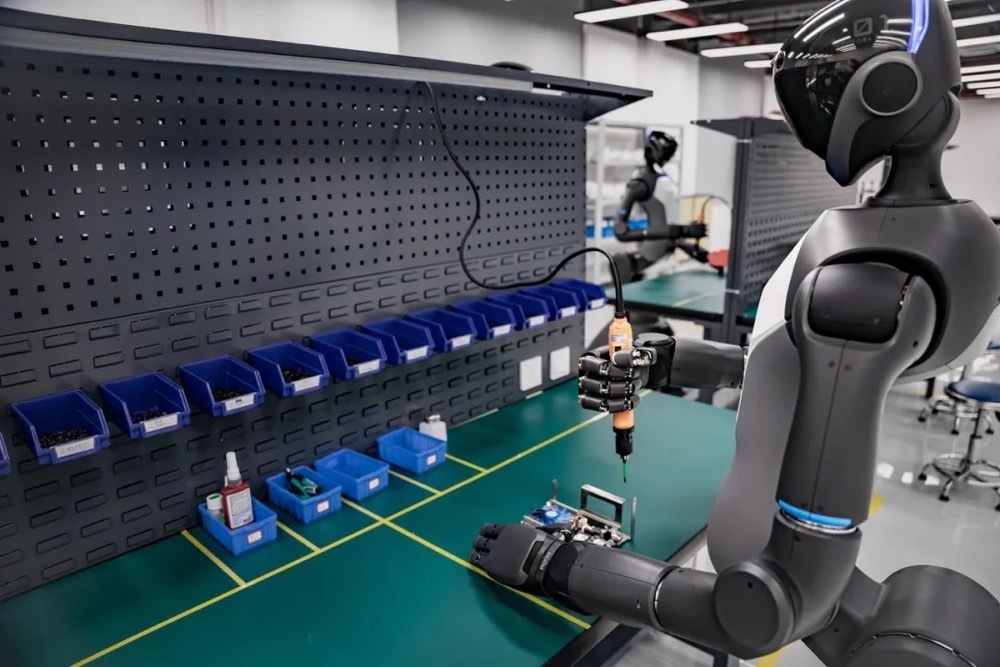
Military organizations are increasingly integrating artificial intelligence into various facets of warfare, significantly enhancing their operational capabilities. This shift includes advancements in targeting systems, which utilize AI to improve accuracy and efficiency in combat scenarios. Additionally, training simulations are being revolutionized through AI, providing soldiers with more realistic and adaptive training environments. The use of autonomous drones, powered by AI, is also on the rise, allowing for more strategic and precise missions without direct human intervention. This trend has gained momentum as military leaders recognize the potential of AI to transform traditional warfare tactics. The integration of these technologies is seen as essential for maintaining a competitive edge in modern conflicts. As of October 2023, the focus on AI in military applications reflects a broader commitment to innovation and modernization within defense strategies. The ongoing development and deployment of these technologies are expected to reshape the future of military operations, emphasizing the importance of adapting to rapidly evolving technological landscapes.
Analyst Comment
Disney’s Parks Revamp Includes Aquatic Robots and Hovering Star Wars Droids
Walt Disney Co. is developing an innovative wooden manta ray prototype at its research and development lab, designed to eventually transform into the character Gramma Tala from the animated film Moana. This prototype, currently supported by scaffolding and measuring approximately the size of a car, is part of a broader initiative to enhance guest experiences at Disney parks. The company plans to introduce this technology at a lagoon attraction in the near future, with additional plans to incorporate a fleet of dolphin-like robots to further enrich the interactive experience. The project reflects Disney's commitment to blending technology with storytelling to create immersive environments for park visitors.
NYS:DIS
Inside Disney’s Push to Upgrade Its Theme Parks With Robots
Disney is actively enhancing its theme parks by integrating advanced robotics technology to improve guest experiences and operational efficiency. This initiative, which began gaining momentum in 2023, aims to modernize attractions and streamline services across various locations, including Disneyland and Walt Disney World. The motivation behind this push is to create a more immersive and engaging environment for visitors while addressing staffing challenges and rising operational costs. By incorporating robots into various roles, Disney seeks to maintain its reputation for innovation and guest satisfaction in an increasingly competitive entertainment landscape. The implementation of robotics involves deploying automated systems for tasks such as guest assistance, maintenance, and even entertainment, allowing human staff to focus on more complex interactions. Disney's investment in this technology reflects a broader trend in the theme park industry, where automation is seen as a solution to enhance efficiency and improve visitor experiences. As Disney continues to roll out these upgrades, the company is committed to ensuring that the integration of robots complements the magical atmosphere that has defined its parks for decades. This strategic move not only aims to elevate the overall guest experience but also positions Disney as a leader in the future of theme park operations.
NYS:DIS
Robotaxis drive miles just to get cleaned and charged; this new startup wants to fix that
Aseon Labs, a startup that emerged from Y Combinator's spring 2026 cohort, has successfully secured $10 million in funding. The investment round was led by Crane Venture Partners, among other contributors. This financial boost is aimed at advancing Aseon Labs' innovative projects and expanding its operations in the tech industry. The funding announcement comes as the company seeks to leverage its recent developments and enhance its market presence.
Startups Transportation Aseon Labs autonomous vehicles crane venture partners Exclusive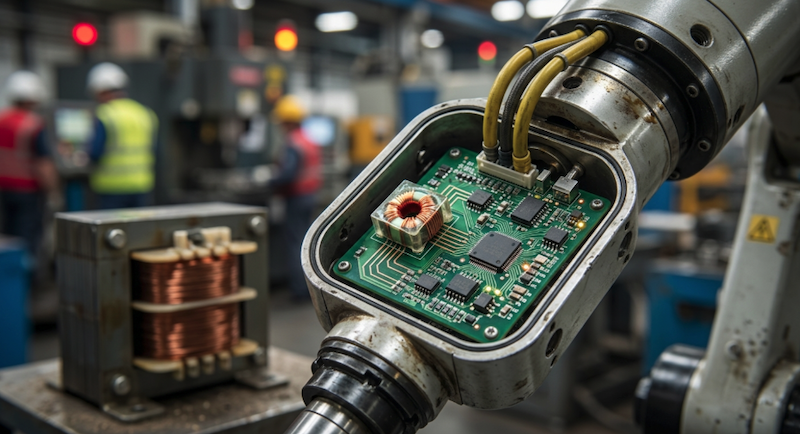
The Small Component Problem Behind More Reliable Industrial Robots
In a groundbreaking development for the manufacturing industry, advanced automation technology is transforming assembly lines and semiconductor packaging facilities. A robotic arm, capable of executing movements with sub-millimeter precision at an impressive rate of 300 cycles per minute, is at the forefront of this innovation. These robotic systems are enhanced by machine vision technology, remote input/output blocks, and sensitive microcontrollers, allowing for seamless coordination and efficiency in production processes. This technological advancement is taking place in various industrial settings, where multiple machines share a common power source through an industrial rail system. The integration of heavy CNC machines into this grid further exemplifies the collaborative nature of modern manufacturing, where precision and speed are paramount. The motivation behind this shift towards automation is to increase productivity and reduce human error in manufacturing processes. By leveraging sophisticated robotics and interconnected systems, companies aim to streamline operations and enhance overall output. As industries continue to adopt these cutting-edge technologies, the future of manufacturing looks increasingly automated and efficient, promising significant advancements in production capabilities.
Components Design Engineering Industrial robots amrs automation news
Roundtable: We Celebrate Adventure - Sooner, Smaller, and Deeper | 36Kr WAVES 2026 New Wave
In 2026, the investment landscape in China is witnessing a significant shift as artificial intelligence (AI) transitions from a conceptual technology to a mainstream industry force. The WAVES 2026 conference, hosted by 36Kr and AnYun, took place over two days in the Liangcang Creative Park in Panyu, Guangzhou, under the theme "This Summer." The event brought together top investors, industry leaders, and emerging entrepreneurs to explore key sectors such as AI, hard technology, healthcare, and international expansion through 14 in-depth roundtable discussions and numerous independent speeches. Prominent figures in the venture capital sector, including Liu Yuan from ZhenFund, Xu Shi from Shanhang Capital, Lin Haizhuo from Zhuoyuan Asia, and Xu Zhihao from Mingshi Capital, shared insights on the challenges and opportunities in early-stage investments. They discussed the current state of angel investments, which account for only 1.9% of the total equity market, emphasizing the need for a deeper understanding of the evolving technology landscape and the importance of backing resilient founders who can adapt to rapid changes. The conference highlighted the critical role of early-stage investors in identifying promising startups and supporting them through various funding rounds, despite the inherent risks and uncertainties. As the AI revolution continues to unfold, the dialogue among industry experts underscored the necessity of fostering innovation and collaboration to drive China's technological future.
Students from across the Northeast step inside MIT.nano’s cleanroom
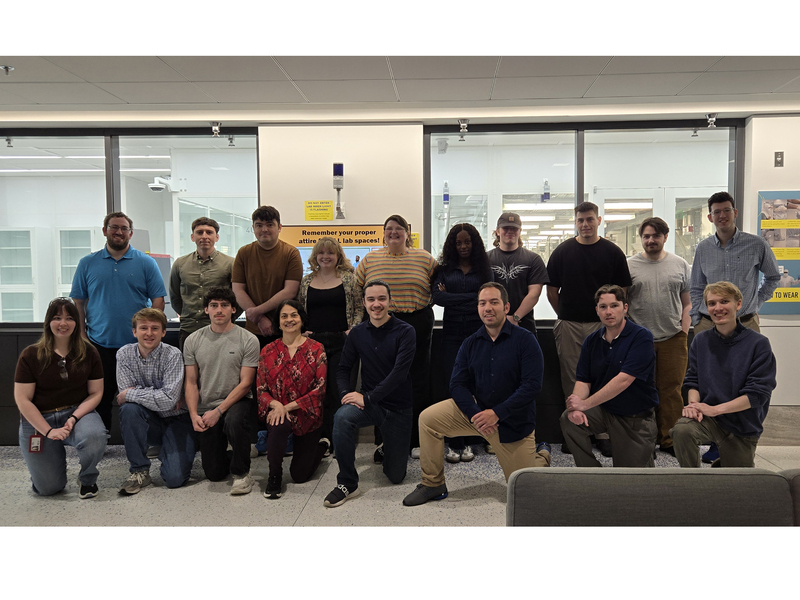
A hands-on boot camp is currently underway, aimed at teaching integrated photonics to students from community and four-year colleges in the region. This educational initiative, which focuses on practical skills and knowledge in the rapidly evolving field of photonics, is designed to equip participants with the necessary tools to excel in this technology-driven industry. The program is taking place in local educational institutions, fostering collaboration and learning among students from diverse backgrounds. By providing this training, organizers hope to enhance the workforce's capabilities and address the growing demand for expertise in integrated photonics. The boot camp emphasizes experiential learning, allowing students to engage directly with the technology and gain valuable insights into its applications and implications.
Materials Research Laboratory MIT.nano Education, teaching, academics STEM education Manufacturing Industry
Automation is Leaving the Factory Floor and Moving into the Back Office
For decades, automation has primarily been associated with industrial settings, such as factories and warehouses, where robots and programmable systems efficiently managed repetitive physical tasks. However, recent developments indicate a significant shift in the application of automation beyond traditional environments. As of late 2023, various sectors are increasingly integrating automation into diverse areas, including service industries and everyday consumer interactions. This expansion is driven by the need for enhanced efficiency and precision, as organizations seek to reduce labor costs and improve productivity. The transition is facilitated by advancements in technology, which allow for more sophisticated automation solutions that can adapt to a wider range of tasks. As businesses recognize the potential benefits, the conversation around automation is evolving, highlighting its growing presence in non-industrial contexts.
Automation Business Industry ai agents artificial intelligence automation news
Roboverse Reply Impresses at ELROB 2026 With Intelligent Robotic Systems for Critical Missions
From June 15 to 19, a collaboration between a leading technology company and ELP, a specialist in technical equipment for defusing services, showcased impressive performance at an international event. The demonstration highlighted the reliability of their autonomous solutions in real-world conditions, standing out among a competitive field of participants. This partnership aims to advance the capabilities of defusing technology, emphasizing the importance of effective and dependable solutions in critical situations. The successful demonstration serves to reinforce the company's commitment to innovation and excellence in the field.

German Economy Calls for Faster Humanoid Robotics Adoption
A recent survey reveals that 82% of respondents believe humanoid robots will play a crucial role in driving future innovation. Conducted in October 2023, the study highlights the growing public interest in the potential of humanoid robotics across various sectors. Participants expressed optimism about the technology's ability to enhance productivity, improve efficiency, and address labor shortages in industries such as healthcare, manufacturing, and customer service. The findings suggest that as advancements in artificial intelligence and robotics continue, society may increasingly rely on humanoid robots to tackle complex challenges and foster economic growth. This shift reflects a broader trend towards automation and the integration of intelligent systems into everyday life, prompting discussions about the implications for the workforce and ethical considerations surrounding the use of such technology.

DEEPX and Sixfab Launch 'DEEPX AI HAT' to Drive Edge Physical AI on Raspberry Pi
A new partnership has emerged to enhance the Raspberry Pi ecosystem by providing high-performance, low-power AI acceleration. This initiative aims to eliminate the reliance on cloud services for real-time inference, particularly benefiting applications in robotics and smart automation. The collaboration has introduced a production-ready Starter Kit and software development kits (SDKs) designed to lower entry barriers for developers worldwide. By making these tools accessible, the partnership seeks to empower a broader range of innovators to integrate advanced AI capabilities into their projects, fostering growth and development within the global tech community.

LLMs help robots understand vague instructions and focus on key details
Researchers at MIT have developed an innovative approach to enhance the efficiency of robots in performing chores in various environments, including homes and factories. This new method employs a dual-language model system: the first model is designed to interpret and clarify user instructions, while the second model focuses on filtering out irrelevant information that may hinder task execution. This advancement aims to improve the interaction between humans and robots, making it easier for machines to understand and carry out complex tasks effectively. The initiative reflects MIT's commitment to advancing robotics technology and its potential applications in everyday life.
School of Engineering MIT Schwarzman College of Computing Aeronautical and astronautical engineering Electrical engineering and computer science (EECS) Computer Science and Artificial Intelligence Laboratory (CSAIL) Computer science and technology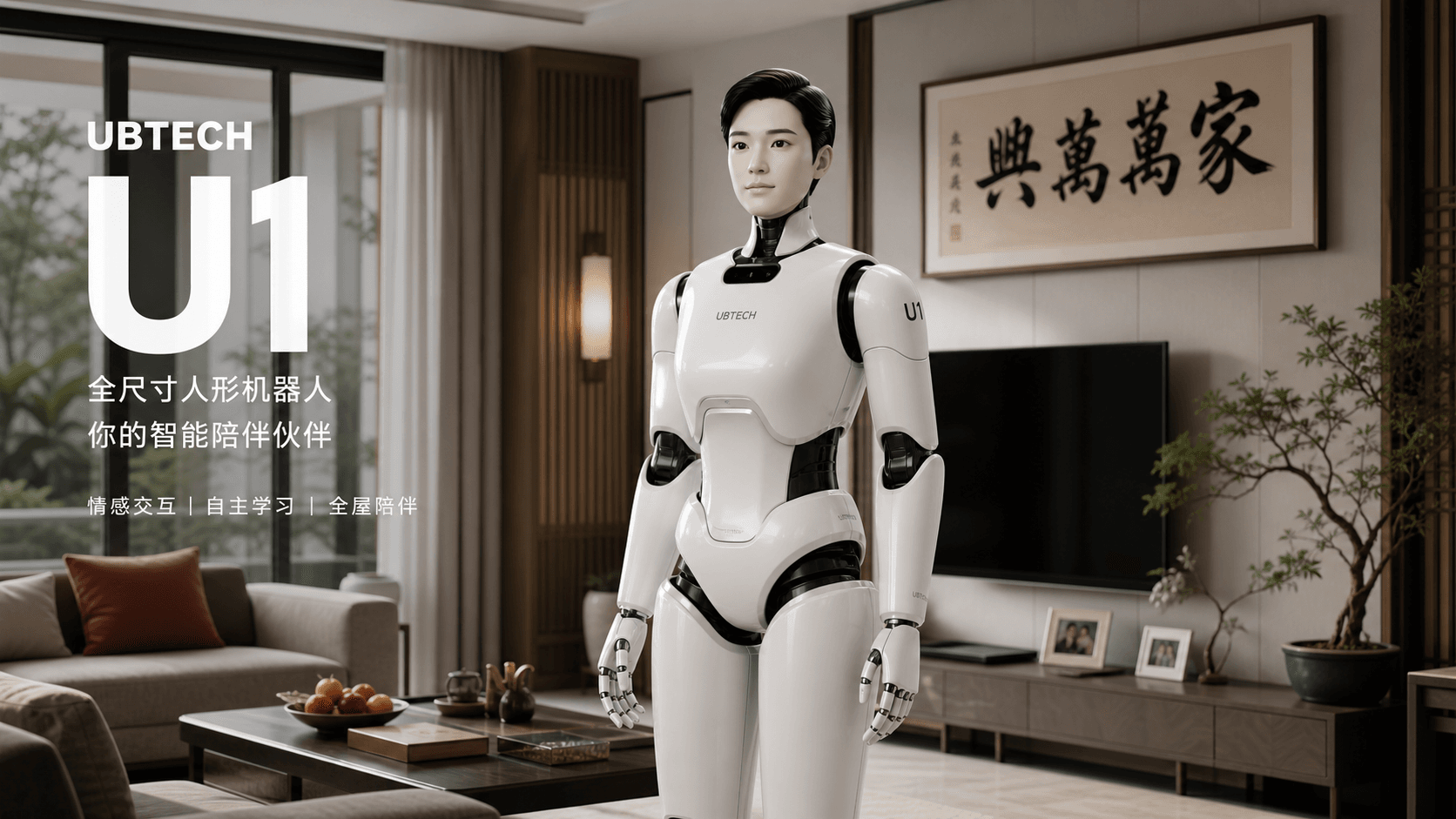
UBTECH Sells 5,000 Companion Robots in Two Weeks, Eyes Consumer Market Breakthrough
UBTECH's U1 full-size humanoid companion robot has garnered significant interest, achieving over 5,000 pre-orders within just three weeks of its launch. This surge in demand highlights a burgeoning consumer appetite for emotional AI technology in China. The U1 robot, designed to interact with users on a personal level, reflects a growing trend towards integrating advanced robotics into daily life. As the market for emotional AI continues to expand, UBTECH's early success with the U1 indicates a promising future for humanoid robots in the region.
HumanoidRobotics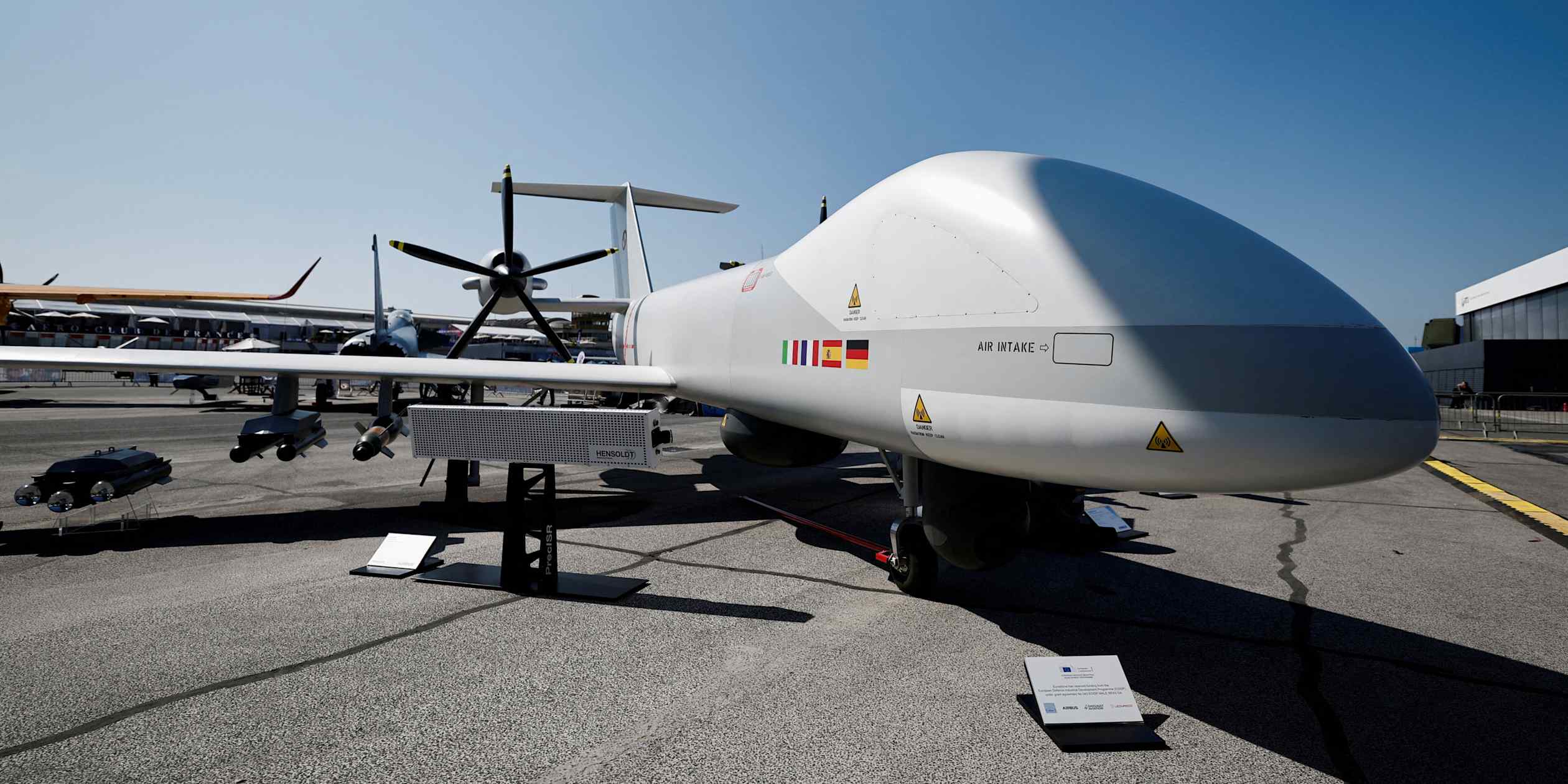
Kawasaki Heavy and Airbus to team up on anti-submarine drone for Japan
Kawasaki Heavy Industries is collaborating with Airbus to develop anti-submarine drones, aimed at enhancing Japan's maritime defense capabilities. This partnership, announced on June 26, 2026, will focus on equipping the existing Eurodrone with advanced maritime surveillance technology provided by Kawasaki. The initiative is intended to bolster Japan's defense strategy and will be proposed to the country's defense ministry for consideration. The collaboration reflects a growing emphasis on integrating advanced technology into national defense systems, particularly in response to regional security challenges.

Liquid AI's smallest model yet LFM2.5-230M beats models 4X its size at data extraction, can run 'anywhere'
Liquid AI, a company founded by former MIT computer scientists, has unveiled its latest AI language model, LFM2.5-230M, which is designed for efficient data extraction and local deployment on devices such as smartphones and laptops. Released today, this 230-million-parameter model is noted for its ability to run on various hardware platforms, outperforming larger models like Alibaba's Qwen3.5 and Google's Gemma 3 in specific benchmarks. Targeting developers and engineers, LFM2.5-230M operates under a dual-use commercial license, allowing free access for individuals and companies with annual revenues below $10 million, while larger enterprises must secure a paid agreement. The model distinguishes itself by utilizing the LFM2 architecture, enabling high inference speeds with a minimal memory footprint, making it suitable for edge computing. Liquid AI's launch reflects a broader industry shift towards architectural efficiency rather than sheer parameter counts, as major AI firms focus on models with hundreds of billions of parameters. The LFM2.5-230M is specifically tailored for lightweight data extraction tasks, allowing businesses to automate processes without relying on costly cloud services. In practical applications, the model has been successfully deployed in a humanoid robot, demonstrating its capability to process complex commands efficiently. Available immediately on platforms like Hugging Face, LFM2.5-230M aims to revolutionize how enterprises manage data extraction, moving away from traditional, rigid systems to more adaptable AI-driven solutions.
Technology
ON Semiconductor strikes $7 billion deal for Synaptics in physical AI push
ON Semiconductor announced that a recent deal will increase its total addressable market by $30 billion, bringing the total to $243 billion by 2030. This strategic move reflects the company's commitment to expanding its footprint in the semiconductor industry, capitalizing on growing demand for advanced technologies. The announcement underscores ON Semiconductor's efforts to enhance its competitive position and drive future growth in an evolving market landscape.

Apple stock gets slammed on bigger Mac, iPad price hikes. Why it can weather the storm
In a significant market development, a leading technology company experienced its worst stock performance in over a year following management's announcement to transfer increased memory costs to consumers. This decision, which marks the company's first official attempt to address rising expenses, has raised concerns among investors about potential impacts on sales and customer demand. The announcement came during a challenging economic period, prompting analysts to closely monitor the company's pricing strategy and its implications for future profitability. As the market reacts to this news, stakeholders are left to assess how the shift in pricing may affect the company's competitive position in the industry.

US firm to deploy humanoid robot teaching assistant in New York schools
Schools across the United States are preparing to integrate humanoid robots into classrooms as part of an innovative educational initiative aimed at enhancing learning experiences. This initiative is set to roll out in early 2024, with various districts collaborating with technology companies to develop and implement these advanced teaching aids. The introduction of humanoid robots is motivated by the desire to engage students in new and interactive ways, fostering interest in subjects such as science, technology, engineering, and mathematics (STEM). Educators believe that these robots can provide personalized learning support, assist in teaching complex concepts, and promote collaboration among students. The deployment process will involve training teachers on how to effectively incorporate the robots into their lesson plans, ensuring that they complement traditional teaching methods rather than replace them. Pilot programs will be conducted in select schools to assess the impact of these robots on student engagement and learning outcomes before a wider rollout. As schools embrace this technological advancement, the initiative reflects a growing trend in education to leverage artificial intelligence and robotics to prepare students for a rapidly evolving workforce. The integration of humanoid robots is expected to not only enhance educational experiences but also spark discussions about the future of technology in society.
AI and Robotics
Why Automating the Diagnostics Lab Won’t Rescue a Weak Validation Process
Lab automation is increasingly being recognized for its significant business advantages, particularly in the context of rising test volumes that have put pressure on laboratory staff. The integration of robotic sample handling, automated liquid handlers, and comprehensive specimen tracking systems has proven to enhance throughput, reduce manual errors, and alleviate the strain on a workforce facing growing demands. As of October 2023, the technology has matured, and its benefits have become evident, leading to a rapid acceleration in adoption across various laboratories. This transition marks a pivotal move beyond experimental applications, positioning lab automation as a crucial component in modern laboratory operations.
Business Health Science AI in diagnostics analytical validation assay development
Hirebotics offers no-code, explosion-proof cobot for painting
Hirebotics has introduced a new no-code, explosion-proof collaborative robot (cobot) designed specifically for stationary painting applications. This innovative technology allows parts to be placed in a designated paint booth, where the cobot autonomously handles all spraying operations. The development aims to enhance safety and efficiency in industrial painting processes, providing manufacturers with a reliable solution that minimizes the risk of explosions while simplifying the operation through its no-code interface. This advancement reflects Hirebotics' commitment to improving automation in the manufacturing sector, making it easier for companies to adopt robotic solutions without extensive programming knowledge.
Arms / Manipulators Artificial Intelligence / Cognition Automotive Cobot Arms Collaborative Robots Design / Development
Robust.AI chooses Aptiv PULSE sensor for Gen 3 Carter mobile robot
Robust.AI has selected Aptiv's PULSE sensor for its third-generation Carter mobile robot, enhancing the robot's ability to navigate safely around people. This collaboration leverages Aptiv's advanced sensor fusion technology, which integrates radar and vision systems powered by artificial intelligence. The integration aims to improve the operational safety and efficiency of the Carter robot in various environments. This development marks a significant step forward in the robotics industry, as it addresses the growing need for autonomous systems to operate safely in human-populated spaces.
Autonomous Mobile Robots (AMRs) Collaborative Robots Logistics Manufacturing Mobility / Navigation News
Mouser Expands Industrial Automation Portfolio with New Manufacturer Additions to Support Next-Gen Systems
A recent expansion initiative aims to enhance access to essential technologies in artificial intelligence, connectivity, power, control, and sensing. This development is crucial for fostering the integration of industrial environments, which are becoming increasingly interconnected. By broadening the availability of these key technological components, the initiative seeks to support industries in adapting to modern demands and improving operational efficiency. The move is expected to facilitate innovation and growth across various sectors, positioning them to better meet the challenges of a rapidly evolving technological landscape.

UCF-led virtual experience research accelerator achieves initial milestones for XR science
An international research consortium, spearheaded by the University of Central Florida (UCF), has unveiled two groundbreaking advancements in renewable energy technology. This announcement was made during a press conference held on October 15, 2023, at the UCF campus in Orlando. The consortium, which includes experts from various institutions across the globe, aims to address the urgent need for sustainable energy solutions in response to climate change and rising global energy demands. The first innovation involves a new type of solar panel that significantly increases energy conversion efficiency, making solar power more viable for widespread use. The second breakthrough focuses on an advanced energy storage system that allows for more efficient and reliable storage of renewable energy, addressing one of the key challenges in the transition to sustainable energy sources. These developments are expected to play a crucial role in reducing carbon emissions and promoting the use of clean energy. By leveraging cutting-edge research and collaboration among leading scientists and engineers, the consortium hopes to accelerate the adoption of renewable energy technologies worldwide. The project exemplifies a commitment to innovation and sustainability, aiming to contribute to a greener future for generations to come.
AI and Robotics
Waymo Registers German Entity for Future European Expansion
Waymo, the autonomous vehicle subsidiary of Alphabet Inc., is set to launch its driverless robotaxi service in Germany, marking a significant step in the company's international expansion efforts. This initiative aims to broaden Waymo's operational footprint beyond the United States, where it has already established a presence in several cities. The decision to enter the German market reflects the growing demand for innovative transportation solutions in Europe and the company's commitment to advancing autonomous technology. Waymo plans to implement its service through a carefully structured rollout, ensuring compliance with local regulations and addressing safety concerns associated with driverless vehicles. This expansion highlights the increasing competition in the autonomous driving sector as companies seek to capture a share of the emerging global market for self-driving transportation.

The biggest drone delivery problem may finally be solved
Flytrex has provided a significant insight into the future of drone delivery by addressing a critical issue: the management of airspace when multiple companies operate simultaneously. In a recent demonstration, the company showcased its solutions for coordinating drone flights, offering a potential model for how drone deliveries could expand across suburban areas in the United States. This development comes at a time when the demand for efficient delivery systems is rising, highlighting the necessity for effective airspace management as drone technology becomes more prevalent. The findings from Flytrex's real-world testing may pave the way for smoother integration of drone services into everyday logistics, potentially transforming how goods are delivered in residential neighborhoods.
News
RoboScience launches Visics, a versatile embodied model for cross-ontology, cross-object, and cross-task applications.
On June 24, RoboScience, a company specializing in embodied intelligence, unveiled its self-developed Visics large model, introducing the innovative VLOA (Vision-Language-Object-Action) architecture. This announcement marks a significant advancement in the field, demonstrating the model's applications in real-world scenarios such as furniture assembly, dexterous grasping, and dynamic assembly lines. The current landscape of embodied intelligence lacks a universally accepted foundational representation unit, which hampers data collection, model learning, and the transfer of knowledge to new contexts. Traditionally, models have focused on replicating specific robotic movements tied to particular tasks, limiting their adaptability to new robots, objects, or environments. Founder and CEO Tian Ye highlighted three major challenges in robotic operations: poor generalization, difficulty in precise manipulation, and cumulative errors in long-range tasks. To address these issues, RoboScience has developed a new foundational representation unit from the ground up. The Visics model employs a dual-engine architecture, consisting of an embodied world model and a universal operation model, each operating independently. The embodied world model utilizes vast amounts of internet video data to learn the physical dynamics of objects, while the operation model translates object trajectories into actionable commands for robots. This layered design enhances the model's generalization capabilities across various robotic platforms and tasks. RoboScience's innovative approach also includes a high-precision simulation engine, RoboMirage, which, combined with automated video data annotation, significantly reduces data acquisition costs. The company aims to build a comprehensive dataset of over 1 terabyte of high-quality manipulation trajectories by 2026. Since its inception, RoboScience has garnered support from multiple investors and established research and production centers in major Chinese cities. The company plans to collaborate with various sectors, including retail and logistics, to standardize robotic products for industrial and commercial applications by the end of this year.

Nvidia Wants to Make Humanoid AI Robots Safer Around Humans
Nvidia is advancing the development of humanoid robots, emphasizing the critical need for these machines to recognize and respond to danger swiftly before they can effectively collaborate with humans. In an interview with Bloomberg's Ed Ludlow, Deepu Talla, Vice President of Robotics and Edge AI at Nvidia, discussed the innovative technologies being designed to enhance robots' situational awareness. This initiative is part of Nvidia's broader efforts to integrate artificial intelligence into robotics, aiming to create safer and more responsive machines for various applications. The conversation highlights the importance of safety in robotics as the industry moves towards more sophisticated and capable humanoid systems.
NMS:NVDA
Hyundai eyes full ownership of Boston Dynamics
Hyundai Motor Group is exploring a potential deal to exchange its artificial intelligence research division in the United States for SoftBank's remaining 9.65 percent stake in Boston Dynamics. This move, reported on Thursday, aims to grant Hyundai full ownership of the robotics company ahead of its anticipated initial public offering. If the transaction is finalized, Boston Dynamics would become a wholly owned subsidiary of Hyundai, enhancing the automaker's capabilities in robotics and AI technology. The strategic shift reflects Hyundai's commitment to expanding its portfolio in advanced technologies as it prepares for future market opportunities.
All News
Major Italian shipbuilder Fincantieri exploring nuclear-powered vessels, CEO says
During a recent closed-door roundtable, Fincantieri CEO Pierroberto Folgiero discussed key insights gained from the ongoing conflict in Ukraine, particularly in relation to the use of naval drones. He emphasized the importance of adapting military strategies and technologies in light of the lessons learned from the war. Additionally, Folgiero addressed the future development of a common European patrol corvette, highlighting the need for collaborative efforts among European nations to enhance maritime security. The discussions aimed to foster innovation and cooperation in defense capabilities, reflecting the evolving geopolitical landscape.
Global Naval Warfare corvette Europe Fincantieri NATO
New to drone flying? Our expert thinks this five-star drone gives you 'everything you could possibly need' and it's $133 off
A DJI Mini 4K drone has received a five-star rating from experts, highlighting its suitability for beginners due to its user-friendly features. Currently, during Prime Day, the drone is available at a nearly 35% discount, making it an attractive purchase option. The drone comes with two batteries, providing extended flight time, and is designed to withstand windy conditions, further enhancing its appeal for novice users looking to explore aerial photography and videography.
Drones Technology
Trump admin proposes axing brake-pedal requirement for AVs in a boost for Tesla
The Department of Transportation has proposed a significant regulatory change that would eliminate the requirement for brake pedals in vehicles intended solely for operation by automated driving systems. This initiative aims to streamline the design of autonomous vehicles, potentially accelerating their development and deployment. The announcement comes as part of ongoing efforts to adapt existing transportation regulations to better accommodate advancements in technology. By removing the brake-pedal requirement, the Department seeks to encourage innovation in the automotive industry and enhance the safety and efficiency of future transportation solutions. The proposal is currently under review, with stakeholders from various sectors invited to provide feedback on the implications of this change.
Government & Policy Transportation autonomous vehicles robotaxis Tesla zoox
UN enforces global safety rules for fully autonomous vehicles, effective January 2027
Major automotive markets worldwide have united to establish a unified set of regulations aimed at enhancing safety and environmental standards in the industry. This collaborative effort, announced recently, involves key players from regions including North America, Europe, and Asia, who recognize the need for a cohesive framework to address the challenges posed by climate change and technological advancements in vehicle manufacturing. The initiative was unveiled during an international automotive summit held in Tokyo, where industry leaders and policymakers gathered to discuss the future of transportation. The decision to create a standardized set of rules stems from the increasing complexity of regulations across different markets, which has led to confusion and inefficiencies for manufacturers and consumers alike. By harmonizing these regulations, stakeholders aim to streamline compliance processes, reduce costs, and promote innovation in electric and autonomous vehicles. The new framework is expected to facilitate smoother trade and enhance consumer confidence in vehicle safety and environmental impact. The collaborative approach signifies a shift towards greater cooperation among nations, reflecting a shared commitment to sustainable development and the advancement of the automotive sector. As the industry evolves, this initiative is seen as a crucial step in ensuring that all markets can adapt to future challenges while maintaining high standards for safety and environmental protection.
AI and Robotics Transportation
Flytrex and Wing Report Zero Airspace Conflicts for Multi-Operator Drone Delivery
Flytrex has reported a significant milestone in drone delivery operations, revealing that its automated Unmanned Traffic Management (UTM) coordination with Wing has successfully eliminated airspace conflicts in the Dallas–Fort Worth area. This achievement comes less than a year after the two companies initiated the first commercial drone delivery service in the U.S. The partnership has enabled thousands of flights per month, all of which have been automatically deconflicted, ensuring a safe and efficient operation in shared airspace. The collaboration aims to enhance the scalability of drone delivery services while maintaining safety standards, demonstrating the effectiveness of advanced UTM systems in managing multiple operators in busy urban environments.
Advanced Air Mobility Delivery Drone News Drone News Feeds fleet management News
Adobe acquires image and video enhancement tool maker Topaz Labs
Adobe has announced plans to integrate Topaz Labs' advanced imaging tools into its suite of applications. This collaboration aims to enhance the capabilities of Adobe's software, providing users with improved features for photo editing and image processing. The integration is expected to roll out in the coming months, allowing creatives to leverage Topaz Labs' technology seamlessly within Adobe's ecosystem. This move is part of Adobe's ongoing commitment to innovate and provide users with cutting-edge tools that streamline their workflows and elevate their creative projects. By incorporating Topaz Labs' tools, Adobe seeks to remain competitive in the rapidly evolving digital content creation landscape.
AI Apps Adobe Creative Cloud Mergers and Acquisitions topaz labs
This $5 Billion Startup Is Putting Humanoid Robots To Work
A $5 billion startup is deploying humanoid robots in Texas, marking a significant step towards a machine-powered future. This initiative, detailed by journalist Joshua Brustein, showcases the startup's ambition to integrate advanced robotics into various sectors, potentially transforming industries and labor dynamics. The move comes amid growing interest in automation and artificial intelligence, as businesses seek innovative solutions to enhance productivity and efficiency. By leveraging cutting-edge technology, the startup aims to address labor shortages and streamline operations, indicating a shift in how work may be conducted in the coming years. The deployment of these robots in Texas serves as a pilot for broader applications, reflecting the increasing acceptance of robotics in everyday tasks.

Roundtable: When Will Robots Enter Real Scenarios Amid Widespread Bubble Awareness?
In 2026, the investment landscape in China is witnessing a significant shift as artificial intelligence (AI) transitions from a conceptual technology to a driving force in various industries. The WAVES 2026 conference, hosted by 36Kr and AnYun, took place in Guangzhou's Panyu district, bringing together top investors, industry leaders, and emerging entrepreneurs to explore the evolving landscape of AI, hard technology, and healthcare through 14 in-depth roundtable discussions and numerous independent speeches. Prominent figures in the field, including CEOs and CTOs from leading tech companies, gathered to discuss the potential of embodied intelligence—a rapidly growing sector attracting substantial investment. The discussions highlighted the challenges and opportunities within this domain, particularly regarding the commercialization of robotics and AI technologies. Participants shared insights on the current state of the market, with some companies already generating revenue through innovative applications of AI in various sectors. However, concerns about market bubbles and the sustainability of investments were also raised, emphasizing the need for a deeper understanding of the underlying business models and real-world applications. As the conference concluded, the consensus among attendees was that while the industry is still in its infancy, the potential for growth and innovation remains vast, driven by a new generation of entrepreneurs eager to redefine the future of technology in China.
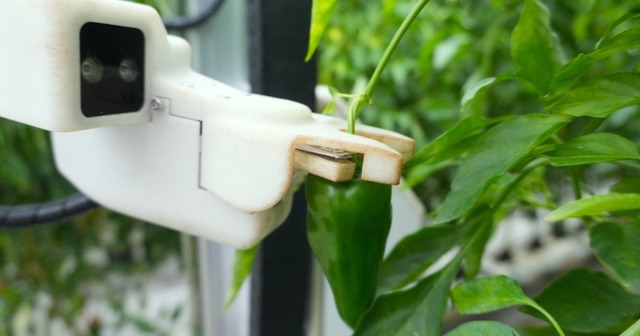
AGRIST partners with Microsoft to tackle global food challenges using AI harvesting robots in advanced agricultural applications.
AGRIST Corporation, based in Shintomi Town, Miyazaki Prefecture, showcased its innovative use of physical AI in smart agriculture at the Microsoft AI Co-Innovation Lab KOBE annual event. The event took place on June 10, 2026, at the Kobe Asahi Hall. AGRIST's presentation highlighted advanced examples of how artificial intelligence can enhance agricultural practices, demonstrating the company's commitment to integrating cutting-edge technology into farming. This initiative aims to improve efficiency and productivity in the agricultural sector, reflecting a broader trend towards modernization in farming techniques.

CATL’s cell-making factory gets Galbot’s heavy-load humanoid robot as new worker
Contemporary Amperex Technology Co., Limited (CATL), the leading global manufacturer of power batteries, has introduced its first heavy-load humanoid robot, marking a significant advancement in automation technology. This innovative robot was unveiled during a recent event held at CATL's headquarters in Ningde, China. The deployment of this humanoid robot is part of CATL's ongoing efforts to enhance operational efficiency and reduce labor costs in its manufacturing processes. By integrating advanced robotics into its production lines, CATL aims to streamline workflows and improve productivity. The introduction of this technology reflects the company's commitment to innovation and its strategic focus on automation in response to the growing demand for electric vehicle batteries.
AI and Robotics
Swarm Robots Inspired by Bees and Ants Could Transform the Future of Mining
Researchers at Adelaide University have unveiled an innovative robotic system modeled after the behaviors of bees and ants, aiming to enhance safety, efficiency, and sustainability in the mining industry. This development comes as part of ongoing efforts to address the challenges faced in mining operations, where traditional methods often pose risks to workers and the environment. By mimicking the collective intelligence and collaborative strategies of these insects, the new robotic system is designed to optimize resource extraction processes while minimizing ecological impact. The research team believes that this approach could revolutionize mining practices, making them more adaptable and less hazardous. The project highlights the potential of biomimicry in engineering solutions that align with environmental sustainability goals.
Robotics needs a service framework.
RSF defines a common language for robot service capability, lifecycle operations, certification pathways, and service-provider networks.