Search Result for: https://techcrunch.com/video/why-everyone-from-openai-to-spacex-is-building-their-own-chips-and-turning-up-the-heat-on-nvidia
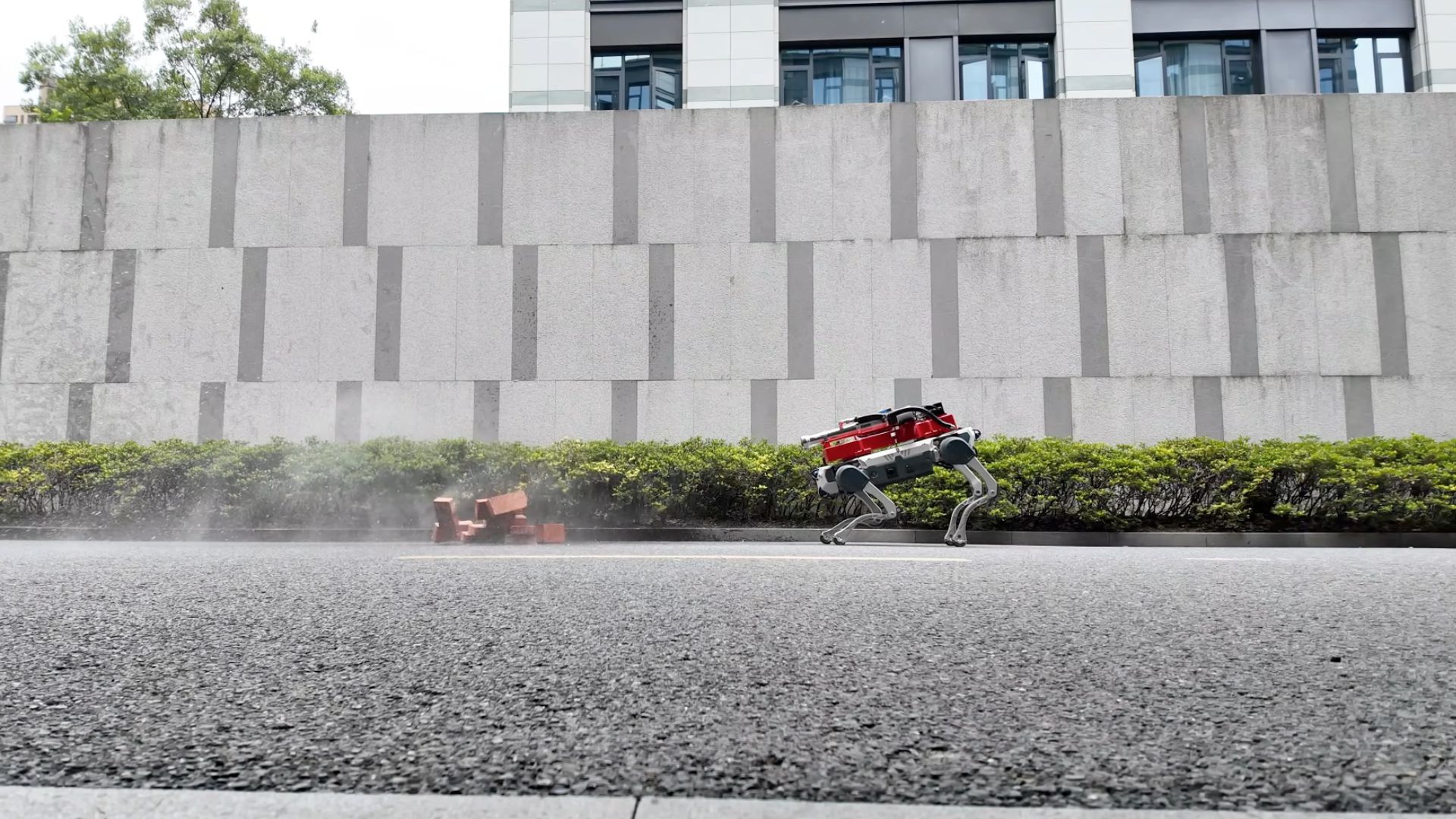
Video: Robot dog delivers pulse-powered firefighting for safer emergency operations
DEEP Robotics, a prominent Chinese robotics company, has unveiled a groundbreaking fire-extinguishing robot dog that aims to enhance firefighting efforts. This innovative technology was showcased during a recent demonstration in Hangzhou, China. The robot dog is equipped with advanced sensors and firefighting capabilities, allowing it to navigate hazardous environments and effectively combat fires in areas that may be too dangerous for human firefighters. The motivation behind this development stems from the increasing need for efficient firefighting solutions, especially in urban areas where traditional methods can be limited by accessibility and safety concerns. By integrating robotics into emergency response, DEEP Robotics seeks to improve safety for firefighters and increase the effectiveness of fire control measures. The demonstration highlighted the robot dog's agility and precision, showcasing its ability to operate autonomously while also being remotely controlled by operators. This dual functionality ensures that the robot can adapt to various situations, providing crucial support during emergencies. As urbanization continues to rise, the introduction of such technology could significantly transform firefighting strategies, making them safer and more efficient.
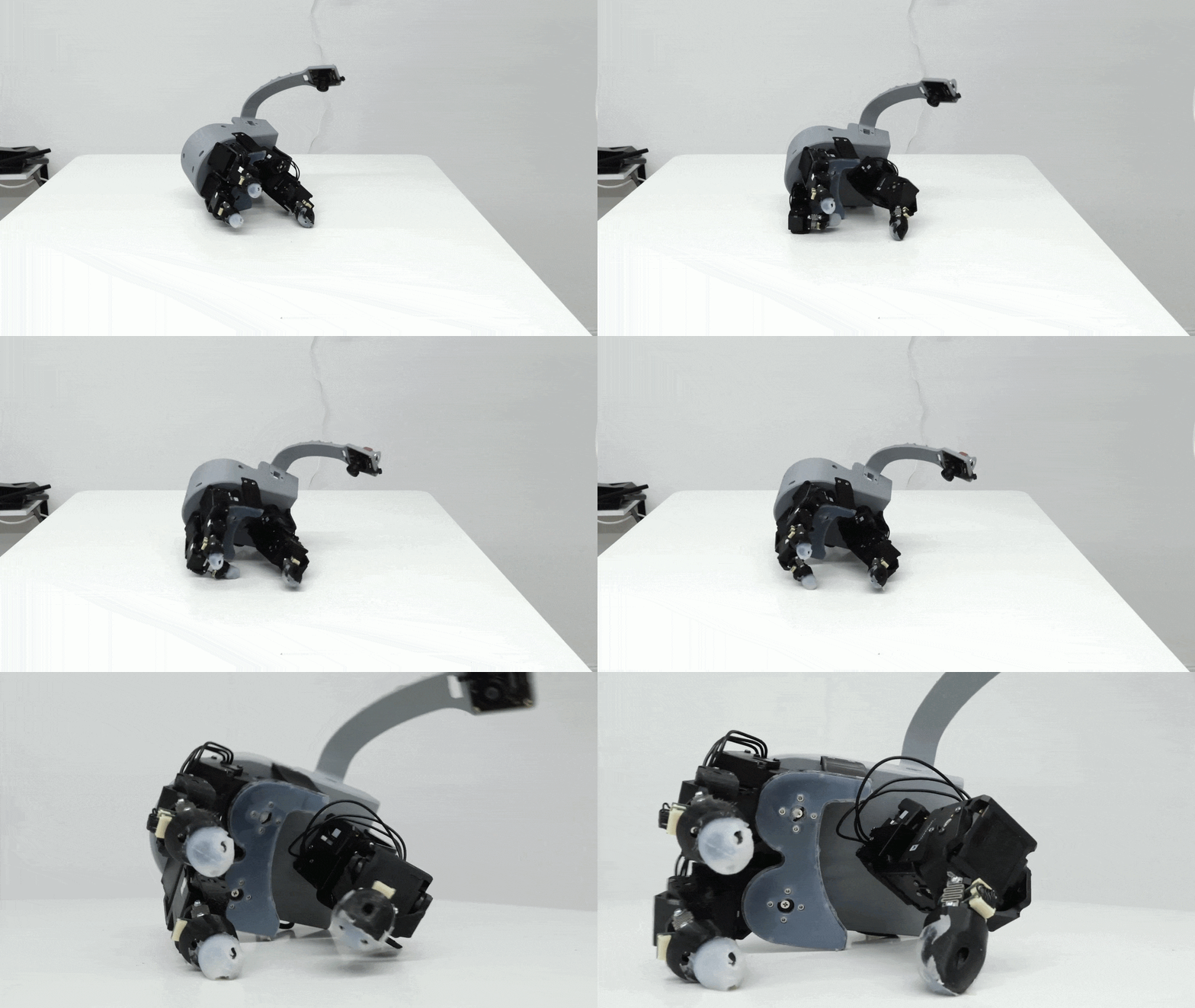
Video Friday: Give Robots a Hand
IEEE Spectrum robotics has released its latest edition of "Video Friday," showcasing a collection of innovative robotics videos along with a calendar of upcoming robotics events scheduled for 2026. The events include the RSS conference in Sydney from July 13-17, the Summer School on Multi-Robot Systems in Prague from July 29 to August 4, Actuate in San Francisco on August 18-19, and IROS in Pittsburgh from September 27 to October 1. Among the featured videos, Pulkit Agrawal from MIT CSAIL discusses his "SoftMimic" approach to enhancing robot safety around humans. The DARPA Lift Challenge, taking place from August 6-9 at the National Museum of the US Air Force, invites public participation. Notable demonstrations include Agility Robotics' Digit, which showcases advanced footstep planning to navigate obstacles, and DEEP Robotics' aggressive firefighting robot. Additionally, the potential for AI-driven robots to understand whale behavior and communication is explored by Harvard SEAS Professor Stephanie Gil. The edition also highlights discussions with Rodney Brooks, the creator of the Roomba, about the future of robotics. The content aims to engage the robotics community and stimulate interest in technological advancements and their applications.

General Intuition raises $320M to use video game data to train robots
General Intuition has secured $320 million in funding to enhance its innovative approach to artificial intelligence training for robotics. The company is leveraging video game clips that feature embedded action labels to accelerate the training process for AI systems. This funding will enable General Intuition to further develop its technology, which aims to improve the efficiency and effectiveness of robotic learning. By utilizing the rich data from video games, the company seeks to provide robots with a more nuanced understanding of actions and environments, ultimately advancing the field of robotics. The investment comes at a time when the demand for sophisticated AI solutions in various industries is on the rise, highlighting the potential impact of General Intuition's work in shaping the future of robotics.

The Growing Importance of Media Asset Management in Modern Digital Workflows
In an era where the digital landscape is rapidly evolving, companies across various industries are increasingly relying on extensive collections of digital assets, including videos, images, audio files, graphics, and documents, to enhance their marketing, communication, training, and customer engagement efforts. As these content libraries expand, organizations face the growing challenge of managing these assets efficiently. The need for effective content management solutions has become paramount, prompting businesses to seek innovative strategies and technologies to streamline the organization and distribution of their digital resources. This shift underscores the importance of adapting to the complexities of content management in a digital-first world, ensuring that companies can leverage their assets to meet the demands of modern consumers and maintain a competitive edge.

RoboScience launches Visics, a versatile embodied model for cross-ontology, cross-object, and cross-task applications.
On June 24, RoboScience, a company specializing in embodied intelligence, unveiled its self-developed Visics large model, introducing the innovative VLOA (Vision-Language-Object-Action) architecture. This announcement marks a significant advancement in the field, demonstrating the model's applications in real-world scenarios such as furniture assembly, dexterous grasping, and dynamic assembly lines. The current landscape of embodied intelligence lacks a universally accepted foundational representation unit, which hampers data collection, model learning, and the transfer of knowledge to new contexts. Traditionally, models have focused on replicating specific robotic movements tied to particular tasks, limiting their adaptability to new robots, objects, or environments. Founder and CEO Tian Ye highlighted three major challenges in robotic operations: poor generalization, difficulty in precise manipulation, and cumulative errors in long-range tasks. To address these issues, RoboScience has developed a new foundational representation unit from the ground up. The Visics model employs a dual-engine architecture, consisting of an embodied world model and a universal operation model, each operating independently. The embodied world model utilizes vast amounts of internet video data to learn the physical dynamics of objects, while the operation model translates object trajectories into actionable commands for robots. This layered design enhances the model's generalization capabilities across various robotic platforms and tasks. RoboScience's innovative approach also includes a high-precision simulation engine, RoboMirage, which, combined with automated video data annotation, significantly reduces data acquisition costs. The company aims to build a comprehensive dataset of over 1 terabyte of high-quality manipulation trajectories by 2026. Since its inception, RoboScience has garnered support from multiple investors and established research and production centers in major Chinese cities. The company plans to collaborate with various sectors, including retail and logistics, to standardize robotic products for industrial and commercial applications by the end of this year.

New to drone flying? Our expert thinks this five-star drone gives you 'everything you could possibly need' and it's $133 off
A DJI Mini 4K drone has received a five-star rating from experts, highlighting its suitability for beginners due to its user-friendly features. Currently, during Prime Day, the drone is available at a nearly 35% discount, making it an attractive purchase option. The drone comes with two batteries, providing extended flight time, and is designed to withstand windy conditions, further enhancing its appeal for novice users looking to explore aerial photography and videography.

General Intuition’s $2.3B bet that video games can train AI agents for the real world
General Intuition has successfully secured $320 million in funding to enhance its artificial intelligence capabilities, leveraging extensive data derived from millions of hours of gameplay and betting action. This significant investment aims to advance the development of AI that mimics human intuition more closely. The funding round, which took place recently, underscores the growing interest in AI technologies that can interpret complex patterns and make decisions similar to human behavior. By utilizing this vast dataset, General Intuition seeks to refine its algorithms and improve the performance of its AI systems, positioning itself at the forefront of innovation in the gaming and betting industries.

From Fortnite to robots: General Intuition raises $2.3B on bet that video games can train AI agents for the real world
General Intuition has successfully secured $320 million in funding to enhance its artificial intelligence capabilities, which are designed to mimic human intuition by leveraging extensive data from millions of hours of gameplay and betting actions. This significant investment aims to propel the development of AI systems that can better understand and predict human behavior in gaming contexts. The funding round, which reflects growing interest in AI applications within the gaming and betting industries, will enable General Intuition to expand its research and development efforts. The company plans to utilize this capital to refine its algorithms and improve the accuracy of its AI models, ultimately striving to create technology that resonates more closely with human decision-making processes.

Adobe acquires image and video enhancement tool maker Topaz Labs
Adobe has announced plans to integrate Topaz Labs' advanced imaging tools into its suite of applications. This collaboration aims to enhance the capabilities of Adobe's software, providing users with improved features for photo editing and image processing. The integration is expected to roll out in the coming months, allowing creatives to leverage Topaz Labs' technology seamlessly within Adobe's ecosystem. This move is part of Adobe's ongoing commitment to innovate and provide users with cutting-edge tools that streamline their workflows and elevate their creative projects. By incorporating Topaz Labs' tools, Adobe seeks to remain competitive in the rapidly evolving digital content creation landscape.

Uruguayan Government Announces New Drone Dispatch Program
The Uruguayan government has launched an innovative autonomous drone program in collaboration with Timerix S.A., a local technology firm. This initiative, which was announced by FlytBase, a company based in San Jose, California, aims to enhance public safety by integrating gunshot-detection alerts with automated drone dispatch and live aerial feeds for law enforcement. The deployment is set to take place in Montevideo, where the drones will assist police in responding to incidents more effectively. This program is part of a broader effort to leverage technology in improving security measures across the country.
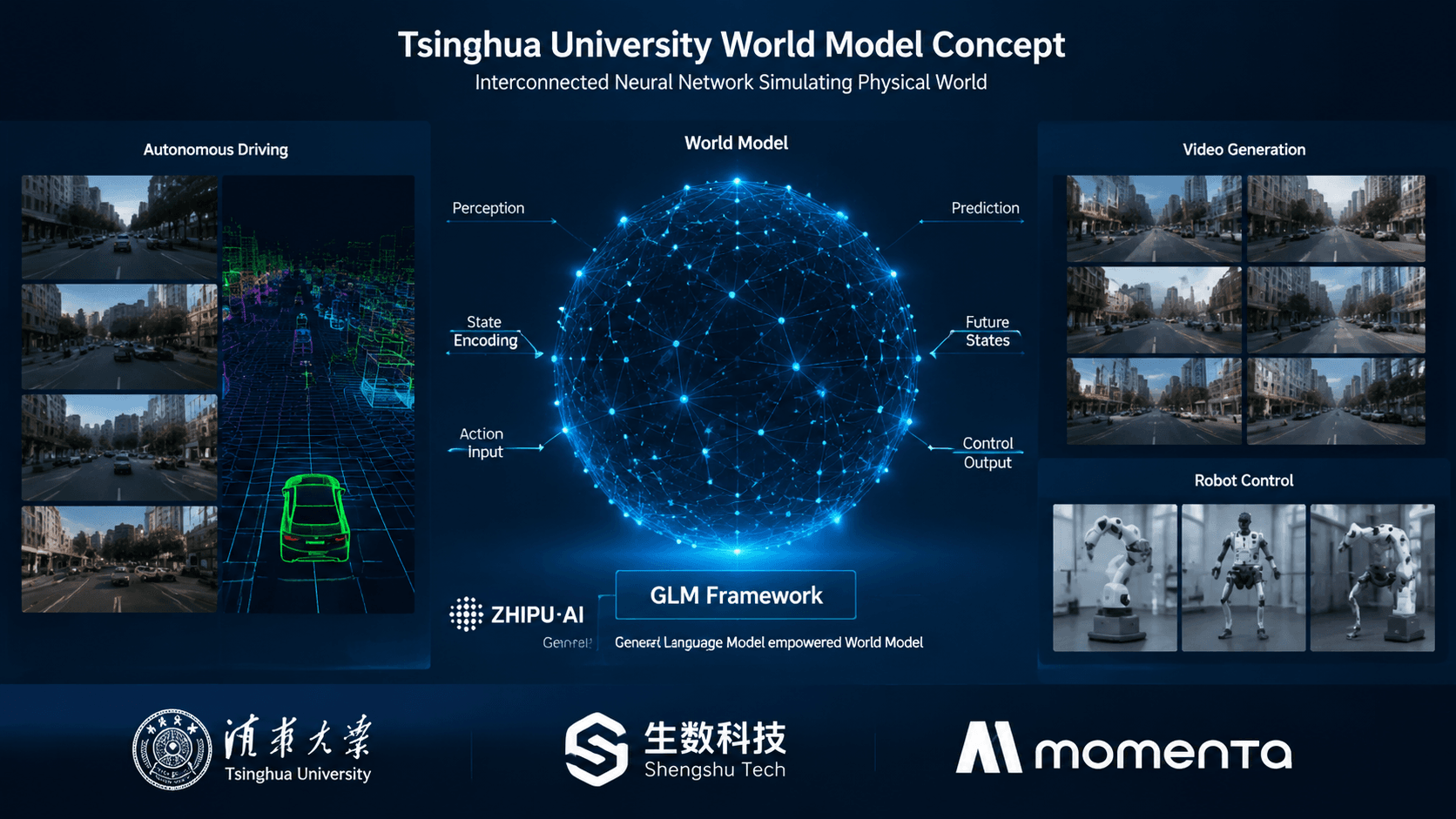
Tsinghua Ecosystem Sets Its Sights on World Models as the Next AI Frontier
Tsinghua University-affiliated companies, including Zhipu AI, Shengshu Tech, and Momenta, are advancing their research and development efforts in world models, focusing on applications in video processing, robotics, and autonomous driving. These initiatives are part of a broader push to enhance artificial intelligence capabilities and improve the efficiency and effectiveness of automated systems. The companies aim to leverage cutting-edge technology to address real-world challenges and contribute to the rapidly evolving landscape of AI. With a commitment to innovation, these firms are positioning themselves at the forefront of the AI revolution, seeking to establish a competitive edge in the global market.

Hear a gunshot? Uruguay’s drones respond before police
In a bid to enhance emergency response efficiency, authorities in Montevideo, Uruguay, are deploying autonomous drones to assist in critical incidents. This innovative approach aims to reduce response times for police and emergency services, allowing them to gather vital information about unfolding situations before arriving on the scene. By utilizing drone technology, officials hope to improve situational awareness and ensure a more effective response to emergencies. The initiative reflects a growing trend in urban areas to integrate advanced technology into public safety measures, ultimately prioritizing the safety and well-being of the community.
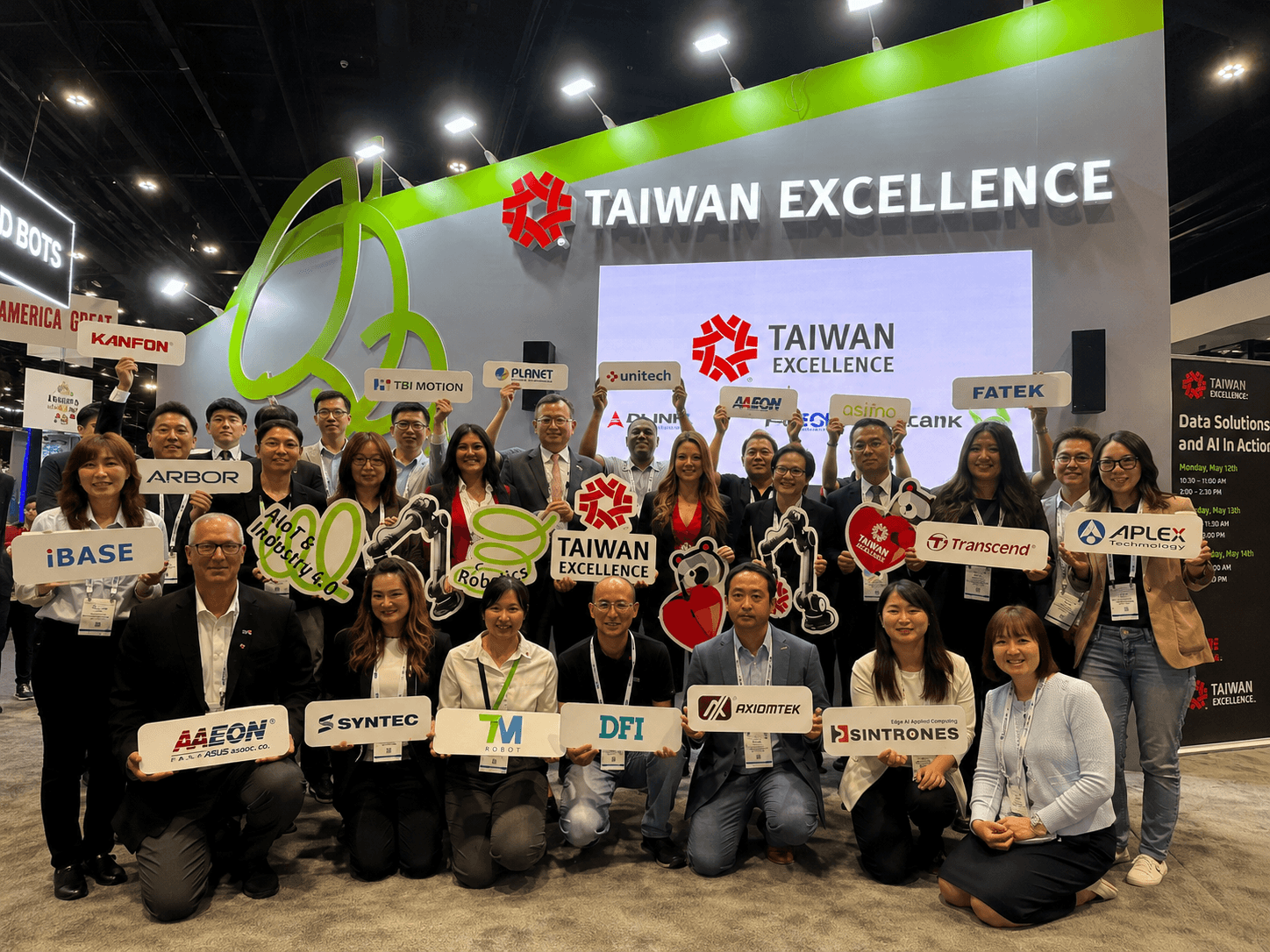
Taiwan Excellence Pavilion at Automate 2026: 23 Companies Showcase Edge AI and Robotics
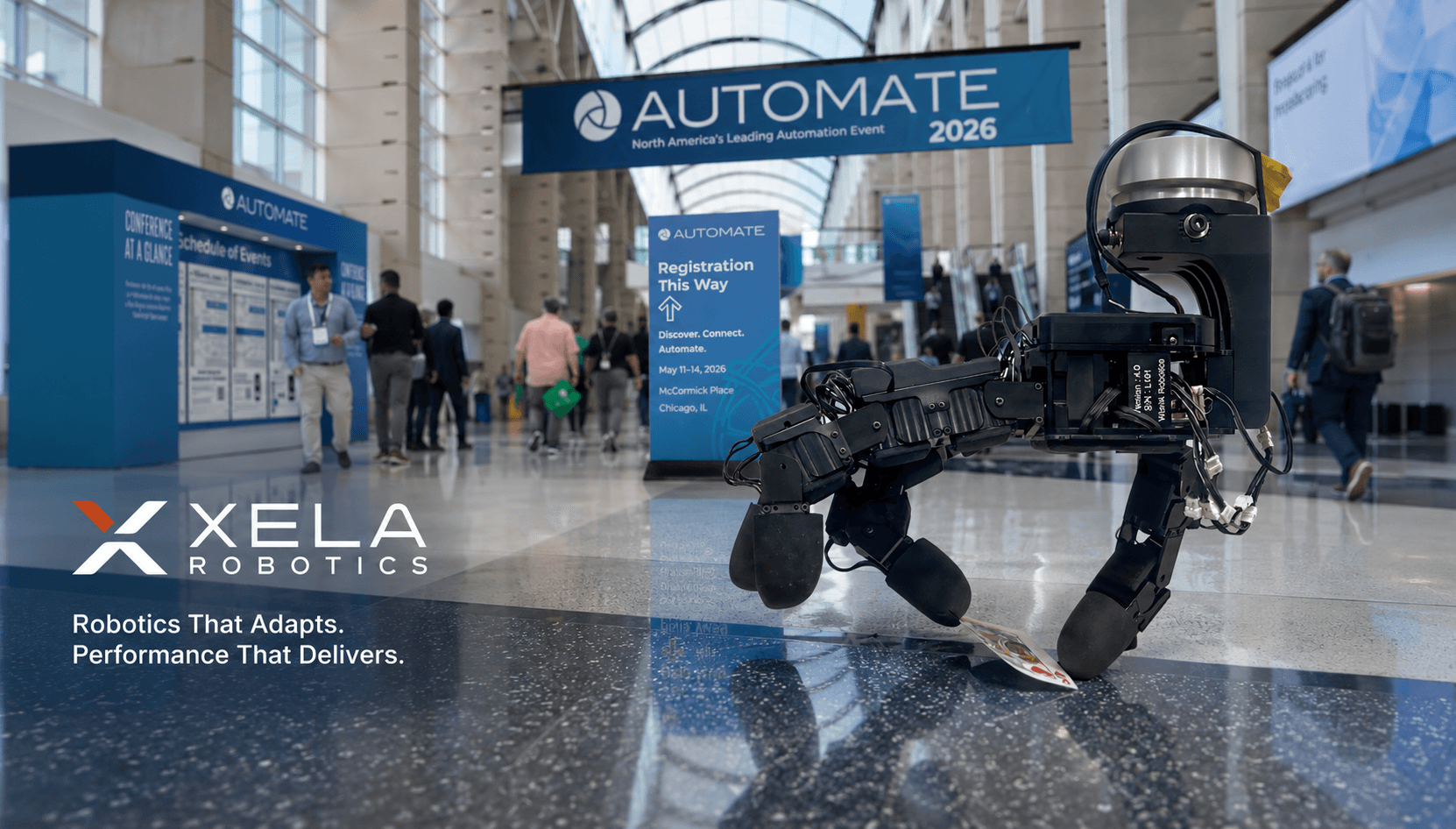
Taiwan Excellence Pavilion brings 23 certified companies to Automate 2026 in Chicago (June 22–25), showcasing edge AI, collaborative robots, precision motion and industrial computing solutions for U.S. smart manufacturing.

Peking University team develops new generation data acquisition device using EMG wristband, backed by Gong Hongjia, Lu Qi, and overseas
The SnowOrigin team, composed of researchers from Peking University, has secured investments from notable figures including Gong Hongjia and Lu Qi, as well as overseas institutions. This innovative team focuses on surface electromyography (sEMG) technology to develop a new generation of human control data collection solutions, utilizing wearable devices like neural wristbands and panoramic headsets, along with their proprietary Neural Math Hybrid (NMH) AI decoding model. As the fields of embodied intelligence and Physical AI rapidly evolve, there is an increasing demand for high-quality human control data. Current mainstream data collection methods, such as first-person video and motion capture, often fail to capture critical information about the intent and nuances of human actions. SnowOrigin's wearable devices aim to bridge this gap by integrating muscle and neural signal decoding technologies to create structured data that includes posture, force, and micro-control, thereby supporting the training of robots and world models. Founder Qin Xu emphasized that unlike traditional lab-based motion capture systems, their wearable solutions are cost-effective, lightweight, and suitable for long-term use without disrupting daily activities. The team is advancing two commercialization pathways: enhancing human-robot interaction for AI devices and building a foundational data infrastructure for Physical AI applications. With a strong academic background and a commitment to innovation, SnowOrigin is positioned to lead in the emerging market for embodied data collection, having already made significant strides in real-time decoding of sEMG signals into actionable insights. As the demand for comprehensive interaction data grows, the team is poised to capitalize on this shift in paradigm.

Fika Jobs raises $4M to build a video-first hiring platform where AI agents interview candidates
Fika Jobs, a startup based in Stockholm, is developing an innovative hiring platform that leverages video technology to enhance the recruitment process. This platform integrates AI interview agents with short-form video profiles, aiming to create a user experience reminiscent of both LinkedIn and TikTok. By focusing on video-first interactions, Fika Jobs seeks to streamline hiring and make it more engaging for both employers and job seekers. The initiative is part of a growing trend to utilize advanced technology in recruitment, responding to the increasing demand for more dynamic and effective hiring solutions.

ByteDance's Doubao 2.1 Pro Crosses Production Threshold, Seedance 2.5 Video Model Coming July
ByteDance has announced that its Doubao 2.1 Pro has successfully crossed the production threshold, marking a significant milestone for the company. This achievement comes as the tech giant prepares to launch its Seedance 2.5 video model, which is set to debut in July. The advancements in these models reflect ByteDance's commitment to enhancing its product offerings in the competitive tech landscape. The Doubao 2.1 Pro's production success is expected to bolster the company's position in the market, while the upcoming Seedance 2.5 aims to attract a broader audience with its innovative features. As ByteDance continues to innovate, the release of these models underscores its strategy to remain at the forefront of technology and content creation.

Alibaba unveils HappyHorse 1.1 video generation model, launches global AI filmmaking competition
On Monday, Alibaba unveiled HappyHorse 1.1, the latest iteration of its video generation model, marking a significant upgrade from its predecessor, HappyHorse 1.0. This new version boasts enhancements in motion dynamics, subject consistency, prompt adherence, visual quality, and audio generation capabilities. In conjunction with this release, Alibaba announced the HorsePower AI Video Competition, collaborating with Huajing Entertainment Group to encourage innovation in video content creation. The competition aims to engage developers and creators in exploring the potential of the upgraded model, fostering creativity and technological advancement in the field of AI-generated video.

Video: Chinese firm shows humanoid and robot arm control by single model in new demo
A Chinese robotics startup has showcased its innovative humanoid robots collaborating with fixed dual-arm robotic systems in a recent demonstration. This event took place in October 2023, highlighting the company's advancements in robotics technology. The demonstration aimed to illustrate the potential applications of these robots in various industries, emphasizing their ability to work in tandem to enhance efficiency and productivity. By integrating humanoid capabilities with dual-arm systems, the startup seeks to address growing demands for automation in sectors such as manufacturing and logistics. The successful collaboration between these robotic systems marks a significant step forward in the field of robotics, showcasing how such technologies can be utilized to streamline operations and reduce labor costs.
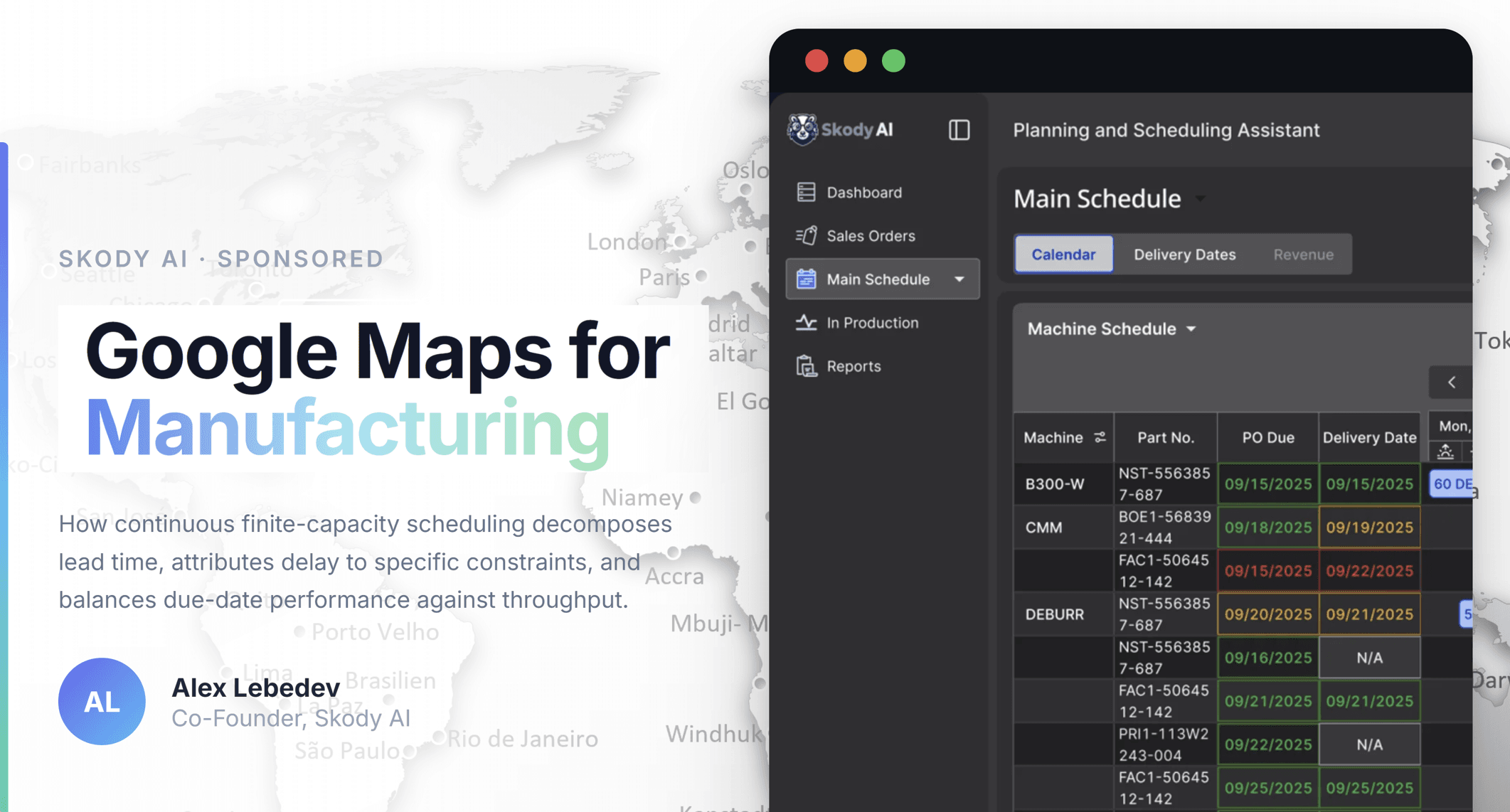
Beyond the Gantt Chart: How Skody AI Explains Why Orders Are Late
Skody AI goes beyond traditional APS by decomposing job lead times into specific delay causes — material waits, bottleneck queues, and off-shift gaps — giving discrete manufacturers a continuous, explainable finite-capacity schedule.

He made your free video player run smoothly. Now he’s doing that for robots.
French serial entrepreneur and open-source advocate Jean-Baptiste Kempf has unveiled his latest project, Kyber, an innovative infrastructure layer designed to enable real-time control of remote devices. This initiative aims to enhance the functionality and accessibility of various technologies, catering to a growing demand for seamless remote management solutions. Kempf, known for his contributions to the open-source community, is leveraging his expertise to address the challenges associated with remote device control, particularly in an increasingly digital world. The development of Kyber reflects a broader trend towards automation and connectivity, as more individuals and businesses seek efficient ways to manage their devices from afar.
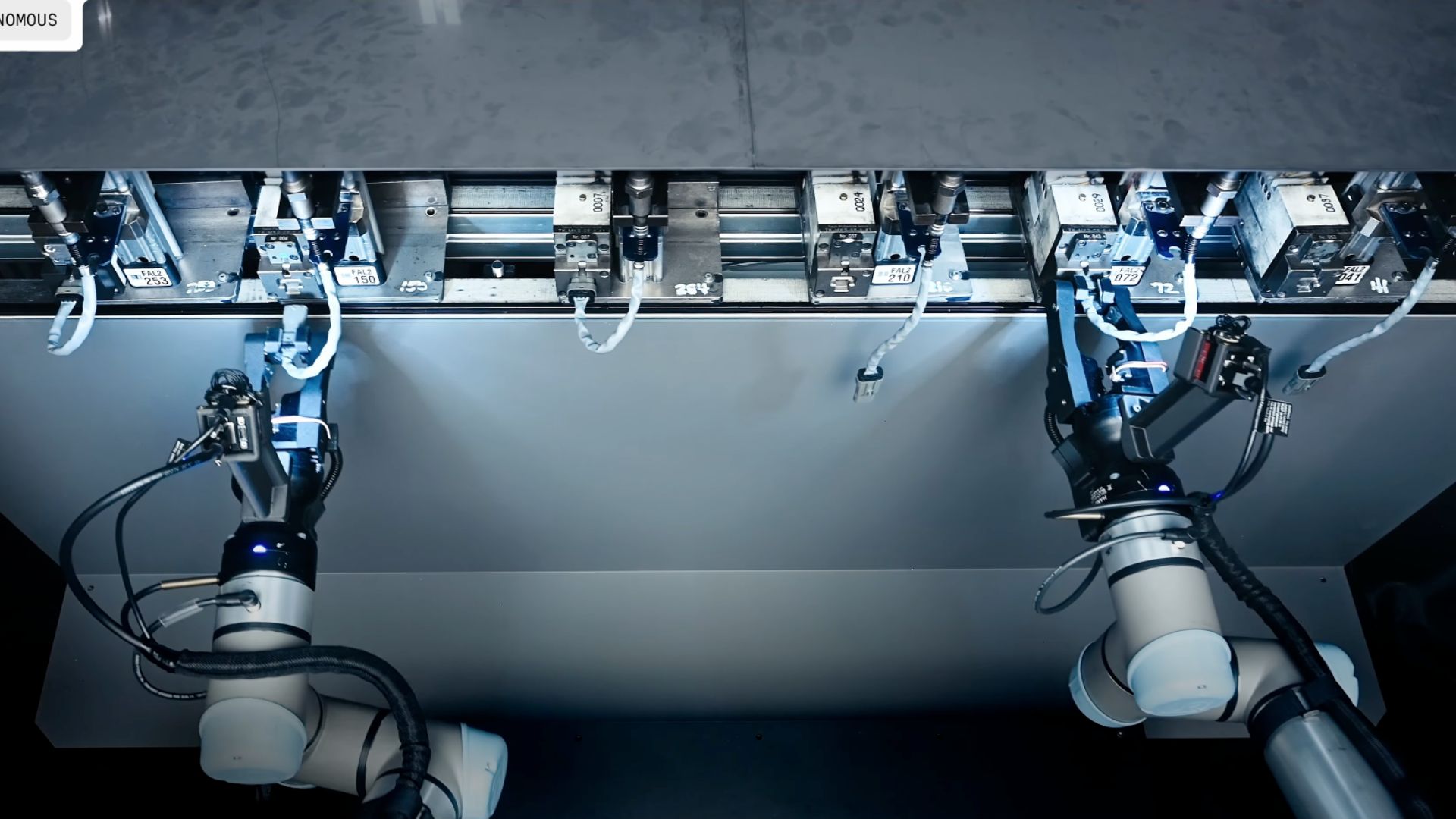
Video: New robotic system achieves 99.5% success in fast auto factory wire assembly
Sanctuary AI, a Canadian robotics company, has announced a major breakthrough in industrial automation. The firm has developed advanced AI-driven robots capable of performing complex tasks traditionally handled by human workers. This innovation comes as industries increasingly seek to enhance productivity and efficiency amid labor shortages and rising operational costs. The robots, which are designed to seamlessly integrate into existing workflows, utilize sophisticated machine learning algorithms to adapt to various environments and tasks. This development was unveiled during a press conference held in Toronto on October 15, 2023, where company executives highlighted the potential of these robots to revolutionize sectors such as manufacturing and logistics. By automating repetitive and labor-intensive processes, Sanctuary AI aims to not only improve operational efficiency but also allow human workers to focus on more strategic and creative roles.
Video Friday: Do Robots Even Need Legs?
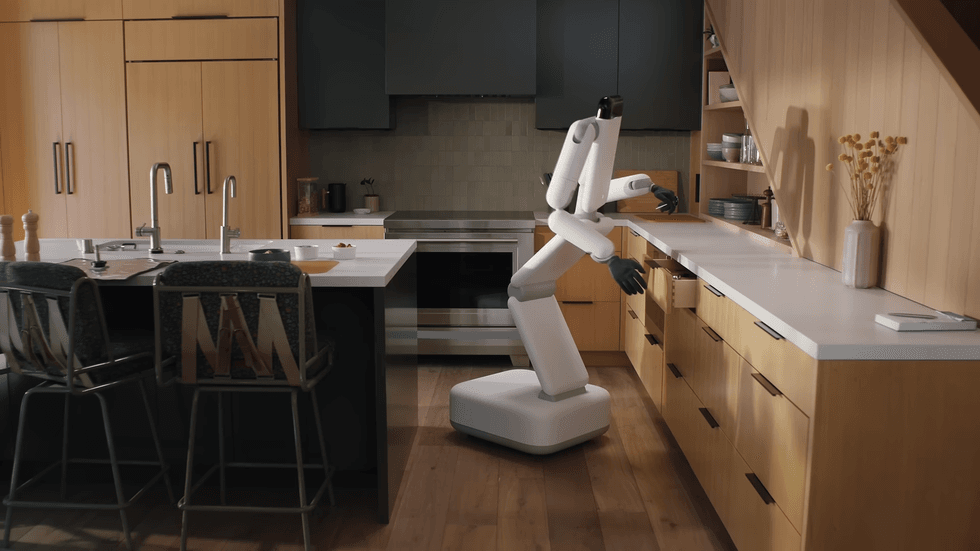
In the latest edition of Video Friday, IEEE Spectrum robotics showcases a variety of innovative robotics videos and announces upcoming events in the field. Notable events include RSS 2026 scheduled for July 13-17 in Sydney, the Summer School on Multi-Robot Systems from July 29 to August 4 in Prague, Actuate 2026 on August 18-19 in San Francisco, and IROS 2026 from September 27 to October 1 in Pittsburgh. Among the featured projects, Eno, an advanced AI and general-purpose robot developed by Genesis, exemplifies a new generation of robots designed to enhance human capabilities. Meanwhile, NASA's Jet Propulsion Laboratory is testing the ERNEST rover in California's Colorado Desert, which is being developed for future lunar missions and can operate autonomously over challenging terrain. Sony AI's Ace project demonstrates a robotic system capable of adapting to unpredictable scenarios in table tennis, while ANYbotics highlights the economic benefits of their quadruped robots in industrial inspections, preventing significant production losses. GITAI is preparing for a robotic satellite servicing demo, and Bi-AQUA is exploring underwater photography challenges for robots. Sanctuary AI has achieved impressive results in wire plugging tasks for a major automotive supplier, showcasing a success rate exceeding 99.5%. Additionally, various other robotics projects are highlighted, including a bipedal robot named GrowBot, which operates on a low-cost Raspberry Pi and aims to make physical AI accessible to a broader audience.
Video: Child-friendly Codey robot showcases embodied AGI future in education, healthcare
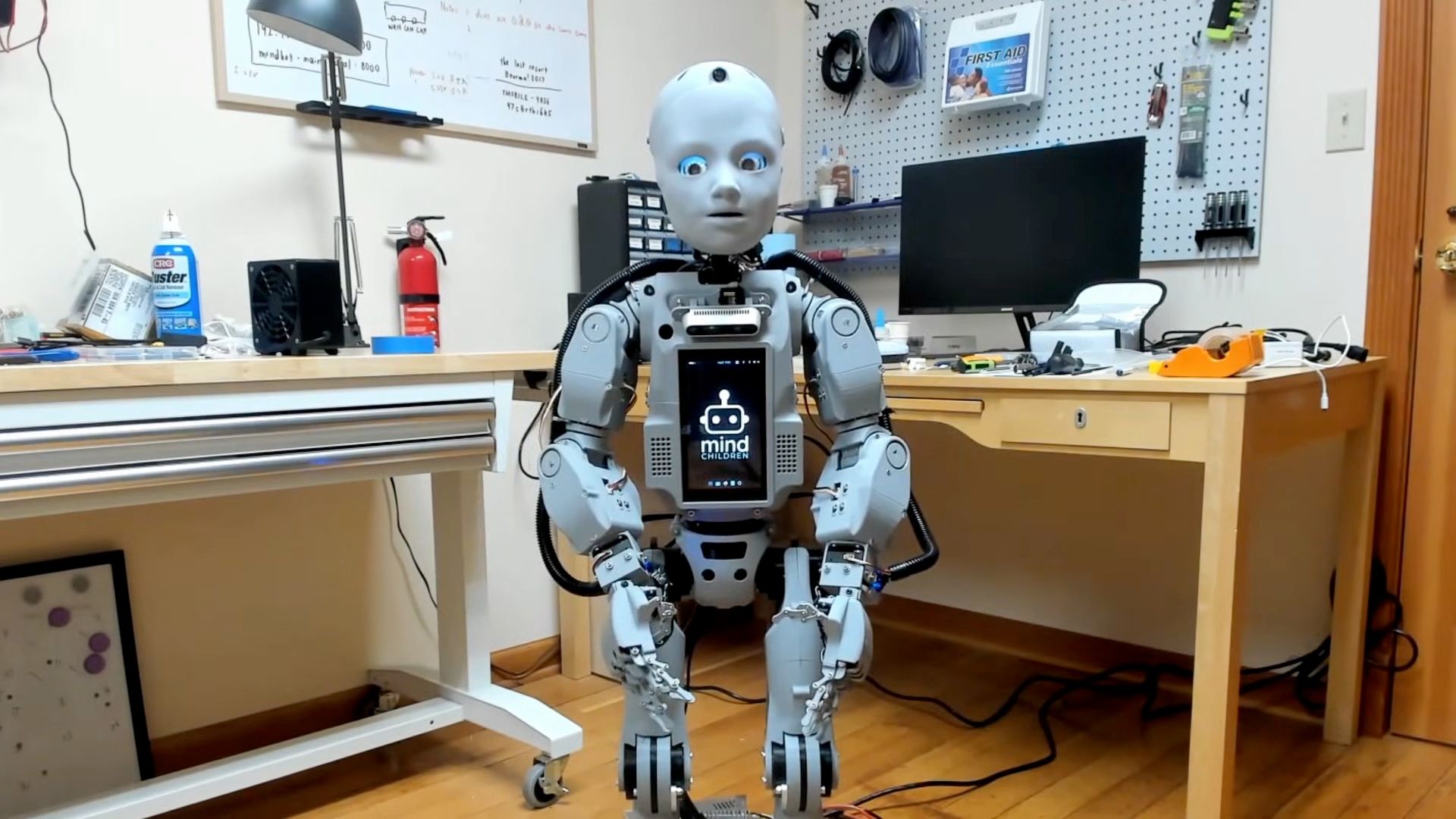
A Seattle-based robotics company has unveiled a three-foot-tall humanoid robot intended for public use, showcasing its potential to assist in various environments. The robot, which features advanced interaction capabilities, aims to enhance customer service and provide support in settings such as retail and hospitality. This development comes as part of a broader trend in the robotics industry, where companies are increasingly focusing on creating machines that can engage with people in everyday situations. The prototype was revealed during a technology expo held in Seattle last week, attracting attention from industry experts and potential investors. The creators believe that this humanoid robot could revolutionize the way businesses interact with customers, addressing labor shortages and improving efficiency. By integrating artificial intelligence and user-friendly interfaces, the robot is designed to learn from its interactions, adapting to the needs of its environment.
Potensic Atom 3 Review: The best beginner drone just got better
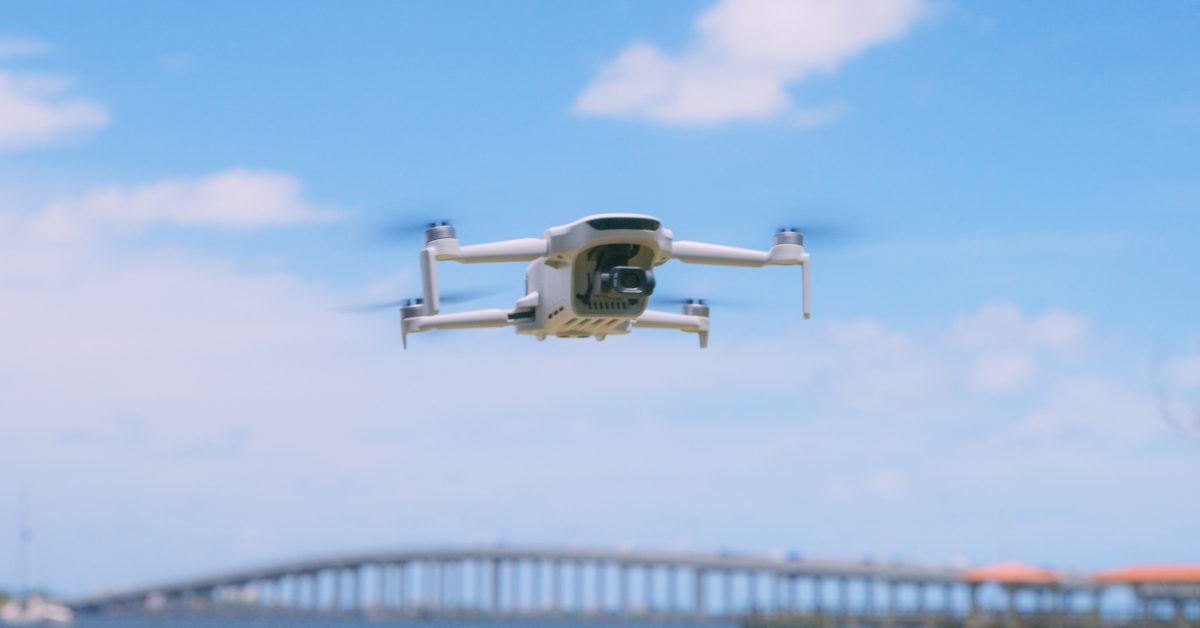
The Potensic Atom 3 has officially launched, showcasing significant advancements over its predecessor, the Atom 2. Following extensive real-world flight tests, the new model features a larger sensor, extended battery life, a more robust body, and an upgraded controller, marking a notable improvement in performance and durability. While the Atom 3 is not without its flaws, the enhancements are substantial, indicating Potensic's commitment to evolving its drone technology. The release aims to cater to both amateur and professional drone enthusiasts seeking reliable and high-quality aerial photography and videography solutions.

General Intuition in talks to raise $300M at around $2B valuation
A startup specializing in artificial intelligence is leveraging Medal's extensive dataset, which comprises 2 billion videos annually sourced from 10 million active users each month. This initiative aims to enhance the training of embodied AI and world models, utilizing the rich variety of visual content available. The training process incorporates data collected up until October 2023, allowing the AI systems to develop a more nuanced understanding of real-world scenarios and interactions. By harnessing such a vast and diverse dataset, the startup seeks to push the boundaries of AI capabilities, ultimately contributing to advancements in technology that can better interpret and interact with the world around us.
Silence Breaks: Sailis Unveils Its First Humanoid Robot in a Factory Visit
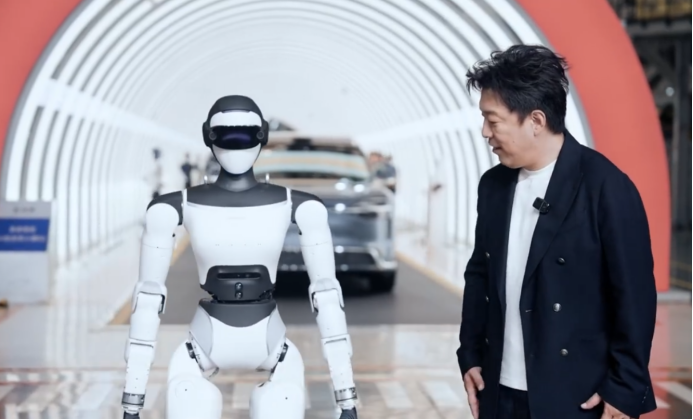
Sailis has unveiled its first humanoid robot, named 'Xiao Sai', during a recent factory tour video, distinguishing itself in an industry often characterized by flashy announcements. This innovative robot is intended to welcome and guide visitors, reflecting Sailis' dedication to incorporating robotics into its advanced manufacturing operations. The introduction of Xiao Sai highlights the company's strategy to enhance its automated systems and improve visitor engagement within its facilities.

Interview with Luo Jianlan: The true scaling law of robots occurs in real deployment loops.
In the past six months, the focus of the domestic embodied intelligence sector has shifted from hardware competition to the deeper challenges that define the intelligence limits of robots. Luo Jianlan, an associate professor at Shanghai Chuangzhi Academy and chief scientist at Zhiyuan Robotics, argues against the prevailing notion that robots can replicate large language models through sheer data accumulation. He emphasizes that the core issue in embodied intelligence is not about breakthroughs in isolated components but rather the ability to create a closed-loop system in real-world deployments. Luo, who has a background in both academia and industry, including roles at Google X and DeepMind, believes that many teams in the sector are not genuinely pre-training models but are instead engaged in mid-training or fine-tuning due to the scarcity of high-quality interaction data. He asserts that true embodied intelligence requires a scalable closed-loop system, where deployment leads to data collection, which in turn enhances model capabilities. His current focus includes developing scalable online post-training infrastructure, enabling robots to learn continuously in real-world environments, and creating a world model that predicts the consequences of actions rather than merely generating video. Luo suggests that the future of embodied intelligence hinges on successfully integrating these elements into a cohesive system, with significant advancements expected in the next 12 to 18 months. He believes that the first team to effectively implement a "deployment-data-iteration" cycle in semi-structured environments like convenience stores will gain a substantial competitive edge.
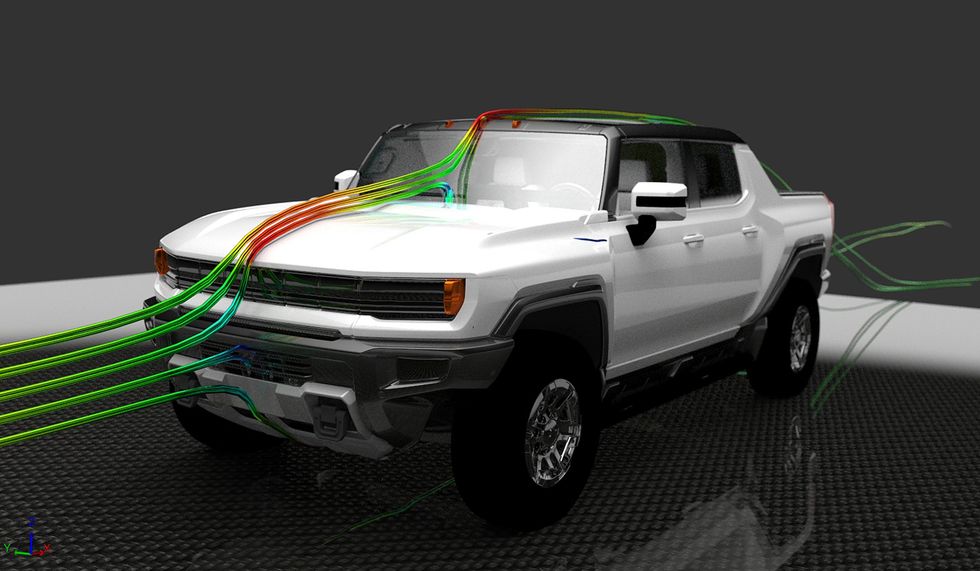
General Motors Is Cutting Its Development Cycles in Half
General Motors is accelerating its vehicle development process to compete with fast-paced Chinese automakers like BYD, which can bring electric vehicles (EVs) to market in under two years. This initiative, led by Sterling Anderson, GM’s chief product officer and former Tesla executive, aims to leverage artificial intelligence (AI) and simulation technology to significantly reduce design and production timelines. In a recent video call, Anderson and Jason Fischer, GM’s executive director of virtual integration engineering, outlined how AI is reshaping automotive design. Traditionally, the development process involved lengthy empirical testing and siloed engineering efforts. However, GM's new approach integrates multiple functions into a single virtual tool, allowing engineers to simulate design changes in minutes rather than hours. This method has already halved the development time for the electric GMC Hummer, which went from concept to showroom in just two years. GM is applying these advanced techniques across various projects, including self-driving cars and NASA's lunar rover, enhancing their ability to simulate real-world conditions and improve vehicle performance before physical prototypes are built. By running thousands of simulations, GM can identify and address potential issues early in the design process, ultimately leading to more refined vehicles. This innovative strategy positions GM to keep pace with the rapidly evolving automotive landscape and meet consumer demands for faster, more efficient vehicle production.
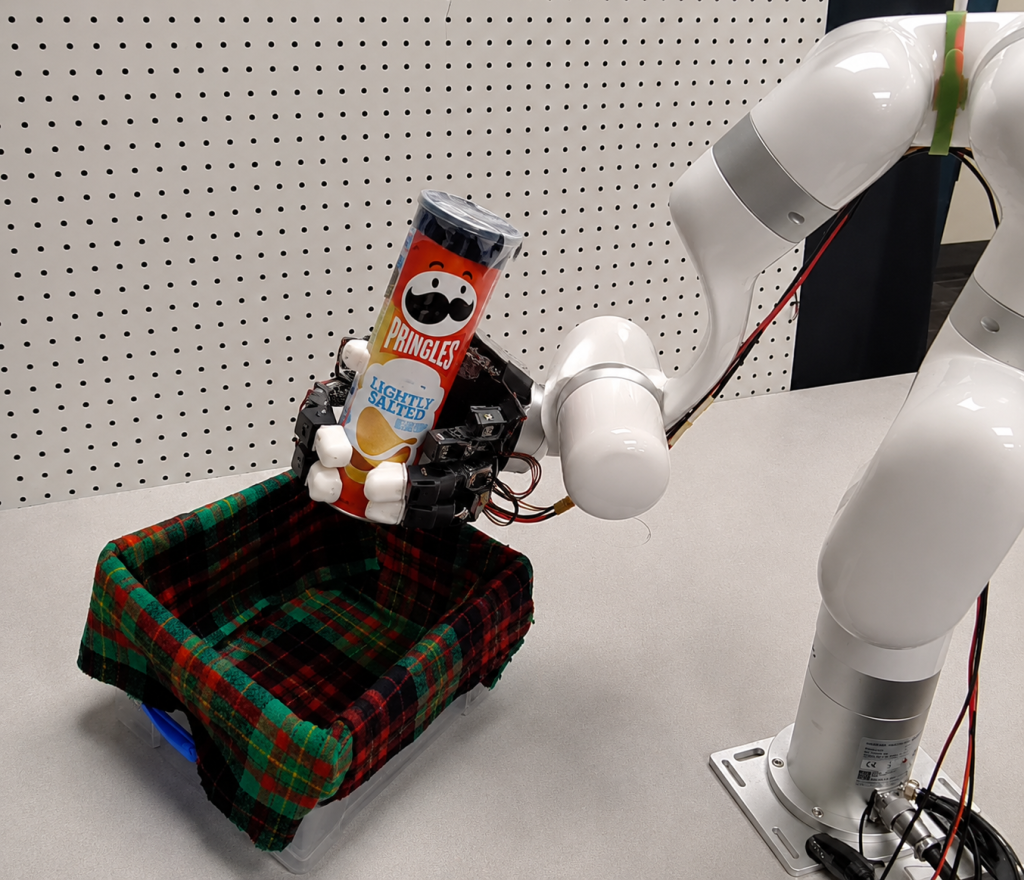
CMU Researchers Train Robots With Internet Videos
Researchers at Carnegie Mellon University's School of Computer Science have developed an innovative system called VideoManip, which enables robots to learn manipulation skills by analyzing videos of human interactions with objects. This groundbreaking approach allows robots to reconstruct movements and understand how humans make contact with various items, significantly reducing the need for lengthy, hands-on demonstrations by humans. By utilizing readily available internet videos, the system streamlines the training process for robots, enhancing their ability to acquire new skills efficiently. This advancement marks a significant step forward in robotics, potentially transforming how machines are trained to perform tasks in diverse environments.

Video: Ceiling-mounted DIY robot picks up toys, clothes, and household clutter
An engineer has created an innovative open-source robotic claw that mounts on ceilings, aimed at addressing challenges in various industries. This development, which was unveiled recently, is designed to assist in tasks such as inventory management and warehouse automation. The engineer, motivated by the need for cost-effective and versatile solutions in the automation sector, has made the design freely available to encourage collaboration and further enhancements from the global engineering community. By utilizing readily available materials and components, the project promotes sustainability and accessibility in robotics. The claw's operation involves a series of precise movements controlled by a user-friendly interface, allowing for efficient handling of objects in hard-to-reach spaces. This initiative not only showcases advancements in robotics but also highlights the potential for open-source technology to drive innovation and improve operational efficiency across various fields.

Top Computer Vision Development Company Options for 2026
Selecting the appropriate computer vision development company is crucial for ensuring compatibility with the specific environment in which the model will operate. This could range from camera system-on-chips (SoCs) and cloud-based software as a service (SaaS) products to medical devices and live video systems. Among the available options, SQUAD stands out as a robust choice for edge hardware and smart camera products. Meanwhile, Intellias and Softeq are recognized as strong contenders for embedded AI solutions. As the industry evolves, companies must carefully assess their needs to align with the right technology partner.
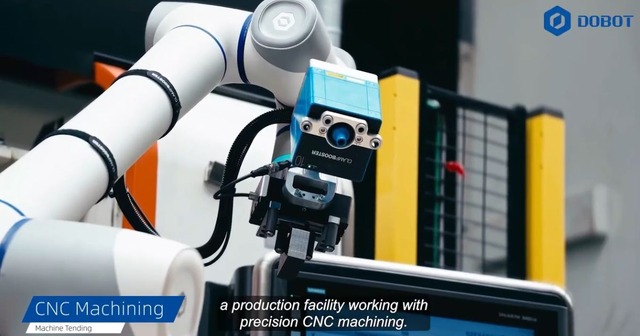
Dobot to showcase collaborative robot use cases in automotive, food, and education at "Automate 2026."
Dobot Robotics has unveiled a promotional video showcasing its products in preparation for the upcoming Automate 2026, one of North America's largest industrial automation trade shows. The video was released on YouTube on June 16, 2026, as part of the company's efforts to highlight its innovations and engage with potential customers ahead of the event. This strategic move aims to enhance visibility and demonstrate the capabilities of Dobot's automation solutions in a competitive market.
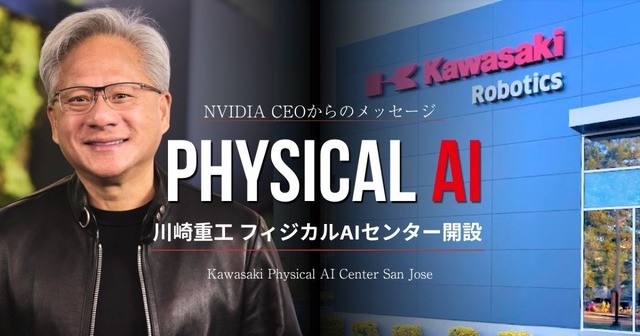
Kawasaki Heavy Industries opens Physical AI Center in San Jose, California, with a congratulatory message from NVIDIA's Jensen Huang.
Kawasaki Heavy Industries, Ltd. announced the opening of its Kawasaki Physical AI Center, scheduled for June 15, 2026. To mark this occasion, the company released a video message from NVIDIA's CEO, Jensen Huang, on YouTube. The establishment of the center aims to enhance research and development in artificial intelligence and robotics, reflecting Kawasaki's commitment to innovation in these fields. The collaboration with NVIDIA underscores the importance of integrating advanced AI technologies into Kawasaki's operations, positioning the company at the forefront of technological advancements in the industry.

Visual Language Models Train Robots to Read Human Emotions
A recent study led by Seung Chan Hong at the University of Melbourne explores the emotional capabilities of collaborative robots as they increasingly work alongside humans. Published on May 18 in IEEE Robotics and Automation Letters, the research investigates how robots can better understand human emotions through contextual cues, beyond just facial expressions. Involving 40 volunteers, the study trained a vision language model (VLM) to interpret emotions based on video interactions where robots handed objects to humans. The VLM outperformed traditional AI systems, scoring 0.86 in emotional accuracy compared to 0.77 for conventional methods. This improvement is attributed to the VLM's ability to consider the entire context of interactions rather than isolated facial expressions. In a follow-up experiment, participants interacted with a robot that was programmed to make an error, receiving either an emotionally adaptive apology or a standard one. The majority preferred the adaptive response, but trust in the robot diminished after it failed to complete its task, highlighting that emotional responses cannot compensate for a lack of functionality. While the VLM effectively recognized emotions from a third-party perspective, its accuracy dropped when compared to participants' self-reported feelings, indicating that robots still struggle to fully understand human emotions. The findings suggest that while emotional adaptivity is valuable, the primary concern for users remains the robot's competence in performing tasks.
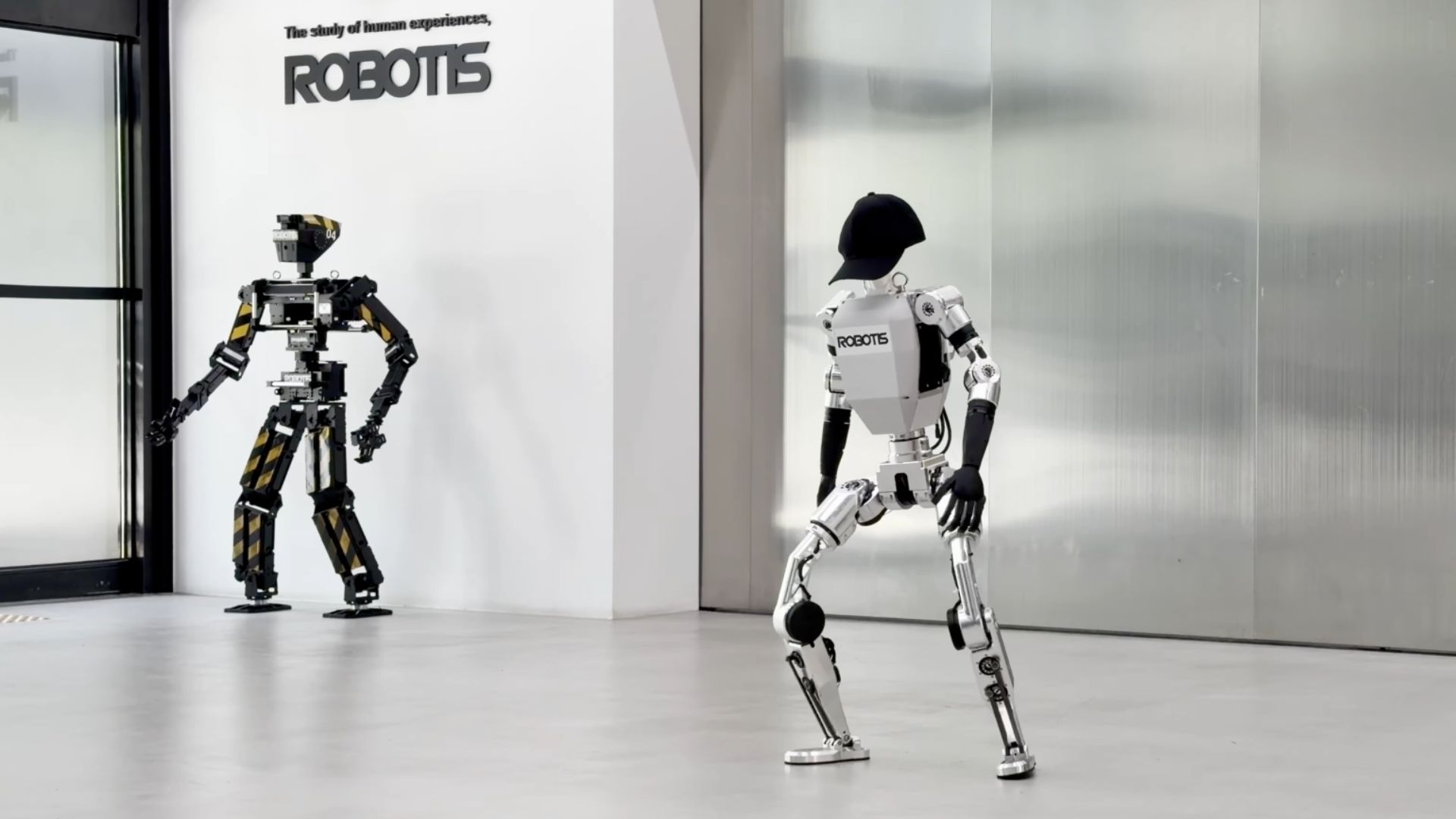
Watch: Korean humanoid robot performs viral K-POP dance, learns by watching videos
A South Korean company has made significant strides in humanoid robotics, recently unveiling a sophisticated humanoid capable of learning complex motions. This development comes amid China's prominent presence in the field of robotics, highlighting the competitive landscape of technological innovation. The demonstration took place at a technology expo in Seoul, where industry leaders gathered to witness advancements in artificial intelligence and robotics. The motivation behind this innovation is to enhance the capabilities of humanoid robots, making them more adaptable and efficient in various tasks. The company achieved this breakthrough by integrating advanced machine learning algorithms, allowing the robot to observe and replicate movements, thereby improving its functionality in real-world applications. This event marks a pivotal moment for South Korea in the global robotics arena, positioning the nation as a key player in the evolution of humanoid technology.
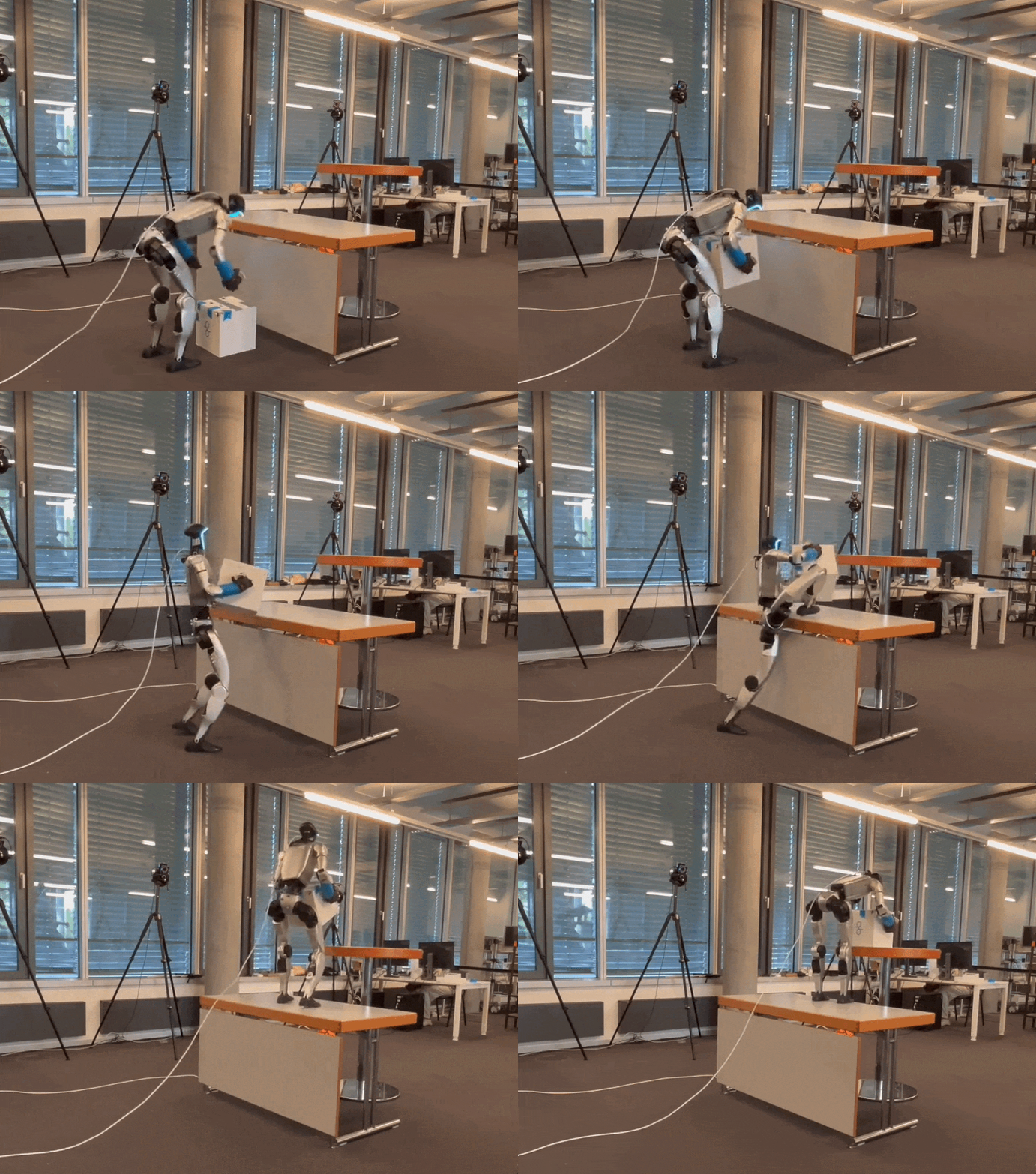
Video Friday: Robotic Motion Discovery Reveals Unusual Behaviors
IEEE Spectrum robotics has released its latest edition of Video Friday, showcasing an array of innovative robotics videos and announcing upcoming events in the field. Notable events include RSS 2026 in Sydney from July 13-17, the Summer School on Multi-Robot Systems in Prague from July 29 to August 4, and Actuate 2026 in San Francisco on August 18-19. Among the featured videos is MotionDisco, a framework that autonomously discovers complex humanoid loco-manipulation motions, highlighting the challenges of coordinating fluid movements across multiple joints. Additionally, the Human Support Robot (HSR) from Toyota is demonstrated in real home environments, assisting residents with daily tasks, showcasing the potential for robots to become long-term companions. Other highlights include the MIDAS Hand, an open-source robotic hand designed for manipulation and research, and a novel flight maneuver by a bipedal robot that showcases advanced aerial control. The European Space Agency shares a timelapse of Dextre, a robotic handyman, efficiently unloading equipment in space, while ROBOTIS introduces AI Sapiens, which learns humanoid motions using just a smartphone camera. In a collaborative effort, LUMOS Robotics has launched Project EDGE, inviting global innovators to explore humanoid robotics, while Sphero emphasizes its educational products designed to nurture computational thinking from early childhood through high school. These developments illustrate the rapid advancements and collaborative spirit within the robotics community.

The Enlightenment World Model tops evaluations in RoboTwin 2.0 and other embodied intelligence tests.
Recently, DaXiao Robotics announced that its Kairos world model has achieved top rankings in several global evaluations focused on embodied intelligence, including RoboTwin 2.0, LIBERO-Plus, WorldModelBench Robot, and DreamGen. This model employs an integrated architecture that combines multimodal understanding, generation, and prediction. In a significant move for the industry, DaXiao Robotics has made the Kairos model open-source, allowing broader access and collaboration in the field of AI-driven video generation and state prediction.

PUDU Robotics releases video showcasing new cleaning robot feature that instantly updates maps, eliminating task resets.
PUDU Robotics has released a video showcasing its cleaning robot's capabilities in a segment titled "Quick On-site Tes" on its official YouTube channel. The video was published on June 12, 2026, highlighting the robot's efficiency and effectiveness in real-time cleaning tasks. This initiative aims to demonstrate the advanced technology behind PUDU's cleaning solutions and their potential applications in various environments. By sharing this content, the company seeks to engage with its audience and promote the benefits of automation in maintaining cleanliness and hygiene.

Beni: The All-Terrain Photography Robot by Former DJI and Tesla Engineers
A new all-terrain photography robot named Beni has been launched, designed to autonomously follow users and capture high-quality moments while navigating obstacles. Weighing 1.75 kg, Beni is equipped with advanced features including 4K video recording, smart tracking technology, and automatic editing capabilities. Priced at $799, this innovative device aims to provide a hassle-free solution for capturing life’s adventures without the need for a human photographer. The introduction of Beni marks a significant advancement in photography technology, appealing to outdoor enthusiasts and content creators seeking convenience and efficiency in their shooting experiences.

NVIDIA Stockholder Meeting Set for June 24; Individuals Can Participate Online
NVIDIA has announced that its 2026 Annual Meeting of Stockholders will be conducted online on June 24, 2026, at 9 a.m. PT. The virtual meeting will be accessible to shareholders via the dedicated website, https://www.virtualshareholdermeeting.com/NVDA2026. This decision reflects the company's commitment to providing a convenient platform for stockholders to engage with corporate governance and participate in discussions regarding the company's future.

Huawei's Young Talent Wang Yuxin Launches New Venture, Secures Millions in First Month: Can Streaming Video Open New Horizons?
Wang Yuxin, a notable figure from Huawei and a key member of Yuanstone Technology, has launched a new venture named Xingjie Intelligent, dedicated to advancing 'streaming video generation.' Within just one month of its inception, the company has successfully raised millions in angel funding. Xingjie Intelligent aims to transform video interactivity by enabling real-time user engagement, thereby surpassing conventional video creation techniques. This innovative strategy is designed to tackle the evolving challenges associated with content creation in interactive environments.

HOVERAir’s UK Launch Raises a Bigger Question: Who Will Serve America’s Consumer Drone Market?
HOVERAir has officially launched its X1 Smart, a lightweight self-flying camera weighing just 99 grams, in the UK. This innovative device is designed to simplify aerial content creation for everyday users by allowing it to launch from the user's hand and automatically follow subjects to capture hands-free video, eliminating the need for traditional piloting skills. The introduction of the X1 Smart marks a significant milestone in HOVERAir's expansion into the UK retail market, raising questions about the future of consumer drone services in America.

DJI Pocket camera has a new Leica-powered rival
Insta360 has launched its latest innovation, the Luna Ultra, a compact gimbal camera designed to compete with DJI's popular Pocket series. Unveiled recently, this ambitious device features a large 1-inch sensor capable of recording in 8K resolution, along with AI-powered tracking and a built-in three-axis stabilization system. The Luna Ultra, co-engineered with Leica, is designed for creators seeking high-quality video capabilities in a portable format, making it easy to carry in a pocket. This release marks a significant step for Insta360 as it aims to capture a share of the market traditionally dominated by DJI.

indie Launches Edge AI SoC to Power Smarter Perception Systems for Automotive and Humanoids
indie, an automotive solutions innovator based in Aliso Viejo, CA, has announced the launch of its next-generation edge AI system-on-chip (SoC), the iND881, designed to enhance smart camera technology for automotive and robotic applications. Unveiled on June 10, 2026, the iND881 integrates an AI compute engine with indie’s advanced low-latency multi-camera image signal processor (ISP), providing an efficient solution for developers. The iND881 is engineered for low power consumption and real-time responsiveness, featuring a Neural Processing Unit (NPU), a versatile Digital Signal Processor (DSP), and a quad-core ARM Cortex-A53 CPU. This architecture is tailored for demanding edge perception tasks, making it particularly beneficial for advanced driver assistance systems, including driver and occupant monitoring and smart mirrors with blind-spot detection. In addition to automotive applications, the iND881 supports robotics and physical AI automation, facilitating accurate sensing and navigation for autonomous mobile robots. The device's capabilities include multi-channel video compression, high-dynamic-range ISP, and compatibility with various sensor modalities such as infrared and LiDAR, ensuring robust performance in complex environments. The iND881 is ASIL-B compliant and automotive qualified, currently available for sampling. It will be showcased at the upcoming AutoSens and InCabin USA 2026 events. Fred Jarrar, indie's senior vice president, emphasized that the launch not only expands their product portfolio but also positions indie as a comprehensive solutions provider in the edge AI market.

Robots are closing in on human-like judgments, addressing a key challenge in physical AI
Researchers at KAIST have made significant strides in advancing the commercialization of physical AI by creating a groundbreaking technology that allows artificial intelligence to autonomously learn human judgment criteria from a limited number of videos. This development, which emerged from ongoing efforts to enhance AI's adaptability and decision-making capabilities, represents a crucial step toward integrating AI more effectively into real-world applications. The innovation was unveiled recently, highlighting the potential for AI systems to better understand and replicate human-like reasoning in various contexts. By streamlining the learning process, this technology could pave the way for more intuitive and responsive AI solutions across multiple industries, ultimately enhancing user interaction and satisfaction.

No-Code Solutions Empower Robotics: Peking University Incubator Secures Millions in Funding
Qian Space, a startup specializing in embodied intelligence, has successfully secured millions in seed funding to advance its development of a no-code platform designed for creating robot motions. This groundbreaking technology enables users to generate intricate robotic movements through natural language or video input, thereby reducing the barriers for non-professionals and broadening the market for humanoid robots. The funding will facilitate the expansion of this innovative platform, which aims to democratize access to robotic technology and enhance user engagement in robotics.

Netflix expands revamped mobile app across Asia and doubles down on kids’ gaming
A leading media conglomerate is actively pursuing growth in its mobile and gaming sectors as part of its strategic expansion efforts. This initiative comes in response to the increasing demand for mobile gaming and digital entertainment, which have seen significant growth in recent years. The company aims to leverage its existing content and technological capabilities to capture a larger share of the market. By investing in new gaming titles and enhancing mobile platforms, the media giant plans to attract a broader audience and boost revenue streams. This move is expected to unfold over the coming months, as the company prepares to unveil new projects and partnerships that align with its vision for a more integrated digital ecosystem.
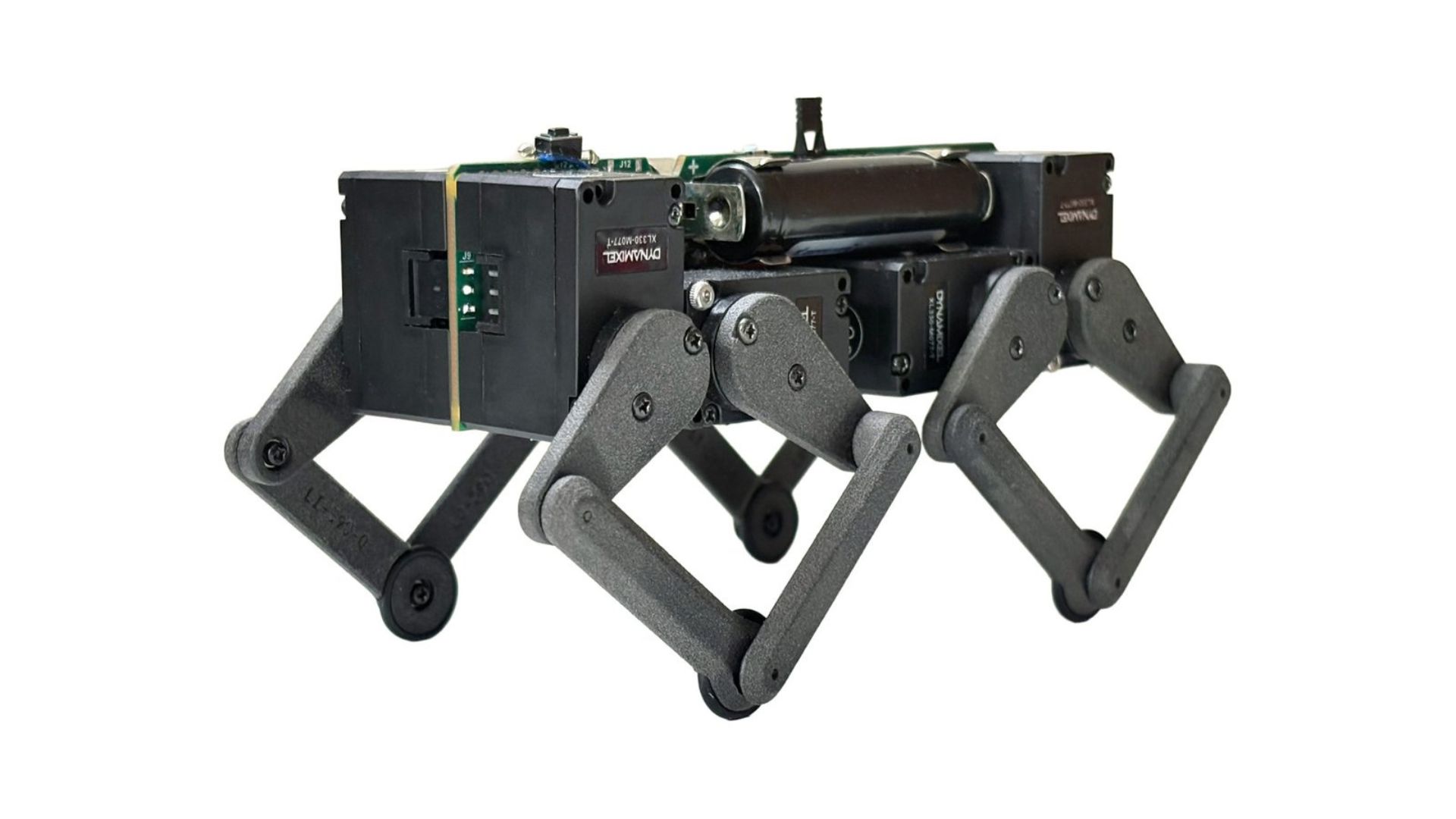
Video: New palm-sized robot with 8 smart actuators can walk, trot, and jump
A new open-source quadruped robot, Q8botOne, has been introduced to the market, designed to offer an affordable and fully assembled robotic platform for enthusiasts and developers. This innovative project was launched recently by a team of engineers and robotics enthusiasts who recognized the growing demand for accessible robotic solutions. The Q8botOne is intended to facilitate learning and experimentation in robotics, making it easier for users to engage with advanced technology without the high costs typically associated with such platforms. The robot is equipped with various features that allow for customization and adaptability, catering to a wide range of applications from education to research. By utilizing open-source software, the developers encourage a collaborative approach, inviting users to contribute to its ongoing improvement and functionality. The initiative aims to democratize access to robotics, fostering innovation and creativity in the field. With its launch, Q8botOne is set to make a significant impact on the robotics community, providing a practical tool for those looking to explore the capabilities of quadruped robots.

Robots learn to anticipate chaos, but still fail to read a decidedly human signal
Researchers at Cornell University are exploring the integration of artificial intelligence into robotics to enhance social intelligence, enabling robots to interpret facial expressions, anticipate human needs, and interact effectively within societal contexts. In a recent study, the team evaluated vision language models (VLMs)—AI systems capable of processing and generating both visual and linguistic data. The research focused on assessing these models' ability to predict outcomes in tense scenarios depicted in short videos, such as a toddler precariously carrying an overflowing mug of coffee. This investigation aims to advance the development of robots that can better understand and respond to human emotions and behaviors, ultimately improving their functionality in everyday environments.

Video Captures Rafale Fighter’s Drone Kill Over Baltic
Recent footage has emerged capturing a Rafale fighter jet successfully engaging and destroying a drone over the Baltic Sea, marking a significant development in NATO's air policing efforts. This incident, believed to be the first of its kind in Europe, highlights the increasing challenges that unmanned aerial vehicles (UAVs) present to military operations in the region. The event underscores the evolving nature of aerial warfare and the necessity for NATO forces to adapt to the growing prevalence of drones in conflict scenarios. As tensions continue to rise in Eastern Europe, this engagement illustrates the strategic importance of maintaining air superiority and the ongoing efforts to counter emerging threats in the skies.