Industry Briefing
A single destination for timely, editor-curated robotics news from around the world.

Beyond satellites: Why FOG inertial navigation is the new imperative for land warfare
The landscape of military navigation is undergoing a significant transformation as counterspace threats and electronic warfare challenge the previously uncontested dominance of GPS technology. Exail is at the forefront of this shift, introducing its Fiber Optic Gyro (FOG) technology, which offers enhanced stability and serves as a reliable "source of truth" for land maneuvering and precision targeting in environments where Global Navigation Satellite Systems (GNSS) are compromised. This innovation is crucial for modern military operations, enabling forces to maintain operational effectiveness despite the increasing prevalence of electronic warfare tactics. As the battlefield evolves, Exail’s advancements in navigation technology are poised to play a vital role in ensuring that military units can navigate and execute missions with precision and confidence, even in the most challenging conditions.
Land Warfare Sponsored Post Army autonomy electronic warfare (EW) Exail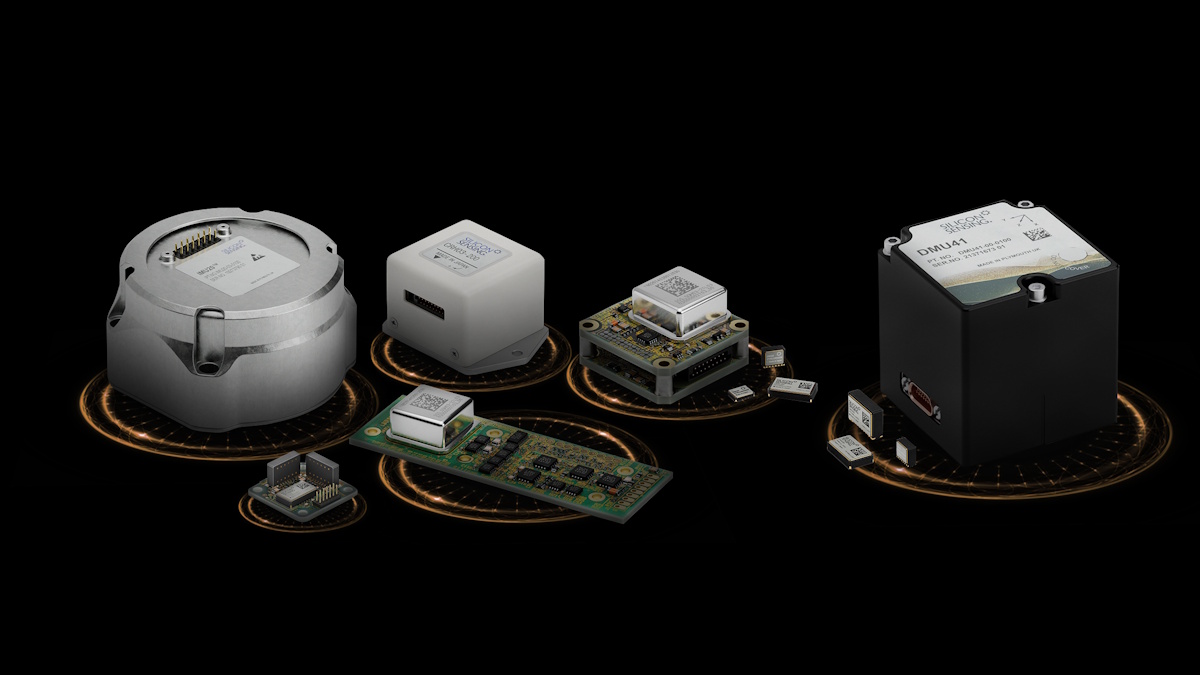
Silicon Sensing Produced its 30 Millionth Inertial Sensor
Silicon Sensing Systems Ltd has reached a significant milestone by producing its 30 millionth inertial sensor. Established in 1999, the company has become a key player in the global market, supplying advanced inertial sensors and systems across various sectors, including robotics, industrial production, marine, aerospace, defense, transport, and space. The company's innovative approach centers on high-performance gyroscopes, accelerometers, inertial measurement units (IMUs), and combi-sensors, all leveraging its proprietary micro electro-mechanical systems (MEMS) technology. These products are designed to outperform traditional systems, such as fiber optic gyros (FOG) and dynamically tuned gyros (DTG), by offering superior performance in a more compact and robust form. This achievement underscores Silicon Sensing's commitment to advancing sensor technology and meeting the evolving demands of diverse industries worldwide.
silicon sensing systems production milestone inertial sensor micro electro-mechanical systems (mems) gyros inertial nvigation
Fiber-optic drones add new dimension to Myanmar's civil war
In a significant development in Myanmar's ongoing civil war, both the military and resistance groups are increasingly utilizing fiber-optic drones, which are resistant to jamming, to enhance their combat capabilities. On March 20, members of the Chinland Defense Force-Hakha were seen preparing one of these unmanned aerial vehicles in Chin state. The drones have been employed for various tactical purposes, including delivering explosives in targeted attacks. A recent incident captured on video showcased a drone loaded with explosives approaching a crowd gathered outside a building in western Myanmar, only for the feed to abruptly cut out just before impact. This shift towards advanced drone technology highlights the escalating intensity of the conflict, as both sides seek to gain an upper hand in a war that has already inflicted severe humanitarian consequences across the nation.
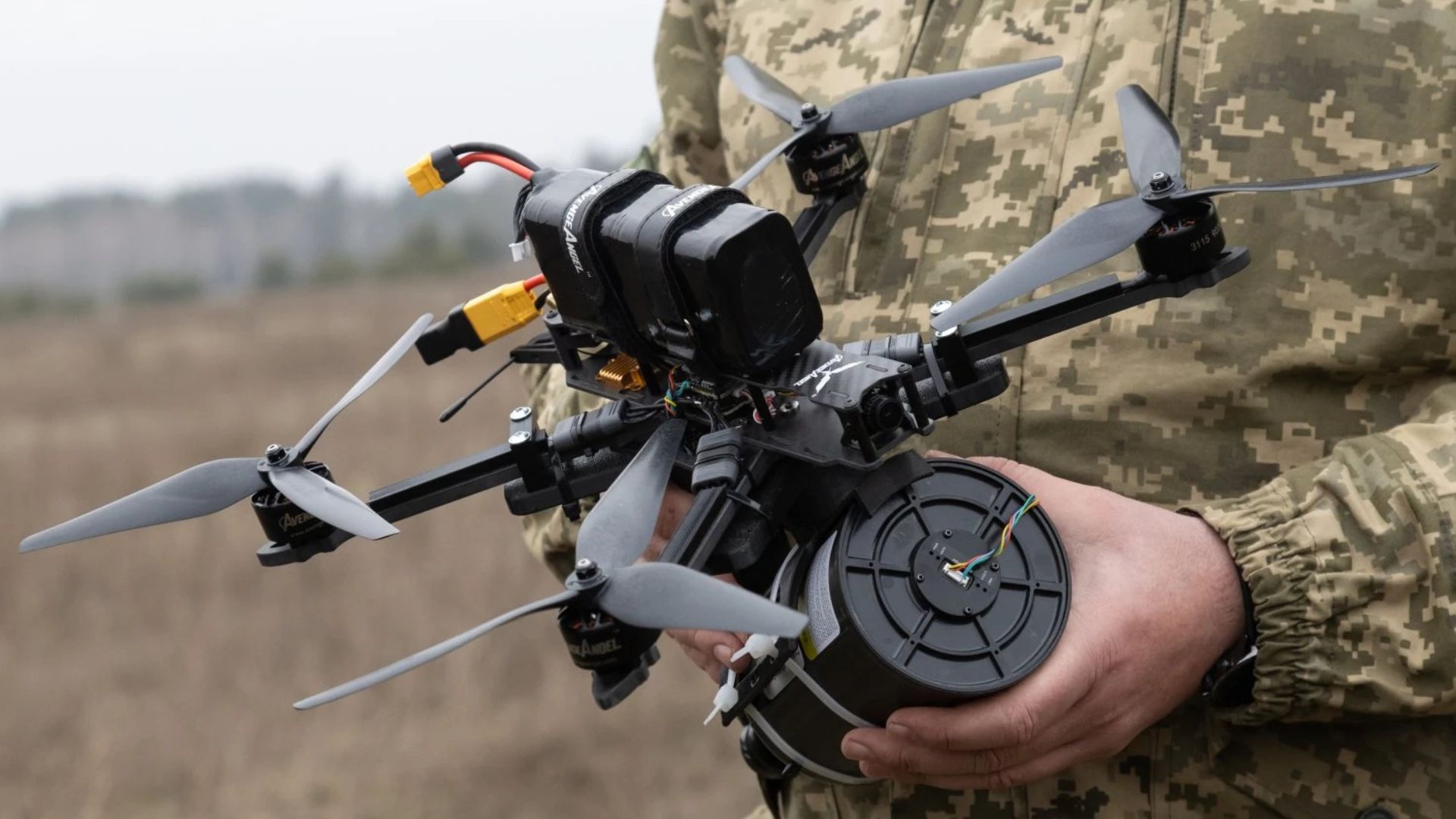
LiDAR expands counter-drone capabilities against fiber-optic-controlled aerial threats
Innoviz Technologies is enhancing its presence in the defense sector by partnering with Regulus, a specialist in counter-drone technology. This collaboration aims to leverage Innoviz's advanced LiDAR solutions to bolster Regulus's capabilities in detecting and neutralizing drone threats. The announcement was made on October 23, 2023, as both companies seek to address the growing concerns surrounding drone-related security challenges. By combining their expertise, Innoviz and Regulus intend to develop innovative solutions that enhance safety and security in various environments, including military and civilian applications. This strategic alliance reflects a broader trend in the defense industry, where companies are increasingly joining forces to tackle emerging threats in an evolving technological landscape.
Military
How HGHY Pulp Molding Production Lines Are Reshaping Sustainable Manufacturing
As global manufacturers increasingly prioritize sustainable production, HGHY's pulp molding equipment and automation systems are emerging as essential elements in eco-friendly manufacturing. This shift is driven by stricter environmental regulations, escalating labor costs, and a growing demand for recyclable products. In response, more manufacturers are adopting fully automated molded fiber production lines, positioning HGHY at the forefront of this transformation. The company's innovative solutions are helping businesses meet both regulatory requirements and consumer expectations for sustainability, thereby enhancing operational efficiency and reducing environmental impact.
Environment Manufacturing Technology automated production lines automation news circular economy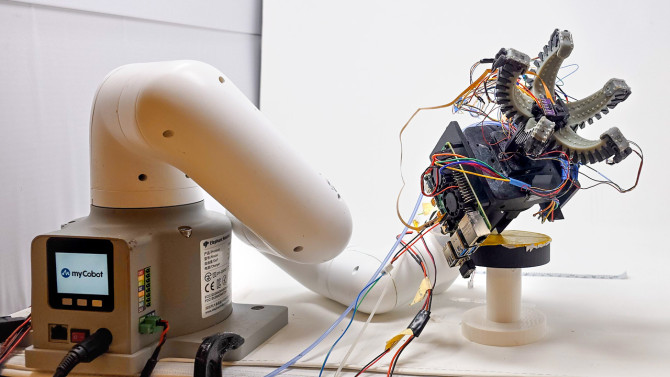
Handle with care: Soft robot gripper picks ripe fruit without bruising
Researchers at Cornell University have developed an innovative soft robot gripper equipped with stretchable fiber-optic sensors capable of determining the ripeness of strawberries through tactile feedback. This advancement, led by Anand Mishra and his team, highlights the importance of touch in assessing fruit ripeness, complementing traditional methods that rely on sight and smell. The project aims to enhance agricultural practices by providing a more reliable means of evaluating fruit quality, potentially benefiting farmers and consumers alike. By integrating advanced sensor technology into a flexible robotic design, the researchers have created a tool that could revolutionize the way fruits are harvested and assessed in the future.

Handle with care: Soft robot gripper picks ripe fruit without bruising
Researchers at Cornell University have developed an innovative soft robot gripper designed to assess the ripeness of strawberries through tactile feedback. This advancement, which utilizes stretchable fiber-optic sensors, allows the robot to predict the fruit's readiness by touch. The gripper is capable of gently twisting the strawberries off their branches or vines, ensuring that the delicate fruit remains undamaged during the harvesting process. This technology not only enhances the efficiency of fruit picking but also addresses the challenges associated with manually assessing ripeness, which typically relies on visual and olfactory cues. The development represents a significant step forward in agricultural robotics, aiming to improve the quality and yield of strawberry production while minimizing waste.
RoboticsRobotics needs a service framework.
RSF defines a common language for robot service capability, lifecycle operations, certification pathways, and service-provider networks.