Industry Briefing
A single destination for timely, editor-curated robotics news from around the world.

Ferrari's $40 Million Luce Auction Record Highlights Luxury EV Demand Against Tesla's Volume Strategy
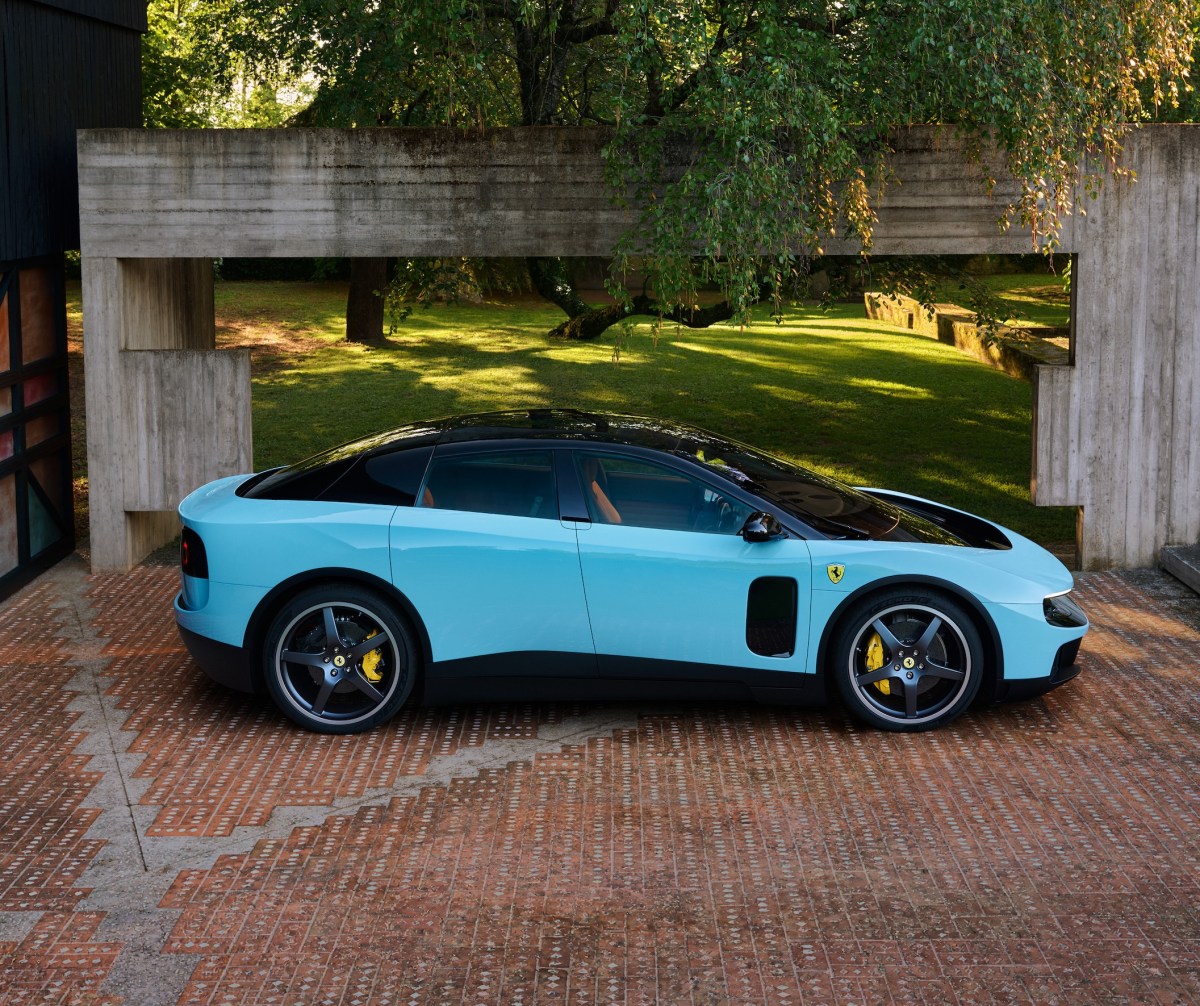
On August 17, 2026, Ferrari N.V. (NYSE:RACE) set a world record when a bespoke version of its first fully electric car, the Luce, sold for $40 million at a charity auction during Monterey Car Week. This sale illustrates the willingness of ultra-wealthy collectors to pay top dollar for exclusive electric vehicles, despite initial criticism of the Luce's design upon its May debut. The auction result raises questions about the actual demand for the Luce among broader consumer bases, as Ferrari has not disclosed specific order volumes. While the Luce retails for approximately $640,000, the record sale reflects the brand's strong appeal among its affluent clientele, contrasting sharply with Tesla, Inc. (NASDAQ:TSLA), which dominates the mass-market EV segment. Looking ahead, the implications of this auction for Ferrari's market strategy are significant. While it demonstrates the brand's power at the luxury end, it does not necessarily indicate widespread demand for electric Ferraris among average wealthy buyers. No further timeline was disclosed at the time of publication.

Ferrari's First Electric Vehicle, the Luce, Exceeds Sales Expectations Despite Initial Criticism
Ferrari's first electric vehicle, the Luce, faced significant criticism upon its reveal in May, with detractors comparing it unfavorably to models like the Nissan Leaf. Despite an 8% drop in stock following the announcement, the Luce has surpassed sales expectations, achieving its annual target of nearly 500 units within just two months. The initial backlash stemmed from concerns over the Luce's design and performance, with some industry figures predicting it would struggle in the competitive EV market. However, the vehicle's appeal appears to resonate particularly well with the Chinese market, where a significant portion of sales is expected to occur, given the preference for sleek, high-performance electric vehicles. Looking ahead, Ferrari's established customer base, known for its loyalty and willingness to invest in luxury vehicles, suggests that the Luce may continue to perform well. Early reviews indicate that it delivers the driving experience expected from a Ferrari, which could further bolster its sales in the coming months. No further timeline was disclosed at the time of publication.
Climate Transportation electric vehicles Ferrari ferrari luce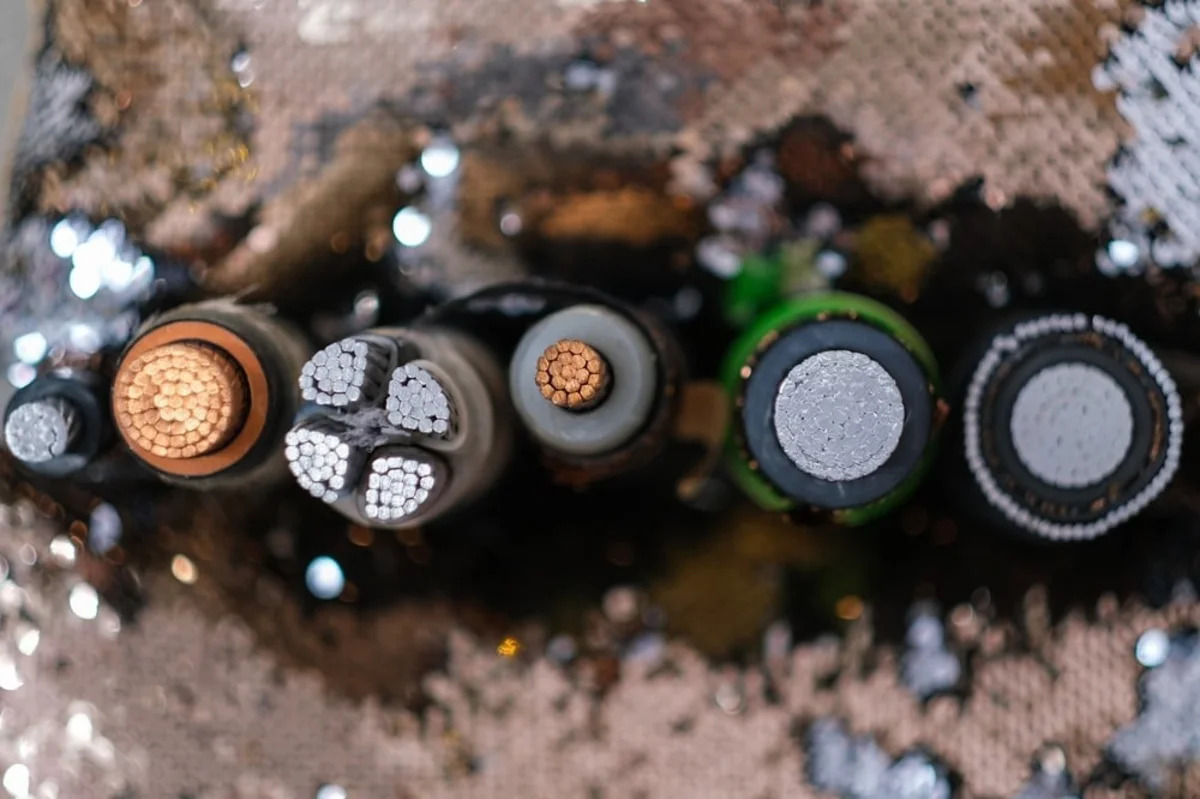
$4.1 Billion Deal Shows Why Ferrari and Tesla Are Ditching Copper for a Substitute
$4.1 Billion Deal Shows Why Ferrari and Tesla Are Ditching Copper for a Substitute $4.1 Billion Deal Shows Why Ferrari and Tesla Are Ditching Copper for a Substitute Stjepan Kalinic Sun, July 5, 2026 at 8:31 AM PDT 6 min read RACE.MI TSLA Benzinga and Yahoo Finance LLC may earn commission or revenue on some items through the links below. Substitution is one of the fundamental economic forces. If a product goes up in price, consumers have a direct incentive to switch to a cheaper substitute. While branding power dictates some price flexibility, such calculations are more straightforward for fungible commodities. When copper costs about $15,000 a metric ton, manufacturers have every right to ask – does every wire really need to be copper? With data centers, grid upgrades and green-energy projects tightening supply, the answer from automakers is increasingly no. Aluminum, trading at $3,100 per ton, is being promoted wherever physics allows. Don't Miss: A single bad hire can set a startup back years. Here are the 5 hires founders most often misjudge — and why Still Learning the Market? These 50 Must-Know Terms Can Help You Catch Up Fast Driving Investment and Corporate Consolidation Aside from being much cheaper, the metal is lighter and good enough for many vehicle applications. The appeal to save on weight is just a bonus for range-anxious electric vehicles. Ferrari has used aluminum in bodies, engines, and chassis for years and has recently begun using aluminum power cables in the 296 hybrid and other models. The payoff can be meaningful: wiring weight savings of up to 20%. "We are not choosing aluminum because it's cheaper; we choose the material that has better performance," the firm's communications executive Dario Esposito said per Reuters. Market interest is driving asset transactions, as Alcoa Corp. has just signed a binding agreement to acquire most of South32 Ltd.'s aluminum value chain for $4.1 billion. These include assets in Australia, South Africa and Brazil, but not the Mozal operation in Mozambique. The largest domestic aluminum producer expects the transaction will generate about $900 million in synergies. JPMorgan estimates the aluminum substitution could affect about 2% of global copper demand this year, and potentially as much as 6% by 2030. Trending: Avoid the #1 Investing Mistake: How Your 'Safe' Holdings Could Be Costing You Big Time A Partial Substitute Still, aluminum is not copper with a discount sticker. It is less electrically conductive, meaning cables often must be thicker to carry the same current. Those properties create problems in tight spaces – shared by both data centers and automobiles. For high-performance systems and specialized applications, copper's efficiency still remains ahead. Story Continues Then, there are environmental and geopolitical complications. The final phase of aluminum production is energy-intensive, often generating a much larger carbon footprint than copper. Energy prices have squeezed domestic producers and closed smelters, while trade frictions, including U.S. tariffs, further complicate sourcing. Cable makers provide some guidance on the issue. Xavier Mathieu, VP of Nexans, the second-largest global cable manufacturer, said buyers typically start switching when copper costs about 3.5 times as much as aluminum. The current ratio exceeds 4.2. The math means aluminum will keep swallowing market share where weight and space permit, but copper's performance edge still means it is the hedge, not the heir. Photo by laowaika via Shutterstock Read Next: Skip the Regrets: The Essential Retirement Tips Experts Wish Everyone Knew Earlier. Think you're saving enough for your kids? You might be dangerously off — see why Building Wealth Across More Than Just the Market Building a resilient portfolio means thinking beyond a single asset or market trend. Economic cycles shift, sectors rise and fall, and no one investment performs well in every environment. That's why many investors look to diversify with platforms that provide access to real estate, fixed-income opportunities, precious metals, and even self-directed retirement accounts. By spreading exposure across multiple asset classes, it becomes easier to manage risk, capture steady returns, and create long-term wealth that isn't tied to the fortunes of just one company or industry. Arrived Backed by Jeff Bezos, Arrived Homes makes real estate investing accessible with a low barrier to entry. Investors can buy fractional shares of single-family rentals and vacation homes starting with as little as $100. This allows everyday investors to diversify into real estate, collect rental income, and build long-term wealth without needing to manage properties directly. FarmTogether Farmland has historically held its value through market volatility and delivered returns uncorrelated to stocks and bonds. For accredited investors, FarmTogether offers direct access to high-quality U.S. farmland starting at $15,000 — fully ma
TechCrunch Mobility: It doesn’t matter that people hate the Ferrari Luce
TechCrunch Mobility has re-emerged as a leading source for insights into the future of transportation, particularly focusing on the increasing role of artificial intelligence in the sector. With advancements in technology and data analysis, the platform aims to provide comprehensive coverage and analysis of how AI is transforming various aspects of mobility. This renewed emphasis comes at a time when the transportation industry is rapidly evolving, making it essential for stakeholders to stay informed about the latest trends and innovations. By leveraging data up to October 2023, TechCrunch Mobility seeks to equip its audience with the knowledge needed to navigate the changing landscape of transportation.
Transportation Ferrari jony ive Waymo Rivian robotaxis
Xiaomi’s second EV model draws styling cues from Ferrari Purosangue
The YU7, a new electric vehicle, has been unveiled, showcasing its impressive single-motor standard version that boasts a driving range of 835 kilometers (519 miles). This range significantly surpasses that of the popular Model Y, which offers 590 kilometers. The announcement comes as part of the growing competition in the electric vehicle market, where manufacturers are striving to enhance performance and sustainability. By providing a longer driving range, the YU7 aims to attract environmentally conscious consumers looking for efficient transportation options. The vehicle's launch is expected to take place in the coming months, further solidifying its position in the rapidly evolving automotive landscape.
Heavy Hitters News Highlight New Energy Vehicles Unmanned vehicles XiaomiRobotics needs a service framework.
RSF defines a common language for robot service capability, lifecycle operations, certification pathways, and service-provider networks.
Join the RobotToday community on LinkedIn
Daily robotics news, in-depth analysis, conference highlights, and discussions with professionals worldwide.