Industry Briefing
A single destination for timely, editor-curated robotics news from around the world.
What lessons is Ideal learning to catch up with FSD V14?
The competitive landscape of the intelligent driving industry has undergone significant changes in recent years, shifting from hardware specifications to advanced model development. Companies are increasingly recognizing that merely having larger models is insufficient for achieving generational advantages; instead, the integration of models, data, computing power, and chips into a continuous iterative loop is becoming crucial. This realization has prompted many automakers to invest in in-house research and development. Tesla has established a comprehensive ecosystem that spans data collection, training infrastructure, and self-developed chips, while Chinese companies like Li Auto, Xpeng, and NIO are also deepening their technological foundations. Li Auto has introduced its self-developed Mach M100 chip in its L8 and L9 models, which it views as a significant advancement in AI technology. In a recent discussion with Li Auto's autonomous driving and chip leaders, they emphasized that the industry should focus on the practical problems these investments aim to solve rather than merely the existence of in-house development. They outlined their strategies to achieve performance comparable to Tesla's Full Self-Driving (FSD) system, highlighting the importance of safety, efficiency, and comfort in user experience. As the industry moves towards higher levels of autonomy, the integration of vision and language models is seen as essential for developing systems that can handle complex, unforeseen scenarios. The executives noted that achieving higher levels of autonomy (L3 and L4) requires models that can reason and think like humans, underscoring the growing significance of language in AI systems. Overall, the conversation revealed the industry's focus on enhancing AI capabilities through innovative chip design and data utilization, aiming for a future where autonomous driving technology can meet the challenges of real-world driving conditions.
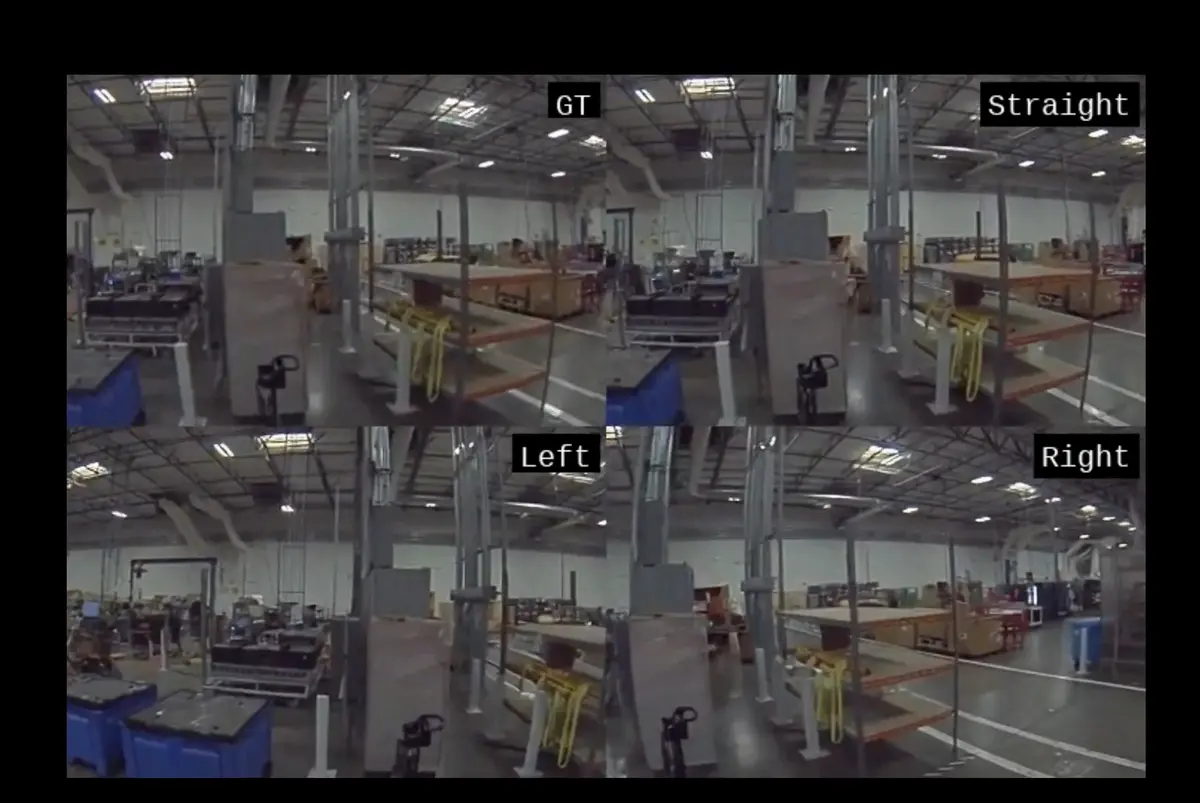
Tesla AI Chief Details Unified 'World Simulator' for FSD and Optimus
In a recent technical deep-dive, Ashok Elluswamy, Tesla's Vice President of AI and the lead for the Optimus project, unveiled the company's comprehensive neural network strategy for its Full Self-Driving (FSD) technology. During the presentation, Elluswamy confirmed that the same "neural world simulator" and underlying architecture utilized for FSD will be adapted for Tesla's humanoid robot, Optimus. This development highlights Tesla's commitment to integrating advanced AI capabilities across its product lines, aiming to enhance the functionality and efficiency of both autonomous vehicles and robotics. The announcement underscores the company's innovative approach to AI, which is expected to play a pivotal role in the future of transportation and automation.
Optimus Tesla World-Models AI Ashok Elluswamy FSD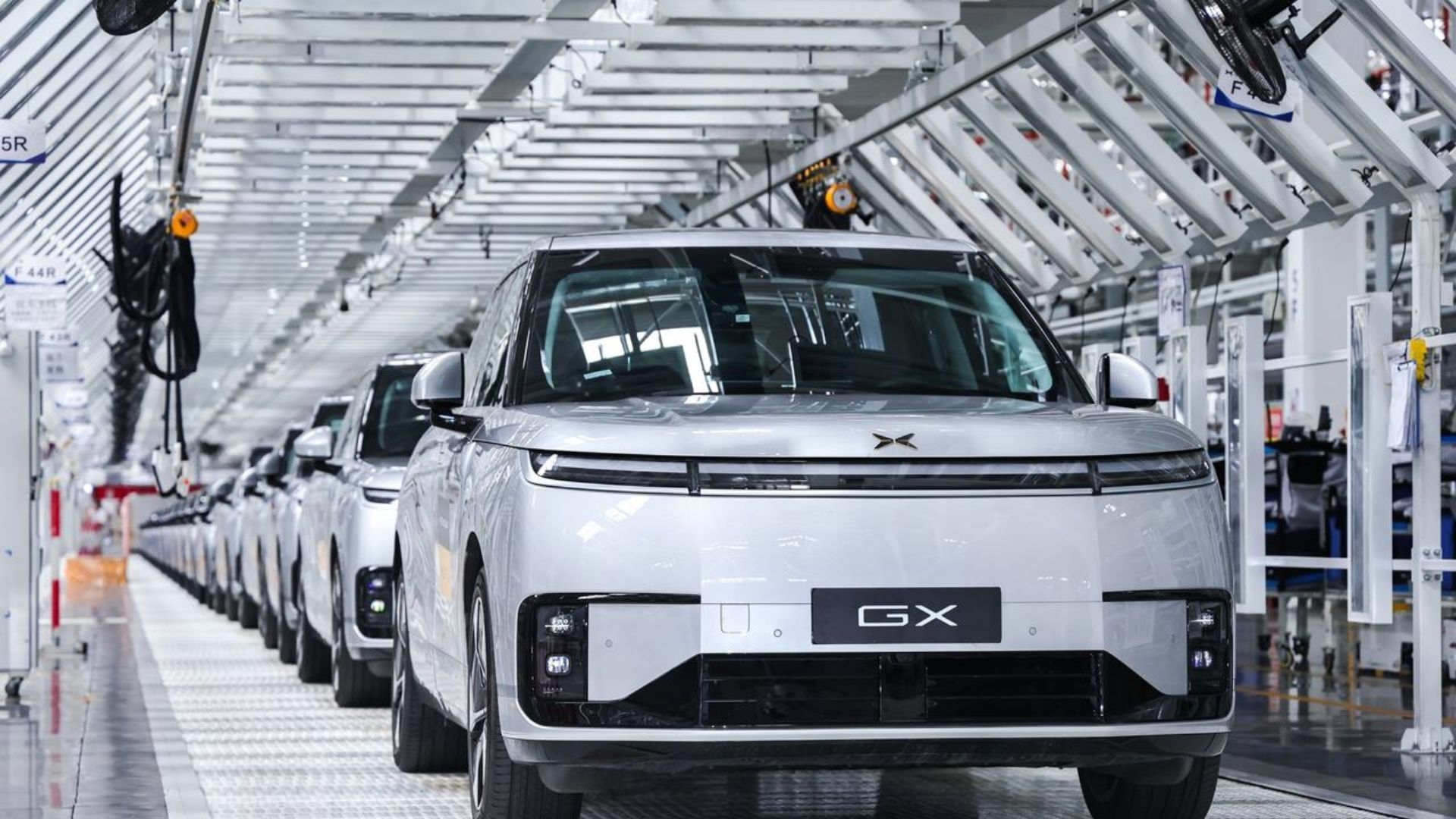
XPENG launches China’s first mass-produced robotaxi to challenge Tesla’s FSD
XPENG has launched China's first production-ready, pre-assembled robotaxi, marking a significant milestone in the country's autonomous vehicle industry. The vehicle, developed entirely in-house, showcases XPENG's commitment to innovation and technological advancement in the rapidly evolving transportation sector. This groundbreaking rollout occurred in October 2023, positioning XPENG at the forefront of the robotaxi market in China. The initiative aims to enhance urban mobility and reduce traffic congestion, responding to the growing demand for efficient and sustainable transportation solutions. By leveraging advanced artificial intelligence and cutting-edge engineering, XPENG's robotaxi is designed to operate safely and autonomously in various urban environments, paving the way for a new era of smart transportation.
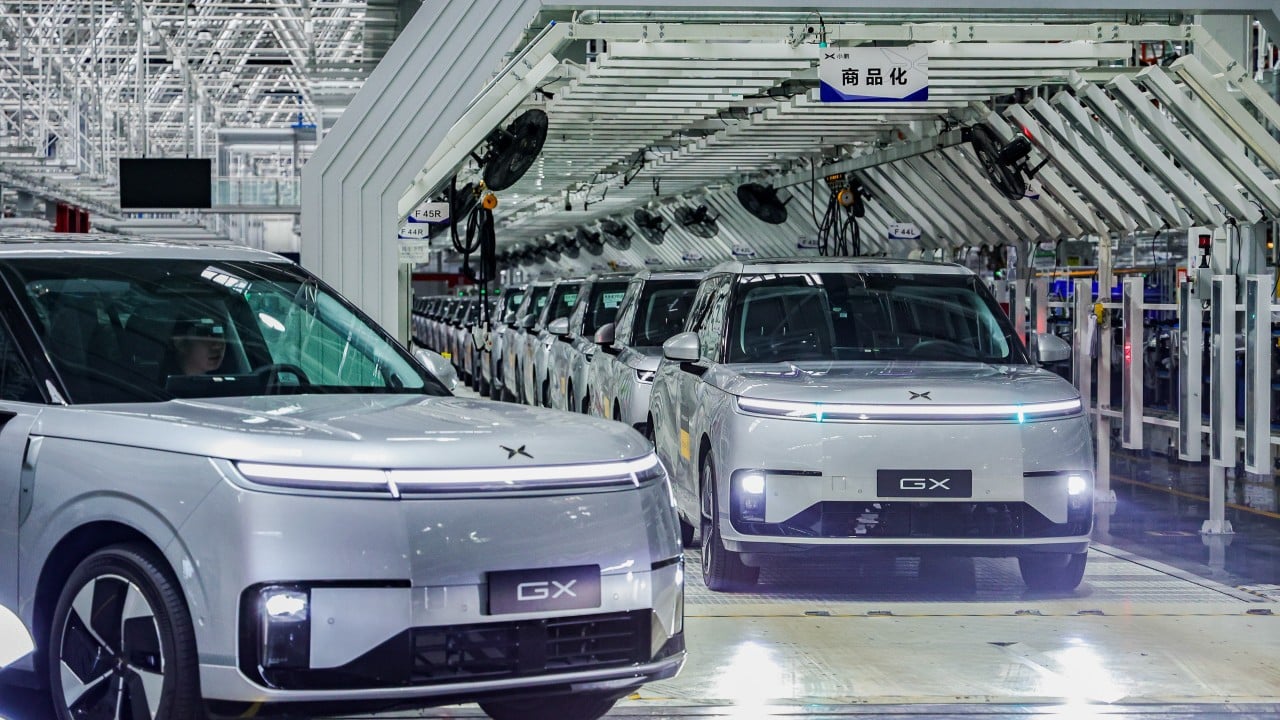
Chinese firm Xpeng builds driverless cabs, likely to challenge Tesla’s FSD software in AI race
Chinese electric vehicle manufacturer Xpeng has initiated mass production of autonomous cabs equipped with its proprietary chips, marking a significant advancement in the competitive landscape of self-driving technology. This development comes as both Xpeng and Tesla intensify their efforts to dominate the burgeoning market for robotaxis, following their previous competition in smart electric vehicles and humanoid robotics. Based in Guangzhou, Xpeng announced that its robotaxis will operate at level 4 (L4) autonomy, indicating a high degree of self-sufficiency in driving capabilities. The push into this sector is fueled by the rapid evolution of physical artificial intelligence technologies, which are reshaping the future of transportation. As both companies strive for leadership in autonomous driving, Xpeng's entry into the robotaxi market poses a formidable challenge to Tesla, further escalating the race for innovation in the electric vehicle industry.
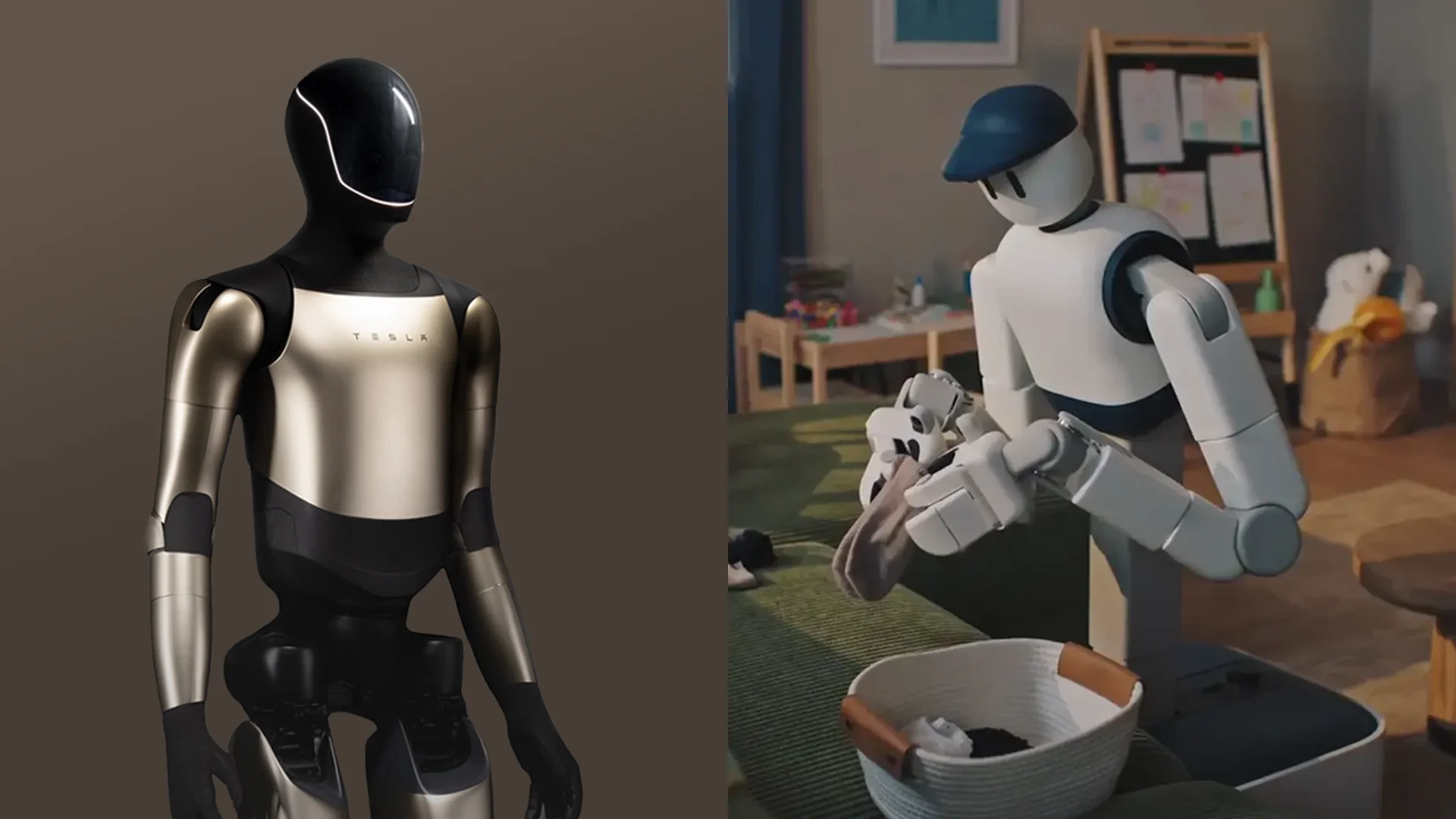
'Early FSD Energy': Why Top Tesla Talent Is Migrating to Sunday Robotics
Sunday Robotics has officially announced its entry into the tech landscape, coinciding with the departure of several senior engineers from Tesla's Autopilot and Optimus teams. These engineers have expressed their motivation to leave Tesla in search of a more dynamic and innovative environment reminiscent of the early days of autonomous technology development. The shift highlights a growing trend among talent in the autonomous vehicle sector, as professionals seek opportunities that foster rapid advancements and creativity. This transition marks a significant moment for Sunday Robotics as it aims to capitalize on the expertise of these seasoned engineers to drive its mission forward.
Tesla Sunday Robotics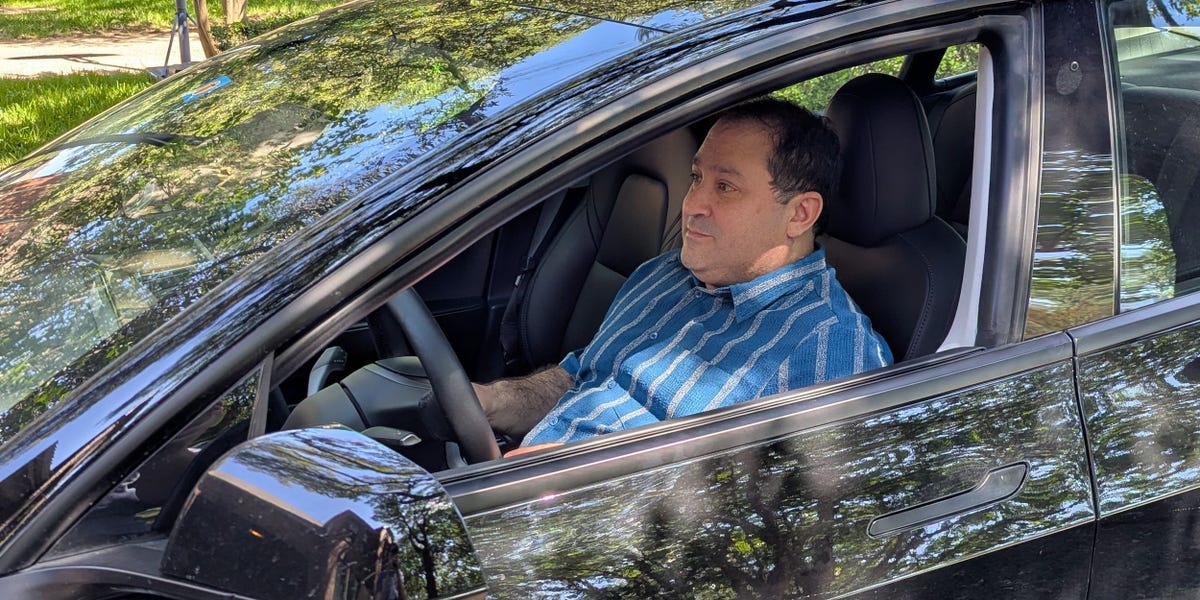
This tech exec sued Tesla over its Full Self-Driving promises — and won
Tesla's recent decision to roll back features of its Full Self-Driving (FSD) system has led to significant frustration among long-time owners of the vehicle. Many of these customers invested thousands of dollars in the promise of fully autonomous driving capabilities. The changes have raised concerns about the reliability and value of the technology, especially for those who anticipated a more advanced driving experience. This situation has unfolded in the wake of ongoing developments in autonomous vehicle technology, prompting discussions about consumer expectations and corporate accountability. As Tesla navigates the complexities of software updates and regulatory scrutiny, the impact on customer satisfaction and trust remains a critical issue for the company.
Tech Transportation tesla fsd robotaxis oracle
Inside Momenta: Elon Musk-style CEO, AI obsession, and mass production machines.
Momenta, a Chinese autonomous driving company, has made significant strides in the industry, achieving a market capitalization of HKD 70 billion on its IPO debut on July 8. Founded by Cao Xudong, who frequently travels to the U.S. to experience Tesla's Full Self-Driving (FSD) technology, the company boasts over 50% market share in designated vehicle models and over 60% in mass-produced vehicles. Cao's strategic decision to focus on L2-level mass production, rather than the more commonly pursued L4 direction, has been pivotal in establishing Momenta's competitive edge. Despite initial skepticism and funding challenges, his commitment to engineering efficiency has driven the company to achieve a gross margin increase from 17.5% to 71.6% over three years, alongside a doubling of revenue and narrowing losses. As the market for L2 technology becomes increasingly crowded with competitors like Huawei and Horizon Robotics, Momenta faces mounting pressure. The company is also navigating rapid advancements in AI technology, with a focus on world models and robotics as future growth areas. Cao's vision includes integrating hardware and software to enhance cost-effectiveness and maintain a competitive advantage. Despite the challenges, Cao remains optimistic about Momenta's potential, emphasizing the importance of a passionate team dedicated to AI innovation. As the industry evolves, the company's past successes may serve as a foundation for navigating future uncertainties.
RBC Capital Increases Tesla Price Target to $500 Amid Robotaxi Potential
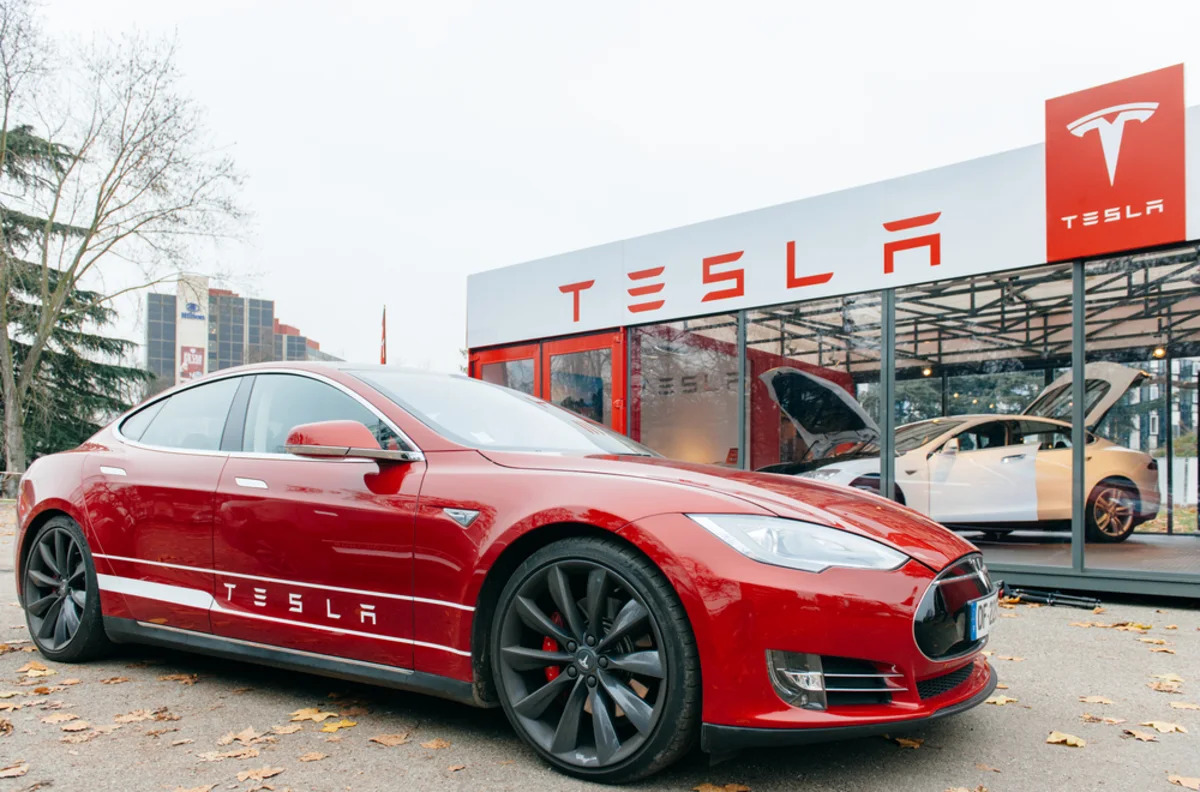
On July 7, 2026, RBC Capital raised its price target for Tesla, Inc. (NASDAQ:TSLA) from $475 to $500, maintaining an Outperform rating. This adjustment reflects a 25% to 30% premium to current trading levels, considering a potential acquisition scenario involving SpaceX. The firm highlighted the robotaxi market as Tesla's most significant opportunity, with a total addressable market of $4.2 trillion. The significance of this price target increase lies in Tesla's recent introduction of the Long Wheelbase variant of the Model Y, which features a 6-seat layout, enhanced interior space, and impressive specifications such as 0-60 mph acceleration in 4.4 seconds and an estimated range of 325 miles. Additionally, the vehicle boasts advanced features like a 19-speaker audio system and support for Full Self-Driving (FSD) Supervised with integrated Grok AI, further solidifying Tesla's competitive edge in the electric vehicle market. Looking ahead, Tesla's Q2 deliveries reached approximately 480,100 vehicles, surpassing expectations by 18% and marking the highest growth rate since Q3 2023. No further timeline was disclosed at the time of publication regarding future product launches or market strategies, but the focus on robotaxis and new vehicle variants suggests continued innovation and market engagement from Tesla.
Apple price hike sparks surge in Sam's Club purchases; DeepSeek launches major hiring; gold falls below $4000 again.
OpenAI has officially announced the launch of its new flagship AI model, GPT-5.6, on June 27, 2023. However, due to restrictions from the U.S. government, only a select group of "trusted partners" have access to this advanced model, which includes three variations: Sol, Terra, and Luna, each designed for different applications. The introduction of GPT-5.6 aims to enhance AI reasoning capabilities and streamline complex tasks. In related news, on June 26, the price of gold fell below $4,000 per ounce, influenced by several investment banks, including Goldman Sachs, lowering their price targets for the precious metal. This decline has led to a corresponding drop in gold jewelry prices across various retail outlets in China. Meanwhile, in the tech sector, Asian stock prices related to Apple's supply chain experienced significant declines following the company's announcement of price increases for its MacBook and iPad products. This has raised concerns about the potential impact of rising semiconductor costs on consumer demand and overall tech spending. In the automotive industry, Tesla has shifted its Full Self-Driving (FSD) sales model to a subscription basis globally, with plans to phase out the one-time purchase option by June 30. Additionally, Volkswagen is reportedly planning to cut up to 100,000 jobs as part of a restructuring effort aimed at reducing costs by €11 billion by 2030.

Li Auto reveals evolution goals for the Mach VLA capabilities.
At the recent Livis Day event hosted by Li Auto, the head of the company’s base model division, Zhan Kun, announced ambitious goals for the evolution of the Li Auto Mach VLA capabilities. The company plans to roll out a new version of the AD MAX system in the third quarter, which will enhance the Mach VLA's functionalities. Additionally, by the fourth quarter, Li Auto aims to align its capabilities with Tesla's FSD V14, signaling a competitive push in the autonomous driving sector. This strategic move reflects Li Auto's commitment to advancing its technology and staying competitive in the rapidly evolving electric vehicle market.
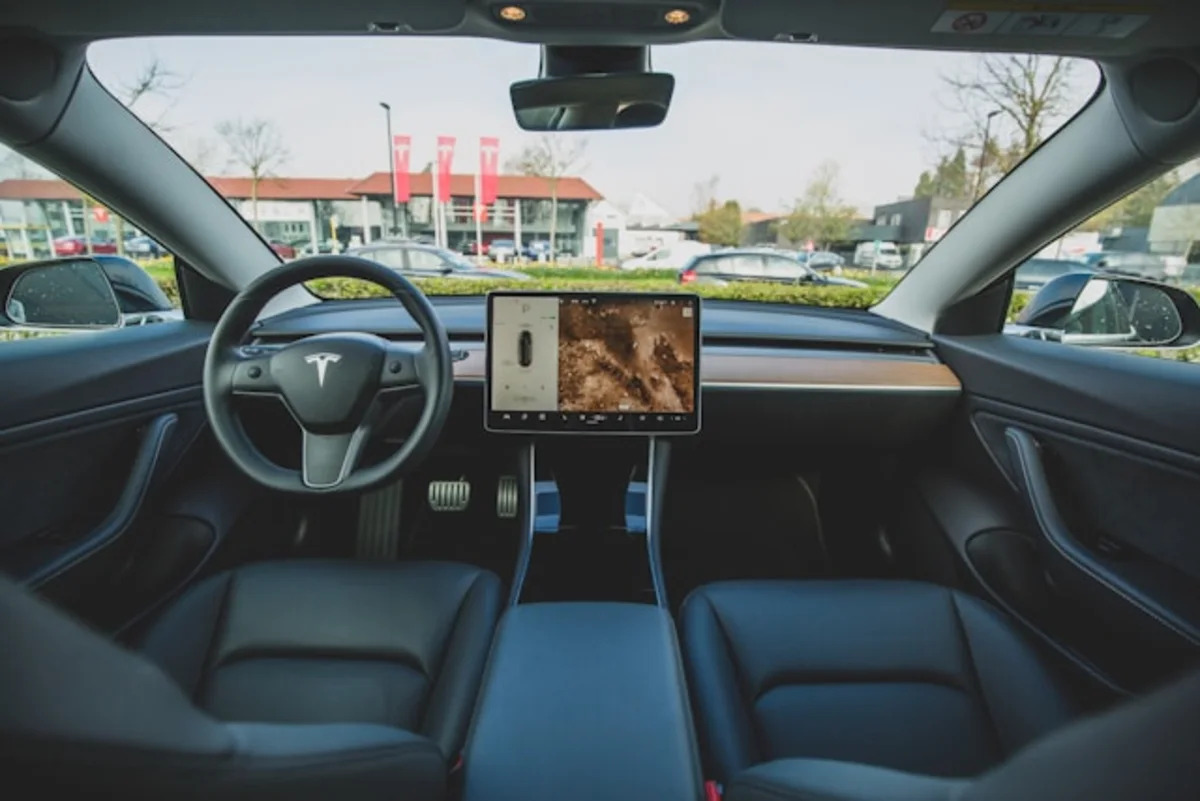
JPMorgan Echoes Why Tesla, Inc. (TSLA) is One of the Best Forever Stocks to Buy
JPMorgan has reaffirmed its positive outlook on Tesla, Inc. (NASDAQ: TSLA), highlighting the company's potential as a long-term investment. On June 7, 2026, the investment bank upgraded Tesla's stock rating from Underweight to Neutral, citing the market's underappreciation of the company's advancements in autonomous vehicles, humanoid robotics, and energy storage solutions. JPMorgan analysts predict that Tesla's share price could rise to approximately $475 by December 2027, up from a previous estimate of $145. The upgrade is attributed to Tesla's unmatched vertical integration of hardware and software at an industrial scale, which is expected to enhance manufacturing efficiency and reduce costs. The company's ongoing testing of its Optimus humanoid robot at its factories is also seen as a competitive advantage for future commercial sales. Additionally, JPMorgan remains optimistic about Tesla's expanding robotaxi service, which has grown from its initial launch in Austin to include Dallas, Houston, and the Bay Area. The bank notes that Tesla's ability to accumulate over 10 billion Full Self-Driving (FSD) miles and 9 million autonomous vehicles on the road will provide significant network effects. While acknowledging Tesla's investment potential, analysts suggest that certain AI stocks may offer greater upside with lower risk.
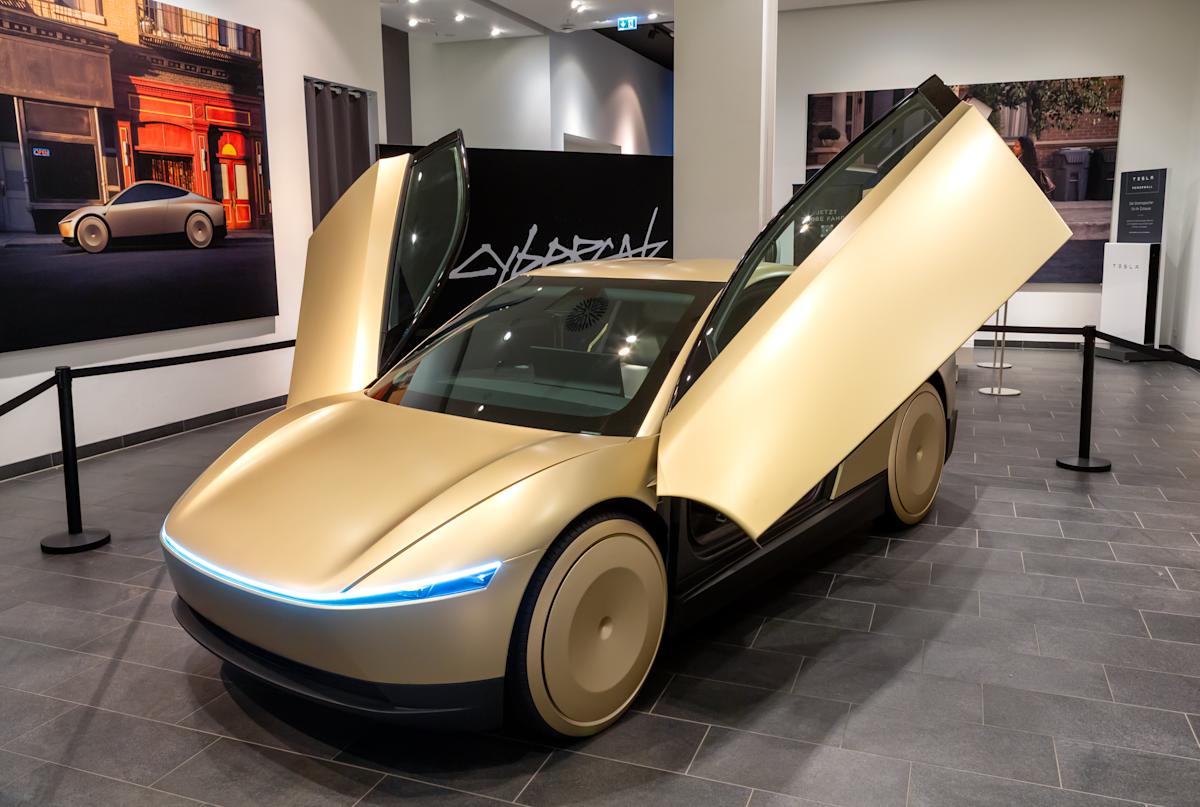
Prediction: Tesla Stock Will Hit $500 on This Date
Tesla's stock, currently trading at $418.45, is projected to reach $500 by June 2026, according to analysts. This prediction comes on the heels of a strong Q1 2026 performance, where the company reported a 136% year-over-year increase in operating income, driven by significant growth in Full Self-Driving (FSD) subscriptions and a rebound in automotive gross margins. However, market sentiment remains cautious, with only a 17% probability assigned to the stock hitting $495 in the coming month due to concerns over a potential merger with SpaceX and recent insider selling. Investors are grappling with uncertainty as Tesla's shares have fluctuated, experiencing a 5.35% decline in the past week despite a recent rally. Analysts express mixed opinions, with the average price target set at $411.89, reflecting a lukewarm outlook. For Tesla to achieve the ambitious $500 target, it would require a 19.5% increase, contingent on successful Q2 deliveries, sustained FSD subscriber growth, and a clear resolution regarding the merger discussions. The company is also poised to launch several new products, including the Cybercab and Tesla Semi, which could further enhance its earnings potential. Despite the challenges, Tesla's long-term growth trajectory remains strong, with a remarkable increase of over 2,700% in the past decade, underscoring the potential for significant returns if key milestones are met.

Tesla Sales in China Are Popping, But That Means Nothing If You Can’t Stomach TSLA Stock’s Absurd P/E Ratio
Tesla has reported a significant surge in sales in China, with deliveries from its Shanghai plant rising by 39.4% in May 2026, totaling 85,982 new energy vehicles. This increase comes amid a broader recovery in the electric vehicle market, where Chinese automakers collectively sold 1.36 million passenger EVs, marking a 12% year-over-year rise. The sales boost coincides with the rollout of Tesla's Full Self-Driving (FSD) system in China, which is seen as a potential growth driver for the company. However, Tesla faces legal challenges from a group of Chinese owners who allege that the FSD was marketed before receiving full regulatory approval. Despite the positive sales figures and the expansion of its software capabilities, Tesla's stock remains highly valued, trading at 169 times its projected earnings for 2027. Analysts predict a compounded annual growth rate of 46% for the company's earnings per share, but the elevated price-to-earnings ratio raises concerns for potential investors. Tesla's capital expenditures are expected to exceed $25 billion in 2026, which could impact free cash flow. As the company transitions from being solely an electric vehicle manufacturer to a player in software and autonomy, the timing of investments in its stock will be crucial for long-term investors.
Tesla Is Chasing the Future of Driving. Its Stock Is Stuck in a 350x Earnings Trap
Tesla Inc. is intensifying its hiring efforts for Full Self-Driving (FSD) roles in China, signaling its commitment to advancing autonomous driving technology despite a challenging electric vehicle market. This move comes as the company faces increasing competition from local manufacturers in the world's largest auto market. The urgency of these job openings highlights Tesla's strategy to bolster its FSD capabilities and maintain its position in the industry. The hiring initiative coincides with a period of mixed performance for Tesla's stock, which has seen a 25% increase over the past year, fueled by investor enthusiasm for its potential in autonomy and artificial intelligence. However, the stock's price-to-earnings ratio remains significantly high at approximately 346.7, raising concerns among analysts about its valuation. In its recent quarterly earnings report, Tesla reported a revenue increase of 16% year-over-year, totaling $22.39 billion, with net income rising to $477 million. Despite this progress, the company anticipates capital expenditures exceeding $25 billion in 2026, which could impact free cash flow. Analysts are divided on Tesla's outlook, with some expressing caution over spending and execution risks, while others maintain a bullish stance, citing the long-term value of its autonomous driving initiatives. Overall, Tesla's latest hiring push and financial results keep the narrative of its growth potential alive, even as it navigates regulatory challenges and competitive pressures in China.
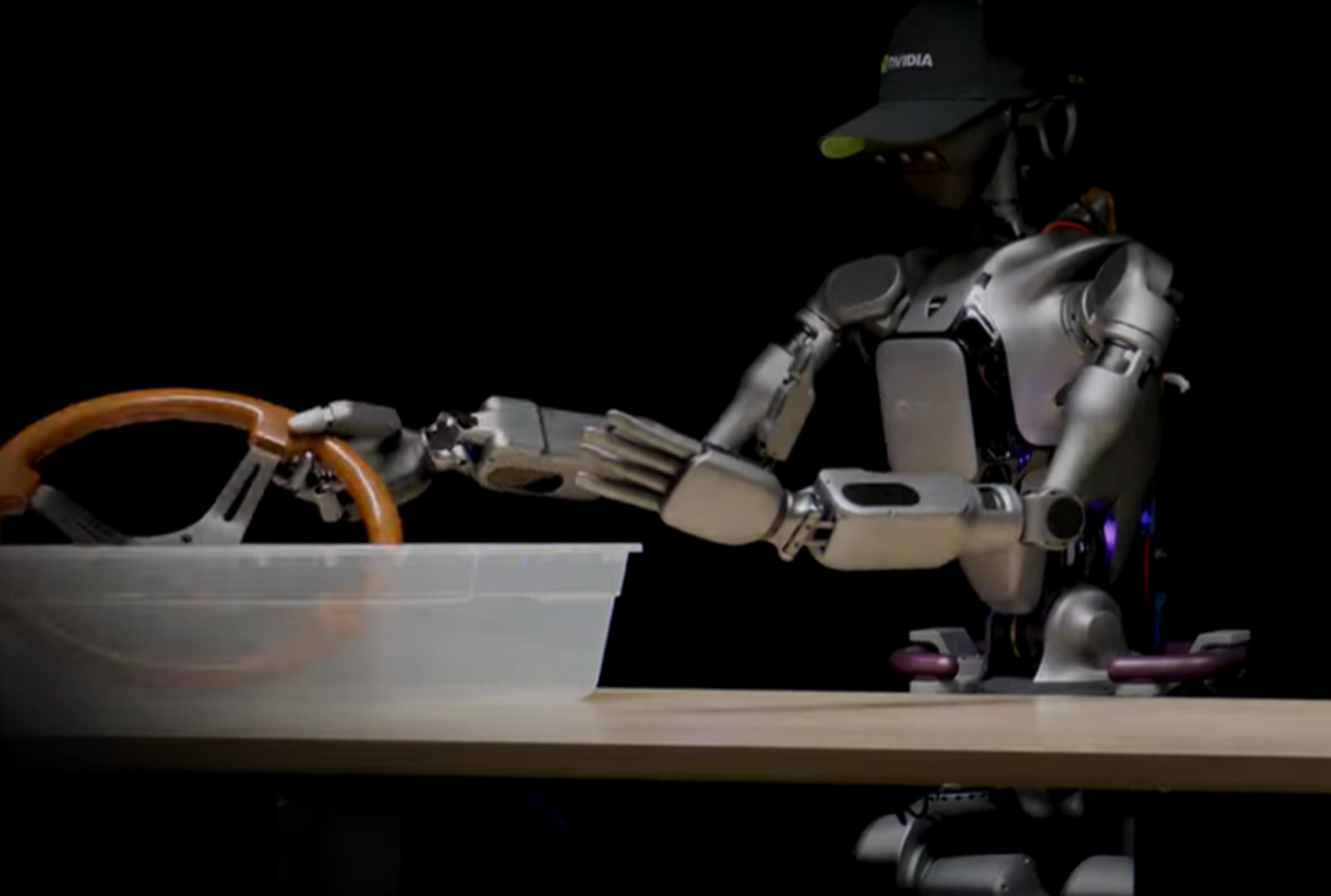
Tesla rolls out supervised Full Self-Driving in China in wider global push
Tesla has officially launched its Full Self-Driving system, known as FSD Supervised, in various countries and regions globally, including China. This rollout encompasses over a dozen markets across North America, Asia-Pacific, and Europe. The introduction of this advanced driver-assistance technology signifies Tesla's ongoing efforts to extend its reach beyond the United States, aiming to enhance driving safety and convenience for users worldwide. The deployment of FSD Supervised is part of Tesla's broader strategy to innovate and lead in the autonomous driving sector, leveraging its technology to meet the growing demand for advanced driving solutions.
News Feed
Tesla Optimus & Robotaxi: Tesla's Two-Robot Strategy for 2026
Tesla is advancing its robotics and autonomous vehicle initiatives by focusing on two key projects: the Optimus humanoid robot and the Cybercab robotaxi. Both innovations are powered by the same AI5 chip and utilize the same Full Self-Driving (FSD) platform, indicating a unified technological approach. The company aims to roll out these products within a similar commercial timeline, reflecting its commitment to integrating artificial intelligence into everyday applications. This strategic move underscores Tesla's ambition to lead in the fields of robotics and autonomous transportation, as it seeks to enhance efficiency and redefine mobility solutions. The developments come as Tesla continues to innovate and expand its product offerings, positioning itself at the forefront of the rapidly evolving tech landscape.
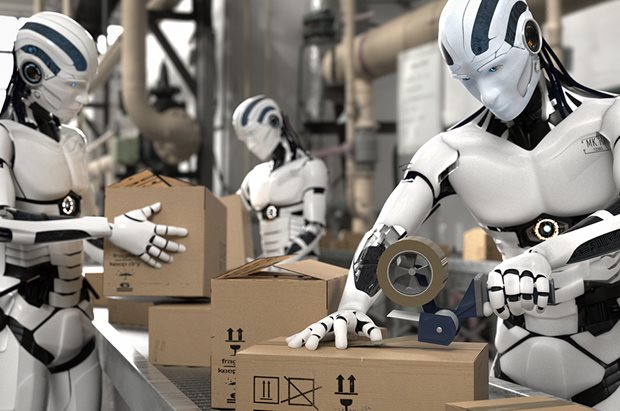
Tesla Optimus Leasing Model Explained (2026)
In a recent analysis of pricing strategies within the automotive industry, experts have compared the merits of Robotic-as-a-Service (RaaS), purchasing, and leasing options for consumers. This evaluation, conducted in October 2023, highlights the evolving landscape of vehicle ownership and usage models, particularly in the context of advancements in autonomous driving technology. The report delves into competitor models currently available in the market, providing insights into how these options are being received by consumers. It draws parallels to the Full Self-Driving (FSD) subscription model, illustrating how subscription-based services are reshaping consumer expectations and financial planning. Analysts emphasize the importance of understanding break-even points for each model, which can significantly influence consumer decisions. By analyzing projected pricing and market trends, the study aims to inform potential buyers about the financial implications of their choices in a rapidly changing environment. As the automotive sector continues to innovate, these insights are crucial for consumers looking to navigate their options effectively, ensuring they make informed decisions that align with their financial goals and lifestyle needs.
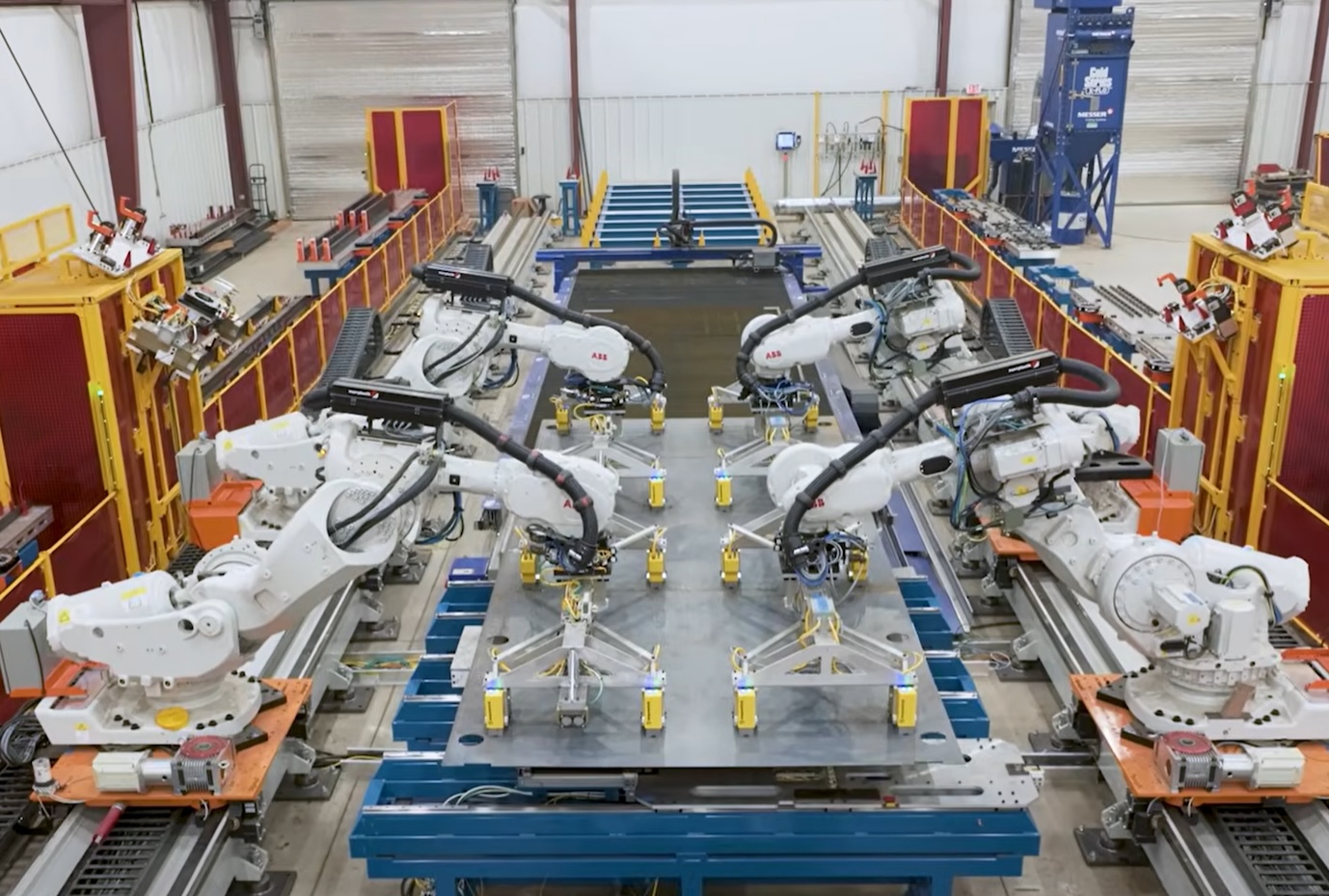
AI Training for Tesla Optimus Explained (2026)
A new advancement in artificial intelligence has emerged with the development of the FSD neural network, known as Cortex 2, which utilizes video learning techniques to enhance its capabilities. This innovative system is part of the Digital Dreams simulation project, aimed at bridging the gap between simulated environments and real-world applications, a concept referred to as Sim2Real. The Cortex 2 is designed to improve the performance of autonomous systems by learning from vast amounts of video data, allowing for more accurate decision-making in complex scenarios. The project, which is being spearheaded by a team of AI experts, seeks to refine the training processes for autonomous vehicles and robotics, making them more adaptable and efficient in real-world situations. By leveraging advanced simulations through the Grok + world simulator, the team aims to create a robust training environment that mimics real-life challenges, ultimately enhancing the reliability and safety of these technologies. This initiative is particularly significant as it addresses the growing demand for smarter AI systems capable of operating in unpredictable environments. With the training data being compiled until October 2023, the team is optimistic that Cortex 2 will set new benchmarks in the field of AI and autonomous systems, paving the way for future innovations.
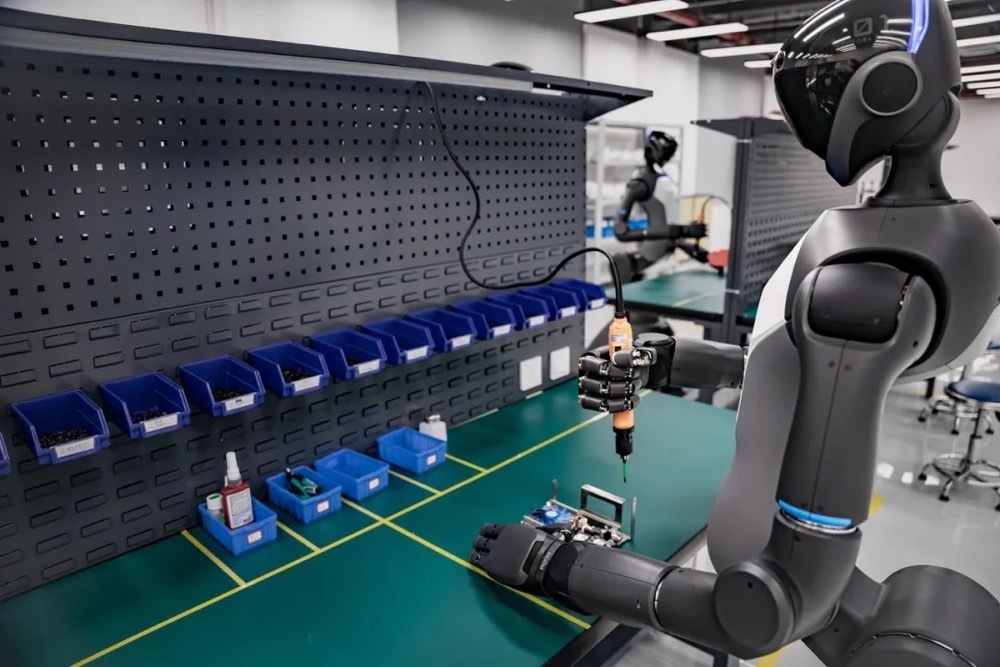
Tesla Optimus Hardware: Actuators, Hands & Sensors (2026)
In March 2026, a comprehensive technical guide detailing the advanced hardware of the Optimus robot was released, highlighting its sophisticated actuator types and the inclusion of 50-actuator hands. The guide also emphasizes the robot's power capabilities, featuring a robust 2.3 kWh battery that supports its functionality. Additionally, it outlines the robot's degrees of freedom (DoF), sensor integration, and the utilization of a full self-driving (FSD) chip, showcasing the cutting-edge technology that underpins Optimus. This release aims to provide insights into the engineering and design elements that contribute to the robot's operational efficiency and versatility, reflecting ongoing advancements in robotics and artificial intelligence.

5 Dynamics Shaping Today's Investment Landscape
Markets are currently navigating a significant shift as macroeconomic factors, policy changes, and technological advancements increasingly intersect, according to Seema Shah, Chief Global Strategist at Principal Financial Group. This analysis highlights the immediate impact of geopolitical shocks on market stability, which often dissipates quickly despite initial volatility. In the United States, the ongoing affordability crisis reflects a disconnect between everyday experiences and economic data, complicating the landscape for central banks already grappling with persistent inflation. While the U.S. dollar continues to attract safe-haven demand during periods of stress, fluctuations in confidence regarding U.S. assets may arise due to unpredictable policy directions. Principal Financial Group, a leading global investment management firm with $519.3 billion in assets under management, serves nearly 20 million clients worldwide and emphasizes the importance of adapting to these rapidly evolving market conditions.
USO UNG UCO BNO SCO BOILRobotics needs a service framework.
RSF defines a common language for robot service capability, lifecycle operations, certification pathways, and service-provider networks.