Industry Briefing
A single destination for timely, editor-curated robotics news from around the world.

Growing Demand for Robot Electronic Skin: Market Insights and Projections
The demand for electronic skin in humanoid robots is projected to reach 1.525 million square meters by 2030, with a market size of approximately 27.4 billion yuan. This shift indicates that electronic skin is transitioning from experimental samples to regular procurement items, as evidenced by a company receiving 13,000 orders for biomimetic skin in June alone. The significance of this demand lies in the evolving role of electronic skin, which enhances robots' capabilities in unstructured environments where visual data alone is insufficient. High-performance electronic skin, which collects various physical attributes, is essential for training models to understand object interactions, making it a critical component for robots operating in real-world scenarios. As humanoid robot manufacturers begin small-scale deliveries, the increase in electronic skin orders aligns with this trend. However, the integration of electronic skin with the design of the robots presents challenges, as factors like finger size and sensor layout must be collaboratively defined. The anticipated increase in demand and decrease in price hinges on the manufacturers' production capacity and the ability of electronic skin companies to maintain tactile precision while reducing costs.
Humanoid Robots Electronic Skin Tactile Sensors Robotics Technology
Electronic Skin Technology Enables Amputees to Sense Warmth with Prosthetic Hands
Recent advancements in electronic skin technology have the potential to allow amputees to feel warmth through their prosthetic hands. This innovation could significantly enhance the quality of life for individuals with limb loss by restoring a sense of touch and temperature perception. The development of this electronic skin is crucial as it addresses a major limitation of current prosthetic devices, which often lack sensory feedback. By integrating this technology, amputees may experience improved functionality and a more natural interaction with their environment, making everyday tasks easier and more intuitive. Looking ahead, the impact of this technology on the prosthetics market could be substantial, potentially leading to wider adoption and further innovations in sensory feedback systems. No further timeline was disclosed at the time of publication.
Innovation Science
Recent Advances in Electronic Skin Enhance Touch and Proximity Sensing for Robotics and Prosthetics
Recent developments in miniaturized and portable electronics have led to a surge in demand for self-powered sensing technologies. Triboelectric nanogenerators (TENGs) are at the forefront of this trend, gaining significant attention for their ability to create highly sensitive tactile sensors. These advancements are crucial for enhancing the functionality of robots and prosthetics, enabling them to better interact with their environments. The importance of TENGs lies in their potential to revolutionize how robots and prosthetics sense touch and proximity. As these devices become more sensitive and adaptable, they can significantly improve user experience and operational efficiency. This is particularly relevant in applications where precise tactile feedback is essential, such as in robotic surgery or prosthetic limbs that require fine motor control. Looking ahead, the continued development of TENGs and similar technologies will be critical. The industry should monitor advancements in miniaturization and flexibility of electronic components, as these will play a vital role in the integration of advanced sensing capabilities into everyday devices. No further timeline was disclosed at the time of publication.
Robotics
Unichem Acquires Loomia to Enter Humanoid Electronic Skin Market
Uni-Chem Co. has acquired Loomia Technologies Inc. to penetrate the electronic skin market for humanoid robots and smart mobility materials. This acquisition is part of Unichem's strategy to leverage Loomia's advanced tactile sensing technology, which includes capacitive and force-sensitive resistor sensors, to enhance robotics innovation. The significance of this acquisition lies in Unichem's aim to establish a strong presence in the North American market, targeting leading global tech companies involved in physical AI projects. Unichem's investment in Loomia, valued at approximately 8.6 billion won ($6 million), reflects its commitment to integrating smart materials into automotive and robotics applications. Looking ahead, Unichem plans to complete the acquisition process by October 15 through a reverse triangular merger. The collaboration is expected to combine Unichem's extensive leather-processing capabilities with Loomia's flexible LEL technology, positioning the company to innovate in the tactile sensing space for robotics and smart mobility.
Artificial Intelligence Artificial Intelligence / Cognition Automotive End Effectors / Grippers Grippers Human Robot Interaction / Haptics
Hanyang University Develops Dual-Gate Transistor for Enhanced Touch Sensing in Robotics
Researchers at Hanyang University ERICA have created a vertically integrated dual-gate transistor design aimed at improving touch sensing in robots and prosthetics. This innovative architecture addresses the limitations of conventional tribotronic devices by offering tuneable sensitivity and reliable detection, which are crucial for applications requiring human-like touch perception. The significance of this advancement lies in its potential to enhance the functionality of electronic skin systems, enabling robots and prosthetics to perceive touch more reliably. The dual-gated tribotronic transistor features a polydimethylsiloxane (PDMS) sensing layer, which allows for high-density integration and improved performance compared to traditional devices that struggle with fixed sensitivity and integration challenges. Looking ahead, the research team, led by Associate Professor Jaekyun Kim, aims to further explore the applications of this technology in self-powered sensing systems. Their study was published online on April 9, 2026, and in Nano Energy on June 15, 2026. No further timeline was disclosed at the time of publication.
News Science electronic skin flexible electronics hanyang university human-robot interaction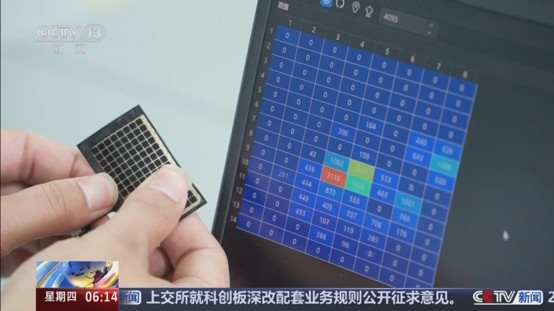
Leading Electronic Skin Company Receives Strategic Investment from Mousse, Valued Over 1 Billion Yuan
Mousse has made a significant investment of over 10 million yuan in Huawike Intelligent Technology, raising the latter's valuation to over 1 billion yuan. This strategic move comes as Huawike, a frontrunner in the development of flexible tactile sensors for humanoid robots, aligns its technology with Mousse's smart sleep products. The integration of Huawike's advanced sensors will enhance Mousse's ability to collect precise data, which is crucial for refining algorithms and improving user experiences in smart home applications. This partnership reflects Mousse's commitment to innovation in the smart technology sector, aiming to elevate the functionality and appeal of its offerings.
Flexible Sensors Smart Sleep Technology Humanoid Robots AI Home Automation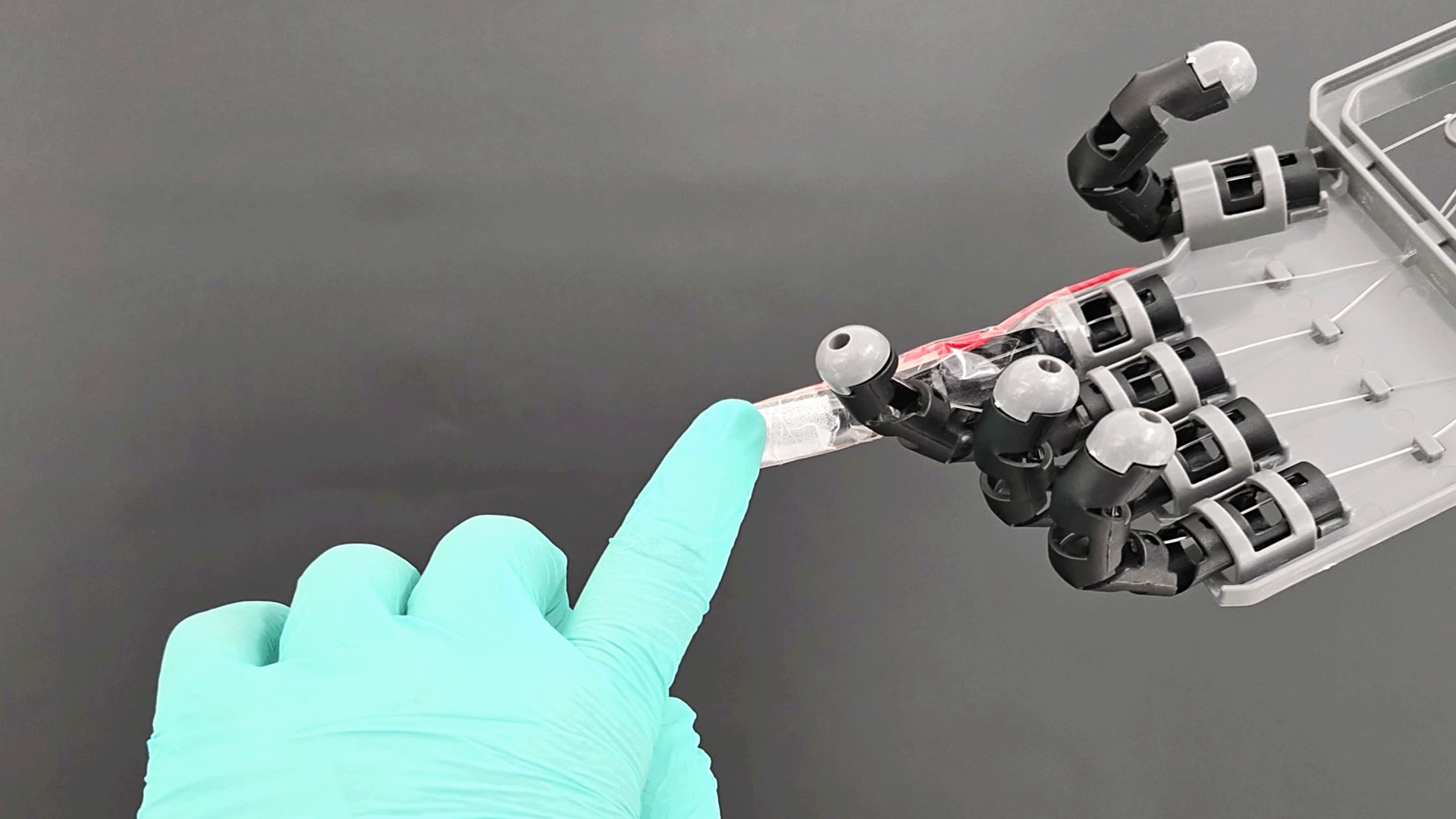
Stretchable electronic skin lets robotic hand feel touch and pressure signals
Researchers are making significant strides in the development of stretchable, transparent electronics capable of bending, rolling, and mimicking human skin. This advancement, which has been gaining momentum in recent months, aims to revolutionize various applications, including wearable technology and medical devices. The ongoing research is taking place in laboratories across the globe, with scientists collaborating to enhance the functionality and durability of these innovative materials. The motivation behind this work stems from the increasing demand for flexible electronics that can seamlessly integrate with the human body and adapt to various environments. Through a combination of advanced materials science and engineering techniques, researchers are exploring new methods to create these electronics, which could lead to breakthroughs in health monitoring and interactive devices. As this technology continues to evolve, it holds the potential to transform industries and improve the quality of life for many individuals.
Robotics needs a service framework.
RSF defines a common language for robot service capability, lifecycle operations, certification pathways, and service-provider networks.
Join the RobotToday community on LinkedIn
Daily robotics news, in-depth analysis, conference highlights, and discussions with professionals worldwide.