Industry Briefing
A single destination for timely, editor-curated robotics news from around the world.
Why Are Custom Harness Solutions Essential for Next Generation Technology?
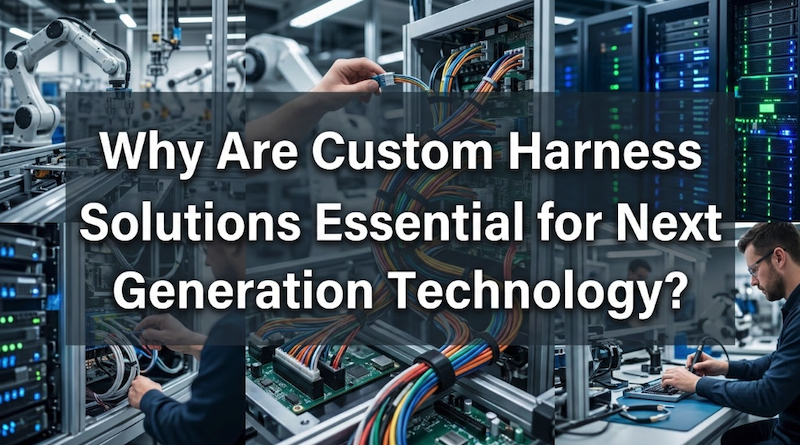
In the realm of hardware development, a recurring issue has emerged where wiring is often considered an afterthought. Engineers invest significant time and resources into creating advanced electric powertrains and high-density sensor arrays, ensuring that the mechanical and software components are meticulously designed. However, a common oversight occurs when the physical connections fail to fit within the designated space, leading to potential setbacks in the project timeline. This problem is particularly pronounced when relying on off-the-shelf components that may not be compatible with innovative designs. As the industry continues to evolve, addressing these wiring challenges is crucial for the successful integration of new technologies.
Engineering Technology aerospace Cable assembly Cable management Custom harness solutions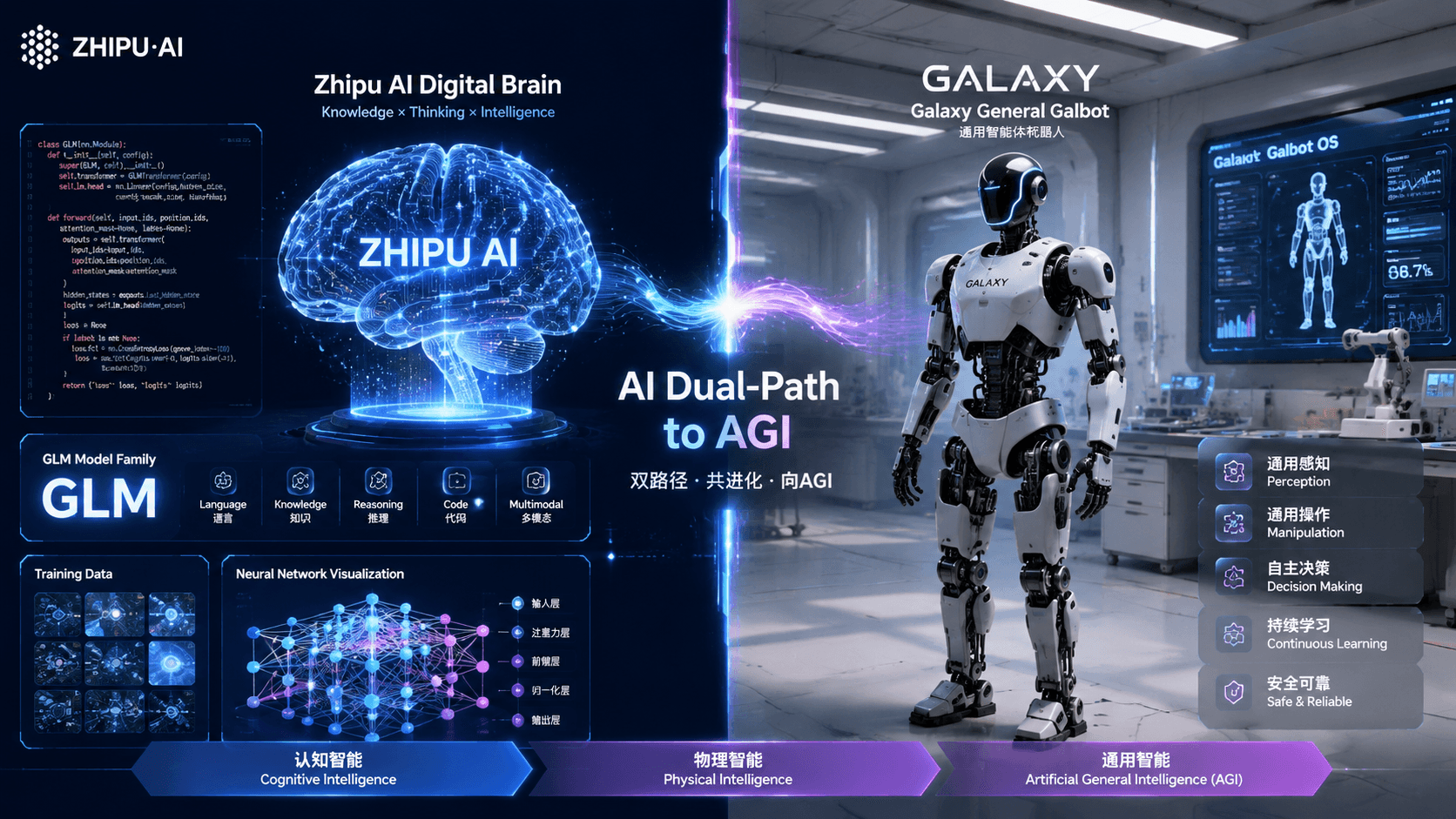
From Lab to Trillion-Dollar Market: The Parallel Rise of Zhipu AI and Galaxy General
In Beijing, two leading companies in artificial intelligence, Zhipu AI and Galaxy General, are making significant strides toward achieving Artificial General Intelligence (AGI). Zhipu AI focuses on advancements in digital intelligence, while Galaxy General is dedicated to innovations in embodied robotics. Both companies are pursuing parallel strategies to enhance their technologies, aiming to position themselves at the forefront of the AI revolution. As they develop their respective fields, the competition between these two firms highlights the rapid evolution of AI capabilities in China and the broader implications for the global tech landscape. The ongoing efforts of Zhipu AI and Galaxy General reflect a growing commitment to harnessing AI's potential to transform industries and improve everyday life.
Industry
Horror-movie cue inspires wearable that turns robot movements into warning music
In an innovative twist, researchers at Georgia Tech's robotics lab are harnessing the power of music to enhance the emotional engagement of robots. This groundbreaking project aims to integrate musical cues into robotic systems, allowing them to respond more effectively to human emotions and interactions. By employing techniques similar to those used in horror films, where music heightens tension and anticipation, the team seeks to create robots that can better understand and react to human feelings. This initiative not only showcases the intersection of technology and art but also addresses the growing need for robots to operate in social environments. The research, ongoing since early 2023, is part of a broader effort to improve human-robot interaction, making these machines more relatable and responsive. As the field of robotics continues to evolve, the incorporation of musical elements could redefine how robots engage with people, ultimately leading to more intuitive and empathetic machines.
Robotics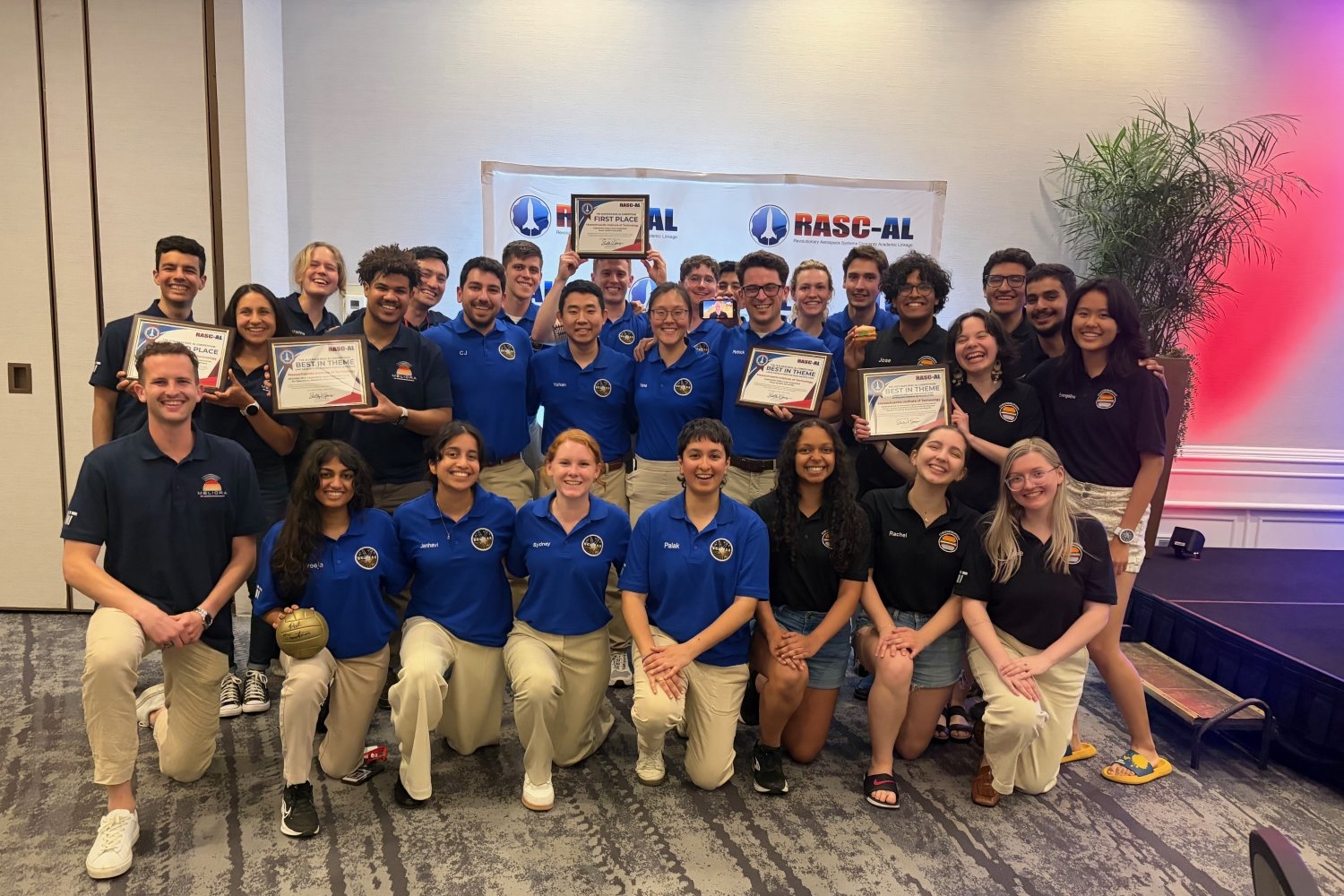
MIT student teams win top honors in NASA competition
Three teams from the Massachusetts Institute of Technology (MIT) achieved remarkable success in the 2026 NASA RASC-AL Competition, securing five prestigious awards for their innovative designs aimed at supporting lunar bases and future Mars missions. This competition, which focuses on developing critical technologies for space exploration, highlights the importance of advanced engineering and creative problem-solving in addressing the challenges of extraterrestrial habitats. The event took place recently, showcasing the efforts of students and faculty who are dedicated to pushing the boundaries of space science and exploration. The recognition of these teams underscores MIT's commitment to fostering cutting-edge research and development in aerospace technology, paving the way for future missions that could expand human presence beyond Earth.
School of Engineering MIT Sloan School of Management Aeronautical and astronautical engineering EAPS Electrical engineering and computer science (EECS) Nuclear science and engineering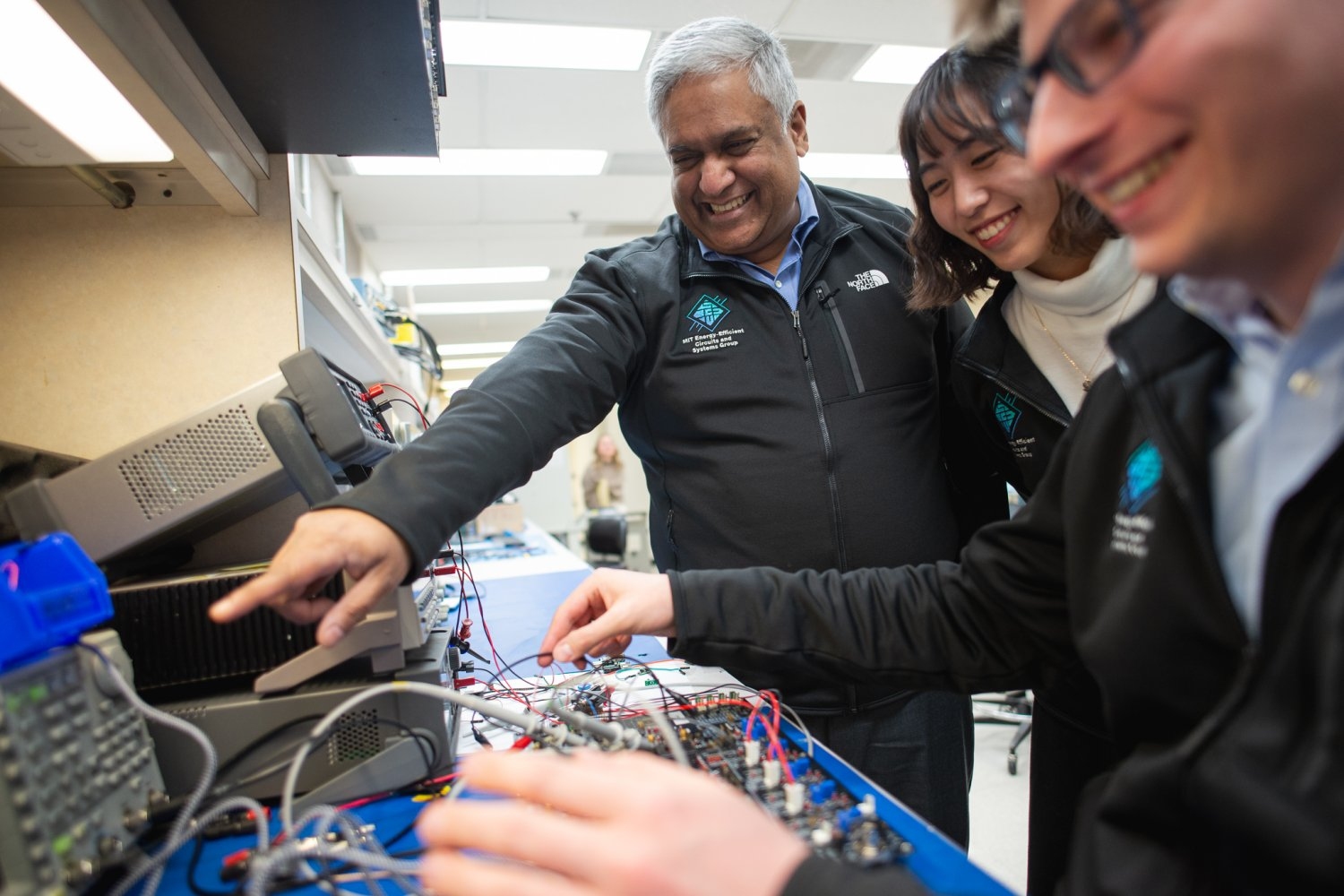
Care in the midst of pressure
Anantha P. Chandrakasan, a prominent figure in the field of electrical engineering, is making significant strides in redefining mentorship by emphasizing the importance of presence and perspective. His commitment to caring for students and young professionals is evident in his approach, which prioritizes meaningful interactions and guidance. Chandrakasan's efforts aim to foster a supportive environment that encourages personal and professional growth. By actively engaging with mentees and sharing his insights, he seeks to inspire the next generation of leaders in technology and engineering. His initiatives reflect a broader movement within academia to enhance mentorship practices, ensuring that they are not only informative but also deeply impactful.
School of Engineering Electrical engineering and computer science (EECS) Microsystems Technology Laboratories Awards, honors and fellowships Community Mentoring
LLMs help robots understand vague instructions and focus on key details
Researchers at MIT have developed an innovative approach to enhance the efficiency of robots in performing chores in various environments, including homes and factories. This new method employs a dual-language model system: the first model is designed to interpret and clarify user instructions, while the second model focuses on filtering out irrelevant information that may hinder task execution. This advancement aims to improve the interaction between humans and robots, making it easier for machines to understand and carry out complex tasks effectively. The initiative reflects MIT's commitment to advancing robotics technology and its potential applications in everyday life.
School of Engineering MIT Schwarzman College of Computing Aeronautical and astronautical engineering Electrical engineering and computer science (EECS) Computer Science and Artificial Intelligence Laboratory (CSAIL) Computer science and technology
How Equipment Asset Management Practices Must Evolve for Industry 4.0 to Deliver on its Promise
Industry 4.0 is poised to revolutionize manufacturing and supply chain management through the integration of connected sensors and intelligent systems. This technological advancement enables machines to predict failures, production lines to self-optimize based on real-time demand, and supply chains to adapt autonomously without human oversight. Despite the substantial investments and credible case studies showcasing its potential, many companies are hesitant to fully embrace these innovations. The reluctance stems from concerns over implementation challenges, workforce adaptation, and the need for a cultural shift within organizations. As the industry continues to evolve, understanding and addressing these barriers will be crucial for harnessing the full benefits of Industry 4.0.
Engineering Industry ai in manufacturing asset reliability automation news condition monitoring
Exploring the societal impacts of AI
At the recent AI and Society Forum, prominent researchers from the Massachusetts Institute of Technology (MIT) engaged in an in-depth discussion regarding the impact of artificial intelligence on employment and democratic processes. The forum, held in October 2023, served as a platform for experts to address pressing concerns about how AI technologies are reshaping job markets and influencing political systems. The motivation behind this dialogue stems from the rapid advancements in AI and the need to understand their broader societal implications. Researchers presented findings and insights on the potential benefits and challenges posed by AI, emphasizing the importance of developing strategies to mitigate risks while harnessing the technology's capabilities. Through collaborative discussions, the forum aimed to foster a greater understanding of AI's role in shaping the future of work and governance.
Special events and guest speakers Artificial intelligence Technology and society Computer science and technology Economics Democracy
NASA's AstroPix Technology Demonstration to Advance Next-Generation Gamma-Ray Detection
NASA is set to conduct an in-orbit demonstration of its innovative AstroPix gamma-ray sensor, a cutting-edge pixel-based detector designed to enhance the study of gamma-ray bursts and active galaxies. This significant event is scheduled to take place in the near future as part of NASA’s ongoing efforts to advance astrophysical research. The AstroPix sensor aims to provide unprecedented insights into cosmic phenomena, which could deepen our understanding of the universe. By utilizing this advanced technology in space, NASA hopes to gather critical data that will inform future missions and studies in astrophysics. The demonstration marks a pivotal step in harnessing new detection methods to explore the mysteries of high-energy astrophysical events.

New chip could help tiny robots traverse complex environments
A team of researchers has developed an innovative method for creating 3D maps to enhance navigation systems, utilizing a combination of an efficient algorithm and specialized hardware. This advancement, which was announced in October 2023, aims to significantly reduce the memory and power requirements typically associated with 3D mapping technologies. By streamlining the mapping process, the researchers hope to improve the efficiency and accessibility of navigation tools, making them more practical for a variety of applications, including autonomous vehicles and mobile devices. The integration of dedicated hardware with the algorithm allows for rapid map generation, which could lead to faster and more reliable navigation solutions in real-world scenarios.
Research Computer science and technology Algorithms Artificial intelligence Machine learning Robotics
NVIDIA Vera CPU Opens the Way for Agentic Scientific AI at Los Alamos National Laboratory
Los Alamos National Laboratory (LANL) is set to enhance its computational capabilities with the development of new supercomputers, named Mission, Vision, and Veritas, in collaboration with HPE and NVIDIA. This initiative aims to harness NVIDIA Vera CPUs to significantly accelerate scientific discovery and advance the integration of agentic AI in scientific research. The project underscores LANL's commitment to leveraging cutting-edge technology to address complex scientific challenges. The supercomputers are expected to play a crucial role in various research domains, facilitating breakthroughs that could have far-reaching implications for science and technology.

SpaceX wants to build AI data centers in space. Will it work?
The race to establish data centers in space is intensifying, fueled by the soaring demand for computing power driven by advancements in artificial intelligence. These orbital facilities are seen as a potential solution to harness abundant solar energy while circumventing many environmental issues associated with terrestrial data centers. However, the endeavor faces significant challenges, including the harsh conditions of space, which complicate cooling, maintenance, and protection against radiation and orbital debris. As companies and researchers explore this innovative frontier, the feasibility and sustainability of operating in such an extreme environment remain critical considerations.

General Intuition in talks to raise $300M at around $2B valuation
A startup specializing in artificial intelligence is leveraging Medal's extensive dataset, which comprises 2 billion videos annually sourced from 10 million active users each month. This initiative aims to enhance the training of embodied AI and world models, utilizing the rich variety of visual content available. The training process incorporates data collected up until October 2023, allowing the AI systems to develop a more nuanced understanding of real-world scenarios and interactions. By harnessing such a vast and diverse dataset, the startup seeks to push the boundaries of AI capabilities, ultimately contributing to advancements in technology that can better interpret and interact with the world around us.
AI Fundraising ai agent Exclusive general intuition world models
Alibaba and ByteDance Double Down on Embodied AI: What Internet Giants Bring to Robotics
Alibaba has unveiled its Qwen-Robot series, a new line of embodied AI models, while ByteDance has announced a strategic shift to elevate robotics as a core component of its business. This move comes as major internet companies in China increasingly harness data and artificial intelligence to transform the robotics sector. The announcements were made in October 2023, highlighting a significant trend among tech giants to integrate advanced robotics into their operations. By leveraging their extensive data resources and AI capabilities, these companies aim to create innovative solutions that can enhance various applications and scenarios within the robotics industry. This strategic focus reflects a broader ambition to lead in a rapidly evolving market, positioning themselves at the forefront of technological advancement in China.
Industry
Do people feel safe in a robot’s presence?
In a groundbreaking study published in the June 2026 issue of Science Robotics, researchers from a leading university have unveiled a new robotic system designed to assist in disaster response efforts. The innovative technology, which combines advanced artificial intelligence with agile mobility, aims to enhance the efficiency and effectiveness of rescue operations in environments that are hazardous or difficult to navigate. The research team conducted extensive field tests in various simulated disaster scenarios, demonstrating the robot's ability to traverse challenging terrains and perform critical tasks such as locating survivors and delivering supplies. These tests were carried out in collaboration with emergency response organizations to ensure real-world applicability. The motivation behind this development stems from the increasing frequency and severity of natural disasters, which necessitate improved response mechanisms to save lives and minimize damage. By integrating cutting-edge robotics with emergency protocols, the researchers hope to provide first responders with a powerful tool that can operate in conditions that are unsafe for human intervention. This advancement in robotic technology represents a significant step forward in disaster management, showcasing how innovation can be harnessed to address pressing global challenges. The study highlights the potential for future enhancements and the importance of ongoing collaboration between scientists and emergency services to refine these systems for practical use in real-world situations.
Editors' Choice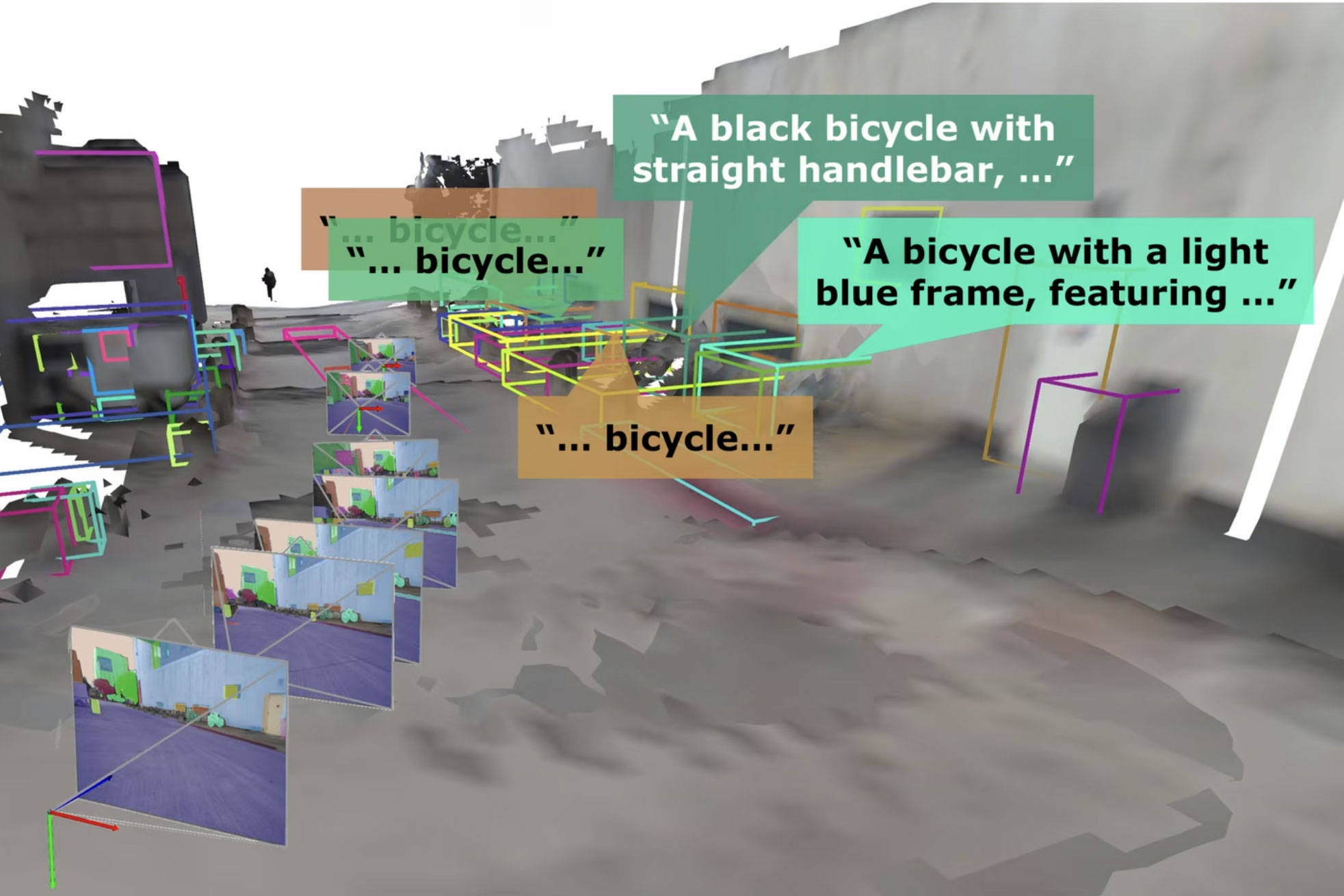
Could AI tell you where you left your keys?
Researchers have developed an innovative spatial memory system designed for robots, enabling them to effectively capture and retain detailed information about objects encountered during environmental exploration. This advancement, which leverages cutting-edge technology, aims to enhance the robots' ability to navigate and interact with their surroundings more intelligently. The system was introduced in a study published in October 2023, showcasing its potential to improve robotic perception and memory capabilities. By integrating sophisticated algorithms, the robots can now better recognize and remember various objects, ultimately leading to more autonomous and efficient operations in diverse settings. This breakthrough is expected to have significant implications for fields such as robotics, artificial intelligence, and automation, as it allows for more nuanced interactions between machines and their environments.
Research Computer science and technology Algorithms Artificial intelligence Machine learning Robotics
Watch: Microsoft's AI Journey
Joanna Kostecka and Dhaval Desai from Microsoft Cloud recently shared insights into the company’s advancements in artificial intelligence and its strategic collaboration with SAP. This partnership aims to enhance cloud-based solutions, leveraging AI to improve business processes and drive innovation. The discussion highlighted how integrating AI capabilities can streamline operations for enterprises, ultimately leading to more efficient workflows and better decision-making. This initiative reflects Microsoft’s commitment to harnessing cutting-edge technology to support its clients in navigating the evolving digital landscape. The insights were presented during a recent industry event, emphasizing the growing importance of AI in enterprise solutions.
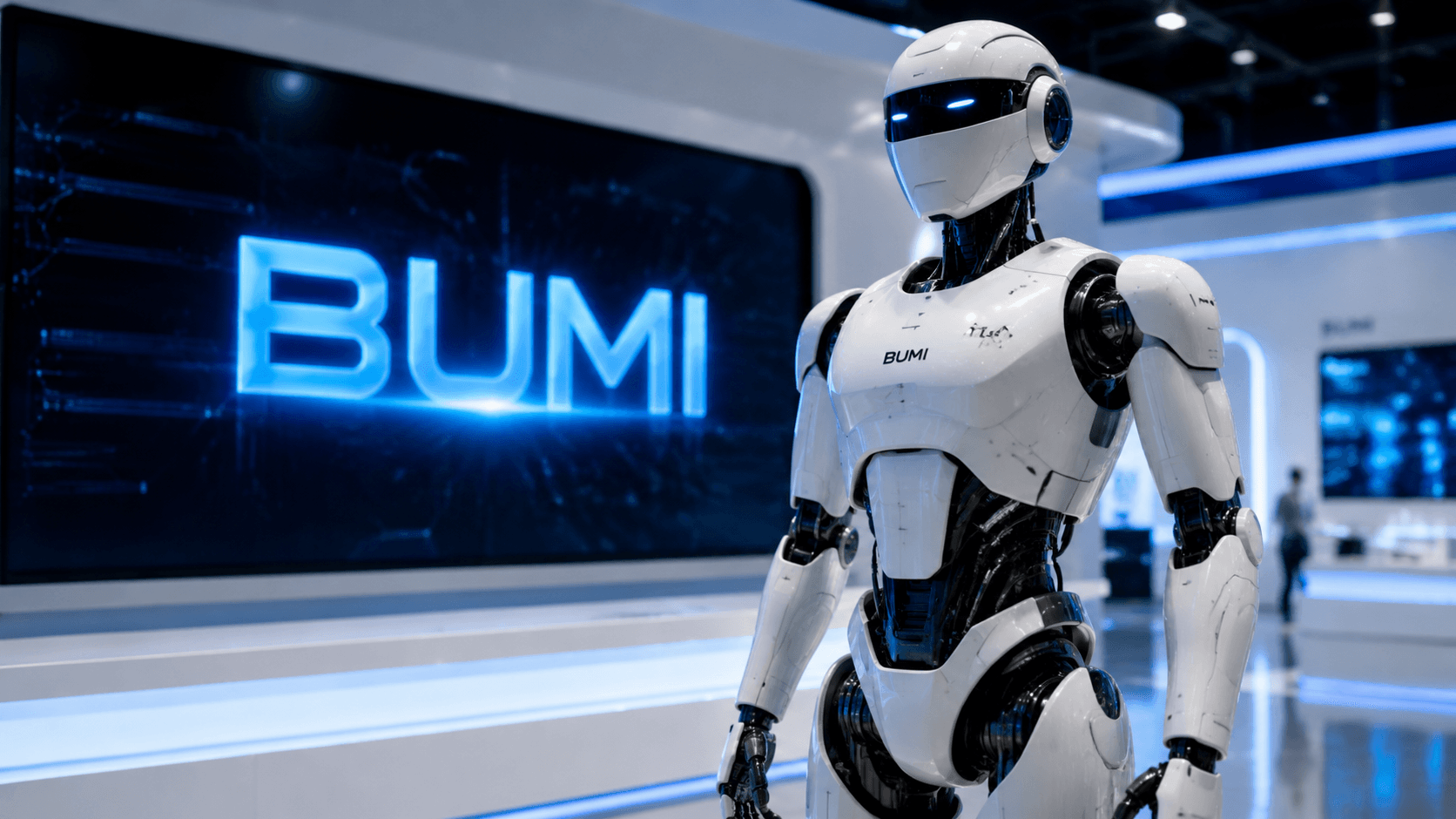
Humanoid Robot Prices Crash Below 10,000 RMB as Mass Adoption Begins
The price of humanoid robots in China has fallen below 10,000 RMB for the first time, marking a significant milestone in the robotics industry. This decline is attributed to the country's advanced supply chain capabilities and a strategic pivot by manufacturers towards prioritizing data collection rather than focusing solely on industrial-grade performance. As of October 2023, this shift reflects a broader trend in the technology sector, where the emphasis is increasingly placed on harnessing data for various applications. The affordability of humanoid robots may lead to wider adoption across different sectors, potentially transforming how businesses and consumers interact with robotic technology.
Industry
AI’s next frontier, world models, and why China is ahead of the pack
In the rapidly evolving field of artificial intelligence, world models that simulate physical environments are gaining attention as the next frontier, surpassing traditional large language models. Recent developments indicate that China is leading the way in this area, outpacing the United States in the deployment of these advanced systems. These world models, which comprehend the physical laws governing the universe, are already being utilized to enhance AI applications, including robotics and autonomous vehicles. As of October 2023, China has integrated these technologies more extensively than its American counterparts, marking a significant advancement in the global AI landscape. This trend highlights the growing competition between the two nations in harnessing AI's potential for practical applications.
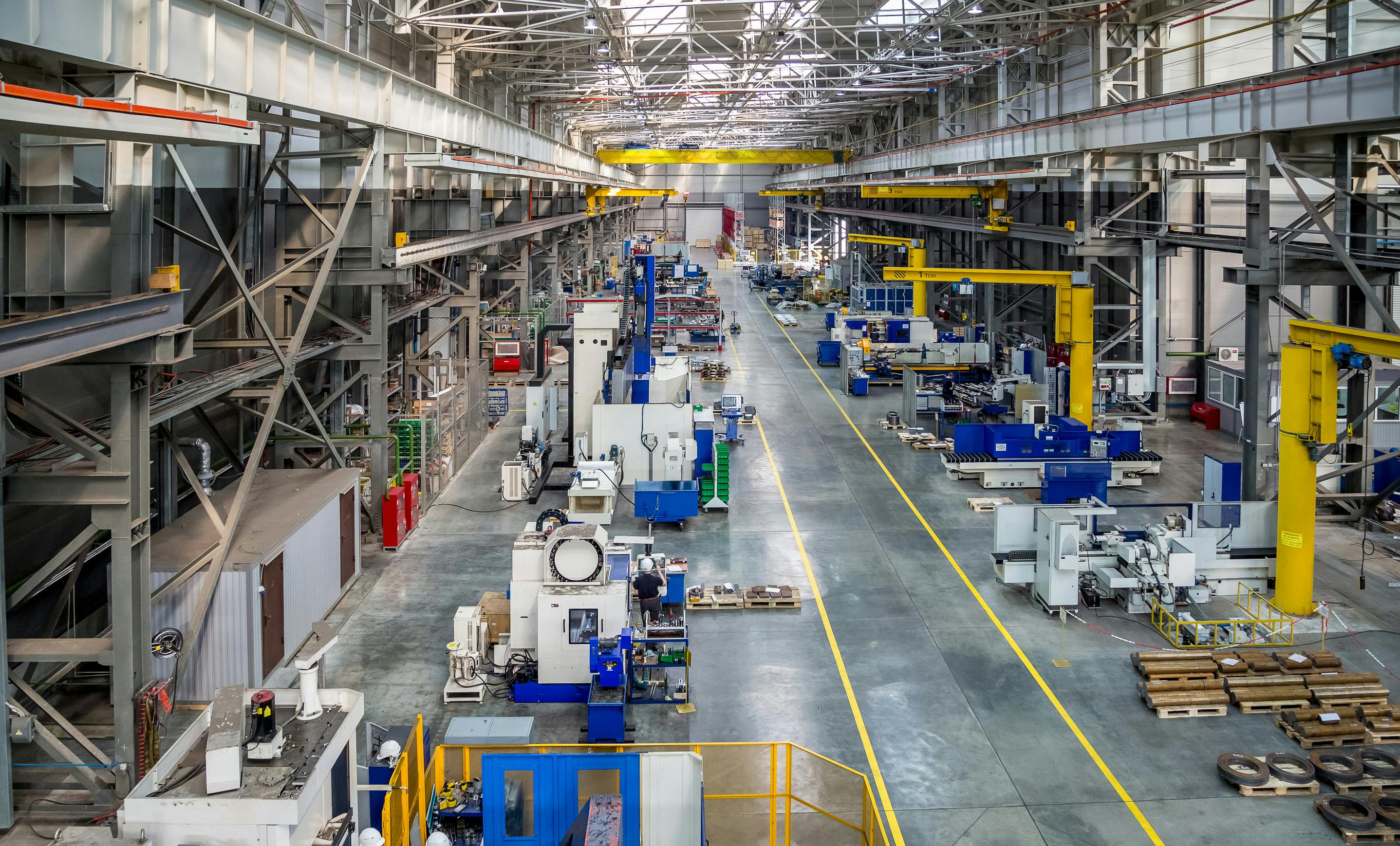
Schneider Electric Announces its U.S. Facilities are NEMA Certified
A company has achieved certification for its supply chain facilities under the NEMA Make it American domestic-content certification program. This certification underscores the company's commitment to promoting American-made products and supporting domestic manufacturing. By adhering to the standards set forth by the National Electrical Manufacturers Association (NEMA), the company aims to enhance its credibility and appeal to consumers who prioritize domestic sourcing. This initiative reflects a broader trend in the industry, as businesses increasingly recognize the importance of local production in fostering economic growth and sustainability. The certification process involved rigorous assessments to ensure compliance with the program's criteria, demonstrating the company's dedication to quality and transparency in its supply chain operations.
Factory / Digital Transformation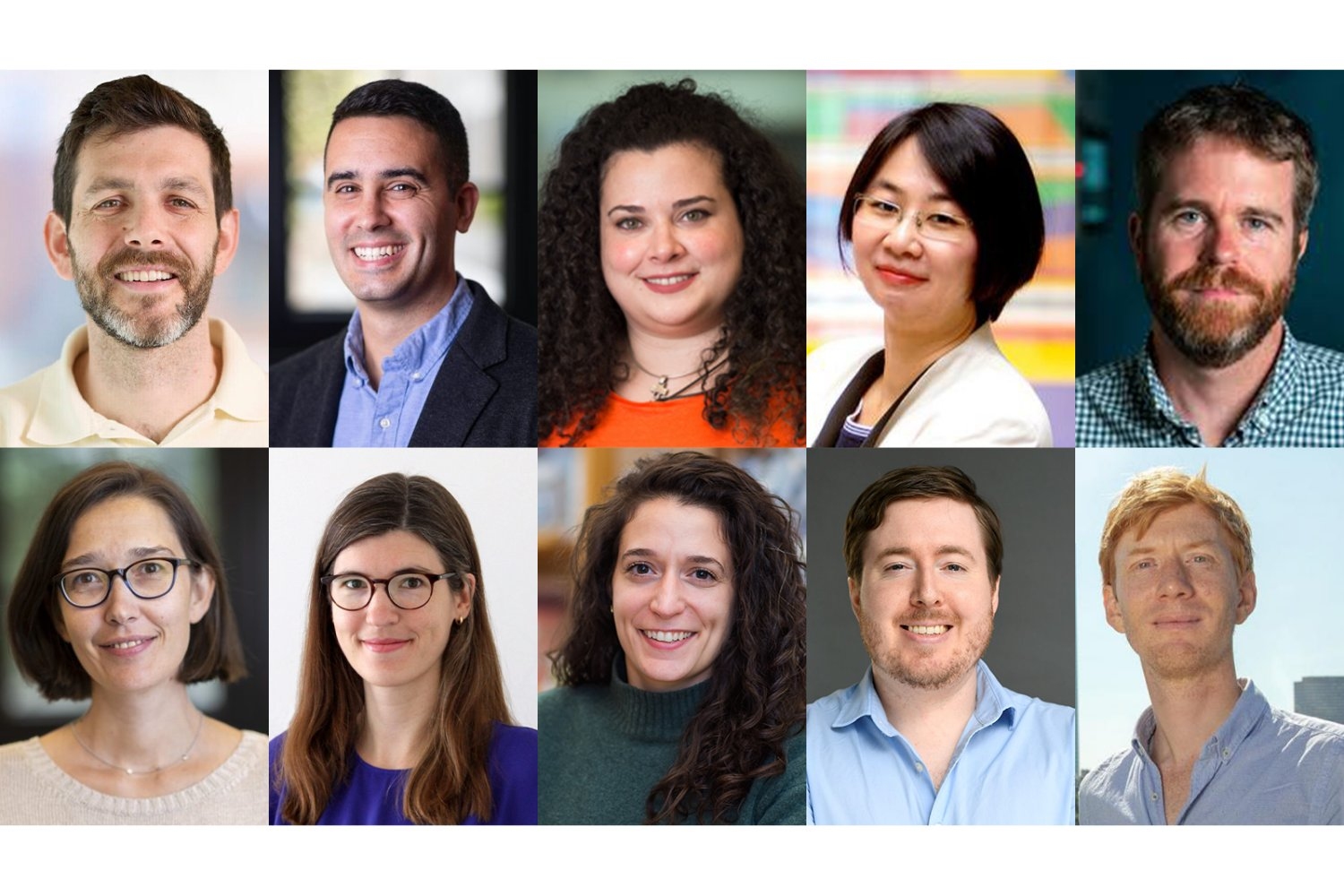
The tenured engineers of 2026
Ten faculty members at the Massachusetts Institute of Technology (MIT) have been awarded tenure, marking a significant milestone in their academic careers. This decision, announced recently, affects five different units within the School of Engineering, highlighting the institution's commitment to fostering academic excellence and innovation. The tenure grants are intended to recognize the contributions and potential of these faculty members, who have demonstrated exceptional research and teaching capabilities. By securing tenure, these educators will gain increased job security and the opportunity to pursue long-term projects that can further advance their fields. This announcement underscores MIT's ongoing efforts to support its faculty and enhance its educational environment.
Awards, honors and fellowships Faculty Aeronautical and astronautical engineering Civil and environmental engineering Electrical engineering and computer science (EECS) Mechanical engineering
China’s Guinness Record-holding solar horse stretches 250 miles across desert sands
China is poised to enhance its renewable energy landscape with the construction of an extensive solar panel installation, which has been dubbed the ‘Great Wall’ of solar panels. This ambitious project aims to bolster the country's commitment to sustainable energy and reduce reliance on fossil fuels. Set to begin in the coming months, the installation will span several provinces, showcasing China's dedication to harnessing solar power as a primary energy source. The initiative is part of China's broader strategy to achieve carbon neutrality by 2060, addressing both environmental concerns and the growing demand for clean energy. By implementing this vast solar network, the government hopes to not only meet its energy needs but also position itself as a global leader in renewable technology. The project will involve advanced solar technology and innovative construction methods, ensuring efficiency and sustainability throughout its development. As the world increasingly focuses on combating climate change, China's solar panel initiative represents a significant step towards a greener future, potentially setting a precedent for other nations to follow in the pursuit of renewable energy solutions.
Energy
MIT affiliates win 2026 Hertz Foundation Fellowships
A new fellowship program has been launched to support doctoral students in applied sciences, engineering, and mathematics who are dedicated to addressing critical challenges in science and technology. This initiative aims to recognize and empower emerging researchers who are developing innovative solutions to pressing issues. The program is designed to enhance the educational and research opportunities for these students, providing them with the resources necessary to advance their work. By fostering a new generation of scientists and engineers, the fellowship seeks to contribute to the advancement of knowledge and technology, ultimately benefiting society as a whole. The initiative is expected to play a significant role in shaping the future of scientific research and technological development.
Awards, honors and fellowships Students Graduate, postdoctoral Alumni/ae Chemistry Mechanical engineering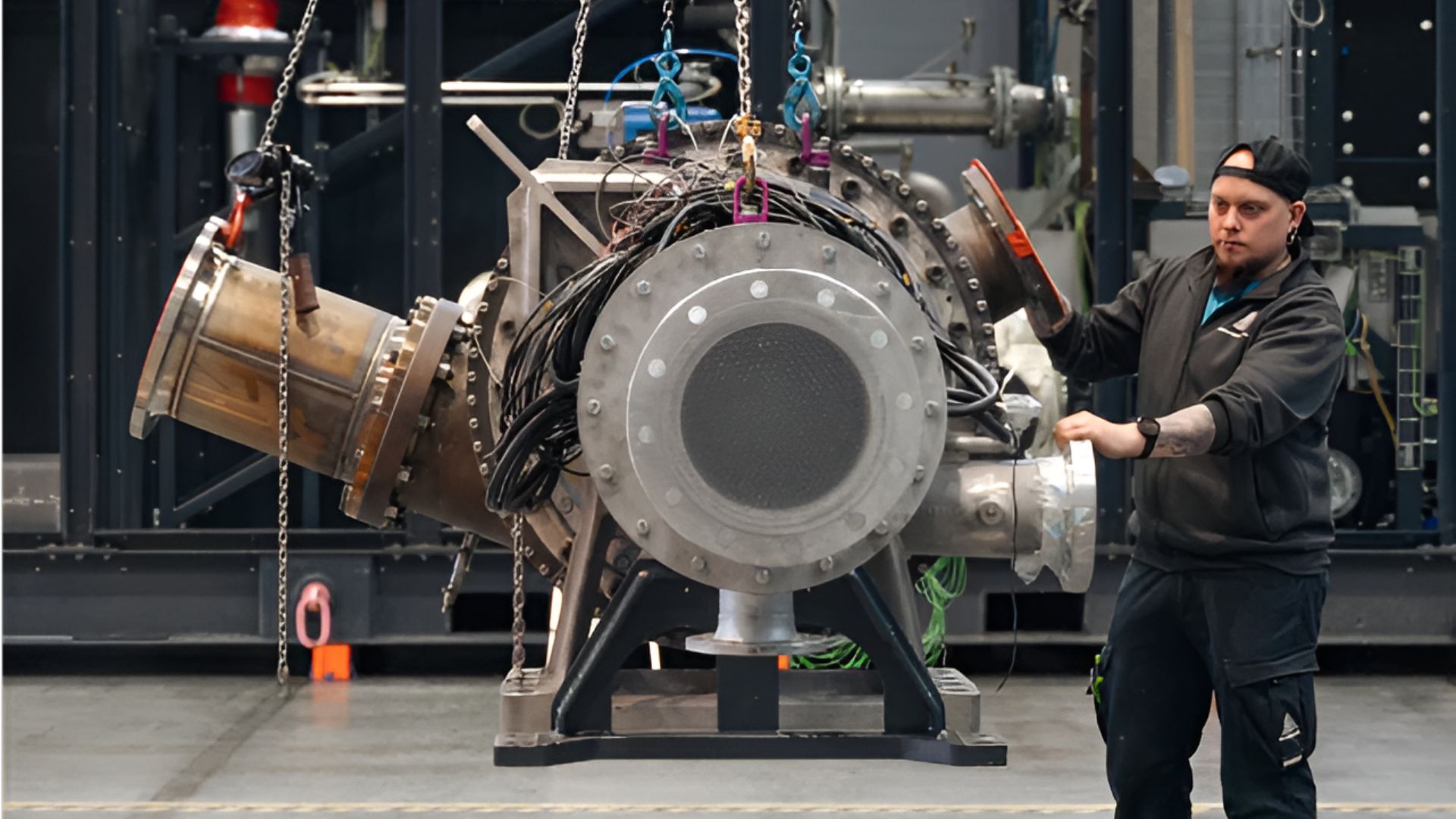
Advanced metal 3D printing minimizes failure points in complex gas turbine designs
Metal additive manufacturing is increasingly being adopted in production-focused energy systems, moving beyond its traditional use in aerospace prototypes. This shift reflects a growing recognition of the technology's potential to enhance efficiency and reduce costs in various sectors. As companies seek innovative solutions to meet rising energy demands, the integration of metal additive manufacturing offers a pathway to streamline production processes and improve the performance of energy systems. This trend is gaining momentum as industry leaders invest in research and development to harness the benefits of this advanced manufacturing technique, which allows for greater design flexibility and material optimization. The transition is expected to reshape the landscape of energy production, paving the way for more sustainable and efficient systems in the future.
Innovation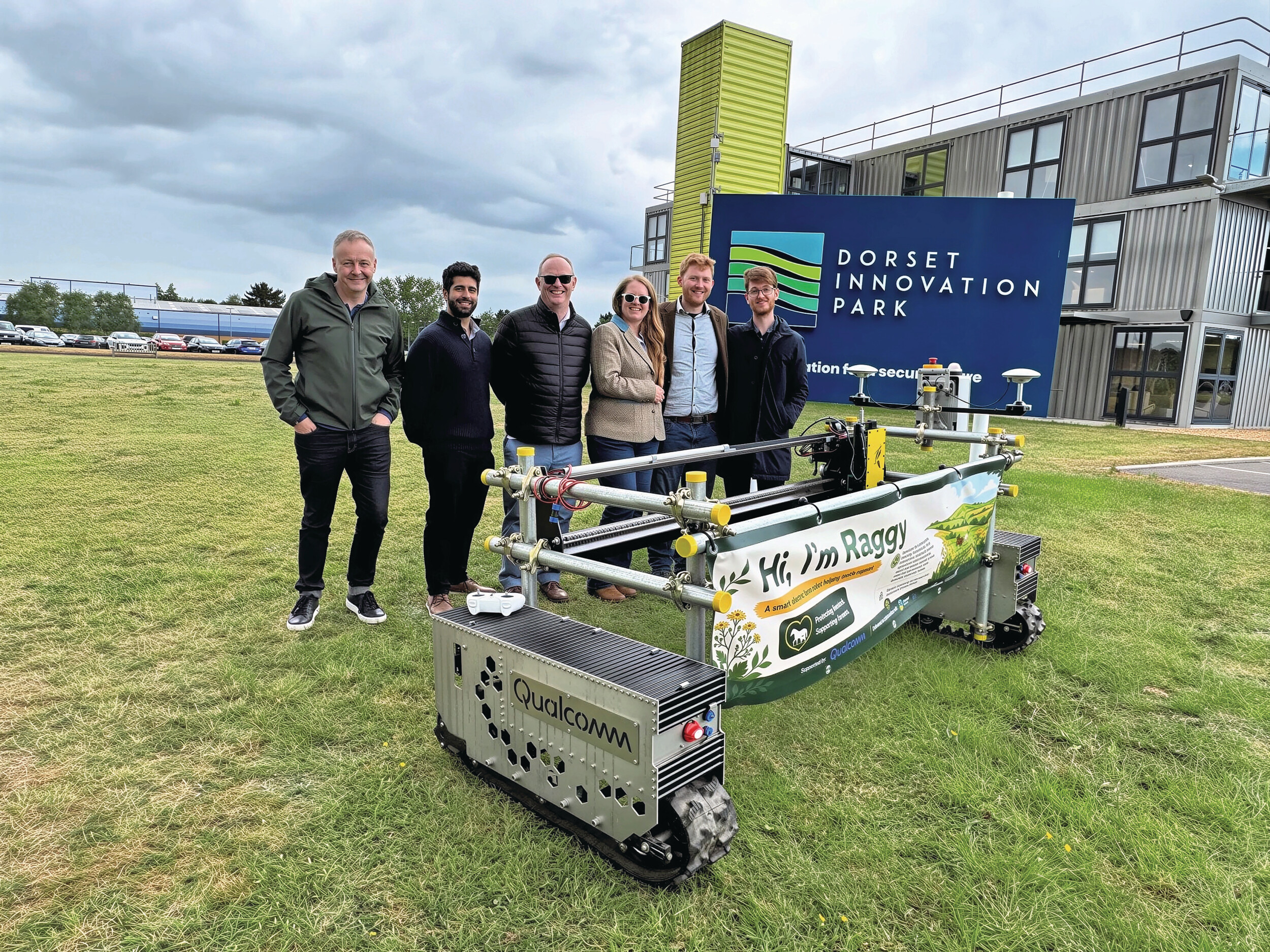
Robot Raggy taking on one of farming’s most persistent weed problems
This summer, farmers in Dorset are closely monitoring the progress of Raggy, a small autonomous robot designed to combat ragwort infestations. Developed by the UK robotics firm Robotriks, Raggy has arrived at Dorset Innovation Park near Wareham for its final testing phase before launching field trials across various farms and land in the region. The introduction of this electrically powered robot is highly anticipated by local farmers and landowners, who are eager for an effective solution to manage the invasive weed that poses a threat to livestock and crops. The ongoing trials aim to demonstrate Raggy's capabilities in tackling this persistent agricultural challenge.
Field robots autonomous farm equipment electric tractors Machine vision robotics weed control systems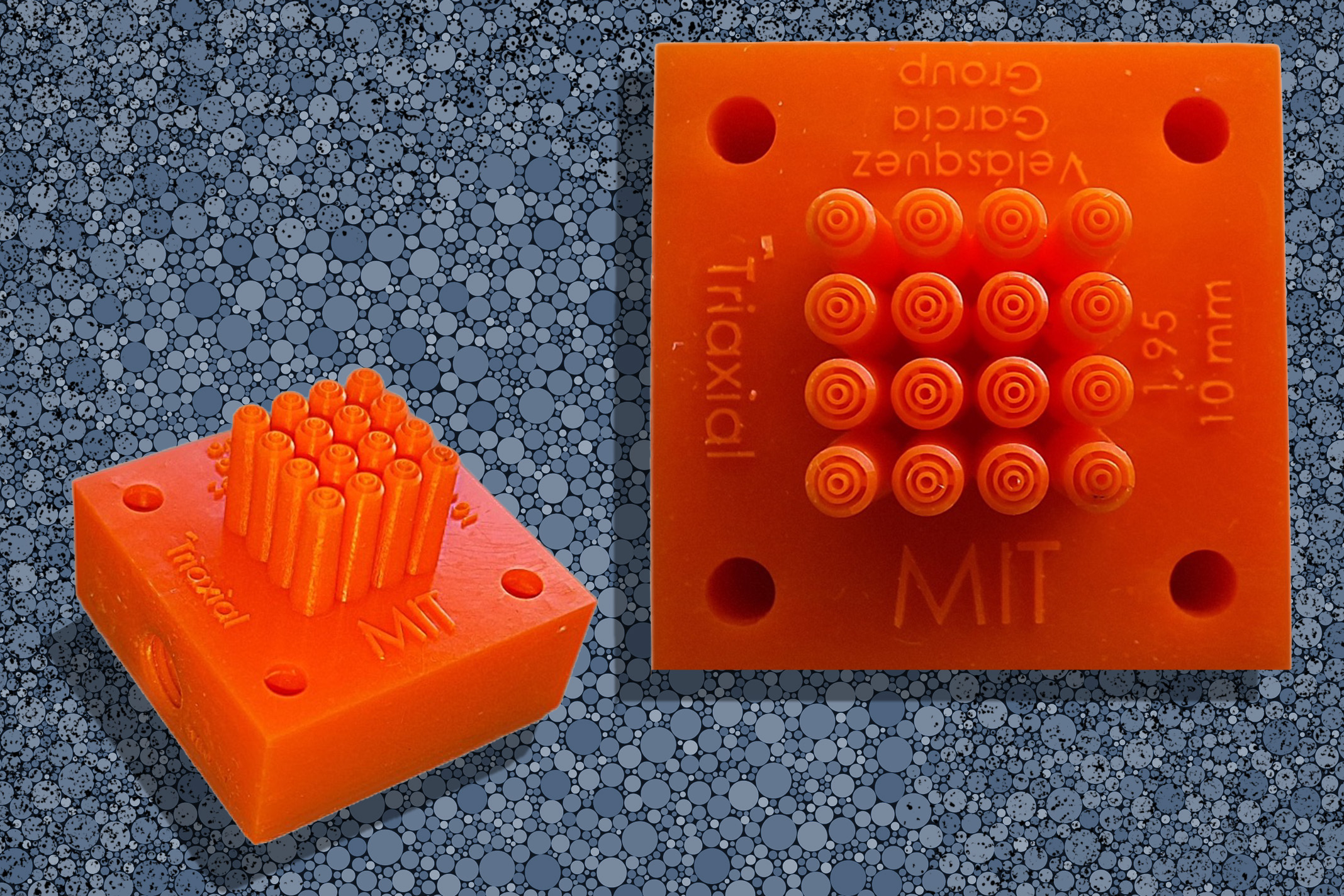
3D-printed devices could streamline the production of drug-delivery microparticles
A new development in particle production technology has emerged, utilizing cost-effective devices that can be constructed in just a few hours. These innovative devices employ electrospray emitter technology to efficiently generate three-layered particles on a large scale. This advancement is poised to enhance manufacturing processes across various industries by providing a faster and more economical method of particle creation. The introduction of these devices marks a significant step forward in the field, potentially leading to improved applications in pharmaceuticals, materials science, and other sectors that rely on precise particle engineering.
Research 3-D printing Additive manufacturing Electronics Medical devices Drug delivery
Improving the performance of high-power electronics
Researchers have discovered that applying a thin layer of diamond can significantly enhance the speed and energy efficiency of next-generation wireless devices. This innovative approach addresses the challenge of excessive heat generated during device operation, which has been a limiting factor in the performance of modern technology. The findings, which emerged from ongoing studies in advanced materials science, highlight the potential for diamond to serve as an effective thermal management solution. This breakthrough could pave the way for faster and more efficient wireless communication, ultimately benefiting consumers and industries reliant on high-performance devices.
Research Computer chips Electronics Carbon materials Nanoscience and nanotechnology Mobile devices
NVIDIA and LG Group Build an AI Factory to Advance Physical AI, Mobility and AI Infrastructure
NVIDIA and LG Group have announced plans to establish an AI factory aimed at enhancing LG's upcoming AI-driven initiatives, which include advancements in robotics, autonomous driving, data center technologies, and GPU cloud services. This collaboration is set to significantly accelerate the development of these technologies, positioning LG Group at the forefront of the AI industry. The factory's establishment reflects both companies' commitment to innovation and their strategic focus on harnessing artificial intelligence to drive future business growth. The partnership is expected to leverage NVIDIA's expertise in AI and GPU technology, facilitating the creation of cutting-edge solutions that will benefit various sectors.

Startup helps retailers track their products in real-time
Cartesian, a technology company, has developed an innovative system for locating objects, leveraging technology originally invented at the Massachusetts Institute of Technology (MIT). This cutting-edge system has the potential to revolutionize various industries, including manufacturing, logistics, and robotics. By enhancing the accuracy and efficiency of object tracking, Cartesian aims to streamline operations and improve productivity across these sectors. The technology, which was first conceptualized at MIT, is now being adapted for practical applications in real-world settings. As industries increasingly rely on automation and precise tracking systems, Cartesian's advancements could play a crucial role in shaping the future of operational efficiency.
Research Startups Innovation and Entrepreneurship (I&E) Electrical engineering and computer science (EECS) Machine learning Wireless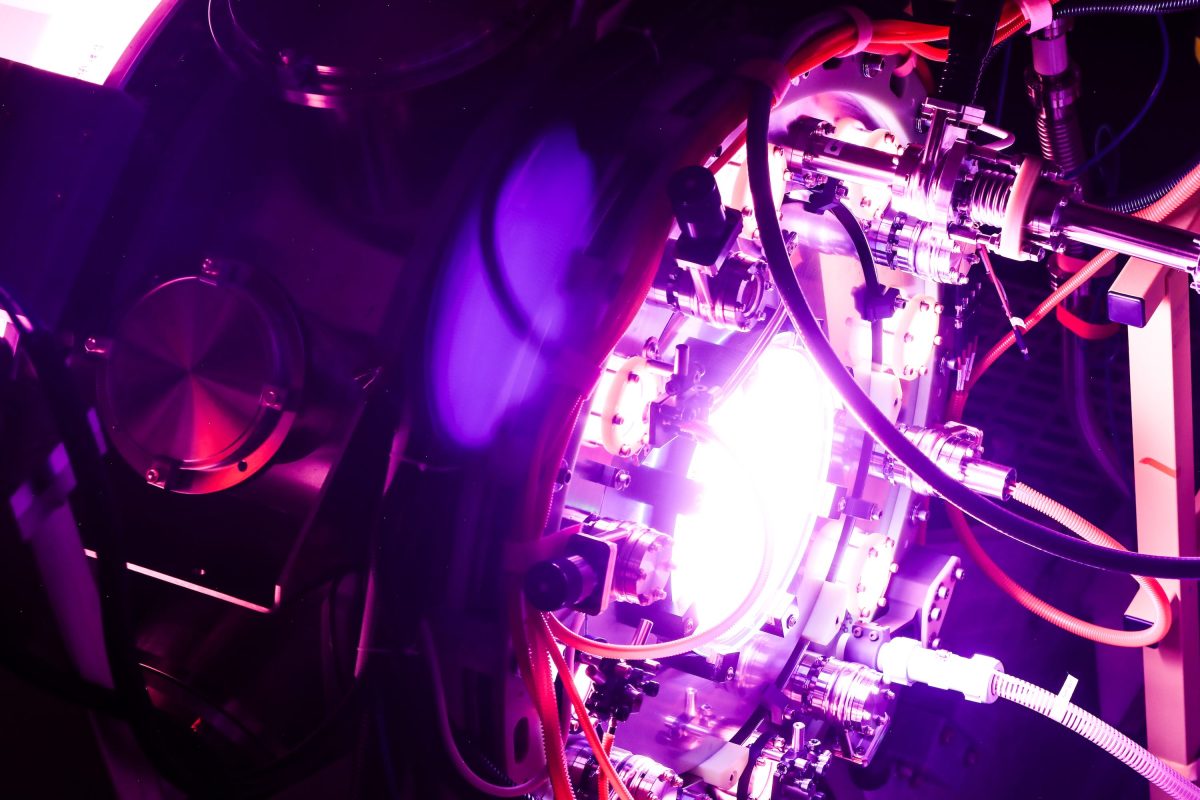
Helion, the Sam Altman-backed fusion startup, raises $465M to build a power plant for Microsoft
Helion, a fusion energy startup, is accelerating its efforts to build a power plant for Microsoft, with a completion target set for 2028. The company has recently secured a new round of funding, which is expected to bolster its development capabilities and expedite the project. This partnership highlights the growing interest in fusion energy as a viable solution for sustainable power, particularly in the tech industry, where companies like Microsoft are seeking innovative ways to meet their energy needs and reduce carbon footprints. The collaboration represents a significant step forward in the pursuit of clean energy solutions, as Helion aims to harness fusion technology to provide reliable and environmentally friendly electricity.
Climate Fundraising Startups Helion fusion energy Peak XV Partners
Global robotics technology roadmap
Henrik I. Christensen, a professor of Computer Science and Engineering at the University of California, San Diego, has unveiled a comprehensive global robotics technology roadmap. Released recently, this position paper examines the advancements in robotics across Asia, Europe, and America. It provides an overview of the current state of the technology while identifying key opportunities for growth and development in the field. The roadmap aims to guide stakeholders in navigating the rapidly evolving landscape of robotics, emphasizing the importance of international collaboration and innovation to harness the full potential of this transformative technology.

Majorana 2 quantum chip unlocks 1,000x stability, keeps qubits alive 20 seconds
Microsoft has announced the launch of Majorana 2, its latest quantum chip, which boasts a remarkable 1,000-fold enhancement in qubit performance. This significant advancement in quantum computing technology was revealed during a press event held on October 25, 2023, at the company’s headquarters in Redmond, Washington. The development of Majorana 2 aims to address the growing demand for more powerful and efficient quantum processors, as researchers and businesses increasingly seek to harness the potential of quantum computing for complex problem-solving and data processing. By improving qubit stability and coherence times, Microsoft hopes to accelerate breakthroughs in various fields, including cryptography, materials science, and artificial intelligence. The Majorana 2 chip is expected to play a crucial role in advancing the company’s quantum computing initiatives, positioning Microsoft as a leader in this rapidly evolving technological landscape.

Thermal Runaway Limits in Embodied AI Batteries: The Electrically Debondable Tape Solution
In the evolving landscape of power battery and Embodied AI development, the industry is witnessing a significant shift from purely data-driven approaches to a hybrid model that combines physical modeling with data optimization. This transition is driven by the limitations encountered in existing Battery AI technologies, which have struggled to deliver optimal performance solely through data analysis. By integrating established electrochemical theories, such as solid electrolyte interphase (SEI) layer growth and lithium plating, researchers and developers are laying a robust foundation for future advancements. This hybrid approach aims to enhance the efficiency and effectiveness of battery technologies, addressing the growing demand for improved energy storage solutions. The move towards this innovative paradigm reflects the industry's commitment to overcoming current challenges and fostering sustainable energy advancements.
Energy Engineering Manufacturing
NVIDIA AI Cloud Ecosystem Expands Worldwide to Meet Global AI Compute Demand
NVIDIA is spearheading the rapid expansion of AI factory infrastructure through its AI Cloud ecosystem, responding to the surging demand from a diverse range of stakeholders, including enterprises, startups, nations, AI laboratories, and developers focused on scaling agentic AI applications. This initiative is crucial as organizations increasingly seek to harness the power of artificial intelligence to enhance their operations and drive innovation. The collaboration among various partners is vital for building the necessary capacity to support this growing interest in AI technologies. As of October 2023, the momentum behind these developments reflects a significant shift in how businesses and governments are prioritizing AI, positioning NVIDIA at the forefront of this transformative movement in the tech industry.

NVIDIA DGX Station for Windows Puts a Trillion-Parameter AI Supercomputer on Every Enterprise Desk
NVIDIA has unveiled the NVIDIA DGX Station™ for Windows, touted as the most powerful deskside AI supercomputer available. This innovative system is designed to facilitate the development, operation, and integration of always-on AI agents into Windows applications and workflows. The DGX Station™ is capable of running cutting-edge AI models, enhancing productivity and efficiency for users. This announcement was made today, reflecting NVIDIA's commitment to advancing AI technology and its applications in various industries. By providing a robust platform for AI development, NVIDIA aims to empower businesses and developers to harness the full potential of artificial intelligence in their operations.

China’s new LLM-powered ‘AI brain’ automates satellite surveillance
Chinese aerospace researchers have unveiled an innovative system that utilizes Large Language Models (LLMs) to enhance various aspects of aerospace engineering. This development was announced during a recent conference focused on advancements in aerospace technology, held in Beijing. The researchers aim to improve design processes, streamline communication, and facilitate problem-solving in the aerospace sector through the application of artificial intelligence. The motivation behind this initiative stems from the increasing complexity of aerospace projects, which demand efficient and effective solutions. By integrating LLMs, the researchers hope to harness the power of AI to analyze vast amounts of data and generate insights that can lead to more innovative designs and improved operational efficiency. The system operates by processing extensive datasets related to aerospace engineering, enabling it to assist engineers in generating design concepts, optimizing workflows, and predicting potential challenges. This approach not only aims to reduce the time and resources required for development but also seeks to foster collaboration among engineers by providing a common platform for communication. As the aerospace industry continues to evolve, the introduction of such advanced technologies is expected to play a crucial role in shaping the future of aerospace engineering, making it more adaptive and responsive to the challenges ahead.

Quiz: How to Avoid VFD Cable Costs
In a recent industry discussion, experts emphasized the importance of preventing bearing damage and ensuring proper termination of variable frequency drive (VFD) cables. This guidance comes in response to increasing concerns about equipment reliability and operational efficiency in manufacturing settings. The discussion took place during a technical seminar held in October 2023, where engineers and technicians gathered to share best practices and innovative solutions. The seminar highlighted that improper cable termination can lead to significant operational failures, including bearing wear and electrical interference, which can ultimately disrupt production processes. To mitigate these risks, specialists recommended implementing rigorous installation protocols and regular maintenance checks. They outlined a series of steps that include using high-quality materials, adhering to manufacturer specifications, and conducting thorough inspections of cable connections. By following these guidelines, companies can enhance the longevity of their equipment and reduce the likelihood of costly downtimes. The insights shared during the seminar are crucial for organizations looking to optimize their machinery's performance and ensure a smooth operation in an increasingly competitive market.
Factory / Plant Maintenance
Bridging the gap between legacy data and AI
ScikIQ is addressing a critical challenge faced by mid-market enterprises by offering solutions to unify their fragmented data across various legacy systems. This initiative aims to enable these businesses to effectively deploy operational artificial intelligence (AI). By streamlining data integration, ScikIQ empowers organizations to enhance their operational efficiency and leverage AI technologies for improved decision-making and performance. The company's efforts come at a time when many enterprises are struggling to harness the full potential of their data, which is essential for staying competitive in an increasingly digital landscape.
Artificial Intelligence Startups Gaurav Shinh ScikIQ Startup spotlight Triton Investment Advisors
Light-activated gel could impact wearables, soft robotics, and more
Researchers at the Massachusetts Institute of Technology (MIT) have made significant strides in the field of ionotronics, a burgeoning area of study focused on the transfer of data via ions. This innovative approach aims to create a connection between traditional electronics and biological tissues, potentially revolutionizing the way information is processed and transmitted in various applications. The advancements were announced in October 2023, highlighting the ongoing efforts to enhance the integration of electronic systems with biological environments. By harnessing the unique properties of ions, the team at MIT is exploring new methods to facilitate communication between electronic devices and living organisms, paving the way for future developments in medical technology and bioengineering.

Researchers develop armadillo-inspired protective shell module for soft robotics
In a groundbreaking development, materials scientists have successfully replicated the unique armor of the armadillo, an armored mammal that has evolved over millions of years. This innovative achievement was announced in a study published recently, showcasing the potential applications of the armadillo's natural design in creating advanced protective materials. The research, conducted by a team at a leading university, aims to harness the armadillo's exceptional defensive capabilities to enhance safety in various fields, including personal protective equipment and military gear. By analyzing the structure and composition of the armadillo's armor, the scientists were able to develop synthetic materials that mimic its protective features. This advancement not only highlights the importance of biomimicry in materials science but also opens new avenues for creating lightweight, durable, and effective protective solutions.

AI won’t replace you but someone using AI might
A recent study conducted by researchers at the University of Vaasa highlights the rapid transformation of workplaces due to generative AI technologies. The research, led by Zhe Zhu, indicates that the primary challenge employees face is not the emergence of AI itself, but rather the risk of not adapting to its use effectively. The findings reveal that employees who view AI tools, such as ChatGPT and Gemini, as supportive collaborators instead of threats to their jobs exhibit higher levels of engagement, adaptability, and optimism regarding their career prospects. This underscores the importance of fostering a positive mindset towards AI integration in the workplace to harness its full potential.

NVIDIA GTC Taipei at COMPUTEX: Live Updates on What’s Next in AI
At NVIDIA's GTC Taipei during COMPUTEX, a diverse group of developers, researchers, and industry leaders gathered to explore the latest advancements that are transforming various sectors. The event, taking place in Taipei, serves as a platform for discussions on cutting-edge topics, including artificial intelligence in manufacturing and the expansion of technological infrastructure. Attendees are motivated by the desire to understand and implement these innovations, which are crucial for staying competitive in an evolving market. Through presentations, workshops, and networking opportunities, participants are engaging in collaborative efforts to harness these breakthroughs and drive future developments across industries.
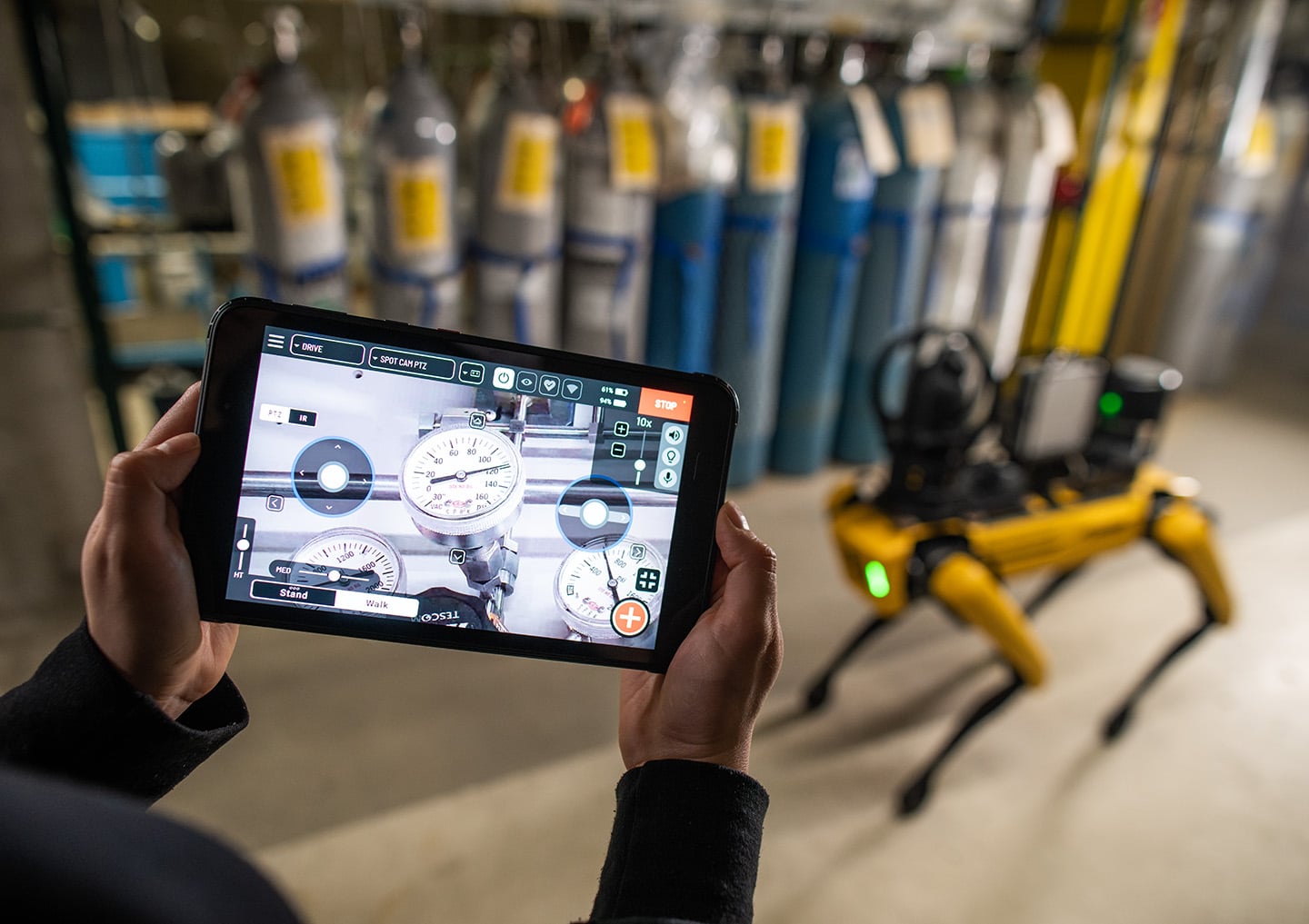
The Data Driving Asset Reliability | Boston Dynamics
Recent advancements in automation and real-time data collection are significantly transforming asset reliability across various industries. This shift, which has gained momentum in recent months, is particularly evident in sectors where operational efficiency is crucial. By leveraging these technologies, companies are effectively reducing instances of unplanned downtime, which can lead to costly interruptions in production. The integration of automated systems allows for continuous monitoring of equipment and processes, enabling organizations to identify potential issues before they escalate into major problems. This proactive approach not only enhances the reliability of assets but also streamlines operations, ultimately leading to improved productivity and cost savings. As industries increasingly adopt these innovative solutions, the focus on data-driven decision-making is becoming paramount. By harnessing real-time insights, businesses can make informed choices that optimize performance and minimize risks associated with equipment failure. This trend underscores the importance of embracing technological advancements to stay competitive in a rapidly evolving marketplace. Overall, the ongoing transformation driven by automation and data analytics is reshaping how companies manage their assets, ensuring a more resilient and efficient operational framework.

Hellbender Secures $12.5M Seed Round to Accelerate Domestic Manufacturing of Physical AI and Launch Its On-Edge Camera Line
A robotics engineering and hardware firm has positioned itself as a key player in the realm of Physical AI by developing a foundational platform that enhances on-edge computer vision capabilities for autonomous systems. This innovative approach utilizes a robust portfolio of intellectual property to advance the field of robotics. The firm aims to revolutionize how autonomous systems perceive and interact with their environments, thereby improving their functionality and efficiency. By harnessing cutting-edge technology and data-driven insights, the company is set to make significant strides in the integration of AI within robotics, paving the way for more sophisticated and capable autonomous solutions.

Forget electrons, this breakthrough uses light-matter particles to power AI
Researchers at the University of Pennsylvania have developed a groundbreaking hybrid light-matter particle that has the potential to significantly enhance artificial intelligence computing efficiency while reducing energy consumption. This innovative advancement could pave the way for the replacement of traditional electronic computing methods with more efficient light-based technologies. The research, which highlights the intersection of physics and computer science, aims to address the growing demand for faster and more sustainable computing solutions, particularly in the field of AI. By harnessing the unique properties of light and matter, the team believes this new approach could transform how data is processed, leading to faster and more energy-efficient systems.

Facing an Uncertain Future, USMCA Renewal Draws Support From North American Industries
Electrical manufacturers throughout North America are advocating for the renewal of the United States-Mexico-Canada Agreement (USMCA). This push comes as industry leaders emphasize the importance of the agreement for maintaining a competitive edge in the global market. The renewal is seen as crucial for fostering trade relationships and ensuring stability in supply chains, particularly in the wake of economic uncertainties. As discussions surrounding the agreement continue, manufacturers are actively engaging with policymakers to highlight the benefits of USMCA for the electrical sector and the broader economy. The outcome of these negotiations could significantly impact the industry's future, making it a key focus for stakeholders across the region.

Living robot swarms built from algae can split, merge, and target wounds with light
A team of scientists has successfully created living microrobot swarms using algae and nanoparticles, marking a significant advancement in the field of robotics and bioengineering. This innovative development was announced in a study published recently, showcasing the potential of these microrobots to self-assemble and perform tasks autonomously. Conducted at a research facility, the project aims to explore new applications in environmental monitoring and medical treatments. The motivation behind this research stems from the desire to harness the natural properties of algae, which can photosynthesize and move in response to environmental stimuli, combined with the versatility of nanoparticles. By integrating these elements, the scientists have designed microrobots that can adapt to their surroundings and execute complex operations without human intervention. The process involves programming the algae and nanoparticles to work together, allowing the microrobots to respond to specific signals and assemble into desired structures. This breakthrough could pave the way for future innovations in various fields, including drug delivery systems and pollution cleanup efforts. As the research progresses, the team is optimistic about the potential applications of these living microrobots, which could revolutionize how we approach complex challenges in both healthcare and environmental science.
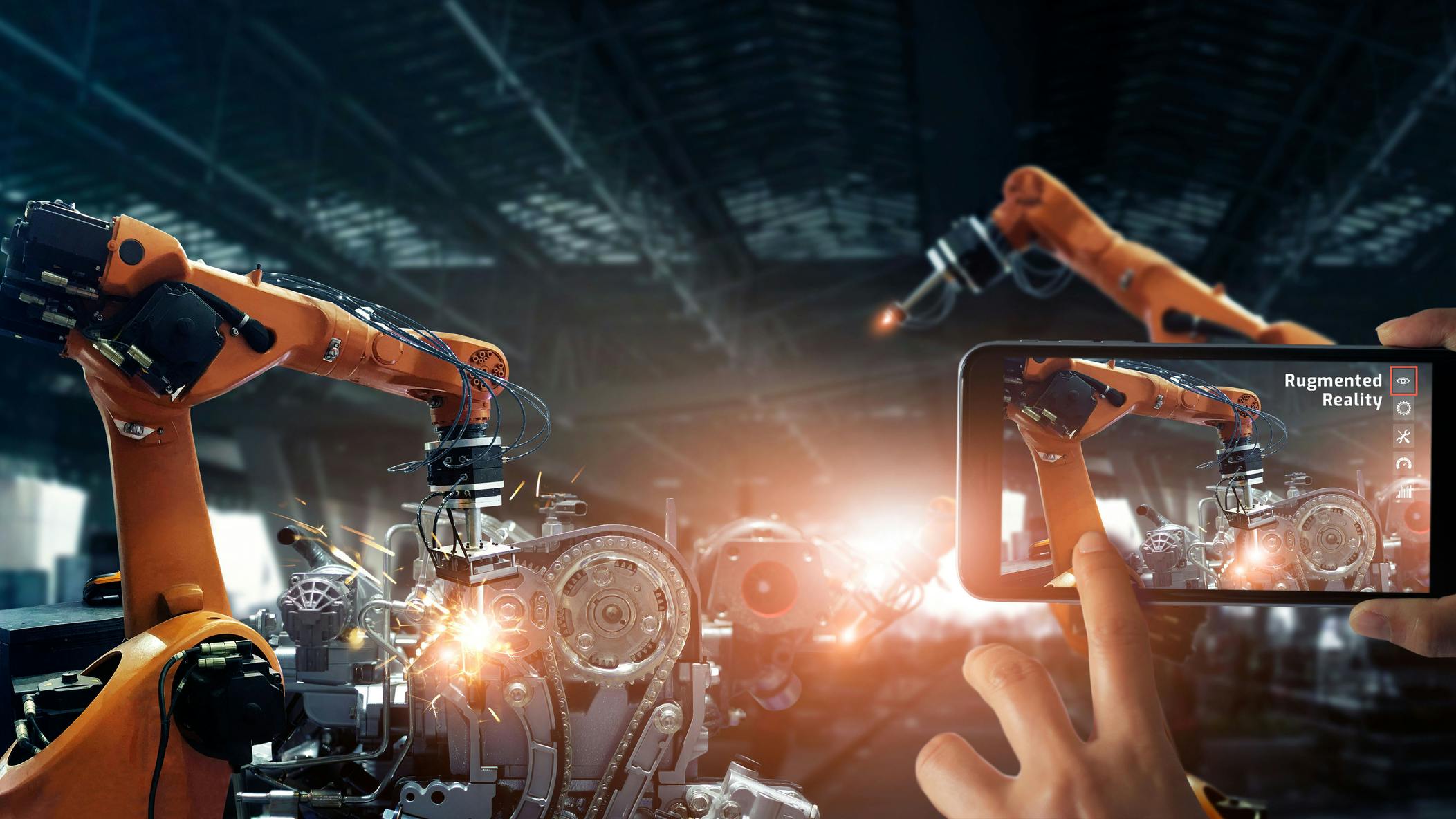
Now Interacting: Robotics and AI in Manufacturing
In a groundbreaking development for the manufacturing sector, artificial intelligence is set to serve as a unifying intelligence layer, effectively connecting robotics with a vast ecosystem of previously untapped data. This transformation is anticipated to revolutionize production processes, enhancing efficiency and innovation across the industry. The integration of AI into manufacturing is expected to occur in the near future, leveraging advancements made up to October 2023. By harnessing this wealth of data, manufacturers can optimize operations, reduce waste, and improve decision-making, ultimately leading to a more streamlined and responsive production environment. The shift towards AI-driven solutions underscores the industry's commitment to embracing technology to drive growth and competitiveness in an increasingly data-centric world.
Technology and IIoT / Robotics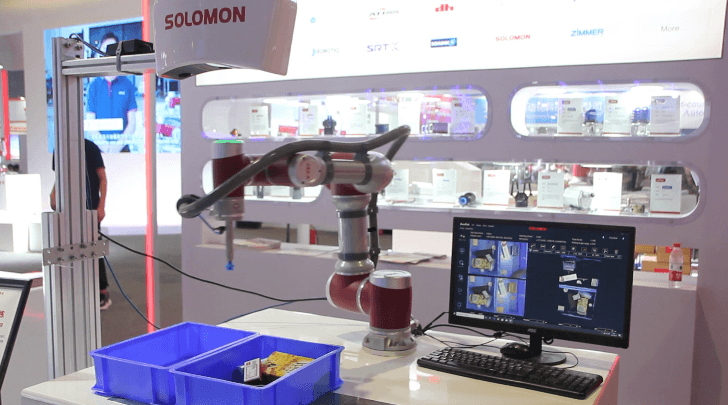
How to Maintain and Manage 6 Axis Robot Arms for Longevity and Precision
In the realm of smart manufacturing, the 6-axis robot arm has emerged as a crucial tool for achieving high-speed production and exceptional accuracy. However, maintaining its peak performance requires a systematic management approach. Neglecting routine maintenance can lead to unexpected downtime and safety hazards in collaborative workspaces. To address this, manufacturers are encouraged to adopt a tiered maintenance strategy that ensures the robot's repeatability and structural integrity. A successful maintenance program begins with daily visual inspections, where operators check for wear on the robot’s harness and ensure cleanliness to prevent contamination of internal components. In addition to daily checks, a quarterly or semi-annual schedule should focus on mechanical stability and accuracy, utilizing tools like laser trackers to detect any drift caused by thermal expansion or wear. The longevity of these robotic arms also hinges on the health of internal components and software. Regular checks for lubrication and maintaining a clean, temperature-controlled environment for the control cabinet are essential. Furthermore, keeping the robot's firmware updated and backing up program data ensures rapid recovery in case of hardware failures. JAKA Robotics has developed the JAKA Zu series, designed to minimize maintenance needs while maximizing operational life. The JAKA Zu20 model, capable of handling a 20 kg payload, is particularly suited for heavy-duty applications. The company also offers a digital ecosystem through the JAKA App, enabling users to monitor robot performance wirelessly. With built-in diagnostics and professional training resources, JAKA aims to provide a reliable investment in robotic technology that delivers precision and value over time.

Two from MIT named 2026 Knight-Hennessy Scholars
A prestigious fellowship has been established to support graduate studies at Stanford University, aiming to provide financial assistance to talented students pursuing advanced degrees. This initiative, announced recently, seeks to enhance educational opportunities for individuals from diverse backgrounds. By alleviating the financial burden associated with graduate education, the fellowship encourages a broader range of applicants to consider Stanford as their academic destination. The program is designed to foster innovation and research by attracting top-tier candidates who can contribute significantly to their fields of study. As the fellowship opens for applications in the upcoming academic year, it is expected to draw interest from prospective students worldwide, further solidifying Stanford's reputation as a leading institution for higher education.
Awards, honors and fellowships Students Graduate, postdoctoral Alumni/ae Economics Electrical engineering and computer science (EECS)Robotics needs a service framework.
RSF defines a common language for robot service capability, lifecycle operations, certification pathways, and service-provider networks.