

Industry Briefing
A single destination for timely, editor-curated robotics news from around the world.
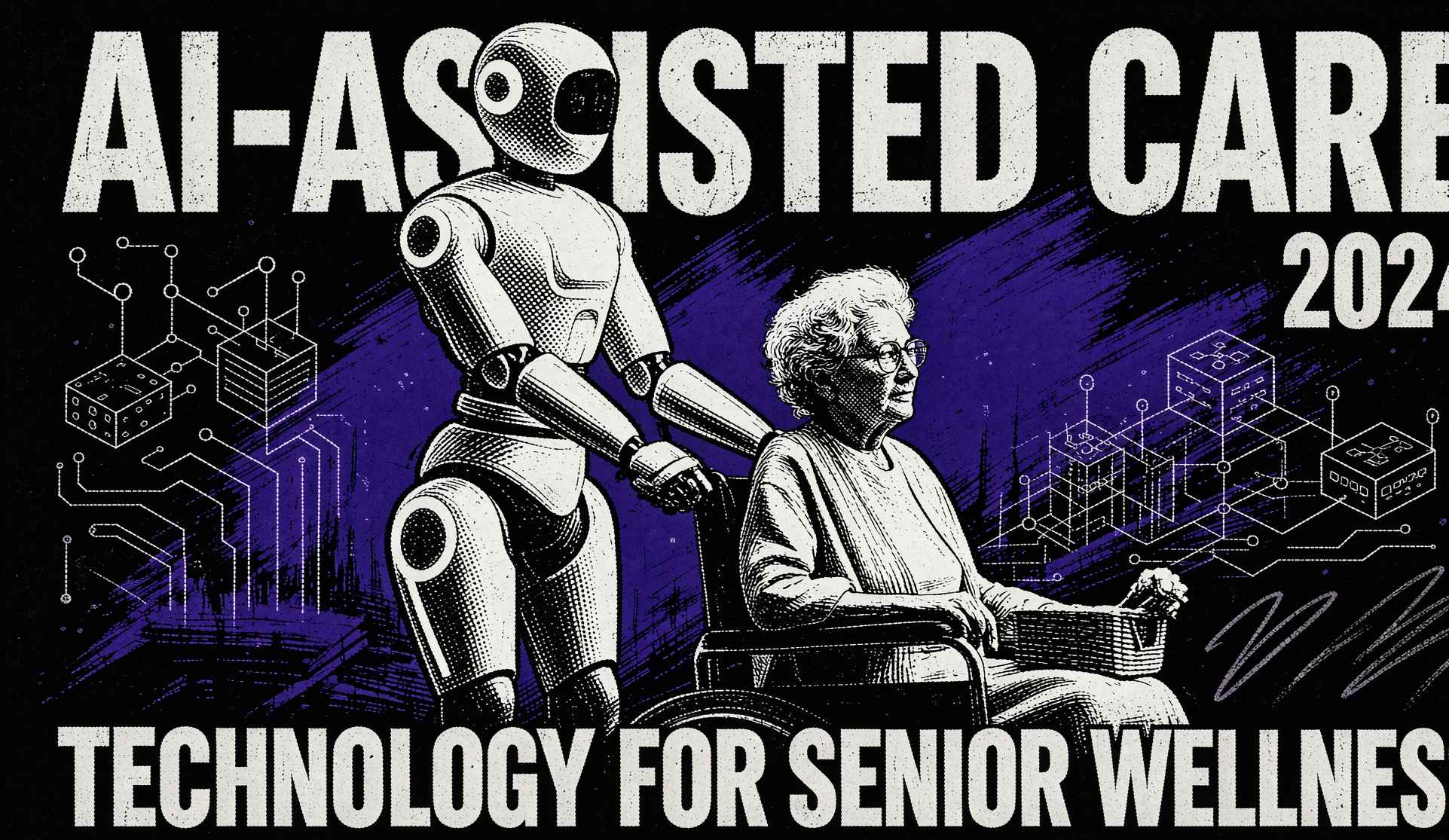
Inspiren Raises $70 Million in Series C Funding to Enhance AI Solutions for Elder Care
Inspiren has successfully secured $70 million in Series C funding, achieving a valuation of $550 million. The funding round was led by NewView Capital, with participation from several investors including Insight Partners and Scale Venture Partners. The company aims to address the challenges in elder care by integrating AI-driven technology with clinical contexts, focusing on privacy and dignity for residents. This funding is significant as it highlights the growing demand for innovative solutions in elder care, particularly in environments that require sensitive handling of privacy concerns. Inspiren's approach combines real-time behavior alerts, fall detection, and insights into care utilization, which are crucial for enhancing the quality of care in senior living communities. Looking ahead, Inspiren plans to expand its market presence, develop its hardware ecosystem, and deepen its AI platform capabilities. The effectiveness of these initiatives will be critical in determining how well the company can implement its solutions across various communities, ultimately impacting the acceptance of technology in elder care settings.
Elder Care Technology AI in Healthcare Fall Detection Systems Privacy-Centric Solutions
Companion Robots for the Elderly Focus on Conversation Rather Than Physical Care
Recent developments in companion robots for the elderly highlight a shift towards prioritizing conversation over physical assistance. Robots like Sandi in Barcelona and Hyodol in South Korea are designed to provide emotional support and reminders for medication and daily activities, addressing the needs of seniors facing cognitive decline and loneliness. This trend is significant as it reflects a growing recognition of the emotional and psychological needs of the elderly population. With over 3.2 billion people aged 60 and above in China and a substantial shortage of professional caregivers, the demand for supportive technologies is increasing. However, the penetration rate of professional care robots remains low, indicating a gap between need and technological adoption. Looking ahead, the challenge remains in developing robots that can perform physical tasks effectively while also providing companionship. As the demand for elderly care continues to rise, the focus on robots that foster interaction rather than just physical assistance may shape future innovations in this sector. No further timeline was disclosed at the time of publication.
Elderly Care Robots Companion Robots AI Technology Healthcare Innovation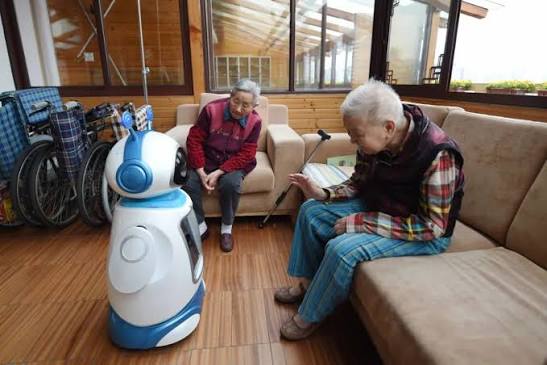
Beijing Advocates for Elderly Care Robots in Households Amidst Market Challenges
Beijing is actively promoting the integration of elderly care robots into households, aiming to tap into a lucrative market. However, there are three significant hurdles that must be overcome to ensure these robots do not end up unused. These challenges include technological limitations, consumer acceptance, and regulatory frameworks that need to be addressed. The push for elderly care robots is crucial as the aging population in Beijing increases, creating a demand for innovative solutions to support independent living. The potential market for these robots is substantial, estimated to be worth millions, but without overcoming the identified barriers, the adoption rate may remain low. Looking ahead, stakeholders in the robotics and healthcare sectors should focus on addressing these hurdles to facilitate the successful deployment of elderly care robots. No further timeline was disclosed at the time of publication.
Robotics Automation AI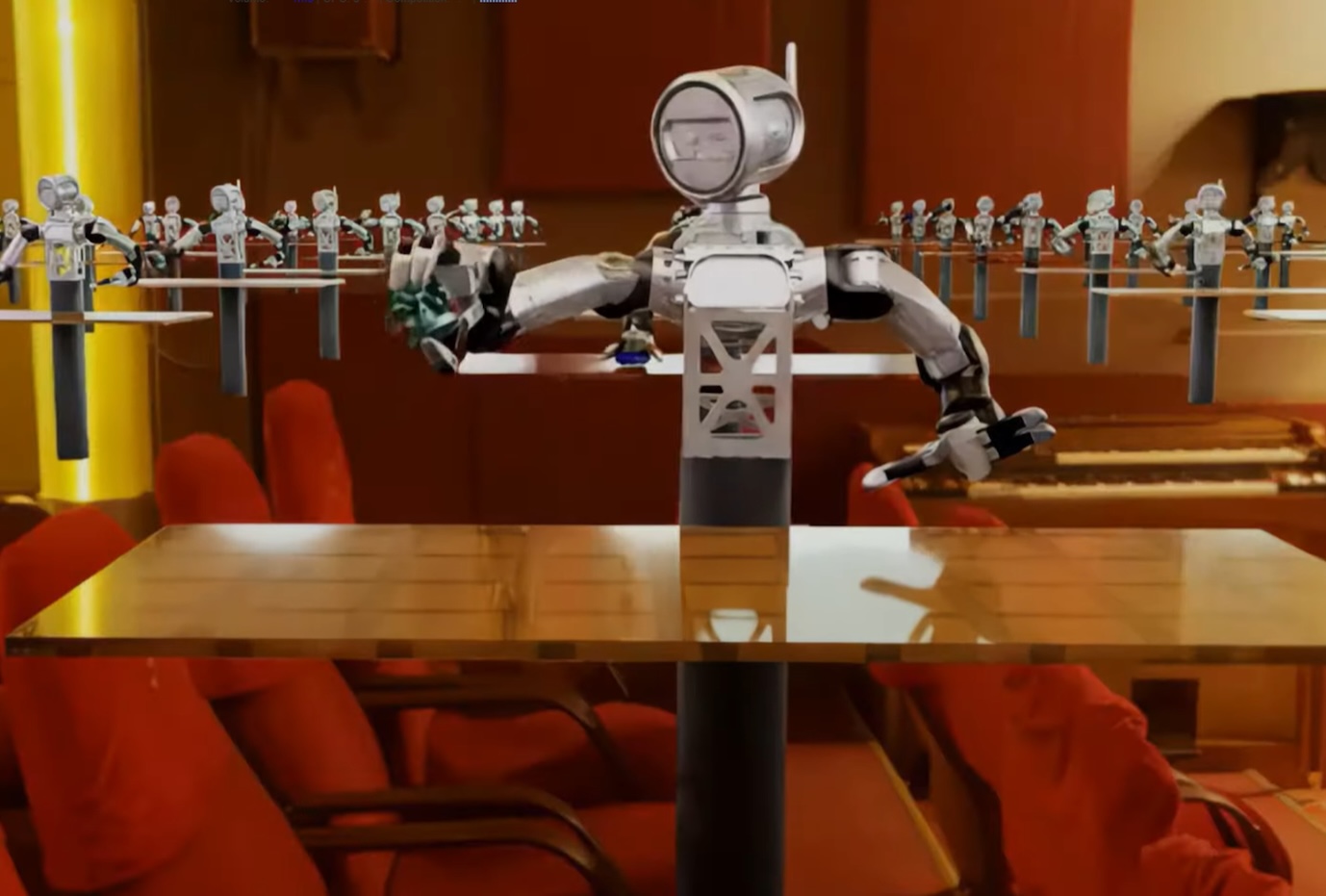
217 Robots Undergo Training to Improve Elderly Care in Qingdao
In Qingdao, 217 robots are undergoing training at China's first rehabilitation robot training verification center to enhance elderly care. With over 320 million people aged 60 and above in China, and more than 50 million elderly individuals with disabilities, the demand for professional caregivers is significant, with a shortfall of 10 million workers. The training focuses on teaching robots essential tasks such as medication delivery, folding clothes, and assisting with wheelchairs. Each action is broken down into numerous detailed steps to ensure precision, especially when interacting with elderly individuals. The training aims to address the unique needs of seniors, as highlighted by experts who emphasize the importance of personalized care in robotic applications. As the robots learn to perform basic tasks, challenges remain, particularly in understanding dialects and providing appropriate responses to seniors' needs. The Qingdao training center has attracted 45 companies and 210 robot models, indicating a growing interest in the development of care robots. The future of these robots in the market will depend on their ability to interact effectively with humans, rather than just their technological capabilities.
Elderly Care Robots Robotics Training Assistive Technology Healthcare Innovation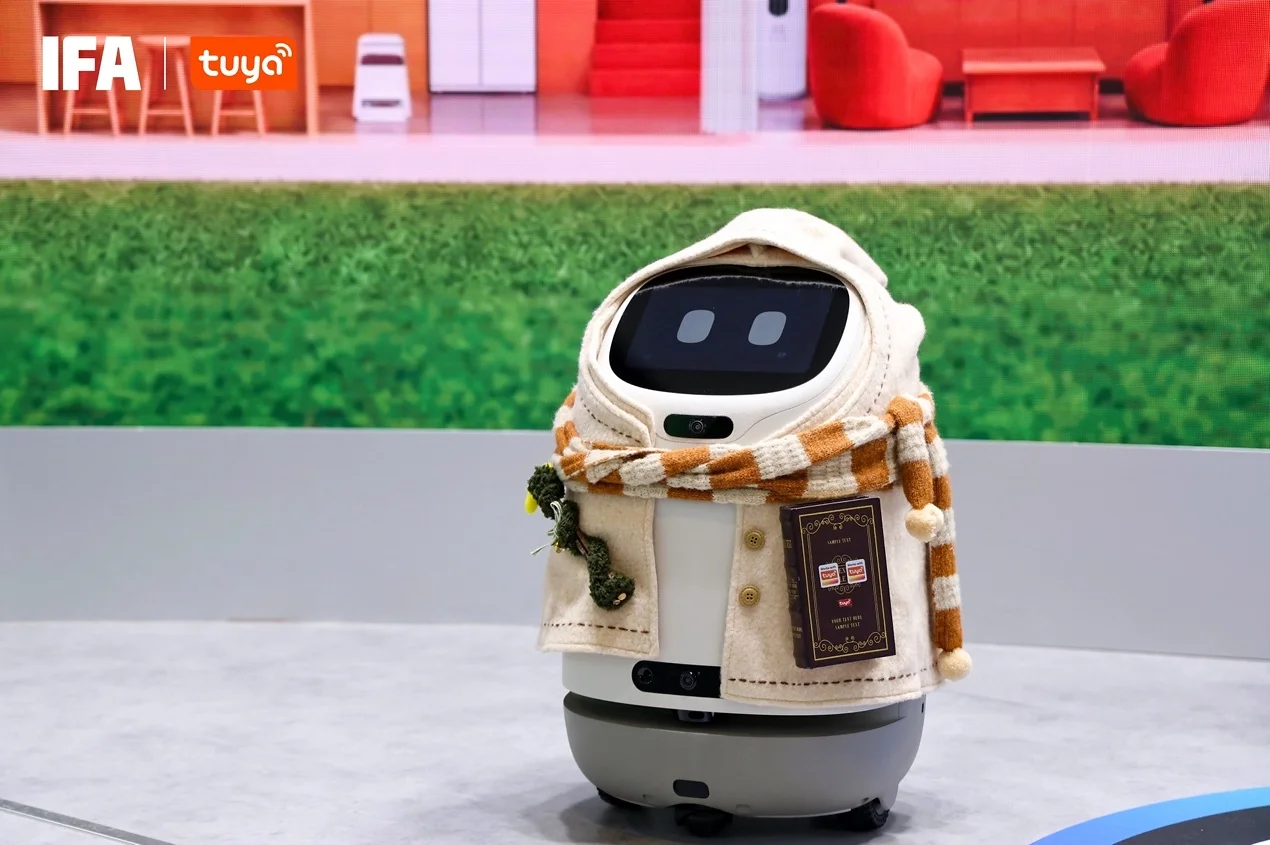
Tuya Introduces Doova: An AI Companion Robot for Elder Care and Smart Homes
At IFA 2026 in Berlin, Tuya Smart unveiled Doova, an autonomous companion robot designed to meet the elder care needs of seniors living independently. This innovative robot integrates proactive fall detection with conversational intelligence and is seamlessly connected to Tuya's smart home ecosystem. Unlike traditional humanoid robots, Doova features a user-friendly wheeled design for effective domestic navigation. The introduction of Doova signifies a strategic shift in consumer robotics, focusing on specialized autonomy to address critical ambient-care challenges that general-purpose humanoids cannot economically or practically solve. For seniors, falls pose significant risks, often exacerbated by delays in alerting caregivers or emergency services. Doova's advanced multi-sensor array and autonomous navigation capabilities aim to mitigate these dangers by providing timely assistance and emergency responses. Looking ahead, Tuya plans to enhance Doova's functionalities with software updates that will include features like autonomous object retrieval. As a mobile command hub for Tuya's AIoT ecosystem, Doova allows users to control various smart home devices through natural voice commands, making daily interactions more intuitive and less transactional. No further timeline was disclosed at the time of publication.
China Tuya
Exploring the Billion-Dollar Elderly Care Robot Market: Key Insights and Challenges Ahead
A new report highlights the urgent need for elderly care solutions in China, where the population over 60 exceeds 320 million. With a shortfall of 5.5 million caregivers, the elderly care robot market is projected to surpass 10 billion yuan by 2026. However, the penetration rates for home care robots and professional care robots remain low, at under 10% and 1.2%, respectively. The report emphasizes that successful commercialization often stems from addressing specific problems with targeted devices. Current applications, such as safety monitoring and nighttime inspections, are gaining traction, with robots in Shenzhen already capable of detecting falls and notifying family members within 20 seconds. Yet, the most labor-intensive tasks, like personal care, remain challenging for robotic solutions. Looking ahead, the commercialization of elderly care robots hinges on their ability to demonstrate clear value to care facilities and families. The report suggests that the true potential of these robots lies not in mimicking human capabilities but in enhancing care efficiency and allowing human caregivers to focus on the essential aspects of care that require empathy and judgment. No further timeline was disclosed at the time of publication.
Elderly Care Robots Healthcare Technology Robotics Aging Population Assistive Technology
ESTUN Launches E-Care APP with AI Solutions for Enhanced Industrial Operations
ESTUN has launched the E-Care APP, an AI-driven platform designed to enhance the lifecycle service chain of industrial robots. This app focuses on after-sales service and utilizes the Xiaoi AI assistant to provide a comprehensive intelligent operation and maintenance solution, addressing operational challenges in manufacturing with efficiency and cost-effectiveness. The E-Care APP integrates a proprietary large model, transforming the Xiaoi AI assistant into an intelligent expert capable of providing real-time answers and solutions for hardware and software issues. Users can input questions directly, and the AI will deliver standardized graphical responses, significantly reducing technical barriers and downtime losses. With features like remote connectivity, cloud backup, and a built-in manual library, the E-Care APP streamlines maintenance processes. It allows users to monitor robot statuses, manage programs, and facilitate efficient communication with official service channels, ultimately enhancing production capacity management and operational efficiency. No further timeline was disclosed at the time of publication.
Industrial Robots AI Solutions Remote Operations Maintenance Management
Smart Toilet Robot Transforms Nighttime Care for Elderly Couple
Eighty-six-year-old Mr. Yang and Mrs. Yang recently celebrated their 66th wedding anniversary. As they age, nighttime bathroom trips have become a significant burden for them, especially with Mrs. Yang's mobility issues following surgery. Mr. Yang has been assisting her multiple times a night, disrupting their sleep and leading to discomfort due to accidents. The introduction of the 'Leap Buddy' smart toilet robot has alleviated these challenges. This robot autonomously moves, avoids obstacles, and manages waste, allowing Mrs. Yang to call it with a button press. It features a self-cleaning system and odor control, significantly improving their home environment and sleep quality. With the robot's assistance, Mr. Yang no longer needs to help his wife up multiple times a night, leading to more restful nights for both. The device not only enhances physical comfort but also reduces the emotional stress associated with nighttime care, allowing for a dignified and comfortable living experience for elderly individuals.
Elderly Care Smart Home Technology Robotics Healthcare Innovation
Tesla Optimus: Home Capabilities Limited to Demonstrations Until 2026
As of August 2026, Tesla's Optimus robot is not available for home use, as it remains in early production. Demonstrations of household tasks have been shown, but these do not reflect capabilities ready for consumer deployment. The robot's ability to perform tasks consistently in a home environment remains unproven. This situation is significant as it highlights the challenges Tesla faces in scaling production of Optimus, which Musk described as the hardest product to manufacture. The company has shifted its production line from Model S and Model X to focus on humanoid robots, with initial units intended for training and data collection rather than customer use. Looking ahead, realistic expectations suggest that basic tasks like fetching items may be achievable by 2028-2029, while more complex cooking tasks are projected to be beyond 2030. The current limitations of Optimus underscore the complexities of robotics in home settings, which are inherently more unpredictable than factory environments.

Starmind's Orbital Compute vs. Terrestrial Data Centers: Analyzing Resource Advantages
Starmind's orbital compute technology presents a significant advantage over traditional ground-based data centers by eliminating constraints related to land, water, and grid permitting. While terrestrial data centers are currently cheaper and faster to construct, with U.S. data center spending reaching $85.3 billion in 2026, Starmind's approach focuses on addressing the growing resource limitations faced by hyperscale facilities. The significance of Starmind's technology lies in its ability to sidestep the increasing challenges of land and water usage. For instance, a 100 MW data center can consume approximately 530,000 gallons of water daily for cooling, while Starmind's AI1 utilizes deployable liquid radiators that require no water. This structural advantage could resonate with investors as the demand for AI computing continues to escalate, potentially leading to annual water withdrawals of up to 1.7 trillion gallons by 2027. Looking ahead, Starmind's next milestones include the launch of AI1 prototypes scheduled for early 2027. However, the technology's claims regarding cooling efficiency and operational reliability remain unverified until real flight data is available. As the industry evolves, the competition between orbital and terrestrial solutions will become increasingly relevant, particularly in the context of resource management and sustainability.
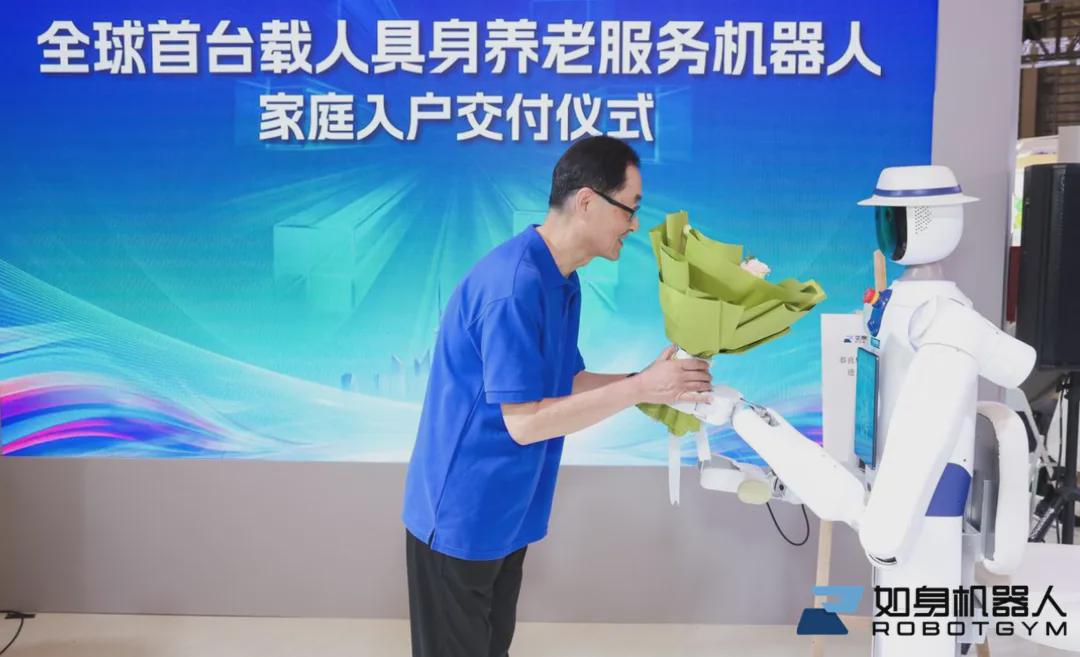
Investment in Embodied Care Robots: How RuShen Robotics is Integrating Robots into Real-World Elderly Care
RuShen Robotics has announced a major funding round aimed at advancing the use of embodied intelligent robots in elderly care facilities. The company specializes in creating robots designed to assist with a range of caregiving tasks, addressing the challenges presented by real-life scenarios. Their newest innovation, the QiCare robot, is engineered to effortlessly switch between mobility and caregiving functions, with the goal of optimizing the elderly care experience. This funding will enable RuShen Robotics to further develop and deploy these advanced robotic solutions, enhancing support for caregivers and improving the quality of life for elderly individuals.
Elderly Care Robots Healthcare Robotics AI Technology Robotics Innovation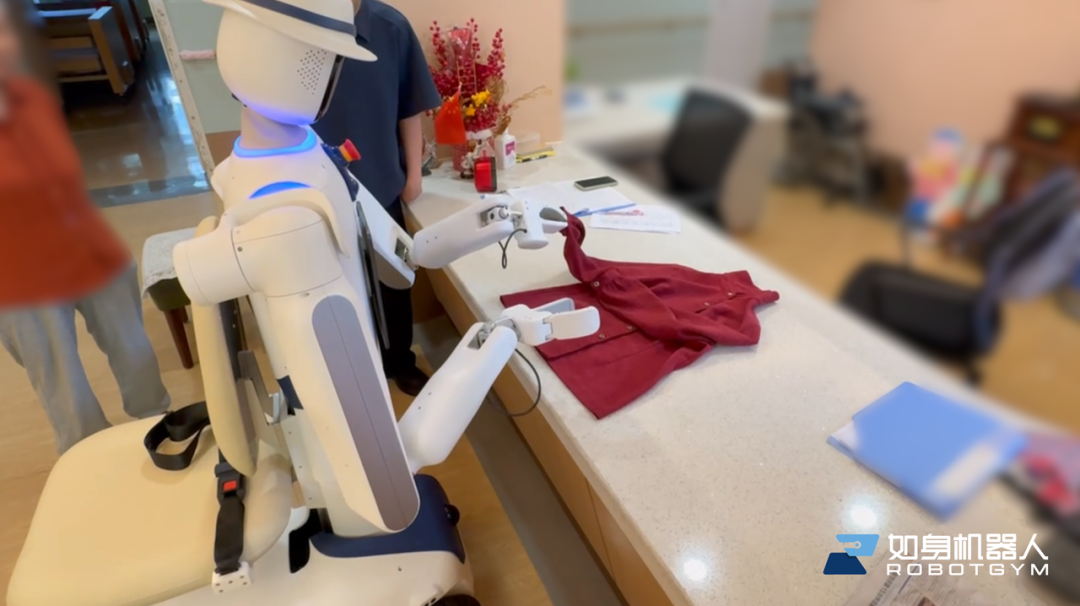
RuiShen Robotics Secures Nearly 200 Million in Funding for Elderly Care Robots
Shanghai RuiShen Robotics has successfully completed a Pre-A funding round, securing over 100 million yuan to enhance its efforts in deploying embodied AI technology in elderly care environments. The funding was supported by notable investors, reflecting growing confidence in the company's vision. Established three years ago, RuiShen Robotics has now raised nearly 200 million yuan across five funding rounds, emphasizing its commitment to developing innovative rehabilitation and elderly care robots. This latest financial boost is expected to significantly accelerate the company's initiatives in improving care for the aging population.
Elderly Care Robots Embodied AI Healthcare Technology Robotics Rehabilitation Robotics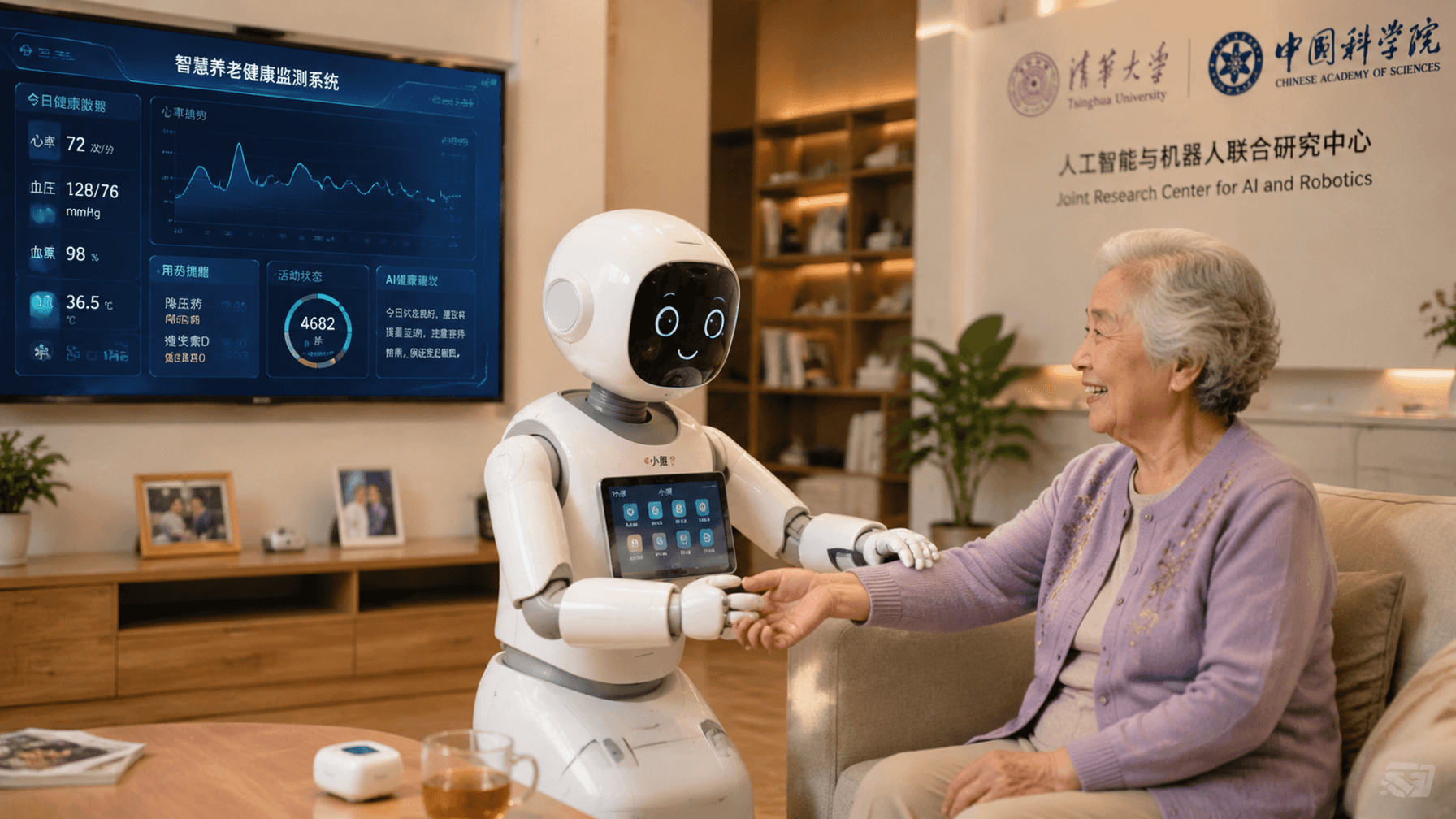
Kelidian Technology Develops Elderly Care Transfer Robots with Tsinghua, CAS, and West China Hospital
Shenzhen-based startup Kelidian Technology has successfully secured strategic financing aimed at advancing its development of AI-powered robots designed for elderly companionship and rehabilitation transfer. This funding will bolster the company’s efforts to enhance home care solutions, addressing the growing demand for innovative support systems for the aging population. The financing round, finalized recently, underscores the increasing interest and investment in technology that facilitates independent living for seniors. Kelidian Technology plans to utilize the funds to further refine its robotic technologies, ensuring they meet the specific needs of elderly users and their caregivers.
Startups
Robotic rabbit learns users' voices on first greeting, enabling personalized elder care
Researchers from the Social Robotics Group at the Universidad Carlos III de Madrid (UC3M) have created an innovative AI-based methodology that enables a pet-type assistive robot, named Mía, to recognize individuals during interactions. Currently, this prototype is undergoing testing at day centers operated by the Madrid City Council, where it aims to provide personalized emotional support to elderly individuals experiencing cognitive decline. The initiative seeks to enhance the quality of life for these seniors by fostering meaningful connections through advanced robotic technology.
Robotics
In aging South Korea, AI dolls care for the elderly
In South Korea, 78-year-old Bang Chun-ja has found companionship in an AI-powered doll, which she prefers over human interaction. Living alone in her small apartment, Bang has embraced this technology as a means to alleviate loneliness. The doll, designed to engage and respond to her, offers her a sense of connection and comfort in her daily life. As societal shifts lead to increased isolation among the elderly, Bang's experience highlights the growing trend of using artificial intelligence to combat loneliness and enhance the quality of life for seniors.
Robotics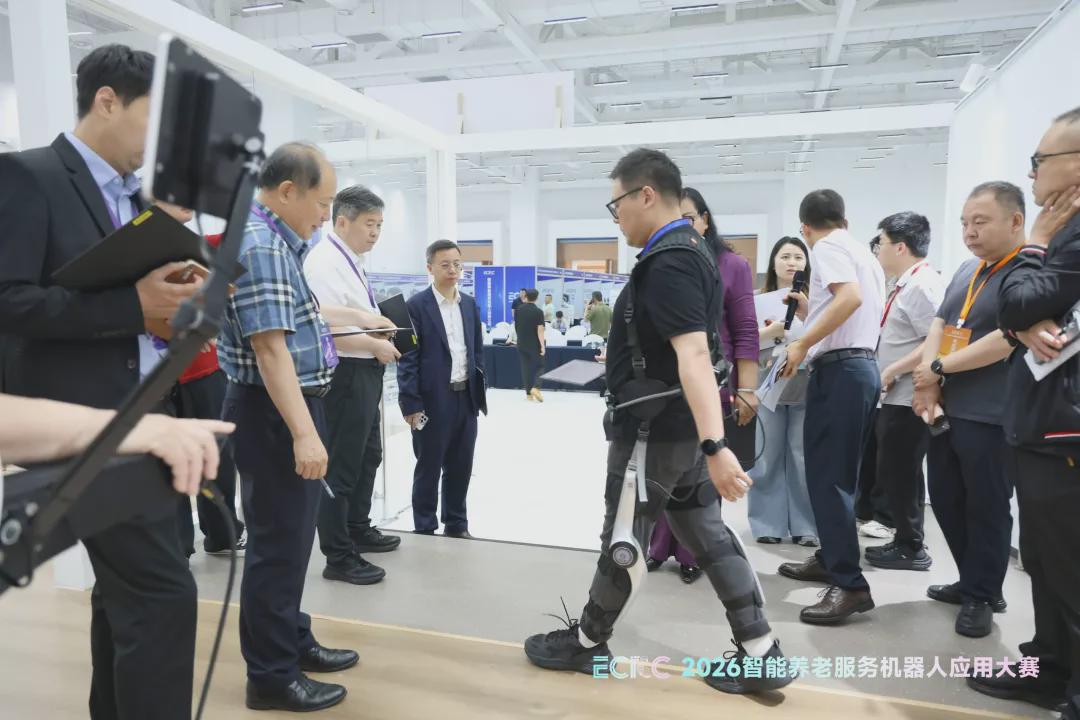
Empowering Elderly Care with Robotics: Highlights from the 2026 Smart Elderly Care Robot Competition
The 2026 Smart Elderly Care Robot Competition took place in Langfang, where 57 teams presented cutting-edge robotic solutions designed to improve the quality of care for the elderly. The event highlighted various technologies, including exoskeletons and care robots, which were tested in real-life scenarios to tackle challenges such as mobility assistance and emotional support for seniors. This competition aims to foster innovation in elderly care, addressing the growing need for effective solutions as the population ages. Participants showcased their advancements, demonstrating how robotics can play a vital role in enhancing the lives of older adults.
Elderly Care Robots Healthcare Technology Robotics Assistive Technology
2026 Smart Elderly Care Robot Competition Concludes Successfully with 12 Teams Honored
The 2026 Smart Elderly Care Robot Application Competition took place in Langfang, bringing together 57 teams to showcase their innovations aimed at enhancing elderly care through technology. Themed 'Robots Empowering Elderly Care, Technology Warming the Sunset Years,' the event focused on health management and emotional support for seniors. After a series of tasks, 12 teams were recognized for their outstanding contributions, underscoring the growing importance of integrating advanced technology into real-world applications for elderly care. This competition not only highlighted the potential of rehabilitation and caregiving robots but also emphasized the role of innovation in improving the quality of life for the aging population.
Elderly Care Robots Rehabilitation Technology Healthcare Robotics Assistive Technology
The New Era of Elderly Care Technology: Robots Enter Practical Application Stage
With China's elderly population exceeding 300 million, the demand for elderly care robots is rapidly increasing. In response to this growing need, the 2026 Intelligent Elderly Care Robot Application Competition will take place in Langfang, featuring innovations from over 60 prominent companies and universities. Scheduled for next year, the competition aims to highlight the evolution of elderly care technology, moving beyond basic functionalities to offer comprehensive solutions that enhance the quality of life for seniors. This initiative reflects a broader commitment to leveraging advanced technology in addressing the challenges posed by an aging population.
Elderly Care Robots Healthcare Technology Robotics Innovation Assistive Technology
Countdown to the 2026 Smart Elderly Care Robot Competition: Preview of Exciting Highlights
The 2026 Smart Elderly Care Robot Application Competition will be held on May 25-26 in Langfang, China, highlighting advancements in robotic technology for elderly care. This event will present two primary challenges focused on rehabilitation and elderly care robots, evaluating their effectiveness in scenarios related to health management and emotional support. Participants are expected to demonstrate innovative solutions that address the urgent needs of the aging population, aiming to bridge the gap between technological advancements and practical applications in elderly care.
Elderly Care Robots Robotics Competition Health Management Assistive Technology Smart Home Solutions
2026 Smart Elderly Care Robot Competition Launches with Eight Key Tasks
The 2026 Smart Elderly Care Robot Application Competition commenced in Langfang, featuring innovative robots aimed at aiding the elderly in daily tasks. Participants showcased their designs, which included solutions for mobility support, health management, and emotional companionship, all targeting the pressing challenges encountered in elderly care. The competition prioritizes practical applications and safety, focusing on the real-world effectiveness of these technologies rather than just theoretical concepts.
Elderly Care Robots Healthcare Robotics Assistive Technology Robotics Competitions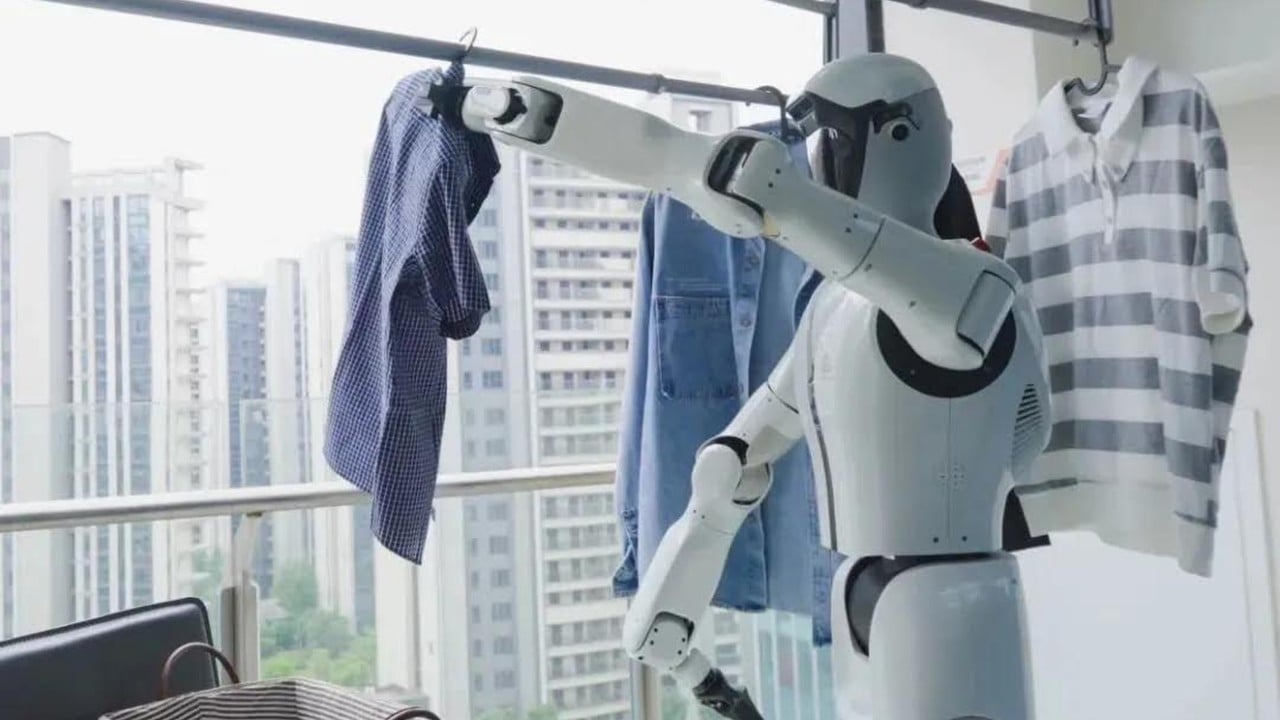
Commercial humanoid robots in China may soon do laundry, make beds, care for elders
China's robotics industry is making significant strides as GigaAI, in collaboration with the Hubei Humanoid Robot Innovation Centre and the Hubei Humanoid Robotics Industry Alliance, introduced the SeeLight S1, the country's first general-purpose household humanoid robot. This unveiling took place on Wednesday in Wuhan, the capital of Hubei province. The initiative aims to explore the potential of robots in managing domestic chores, venturing beyond traditional factory settings into the complexities of home environments. To encourage public engagement and gather feedback, GigaAI plans to provide the SeeLight S1 to families in Wuhan for free testing. This move reflects a growing interest in integrating advanced robotics into everyday life, addressing the increasing demand for automation in household tasks.

Smart Robots: Transforming Elderly Care in China's Silver Economy
As China's aging population continues to increase, the demand for innovative solutions in elderly care is becoming more pressing. In response to this challenge, smart robots are gaining prominence as essential tools in transforming the sector. These advanced technologies are designed to alleviate labor shortages and improve the efficiency of care services. By assisting with daily activities, monitoring health, and offering emotional companionship, these robots are poised to revolutionize the elderly care industry. The integration of robotics into this field reflects a significant shift towards leveraging technology to meet the needs of an aging society.
Elderly Care Healthcare Robotics Smart Technology AI Solutions
2026 Smart Elderly Care Robot Application Competition Set to Showcase Innovations
The 2026 Smart Elderly Care Robot Application Competition is set to occur on May 25-26 in Langfang, showcasing innovative solutions in rehabilitation and elderly care robotics. More than 60 teams will participate, demonstrating their robots' functionalities across various scenarios to tackle significant challenges in elderly care. The event aims to engage industry professionals and the public, highlighting advancements in smart elderly care technology and fostering opportunities for collaboration in this growing field.
Elderly Care Robots Rehabilitation Robots Smart Technology Healthcare Innovation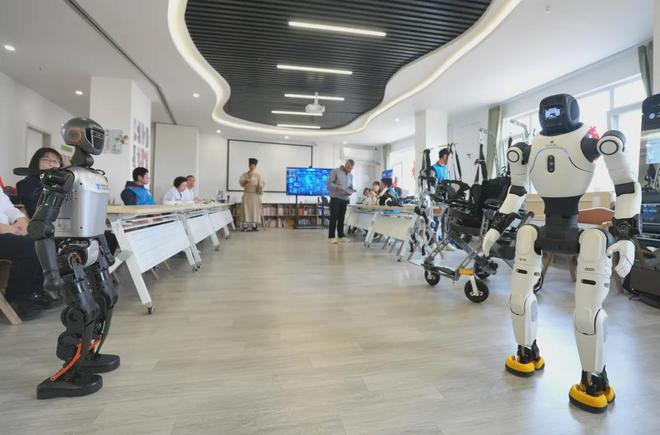
World's First Robot Elderly Care Station Opens in Beijing with Over 40 Robots
Beijing has unveiled the world's first smart elderly care station, equipped with more than 40 robots designed to assist with various tasks such as cooking, providing companionship, and facilitating rehabilitation. This groundbreaking facility, which aims to integrate advanced technology into daily care for seniors, responds to the increasing demand for support as the global population ages. By leveraging robotics, the initiative seeks to enhance the quality of life for elderly individuals, ensuring they receive the necessary assistance and companionship in a rapidly changing demographic landscape.
Elderly Care Robotics Smart Technology Healthcare Innovation
Registration Opens for the 2026 Smart Elderly Care Service Robot Application Competition
Registration has commenced for the 2026 Smart Elderly Care Service Robot Application Competition, set to take place on May 25-26, 2026, in Langfang, Hebei. This event aims to advance the field of rehabilitation and elderly care robotics by presenting challenges that emphasize practical applications and innovative evaluation techniques. Organizers are encouraging participants to showcase their cutting-edge solutions to address the growing needs of the elderly population, reflecting a commitment to enhancing quality of life through technology.
Elderly Care Robots Rehabilitation Robotics AI Technology Robot Competitions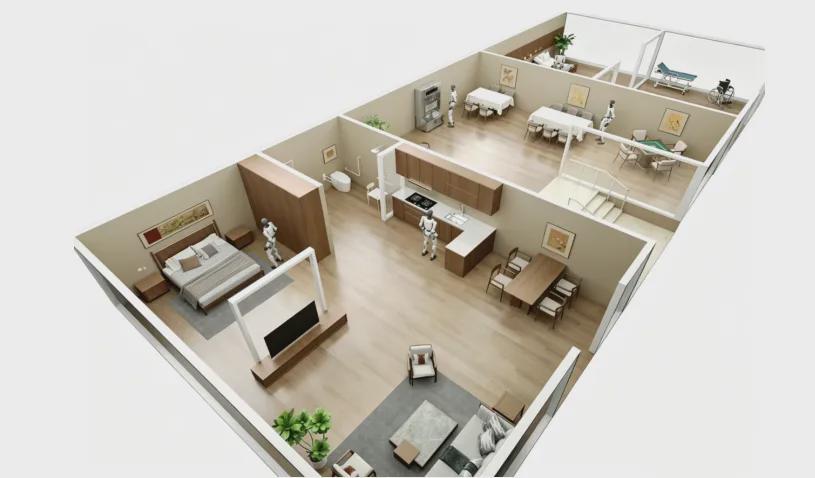
Countdown to the 2026 Smart Elderly Care Robot Application Competition
The 2026 Smart Elderly Care Robot Application Competition is set to occur on May 25-26, 2026, in Langfang, Hebei Province. This competition aims to bring together companies and teams to present their cutting-edge technologies in elderly care robotics. By offering a platform for direct market engagement and real-world testing, the event seeks to foster innovation in the field of elderly care, addressing the growing demand for effective solutions as populations age. Participants will have the opportunity to demonstrate their products, potentially leading to advancements in the quality of care for seniors.
Elderly Care Robots Robotics Competition Smart Technology Healthcare Innovation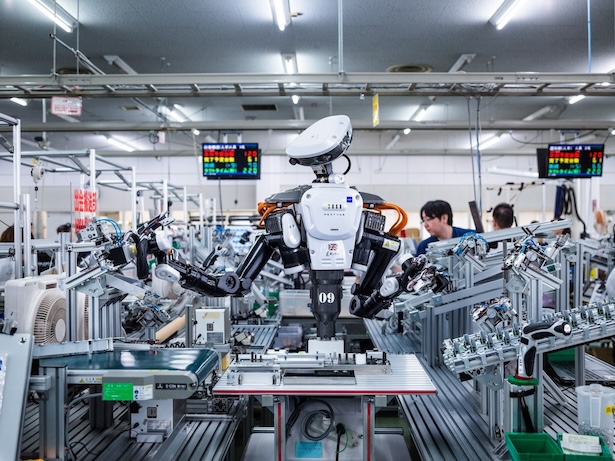
Ergonomically Designed Assistive Robots: Where and How to Bring Comfort, Safety, and Independence to Elderly Care
A recent study published in the Journal of Field Robotics highlights advancements in robotic technology aimed at enhancing agricultural efficiency. Researchers from various universities collaborated on this project, focusing on the development of autonomous robots designed to assist in crop monitoring and management. The study, released in early October 2023, emphasizes the increasing need for innovative solutions in agriculture due to rising global food demands and labor shortages. The research was conducted across multiple agricultural sites, showcasing the robots' capabilities in real-time data collection and analysis. By utilizing advanced sensors and machine learning algorithms, these robots can identify crop health issues and optimize resource usage, ultimately aiming to improve yield and reduce waste. The findings suggest that integrating robotics into farming practices could significantly alleviate some of the pressures faced by the agricultural sector. This initiative not only addresses the immediate challenges of food production but also aligns with broader sustainability goals. The researchers advocate for further investment in robotic technologies, as they believe that such innovations could play a crucial role in transforming traditional farming methods into more efficient and sustainable practices.
SURVEY ARTICLE
Japan Science and Technology Agency Develops NVIDIA-Powered Moonshot Robot for Elderly Care
A groundbreaking advancement in technology is on the verge of emergence, potentially rivaling the smartphone's impact on daily life. The Japan Science and Technology Agency is funding the Moonshot research program, which aims to develop innovative solutions in AI and robotics. This initiative is being propelled forward by NVIDIA, a leader in artificial intelligence and computing technology. While details remain under wraps, experts suggest that this new technology could significantly alter various sectors, although it may come with a higher price tag compared to current devices. The project is expected to push the boundaries of what is possible in technology, promising to deliver transformative tools that could reshape user experiences and interactions in the near future.
Robotics needs a service framework.
RSF defines a common language for robot service capability, lifecycle operations, certification pathways, and service-provider networks.
Join the RobotToday community on LinkedIn
Daily robotics news, in-depth analysis, conference highlights, and discussions with professionals worldwide.






