Industry Briefing
A single destination for timely, editor-curated robotics news from around the world.

Mitsubishi Electric Showcases Integrated Manufacturing and Educational Solutions at IMTS 2026
At IMTS 2026, Mitsubishi Electric US, Industrial Automation will showcase the synergy of integrated CNC, robotics, automation, and digital technologies. This demonstration aims to illustrate how these technologies can enhance manufacturing performance, boost flexibility, and establish a robust foundation for future growth. The significance of this demonstration lies in its potential to transform manufacturing processes. By highlighting the integration of various technologies, Mitsubishi Electric emphasizes the importance of adopting advanced solutions to remain competitive in the evolving industrial landscape. Looking ahead, industry stakeholders should monitor the advancements in connected manufacturing solutions presented by Mitsubishi Electric. These innovations could play a crucial role in shaping the future of manufacturing and automation. No further timeline was disclosed at the time of publication.

Electromate Advocates for Hands-On Robotics Learning Using Dobot's Educational Platform
Electromate Inc. is emphasizing the importance of hands-on robotics education by showcasing Dobot's educational robotics platform. This initiative aims to assist schools, colleges, and universities in overcoming hardware access challenges as they expand their robotics and automation programs. The deployment of Dobot robots in educational settings is significant as it enables educators to create interactive learning environments. By providing practical access to multiple robots, Electromate is facilitating the integration of programming, automation, and advanced robotics coursework into the curriculum. Looking ahead, educators and institutions should monitor how the adoption of Dobot's platform influences student engagement and learning outcomes in robotics education. No further timeline was disclosed at the time of publication.

NVIDIA Engages in NSF's AI Hubs Program to Enhance AI Research and Education Nationwide
NVIDIA has joined the National Science Foundation's (NSF) State and Regional Artificial Intelligence Infrastructure Hubs program, which aims to enhance access to AI resources for research and education across the United States. This initiative will support collaborations among colleges and universities, bolstering the nation's AI ecosystem through shared resources and expertise. The program is significant as it addresses the need for advanced computing, data, and educational resources in AI, enabling institutions to accelerate scientific discovery and innovation. By fostering partnerships with private industry and local governments, the initiative aims to create pathways for institutions to engage in AI-enabled research and education, ultimately preparing students for careers in the AI economy. Looking ahead, the success of these regional hubs will depend on their ability to provide tailored resources that meet local needs and economic priorities. NVIDIA's involvement will also focus on developing educational pathways that equip students and professionals with the necessary skills to thrive in various sectors, including healthcare, manufacturing, and cybersecurity. No further timeline was disclosed at the time of publication.
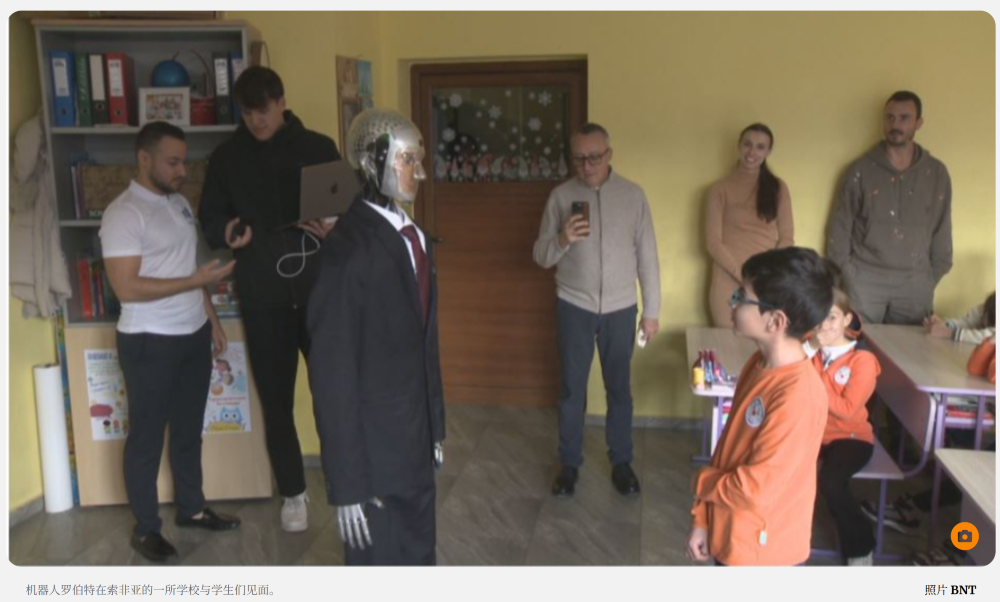
Bulgarian Robot Teacher Robert Launches Nationwide Education Initiative
In July, Bulgaria's first humanoid robot, Robert, commenced a nationwide educational tour aimed at integrating domestic robotics technology into schools. This initiative, led by the Bulgarian Ministry of Education, allows students to engage directly with artificial intelligence and robotics, fostering curiosity and interactive learning experiences. The significance of this tour lies in its potential to transform traditional education. Robert, equipped with an AI system, can engage in real-time conversations and respond to questions, enhancing student focus and participation. The initiative has already seen positive feedback from over 30 schools during its pilot phase, indicating a growing interest in technology among students. Looking ahead, the tour symbolizes a shift in how robotics are perceived in Bulgaria, moving from mere laboratory experiments to practical applications in everyday life. As Robert and another robot, Smoky, visit more schools, they aim to inspire the next generation of tech enthusiasts and underscore the importance of developing homegrown technology rather than solely relying on imports.
Humanoid Robots AI in Education Robotics EdTech
Viam Introduces Educational Initiatives for Developers to Create Robotics Applications
Viam has launched Viam Education, a new initiative aimed at assisting developers in creating robotics applications on its platform. This program, spearheaded by Shannon Bradshaw, SVP of Product and Education, includes Viam 101, which provides engineers with a structured approach to robotics development. The significance of Viam Education lies in its commitment to making robotics more accessible to engineers. By offering free online courses, live events, hackathons, and dedicated office hours in New York City, Viam aims to empower developers and enhance their skills in building applications using the Viam platform. Looking ahead, Viam's educational offerings are expected to evolve, potentially introducing more advanced courses and resources. No further timeline was disclosed at the time of publication.
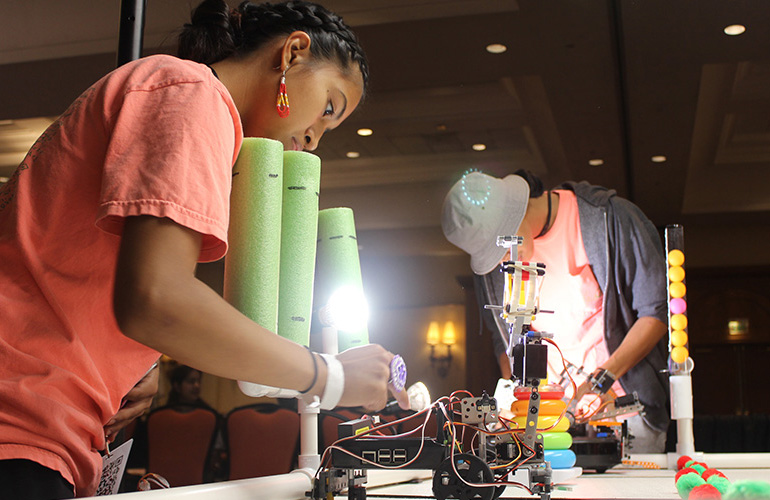
KISS Institute Launches BotBall to Enhance STEM Education with Student-Led Robotics
The KISS Institute for Practical Robotics (KIPR) has introduced BotBall, a robotics program designed to foster creativity and critical thinking among students. This initiative emphasizes student-led engineering, allowing participants from elementary to high school to engage in hands-on learning using a standardized kit. The program ensures a level playing field by providing all teams with the same materials, promoting accountability and project management skills without adult intervention during competitions. BotBall challenges traditional educational models by integrating real programming languages like C and Python into its curriculum, demonstrating that students can handle complex coding at an early age. The Junior Botball Challenge (JBC) further innovates by allowing up to five students to collaborate on a single robot, shifting the focus from competition to inquiry-driven problem solving. This approach encourages teamwork and a deeper understanding of both mechanics and software among participants. As the school year approaches, KIPR is expected to release more details about the upcoming competition schedule. The BotBall program represents a significant shift in STEM education, moving away from conventional roles and fostering a new generation of students who are well-versed in both engineering and programming disciplines. No further timeline was disclosed at the time of publication.
Autonomous Mobile Robots (AMRs) Educational News competition education workforce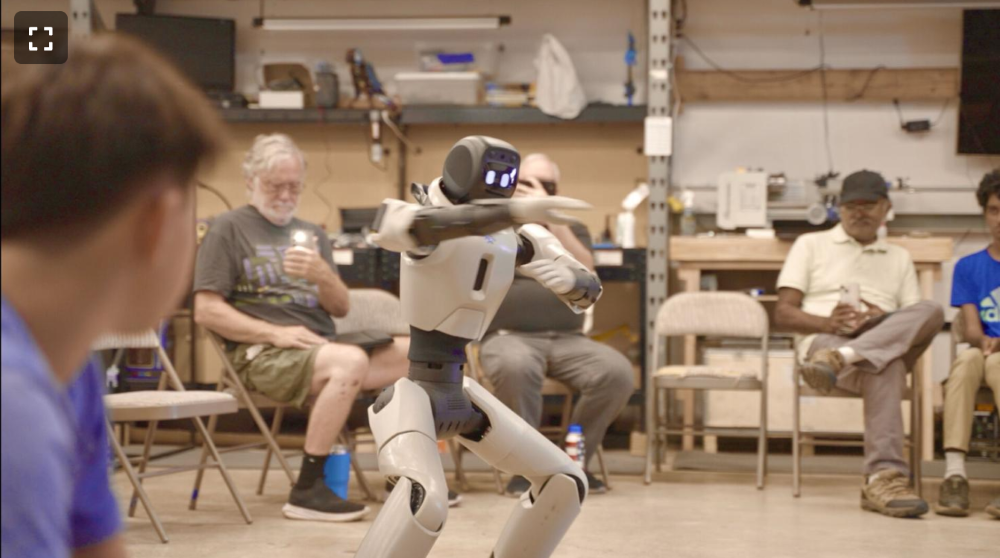
Faraday Future Engages Users at Maker Faire to Gather Feedback on EAI Robots
In July, Faraday Future (FF) participated in the Maker Faire in Orange County, California, showcasing its EAI robotic products aimed at education and security. The event attracted educators, industry representatives, independent developers, and small business owners, who provided valuable feedback on FF's offerings, including the FF Master robot and its open developer platform. This initiative is part of FF's strategy to transform user interest into collaborative product development and application. FF AI-Robotics Co-CEO Chen Zhe emphasized the importance of direct user feedback in refining their products and solutions. The company views its open developer ecosystem as a crucial element of its 'Four Core Intelligence' strategy, aiming to connect external developers with industry needs. Looking ahead, FF plans to maintain engagement with the Maker Faire community and prepare for the annual event in September. The feedback collected will play a significant role in shaping the development of their robots and applications, demonstrating FF's commitment to understanding user needs beyond just selling robots.
EAI Robots Education Technology User Feedback Developer Ecosystem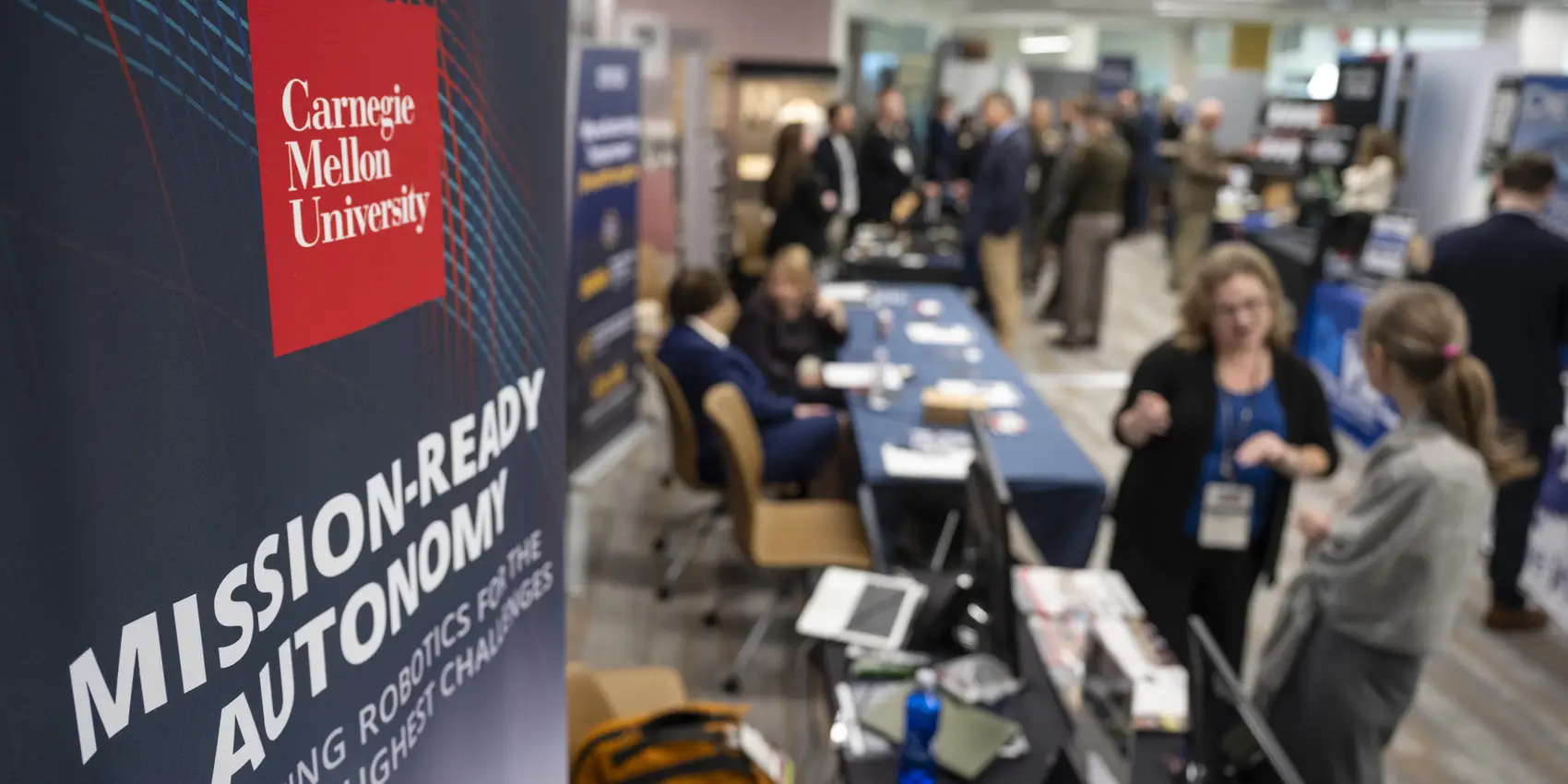
Carnegie Mellon University Showcases Innovations in Defense Manufacturing at 2026 Summit
Carnegie Mellon University (CMU) presented several new partnerships and technologies at the 2026 Pennsylvania Defense and Innovation Summit. This event took place from July 14-15 at the U.S. Army War College in Carlisle, Pennsylvania, and was hosted by U.S. Senator David McCormick. The summit highlighted CMU's commitment to advancing defense manufacturing and military education through innovative research and collaboration. These efforts are crucial for enhancing the capabilities of the defense sector and ensuring that military personnel are equipped with the latest technologies. Looking ahead, stakeholders in the defense industry should monitor CMU's ongoing initiatives and partnerships that may emerge from this summit. No further timeline was disclosed at the time of publication.
Announcements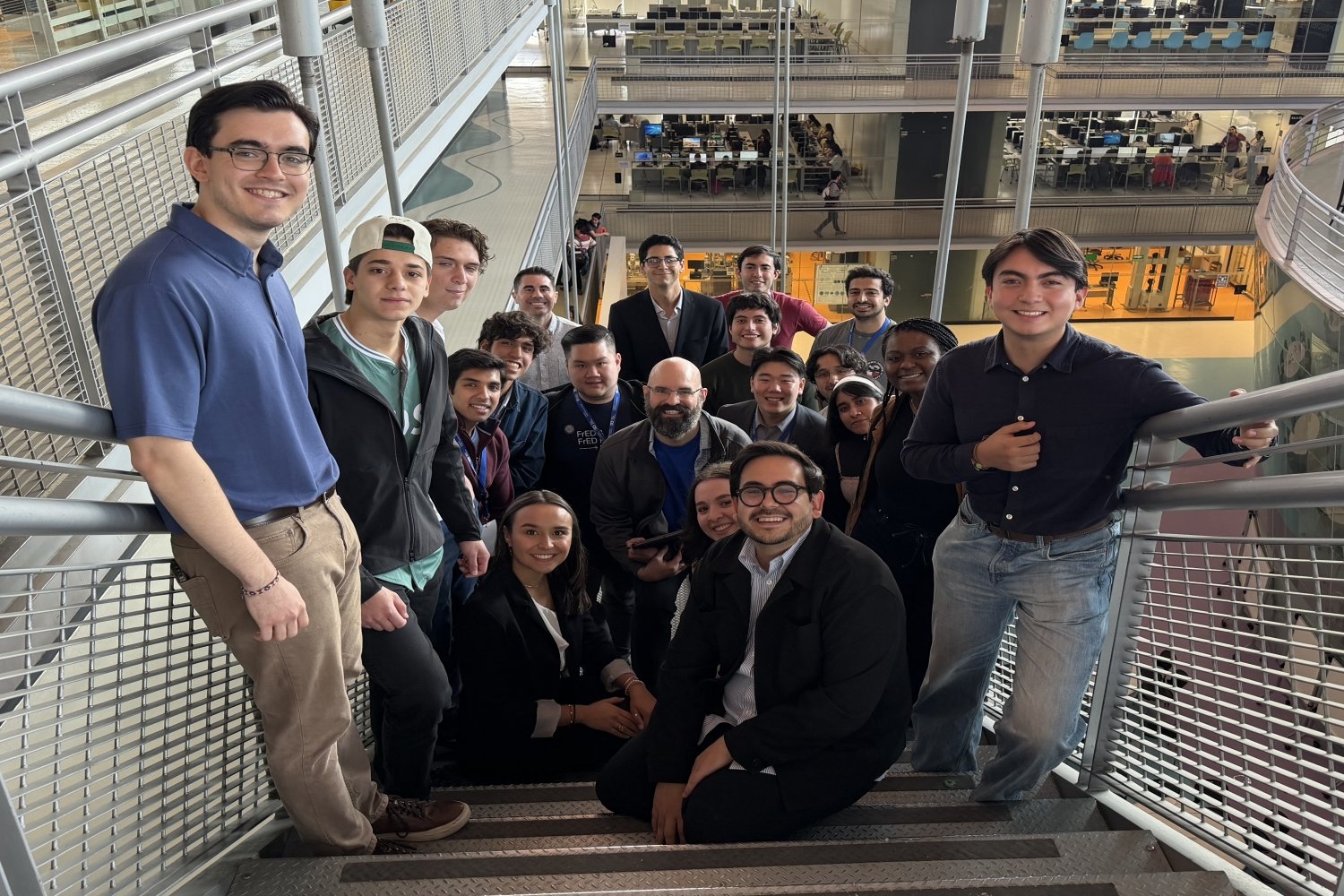
MIT-designed educational factory embraces modern manufacturing
The Massachusetts Institute of Technology (MIT) and Tecnológico de Monterrey (Tec de Monterrey) have announced plans to broaden the FrED (Frugal and Inclusive Education) curriculum to universities throughout Mexico. This initiative aims to enhance educational opportunities and promote innovative teaching methods in response to the growing demand for accessible and inclusive education. The collaboration is set to roll out in early 2024, with the goal of equipping students with practical skills and knowledge that address local challenges. By leveraging MIT's expertise in technology and Tec de Monterrey's strong presence in the region, the program seeks to foster a new generation of leaders capable of driving social change. The expansion is part of a larger effort to improve educational equity and empower students from diverse backgrounds, ultimately contributing to the development of a more inclusive society.
Classes and programs International initiatives 3-D printing Automation Collaboration Manufacturing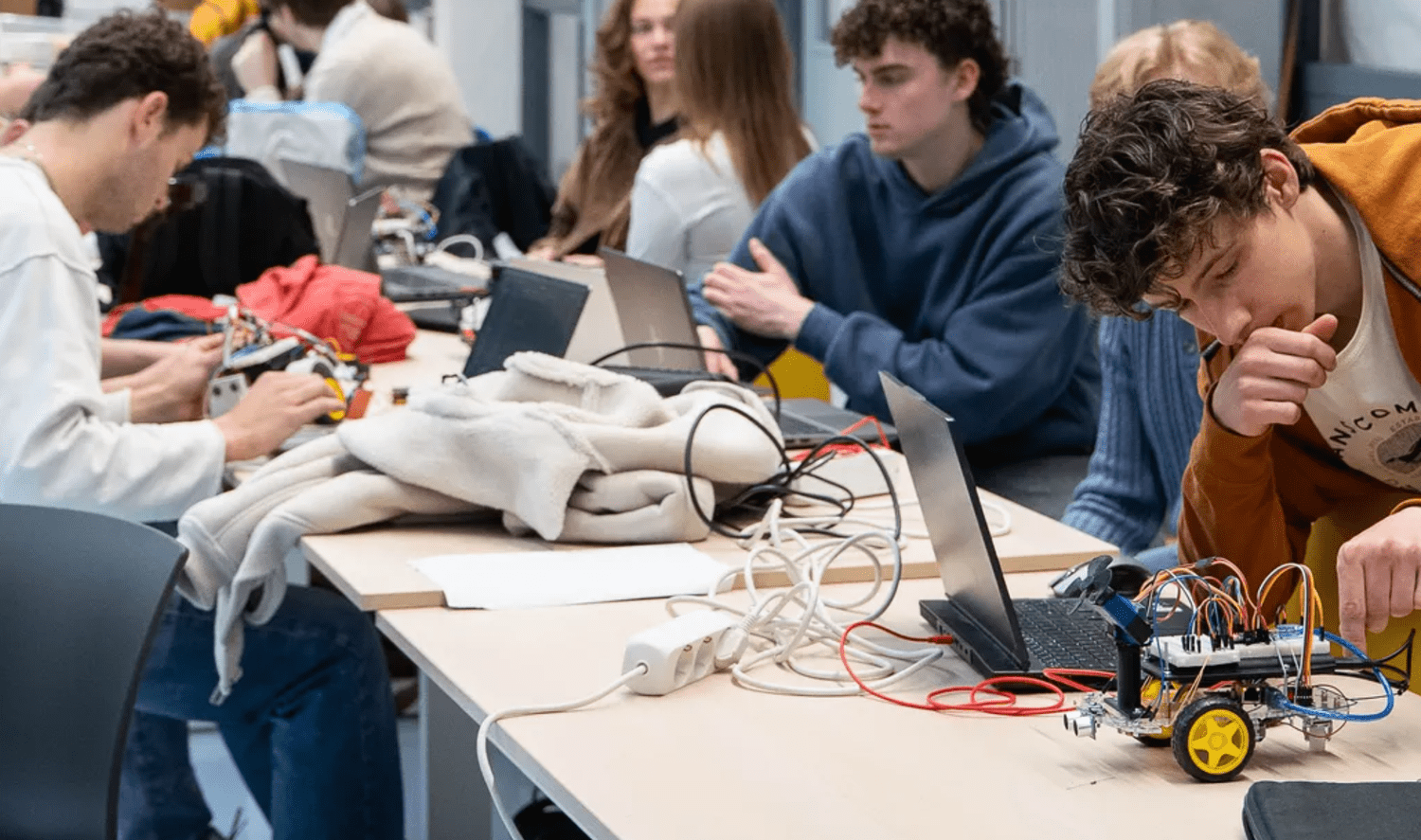
TU Delft Team Wins Dutch Education Award 2026 for Innovative Robotics Project
A team of educators from TU Delft has been awarded the Dutch Education Award 2026 for their project 'Robotics: I can do it!'. The award includes a grant of €1.2 million aimed at further developing and expanding this educational innovation. The project centers around MIRTE, a modular robotics environment that allows students to learn robotics step by step. This approach enables students to gradually build their knowledge, starting with simple tasks and progressing to more complex applications, fostering active learning and problem-solving skills. Initiator Martin Klomp highlighted the award as a significant recognition for the project, which aims to expand the platform's accessibility to a broader audience, including secondary education. This initiative seeks to introduce more young talent to robotics and AI in an approachable manner.
Nieuws algemeen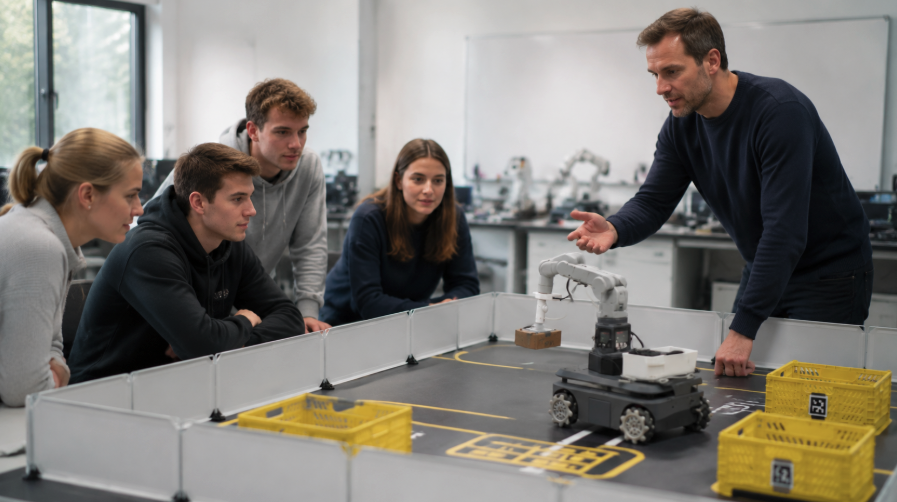
Empowering STEM Education and Research in the Americas: Elephant Robotics Introduces Integrated Educational Robotics Solutions
In recent years, STEM education has seen significant growth, fueled by a rising demand for practical engineering skills, artificial intelligence literacy, and interdisciplinary innovation. Despite this progress, schools, universities, and research laboratories continue to face challenges in creating effective robotics environments. Educators often struggle to integrate various components such as robotic arms, mobile platforms, sensors, and open-source software from multiple sources, complicating the development of comprehensive robotics programs. This ongoing issue highlights the need for streamlined solutions that can enhance the teaching and learning of robotics in educational settings.
Design Research Robotics AI education americas automation news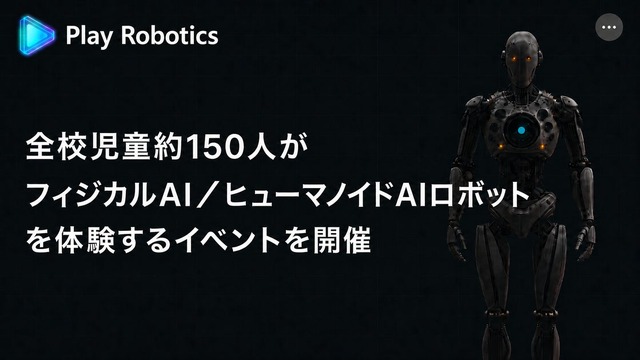
First educational event in Japan featuring humanoid demonstrations and physical AI experiences at elementary schools on June 26.
Play Robotics, a company specializing in safety evaluation and support for the integration of humanoid robots, is set to host a Physical AI Experience event on June 26, 2026. The event will take place at Shiroyama Elementary School in Inagi City. This initiative aims to provide participants with hands-on experiences to explore the capabilities and safety of humanoid robots, promoting awareness and understanding of AI technologies in educational environments. Through interactive demonstrations and activities, attendees will gain insights into the practical applications of robotics and artificial intelligence in everyday life.

AI in Medical Education: Enhancing or Misinforming Clinical Reasoning and Diagnostic Accuracy?
The integration of artificial intelligence in medical education is generating both challenges and opportunities, according to recent findings. Experts advocate for the development of curricula that emphasize active engagement and literacy in AI technologies. This shift aims to better prepare future healthcare professionals to navigate the complexities of AI in clinical settings. As medical institutions explore innovative teaching methods, the goal is to enhance students' understanding and application of AI tools, ultimately improving patient care. The ongoing discussions highlight the necessity for educators to adapt to the evolving landscape of medical training, ensuring that graduates are equipped with the skills needed to thrive in a technology-driven environment.

NIO enhances smart driving education; Ren Shaoqing states innovation will reshape competition.
On June 18, NIO announced the rollout of its latest world model software across multiple vehicle platforms, including eight NT2.0 models, four NT2.5 models, and six NT3.0 models. This update allows NIO to run the same complex autonomous driving code on different generations of chips, addressing a common industry challenge where software updates were often limited to the latest hardware, leaving older vehicle owners at a disadvantage. The initiative stems from a long-term effort by NIO's team, led by Ren Shaoqing, who began exploring solutions in 2020. NIO developed an AI infrastructure that bridges gaps between different chip architectures, enhancing vehicle processing speeds with an AI compiler and automating deployment processes with AI agents. This innovation has significantly reduced deployment times from days to just a couple of hours. NIO's approach includes running the latest models in a "shadow mode" on production vehicles to gather valuable data without interfering with user driving. This data is used to train smarter models, creating a feedback loop that enhances the software's performance. The company has reported a substantial increase in its autonomous driving capabilities, attributing this to a shift in understanding the development cycle of physical AI. As the industry evolves, NIO has restructured its autonomous driving team to focus on foundational research and innovation, positioning itself to leverage advancements in large model technology and closed-loop reinforcement learning. The company aims to enhance its competitive edge by continuously improving its algorithms and data systems, ultimately striving for a more robust autonomous driving experience.
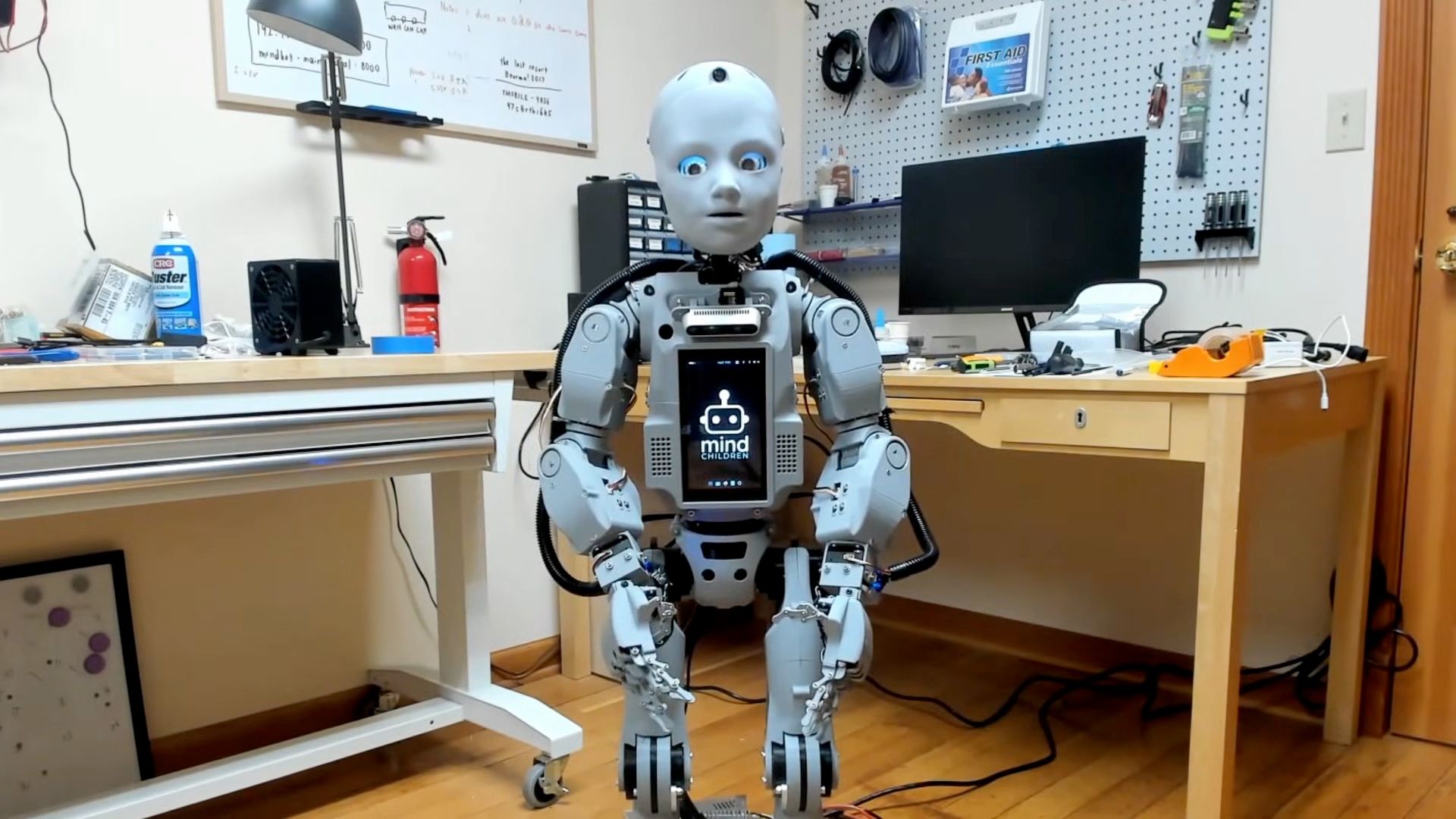
Video: Child-friendly Codey robot showcases embodied AGI future in education, healthcare
A Seattle-based robotics company has unveiled a three-foot-tall humanoid robot intended for public use, showcasing its potential to assist in various environments. The robot, which features advanced interaction capabilities, aims to enhance customer service and provide support in settings such as retail and hospitality. This development comes as part of a broader trend in the robotics industry, where companies are increasingly focusing on creating machines that can engage with people in everyday situations. The prototype was revealed during a technology expo held in Seattle last week, attracting attention from industry experts and potential investors. The creators believe that this humanoid robot could revolutionize the way businesses interact with customers, addressing labor shortages and improving efficiency. By integrating artificial intelligence and user-friendly interfaces, the robot is designed to learn from its interactions, adapting to the needs of its environment.
AI and Robotics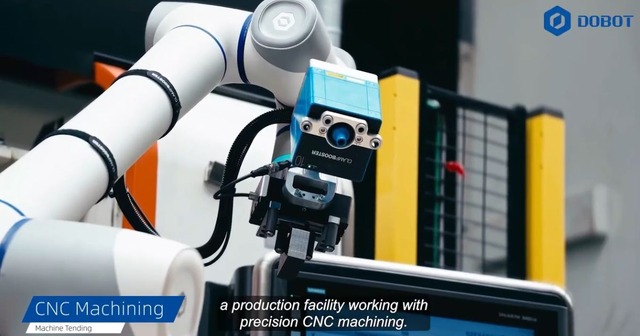
Dobot to showcase collaborative robot use cases in automotive, food, and education at "Automate 2026."
Dobot Robotics has unveiled a promotional video showcasing its products in preparation for the upcoming Automate 2026, one of North America's largest industrial automation trade shows. The video was released on YouTube on June 16, 2026, as part of the company's efforts to highlight its innovations and engage with potential customers ahead of the event. This strategic move aims to enhance visibility and demonstrate the capabilities of Dobot's automation solutions in a competitive market.
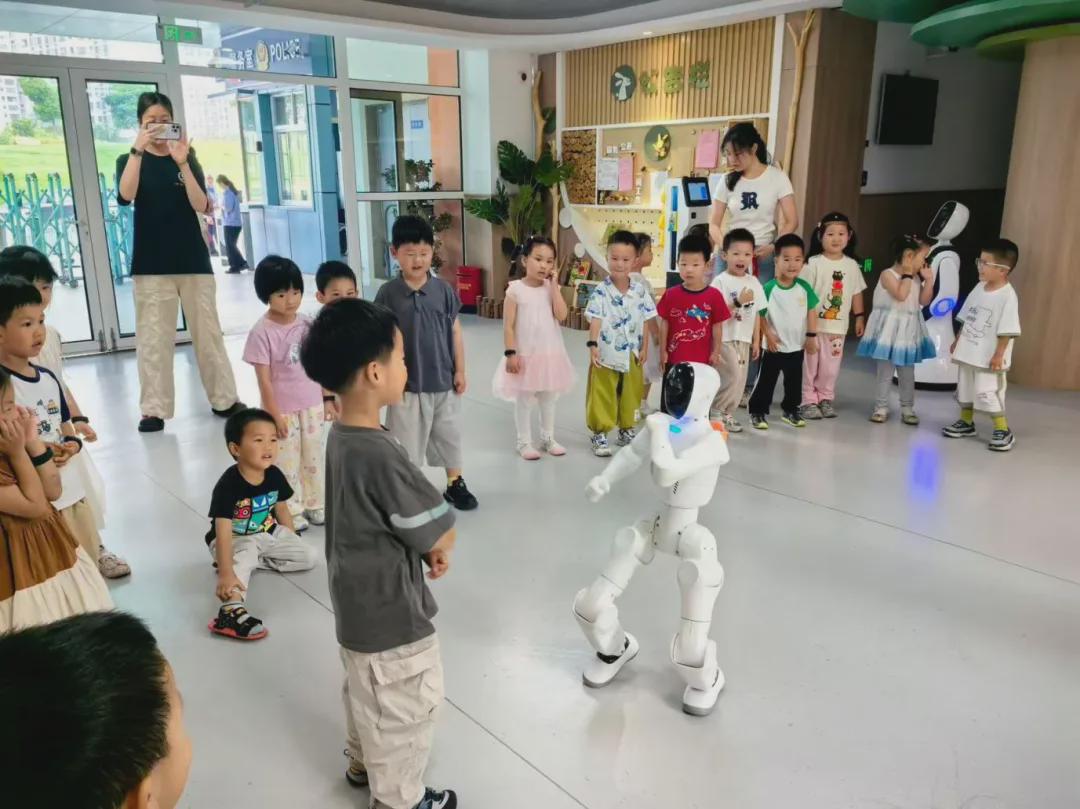
Integrating Education and Family: Songyan Power's Humanoid Robots Enhance K12 Learning
Songyan Power is making significant strides in the K12 education sector by integrating humanoid robots into learning environments. The company is partnering with educational institutions and family-oriented brands to develop a comprehensive ecosystem designed to foster children's growth through innovative educational experiences. This initiative, which emphasizes the emotional connection and interactive capabilities of humanoid robots, aims to enhance student engagement and promote a more dynamic learning atmosphere. By leveraging technology in this way, Songyan Power seeks to redefine traditional educational methods and support the evolving needs of young learners.
Humanoid Robots K12 Education AI in Education Robotics EdTech
JAKA Robotics Unveils Compact 1.22m Humanoid Robot JAKA Pi for Education and Service
JAKA Robotics, a Shanghai-based company located in the Dalian Bay innovation hub of Minhang District, has unveiled the JAKA Pi, a compact humanoid robot designed for various applications. The launch took place recently as part of the company’s commitment to advancing robotics technology and providing innovative solutions for industries such as education, healthcare, and entertainment. The JAKA Pi aims to enhance human-robot interaction and is equipped with advanced AI capabilities, allowing it to perform tasks ranging from assistance in learning environments to providing companionship. This initiative reflects JAKA Robotics' vision to integrate robotics into everyday life, making technology more accessible and beneficial for a wider audience.
HumanoidRobotics
Pilot Institute to Bring Drone Pilot Education to Every Attendee at Commercial UAV Expo 2026
A series of eight practitioner-led sessions will be available to attendees, focusing on various aspects of drone technology and its applications. Topics will include drone business growth, thermography, construction safety, and enterprise UAS, among others. These sessions aim to provide valuable insights and practical knowledge to participants, fostering professional development in the rapidly evolving field of unmanned aerial systems. The event is set to take place in the coming months, offering a platform for industry experts to share their expertise and for attendees to enhance their skills and understanding of drone operations.

Electromate Announces Availability of Dobot Educational Robots and Accessories in Canada
Electromate has announced the launch of Dobot’s educational robots and accessories, now available to customers throughout Canada. This expansion, revealed on May 25, 2026, aims to support academic institutions, training centers, and research labs by providing a comprehensive ecosystem of robotic platforms designed for teaching robot programming, automation systems, and mechatronics. The Dobot educational lineup caters to various instructional levels, from K-12 to higher education. It includes entry-level platforms like the Magician Lite, which focuses on foundational coding and robotics skills, and the more advanced Dobot Magician Educational Version, which offers enhanced capabilities and accessory integration. For institutions seeking to provide advanced training, models such as the MG400 and Magician E6 are available, featuring higher payload capacities and multi-axis control suitable for industrial applications. In addition to the robots, Electromate offers a range of accessories, including electric grippers, suction cups, vision kits, and linear rail kits, enabling educators to create practical exercises that cover material handling, pick-and-place operations, and system integration. Electromate collaborates with educators to ensure that the robotic platforms meet curriculum objectives and lab requirements. With these products in stock for immediate delivery, institutions can prepare for the upcoming academic terms.
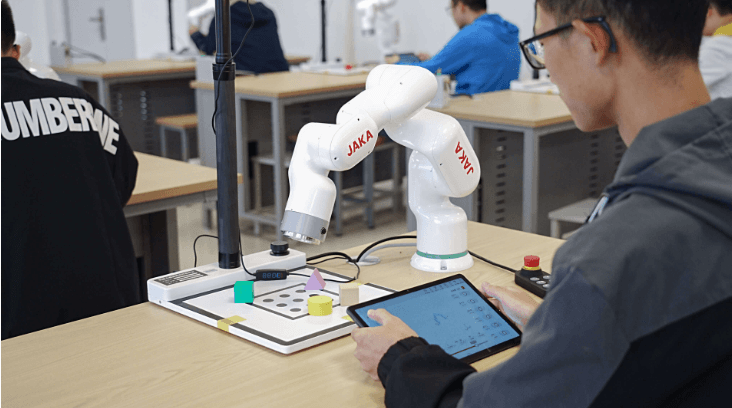
The Reasons Why JAKA Robotics is the Preferred Robotic Arm Supplier for Education
As the manufacturing sector embraces Industry 4.0, the need for robotics-ready talent has surged, prompting educational institutions to enhance their curricula with advanced hands-on laboratories. JAKA Robotics has emerged as a leading supplier for universities and vocational centers, offering collaborative robots, or cobots, that transform classroom experiences. Educators face the challenge of selecting robotic arm suppliers that balance technical sophistication with student safety and usability. JAKA's cobots stand out due to their intuitive programming features, which allow students of varying skill levels to engage with robotics without extensive training. The graphic programming and "drag teaching" capabilities enable beginners to learn kinematics and path planning without the frustration of complex coding. Safety remains a primary concern in educational settings, and JAKA addresses this with advanced collision detection technology. This feature allows their robots to halt immediately upon contact, fostering a secure environment for human-robot interaction. Moreover, JAKA's versatile application modules cater to a wide range of academic disciplines, from mechanical engineering to computer science, providing adaptable workstations for various projects. Their compact, desktop-level cobots deliver industrial-grade performance while fitting into limited classroom spaces. JAKA is committed to equipping the next generation of innovators with cutting-edge tools, exemplified by their "Plug and Play" systems like the lightweight JAKA MiniCobo. With a focus on accessibility and professional-grade reliability, JAKA Robotics aims to simplify the educational journey for students and educators alike, ensuring they are prepared for the demands of the evolving industry.
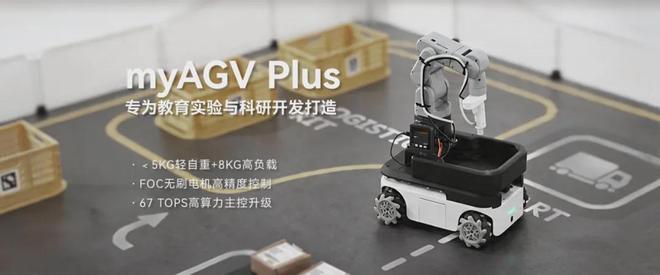
Product Launch | myAGV Plus Redefines New Frontiers in Mobile Composite Robotics Education and Research
Elephant Robotics has unveiled the myAGV Plus, a cutting-edge mobile robot platform aimed at enhancing education, research, and algorithm validation. This launch aligns with the Ministry of Education's initiative to integrate artificial intelligence into educational frameworks. The myAGV Plus features substantial improvements in computing power, control, and perception, effectively connecting theoretical concepts with practical applications. This development is part of a broader effort to modernize educational tools and methodologies, ensuring that students and researchers have access to advanced resources for learning and experimentation.
Mobile Robots Educational Robotics AI in Education Research and Development Robotics Technology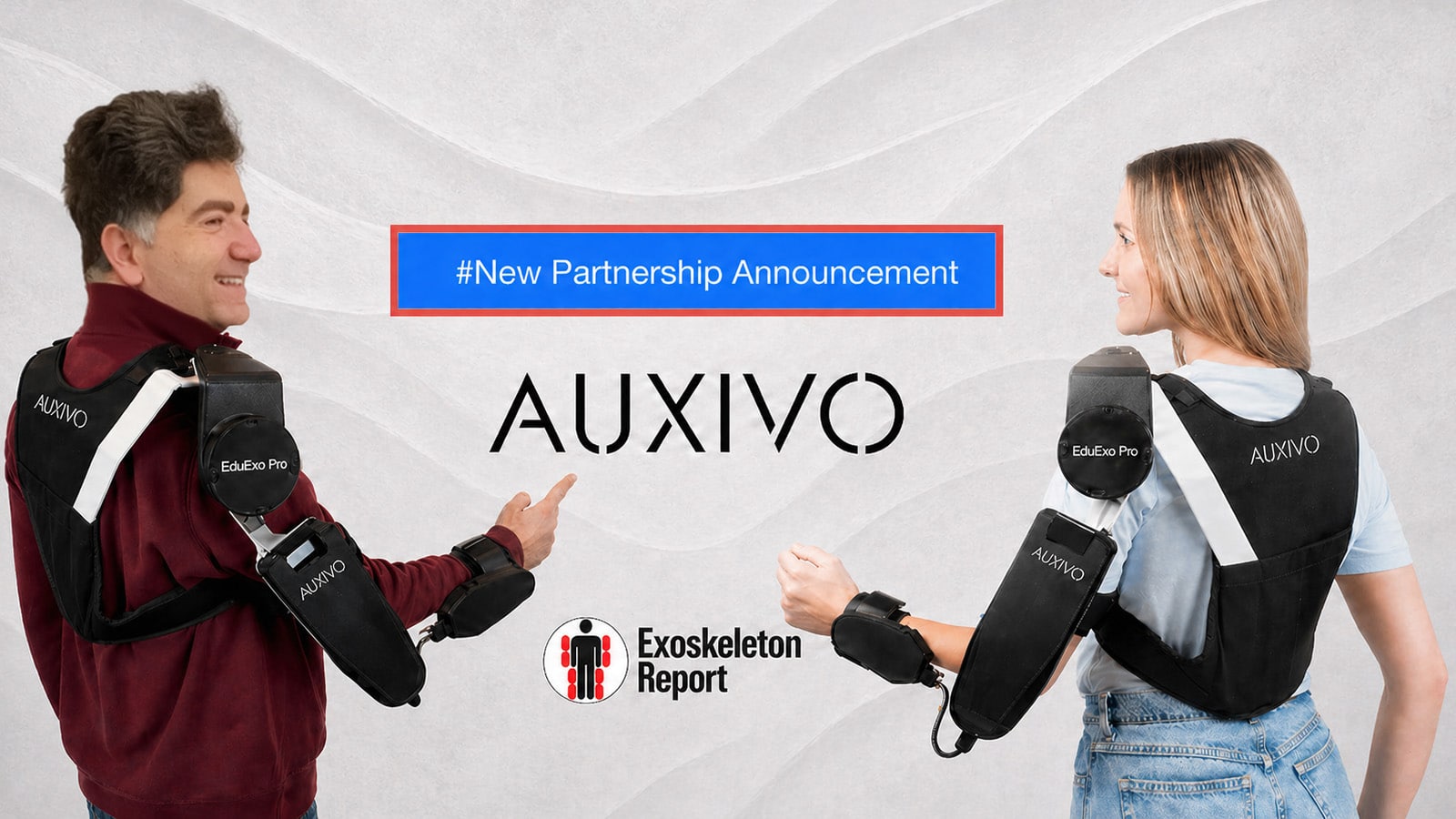
ExR Becomes an Auxivo Educational Exoskeleton Partner for EduExo Pro
Exoskeleton Report has announced a partnership with Auxivo to enhance the distribution, consultation, and customer education for the EduExo Pro educational exoskeleton kit. This collaboration marks a significant advancement in Exoskeleton Report's ongoing commitment to promoting educational exoskeletons. The partnership aims to provide comprehensive support to users and educators interested in integrating this innovative technology into learning environments. The initiative is expected to facilitate greater awareness and understanding of the benefits of educational exoskeletons, thereby fostering their adoption in schools and training programs.

Faraday Future Strategically Launches Its Embodied AI Developer Platform Purpose-Built for AI Natives, Marking 2026 as the Inaugural Year of EAI Robotics Education
A new platform has been launched, showcasing six developer tools and four core infrastructure layers aimed at enhancing software development. This initiative, which is set to recruit developers from diverse backgrounds, including K-12 students and professional engineers, seeks to foster a collaborative environment where contributions are matched with extensive developer support. The recruitment process is designed to engage a wide range of talent, ensuring that individuals at various skill levels can participate and benefit from the resources available. The platform aims to bridge the gap between novice and experienced developers, promoting innovation and skill development in the tech industry.
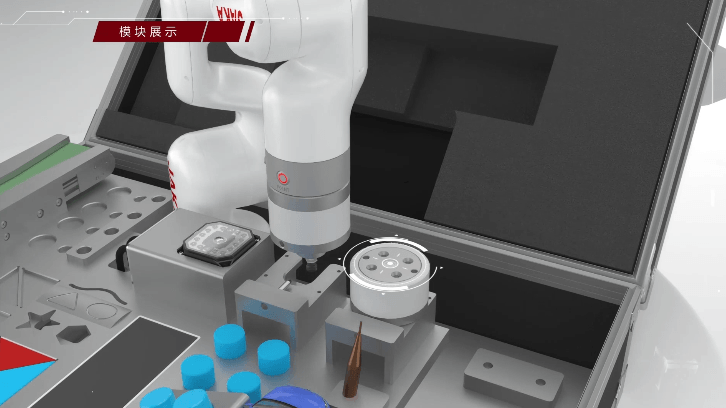
Educational Robotic Arm in Action: Case Studies in High School Robotics Clubs
In recent years, high school robotics clubs have increasingly adopted educational robotic arms, such as the JAKA MiniCobo, to enhance student learning through hands-on experience with automation and programming. This versatile tool allows students to engage in various tasks, including sorting and assembly, while minimizing direct contact with potentially hazardous equipment, thereby creating a safer learning environment. The JAKA MiniCobo has become a central resource in several robotics clubs, where students have successfully programmed the arm to identify and separate components during projects. This adaptability enables students to explore multiple programming approaches and fosters collaboration as they work in teams to troubleshoot and refine their coding solutions. Educators have noted that the use of this robotic arm not only improves accuracy and efficiency but also teaches essential skills in workflow optimization and precision control, crucial for careers in engineering and STEM fields. Furthermore, the integration of the JAKA MiniCobo into extracurricular activities has significantly boosted student engagement. Students benefit from immediate feedback on their programming efforts and enjoy the creative freedom to design new tasks, simulating real-world industrial processes. This hands-on approach cultivates curiosity and confidence in technology, ultimately preparing students for future innovations. Overall, the incorporation of educational robotic arms like the JAKA MiniCobo in high school settings exemplifies the transformative potential of automation in education, equipping students with valuable skills while promoting a safe and engaging learning atmosphere.
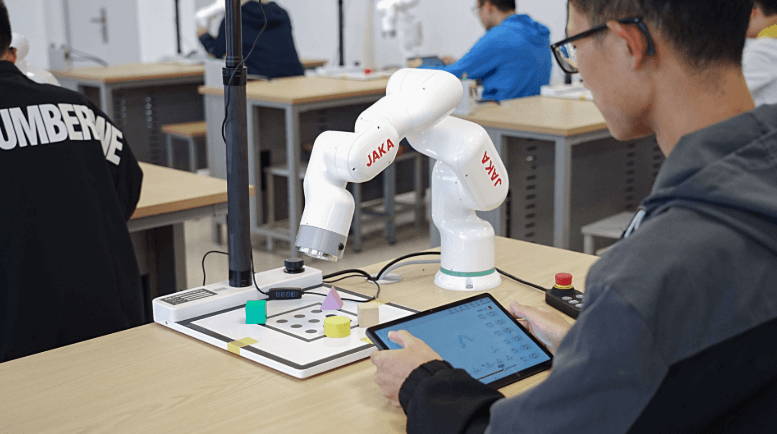
Educational Robotic Arm Best Practices for K-12 STEM Curriculum
In an effort to enhance K-12 STEM education, JAKA has introduced mini robot arm solutions designed to foster critical thinking and hands-on learning among students. This initiative aims to make STEM concepts more interactive and accessible, addressing the growing need for practical educational tools. The JAKA MiniCobo, a lightweight and cost-effective robotic arm, allows students to engage in incremental, project-based activities that build their skills from simple tasks to complex programming exercises. By integrating these robotic arms into classrooms, educators can facilitate real-world applications of STEM principles, encouraging teamwork and problem-solving through projects such as assembling components and simulating industrial processes. The MiniCobo's user-friendly design ensures that teachers can easily incorporate robotics into their lessons without extensive preparation, making it suitable for daily classroom use. Safety and accessibility are prioritized in JAKA's educational solutions, which comply with strict safety standards and feature intuitive programming interfaces. This design enables students to experiment confidently while allowing teachers to focus on guiding learning objectives. By providing robust and approachable robotics technology, JAKA aims to inspire the next generation of innovators and engineers, ultimately advancing educational outcomes in STEM fields.
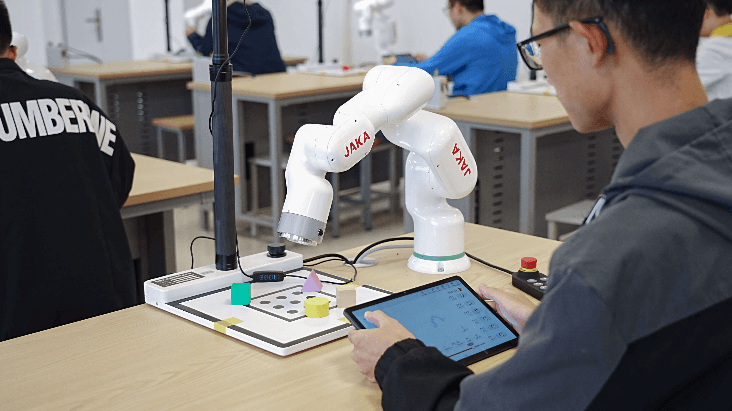
Automation and Industrial Robotics for Education: Training Programs and Platforms
JAKA, a leader in industrial automation and robotics, is revolutionizing technical education by integrating hands-on experience with industrial cobot systems into learning environments. This initiative aims to prepare students for future careers in manufacturing and engineering by providing practical knowledge that complements traditional theoretical studies. The company has developed training programs centered around the JAKA Pro16, an industrial cobot designed to operate in challenging environments, allowing students to engage in tasks such as palletizing, machine tending, and precision welding without damaging sensitive equipment. This hands-on approach helps learners understand the practical challenges of modern industrial settings. JAKA's modular platforms facilitate both individual and collaborative learning, enabling students to program trajectories, test automation sequences, and analyze data from integrated sensors. This immersive experience connects theoretical concepts with real-world applications, enhancing problem-solving skills and technical confidence. The goal of these educational programs is to equip students with the skills necessary for careers in manufacturing, engineering, and technology. By interacting with advanced robotics like the JAKA Pro16, students gain insights into mechanical operations, control systems, and safety protocols. JAKA also provides instructor guides and safety materials to ensure effective and secure learning. Through this commitment to integrating automation and robotics into education, JAKA is helping to bridge the gap between classroom learning and industry requirements, ultimately preparing the next generation for the evolving challenges of modern manufacturing.

San José State University and Teradyne Partner to Advance Engineering Education and Workforce Readiness
San José State University (SJSU) has announced a partnership with Teradyne aimed at enhancing educational experiences by integrating industry expertise into its curriculum. This collaboration, set to last for two years, will focus on the development of a new memory test engineering program. The initiative is designed to equip students with practical skills and knowledge that align with current industry standards, thereby better preparing them for careers in technology and engineering. By leveraging Teradyne's extensive experience in the field, SJSU aims to bridge the gap between academic learning and real-world applications, fostering a more robust educational environment. The program is expected to launch in the coming months, marking a significant step in SJSU's commitment to innovation in education.
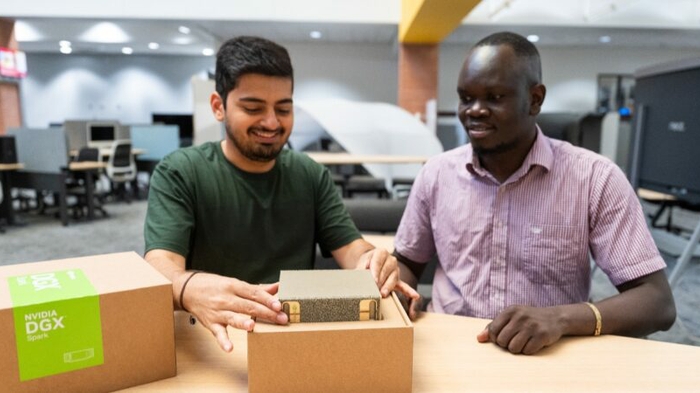
NVIDIA DGX Spark Powers Big Projects in Higher Education
The NVIDIA DGX Spark desktop supercomputer is revolutionizing artificial intelligence capabilities at leading institutions worldwide, making data-center-class AI accessible to researchers, faculty, and students. This advanced technology is being utilized in various settings, including academic laboratories and offices, enhancing the ability to conduct complex data analysis and AI research. Notably, a DGX Spark unit is operational at the IceCube Neutrino Observatory in the South Pole, showcasing its versatility and effectiveness in extreme environments. By integrating powerful computing resources directly into educational and research settings, NVIDIA aims to empower the next generation of innovators and scientists, facilitating groundbreaking discoveries and advancements in AI.
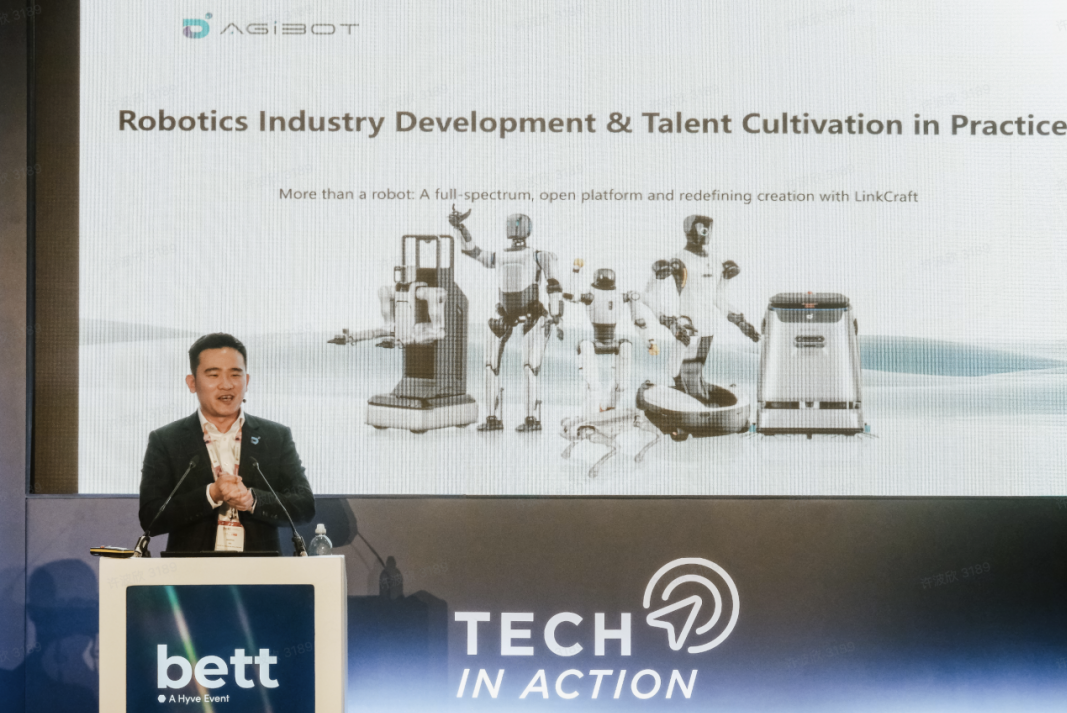
AGIBOT Makes Debut at BETT UK: Empowering European Embodied Intelligence Education with Leading Large
AGIBOT unveiled its cutting-edge humanoid robots and educational solutions at the BETT UK event, highlighting its role as a leader in the humanoid robotics sector. The company's presentation focused on advancing embodied intelligence education throughout Europe, aiming to connect theoretical knowledge with practical application in talent development. In a significant move to bolster innovation in this field, AGIBOT also announced a partnership with the University of Cambridge. This collaboration is expected to enhance research and development efforts, further positioning AGIBOT at the forefront of educational technology.
Humanoid Robots Embodied Intelligence Education Technology Talent Development Scientific Research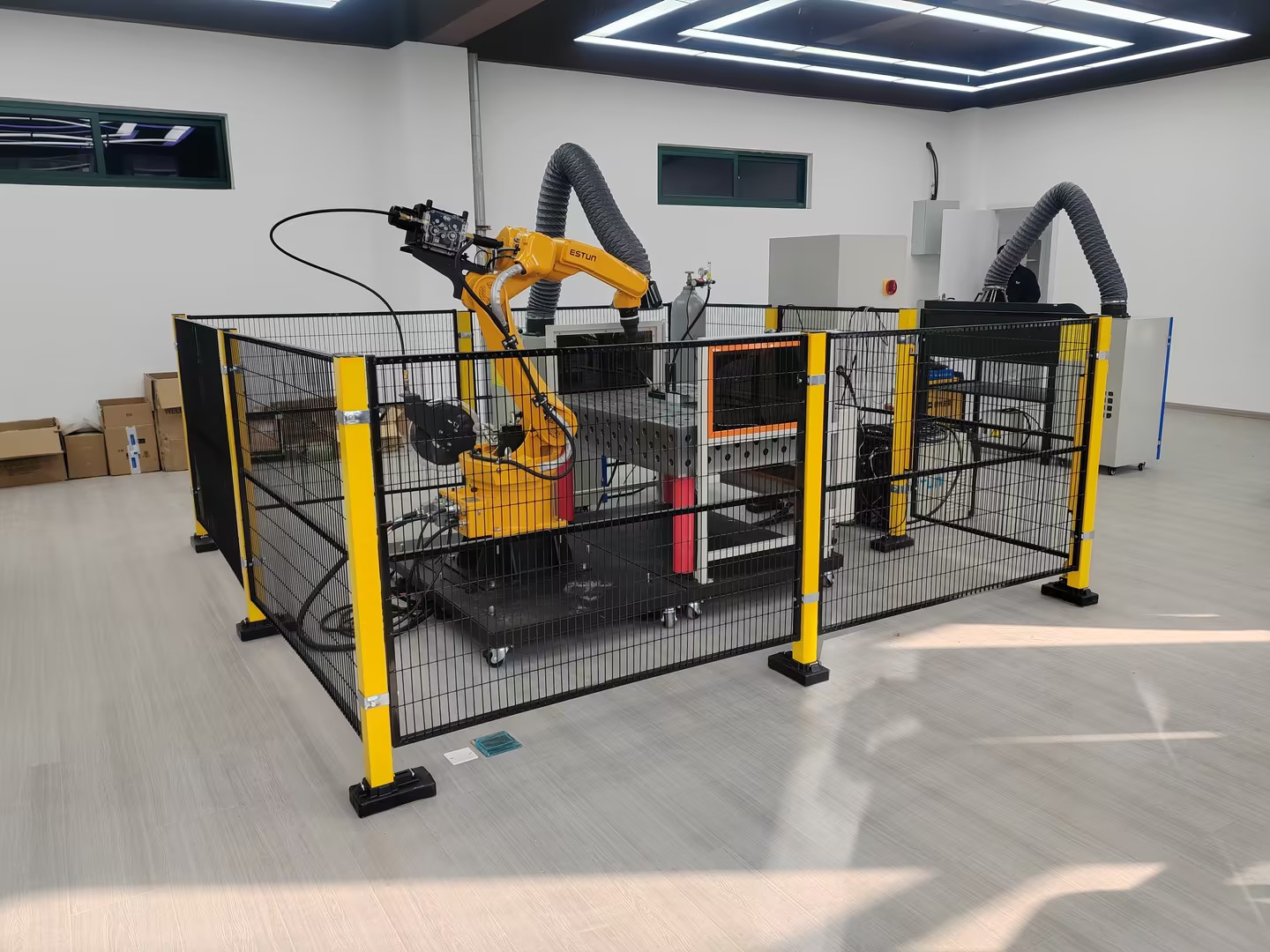
Internet + Made in China 2025: Estun builds innovative platform for industry-education integration and empowers the cultivation of intelligent manufacturing talents
The inauguration of the "Intelligent Manufacturing Industry and Education Integration Technology Service Center" took place at the Industrial Robotics Training Base of Chengdu Institute of Technology. This event, held recently, signifies a significant advancement in the collaboration between industry and education, particularly in the field of intelligent manufacturing. The establishment of the center is a strategic move by Estun, aimed at enhancing technological services and fostering innovation within the manufacturing sector. By integrating educational resources with industry practices, the center is expected to facilitate skill development and promote research initiatives that align with current market demands.
ESTUN AUTOMATION ROBOTICS SERVO SYSTEMSRobotics needs a service framework.
RSF defines a common language for robot service capability, lifecycle operations, certification pathways, and service-provider networks.
Join the RobotToday community on LinkedIn
Daily robotics news, in-depth analysis, conference highlights, and discussions with professionals worldwide.