Industry Briefing
A single destination for timely, editor-curated robotics news from around the world.
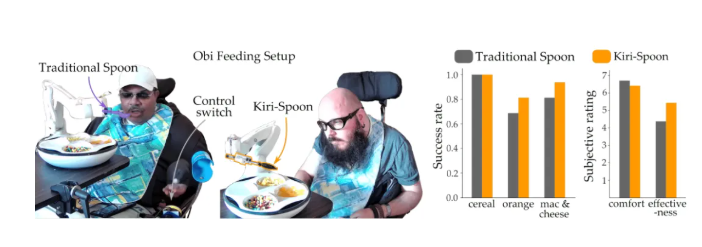
Top Journal IJRR | Scientists Create a Spoon That 'Embraces' Food to Assist Eating Robots
Researchers from Virginia Tech and Cornell University have unveiled the Kiri-Spoon, a groundbreaking eating utensil tailored for assistive robots. This innovative spoon, inspired by the intricate art of Kirigami, features a unique design that allows it to change shape, enabling it to securely grasp various types of food. The development aims to enhance the feeding experience for individuals with mobility challenges, making mealtime more accessible and manageable. The Kiri-Spoon represents a significant advancement in assistive technology, addressing the needs of those who require support during meals.
Assistive Robotics Eating Assistance Robotic Utensils Healthcare Technology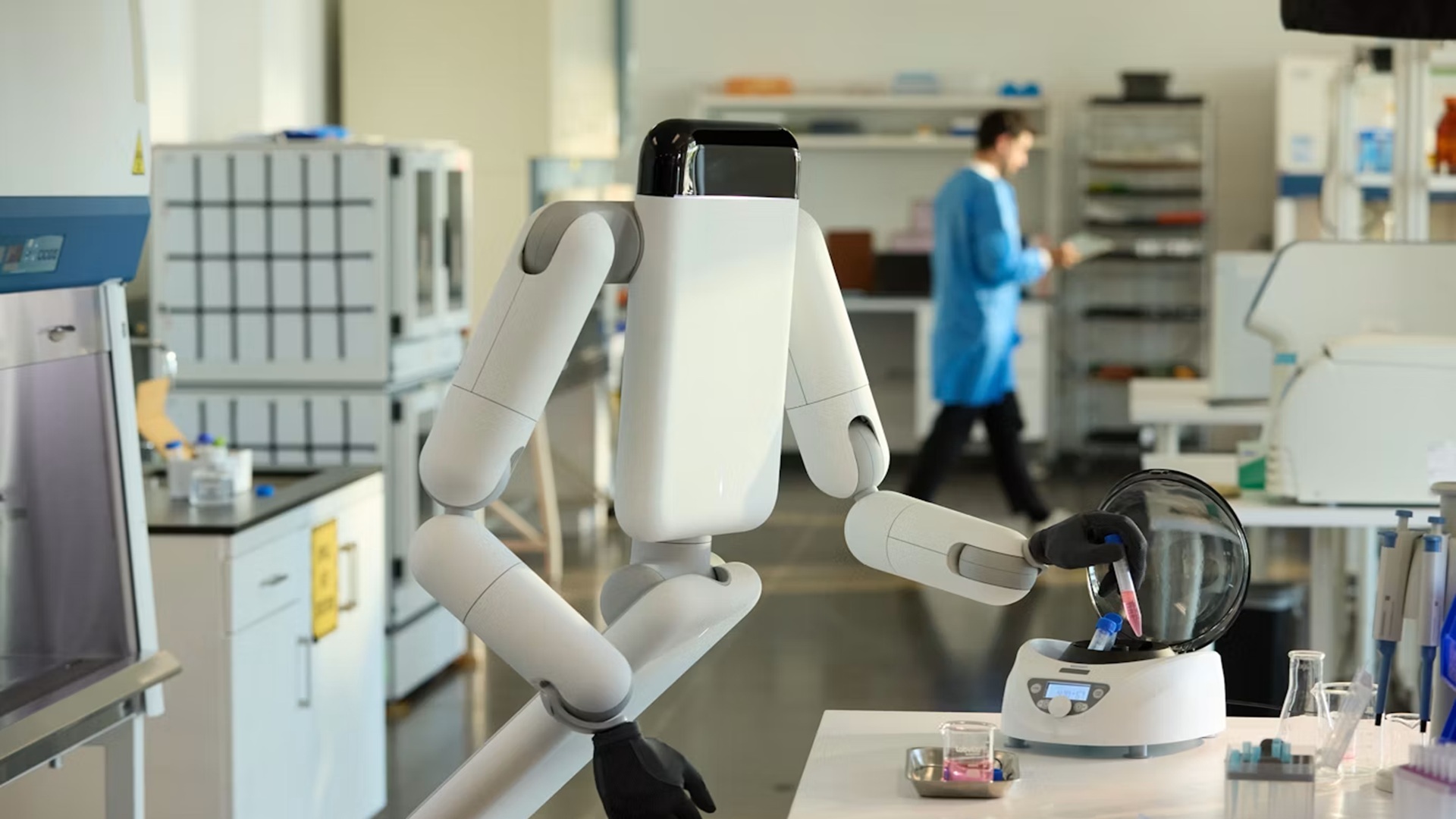
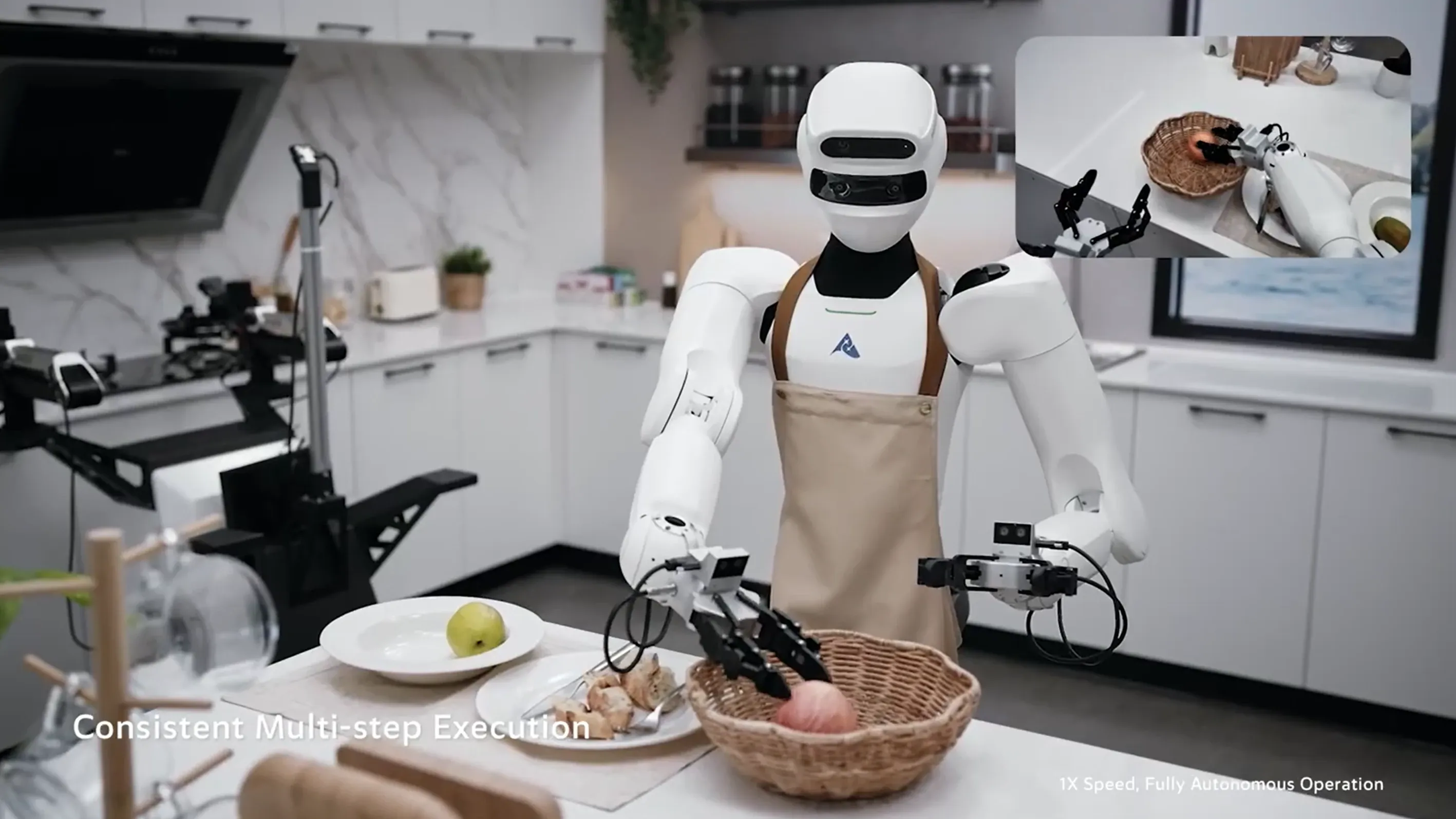
Eno humanoid robot aims to become the general-purpose machine for every workplace
Genesis AI has introduced Eno, its inaugural general-purpose robot, marking a significant step in the company's ambition to advance robotics technology. The unveiling took place recently, showcasing Eno's capabilities designed to perform a variety of tasks across different sectors. This launch is part of Genesis AI's broader strategy to innovate and integrate artificial intelligence into everyday applications, aiming to enhance efficiency and productivity in various industries. By leveraging cutting-edge technology, Eno is expected to address diverse needs, from automation in manufacturing to assistance in healthcare. The development of this robot reflects the growing trend in the tech industry towards creating versatile AI-driven solutions that can adapt to multiple environments and challenges.
AI and Robotics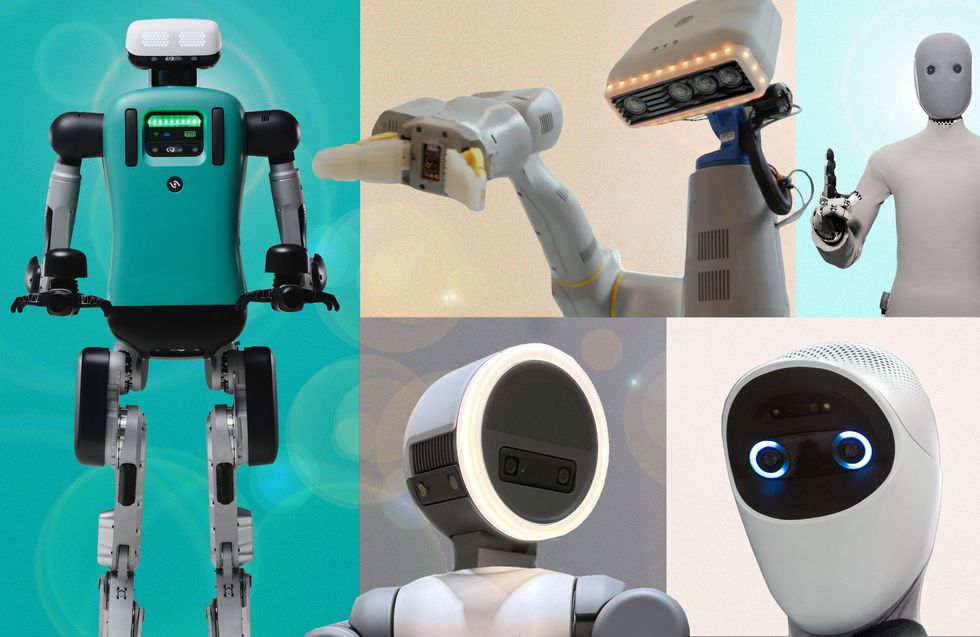
Will Robotics Have a ChatGPT Moment?
In the coming decades, billions of AI-powered robots are expected to collaborate with humans across various sectors, including factories, warehouses, elder care, disaster response, and home assistance. By 2025, investments in robotics reached a record $40.7 billion, highlighting the growing interest in this technology. Despite ambitious claims from robotics companies about humanoid robots entering homes soon, significant challenges remain in bridging the gap between current capabilities and the promises made. Experts in AI and robotics, including a professor from Oregon State University and a former Google X executive, emphasize that while AI is revolutionizing robotics, the complexity of real-world environments poses substantial hurdles. Current demonstrations of humanoid robots, such as those showcased at the 2026 Spring Festival Gala in China, often rely on scripted performances rather than genuine autonomy, revealing the limitations of existing technology. The development of general-purpose robots is hindered by the need for vast amounts of high-quality training data and the challenge of creating hardware that can safely interact with humans. As robotics evolves, the focus will shift to practical applications that address real-world needs, with an emphasis on safety and reliability. The path forward involves a series of incremental advancements rather than a single breakthrough, as AI-driven robots gradually begin to deliver tangible benefits across various industries, potentially transforming the economy and improving daily life.
Robotics Everyday-robots Agility-robotics Artificial-intelligence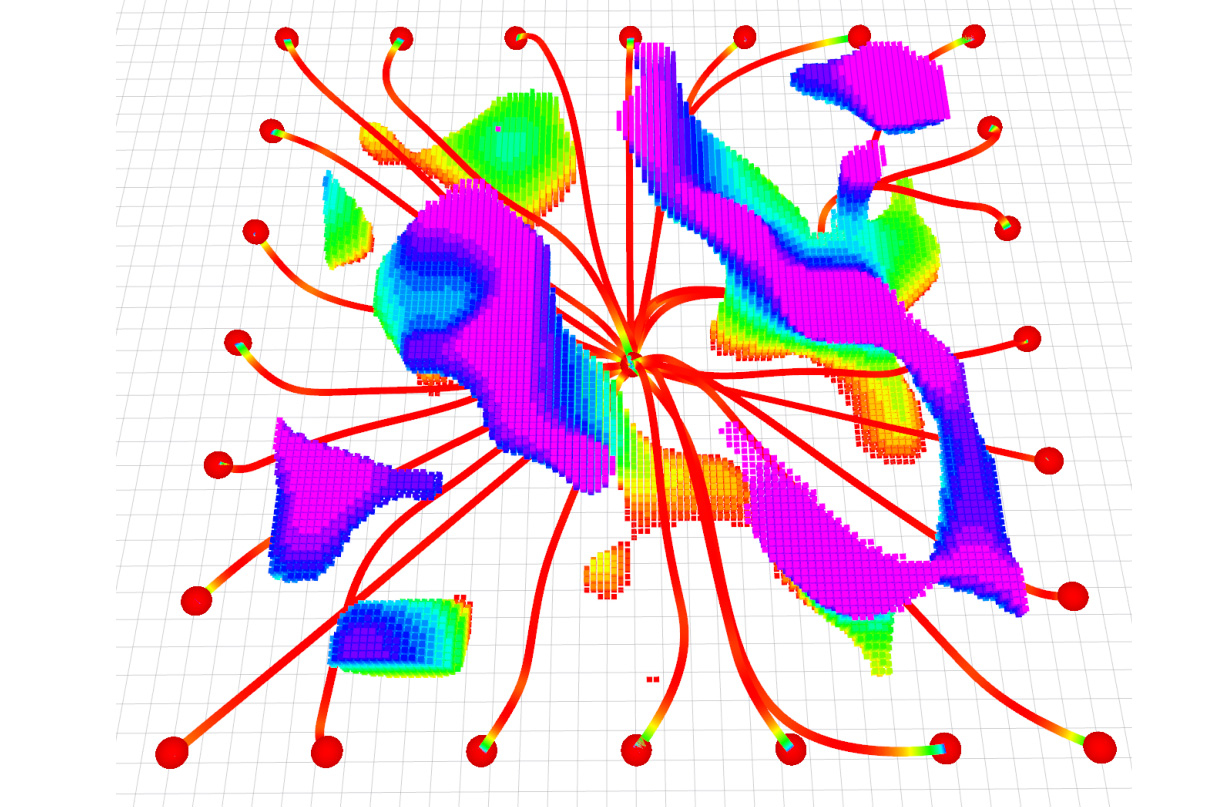
New research enables a robot to chart a better course
A new open-source system called “MIGHTY” has been developed to enhance efficiency in disaster recovery and parcel delivery by creating optimized travel routes. This innovative technology generates smooth path plans that significantly reduce travel time while effectively navigating around obstacles. The system aims to address the challenges faced during emergencies and improve logistics operations. By leveraging advanced algorithms, MIGHTY is designed to facilitate quicker responses in critical situations, ultimately aiming to save lives and resources. The initiative is expected to be particularly beneficial in areas prone to natural disasters, where timely assistance is crucial.
Research Computer science and technology Algorithms Drones Robotics Autonomous vehicles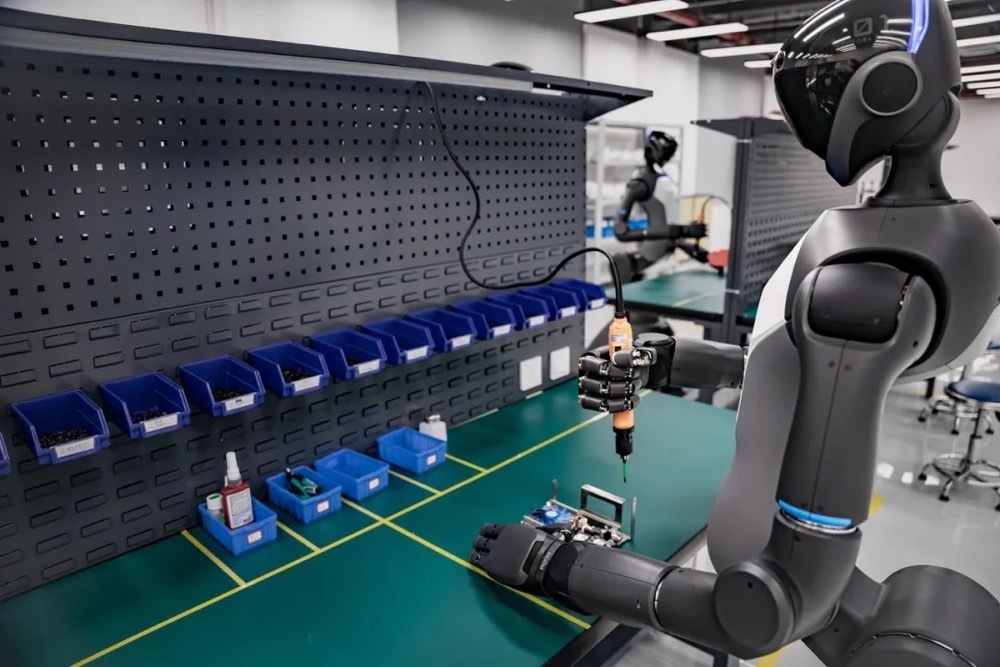
Tesla Optimus vs Figure AI vs Hyundai Atlas: Full Comparison 2026
As the competition in the humanoid robot sector intensifies, Tesla, Figure, and Electric Atlas are vying for dominance with their latest models. By 2026, these companies are expected to showcase significant advancements in specifications, production capabilities, and artificial intelligence integration. Tesla's Gen 3 robot aims to leverage its existing technology and infrastructure to enhance efficiency and functionality, while Figure is focusing on creating a more agile and adaptable humanoid design. Electric Atlas, on the other hand, is emphasizing robust funding and innovative engineering to push the boundaries of what humanoid robots can achieve. The race is not just about technological superiority; it also involves strategic partnerships and investments that could shape the future of robotics. As these companies ramp up their production efforts, the industry is closely monitoring their progress, particularly in terms of AI capabilities that will enable these robots to perform complex tasks autonomously. The outcome of this competition could redefine the landscape of robotics and its applications across various sectors, including manufacturing, healthcare, and personal assistance. With the deadline of 2026 approaching, industry experts are analyzing the strengths and weaknesses of each contender, assessing how their unique approaches to design and technology will influence their success in capturing market share. As advancements continue, the question remains: which company will emerge as the leader in the humanoid robot race?
Robotics needs a service framework.
RSF defines a common language for robot service capability, lifecycle operations, certification pathways, and service-provider networks.